
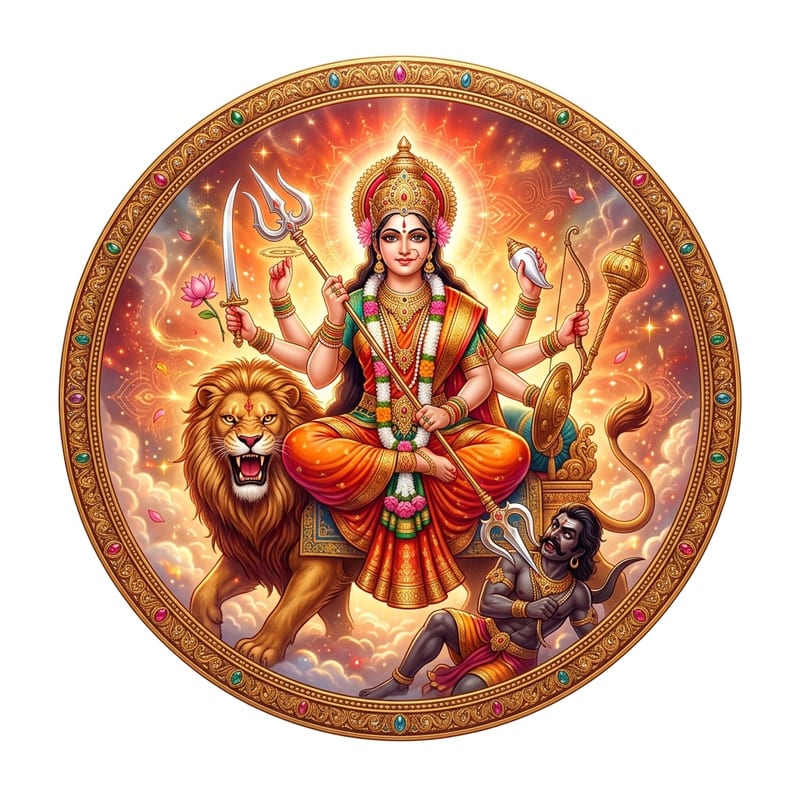
ଯାମାମନନ୍ତି ମୁନଯଃ ପ୍ରକୃତିଂ ପୁରାଣୀଂ
ଵିଦ୍ଯେତି ଯାଂ ଶ୍ରୁତିରହସ୍ଯଵିଦୋ ଵଦନ୍ତି ।
ତାମର୍ଧପଲ୍ଲଵିତଶଙ୍କରରୂପମୁଦ୍ରାଂ
ଦେଵୀମନନ୍ଯଶରଣଃ ଶରଣଂ ପ୍ରପଦ୍ଯେ ॥ 1 ॥
ଵିଦ୍ଯେତି ଯାଂ ଶ୍ରୁତିରହସ୍ଯଵିଦୋ ଵଦନ୍ତି ।
ତାମର୍ଧପଲ୍ଲଵିତଶଙ୍କରରୂପମୁଦ୍ରାଂ
ଦେଵୀମନନ୍ଯଶରଣଃ ଶରଣଂ ପ୍ରପଦ୍ଯେ ॥ 1 ॥
- yām āmananti = she whom they proclaim/declare (ā-√man)
- munayaḥ = the sages
- prakṛtiṃ purāṇīm = the ancient (purāṇī) Prakṛti (primordial Nature/Matter)
- vidyeti = as Vidyā (sacred knowledge, the luminous awareness that liberates)
- śruti-rahasya-vidaḥ = those who know (vid) the secrets (rahasya) of the Veda (śruti)
- tām = her
- (implied: I salute)
- the second half (not shown in the excerpt): describes her holding the triple world.
ଅମ୍ବ ସ୍ତଵେଷୁ ତଵ ତାଵଦକର୍ତୃକାଣି
କୁଣ୍ଠୀଭଵନ୍ତି ଵଚସାମପି ଗୁମ୍ଭନାନି ।
ଡିମ୍ଭସ୍ଯ ମେ ସ୍ତୁତିରସାଵସମଞ୍ଜସାପି
ଵାତ୍ସଲ୍ଯନିଘ୍ନହୃଦଯାଂ ଭଵତୀଂ ଧିନୋତୁ ॥ 2 ॥
କୁଣ୍ଠୀଭଵନ୍ତି ଵଚସାମପି ଗୁମ୍ଭନାନି ।
ଡିମ୍ଭସ୍ଯ ମେ ସ୍ତୁତିରସାଵସମଞ୍ଜସାପି
ଵାତ୍ସଲ୍ଯନିଘ୍ନହୃଦଯାଂ ଭଵତୀଂ ଧିନୋତୁ ॥ 2 ॥
- amba = O Mother
- staveṣu tava = in praises (stava) of you
- tāvad akartṛkāṇi = so completely powerless/without agency (a-kartṛka)
- kuṇṭhī bhavanti = they become dull/blunted (kuṇṭha = blunted)
- vacasām api gumbhanāni = even the powers of weaving/composing (gumbhana = braiding, composing) words (vacas)
- ḍimbhasya me = of me, a mere infant/child (ḍimbha)
- (implied: accept this with maternal indulgence)
- ajāte = O you who are unborn/birthless (a-jāta).
ଵ୍ଯୋମେତି ବିନ୍ଦୁରିତି ନାଦ ଇତୀନ୍ଦୁଲେଖା-
-ରୂପେତି ଵାଗ୍ଭଵତନୂରିତି ମାତୃକେତି ।
ନିଃସ୍ଯନ୍ଦମାନସୁଖବୋଧସୁଧାସ୍ଵରୂପା
ଵିଦ୍ଯୋତସେ ମନସି ଭାଗ୍ଯଵତାଂ ଜନାନାମ୍ ॥ 3 ॥
-ରୂପେତି ଵାଗ୍ଭଵତନୂରିତି ମାତୃକେତି ।
ନିଃସ୍ଯନ୍ଦମାନସୁଖବୋଧସୁଧାସ୍ଵରୂପା
ଵିଦ୍ଯୋତସେ ମନସି ଭାଗ୍ଯଵତାଂ ଜନାନାମ୍ ॥ 3 ॥
- vyoma iti = as Vyoma (space/ether, the fifth element and the substratum of sound)
- bindur iti = as Bindu (the luminous pointthe undivided seed of consciousness in Tantric cosmology)
- nāda iti = as Nāda (primordial cosmic sound, the first vibration)
- indulekhā-rūpa iti = as having the form of Indu-lekhā (the crescent moonin the Śrīcakra, the 'moon-crescent' is the 16th kalā or subtle phase of the moon at the crown-chakra)
- vāgbhava-tanū iti = as the body of Vāgbhava (the first kūṭa of the Pañcadaśī mantra, associated with speech and creation)
- mātṛketi = as Mātṛkā (the 'little mothers'the 51 letters of Sanskrit alphabet, each a form of the Goddess).
ଆଵିର୍ଭଵତ୍ପୁଲକସନ୍ତତିଭିଃ ଶରୀରୈ-
-ର୍ନିଃସ୍ଯନ୍ଦମାନସଲିଲୈର୍ନଯନୈଶ୍ଚ ନିତ୍ଯମ୍ ।
ଵାଗ୍ଭିଶ୍ଚ ଗଦ୍ଗଦପଦାଭିରୁପାସତେ ଯେ
ପାଦୌ ତଵାମ୍ବ ଭୁଵନେଷୁ ତ ଏଵ ଧନ୍ଯାଃ ॥ 4 ॥
-ର୍ନିଃସ୍ଯନ୍ଦମାନସଲିଲୈର୍ନଯନୈଶ୍ଚ ନିତ୍ଯମ୍ ।
ଵାଗ୍ଭିଶ୍ଚ ଗଦ୍ଗଦପଦାଭିରୁପାସତେ ଯେ
ପାଦୌ ତଵାମ୍ବ ଭୁଵନେଷୁ ତ ଏଵ ଧନ୍ଯାଃ ॥ 4 ॥
- āvirbhavat-pulaka-santatibhiḥ śarīraiḥ = with bodies (śarīra) in which rows (santati) of horripilation (pulaka = goose-bumps, the bodily sign of intense devotion) arise
- niḥsyandamāna-salilaiḥ nayanaiś ca = and with eyes (nayana) constantly streaming (niḥsyandamāna) with water (salila = tears)
- nityam = perpetually
- vāg... (implied) they speak (of you)
- 'yet still say we have not spoken truly'this is implied by the context of v2.
ଵକ୍ତ୍ରଂ ଯଦୁଦ୍ଯତମଭିଷ୍ଟୁତଯେ ଭଵତ୍ଯା-
-ସ୍ତୁଭ୍ଯଂ ନମୋ ଯଦପି ଦେଵି ଶିରଃ କରୋତି ।
ଚେତଶ୍ଚ ଯତ୍ତ୍ଵଯି ପରାଯଣମମ୍ବ ତାନି
କସ୍ଯାପି କୈରପି ଭଵନ୍ତି ତପୋଵିଶେଷୈଃ ॥ 5 ॥
-ସ୍ତୁଭ୍ଯଂ ନମୋ ଯଦପି ଦେଵି ଶିରଃ କରୋତି ।
ଚେତଶ୍ଚ ଯତ୍ତ୍ଵଯି ପରାଯଣମମ୍ବ ତାନି
କସ୍ଯାପି କୈରପି ଭଵନ୍ତି ତପୋଵିଶେଷୈଃ ॥ 5 ॥
- vaktram = the face/mouth
- yad udyatam abhiṣṭutaye bhavatyāḥ = which is raised (udyatam) to praise (abhiṣṭutaye) you (bhavatyāḥ)
- tubhyam namaḥ = salutation to you
- yad api = even though
- devi = O Goddess
- śiraḥ karoti = the head makes/does (karoti), i.e., bowsnamaḥ (salutation) etymologically means 'bowing of the head'
- the verse plays on the paradox: even the act of bowing IS the praise.
ମୂଲାଲଵାଲକୁହରାଦୁଦିତା ଭଵାନି
ନିର୍ଭିଦ୍ଯ ଷଟ୍ସରସିଜାନି ତଟିଲ୍ଲତେଵ ।
ଭୂଯୋଽପି ତତ୍ର ଵିଶସି ଧ୍ରୁଵମଣ୍ଡଲେନ୍ଦୁ-
-ନିଃସ୍ଯନ୍ଦମାନପରମାମୃତତୋଯରୂପା ॥ 6 ॥
ନିର୍ଭିଦ୍ଯ ଷଟ୍ସରସିଜାନି ତଟିଲ୍ଲତେଵ ।
ଭୂଯୋଽପି ତତ୍ର ଵିଶସି ଧ୍ରୁଵମଣ୍ଡଲେନ୍ଦୁ-
-ନିଃସ୍ଯନ୍ଦମାନପରମାମୃତତୋଯରୂପା ॥ 6 ॥
- mūlālavāla-kuharāt = from the hollow (kuhara = cave) of the root-garden (mūla-ālavālamūlādhāra chakra, the four-petaled lotus at the base of the spine)
- uditā bhavāni = having risen (uditā), O Bhavāni
- nirbhidya = having pierced/split
- ṣaṭ-sarasijāni = the six lotuses (the six chakras above mūlādhāra: svādhiṣṭhāna, maṇipūra, anāhata, viśuddha, ājñā, sahasrāra)
- taṭillate va = like a lightning vine (taṭit = lightning
- latā = creeper)
- bhūyaḥ api tatra = and then again there [returning to the base]
- (implied): as the non-dual self of all.
ଦଗ୍ଧଂ ଯଦା ମଦନମେକମନେକଧା ତେ
ମୁଗ୍ଧଃ କଟାକ୍ଷଵିଧିରଙ୍କୁରଯାଞ୍ଚକାର ।
ଧତ୍ତେ ତଦାପ୍ରଭୃତି ଦେଵି ଲଲାଟନେତ୍ରଂ
ସତ୍ଯଂ ହ୍ରିଯୈଵ ମୁକୁଲୀକୃତମିନ୍ଦୁମୌଲେଃ ॥ 7 ॥
ମୁଗ୍ଧଃ କଟାକ୍ଷଵିଧିରଙ୍କୁରଯାଞ୍ଚକାର ।
ଧତ୍ତେ ତଦାପ୍ରଭୃତି ଦେଵି ଲଲାଟନେତ୍ରଂ
ସତ୍ଯଂ ହ୍ରିଯୈଵ ମୁକୁଲୀକୃତମିନ୍ଦୁମୌଲେଃ ॥ 7 ॥
- dagdham = burned to ash
- yadā madanam ekam = when Kāma (madana = the god of desire), who was one (eka)
- anekādhā = many-fold (aneka = many + dhā = in ways)
- te mugdhaḥ kaṭākṣa-vidhiḥ aṅkurayāñcakāra = your captivating (mugdha = charming, bewitching) sidelong glance-method (kaṭākṣa-vidhi) caused to sprout (aṅkura = sprout
- aṅkurayā = causative)
- dhatte tadāprabhṛti = from that time onwards (tadāprabhṛti) he bears (dhatte)
- implied: the burden of multiplied desire in the world.
ଅଜ୍ଞାତସମ୍ଭଵମନାକଲିତାନ୍ଵଵାଯଂ
ଭିକ୍ଷୁଂ କପାଲିନମଵାସସମଦ୍ଵିତୀଯମ୍ ।
ପୂର୍ଵଂ କରଗ୍ରହଣମଙ୍ଗଲତୋ ଭଵତ୍ଯାଃ
ଶମ୍ଭୁଂ କ ଏଵ ବୁବୁଧେ ଗିରିରାଜକନ୍ଯେ ॥ 8 ॥
ଭିକ୍ଷୁଂ କପାଲିନମଵାସସମଦ୍ଵିତୀଯମ୍ ।
ପୂର୍ଵଂ କରଗ୍ରହଣମଙ୍ଗଲତୋ ଭଵତ୍ଯାଃ
ଶମ୍ଭୁଂ କ ଏଵ ବୁବୁଧେ ଗିରିରାଜକନ୍ଯେ ॥ 8 ॥
- ajñāta-sambhavam = one of unknown (ajñāta) origin/birth (sambhava)
- anākalita-anvavāyam = one of untraced (an-ākalita) lineage (anvavāya = lineage, descent)
- bhikṣum = a mendicant (bhikṣu)
- kapālinam = skull-bearer (kapālin = one who carries a skull-bowlŚiva's Kāpālika form)
- avāsasam = naked/unclad (a-vāsas = without garment)
- advitīyam = matchless, incomparable
- pūrvam kara-grahaṇam = you took his hand (kara = hand
- grahaṇa = taking) first (pūrvam).
ଚର୍ମାମ୍ବରଂ ଚ ଶଵଭସ୍ମଵିଲେପନଂ ଚ
ଭିକ୍ଷାଟନଂ ଚ ନଟନଂ ଚ ପରେତଭୂମୌ ।
ଵେତାଲସଂହତିପରିଗ୍ରହତା ଚ ଶମ୍ଭୋଃ
ଶୋଭାଂ ବିଭର୍ତି ଗିରିଜେ ତଵ ସାହଚର୍ଯାତ୍ ॥ 9 ॥
ଭିକ୍ଷାଟନଂ ଚ ନଟନଂ ଚ ପରେତଭୂମୌ ।
ଵେତାଲସଂହତିପରିଗ୍ରହତା ଚ ଶମ୍ଭୋଃ
ଶୋଭାଂ ବିଭର୍ତି ଗିରିଜେ ତଵ ସାହଚର୍ଯାତ୍ ॥ 9 ॥
- carmāmbaram = hide (carman) as garment (ambara)
- śava-bhasma-vilepana = anointing (vilepana) with corpse-ash (śava-bhasmaash from the cremation pyre)
- bhikṣāṭanam = wandering (aṭana) for alms (bhikṣā)
- naṭanam = dancing (naṭa)
- pareta-bhūmau = in the cremation ground (pareta-bhūmi = place of the departed)
- vetāla-saṃhati-parig... = attended/surrounded (parigata) by troops (saṃhati) of Vetālas (spirits of the dead, attendants of Śiva in his Bhairava form).
କଲ୍ପୋପସଂହରଣକେଲିଷୁ ପଣ୍ଡିତାନି
ଚଣ୍ଡାନି ଖଣ୍ଡପରଶୋରପି ତାଣ୍ଡଵାନି ।
ଆଲୋକନେନ ତଵ କୋମଲିତାନି ମାତ-
-ର୍ଲାସ୍ଯାତ୍ମନା ପରିଣମନ୍ତି ଜଗଦ୍ଵିଭୂତ୍ଯୈ ॥ 10 ॥
ଚଣ୍ଡାନି ଖଣ୍ଡପରଶୋରପି ତାଣ୍ଡଵାନି ।
ଆଲୋକନେନ ତଵ କୋମଲିତାନି ମାତ-
-ର୍ଲାସ୍ଯାତ୍ମନା ପରିଣମନ୍ତି ଜଗଦ୍ଵିଭୂତ୍ଯୈ ॥ 10 ॥
- kalpa-upasaṃharaṇa-keliṣu = in the sports (keli) of cosmic dissolution (kalpa-upasaṃharaṇathe gathering-up [saṃhāra] at the end of a cosmic cycle [kalpa])
- paṇḍitāni = expert, skillful
- caṇḍāni = fierce, violent
- khaṇḍa-paraśoḥ api = even of the one with the cleaving axe (Śiva, who wields the paraśu/axe in his Vīrabhadra form)
- tāṇḍavāni = the tāṇḍava dances
- ālokanena tava komal... = by your gentle (komala) glance (ālokan)
- implied: they become soft/gentle.
ଜନ୍ତୋରପଶ୍ଚିମତନୋଃ ସତି କର୍ମସାମ୍ଯେ
ନିଃଶେଷପାଶପଟଲଚ୍ଛିଦୁରା ନିମେଷାତ୍ ।
କଲ୍ଯାଣି ଦେଶିକକଟାକ୍ଷସମାଶ୍ରଯେଣ
କାରୁଣ୍ଯତୋ ଭଵତି ଶାମ୍ଭଵଵେଦଦୀକ୍ଷା ॥ 11 ॥
ନିଃଶେଷପାଶପଟଲଚ୍ଛିଦୁରା ନିମେଷାତ୍ ।
କଲ୍ଯାଣି ଦେଶିକକଟାକ୍ଷସମାଶ୍ରଯେଣ
କାରୁଣ୍ଯତୋ ଭଵତି ଶାମ୍ଭଵଵେଦଦୀକ୍ଷା ॥ 11 ॥
- jantoḥ = for a being/creature
- apaścima-tanoḥ = in its last (apaścima = final, literally 'not-last' but used as 'final') body (tanu)
- sati karma-sāmye = when (sati = locative absolute: when there is) an equilibrium/balance (sāmya) of karmas
- niḥśeṣa-pāśa-paṭala-cchidurā = the cutter (cchidura = cutting) of the entire (niḥśeṣa) thicket/web (paṭala) of bonds (pāśa)
- nimeṣāt = in the twinkling of an eye (nimeṣa = the closing of the eyelid)
- kalyāṇi = O Kalyāṇī (the auspicious one, a name of the Goddess)
- deva... (implied: devi, you give liberation).
ମୁକ୍ତାଵିଭୂଷଣଵତୀ ନଵଵିଦ୍ରୁମାଭା
ଯଚ୍ଚେତସି ସ୍ଫୁରସି ତାରକିତେଵ ସନ୍ଧ୍ଯା ।
ଏକଃ ସ ଏଵ ଭୁଵନତ୍ରଯସୁନ୍ଦରୀଣାଂ
କନ୍ଦର୍ପତାଂ ଵ୍ରଜତି ପଞ୍ଚଶରୀଂ ଵିନାପି ॥ 12 ॥
ଯଚ୍ଚେତସି ସ୍ଫୁରସି ତାରକିତେଵ ସନ୍ଧ୍ଯା ।
ଏକଃ ସ ଏଵ ଭୁଵନତ୍ରଯସୁନ୍ଦରୀଣାଂ
କନ୍ଦର୍ପତାଂ ଵ୍ରଜତି ପଞ୍ଚଶରୀଂ ଵିନାପି ॥ 12 ॥
- muktā-vibhūṣaṇa-vatī = adorned with (vatī) pearl (muktā) ornaments (vibhūṣaṇa)
- nava-vidrumābhā = with the luster (ābhā) of fresh (nava) coral (vidruma)
- yac cetasi sphurasi = you who flash/shine (sphurasi) in the heart (cetas)
- tārakita iva sandhyā = like (iva) an evening twilight (sandhyā) starred (tārakita = made full of stars).
ଯେ ଭାଵଯନ୍ତ୍ଯମୃତଵାହିଭିରଂଶୁଜାଲୈ-
-ରାପ୍ଯାଯମାନଭୁଵନାମମୃତେଶ୍ଵରୀଂ ତ୍ଵାମ୍ ।
ତେ ଲଙ୍ଘଯନ୍ତି ନନୁ ମାତରଲଙ୍ଘନୀଯାଂ
ବ୍ରହ୍ମାଦିଭିଃ ସୁରଵରୈରପି କାଲକକ୍ଷାମ୍ ॥ 13 ॥
-ରାପ୍ଯାଯମାନଭୁଵନାମମୃତେଶ୍ଵରୀଂ ତ୍ଵାମ୍ ।
ତେ ଲଙ୍ଘଯନ୍ତି ନନୁ ମାତରଲଙ୍ଘନୀଯାଂ
ବ୍ରହ୍ମାଦିଭିଃ ସୁରଵରୈରପି କାଲକକ୍ଷାମ୍ ॥ 13 ॥
- ye bhāvayanti = those who meditate on (bhāvayanti = they cultivate awareness of)
- amṛta-vāhibhiḥ aṃśu-jālaiḥ = with nets (jāla) of rays (aṃśu) that carry (vāhin) nectar (amṛta)
- āpyāyamāna-bhuvanām = filling/moistening (āpyāyamāna) the worlds (bhuvana) [with nectar]
- amṛteśvarīm tvām = you (tvām), Amṛteśvarī (the Mistress of Nectar)
- te = they
- laṅ... (implied: cross the ocean of saṃsāra easily).
ଯଃ ସ୍ଫାଟିକାକ୍ଷଗୁଣପୁସ୍ତକକୁଣ୍ଡିକାଢ୍ଯାଂ
ଵ୍ଯାଖ୍ଯାସମୁଦ୍ଯତକରାଂ ଶରଦିନ୍ଦୁଶୁଭ୍ରାମ୍ ।
ପଦ୍ମାସନାଂ ଚ ହୃଦଯେ ଭଵତୀମୁପାସ୍ତେ
ମାତଃ ସ ଵିଶ୍ଵକଵିତାର୍କିକଚକ୍ରଵର୍ତୀ ॥ 14 ॥
ଵ୍ଯାଖ୍ଯାସମୁଦ୍ଯତକରାଂ ଶରଦିନ୍ଦୁଶୁଭ୍ରାମ୍ ।
ପଦ୍ମାସନାଂ ଚ ହୃଦଯେ ଭଵତୀମୁପାସ୍ତେ
ମାତଃ ସ ଵିଶ୍ଵକଵିତାର୍କିକଚକ୍ରଵର୍ତୀ ॥ 14 ॥
- yaḥ sphāṭika-akṣa-guṇa-pustaka-kuṇḍikā-āḍhyām = one who [meditates on her] richly equipped with a crystal (sphāṭika) bead-string (akṣa-guṇa), a book (pustaka), and a water-pot (kuṇḍikā)
- vyākhyā-samudyata-karām = with hands (kara) raised (samudyata) for expounding (vyākhyā = commentary/teaching)
- śarada-indu-śubhrām = white (śubhra) as the autumn (śarada) moon (indu)
- implied: he gains mastery of all knowledge.
ବର୍ହାଵତଂସଯୁତବର୍ବରକେଶପାଶାଂ
ଗୁଞ୍ଜାଵଲୀକୃତଘନସ୍ତନହାରଶୋଭାମ୍ ।
ଶ୍ଯାମାଂ ପ୍ରଵାଲଵଦନାଂ ସୁକୁମାରହସ୍ତାଂ
ତ୍ଵାମେଵ ନୌମି ଶବରୀଂ ଶବରସ୍ଯ ଜାଯାମ୍ ॥ 15 ॥
ଗୁଞ୍ଜାଵଲୀକୃତଘନସ୍ତନହାରଶୋଭାମ୍ ।
ଶ୍ଯାମାଂ ପ୍ରଵାଲଵଦନାଂ ସୁକୁମାରହସ୍ତାଂ
ତ୍ଵାମେଵ ନୌମି ଶବରୀଂ ଶବରସ୍ଯ ଜାଯାମ୍ ॥ 15 ॥
- barha-avataṃsa-yuta = adorned with (yuta) peacock-feather (barha) head-ornament (avataṃsa)
- barbara-keśa-pāśā = with flowing, wavy (barbara = curly/tribal) locks (keśa-pāśa)
- guñjāvalī-kṛta-ghana-stana-hāra-śobhā = adorned with the beauty (śobhā) of a necklace (hāra) of guñjā berries (guñjāvalī = a string of guñjā) over her full (ghana) breasts (stana)
- śyāmāṃ = dark-hued (śyāmā = dark-skinned, the color of the rainy-season sky)
- pravāla-vadanām = with a face (vadana) like coral (pravāla).
ଅର୍ଧେନ କିଂ ନଵଲତାଲଲିତେନ ମୁଗ୍ଧେ
କ୍ରୀତଂ ଵିଭୋଃ ପରୁଷମର୍ଧମିଦଂ ତ୍ଵଯେତି ।
ଆଲୀଜନସ୍ଯ ପରିହାସଵଚାଂସି ମନ୍ଯେ
ମନ୍ଦସ୍ମିତେନ ତଵ ଦେଵି ଜଡୀ ଭଵନ୍ତି ॥ 16 ॥
କ୍ରୀତଂ ଵିଭୋଃ ପରୁଷମର୍ଧମିଦଂ ତ୍ଵଯେତି ।
ଆଲୀଜନସ୍ଯ ପରିହାସଵଚାଂସି ମନ୍ଯେ
ମନ୍ଦସ୍ମିତେନ ତଵ ଦେଵି ଜଡୀ ଭଵନ୍ତି ॥ 16 ॥
- ardhena kim = what (is gained) by the half
- nava-latā-lalitena = with the tender (lalita = graceful) half that is like a new creeper (nava-latā)
- mugdhe = O innocent/simple one (mugdhā = a young naive woman)
- krītam vibhoḥ paruṣam ardham idam = this rough (paruṣa) half (ardha) of the Lord (vibhu) is purchased/gained (krīta)
- tvayā iti = by you
- ālī-janasya = of the assembly of companions (ālī = a retinue of women friends)
- implied: joyful laughter fills the space.
ବ୍ରହ୍ମାଣ୍ଡ ବୁଦ୍ବୁଦକଦମ୍ବକସଙ୍କୁଲୋଽଯଂ
ମାଯୋଦଧିର୍ଵିଵିଧଦୁଃଖତରଙ୍ଗମାଲଃ ।
ଆଶ୍ଚର୍ଯମମ୍ବ ଝଟିତି ପ୍ରଲଯଂ ପ୍ରଯାତି
ତ୍ଵଦ୍ଧ୍ଯାନସନ୍ତତିମହାବଡବାମୁଖାଗ୍ନୌ ॥ 17 ॥
ମାଯୋଦଧିର୍ଵିଵିଧଦୁଃଖତରଙ୍ଗମାଲଃ ।
ଆଶ୍ଚର୍ଯମମ୍ବ ଝଟିତି ପ୍ରଲଯଂ ପ୍ରଯାତି
ତ୍ଵଦ୍ଧ୍ଯାନସନ୍ତତିମହାବଡବାମୁଖାଗ୍ନୌ ॥ 17 ॥
- brahmāṇḍa-budbuda-kadambaka-saṅkulo'yam = this [ocean] crowded (saṅkula) with clusters (kadambaka) of universe-bubbles (brahmāṇḍa = cosmic egg, here 'bubble' of a universe
- budbuda = bubble)
- māya-udadhiḥ = the ocean (udadhi) of Māyā
- vividha-duḥkha-taraṅga-mālaḥ = with chains (māla) of waves (taraṅga) of manifold (vividha) suffering (duḥkha)
- implied: it is wondrous how mortals survive by holding to your feet.
ଦାକ୍ଷାଯଣୀତି କୁଟିଲେତି କୁହାରିଣୀତି
କାତ୍ଯାଯନୀତି କମଲେତି କଲାଵତୀତି ।
ଏକା ସତୀ ଭଗଵତୀ ପରମାର୍ଥତୋଽପି
ସନ୍ଦୃଶ୍ଯସେ ବହୁଵିଧା ନନୁ ନର୍ତକୀଵ ॥ 18 ॥
କାତ୍ଯାଯନୀତି କମଲେତି କଲାଵତୀତି ।
ଏକା ସତୀ ଭଗଵତୀ ପରମାର୍ଥତୋଽପି
ସନ୍ଦୃଶ୍ଯସେ ବହୁଵିଧା ନନୁ ନର୍ତକୀଵ ॥ 18 ॥
- dākṣāyaṇī = daughter of Dakṣa (Pārvatī in her previous birth as Satī)
- kuṭilā = the crooked/coiled one (the Kuṇḍalinī Śakti, or Kāma-kalā)
- kuhāriṇī = one who dwells in caves (kuhara = cave), or the mysterious deceiver
- kātyāyanī = born of the lineage of Kātyāyana, a form of Durgā
- kamalā = the lotus-one (Lakṣmī)
- kalāvatī = full of kalās (the digit-forms of the moon and of time)
- ekā satī = being one (ekā) pure existence (satī = the true/real)
- bhagavati = O Bhagavatī.
ଆନନ୍ଦଲକ୍ଷଣମନାହତନାମ୍ନି ଦେଶେ
ନାଦାତ୍ମନା ପରିଣତଂ ତଵ ରୂପମୀଶେ ।
ପ୍ରତ୍ଯଙ୍ମୁଖେନ ମନସା ପରିଚୀଯମାନଂ
ଶଂସନ୍ତି ନେତ୍ରସଲିଲୈଃ ପୁଲକୈଶ୍ଚ ଧନ୍ଯାଃ ॥ 19 ॥
ନାଦାତ୍ମନା ପରିଣତଂ ତଵ ରୂପମୀଶେ ।
ପ୍ରତ୍ଯଙ୍ମୁଖେନ ମନସା ପରିଚୀଯମାନଂ
ଶଂସନ୍ତି ନେତ୍ରସଲିଲୈଃ ପୁଲକୈଶ୍ଚ ଧନ୍ଯାଃ ॥ 19 ॥
- ānanda-lakṣaṇam = characterized by (lakṣaṇa) ānanda (blissthe defining mark of the Anāhata experience)
- anāhata-nāmni deśe = in the region (deśa) called 'Anāhata' (the Heart chakra, the fourth chakra, associated with unstruck sound that arises without physical contact)
- nāda-ātmanā pariṇatam = your form manifested/transformed (pariṇata) as Nāda (primordial sound)
- tava rūpam = your form
- īśe = O Īśā (Mistress, Ruler)
- pratyaṅ-mukhena manasā = by the mind (manas) turned inward (pratyaṅ = inward
- mukha = face/direction).
ତ୍ଵଂ ଚନ୍ଦ୍ରିକା ଶଶିନି ତିଗ୍ମରୁଚୌ ରୁଚିସ୍ତ୍ଵଂ
ତ୍ଵଂ ଚେତନାସି ପୁରୁଷେ ପଵନେ ବଲଂ ତ୍ଵମ୍ ।
ତ୍ଵଂ ସ୍ଵାଦୁତାସି ସଲିଲେ ଶିଖିନି ତ୍ଵମୂଷ୍ମା
ନିଃସାରମେଵ ନିଖିଲଂ ତ୍ଵଦୃତେ ଯଦି ସ୍ଯାତ୍ ॥ 20 ॥
ତ୍ଵଂ ଚେତନାସି ପୁରୁଷେ ପଵନେ ବଲଂ ତ୍ଵମ୍ ।
ତ୍ଵଂ ସ୍ଵାଦୁତାସି ସଲିଲେ ଶିଖିନି ତ୍ଵମୂଷ୍ମା
ନିଃସାରମେଵ ନିଖିଲଂ ତ୍ଵଦୃତେ ଯଦି ସ୍ଯାତ୍ ॥ 20 ॥
- tvaṃ candrikā śaśini = you are the moonlight (candrikā) in the moon (śaśin)
- tigmarucau ruciḥ tvaṃ = you are the brilliance (ruci) in the blazing (tigmaruc) sun
- tvaṃ cetanāsi puruṣe = you are consciousness (cetanā) in the Puruṣa (the cosmic Person)
- pavane balaṃ tvam = you are strength (bala) in the wind (pavana)
- implied further: gandhaḥ in earth, rasaḥ in water, tejas in fire, śabda in spacethe five tanmātras (subtle sense-qualities) in the five elements.
ଜ୍ଯୋତୀଂଷି ଯଦ୍ଦିଵି ଚରନ୍ତି ଯଦନ୍ତରିକ୍ଷଂ
ସୂତେ ପଯାଂସି ଯଦହିର୍ଧରଣୀଂ ଚ ଧତ୍ତେ ।
ଯଦ୍ଵାତି ଵାଯୁରନଲୋ ଯଦୁଦର୍ଚିରାସ୍ତେ
ତତ୍ସର୍ଵମମ୍ବ ତଵ କେଵଲମାଜ୍ଞଯୈଵ ॥ 21 ॥
ସୂତେ ପଯାଂସି ଯଦହିର୍ଧରଣୀଂ ଚ ଧତ୍ତେ ।
ଯଦ୍ଵାତି ଵାଯୁରନଲୋ ଯଦୁଦର୍ଚିରାସ୍ତେ
ତତ୍ସର୍ଵମମ୍ବ ତଵ କେଵଲମାଜ୍ଞଯୈଵ ॥ 21 ॥
- jyotīṃṣi = luminaries (sun, moon, stars)
- yad divi caranti = which move (caranti) in heaven (divi)
- yad antarikṣam = what is the atmosphere (antarikṣa = mid-space)
- sūte payāṃsi = which brings forth/nourishes with waters (payāṃsi = waters/rains)
- yad ahiḥ dharaṇīm ca dhatte = what the serpent (ahi = the cosmic serpent Śeṣa/Ananta) holds/upholds (dhatte) along with the earth (dharaṇī).
ସଙ୍କୋଚମିଚ୍ଛସି ଯଦା ଗିରିଜେ ତଦାନୀଂ
ଵାକ୍ତର୍କଯୋସ୍ତ୍ଵମସି ଭୂମିରନାମରୂପା ।
ଯଦ୍ଵା ଵିକାସମୁପଯାସି ଯଦା ତଦାନୀଂ
ତ୍ଵନ୍ନାମରୂପଗଣନାଃ ସୁକରା ଭଵନ୍ତି ॥ 22 ॥
ଵାକ୍ତର୍କଯୋସ୍ତ୍ଵମସି ଭୂମିରନାମରୂପା ।
ଯଦ୍ଵା ଵିକାସମୁପଯାସି ଯଦା ତଦାନୀଂ
ତ୍ଵନ୍ନାମରୂପଗଣନାଃ ସୁକରା ଭଵନ୍ତି ॥ 22 ॥
- saṃkocam icchhasi yadā = when you wish (icchhasi) to contract (saṃkoca)
- girije = O Girije (daughter of the mountain, Pārvatī)
- tadānīm = at that time
- vāk-tarkayoḥ = of word (vāk) and thought/reasoning (tarka)
- tvam asi bhūmir anāma-rūpā = you are the ground (bhūmi) that is nameless (anāma) and formless (rūpā)
- yad vā vistar... = or when you expand (vistara)
- brahma-tṛṇa-prabhṛti = from Brahmā (brahma) to a blade of grass (tṛṇa)
- implied: all this is your own manifestation.
ଭୋଗାଯ ଦେଵି ଭଵତୀଂ କୃତିନଃ ପ୍ରଣମ୍ଯ
ଭ୍ରୂକିଙ୍କରୀକୃତସରୋଜଗୃହାଃ ସହସ୍ରମ୍ ।
ଚିନ୍ତାମଣିପ୍ରଚଯକଲ୍ପିତକେଲିଶୈଲେ
କଲ୍ପଦ୍ରୁମୋପଵନ ଏଵ ଚିରଂ ରମନ୍ତେ ॥ 23 ॥
ଭ୍ରୂକିଙ୍କରୀକୃତସରୋଜଗୃହାଃ ସହସ୍ରମ୍ ।
ଚିନ୍ତାମଣିପ୍ରଚଯକଲ୍ପିତକେଲିଶୈଲେ
କଲ୍ପଦ୍ରୁମୋପଵନ ଏଵ ଚିରଂ ରମନ୍ତେ ॥ 23 ॥
- bhogāya = for enjoyment/abundance (bhoga)
- devi bhavatīm kṛtinaḥ praṇamya = the meritorious (kṛtin) ones, bowing (praṇamya) to you, O Goddess
- bhrū-kiṅkarī-kṛta-saroja-gṛhāḥ sahasram = a thousand (sahasram) lotus-houses (saroja-gṛha) made into servants (kiṅkarī-kṛta) by [the command of] your eyebrow (bhrū)
- cintāmaṇi... (implied): and when they seek liberation, that too is given.
ହର୍ତୁଂ ତ୍ଵମେଵ ଭଵସି ତ୍ଵଦଧୀନମୀଶେ
ସଂସାରତାପମଖିଲଂ ଦଯଯା ପଶୂନାମ୍ ।
ଵୈକର୍ତନୀ କିରଣସଂହତିରେଵ ଶକ୍ତା
ଧର୍ମଂ ନିଜଂ ଶମଯିତୁଂ ନିଜଯୈଵ ଵୃଷ୍ଟ୍ଯା ॥ 24 ॥
ସଂସାରତାପମଖିଲଂ ଦଯଯା ପଶୂନାମ୍ ।
ଵୈକର୍ତନୀ କିରଣସଂହତିରେଵ ଶକ୍ତା
ଧର୍ମଂ ନିଜଂ ଶମଯିତୁଂ ନିଜଯୈଵ ଵୃଷ୍ଟ୍ଯା ॥ 24 ॥
- hartum tvam eva bhavasi = it is you alone who can be (bhavasi) the remover (hartum = to take away)
- tvad-adhīnam = under your control (tvad = your
- adhīna = dependent on, controlled by)
- īśe = O Ruler/Mistress
- saṃsāra-tāpam akhilam = the entire (akhila) burning heat (tāpa) of saṃsāra
- dayayā = through compassion (dayā)
- paśūnām = of the bound ones/creatures (paśu = one bound by the three malas in Śaiva thought)
- vaikartanī kiraṇa... (implied): like the sun's rays (vaikartana = the sun) removing shadow.
ଶକ୍ତିଃ ଶରୀରମଧିଦୈଵତମନ୍ତରାତ୍ମା
ଜ୍ଞାନଂ କ୍ରିଯା କରଣମାସନଜାଲମିଚ୍ଛା ।
ଐଶ୍ଵର୍ଯମାଯତନମାଵରଣାନି ଚ ତ୍ଵଂ
କିଂ ତନ୍ନ ଯଦ୍ଭଵସି ଦେଵି ଶଶାଙ୍କମୌଲେଃ ॥ 25 ॥
ଜ୍ଞାନଂ କ୍ରିଯା କରଣମାସନଜାଲମିଚ୍ଛା ।
ଐଶ୍ଵର୍ଯମାଯତନମାଵରଣାନି ଚ ତ୍ଵଂ
କିଂ ତନ୍ନ ଯଦ୍ଭଵସି ଦେଵି ଶଶାଙ୍କମୌଲେଃ ॥ 25 ॥
- śaktiḥ = power/energy (the fundamental Śākta principle)
- śarīram = the body
- adhidaivata = the overlord-deity (the presiding cosmic intelligence)
- antara-ātmā = the inner self (the witness-consciousness)
- jñānaṃ = knowledge
- kriyā = action
- karaṇam = the instruments (the five jñānendriyas and five karmendriyas)
- āsana-jālam = the network (jāla) of āsanas (posturespossibly the thirty-two or sixty-four āsanas of the yogic tradition, each identified with a form of the Goddess)
- icchā = will/desire (the first of the three Śāktopāya states: icchā-jñāna-kriyā).
ଭୂମୌ ନିଵୃତ୍ତିରୁଦିତା ପଯସି ପ୍ରତିଷ୍ଠା
ଵିଦ୍ଯାଽନଲେ ମରୁତି ଶାନ୍ତିରତୀଵକାନ୍ତିଃ ।
ଵ୍ଯୋମ୍ନୀତି ଯାଃ କିଲ କଲାଃ କଲଯନ୍ତି ଵିଶ୍ଵଂ
ତାସାଂ ହି ଦୂରତରମମ୍ବ ପଦଂ ତ୍ଵଦୀଯମ୍ ॥ 26 ॥
ଵିଦ୍ଯାଽନଲେ ମରୁତି ଶାନ୍ତିରତୀଵକାନ୍ତିଃ ।
ଵ୍ଯୋମ୍ନୀତି ଯାଃ କିଲ କଲାଃ କଲଯନ୍ତି ଵିଶ୍ଵଂ
ତାସାଂ ହି ଦୂରତରମମ୍ବ ପଦଂ ତ୍ଵଦୀଯମ୍ ॥ 26 ॥
- bhūmau nivṛttiḥ uditā = Nivṛtti arisen (uditā) in earth (bhūmi)Nivṛtti is the first of the five kalā-śaktis (power-aspects): withdrawal/cessation
- payasi pratiṣṭhā = Pratiṣṭhā in water (payasi = in water)establishment/grounding
- vidyā anale = Vidyā in fire (anala)knowledge/illumination
- maruti śāntiḥ = Śānti in wind (marut)peace/tranquility
- atīva-kāntiḥ (and implied Śāntyatītā in space) = exceeding-beauty, the fifth kalā beyond the five elements.
ଯାଵତ୍ପଦଂ ପଦସରୋଜଯୁଗଂ ତ୍ଵଦୀଯଂ
ନାଙ୍ଗୀକରୋତି ହୃଦଯେଷୁ ଜଗଚ୍ଛରଣ୍ଯେ ।
ତାଵଦ୍ଵିକଲ୍ପଜଟିଲାଃ କୁଟିଲପ୍ରକାରା-
-ସ୍ତର୍କଗ୍ରହାଃ ସମଯିନାଂ ପ୍ରଲଯଂ ନ ଯାନ୍ତି ॥ 27 ॥
ନାଙ୍ଗୀକରୋତି ହୃଦଯେଷୁ ଜଗଚ୍ଛରଣ୍ଯେ ।
ତାଵଦ୍ଵିକଲ୍ପଜଟିଲାଃ କୁଟିଲପ୍ରକାରା-
-ସ୍ତର୍କଗ୍ରହାଃ ସମଯିନାଂ ପ୍ରଲଯଂ ନ ଯାନ୍ତି ॥ 27 ॥
- yāvat = as long as
- padam pada-saroja-yugaṃ tvadīyam = the place of (padam) your (tvadīyam) pair of lotus-feet (pāda-saroja-yuga)
- nāṅgīkaroti = is not accepted/welcomed (na + āṅgīkaroti = does not embrace)
- hṛdayeṣu = in the hearts
- jagac-charaṇye = O refuge of the world (jagat = world
- śaraṇya = shelter/refuge)
- tāvad vikalpajaTa... = so long (tāvat) the thicket (jaṭā) of false constructs (vikalpathe discursive, dividing activity of the mind).
ନିର୍ଦେଵଯାନପିତୃଯାନଵିହାରମେକେ
କୃତ୍ଵା ମନଃ କରଣମଣ୍ଡଲସାର୍ଵଭୌମମ୍ ।
ଧ୍ଯାନେ ନିଵେଶ୍ଯ ତଵ କାରଣପଞ୍ଚକସ୍ଯ
ପର୍ଵାଣି ପାର୍ଵତି ନଯନ୍ତି ନିଜାସନତ୍ଵମ୍ ॥ 28 ॥
କୃତ୍ଵା ମନଃ କରଣମଣ୍ଡଲସାର୍ଵଭୌମମ୍ ।
ଧ୍ଯାନେ ନିଵେଶ୍ଯ ତଵ କାରଣପଞ୍ଚକସ୍ଯ
ପର୍ଵାଣି ପାର୍ଵତି ନଯନ୍ତି ନିଜାସନତ୍ଵମ୍ ॥ 28 ॥
- nir-deva-yāna-pitṛ-yāna-vihāram = freed from (nis = without) the wandering (vihāra) through the path of the gods (deva-yāna) and the path of the ancestors (pitṛ-yāna)the two post-death paths of the Chāndogya Upaniṣad: rebirth and liberation
- ekam = singularly
- kṛtvā = having made
- manaḥ karaṇa-maṇḍala-sārvabhaumam = the mind (manas) sovereign (sārvabhauma = universal emperor) over the sphere/circle (maṇḍala) of sense-faculties (karaṇa)
- dhyāne niveśya = having fixed (niveśya) in meditation (dhyāna).
ସ୍ଥୂଲାସୁ ମୂର୍ତିଷୁ ମହୀପ୍ରମୁଖାସୁ ମୂର୍ତେଃ
କସ୍ଯାଶ୍ଚନାପି ତଵ ଵୈଭଵମମ୍ବ ଯସ୍ଯାଃ ।
ପତ୍ଯା ଗିରାମପି ନ ଶକ୍ଯତ ଏଵ ଵକ୍ତୁଂ
ସାପି ସ୍ତୁତା କିଲ ମଯେତି ତିତିକ୍ଷିତଵ୍ଯମ୍ ॥ 29 ॥
କସ୍ଯାଶ୍ଚନାପି ତଵ ଵୈଭଵମମ୍ବ ଯସ୍ଯାଃ ।
ପତ୍ଯା ଗିରାମପି ନ ଶକ୍ଯତ ଏଵ ଵକ୍ତୁଂ
ସାପି ସ୍ତୁତା କିଲ ମଯେତି ତିତିକ୍ଷିତଵ୍ଯମ୍ ॥ 29 ॥
- sthūlāsu mūrtiṣu = in the gross (sthūla) forms (mūrti)
- mahī-pramukhāsu = beginning with (pramukha = beginning with, foremost) the earth (mahī)
- mūrteḥ kasyāś canāpi = of any (kasyāś can = whichever) form (mūrti)
- tava vaibhavam = your greatness/power (vaibhava)
- amba = O Amba
- yasyāḥ = of which
- implied: no one can measure even the gross levelhow much more the subtle and the supreme.
କାଲାଗ୍ନିକୋଟିରୁଚିମମ୍ବ ଷଡଧ୍ଵଶୁଦ୍ଧୌ
ଆପ୍ଲାଵନେଷୁ ଭଵତୀମମୃତୌଘଵୃଷ୍ଟିମ୍ ।
ଶ୍ଯାମାଂ ଘନସ୍ତନତଟାଂ ଶକଲୀକୃତାଘାଂ
ଧ୍ଯାଯନ୍ତ ଏଵ ଜଗତାଂ ଗୁରଵୋ ଭଵନ୍ତି ॥ 30 ॥
ଆପ୍ଲାଵନେଷୁ ଭଵତୀମମୃତୌଘଵୃଷ୍ଟିମ୍ ।
ଶ୍ଯାମାଂ ଘନସ୍ତନତଟାଂ ଶକଲୀକୃତାଘାଂ
ଧ୍ଯାଯନ୍ତ ଏଵ ଜଗତାଂ ଗୁରଵୋ ଭଵନ୍ତି ॥ 30 ॥
- kālāgni-koṭi-rucim = possessing the brilliance (ruci) of ten million (koṭi) fires of time/dissolution (kālāgni = the fire of time, the eschatological fire that burns all at the end of an age)
- amba = O Amba
- ṣaḍ-adhva-śuddhau = in the purification (śuddhi) of the six paths (ṣaḍ-adhvanthe six ways of manifestation in Trika Śaivism: mantra, pada, varṇa, kalā, tattva, bhuvana)
- āplāvaneṣu = in the flooding/inundation ceremonies (āplāvana = soaking, consecration rites)
- bhavatīm amṛta-ogha-vṛṣṭim = [they experience] you as a rain (vṛṣṭi) of torrents (ogha) of amṛta.
ଵିଦ୍ଯାଂ ପରାଂ କତିଚିଦମ୍ବରମମ୍ବ କେଚି-
-ଦାନନ୍ଦମେଵ କତିଚିତ୍କତିଚିଚ୍ଚ ମାଯାମ୍ ।
ତ୍ଵାଂ ଵିଶ୍ଵମାହୁରପରେ ଵଯମାମନାମଃ
ସାକ୍ଷାଦପାରକରୁଣାଂ ଗୁରୁମୂର୍ତିମେଵ ॥ 31 ॥
-ଦାନନ୍ଦମେଵ କତିଚିତ୍କତିଚିଚ୍ଚ ମାଯାମ୍ ।
ତ୍ଵାଂ ଵିଶ୍ଵମାହୁରପରେ ଵଯମାମନାମଃ
ସାକ୍ଷାଦପାରକରୁଣାଂ ଗୁରୁମୂର୍ତିମେଵ ॥ 31 ॥
- vidyāṃ parāṃ = the supreme (parā) Vidyā (knowledgethe liberating light of consciousness)
- katicit = some
- ambaraṃ = sky/ether (ākāśathe subtlest element and the ground of all)
- amba = O Amba
- kecit = some
- ānandam eva = pure Ānanda (blissthe third of sat-cit-ānanda)
- katicit = some
- katicic ca māyām = some [call you] Māyā
- tvām... = you [are known only to yourself / transcend all these names].
କୁଵଲଯଦଲନୀଲଂ ବର୍ବରସ୍ନିଗ୍ଧକେଶଂ
ପୃଥୁତରକୁଚଭାରାକ୍ରାନ୍ତକାନ୍ତାଵଲଗ୍ନମ୍ ।
କିମିହ ବହୁଭିରୁକ୍ତୈସ୍ତ୍ଵତ୍ସ୍ଵରୂପଂ ପରଂ ନଃ
ସକଲଜନନି ମାତଃ ସନ୍ତତଂ ସନ୍ନିଧତ୍ତାମ୍ ॥ 32 ॥
ପୃଥୁତରକୁଚଭାରାକ୍ରାନ୍ତକାନ୍ତାଵଲଗ୍ନମ୍ ।
କିମିହ ବହୁଭିରୁକ୍ତୈସ୍ତ୍ଵତ୍ସ୍ଵରୂପଂ ପରଂ ନଃ
ସକଲଜନନି ମାତଃ ସନ୍ତତଂ ସନ୍ନିଧତ୍ତାମ୍ ॥ 32 ॥
- kuvalaya-dala-nīlam = blue (nīla) as a blue-lotus (kuvalaya) petal (dala)
- barbara-snigdha-keśam = with wavy (barbara = curly/tribal) oiled/sleek (snigdha) hair (keśa)
- pṛthutara-kuca-bhārākrānta-kāntā-valamgnam = a slender (kānta = beloved/lovely) waist compressed (āvalagna = clinging tightly) and overwhelmed (ākrānta) by the weight (bhāra) of the very full (pṛthutara) breasts (kuca)
- kim iha bahu = what more (is there) to say.
ଇତି ଶ୍ରୀକାଲିଦାସ ଵିରଚିତ ପଞ୍ଚସ୍ତଵ୍ଯାଂ ଚତୁର୍ଥଃ ଅମ୍ବାସ୍ତଵଃ ।