
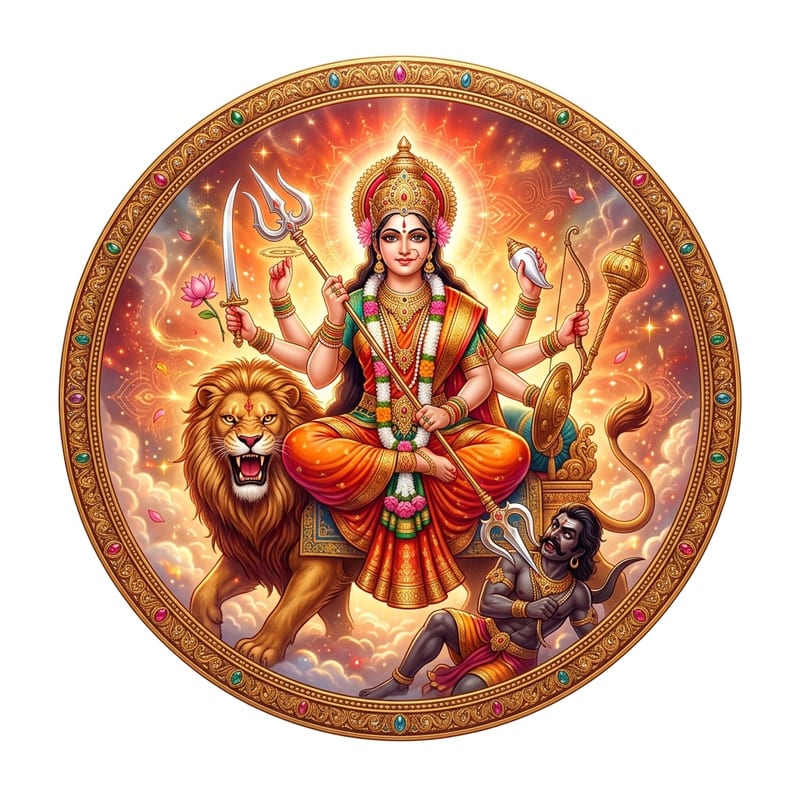
ആനന്ദമന്ഥരപുരന്ദരമുക്തമാല്യം
മൌലൌ ഹഠേന നിഹിതം മഹിഷാസുരസ്യ ।
പാദാമ്ബുജം ഭവതു മേ വിജയായ മഞ്ജു-
-മഞ്ജീരശിഞ്ജിതമനോഹരമമ്ബികായാഃ ॥ 1 ॥
മൌലൌ ഹഠേന നിഹിതം മഹിഷാസുരസ്യ ।
പാദാമ്ബുജം ഭവതു മേ വിജയായ മഞ്ജു-
-മഞ്ജീരശിഞ്ജിതമനോഹരമമ്ബികായാഃ ॥ 1 ॥
- ānandam anthara-purandara-mukta-mālyaṃIndra's released garland being in the midst of joy
- maulau haṭhena nihitaṃ mahiṣāsurasyaforcibly placed on the head of Mahiṣāsura
- pādāmbujam bhavatu me vijayāyamay the lotus feet grant me victory
- mañju-mañjīra-śiñjita-manoharam ambikāyāḥthe charming and lovely anklet-jingling (feet) of Ambikā.
ദേവി ത്ര്യമ്ബകപത്നി പാര്വതി സതി ത്രൈലോക്യമാതഃ ശിവേ
ശര്വാണി ത്രിപുരേ മൃഡാനി വരദേ രുദ്രാണി കാത്യായനി ।
ഭീമേ ഭൈരവി ചണ്ഡി ശര്വരികലേ കാലക്ഷയേ ശൂലിനി
ത്വത്പാദപ്രണതാനനന്യമനസഃ പര്യാകുലാന്പാഹി നഃ ॥ 2 ॥
ശര്വാണി ത്രിപുരേ മൃഡാനി വരദേ രുദ്രാണി കാത്യായനി ।
ഭീമേ ഭൈരവി ചണ്ഡി ശര്വരികലേ കാലക്ഷയേ ശൂലിനി
ത്വത്പാദപ്രണതാനനന്യമനസഃ പര്യാകുലാന്പാഹി നഃ ॥ 2 ॥
- deviO Goddess
- tryambaka-patniwife of Tryambaka (Śiva)
- pārvatiPārvatī
- satiSatī
- trailokya-mātaMother of the three worlds
- śiveO auspicious one
- śarvaṇiŚarvaṇī
- tripureTripurā
- mṛḍāniMṛḍānī
- varadeVaradā (boon-giver)
- rudrāṇiRudrāṇī
- kātyāyaniKātyāyanī
- bhīmeO fearsome one
- bhairaviBhairavī
- caṇḍiCaṇḍī
- śarvari-kaleŚarvarī (night) / Kalā
- kāla-kṣaye śūliniŚūlinī at time's end
- tvat-pāda-praṇatān ananya-manasaḥus who, bowing to your feet with undivided minds
- paryākulān pāhi naḥprotect us who are greatly troubled.
ദേവി ത്വാം സകൃദേവ യഃ പ്രണമതി ക്ഷോണീഭൃതസ്തം നമ-
-ന്ത്യാജന്മസ്ഫുരദങ്ഘ്രിപീഠവിലുഠത്കോടീരകോടിച്ഛടാഃ ।
യസ്ത്വാമര്ചതി സോഽര്ച്യതേ സുരഗണൈര്യഃ സ്തൌതി സ സ്തൂയതേ
യസ്ത്വാം ധ്യായതി തം സ്മരാര്തിവിധുരാ ധ്യായന്തി വാമഭ്രുവഃ ॥ 3 ॥
-ന്ത്യാജന്മസ്ഫുരദങ്ഘ്രിപീഠവിലുഠത്കോടീരകോടിച്ഛടാഃ ।
യസ്ത്വാമര്ചതി സോഽര്ച്യതേ സുരഗണൈര്യഃ സ്തൌതി സ സ്തൂയതേ
യസ്ത്വാം ധ്യായതി തം സ്മരാര്തിവിധുരാ ധ്യായന്തി വാമഭ്രുവഃ ॥ 3 ॥
- devi tvāṃ sakṛt eva yaḥ praṇamatiO Goddess, the one who prostrates to you even once
- kṣoṇī-bhṛtaḥ taṃ namantikings bow to him
- ā-janma-sphurad-aṅghri-pīṭha-viluṭhat-koṭīra-koṭi-cchaTāḥtheir crowns glittering at the footstool from birth onward
- yas tvāṃ arcati so'rcyate sura-gaṇaiḥthe one who worships you is worshipped by hosts of gods
- yaḥ stauti sa stūyatethe one who praises you is praised
- yas tvāṃ dhyāyati taṃ smarārti-vidhurā dhyāyanti vāma-bhruvaḥthe one who meditates on you – lovely-browed women, tormented by the pain of Love, meditate on him.
ഉന്മത്താ ഇവ സഗ്രഹാ ഇവ വിഷവ്യാസക്തമൂര്ഛാ ഇവ
പ്രാപ്തപ്രൌഢമദാ ഇവാര്തിവിരഹഗ്രസ്താ ഇവാര്താ ഇവ ।
യേ ധ്യായന്തി ഹി ശൈലരാജതനയാം ധന്യാസ്ത ഏവാഗ്രതഃ
ത്യക്തോപാധിവിവൃദ്ധരാഗമനസോ ധ്യായന്തി താന്സുഭ്രുവഃ ॥ 4 ॥
പ്രാപ്തപ്രൌഢമദാ ഇവാര്തിവിരഹഗ്രസ്താ ഇവാര്താ ഇവ ।
യേ ധ്യായന്തി ഹി ശൈലരാജതനയാം ധന്യാസ്ത ഏവാഗ്രതഃ
ത്യക്തോപാധിവിവൃദ്ധരാഗമനസോ ധ്യായന്തി താന്സുഭ്രുവഃ ॥ 4 ॥
- unmattā ivalike those in frenzy
- sa-grahā ivalike those seized by planetary spirits
- viṣa-vyāsakta-mūrchhā ivalike those stupefied by poison
- prāpta-prauḍha-madā ivalike those who have attained full intoxication
- ārti-viraha-grastā iva ārtā ivalike those tormented by the anguish of separation
- ye dhyāyanti hi śaila-rāja-tanayāṃthose who meditate on the daughter of the mountain king
- dhanyāḥ te eva agrataḥthey alone are the blessed ones foremost
- tyakta-upādhi-vivṛddha-rāga-manasaḥwhose minds have abandoned limiting conditions and are filled with pure Love
- dhyāyanti tān subhruvaḥlovely-browed (women) meditate on them.
ധ്യായന്തി യേ ക്ഷണമപി ത്രിപുരേ ഹൃദി ത്വാം
ലാവണ്യയൌവനധനൈരപി വിപ്രയുക്താഃ ।
തേ വിസ്ഫുരന്തി ലലിതായതലോചനാനാം
ചിത്തൈകഭിത്തിലിഖിതപ്രതിമാഃ പുമാംസഃ ॥ 5 ॥
ലാവണ്യയൌവനധനൈരപി വിപ്രയുക്താഃ ।
തേ വിസ്ഫുരന്തി ലലിതായതലോചനാനാം
ചിത്തൈകഭിത്തിലിഖിതപ്രതിമാഃ പുമാംസഃ ॥ 5 ॥
- dhyāyanti ye kṣaṇam api tripure hṛdi tvāṃthose who meditate on you, O Tripurā, in the heart even for a moment
- lāvaṇya-yauvana-dhanaiḥ api viprayuktāḥthough separated from the wealth of beauty and youth
- te visphuranatithey shine forth
- lalita-āyata-locanānāṃin (the minds of) women with large and lovely eyes
- citta-eka-bhitti-likhita-pratimāḥ pumāṃsaḥmen (painted) as images on the sole wall of their hearts.
ഏതം കിം നു ദൃശാ പിബാമ്യുത വിശാമ്യസ്യാങ്ഗമങ്ഗൈര്നിജൈഃ
കിം വാഽമും നിഗരാമ്യനേന സഹസാ കിം വൈകതാമാശ്രയേ ।
യസ്യേത്ഥം വിവശോ വികല്പലലിതാകൂതേന യോഷിജ്ജനഃ
കിം തദ്യന്ന കരോതി ദേവി ഹൃദയേ യസ്യ ത്വമാവര്തസേ ॥ 6 ॥
കിം വാഽമും നിഗരാമ്യനേന സഹസാ കിം വൈകതാമാശ്രയേ ।
യസ്യേത്ഥം വിവശോ വികല്പലലിതാകൂതേന യോഷിജ്ജനഃ
കിം തദ്യന്ന കരോതി ദേവി ഹൃദയേ യസ്യ ത്വമാവര്തസേ ॥ 6 ॥
- etaṃ kiṃ nu dṛśā pibāmishall I drink this one with my eyes?
- uta viśāmi asya aṅgam aṅgaiḥ nijaiḥor shall I enter her body with my own limbs?
- kiṃ vā amum nigarāmi anena sahasāor shall I swallow her suddenly?
- kiṃ vā ekatām āśrayeor shall I become one with her?
- yasya itthaṃ vivaśaḥ vikalpa-lalitā-kūtena yoṣij-janaḥof one made helpless by the caprice of the beautiful Lalitā's fancies, a woman
- kiṃ tat yan na karotiwhat is there that she does not make him do?
- devi hṛdaye yasya tvam āvartaseO Goddess, in the heart of one in whom you dwell.
വിശ്വവ്യാപിനി യദ്വദീശ്വര ഇതി സ്ഥാണാവനന്യാശ്രയഃ
ശബ്ദഃ ശക്തിരിതി ത്രിലോകജനനി ത്വയ്യേവ തഥ്യസ്ഥിതിഃ ।
ഇത്ഥം സത്യപി ശക്നുവന്തി യദിമാഃ ക്ഷുദ്രാ രുജോ ബാധിതും
ത്വദ്ഭക്താനപി ന ക്ഷിണോഷി ച രുഷാ തദ്ദേവി ചിത്രം മഹത് ॥ 7 ॥
ശബ്ദഃ ശക്തിരിതി ത്രിലോകജനനി ത്വയ്യേവ തഥ്യസ്ഥിതിഃ ।
ഇത്ഥം സത്യപി ശക്നുവന്തി യദിമാഃ ക്ഷുദ്രാ രുജോ ബാധിതും
ത്വദ്ഭക്താനപി ന ക്ഷിണോഷി ച രുഷാ തദ്ദേവി ചിത്രം മഹത് ॥ 7 ॥
- viśva-vyāpiniO all-pervading one
- yadvat īśvara iti sthāṇau ananya-āśrayaḥ śabdaḥjust as the word 'Īśvara' has exclusive application to the Immovable (Śiva)
- śaktiḥ iti tri-loka-janani tvayyeva tathya-sthitiḥso the word 'Śakti' truly applies to you alone, O Mother of the three worlds
- itthaṃ sati api śaknuvanti yad imāḥ kṣudrā rujaḥ bādhituṃ tvad-bhaktān apiyet, given this, these petty afflictions are able to trouble even your devotees
- na kṣiṇoṣi ca ruṣāand you too do not wipe them out in anger
- tat devi citram mahatO Goddess, this is a great wonder.
ഇന്ദോര്മധ്യഗതാം മൃഗാങ്കസദൃശച്ഛായാം മനോഹാരിണീം
പാണ്ഡൂത്ഫുല്ലസരോരുഹാസനഗതാ സ്നിഗ്ധപ്രദീപച്ഛവിമ് ।
വര്ഷന്തീമമൃതം ഭവാനി ഭവതീം ധ്യായന്തി യേ ദേഹിനഃ
തേ നിര്മുക്തരുജോ ഭവന്തി രിപവഃ പ്രോജ്ഝന്തി താന്ദൂരതഃ ॥ 8 ॥
പാണ്ഡൂത്ഫുല്ലസരോരുഹാസനഗതാ സ്നിഗ്ധപ്രദീപച്ഛവിമ് ।
വര്ഷന്തീമമൃതം ഭവാനി ഭവതീം ധ്യായന്തി യേ ദേഹിനഃ
തേ നിര്മുക്തരുജോ ഭവന്തി രിപവഃ പ്രോജ്ഝന്തി താന്ദൂരതഃ ॥ 8 ॥
- indoḥ madhya-gatāṃstationed within the moon's disc
- mṛgāṅka-sadṛśa-cchāyāṃ manoháriṇīṃof moonlike lovely shadow
- pāṇḍu-utphulla-saroruha-āsana-gatāseated on the white fully-bloomed lotus throne
- snigdha-pradīpa-cchavimwith the beauty of a tender lamp-flame
- varṣantīm amṛtaṃ bhavāni bhavatīṃ dhyāyanti ye dehinaḥthose embodied beings who meditate on you, O Bhavānī, showering nectar
- te nirmukta-rujaḥ bhavantithey become free of disease
- ripavaḥ projjhanti tān dūrataḥand their enemies abandon them from afar.
പൂര്ണേന്ദോഃ ശകലൈരിവാതിബഹലൈഃ പീയൂഷപൂരൈരിവ
ക്ഷീരാബ്ധേര്ലഹരീഭരൈരിവ സുധാപങ്കസ്യ പിണ്ഡൈരിവ ।
പ്രാലേയൈരിവ നിര്മിതം തവ വപുര്ധ്യായന്തി യേ ശ്രദ്ധയാ
ചിത്താന്തര്നിഹിതാര്തിതാപവിപദസ്തേ സമ്പദം ബിഭ്രതി ॥ 9 ॥
ക്ഷീരാബ്ധേര്ലഹരീഭരൈരിവ സുധാപങ്കസ്യ പിണ്ഡൈരിവ ।
പ്രാലേയൈരിവ നിര്മിതം തവ വപുര്ധ്യായന്തി യേ ശ്രദ്ധയാ
ചിത്താന്തര്നിഹിതാര്തിതാപവിപദസ്തേ സമ്പദം ബിഭ്രതി ॥ 9 ॥
- pūrṇendoḥ śakalaiḥ iva atibahulaiḥas if of very thick slices of the full moon
- pīyūṣa-pūraiḥ ivaas if of flood-streams of nectar
- kṣīra-abdheḥ laharī-bharaiḥ ivaas if of masses of waves from the milk-ocean
- sudhā-paṅkasya piṇḍaiḥ ivaas if of lumps of nectar-mud
- prāleyaiḥ iva nirmitaṃ tava vapuḥ dhyāyanti ye śraddhayāthose who meditate with faith on your body as if fashioned of snowflakes
- citta-antaḥ-nihita-ārti-tāpa-vipadaḥ te sampadaṃ bibhratithose (ones), having dispelled afflictions, suffering, and calamities hidden in the heart, bear prosperity.
യേ സംസ്മരന്തി തരലാം സഹസോല്ലസന്തീം
ത്വാം ഗ്രന്ഥിപഞ്ചകഭിദം തരുണാര്കശോണാമ് ।
രാഗാര്ണവേ ബഹലരാഗിണി മജ്ജയന്തീം
കൃത്സ്നം ജഗദ്ദധതി ചേതസി താന്മൃഗാക്ഷ്യഃ ॥ 10 ॥
ത്വാം ഗ്രന്ഥിപഞ്ചകഭിദം തരുണാര്കശോണാമ് ।
രാഗാര്ണവേ ബഹലരാഗിണി മജ്ജയന്തീം
കൃത്സ്നം ജഗദ്ദധതി ചേതസി താന്മൃഗാക്ഷ്യഃ ॥ 10 ॥
- ye saṃsmaranti taralāṃ sahasā ullasantīṃthose who hold in mind the restless (you) suddenly flashing forth
- tvāṃ granthi-pañcaka-bhidaṃ(you) who pierce the five knots (of the five chakras)
- taruṇa-arka-śoṇāṃrosy as the young sun
- rāga-arṇave bahala-rāgiṇi majjayantīṃdrowning in the ocean of passion that which is deeply passionate
- kṛtsnaṃ jagatthe whole world
- dadhati cetasi tān mṛgākṣyaḥdeer-eyed women bear those men in their hearts.
ലാക്ഷാരസസ്നപിതപങ്കജതന്തുതന്വീം
അന്തഃ സ്മരത്യനുദിനം ഭവതീം ഭവാനി ।
യസ്തം സ്മരപ്രതിമമപ്രതിമസ്വരൂപാഃ
നേത്രോത്പലൈര്മൃഗദൃശോ ഭൃശമര്ചയന്തി ॥ 11 ॥
അന്തഃ സ്മരത്യനുദിനം ഭവതീം ഭവാനി ।
യസ്തം സ്മരപ്രതിമമപ്രതിമസ്വരൂപാഃ
നേത്രോത്പലൈര്മൃഗദൃശോ ഭൃശമര്ചയന്തി ॥ 11 ॥
- lākṣā-rasa-snapita-paṅkaja-tantu-tanvīṃslender as a lotus filament soaked in lac-juice
- antaḥ smarati anudinaṃ bhavatīṃ bhavāniwho meditates within on you daily, O Bhavānī
- yas taṃthat one
- smara-pratimam apratima-svarūpāḥwomen whose forms rival Kāma himself, of incomparable beauty
- netra-utpalaiḥ mṛga-dṛśaḥ bhṛśam arcayantideer-eyed women ardently worship with the lotuses of their eyes.
സ്തുമസ്ത്വാം വാചമവ്യക്താം ഹിമകുന്ദേന്ദുരോചിഷമ് ।
കദമ്ബമാലാം ബിഭ്രാണാമാപാദതലലമ്ബിനീമ് ॥ 12 ॥
കദമ്ബമാലാം ബിഭ്രാണാമാപാദതലലമ്ബിനീമ് ॥ 12 ॥
- stummas tvāṃ vācam avyaktāṃwe praise you, the unmanifest Speech
- hima-kunda-indu-rociṣamwhite as frost, jasmine, and moon
- kadamba-mālāṃ bibhrāṇāmbearing a garland of kadamba flowers
- āpāda-tala-lambinīmhanging down to the feet.
മൂര്ധ്നീന്ദോഃ സിതപങ്കജാസനഗതാം പ്രാലേയപാണ്ഡുത്വിഷം
വര്ഷന്തീമമൃതം സരോരുഹഭുവോ വക്ത്രേഽപി രന്ധ്രേഽപി ച ।
അച്ഛിന്നാ ച മനോഹരാ ച ലലിതാ ചാതിപ്രസന്നാപി ച
ത്വാമേവം സ്മരതഃ സ്മരാരിദയിതേ വാക്സര്വതോ വല്ഗതി ॥ 13 ॥
വര്ഷന്തീമമൃതം സരോരുഹഭുവോ വക്ത്രേഽപി രന്ധ്രേഽപി ച ।
അച്ഛിന്നാ ച മനോഹരാ ച ലലിതാ ചാതിപ്രസന്നാപി ച
ത്വാമേവം സ്മരതഃ സ്മരാരിദയിതേ വാക്സര്വതോ വല്ഗതി ॥ 13 ॥
- mūrdhni indoḥ sita-paṅkaja-āsana-gatāṃstationed at the crown within the moon, seated on a white lotus
- prāleya-pāṇḍu-tviṣaṃof snow-white radiance
- varṣantīm amṛtaṃshowering nectar
- saroruha-bhuvaḥ vaktre api randhre api caupon the face too and upon the brahmarandhra (crown opening)
- acchinnā ca manohārā ca lalitā ca atiprasannā api cauninterrupted and beautiful and graceful and exceedingly serene
- tvām evaṃ smarataḥ smara-āri-dayiteof one who meditates on you thus, O beloved of the enemy of Love (Śiva)
- vāk sarvataḥ valgatispeech flows everywhere.
ദദാതീഷ്ടാന്ഭോഗാന് ക്ഷപയതി രിപൂന്ഹന്തി വിപദോ
ദഹത്യാധീന്വ്യാധീന് ശമയതി സുഖാനി പ്രതനുതേ ।
ഹഠാദന്തര്ദുഃഖം ദലയതി പിനഷ്ടീഷ്ടവിരഹം
സകൃദ്ധ്യാതാ ദേവീ കിമിവ നിരവദ്യം ന കുരുതേ ॥ 14 ॥
ദഹത്യാധീന്വ്യാധീന് ശമയതി സുഖാനി പ്രതനുതേ ।
ഹഠാദന്തര്ദുഃഖം ദലയതി പിനഷ്ടീഷ്ടവിരഹം
സകൃദ്ധ്യാതാ ദേവീ കിമിവ നിരവദ്യം ന കുരുതേ ॥ 14 ॥
- dadāti iṣṭān bhogānshe grants desired enjoyments
- kṣapayati ripūndestroys enemies
- hanti vipadaḥkills calamities
- dahati ādhīn vyādhīnburns mental anguish and physical disease
- śamayati sukhāni pratanutebestows pleasures
- haṭhāt antaḥ-duḥkhaṃ dalayatiwith force splits inner suffering
- pinaṣṭi iṣṭa-virahaṃgrinds the pain of separation from the beloved
- sakṛt dhyātā devī kiṃ iva niravadyaṃ na kurutewhat does the Goddess, meditated upon even once, not accomplish blamelessly?
യസ്ത്വാം ധ്യായതി വേത്തി വിന്ദതി ജപത്യാലോകതേ ചിന്തയ-
-ത്യന്വേതി പ്രതിപദ്യതേ കലയതി സ്തൌത്യാശ്രയത്യര്ചതി ।
യശ്ച ത്ര്യമ്ബകവല്ലഭേ തവ ഗുണാനാകര്ണയത്യാദരാത്
തസ്യ ശ്രീര്ന ഗൃഹാദപൈതി വിജയസ്തസ്യാഗ്രതോ ധാവതി ॥ 15 ॥
-ത്യന്വേതി പ്രതിപദ്യതേ കലയതി സ്തൌത്യാശ്രയത്യര്ചതി ।
യശ്ച ത്ര്യമ്ബകവല്ലഭേ തവ ഗുണാനാകര്ണയത്യാദരാത്
തസ്യ ശ്രീര്ന ഗൃഹാദപൈതി വിജയസ്തസ്യാഗ്രതോ ധാവതി ॥ 15 ॥
- yaḥ tvāṃ dhyāyatiwho meditates on you
- vettiknows
- vindatiattains
- japatirecites
- ālokatevisualizes
- cintayaticontemplates
- anvetifollows
- pratipadyateapprehends
- kalayatihonours
- stautipraises
- āśrayatitakes refuge in
- arcatiworships
- yaḥ ca tryambaka-vallabhe tava guṇān ākarṇayati ādarātand the one who respectfully listens to your qualities, O beloved of Tryambaka
- tasya śrīḥ na gṛhāt apaitiLakṣmī never departs from his home
- vijayaḥ tasya agrataḥ dhāvativictory runs before him.
കിം കിം ദുഃഖം ദനുജദലിനി ക്ഷീയതേ ന സ്മൃതായാം
കാ കാ കീര്തിഃ കുലകമലിനി ഖ്യാപ്യതേ ന സ്തുതായാമ് ।
കാ കാ സിദ്ധിഃ സുരവരനുതേ പ്രാപ്യതേ നാര്ചിതായാം
കം കം യോഗം ത്വയി ന ചിനുതേ ചിത്തമാലമ്ബിതായാമ് ॥ 16 ॥
കാ കാ കീര്തിഃ കുലകമലിനി ഖ്യാപ്യതേ ന സ്തുതായാമ് ।
കാ കാ സിദ്ധിഃ സുരവരനുതേ പ്രാപ്യതേ നാര്ചിതായാം
കം കം യോഗം ത്വയി ന ചിനുതേ ചിത്തമാലമ്ബിതായാമ് ॥ 16 ॥
- kiṃ kiṃ duḥkhaṃ danuja-dalani kṣīyate na smṛtāyāṃO destroyer of demons, what suffering is not dissolved when you are remembered?
- kā kā kīrtiḥ kula-kamalini khyāpyate na stutāyāṃO garland of the lotus clan, what glory is not proclaimed when you are praised?
- kā kā siddhiḥ sura-vara-nute prāpyate na arcitāyāṃO honoured by the best of gods, what siddhi is not attained when you are worshipped?
- kaṃ kaṃ yogaṃ tvayi na cinute cittam ālambhitāyāṃwhat yoga does the mind not accumulate by depending on you?
യേ ദേവി ദുര്ധരകൃതാന്തമുഖാന്തരസ്ഥാഃ
യേ കാലി കാലഘനപാശനിതാന്തബദ്ധാഃ ।
യേ ചണ്ഡി ചണ്ഡഗുരുകല്മഷസിന്ധുമഗ്നാഃ
താന്പാസി മോചയസി താരയസി സ്മൃതൈവ ॥ 17 ॥
യേ കാലി കാലഘനപാശനിതാന്തബദ്ധാഃ ।
യേ ചണ്ഡി ചണ്ഡഗുരുകല്മഷസിന്ധുമഗ്നാഃ
താന്പാസി മോചയസി താരയസി സ്മൃതൈവ ॥ 17 ॥
- ye devi durdhara-kṛtānta-mukha-antasthaḥO Goddess, those who stand within the jaws of the hard-to-resist God of Death
- ye kāli kāla-ghana-pāśa-nitānta-baddhāḥO Kālī, those firmly bound in the noose of dense clouds of time
- ye caṇḍi caṇḍa-guru-kalmaṣa-sindhu-magnāḥO Caṇḍī, those submerged in the ocean of fierce and heavy sin
- tān pāsi mocayasi tārayasi smṛtā evayou protect, release, and ferry them across, merely by being remembered.
ലക്ഷ്മീവശീകരണചൂര്ണസഹോദരാണി
ത്വത്പാദപങ്കജരജാംസി ചിരം ജയന്തി ।
യാനി പ്രണാമമിലിതാനി നൃണാം ലലാടേ
ലുമ്പന്തി ദൈവലിഖിതാനി ദുരക്ഷരാണി ॥ 18 ॥
ത്വത്പാദപങ്കജരജാംസി ചിരം ജയന്തി ।
യാനി പ്രണാമമിലിതാനി നൃണാം ലലാടേ
ലുമ്പന്തി ദൈവലിഖിതാനി ദുരക്ഷരാണി ॥ 18 ॥
- lakṣmī-vaśīkaraṇa-cūrṇa-sahodarāṇisisters of the powder that captivates Lakṣmī
- tvat-pāda-paṅkaja-rajāṃsi ciraṃ jayantithe dust of your lotus feet long prevails
- yāni praṇāma-militāni nṛṇāṃ lalāṭewhich, gathering at the forehead in the act of prostration
- lumpanti daiva-likhitāni dur-akṣarāṇierase the ill-written letters inscribed by fate.
രേ മൂഢാഃ കിമയം വൃഥൈവ തപസാ കായഃ പരിക്ലിശ്യതേ
യജ്ഞൈര്വാ ബഹുദക്ഷിണൈഃ കിമിതരേ രിക്തീക്രിയന്തേ ഗൃഹാഃ ।
ഭക്തിശ്ചേദവിനാശിനീ ഭഗവതീപാദദ്വയീ സേവ്യതാം
ഉന്നിദ്രാമ്ബുരുഹാതപത്രസുഭഗാ ലക്ഷ്മീഃ പുരോ ധാവതി ॥ 19 ॥
യജ്ഞൈര്വാ ബഹുദക്ഷിണൈഃ കിമിതരേ രിക്തീക്രിയന്തേ ഗൃഹാഃ ।
ഭക്തിശ്ചേദവിനാശിനീ ഭഗവതീപാദദ്വയീ സേവ്യതാം
ഉന്നിദ്രാമ്ബുരുഹാതപത്രസുഭഗാ ലക്ഷ്മീഃ പുരോ ധാവതി ॥ 19 ॥
- re mūḍhāḥyou fools!
- kim ayaṃ vṛthā eva tapasā kāyaḥ parikliśyatewhy is the body unnecessarily tormented by austerities?
- yajñaiḥ vā bahu-dakṣiṇaiḥ kim itare riktī-kriyante gṛhāḥor why are others' homes emptied through sacrifices with great dakṣiṇā fees?
- bhaktiḥ cet avināśinī bhagavatī-pāda-dvayī sevyatāṃif undying devotion exists, let the twin feet of the Goddess be served
- un-nidra-ambu-ruha-ātapatra-subhagā lakṣmīḥ puraḥ dhāvatithen Lakṣmī, beautiful as a parasol of open lotuses, runs forward.
യാചേ ന കഞ്ചന ന കഞ്ചന വഞ്ചയാമി
സേവേ ന കഞ്ചന നിരസ്തസമസ്തദൈന്യഃ ।
ശ്ലക്ഷ്ണം വസേ മധുരമദ്മി ഭജേ വരസ്ത്രീഃ
ദേവീ ഹൃദി സ്ഫുരതി മേ കുലകാമധേനുഃ ॥ 20 ॥
സേവേ ന കഞ്ചന നിരസ്തസമസ്തദൈന്യഃ ।
ശ്ലക്ഷ്ണം വസേ മധുരമദ്മി ഭജേ വരസ്ത്രീഃ
ദേവീ ഹൃദി സ്ഫുരതി മേ കുലകാമധേനുഃ ॥ 20 ॥
- yāce na kañcanaI beg of no one
- na kañcana vañcayāmiI deceive no one
- seve na kañcanaI serve no one
- nirasta-samasta-dainyaḥhaving abandoned all wretchedness
- ślakṣṇaṃ vaseI dress comfortably
- madhuram admiI eat sweetly
- bhaje vara-strīḥI enjoy beautiful women
- devī hṛdi sphurati me kula-kāma-dhenuḥbecause the Goddess, the wish-fulfilling cow of my clan, shines in my heart.
നമാമി യാമിനീനാഥലേഖാലങ്കൃതകുന്തലാമ് ।
ഭവാനീം ഭവസന്താപനിര്വാപണസുധാനദീമ് ॥ 21 ॥
ഭവാനീം ഭവസന്താപനിര്വാപണസുധാനദീമ് ॥ 21 ॥
- namāmi yāminī-nātha-lekhā-alaṅkṛta-kuntalāṃI bow to her whose locks are adorned with the crescent of the moon (lord of night)
- bhavānīṃBhavānī
- bhava-santāpa-nirvāpaṇa-sudhā-nadīmthe river of nectar that extinguishes the burning of existence.
ഇതി ശ്രീകാലിദാസ വിരചിത പഞ്ചസ്തവ്യാം തൃതീയഃ ഘടസ്തവഃ ।