
अस्य श्रीबुधकवचस्तोत्रमन्त्रस्य, कश्यप ऋषिः,
अनुष्टुप् छन्दः, बुधो देवता, बुधप्रीत्यर्थं जपे विनियोगः ।
अथ बुध कवचम्
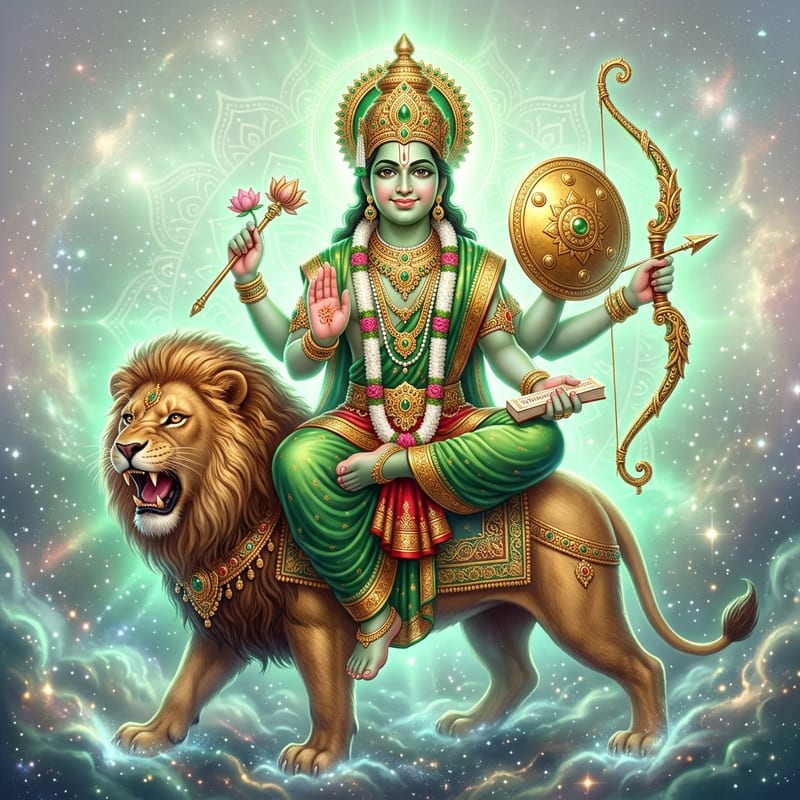
बुधस्तु पुस्तकधरः कुङ्कुमस्य समद्युतिः ।
पीताम्बरधरः पातु पीतमाल्यानुलेपनः ॥ 1 ॥
अनुष्टुप् छन्दः, बुधो देवता, बुधप्रीत्यर्थं जपे विनियोगः ।
अथ बुध कवचम्
बुधस्तु पुस्तकधरः कुङ्कुमस्य समद्युतिः ।
पीताम्बरधरः पातु पीतमाल्यानुलेपनः ॥ 1 ॥
- अस्य (asya)of this
- श्री-बुध-कवच-स्तोत्र-मन्त्रस्य (śrī-budha-kavaca-stotra-mantrasya)Śrī Budha Kavaca hymn-mantra
- कश्यपः ऋषिः (kaśyapaḥ ṛṣiḥ)Kaśyapa is the seer
- अनुष्टुप् छन्दः (anuṣṭup chandaḥ)anuṣṭubh is the metre
- बुधः देवता (budhaḥ devatā)Budha is the deity
- बुध-प्रीत्य्-अर्थम् (budha-prīty-artham)for the pleasing of Budha
- जपे विनियोगः (jape viniyogaḥ)such is its employment in recitation
- अथ बुध-कवचम् (atha budha-kavacam)here begins the armour of Budha
- बुधः (budhaḥ)Budha, the planet Mercury
- तु (tu)now
- पुस्तक-धरः (pustaka-dharaḥ)holding a book
- कुङ्कुमस्य सम-द्युतिः (kuṅkumasya sama-dyutiḥ)of a radiance like saffron
- पीत-अम्बर-धरः (pīta-ambara-dharaḥ)wearing yellow robes
- पातु (pātu)may he guard
- पीत-माल्य-अनुलेपनः (pīta-mālya-anulepanaḥ)with yellow garlands and yellow unguents
कटिं च पातु मे सौम्यः शिरोदेशं बुधस्तथा ।
नेत्रे ज्ञानमयः पातु श्रोत्रे पातु निशाप्रियः ॥ 2 ॥
नेत्रे ज्ञानमयः पातु श्रोत्रे पातु निशाप्रियः ॥ 2 ॥
- कटिम् (kaṭim)the waist
- च (ca)and
- पातु (pātu)may he guard
- मे (me)my
- सौम्यः (saumyaḥ)the gentle one, son of Soma
- शिरः-देशम् (śiraḥ-deśam)the region of the head
- बुधः (budhaḥ)Budha
- तथा (tathā)likewise
- नेत्रे (netre)the two eyes
- ज्ञान-मयः (jñāna-mayaḥ)he whose very being is knowledge
- पातु (pātu)may he guard
- श्रोत्रे (śrotre)the two ears
- पातु (pātu)may he guard
- निशा-प्रियः (niśā-priyaḥ)the beloved of night
घ्राणं गन्धप्रियः पातु जिह्वां विद्याप्रदो मम ।
कण्ठं पातु विधोः पुत्रो भुजौ पुस्तकभूषणः ॥ 3 ॥
कण्ठं पातु विधोः पुत्रो भुजौ पुस्तकभूषणः ॥ 3 ॥
- घ्राणम् (ghrāṇam)the nose
- गन्ध-प्रियः (gandha-priyaḥ)the lover of fragrance
- पातु (pātu)may he guard
- जिह्वाम् (jihvām)the tongue
- विद्या-प्रदः (vidyā-pradaḥ)the giver of learning
- मम (mama)my
- कण्ठम् (kaṇṭham)the throat
- पातु (pātu)may he guard
- विधोः पुत्रः (vidhoḥ putraḥ)the son of the Moon
- भुजौ (bhujau)the two arms
- पुस्तक-भूषणः (pustaka-bhūṣaṇaḥ)he whose ornament is a book
वक्षः पातु वराङ्गश्च हृदयं रोहिणीसुतः ।
नाभिं पातु सुराराध्यो मध्यं पातु खगेश्वरः ॥ 4 ॥
नाभिं पातु सुराराध्यो मध्यं पातु खगेश्वरः ॥ 4 ॥
- वक्षः (vakṣaḥ)the chest
- पातु (pātu)may he guard
- वर-अङ्गः (vara-aṅgaḥ)the fair-limbed
- च (ca)and
- हृदयम् (hṛdayam)the heart
- रोहिणी-सुतः (rohiṇī-sutaḥ)the son of Rohiṇī
- नाभिम् (nābhim)the navel
- पातु (pātu)may he guard
- सुर-आराध्यः (sura-ārādhyaḥ)he whom the gods adore
- मध्यम् (madhyam)the middle of the body
- पातु (pātu)may he guard
- खग-ईश्वरः (khaga-īśvaraḥ)the lord of those that move in the sky
जानुनी रौहिणेयश्च पातु जङ्घेऽखिलप्रदः ।
पादौ मे बोधनः पातु पातु सौम्योऽखिलं वपुः ॥ 5 ॥
पादौ मे बोधनः पातु पातु सौम्योऽखिलं वपुः ॥ 5 ॥
- जानुनी (jānunī)the two knees
- रौहिणेयः (rauhiṇeyaḥ)the son of Rohiṇī
- च (ca)and
- पातु (pātu)may he guard
- जङ्घे (jaṅghe)the two calves
- अखिल-प्रदः (akhila-pradaḥ)the giver of all things
- पादौ (pādau)the two feet
- मे (me)my
- बोधनः (bodhanaḥ)the awakener
- पातु (pātu)may he guard
- पातु (pātu)may he guard
- सौम्यः (saumyaḥ)the gentle one
- अखिलम् वपुः (akhilam vapuḥ)the body entire
अथ फलश्रुतिः
एतद्धि कवचं दिव्यं सर्वपापप्रणाशनम् ।
सर्वरोगप्रशमनं सर्वदुःखनिवारणम् ॥ 6 ॥
एतद्धि कवचं दिव्यं सर्वपापप्रणाशनम् ।
सर्वरोगप्रशमनं सर्वदुःखनिवारणम् ॥ 6 ॥
- अथ फल-श्रुतिः (atha phala-śrutiḥ)here begins the declaration of the fruit
- एतत् (etat)this
- हि (hi)indeed
- कवचम् (kavacam)armour
- दिव्यम् (divyam)divine
- सर्व-पाप-प्रणाशनम् (sarva-pāpa-praṇāśanam)destroying every sin
- सर्व-रोग-प्रशमनम् (sarva-roga-praśamanam)quelling every disease
- सर्व-दुःख-निवारणम् (sarva-duḥkha-nivāraṇam)warding off every sorrow
आयुरारोग्यशुभदं पुत्रपौत्रप्रवर्धनम् ।
यः पठेच्छृणुयाद्वापि सर्वत्र विजयी भवेत् ॥ 7 ॥
यः पठेच्छृणुयाद्वापि सर्वत्र विजयी भवेत् ॥ 7 ॥
- आयुर्-आरोग्य-शुभ-दम् (āyur-ārogya-śubha-dam)bestowing long life, health and good fortune
- पुत्र-पौत्र-प्रवर्धनम् (putra-pautra-pravardhanam)increasing sons and grandsons
- यः (yaḥ)whoever
- पठेत् (paṭhet)recites it
- शृणुयात् (śṛṇuyāt)or hears it
- वा अपि (vā api)or even so much as
- सर्वत्र (sarvatra)wherever he goes
- विजयी (vijayī)victorious
- भवेत् (bhavet)becomes
॥ इति श्रीब्रह्मवैवर्तपुराणे बुधकवचं सम्पूर्णम् ॥