
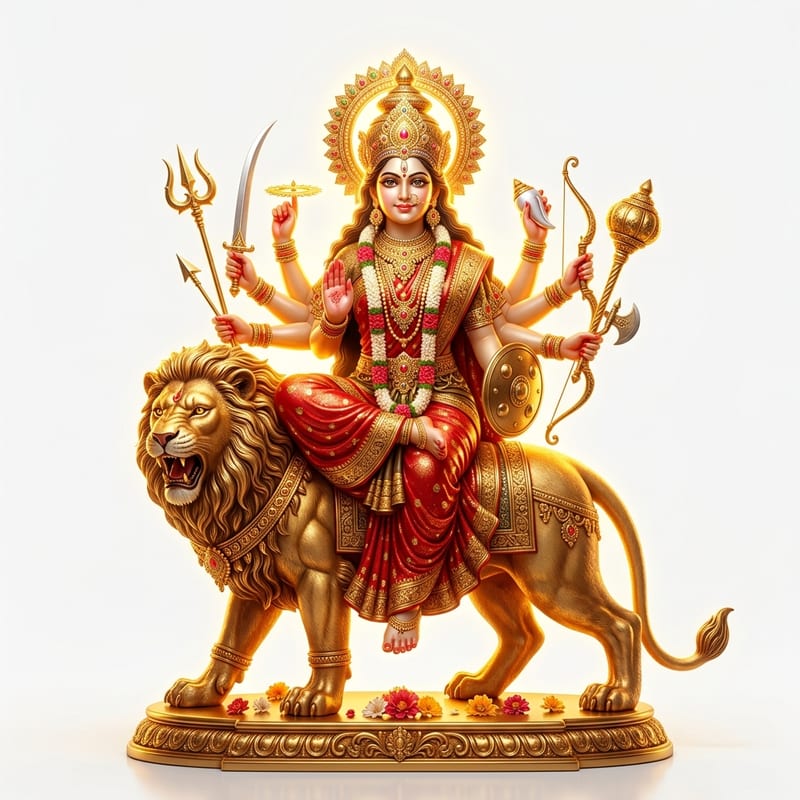
विरिञ्च्यादिभिः पञ्चभिर्लोकपालैः
समूढे महानन्दपीठे निषण्णम् ।
धनुर्बाणपाशाङ्कुशप्रोतहस्तं
महस्त्रैपुरं शङ्कराद्वैतमव्यात् ॥ 1 ॥
समूढे महानन्दपीठे निषण्णम् ।
धनुर्बाणपाशाङ्कुशप्रोतहस्तं
महस्त्रैपुरं शङ्कराद्वैतमव्यात् ॥ 1 ॥
- विरिञ्चि-आदिभिः (viriñcy-ādibhiḥ)by Brahmā and those after him
- पञ्चभिः (pañcabhiḥ)five in number
- लोक-पालैः (loka-pālaiḥ)the guardians of the worlds
- समूढे (samūḍhe)thronged about
- महा-आनन्द-पीठे (mahānanda-pīṭhe)on the seat of great bliss
- निषण्णम् (niṣaṇṇam)seated
- धनुः-बाण-पाश-अङ्कुश-प्रोत-हस्तम् (dhanur-bāṇa-pāśāṅkuśa-prota-hastam)bow, arrow, noose and goad strung through its hands
- महः (mahaḥ)that radiance
- त्रैपुरम् (traipuram)which is Tripurā’s
- शङ्कर-अद्वैतम् (śaṅkarādvaitam)not two with Śaṅkara
- अव्यात् (avyāt)may it protect us
यदन्नादिभिः पञ्चभिः कोशजालैः
शिरःपक्षपुच्छात्मकैरन्तरन्तः ।
निगूढे महायोगपीठे निषण्णं
पुरारेरथान्तःपुरं नौमि नित्यम् ॥ 2 ॥
शिरःपक्षपुच्छात्मकैरन्तरन्तः ।
निगूढे महायोगपीठे निषण्णं
पुरारेरथान्तःपुरं नौमि नित्यम् ॥ 2 ॥
- यत् (yat)that which
- अन्न-आदिभिः (annādibhiḥ)by the food-sheath and the rest
- पञ्चभिः (pañcabhiḥ)five
- कोश-जालैः (kośa-jālaiḥ)by the mesh of sheaths
- शिरः-पक्ष-पुच्छ-आत्मकैः (śiraḥ-pakṣa-puccha-ātmakaiḥ)each reckoned as having head, wings and tail
- अन्तः अन्तः (antar antaḥ)further and further within
- निगूढे (nigūḍhe)hidden away
- महा-योग-पीठे (mahā-yoga-pīṭhe)on the great seat of yoga
- निषण्णम् (niṣaṇṇam)seated
- पुर-अरेः (purāreḥ)of the foe of the three cities
- अथ (atha)now then
- अन्तःपुरम् (antaḥpuram)the inner chamber
- नौमि (naumi)I salute
- नित्यम् (nityam)unceasingly
विरिञ्चादिरूपैः प्रपञ्चे विहृत्य
स्वतन्त्रा यदा स्वात्मविश्रान्तिरेषा ।
तदा मानमातृप्रमेयातिरिक्तं
परानन्दमीडे भवानि त्वदीयम् ॥ 3 ॥
स्वतन्त्रा यदा स्वात्मविश्रान्तिरेषा ।
तदा मानमातृप्रमेयातिरिक्तं
परानन्दमीडे भवानि त्वदीयम् ॥ 3 ॥
- विरिञ्चि-आदि-रूपैः (viriñcy-ādi-rūpaiḥ)in the forms of Brahmā and the rest
- प्रपञ्चे (prapañce)through the spread-out world
- विहृत्य (vihṛtya)having played
- स्वतन्त्रा (svatantrā)answerable to none
- यदा (yadā)when
- स्व-आत्म-विश्रान्तिः (svātma-viśrāntiḥ)this rest in your own self
- एषा (eṣā)this
- तदा (tadā)then
- मान-मातृ-प्रमेय-अतिरिक्तम् (māna-mātṛ-prameyātiriktam)over and above the measure, the measurer and the measured
- पर-आनन्दम् (parānandam)that supreme bliss
- ईडे (īḍe)I praise
- भवानि (bhavāni)O Bhavānī
- त्वदीयम् (tvadīyam)which is yours
विनोदाय चैतन्यमेकं विभज्य
द्विधा देवि जीवः शिवश्चेति नाम्ना ।
शिवस्यापि जीवत्वमापादयन्ती
पुनर्जीवमेनं शिवं वा करोषि ॥ 4 ॥
द्विधा देवि जीवः शिवश्चेति नाम्ना ।
शिवस्यापि जीवत्वमापादयन्ती
पुनर्जीवमेनं शिवं वा करोषि ॥ 4 ॥
- विनोदाय (vinodāya)for the sport of it
- चैतन्यम् एकम् (caitanyam ekam)the one consciousness
- विभज्य (vibhajya)having split
- द्विधा (dvidhā)in two
- देवि (devi)O Goddess
- जीवः (jīvaḥ)"the living soul"
- शिवः (śivaḥ)"Śiva"
- च (ca)and
- इति नाम्ना (iti nāmnā)by these names
- शिवस्य (śivasya)on Śiva himself
- अपि (api)even
- जीवत्वम् (jīvatvam)the state of a bound soul
- आपादयन्ती (āpādayantī)bringing about
- पुनः (punaḥ)and then again
- जीवम् एनम् (jīvam enam)this same soul
- शिवम् (śivam)into Śiva
- वा (vā)or else
- करोषि (karoṣi)you make
समाकुञ्च्य मूलं हृदि न्यस्य वायुं
मनो भ्रूबिलं प्रापयित्वा निवृत्ताः ।
ततः सच्चिदानन्दरूपे पदे ते
भवन्त्यम्ब जीवाः शिवत्वेन केचित् ॥ 5 ॥
मनो भ्रूबिलं प्रापयित्वा निवृत्ताः ।
ततः सच्चिदानन्दरूपे पदे ते
भवन्त्यम्ब जीवाः शिवत्वेन केचित् ॥ 5 ॥
- समाकुञ्च्य (samākuñcya)having drawn tight
- मूलम् (mūlam)the root centre
- हृदि (hṛdi)in the heart
- न्यस्य (nyasya)having set
- वायुम् (vāyum)the breath
- मनः (manaḥ)the mind
- भ्रू-बिलम् (bhrū-bilam)to the hollow between the brows
- प्रापयित्वा (prāpayitvā)having brought
- निवृत्ताः (nivṛttāḥ)turned back from all else
- ततः (tataḥ)thereupon
- सत्-चित्-आनन्द-रूपे (sac-cid-ānanda-rūpe)whose form is being, awareness and bliss
- पदे ते (pade te)in that station of yours
- भवन्ति (bhavanti)become
- अम्ब (amba)O Mother
- जीवाः (jīvāḥ)souls
- शिवत्वेन (śivatvena)as Śiva himself
- केचित् (kecit)some few
शरीरेऽतिकष्टे रिपौ पुत्रवर्गे
सदाभीतिमूले कलत्रे धने वा ।
न कश्चिद्विरज्यत्यहो देवि चित्रं
कथं त्वत्कटाक्षं विना तत्त्वबोधः ॥ 6 ॥
सदाभीतिमूले कलत्रे धने वा ।
न कश्चिद्विरज्यत्यहो देवि चित्रं
कथं त्वत्कटाक्षं विना तत्त्वबोधः ॥ 6 ॥
- शरीरे (śarīre)toward the body
- अति-कष्टे (ati-kaṣṭe)hard usage though it is
- रिपौ (ripau)toward a foe
- पुत्र-वर्गे (putra-varge)toward one’s children
- सदा-भीति-मूले (sadā-bhīti-mūle)the very root of unending fear
- कलत्रे (kalatre)toward a wife
- धने (dhane)toward wealth
- वा (vā)or
- न कश्चित् (na kaścit)not one soul
- विरज्यति (virajyati)loses his taste for them
- अहो (aho)ah
- देवि (devi)O Goddess
- चित्रम् (citram)it is a wonder
- कथम् (katham)how
- त्वत्-कटाक्षम् विना (tvat-kaṭākṣaṃ vinā)without a sidelong look from you
- तत्त्व-बोधः (tattva-bodhaḥ)is the truth to be known
शरीरे धनेऽपत्यवर्गे कलत्रे
विरक्तस्य सद्देशिकादिष्टबुद्धेः ।
यदाकस्मिकं ज्योतिरानन्दरूपं
समाधौ भवेत्तत्त्वमस्यम्ब सत्यम् ॥ 7 ॥
विरक्तस्य सद्देशिकादिष्टबुद्धेः ।
यदाकस्मिकं ज्योतिरानन्दरूपं
समाधौ भवेत्तत्त्वमस्यम्ब सत्यम् ॥ 7 ॥
- शरीरे (śarīre)in the body
- धने (dhane)in wealth
- अपत्य-वर्गे (apatya-varge)in children
- कलत्रे (kalatre)in a wife
- विरक्तस्य (viraktasya)of one whose taste for these is gone
- सत्-देशिक-आदिष्ट-बुद्धेः (sad-deśikādiṣṭa-buddheḥ)whose understanding a true teacher has directed
- यत् (yat)that which
- आकस्मिकम् (ākasmikam)comes unbidden
- ज्योतिः (jyotiḥ)the light
- आनन्द-रूपम् (ānanda-rūpam)whose very form is bliss
- समाधौ (samādhau)in samādhi
- भवेत् (bhavet)arises
- तत् त्वम् असि (tat tvam asi)"that thou art"
- अम्ब (amba)O Mother
- सत्यम् (satyam)is the truth of it
मृषान्यो मृषान्यः परो मिश्रमेनं
परः प्राकृतं चापरो बुद्धिमात्रम् ।
प्रपञ्चं मिमीते मुनीनां गणोऽयं
तदेतत्त्वमेवेति न त्वां जहीमः ॥ 8 ॥
परः प्राकृतं चापरो बुद्धिमात्रम् ।
प्रपञ्चं मिमीते मुनीनां गणोऽयं
तदेतत्त्वमेवेति न त्वां जहीमः ॥ 8 ॥
- मृषा (mṛṣā)unreal
- अन्यः (anyaḥ)says one
- मृषा (mṛṣā)unreal again (the line prints मृषा twice
- the sense the published rendering takes, and the only one that leaves five distinct doctrines, requires the second to be its denial"not unreal")
- अन्यः (anyaḥ)says another
- परः (paraḥ)a third
- मिश्रम् (miśram)a mixture of both
- एनम् (enam)this world
- परः (paraḥ)a fourth
- प्राकृतम् (prākṛtam)a thing of Prakṛti
- च (ca)and
- अपरः (aparaḥ)yet another
- बुद्धि-मात्रम् (buddhi-mātram)nothing but mind
- प्रपञ्चम् (prapañcam)the spread-out world
- मिमीते (mimīte)measures it out
- मुनीनाम् (munīnām)of sages
- गणः अयम् (gaṇaḥ ayam)this whole company
- तत् एतत् त्वम् एव इति (tad etat tvam eveti)"all of it is simply you"
- न त्वाम् जहीमः (na tvāṃ jahīmaḥ)so we do not let you go
निवृत्तिः प्रतिष्ठा च विद्या च शान्ति-
स्तथा शान्त्यतीतेति पञ्चीकृताभिः ।
कलाभिः परे पञ्चविंशात्मिकाभि-
स्त्वमेकैव सेव्या शिवाभिन्नरूपा ॥ 9 ॥
स्तथा शान्त्यतीतेति पञ्चीकृताभिः ।
कलाभिः परे पञ्चविंशात्मिकाभि-
स्त्वमेकैव सेव्या शिवाभिन्नरूपा ॥ 9 ॥
- निवृत्तिः (nivṛttiḥ)Nivṛtti
- प्रतिष्ठा (pratiṣṭhā)Pratiṣṭhā
- च (ca)and
- विद्या (vidyā)Vidyā
- च (ca)and
- शान्तिः (śāntiḥ)Śānti
- तथा (tathā)and so
- शान्ति-अतीता (śānty-atītā)Śāntyatītā, that which is past even peace
- इति (iti)these
- पञ्चीकृताभिः (pañcīkṛtābhiḥ)reckoned as five
- कलाभिः (kalābhiḥ)by the kalās
- परे (pare)O supreme one
- पञ्चविंश-आत्मिकाभिः (pañcaviṃśātmikābhiḥ)whose substance is the twenty-five tattvas
- त्वम् (tvam)you
- एका एव (ekaiva)alone and only
- सेव्या (sevyā)are to be served
- शिव-अभिन्न-रूपा (śivābhinna-rūpā)whose form is not other than Śiva’s
अगाधेऽत्र संसारपङ्के निमग्नं
कलत्रादिभारेण खिन्नं नितान्तम् ।
महामोहपाशौघबद्धं चिरान्मां
समुद्धर्तुमम्ब त्वमेकैव शक्ता ॥ 10 ॥
कलत्रादिभारेण खिन्नं नितान्तम् ।
महामोहपाशौघबद्धं चिरान्मां
समुद्धर्तुमम्ब त्वमेकैव शक्ता ॥ 10 ॥
- अगाधे (agādhe)bottomless
- अत्र (atra)here
- संसार-पङ्के (saṃsāra-paṅke)in the mire of the round of births
- निमग्नम् (nimagnam)sunk
- कलत्र-आदि-भारेण (kalatrādi-bhāreṇa)under the load of wife and the rest
- खिन्नम् (khinnam)worn down
- नितान्तम् (nitāntam)utterly
- महा-मोह-पाश-ओघ-बद्धम् (mahā-moha-pāśaugha-baddham)bound in a flood of the ropes of great delusion
- चिरात् (cirāt)this long while
- माम् (mām)me
- समुद्धर्तुम् (samuddhartum)to draw up out of it
- अम्ब (amba)O Mother
- त्वम् एका एव (tvam ekaiva)you alone
- शक्ता (śaktā)have the power
समारभ्य मूलं गतो ब्रह्मचक्रं
भवद्दिव्यचक्रेश्वरीधामभाजः ।
महासिद्धिसङ्घातकल्पद्रुमाभा-
नवाप्याम्ब नादानुपास्ते च योगी ॥ 11 ॥
भवद्दिव्यचक्रेश्वरीधामभाजः ।
महासिद्धिसङ्घातकल्पद्रुमाभा-
नवाप्याम्ब नादानुपास्ते च योगी ॥ 11 ॥
- समारभ्य (samārabhya)setting out
- मूलम् (mūlam)from the root centre
- गतः (gataḥ)having gone
- ब्रह्म-चक्रम् (brahma-cakram)to the Brahmā-wheel at the crown
- भवत्-दिव्य-चक्रेश्वरी-धाम-भाजः (bhavad-divya-cakreśvarī-dhāma-bhājaḥ)sharing the abodes of the divine sovereigns of your wheel
- महा-सिद्धि-सङ्घात-कल्प-द्रुम-आभान् (mahā-siddhi-saṅghāta-kalpa-drumābhān)wishing-trees hung with clusters of the great attainments
- अवाप्य (avāpya)having reached them
- अम्ब (amba)O Mother
- नादान् (nādān)by the sacred sounds
- उपास्ते (upāste)he worships
- च (ca)and
- योगी (yogī)the yogin
गणेशैर्ग्रहैरम्ब नक्षत्रपङ्क्त्या
तथा योगिनीराशिपीठैरभिन्नम् ।
महाकालमात्मानमामृश्य लोकं
विधत्से कृतिं वा स्थितिं वा महेशि ॥ 12 ॥
तथा योगिनीराशिपीठैरभिन्नम् ।
महाकालमात्मानमामृश्य लोकं
विधत्से कृतिं वा स्थितिं वा महेशि ॥ 12 ॥
- गणेशैः (gaṇeśaiḥ)with the Gaṇeśas
- ग्रहैः (grahaiḥ)with the planets
- अम्ब (amba)O Mother
- नक्षत्र-पङ्क्त्या (nakṣatra-paṅktyā)with the file of lunar mansions
- तथा (tathā)and so
- योगिनी-राशि-पीठैः (yoginī-rāśi-pīṭhaiḥ)with the yoginīs, the zodiac signs and the seats of power
- अभिन्नम् (abhinnam)not other than these
- महा-कालम् (mahā-kālam)great Time
- आत्मानम् (ātmānam)as your own self
- आमृश्य (āmṛśya)having laid hold of
- लोकम् (lokam)the world
- विधत्से (vidhatse)you appoint
- कृतिम् (kṛtim)its making
- वा (vā)or
- स्थितिम् (sthitim)its standing
- वा (vā)or
- महेशि (maheśi)O great sovereign lady
लसत्तारहारामतिस्वच्छचेलां
वहन्तीं करे पुस्तकं चाक्षमालाम् ।
शरच्चन्द्रकोटिप्रभाभासुरां त्वां
सकृद्भावयन्भारतीवल्लभः स्यात् ॥ 13 ॥
वहन्तीं करे पुस्तकं चाक्षमालाम् ।
शरच्चन्द्रकोटिप्रभाभासुरां त्वां
सकृद्भावयन्भारतीवल्लभः स्यात् ॥ 13 ॥
- लसत्-तार-हाराम् (lasat-tāra-hārām)wearing a necklace of glittering stars
- अति-स्वच्छ-चेलाम् (ati-svaccha-celām)in cloth of the clearest white
- वहन्तीम् (vahantīm)carrying
- करे (kare)in her hand
- पुस्तकम् (pustakam)a book
- च (ca)and
- अक्ष-मालाम् (akṣa-mālām)a rosary
- शरत्-चन्द्र-कोटि-प्रभा-भासुराम् (śarac-candra-koṭi-prabhā-bhāsurām)shining with the light of ten million autumn moons
- त्वाम् (tvām)you
- सकृत् (sakṛt)but once
- भावयन् (bhāvayan)whoever meditates
- भारती-वल्लभः (bhāratī-vallabhaḥ)dear to Bhāratī, the goddess of speech
- स्यात् (syāt)he would become
समुद्यत्सहस्रार्कबिम्बाभवक्त्रां
स्वभासैव सिन्दूरिताजाण्डकोटिम् ।
धनुर्बाणपाशाङ्कुशान्धारयन्तीं
स्मरन्तः स्मरं वापि सम्मोहयेयुः ॥ 14 ॥
स्वभासैव सिन्दूरिताजाण्डकोटिम् ।
धनुर्बाणपाशाङ्कुशान्धारयन्तीं
स्मरन्तः स्मरं वापि सम्मोहयेयुः ॥ 14 ॥
- समुद्यत्-सहस्र-अर्क-बिम्ब-आभ-वक्त्राम् (samudyat-sahasrārka-bimbābha-vaktrām)her face like a thousand suns rising at once
- स्व-भासा एव (sva-bhāsaiva)by her own light alone
- सिन्दूरित-अज-अण्ड-कोटिम् (sindūritāja-aṇḍa-koṭim)ten million unborn world-eggs stained vermilion
- धनुः-बाण-पाश-अङ्कुशान् (dhanur-bāṇa-pāśāṅkuśān)bow, arrow, noose and goad
- धारयन्तीम् (dhārayantīm)holding
- स्मरन्तः (smarantaḥ)those who call her to mind
- स्मरम् (smaram)Kāma, the god of love himself
- वा अपि (vāpi)even
- सम्मोहयेयुः (sammohayeyuḥ)could throw into bewilderment
मणिस्यूतताटङ्कशोणास्यबिम्बां
हरित्पट्टवस्त्रां त्वगुल्लासिभूषाम् ।
हृदा भावयंस्तप्तहेमप्रभां त्वां
श्रियो नाशयत्यम्ब चाञ्चल्यभावम् ॥ 15 ॥
हरित्पट्टवस्त्रां त्वगुल्लासिभूषाम् ।
हृदा भावयंस्तप्तहेमप्रभां त्वां
श्रियो नाशयत्यम्ब चाञ्चल्यभावम् ॥ 15 ॥
- मणि-स्यूत-ताटङ्क-शोण-आस्य-बिम्बाम् (maṇi-syūta-tāṭaṅka-śoṇāsya-bimbām)ear-pendants sewn with gems, her mouth red as the bimba fruit
- हरित्-पट्ट-वस्त्राम् (harit-paṭṭa-vastrām)in green silk
- त्वक्-उल्लासि-भूषाम् (tvag-ullāsi-bhūṣām)ornaments bright against her skin
- हृदा (hṛdā)in the heart
- भावयन् (bhāvayan)meditating
- तप्त-हेम-प्रभाम् (tapta-hema-prabhām)glowing like gold taken from the fire
- त्वाम् (tvām)on you
- श्रियः (śriyaḥ)of Śrī, of fortune herself
- नाशयति (nāśayati)he undoes
- अम्ब (amba)O Mother
- चाञ्चल्य-भावम् (cāñcalya-bhāvam)her habit of not staying
महामन्त्रराजान्तबीजं पराख्यं
स्वतो न्यस्तबिन्दु स्वयं न्यस्तहार्दम् ।
भवद्वक्त्रवक्षोजगुह्याभिधानं
स्वरूपं सकृद्भावयेत्स त्वमेव ॥ 16 ॥
स्वतो न्यस्तबिन्दु स्वयं न्यस्तहार्दम् ।
भवद्वक्त्रवक्षोजगुह्याभिधानं
स्वरूपं सकृद्भावयेत्स त्वमेव ॥ 16 ॥
- महा-मन्त्र-राज-अन्त-बीजम् (mahā-mantra-rāja-anta-bījam)the seed that closes the king of great mantras
- परा-आख्यम् (parākhyam)the one called Parā
- स्वतः न्यस्त-बिन्दु (svato nyasta-bindu)its bindu set there of itself
- स्वयम् न्यस्त-हार्दम् (svayaṃ nyasta-hārdam)its inward sense set there of its own accord
- भवत्-वक्त्र-वक्षोज-गुह्य-अभिधानम् (bhavad-vaktra-vakṣoja-guhyābhidhānam)named for your face, your breasts and your hidden part
- स्वरूपम् (svarūpam)that own-form
- सकृत् (sakṛt)but once
- भावयेत् (bhāvayet)should one meditate upon it
- सः (saḥ)he
- त्वम् एव (tvam eva)is you and no other
तथान्ये विकल्पेषु निर्विण्णचित्ता-
स्तदेकं समाधाय बिन्दुत्रयं ते ।
परानन्दसन्धानसिन्धौ निमग्नाः
पुनर्गर्भरन्ध्रं न पश्यन्ति धीराः ॥ 17 ॥
स्तदेकं समाधाय बिन्दुत्रयं ते ।
परानन्दसन्धानसिन्धौ निमग्नाः
पुनर्गर्भरन्ध्रं न पश्यन्ति धीराः ॥ 17 ॥
- तथा (tathā)so too
- अन्ये (anye)others
- विकल्पेषु (vikalpeṣu)amid the mind’s constructions
- निर्विण्ण-चित्ताः (nirviṇṇa-cittāḥ)their minds grown weary
- तत् एकम् (tad ekam)upon that one thing
- समाधाय (samādhāya)having settled
- बिन्दु-त्रयम् (bindu-trayam)the three bindus
- ते (te)yours
- पर-आनन्द-सन्धान-सिन्धौ (parānanda-sandhāna-sindhau)in the sea of union with supreme bliss
- निमग्नाः (nimagnāḥ)sunk
- पुनः (punaḥ)again
- गर्भ-रन्ध्रम् (garbha-randhram)the door of the womb
- न पश्यन्ति (na paśyanti)do not look upon
- धीराः (dhīrāḥ)those steady ones
त्वदुन्मेषलीलानुबन्धाधिकारा-
न्विरिञ्च्यादिकांस्त्वद्गुणाम्भोधिबिन्दून् ।
भजन्तस्तितीर्षन्ति संसारसिन्धुं
शिवे तावकीना सुसम्भावनेयम् ॥ 18 ॥
न्विरिञ्च्यादिकांस्त्वद्गुणाम्भोधिबिन्दून् ।
भजन्तस्तितीर्षन्ति संसारसिन्धुं
शिवे तावकीना सुसम्भावनेयम् ॥ 18 ॥
- त्वत्-उन्मेष-लीला-अनुबन्ध-अधिकारान् (tvad-unmeṣa-līlānubandhādhikārān)whose whole office is to attend upon the play of your opening eyes
- विरिञ्चि-आदिकान् (viriñcy-ādikān)Brahmā and his kind
- त्वत्-गुण-अम्भोधि-बिन्दून् (tvad-guṇāmbhodhi-bindūn)mere drops in the ocean of your qualities
- भजन्तः (bhajantaḥ)worshipping these
- तितीर्षन्ति (titīrṣanti)they hope to cross
- संसार-सिन्धुम् (saṃsāra-sindhum)the sea of birth and death
- शिवे (śive)O Śivā
- तावकीना (tāvakīnā)it belongs to you
- सु-सम्भावना इयम् (su-sambhāvanā iyam)this fine presumption of theirs – the line reads as gentle irony toward those who look past you to your servants, where the published rendering takes it as praise of their aspiration
कदा वा भवत्पादपोतेन तूर्णं
भवाम्भोधिमुत्तीर्य पूर्णान्तरङ्गः ।
निमज्जन्तमेनं दुराशाविषाब्धौ
समालोक्य लोकं कथं पर्युदास्से ॥ 19 ॥
भवाम्भोधिमुत्तीर्य पूर्णान्तरङ्गः ।
निमज्जन्तमेनं दुराशाविषाब्धौ
समालोक्य लोकं कथं पर्युदास्से ॥ 19 ॥
- कदा वा (kadā vā)when, I wonder
- भवत्-पाद-पोतेन (bhavat-pāda-potena)by the boat of your feet
- तूर्णम् (tūrṇam)swiftly
- भव-अम्भोधिम् (bhavāmbhodhim)the sea of becoming
- उत्तीर्य (uttīrya)having crossed
- पूर्ण-अन्तरङ्गः (pūrṇāntaraṅgaḥ)filled full within
- निमज्जन्तम् (nimajjantam)going under
- एनम् (enam)this one here
- दुराशा-विष-अब्धौ (durāśā-viṣābdhau)in the poisoned sea of vain hope
- समालोक्य (samālokya)seeing it
- लोकम् (lokam)the world
- कथम् (katham)how
- पर्युदास्से (paryudāsse)can you set it aside
कदावा हृषीकाणि साम्यं भजेयुः
कदा वा न शत्रुर्न मित्रं भवानि ।
कदा वा दुराशाविषूचीविलोपः
कदा वा मनो मे समूलं विनश्येत् ॥ 20 ॥
कदा वा न शत्रुर्न मित्रं भवानि ।
कदा वा दुराशाविषूचीविलोपः
कदा वा मनो मे समूलं विनश्येत् ॥ 20 ॥
- कदा वा (kadā vā)when
- हृषीकाणि (hṛṣīkāṇi)the senses
- साम्यम् (sāmyam)evenness
- भजेयुः (bhajeyuḥ)will they come to
- कदा वा (kadā vā)when
- न शत्रुः (na śatruḥ)neither enemy
- न मित्रम् (na mitram)nor friend
- भवानि (bhavāni)O Bhavānī
- कदा वा (kadā vā)when
- दुराशा-विषूची-विलोपः (durāśā-viṣūcī-vilopaḥ)an end of vain hope, that cholera of the mind
- कदा वा (kadā vā)when
- मनः (manaḥ)the mind
- मे (me)my
- समूलम् (samūlam)root and all
- विनश्येत् (vinaśyet)will it perish
नमोवाकमाशास्महे देवि युष्म-
त्पदाम्भोजयुग्माय तिग्माय गौरि ।
विरिञ्च्यादिभास्वत्किरीटप्रतोली-
प्रदीपायमानप्रभाभास्वराय ॥ 21 ॥
त्पदाम्भोजयुग्माय तिग्माय गौरि ।
विरिञ्च्यादिभास्वत्किरीटप्रतोली-
प्रदीपायमानप्रभाभास्वराय ॥ 21 ॥
- नमः-वाकम् (namo-vākam)the utterance of salutation
- आशास्महे (āśāsmahe)we would make bold to offer
- देवि (devi)O Goddess
- युष्मत्-पद-अम्भोज-युग्माय (yuṣmat-padāmbhoja-yugmāya)to the pair of your lotus feet
- तिग्माय (tigmāya)keen and burning
- गौरि (gauri)O Gaurī
- विरिञ्चि-आदि-भास्वत्-किरीट-प्रतोली-प्रदीपायमान-प्रभा-भास्वराय (viriñcyādi-bhāsvat-kirīṭa-pratolī-pradīpāyamāna-prabhā-bhāsvarāya)ablaze with a light that burns like lamps down an avenue of the shining crowns of Brahmā and the rest, bowed before them
कचे चन्द्ररेखं कुचे तारहारं
करे स्वादुचापं शरे षट्पदौघम् ।
स्मरामि स्मरारेरभिप्रायमेकं
मदाघूर्णनेत्रं मदीयं निधानम् ॥ 22 ॥
करे स्वादुचापं शरे षट्पदौघम् ।
स्मरामि स्मरारेरभिप्रायमेकं
मदाघूर्णनेत्रं मदीयं निधानम् ॥ 22 ॥
- कचे (kace)in her hair
- चन्द्र-रेखम् (candra-rekham)a streak of moon
- कुचे (kuce)on her breast
- तार-हारम् (tāra-hāram)a necklace of stars
- करे (kare)in her hand
- स्वादु-चापम् (svādu-cāpam)the sweet sugarcane bow
- शरे (śare)for arrows
- षट्-पद-ओघम् (ṣaṭ-padaugham)a swarm of six-footed bees
- स्मरामि (smarāmi)I call to mind
- स्मर-अरेः (smarāreḥ)of the foe of Kāma
- अभिप्रायम् एकम् (abhiprāyam ekam)his one whole intent
- मद-आघूर्ण-नेत्रम् (madāghūrṇa-netram)eyes swimming with rapture
- मदीयम् निधानम् (madīyaṃ nidhānam)the treasure that is mine
शरेष्वेव नासा धनुष्वेव जिह्वा
जपापाटले लोचने ते स्वरूपे ।
त्वगेषा भवच्चन्द्रखण्डे श्रवो मे
गुणे ते मनोवृत्तिरम्ब त्वयि स्यात् ॥ 23 ॥
जपापाटले लोचने ते स्वरूपे ।
त्वगेषा भवच्चन्द्रखण्डे श्रवो मे
गुणे ते मनोवृत्तिरम्ब त्वयि स्यात् ॥ 23 ॥
- शरेषु एव (śareṣv eva)upon your arrows only
- नासा (nāsā)my nose
- धनुषि एव (dhanuṣy eva)upon your bow only
- जिह्वा (jihvā)my tongue
- जपा-पाटले (japā-pāṭale)rose-red as the japā flower
- लोचने (locane)my eyes
- ते स्वरूपे (te svarūpe)on that form of yours
- त्वक् एषा (tvag eṣā)this skin of mine
- भवत्-चन्द्र-खण्डे (bhavac-candra-khaṇḍe)on your crescent of moon
- श्रवः मे (śravo me)my hearing
- गुणे ते (guṇe te)on your bowstring – and, in the word’s other sense, on your excellence
- मनः-वृत्तिः (mano-vṛttiḥ)the turning of my mind
- अम्ब (amba)O Mother
- त्वयि (tvayi)in you
- स्यात् (syāt)may it rest
जगत्कर्मधीरान्वचोधूतकीरान्
कुचन्यस्तहाराङ्कृपासिन्धुपूरान् ।
भवाम्भोधिपारान्महापापदूरान्
भजे वेदसारांशिवप्रेमदारान् ॥ 24 ॥
कुचन्यस्तहाराङ्कृपासिन्धुपूरान् ।
भवाम्भोधिपारान्महापापदूरान्
भजे वेदसारांशिवप्रेमदारान् ॥ 24 ॥
- जगत्-कर्म-धीरान् (jagat-karma-dhīrān)steady in the work of the world
- वचः-धूत-कीरान् (vaco-dhūta-kīrān)whose speech shames the parrot
- कुच-न्यस्त-हाराम् (kuca-nyasta-hārām)a necklace laid upon her breast
- कृपा-सिन्धु-पूरान् (kṛpā-sindhu-pūrān)a flood-tide of the sea of mercy
- भव-अम्भोधि-पारान् (bhavāmbhodhi-pārān)the far shore of the sea of becoming
- महा-पाप-दूरान् (mahā-pāpa-dūrān)far off from great sin
- भजे (bhaje)I worship
- वेद-सारान् (veda-sārān)the marrow of the Vedas
- शिव-प्रेम-दारान् (śiva-prema-dārān)the beloved consort of Śiva – दारा is a word that exists only in the plural, which is why every epithet here is plural in form though one lady is meant
सुधासिन्धुसारे चिदानन्दनीरे
समुत्फुल्लनीपे सुरत्रान्तरीपे ।
मणिव्यूहसाले स्थिते हैमशाले
मनोजारिवामे निषण्णं मनो मे ॥ 25 ॥
समुत्फुल्लनीपे सुरत्रान्तरीपे ।
मणिव्यूहसाले स्थिते हैमशाले
मनोजारिवामे निषण्णं मनो मे ॥ 25 ॥
- सुधा-सिन्धु-सारे (sudhā-sindhu-sāre)in the heart of the sea of nectar
- चित्-आनन्द-नीरे (cid-ānanda-nīre)whose water is awareness and bliss
- समुत्फुल्ल-नीपे (samutphulla-nīpe)where the kadamba stands in full flower
- सुरत्र-अन्तरीपे (suratrāntarīpe)on the island within
- मणि-व्यूह-साले (maṇi-vyūha-sāle)within a rampart ranged with gems
- स्थिते (sthite)standing
- हैम-शाले (haima-śāle)in a hall of gold
- मनोज-अरि-वामे (manojāri-vāme)at the left of the foe of Kāma
- निषण्णम् (niṣaṇṇam)seated
- मनः मे (mano me)is this mind of mine
दृगन्ते विलोला सुगन्धीषुमाला
प्रपञ्चेन्द्रजाला विपत्सिन्धुकूला ।
मुनिस्वान्तशाला नमल्लोकपाला
हृदि प्रेमलोलामृतस्वादुलीला ॥ 26 ॥
प्रपञ्चेन्द्रजाला विपत्सिन्धुकूला ।
मुनिस्वान्तशाला नमल्लोकपाला
हृदि प्रेमलोलामृतस्वादुलीला ॥ 26 ॥
- दृक्-अन्ते (dṛg-ante)at the corner of the eye
- विलोला (vilolā)restless
- सुगन्धि-इषु-माला (sugandhi-iṣu-mālā)a garland of fragrant arrows
- प्रपञ्च-इन्द्र-जाला (prapañcendra-jālā)the conjuring-trick that is the world
- विपद्-सिन्धु-कूला (vipat-sindhu-kūlā)the shore of the sea of misfortune
- मुनि-स्वान्त-शाला (muni-svānta-śālā)whose hall is the inward heart of sages
- नमत्-लोक-पाला (namal-loka-pālā)to whom the guardians of the worlds bow
- हृदि (hṛdi)in the heart
- प्रेम-लोला (prema-lolā)swaying with love
- अमृत-स्वादु-लीला (amṛta-svādu-līlā)whose play is sweet as the deathless draught
जगज्जालमेतत्त्वयैवाम्ब सृष्टं
त्वमेवाद्य यासीन्द्रियैरर्थजालम् ।
त्वमेकैव कर्त्री त्वमेकैव भोक्त्री
न मे पुण्यपापे न मे बन्धमोक्षौ ॥ 27 ॥
त्वमेवाद्य यासीन्द्रियैरर्थजालम् ।
त्वमेकैव कर्त्री त्वमेकैव भोक्त्री
न मे पुण्यपापे न मे बन्धमोक्षौ ॥ 27 ॥
- जगत्-जालम् (jagaj-jālam)this net that is the world
- एतत् (etat)this here
- त्वया एव (tvayaiva)by you alone
- अम्ब (amba)O Mother
- सृष्टम् (sṛṣṭam)was sent forth
- त्वम् एव (tvam eva)you alone
- अद्य (adya)now
- या असि (yā asi)are she who moves in it
- इन्द्रियैः (indriyaiḥ)through the senses
- अर्थ-जालम् (artha-jālam)the net of things
- त्वम् एका एव (tvam ekaiva)you alone
- कर्त्री (kartrī)the doer
- त्वम् एका एव (tvam ekaiva)you alone
- भोक्त्री (bhoktrī)the one who tastes it
- न मे (na me)not mine
- पुण्य-पापे (puṇya-pāpe)merit and sin
- न मे (na me)not mine
- बन्ध-मोक्षौ (bandha-mokṣau)bondage and release
इति प्रेमभारेण किञ्चिन्मयोक्तं
न बुध्वैव तत्त्वं मदीयं त्वदीयम् ।
विनोदाय बालस्य मौर्ख्यं हि मातस्-
तदेतत्प्रलापस्तुतिं मे गृहाण ॥ 28 ॥
न बुध्वैव तत्त्वं मदीयं त्वदीयम् ।
विनोदाय बालस्य मौर्ख्यं हि मातस्-
तदेतत्प्रलापस्तुतिं मे गृहाण ॥ 28 ॥
- इति (iti)thus
- प्रेम-भारेण (prema-bhāreṇa)under the weight of love
- किञ्चित् (kiñcit)something or other
- मया (mayā)by me
- उक्तम् (uktam)has been said
- न बुद्ध्वा एव (na buddhvaiva)without having understood at all
- तत्त्वम् (tattvam)the truth of it
- मदीयम् (madīyam)what is mine
- त्वदीयम् (tvadīyam)what is yours
- विनोदाय (vinodāya)for amusement
- बालस्य (bālasya)a child’s
- मौर्ख्यम् (maurkhyam)foolishness
- हि (hi)after all
- मातः (mātaḥ)O Mother
- तत् एतत् (tad etat)so then, this
- प्रलाप-स्तुतिम् (pralāpa-stutim)this praise that is only babble
- मे (me)of mine
- गृहाण (gṛhāṇa)take it
॥ इति श्रीमच्छङ्कराचार्यविरचिता देवीभुजङ्गं सम्पूर्णम् ॥