
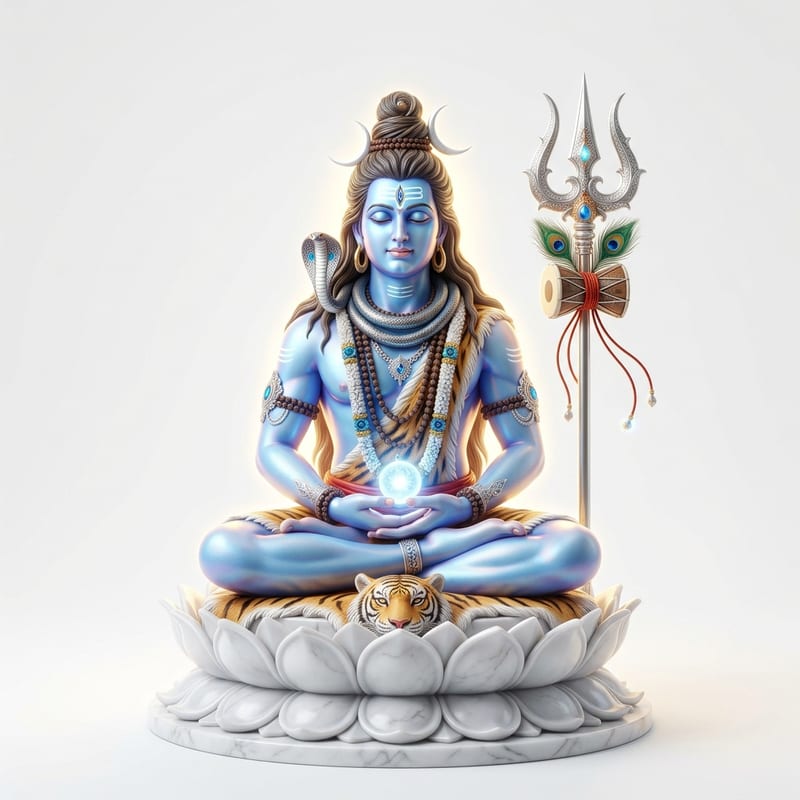
ഹിരണ്യഗര്ഭ-സ്സമവര്ത-താഗ്രേ ഭൂതസ്യ ജാതഃ പതിരേക ആസീത് ।
സദാധാര പൃഥിവീ-ന്ദ്യാമുതേമാ-ങ്കസ്മൈ ദേവായ ഹവിഷാ വിധേമ ॥
ഉരസാ നമഃ ॥ 1
സദാധാര പൃഥിവീ-ന്ദ്യാമുതേമാ-ങ്കസ്മൈ ദേവായ ഹവിഷാ വിധേമ ॥
ഉരസാ നമഃ ॥ 1
(തൈ. സം. 4.1.8.3)
യഃ പ്രാണതോ നിമിഷതോ മഹിത്വൈക ഇദ്രാജാ ജഗതോ ബഭൂവ ।
യ ഈശേ അസ്യ ദ്വിപദ-ശ്ചതുഷ്പദഃ കസ്മൈ ദേവായ ഹവിഷാ വിധേമ ॥
ശിരസാ നമഃ ॥ 2
യഃ പ്രാണതോ നിമിഷതോ മഹിത്വൈക ഇദ്രാജാ ജഗതോ ബഭൂവ ।
യ ഈശേ അസ്യ ദ്വിപദ-ശ്ചതുഷ്പദഃ കസ്മൈ ദേവായ ഹവിഷാ വിധേമ ॥
ശിരസാ നമഃ ॥ 2
(തൈ. സം. 4.1.8.4)
ബ്രഹ്മജജ്ഞാന-മ്പ്രഥമ-മ്പുരസ്താ-ദ്വിസീമത-സ്സുരുചോ വേന ആവഃ ।
സ ബുധ്നിയാ ഉപമാ അസ്യ വിഷ്ഠാ-സ്സതശ്ച യോനിമ-സതശ്ച വിവഃ । (
ദൃഷ്യാ നമഃ । 3 (തൈ. സം. 4.2.8.2.)
മഹീ ദ്യൌഃ പൃഥിവീ ച ന ഇമം-യഁജ്ഞ-മ്മിമിക്ഷതാമ് ।
പിപൃതാന്നോ ഭരീമഭിഃ ।
മനസാ നമഃ ॥ 4
ബ്രഹ്മജജ്ഞാന-മ്പ്രഥമ-മ്പുരസ്താ-ദ്വിസീമത-സ്സുരുചോ വേന ആവഃ ।
സ ബുധ്നിയാ ഉപമാ അസ്യ വിഷ്ഠാ-സ്സതശ്ച യോനിമ-സതശ്ച വിവഃ । (
ദൃഷ്യാ നമഃ । 3 (തൈ. സം. 4.2.8.2.)
മഹീ ദ്യൌഃ പൃഥിവീ ച ന ഇമം-യഁജ്ഞ-മ്മിമിക്ഷതാമ് ।
പിപൃതാന്നോ ഭരീമഭിഃ ।
മനസാ നമഃ ॥ 4
(തൈ. സം. 3.3.10.2)
ഉപശ്വാസയ പൃഥിവീ-മുത ദ്യാ-മ്പുരുത്രാ തേ മനുതാം-വിഁഷ്ഠിത-ഞ്ജഗത് ।
സ ദുന്ദുഭേ സജൂരിന്ദ്രേണ ദേവൈ-ര്ദൂരാദ്ദവീയോ അപസേധ ശത്രൂന് ।
വചസാ നമഃ ॥ 5
ഉപശ്വാസയ പൃഥിവീ-മുത ദ്യാ-മ്പുരുത്രാ തേ മനുതാം-വിഁഷ്ഠിത-ഞ്ജഗത് ।
സ ദുന്ദുഭേ സജൂരിന്ദ്രേണ ദേവൈ-ര്ദൂരാദ്ദവീയോ അപസേധ ശത്രൂന് ।
വചസാ നമഃ ॥ 5
(തൈ. സം. 4.6.6.6)
അഗ്നേ നയ സുപഥാ രായേ അസ്മാന് വിശ്വാനി ദേവ വയുനാനി വിദ്വാന് ।
യുയോദ്ധ്യസ്മ-ജ്ജുഹുരാണ-മേനോ ഭൂയിഷ്ഠാന്തേ നമ ഉക്തിം-വിഁധേമ ॥
പധ്ഭ്യാ-ന്നമഃ ॥ 6
അഗ്നേ നയ സുപഥാ രായേ അസ്മാന് വിശ്വാനി ദേവ വയുനാനി വിദ്വാന് ।
യുയോദ്ധ്യസ്മ-ജ്ജുഹുരാണ-മേനോ ഭൂയിഷ്ഠാന്തേ നമ ഉക്തിം-വിഁധേമ ॥
പധ്ഭ്യാ-ന്നമഃ ॥ 6
(തൈ. സം. 1.1.14.3)
യാ തേ അഗ്നേ രുദ്രിയാ തനൂസ്തയാ നഃ പാഹി തസ്യാസ്തേ സ്വാഹാ ।
യാ തേ അഗ്നേ-ഽയാശയാ രജാശയാ ഹരാശയാ തനൂര്വര്ഷിഷ്ഠാ ഗഹ്വരേഷ്ഠോഗ്രം-വഁചോ അപാവധീ-ന്ത്വേഷം-വഁചോ അപാവധീഗ്ം സ്വാഹാ ॥
കരാഭ്യാ-ന്നമഃ ॥ 7
യാ തേ അഗ്നേ രുദ്രിയാ തനൂസ്തയാ നഃ പാഹി തസ്യാസ്തേ സ്വാഹാ ।
യാ തേ അഗ്നേ-ഽയാശയാ രജാശയാ ഹരാശയാ തനൂര്വര്ഷിഷ്ഠാ ഗഹ്വരേഷ്ഠോഗ്രം-വഁചോ അപാവധീ-ന്ത്വേഷം-വഁചോ അപാവധീഗ്ം സ്വാഹാ ॥
കരാഭ്യാ-ന്നമഃ ॥ 7
(തൈ. സം. 1.2.11.2)
ഇമം-യഁമപ്രസ്തരമാഹി സീദാങ്ഗിരോഭിഃ പിതൃഭിഃ സംവിഁദാനഃ ।
ആത്വാ മന്ത്രാഃ കവിശസ്താ വഹന്ത്വേനാ രാജന് ഹവിഷാ മാദയസ്വ ॥
കര്ണാഭ്യാ-ന്നമഃ ॥ 8
(തൈ. സം. 2.6.12.6)
ഉരസാ ശിരസാ ദൃഷ്ട്യാ മനസാ വചസാ തഥാ ।
പദ്ഭ്യാ-ങ്കരാഭ്യാ-ങ്കര്ണാഭ്യാ-മ്പ്രണാമോ-ഽഷ്ടാങ്ഗ ഉച്യതേ ॥
ഉമാമഹേശ്വരാഭ്യാ-ന്നമഃ ॥
ഇമം-യഁമപ്രസ്തരമാഹി സീദാങ്ഗിരോഭിഃ പിതൃഭിഃ സംവിഁദാനഃ ।
ആത്വാ മന്ത്രാഃ കവിശസ്താ വഹന്ത്വേനാ രാജന് ഹവിഷാ മാദയസ്വ ॥
കര്ണാഭ്യാ-ന്നമഃ ॥ 8
(തൈ. സം. 2.6.12.6)
ഉരസാ ശിരസാ ദൃഷ്ട്യാ മനസാ വചസാ തഥാ ।
പദ്ഭ്യാ-ങ്കരാഭ്യാ-ങ്കര്ണാഭ്യാ-മ്പ്രണാമോ-ഽഷ്ടാങ്ഗ ഉച്യതേ ॥
ഉമാമഹേശ്വരാഭ്യാ-ന്നമഃ ॥