
माहेयं मणिपूरके हृदि बुधं कण्ठे च वाचस्पतिम् ।
भ्रूमध्ये भृगुनन्दनं दिनमणेः पुत्रं त्रिकूटस्थले
नाडीमर्मसु राहु-केतु-गुलिकान्नित्यं नमाम्यायुषे ॥

(Ekasloki Navagraha Cakra Stotram)
Also known as ekashloki navagraha chakra stotram · ekasloki navagraha cakra stotra · adhare prathame sahasrakiranam taradhavam svasraye
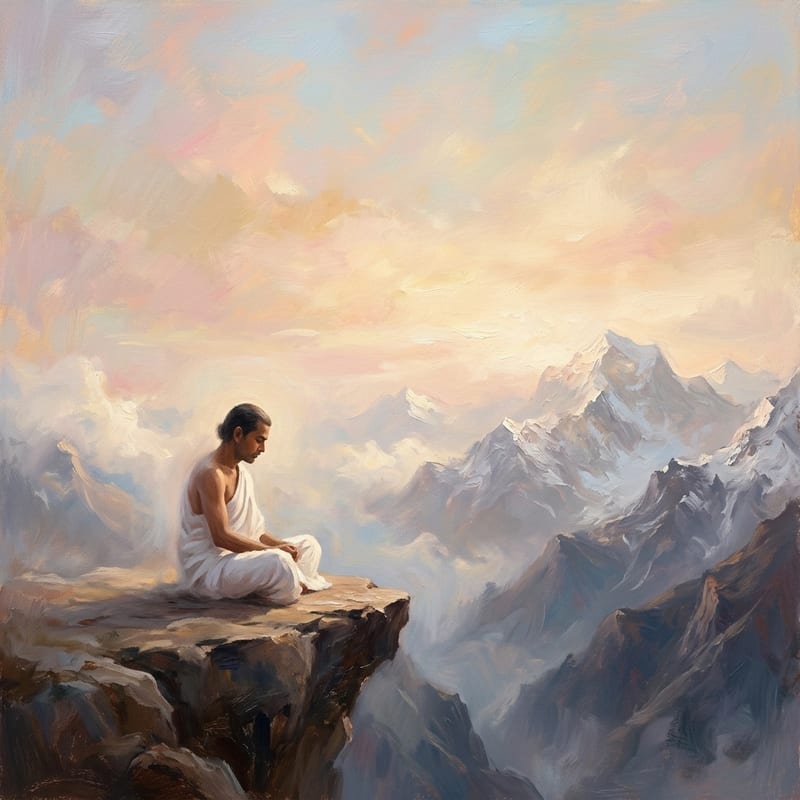
One verse, and it puts the nine planets inside the body instead of in the sky. The thousand-rayed one goes at the base; the lord of the stars, which is the moon, in his own seat above it; the son of the earth at the navel wheel; Mercury at the heart; the lord of speech at the throat; the delight of Bhrigu between the brows; the son of the day-maker at the place where three ways meet; and Rahu and Ketu and Gulika in the channels and the vital points. Then the verb, which comes last and governs the whole: I salute them daily, for the sake of long life. Gulika is worth noticing, since it is the shadowy sub-planet of Saturn that most lists leave out. The whole practice is a nyasa compressed into thirty-two syllables, meant to be done in one breath.
Script: Devanagari (देवनागरी) — also the script of Hindi, Marathi, Nepali and Konkani.