
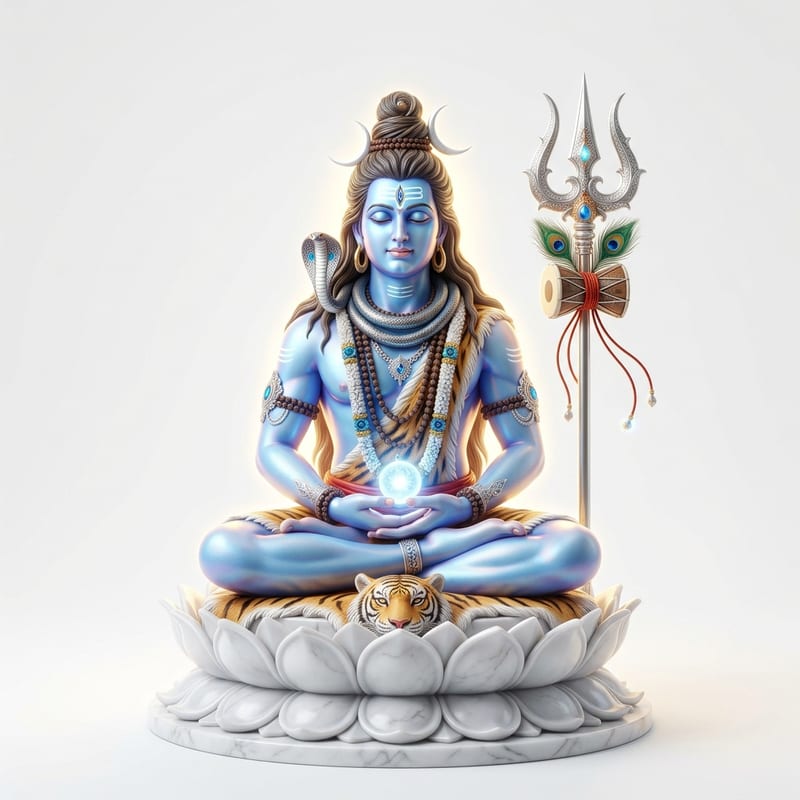
ಕಾಶ್ಯಾಂ ತು ಮರಣಾನ್ಮುಕ್ತಿಃ ಸ್ಮರಣಾದರುಣಾಚಲೇ ॥ 1 ॥
- ದರ್ಶನಾತ್ (darśanāt)by the sight of it
- ಅಭ್ರ-ಸದಸಿ (abhra-sadasi)in the Hall of the Sky, Cidambaram
- ಜನನಾತ್ (jananāt)by being born
- ಕಮಲ-ಆಲಯೇ (kamala-ālaye)in Kamalālaya, Tiruvārūr
- ಕಾಶ್ಯಾಮ್ (kāśyām)in Kāśī
- ತು (tu)but
- ಮರಣಾತ್ (maraṇāt)by dying
- ಮುಕ್ತಿಃ (muktiḥ)liberation comes
- ಸ್ಮರಣಾತ್ (smaraṇāt)and by the mere remembering
- ಅರುಣಾಚಲೇ (aruṇācale)of Aruṇācala
anvaya ಅಭ್ರಸದಸಿ ದರ್ಶನಾತ್ ಕಮಲಾಲಯೇ ಜನನಾತ್ ಕಾಶ್ಯಾಮ್ ಮರಣಾತ್ ತು ಅರುಣಾಚಲೇ ಸ್ಮರಣಾತ್ ಮುಕ್ತಿಃ
chandas Anuṣṭubh, 8 syllables in each of 4 pādas
ಅಭ್ರಸದಸಿ in the Hall of the Sky, Chidambaram — Abhra is cloud or sky and sadas a hall. The shrine at Chidambaram is called the Hall of Space, where Shiva is worshipped as the dancer.
ಕಮಲಾಲಯೇ at Kamalalaya, Tiruvarur — The town is named for its lotus tank. Being born there is what the verse counts.
ಅರುಣಾಚಲೇ at Arunachala — The red hill at Tiruvannamalai, worshipped as Shiva himself in the form of fire. Aruṇa is the red of daybreak.
note A saying known all over the south, set here as the opening verse. Each of the four places asks something different of a person: you must go and see Chidambaram, be born at Tiruvarur, die at Kashi. For Arunachala it is enough to remember it.
ತರುಣೇನ್ದುಜಟಾಮೌಲಿಂ ಸ್ಮರಣಾದರುಣಾಚಲಮ್ ॥ 2 ॥
- ಕರುಣಾ-ಪೂರಿತ-ಅಪಾಙ್ಗಮ್ (karuṇā-pūrita-apāṅgam)whose sidelong glance brims with compassion
- ಶರಣ-ಆಗತ-ವತ್ಸಲಮ್ (śaraṇa-āgata-vatsalam)tender toward all who come for refuge
- ತರುಣ-ಇನ್ದು-ಜಟಾ-ಮೌಲಿಮ್ (taruṇa-indu-jaṭā-maulim)whose crown of matted hair bears the young moon
- ಸ್ಮರಣಾತ್ (smaraṇāt)by the mere remembering of
- ಅರುಣಾಚಲಮ್ (aruṇācalam)Aruṇācala, the red mountain
anvaya ಕರುಣಾಪೂರಿತಾಪಾಙ್ಗಮ್ ಶರಣಾಗತವತ್ಸಲಮ್ ತರುಣೇನ್ದುಜಟಾಮೌಲಿಮ್ ಅರುಣಾಚಲಮ್ ಸ್ಮರಣಾತ್ [ಮುಕ್ತಿಃ]
chandas Anuṣṭubh, 8 syllables in each of 4 pādas
ಅಪಾಙ್ಗಮ್ the outer corner of the eye — The sidelong look, which is how kindness shows in a face before anything is said.
ಶರಣಾಗತವತ್ಸಲಮ್ tender towards whoever comes for shelter — Vatsala is the feeling a cow has for its calf, used for the care a god has for those who turn up with nothing.
note From here to the end, every verse keeps the fourth pāda of the first verse as a refrain and hangs its describing words on it. The verb is the one carried over from that verse: liberation comes by remembering.
ಸಹಸ್ರರಥಸೋಪೇತಂ ಸ್ಮರಣಾದರುಣಾಚಲಮ್ ॥ 3 ॥
- ಸಮಸ್ತ-ಜಗತ್-ಆಧಾರಮ್ (samasta-jagat-ādhāram)the support of the whole world
- ಸತ್-ಚಿತ್-ಆನನ್ದ-ವಿಗ್ರಹಮ್ (sat-cit-ānanda-vigraham)whose form is being, consciousness and bliss
- ಸಹಸ್ರ-ರಥಸ-ಉಪೇತಮ್ (sahasra-rathasa-upetam)attended by a thousand chariots of the sun
- ಸ್ಮರಣಾತ್ (smaraṇāt)by the mere remembering of
- ಅರುಣಾಚಲಮ್ (aruṇācalam)Aruṇācala, the red mountain
anvaya ಸಮಸ್ತಜಗದಾಧಾರಮ್ ಸಚ್ಚಿದಾನನ್ದವಿಗ್ರಹಮ್ ಸಹಸ್ರರಥಸೋಪೇತಮ್ ಅರುಣಾಚಲಮ್ ಸ್ಮರಣಾತ್ [ಮುಕ್ತಿಃ]
chandas Anuṣṭubh, 8 syllables in each of 4 pādas
ಸಚ್ಚಿದಾನನ್ದವಿಗ್ರಹಮ್ whose form is being, awareness and joy — Sat, cit and ānanda are the three words Vedanta uses for what is finally real. Vigraha is a form or a shape, so the three are spoken of here as having taken shape.
ಸಹಸ್ರರಥಸೋಪೇತಮ್ attended by a thousand — The word as printed gives no settled reading. Ratha is a chariot, so it can be read as a thousand chariots in attendance; a nearby reading is sahasra-raśmi, the thousand-rayed sun. The gloss keeps only what is certain.
note The third pāda is doubtful as printed. It has been left as it stands and glossed only as far as the words allow.
ಮಾಂ ಚ ರಕ್ಷ ಸುರಾಧ್ಯಕ್ಷಂ ಸ್ಮರಣಾದರುಣಾಚಲಮ್ ॥ 4 ॥
- ಕಾಞ್ಚನ-ಪ್ರತಿಮಾ-ಆಭಾಸಮ್ (kāñcana-pratimā-ābhāsam)shining like an image of gold
- ವಾಞ್ಛಿತ-ಅರ್ಥ-ಫಲ-ಪ್ರದಮ್ (vāñchita-artha-phala-pradam)giver of the fruit of every wished-for end
- ಮಾಮ್ ಚ ರಕ್ಷ (mām ca rakṣa)and protect me
- ಸುರ-ಅಧ್ಯಕ್ಷಮ್ (sura-adhyakṣam)overseer of the gods
- ಸ್ಮರಣಾತ್ (smaraṇāt)by the mere remembering of
- ಅರುಣಾಚಲಮ್ (aruṇācalam)Aruṇācala, the red mountain
anvaya ಕಾಞ್ಚನಪ್ರತಿಮಾಭಾಸಮ್ ವಾಞ್ಛಿತಾರ್ಥಫಲಪ್ರದಮ್ ಸುರಾಧ್ಯಕ್ಷಮ್ ಅರುಣಾಚಲಮ್ ಸ್ಮರಣಾತ್ ಮಾಮ್ ಚ ರಕ್ಷ
chandas Anuṣṭubh, 8 syllables in each of 4 pādas
ಸುರಾಧ್ಯಕ್ಷಮ್ the one set over the gods — Adhyakṣa is the one who oversees, the head of an assembly.
ವಾಞ್ಛಿತಾರ್ಥಫಲಪ್ರದಮ್ who gives the fruit of what is wished for — Vāñchita is the thing wanted, artha what it is wanted for, phala what comes of it.
note The third pāda steps out of the describing and asks straight out for protection. It is the only line in the hymn that does so.
ವರ್ಧಮಾನದಯಾಮ್ಭೋಧಿಂ ಸ್ಮರಣಾದರುಣಾಚಲಮ್ ॥ 5 ॥
- ಬದ್ಧ-ಚನ್ದ್ರ-ಜಟಾ-ಜೂಟಮ್ (baddha-candra-jaṭā-jūṭam)with the moon bound into his coil of matted hair
- ಅರ್ಧ-ನಾರೀ-ಕಲೇಬರಮ್ (ardha-nārī-kalebaram)whose body is half woman
- ವರ್ಧಮಾನ-ದಯಾ-ಅಮ್ಭೋಧಿಮ್ (vardhamāna-dayā-ambhodhim)an ever-swelling ocean of mercy
- ಸ್ಮರಣಾತ್ (smaraṇāt)by the mere remembering of
- ಅರುಣಾಚಲಮ್ (aruṇācalam)Aruṇācala, the red mountain
anvaya ಬದ್ಧಚನ್ದ್ರಜಟಾಜೂಟಮ್ ಅರ್ಧನಾರೀಕಲೇಬರಮ್ ವರ್ಧಮಾನದಯಾಮ್ಭೋಧಿಮ್ ಅರುಣಾಚಲಮ್ ಸ್ಮರಣಾತ್ [ಮುಕ್ತಿಃ]
chandas Anuṣṭubh, 8 syllables in each of 4 pādas
ಜಟಾಜೂಟಮ್ the coil of matted hair — Jaṭā is matted hair and jūṭa the knot it is gathered into, with the crescent moon tied into it.
ಅರ್ಧನಾರೀಕಲೇಬರಮ್ whose body is half woman — The form in which Shiva and the Goddess share one body, the right side his and the left hers. Printed कलेबर, a common spelling of कलेवर, the body.
note The kindness is called a sea that keeps rising, vardhamāna, so it is never at its highest mark.
ಬದ್ಧವ್ಯಾಘ್ರಪುರೀಧ್ಯಾನಂ ಸ್ಮರಣಾದರುಣಾಚಲಮ್ ॥ 6 ॥
- ಕಾಞ್ಚನ-ಪ್ರತಿಮಾ-ಆಭಾಸಮ್ (kāñcana-pratimā-ābhāsam)shining like an image of gold
- ಸೂರ್ಯ-ಕೋಟಿ-ಸಮ-ಪ್ರಭಮ್ (sūrya-koṭi-sama-prabham)of a brilliance equal to ten million suns
- ಬದ್ಧ-ವ್ಯಾಘ್ರ-ಪುರೀ-ಧ್ಯಾನಮ್ (baddha-vyāghra-purī-dhyānam)held fast in meditation upon the Tiger City, Cidambaram
- ಸ್ಮರಣಾತ್ (smaraṇāt)by the mere remembering of
- ಅರುಣಾಚಲಮ್ (aruṇācalam)Aruṇācala, the red mountain
anvaya ಕಾಞ್ಚನಪ್ರತಿಮಾಭಾಸಮ್ ಸೂರ್ಯಕೋಟಿಸಮಪ್ರಭಮ್ ಬದ್ಧವ್ಯಾಘ್ರಪುರೀಧ್ಯಾನಮ್ ಅರುಣಾಚಲಮ್ ಸ್ಮರಣಾತ್ [ಮುಕ್ತಿಃ]
chandas Anuṣṭubh, 8 syllables in each of 4 pādas
ವ್ಯಾಘ್ರಪುರೀ the Tiger City, Chidambaram — Named after the sage Vyaghrapada, who was given tiger's feet so he could climb for flowers before the bees reached them.
ಕೋಟಿ ten million — A round figure for a number past counting.
note The first pāda repeats the opening of verse 4 word for word, as the printed text has it. The hill is described as held fast in meditation on Chidambaram, so the two shrines of the first verse are tied together.
ರಕ್ಷಯಾಖಿಲಭಕ್ತಾನಾಂ ಸ್ಮರಣಾದರುಣಾಚಲಮ್ ॥ 7 ॥
- ಶಿಕ್ಷಯಾ (śikṣayā)by chastisement
- ಅಖಿಲ-ದೇವ-ಅರಿ (akhila-deva-ari)of every foe of the gods
- ಭಕ್ಷಿತ-ಕ್ಷ್ವೇಲ-ಕನ್ಧರಮ್ (bhakṣita-kṣvela-kandharam)in whose throat the swallowed poison rests
- ರಕ್ಷಯಾ (rakṣayā)by his protection
- ಅಖಿಲ-ಭಕ್ತಾನಾಮ್ (akhila-bhaktānām)of all his devotees
- ಸ್ಮರಣಾತ್ (smaraṇāt)by the mere remembering of
- ಅರುಣಾಚಲಮ್ (aruṇācalam)Aruṇācala, the red mountain
anvaya ಅಖಿಲದೇವಾರಿ ಶಿಕ್ಷಯಾ ಅಖಿಲಭಕ್ತಾನಾಮ್ ರಕ್ಷಯಾ ಭಕ್ಷಿತಕ್ಷ್ವೇಲಕನ್ಧರಮ್ ಅರುಣಾಚಲಮ್ ಸ್ಮರಣಾತ್ [ಮುಕ್ತಿಃ]
chandas Anuṣṭubh, 8 syllables in each of 4 pādas
ಕ್ಷ್ವೇಲ poison — A spelling of kṣveḍa. When the sea was churned the poison came up first, and Shiva drank it and held it in his throat so that it went no further.
ಕನ್ಧರಮ್ the throat — Holding the poison there is what gives him the name Nilakantha, the blue throat.
note Two things are set side by side in one verse: the lesson given to the enemies of the gods, and the guard kept over his own people. Printed ದೇವಾರಿ; read as devārīn, the foes of the gods.
ಶಿಷ್ಟಭಕ್ತಿಸಮಾಯುಕ್ತಾನ್ ಸ್ಮರಣಾದರುಣಾಚಲಮ್ ॥ 8 ॥
- ಅಷ್ಟ-ಭೂತಿ-ಸಮಾಯುಕ್ತಮ್ (aṣṭa-bhūti-samāyuktam)possessed of the eight forms of manifest being
- ಇಷ್ಟ-ಕಾಮ-ಫಲ-ಪ್ರದಮ್ (iṣṭa-kāma-phala-pradam)giver of the fruit of every cherished wish
- ಶಿಷ್ಟ-ಭಕ್ತಿ-ಸಮಾಯುಕ್ತಾನ್ (śiṣṭa-bhakti-samāyuktān)those joined with the devotion of the good
- ಸ್ಮರಣಾತ್ (smaraṇāt)by the mere remembering of
- ಅರುಣಾಚಲಮ್ (aruṇācalam)Aruṇācala, the red mountain
anvaya ಶಿಷ್ಟಭಕ್ತಿಸಮಾಯುಕ್ತಾನ್ [ಪ್ರತಿ] ಅಷ್ಟಭೂತಿಸಮಾಯುಕ್ತಮ್ ಇಷ್ಟಕಾಮಫಲಪ್ರದಮ್ ಅರುಣಾಚಲಮ್ ಸ್ಮರಣಾತ್
chandas Anuṣṭubh, 8 syllables in each of 4 pādas
ಅಷ್ಟಭೂತಿ the eight — Usually read as the aṣṭamūrti, Shiva's eight forms: earth, water, fire, air, space, sun, moon and the one who offers the sacrifice. Bhūti also means well-being, so some read the eight kinds of prosperity instead.
ಶಿಷ್ಟ the good, the well-taught — Those who keep to what has been handed down. The word also carries being trained, so it is devotion that has been schooled.
note The three pādas rhyme on -ṣṭa: aṣṭa, iṣṭa, śiṣṭa. The word play is the point of the verse as much as the meaning.
ವಿಮಲಾರುಣಪಾದಾಬ್ಜಂ ಸ್ಮರಣಾದರುಣಾಚಲಮ್ ॥ 9 ॥
- ವಿನಾಯಕ-ಸುರ-ಅಧ್ಯಕ್ಷಮ್ (vināyaka-sura-adhyakṣam)overlord of Vināyaka and of the gods
- ವಿಷ್ಣು-ಬ್ರಹ್ಮ-ಇನ್ದ್ರ-ಸೇವಿತಮ್ (viṣṇu-brahma-indra-sevitam)served by Viṣṇu, Brahmā and Indra
- ವಿಮಲ-ಅರುಣ-ಪಾದ-ಅಬ್ಜಮ್ (vimala-aruṇa-pāda-abjam)whose lotus feet are spotless and red as the dawn
- ಸ್ಮರಣಾತ್ (smaraṇāt)by the mere remembering of
- ಅರುಣಾಚಲಮ್ (aruṇācalam)Aruṇācala, the red mountain
anvaya ವಿನಾಯಕಸುರಾಧ್ಯಕ್ಷಮ್ ವಿಷ್ಣುಬ್ರಹ್ಮೇನ್ದ್ರಸೇವಿತಮ್ ವಿಮಲಾರುಣಪಾದಾಬ್ಜಮ್ ಅರುಣಾಚಲಮ್ ಸ್ಮರಣಾತ್ [ಮುಕ್ತಿಃ]
chandas Anuṣṭubh, 8 syllables in each of 4 pādas
ವಿನಾಯಕಸುರಾಧ್ಯಕ್ಷಮ್ lord of Vinayaka and of the gods — Ganapati is named first among those he is lord of, then the gods as a body.
ವಿಮಲಾರುಣಪಾದಾಬ್ಜಮ್ whose lotus feet are clear and red — Aruṇa, the red of daybreak, is the colour of the hill itself, so the feet and the hill are the same colour.
note All three pādas begin with vi, and the verse is built on that repetition.
ಇನ್ದ್ರಾದಿಪೂಜಿತಾಂ ದೇವೀಂ ಸ್ಮರಣಾದರುಣಾಚಲಮ್ ॥ 10 ॥
- ಮನ್ದಾರ-ಮಲ್ಲಿಕಾ-ಜಾತಿ-ಕುನ್ದ-ಚಮ್ಪಕ-ಪಙ್ಕಜೈಃ (mandāra-mallikā-jāti-kunda-campaka-paṅkajaiḥ)with mandāra, mallikā, jāti, kunda, campaka and lotus blossoms
- ಇನ್ದ್ರ-ಆದಿ-ಪೂಜಿತಾಮ್ (indra-ādi-pūjitām)worshipped by Indra and the rest
- ದೇವೀಮ್ (devīm)the Goddess, his consort
- ಸ್ಮರಣಾತ್ (smaraṇāt)by the mere remembering of
- ಅರುಣಾಚಲಮ್ (aruṇācalam)Aruṇācala, the red mountain
anvaya ಮನ್ದಾರಮಲ್ಲಿಕಾಜಾತಿಕುನ್ದಚಮ್ಪಕಪಙ್ಕಜೈಃ ಇನ್ದ್ರಾದಿಪೂಜಿತಾಮ್ ದೇವೀಮ್ [ಚ] ಅರುಣಾಚಲಮ್ ಸ್ಮರಣಾತ್
chandas Anuṣṭubh, 8 syllables in each of 4 pādas
ಮನ್ದಾರಮಲ್ಲಿಕಾಜಾತಿಕುನ್ದಚಮ್ಪಕಪಙ್ಕಜೈಃ with mandara, jasmine, jati, kunda, champak and lotus — Six flowers of temple worship, filling a whole pāda. Mallika, jati and kunda are all jasmines of different kinds.
ದೇವೀಮ್ the Goddess — The Goddess of the same temple at Tiruvannamalai, worshipped there as Unnamulai.
note The one verse in the hymn that turns to the Goddess rather than to the hill.
ಮನ್ದಸ್ಮಿತಮುಖಾಮ್ಭೋಜಂ ಸ್ಮರಣಾದರುಣಾಚಲಮ್ ॥ 11 ॥
- ಸಮ್ಪತ್-ಕರಮ್ (sampat-karam)the maker of prosperity
- ಪಾರ್ವತೀ-ಈಶಮ್ (pārvatī-īśam)the lord of Pārvatī
- ಸೂರ್ಯ-ಚನ್ದ್ರ-ಅಗ್ನಿ-ಲೋಚನಮ್ (sūrya-candra-agni-locanam)whose eyes are sun, moon and fire
- ಮನ್ದ-ಸ್ಮಿತ-ಮುಖ-ಅಮ್ಭೋಜಮ್ (manda-smita-mukha-ambhojam)whose lotus face bears a gentle smile
- ಸ್ಮರಣಾತ್ (smaraṇāt)by the mere remembering of
- ಅರುಣಾಚಲಮ್ (aruṇācalam)Aruṇācala, the red mountain
anvaya ಸಮ್ಪತ್ಕರಮ್ ಪಾರ್ವತೀಶಮ್ ಸೂರ್ಯಚನ್ದ್ರಾಗ್ನಿಲೋಚನಮ್ ಮನ್ದಸ್ಮಿತಮುಖಾಮ್ಭೋಜಮ್ ಅರುಣಾಚಲಮ್ ಸ್ಮರಣಾತ್ [ಮುಕ್ತಿಃ]
chandas Anuṣṭubh, 8 syllables in each of 4 pādas
ಸೂರ್ಯಚನ್ದ್ರಾಗ್ನಿಲೋಚನಮ್ whose eyes are sun, moon and fire — The right eye is the sun, the left the moon, and the third, in the forehead, is fire.
ಮನ್ದಸ್ಮಿತಮುಖಾಮ್ಭೋಜಮ್ whose lotus face carries a slight smile — Manda is soft or slow. The smile is a faint one rather than a broad one.
note The last verse closes on the face, after the earlier verses have gone over hair, throat, eyes and feet. The title calls the hymn an ashtakam, a set of eight, but eleven verses are printed here.