
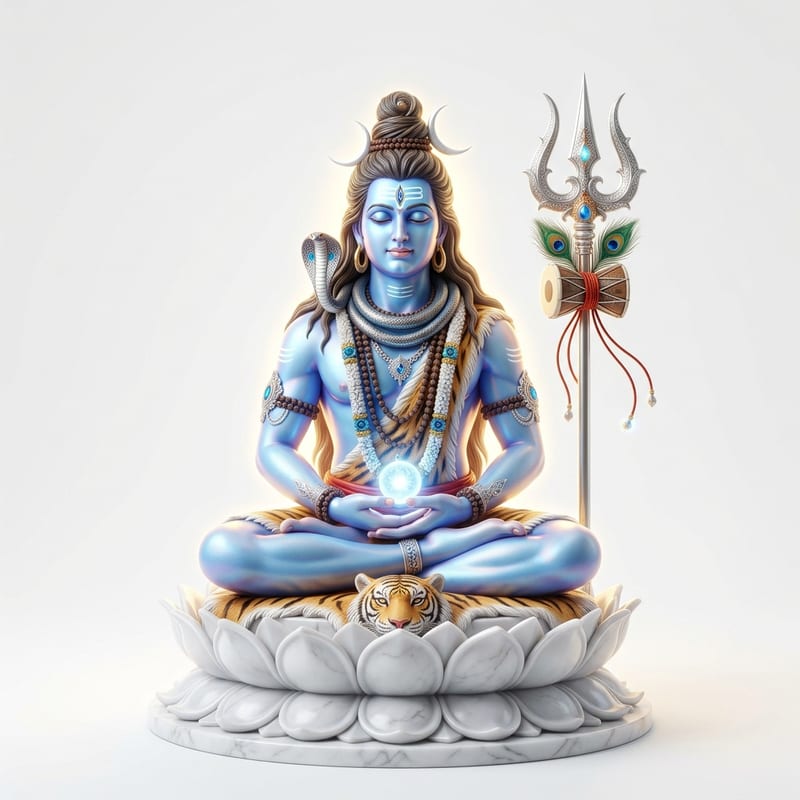
காஶ்யாம் து மரணாந்முக்திஃ ஸ்மரணாதருணாசலே ॥ 1 ॥
- தர்ஶநாத் (darśanāt)by the sight of it
- அப்ர-ஸதஸி (abhra-sadasi)in the Hall of the Sky, Cidambaram
- ஜநநாத் (jananāt)by being born
- கமல-ஆலயே (kamala-ālaye)in Kamalālaya, Tiruvārūr
- காஶ்யாம் (kāśyām)in Kāśī
- து (tu)but
- மரணாத் (maraṇāt)by dying
- முக்திஃ (muktiḥ)liberation comes
- ஸ்மரணாத் (smaraṇāt)and by the mere remembering
- அருணாசலே (aruṇācale)of Aruṇācala
anvaya அப்ரஸதஸி தர்ஶநாத் கமலாலயே ஜநநாத் காஶ்யாம் மரணாத் து அருணாசலே ஸ்மரணாத் முக்திஃ
chandas Anuṣṭubh, 8 syllables in each of 4 pādas
அப்ரஸதஸி in the Hall of the Sky, Chidambaram — Abhra is cloud or sky and sadas a hall. The shrine at Chidambaram is called the Hall of Space, where Shiva is worshipped as the dancer.
கமலாலயே at Kamalalaya, Tiruvarur — The town is named for its lotus tank. Being born there is what the verse counts.
அருணாசலே at Arunachala — The red hill at Tiruvannamalai, worshipped as Shiva himself in the form of fire. Aruṇa is the red of daybreak.
note A saying known all over the south, set here as the opening verse. Each of the four places asks something different of a person: you must go and see Chidambaram, be born at Tiruvarur, die at Kashi. For Arunachala it is enough to remember it.
தருணேந்துஜடாமௌலிம் ஸ்மரணாதருணாசலம் ॥ 2 ॥
- கருணா-பூரித-அபாங்கம் (karuṇā-pūrita-apāṅgam)whose sidelong glance brims with compassion
- ஶரண-ஆகத-வத்ஸலம் (śaraṇa-āgata-vatsalam)tender toward all who come for refuge
- தருண-இந்து-ஜடா-மௌலிம் (taruṇa-indu-jaṭā-maulim)whose crown of matted hair bears the young moon
- ஸ்மரணாத் (smaraṇāt)by the mere remembering of
- அருணாசலம் (aruṇācalam)Aruṇācala, the red mountain
anvaya கருணாபூரிதாபாங்கம் ஶரணாகதவத்ஸலம் தருணேந்துஜடாமௌலிம் அருணாசலம் ஸ்மரணாத் [முக்திஃ]
chandas Anuṣṭubh, 8 syllables in each of 4 pādas
அபாங்கம் the outer corner of the eye — The sidelong look, which is how kindness shows in a face before anything is said.
ஶரணாகதவத்ஸலம் tender towards whoever comes for shelter — Vatsala is the feeling a cow has for its calf, used for the care a god has for those who turn up with nothing.
note From here to the end, every verse keeps the fourth pāda of the first verse as a refrain and hangs its describing words on it. The verb is the one carried over from that verse: liberation comes by remembering.
ஸஹஸ்ரரதஸோபேதம் ஸ்மரணாதருணாசலம் ॥ 3 ॥
- ஸமஸ்த-ஜகத்-ஆதாரம் (samasta-jagat-ādhāram)the support of the whole world
- ஸத்-சித்-ஆநந்த-விக்ரஹம் (sat-cit-ānanda-vigraham)whose form is being, consciousness and bliss
- ஸஹஸ்ர-ரதஸ-உபேதம் (sahasra-rathasa-upetam)attended by a thousand chariots of the sun
- ஸ்மரணாத் (smaraṇāt)by the mere remembering of
- அருணாசலம் (aruṇācalam)Aruṇācala, the red mountain
anvaya ஸமஸ்தஜகதாதாரம் ஸச்சிதாநந்தவிக்ரஹம் ஸஹஸ்ரரதஸோபேதம் அருணாசலம் ஸ்மரணாத் [முக்திஃ]
chandas Anuṣṭubh, 8 syllables in each of 4 pādas
ஸச்சிதாநந்தவிக்ரஹம் whose form is being, awareness and joy — Sat, cit and ānanda are the three words Vedanta uses for what is finally real. Vigraha is a form or a shape, so the three are spoken of here as having taken shape.
ஸஹஸ்ரரதஸோபேதம் attended by a thousand — The word as printed gives no settled reading. Ratha is a chariot, so it can be read as a thousand chariots in attendance; a nearby reading is sahasra-raśmi, the thousand-rayed sun. The gloss keeps only what is certain.
note The third pāda is doubtful as printed. It has been left as it stands and glossed only as far as the words allow.
மாம் ச ரக்ஷ ஸுராத்யக்ஷம் ஸ்மரணாதருணாசலம் ॥ 4 ॥
- காஞ்சந-ப்ரதிமா-ஆபாஸம் (kāñcana-pratimā-ābhāsam)shining like an image of gold
- வாஞ்சித-அர்த-பல-ப்ரதம் (vāñchita-artha-phala-pradam)giver of the fruit of every wished-for end
- மாம் ச ரக்ஷ (mām ca rakṣa)and protect me
- ஸுர-அத்யக்ஷம் (sura-adhyakṣam)overseer of the gods
- ஸ்மரணாத் (smaraṇāt)by the mere remembering of
- அருணாசலம் (aruṇācalam)Aruṇācala, the red mountain
anvaya காஞ்சநப்ரதிமாபாஸம் வாஞ்சிதார்தபலப்ரதம் ஸுராத்யக்ஷம் அருணாசலம் ஸ்மரணாத் மாம் ச ரக்ஷ
chandas Anuṣṭubh, 8 syllables in each of 4 pādas
ஸுராத்யக்ஷம் the one set over the gods — Adhyakṣa is the one who oversees, the head of an assembly.
வாஞ்சிதார்தபலப்ரதம் who gives the fruit of what is wished for — Vāñchita is the thing wanted, artha what it is wanted for, phala what comes of it.
note The third pāda steps out of the describing and asks straight out for protection. It is the only line in the hymn that does so.
வர்தமாநதயாம்போதிம் ஸ்மரணாதருணாசலம் ॥ 5 ॥
- பத்த-சந்த்ர-ஜடா-ஜூடம் (baddha-candra-jaṭā-jūṭam)with the moon bound into his coil of matted hair
- அர்த-நாரீ-கலேபரம் (ardha-nārī-kalebaram)whose body is half woman
- வர்தமாந-தயா-அம்போதிம் (vardhamāna-dayā-ambhodhim)an ever-swelling ocean of mercy
- ஸ்மரணாத் (smaraṇāt)by the mere remembering of
- அருணாசலம் (aruṇācalam)Aruṇācala, the red mountain
anvaya பத்தசந்த்ரஜடாஜூடம் அர்தநாரீகலேபரம் வர்தமாநதயாம்போதிம் அருணாசலம் ஸ்மரணாத் [முக்திஃ]
chandas Anuṣṭubh, 8 syllables in each of 4 pādas
ஜடாஜூடம் the coil of matted hair — Jaṭā is matted hair and jūṭa the knot it is gathered into, with the crescent moon tied into it.
அர்தநாரீகலேபரம் whose body is half woman — The form in which Shiva and the Goddess share one body, the right side his and the left hers. Printed कलेबर, a common spelling of कलेवर, the body.
note The kindness is called a sea that keeps rising, vardhamāna, so it is never at its highest mark.
பத்தவ்யாக்ரபுரீத்யாநம் ஸ்மரணாதருணாசலம் ॥ 6 ॥
- காஞ்சந-ப்ரதிமா-ஆபாஸம் (kāñcana-pratimā-ābhāsam)shining like an image of gold
- ஸூர்ய-கோடி-ஸம-ப்ரபம் (sūrya-koṭi-sama-prabham)of a brilliance equal to ten million suns
- பத்த-வ்யாக்ர-புரீ-த்யாநம் (baddha-vyāghra-purī-dhyānam)held fast in meditation upon the Tiger City, Cidambaram
- ஸ்மரணாத் (smaraṇāt)by the mere remembering of
- அருணாசலம் (aruṇācalam)Aruṇācala, the red mountain
anvaya காஞ்சநப்ரதிமாபாஸம் ஸூர்யகோடிஸமப்ரபம் பத்தவ்யாக்ரபுரீத்யாநம் அருணாசலம் ஸ்மரணாத் [முக்திஃ]
chandas Anuṣṭubh, 8 syllables in each of 4 pādas
வ்யாக்ரபுரீ the Tiger City, Chidambaram — Named after the sage Vyaghrapada, who was given tiger's feet so he could climb for flowers before the bees reached them.
கோடி ten million — A round figure for a number past counting.
note The first pāda repeats the opening of verse 4 word for word, as the printed text has it. The hill is described as held fast in meditation on Chidambaram, so the two shrines of the first verse are tied together.
ரக்ஷயாகிலபக்தாநாம் ஸ்மரணாதருணாசலம் ॥ 7 ॥
- ஶிக்ஷயா (śikṣayā)by chastisement
- அகில-தேவ-அரி (akhila-deva-ari)of every foe of the gods
- பக்ஷித-க்ஷ்வேல-கந்தரம் (bhakṣita-kṣvela-kandharam)in whose throat the swallowed poison rests
- ரக்ஷயா (rakṣayā)by his protection
- அகில-பக்தாநாம் (akhila-bhaktānām)of all his devotees
- ஸ்மரணாத் (smaraṇāt)by the mere remembering of
- அருணாசலம் (aruṇācalam)Aruṇācala, the red mountain
anvaya அகிலதேவாரி ஶிக்ஷயா அகிலபக்தாநாம் ரக்ஷயா பக்ஷிதக்ஷ்வேலகந்தரம் அருணாசலம் ஸ்மரணாத் [முக்திஃ]
chandas Anuṣṭubh, 8 syllables in each of 4 pādas
க்ஷ்வேல poison — A spelling of kṣveḍa. When the sea was churned the poison came up first, and Shiva drank it and held it in his throat so that it went no further.
கந்தரம் the throat — Holding the poison there is what gives him the name Nilakantha, the blue throat.
note Two things are set side by side in one verse: the lesson given to the enemies of the gods, and the guard kept over his own people. Printed தேவாரி; read as devārīn, the foes of the gods.
ஶிஷ்டபக்திஸமாயுக்தாந் ஸ்மரணாதருணாசலம் ॥ 8 ॥
- அஷ்ட-பூதி-ஸமாயுக்தம் (aṣṭa-bhūti-samāyuktam)possessed of the eight forms of manifest being
- இஷ்ட-காம-பல-ப்ரதம் (iṣṭa-kāma-phala-pradam)giver of the fruit of every cherished wish
- ஶிஷ்ட-பக்தி-ஸமாயுக்தாந் (śiṣṭa-bhakti-samāyuktān)those joined with the devotion of the good
- ஸ்மரணாத் (smaraṇāt)by the mere remembering of
- அருணாசலம் (aruṇācalam)Aruṇācala, the red mountain
anvaya ஶிஷ்டபக்திஸமாயுக்தாந் [ப்ரதி] அஷ்டபூதிஸமாயுக்தம் இஷ்டகாமபலப்ரதம் அருணாசலம் ஸ்மரணாத்
chandas Anuṣṭubh, 8 syllables in each of 4 pādas
அஷ்டபூதி the eight — Usually read as the aṣṭamūrti, Shiva's eight forms: earth, water, fire, air, space, sun, moon and the one who offers the sacrifice. Bhūti also means well-being, so some read the eight kinds of prosperity instead.
ஶிஷ்ட the good, the well-taught — Those who keep to what has been handed down. The word also carries being trained, so it is devotion that has been schooled.
note The three pādas rhyme on -ṣṭa: aṣṭa, iṣṭa, śiṣṭa. The word play is the point of the verse as much as the meaning.
விமலாருணபாதாப்ஜம் ஸ்மரணாதருணாசலம் ॥ 9 ॥
- விநாயக-ஸுர-அத்யக்ஷம் (vināyaka-sura-adhyakṣam)overlord of Vināyaka and of the gods
- விஷ்ணு-ப்ரஹ்ம-இந்த்ர-ஸேவிதம் (viṣṇu-brahma-indra-sevitam)served by Viṣṇu, Brahmā and Indra
- விமல-அருண-பாத-அப்ஜம் (vimala-aruṇa-pāda-abjam)whose lotus feet are spotless and red as the dawn
- ஸ்மரணாத் (smaraṇāt)by the mere remembering of
- அருணாசலம் (aruṇācalam)Aruṇācala, the red mountain
anvaya விநாயகஸுராத்யக்ஷம் விஷ்ணுப்ரஹ்மேந்த்ரஸேவிதம் விமலாருணபாதாப்ஜம் அருணாசலம் ஸ்மரணாத் [முக்திஃ]
chandas Anuṣṭubh, 8 syllables in each of 4 pādas
விநாயகஸுராத்யக்ஷம் lord of Vinayaka and of the gods — Ganapati is named first among those he is lord of, then the gods as a body.
விமலாருணபாதாப்ஜம் whose lotus feet are clear and red — Aruṇa, the red of daybreak, is the colour of the hill itself, so the feet and the hill are the same colour.
note All three pādas begin with vi, and the verse is built on that repetition.
இந்த்ராதிபூஜிதாம் தேவீம் ஸ்மரணாதருணாசலம் ॥ 10 ॥
- மந்தார-மல்லிகா-ஜாதி-குந்த-சம்பக-பங்கஜைஃ (mandāra-mallikā-jāti-kunda-campaka-paṅkajaiḥ)with mandāra, mallikā, jāti, kunda, campaka and lotus blossoms
- இந்த்ர-ஆதி-பூஜிதாம் (indra-ādi-pūjitām)worshipped by Indra and the rest
- தேவீம் (devīm)the Goddess, his consort
- ஸ்மரணாத் (smaraṇāt)by the mere remembering of
- அருணாசலம் (aruṇācalam)Aruṇācala, the red mountain
anvaya மந்தாரமல்லிகாஜாதிகுந்தசம்பகபங்கஜைஃ இந்த்ராதிபூஜிதாம் தேவீம் [ச] அருணாசலம் ஸ்மரணாத்
chandas Anuṣṭubh, 8 syllables in each of 4 pādas
மந்தாரமல்லிகாஜாதிகுந்தசம்பகபங்கஜைஃ with mandara, jasmine, jati, kunda, champak and lotus — Six flowers of temple worship, filling a whole pāda. Mallika, jati and kunda are all jasmines of different kinds.
தேவீம் the Goddess — The Goddess of the same temple at Tiruvannamalai, worshipped there as Unnamulai.
note The one verse in the hymn that turns to the Goddess rather than to the hill.
மந்தஸ்மிதமுகாம்போஜம் ஸ்மரணாதருணாசலம் ॥ 11 ॥
- ஸம்பத்-கரம் (sampat-karam)the maker of prosperity
- பார்வதீ-ஈஶம் (pārvatī-īśam)the lord of Pārvatī
- ஸூர்ய-சந்த்ர-அக்நி-லோசநம் (sūrya-candra-agni-locanam)whose eyes are sun, moon and fire
- மந்த-ஸ்மித-முக-அம்போஜம் (manda-smita-mukha-ambhojam)whose lotus face bears a gentle smile
- ஸ்மரணாத் (smaraṇāt)by the mere remembering of
- அருணாசலம் (aruṇācalam)Aruṇācala, the red mountain
anvaya ஸம்பத்கரம் பார்வதீஶம் ஸூர்யசந்த்ராக்நிலோசநம் மந்தஸ்மிதமுகாம்போஜம் அருணாசலம் ஸ்மரணாத் [முக்திஃ]
chandas Anuṣṭubh, 8 syllables in each of 4 pādas
ஸூர்யசந்த்ராக்நிலோசநம் whose eyes are sun, moon and fire — The right eye is the sun, the left the moon, and the third, in the forehead, is fire.
மந்தஸ்மிதமுகாம்போஜம் whose lotus face carries a slight smile — Manda is soft or slow. The smile is a faint one rather than a broad one.
note The last verse closes on the face, after the earlier verses have gone over hair, throat, eyes and feet. The title calls the hymn an ashtakam, a set of eight, but eleven verses are printed here.