
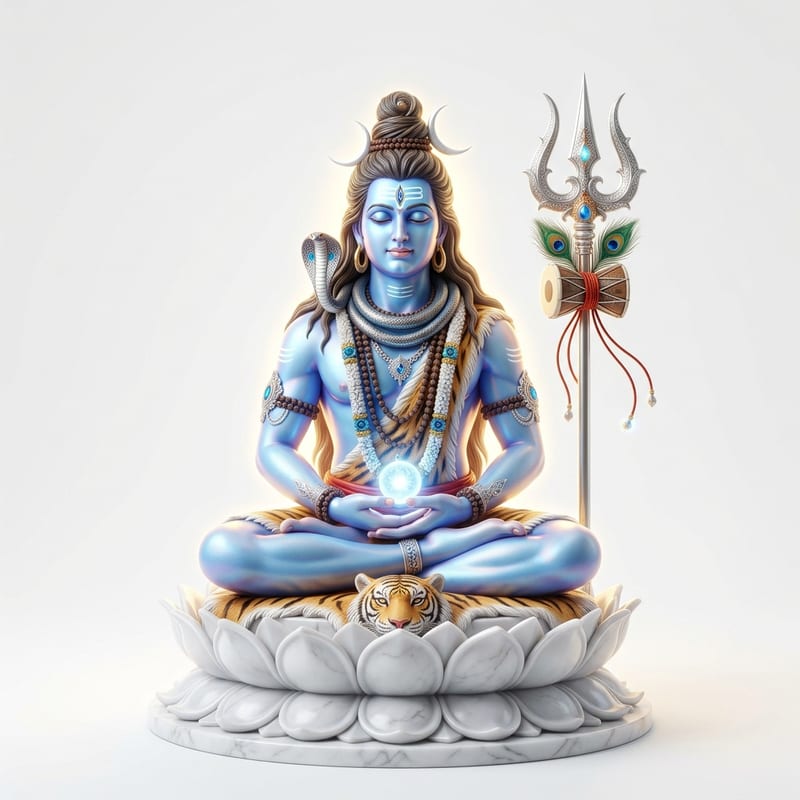
കാശ്യാം തു മരണാന്മുക്തിഃ സ്മരണാദരുണാചലേ ॥ 1 ॥
- ദര്ശനാത് (darśanāt)by the sight of it
- അഭ്ര-സദസി (abhra-sadasi)in the Hall of the Sky, Cidambaram
- ജനനാത് (jananāt)by being born
- കമല-ആലയേ (kamala-ālaye)in Kamalālaya, Tiruvārūr
- കാശ്യാമ് (kāśyām)in Kāśī
- തു (tu)but
- മരണാത് (maraṇāt)by dying
- മുക്തിഃ (muktiḥ)liberation comes
- സ്മരണാത് (smaraṇāt)and by the mere remembering
- അരുണാചലേ (aruṇācale)of Aruṇācala
anvaya അഭ്രസദസി ദര്ശനാത് കമലാലയേ ജനനാത് കാശ്യാമ് മരണാത് തു അരുണാചലേ സ്മരണാത് മുക്തിഃ
chandas Anuṣṭubh, 8 syllables in each of 4 pādas
അഭ്രസദസി in the Hall of the Sky, Chidambaram — Abhra is cloud or sky and sadas a hall. The shrine at Chidambaram is called the Hall of Space, where Shiva is worshipped as the dancer.
കമലാലയേ at Kamalalaya, Tiruvarur — The town is named for its lotus tank. Being born there is what the verse counts.
അരുണാചലേ at Arunachala — The red hill at Tiruvannamalai, worshipped as Shiva himself in the form of fire. Aruṇa is the red of daybreak.
note A saying known all over the south, set here as the opening verse. Each of the four places asks something different of a person: you must go and see Chidambaram, be born at Tiruvarur, die at Kashi. For Arunachala it is enough to remember it.
തരുണേന്ദുജടാമൌലിം സ്മരണാദരുണാചലമ് ॥ 2 ॥
- കരുണാ-പൂരിത-അപാങ്ഗമ് (karuṇā-pūrita-apāṅgam)whose sidelong glance brims with compassion
- ശരണ-ആഗത-വത്സലമ് (śaraṇa-āgata-vatsalam)tender toward all who come for refuge
- തരുണ-ഇന്ദു-ജടാ-മൌലിമ് (taruṇa-indu-jaṭā-maulim)whose crown of matted hair bears the young moon
- സ്മരണാത് (smaraṇāt)by the mere remembering of
- അരുണാചലമ് (aruṇācalam)Aruṇācala, the red mountain
anvaya കരുണാപൂരിതാപാങ്ഗമ് ശരണാഗതവത്സലമ് തരുണേന്ദുജടാമൌലിമ് അരുണാചലമ് സ്മരണാത് [മുക്തിഃ]
chandas Anuṣṭubh, 8 syllables in each of 4 pādas
അപാങ്ഗമ് the outer corner of the eye — The sidelong look, which is how kindness shows in a face before anything is said.
ശരണാഗതവത്സലമ് tender towards whoever comes for shelter — Vatsala is the feeling a cow has for its calf, used for the care a god has for those who turn up with nothing.
note From here to the end, every verse keeps the fourth pāda of the first verse as a refrain and hangs its describing words on it. The verb is the one carried over from that verse: liberation comes by remembering.
സഹസ്രരഥസോപേതം സ്മരണാദരുണാചലമ് ॥ 3 ॥
- സമസ്ത-ജഗത്-ആധാരമ് (samasta-jagat-ādhāram)the support of the whole world
- സത്-ചിത്-ആനന്ദ-വിഗ്രഹമ് (sat-cit-ānanda-vigraham)whose form is being, consciousness and bliss
- സഹസ്ര-രഥസ-ഉപേതമ് (sahasra-rathasa-upetam)attended by a thousand chariots of the sun
- സ്മരണാത് (smaraṇāt)by the mere remembering of
- അരുണാചലമ് (aruṇācalam)Aruṇācala, the red mountain
anvaya സമസ്തജഗദാധാരമ് സച്ചിദാനന്ദവിഗ്രഹമ് സഹസ്രരഥസോപേതമ് അരുണാചലമ് സ്മരണാത് [മുക്തിഃ]
chandas Anuṣṭubh, 8 syllables in each of 4 pādas
സച്ചിദാനന്ദവിഗ്രഹമ് whose form is being, awareness and joy — Sat, cit and ānanda are the three words Vedanta uses for what is finally real. Vigraha is a form or a shape, so the three are spoken of here as having taken shape.
സഹസ്രരഥസോപേതമ് attended by a thousand — The word as printed gives no settled reading. Ratha is a chariot, so it can be read as a thousand chariots in attendance; a nearby reading is sahasra-raśmi, the thousand-rayed sun. The gloss keeps only what is certain.
note The third pāda is doubtful as printed. It has been left as it stands and glossed only as far as the words allow.
മാം ച രക്ഷ സുരാധ്യക്ഷം സ്മരണാദരുണാചലമ് ॥ 4 ॥
- കാഞ്ചന-പ്രതിമാ-ആഭാസമ് (kāñcana-pratimā-ābhāsam)shining like an image of gold
- വാഞ്ഛിത-അര്ഥ-ഫല-പ്രദമ് (vāñchita-artha-phala-pradam)giver of the fruit of every wished-for end
- മാമ് ച രക്ഷ (mām ca rakṣa)and protect me
- സുര-അധ്യക്ഷമ് (sura-adhyakṣam)overseer of the gods
- സ്മരണാത് (smaraṇāt)by the mere remembering of
- അരുണാചലമ് (aruṇācalam)Aruṇācala, the red mountain
anvaya കാഞ്ചനപ്രതിമാഭാസമ് വാഞ്ഛിതാര്ഥഫലപ്രദമ് സുരാധ്യക്ഷമ് അരുണാചലമ് സ്മരണാത് മാമ് ച രക്ഷ
chandas Anuṣṭubh, 8 syllables in each of 4 pādas
സുരാധ്യക്ഷമ് the one set over the gods — Adhyakṣa is the one who oversees, the head of an assembly.
വാഞ്ഛിതാര്ഥഫലപ്രദമ് who gives the fruit of what is wished for — Vāñchita is the thing wanted, artha what it is wanted for, phala what comes of it.
note The third pāda steps out of the describing and asks straight out for protection. It is the only line in the hymn that does so.
വര്ധമാനദയാമ്ഭോധിം സ്മരണാദരുണാചലമ് ॥ 5 ॥
- ബദ്ധ-ചന്ദ്ര-ജടാ-ജൂടമ് (baddha-candra-jaṭā-jūṭam)with the moon bound into his coil of matted hair
- അര്ധ-നാരീ-കലേബരമ് (ardha-nārī-kalebaram)whose body is half woman
- വര്ധമാന-ദയാ-അമ്ഭോധിമ് (vardhamāna-dayā-ambhodhim)an ever-swelling ocean of mercy
- സ്മരണാത് (smaraṇāt)by the mere remembering of
- അരുണാചലമ് (aruṇācalam)Aruṇācala, the red mountain
anvaya ബദ്ധചന്ദ്രജടാജൂടമ് അര്ധനാരീകലേബരമ് വര്ധമാനദയാമ്ഭോധിമ് അരുണാചലമ് സ്മരണാത് [മുക്തിഃ]
chandas Anuṣṭubh, 8 syllables in each of 4 pādas
ജടാജൂടമ് the coil of matted hair — Jaṭā is matted hair and jūṭa the knot it is gathered into, with the crescent moon tied into it.
അര്ധനാരീകലേബരമ് whose body is half woman — The form in which Shiva and the Goddess share one body, the right side his and the left hers. Printed कलेबर, a common spelling of कलेवर, the body.
note The kindness is called a sea that keeps rising, vardhamāna, so it is never at its highest mark.
ബദ്ധവ്യാഘ്രപുരീധ്യാനം സ്മരണാദരുണാചലമ് ॥ 6 ॥
- കാഞ്ചന-പ്രതിമാ-ആഭാസമ് (kāñcana-pratimā-ābhāsam)shining like an image of gold
- സൂര്യ-കോടി-സമ-പ്രഭമ് (sūrya-koṭi-sama-prabham)of a brilliance equal to ten million suns
- ബദ്ധ-വ്യാഘ്ര-പുരീ-ധ്യാനമ് (baddha-vyāghra-purī-dhyānam)held fast in meditation upon the Tiger City, Cidambaram
- സ്മരണാത് (smaraṇāt)by the mere remembering of
- അരുണാചലമ് (aruṇācalam)Aruṇācala, the red mountain
anvaya കാഞ്ചനപ്രതിമാഭാസമ് സൂര്യകോടിസമപ്രഭമ് ബദ്ധവ്യാഘ്രപുരീധ്യാനമ് അരുണാചലമ് സ്മരണാത് [മുക്തിഃ]
chandas Anuṣṭubh, 8 syllables in each of 4 pādas
വ്യാഘ്രപുരീ the Tiger City, Chidambaram — Named after the sage Vyaghrapada, who was given tiger's feet so he could climb for flowers before the bees reached them.
കോടി ten million — A round figure for a number past counting.
note The first pāda repeats the opening of verse 4 word for word, as the printed text has it. The hill is described as held fast in meditation on Chidambaram, so the two shrines of the first verse are tied together.
രക്ഷയാഖിലഭക്താനാം സ്മരണാദരുണാചലമ് ॥ 7 ॥
- ശിക്ഷയാ (śikṣayā)by chastisement
- അഖില-ദേവ-അരി (akhila-deva-ari)of every foe of the gods
- ഭക്ഷിത-ക്ഷ്വേല-കന്ധരമ് (bhakṣita-kṣvela-kandharam)in whose throat the swallowed poison rests
- രക്ഷയാ (rakṣayā)by his protection
- അഖില-ഭക്താനാമ് (akhila-bhaktānām)of all his devotees
- സ്മരണാത് (smaraṇāt)by the mere remembering of
- അരുണാചലമ് (aruṇācalam)Aruṇācala, the red mountain
anvaya അഖിലദേവാരി ശിക്ഷയാ അഖിലഭക്താനാമ് രക്ഷയാ ഭക്ഷിതക്ഷ്വേലകന്ധരമ് അരുണാചലമ് സ്മരണാത് [മുക്തിഃ]
chandas Anuṣṭubh, 8 syllables in each of 4 pādas
ക്ഷ്വേല poison — A spelling of kṣveḍa. When the sea was churned the poison came up first, and Shiva drank it and held it in his throat so that it went no further.
കന്ധരമ് the throat — Holding the poison there is what gives him the name Nilakantha, the blue throat.
note Two things are set side by side in one verse: the lesson given to the enemies of the gods, and the guard kept over his own people. Printed ദേവാരി; read as devārīn, the foes of the gods.
ശിഷ്ടഭക്തിസമായുക്താന് സ്മരണാദരുണാചലമ് ॥ 8 ॥
- അഷ്ട-ഭൂതി-സമായുക്തമ് (aṣṭa-bhūti-samāyuktam)possessed of the eight forms of manifest being
- ഇഷ്ട-കാമ-ഫല-പ്രദമ് (iṣṭa-kāma-phala-pradam)giver of the fruit of every cherished wish
- ശിഷ്ട-ഭക്തി-സമായുക്താന് (śiṣṭa-bhakti-samāyuktān)those joined with the devotion of the good
- സ്മരണാത് (smaraṇāt)by the mere remembering of
- അരുണാചലമ് (aruṇācalam)Aruṇācala, the red mountain
anvaya ശിഷ്ടഭക്തിസമായുക്താന് [പ്രതി] അഷ്ടഭൂതിസമായുക്തമ് ഇഷ്ടകാമഫലപ്രദമ് അരുണാചലമ് സ്മരണാത്
chandas Anuṣṭubh, 8 syllables in each of 4 pādas
അഷ്ടഭൂതി the eight — Usually read as the aṣṭamūrti, Shiva's eight forms: earth, water, fire, air, space, sun, moon and the one who offers the sacrifice. Bhūti also means well-being, so some read the eight kinds of prosperity instead.
ശിഷ്ട the good, the well-taught — Those who keep to what has been handed down. The word also carries being trained, so it is devotion that has been schooled.
note The three pādas rhyme on -ṣṭa: aṣṭa, iṣṭa, śiṣṭa. The word play is the point of the verse as much as the meaning.
വിമലാരുണപാദാബ്ജം സ്മരണാദരുണാചലമ് ॥ 9 ॥
- വിനായക-സുര-അധ്യക്ഷമ് (vināyaka-sura-adhyakṣam)overlord of Vināyaka and of the gods
- വിഷ്ണു-ബ്രഹ്മ-ഇന്ദ്ര-സേവിതമ് (viṣṇu-brahma-indra-sevitam)served by Viṣṇu, Brahmā and Indra
- വിമല-അരുണ-പാദ-അബ്ജമ് (vimala-aruṇa-pāda-abjam)whose lotus feet are spotless and red as the dawn
- സ്മരണാത് (smaraṇāt)by the mere remembering of
- അരുണാചലമ് (aruṇācalam)Aruṇācala, the red mountain
anvaya വിനായകസുരാധ്യക്ഷമ് വിഷ്ണുബ്രഹ്മേന്ദ്രസേവിതമ് വിമലാരുണപാദാബ്ജമ് അരുണാചലമ് സ്മരണാത് [മുക്തിഃ]
chandas Anuṣṭubh, 8 syllables in each of 4 pādas
വിനായകസുരാധ്യക്ഷമ് lord of Vinayaka and of the gods — Ganapati is named first among those he is lord of, then the gods as a body.
വിമലാരുണപാദാബ്ജമ് whose lotus feet are clear and red — Aruṇa, the red of daybreak, is the colour of the hill itself, so the feet and the hill are the same colour.
note All three pādas begin with vi, and the verse is built on that repetition.
ഇന്ദ്രാദിപൂജിതാം ദേവീം സ്മരണാദരുണാചലമ് ॥ 10 ॥
- മന്ദാര-മല്ലികാ-ജാതി-കുന്ദ-ചമ്പക-പങ്കജൈഃ (mandāra-mallikā-jāti-kunda-campaka-paṅkajaiḥ)with mandāra, mallikā, jāti, kunda, campaka and lotus blossoms
- ഇന്ദ്ര-ആദി-പൂജിതാമ് (indra-ādi-pūjitām)worshipped by Indra and the rest
- ദേവീമ് (devīm)the Goddess, his consort
- സ്മരണാത് (smaraṇāt)by the mere remembering of
- അരുണാചലമ് (aruṇācalam)Aruṇācala, the red mountain
anvaya മന്ദാരമല്ലികാജാതികുന്ദചമ്പകപങ്കജൈഃ ഇന്ദ്രാദിപൂജിതാമ് ദേവീമ് [ച] അരുണാചലമ് സ്മരണാത്
chandas Anuṣṭubh, 8 syllables in each of 4 pādas
മന്ദാരമല്ലികാജാതികുന്ദചമ്പകപങ്കജൈഃ with mandara, jasmine, jati, kunda, champak and lotus — Six flowers of temple worship, filling a whole pāda. Mallika, jati and kunda are all jasmines of different kinds.
ദേവീമ് the Goddess — The Goddess of the same temple at Tiruvannamalai, worshipped there as Unnamulai.
note The one verse in the hymn that turns to the Goddess rather than to the hill.
മന്ദസ്മിതമുഖാമ്ഭോജം സ്മരണാദരുണാചലമ് ॥ 11 ॥
- സമ്പത്-കരമ് (sampat-karam)the maker of prosperity
- പാര്വതീ-ഈശമ് (pārvatī-īśam)the lord of Pārvatī
- സൂര്യ-ചന്ദ്ര-അഗ്നി-ലോചനമ് (sūrya-candra-agni-locanam)whose eyes are sun, moon and fire
- മന്ദ-സ്മിത-മുഖ-അമ്ഭോജമ് (manda-smita-mukha-ambhojam)whose lotus face bears a gentle smile
- സ്മരണാത് (smaraṇāt)by the mere remembering of
- അരുണാചലമ് (aruṇācalam)Aruṇācala, the red mountain
anvaya സമ്പത്കരമ് പാര്വതീശമ് സൂര്യചന്ദ്രാഗ്നിലോചനമ് മന്ദസ്മിതമുഖാമ്ഭോജമ് അരുണാചലമ് സ്മരണാത് [മുക്തിഃ]
chandas Anuṣṭubh, 8 syllables in each of 4 pādas
സൂര്യചന്ദ്രാഗ്നിലോചനമ് whose eyes are sun, moon and fire — The right eye is the sun, the left the moon, and the third, in the forehead, is fire.
മന്ദസ്മിതമുഖാമ്ഭോജമ് whose lotus face carries a slight smile — Manda is soft or slow. The smile is a faint one rather than a broad one.
note The last verse closes on the face, after the earlier verses have gone over hair, throat, eyes and feet. The title calls the hymn an ashtakam, a set of eight, but eleven verses are printed here.