
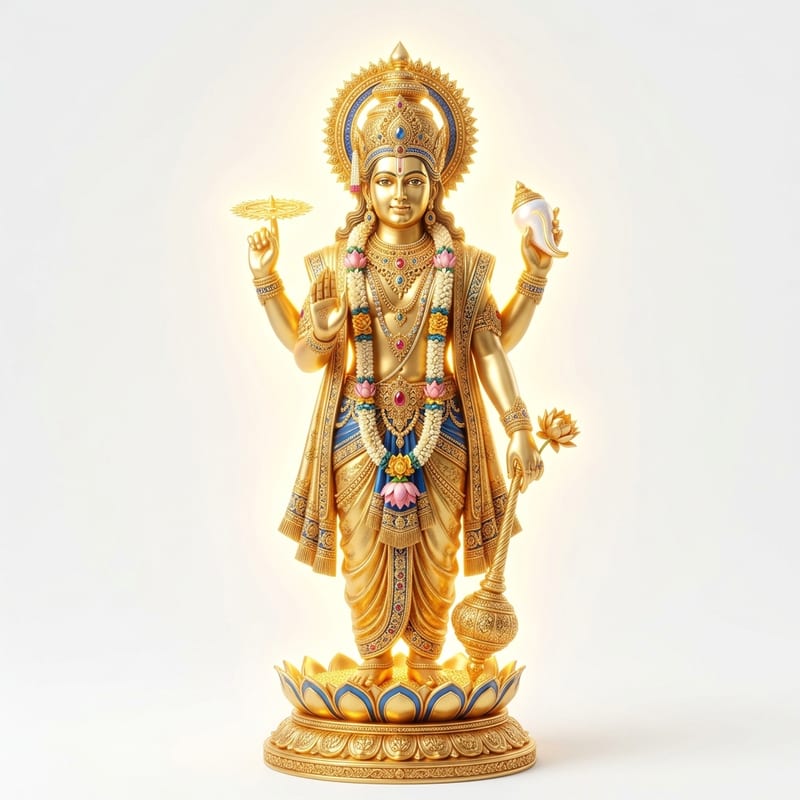
(tai-ā-10-38ḥ40)
o-mbrahma̭metu॒ mām | madhṷmetu॒ mām |
brahma̭me॒va madhṷmetu॒ mām |
yāstḙ soma pra॒jā va॒thso-'bhi॒ so a॒ham |
duṣṣva̭pna॒handṷruṣva॒ha |
yāstḙ soma prā॒ṇāgṃstāñjṷhomi |
trisṷparṇa॒mayā̭cita-mbrāhma॒ṇāya̭ dadyāt |
bra॒hma॒ha॒tyāṃ-vā~ e॒te ghna̭nti |
ye brā᳚hma॒ṇāstrisṷparṇa॒-mpaṭha̭nti |
te soma॒-mprāpnṷvanti |
ā॒sa॒ha॒srātpa॒ṅkti-mpuna̭nti |
om || 1
o-mbrahma̭metu॒ mām | madhṷmetu॒ mām |
brahma̭me॒va madhṷmetu॒ mām |
yāstḙ soma pra॒jā va॒thso-'bhi॒ so a॒ham |
duṣṣva̭pna॒handṷruṣva॒ha |
yāstḙ soma prā॒ṇāgṃstāñjṷhomi |
trisṷparṇa॒mayā̭cita-mbrāhma॒ṇāya̭ dadyāt |
bra॒hma॒ha॒tyāṃ-vā~ e॒te ghna̭nti |
ye brā᳚hma॒ṇāstrisṷparṇa॒-mpaṭha̭nti |
te soma॒-mprāpnṷvanti |
ā॒sa॒ha॒srātpa॒ṅkti-mpuna̭nti |
om || 1
brahma̭ me॒dhayā᳚ |
madhṷ me॒dhayā᳚ |
brahma̭me॒va madhṷ me॒dhayā᳚ |
a॒dyā no̭ deva savitaḥ pra॒jāva̭tsāvī॒ssaubha̭gam |
parā̭ du॒ṣvapni̭yagṃ suva |
viśvā̭ni deva savitarduri॒tāni॒ parā̭suva |
yadbha॒dra-ntanma॒ āsṷva |
madhu॒ vātā̭ ṛtāya॒te madhṷ kṣaranti॒ sindha̭vaḥ |
mādhvī᳚rnassa॒ntvoṣa̭dhīḥ |
madhu॒ nakta̭mu॒toṣasi॒ madhṷma॒tpārthi̭va॒gṃ॒ rajaḥ̭ |
madhu॒ dyaura̭stu naḥ pi॒tā |
madhṷ mānno॒ vana॒spati॒rmadhṷmāgṃ astu॒ sūryaḥ̭ |
mādhvī॒rgāvo̭ bhavantu naḥ |
ya i॒ma-ntrisṷparṇa॒mayā̭cita-mbrāhma॒ṇāya̭ dadyāt |
bhrū॒ṇa॒ha॒tyāṃ-vā~ e॒te ghna̭nti |
ye brā᳚hma॒ṇāstrisṷparṇa॒-mpaṭha̭nti |
te soma॒-mprāpnṷvanti |
ā॒sa॒ha॒srātpa॒ṅkti-mpuna̭nti |
om || 2
madhṷ me॒dhayā᳚ |
brahma̭me॒va madhṷ me॒dhayā᳚ |
a॒dyā no̭ deva savitaḥ pra॒jāva̭tsāvī॒ssaubha̭gam |
parā̭ du॒ṣvapni̭yagṃ suva |
viśvā̭ni deva savitarduri॒tāni॒ parā̭suva |
yadbha॒dra-ntanma॒ āsṷva |
madhu॒ vātā̭ ṛtāya॒te madhṷ kṣaranti॒ sindha̭vaḥ |
mādhvī᳚rnassa॒ntvoṣa̭dhīḥ |
madhu॒ nakta̭mu॒toṣasi॒ madhṷma॒tpārthi̭va॒gṃ॒ rajaḥ̭ |
madhu॒ dyaura̭stu naḥ pi॒tā |
madhṷ mānno॒ vana॒spati॒rmadhṷmāgṃ astu॒ sūryaḥ̭ |
mādhvī॒rgāvo̭ bhavantu naḥ |
ya i॒ma-ntrisṷparṇa॒mayā̭cita-mbrāhma॒ṇāya̭ dadyāt |
bhrū॒ṇa॒ha॒tyāṃ-vā~ e॒te ghna̭nti |
ye brā᳚hma॒ṇāstrisṷparṇa॒-mpaṭha̭nti |
te soma॒-mprāpnṷvanti |
ā॒sa॒ha॒srātpa॒ṅkti-mpuna̭nti |
om || 2
brahma̭ me॒dhavā᳚ |
madhṷ me॒dhavā᳚ |
brahma̭me॒va madhṷ me॒dhavā᳚ |
bra॒hmā de॒vānā᳚-mpada॒vīḥ ka̭vī॒nāmṛṣi॒rviprā̭ṇā-mmahi॒ṣo mṛ॒gāṇā᳚m |
śye॒no gṛddhrā̭ṇā॒gṃ॒ svadhi̭ti॒rvanā̭nā॒gṃ॒ somaḥ̭ pa॒vitra॒matyḙti॒ rebhanṋ |
ha॒gṃ॒saśśṷci॒ṣadvasṷrantarikṣa॒saddhotā̭ vedi॒ṣadati̭thirduroṇa॒sat |
nṛ॒ṣadva̭ra॒sadṛ̭ta॒sadvyo̭ma॒sada॒bjā go॒jā ṛ̭ta॒jā a̭dri॒jā ṛ॒ta-mbṛ॒hat |
ṛ॒ce tvā̭ ru॒ce tvā॒ samitsra̭vanti sa॒rito॒ na dhenāḥ᳚ |
a॒ntarhṛ॒dā mana̭sā pū॒yamā̭nāḥ |
ghṛ॒tasya॒ dhārā̭ a॒bhicā̭kaśīmi |
hi॒ra॒ṇyayo̭ veta॒so maddhya̭ āsām |
tasmi᳚nthsupa॒rṇo ma̭dhu॒kṛ-tkṷlā॒yī bhaja̭nnāste॒ madhṷ de॒vatā᳚bhyaḥ |
tasyā̭sate॒ hara̭yassa॒pta tīre᳚ sva॒dhā-nduhā̭nā a॒mṛta̭sya॒ dhārā᳚m |
ya i॒da-ntrisṷparṇa॒mayā̭cita-mbrāhma॒ṇāya̭ dadyāt |
vī॒ra॒ha॒tyāṃ-vā~ e॒te ghnanti |
ye brā᳚hma॒ṇāstrisṷparṇa॒-mpaṭha̭nti |
te soma॒-mprāpnṷvanti |
ā॒sa॒ha॒srātpa॒ṅkti-mpuna̭nti |
om || 3
oṃ śānti॒-śśānti॒-śśāntiḥ̭ ||
madhṷ me॒dhavā᳚ |
brahma̭me॒va madhṷ me॒dhavā᳚ |
bra॒hmā de॒vānā᳚-mpada॒vīḥ ka̭vī॒nāmṛṣi॒rviprā̭ṇā-mmahi॒ṣo mṛ॒gāṇā᳚m |
śye॒no gṛddhrā̭ṇā॒gṃ॒ svadhi̭ti॒rvanā̭nā॒gṃ॒ somaḥ̭ pa॒vitra॒matyḙti॒ rebhanṋ |
ha॒gṃ॒saśśṷci॒ṣadvasṷrantarikṣa॒saddhotā̭ vedi॒ṣadati̭thirduroṇa॒sat |
nṛ॒ṣadva̭ra॒sadṛ̭ta॒sadvyo̭ma॒sada॒bjā go॒jā ṛ̭ta॒jā a̭dri॒jā ṛ॒ta-mbṛ॒hat |
ṛ॒ce tvā̭ ru॒ce tvā॒ samitsra̭vanti sa॒rito॒ na dhenāḥ᳚ |
a॒ntarhṛ॒dā mana̭sā pū॒yamā̭nāḥ |
ghṛ॒tasya॒ dhārā̭ a॒bhicā̭kaśīmi |
hi॒ra॒ṇyayo̭ veta॒so maddhya̭ āsām |
tasmi᳚nthsupa॒rṇo ma̭dhu॒kṛ-tkṷlā॒yī bhaja̭nnāste॒ madhṷ de॒vatā᳚bhyaḥ |
tasyā̭sate॒ hara̭yassa॒pta tīre᳚ sva॒dhā-nduhā̭nā a॒mṛta̭sya॒ dhārā᳚m |
ya i॒da-ntrisṷparṇa॒mayā̭cita-mbrāhma॒ṇāya̭ dadyāt |
vī॒ra॒ha॒tyāṃ-vā~ e॒te ghnanti |
ye brā᳚hma॒ṇāstrisṷparṇa॒-mpaṭha̭nti |
te soma॒-mprāpnṷvanti |
ā॒sa॒ha॒srātpa॒ṅkti-mpuna̭nti |
om || 3
oṃ śānti॒-śśānti॒-śśāntiḥ̭ ||