
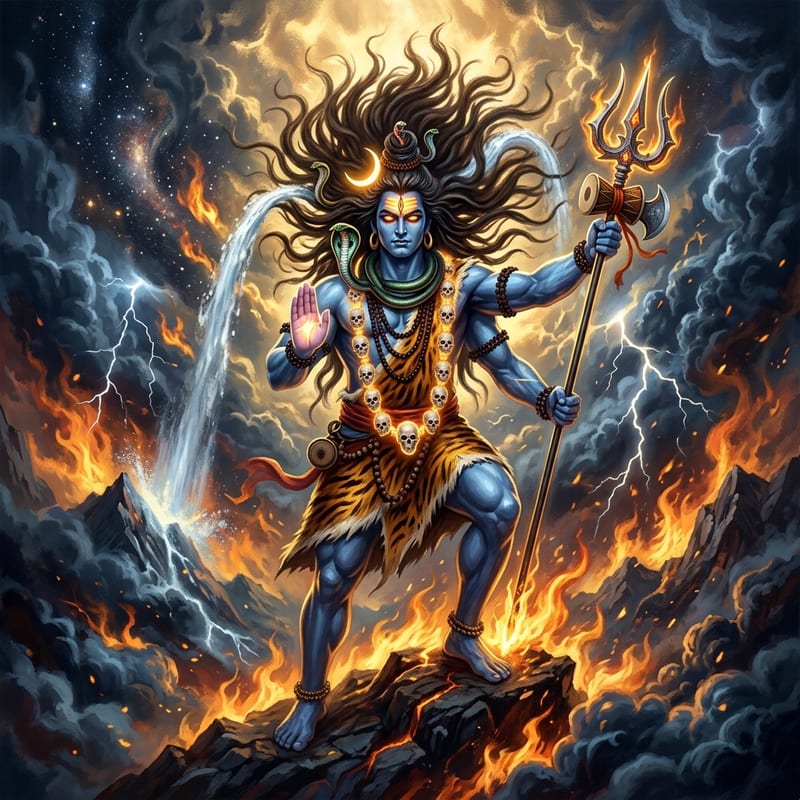
॥ ચમકપ્રશ્નઃ ॥ - 1st Anuvaka
ૐ અગ્નાવિષ્ણો સજોષસેમાવર્ધન્તુ વા-ઙ્ગિરઃ ।
ૐ અગ્નાવિષ્ણો સજોષસેમાવર્ધન્તુ વા-ઙ્ગિરઃ ।
- oṃ agnāviṣṇū sajoṣasemā vardhantu vāṃ giraḥ: May the hymns of praise for Agni and Vishnu, offered together in harmony, increase and grow.
દ્યુમ્નૈર્વાજેભિરાગતમ્ ।
- dyumnairvājebhirāgatam: May you (Agni and Vishnu) arrive with radiant splendor and blessings of wealth and strength. dyumnair: With brilliance or splendor. vājebhiḥ: With wealth or blessings (often referring to strength, energy, or sustenance). āgatam: Arrive or come.
વાજશ્ચ મે પ્રસવશ્ચ મે
- vājaśca me prasavaśca me: May I have both strength and progeny. vājaḥ: Strength or energy (also wealth). prasavaḥ: Progeny, offspring, or productivity. me: Refers to for me (as in, let these qualities be mine).
પ્રયતિશ્ચ મે પ્રસિતિશ્ચ મે
- prayatiśca me prasitiśca me: May I have determination and accomplishment. prayatiḥ: Determination or perseverance. prasitiḥ: Success or accomplishment.
ધીતિશ્ચ મે ક્રતુશ્ચ મે
- dhītiśca me kratuśca me: May I have both wisdom and willpower. dhītiḥ: Wisdom or intelligence. kratuḥ: Willpower or resolve.
સ્વરશ્ચ મે શ્લોકશ્ચ મે
- svaraśca me ślokaśca me: May I have musical expression and fame. svaraḥ: Sound or tone, often referring to vocal expression or music. ślokaḥ: Fame, renown, or verses (hymns).
શ્રાવશ્ચ મે શ્રુતિશ્ચ મે
- śrāvaśca me śrutiśca me: May I have good reputation and understanding of sacred knowledge. śrāvaḥ: Reputation, fame, or hearing. śrutiḥ: Sacred knowledge or scripture (that which is heard, particularly the Vedas).
જ્યોતિશ્ચ મે સુવશ્ચ મે
- jyotiśca me suvaśca me: May I have light and heaven. jyotiḥ: Light or illumination. suvaḥ: Heaven or celestial realms.
પ્રાણશ્ચ મે-ઽપાનશ્ચ મે
- prāṇaśca me'pānaśca me: May my vital life forces (breath) be strong, both outgoing and incoming. prāṇaḥ: Outgoing breath or life force. apānaḥ: Incoming breath or life force.
વ્યાનશ્ચ મે-ઽસુશ્ચ મે
- vyānaśca me'suśca me: May I have balanced energy flow and perfect health. vyānaḥ: A type of vital breath that governs circulation of energy within the body. asuḥ: Life or vitality.
ચિત્ત-ઞ્ચ મ આધીત-ઞ્ચ મે
- cittaṃ ca ma ādhītaṃ ca me: May I have a focused mind and retained knowledge. cittam: Mind or consciousness. ādhītam: Retained or acquired knowledge.
વાક્ચ મે મનશ્ચ મે
- vākca me manaśca me: May I have the power of speech and control of the mind. vāk: Speech or voice. manaḥ: Mind or thought.
ચક્ષુશ્ચ મે શ્રોત્ર-ઞ્ચ મે
- cakṣuśca me śrotraṃ ca me: May I have sharp vision and hearing. cakṣuḥ: Eyes or vision. śrotram: Ears or hearing.
દક્ષશ્ચ મે બલ-ઞ્ચ મ
- dakṣaḥ: Skill or capability. balaṃ: Strength.
ઓજશ્ચ મે સહશ્ચ મ
- ojaḥ: Vitality or vigor. sahaḥ: Endurance or power.
આયુશ્ચ મે જરા ચ મ
- āyuśca me jarā ca ma: May I have longevity and graceful aging. āyuḥ: Longevity or life. jarā: Old age.
આત્મા ચ મે તનૂશ્ચ મે
- ātmā ca me tanūśca me: May my soul and body be strong. ātmā: Soul or self. tanūḥ: Body.
શર્મ ચ મે વર્મ ચ મે-ઽઙ્ગાનિ ચ મે-ઽસ્થાનિ ચ મે
- śarma ca me varma ca me: May I have protection and a shield. śarma: Protection or happiness. varma: Shield or armor. aṅgāni ca me'sthāni ca me: May my limbs and bones be strong. aṅgāni: Limbs or body parts. asthāni: Bones.
પરૂગ્ંષિ ચ મે શરીરાણિ ચ મે ॥ ૧॥
- parūgͫṣi ca me śarīrāṇi ca me: May my joints and body be in good health. parūgͫṣi: Joints or connections. śarīrāṇi: Body.
2nd Anuvaka
જૈષ્ઠ્ય-ઞ્ચ મ આધિપત્ય-ઞ્ચ મે
- jyaiṣṭhyaṃ: Supremacy, superiority, or being the best. ādhipatyaṃ: Leadership or lordship.
મન્યુશ્ચ મે ભામશ્ચ મે-ઽમશ્ચ મે-ઽમ્ભશ્ચ મે
- manyuḥ: Righteous anger, or the ability to take determined action. bhāmaḥ: Brilliance or radiance (both physically and mentally). amaḥ: Wealth or resources. ambhaḥ: Water or abundance, often referring to life's sustaining element.
જેમા ચ મે મહિમા ચ મે
- jemā: Prosperity, well-being, or excellence. mahimā: Greatness or magnificence.
વરિમા ચ મે પ્રથિમા ચ મે
- varimā: Vastness or greatness in extent. prathimā: Expansiveness or extension in all directions.
વર્ષ્મા ચ મે દ્રાઘુયા ચ મે
- varṣmā: Height or stature. drāghuyā: Length or long life.
વૃદ્ધ-ઞ્ચ મે વૃદ્ધિશ્ચ મે
- vṛddham: Growth or prosperity (refers to material or spiritual growth). vṛddhiḥ: Increase or improvement.
સત્ય-ઞ્ચ મે શ્રદ્ધા ચ મે
- satyaḥ: Truth or righteousness. śraddhā: Faith or devotion.
જગચ્ચ મે ધન-ઞ્ચ મે
- jagat: The world or universe. dhanam: Wealth or riches.
વશશ્ચ મે ત્વિષિશ્ચ મે
- vaśaḥ: Control, authority, or influence. tviṣiḥ: Radiance or brilliance.
ક્રીડા ચ મે મોદશ્ચ મે
- krīḍā: Playfulness or joy. modaḥ: Delight or happiness.
જાત-ઞ્ચ મે જનિષ્યમાણ-ઞ્ચ મે
- jātam: That which is already born or created. janiṣyamāṇaṃ: That which is yet to be born or created.
સૂક્ત-ઞ્ચ મે સુકૃત-ઞ્ચ મે
- sūktam: Well-spoken words or hymns. sukṛtam: Virtuous deeds or good actions.
વિત્ત-ઞ્ચ મે વેદ્ય-ઞ્ચ મે
- vittam: Wealth or possessions. vedyam: Knowledge or understanding (often refers to Vedic knowledge).
ભૂત-ઞ્ચ મે ભવિષ્યચ્ચ મે
- bhūtam: That which exists, or the present. bhaviṣyam: That which is yet to come, or the future.
સુગ-ઞ્ચ મે સુપથ-ઞ્ચ મ
- sugam: Ease or comfort (may also refer to an easy journey or passage). supatham: A good or righteous path.
ઋદ્ધ-ઞ્ચ મ ઋદ્ધિશ્ચ મે
- ṛddham: Prosperity, wealth, or success. ṛddhiḥ: Accomplishment or growth.
કૢપ્ત-ઞ્ચ મે કૢપ્તિશ્ચ મે
- kḷptam: Completion or arrangement. kḷptiḥ: Ability to plan or preparation.
મતિશ્ચ મે સુમતિશ્ચ મે ॥ ૨॥
- matiḥ: Wisdom, intellect, or understanding. sumatiḥ: Good judgment, right understanding, or favorable disposition.
3rd Anuvaka
શ-ઞ્ચ મે મયશ્ચ મે
- śam: Peace or well-being. mayaḥ: Prosperity or joy.
પ્રિય-ઞ્ચ મે-ઽનુકામશ્ચ મે કામશ્ચ મે
- priyam: That which is dear or loved. anukāmaḥ: Fulfillment of desires or wishes. kāmaḥ: Desires or wishes.
સૌમનસશ્ચ મે ભદ્ર-ઞ્ચ મે
- saumanasaḥ: Peace of mind or good thoughts. bhadram: Auspiciousness or good fortune.
શ્રેયશ્ચ મે વસ્યશ્ચ મે
- śreyaḥ: Excellence, welfare, or prosperity. vasyaḥ: Control or influence.
યશશ્ચ મે ભગશ્ચ મે દ્રવિણ-ઞ્ચ મે
- yaśaḥ: Fame or renown. bhagaḥ: Good fortune, prosperity. draviṇam: Wealth or resources.
યન્તા ચ મે ધર્તા ચ મે
- yantā: Guide or director. dhartā: Supporter or sustainer.
ક્ષેમશ્ચ મે ધૃતિશ્ચ મે
- kṣemaḥ: Security or safety. dhṛtiḥ: Perseverance, steadiness, or determination.
વિશ્વ-ઞ્ચ મે મહશ્ચ મે
- viśvam: The whole universe or entirety. mahaḥ: Greatness or magnificence.
સંવિઁચ્ચ મે જ્ઞાત્ર-ઞ્ચ મે
- saṃvit: Understanding, awareness, or consciousness. jñātram: Knowledge or insight.
સૂશ્ચ મે પ્રસૂશ્ચ મે
- sūḥ: Birth or creation. prasūḥ: Productivity or fruitfulness.
સીર-ઞ્ચ મે લયશ્ચ મ
- sīram: Firmness or stability. layaḥ: Dissolution or rest.
ઋત-ઞ્ચ મે-ઽમૃત-ઞ્ચ મે-ઽયક્ષ્મ-ઞ્ચ મે-ઽનામયચ્ચ મે
- ṛtam: Truth or cosmic order. amṛtam: Immortality or the nectar of immortality. yakṣmam: Disease or affliction. anāmayam: Health, freedom from disease.
જીવાતુશ્ચ મે દીર્ઘાયુત્વ-ઞ્ચ મે-ઽનમિત્ર-ઞ્ચ મે-ઽભય-ઞ્ચ મે
- jīvātuḥ: Vitality or life. dīrghāyutvam: Long life or longevity. anamitram: Without enemies. abhayam: Fearlessness or safety.
સુગ-ઞ્ચ મે શયન-ઞ્ચ મે
- sugam: Comfort or ease. śayanam: Sleep or a bed to rest.
સૂષા ચ મે સુદિન-ઞ્ચ મે ॥ ૩॥
- sūṣā: Morning or dawn. sudinam: An auspicious or good day.
4th Anuvaka
ઊર્ક્ચ મે સૂનૃતા ચ મે
- ūrk: Nourishment or strength. sūnṛtā: Sweet speech, truthfulness, or pleasing words.
પયશ્ચ મે રસશ્ચ મે
- payaḥ: Milk, often symbolizing nourishment. rasaḥ: Juice or essence, referring to vitality and taste.
ઘૃત-ઞ્ચ મે મધુ ચ મે
- ghṛtam: Clarified butter (ghee), a symbol of purity and nourishment. madhu: Honey, representing sweetness and abundance.
સગ્ધિશ્ચ મે સપીતિશ્ચ મે
- sagdhiḥ: Thick cream or curd, another nourishing substance. sapītiḥ: Nourishment or sustenance.
કૃષિશ્ચ મે વૃષ્ટિશ્ચ મે
- kṛṣiḥ: Agriculture or farming. vṛṣṭiḥ: Rain, essential for crops and fertility.
જૈત્ર-ઞ્ચ મ ઔદ્ભિદ્ય-ઞ્ચ મે
- jaitram: Victory or success. audbhidyam: Growth or sprouting, particularly of plants.
રયિશ્ચ મે રાયશ્ચ મે
- rayiḥ: Wealth or possessions. rāyaḥ: Abundance or prosperity.
પુષ્ટ-ઞ્ચ મે પુષ્ટિશ્ચ મે
- puṣṭam: Fullness or completeness. puṣṭiḥ: Nourishment or thriving.
વિભુ ચ મે પ્રભુ ચ મે
- vibhu ca me: May I have abundance. prabhu ca me: May I have great plenty.
બહુ ચ મે ભૂયશ્ચ મે
- bahu: Plenty or abundance. bhūyaḥ: Increase or growth.
પૂર્ણ-ઞ્ચ મે પૂર્ણતર-ઞ્ચ મે-ઽક્ષિતિશ્ચ મે કૂયવાશ્ચ મે-ઽન્ન-ઞ્ચ મે-ઽક્ષુચ્ચ મે
- pūrṇam: Fullness or completeness. pūrṇataram: Greater fullness or even more completeness. kṣitiḥ: Land or earth. kūyavāḥ: Heaps of grain, symbolizing agricultural abundance. annam: Food or nourishment. akṣu: Sugarcane, a symbol of sweetness and prosperity.
વ્રીહયશ્ચ મે યવાશ્ચ મે
- vrīhayaḥ: Rice, a staple grain in many cultures. yavāḥ: Barley, another important grain.
માષાશ્ચ મે તિલાશ્ચ મે
- māṣāḥ: Black gram, a type of legume. tilāḥ: Sesame seeds, often used for oil and food.
મુદ્ગાશ્ચ મે ખલ્વાશ્ચ મે
- mudgāḥ: Green gram (mung beans). khalvāḥ: Millet, another grain.
ગોધૂમાશ્ચ મે મસુરાશ્ચ મે
- godhūmāḥ: Wheat, an essential grain. masurāḥ: Lentils, a staple pulse.
પ્રિયઙ્ગવશ્ચ મે-ઽણવશ્ચ મે
- priyaṅgavaḥ: Long pepper, a medicinal and culinary spice. aṇavaḥ: Small grains or minute particles.
શ્યામાકાશ્ચ મે નીવારાશ્ચ મે ॥ ૪॥
- śyāmakāḥ: A type of grain, possibly wild rice or millet. nīvārāḥ: Wild rice or another type of coarse grain.
5th Anuvaka
અશ્મા ચ મે મૃત્તિકા ચ મે
- aśmā: Stone or rock. mṛttikā: Clay or earth, often used for making pottery or bricks.
ગિરયશ્ચ મે પર્વતાશ્ચ મે
- girayaḥ: Mountains. parvatāḥ: Hills, similar to mountains but usually smaller in scale.
સિકતાશ્ચ મે વનસ્પતયશ્ચ મે
- sikatāḥ: Sand or gravel. vanaspatayaḥ: Forest trees or large trees that grow in the wild.
હિરણ્ય-ઞ્ચ મે-ઽયશ્ચ મે
- hiraṇyam: Gold, a symbol of wealth and purity. ayaḥ: Iron, representing strength and utility.
સીસ-ઞ્ચ મે ત્રપુશ્ચ મે
- sīsam: Lead, a heavy metal. trapuḥ: Tin, often used in alloys like bronze.
શ્યામ-ઞ્ચ મે લોહ-ઞ્ચ મે-ઽગ્નિશ્ચ મ
- śyāmam: Black iron, possibly referring to steel or a type of iron. loham: Copper, a valuable metal used for various purposes. agniḥ: Fire, a sacred element in Vedic rituals.
આપશ્ચ મે વીરુધશ્ચ મ ઓષધયશ્ચ મે
- āpaḥ: Water, essential for life and purification. vīrudhaḥ: Herbs or small plants. oṣadhayaḥ: Medicinal plants or herbs used for healing.
કૃષ્ટપચ્ય-ઞ્ચ મે-ઽકૃષ્ટપચ્ય-ઞ્ચ મે
- kṛṣṭapacyaṃ: Cultivated crops or food that is grown. akṛṣṭapacyaṃ: Wild or uncultivated food, food that grows naturally without farming.
ગ્રામ્યાશ્ચ મે પશવ આરણ્યાશ્ચ યજ્ઞેન કલ્પન્તાં
- grāmyāḥ: Domesticated animals, often referring to cattle or livestock. āraṇyāḥ: Wild animals, those that live in the forest or wilderness. yajñena: Through sacrifice or ritual. kalpantām: Fit or appropriate, usually in the context of being used in rituals.
વિત્ત-ઞ્ચ મે વિત્તિશ્ચ મે
- vittam: Wealth or riches. vittiḥ: The means or resources for acquiring wealth.
ભૂત-ઞ્ચ મે ભૂતિશ્ચ મે
- bhūtam: That which exists, or present possessions. bhūtiḥ: Prosperity or success.
વસુ ચ મે વસતિશ્ચ મે
- vasu: Wealth or riches. vasatiḥ: Dwelling place, home, or residence.
કર્મ ચ મે શક્તિશ્ચ મે-ઽર્થશ્ચ મ
- karma: Action, deed, or work. śaktiḥ: Strength or power. arthaḥ: Purpose, or wealth.
એમશ્ચ મ ઇતિશ્ચ મે ગતિશ્ચ મે ॥ ૫॥
- emaḥ: Acquisition or possession. itiḥ: Completion or conclusion. gatiḥ: Movement, progress, or the ability to advance.
6th Anuvaka
અગ્નિશ્ચ મ ઇન્દ્રશ્ચ મે
- agniśca ma indraśca me: May I have the blessings of Agni and Indra. agniḥ: The fire god, representing purity and transformation. indraḥ: The king of the gods, symbolizing strength and leadership.
સોમશ્ચ મ ઇન્દ્રશ્ચ મે
- somaśca ma indraśca me: May I have the blessings of Soma and Indra. somaḥ: The moon and the divine nectar, symbolizing immortality and inspiration. indraḥ: Indra, again called upon for his might and authority.
સવિતા ચ મ ઇન્દ્રશ્ચ મે
- savitā ca ma indraśca me: May I have the blessings of Savitā and Indra. savitā: The sun god, who stimulates all life and represents illumination and energy. indraḥ: Indra, invoked again for protection and strength.
સરસ્વતી ચ મ ઇન્દ્રશ્ચ મે
- sarasvatī ca ma indraśca me: May I have the blessings of Sarasvatī and Indra. sarasvatī: The goddess of wisdom, learning, and the arts. indraḥ: Indra, continuing to provide power and dominance.
પૂષા ચ મ ઇન્દ્રશ્ચ મે
- pūṣā ca ma indraśca me: May I have the blessings of Pūṣā and Indra. pūṣā: The god of prosperity, nourishment, and well-being. indraḥ: Indra, for his protective qualities.
બૃહસ્પતિશ્ચ મ ઇન્દ્રશ્ચ મે
- bṛhaspatiśca ma indraśca me: May I have the blessings of Bṛhaspati and Indra. bṛhaspatiḥ: The teacher of the gods, representing wisdom and guidance. indraḥ: Indra, called again to support with his strength and leadership.
મિત્રશ્ચ મ ઇન્દ્રશ્ચ મે
- mitraśca ma indraśca me: May I have the blessings of Mitra and Indra. mitraḥ: The god of friendship and harmony, often associated with contracts and agreements. indraḥ: Indra, once more for his might and sovereignty.
વરુણશ્ચ મ ઇન્દ્રશ્ચ મે
- varuṇaśca ma indraśca me: May I have the blessings of Varuṇa and Indra. varuṇaḥ: The god of the waters and cosmic law, symbolizing moral and physical order. indraḥ: Indra, continuing to provide power and defense.
ત્વષ્ઠા ચ મ ઇન્દ્રશ્ચ મે
- tvaṣṭā ca ma indraśca me: May I have the blessings of Tvaṣṭā and Indra. tvaṣṭā: The divine artisan or craftsman, representing creation and construction. indraḥ: Indra, as usual, for his strength and leadership.
ધાતા ચ મ ઇન્દ્રશ્ચ મે
- dhātā ca ma indraśca me: May I have the blessings of Dhātā and Indra. dhātā: The sustainer, one who upholds the universe and life. indraḥ: Indra, for continued protection and leadership.
વિષ્ણુશ્ચ મ ઇન્દ્રશ્ચ મે-ઽશ્વિનૌ ચ મ ઇન્દ્રશ્ચ મે
- viṣṇuśca ma indraśca me: May I have the blessings of Viṣṇu and Indra. viṣṇuḥ: The preserver of the universe, representing balance and continuity. indraḥ: Indra, invoked here again for his authority and might. aśvinau ca ma indraśca me: May I have the blessings of the Aśvin twins and Indra. aśvinau: The divine twin horsemen, representing healing and protection.
મરુતશ્ચ મ ઇન્દ્રશ્ચ મે
- marutaśca ma indraśca me: May I have the blessings of the Maruts and Indra. marutaḥ: The storm gods, who bring energy, change, and transformation. indraḥ: Indra, for his strength to lead the divine forces.
વિશ્વે ચ મે દેવા ઇન્દ્રશ્ચ મે
- viśve ca me devā indraśca me: May I have the blessings of all the gods and Indra. viśve devāḥ: All the gods, a collective invocation for the blessings of the entire pantheon. indraḥ: Indra, the leader among the gods.
પૃથિવી ચ મ ઇન્દ્રશ્ચ મે-ઽન્તરિક્ષ-ઞ્ચ મ ઇન્દ્રશ્ચ મે
- pṛthivī ca ma indraśca me: May I have the blessings of the Earth and Indra. pṛthivī: The Earth goddess, symbolizing fertility, stability, and support. indraḥ: Indra, who protects and governs. 'ntarikṣaṃ ca ma indraśca me: May I have the blessings of the atmosphere and Indra. antarikṣam: The intermediate space, the atmosphere or sky.
દ્યૌશ્ચ મ ઇન્દ્રશ્ચ મે
- dyauśca ma indraśca me: May I have the blessings of the sky and Indra. dyauḥ: The sky, representing the higher realms or the celestial sphere. indraḥ: Indra, the king of the gods who resides in the heavens.
દિશશ્ચ મ ઇન્દ્રશ્ચ મે
- diśaśca ma indraśca me: May I have the blessings of the directions and Indra. diśaḥ: The directions or quarters, which govern the various parts of the world. indraḥ: Indra, who governs all directions as the king of the gods.
મૂર્ધા ચ મ ઇન્દ્રશ્ચ મે
- mūrdhā ca ma indraśca me: May I have the blessings of the head (cosmic summit) and Indra. mūrdhā: The head or summit, possibly referring to the highest point in creation, both physical and cosmic. indraḥ: Indra, overseeing the highest realms.
પ્રજાપતિશ્ચ મ ઇન્દ્રશ્ચ મે ॥ ૬॥
- prajāpatiśca ma indraśca me: May I have the blessings of Prajāpati and Indra. prajāpatiḥ: The lord of all creatures, representing the source of creation. indraḥ: Indra, who governs and protects the world.
7th Anuvaka
અગ્ંશુશ્ચ મે રશ્મિશ્ચ મે-ઽદાભ્યશ્ચ મે-ઽધિપતિશ્ચ મ
- agṃśuḥ: A small Soma vessel used in Vedic rituals. raśmiḥ: Another vessel associated with Soma or the rays (reins) of light. dābhyaḥ: A vessel used in specific sacrificial offerings. adhipatiḥ: A vessel for the chief offering, symbolizing control or lordship in the ritual.
ઉપાગ્ંશુશ્ચ મે-ઽન્તર્યામશ્ચ મ
- upāgṃśuḥ: A small vessel used in the Soma sacrifice, typically to hold or pour Soma juice. antaryāmaḥ: Another vessel related to Soma, used in intermediate stages of the sacrifice.
ઐન્દ્રવાયવશ્ચ મે મૈત્રાવરુણશ્ચ મ
- aindravāyavaḥ: A vessel used in sacrifices to Indra and Vāyu (wind god). maitrāvaruṇaḥ: A vessel used in rituals related to Mitra and Varuṇa, gods of contracts and cosmic order.
આશ્વિનશ્ચ મે પ્રતિપ્રસ્થાનશ્ચ મે
- āśvinaḥ: A vessel associated with the Aśvins, the twin gods of healing. pratiprasthānaḥ: A vessel or item used at the concluding part of the ritual.
શુક્રશ્ચ મે મન્થી ચ મ
- śukraḥ: A vessel associated with purity, often used in rituals related to Soma. manthī: The vessel used for churning the Soma during the sacrifice.
આગ્રયણશ્ચ મે વૈશ્વદેવશ્ચ મે
- āgrayaṇaḥ: A vessel for the first offering of the year or the first-fruits sacrifice. vaiśvadevaḥ: A vessel used in offerings to all the gods (Viśve Devāḥ).
ધ્રુવશ્ચ મે વૈશ્વાનરશ્ચ મ
- dhruvaḥ: A fixed or stable vessel used in Vedic rituals, symbolizing permanence. vaiśvānaraḥ: A vessel used in sacrifices to Agni (the universal fire).
ઋતુગ્રહાશ્ચ મે-ઽતિગ્રાહ્યાશ્ચ મ
- ṛtugrahāḥ: Vessels used for offerings made during specific seasons or seasonal rites. atigrāhyāḥ: Vessels used for special or additional libations.
ઐન્દ્રાગ્નશ્ચ મે વૈશ્વદેવશ્ચ મે
- aindrāgnaḥ: A vessel used in sacrifices dedicated to both Indra and Agni. vaiśvadevaḥ: A vessel used for the universal offering to all the gods (Viśve Devāḥ).
મરુત્વતીયાશ્ચ મે માહેન્દ્રશ્ચ મ
- marutvatīyaḥ: A vessel used in sacrifices related to the Maruts, the storm gods. māhendraḥ: A vessel used in sacrifices dedicated to the great Indra.
આદિત્યશ્ચ મે સાવિત્રશ્ચ મે
- ādityaḥ: A vessel used in sacrifices to the Ādityas (solar deities). sāvitraḥ: A vessel associated with the sun god Sāvitrī.
સારસ્વતશ્ચ મે પૌષ્ણશ્ચ મે
- sārasvataḥ: A vessel associated with Sarasvatī, the goddess of wisdom and learning. pauṣṇaḥ: A vessel associated with Pūṣan, the god of prosperity and nourishment.
પાત્નીવતશ્ચ મે હારિયોજનશ્ચ મે ॥ ૭॥
- pātnīvataḥ: A vessel used in rituals that involve the gods along with their consorts (gods who have wives). hāriyojanaḥ: A vessel associated with deities that move in golden chariots, such as Pūṣan or the Aśvins.
8th Anuvaka
ઇધ્મશ્ચ મે બર્હિશ્ચ મે
- idhmaḥ: Fuel wood, used for feeding the sacrificial fire. barhiḥ: Sacred grass, specifically the kuśa grass, used in Vedic rituals.
વેદિશ્ચ મે દિષ્ણિયાશ્ચ મે
- vediḥ: The altar, where Vedic rituals and sacrifices are performed. dhiṣṇiyāḥ: The sacrificial hearth or place where the sacred fire is kept.
સ્રુચશ્ચ મે ચમસાશ્ચ મે
- srucaḥ: Sacrificial ladles, used for offering ghee or other offerings into the fire. camasāḥ: Cups or vessels used to hold Soma or other offerings during rituals.
ગ્રાવાણશ્ચ મે સ્વરવશ્ચ મ
- grāvāṇaḥ: Pressing stones, used to extract Soma juice during sacrifices. svaravaḥ: Invocations or hymns, particularly those sung or chanted during rituals.
ઉપરવાશ્ચ મે-ઽધિષવણે ચ મે
- uparavāḥ: A lower or secondary altar used during sacrifices. adhiṣavaṇe: Refers to the pressing stones used in preparing Soma during rituals.
દ્રોણકલશશ્ચ મે વાયવ્યાનિ ચ મે
- droṇakalaśaḥ: Large vessels or pots used to hold Soma or other ritual substances. vāyavyāni: Strainers, used for filtering Soma or other liquids during rituals.
પૂતભૃચ્ચ મ આધવનીયશ્ચ મ
- pūtabhṛt: A vessel or carrier that holds purified offerings. ādhavanīyaḥ: A spoon used in rituals for pouring offerings into the sacred fire.
આગ્નીધ્ર-ઞ્ચ મે હવિર્ધાન-ઞ્ચ મે
- āgnīdhraṃ: The fire altar or the priest responsible for maintaining the sacred fire. havirdhānam: The altar or place where offerings (havis) are made during the ritual.
ગૃહાશ્ચ મે સદશ્ચ મે પુરોડાશાશ્ચ મે
- gṛhāḥ: The ritual house or space where sacrifices and rituals are performed. sadaḥ: The sacred seat, often referring to the seat of the priests or the space reserved for rituals. puroḍāśaḥ: Sacrificial cakes offered during rituals, often made of rice or barley.
પચતાશ્ચ મે-ઽવભૃથશ્ચ મે સ્વગાકારશ્ચ મે ॥ ૮॥
- pacatāḥ: Cooked offerings, prepared as part of the sacrifice. avabhṛthaḥ: The final purification or bathing ceremony performed at the end of a ritual. svagākāraḥ: The invocation or chant for well-being and auspiciousness, often performed at the conclusion of a ritual.
9th Anuvaka
અગ્નિશ્ચ મે ઘર્મશ્ચ મે-ઽર્કશ્ચ મે
- agniḥ: The fire god, representing purification and energy. gharmaḥ: Warmth, often referring to heat from the sacrificial fire. ṛkaḥ: Light or radiance, possibly referring to the light of fire or the sun.
સૂર્યશ્ચ મે પ્રાણશ્ચ મે-ઽશ્વમેધશ્ચ મે
- sūryaḥ: The Sun god, symbolizing life, vitality, and illumination. prāṇaḥ: The vital breath or life force, essential for life. aśvamedhaḥ: The Ashvamedha, a powerful Vedic horse sacrifice symbolizing sovereignty and abundance.
પૃથિવી ચ મે-ઽદિતિશ્ચ મે દિતિશ્ચ મે
- pṛthivī: The Earth, representing stability, fertility, and sustenance. aditiḥ: The mother of the gods, symbolizing infinite space, freedom, and support. ditiḥ: Diti, associated with material desires and the mother of demons.
દ્યૌશ્ચ મે શક્વરીરઙ્ગુલયો દિશશ્ચ મે
- dyauḥ: The Sky, representing the celestial or heavenly realms. śakkvarīḥ: A meter used in Vedic hymns, symbolizing rhythm. aṅgulayaḥ: Fingers, often referring to precise actions during rituals. diśaḥ: The directions, representing orientation and guidance.
યજ્ઞેન કલ્પન્તામૃક્ચ મે
- ṛk: Refers to the Rig Veda, the oldest of the Vedic scriptures.
સામ ચ મે સ્તોમશ્ચ મે
- sāma: Refers to the Sama Veda, which is associated with melodies and music in the Vedic rituals. stomaḥ: Hymns of praise or eulogies.
યજુશ્ચ મે દીક્ષા ચ મે
- yajuḥ: Refers to the Yajur Veda, focusing on the prose mantras used in rituals. dīkṣā: Consecration or initiation, a purification ritual.
તપશ્ચ મ ઋતુશ્ચ મે
- tapaḥ: Austerity, penance, or spiritual discipline. ṛtuḥ: Seasons, symbolizing the natural cycle and order.
વ્રત-ઞ્ચ મે-ઽહોરાત્રયોર્વૃષ્ટ્યા બૃહદ્રથન્તરે ચ મે
- vratam: Vows or observances, symbolizing discipline and dedication. ahorātrayoḥ: Day and night, representing the passage of time. vṛṣṭyā: Rain, symbolizing fertility and life-sustaining water. bṛhadrathantare: A great cycle or intermediary period, often referring to significant cosmic or ritual cycles.
યજ્ઞેન કલ્પેતામ્ ॥ ૯॥
- yajñena kalpetām: May these be accomplished or fulfilled through the power of sacrifice.
10th Anuvaka
ગર્ભાશ્ચ મે વત્સાશ્ચ મે
- garbhāḥ: Pregnancies or unborn offspring, symbolizing fertility. vatsāḥ: Calves, representing young animals and abundance in livestock.
ત્ર્યવિશ્ચ મે ત્ર્યવીચ મે
- tryaviḥ: A male that produces or accompanies triplets (usually cattle). tryavī: A female that gives birth to triplets, symbolizing abundance.
દિત્યવાટ્ ચ મે દિત્યૌહી ચ મે
- dityavāṭ: A male that produces or is associated with quadruplets. dityauhī: A female that gives birth to quadruplets.
પઞ્ચાવિશ્ચ મે પઞ્ચાવી ચ મે
- pañcāviḥ: A male producing or accompanying quintuplets. pañcāvī: A female that bears quintuplets.
ત્રિવત્સશ્ચ મે ત્રિવત્સા ચ મે
- trivatsaḥ: A three-year-old male, especially a bull or ox. trivatsā: A three-year-old female, symbolizing strength and maturity in livestock.
તુર્યવાટ્ ચ મે તુર્યૌહી ચ મે
- turyavāṭ: A four-year-old male. turyauhī: A four-year-old female.
પષ્ઠવાટ્ ચ મે પષ્ઠૌહી ચ મ
- paṣṭhavāṭ: A six-year-old male. paṣṭhauhī: A six-year-old female.
ઉક્ષા ચ મે વશા ચ મ
- ukṣā: A bull, symbolizing strength and virility. vaśā: A cow, symbolizing nurturing and abundance.
ઋષભશ્ચ મે વેહચ્ચ મે-ઽનડ્વાઞ્ચ મે
- ṛṣabhaḥ: A bull, representing leadership and fertility. vehacca: A powerful or strong male. naḍvāñ: A bull, possibly referring to a domesticated or serviceable one.
ધેનુશ્ચ મ આયુર્યજ્ઞેન કલ્પતાં
- dhenuḥ: A milking cow, representing sustenance and wealth. āyuḥ: Life or longevity. yajñena kalpatām: May it be fulfilled through sacrifice or ritual offerings.
પ્રાણો યજ્ઞેન કલ્પતામપાનો યજ્ઞેન કલ્પતાં
- prāṇaḥ: Breath or vital force. apānaḥ: Exhalation or outward breath. yajñena kalpatām: Fulfilled through sacrifice or rituals.
વ્યાનો યજ્ઞેન કલ્પતાં
- vyānaḥ: The vital energy that governs the circulation of energy in the body. yajñena kalpatām: Fulfilled through sacrifice or rituals.
ચક્ષુર્યજ્ઞેન કલ્પતાગ્ શ્રોત્રં-યઁજ્ઞેન કલ્પતાં
- cakṣuḥ: Eyes or vision. śrotraṃ: Ears or hearing. yajñena kalpatām: Fulfilled through sacrifice.
મનો યજ્ઞેન કલ્પતાં
- manaḥ: Mind or thought. yajñena kalpatām: Fulfilled through sacrifice or rituals.
વાગ્યજ્ઞેન કલ્પતામાત્મા યજ્ઞેન કલ્પતાં
- vāk: Speech. ātmā: The soul or self. yajñena kalpatām: Fulfilled through sacrifice.
યજ્ઞો યજ્ઞેન કલ્પતામ્ ॥ ૧૦॥
- yajñaḥ: Sacrifice or ritual offering. yajñena kalpatām: Fulfilled through sacrifice or offerings.
11th Anuvaka
એકા ચ મે તિસ્રશ્ચ મે
- ekā: One. tisraḥ: Three.
પઞ્ચ ચ મે સપ્ત ચ મે
- pañca: Five. sapta: Seven.
નવ ચ મ એકાદશ ચ મે
- nava: Nine. ekādaśa: Eleven.
ત્રયોદશ ચ મે પઞ્ચદશ ચ મે
- trayodaśa: Thirteen. pañcadaśa: Fifteen.
સપ્તદશ ચ મે નવદશ ચ મ
- saptadaśa: Seventeen. navadaśa: Nineteen.
એકવિગ્ંશતિશ્ચ મે ત્રયોવિગ્ંશતિશ્ચ મે
- ekavigͫśati: Twenty-one. trayovigͫśati: Twenty-three.
પઞ્ચવિગ્ંશતિશ્ચ મે સપ્તવિગ્ંશતિશ્ચ મે
- pañcavigͫśati: Twenty-five. saptavigͫśati: Twenty-seven.
નવવિગ્ંશતિશ્ચ મ એકત્રિગ્ંશચ્ચ મે
- navavigͫśati: Twenty-nine. ekatrigͫśa: Thirty-one.
ત્રયસ્ત્રિગ્ંશચ્ચ મે ચતસ્રશ્ચ મે-ઽષ્ટૌ ચ મે
- trayastrigͫśa: Thirty-three. catasraḥ: Four. aṣṭau: Eight.
દ્વાદશ ચ મે ષોડશ ચ મે
- dvādaśa: Twelve. ṣoḍaśa: Sixteen.
વિગ્ંશતિશ્ચ મે ચતુર્વિગ્ંશતિશ્ચ મે-ઽષ્ટાવિગ્ંશતિશ્ચ મે
- vigͫśati: Twenty. caturvigͫśati: Twenty-four. aṣṭāvigͫśati: Twenty-eight.
દ્વાત્રિગ્ંશચ્ચ મે ષટ્-ત્રિગ્ંશચ્ચ મે
- dvātrigͫśa: Thirty-two. ṣaṭtrigͫśa: Thirty-six.
ચત્વારિગ્ંશચ્ચ મે ચતુશ્ચત્વારિગ્ંશચ્ચ મે-ઽષ્ટાચત્વારિગ્ંશચ્ચ મે
- catvarigͫśa: Forty. catuścatvārigͫśa: Forty-four. aṣṭācatvārigͫśa: Forty-eight.
વાજશ્ચ પ્રસવશ્ચાપિજશ્ચ
- vājaḥ: Strength, energy, or vigor. prasavaḥ: Progeny, offspring, or fertility. āpijaḥ: The ability to act or perform.
ક્રતુશ્ચ સુવશ્ચ મૂર્ધા ચ
- kratuḥ: Willpower or resolution. suvaḥ: Heaven, the celestial realm. mūrdhā: The head or summit, the highest point.
વ્યશ્નિયશ્ચાન્ત્યાયનશ્ચાન્ત્યશ્ચ
- vyaśniyaḥ: Pervasiveness, spread over everything. antyāyanaḥ: The final resting place or end destination. antyaḥ: The end or ultimate.
ભૌવનશ્ચ ભુવનશ્ચાધિપતિશ્ચ ॥ ૧૧॥
- bhauvanaḥ: Prosperity or well-being in the world. bhuvanaḥ: The world or realm. adhipatiḥ: Lordship or sovereignty.
Shanti Mantra
ૐ ઇડા દેવહૂ-ર્મનુર્યજ્ઞની-ર્બૃહસ્પતિરુક્થામદાનિ
- oṃ: the sacred syllable Om iḍā: Ida, the goddess of devotion / invoker of gods devahūḥ: one who invokes the gods manuḥ: Manu, the progenitor of mankind yajñanīḥ: institutor or leader of sacrifice bṛhaspatiḥ: Brihaspati, lord of prayer and speech ukthāmadāni: exhilarating hymns of praise
શગ્ંસિષદ્વિશ્વે દેવા-સ્સૂક્તવાચઃ પૃથિવિમાતર્મા
- śaṃsiṣat: may (he/they) proclaim or sing viśve devāḥ: all the gods sūktavācaḥ: those of auspicious/good speech pṛthivī: the earth mātā: mother
મા હિગ્ંસીર્મધુ મનિષ્યે મધુ જનિષ્યે
- mā hiṃsīḥ: do not harm / injure me madhu: honey, sweetness, bliss maniṣye: I shall think / meditate upon janiṣye: I shall be born / come into being
મધુ વક્ષ્યામિ મધુ વદિષ્યામિ
- madhu: sweetness, honey, bliss vakṣyāmi: I shall speak / carry vadiṣyāmi: I shall declare / proclaim
મધુમતી-ન્દેવેભ્યો વાચમુદ્યાસગ્ંશુશ્રૂષેણ્યામ્
- madhumatīm: full of sweetness, honey-sweet devebhyaḥ: to / for the gods vācam: speech, word udyāsam: may I utter / speak forth śuśrūṣeṇyām: worthy of being heard, fit to be listened to
મનુષ્યેભ્યસ્તં
- manuṣyebhyaḥ: to / for human beings, mankind tam: that (same speech)
મા દેવા અવન્તુ શોભાયૈ પિતરો-ઽનુમદન્તુ ॥
- mā: me devāḥ: the gods avantu: may they protect / favour śobhāyai: for glory / brilliance / auspiciousness pitaraḥ: the forefathers, ancestors anumadantu: may they rejoice in approval / be pleased
ૐ શાન્તિ-શ્શાન્તિ-શ્શાન્તિઃ ॥
- oṃ: the sacred syllable Om śāntiḥ: peace, tranquility (repeated three times to invoke peace at the physical, mental, and spiritual levels)