
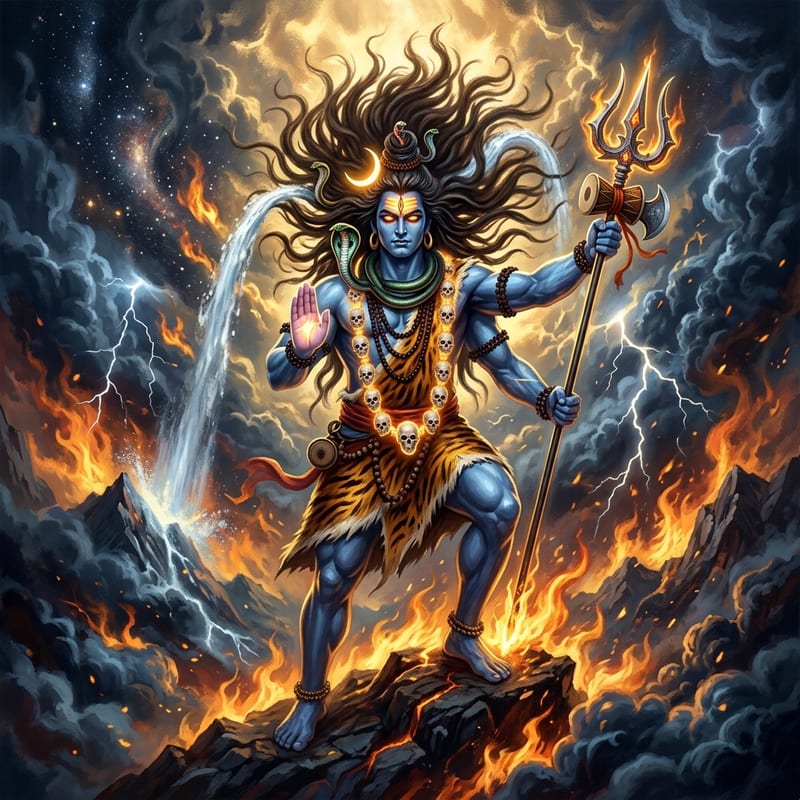
॥ ചമകപ്രശ്നഃ ॥ - 1st Anuvaka
ഓം അഗ്നാവിഷ്ണോ സജോഷസേമാവര്ധന്തു വാ-ങ്ഗിരഃ ।
ഓം അഗ്നാവിഷ്ണോ സജോഷസേമാവര്ധന്തു വാ-ങ്ഗിരഃ ।
- oṃ agnāviṣṇū sajoṣasemā vardhantu vāṃ giraḥ: May the hymns of praise for Agni and Vishnu, offered together in harmony, increase and grow.
ദ്യുമ്നൈര്വാജേഭിരാഗതമ് ।
- dyumnairvājebhirāgatam: May you (Agni and Vishnu) arrive with radiant splendor and blessings of wealth and strength. dyumnair: With brilliance or splendor. vājebhiḥ: With wealth or blessings (often referring to strength, energy, or sustenance). āgatam: Arrive or come.
വാജശ്ച മേ പ്രസവശ്ച മേ
- vājaśca me prasavaśca me: May I have both strength and progeny. vājaḥ: Strength or energy (also wealth). prasavaḥ: Progeny, offspring, or productivity. me: Refers to for me (as in, let these qualities be mine).
പ്രയതിശ്ച മേ പ്രസിതിശ്ച മേ
- prayatiśca me prasitiśca me: May I have determination and accomplishment. prayatiḥ: Determination or perseverance. prasitiḥ: Success or accomplishment.
ധീതിശ്ച മേ ക്രതുശ്ച മേ
- dhītiśca me kratuśca me: May I have both wisdom and willpower. dhītiḥ: Wisdom or intelligence. kratuḥ: Willpower or resolve.
സ്വരശ്ച മേ ശ്ലോകശ്ച മേ
- svaraśca me ślokaśca me: May I have musical expression and fame. svaraḥ: Sound or tone, often referring to vocal expression or music. ślokaḥ: Fame, renown, or verses (hymns).
ശ്രാവശ്ച മേ ശ്രുതിശ്ച മേ
- śrāvaśca me śrutiśca me: May I have good reputation and understanding of sacred knowledge. śrāvaḥ: Reputation, fame, or hearing. śrutiḥ: Sacred knowledge or scripture (that which is heard, particularly the Vedas).
ജ്യോതിശ്ച മേ സുവശ്ച മേ
- jyotiśca me suvaśca me: May I have light and heaven. jyotiḥ: Light or illumination. suvaḥ: Heaven or celestial realms.
പ്രാണശ്ച മേ-ഽപാനശ്ച മേ
- prāṇaśca me'pānaśca me: May my vital life forces (breath) be strong, both outgoing and incoming. prāṇaḥ: Outgoing breath or life force. apānaḥ: Incoming breath or life force.
വ്യാനശ്ച മേ-ഽസുശ്ച മേ
- vyānaśca me'suśca me: May I have balanced energy flow and perfect health. vyānaḥ: A type of vital breath that governs circulation of energy within the body. asuḥ: Life or vitality.
ചിത്ത-ഞ്ച മ ആധീത-ഞ്ച മേ
- cittaṃ ca ma ādhītaṃ ca me: May I have a focused mind and retained knowledge. cittam: Mind or consciousness. ādhītam: Retained or acquired knowledge.
വാക്ച മേ മനശ്ച മേ
- vākca me manaśca me: May I have the power of speech and control of the mind. vāk: Speech or voice. manaḥ: Mind or thought.
ചക്ഷുശ്ച മേ ശ്രോത്ര-ഞ്ച മേ
- cakṣuśca me śrotraṃ ca me: May I have sharp vision and hearing. cakṣuḥ: Eyes or vision. śrotram: Ears or hearing.
ദക്ഷശ്ച മേ ബല-ഞ്ച മ
- dakṣaḥ: Skill or capability. balaṃ: Strength.
ഓജശ്ച മേ സഹശ്ച മ
- ojaḥ: Vitality or vigor. sahaḥ: Endurance or power.
ആയുശ്ച മേ ജരാ ച മ
- āyuśca me jarā ca ma: May I have longevity and graceful aging. āyuḥ: Longevity or life. jarā: Old age.
ആത്മാ ച മേ തനൂശ്ച മേ
- ātmā ca me tanūśca me: May my soul and body be strong. ātmā: Soul or self. tanūḥ: Body.
ശര്മ ച മേ വര്മ ച മേ-ഽങ്ഗാനി ച മേ-ഽസ്ഥാനി ച മേ
- śarma ca me varma ca me: May I have protection and a shield. śarma: Protection or happiness. varma: Shield or armor. aṅgāni ca me'sthāni ca me: May my limbs and bones be strong. aṅgāni: Limbs or body parts. asthāni: Bones.
പരൂഗ്ംഷി ച മേ ശരീരാണി ച മേ ॥ ൧॥
- parūgͫṣi ca me śarīrāṇi ca me: May my joints and body be in good health. parūgͫṣi: Joints or connections. śarīrāṇi: Body.
2nd Anuvaka
ജൈഷ്ഠ്യ-ഞ്ച മ ആധിപത്യ-ഞ്ച മേ
- jyaiṣṭhyaṃ: Supremacy, superiority, or being the best. ādhipatyaṃ: Leadership or lordship.
മന്യുശ്ച മേ ഭാമശ്ച മേ-ഽമശ്ച മേ-ഽമ്ഭശ്ച മേ
- manyuḥ: Righteous anger, or the ability to take determined action. bhāmaḥ: Brilliance or radiance (both physically and mentally). amaḥ: Wealth or resources. ambhaḥ: Water or abundance, often referring to life's sustaining element.
ജേമാ ച മേ മഹിമാ ച മേ
- jemā: Prosperity, well-being, or excellence. mahimā: Greatness or magnificence.
വരിമാ ച മേ പ്രഥിമാ ച മേ
- varimā: Vastness or greatness in extent. prathimā: Expansiveness or extension in all directions.
വര്ഷ്മാ ച മേ ദ്രാഘുയാ ച മേ
- varṣmā: Height or stature. drāghuyā: Length or long life.
വൃദ്ധ-ഞ്ച മേ വൃദ്ധിശ്ച മേ
- vṛddham: Growth or prosperity (refers to material or spiritual growth). vṛddhiḥ: Increase or improvement.
സത്യ-ഞ്ച മേ ശ്രദ്ധാ ച മേ
- satyaḥ: Truth or righteousness. śraddhā: Faith or devotion.
ജഗച്ച മേ ധന-ഞ്ച മേ
- jagat: The world or universe. dhanam: Wealth or riches.
വശശ്ച മേ ത്വിഷിശ്ച മേ
- vaśaḥ: Control, authority, or influence. tviṣiḥ: Radiance or brilliance.
ക്രീഡാ ച മേ മോദശ്ച മേ
- krīḍā: Playfulness or joy. modaḥ: Delight or happiness.
ജാത-ഞ്ച മേ ജനിഷ്യമാണ-ഞ്ച മേ
- jātam: That which is already born or created. janiṣyamāṇaṃ: That which is yet to be born or created.
സൂക്ത-ഞ്ച മേ സുകൃത-ഞ്ച മേ
- sūktam: Well-spoken words or hymns. sukṛtam: Virtuous deeds or good actions.
വിത്ത-ഞ്ച മേ വേദ്യ-ഞ്ച മേ
- vittam: Wealth or possessions. vedyam: Knowledge or understanding (often refers to Vedic knowledge).
ഭൂത-ഞ്ച മേ ഭവിഷ്യച്ച മേ
- bhūtam: That which exists, or the present. bhaviṣyam: That which is yet to come, or the future.
സുഗ-ഞ്ച മേ സുപഥ-ഞ്ച മ
- sugam: Ease or comfort (may also refer to an easy journey or passage). supatham: A good or righteous path.
ഋദ്ധ-ഞ്ച മ ഋദ്ധിശ്ച മേ
- ṛddham: Prosperity, wealth, or success. ṛddhiḥ: Accomplishment or growth.
കൢപ്ത-ഞ്ച മേ കൢപ്തിശ്ച മേ
- kḷptam: Completion or arrangement. kḷptiḥ: Ability to plan or preparation.
മതിശ്ച മേ സുമതിശ്ച മേ ॥ ൨॥
- matiḥ: Wisdom, intellect, or understanding. sumatiḥ: Good judgment, right understanding, or favorable disposition.
3rd Anuvaka
ശ-ഞ്ച മേ മയശ്ച മേ
- śam: Peace or well-being. mayaḥ: Prosperity or joy.
പ്രിയ-ഞ്ച മേ-ഽനുകാമശ്ച മേ കാമശ്ച മേ
- priyam: That which is dear or loved. anukāmaḥ: Fulfillment of desires or wishes. kāmaḥ: Desires or wishes.
സൌമനസശ്ച മേ ഭദ്ര-ഞ്ച മേ
- saumanasaḥ: Peace of mind or good thoughts. bhadram: Auspiciousness or good fortune.
ശ്രേയശ്ച മേ വസ്യശ്ച മേ
- śreyaḥ: Excellence, welfare, or prosperity. vasyaḥ: Control or influence.
യശശ്ച മേ ഭഗശ്ച മേ ദ്രവിണ-ഞ്ച മേ
- yaśaḥ: Fame or renown. bhagaḥ: Good fortune, prosperity. draviṇam: Wealth or resources.
യന്താ ച മേ ധര്താ ച മേ
- yantā: Guide or director. dhartā: Supporter or sustainer.
ക്ഷേമശ്ച മേ ധൃതിശ്ച മേ
- kṣemaḥ: Security or safety. dhṛtiḥ: Perseverance, steadiness, or determination.
വിശ്വ-ഞ്ച മേ മഹശ്ച മേ
- viśvam: The whole universe or entirety. mahaḥ: Greatness or magnificence.
സംവിഁച്ച മേ ജ്ഞാത്ര-ഞ്ച മേ
- saṃvit: Understanding, awareness, or consciousness. jñātram: Knowledge or insight.
സൂശ്ച മേ പ്രസൂശ്ച മേ
- sūḥ: Birth or creation. prasūḥ: Productivity or fruitfulness.
സീര-ഞ്ച മേ ലയശ്ച മ
- sīram: Firmness or stability. layaḥ: Dissolution or rest.
ഋത-ഞ്ച മേ-ഽമൃത-ഞ്ച മേ-ഽയക്ഷ്മ-ഞ്ച മേ-ഽനാമയച്ച മേ
- ṛtam: Truth or cosmic order. amṛtam: Immortality or the nectar of immortality. yakṣmam: Disease or affliction. anāmayam: Health, freedom from disease.
ജീവാതുശ്ച മേ ദീര്ഘായുത്വ-ഞ്ച മേ-ഽനമിത്ര-ഞ്ച മേ-ഽഭയ-ഞ്ച മേ
- jīvātuḥ: Vitality or life. dīrghāyutvam: Long life or longevity. anamitram: Without enemies. abhayam: Fearlessness or safety.
സുഗ-ഞ്ച മേ ശയന-ഞ്ച മേ
- sugam: Comfort or ease. śayanam: Sleep or a bed to rest.
സൂഷാ ച മേ സുദിന-ഞ്ച മേ ॥ ൩॥
- sūṣā: Morning or dawn. sudinam: An auspicious or good day.
4th Anuvaka
ഊര്ക്ച മേ സൂനൃതാ ച മേ
- ūrk: Nourishment or strength. sūnṛtā: Sweet speech, truthfulness, or pleasing words.
പയശ്ച മേ രസശ്ച മേ
- payaḥ: Milk, often symbolizing nourishment. rasaḥ: Juice or essence, referring to vitality and taste.
ഘൃത-ഞ്ച മേ മധു ച മേ
- ghṛtam: Clarified butter (ghee), a symbol of purity and nourishment. madhu: Honey, representing sweetness and abundance.
സഗ്ധിശ്ച മേ സപീതിശ്ച മേ
- sagdhiḥ: Thick cream or curd, another nourishing substance. sapītiḥ: Nourishment or sustenance.
കൃഷിശ്ച മേ വൃഷ്ടിശ്ച മേ
- kṛṣiḥ: Agriculture or farming. vṛṣṭiḥ: Rain, essential for crops and fertility.
ജൈത്ര-ഞ്ച മ ഔദ്ഭിദ്യ-ഞ്ച മേ
- jaitram: Victory or success. audbhidyam: Growth or sprouting, particularly of plants.
രയിശ്ച മേ രായശ്ച മേ
- rayiḥ: Wealth or possessions. rāyaḥ: Abundance or prosperity.
പുഷ്ട-ഞ്ച മേ പുഷ്ടിശ്ച മേ
- puṣṭam: Fullness or completeness. puṣṭiḥ: Nourishment or thriving.
വിഭു ച മേ പ്രഭു ച മേ
- vibhu ca me: May I have abundance. prabhu ca me: May I have great plenty.
ബഹു ച മേ ഭൂയശ്ച മേ
- bahu: Plenty or abundance. bhūyaḥ: Increase or growth.
പൂര്ണ-ഞ്ച മേ പൂര്ണതര-ഞ്ച മേ-ഽക്ഷിതിശ്ച മേ കൂയവാശ്ച മേ-ഽന്ന-ഞ്ച മേ-ഽക്ഷുച്ച മേ
- pūrṇam: Fullness or completeness. pūrṇataram: Greater fullness or even more completeness. kṣitiḥ: Land or earth. kūyavāḥ: Heaps of grain, symbolizing agricultural abundance. annam: Food or nourishment. akṣu: Sugarcane, a symbol of sweetness and prosperity.
വ്രീഹയശ്ച മേ യവാശ്ച മേ
- vrīhayaḥ: Rice, a staple grain in many cultures. yavāḥ: Barley, another important grain.
മാഷാശ്ച മേ തിലാശ്ച മേ
- māṣāḥ: Black gram, a type of legume. tilāḥ: Sesame seeds, often used for oil and food.
മുദ്ഗാശ്ച മേ ഖല്വാശ്ച മേ
- mudgāḥ: Green gram (mung beans). khalvāḥ: Millet, another grain.
ഗോധൂമാശ്ച മേ മസുരാശ്ച മേ
- godhūmāḥ: Wheat, an essential grain. masurāḥ: Lentils, a staple pulse.
പ്രിയങ്ഗവശ്ച മേ-ഽണവശ്ച മേ
- priyaṅgavaḥ: Long pepper, a medicinal and culinary spice. aṇavaḥ: Small grains or minute particles.
ശ്യാമാകാശ്ച മേ നീവാരാശ്ച മേ ॥ ൪॥
- śyāmakāḥ: A type of grain, possibly wild rice or millet. nīvārāḥ: Wild rice or another type of coarse grain.
5th Anuvaka
അശ്മാ ച മേ മൃത്തികാ ച മേ
- aśmā: Stone or rock. mṛttikā: Clay or earth, often used for making pottery or bricks.
ഗിരയശ്ച മേ പര്വതാശ്ച മേ
- girayaḥ: Mountains. parvatāḥ: Hills, similar to mountains but usually smaller in scale.
സികതാശ്ച മേ വനസ്പതയശ്ച മേ
- sikatāḥ: Sand or gravel. vanaspatayaḥ: Forest trees or large trees that grow in the wild.
ഹിരണ്യ-ഞ്ച മേ-ഽയശ്ച മേ
- hiraṇyam: Gold, a symbol of wealth and purity. ayaḥ: Iron, representing strength and utility.
സീസ-ഞ്ച മേ ത്രപുശ്ച മേ
- sīsam: Lead, a heavy metal. trapuḥ: Tin, often used in alloys like bronze.
ശ്യാമ-ഞ്ച മേ ലോഹ-ഞ്ച മേ-ഽഗ്നിശ്ച മ
- śyāmam: Black iron, possibly referring to steel or a type of iron. loham: Copper, a valuable metal used for various purposes. agniḥ: Fire, a sacred element in Vedic rituals.
ആപശ്ച മേ വീരുധശ്ച മ ഓഷധയശ്ച മേ
- āpaḥ: Water, essential for life and purification. vīrudhaḥ: Herbs or small plants. oṣadhayaḥ: Medicinal plants or herbs used for healing.
കൃഷ്ടപച്യ-ഞ്ച മേ-ഽകൃഷ്ടപച്യ-ഞ്ച മേ
- kṛṣṭapacyaṃ: Cultivated crops or food that is grown. akṛṣṭapacyaṃ: Wild or uncultivated food, food that grows naturally without farming.
ഗ്രാമ്യാശ്ച മേ പശവ ആരണ്യാശ്ച യജ്ഞേന കല്പന്താം
- grāmyāḥ: Domesticated animals, often referring to cattle or livestock. āraṇyāḥ: Wild animals, those that live in the forest or wilderness. yajñena: Through sacrifice or ritual. kalpantām: Fit or appropriate, usually in the context of being used in rituals.
വിത്ത-ഞ്ച മേ വിത്തിശ്ച മേ
- vittam: Wealth or riches. vittiḥ: The means or resources for acquiring wealth.
ഭൂത-ഞ്ച മേ ഭൂതിശ്ച മേ
- bhūtam: That which exists, or present possessions. bhūtiḥ: Prosperity or success.
വസു ച മേ വസതിശ്ച മേ
- vasu: Wealth or riches. vasatiḥ: Dwelling place, home, or residence.
കര്മ ച മേ ശക്തിശ്ച മേ-ഽര്ഥശ്ച മ
- karma: Action, deed, or work. śaktiḥ: Strength or power. arthaḥ: Purpose, or wealth.
ഏമശ്ച മ ഇതിശ്ച മേ ഗതിശ്ച മേ ॥ ൫॥
- emaḥ: Acquisition or possession. itiḥ: Completion or conclusion. gatiḥ: Movement, progress, or the ability to advance.
6th Anuvaka
അഗ്നിശ്ച മ ഇന്ദ്രശ്ച മേ
- agniśca ma indraśca me: May I have the blessings of Agni and Indra. agniḥ: The fire god, representing purity and transformation. indraḥ: The king of the gods, symbolizing strength and leadership.
സോമശ്ച മ ഇന്ദ്രശ്ച മേ
- somaśca ma indraśca me: May I have the blessings of Soma and Indra. somaḥ: The moon and the divine nectar, symbolizing immortality and inspiration. indraḥ: Indra, again called upon for his might and authority.
സവിതാ ച മ ഇന്ദ്രശ്ച മേ
- savitā ca ma indraśca me: May I have the blessings of Savitā and Indra. savitā: The sun god, who stimulates all life and represents illumination and energy. indraḥ: Indra, invoked again for protection and strength.
സരസ്വതീ ച മ ഇന്ദ്രശ്ച മേ
- sarasvatī ca ma indraśca me: May I have the blessings of Sarasvatī and Indra. sarasvatī: The goddess of wisdom, learning, and the arts. indraḥ: Indra, continuing to provide power and dominance.
പൂഷാ ച മ ഇന്ദ്രശ്ച മേ
- pūṣā ca ma indraśca me: May I have the blessings of Pūṣā and Indra. pūṣā: The god of prosperity, nourishment, and well-being. indraḥ: Indra, for his protective qualities.
ബൃഹസ്പതിശ്ച മ ഇന്ദ്രശ്ച മേ
- bṛhaspatiśca ma indraśca me: May I have the blessings of Bṛhaspati and Indra. bṛhaspatiḥ: The teacher of the gods, representing wisdom and guidance. indraḥ: Indra, called again to support with his strength and leadership.
മിത്രശ്ച മ ഇന്ദ്രശ്ച മേ
- mitraśca ma indraśca me: May I have the blessings of Mitra and Indra. mitraḥ: The god of friendship and harmony, often associated with contracts and agreements. indraḥ: Indra, once more for his might and sovereignty.
വരുണശ്ച മ ഇന്ദ്രശ്ച മേ
- varuṇaśca ma indraśca me: May I have the blessings of Varuṇa and Indra. varuṇaḥ: The god of the waters and cosmic law, symbolizing moral and physical order. indraḥ: Indra, continuing to provide power and defense.
ത്വഷ്ഠാ ച മ ഇന്ദ്രശ്ച മേ
- tvaṣṭā ca ma indraśca me: May I have the blessings of Tvaṣṭā and Indra. tvaṣṭā: The divine artisan or craftsman, representing creation and construction. indraḥ: Indra, as usual, for his strength and leadership.
ധാതാ ച മ ഇന്ദ്രശ്ച മേ
- dhātā ca ma indraśca me: May I have the blessings of Dhātā and Indra. dhātā: The sustainer, one who upholds the universe and life. indraḥ: Indra, for continued protection and leadership.
വിഷ്ണുശ്ച മ ഇന്ദ്രശ്ച മേ-ഽശ്വിനൌ ച മ ഇന്ദ്രശ്ച മേ
- viṣṇuśca ma indraśca me: May I have the blessings of Viṣṇu and Indra. viṣṇuḥ: The preserver of the universe, representing balance and continuity. indraḥ: Indra, invoked here again for his authority and might. aśvinau ca ma indraśca me: May I have the blessings of the Aśvin twins and Indra. aśvinau: The divine twin horsemen, representing healing and protection.
മരുതശ്ച മ ഇന്ദ്രശ്ച മേ
- marutaśca ma indraśca me: May I have the blessings of the Maruts and Indra. marutaḥ: The storm gods, who bring energy, change, and transformation. indraḥ: Indra, for his strength to lead the divine forces.
വിശ്വേ ച മേ ദേവാ ഇന്ദ്രശ്ച മേ
- viśve ca me devā indraśca me: May I have the blessings of all the gods and Indra. viśve devāḥ: All the gods, a collective invocation for the blessings of the entire pantheon. indraḥ: Indra, the leader among the gods.
പൃഥിവീ ച മ ഇന്ദ്രശ്ച മേ-ഽന്തരിക്ഷ-ഞ്ച മ ഇന്ദ്രശ്ച മേ
- pṛthivī ca ma indraśca me: May I have the blessings of the Earth and Indra. pṛthivī: The Earth goddess, symbolizing fertility, stability, and support. indraḥ: Indra, who protects and governs. 'ntarikṣaṃ ca ma indraśca me: May I have the blessings of the atmosphere and Indra. antarikṣam: The intermediate space, the atmosphere or sky.
ദ്യൌശ്ച മ ഇന്ദ്രശ്ച മേ
- dyauśca ma indraśca me: May I have the blessings of the sky and Indra. dyauḥ: The sky, representing the higher realms or the celestial sphere. indraḥ: Indra, the king of the gods who resides in the heavens.
ദിശശ്ച മ ഇന്ദ്രശ്ച മേ
- diśaśca ma indraśca me: May I have the blessings of the directions and Indra. diśaḥ: The directions or quarters, which govern the various parts of the world. indraḥ: Indra, who governs all directions as the king of the gods.
മൂര്ധാ ച മ ഇന്ദ്രശ്ച മേ
- mūrdhā ca ma indraśca me: May I have the blessings of the head (cosmic summit) and Indra. mūrdhā: The head or summit, possibly referring to the highest point in creation, both physical and cosmic. indraḥ: Indra, overseeing the highest realms.
പ്രജാപതിശ്ച മ ഇന്ദ്രശ്ച മേ ॥ ൬॥
- prajāpatiśca ma indraśca me: May I have the blessings of Prajāpati and Indra. prajāpatiḥ: The lord of all creatures, representing the source of creation. indraḥ: Indra, who governs and protects the world.
7th Anuvaka
അഗ്ംശുശ്ച മേ രശ്മിശ്ച മേ-ഽദാഭ്യശ്ച മേ-ഽധിപതിശ്ച മ
- agṃśuḥ: A small Soma vessel used in Vedic rituals. raśmiḥ: Another vessel associated with Soma or the rays (reins) of light. dābhyaḥ: A vessel used in specific sacrificial offerings. adhipatiḥ: A vessel for the chief offering, symbolizing control or lordship in the ritual.
ഉപാഗ്ംശുശ്ച മേ-ഽന്തര്യാമശ്ച മ
- upāgṃśuḥ: A small vessel used in the Soma sacrifice, typically to hold or pour Soma juice. antaryāmaḥ: Another vessel related to Soma, used in intermediate stages of the sacrifice.
ഐന്ദ്രവായവശ്ച മേ മൈത്രാവരുണശ്ച മ
- aindravāyavaḥ: A vessel used in sacrifices to Indra and Vāyu (wind god). maitrāvaruṇaḥ: A vessel used in rituals related to Mitra and Varuṇa, gods of contracts and cosmic order.
ആശ്വിനശ്ച മേ പ്രതിപ്രസ്ഥാനശ്ച മേ
- āśvinaḥ: A vessel associated with the Aśvins, the twin gods of healing. pratiprasthānaḥ: A vessel or item used at the concluding part of the ritual.
ശുക്രശ്ച മേ മന്ഥീ ച മ
- śukraḥ: A vessel associated with purity, often used in rituals related to Soma. manthī: The vessel used for churning the Soma during the sacrifice.
ആഗ്രയണശ്ച മേ വൈശ്വദേവശ്ച മേ
- āgrayaṇaḥ: A vessel for the first offering of the year or the first-fruits sacrifice. vaiśvadevaḥ: A vessel used in offerings to all the gods (Viśve Devāḥ).
ധ്രുവശ്ച മേ വൈശ്വാനരശ്ച മ
- dhruvaḥ: A fixed or stable vessel used in Vedic rituals, symbolizing permanence. vaiśvānaraḥ: A vessel used in sacrifices to Agni (the universal fire).
ഋതുഗ്രഹാശ്ച മേ-ഽതിഗ്രാഹ്യാശ്ച മ
- ṛtugrahāḥ: Vessels used for offerings made during specific seasons or seasonal rites. atigrāhyāḥ: Vessels used for special or additional libations.
ഐന്ദ്രാഗ്നശ്ച മേ വൈശ്വദേവശ്ച മേ
- aindrāgnaḥ: A vessel used in sacrifices dedicated to both Indra and Agni. vaiśvadevaḥ: A vessel used for the universal offering to all the gods (Viśve Devāḥ).
മരുത്വതീയാശ്ച മേ മാഹേന്ദ്രശ്ച മ
- marutvatīyaḥ: A vessel used in sacrifices related to the Maruts, the storm gods. māhendraḥ: A vessel used in sacrifices dedicated to the great Indra.
ആദിത്യശ്ച മേ സാവിത്രശ്ച മേ
- ādityaḥ: A vessel used in sacrifices to the Ādityas (solar deities). sāvitraḥ: A vessel associated with the sun god Sāvitrī.
സാരസ്വതശ്ച മേ പൌഷ്ണശ്ച മേ
- sārasvataḥ: A vessel associated with Sarasvatī, the goddess of wisdom and learning. pauṣṇaḥ: A vessel associated with Pūṣan, the god of prosperity and nourishment.
പാത്നീവതശ്ച മേ ഹാരിയോജനശ്ച മേ ॥ ൭॥
- pātnīvataḥ: A vessel used in rituals that involve the gods along with their consorts (gods who have wives). hāriyojanaḥ: A vessel associated with deities that move in golden chariots, such as Pūṣan or the Aśvins.
8th Anuvaka
ഇധ്മശ്ച മേ ബര്ഹിശ്ച മേ
- idhmaḥ: Fuel wood, used for feeding the sacrificial fire. barhiḥ: Sacred grass, specifically the kuśa grass, used in Vedic rituals.
വേദിശ്ച മേ ദിഷ്ണിയാശ്ച മേ
- vediḥ: The altar, where Vedic rituals and sacrifices are performed. dhiṣṇiyāḥ: The sacrificial hearth or place where the sacred fire is kept.
സ്രുചശ്ച മേ ചമസാശ്ച മേ
- srucaḥ: Sacrificial ladles, used for offering ghee or other offerings into the fire. camasāḥ: Cups or vessels used to hold Soma or other offerings during rituals.
ഗ്രാവാണശ്ച മേ സ്വരവശ്ച മ
- grāvāṇaḥ: Pressing stones, used to extract Soma juice during sacrifices. svaravaḥ: Invocations or hymns, particularly those sung or chanted during rituals.
ഉപരവാശ്ച മേ-ഽധിഷവണേ ച മേ
- uparavāḥ: A lower or secondary altar used during sacrifices. adhiṣavaṇe: Refers to the pressing stones used in preparing Soma during rituals.
ദ്രോണകലശശ്ച മേ വായവ്യാനി ച മേ
- droṇakalaśaḥ: Large vessels or pots used to hold Soma or other ritual substances. vāyavyāni: Strainers, used for filtering Soma or other liquids during rituals.
പൂതഭൃച്ച മ ആധവനീയശ്ച മ
- pūtabhṛt: A vessel or carrier that holds purified offerings. ādhavanīyaḥ: A spoon used in rituals for pouring offerings into the sacred fire.
ആഗ്നീധ്ര-ഞ്ച മേ ഹവിര്ധാന-ഞ്ച മേ
- āgnīdhraṃ: The fire altar or the priest responsible for maintaining the sacred fire. havirdhānam: The altar or place where offerings (havis) are made during the ritual.
ഗൃഹാശ്ച മേ സദശ്ച മേ പുരോഡാശാശ്ച മേ
- gṛhāḥ: The ritual house or space where sacrifices and rituals are performed. sadaḥ: The sacred seat, often referring to the seat of the priests or the space reserved for rituals. puroḍāśaḥ: Sacrificial cakes offered during rituals, often made of rice or barley.
പചതാശ്ച മേ-ഽവഭൃഥശ്ച മേ സ്വഗാകാരശ്ച മേ ॥ ൮॥
- pacatāḥ: Cooked offerings, prepared as part of the sacrifice. avabhṛthaḥ: The final purification or bathing ceremony performed at the end of a ritual. svagākāraḥ: The invocation or chant for well-being and auspiciousness, often performed at the conclusion of a ritual.
9th Anuvaka
അഗ്നിശ്ച മേ ഘര്മശ്ച മേ-ഽര്കശ്ച മേ
- agniḥ: The fire god, representing purification and energy. gharmaḥ: Warmth, often referring to heat from the sacrificial fire. ṛkaḥ: Light or radiance, possibly referring to the light of fire or the sun.
സൂര്യശ്ച മേ പ്രാണശ്ച മേ-ഽശ്വമേധശ്ച മേ
- sūryaḥ: The Sun god, symbolizing life, vitality, and illumination. prāṇaḥ: The vital breath or life force, essential for life. aśvamedhaḥ: The Ashvamedha, a powerful Vedic horse sacrifice symbolizing sovereignty and abundance.
പൃഥിവീ ച മേ-ഽദിതിശ്ച മേ ദിതിശ്ച മേ
- pṛthivī: The Earth, representing stability, fertility, and sustenance. aditiḥ: The mother of the gods, symbolizing infinite space, freedom, and support. ditiḥ: Diti, associated with material desires and the mother of demons.
ദ്യൌശ്ച മേ ശക്വരീരങ്ഗുലയോ ദിശശ്ച മേ
- dyauḥ: The Sky, representing the celestial or heavenly realms. śakkvarīḥ: A meter used in Vedic hymns, symbolizing rhythm. aṅgulayaḥ: Fingers, often referring to precise actions during rituals. diśaḥ: The directions, representing orientation and guidance.
യജ്ഞേന കല്പന്താമൃക്ച മേ
- ṛk: Refers to the Rig Veda, the oldest of the Vedic scriptures.
സാമ ച മേ സ്തോമശ്ച മേ
- sāma: Refers to the Sama Veda, which is associated with melodies and music in the Vedic rituals. stomaḥ: Hymns of praise or eulogies.
യജുശ്ച മേ ദീക്ഷാ ച മേ
- yajuḥ: Refers to the Yajur Veda, focusing on the prose mantras used in rituals. dīkṣā: Consecration or initiation, a purification ritual.
തപശ്ച മ ഋതുശ്ച മേ
- tapaḥ: Austerity, penance, or spiritual discipline. ṛtuḥ: Seasons, symbolizing the natural cycle and order.
വ്രത-ഞ്ച മേ-ഽഹോരാത്രയോര്വൃഷ്ട്യാ ബൃഹദ്രഥന്തരേ ച മേ
- vratam: Vows or observances, symbolizing discipline and dedication. ahorātrayoḥ: Day and night, representing the passage of time. vṛṣṭyā: Rain, symbolizing fertility and life-sustaining water. bṛhadrathantare: A great cycle or intermediary period, often referring to significant cosmic or ritual cycles.
യജ്ഞേന കല്പേതാമ് ॥ ൯॥
- yajñena kalpetām: May these be accomplished or fulfilled through the power of sacrifice.
10th Anuvaka
ഗര്ഭാശ്ച മേ വത്സാശ്ച മേ
- garbhāḥ: Pregnancies or unborn offspring, symbolizing fertility. vatsāḥ: Calves, representing young animals and abundance in livestock.
ത്ര്യവിശ്ച മേ ത്ര്യവീച മേ
- tryaviḥ: A male that produces or accompanies triplets (usually cattle). tryavī: A female that gives birth to triplets, symbolizing abundance.
ദിത്യവാട് ച മേ ദിത്യൌഹീ ച മേ
- dityavāṭ: A male that produces or is associated with quadruplets. dityauhī: A female that gives birth to quadruplets.
പഞ്ചാവിശ്ച മേ പഞ്ചാവീ ച മേ
- pañcāviḥ: A male producing or accompanying quintuplets. pañcāvī: A female that bears quintuplets.
ത്രിവത്സശ്ച മേ ത്രിവത്സാ ച മേ
- trivatsaḥ: A three-year-old male, especially a bull or ox. trivatsā: A three-year-old female, symbolizing strength and maturity in livestock.
തുര്യവാട് ച മേ തുര്യൌഹീ ച മേ
- turyavāṭ: A four-year-old male. turyauhī: A four-year-old female.
പഷ്ഠവാട് ച മേ പഷ്ഠൌഹീ ച മ
- paṣṭhavāṭ: A six-year-old male. paṣṭhauhī: A six-year-old female.
ഉക്ഷാ ച മേ വശാ ച മ
- ukṣā: A bull, symbolizing strength and virility. vaśā: A cow, symbolizing nurturing and abundance.
ഋഷഭശ്ച മേ വേഹച്ച മേ-ഽനഡ്വാഞ്ച മേ
- ṛṣabhaḥ: A bull, representing leadership and fertility. vehacca: A powerful or strong male. naḍvāñ: A bull, possibly referring to a domesticated or serviceable one.
ധേനുശ്ച മ ആയുര്യജ്ഞേന കല്പതാം
- dhenuḥ: A milking cow, representing sustenance and wealth. āyuḥ: Life or longevity. yajñena kalpatām: May it be fulfilled through sacrifice or ritual offerings.
പ്രാണോ യജ്ഞേന കല്പതാമപാനോ യജ്ഞേന കല്പതാം
- prāṇaḥ: Breath or vital force. apānaḥ: Exhalation or outward breath. yajñena kalpatām: Fulfilled through sacrifice or rituals.
വ്യാനോ യജ്ഞേന കല്പതാം
- vyānaḥ: The vital energy that governs the circulation of energy in the body. yajñena kalpatām: Fulfilled through sacrifice or rituals.
ചക്ഷുര്യജ്ഞേന കല്പതാഗ് ശ്രോത്രം-യഁജ്ഞേന കല്പതാം
- cakṣuḥ: Eyes or vision. śrotraṃ: Ears or hearing. yajñena kalpatām: Fulfilled through sacrifice.
മനോ യജ്ഞേന കല്പതാം
- manaḥ: Mind or thought. yajñena kalpatām: Fulfilled through sacrifice or rituals.
വാഗ്യജ്ഞേന കല്പതാമാത്മാ യജ്ഞേന കല്പതാം
- vāk: Speech. ātmā: The soul or self. yajñena kalpatām: Fulfilled through sacrifice.
യജ്ഞോ യജ്ഞേന കല്പതാമ് ॥ ൧൦॥
- yajñaḥ: Sacrifice or ritual offering. yajñena kalpatām: Fulfilled through sacrifice or offerings.
11th Anuvaka
ഏകാ ച മേ തിസ്രശ്ച മേ
- ekā: One. tisraḥ: Three.
പഞ്ച ച മേ സപ്ത ച മേ
- pañca: Five. sapta: Seven.
നവ ച മ ഏകാദശ ച മേ
- nava: Nine. ekādaśa: Eleven.
ത്രയോദശ ച മേ പഞ്ചദശ ച മേ
- trayodaśa: Thirteen. pañcadaśa: Fifteen.
സപ്തദശ ച മേ നവദശ ച മ
- saptadaśa: Seventeen. navadaśa: Nineteen.
ഏകവിഗ്ംശതിശ്ച മേ ത്രയോവിഗ്ംശതിശ്ച മേ
- ekavigͫśati: Twenty-one. trayovigͫśati: Twenty-three.
പഞ്ചവിഗ്ംശതിശ്ച മേ സപ്തവിഗ്ംശതിശ്ച മേ
- pañcavigͫśati: Twenty-five. saptavigͫśati: Twenty-seven.
നവവിഗ്ംശതിശ്ച മ ഏകത്രിഗ്ംശച്ച മേ
- navavigͫśati: Twenty-nine. ekatrigͫśa: Thirty-one.
ത്രയസ്ത്രിഗ്ംശച്ച മേ ചതസ്രശ്ച മേ-ഽഷ്ടൌ ച മേ
- trayastrigͫśa: Thirty-three. catasraḥ: Four. aṣṭau: Eight.
ദ്വാദശ ച മേ ഷോഡശ ച മേ
- dvādaśa: Twelve. ṣoḍaśa: Sixteen.
വിഗ്ംശതിശ്ച മേ ചതുര്വിഗ്ംശതിശ്ച മേ-ഽഷ്ടാവിഗ്ംശതിശ്ച മേ
- vigͫśati: Twenty. caturvigͫśati: Twenty-four. aṣṭāvigͫśati: Twenty-eight.
ദ്വാത്രിഗ്ംശച്ച മേ ഷട്-ത്രിഗ്ംശച്ച മേ
- dvātrigͫśa: Thirty-two. ṣaṭtrigͫśa: Thirty-six.
ചത്വാരിഗ്ംശച്ച മേ ചതുശ്ചത്വാരിഗ്ംശച്ച മേ-ഽഷ്ടാചത്വാരിഗ്ംശച്ച മേ
- catvarigͫśa: Forty. catuścatvārigͫśa: Forty-four. aṣṭācatvārigͫśa: Forty-eight.
വാജശ്ച പ്രസവശ്ചാപിജശ്ച
- vājaḥ: Strength, energy, or vigor. prasavaḥ: Progeny, offspring, or fertility. āpijaḥ: The ability to act or perform.
ക്രതുശ്ച സുവശ്ച മൂര്ധാ ച
- kratuḥ: Willpower or resolution. suvaḥ: Heaven, the celestial realm. mūrdhā: The head or summit, the highest point.
വ്യശ്നിയശ്ചാന്ത്യായനശ്ചാന്ത്യശ്ച
- vyaśniyaḥ: Pervasiveness, spread over everything. antyāyanaḥ: The final resting place or end destination. antyaḥ: The end or ultimate.
ഭൌവനശ്ച ഭുവനശ്ചാധിപതിശ്ച ॥ ൧൧॥
- bhauvanaḥ: Prosperity or well-being in the world. bhuvanaḥ: The world or realm. adhipatiḥ: Lordship or sovereignty.
Shanti Mantra
ഓം ഇഡാ ദേവഹൂ-ര്മനുര്യജ്ഞനീ-ര്ബൃഹസ്പതിരുക്ഥാമദാനി
- oṃ: the sacred syllable Om iḍā: Ida, the goddess of devotion / invoker of gods devahūḥ: one who invokes the gods manuḥ: Manu, the progenitor of mankind yajñanīḥ: institutor or leader of sacrifice bṛhaspatiḥ: Brihaspati, lord of prayer and speech ukthāmadāni: exhilarating hymns of praise
ശഗ്ംസിഷദ്വിശ്വേ ദേവാ-സ്സൂക്തവാചഃ പൃഥിവിമാതര്മാ
- śaṃsiṣat: may (he/they) proclaim or sing viśve devāḥ: all the gods sūktavācaḥ: those of auspicious/good speech pṛthivī: the earth mātā: mother
മാ ഹിഗ്ംസീര്മധു മനിഷ്യേ മധു ജനിഷ്യേ
- mā hiṃsīḥ: do not harm / injure me madhu: honey, sweetness, bliss maniṣye: I shall think / meditate upon janiṣye: I shall be born / come into being
മധു വക്ഷ്യാമി മധു വദിഷ്യാമി
- madhu: sweetness, honey, bliss vakṣyāmi: I shall speak / carry vadiṣyāmi: I shall declare / proclaim
മധുമതീ-ന്ദേവേഭ്യോ വാചമുദ്യാസഗ്ംശുശ്രൂഷേണ്യാമ്
- madhumatīm: full of sweetness, honey-sweet devebhyaḥ: to / for the gods vācam: speech, word udyāsam: may I utter / speak forth śuśrūṣeṇyām: worthy of being heard, fit to be listened to
മനുഷ്യേഭ്യസ്തം
- manuṣyebhyaḥ: to / for human beings, mankind tam: that (same speech)
മാ ദേവാ അവന്തു ശോഭായൈ പിതരോ-ഽനുമദന്തു ॥
- mā: me devāḥ: the gods avantu: may they protect / favour śobhāyai: for glory / brilliance / auspiciousness pitaraḥ: the forefathers, ancestors anumadantu: may they rejoice in approval / be pleased
ഓം ശാന്തി-ശ്ശാന്തി-ശ്ശാന്തിഃ ॥
- oṃ: the sacred syllable Om śāntiḥ: peace, tranquility (repeated three times to invoke peace at the physical, mental, and spiritual levels)