
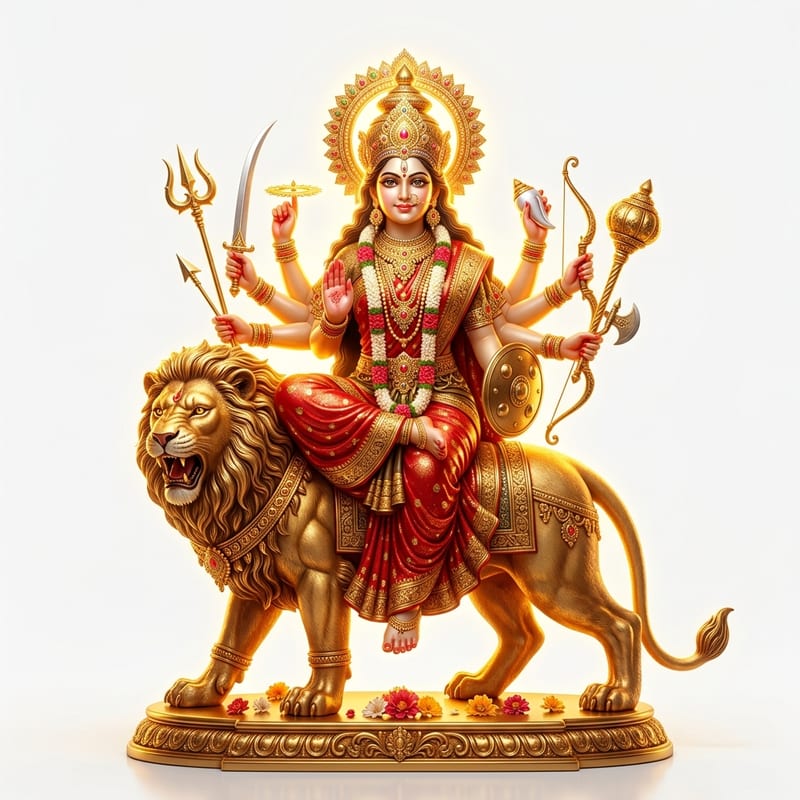
śivānandapīyūṣaratnākarasthāṃ śivabrahmaviṣṇvāmareśābhivandyām |
śivadhyānalagnāṃ śivajñānamūrtiṃ śivākhyāmatītāṃ bhaje pāṇḍyabālām || 1||
śivadhyānalagnāṃ śivajñānamūrtiṃ śivākhyāmatītāṃ bhaje pāṇḍyabālām || 1||
śivādisphuratpañcamañcādhirūḍhāṃ dhanurbāṇapāśāṅkuśotbhāsihastām |
navīnārkavarṇāṃ navīnenducūḍāṃ parabrahmapatnīṃ bhaje pāṇḍyabālām || 2||
navīnārkavarṇāṃ navīnenducūḍāṃ parabrahmapatnīṃ bhaje pāṇḍyabālām || 2||
kirīṭāṅgadodbhāsimāṅgalyasūtrāṃ sphuranmekhalāhāratāṭaṅgabhūṣām |
parāmantrakāṃ pāṇḍyasiṃhāsanasthāṃ parandhāmarūpāṃ bhaje pāṇḍyabālām || 3||
parāmantrakāṃ pāṇḍyasiṃhāsanasthāṃ parandhāmarūpāṃ bhaje pāṇḍyabālām || 3||
lalāmāñcitasnigdhaphālendubhāgāṃ lasannīrajotphullakalhārasaṃsthām |
lalāṭekṣaṇārdhāṅgalagnojjvalāṅgīṃ parandhāmarūpāṃ bhaje pāṇḍyabālām || 4||
lalāṭekṣaṇārdhāṅgalagnojjvalāṅgīṃ parandhāmarūpāṃ bhaje pāṇḍyabālām || 4||
trikhaṇḍātmavidyāṃ tribindusvarūpāṃ trikoṇe lasantīṃ trilokāvanamrām |
tribījādhirūḍhāṃ trimūrtyātmavidyāṃ parabrahmapatnīṃ bhaje pāṇḍyabālām || 5||
tribījādhirūḍhāṃ trimūrtyātmavidyāṃ parabrahmapatnīṃ bhaje pāṇḍyabālām || 5||
sadā bindumadhyollasadveṇiramyāṃ samuttuṅgavakṣojabhārāvanamrām |
kvaṇannūpuropetalākṣārasārdraspuratpādapadmāṃ bhaje pāṇḍyabālām || 6||
kvaṇannūpuropetalākṣārasārdraspuratpādapadmāṃ bhaje pāṇḍyabālām || 6||
yamādyaṣṭayogāṅgarūpāmarūpāmakārātkṣakārāntavarṇāmavarṇām |
akhaṇḍāmananyāmacintyāmalakṣyāmameyātmavidyāṃ bhaje pāṇḍyabālām || 7||
akhaṇḍāmananyāmacintyāmalakṣyāmameyātmavidyāṃ bhaje pāṇḍyabālām || 7||
sudhāsāgarānte maṇidvīpamadhye lasatkalpavṛkṣojjvaladvinducakre |
mahāyogapīṭhe śivākāramañce sadā sanniṣaṇṇāṃ bhaje pāṇḍyabālām || 8||
mahāyogapīṭhe śivākāramañce sadā sanniṣaṇṇāṃ bhaje pāṇḍyabālām || 8||
suṣumnāntarandhre sahasrārapadme ravīndvagnisamyuktaciccakramadhye |
sudhāmaṇḍalasthe sunirvāṇapīṭhe sadā sañcarantīṃ bhaje pāṇḍyabālām || 9||
sudhāmaṇḍalasthe sunirvāṇapīṭhe sadā sañcarantīṃ bhaje pāṇḍyabālām || 9||
ṣaḍante navānte lasadvādaśānte mahābindumadhye sunādāntarāl̤e |
śivākhye kalātītaniśśabdadeśe sadā sañcarantīṃ bhaje pāṇḍyabālām || 10||
śivākhye kalātītaniśśabdadeśe sadā sañcarantīṃ bhaje pāṇḍyabālām || 10||
caturmārgamadhye sukoṇāntaraṅge kharandre sudhākārakūpāntarāl̤e |
nirālambapadme kalāṣoḍaśānte sadā sañcarantīṃ bhaje pāṇḍyabālām || 11||
nirālambapadme kalāṣoḍaśānte sadā sañcarantīṃ bhaje pāṇḍyabālām || 11||
puṭadvandvanirmuktavāyupralīnaprakāśāntarāle dhruvopetaramye |
mahāṣoḍaśānte manonāśadeśe sadā sañcarantīṃ bhaje pāṇḍyabālām || 12||
mahāṣoḍaśānte manonāśadeśe sadā sañcarantīṃ bhaje pāṇḍyabālām || 12||
catuṣpatramadhye sukoṇatrayānte trimūrtyādhivāse trimārgāntarāl̤e |
sahasrārapadmocitāṃ citprakāśapravāhapralīnāṃ bhaje pāṇḍyabālām || 13||
sahasrārapadmocitāṃ citprakāśapravāhapralīnāṃ bhaje pāṇḍyabālām || 13||
lasadvādaśāntendupīyūṣadhārāvṛtāṃ mūrtimānandamagnāntaraṅgām |
parāṃ tristanīṃ tāṃ catuṣkūṭamadhye parandhāmarūpāṃ bhaje pāṇḍyabālām || 14||
parāṃ tristanīṃ tāṃ catuṣkūṭamadhye parandhāmarūpāṃ bhaje pāṇḍyabālām || 14||
sahastrārapadme suṣumnāntamārge sphuraccandrapīyūṣadhārāṃ pibantīm |
sadā strāvayantīṃ sudhāmūrtimambāṃ parañjyotirūpāṃ bhaje pāṇḍyabālām || 15||
sadā strāvayantīṃ sudhāmūrtimambāṃ parañjyotirūpāṃ bhaje pāṇḍyabālām || 15||
namaste sadā pāṇḍyarājendrakanye namaste sadā sundareśāṅkavāse |
namaste namaste sumīnākṣi devi namaste namaste punaste namo'stu || 16||
namaste namaste sumīnākṣi devi namaste namaste punaste namo'stu || 16||
|| iti śrīyogamīnākṣīstotraṃ sampūrṇam ||