
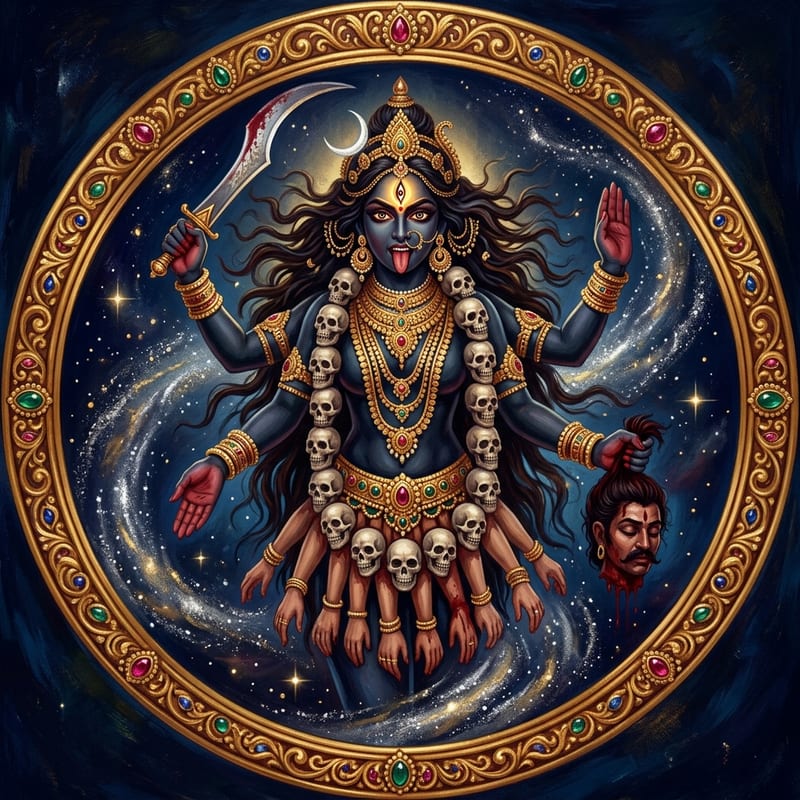
ବ୍ରହ୍ମୋଵାଚ
ଶୃଣୁ ଵତ୍ସ ପ୍ରଵକ୍ଷ୍ଯାମି ଆଦ୍ଯାସ୍ତୋତ୍ରଂ ମହାଫଲମ୍ ।
ଯଃ ପଠେତ୍ ସତତଂ ଭକ୍ତ୍ଯା ସ ଏଵ ଵିଷ୍ଣୁଵଲ୍ଲଭଃ ॥ 1 ॥
ଯଃ ପଠେତ୍ ସତତଂ ଭକ୍ତ୍ଯା ସ ଏଵ ଵିଷ୍ଣୁଵଲ୍ଲଭଃ ॥ 1 ॥
- ଶୃଣୁ (śṛṇu)listen
- ଵତ୍ସ (vatsa)dear child
- ପ୍ରଵକ୍ଷ୍ଯାମି (pravakṣyāmi)I shall declare
- ଆଦ୍ଯା-ସ୍ତୋତ୍ରମ୍ (ādyā-stotram)the hymn to Ādyā, the primordial one
- ମହା-ଫଲମ୍ (mahā-phalam)of great fruit
- ଯଃ (yaḥ)whoever
- ପଠେତ୍ (paṭhet)recites it
- ସତତମ୍ (satatam)unceasingly
- ଭକ୍ତ୍ଯା (bhaktyā)with devotion
- ସଃ ଏଵ (sa eva)he and no other
- ଵିଷ୍ଣୁ-ଵଲ୍ଲଭଃ (viṣṇu-vallabhaḥ)becomes dear to Viṣṇu
ମୃତ୍ଯୁର୍ଵ୍ଯାଧିଭଯଂ ତସ୍ଯ ନାସ୍ତି କିଞ୍ଚିତ୍ କଲୌ ଯୁଗେ ।
ଅପୁତ୍ରା ଲଭତେ ପୁତ୍ରଂ ତ୍ରିପକ୍ଷଂ ଶ୍ରଵଣଂ ଯଦି ॥ 2 ॥
ଅପୁତ୍ରା ଲଭତେ ପୁତ୍ରଂ ତ୍ରିପକ୍ଷଂ ଶ୍ରଵଣଂ ଯଦି ॥ 2 ॥
- ମୃତ୍ଯୁଃ (mṛtyuḥ)death
- ଵ୍ଯାଧି-ଭଯମ୍ (vyādhi-bhayam)or the fear of sickness
- ତସ୍ଯ (tasya)for him
- ନ ଅସ୍ତି (nāsti)there is none
- କିଞ୍ଚିତ୍ (kiñcit)whatsoever
- କଲୌ ଯୁଗେ (kalau yuge)in the age of Kali
- ଅପୁତ୍ରା (aputrā)a woman with no son
- ଲଭତେ (labhate)obtains
- ପୁତ୍ରମ୍ (putram)a son
- ତ୍ରି-ପକ୍ଷମ୍ (tri-pakṣam)for three fortnights
- ଶ୍ରଵଣମ୍ (śravaṇam)the hearing of it
- ଯଦି (yadi)if
ଦ୍ଵୌ ମାସୌ ବନ୍ଧନାନ୍ମୁକ୍ତି ଵିପ୍ରଵକ୍ତ୍ରାତ୍ ଶ୍ରୁତଂ ଯଦି ।
ମୃତଵତ୍ସା ଜୀଵଵତ୍ସା ଷଣ୍ମାସଂ ଶ୍ରଵଣଂ ଯଦି ॥ 3 ॥
ମୃତଵତ୍ସା ଜୀଵଵତ୍ସା ଷଣ୍ମାସଂ ଶ୍ରଵଣଂ ଯଦି ॥ 3 ॥
- ଦ୍ଵୌ ମାସୌ (dvau māsau)for two months
- ବନ୍ଧନାତ୍ (bandhanāt)from confinement
- ମୁକ୍ତିଃ (muktiḥ)release
- ଵିପ୍ର-ଵକ୍ତ୍ରାତ୍ (vipra-vaktrāt)from the mouth of a brāhmaṇa
- ଶ୍ରୁତମ୍ (śrutam)heard
- ଯଦି (yadi)if
- ମୃତ-ଵତ୍ସା (mṛta-vatsā)she whose children have died
- ଜୀଵ-ଵତ୍ସା (jīva-vatsā)becomes one whose children live
- ଷଣ୍-ମାସମ୍ (ṣaṇ-māsam)for six months
- ଶ୍ରଵଣମ୍ (śravaṇam)the hearing
- ଯଦି (yadi)if
ନୌକାଯାଂ ସଙ୍କଟେ ଯୁଦ୍ଧେ ପଠନାଜ୍ଜଯମାପ୍ନୁଯାତ୍ ।
ଲିଖିତ୍ଵା ସ୍ଥାପଯେଦ୍ଗେହେ ନାଗ୍ନିଚୌରଭଯଂ କ୍ଵଚିତ୍ ॥ 4 ॥
ଲିଖିତ୍ଵା ସ୍ଥାପଯେଦ୍ଗେହେ ନାଗ୍ନିଚୌରଭଯଂ କ୍ଵଚିତ୍ ॥ 4 ॥
- ନୌକାଯାମ୍ (naukāyām)on a boat
- ସଙ୍କଟେ (saṅkaṭe)in straits
- ଯୁଦ୍ଧେ (yuddhe)in battle
- ପଠନାତ୍ (paṭhanāt)by reciting it
- ଜଯମ୍ (jayam)victory
- ଆପ୍ନୁଯାତ୍ (āpnuyāt)one would win
- ଲିଖିତ୍ଵା (likhitvā)having written it out
- ସ୍ଥାପଯେତ୍ (sthāpayet)should one set it up
- ଗେହେ (gehe)at home
- ନ (na)there is no
- ଅଗ୍ନି-ଚୌର-ଭଯମ୍ (agni-caura-bhayam)fear of fire or of thieves
- କ୍ଵଚିତ୍ (kvacit)ever
ରାଜସ୍ଥାନେ ଜଯୀ ନିତ୍ଯଂ ପ୍ରସନ୍ନାଃ ସର୍ଵଦେଵତା ।
ଓଁ ହ୍ରୀମ୍ ।
ବ୍ରହ୍ମାଣୀ ବ୍ରହ୍ମଲୋକେ ଚ ଵୈକୁଣ୍ଠେ ସର୍ଵମଙ୍ଗଲା ॥ 5 ॥
ଓଁ ହ୍ରୀମ୍ ।
ବ୍ରହ୍ମାଣୀ ବ୍ରହ୍ମଲୋକେ ଚ ଵୈକୁଣ୍ଠେ ସର୍ଵମଙ୍ଗଲା ॥ 5 ॥
- ରାଜ-ସ୍ଥାନେ (rāja-sthāne)in the king’s court
- ଜଯୀ (jayī)victorious
- ନିତ୍ଯମ୍ (nityam)always
- ପ୍ରସନ୍ନାଃ (prasannāḥ)well pleased
- ସର୍ଵ-ଦେଵତାଃ (sarva-devatāḥ)all the gods
- ଓଁ ହ୍ରୀମ୍ (oṃ hrīṃ)the seed-syllables with which the hymn opens
- ବ୍ରହ୍ମାଣୀ (brahmāṇī)she is Brahmāṇī
- ବ୍ରହ୍ମ-ଲୋକେ (brahma-loke)in Brahmā’s world
- ଚ (ca)and
- ଵୈକୁଣ୍ଠେ (vaikuṇṭhe)in Vaikuṇṭha
- ସର୍ଵ-ମଙ୍ଗଲା (sarva-maṅgalā)Sarvamaṅgalā, in whom all is auspicious
ଇନ୍ଦ୍ରାଣୀ ଅମରାଵତ୍ଯାମମ୍ବିକା ଵରୁଣାଲଯେ ।
ଯମାଲଯେ କାଲରୂପା କୁବେରଭଵନେ ଶୁଭା ॥ 6 ॥
ଯମାଲଯେ କାଲରୂପା କୁବେରଭଵନେ ଶୁଭା ॥ 6 ॥
- ଇନ୍ଦ୍ରାଣୀ (indrāṇī)Indrāṇī
- ଅମରାଵତ୍ଯାମ୍ (amarāvatyām)in Amarāvatī, Indra’s city
- ଅମ୍ବିକା (ambikā)Ambikā
- ଵରୁଣ-ଆଲଯେ (varuṇālaye)in Varuṇa’s dwelling
- ଯମ-ଆଲଯେ (yamālaye)in Yama’s dwelling
- କାଲ-ରୂପା (kāla-rūpā)she wears the form of Time
- କୁବେର-ଭଵନେ (kubera-bhavane)in Kubera’s mansion
- ଶୁଭା (śubhā)Śubhā, the fair one
ମହାନନ୍ଦାଗ୍ନିକୋଣେ ଚ ଵାଯଵ୍ଯାଂ ମୃଗଵାହିନୀ ।
ନୈରୃତ୍ଯାଂ ରକ୍ତଦନ୍ତା ଚ ଐଶାନ୍ଯାଂ ଶୂଲଧାରିଣୀ ॥ 7 ॥
ନୈରୃତ୍ଯାଂ ରକ୍ତଦନ୍ତା ଚ ଐଶାନ୍ଯାଂ ଶୂଲଧାରିଣୀ ॥ 7 ॥
- ମହାନନ୍ଦା (mahānandā)Mahānandā
- ଅଗ୍ନି-କୋଣେ (agni-koṇe)in the fire corner, the south-east
- ଚ (ca)and
- ଵାଯଵ୍ଯାମ୍ (vāyavyām)in the north-west
- ମୃଗ-ଵାହିନୀ (mṛga-vāhinī)she who rides the deer
- ନୈରୃତ୍ଯାମ୍ (nairṛtyām)in the south-west
- ରକ୍ତ-ଦନ୍ତା (rakta-dantā)she of the red teeth
- ଚ (ca)and
- ଐଶାନ୍ଯାମ୍ (aiśānyām)in the north-east
- ଶୂଲ-ଧାରିଣୀ (śūla-dhāriṇī)she who bears the trident
ପାତାଲେ ଵୈଷ୍ଣଵୀରୂପା ସିଂହଲେ ଦେଵମୋହିନୀ ।
ସୁରସା ଚ ମଣିଦ୍ଵିପେ ଲଙ୍କାଯାଂ ଭଦ୍ରକାଲିକା ॥ 8 ॥
ସୁରସା ଚ ମଣିଦ୍ଵିପେ ଲଙ୍କାଯାଂ ଭଦ୍ରକାଲିକା ॥ 8 ॥
- ପାତାଲେ (pātāle)in the nether world
- ଵୈଷ୍ଣଵୀ-ରୂପା (vaiṣṇavī-rūpā)she wears the form of Vaiṣṇavī
- ସିଂହଲେ (siṃhale)in Siṃhala
- ଦେଵ-ମୋହିନୀ (deva-mohinī)she who bewilders the gods
- ସୁରସା (surasā)Surasā
- ଚ (ca)and
- ମଣି-ଦ୍ଵୀପେ (maṇi-dvīpe)on the Isle of Gems
- ଲଙ୍କାଯାମ୍ (laṅkāyām)in Laṅkā
- ଭଦ୍ର-କାଲିକା (bhadra-kālikā)Bhadrakālikā
ରାମେଶ୍ଵରୀ ସେତୁବନ୍ଧେ ଵିମଲା ପୁରୁଷୋତ୍ତମେ ।
ଵିରଜା ଔଡ୍ରଦେଶେ ଚ କାମାକ୍ଷ୍ଯା ନୀଲପର୍ଵତେ ॥ 9 ॥
ଵିରଜା ଔଡ୍ରଦେଶେ ଚ କାମାକ୍ଷ୍ଯା ନୀଲପର୍ଵତେ ॥ 9 ॥
- ରାମେଶ୍ଵରୀ (rāmeśvarī)Rāmeśvarī
- ସେତୁ-ବନ୍ଧେ (setu-bandhe)at the causeway Rāma built
- ଵିମଲା (vimalā)Vimalā
- ପୁରୁଷୋତ୍ତମେ (puruṣottame)at Puruṣottama, Jagannātha Purī
- ଵିରଜା (virajā)Virajā
- ଔଡ୍ର-ଦେଶେ (auḍra-deśe)in the land of Oḍra
- ଚ (ca)and
- କାମାକ୍ଷ୍ଯା (kāmākṣyā)Kāmākhyā
- ନୀଲ-ପର୍ଵତେ (nīla-parvate)on the Blue Mountain
କାଲିକା ଵଙ୍ଗଦେଶେ ଚ ଅଯୋଧ୍ଯାଯାଂ ମହେଶ୍ଵରୀ ।
ଵାରାଣସ୍ଯାମନ୍ନପୂର୍ଣା ଗଯାକ୍ଷେତ୍ରେ ଗଯେଶ୍ଵରୀ ॥ 10 ॥
ଵାରାଣସ୍ଯାମନ୍ନପୂର୍ଣା ଗଯାକ୍ଷେତ୍ରେ ଗଯେଶ୍ଵରୀ ॥ 10 ॥
- କାଲିକା (kālikā)Kālikā
- ଵଙ୍ଗ-ଦେଶେ (vaṅga-deśe)in the land of Vaṅga
- ଚ (ca)and
- ଅଯୋଧ୍ଯାଯାମ୍ (ayodhyāyām)in Ayodhyā
- ମହେଶ୍ଵରୀ (maheśvarī)Maheśvarī
- ଵାରାଣସ୍ଯାମ୍ (vārāṇasyām)in Vārāṇasī
- ଅନ୍ନପୂର୍ଣା (annapūrṇā)Annapūrṇā, whose store of food never fails
- ଗଯା-କ୍ଷେତ୍ରେ (gayā-kṣetre)in the holy field of Gayā
- ଗଯେଶ୍ଵରୀ (gayeśvarī)Gayeśvarī
କୁରୁକ୍ଷେତ୍ରେ ଭଦ୍ରକାଲୀ ଵ୍ରଜେ କାତ୍ଯାଯନୀ ପରା ।
ଦ୍ଵାରକାଯାଂ ମହାମାଯା ମଥୁରାଯାଂ ମହେଶ୍ଵରୀ ॥ 11 ॥
ଦ୍ଵାରକାଯାଂ ମହାମାଯା ମଥୁରାଯାଂ ମହେଶ୍ଵରୀ ॥ 11 ॥
- କୁରୁ-କ୍ଷେତ୍ରେ (kuru-kṣetre)at Kurukṣetra
- ଭଦ୍ର-କାଲୀ (bhadra-kālī)Bhadrakālī
- ଵ୍ରଜେ (vraje)in Vraja
- କାତ୍ଯାଯନୀ (kātyāyanī)Kātyāyanī
- ପରା (parā)the supreme
- ଦ୍ଵାରକାଯାମ୍ (dvārakāyām)at Dvārakā
- ମହା-ମାଯା (mahā-māyā)Mahāmāyā
- ମଥୁରାଯାମ୍ (mathurāyām)at Mathurā
- ମହେଶ୍ଵରୀ (maheśvarī)Maheśvarī
କ୍ଷୁଧା ତ୍ଵଂ ସର୍ଵଭୂତାନାଂ ଵେଲା ତ୍ଵଂ ସାଗରସ୍ଯ ଚ ।
ନଵମୀ ଶୁକ୍ଲପକ୍ଷସ୍ଯ କୃଷ୍ଣସ୍ଯୈକାଦଶୀ ପରା ॥ 12 ॥
ନଵମୀ ଶୁକ୍ଲପକ୍ଷସ୍ଯ କୃଷ୍ଣସ୍ଯୈକାଦଶୀ ପରା ॥ 12 ॥
- କ୍ଷୁଧା (kṣudhā)the hunger
- ତ୍ଵମ୍ (tvam)you are
- ସର୍ଵ-ଭୂତାନାମ୍ (sarva-bhūtānām)of everything that lives
- ଵେଲା (velā)the shore that holds it in
- ତ୍ଵମ୍ (tvam)you are
- ସାଗରସ୍ଯ (sāgarasya)of the sea
- ଚ (ca)and
- ନଵମୀ (navamī)the ninth day
- ଶୁକ୍ଲ-ପକ୍ଷସ୍ଯ (śukla-pakṣasya)of the bright fortnight
- କୃଷ୍ଣସ୍ଯ (kṛṣṇasya)of the dark one
- ଏକାଦଶୀ (ekādaśī)the eleventh
- ପରା (parā)supreme
ଦକ୍ଷସା ଦୁହିତା ଦେଵୀ ଦକ୍ଷଯଜ୍ଞଵିନାଶିନୀ ।
ରାମସ୍ଯ ଜାନକୀ ତ୍ଵଂ ହି ରାଵଣଧ୍ଵଂସକାରିଣୀ ॥ 13 ॥
ରାମସ୍ଯ ଜାନକୀ ତ୍ଵଂ ହି ରାଵଣଧ୍ଵଂସକାରିଣୀ ॥ 13 ॥
- ଦକ୍ଷସ୍ଯ (dakṣasya)of Dakṣa (printed दक्षसा)
- ଦୁହିତା (duhitā)the daughter
- ଦେଵୀ (devī)the Goddess
- ଦକ୍ଷ-ଯଜ୍ଞ-ଵିନାଶିନୀ (dakṣa-yajña-vināśinī)who brought Dakṣa’s sacrifice to nothing
- ରାମସ୍ଯ (rāmasya)of Rāma
- ଜାନକୀ (jānakī)Jānakī
- ତ୍ଵମ୍ (tvam)you
- ହି (hi)indeed are
- ରାଵଣ-ଧ୍ଵଂସ-କାରିଣୀ (rāvaṇa-dhvaṃsa-kāriṇī)who worked the undoing of Rāvaṇa
ଚଣ୍ଡମୁଣ୍ଡଵଧେ ଦେଵୀ ରକ୍ତବୀଜଵିନାଶିନୀ ।
ନିଶୁମ୍ଭଶୁମ୍ଭମଥିନୀ ମଧୁକୈଟଭଘାତିନୀ ॥ 14 ॥
ନିଶୁମ୍ଭଶୁମ୍ଭମଥିନୀ ମଧୁକୈଟଭଘାତିନୀ ॥ 14 ॥
- ଚଣ୍ଡ-ମୁଣ୍ଡ-ଵଧେ (caṇḍa-muṇḍa-vadhe)in the slaying of Caṇḍa and Muṇḍa
- ଦେଵୀ (devī)the Goddess
- ରକ୍ତ-ବୀଜ-ଵିନାଶିନୀ (rakta-bīja-vināśinī)destroyer of Raktabīja
- ନିଶୁମ୍ଭ-ଶୁମ୍ଭ-ମଥିନୀ (niśumbha-śumbha-mathinī)crusher of Niśumbha and Śumbha
- ମଧୁ-କୈଟଭ-ଘାତିନୀ (madhu-kaiṭabha-ghātinī)slayer of Madhu and Kaiṭabha
ଵିଷ୍ଣୁଭକ୍ତିପ୍ରଦା ଦୁର୍ଗା ସୁଖଦା ମୋକ୍ଷଦା ସଦା ।
ଆଦ୍ଯାସ୍ତଵମିମଂ ପୁଣ୍ଯଂ ଯଃ ପଠେତ୍ ସତତଂ ନରଃ ॥ 15 ॥
ଆଦ୍ଯାସ୍ତଵମିମଂ ପୁଣ୍ଯଂ ଯଃ ପଠେତ୍ ସତତଂ ନରଃ ॥ 15 ॥
- ଵିଷ୍ଣୁ-ଭକ୍ତି-ପ୍ରଦା (viṣṇu-bhakti-pradā)giver of devotion to Viṣṇu
- ଦୁର୍ଗା (durgā)Durgā
- ସୁଖ-ଦା (sukha-dā)giver of ease
- ମୋକ୍ଷ-ଦା (mokṣa-dā)giver of release
- ସଦା (sadā)always
- ଆଦ୍ଯା-ସ୍ତଵମ୍ (ādyā-stavam)this hymn to Ādyā
- ଇମମ୍ (imam)this one here
- ପୁଣ୍ଯମ୍ (puṇyam)holy
- ଯଃ (yaḥ)whoever
- ପଠେତ୍ (paṭhet)recites
- ସତତମ୍ (satatam)unceasingly
- ନରଃ (naraḥ)the man
ସର୍ଵଜ୍ଵରଭଯଂ ନ ସ୍ଯାତ୍ ସର୍ଵଵ୍ଯାଧିଵିନାଶନମ୍ ।
କୋଟିତୀର୍ଥଫଲଂ ତସ୍ଯ ଲଭତେ ନାତ୍ର ସଂଶଯଃ ॥ 16 ॥
କୋଟିତୀର୍ଥଫଲଂ ତସ୍ଯ ଲଭତେ ନାତ୍ର ସଂଶଯଃ ॥ 16 ॥
- ସର୍ଵ-ଜ୍ଵର-ଭଯମ୍ (sarva-jvara-bhayam)fear of any fever
- ନ ସ୍ଯାତ୍ (na syāt)there shall be none
- ସର୍ଵ-ଵ୍ଯାଧି-ଵିନାଶନମ୍ (sarva-vyādhi-vināśanam)and the undoing of every disease
- କୋଟି-ତୀର୍ଥ-ଫଲମ୍ (koṭi-tīrtha-phalam)the fruit of ten million pilgrimages
- ତସ୍ଯ (tasya)his
- ଲଭତେ (labhate)he gains
- ନ (na)there is not
- ଅତ୍ର (atra)in this
- ସଂଶଯଃ (saṃśayaḥ)any doubt
ଜଯା ମେ ଚାଗ୍ରତଃ ପାତୁ ଵିଜଯା ପାତୁ ପୃଷ୍ଠତଃ ।
ନାରାଯଣୀ ଶୀର୍ଷଦେଶେ ସର୍ଵାଙ୍ଗେ ସିଂହଵାହିନୀ ॥ 17 ॥
ନାରାଯଣୀ ଶୀର୍ଷଦେଶେ ସର୍ଵାଙ୍ଗେ ସିଂହଵାହିନୀ ॥ 17 ॥
- ଜଯା (jayā)Jayā, Victory
- ମେ (me)me
- ଚ (ca)and
- ଅଗ୍ରତଃ (agrataḥ)in front
- ପାତୁ (pātu)may she guard
- ଵିଜଯା (vijayā)Vijayā, the Conqueror
- ପାତୁ (pātu)may she guard
- ପୃଷ୍ଠତଃ (pṛṣṭhataḥ)from behind
- ନାରାଯଣୀ (nārāyaṇī)Nārāyaṇī
- ଶୀର୍ଷ-ଦେଶେ (śīrṣa-deśe)at the head
- ସର୍ଵ-ଅଙ୍ଗେ (sarvāṅge)over every limb
- ସିଂହ-ଵାହିନୀ (siṃha-vāhinī)she who rides the lion
ଶିଵଦୂତୀ ଉଗ୍ରଚଣ୍ଡା ପ୍ରତ୍ଯଙ୍ଗେ ପରମେଶ୍ଵରୀ ।
ଵିଶାଲାକ୍ଷୀ ମହାମାଯା କୌମାରୀ ଶଙ୍ଖିନୀ ଶିଵା ॥ 18 ॥
ଵିଶାଲାକ୍ଷୀ ମହାମାଯା କୌମାରୀ ଶଙ୍ଖିନୀ ଶିଵା ॥ 18 ॥
- ଶିଵଦୂତୀ (Śivadūtī)Śiva's messenger
- ଉଗ୍ରଚଣ୍ଡା (Ugrachaṇḍā)the fierce
- ଵିଶାଲାକ୍ଷୀ (Viśālākṣī)wide-eyed
ଚକ୍ରିଣୀ ଜଯଦାତ୍ରୀ ଚ ରଣମତ୍ତା ରଣପ୍ରିଯା ।
ଦୁର୍ଗା ଜଯନ୍ତୀ କାଲୀ ଚ ଭଦ୍ରକାଲୀ ମହୋଦରୀ ॥ 19 ॥
ଦୁର୍ଗା ଜଯନ୍ତୀ କାଲୀ ଚ ଭଦ୍ରକାଲୀ ମହୋଦରୀ ॥ 19 ॥
- ଚକ୍ରିଣୀ (cakriṇī)she who holds the discus
- ଜଯ-ଦାତ୍ରୀ (jaya-dātrī)giver of victory
- ଚ (ca)and
- ରଣ-ମତ୍ତା (raṇa-mattā)wild with the joy of battle
- ରଣ-ପ୍ରିଯା (raṇa-priyā)who loves the fight
- ଦୁର୍ଗା (durgā)Durgā
- ଜଯନ୍ତୀ (jayantī)Jayantī
- କାଲୀ (kālī)Kālī
- ଚ (ca)and
- ଭଦ୍ର-କାଲୀ (bhadra-kālī)Bhadrakālī
- ମହୋଦରୀ (mahodarī)the great-bellied
ନାରସିଂହୀ ଚ ଵାରାହୀ ସିଦ୍ଧିଦାତ୍ରୀ ସୁଖପ୍ରଦା ।
ଭଯଙ୍କରୀ ମହାରୌଦ୍ରୀ ମହାଭଯଵିନାଶିନୀ ॥ 20 ॥
ଭଯଙ୍କରୀ ମହାରୌଦ୍ରୀ ମହାଭଯଵିନାଶିନୀ ॥ 20 ॥
- ନାରସିଂହୀ (Nārasiṃhī)Narasiṃha's power
- ଵାରାହୀ (Vārāhī)the boar-goddess
- ସିଦ୍ଧିଦାତ୍ରୀ (Siddhidātrī)granter of perfection
- ସୁଖପ୍ରଦା (Sukhapradā)bestower of happiness
- ଭଯଙ୍କରୀ (Bhayaṅkarī)the terrifying
- ମହାରୌଦ୍ରୀ (Mahāraudrī)the greatly fierce
- ମହାଭଯଵିନାଶିନୀ (Mahābhayavināśinī)destroyer of all great terror
ଇତି ଶ୍ରୀବ୍ରହ୍ମଯାମଲେ ବ୍ରହ୍ମନାରଦସଂଵାଦେ ଶ୍ରୀ ଆଦ୍ଯା ସ୍ତୋତ୍ରମ୍ ॥