
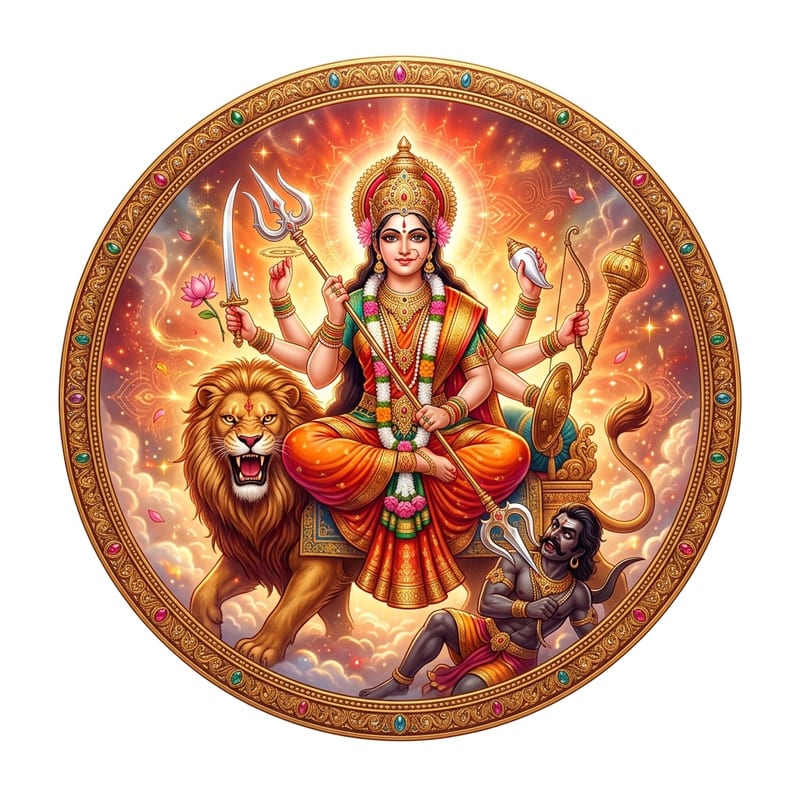
ধ্যানম্
উমাকান্তে ৰমাকান্তে এষামাসী-ন্মতিস্সমা ।
নমামি দীক্ষিতেন্দ্ৰাং স্তান্ নযষট্ক-ৱিশাৰদাম্ ॥
ৱেধোহৰীশ্ৱৰস্তুত্যাং ৱিহৰ্ত্ৰীং ৱিন্ধ্যভূধৰে ।
হৰপ্ৰাণেশ্ৱৰীং ৱন্দে হন্ত্ৰীং ৱিবুধৱিদ্ৱিষাম্ ॥ 1 ॥
নমামি দীক্ষিতেন্দ্ৰাং স্তান্ নযষট্ক-ৱিশাৰদাম্ ॥
ৱেধোহৰীশ্ৱৰস্তুত্যাং ৱিহৰ্ত্ৰীং ৱিন্ধ্যভূধৰে ।
হৰপ্ৰাণেশ্ৱৰীং ৱন্দে হন্ত্ৰীং ৱিবুধৱিদ্ৱিষাম্ ॥ 1 ॥
- উমা-কান্তে (umā-kānte)toward the beloved of Umā, Śiva
- ৰমা-কান্তে (ramā-kānte)toward the beloved of Ramā, Viṣṇu
- এষাম্ (eṣām)of these
- আসীত্ (āsīt)there was
- মতিঃ (matiḥ)a mind
- সমা (samā)held even between them
- নমামি (namāmi)I bow to
- দীক্ষিত-ইন্দ্ৰাম্ (dīkṣitendrām)the sovereign among the consecrated
- স্তান্ (stān)(the printed line is corrupt at this word)
- নয-ষট্ক-ৱিশাৰদাম্ (naya-ṣaṭka-viśāradām)versed in the six measures of statecraft
- ৱেধঃ-হৰি-ঈশ্ৱৰ-স্তুত্যাম্ (vedho-harīśvara-stutyām)to be praised by Brahmā, Hari and Īśvara
- ৱিহৰ্ত্ৰীম্ (vihartrīm)who takes her pleasure
- ৱিন্ধ্য-ভূধৰে (vindhya-bhūdhare)on the Vindhya mountain
- হৰ-প্ৰাণ-ঈশ্ৱৰীম্ (hara-prāṇeśvarīm)sovereign of Hara’s own life
- ৱন্দে (vande)I revere
- হন্ত্ৰীম্ (hantrīm)the slayer
- ৱিবুধ-ৱিদ্ৱিষাম্ (vibudha-vidviṣām)of those who hate the gods
অভ্যৰ্থনেন সৰসীৰুহসম্ভৱস্য
ত্যক্ত্ৱোদিতা ভগৱদক্ষিপিধানলীলাম্ ।
ৱিশ্ৱেশ্ৱৰী ৱিপদপাকমনে পুৰস্তাত্
মাতা মমাস্তু মধুকৈটভযোৰ্নিহন্ত্ৰী ॥ 2 ॥
ত্যক্ত্ৱোদিতা ভগৱদক্ষিপিধানলীলাম্ ।
ৱিশ্ৱেশ্ৱৰী ৱিপদপাকমনে পুৰস্তাত্
মাতা মমাস্তু মধুকৈটভযোৰ্নিহন্ত্ৰী ॥ 2 ॥
- অভ্যৰ্থনেন (abhyarthanena)at the entreaty
- সৰসীৰুহ-সম্ভৱস্য (sarasīruha-sambhavasya)of him who was born from the lotus, Brahmā
- ত্যক্ত্ৱা (tyaktvā)having laid aside
- উদিতা (uditā)she rose
- ভগৱত্-অক্ষি-পিধান-লীলাম্ (bhagavad-akṣi-pidhāna-līlām)the play of sealing the Lord’s eyes in sleep
- ৱিশ্ৱেশ্ৱৰী (viśveśvarī)the sovereign of the universe
- ৱিপদ্-অপাকমনে (vipad-apākamane)to drive calamity away (the reading is uncertain here)
- পুৰস্তাত্ (purastāt)before me
- মাতা (mātā)the Mother
- মম (mama)my
- অস্তু (astu)let her stand
- মধু-কৈটভযোঃ (madhu-kaiṭabhayoḥ)of Madhu and Kaiṭabha
- নিহন্ত্ৰী (nihantrī)the slayer
প্ৰাঙ্নিৰ্জৰেষু নিহতৈৰ্নিজশক্তিলেশৈঃ
একীভৱদ্ভিৰুদিতাঽখিললোকগুপ্ত্যৈ ।
সম্পন্নশস্ত্ৰনিকৰা চ তদাযুধস্থৈঃ
মাতা মমাস্তু মহিষান্তকৰী পুৰস্তাত্ ॥ 3 ॥
একীভৱদ্ভিৰুদিতাঽখিললোকগুপ্ত্যৈ ।
সম্পন্নশস্ত্ৰনিকৰা চ তদাযুধস্থৈঃ
মাতা মমাস্তু মহিষান্তকৰী পুৰস্তাত্ ॥ 3 ॥
- প্ৰাক্ (prāk)in the days before
- নিৰ্জৰেষু (nirjareṣu)when the gods
- নিহতৈঃ (nihataiḥ)had been struck down
- নিজ-শক্তি-লেশৈঃ (nija-śakti-leśaiḥ)out of the fragments of their own powers
- একী-ভৱদ্ভিঃ (ekī-bhavadbhiḥ)as these came together into one
- উদিতা (uditā)she arose
- অখিল-লোক-গুপ্ত্যৈ (akhila-loka-guptyai)for the guarding of every world
- সম্পন্ন-শস্ত্ৰ-নিকৰা (sampanna-śastra-nikarā)furnished with a mass of weapons
- চ (ca)and
- তত্-আযুধ-স্থৈঃ (tad-āyudha-sthaiḥ)by those powers standing as their several arms
- মাতা (mātā)the Mother
- মম (mama)my
- অস্তু (astu)let her be
- মহিষ-অন্তকৰী (mahiṣāntakarī)who made an end of Mahiṣa
- পুৰস্তাত্ (purastāt)before me
প্ৰালেযশৈলতনযা তনুকান্তিসম্পত্
কোশোদিতা কুৱলযচ্ছৱিচাৰুদেহা ।
নাৰাযণী নমদভীপ্সিতকল্পৱল্লী
সুপ্ৰীতিমাৱহতু শুম্ভনিশুম্ভহন্ত্ৰী ॥ 4 ॥
কোশোদিতা কুৱলযচ্ছৱিচাৰুদেহা ।
নাৰাযণী নমদভীপ্সিতকল্পৱল্লী
সুপ্ৰীতিমাৱহতু শুম্ভনিশুম্ভহন্ত্ৰী ॥ 4 ॥
- প্ৰালেয-শৈল-তনযা (prāleya-śaila-tanayā)the daughter of the snow mountain
- তনু-কান্তি-সম্পত্-কোশ-উদিতা (tanu-kānti-sampat-kośoditā)risen from the treasury of her body’s radiance
- কুৱলয-ছৱি-চাৰু-দেহা (kuvalaya-cchavi-cāru-dehā)her body lovely with the hue of the blue lotus
- নাৰাযণী (nārāyaṇī)Nārāyaṇī
- নমত্-অভীপ্সিত-কল্প-ৱল্লী (namad-abhīpsita-kalpa-vallī)a wishing-creeper for whatever those who bow desire
- সু-প্ৰীতিম্ (su-prītim)deep gladness
- আৱহতু (āvahatu)may she bring
- শুম্ভ-নিশুম্ভ-হন্ত্ৰী (śumbha-niśumbha-hantrī)the slayer of Śumbha and Niśumbha
ৱিশ্ৱেশ্ৱৰীতি মহিষান্তকৰীতি যস্যাঃ
নাৰাযণীত্যপি চ নামভিৰঙ্কিতানি ।
সূক্তানি পঙ্কজভুৱা চ সুৰৰ্ষিভিশ্চ
দৃষ্টানি পাৱকমুখৈশ্চ শিৱাং ভজে তাম্ ॥ 5 ॥
নাৰাযণীত্যপি চ নামভিৰঙ্কিতানি ।
সূক্তানি পঙ্কজভুৱা চ সুৰৰ্ষিভিশ্চ
দৃষ্টানি পাৱকমুখৈশ্চ শিৱাং ভজে তাম্ ॥ 5 ॥
- ৱিশ্ৱেশ্ৱৰী ইতি (viśveśvarī iti)as "Viśveśvarī"
- মহিষ-অন্তকৰী ইতি (mahiṣāntakarī iti)as "Mahiṣāntakarī"
- যস্যাঃ (yasyāḥ)whose
- নাৰাযণী ইতি (nārāyaṇī iti)and as "Nārāyaṇī"
- অপি চ (api ca)too
- নামভিঃ (nāmabhiḥ)with such names
- অঙ্কিতানি (aṅkitāni)marked
- সূক্তানি (sūktāni)the hymns
- পঙ্কজ-ভুৱা (paṅkaja-bhuvā)by the lotus-born Brahmā
- চ (ca)and
- সুৰ-ঋষিভিঃ (surarṣibhiḥ)by the divine seers
- চ (ca)and
- দৃষ্টানি (dṛṣṭāni)were seen
- পাৱক-মুখৈঃ (pāvaka-mukhaiḥ)by the gods who eat through the mouth of fire
- চ (ca)as well
- শিৱাম্ (śivām)the auspicious one
- ভজে (bhaje)I worship
- তাম্ (tām)her
উত্পত্তিদৈত্যহননস্তৱনাত্মকানি
সংৰক্ষকাণ্যখিলভূতহিতায যস্যাঃ ।
সূক্তান্যশেষনিগমান্তৱিদঃ পঠন্তি
তাং ৱিশ্ৱমাতৰমজস্ৰমভিষ্টৱীমি ॥ 6 ॥
সংৰক্ষকাণ্যখিলভূতহিতায যস্যাঃ ।
সূক্তান্যশেষনিগমান্তৱিদঃ পঠন্তি
তাং ৱিশ্ৱমাতৰমজস্ৰমভিষ্টৱীমি ॥ 6 ॥
- উত্পত্তি-দৈত্য-হনন-স্তৱন-আত্মকানি (utpatti-daitya-hanana-stavanātmakāni)telling of her arising, of the slaying of the demons, and of her praise
- সংৰক্ষকাণি (saṃrakṣakāṇi)protecting
- অখিল-ভূত-হিতায (akhila-bhūta-hitāya)for the good of every being
- যস্যাঃ (yasyāḥ)whose
- সূক্তানি (sūktāni)hymns
- অশেষ-নিগম-অন্ত-ৱিদঃ (aśeṣa-nigamānta-vidaḥ)those who know the Upaniṣads entire
- পঠন্তি (paṭhanti)recite
- তাম্ (tām)her
- ৱিশ্ৱ-মাতৰম্ (viśva-mātaram)the Mother of the universe
- অজস্ৰম্ (ajasram)without ceasing
- অভিষ্টৱীমি (abhiṣṭavīmi)I praise
যে ৱৈপ্ৰচিত্তপুনৰুত্থিতশুম্ভমুখ্যৈঃ
দুৰ্ভিক্ষঘোৰসমযেন চ কাৰিতাসু ।
আৱিষ্কৃতাস্ত্ৰিজগদাৰ্তিষু ৰূপভেদাঃ
তৈৰম্বিকা সমভিৰক্ষতু মাং ৱিপদ্ভ্যঃ ॥ 7 ॥
দুৰ্ভিক্ষঘোৰসমযেন চ কাৰিতাসু ।
আৱিষ্কৃতাস্ত্ৰিজগদাৰ্তিষু ৰূপভেদাঃ
তৈৰম্বিকা সমভিৰক্ষতু মাং ৱিপদ্ভ্যঃ ॥ 7 ॥
- যে (ye)those forms which
- ৱৈপ্ৰচিত্ত-পুনৰুত্থিত-শুম্ভ-মুখ্যৈঃ (vaipracitta-punarutthita-śumbha-mukhyaiḥ)by Vipracitti, by Śumbha risen again, and by their chief followers
- দুৰ্ভিক্ষ-ঘোৰ-সমযেন (durbhikṣa-ghora-samayena)and by a dreadful season of famine
- চ (ca)and
- কাৰিতাসু (kāritāsu)when these had been brought about
- আৱিষ্কৃতাঃ (āviṣkṛtāḥ)were made manifest
- ত্ৰি-জগত্-আৰ্তিষু (tri-jagad-ārtiṣu)amid the afflictions of the three worlds
- ৰূপ-ভেদাঃ (rūpa-bhedāḥ)her several forms
- তৈঃ (taiḥ)by those very forms
- অম্বিকা (ambikā)Ambikā
- সমভিৰক্ষতু (samabhirakṣatu)may she guard
- মাম্ (mām)me
- ৱিপদ্ভ্যঃ (vipadbhyaḥ)from calamities
সূক্তং যদীযমৰৱিন্দভৱাদি দৃষ্টং
আৱৰ্ত্য দেৱ্যনুপদং সুৰথঃ সমাধিঃ ।
দ্ৱাৱপ্যৱাপতুৰভীষ্টমনন্যলভ্যং
তামাদিদেৱতৰুণীং প্ৰণমামি মূৰ্ধ্না ॥ 8 ॥
আৱৰ্ত্য দেৱ্যনুপদং সুৰথঃ সমাধিঃ ।
দ্ৱাৱপ্যৱাপতুৰভীষ্টমনন্যলভ্যং
তামাদিদেৱতৰুণীং প্ৰণমামি মূৰ্ধ্না ॥ 8 ॥
- সূক্তম্ (sūktam)the hymn
- যদীযম্ (yadīyam)that is hers
- অৰৱিন্দ-ভৱ-আদি-দৃষ্টম্ (aravinda-bhavādi-dṛṣṭam)first seen by the lotus-born and those after him
- আৱৰ্ত্য (āvartya)repeating it over
- দেৱী-অনুপদম্ (devy-anupadam)close at the Goddess’s feet
- সুৰথঃ (surathaḥ)Suratha
- সমাধিঃ (samādhiḥ)and Samādhi
- দ্ৱৌ অপি (dvāv api)both of them
- অৱাপতুঃ (avāpatuḥ)obtained
- অভীষ্টম্ (abhīṣṭam)what they longed for
- অনন্য-লভ্যম্ (ananya-labhyam)not to be had from any other
- তাম্ (tām)her
- আদি-দেৱ-তৰুণীম্ (ādi-deva-taruṇīm)the ever-young consort of the first god
- প্ৰণমামি (praṇamāmi)I bow to
- মূৰ্ধ্না (mūrdhnā)with my head
মাহিষ্মতীতনুভৱং চ ৰুৰুং চ হন্তুং
আৱিষ্কৃতৈৰ্নিজৰসাদৱতাৰভেদৈঃ ।
অষ্টাদশাহতনৱাহতকোটিসঙ্খ্যৈঃ
অম্বা সদা সমভিৰক্ষতু মাং ৱিপদ্ভ্যঃ ॥ 9 ॥
আৱিষ্কৃতৈৰ্নিজৰসাদৱতাৰভেদৈঃ ।
অষ্টাদশাহতনৱাহতকোটিসঙ্খ্যৈঃ
অম্বা সদা সমভিৰক্ষতু মাং ৱিপদ্ভ্যঃ ॥ 9 ॥
- মাহিষ্মতী-তনু-ভৱম্ (māhiṣmatī-tanu-bhavam)him who took birth in the body of Māhiṣmatī
- চ (ca)and
- ৰুৰুম্ (rurum)the demon Ruru
- চ (ca)too
- হন্তুম্ (hantum)in order to slay
- আৱিষ্কৃতৈঃ (āviṣkṛtaiḥ)by the forms she brought forth
- নিজ-ৰসাত্ (nija-rasāt)out of her own essence
- অৱতাৰ-ভেদৈঃ (avatāra-bhedaiḥ)as her several descents
- অষ্টাদশ-আহত-নৱ-আহত-কোটি-সঙ্খ্যৈঃ (aṣṭādaśāhata-navāhata-koṭi-saṅkhyaiḥ)numbering crores multiplied eighteenfold and ninefold
- অম্বা (ambā)the Mother
- সদা (sadā)always
- সমভিৰক্ষতু (samabhirakṣatu)may she guard
- মাম্ (mām)me
- ৱিপদ্ভ্যঃ (vipadbhyaḥ)from calamities
এতচ্চৰিত্ৰমখিলং লিখিতং হি যস্যাঃ
সম্পূজিতং সদন এৱ নিৱেশিতং ৱা ।
দুৰ্গং চ তাৰযতি দুস্তৰমপ্যশেষং
শ্ৰেযঃ প্ৰযচ্ছতি চ সৰ্ৱমুমাং ভজে তাম্ ॥ 10 ॥
সম্পূজিতং সদন এৱ নিৱেশিতং ৱা ।
দুৰ্গং চ তাৰযতি দুস্তৰমপ্যশেষং
শ্ৰেযঃ প্ৰযচ্ছতি চ সৰ্ৱমুমাং ভজে তাম্ ॥ 10 ॥
- এতত্ চৰিত্ৰম্ (etac caritram)this story
- অখিলম্ (akhilam)entire
- লিখিতম্ (likhitam)when written out
- হি (hi)indeed
- যস্যাঃ (yasyāḥ)whose it is
- সম্পূজিতম্ (sampūjitam)or worshipped
- সদনে (sadane)in the house
- এৱ (eva)itself
- নিৱেশিতম্ (niveśitam)or set up there
- ৱা (vā)or
- দুৰ্গম্ (durgam)the hard passage
- চ (ca)and
- তাৰযতি (tārayati)it carries one across
- দুস্তৰম্ (dustaram)impassable
- অপি (api)even
- অশেষম্ (aśeṣam)all of it
- শ্ৰেযঃ (śreyaḥ)blessing
- প্ৰযচ্ছতি (prayacchati)it grants
- চ (ca)and
- সৰ্ৱম্ (sarvam)of every kind
- উমাম্ (umām)Umā
- ভজে (bhaje)I worship
- তাম্ (tām)her
যত্পূজনস্তুতিনমস্কৃতিভিৰ্ভৱন্তি
প্ৰীতাঃ পিতামহৰমেশহৰাস্ত্ৰযোঽপি ।
তেষামপি স্ৱকগুণৈৰ্দদতী ৱপূংষি
তামীশ্ৱৰস্য তৰুণীং শৰণং প্ৰপদ্যে ॥ 11 ॥
প্ৰীতাঃ পিতামহৰমেশহৰাস্ত্ৰযোঽপি ।
তেষামপি স্ৱকগুণৈৰ্দদতী ৱপূংষি
তামীশ্ৱৰস্য তৰুণীং শৰণং প্ৰপদ্যে ॥ 11 ॥
- যত্-পূজন-স্তুতি-নমস্কৃতিভিঃ (yat-pūjana-stuti-namaskṛtibhiḥ)by whose worship, praise and salutation
- ভৱন্তি (bhavanti)become
- প্ৰীতাঃ (prītāḥ)well pleased
- পিতামহ-ৰমেশ-হৰাঃ (pitāmaha-rameśa-harāḥ)Brahmā, the lord of Ramā, and Hara
- ত্ৰযঃ অপি (trayaḥ api)all three of them
- তেষাম্ অপি (teṣām api)and to those very three
- স্ৱক-গুণৈঃ (svaka-guṇaiḥ)together with their own qualities
- দদতী (dadatī)giving
- ৱপূংষি (vapūṃṣi)their bodies
- তাম্ (tām)her
- ঈশ্ৱৰস্য (īśvarasya)of Īśvara
- তৰুণীম্ (taruṇīm)the young consort
- শৰণম্ প্ৰপদ্যে (śaraṇaṃ prapadye)I go to for refuge
কান্তাৰমধ্যদৃঢলগ্নতযাঽৱসন্নাঃ
মগ্নাশ্চ ৱাৰিধিজলে ৰিপুভিশ্চ ৰুদ্ধাঃ ।
যস্যাঃ প্ৰপদ্য চৰণৌ ৱিপদস্তৰন্তি
সা মে সদাঽস্তু হৃদি সৰ্ৱজগত্সৱিত্ৰী ॥ 12 ॥
মগ্নাশ্চ ৱাৰিধিজলে ৰিপুভিশ্চ ৰুদ্ধাঃ ।
যস্যাঃ প্ৰপদ্য চৰণৌ ৱিপদস্তৰন্তি
সা মে সদাঽস্তু হৃদি সৰ্ৱজগত্সৱিত্ৰী ॥ 12 ॥
- কান্তাৰ-মধ্য-দৃঢ-লগ্নতযা (kāntāra-madhya-dṛḍha-lagnatayā)by being fast caught in the heart of a wilderness
- অৱসন্নাঃ (avasannāḥ)those brought to ruin
- মগ্নাঃ (magnāḥ)those sunk
- চ (ca)and
- ৱাৰিধি-জলে (vāridhi-jale)in the water of the sea
- ৰিপুভিঃ (ripubhiḥ)by enemies
- চ (ca)and
- ৰুদ্ধাঃ (ruddhāḥ)those hemmed in
- যস্যাঃ (yasyāḥ)whose
- প্ৰপদ্য (prapadya)having taken refuge at
- চৰণৌ (caraṇau)the two feet
- ৱিপদঃ (vipadaḥ)their calamities
- তৰন্তি (taranti)they cross over
- সা (sā)she
- মে (me)my
- সদা (sadā)always
- অস্তু (astu)let her be
- হৃদি (hṛdi)in the heart
- সৰ্ৱ-জগত্-সৱিত্ৰী (sarva-jagat-savitrī)who brings forth all the worlds
বন্ধে ৱধে মহতি মৃত্যুভযে প্ৰসক্তে
ৱিত্তক্ষযে চ ৱিৱিধে য মহোপতাপে ।
যত্পাদপূজনমিহ প্ৰতিকাৰমাহুঃ
সা মে সমস্তজননী শৰণং ভৱানী ॥ 13 ॥
ৱিত্তক্ষযে চ ৱিৱিধে য মহোপতাপে ।
যত্পাদপূজনমিহ প্ৰতিকাৰমাহুঃ
সা মে সমস্তজননী শৰণং ভৱানী ॥ 13 ॥
- বন্ধে (bandhe)in bondage
- ৱধে (vadhe)under sentence of death
- মহতি (mahati)great
- মৃত্যু-ভযে (mṛtyu-bhaye)in the fear of dying
- প্ৰসক্তে (prasakte)when it presses close
- ৱিত্ত-ক্ষযে (vitta-kṣaye)in the loss of wealth
- চ (ca)and
- ৱিৱিধে (vividhe)in manifold
- মহা-উপতাপে (mahopatāpe)great affliction
- যত্-পাদ-পূজনম্ (yat-pāda-pūjanam)worship at whose feet
- ইহ (iha)in this world
- প্ৰতিকাৰম্ (pratikāram)the one remedy
- আহুঃ (āhuḥ)they declare
- সা (sā)she
- মে (me)my
- সমস্ত-জননী (samasta-jananī)the mother of all
- শৰণম্ (śaraṇam)refuge
- ভৱানী (bhavānī)Bhavānī
বাণাসুৰপ্ৰহিতপন্নগবন্ধমোক্ষঃ
তদ্বাহুদৰ্পদলনাদুষযা চ যোগঃ ।
প্ৰাদ্যুম্নিনা দ্ৰুতমলভ্যত যত্প্ৰসাদাত্
সা মে শিৱা সকলমপ্যশুভং ক্ষিণোতু ॥ 14 ॥
তদ্বাহুদৰ্পদলনাদুষযা চ যোগঃ ।
প্ৰাদ্যুম্নিনা দ্ৰুতমলভ্যত যত্প্ৰসাদাত্
সা মে শিৱা সকলমপ্যশুভং ক্ষিণোতু ॥ 14 ॥
- বাণ-অসুৰ-প্ৰহিত-পন্নগ-বন্ধ-মোক্ষঃ (bāṇāsura-prahita-pannaga-bandha-mokṣaḥ)release from the serpent-bonds sent by the demon Bāṇa
- তত্-বাহু-দৰ্প-দলনাত্ (tad-bāhu-darpa-dalanāt)through the crushing of the pride of his arms
- উষযা (uṣayā)with Uṣā
- চ (ca)and
- যোগঃ (yogaḥ)union
- প্ৰাদ্যুম্নিনা (prādyumninā)by Pradyumna’s son Aniruddha
- দ্ৰুতম্ (drutam)swiftly
- অলভ্যত (alabhyata)was won
- যত্-প্ৰসাদাত্ (yat-prasādāt)by whose grace
- সা (sā)she
- মে (me)my
- শিৱা (śivā)the auspicious one
- সকলম্ (sakalam)all
- অপি (api)whatever there be
- অশুভম্ (aśubham)of ill
- ক্ষিণোতু (kṣiṇotu)let her wear away
পাপঃ পুলস্ত্যতনযঃ পুনৰুত্থিতো মাং
অদ্যাপি হৰ্তুমযমাগত ইত্যুদীতম্ ।
যত্সেৱনেন ভযমিন্দিৰযাঽৱধূতং
তামাদিদেৱতৰুণীং শৰণং গতোঽস্মি ॥ 15 ॥
অদ্যাপি হৰ্তুমযমাগত ইত্যুদীতম্ ।
যত্সেৱনেন ভযমিন্দিৰযাঽৱধূতং
তামাদিদেৱতৰুণীং শৰণং গতোঽস্মি ॥ 15 ॥
- পাপঃ (pāpaḥ)the wicked
- পুলস্ত্য-তনযঃ (pulastya-tanayaḥ)son of Pulastya, Rāvaṇa
- পুনঃ-উত্থিতঃ (punar-utthitaḥ)risen again
- মাম্ (mām)me
- অদ্য অপি (adyāpi)even now
- হৰ্তুম্ (hartum)to carry off
- অযম্ (ayam)here he is
- আগতঃ (āgataḥ)come
- ইতি (iti)so
- উদীতম্ (udītam)ran the cry
- যত্-সেৱনেন (yat-sevanena)by service done to whom
- ভযম্ (bhayam)that fear
- ইন্দিৰযা (indirayā)by Indirā, Sītā
- অৱধূতম্ (avadhūtam)was shaken off
- তাম্ (tām)her
- আদি-দেৱ-তৰুণীম্ (ādi-deva-taruṇīm)the ever-young consort of the first god
- শৰণম্ গতঃ অস্মি (śaraṇam gataḥ asmi)I have come to for refuge
যদ্ধ্যানজং সুখমৱাপ্যমনন্তপুণ্যৈঃ
সাক্ষাত্তমচ্যুত পৰিগ্ৰহমাশ্ৱৱাপুঃ ।
গোপাঙ্গনাঃ কিল যদৰ্চনপুণ্যমাত্ৰাঃ
সা মে সদা ভগৱতী ভৱতু প্ৰসন্না ॥ 16 ॥
সাক্ষাত্তমচ্যুত পৰিগ্ৰহমাশ্ৱৱাপুঃ ।
গোপাঙ্গনাঃ কিল যদৰ্চনপুণ্যমাত্ৰাঃ
সা মে সদা ভগৱতী ভৱতু প্ৰসন্না ॥ 16 ॥
- যত্-ধ্যান-জম্ (yad-dhyāna-jam)born of meditation upon her
- সুখম্ (sukham)the happiness
- অৱাপ্যম্ (avāpyam)to be won
- অনন্ত-পুণ্যৈঃ (ananta-puṇyaiḥ)only by merit without end
- সাক্ষাত্ (sākṣāt)face to face
- তম্ অচ্যুত-পৰিগ্ৰহম্ (tam acyuta-parigraham)that embrace of Acyuta himself
- আশু (āśu)swiftly
- আৱাপুঃ (āvāpuḥ)they gained
- গোপ-অঙ্গনাঃ (gopāṅganāḥ)the cowherd women
- কিল (kila)so it is told
- যত্-অৰ্চন-পুণ্য-মাত্ৰাঃ (yad-arcana-puṇya-mātrāḥ)having no merit but the worship of her
- সা (sā)she
- মে (me)to me
- সদা (sadā)always
- ভগৱতী (bhagavatī)the blessed one
- ভৱতু (bhavatu)may she be
- প্ৰসন্না (prasannā)graciously pleased
ৰাত্ৰিং প্ৰপদ্য ইতি মন্ত্ৰৱিদঃ প্ৰপন্নান্
উদ্বোধ্য মৃত্যুৱধিমন্যফলৈঃ প্ৰলোভ্য ।
বুদ্ধ্ৱা চ তদ্ৱিমুখতাং প্ৰতনং নযন্তীং
আকাশমাদিজননীং জগতাং ভজে তাম্ ॥ 17 ॥
উদ্বোধ্য মৃত্যুৱধিমন্যফলৈঃ প্ৰলোভ্য ।
বুদ্ধ্ৱা চ তদ্ৱিমুখতাং প্ৰতনং নযন্তীং
আকাশমাদিজননীং জগতাং ভজে তাম্ ॥ 17 ॥
- ৰাত্ৰিম্ প্ৰপদ্যে (rātriṃ prapadye)"I take refuge in the Night" – the opening of the Rātri Sūkta
- ইতি (iti)with these words
- মন্ত্ৰ-ৱিদঃ (mantra-vidaḥ)those who know the mantra
- প্ৰপন্নান্ (prapannān)those who have so taken refuge
- উদ্বোধ্য (udbodhya)waking them
- মৃত্যু-অৱধিম্ (mṛtyu-avadhim)as far as the term of death
- অন্য-ফলৈঃ (anya-phalaiḥ)with lesser fruits
- প্ৰলোভ্য (pralobhya)drawing them on
- বুদ্ধ্ৱা (buddhvā)having understood
- চ (ca)and
- তত্-ৱিমুখতাম্ (tad-vimukhatām)that they turn away from those fruits
- প্ৰতনম্ (pratanam)to the ancient state
- নযন্তীম্ (nayantīm)leading them
- আকাশম্ (ākāśam)vast as open space
- আদি-জননীম্ (ādi-jananīm)the first Mother
- জগতাম্ (jagatām)of all the worlds
- ভজে (bhaje)I worship
- তাম্ (tām)her
দেশকালেষু দুষ্টেষু দুৰ্গাচন্দ্ৰকলাস্তুতিঃ ।
সন্ধ্যযোৰনুসন্ধেযা সৰ্ৱাপদ্ৱিনিৱৃত্তযে ॥ 18 ॥
সন্ধ্যযোৰনুসন্ধেযা সৰ্ৱাপদ্ৱিনিৱৃত্তযে ॥ 18 ॥
- দেশ-কালেষু (deśa-kāleṣu)in places and at times
- দুষ্টেষু (duṣṭeṣu)that have turned ill
- দুৰ্গা-চন্দ্ৰকলা-স্তুতিঃ (durgā-candrakalā-stutiḥ)this Durgā Candrakalā Stuti
- সন্ধ্যযোঃ (sandhyayoḥ)at the two twilights
- অনুসন্ধেযা (anusandheyā)is to be gone through attentively
- সৰ্ৱ-আপদ্-ৱিনিৱৃত্তযে (sarvāpad-vinivṛttaye)for the turning back of every calamity
ইতি শ্ৰীমদপয্যদীক্ষিতৱিৰচিতা দুৰ্গাচন্দ্ৰকলাস্তুতিঃ ॥