
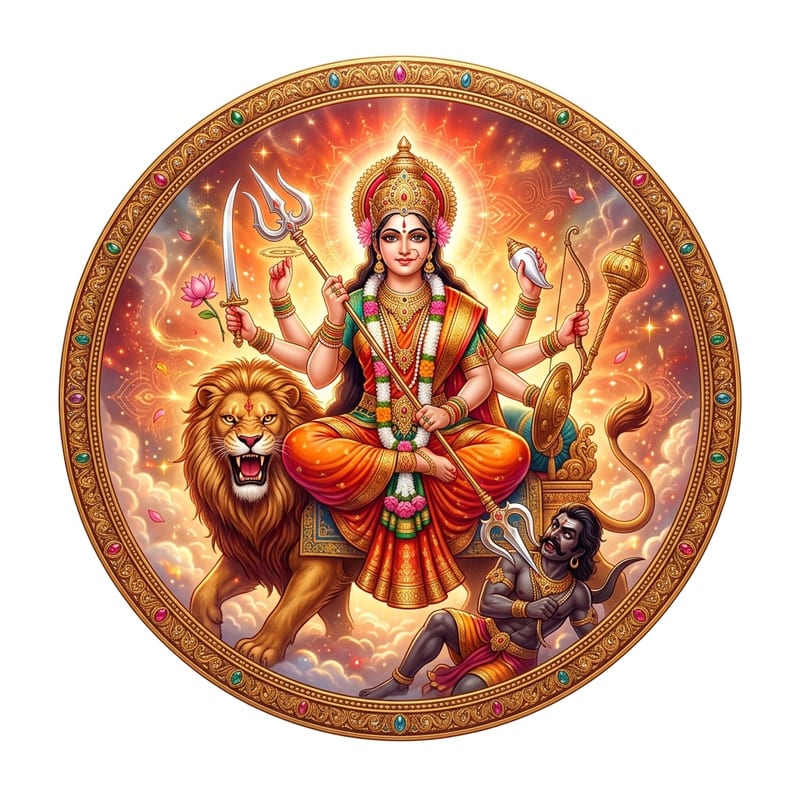
ଧ୍ଯାନମ୍
ଉମାକାନ୍ତେ ରମାକାନ୍ତେ ଏଷାମାସୀ-ନ୍ମତିସ୍ସମା ।
ନମାମି ଦୀକ୍ଷିତେନ୍ଦ୍ରାଂ ସ୍ତାନ୍ ନଯଷଟ୍କ-ଵିଶାରଦାମ୍ ॥
ଵେଧୋହରୀଶ୍ଵରସ୍ତୁତ୍ଯାଂ ଵିହର୍ତ୍ରୀଂ ଵିନ୍ଧ୍ଯଭୂଧରେ ।
ହରପ୍ରାଣେଶ୍ଵରୀଂ ଵନ୍ଦେ ହନ୍ତ୍ରୀଂ ଵିବୁଧଵିଦ୍ଵିଷାମ୍ ॥ 1 ॥
ନମାମି ଦୀକ୍ଷିତେନ୍ଦ୍ରାଂ ସ୍ତାନ୍ ନଯଷଟ୍କ-ଵିଶାରଦାମ୍ ॥
ଵେଧୋହରୀଶ୍ଵରସ୍ତୁତ୍ଯାଂ ଵିହର୍ତ୍ରୀଂ ଵିନ୍ଧ୍ଯଭୂଧରେ ।
ହରପ୍ରାଣେଶ୍ଵରୀଂ ଵନ୍ଦେ ହନ୍ତ୍ରୀଂ ଵିବୁଧଵିଦ୍ଵିଷାମ୍ ॥ 1 ॥
- ଉମା-କାନ୍ତେ (umā-kānte)toward the beloved of Umā, Śiva
- ରମା-କାନ୍ତେ (ramā-kānte)toward the beloved of Ramā, Viṣṇu
- ଏଷାମ୍ (eṣām)of these
- ଆସୀତ୍ (āsīt)there was
- ମତିଃ (matiḥ)a mind
- ସମା (samā)held even between them
- ନମାମି (namāmi)I bow to
- ଦୀକ୍ଷିତ-ଇନ୍ଦ୍ରାମ୍ (dīkṣitendrām)the sovereign among the consecrated
- ସ୍ତାନ୍ (stān)(the printed line is corrupt at this word)
- ନଯ-ଷଟ୍କ-ଵିଶାରଦାମ୍ (naya-ṣaṭka-viśāradām)versed in the six measures of statecraft
- ଵେଧଃ-ହରି-ଈଶ୍ଵର-ସ୍ତୁତ୍ଯାମ୍ (vedho-harīśvara-stutyām)to be praised by Brahmā, Hari and Īśvara
- ଵିହର୍ତ୍ରୀମ୍ (vihartrīm)who takes her pleasure
- ଵିନ୍ଧ୍ଯ-ଭୂଧରେ (vindhya-bhūdhare)on the Vindhya mountain
- ହର-ପ୍ରାଣ-ଈଶ୍ଵରୀମ୍ (hara-prāṇeśvarīm)sovereign of Hara’s own life
- ଵନ୍ଦେ (vande)I revere
- ହନ୍ତ୍ରୀମ୍ (hantrīm)the slayer
- ଵିବୁଧ-ଵିଦ୍ଵିଷାମ୍ (vibudha-vidviṣām)of those who hate the gods
ଅଭ୍ଯର୍ଥନେନ ସରସୀରୁହସମ୍ଭଵସ୍ଯ
ତ୍ଯକ୍ତ୍ଵୋଦିତା ଭଗଵଦକ୍ଷିପିଧାନଲୀଲାମ୍ ।
ଵିଶ୍ଵେଶ୍ଵରୀ ଵିପଦପାକମନେ ପୁରସ୍ତାତ୍
ମାତା ମମାସ୍ତୁ ମଧୁକୈଟଭଯୋର୍ନିହନ୍ତ୍ରୀ ॥ 2 ॥
ତ୍ଯକ୍ତ୍ଵୋଦିତା ଭଗଵଦକ୍ଷିପିଧାନଲୀଲାମ୍ ।
ଵିଶ୍ଵେଶ୍ଵରୀ ଵିପଦପାକମନେ ପୁରସ୍ତାତ୍
ମାତା ମମାସ୍ତୁ ମଧୁକୈଟଭଯୋର୍ନିହନ୍ତ୍ରୀ ॥ 2 ॥
- ଅଭ୍ଯର୍ଥନେନ (abhyarthanena)at the entreaty
- ସରସୀରୁହ-ସମ୍ଭଵସ୍ଯ (sarasīruha-sambhavasya)of him who was born from the lotus, Brahmā
- ତ୍ଯକ୍ତ୍ଵା (tyaktvā)having laid aside
- ଉଦିତା (uditā)she rose
- ଭଗଵତ୍-ଅକ୍ଷି-ପିଧାନ-ଲୀଲାମ୍ (bhagavad-akṣi-pidhāna-līlām)the play of sealing the Lord’s eyes in sleep
- ଵିଶ୍ଵେଶ୍ଵରୀ (viśveśvarī)the sovereign of the universe
- ଵିପଦ୍-ଅପାକମନେ (vipad-apākamane)to drive calamity away (the reading is uncertain here)
- ପୁରସ୍ତାତ୍ (purastāt)before me
- ମାତା (mātā)the Mother
- ମମ (mama)my
- ଅସ୍ତୁ (astu)let her stand
- ମଧୁ-କୈଟଭଯୋଃ (madhu-kaiṭabhayoḥ)of Madhu and Kaiṭabha
- ନିହନ୍ତ୍ରୀ (nihantrī)the slayer
ପ୍ରାଙ୍ନିର୍ଜରେଷୁ ନିହତୈର୍ନିଜଶକ୍ତିଲେଶୈଃ
ଏକୀଭଵଦ୍ଭିରୁଦିତାଽଖିଲଲୋକଗୁପ୍ତ୍ଯୈ ।
ସମ୍ପନ୍ନଶସ୍ତ୍ରନିକରା ଚ ତଦାଯୁଧସ୍ଥୈଃ
ମାତା ମମାସ୍ତୁ ମହିଷାନ୍ତକରୀ ପୁରସ୍ତାତ୍ ॥ 3 ॥
ଏକୀଭଵଦ୍ଭିରୁଦିତାଽଖିଲଲୋକଗୁପ୍ତ୍ଯୈ ।
ସମ୍ପନ୍ନଶସ୍ତ୍ରନିକରା ଚ ତଦାଯୁଧସ୍ଥୈଃ
ମାତା ମମାସ୍ତୁ ମହିଷାନ୍ତକରୀ ପୁରସ୍ତାତ୍ ॥ 3 ॥
- ପ୍ରାକ୍ (prāk)in the days before
- ନିର୍ଜରେଷୁ (nirjareṣu)when the gods
- ନିହତୈଃ (nihataiḥ)had been struck down
- ନିଜ-ଶକ୍ତି-ଲେଶୈଃ (nija-śakti-leśaiḥ)out of the fragments of their own powers
- ଏକୀ-ଭଵଦ୍ଭିଃ (ekī-bhavadbhiḥ)as these came together into one
- ଉଦିତା (uditā)she arose
- ଅଖିଲ-ଲୋକ-ଗୁପ୍ତ୍ଯୈ (akhila-loka-guptyai)for the guarding of every world
- ସମ୍ପନ୍ନ-ଶସ୍ତ୍ର-ନିକରା (sampanna-śastra-nikarā)furnished with a mass of weapons
- ଚ (ca)and
- ତତ୍-ଆଯୁଧ-ସ୍ଥୈଃ (tad-āyudha-sthaiḥ)by those powers standing as their several arms
- ମାତା (mātā)the Mother
- ମମ (mama)my
- ଅସ୍ତୁ (astu)let her be
- ମହିଷ-ଅନ୍ତକରୀ (mahiṣāntakarī)who made an end of Mahiṣa
- ପୁରସ୍ତାତ୍ (purastāt)before me
ପ୍ରାଲେଯଶୈଲତନଯା ତନୁକାନ୍ତିସମ୍ପତ୍
କୋଶୋଦିତା କୁଵଲଯଚ୍ଛଵିଚାରୁଦେହା ।
ନାରାଯଣୀ ନମଦଭୀପ୍ସିତକଲ୍ପଵଲ୍ଲୀ
ସୁପ୍ରୀତିମାଵହତୁ ଶୁମ୍ଭନିଶୁମ୍ଭହନ୍ତ୍ରୀ ॥ 4 ॥
କୋଶୋଦିତା କୁଵଲଯଚ୍ଛଵିଚାରୁଦେହା ।
ନାରାଯଣୀ ନମଦଭୀପ୍ସିତକଲ୍ପଵଲ୍ଲୀ
ସୁପ୍ରୀତିମାଵହତୁ ଶୁମ୍ଭନିଶୁମ୍ଭହନ୍ତ୍ରୀ ॥ 4 ॥
- ପ୍ରାଲେଯ-ଶୈଲ-ତନଯା (prāleya-śaila-tanayā)the daughter of the snow mountain
- ତନୁ-କାନ୍ତି-ସମ୍ପତ୍-କୋଶ-ଉଦିତା (tanu-kānti-sampat-kośoditā)risen from the treasury of her body’s radiance
- କୁଵଲଯ-ଛଵି-ଚାରୁ-ଦେହା (kuvalaya-cchavi-cāru-dehā)her body lovely with the hue of the blue lotus
- ନାରାଯଣୀ (nārāyaṇī)Nārāyaṇī
- ନମତ୍-ଅଭୀପ୍ସିତ-କଲ୍ପ-ଵଲ୍ଲୀ (namad-abhīpsita-kalpa-vallī)a wishing-creeper for whatever those who bow desire
- ସୁ-ପ୍ରୀତିମ୍ (su-prītim)deep gladness
- ଆଵହତୁ (āvahatu)may she bring
- ଶୁମ୍ଭ-ନିଶୁମ୍ଭ-ହନ୍ତ୍ରୀ (śumbha-niśumbha-hantrī)the slayer of Śumbha and Niśumbha
ଵିଶ୍ଵେଶ୍ଵରୀତି ମହିଷାନ୍ତକରୀତି ଯସ୍ଯାଃ
ନାରାଯଣୀତ୍ଯପି ଚ ନାମଭିରଙ୍କିତାନି ।
ସୂକ୍ତାନି ପଙ୍କଜଭୁଵା ଚ ସୁରର୍ଷିଭିଶ୍ଚ
ଦୃଷ୍ଟାନି ପାଵକମୁଖୈଶ୍ଚ ଶିଵାଂ ଭଜେ ତାମ୍ ॥ 5 ॥
ନାରାଯଣୀତ୍ଯପି ଚ ନାମଭିରଙ୍କିତାନି ।
ସୂକ୍ତାନି ପଙ୍କଜଭୁଵା ଚ ସୁରର୍ଷିଭିଶ୍ଚ
ଦୃଷ୍ଟାନି ପାଵକମୁଖୈଶ୍ଚ ଶିଵାଂ ଭଜେ ତାମ୍ ॥ 5 ॥
- ଵିଶ୍ଵେଶ୍ଵରୀ ଇତି (viśveśvarī iti)as "Viśveśvarī"
- ମହିଷ-ଅନ୍ତକରୀ ଇତି (mahiṣāntakarī iti)as "Mahiṣāntakarī"
- ଯସ୍ଯାଃ (yasyāḥ)whose
- ନାରାଯଣୀ ଇତି (nārāyaṇī iti)and as "Nārāyaṇī"
- ଅପି ଚ (api ca)too
- ନାମଭିଃ (nāmabhiḥ)with such names
- ଅଙ୍କିତାନି (aṅkitāni)marked
- ସୂକ୍ତାନି (sūktāni)the hymns
- ପଙ୍କଜ-ଭୁଵା (paṅkaja-bhuvā)by the lotus-born Brahmā
- ଚ (ca)and
- ସୁର-ଋଷିଭିଃ (surarṣibhiḥ)by the divine seers
- ଚ (ca)and
- ଦୃଷ୍ଟାନି (dṛṣṭāni)were seen
- ପାଵକ-ମୁଖୈଃ (pāvaka-mukhaiḥ)by the gods who eat through the mouth of fire
- ଚ (ca)as well
- ଶିଵାମ୍ (śivām)the auspicious one
- ଭଜେ (bhaje)I worship
- ତାମ୍ (tām)her
ଉତ୍ପତ୍ତିଦୈତ୍ଯହନନସ୍ତଵନାତ୍ମକାନି
ସଂରକ୍ଷକାଣ୍ଯଖିଲଭୂତହିତାଯ ଯସ୍ଯାଃ ।
ସୂକ୍ତାନ୍ଯଶେଷନିଗମାନ୍ତଵିଦଃ ପଠନ୍ତି
ତାଂ ଵିଶ୍ଵମାତରମଜସ୍ରମଭିଷ୍ଟଵୀମି ॥ 6 ॥
ସଂରକ୍ଷକାଣ୍ଯଖିଲଭୂତହିତାଯ ଯସ୍ଯାଃ ।
ସୂକ୍ତାନ୍ଯଶେଷନିଗମାନ୍ତଵିଦଃ ପଠନ୍ତି
ତାଂ ଵିଶ୍ଵମାତରମଜସ୍ରମଭିଷ୍ଟଵୀମି ॥ 6 ॥
- ଉତ୍ପତ୍ତି-ଦୈତ୍ଯ-ହନନ-ସ୍ତଵନ-ଆତ୍ମକାନି (utpatti-daitya-hanana-stavanātmakāni)telling of her arising, of the slaying of the demons, and of her praise
- ସଂରକ୍ଷକାଣି (saṃrakṣakāṇi)protecting
- ଅଖିଲ-ଭୂତ-ହିତାଯ (akhila-bhūta-hitāya)for the good of every being
- ଯସ୍ଯାଃ (yasyāḥ)whose
- ସୂକ୍ତାନି (sūktāni)hymns
- ଅଶେଷ-ନିଗମ-ଅନ୍ତ-ଵିଦଃ (aśeṣa-nigamānta-vidaḥ)those who know the Upaniṣads entire
- ପଠନ୍ତି (paṭhanti)recite
- ତାମ୍ (tām)her
- ଵିଶ୍ଵ-ମାତରମ୍ (viśva-mātaram)the Mother of the universe
- ଅଜସ୍ରମ୍ (ajasram)without ceasing
- ଅଭିଷ୍ଟଵୀମି (abhiṣṭavīmi)I praise
ଯେ ଵୈପ୍ରଚିତ୍ତପୁନରୁତ୍ଥିତଶୁମ୍ଭମୁଖ୍ଯୈଃ
ଦୁର୍ଭିକ୍ଷଘୋରସମଯେନ ଚ କାରିତାସୁ ।
ଆଵିଷ୍କୃତାସ୍ତ୍ରିଜଗଦାର୍ତିଷୁ ରୂପଭେଦାଃ
ତୈରମ୍ବିକା ସମଭିରକ୍ଷତୁ ମାଂ ଵିପଦ୍ଭ୍ଯଃ ॥ 7 ॥
ଦୁର୍ଭିକ୍ଷଘୋରସମଯେନ ଚ କାରିତାସୁ ।
ଆଵିଷ୍କୃତାସ୍ତ୍ରିଜଗଦାର୍ତିଷୁ ରୂପଭେଦାଃ
ତୈରମ୍ବିକା ସମଭିରକ୍ଷତୁ ମାଂ ଵିପଦ୍ଭ୍ଯଃ ॥ 7 ॥
- ଯେ (ye)those forms which
- ଵୈପ୍ରଚିତ୍ତ-ପୁନରୁତ୍ଥିତ-ଶୁମ୍ଭ-ମୁଖ୍ଯୈଃ (vaipracitta-punarutthita-śumbha-mukhyaiḥ)by Vipracitti, by Śumbha risen again, and by their chief followers
- ଦୁର୍ଭିକ୍ଷ-ଘୋର-ସମଯେନ (durbhikṣa-ghora-samayena)and by a dreadful season of famine
- ଚ (ca)and
- କାରିତାସୁ (kāritāsu)when these had been brought about
- ଆଵିଷ୍କୃତାଃ (āviṣkṛtāḥ)were made manifest
- ତ୍ରି-ଜଗତ୍-ଆର୍ତିଷୁ (tri-jagad-ārtiṣu)amid the afflictions of the three worlds
- ରୂପ-ଭେଦାଃ (rūpa-bhedāḥ)her several forms
- ତୈଃ (taiḥ)by those very forms
- ଅମ୍ବିକା (ambikā)Ambikā
- ସମଭିରକ୍ଷତୁ (samabhirakṣatu)may she guard
- ମାମ୍ (mām)me
- ଵିପଦ୍ଭ୍ଯଃ (vipadbhyaḥ)from calamities
ସୂକ୍ତଂ ଯଦୀଯମରଵିନ୍ଦଭଵାଦି ଦୃଷ୍ଟଂ
ଆଵର୍ତ୍ଯ ଦେଵ୍ଯନୁପଦଂ ସୁରଥଃ ସମାଧିଃ ।
ଦ୍ଵାଵପ୍ଯଵାପତୁରଭୀଷ୍ଟମନନ୍ଯଲଭ୍ଯଂ
ତାମାଦିଦେଵତରୁଣୀଂ ପ୍ରଣମାମି ମୂର୍ଧ୍ନା ॥ 8 ॥
ଆଵର୍ତ୍ଯ ଦେଵ୍ଯନୁପଦଂ ସୁରଥଃ ସମାଧିଃ ।
ଦ୍ଵାଵପ୍ଯଵାପତୁରଭୀଷ୍ଟମନନ୍ଯଲଭ୍ଯଂ
ତାମାଦିଦେଵତରୁଣୀଂ ପ୍ରଣମାମି ମୂର୍ଧ୍ନା ॥ 8 ॥
- ସୂକ୍ତମ୍ (sūktam)the hymn
- ଯଦୀଯମ୍ (yadīyam)that is hers
- ଅରଵିନ୍ଦ-ଭଵ-ଆଦି-ଦୃଷ୍ଟମ୍ (aravinda-bhavādi-dṛṣṭam)first seen by the lotus-born and those after him
- ଆଵର୍ତ୍ଯ (āvartya)repeating it over
- ଦେଵୀ-ଅନୁପଦମ୍ (devy-anupadam)close at the Goddess’s feet
- ସୁରଥଃ (surathaḥ)Suratha
- ସମାଧିଃ (samādhiḥ)and Samādhi
- ଦ୍ଵୌ ଅପି (dvāv api)both of them
- ଅଵାପତୁଃ (avāpatuḥ)obtained
- ଅଭୀଷ୍ଟମ୍ (abhīṣṭam)what they longed for
- ଅନନ୍ଯ-ଲଭ୍ଯମ୍ (ananya-labhyam)not to be had from any other
- ତାମ୍ (tām)her
- ଆଦି-ଦେଵ-ତରୁଣୀମ୍ (ādi-deva-taruṇīm)the ever-young consort of the first god
- ପ୍ରଣମାମି (praṇamāmi)I bow to
- ମୂର୍ଧ୍ନା (mūrdhnā)with my head
ମାହିଷ୍ମତୀତନୁଭଵଂ ଚ ରୁରୁଂ ଚ ହନ୍ତୁଂ
ଆଵିଷ୍କୃତୈର୍ନିଜରସାଦଵତାରଭେଦୈଃ ।
ଅଷ୍ଟାଦଶାହତନଵାହତକୋଟିସଙ୍ଖ୍ଯୈଃ
ଅମ୍ବା ସଦା ସମଭିରକ୍ଷତୁ ମାଂ ଵିପଦ୍ଭ୍ଯଃ ॥ 9 ॥
ଆଵିଷ୍କୃତୈର୍ନିଜରସାଦଵତାରଭେଦୈଃ ।
ଅଷ୍ଟାଦଶାହତନଵାହତକୋଟିସଙ୍ଖ୍ଯୈଃ
ଅମ୍ବା ସଦା ସମଭିରକ୍ଷତୁ ମାଂ ଵିପଦ୍ଭ୍ଯଃ ॥ 9 ॥
- ମାହିଷ୍ମତୀ-ତନୁ-ଭଵମ୍ (māhiṣmatī-tanu-bhavam)him who took birth in the body of Māhiṣmatī
- ଚ (ca)and
- ରୁରୁମ୍ (rurum)the demon Ruru
- ଚ (ca)too
- ହନ୍ତୁମ୍ (hantum)in order to slay
- ଆଵିଷ୍କୃତୈଃ (āviṣkṛtaiḥ)by the forms she brought forth
- ନିଜ-ରସାତ୍ (nija-rasāt)out of her own essence
- ଅଵତାର-ଭେଦୈଃ (avatāra-bhedaiḥ)as her several descents
- ଅଷ୍ଟାଦଶ-ଆହତ-ନଵ-ଆହତ-କୋଟି-ସଙ୍ଖ୍ଯୈଃ (aṣṭādaśāhata-navāhata-koṭi-saṅkhyaiḥ)numbering crores multiplied eighteenfold and ninefold
- ଅମ୍ବା (ambā)the Mother
- ସଦା (sadā)always
- ସମଭିରକ୍ଷତୁ (samabhirakṣatu)may she guard
- ମାମ୍ (mām)me
- ଵିପଦ୍ଭ୍ଯଃ (vipadbhyaḥ)from calamities
ଏତଚ୍ଚରିତ୍ରମଖିଲଂ ଲିଖିତଂ ହି ଯସ୍ଯାଃ
ସମ୍ପୂଜିତଂ ସଦନ ଏଵ ନିଵେଶିତଂ ଵା ।
ଦୁର୍ଗଂ ଚ ତାରଯତି ଦୁସ୍ତରମପ୍ଯଶେଷଂ
ଶ୍ରେଯଃ ପ୍ରଯଚ୍ଛତି ଚ ସର୍ଵମୁମାଂ ଭଜେ ତାମ୍ ॥ 10 ॥
ସମ୍ପୂଜିତଂ ସଦନ ଏଵ ନିଵେଶିତଂ ଵା ।
ଦୁର୍ଗଂ ଚ ତାରଯତି ଦୁସ୍ତରମପ୍ଯଶେଷଂ
ଶ୍ରେଯଃ ପ୍ରଯଚ୍ଛତି ଚ ସର୍ଵମୁମାଂ ଭଜେ ତାମ୍ ॥ 10 ॥
- ଏତତ୍ ଚରିତ୍ରମ୍ (etac caritram)this story
- ଅଖିଲମ୍ (akhilam)entire
- ଲିଖିତମ୍ (likhitam)when written out
- ହି (hi)indeed
- ଯସ୍ଯାଃ (yasyāḥ)whose it is
- ସମ୍ପୂଜିତମ୍ (sampūjitam)or worshipped
- ସଦନେ (sadane)in the house
- ଏଵ (eva)itself
- ନିଵେଶିତମ୍ (niveśitam)or set up there
- ଵା (vā)or
- ଦୁର୍ଗମ୍ (durgam)the hard passage
- ଚ (ca)and
- ତାରଯତି (tārayati)it carries one across
- ଦୁସ୍ତରମ୍ (dustaram)impassable
- ଅପି (api)even
- ଅଶେଷମ୍ (aśeṣam)all of it
- ଶ୍ରେଯଃ (śreyaḥ)blessing
- ପ୍ରଯଚ୍ଛତି (prayacchati)it grants
- ଚ (ca)and
- ସର୍ଵମ୍ (sarvam)of every kind
- ଉମାମ୍ (umām)Umā
- ଭଜେ (bhaje)I worship
- ତାମ୍ (tām)her
ଯତ୍ପୂଜନସ୍ତୁତିନମସ୍କୃତିଭିର୍ଭଵନ୍ତି
ପ୍ରୀତାଃ ପିତାମହରମେଶହରାସ୍ତ୍ରଯୋଽପି ।
ତେଷାମପି ସ୍ଵକଗୁଣୈର୍ଦଦତୀ ଵପୂଂଷି
ତାମୀଶ୍ଵରସ୍ଯ ତରୁଣୀଂ ଶରଣଂ ପ୍ରପଦ୍ଯେ ॥ 11 ॥
ପ୍ରୀତାଃ ପିତାମହରମେଶହରାସ୍ତ୍ରଯୋଽପି ।
ତେଷାମପି ସ୍ଵକଗୁଣୈର୍ଦଦତୀ ଵପୂଂଷି
ତାମୀଶ୍ଵରସ୍ଯ ତରୁଣୀଂ ଶରଣଂ ପ୍ରପଦ୍ଯେ ॥ 11 ॥
- ଯତ୍-ପୂଜନ-ସ୍ତୁତି-ନମସ୍କୃତିଭିଃ (yat-pūjana-stuti-namaskṛtibhiḥ)by whose worship, praise and salutation
- ଭଵନ୍ତି (bhavanti)become
- ପ୍ରୀତାଃ (prītāḥ)well pleased
- ପିତାମହ-ରମେଶ-ହରାଃ (pitāmaha-rameśa-harāḥ)Brahmā, the lord of Ramā, and Hara
- ତ୍ରଯଃ ଅପି (trayaḥ api)all three of them
- ତେଷାମ୍ ଅପି (teṣām api)and to those very three
- ସ୍ଵକ-ଗୁଣୈଃ (svaka-guṇaiḥ)together with their own qualities
- ଦଦତୀ (dadatī)giving
- ଵପୂଂଷି (vapūṃṣi)their bodies
- ତାମ୍ (tām)her
- ଈଶ୍ଵରସ୍ଯ (īśvarasya)of Īśvara
- ତରୁଣୀମ୍ (taruṇīm)the young consort
- ଶରଣମ୍ ପ୍ରପଦ୍ଯେ (śaraṇaṃ prapadye)I go to for refuge
କାନ୍ତାରମଧ୍ଯଦୃଢଲଗ୍ନତଯାଽଵସନ୍ନାଃ
ମଗ୍ନାଶ୍ଚ ଵାରିଧିଜଲେ ରିପୁଭିଶ୍ଚ ରୁଦ୍ଧାଃ ।
ଯସ୍ଯାଃ ପ୍ରପଦ୍ଯ ଚରଣୌ ଵିପଦସ୍ତରନ୍ତି
ସା ମେ ସଦାଽସ୍ତୁ ହୃଦି ସର୍ଵଜଗତ୍ସଵିତ୍ରୀ ॥ 12 ॥
ମଗ୍ନାଶ୍ଚ ଵାରିଧିଜଲେ ରିପୁଭିଶ୍ଚ ରୁଦ୍ଧାଃ ।
ଯସ୍ଯାଃ ପ୍ରପଦ୍ଯ ଚରଣୌ ଵିପଦସ୍ତରନ୍ତି
ସା ମେ ସଦାଽସ୍ତୁ ହୃଦି ସର୍ଵଜଗତ୍ସଵିତ୍ରୀ ॥ 12 ॥
- କାନ୍ତାର-ମଧ୍ଯ-ଦୃଢ-ଲଗ୍ନତଯା (kāntāra-madhya-dṛḍha-lagnatayā)by being fast caught in the heart of a wilderness
- ଅଵସନ୍ନାଃ (avasannāḥ)those brought to ruin
- ମଗ୍ନାଃ (magnāḥ)those sunk
- ଚ (ca)and
- ଵାରିଧି-ଜଲେ (vāridhi-jale)in the water of the sea
- ରିପୁଭିଃ (ripubhiḥ)by enemies
- ଚ (ca)and
- ରୁଦ୍ଧାଃ (ruddhāḥ)those hemmed in
- ଯସ୍ଯାଃ (yasyāḥ)whose
- ପ୍ରପଦ୍ଯ (prapadya)having taken refuge at
- ଚରଣୌ (caraṇau)the two feet
- ଵିପଦଃ (vipadaḥ)their calamities
- ତରନ୍ତି (taranti)they cross over
- ସା (sā)she
- ମେ (me)my
- ସଦା (sadā)always
- ଅସ୍ତୁ (astu)let her be
- ହୃଦି (hṛdi)in the heart
- ସର୍ଵ-ଜଗତ୍-ସଵିତ୍ରୀ (sarva-jagat-savitrī)who brings forth all the worlds
ବନ୍ଧେ ଵଧେ ମହତି ମୃତ୍ଯୁଭଯେ ପ୍ରସକ୍ତେ
ଵିତ୍ତକ୍ଷଯେ ଚ ଵିଵିଧେ ଯ ମହୋପତାପେ ।
ଯତ୍ପାଦପୂଜନମିହ ପ୍ରତିକାରମାହୁଃ
ସା ମେ ସମସ୍ତଜନନୀ ଶରଣଂ ଭଵାନୀ ॥ 13 ॥
ଵିତ୍ତକ୍ଷଯେ ଚ ଵିଵିଧେ ଯ ମହୋପତାପେ ।
ଯତ୍ପାଦପୂଜନମିହ ପ୍ରତିକାରମାହୁଃ
ସା ମେ ସମସ୍ତଜନନୀ ଶରଣଂ ଭଵାନୀ ॥ 13 ॥
- ବନ୍ଧେ (bandhe)in bondage
- ଵଧେ (vadhe)under sentence of death
- ମହତି (mahati)great
- ମୃତ୍ଯୁ-ଭଯେ (mṛtyu-bhaye)in the fear of dying
- ପ୍ରସକ୍ତେ (prasakte)when it presses close
- ଵିତ୍ତ-କ୍ଷଯେ (vitta-kṣaye)in the loss of wealth
- ଚ (ca)and
- ଵିଵିଧେ (vividhe)in manifold
- ମହା-ଉପତାପେ (mahopatāpe)great affliction
- ଯତ୍-ପାଦ-ପୂଜନମ୍ (yat-pāda-pūjanam)worship at whose feet
- ଇହ (iha)in this world
- ପ୍ରତିକାରମ୍ (pratikāram)the one remedy
- ଆହୁଃ (āhuḥ)they declare
- ସା (sā)she
- ମେ (me)my
- ସମସ୍ତ-ଜନନୀ (samasta-jananī)the mother of all
- ଶରଣମ୍ (śaraṇam)refuge
- ଭଵାନୀ (bhavānī)Bhavānī
ବାଣାସୁରପ୍ରହିତପନ୍ନଗବନ୍ଧମୋକ୍ଷଃ
ତଦ୍ବାହୁଦର୍ପଦଲନାଦୁଷଯା ଚ ଯୋଗଃ ।
ପ୍ରାଦ୍ଯୁମ୍ନିନା ଦ୍ରୁତମଲଭ୍ଯତ ଯତ୍ପ୍ରସାଦାତ୍
ସା ମେ ଶିଵା ସକଲମପ୍ଯଶୁଭଂ କ୍ଷିଣୋତୁ ॥ 14 ॥
ତଦ୍ବାହୁଦର୍ପଦଲନାଦୁଷଯା ଚ ଯୋଗଃ ।
ପ୍ରାଦ୍ଯୁମ୍ନିନା ଦ୍ରୁତମଲଭ୍ଯତ ଯତ୍ପ୍ରସାଦାତ୍
ସା ମେ ଶିଵା ସକଲମପ୍ଯଶୁଭଂ କ୍ଷିଣୋତୁ ॥ 14 ॥
- ବାଣ-ଅସୁର-ପ୍ରହିତ-ପନ୍ନଗ-ବନ୍ଧ-ମୋକ୍ଷଃ (bāṇāsura-prahita-pannaga-bandha-mokṣaḥ)release from the serpent-bonds sent by the demon Bāṇa
- ତତ୍-ବାହୁ-ଦର୍ପ-ଦଲନାତ୍ (tad-bāhu-darpa-dalanāt)through the crushing of the pride of his arms
- ଉଷଯା (uṣayā)with Uṣā
- ଚ (ca)and
- ଯୋଗଃ (yogaḥ)union
- ପ୍ରାଦ୍ଯୁମ୍ନିନା (prādyumninā)by Pradyumna’s son Aniruddha
- ଦ୍ରୁତମ୍ (drutam)swiftly
- ଅଲଭ୍ଯତ (alabhyata)was won
- ଯତ୍-ପ୍ରସାଦାତ୍ (yat-prasādāt)by whose grace
- ସା (sā)she
- ମେ (me)my
- ଶିଵା (śivā)the auspicious one
- ସକଲମ୍ (sakalam)all
- ଅପି (api)whatever there be
- ଅଶୁଭମ୍ (aśubham)of ill
- କ୍ଷିଣୋତୁ (kṣiṇotu)let her wear away
ପାପଃ ପୁଲସ୍ତ୍ଯତନଯଃ ପୁନରୁତ୍ଥିତୋ ମାଂ
ଅଦ୍ଯାପି ହର୍ତୁମଯମାଗତ ଇତ୍ଯୁଦୀତମ୍ ।
ଯତ୍ସେଵନେନ ଭଯମିନ୍ଦିରଯାଽଵଧୂତଂ
ତାମାଦିଦେଵତରୁଣୀଂ ଶରଣଂ ଗତୋଽସ୍ମି ॥ 15 ॥
ଅଦ୍ଯାପି ହର୍ତୁମଯମାଗତ ଇତ୍ଯୁଦୀତମ୍ ।
ଯତ୍ସେଵନେନ ଭଯମିନ୍ଦିରଯାଽଵଧୂତଂ
ତାମାଦିଦେଵତରୁଣୀଂ ଶରଣଂ ଗତୋଽସ୍ମି ॥ 15 ॥
- ପାପଃ (pāpaḥ)the wicked
- ପୁଲସ୍ତ୍ଯ-ତନଯଃ (pulastya-tanayaḥ)son of Pulastya, Rāvaṇa
- ପୁନଃ-ଉତ୍ଥିତଃ (punar-utthitaḥ)risen again
- ମାମ୍ (mām)me
- ଅଦ୍ଯ ଅପି (adyāpi)even now
- ହର୍ତୁମ୍ (hartum)to carry off
- ଅଯମ୍ (ayam)here he is
- ଆଗତଃ (āgataḥ)come
- ଇତି (iti)so
- ଉଦୀତମ୍ (udītam)ran the cry
- ଯତ୍-ସେଵନେନ (yat-sevanena)by service done to whom
- ଭଯମ୍ (bhayam)that fear
- ଇନ୍ଦିରଯା (indirayā)by Indirā, Sītā
- ଅଵଧୂତମ୍ (avadhūtam)was shaken off
- ତାମ୍ (tām)her
- ଆଦି-ଦେଵ-ତରୁଣୀମ୍ (ādi-deva-taruṇīm)the ever-young consort of the first god
- ଶରଣମ୍ ଗତଃ ଅସ୍ମି (śaraṇam gataḥ asmi)I have come to for refuge
ଯଦ୍ଧ୍ଯାନଜଂ ସୁଖମଵାପ୍ଯମନନ୍ତପୁଣ୍ଯୈଃ
ସାକ୍ଷାତ୍ତମଚ୍ଯୁତ ପରିଗ୍ରହମାଶ୍ଵଵାପୁଃ ।
ଗୋପାଙ୍ଗନାଃ କିଲ ଯଦର୍ଚନପୁଣ୍ଯମାତ୍ରାଃ
ସା ମେ ସଦା ଭଗଵତୀ ଭଵତୁ ପ୍ରସନ୍ନା ॥ 16 ॥
ସାକ୍ଷାତ୍ତମଚ୍ଯୁତ ପରିଗ୍ରହମାଶ୍ଵଵାପୁଃ ।
ଗୋପାଙ୍ଗନାଃ କିଲ ଯଦର୍ଚନପୁଣ୍ଯମାତ୍ରାଃ
ସା ମେ ସଦା ଭଗଵତୀ ଭଵତୁ ପ୍ରସନ୍ନା ॥ 16 ॥
- ଯତ୍-ଧ୍ଯାନ-ଜମ୍ (yad-dhyāna-jam)born of meditation upon her
- ସୁଖମ୍ (sukham)the happiness
- ଅଵାପ୍ଯମ୍ (avāpyam)to be won
- ଅନନ୍ତ-ପୁଣ୍ଯୈଃ (ananta-puṇyaiḥ)only by merit without end
- ସାକ୍ଷାତ୍ (sākṣāt)face to face
- ତମ୍ ଅଚ୍ଯୁତ-ପରିଗ୍ରହମ୍ (tam acyuta-parigraham)that embrace of Acyuta himself
- ଆଶୁ (āśu)swiftly
- ଆଵାପୁଃ (āvāpuḥ)they gained
- ଗୋପ-ଅଙ୍ଗନାଃ (gopāṅganāḥ)the cowherd women
- କିଲ (kila)so it is told
- ଯତ୍-ଅର୍ଚନ-ପୁଣ୍ଯ-ମାତ୍ରାଃ (yad-arcana-puṇya-mātrāḥ)having no merit but the worship of her
- ସା (sā)she
- ମେ (me)to me
- ସଦା (sadā)always
- ଭଗଵତୀ (bhagavatī)the blessed one
- ଭଵତୁ (bhavatu)may she be
- ପ୍ରସନ୍ନା (prasannā)graciously pleased
ରାତ୍ରିଂ ପ୍ରପଦ୍ଯ ଇତି ମନ୍ତ୍ରଵିଦଃ ପ୍ରପନ୍ନାନ୍
ଉଦ୍ବୋଧ୍ଯ ମୃତ୍ଯୁଵଧିମନ୍ଯଫଲୈଃ ପ୍ରଲୋଭ୍ଯ ।
ବୁଦ୍ଧ୍ଵା ଚ ତଦ୍ଵିମୁଖତାଂ ପ୍ରତନଂ ନଯନ୍ତୀଂ
ଆକାଶମାଦିଜନନୀଂ ଜଗତାଂ ଭଜେ ତାମ୍ ॥ 17 ॥
ଉଦ୍ବୋଧ୍ଯ ମୃତ୍ଯୁଵଧିମନ୍ଯଫଲୈଃ ପ୍ରଲୋଭ୍ଯ ।
ବୁଦ୍ଧ୍ଵା ଚ ତଦ୍ଵିମୁଖତାଂ ପ୍ରତନଂ ନଯନ୍ତୀଂ
ଆକାଶମାଦିଜନନୀଂ ଜଗତାଂ ଭଜେ ତାମ୍ ॥ 17 ॥
- ରାତ୍ରିମ୍ ପ୍ରପଦ୍ଯେ (rātriṃ prapadye)"I take refuge in the Night" – the opening of the Rātri Sūkta
- ଇତି (iti)with these words
- ମନ୍ତ୍ର-ଵିଦଃ (mantra-vidaḥ)those who know the mantra
- ପ୍ରପନ୍ନାନ୍ (prapannān)those who have so taken refuge
- ଉଦ୍ବୋଧ୍ଯ (udbodhya)waking them
- ମୃତ୍ଯୁ-ଅଵଧିମ୍ (mṛtyu-avadhim)as far as the term of death
- ଅନ୍ଯ-ଫଲୈଃ (anya-phalaiḥ)with lesser fruits
- ପ୍ରଲୋଭ୍ଯ (pralobhya)drawing them on
- ବୁଦ୍ଧ୍ଵା (buddhvā)having understood
- ଚ (ca)and
- ତତ୍-ଵିମୁଖତାମ୍ (tad-vimukhatām)that they turn away from those fruits
- ପ୍ରତନମ୍ (pratanam)to the ancient state
- ନଯନ୍ତୀମ୍ (nayantīm)leading them
- ଆକାଶମ୍ (ākāśam)vast as open space
- ଆଦି-ଜନନୀମ୍ (ādi-jananīm)the first Mother
- ଜଗତାମ୍ (jagatām)of all the worlds
- ଭଜେ (bhaje)I worship
- ତାମ୍ (tām)her
ଦେଶକାଲେଷୁ ଦୁଷ୍ଟେଷୁ ଦୁର୍ଗାଚନ୍ଦ୍ରକଲାସ୍ତୁତିଃ ।
ସନ୍ଧ୍ଯଯୋରନୁସନ୍ଧେଯା ସର୍ଵାପଦ୍ଵିନିଵୃତ୍ତଯେ ॥ 18 ॥
ସନ୍ଧ୍ଯଯୋରନୁସନ୍ଧେଯା ସର୍ଵାପଦ୍ଵିନିଵୃତ୍ତଯେ ॥ 18 ॥
- ଦେଶ-କାଲେଷୁ (deśa-kāleṣu)in places and at times
- ଦୁଷ୍ଟେଷୁ (duṣṭeṣu)that have turned ill
- ଦୁର୍ଗା-ଚନ୍ଦ୍ରକଲା-ସ୍ତୁତିଃ (durgā-candrakalā-stutiḥ)this Durgā Candrakalā Stuti
- ସନ୍ଧ୍ଯଯୋଃ (sandhyayoḥ)at the two twilights
- ଅନୁସନ୍ଧେଯା (anusandheyā)is to be gone through attentively
- ସର୍ଵ-ଆପଦ୍-ଵିନିଵୃତ୍ତଯେ (sarvāpad-vinivṛttaye)for the turning back of every calamity
ଇତି ଶ୍ରୀମଦପଯ୍ଯଦୀକ୍ଷିତଵିରଚିତା ଦୁର୍ଗାଚନ୍ଦ୍ରକଲାସ୍ତୁତିଃ ॥