
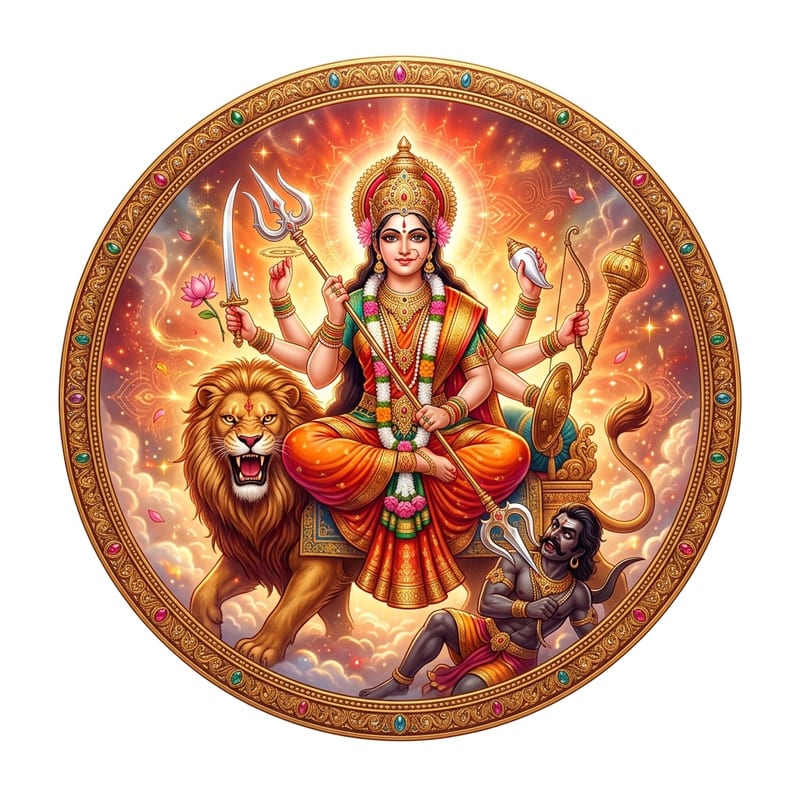
ധ്യാനമ്
ഉമാകാന്തേ രമാകാന്തേ ഏഷാമാസീ-ന്മതിസ്സമാ ।
നമാമി ദീക്ഷിതേന്ദ്രാം സ്താന് നയഷട്ക-വിശാരദാമ് ॥
വേധോഹരീശ്വരസ്തുത്യാം വിഹര്ത്രീം വിന്ധ്യഭൂധരേ ।
ഹരപ്രാണേശ്വരീം വന്ദേ ഹന്ത്രീം വിബുധവിദ്വിഷാമ് ॥ 1 ॥
നമാമി ദീക്ഷിതേന്ദ്രാം സ്താന് നയഷട്ക-വിശാരദാമ് ॥
വേധോഹരീശ്വരസ്തുത്യാം വിഹര്ത്രീം വിന്ധ്യഭൂധരേ ।
ഹരപ്രാണേശ്വരീം വന്ദേ ഹന്ത്രീം വിബുധവിദ്വിഷാമ് ॥ 1 ॥
- ഉമാ-കാന്തേ (umā-kānte)toward the beloved of Umā, Śiva
- രമാ-കാന്തേ (ramā-kānte)toward the beloved of Ramā, Viṣṇu
- ഏഷാമ് (eṣām)of these
- ആസീത് (āsīt)there was
- മതിഃ (matiḥ)a mind
- സമാ (samā)held even between them
- നമാമി (namāmi)I bow to
- ദീക്ഷിത-ഇന്ദ്രാമ് (dīkṣitendrām)the sovereign among the consecrated
- സ്താന് (stān)(the printed line is corrupt at this word)
- നയ-ഷട്ക-വിശാരദാമ് (naya-ṣaṭka-viśāradām)versed in the six measures of statecraft
- വേധഃ-ഹരി-ഈശ്വര-സ്തുത്യാമ് (vedho-harīśvara-stutyām)to be praised by Brahmā, Hari and Īśvara
- വിഹര്ത്രീമ് (vihartrīm)who takes her pleasure
- വിന്ധ്യ-ഭൂധരേ (vindhya-bhūdhare)on the Vindhya mountain
- ഹര-പ്രാണ-ഈശ്വരീമ് (hara-prāṇeśvarīm)sovereign of Hara’s own life
- വന്ദേ (vande)I revere
- ഹന്ത്രീമ് (hantrīm)the slayer
- വിബുധ-വിദ്വിഷാമ് (vibudha-vidviṣām)of those who hate the gods
അഭ്യര്ഥനേന സരസീരുഹസമ്ഭവസ്യ
ത്യക്ത്വോദിതാ ഭഗവദക്ഷിപിധാനലീലാമ് ।
വിശ്വേശ്വരീ വിപദപാകമനേ പുരസ്താത്
മാതാ മമാസ്തു മധുകൈടഭയോര്നിഹന്ത്രീ ॥ 2 ॥
ത്യക്ത്വോദിതാ ഭഗവദക്ഷിപിധാനലീലാമ് ।
വിശ്വേശ്വരീ വിപദപാകമനേ പുരസ്താത്
മാതാ മമാസ്തു മധുകൈടഭയോര്നിഹന്ത്രീ ॥ 2 ॥
- അഭ്യര്ഥനേന (abhyarthanena)at the entreaty
- സരസീരുഹ-സമ്ഭവസ്യ (sarasīruha-sambhavasya)of him who was born from the lotus, Brahmā
- ത്യക്ത്വാ (tyaktvā)having laid aside
- ഉദിതാ (uditā)she rose
- ഭഗവത്-അക്ഷി-പിധാന-ലീലാമ് (bhagavad-akṣi-pidhāna-līlām)the play of sealing the Lord’s eyes in sleep
- വിശ്വേശ്വരീ (viśveśvarī)the sovereign of the universe
- വിപദ്-അപാകമനേ (vipad-apākamane)to drive calamity away (the reading is uncertain here)
- പുരസ്താത് (purastāt)before me
- മാതാ (mātā)the Mother
- മമ (mama)my
- അസ്തു (astu)let her stand
- മധു-കൈടഭയോഃ (madhu-kaiṭabhayoḥ)of Madhu and Kaiṭabha
- നിഹന്ത്രീ (nihantrī)the slayer
പ്രാങ്നിര്ജരേഷു നിഹതൈര്നിജശക്തിലേശൈഃ
ഏകീഭവദ്ഭിരുദിതാഽഖിലലോകഗുപ്ത്യൈ ।
സമ്പന്നശസ്ത്രനികരാ ച തദായുധസ്ഥൈഃ
മാതാ മമാസ്തു മഹിഷാന്തകരീ പുരസ്താത് ॥ 3 ॥
ഏകീഭവദ്ഭിരുദിതാഽഖിലലോകഗുപ്ത്യൈ ।
സമ്പന്നശസ്ത്രനികരാ ച തദായുധസ്ഥൈഃ
മാതാ മമാസ്തു മഹിഷാന്തകരീ പുരസ്താത് ॥ 3 ॥
- പ്രാക് (prāk)in the days before
- നിര്ജരേഷു (nirjareṣu)when the gods
- നിഹതൈഃ (nihataiḥ)had been struck down
- നിജ-ശക്തി-ലേശൈഃ (nija-śakti-leśaiḥ)out of the fragments of their own powers
- ഏകീ-ഭവദ്ഭിഃ (ekī-bhavadbhiḥ)as these came together into one
- ഉദിതാ (uditā)she arose
- അഖില-ലോക-ഗുപ്ത്യൈ (akhila-loka-guptyai)for the guarding of every world
- സമ്പന്ന-ശസ്ത്ര-നികരാ (sampanna-śastra-nikarā)furnished with a mass of weapons
- ച (ca)and
- തത്-ആയുധ-സ്ഥൈഃ (tad-āyudha-sthaiḥ)by those powers standing as their several arms
- മാതാ (mātā)the Mother
- മമ (mama)my
- അസ്തു (astu)let her be
- മഹിഷ-അന്തകരീ (mahiṣāntakarī)who made an end of Mahiṣa
- പുരസ്താത് (purastāt)before me
പ്രാലേയശൈലതനയാ തനുകാന്തിസമ്പത്
കോശോദിതാ കുവലയച്ഛവിചാരുദേഹാ ।
നാരായണീ നമദഭീപ്സിതകല്പവല്ലീ
സുപ്രീതിമാവഹതു ശുമ്ഭനിശുമ്ഭഹന്ത്രീ ॥ 4 ॥
കോശോദിതാ കുവലയച്ഛവിചാരുദേഹാ ।
നാരായണീ നമദഭീപ്സിതകല്പവല്ലീ
സുപ്രീതിമാവഹതു ശുമ്ഭനിശുമ്ഭഹന്ത്രീ ॥ 4 ॥
- പ്രാലേയ-ശൈല-തനയാ (prāleya-śaila-tanayā)the daughter of the snow mountain
- തനു-കാന്തി-സമ്പത്-കോശ-ഉദിതാ (tanu-kānti-sampat-kośoditā)risen from the treasury of her body’s radiance
- കുവലയ-ഛവി-ചാരു-ദേഹാ (kuvalaya-cchavi-cāru-dehā)her body lovely with the hue of the blue lotus
- നാരായണീ (nārāyaṇī)Nārāyaṇī
- നമത്-അഭീപ്സിത-കല്പ-വല്ലീ (namad-abhīpsita-kalpa-vallī)a wishing-creeper for whatever those who bow desire
- സു-പ്രീതിമ് (su-prītim)deep gladness
- ആവഹതു (āvahatu)may she bring
- ശുമ്ഭ-നിശുമ്ഭ-ഹന്ത്രീ (śumbha-niśumbha-hantrī)the slayer of Śumbha and Niśumbha
വിശ്വേശ്വരീതി മഹിഷാന്തകരീതി യസ്യാഃ
നാരായണീത്യപി ച നാമഭിരങ്കിതാനി ।
സൂക്താനി പങ്കജഭുവാ ച സുരര്ഷിഭിശ്ച
ദൃഷ്ടാനി പാവകമുഖൈശ്ച ശിവാം ഭജേ താമ് ॥ 5 ॥
നാരായണീത്യപി ച നാമഭിരങ്കിതാനി ।
സൂക്താനി പങ്കജഭുവാ ച സുരര്ഷിഭിശ്ച
ദൃഷ്ടാനി പാവകമുഖൈശ്ച ശിവാം ഭജേ താമ് ॥ 5 ॥
- വിശ്വേശ്വരീ ഇതി (viśveśvarī iti)as "Viśveśvarī"
- മഹിഷ-അന്തകരീ ഇതി (mahiṣāntakarī iti)as "Mahiṣāntakarī"
- യസ്യാഃ (yasyāḥ)whose
- നാരായണീ ഇതി (nārāyaṇī iti)and as "Nārāyaṇī"
- അപി ച (api ca)too
- നാമഭിഃ (nāmabhiḥ)with such names
- അങ്കിതാനി (aṅkitāni)marked
- സൂക്താനി (sūktāni)the hymns
- പങ്കജ-ഭുവാ (paṅkaja-bhuvā)by the lotus-born Brahmā
- ച (ca)and
- സുര-ഋഷിഭിഃ (surarṣibhiḥ)by the divine seers
- ച (ca)and
- ദൃഷ്ടാനി (dṛṣṭāni)were seen
- പാവക-മുഖൈഃ (pāvaka-mukhaiḥ)by the gods who eat through the mouth of fire
- ച (ca)as well
- ശിവാമ് (śivām)the auspicious one
- ഭജേ (bhaje)I worship
- താമ് (tām)her
ഉത്പത്തിദൈത്യഹനനസ്തവനാത്മകാനി
സംരക്ഷകാണ്യഖിലഭൂതഹിതായ യസ്യാഃ ।
സൂക്താന്യശേഷനിഗമാന്തവിദഃ പഠന്തി
താം വിശ്വമാതരമജസ്രമഭിഷ്ടവീമി ॥ 6 ॥
സംരക്ഷകാണ്യഖിലഭൂതഹിതായ യസ്യാഃ ।
സൂക്താന്യശേഷനിഗമാന്തവിദഃ പഠന്തി
താം വിശ്വമാതരമജസ്രമഭിഷ്ടവീമി ॥ 6 ॥
- ഉത്പത്തി-ദൈത്യ-ഹനന-സ്തവന-ആത്മകാനി (utpatti-daitya-hanana-stavanātmakāni)telling of her arising, of the slaying of the demons, and of her praise
- സംരക്ഷകാണി (saṃrakṣakāṇi)protecting
- അഖില-ഭൂത-ഹിതായ (akhila-bhūta-hitāya)for the good of every being
- യസ്യാഃ (yasyāḥ)whose
- സൂക്താനി (sūktāni)hymns
- അശേഷ-നിഗമ-അന്ത-വിദഃ (aśeṣa-nigamānta-vidaḥ)those who know the Upaniṣads entire
- പഠന്തി (paṭhanti)recite
- താമ് (tām)her
- വിശ്വ-മാതരമ് (viśva-mātaram)the Mother of the universe
- അജസ്രമ് (ajasram)without ceasing
- അഭിഷ്ടവീമി (abhiṣṭavīmi)I praise
യേ വൈപ്രചിത്തപുനരുത്ഥിതശുമ്ഭമുഖ്യൈഃ
ദുര്ഭിക്ഷഘോരസമയേന ച കാരിതാസു ।
ആവിഷ്കൃതാസ്ത്രിജഗദാര്തിഷു രൂപഭേദാഃ
തൈരമ്ബികാ സമഭിരക്ഷതു മാം വിപദ്ഭ്യഃ ॥ 7 ॥
ദുര്ഭിക്ഷഘോരസമയേന ച കാരിതാസു ।
ആവിഷ്കൃതാസ്ത്രിജഗദാര്തിഷു രൂപഭേദാഃ
തൈരമ്ബികാ സമഭിരക്ഷതു മാം വിപദ്ഭ്യഃ ॥ 7 ॥
- യേ (ye)those forms which
- വൈപ്രചിത്ത-പുനരുത്ഥിത-ശുമ്ഭ-മുഖ്യൈഃ (vaipracitta-punarutthita-śumbha-mukhyaiḥ)by Vipracitti, by Śumbha risen again, and by their chief followers
- ദുര്ഭിക്ഷ-ഘോര-സമയേന (durbhikṣa-ghora-samayena)and by a dreadful season of famine
- ച (ca)and
- കാരിതാസു (kāritāsu)when these had been brought about
- ആവിഷ്കൃതാഃ (āviṣkṛtāḥ)were made manifest
- ത്രി-ജഗത്-ആര്തിഷു (tri-jagad-ārtiṣu)amid the afflictions of the three worlds
- രൂപ-ഭേദാഃ (rūpa-bhedāḥ)her several forms
- തൈഃ (taiḥ)by those very forms
- അമ്ബികാ (ambikā)Ambikā
- സമഭിരക്ഷതു (samabhirakṣatu)may she guard
- മാമ് (mām)me
- വിപദ്ഭ്യഃ (vipadbhyaḥ)from calamities
സൂക്തം യദീയമരവിന്ദഭവാദി ദൃഷ്ടം
ആവര്ത്യ ദേവ്യനുപദം സുരഥഃ സമാധിഃ ।
ദ്വാവപ്യവാപതുരഭീഷ്ടമനന്യലഭ്യം
താമാദിദേവതരുണീം പ്രണമാമി മൂര്ധ്നാ ॥ 8 ॥
ആവര്ത്യ ദേവ്യനുപദം സുരഥഃ സമാധിഃ ।
ദ്വാവപ്യവാപതുരഭീഷ്ടമനന്യലഭ്യം
താമാദിദേവതരുണീം പ്രണമാമി മൂര്ധ്നാ ॥ 8 ॥
- സൂക്തമ് (sūktam)the hymn
- യദീയമ് (yadīyam)that is hers
- അരവിന്ദ-ഭവ-ആദി-ദൃഷ്ടമ് (aravinda-bhavādi-dṛṣṭam)first seen by the lotus-born and those after him
- ആവര്ത്യ (āvartya)repeating it over
- ദേവീ-അനുപദമ് (devy-anupadam)close at the Goddess’s feet
- സുരഥഃ (surathaḥ)Suratha
- സമാധിഃ (samādhiḥ)and Samādhi
- ദ്വൌ അപി (dvāv api)both of them
- അവാപതുഃ (avāpatuḥ)obtained
- അഭീഷ്ടമ് (abhīṣṭam)what they longed for
- അനന്യ-ലഭ്യമ് (ananya-labhyam)not to be had from any other
- താമ് (tām)her
- ആദി-ദേവ-തരുണീമ് (ādi-deva-taruṇīm)the ever-young consort of the first god
- പ്രണമാമി (praṇamāmi)I bow to
- മൂര്ധ്നാ (mūrdhnā)with my head
മാഹിഷ്മതീതനുഭവം ച രുരും ച ഹന്തും
ആവിഷ്കൃതൈര്നിജരസാദവതാരഭേദൈഃ ।
അഷ്ടാദശാഹതനവാഹതകോടിസങ്ഖ്യൈഃ
അമ്ബാ സദാ സമഭിരക്ഷതു മാം വിപദ്ഭ്യഃ ॥ 9 ॥
ആവിഷ്കൃതൈര്നിജരസാദവതാരഭേദൈഃ ।
അഷ്ടാദശാഹതനവാഹതകോടിസങ്ഖ്യൈഃ
അമ്ബാ സദാ സമഭിരക്ഷതു മാം വിപദ്ഭ്യഃ ॥ 9 ॥
- മാഹിഷ്മതീ-തനു-ഭവമ് (māhiṣmatī-tanu-bhavam)him who took birth in the body of Māhiṣmatī
- ച (ca)and
- രുരുമ് (rurum)the demon Ruru
- ച (ca)too
- ഹന്തുമ് (hantum)in order to slay
- ആവിഷ്കൃതൈഃ (āviṣkṛtaiḥ)by the forms she brought forth
- നിജ-രസാത് (nija-rasāt)out of her own essence
- അവതാര-ഭേദൈഃ (avatāra-bhedaiḥ)as her several descents
- അഷ്ടാദശ-ആഹത-നവ-ആഹത-കോടി-സങ്ഖ്യൈഃ (aṣṭādaśāhata-navāhata-koṭi-saṅkhyaiḥ)numbering crores multiplied eighteenfold and ninefold
- അമ്ബാ (ambā)the Mother
- സദാ (sadā)always
- സമഭിരക്ഷതു (samabhirakṣatu)may she guard
- മാമ് (mām)me
- വിപദ്ഭ്യഃ (vipadbhyaḥ)from calamities
ഏതച്ചരിത്രമഖിലം ലിഖിതം ഹി യസ്യാഃ
സമ്പൂജിതം സദന ഏവ നിവേശിതം വാ ।
ദുര്ഗം ച താരയതി ദുസ്തരമപ്യശേഷം
ശ്രേയഃ പ്രയച്ഛതി ച സര്വമുമാം ഭജേ താമ് ॥ 10 ॥
സമ്പൂജിതം സദന ഏവ നിവേശിതം വാ ।
ദുര്ഗം ച താരയതി ദുസ്തരമപ്യശേഷം
ശ്രേയഃ പ്രയച്ഛതി ച സര്വമുമാം ഭജേ താമ് ॥ 10 ॥
- ഏതത് ചരിത്രമ് (etac caritram)this story
- അഖിലമ് (akhilam)entire
- ലിഖിതമ് (likhitam)when written out
- ഹി (hi)indeed
- യസ്യാഃ (yasyāḥ)whose it is
- സമ്പൂജിതമ് (sampūjitam)or worshipped
- സദനേ (sadane)in the house
- ഏവ (eva)itself
- നിവേശിതമ് (niveśitam)or set up there
- വാ (vā)or
- ദുര്ഗമ് (durgam)the hard passage
- ച (ca)and
- താരയതി (tārayati)it carries one across
- ദുസ്തരമ് (dustaram)impassable
- അപി (api)even
- അശേഷമ് (aśeṣam)all of it
- ശ്രേയഃ (śreyaḥ)blessing
- പ്രയച്ഛതി (prayacchati)it grants
- ച (ca)and
- സര്വമ് (sarvam)of every kind
- ഉമാമ് (umām)Umā
- ഭജേ (bhaje)I worship
- താമ് (tām)her
യത്പൂജനസ്തുതിനമസ്കൃതിഭിര്ഭവന്തി
പ്രീതാഃ പിതാമഹരമേശഹരാസ്ത്രയോഽപി ।
തേഷാമപി സ്വകഗുണൈര്ദദതീ വപൂംഷി
താമീശ്വരസ്യ തരുണീം ശരണം പ്രപദ്യേ ॥ 11 ॥
പ്രീതാഃ പിതാമഹരമേശഹരാസ്ത്രയോഽപി ।
തേഷാമപി സ്വകഗുണൈര്ദദതീ വപൂംഷി
താമീശ്വരസ്യ തരുണീം ശരണം പ്രപദ്യേ ॥ 11 ॥
- യത്-പൂജന-സ്തുതി-നമസ്കൃതിഭിഃ (yat-pūjana-stuti-namaskṛtibhiḥ)by whose worship, praise and salutation
- ഭവന്തി (bhavanti)become
- പ്രീതാഃ (prītāḥ)well pleased
- പിതാമഹ-രമേശ-ഹരാഃ (pitāmaha-rameśa-harāḥ)Brahmā, the lord of Ramā, and Hara
- ത്രയഃ അപി (trayaḥ api)all three of them
- തേഷാമ് അപി (teṣām api)and to those very three
- സ്വക-ഗുണൈഃ (svaka-guṇaiḥ)together with their own qualities
- ദദതീ (dadatī)giving
- വപൂംഷി (vapūṃṣi)their bodies
- താമ് (tām)her
- ഈശ്വരസ്യ (īśvarasya)of Īśvara
- തരുണീമ് (taruṇīm)the young consort
- ശരണമ് പ്രപദ്യേ (śaraṇaṃ prapadye)I go to for refuge
കാന്താരമധ്യദൃഢലഗ്നതയാഽവസന്നാഃ
മഗ്നാശ്ച വാരിധിജലേ രിപുഭിശ്ച രുദ്ധാഃ ।
യസ്യാഃ പ്രപദ്യ ചരണൌ വിപദസ്തരന്തി
സാ മേ സദാഽസ്തു ഹൃദി സര്വജഗത്സവിത്രീ ॥ 12 ॥
മഗ്നാശ്ച വാരിധിജലേ രിപുഭിശ്ച രുദ്ധാഃ ।
യസ്യാഃ പ്രപദ്യ ചരണൌ വിപദസ്തരന്തി
സാ മേ സദാഽസ്തു ഹൃദി സര്വജഗത്സവിത്രീ ॥ 12 ॥
- കാന്താര-മധ്യ-ദൃഢ-ലഗ്നതയാ (kāntāra-madhya-dṛḍha-lagnatayā)by being fast caught in the heart of a wilderness
- അവസന്നാഃ (avasannāḥ)those brought to ruin
- മഗ്നാഃ (magnāḥ)those sunk
- ച (ca)and
- വാരിധി-ജലേ (vāridhi-jale)in the water of the sea
- രിപുഭിഃ (ripubhiḥ)by enemies
- ച (ca)and
- രുദ്ധാഃ (ruddhāḥ)those hemmed in
- യസ്യാഃ (yasyāḥ)whose
- പ്രപദ്യ (prapadya)having taken refuge at
- ചരണൌ (caraṇau)the two feet
- വിപദഃ (vipadaḥ)their calamities
- തരന്തി (taranti)they cross over
- സാ (sā)she
- മേ (me)my
- സദാ (sadā)always
- അസ്തു (astu)let her be
- ഹൃദി (hṛdi)in the heart
- സര്വ-ജഗത്-സവിത്രീ (sarva-jagat-savitrī)who brings forth all the worlds
ബന്ധേ വധേ മഹതി മൃത്യുഭയേ പ്രസക്തേ
വിത്തക്ഷയേ ച വിവിധേ യ മഹോപതാപേ ।
യത്പാദപൂജനമിഹ പ്രതികാരമാഹുഃ
സാ മേ സമസ്തജനനീ ശരണം ഭവാനീ ॥ 13 ॥
വിത്തക്ഷയേ ച വിവിധേ യ മഹോപതാപേ ।
യത്പാദപൂജനമിഹ പ്രതികാരമാഹുഃ
സാ മേ സമസ്തജനനീ ശരണം ഭവാനീ ॥ 13 ॥
- ബന്ധേ (bandhe)in bondage
- വധേ (vadhe)under sentence of death
- മഹതി (mahati)great
- മൃത്യു-ഭയേ (mṛtyu-bhaye)in the fear of dying
- പ്രസക്തേ (prasakte)when it presses close
- വിത്ത-ക്ഷയേ (vitta-kṣaye)in the loss of wealth
- ച (ca)and
- വിവിധേ (vividhe)in manifold
- മഹാ-ഉപതാപേ (mahopatāpe)great affliction
- യത്-പാദ-പൂജനമ് (yat-pāda-pūjanam)worship at whose feet
- ഇഹ (iha)in this world
- പ്രതികാരമ് (pratikāram)the one remedy
- ആഹുഃ (āhuḥ)they declare
- സാ (sā)she
- മേ (me)my
- സമസ്ത-ജനനീ (samasta-jananī)the mother of all
- ശരണമ് (śaraṇam)refuge
- ഭവാനീ (bhavānī)Bhavānī
ബാണാസുരപ്രഹിതപന്നഗബന്ധമോക്ഷഃ
തദ്ബാഹുദര്പദലനാദുഷയാ ച യോഗഃ ।
പ്രാദ്യുമ്നിനാ ദ്രുതമലഭ്യത യത്പ്രസാദാത്
സാ മേ ശിവാ സകലമപ്യശുഭം ക്ഷിണോതു ॥ 14 ॥
തദ്ബാഹുദര്പദലനാദുഷയാ ച യോഗഃ ।
പ്രാദ്യുമ്നിനാ ദ്രുതമലഭ്യത യത്പ്രസാദാത്
സാ മേ ശിവാ സകലമപ്യശുഭം ക്ഷിണോതു ॥ 14 ॥
- ബാണ-അസുര-പ്രഹിത-പന്നഗ-ബന്ധ-മോക്ഷഃ (bāṇāsura-prahita-pannaga-bandha-mokṣaḥ)release from the serpent-bonds sent by the demon Bāṇa
- തത്-ബാഹു-ദര്പ-ദലനാത് (tad-bāhu-darpa-dalanāt)through the crushing of the pride of his arms
- ഉഷയാ (uṣayā)with Uṣā
- ച (ca)and
- യോഗഃ (yogaḥ)union
- പ്രാദ്യുമ്നിനാ (prādyumninā)by Pradyumna’s son Aniruddha
- ദ്രുതമ് (drutam)swiftly
- അലഭ്യത (alabhyata)was won
- യത്-പ്രസാദാത് (yat-prasādāt)by whose grace
- സാ (sā)she
- മേ (me)my
- ശിവാ (śivā)the auspicious one
- സകലമ് (sakalam)all
- അപി (api)whatever there be
- അശുഭമ് (aśubham)of ill
- ക്ഷിണോതു (kṣiṇotu)let her wear away
പാപഃ പുലസ്ത്യതനയഃ പുനരുത്ഥിതോ മാം
അദ്യാപി ഹര്തുമയമാഗത ഇത്യുദീതമ് ।
യത്സേവനേന ഭയമിന്ദിരയാഽവധൂതം
താമാദിദേവതരുണീം ശരണം ഗതോഽസ്മി ॥ 15 ॥
അദ്യാപി ഹര്തുമയമാഗത ഇത്യുദീതമ് ।
യത്സേവനേന ഭയമിന്ദിരയാഽവധൂതം
താമാദിദേവതരുണീം ശരണം ഗതോഽസ്മി ॥ 15 ॥
- പാപഃ (pāpaḥ)the wicked
- പുലസ്ത്യ-തനയഃ (pulastya-tanayaḥ)son of Pulastya, Rāvaṇa
- പുനഃ-ഉത്ഥിതഃ (punar-utthitaḥ)risen again
- മാമ് (mām)me
- അദ്യ അപി (adyāpi)even now
- ഹര്തുമ് (hartum)to carry off
- അയമ് (ayam)here he is
- ആഗതഃ (āgataḥ)come
- ഇതി (iti)so
- ഉദീതമ് (udītam)ran the cry
- യത്-സേവനേന (yat-sevanena)by service done to whom
- ഭയമ് (bhayam)that fear
- ഇന്ദിരയാ (indirayā)by Indirā, Sītā
- അവധൂതമ് (avadhūtam)was shaken off
- താമ് (tām)her
- ആദി-ദേവ-തരുണീമ് (ādi-deva-taruṇīm)the ever-young consort of the first god
- ശരണമ് ഗതഃ അസ്മി (śaraṇam gataḥ asmi)I have come to for refuge
യദ്ധ്യാനജം സുഖമവാപ്യമനന്തപുണ്യൈഃ
സാക്ഷാത്തമച്യുത പരിഗ്രഹമാശ്വവാപുഃ ।
ഗോപാങ്ഗനാഃ കില യദര്ചനപുണ്യമാത്രാഃ
സാ മേ സദാ ഭഗവതീ ഭവതു പ്രസന്നാ ॥ 16 ॥
സാക്ഷാത്തമച്യുത പരിഗ്രഹമാശ്വവാപുഃ ।
ഗോപാങ്ഗനാഃ കില യദര്ചനപുണ്യമാത്രാഃ
സാ മേ സദാ ഭഗവതീ ഭവതു പ്രസന്നാ ॥ 16 ॥
- യത്-ധ്യാന-ജമ് (yad-dhyāna-jam)born of meditation upon her
- സുഖമ് (sukham)the happiness
- അവാപ്യമ് (avāpyam)to be won
- അനന്ത-പുണ്യൈഃ (ananta-puṇyaiḥ)only by merit without end
- സാക്ഷാത് (sākṣāt)face to face
- തമ് അച്യുത-പരിഗ്രഹമ് (tam acyuta-parigraham)that embrace of Acyuta himself
- ആശു (āśu)swiftly
- ആവാപുഃ (āvāpuḥ)they gained
- ഗോപ-അങ്ഗനാഃ (gopāṅganāḥ)the cowherd women
- കില (kila)so it is told
- യത്-അര്ചന-പുണ്യ-മാത്രാഃ (yad-arcana-puṇya-mātrāḥ)having no merit but the worship of her
- സാ (sā)she
- മേ (me)to me
- സദാ (sadā)always
- ഭഗവതീ (bhagavatī)the blessed one
- ഭവതു (bhavatu)may she be
- പ്രസന്നാ (prasannā)graciously pleased
രാത്രിം പ്രപദ്യ ഇതി മന്ത്രവിദഃ പ്രപന്നാന്
ഉദ്ബോധ്യ മൃത്യുവധിമന്യഫലൈഃ പ്രലോഭ്യ ।
ബുദ്ധ്വാ ച തദ്വിമുഖതാം പ്രതനം നയന്തീം
ആകാശമാദിജനനീം ജഗതാം ഭജേ താമ് ॥ 17 ॥
ഉദ്ബോധ്യ മൃത്യുവധിമന്യഫലൈഃ പ്രലോഭ്യ ।
ബുദ്ധ്വാ ച തദ്വിമുഖതാം പ്രതനം നയന്തീം
ആകാശമാദിജനനീം ജഗതാം ഭജേ താമ് ॥ 17 ॥
- രാത്രിമ് പ്രപദ്യേ (rātriṃ prapadye)"I take refuge in the Night" – the opening of the Rātri Sūkta
- ഇതി (iti)with these words
- മന്ത്ര-വിദഃ (mantra-vidaḥ)those who know the mantra
- പ്രപന്നാന് (prapannān)those who have so taken refuge
- ഉദ്ബോധ്യ (udbodhya)waking them
- മൃത്യു-അവധിമ് (mṛtyu-avadhim)as far as the term of death
- അന്യ-ഫലൈഃ (anya-phalaiḥ)with lesser fruits
- പ്രലോഭ്യ (pralobhya)drawing them on
- ബുദ്ധ്വാ (buddhvā)having understood
- ച (ca)and
- തത്-വിമുഖതാമ് (tad-vimukhatām)that they turn away from those fruits
- പ്രതനമ് (pratanam)to the ancient state
- നയന്തീമ് (nayantīm)leading them
- ആകാശമ് (ākāśam)vast as open space
- ആദി-ജനനീമ് (ādi-jananīm)the first Mother
- ജഗതാമ് (jagatām)of all the worlds
- ഭജേ (bhaje)I worship
- താമ് (tām)her
ദേശകാലേഷു ദുഷ്ടേഷു ദുര്ഗാചന്ദ്രകലാസ്തുതിഃ ।
സന്ധ്യയോരനുസന്ധേയാ സര്വാപദ്വിനിവൃത്തയേ ॥ 18 ॥
സന്ധ്യയോരനുസന്ധേയാ സര്വാപദ്വിനിവൃത്തയേ ॥ 18 ॥
- ദേശ-കാലേഷു (deśa-kāleṣu)in places and at times
- ദുഷ്ടേഷു (duṣṭeṣu)that have turned ill
- ദുര്ഗാ-ചന്ദ്രകലാ-സ്തുതിഃ (durgā-candrakalā-stutiḥ)this Durgā Candrakalā Stuti
- സന്ധ്യയോഃ (sandhyayoḥ)at the two twilights
- അനുസന്ധേയാ (anusandheyā)is to be gone through attentively
- സര്വ-ആപദ്-വിനിവൃത്തയേ (sarvāpad-vinivṛttaye)for the turning back of every calamity
ഇതി ശ്രീമദപയ്യദീക്ഷിതവിരചിതാ ദുര്ഗാചന്ദ്രകലാസ്തുതിഃ ॥