
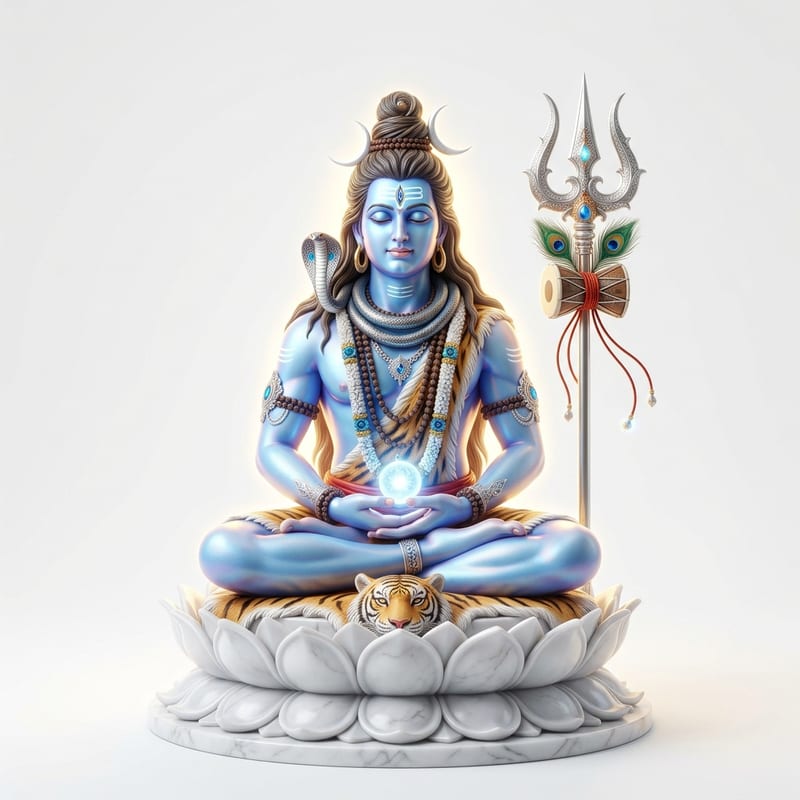
নমঃ শিবাভ্যাং নবযৌবনাভ্যাং
পরস্পরাশ্লিষ্টবপুর্ধরাভ্যাম্ ।
নগেন্দ্রকন্যাবৃষকেতনাভ্যাং
নমো নমঃ শঙ্করপার্বতীভ্যাম্ ॥ 1 ॥
পরস্পরাশ্লিষ্টবপুর্ধরাভ্যাম্ ।
নগেন্দ্রকন্যাবৃষকেতনাভ্যাং
নমো নমঃ শঙ্করপার্বতীভ্যাম্ ॥ 1 ॥
- নমঃ শিবাভ্যাম্ (namaḥ śivābhyām)salutation to the two auspicious ones
- নব-যৌবনাভ্যাম্ (nava-yauvanābhyām)to the ever newly young
- পরস্পর-আশ্লিষ্ট-বপুর্-ধরাভ্যাম্ (paraspara-āśliṣṭa-vapur-dharābhyām)whose bodies are held in one another’s embrace
- নগ-ইন্দ্র-কন্যা-বৃষ-কেতনাভ্যাম্ (naga-indra-kanyā-vṛṣa-ketanābhyām)to the daughter of the mountain king and to him whose banner bears the bull
- নমঃ নমঃ (namaḥ namaḥ)salutation again and again
- শঙ্কর-পার্বতীভ্যাম্ (śaṅkara-pārvatībhyām)to Śaṅkara and Pārvatī
নমঃ শিবাভ্যাং সরসোত্সবাভ্যাং
নমস্কৃতাভীষ্টবরপ্রদাভ্যাম্ ।
নারাযণেনার্চিতপাদুকাভ্যাং
নমো নমঃ শঙ্করপার্বতীভ্যাম্ ॥ 2 ॥
নমস্কৃতাভীষ্টবরপ্রদাভ্যাম্ ।
নারাযণেনার্চিতপাদুকাভ্যাং
নমো নমঃ শঙ্করপার্বতীভ্যাম্ ॥ 2 ॥
- নমঃ শিবাভ্যাম্ (namaḥ śivābhyām)salutation to the two auspicious ones
- সরস-উত্সবাভ্যাম্ (sarasa-utsavābhyām)to the source of every glad festival
- নমস্কৃত-অভীষ্ট-বর-প্রদাভ্যাম্ (namaskṛta-abhīṣṭa-vara-pradābhyām)who grant the wished-for boon to all who bow
- নারাযণেন অর্চিত-পাদুকাভ্যাম্ (nārāyaṇena arcita-pādukābhyām)whose sandals Nārāyaṇa himself has worshipped
- নমঃ নমঃ (namaḥ namaḥ)salutation again and again
- শঙ্কর-পার্বতীভ্যাম্ (śaṅkara-pārvatībhyām)to Śaṅkara and Pārvatī
নমঃ শিবাভ্যাং বৃষবাহনাভ্যাং
বিরিঞ্চিবিষ্ণ্বিন্দ্রসুপূজিতাভ্যাম্ ।
বিভূতিপাটীরবিলেপনাভ্যাং
নমো নমঃ শঙ্করপার্বতীভ্যাম্ ॥ 3 ॥
বিরিঞ্চিবিষ্ণ্বিন্দ্রসুপূজিতাভ্যাম্ ।
বিভূতিপাটীরবিলেপনাভ্যাং
নমো নমঃ শঙ্করপার্বতীভ্যাম্ ॥ 3 ॥
- নমঃ শিবাভ্যাম্ (namaḥ śivābhyām)salutation to the two auspicious ones
- বৃষ-বাহনাভ্যাম্ (vṛṣa-vāhanābhyām)whose mount is the bull
- বিরিঞ্চি-বিষ্ণু-ইন্দ্র-সুপূজিতাভ্যাম্ (viriñci-viṣṇu-indra-supūjitābhyām)well worshipped by Brahmā, Viṣṇu and Indra
- বিভূতি-পাটীর-বিলেপনাভ্যাম্ (vibhūti-pāṭīra-vilepanābhyām)anointed with sacred ash and with sandal
- নমঃ নমঃ (namaḥ namaḥ)salutation again and again
- শঙ্কর-পার্বতীভ্যাম্ (śaṅkara-pārvatībhyām)to Śaṅkara and Pārvatī
নমঃ শিবাভ্যাং জগদীশ্বরাভ্যাং
জগত্পতিভ্যাং জযবিগ্রহাভ্যাম্ ।
জম্ভারিমুখ্যৈরভিবন্দিতাভ্যাং
নমো নমঃ শঙ্করপার্বতীভ্যাম্ ॥ 4 ॥
জগত্পতিভ্যাং জযবিগ্রহাভ্যাম্ ।
জম্ভারিমুখ্যৈরভিবন্দিতাভ্যাং
নমো নমঃ শঙ্করপার্বতীভ্যাম্ ॥ 4 ॥
- নমঃ শিবাভ্যাম্ (namaḥ śivābhyām)salutation to the two auspicious ones
- জগত্-ঈশ্বরাভ্যাম্ (jagat-īśvarābhyām)to the sovereigns of the world
- জগত্-পতিভ্যাম্ (jagat-patibhyām)to the lords of all that is
- জয-বিগ্রহাভ্যাম্ (jaya-vigrahābhyām)whose very forms are victory
- জম্ভ-অরি-মুখ্যৈঃ অভিবন্দিতাভ্যাম্ (jambha-ari-mukhyaiḥ abhivanditābhyām)saluted by Indra, the foe of Jambha, and those at his head
- নমঃ নমঃ (namaḥ namaḥ)salutation again and again
- শঙ্কর-পার্বতীভ্যাম্ (śaṅkara-pārvatībhyām)to Śaṅkara and Pārvatī
নমঃ শিবাভ্যাং পরমৌষধাভ্যাং
পঞ্চাক্ষরীপঞ্জররঞ্জিতাভ্যাম্ ।
প্রপঞ্চসৃষ্টিস্থিতিসংহৃতাভ্যাং
নমো নমঃ শঙ্করপার্বতীভ্যাম্ ॥ 5 ॥
পঞ্চাক্ষরীপঞ্জররঞ্জিতাভ্যাম্ ।
প্রপঞ্চসৃষ্টিস্থিতিসংহৃতাভ্যাং
নমো নমঃ শঙ্করপার্বতীভ্যাম্ ॥ 5 ॥
- নমঃ শিবাভ্যাম্ (namaḥ śivābhyām)salutation to the two auspicious ones
- পরম-ঔষধাভ্যাম্ (parama-auṣadhābhyām)to the supreme medicine
- পঞ্চ-অক্ষরী-পঞ্জর-রঞ্জিতাভ্যাম্ (pañca-akṣarī-pañjara-rañjitābhyām)who take delight within the cage of the five-syllabled mantra
- প্রপঞ্চ-সৃষ্টি-স্থিতি-সংহৃতাভ্যাম্ (prapañca-sṛṣṭi-sthiti-saṃhṛtābhyām)by whom the world is made, upheld and withdrawn
- নমঃ নমঃ (namaḥ namaḥ)salutation again and again
- শঙ্কর-পার্বতীভ্যাম্ (śaṅkara-pārvatībhyām)to Śaṅkara and Pārvatī
নমঃ শিবাভ্যামতিসুন্দরাভ্যাং
অত্যন্তমাসক্তহৃদম্বুজাভ্যাম্ ।
অশেষলোকৈকহিতঙ্করাভ্যাং
নমো নমঃ শঙ্করপার্বতীভ্যাম্ ॥ 6 ॥
অত্যন্তমাসক্তহৃদম্বুজাভ্যাম্ ।
অশেষলোকৈকহিতঙ্করাভ্যাং
নমো নমঃ শঙ্করপার্বতীভ্যাম্ ॥ 6 ॥
- নমঃ শিবাভ্যাম্ (namaḥ śivābhyām)salutation to the two auspicious ones
- অতি-সুন্দরাভ্যাম্ (ati-sundarābhyām)to the surpassingly beautiful
- অত্যন্তম্ আসক্ত-হৃদ্-অম্বুজাভ্যাম্ (atyantam āsakta-hṛd-ambujābhyām)whose lotus hearts are bound utterly to each other
- অশেষ-লোক-এক-হিতঙ্করাভ্যাম্ (aśeṣa-loka-eka-hitaṅkarābhyām)who alone work the good of every world
- নমঃ নমঃ (namaḥ namaḥ)salutation again and again
- শঙ্কর-পার্বতীভ্যাম্ (śaṅkara-pārvatībhyām)to Śaṅkara and Pārvatī
নমঃ শিবাভ্যাং কলিনাশনাভ্যাং
কঙ্কালকল্যাণবপুর্ধরাভ্যাম্ ।
কৈলাসশৈলস্থিতদেবতাভ্যাং
নমো নমঃ শঙ্করপার্বতীভ্যাম্ ॥ 7 ॥
কঙ্কালকল্যাণবপুর্ধরাভ্যাম্ ।
কৈলাসশৈলস্থিতদেবতাভ্যাং
নমো নমঃ শঙ্করপার্বতীভ্যাম্ ॥ 7 ॥
- নমঃ শিবাভ্যাম্ (namaḥ śivābhyām)salutation to the two auspicious ones
- কলি-নাশনাভ্যাম্ (kali-nāśanābhyām)destroyers of the ills of the Kali age
- কঙ্কাল-কল্যাণ-বপুর্-ধরাভ্যাম্ (kaṅkāla-kalyāṇa-vapur-dharābhyām)bearing forms at once gaunt as bone and auspicious
- কৈলাস-শৈল-স্থিত-দেবতাভ্যাম্ (kailāsa-śaila-sthita-devatābhyām)to the deities seated upon Mount Kailāsa
- নমঃ নমঃ (namaḥ namaḥ)salutation again and again
- শঙ্কর-পার্বতীভ্যাম্ (śaṅkara-pārvatībhyām)to Śaṅkara and Pārvatī
নমঃ শিবাভ্যামশুভাপহাভ্যাং
অশেষলোকৈকবিশেষিতাভ্যাম্ ।
অকুণ্ঠিতাভ্যাং স্মৃতিসম্ভৃতাভ্যাং
নমো নমঃ শঙ্করপার্বতীভ্যাম্ ॥ 8 ॥
অশেষলোকৈকবিশেষিতাভ্যাম্ ।
অকুণ্ঠিতাভ্যাং স্মৃতিসম্ভৃতাভ্যাং
নমো নমঃ শঙ্করপার্বতীভ্যাম্ ॥ 8 ॥
- নমঃ শিবাভ্যাম্ (namaḥ śivābhyām)salutation to the two auspicious ones
- অশুভ-অপহাভ্যাম্ (aśubha-apahābhyām)who take away all that is inauspicious
- অশেষ-লোক-এক-বিশেষিতাভ্যাম্ (aśeṣa-loka-eka-viśeṣitābhyām)singled out for honour by every world there is
- অকুণ্ঠিতাভ্যাম্ (akuṇṭhitābhyām)whose power is never blunted
- স্মৃতি-সম্ভৃতাভ্যাম্ (smṛti-sambhṛtābhyām)borne up in the memory of the devout
- নমঃ নমঃ (namaḥ namaḥ)salutation again and again
- শঙ্কর-পার্বতীভ্যাম্ (śaṅkara-pārvatībhyām)to Śaṅkara and Pārvatī
নমঃ শিবাভ্যাং রথবাহনাভ্যাং
রবীন্দুবৈশ্বানরলোচনাভ্যাম্ ।
রাকাশশাঙ্কাভমুখাম্বুজাভ্যাং
নমো নমঃ শঙ্করপার্বতীভ্যাম্ ॥ 9 ॥
রবীন্দুবৈশ্বানরলোচনাভ্যাম্ ।
রাকাশশাঙ্কাভমুখাম্বুজাভ্যাং
নমো নমঃ শঙ্করপার্বতীভ্যাম্ ॥ 9 ॥
- নমঃ শিবাভ্যাম্ (namaḥ śivābhyām)salutation to the two auspicious ones
- রথ-বাহনাভ্যাম্ (ratha-vāhanābhyām)to whom the chariot serves as vehicle
- রবি-ইন্দু-বৈশ্বানর-লোচনাভ্যাম্ (ravi-indu-vaiśvānara-locanābhyām)whose eyes are sun, moon and fire
- রাকা-শশাঙ্ক-আভ-মুখ-অম্বুজাভ্যাম্ (rākā-śaśāṅka-ābha-mukha-ambujābhyām)whose lotus faces carry the sheen of the full moon
- নমঃ নমঃ (namaḥ namaḥ)salutation again and again
- শঙ্কর-পার্বতীভ্যাম্ (śaṅkara-pārvatībhyām)to Śaṅkara and Pārvatī
নমঃ শিবাভ্যাং জটিলন্ধরাভ্যাং
জরামৃতিভ্যাং চ বিবর্জিতাভ্যাম্ ।
জনার্দনাব্জোদ্ভবপূজিতাভ্যাং
নমো নমঃ শঙ্করপার্বতীভ্যাম্ ॥ 10 ॥
জরামৃতিভ্যাং চ বিবর্জিতাভ্যাম্ ।
জনার্দনাব্জোদ্ভবপূজিতাভ্যাং
নমো নমঃ শঙ্করপার্বতীভ্যাম্ ॥ 10 ॥
- নমঃ শিবাভ্যাম্ (namaḥ śivābhyām)salutation to the two auspicious ones
- জটিল-ধরাভ্যাম্ (jaṭila-dharābhyām)who wear the matted locks
- জরা-মৃতিভ্যাম্ (jarā-mṛtibhyām)from age and from death
- চ (ca)and
- বিবর্জিতাভ্যাম্ (vivarjitābhyām)wholly free
- জনার্দন-অব্জ-উদ্ভব-পূজিতাভ্যাম্ (janārdana-abja-udbhava-pūjitābhyām)worshipped by Janārdana and by the lotus-born Brahmā
- নমঃ নমঃ (namaḥ namaḥ)salutation again and again
- শঙ্কর-পার্বতীভ্যাম্ (śaṅkara-pārvatībhyām)to Śaṅkara and Pārvatī
নমঃ শিবাভ্যাং বিষমেক্ষণাভ্যাং
বিল্বচ্ছদামল্লিকদামভৃদ্ভ্যাম্ ।
শোভাবতীশান্তবতীশ্বরাভ্যাং
নমো নমঃ শঙ্করপার্বতীভ্যাম্ ॥ 11 ॥
বিল্বচ্ছদামল্লিকদামভৃদ্ভ্যাম্ ।
শোভাবতীশান্তবতীশ্বরাভ্যাং
নমো নমঃ শঙ্করপার্বতীভ্যাম্ ॥ 11 ॥
- নমঃ শিবাভ্যাম্ (namaḥ śivābhyām)salutation to the two auspicious ones
- বিষম-ঈক্ষণাভ্যাম্ (viṣama-īkṣaṇābhyām)to the odd-eyed, that is the three-eyed
- বিল্ব-ছদ-মল্লিক-দাম-ভৃদ্ভ্যাম্ (bilva-chada-mallika-dāma-bhṛdbhyām)wearing garlands of bilva leaf and of jasmine
- শোভাবতী-শান্তবতী-ঈশ্বরাভ্যাম্ (śobhāvatī-śāntavatī-īśvarābhyām)lords of Śobhāvatī and Śāntavatī
- নমঃ নমঃ (namaḥ namaḥ)salutation again and again
- শঙ্কর-পার্বতীভ্যাম্ (śaṅkara-pārvatībhyām)to Śaṅkara and Pārvatī
নমঃ শিবাভ্যাং পশুপালকাভ্যাং
জগত্রযীরক্ষণবদ্ধহৃদ্ভ্যাম্ ।
সমস্তদেবাসুরপূজিতাভ্যাং
নমো নমঃ শঙ্করপার্বতীভ্যাম্ ॥ 12 ॥
জগত্রযীরক্ষণবদ্ধহৃদ্ভ্যাম্ ।
সমস্তদেবাসুরপূজিতাভ্যাং
নমো নমঃ শঙ্করপার্বতীভ্যাম্ ॥ 12 ॥
- নমঃ শিবাভ্যাম্ (namaḥ śivābhyām)salutation to the two auspicious ones
- পশু-পালকাভ্যাম্ (paśu-pālakābhyām)to the keepers of all creatures
- জগত্-ত্রযী-রক্ষণ-বদ্ধ-হৃদ্ভ্যাম্ (jagat-trayī-rakṣaṇa-baddha-hṛdbhyām)whose hearts are bound to the guarding of the three worlds
- সমস্ত-দেব-অসুর-পূজিতাভ্যাম্ (samasta-deva-asura-pūjitābhyām)worshipped by every god and every asura
- নমঃ নমঃ (namaḥ namaḥ)salutation again and again
- শঙ্কর-পার্বতীভ্যাম্ (śaṅkara-pārvatībhyām)to Śaṅkara and Pārvatī
স্তোত্রং ত্রিসন্ধ্যং শিবপার্বতীভ্যাং
ভক্ত্যা পঠেদ্দ্বাদশকং নরো যঃ ।
স সর্বসৌভাগ্যফলানি
ভুঙ্ক্তে শতাযুরান্তে শিবলোকমেতি ॥ 13 ॥
ভক্ত্যা পঠেদ্দ্বাদশকং নরো যঃ ।
স সর্বসৌভাগ্যফলানি
ভুঙ্ক্তে শতাযুরান্তে শিবলোকমেতি ॥ 13 ॥
- স্তোত্রম্ (stotram)this hymn
- ত্রি-সন্ধ্যম্ (tri-sandhyam)at the three junctures of the day
- শিব-পার্বতীভ্যাম্ (śiva-pārvatībhyām)to Śiva and Pārvatī
- ভক্ত্যা (bhaktyā)with devotion
- পঠেত্ (paṭhet)should recite
- দ্বাদশকম্ (dvādaśakam)the set of twelve
- নরঃ যঃ (naraḥ yaḥ)whichever man
- সঃ (saḥ)he
- সর্ব-সৌভাগ্য-ফলানি (sarva-saubhāgya-phalāni)the fruits of every good fortune
- ভুঙ্ক্তে (bhuṅkte)enjoys
- শত-আযুঃ (śata-āyuḥ)living out a hundred years
- অন্তে (ante)at the last
- শিব-লোকম্ এতি (śiva-lokam eti)he goes to the world of Śiva