
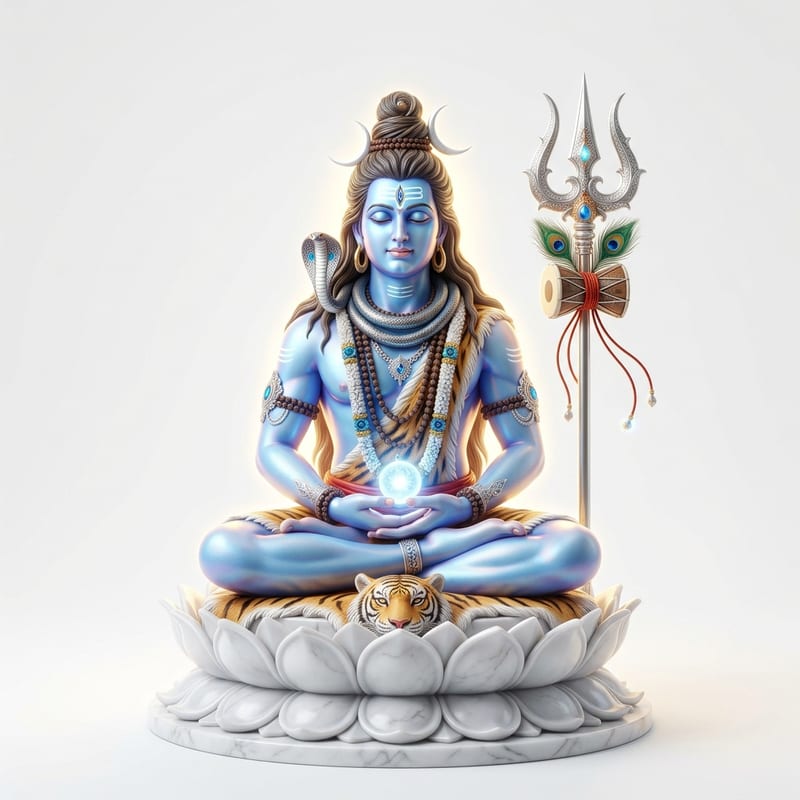
ନମଃ ଶିଵାଭ୍ଯାଂ ନଵଯୌଵନାଭ୍ଯାଂ
ପରସ୍ପରାଶ୍ଲିଷ୍ଟଵପୁର୍ଧରାଭ୍ଯାମ୍ ।
ନଗେନ୍ଦ୍ରକନ୍ଯାଵୃଷକେତନାଭ୍ଯାଂ
ନମୋ ନମଃ ଶଙ୍କରପାର୍ଵତୀଭ୍ଯାମ୍ ॥ 1 ॥
ପରସ୍ପରାଶ୍ଲିଷ୍ଟଵପୁର୍ଧରାଭ୍ଯାମ୍ ।
ନଗେନ୍ଦ୍ରକନ୍ଯାଵୃଷକେତନାଭ୍ଯାଂ
ନମୋ ନମଃ ଶଙ୍କରପାର୍ଵତୀଭ୍ଯାମ୍ ॥ 1 ॥
- ନମଃ ଶିଵାଭ୍ଯାମ୍ (namaḥ śivābhyām)salutation to the two auspicious ones
- ନଵ-ଯୌଵନାଭ୍ଯାମ୍ (nava-yauvanābhyām)to the ever newly young
- ପରସ୍ପର-ଆଶ୍ଲିଷ୍ଟ-ଵପୁର୍-ଧରାଭ୍ଯାମ୍ (paraspara-āśliṣṭa-vapur-dharābhyām)whose bodies are held in one another’s embrace
- ନଗ-ଇନ୍ଦ୍ର-କନ୍ଯା-ଵୃଷ-କେତନାଭ୍ଯାମ୍ (naga-indra-kanyā-vṛṣa-ketanābhyām)to the daughter of the mountain king and to him whose banner bears the bull
- ନମଃ ନମଃ (namaḥ namaḥ)salutation again and again
- ଶଙ୍କର-ପାର୍ଵତୀଭ୍ଯାମ୍ (śaṅkara-pārvatībhyām)to Śaṅkara and Pārvatī
ନମଃ ଶିଵାଭ୍ଯାଂ ସରସୋତ୍ସଵାଭ୍ଯାଂ
ନମସ୍କୃତାଭୀଷ୍ଟଵରପ୍ରଦାଭ୍ଯାମ୍ ।
ନାରାଯଣେନାର୍ଚିତପାଦୁକାଭ୍ଯାଂ
ନମୋ ନମଃ ଶଙ୍କରପାର୍ଵତୀଭ୍ଯାମ୍ ॥ 2 ॥
ନମସ୍କୃତାଭୀଷ୍ଟଵରପ୍ରଦାଭ୍ଯାମ୍ ।
ନାରାଯଣେନାର୍ଚିତପାଦୁକାଭ୍ଯାଂ
ନମୋ ନମଃ ଶଙ୍କରପାର୍ଵତୀଭ୍ଯାମ୍ ॥ 2 ॥
- ନମଃ ଶିଵାଭ୍ଯାମ୍ (namaḥ śivābhyām)salutation to the two auspicious ones
- ସରସ-ଉତ୍ସଵାଭ୍ଯାମ୍ (sarasa-utsavābhyām)to the source of every glad festival
- ନମସ୍କୃତ-ଅଭୀଷ୍ଟ-ଵର-ପ୍ରଦାଭ୍ଯାମ୍ (namaskṛta-abhīṣṭa-vara-pradābhyām)who grant the wished-for boon to all who bow
- ନାରାଯଣେନ ଅର୍ଚିତ-ପାଦୁକାଭ୍ଯାମ୍ (nārāyaṇena arcita-pādukābhyām)whose sandals Nārāyaṇa himself has worshipped
- ନମଃ ନମଃ (namaḥ namaḥ)salutation again and again
- ଶଙ୍କର-ପାର୍ଵତୀଭ୍ଯାମ୍ (śaṅkara-pārvatībhyām)to Śaṅkara and Pārvatī
ନମଃ ଶିଵାଭ୍ଯାଂ ଵୃଷଵାହନାଭ୍ଯାଂ
ଵିରିଞ୍ଚିଵିଷ୍ଣ୍ଵିନ୍ଦ୍ରସୁପୂଜିତାଭ୍ଯାମ୍ ।
ଵିଭୂତିପାଟୀରଵିଲେପନାଭ୍ଯାଂ
ନମୋ ନମଃ ଶଙ୍କରପାର୍ଵତୀଭ୍ଯାମ୍ ॥ 3 ॥
ଵିରିଞ୍ଚିଵିଷ୍ଣ୍ଵିନ୍ଦ୍ରସୁପୂଜିତାଭ୍ଯାମ୍ ।
ଵିଭୂତିପାଟୀରଵିଲେପନାଭ୍ଯାଂ
ନମୋ ନମଃ ଶଙ୍କରପାର୍ଵତୀଭ୍ଯାମ୍ ॥ 3 ॥
- ନମଃ ଶିଵାଭ୍ଯାମ୍ (namaḥ śivābhyām)salutation to the two auspicious ones
- ଵୃଷ-ଵାହନାଭ୍ଯାମ୍ (vṛṣa-vāhanābhyām)whose mount is the bull
- ଵିରିଞ୍ଚି-ଵିଷ୍ଣୁ-ଇନ୍ଦ୍ର-ସୁପୂଜିତାଭ୍ଯାମ୍ (viriñci-viṣṇu-indra-supūjitābhyām)well worshipped by Brahmā, Viṣṇu and Indra
- ଵିଭୂତି-ପାଟୀର-ଵିଲେପନାଭ୍ଯାମ୍ (vibhūti-pāṭīra-vilepanābhyām)anointed with sacred ash and with sandal
- ନମଃ ନମଃ (namaḥ namaḥ)salutation again and again
- ଶଙ୍କର-ପାର୍ଵତୀଭ୍ଯାମ୍ (śaṅkara-pārvatībhyām)to Śaṅkara and Pārvatī
ନମଃ ଶିଵାଭ୍ଯାଂ ଜଗଦୀଶ୍ଵରାଭ୍ଯାଂ
ଜଗତ୍ପତିଭ୍ଯାଂ ଜଯଵିଗ୍ରହାଭ୍ଯାମ୍ ।
ଜମ୍ଭାରିମୁଖ୍ଯୈରଭିଵନ୍ଦିତାଭ୍ଯାଂ
ନମୋ ନମଃ ଶଙ୍କରପାର୍ଵତୀଭ୍ଯାମ୍ ॥ 4 ॥
ଜଗତ୍ପତିଭ୍ଯାଂ ଜଯଵିଗ୍ରହାଭ୍ଯାମ୍ ।
ଜମ୍ଭାରିମୁଖ୍ଯୈରଭିଵନ୍ଦିତାଭ୍ଯାଂ
ନମୋ ନମଃ ଶଙ୍କରପାର୍ଵତୀଭ୍ଯାମ୍ ॥ 4 ॥
- ନମଃ ଶିଵାଭ୍ଯାମ୍ (namaḥ śivābhyām)salutation to the two auspicious ones
- ଜଗତ୍-ଈଶ୍ଵରାଭ୍ଯାମ୍ (jagat-īśvarābhyām)to the sovereigns of the world
- ଜଗତ୍-ପତିଭ୍ଯାମ୍ (jagat-patibhyām)to the lords of all that is
- ଜଯ-ଵିଗ୍ରହାଭ୍ଯାମ୍ (jaya-vigrahābhyām)whose very forms are victory
- ଜମ୍ଭ-ଅରି-ମୁଖ୍ଯୈଃ ଅଭିଵନ୍ଦିତାଭ୍ଯାମ୍ (jambha-ari-mukhyaiḥ abhivanditābhyām)saluted by Indra, the foe of Jambha, and those at his head
- ନମଃ ନମଃ (namaḥ namaḥ)salutation again and again
- ଶଙ୍କର-ପାର୍ଵତୀଭ୍ଯାମ୍ (śaṅkara-pārvatībhyām)to Śaṅkara and Pārvatī
ନମଃ ଶିଵାଭ୍ଯାଂ ପରମୌଷଧାଭ୍ଯାଂ
ପଞ୍ଚାକ୍ଷରୀପଞ୍ଜରରଞ୍ଜିତାଭ୍ଯାମ୍ ।
ପ୍ରପଞ୍ଚସୃଷ୍ଟିସ୍ଥିତିସଂହୃତାଭ୍ଯାଂ
ନମୋ ନମଃ ଶଙ୍କରପାର୍ଵତୀଭ୍ଯାମ୍ ॥ 5 ॥
ପଞ୍ଚାକ୍ଷରୀପଞ୍ଜରରଞ୍ଜିତାଭ୍ଯାମ୍ ।
ପ୍ରପଞ୍ଚସୃଷ୍ଟିସ୍ଥିତିସଂହୃତାଭ୍ଯାଂ
ନମୋ ନମଃ ଶଙ୍କରପାର୍ଵତୀଭ୍ଯାମ୍ ॥ 5 ॥
- ନମଃ ଶିଵାଭ୍ଯାମ୍ (namaḥ śivābhyām)salutation to the two auspicious ones
- ପରମ-ଔଷଧାଭ୍ଯାମ୍ (parama-auṣadhābhyām)to the supreme medicine
- ପଞ୍ଚ-ଅକ୍ଷରୀ-ପଞ୍ଜର-ରଞ୍ଜିତାଭ୍ଯାମ୍ (pañca-akṣarī-pañjara-rañjitābhyām)who take delight within the cage of the five-syllabled mantra
- ପ୍ରପଞ୍ଚ-ସୃଷ୍ଟି-ସ୍ଥିତି-ସଂହୃତାଭ୍ଯାମ୍ (prapañca-sṛṣṭi-sthiti-saṃhṛtābhyām)by whom the world is made, upheld and withdrawn
- ନମଃ ନମଃ (namaḥ namaḥ)salutation again and again
- ଶଙ୍କର-ପାର୍ଵତୀଭ୍ଯାମ୍ (śaṅkara-pārvatībhyām)to Śaṅkara and Pārvatī
ନମଃ ଶିଵାଭ୍ଯାମତିସୁନ୍ଦରାଭ୍ଯାଂ
ଅତ୍ଯନ୍ତମାସକ୍ତହୃଦମ୍ବୁଜାଭ୍ଯାମ୍ ।
ଅଶେଷଲୋକୈକହିତଙ୍କରାଭ୍ଯାଂ
ନମୋ ନମଃ ଶଙ୍କରପାର୍ଵତୀଭ୍ଯାମ୍ ॥ 6 ॥
ଅତ୍ଯନ୍ତମାସକ୍ତହୃଦମ୍ବୁଜାଭ୍ଯାମ୍ ।
ଅଶେଷଲୋକୈକହିତଙ୍କରାଭ୍ଯାଂ
ନମୋ ନମଃ ଶଙ୍କରପାର୍ଵତୀଭ୍ଯାମ୍ ॥ 6 ॥
- ନମଃ ଶିଵାଭ୍ଯାମ୍ (namaḥ śivābhyām)salutation to the two auspicious ones
- ଅତି-ସୁନ୍ଦରାଭ୍ଯାମ୍ (ati-sundarābhyām)to the surpassingly beautiful
- ଅତ୍ଯନ୍ତମ୍ ଆସକ୍ତ-ହୃଦ୍-ଅମ୍ବୁଜାଭ୍ଯାମ୍ (atyantam āsakta-hṛd-ambujābhyām)whose lotus hearts are bound utterly to each other
- ଅଶେଷ-ଲୋକ-ଏକ-ହିତଙ୍କରାଭ୍ଯାମ୍ (aśeṣa-loka-eka-hitaṅkarābhyām)who alone work the good of every world
- ନମଃ ନମଃ (namaḥ namaḥ)salutation again and again
- ଶଙ୍କର-ପାର୍ଵତୀଭ୍ଯାମ୍ (śaṅkara-pārvatībhyām)to Śaṅkara and Pārvatī
ନମଃ ଶିଵାଭ୍ଯାଂ କଲିନାଶନାଭ୍ଯାଂ
କଙ୍କାଲକଲ୍ଯାଣଵପୁର୍ଧରାଭ୍ଯାମ୍ ।
କୈଲାସଶୈଲସ୍ଥିତଦେଵତାଭ୍ଯାଂ
ନମୋ ନମଃ ଶଙ୍କରପାର୍ଵତୀଭ୍ଯାମ୍ ॥ 7 ॥
କଙ୍କାଲକଲ୍ଯାଣଵପୁର୍ଧରାଭ୍ଯାମ୍ ।
କୈଲାସଶୈଲସ୍ଥିତଦେଵତାଭ୍ଯାଂ
ନମୋ ନମଃ ଶଙ୍କରପାର୍ଵତୀଭ୍ଯାମ୍ ॥ 7 ॥
- ନମଃ ଶିଵାଭ୍ଯାମ୍ (namaḥ śivābhyām)salutation to the two auspicious ones
- କଲି-ନାଶନାଭ୍ଯାମ୍ (kali-nāśanābhyām)destroyers of the ills of the Kali age
- କଙ୍କାଲ-କଲ୍ଯାଣ-ଵପୁର୍-ଧରାଭ୍ଯାମ୍ (kaṅkāla-kalyāṇa-vapur-dharābhyām)bearing forms at once gaunt as bone and auspicious
- କୈଲାସ-ଶୈଲ-ସ୍ଥିତ-ଦେଵତାଭ୍ଯାମ୍ (kailāsa-śaila-sthita-devatābhyām)to the deities seated upon Mount Kailāsa
- ନମଃ ନମଃ (namaḥ namaḥ)salutation again and again
- ଶଙ୍କର-ପାର୍ଵତୀଭ୍ଯାମ୍ (śaṅkara-pārvatībhyām)to Śaṅkara and Pārvatī
ନମଃ ଶିଵାଭ୍ଯାମଶୁଭାପହାଭ୍ଯାଂ
ଅଶେଷଲୋକୈକଵିଶେଷିତାଭ୍ଯାମ୍ ।
ଅକୁଣ୍ଠିତାଭ୍ଯାଂ ସ୍ମୃତିସମ୍ଭୃତାଭ୍ଯାଂ
ନମୋ ନମଃ ଶଙ୍କରପାର୍ଵତୀଭ୍ଯାମ୍ ॥ 8 ॥
ଅଶେଷଲୋକୈକଵିଶେଷିତାଭ୍ଯାମ୍ ।
ଅକୁଣ୍ଠିତାଭ୍ଯାଂ ସ୍ମୃତିସମ୍ଭୃତାଭ୍ଯାଂ
ନମୋ ନମଃ ଶଙ୍କରପାର୍ଵତୀଭ୍ଯାମ୍ ॥ 8 ॥
- ନମଃ ଶିଵାଭ୍ଯାମ୍ (namaḥ śivābhyām)salutation to the two auspicious ones
- ଅଶୁଭ-ଅପହାଭ୍ଯାମ୍ (aśubha-apahābhyām)who take away all that is inauspicious
- ଅଶେଷ-ଲୋକ-ଏକ-ଵିଶେଷିତାଭ୍ଯାମ୍ (aśeṣa-loka-eka-viśeṣitābhyām)singled out for honour by every world there is
- ଅକୁଣ୍ଠିତାଭ୍ଯାମ୍ (akuṇṭhitābhyām)whose power is never blunted
- ସ୍ମୃତି-ସମ୍ଭୃତାଭ୍ଯାମ୍ (smṛti-sambhṛtābhyām)borne up in the memory of the devout
- ନମଃ ନମଃ (namaḥ namaḥ)salutation again and again
- ଶଙ୍କର-ପାର୍ଵତୀଭ୍ଯାମ୍ (śaṅkara-pārvatībhyām)to Śaṅkara and Pārvatī
ନମଃ ଶିଵାଭ୍ଯାଂ ରଥଵାହନାଭ୍ଯାଂ
ରଵୀନ୍ଦୁଵୈଶ୍ଵାନରଲୋଚନାଭ୍ଯାମ୍ ।
ରାକାଶଶାଙ୍କାଭମୁଖାମ୍ବୁଜାଭ୍ଯାଂ
ନମୋ ନମଃ ଶଙ୍କରପାର୍ଵତୀଭ୍ଯାମ୍ ॥ 9 ॥
ରଵୀନ୍ଦୁଵୈଶ୍ଵାନରଲୋଚନାଭ୍ଯାମ୍ ।
ରାକାଶଶାଙ୍କାଭମୁଖାମ୍ବୁଜାଭ୍ଯାଂ
ନମୋ ନମଃ ଶଙ୍କରପାର୍ଵତୀଭ୍ଯାମ୍ ॥ 9 ॥
- ନମଃ ଶିଵାଭ୍ଯାମ୍ (namaḥ śivābhyām)salutation to the two auspicious ones
- ରଥ-ଵାହନାଭ୍ଯାମ୍ (ratha-vāhanābhyām)to whom the chariot serves as vehicle
- ରଵି-ଇନ୍ଦୁ-ଵୈଶ୍ଵାନର-ଲୋଚନାଭ୍ଯାମ୍ (ravi-indu-vaiśvānara-locanābhyām)whose eyes are sun, moon and fire
- ରାକା-ଶଶାଙ୍କ-ଆଭ-ମୁଖ-ଅମ୍ବୁଜାଭ୍ଯାମ୍ (rākā-śaśāṅka-ābha-mukha-ambujābhyām)whose lotus faces carry the sheen of the full moon
- ନମଃ ନମଃ (namaḥ namaḥ)salutation again and again
- ଶଙ୍କର-ପାର୍ଵତୀଭ୍ଯାମ୍ (śaṅkara-pārvatībhyām)to Śaṅkara and Pārvatī
ନମଃ ଶିଵାଭ୍ଯାଂ ଜଟିଲନ୍ଧରାଭ୍ଯାଂ
ଜରାମୃତିଭ୍ଯାଂ ଚ ଵିଵର୍ଜିତାଭ୍ଯାମ୍ ।
ଜନାର୍ଦନାବ୍ଜୋଦ୍ଭଵପୂଜିତାଭ୍ଯାଂ
ନମୋ ନମଃ ଶଙ୍କରପାର୍ଵତୀଭ୍ଯାମ୍ ॥ 10 ॥
ଜରାମୃତିଭ୍ଯାଂ ଚ ଵିଵର୍ଜିତାଭ୍ଯାମ୍ ।
ଜନାର୍ଦନାବ୍ଜୋଦ୍ଭଵପୂଜିତାଭ୍ଯାଂ
ନମୋ ନମଃ ଶଙ୍କରପାର୍ଵତୀଭ୍ଯାମ୍ ॥ 10 ॥
- ନମଃ ଶିଵାଭ୍ଯାମ୍ (namaḥ śivābhyām)salutation to the two auspicious ones
- ଜଟିଲ-ଧରାଭ୍ଯାମ୍ (jaṭila-dharābhyām)who wear the matted locks
- ଜରା-ମୃତିଭ୍ଯାମ୍ (jarā-mṛtibhyām)from age and from death
- ଚ (ca)and
- ଵିଵର୍ଜିତାଭ୍ଯାମ୍ (vivarjitābhyām)wholly free
- ଜନାର୍ଦନ-ଅବ୍ଜ-ଉଦ୍ଭଵ-ପୂଜିତାଭ୍ଯାମ୍ (janārdana-abja-udbhava-pūjitābhyām)worshipped by Janārdana and by the lotus-born Brahmā
- ନମଃ ନମଃ (namaḥ namaḥ)salutation again and again
- ଶଙ୍କର-ପାର୍ଵତୀଭ୍ଯାମ୍ (śaṅkara-pārvatībhyām)to Śaṅkara and Pārvatī
ନମଃ ଶିଵାଭ୍ଯାଂ ଵିଷମେକ୍ଷଣାଭ୍ଯାଂ
ବିଲ୍ଵଚ୍ଛଦାମଲ୍ଲିକଦାମଭୃଦ୍ଭ୍ଯାମ୍ ।
ଶୋଭାଵତୀଶାନ୍ତଵତୀଶ୍ଵରାଭ୍ଯାଂ
ନମୋ ନମଃ ଶଙ୍କରପାର୍ଵତୀଭ୍ଯାମ୍ ॥ 11 ॥
ବିଲ୍ଵଚ୍ଛଦାମଲ୍ଲିକଦାମଭୃଦ୍ଭ୍ଯାମ୍ ।
ଶୋଭାଵତୀଶାନ୍ତଵତୀଶ୍ଵରାଭ୍ଯାଂ
ନମୋ ନମଃ ଶଙ୍କରପାର୍ଵତୀଭ୍ଯାମ୍ ॥ 11 ॥
- ନମଃ ଶିଵାଭ୍ଯାମ୍ (namaḥ śivābhyām)salutation to the two auspicious ones
- ଵିଷମ-ଈକ୍ଷଣାଭ୍ଯାମ୍ (viṣama-īkṣaṇābhyām)to the odd-eyed, that is the three-eyed
- ବିଲ୍ଵ-ଛଦ-ମଲ୍ଲିକ-ଦାମ-ଭୃଦ୍ଭ୍ଯାମ୍ (bilva-chada-mallika-dāma-bhṛdbhyām)wearing garlands of bilva leaf and of jasmine
- ଶୋଭାଵତୀ-ଶାନ୍ତଵତୀ-ଈଶ୍ଵରାଭ୍ଯାମ୍ (śobhāvatī-śāntavatī-īśvarābhyām)lords of Śobhāvatī and Śāntavatī
- ନମଃ ନମଃ (namaḥ namaḥ)salutation again and again
- ଶଙ୍କର-ପାର୍ଵତୀଭ୍ଯାମ୍ (śaṅkara-pārvatībhyām)to Śaṅkara and Pārvatī
ନମଃ ଶିଵାଭ୍ଯାଂ ପଶୁପାଲକାଭ୍ଯାଂ
ଜଗତ୍ରଯୀରକ୍ଷଣବଦ୍ଧହୃଦ୍ଭ୍ଯାମ୍ ।
ସମସ୍ତଦେଵାସୁରପୂଜିତାଭ୍ଯାଂ
ନମୋ ନମଃ ଶଙ୍କରପାର୍ଵତୀଭ୍ଯାମ୍ ॥ 12 ॥
ଜଗତ୍ରଯୀରକ୍ଷଣବଦ୍ଧହୃଦ୍ଭ୍ଯାମ୍ ।
ସମସ୍ତଦେଵାସୁରପୂଜିତାଭ୍ଯାଂ
ନମୋ ନମଃ ଶଙ୍କରପାର୍ଵତୀଭ୍ଯାମ୍ ॥ 12 ॥
- ନମଃ ଶିଵାଭ୍ଯାମ୍ (namaḥ śivābhyām)salutation to the two auspicious ones
- ପଶୁ-ପାଲକାଭ୍ଯାମ୍ (paśu-pālakābhyām)to the keepers of all creatures
- ଜଗତ୍-ତ୍ରଯୀ-ରକ୍ଷଣ-ବଦ୍ଧ-ହୃଦ୍ଭ୍ଯାମ୍ (jagat-trayī-rakṣaṇa-baddha-hṛdbhyām)whose hearts are bound to the guarding of the three worlds
- ସମସ୍ତ-ଦେଵ-ଅସୁର-ପୂଜିତାଭ୍ଯାମ୍ (samasta-deva-asura-pūjitābhyām)worshipped by every god and every asura
- ନମଃ ନମଃ (namaḥ namaḥ)salutation again and again
- ଶଙ୍କର-ପାର୍ଵତୀଭ୍ଯାମ୍ (śaṅkara-pārvatībhyām)to Śaṅkara and Pārvatī
ସ୍ତୋତ୍ରଂ ତ୍ରିସନ୍ଧ୍ଯଂ ଶିଵପାର୍ଵତୀଭ୍ଯାଂ
ଭକ୍ତ୍ଯା ପଠେଦ୍ଦ୍ଵାଦଶକଂ ନରୋ ଯଃ ।
ସ ସର୍ଵସୌଭାଗ୍ଯଫଲାନି
ଭୁଙ୍କ୍ତେ ଶତାଯୁରାନ୍ତେ ଶିଵଲୋକମେତି ॥ 13 ॥
ଭକ୍ତ୍ଯା ପଠେଦ୍ଦ୍ଵାଦଶକଂ ନରୋ ଯଃ ।
ସ ସର୍ଵସୌଭାଗ୍ଯଫଲାନି
ଭୁଙ୍କ୍ତେ ଶତାଯୁରାନ୍ତେ ଶିଵଲୋକମେତି ॥ 13 ॥
- ସ୍ତୋତ୍ରମ୍ (stotram)this hymn
- ତ୍ରି-ସନ୍ଧ୍ଯମ୍ (tri-sandhyam)at the three junctures of the day
- ଶିଵ-ପାର୍ଵତୀଭ୍ଯାମ୍ (śiva-pārvatībhyām)to Śiva and Pārvatī
- ଭକ୍ତ୍ଯା (bhaktyā)with devotion
- ପଠେତ୍ (paṭhet)should recite
- ଦ୍ଵାଦଶକମ୍ (dvādaśakam)the set of twelve
- ନରଃ ଯଃ (naraḥ yaḥ)whichever man
- ସଃ (saḥ)he
- ସର୍ଵ-ସୌଭାଗ୍ଯ-ଫଲାନି (sarva-saubhāgya-phalāni)the fruits of every good fortune
- ଭୁଙ୍କ୍ତେ (bhuṅkte)enjoys
- ଶତ-ଆଯୁଃ (śata-āyuḥ)living out a hundred years
- ଅନ୍ତେ (ante)at the last
- ଶିଵ-ଲୋକମ୍ ଏତି (śiva-lokam eti)he goes to the world of Śiva