
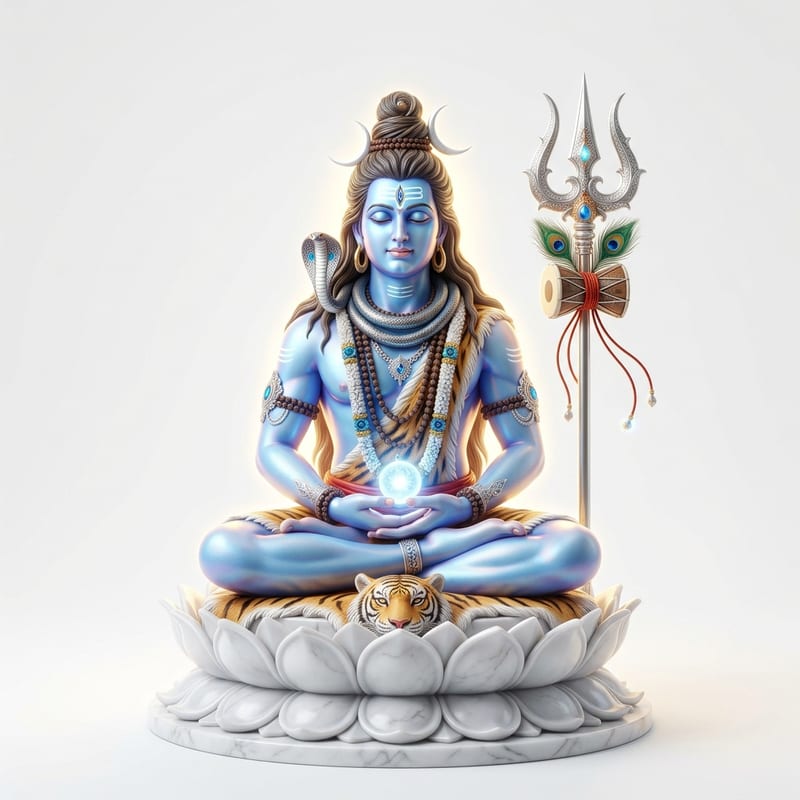
നമഃ ശിവാഭ്യാം നവയൌവനാഭ്യാം
പരസ്പരാശ്ലിഷ്ടവപുര്ധരാഭ്യാമ് ।
നഗേന്ദ്രകന്യാവൃഷകേതനാഭ്യാം
നമോ നമഃ ശങ്കരപാര്വതീഭ്യാമ് ॥ 1 ॥
പരസ്പരാശ്ലിഷ്ടവപുര്ധരാഭ്യാമ് ।
നഗേന്ദ്രകന്യാവൃഷകേതനാഭ്യാം
നമോ നമഃ ശങ്കരപാര്വതീഭ്യാമ് ॥ 1 ॥
- നമഃ ശിവാഭ്യാമ് (namaḥ śivābhyām)salutation to the two auspicious ones
- നവ-യൌവനാഭ്യാമ് (nava-yauvanābhyām)to the ever newly young
- പരസ്പര-ആശ്ലിഷ്ട-വപുര്-ധരാഭ്യാമ് (paraspara-āśliṣṭa-vapur-dharābhyām)whose bodies are held in one another’s embrace
- നഗ-ഇന്ദ്ര-കന്യാ-വൃഷ-കേതനാഭ്യാമ് (naga-indra-kanyā-vṛṣa-ketanābhyām)to the daughter of the mountain king and to him whose banner bears the bull
- നമഃ നമഃ (namaḥ namaḥ)salutation again and again
- ശങ്കര-പാര്വതീഭ്യാമ് (śaṅkara-pārvatībhyām)to Śaṅkara and Pārvatī
നമഃ ശിവാഭ്യാം സരസോത്സവാഭ്യാം
നമസ്കൃതാഭീഷ്ടവരപ്രദാഭ്യാമ് ।
നാരായണേനാര്ചിതപാദുകാഭ്യാം
നമോ നമഃ ശങ്കരപാര്വതീഭ്യാമ് ॥ 2 ॥
നമസ്കൃതാഭീഷ്ടവരപ്രദാഭ്യാമ് ।
നാരായണേനാര്ചിതപാദുകാഭ്യാം
നമോ നമഃ ശങ്കരപാര്വതീഭ്യാമ് ॥ 2 ॥
- നമഃ ശിവാഭ്യാമ് (namaḥ śivābhyām)salutation to the two auspicious ones
- സരസ-ഉത്സവാഭ്യാമ് (sarasa-utsavābhyām)to the source of every glad festival
- നമസ്കൃത-അഭീഷ്ട-വര-പ്രദാഭ്യാമ് (namaskṛta-abhīṣṭa-vara-pradābhyām)who grant the wished-for boon to all who bow
- നാരായണേന അര്ചിത-പാദുകാഭ്യാമ് (nārāyaṇena arcita-pādukābhyām)whose sandals Nārāyaṇa himself has worshipped
- നമഃ നമഃ (namaḥ namaḥ)salutation again and again
- ശങ്കര-പാര്വതീഭ്യാമ് (śaṅkara-pārvatībhyām)to Śaṅkara and Pārvatī
നമഃ ശിവാഭ്യാം വൃഷവാഹനാഭ്യാം
വിരിഞ്ചിവിഷ്ണ്വിന്ദ്രസുപൂജിതാഭ്യാമ് ।
വിഭൂതിപാടീരവിലേപനാഭ്യാം
നമോ നമഃ ശങ്കരപാര്വതീഭ്യാമ് ॥ 3 ॥
വിരിഞ്ചിവിഷ്ണ്വിന്ദ്രസുപൂജിതാഭ്യാമ് ।
വിഭൂതിപാടീരവിലേപനാഭ്യാം
നമോ നമഃ ശങ്കരപാര്വതീഭ്യാമ് ॥ 3 ॥
- നമഃ ശിവാഭ്യാമ് (namaḥ śivābhyām)salutation to the two auspicious ones
- വൃഷ-വാഹനാഭ്യാമ് (vṛṣa-vāhanābhyām)whose mount is the bull
- വിരിഞ്ചി-വിഷ്ണു-ഇന്ദ്ര-സുപൂജിതാഭ്യാമ് (viriñci-viṣṇu-indra-supūjitābhyām)well worshipped by Brahmā, Viṣṇu and Indra
- വിഭൂതി-പാടീര-വിലേപനാഭ്യാമ് (vibhūti-pāṭīra-vilepanābhyām)anointed with sacred ash and with sandal
- നമഃ നമഃ (namaḥ namaḥ)salutation again and again
- ശങ്കര-പാര്വതീഭ്യാമ് (śaṅkara-pārvatībhyām)to Śaṅkara and Pārvatī
നമഃ ശിവാഭ്യാം ജഗദീശ്വരാഭ്യാം
ജഗത്പതിഭ്യാം ജയവിഗ്രഹാഭ്യാമ് ।
ജമ്ഭാരിമുഖ്യൈരഭിവന്ദിതാഭ്യാം
നമോ നമഃ ശങ്കരപാര്വതീഭ്യാമ് ॥ 4 ॥
ജഗത്പതിഭ്യാം ജയവിഗ്രഹാഭ്യാമ് ।
ജമ്ഭാരിമുഖ്യൈരഭിവന്ദിതാഭ്യാം
നമോ നമഃ ശങ്കരപാര്വതീഭ്യാമ് ॥ 4 ॥
- നമഃ ശിവാഭ്യാമ് (namaḥ śivābhyām)salutation to the two auspicious ones
- ജഗത്-ഈശ്വരാഭ്യാമ് (jagat-īśvarābhyām)to the sovereigns of the world
- ജഗത്-പതിഭ്യാമ് (jagat-patibhyām)to the lords of all that is
- ജയ-വിഗ്രഹാഭ്യാമ് (jaya-vigrahābhyām)whose very forms are victory
- ജമ്ഭ-അരി-മുഖ്യൈഃ അഭിവന്ദിതാഭ്യാമ് (jambha-ari-mukhyaiḥ abhivanditābhyām)saluted by Indra, the foe of Jambha, and those at his head
- നമഃ നമഃ (namaḥ namaḥ)salutation again and again
- ശങ്കര-പാര്വതീഭ്യാമ് (śaṅkara-pārvatībhyām)to Śaṅkara and Pārvatī
നമഃ ശിവാഭ്യാം പരമൌഷധാഭ്യാം
പഞ്ചാക്ഷരീപഞ്ജരരഞ്ജിതാഭ്യാമ് ।
പ്രപഞ്ചസൃഷ്ടിസ്ഥിതിസംഹൃതാഭ്യാം
നമോ നമഃ ശങ്കരപാര്വതീഭ്യാമ് ॥ 5 ॥
പഞ്ചാക്ഷരീപഞ്ജരരഞ്ജിതാഭ്യാമ് ।
പ്രപഞ്ചസൃഷ്ടിസ്ഥിതിസംഹൃതാഭ്യാം
നമോ നമഃ ശങ്കരപാര്വതീഭ്യാമ് ॥ 5 ॥
- നമഃ ശിവാഭ്യാമ് (namaḥ śivābhyām)salutation to the two auspicious ones
- പരമ-ഔഷധാഭ്യാമ് (parama-auṣadhābhyām)to the supreme medicine
- പഞ്ച-അക്ഷരീ-പഞ്ജര-രഞ്ജിതാഭ്യാമ് (pañca-akṣarī-pañjara-rañjitābhyām)who take delight within the cage of the five-syllabled mantra
- പ്രപഞ്ച-സൃഷ്ടി-സ്ഥിതി-സംഹൃതാഭ്യാമ് (prapañca-sṛṣṭi-sthiti-saṃhṛtābhyām)by whom the world is made, upheld and withdrawn
- നമഃ നമഃ (namaḥ namaḥ)salutation again and again
- ശങ്കര-പാര്വതീഭ്യാമ് (śaṅkara-pārvatībhyām)to Śaṅkara and Pārvatī
നമഃ ശിവാഭ്യാമതിസുന്ദരാഭ്യാം
അത്യന്തമാസക്തഹൃദമ്ബുജാഭ്യാമ് ।
അശേഷലോകൈകഹിതങ്കരാഭ്യാം
നമോ നമഃ ശങ്കരപാര്വതീഭ്യാമ് ॥ 6 ॥
അത്യന്തമാസക്തഹൃദമ്ബുജാഭ്യാമ് ।
അശേഷലോകൈകഹിതങ്കരാഭ്യാം
നമോ നമഃ ശങ്കരപാര്വതീഭ്യാമ് ॥ 6 ॥
- നമഃ ശിവാഭ്യാമ് (namaḥ śivābhyām)salutation to the two auspicious ones
- അതി-സുന്ദരാഭ്യാമ് (ati-sundarābhyām)to the surpassingly beautiful
- അത്യന്തമ് ആസക്ത-ഹൃദ്-അമ്ബുജാഭ്യാമ് (atyantam āsakta-hṛd-ambujābhyām)whose lotus hearts are bound utterly to each other
- അശേഷ-ലോക-ഏക-ഹിതങ്കരാഭ്യാമ് (aśeṣa-loka-eka-hitaṅkarābhyām)who alone work the good of every world
- നമഃ നമഃ (namaḥ namaḥ)salutation again and again
- ശങ്കര-പാര്വതീഭ്യാമ് (śaṅkara-pārvatībhyām)to Śaṅkara and Pārvatī
നമഃ ശിവാഭ്യാം കലിനാശനാഭ്യാം
കങ്കാലകല്യാണവപുര്ധരാഭ്യാമ് ।
കൈലാസശൈലസ്ഥിതദേവതാഭ്യാം
നമോ നമഃ ശങ്കരപാര്വതീഭ്യാമ് ॥ 7 ॥
കങ്കാലകല്യാണവപുര്ധരാഭ്യാമ് ।
കൈലാസശൈലസ്ഥിതദേവതാഭ്യാം
നമോ നമഃ ശങ്കരപാര്വതീഭ്യാമ് ॥ 7 ॥
- നമഃ ശിവാഭ്യാമ് (namaḥ śivābhyām)salutation to the two auspicious ones
- കലി-നാശനാഭ്യാമ് (kali-nāśanābhyām)destroyers of the ills of the Kali age
- കങ്കാല-കല്യാണ-വപുര്-ധരാഭ്യാമ് (kaṅkāla-kalyāṇa-vapur-dharābhyām)bearing forms at once gaunt as bone and auspicious
- കൈലാസ-ശൈല-സ്ഥിത-ദേവതാഭ്യാമ് (kailāsa-śaila-sthita-devatābhyām)to the deities seated upon Mount Kailāsa
- നമഃ നമഃ (namaḥ namaḥ)salutation again and again
- ശങ്കര-പാര്വതീഭ്യാമ് (śaṅkara-pārvatībhyām)to Śaṅkara and Pārvatī
നമഃ ശിവാഭ്യാമശുഭാപഹാഭ്യാം
അശേഷലോകൈകവിശേഷിതാഭ്യാമ് ।
അകുണ്ഠിതാഭ്യാം സ്മൃതിസമ്ഭൃതാഭ്യാം
നമോ നമഃ ശങ്കരപാര്വതീഭ്യാമ് ॥ 8 ॥
അശേഷലോകൈകവിശേഷിതാഭ്യാമ് ।
അകുണ്ഠിതാഭ്യാം സ്മൃതിസമ്ഭൃതാഭ്യാം
നമോ നമഃ ശങ്കരപാര്വതീഭ്യാമ് ॥ 8 ॥
- നമഃ ശിവാഭ്യാമ് (namaḥ śivābhyām)salutation to the two auspicious ones
- അശുഭ-അപഹാഭ്യാമ് (aśubha-apahābhyām)who take away all that is inauspicious
- അശേഷ-ലോക-ഏക-വിശേഷിതാഭ്യാമ് (aśeṣa-loka-eka-viśeṣitābhyām)singled out for honour by every world there is
- അകുണ്ഠിതാഭ്യാമ് (akuṇṭhitābhyām)whose power is never blunted
- സ്മൃതി-സമ്ഭൃതാഭ്യാമ് (smṛti-sambhṛtābhyām)borne up in the memory of the devout
- നമഃ നമഃ (namaḥ namaḥ)salutation again and again
- ശങ്കര-പാര്വതീഭ്യാമ് (śaṅkara-pārvatībhyām)to Śaṅkara and Pārvatī
നമഃ ശിവാഭ്യാം രഥവാഹനാഭ്യാം
രവീന്ദുവൈശ്വാനരലോചനാഭ്യാമ് ।
രാകാശശാങ്കാഭമുഖാമ്ബുജാഭ്യാം
നമോ നമഃ ശങ്കരപാര്വതീഭ്യാമ് ॥ 9 ॥
രവീന്ദുവൈശ്വാനരലോചനാഭ്യാമ് ।
രാകാശശാങ്കാഭമുഖാമ്ബുജാഭ്യാം
നമോ നമഃ ശങ്കരപാര്വതീഭ്യാമ് ॥ 9 ॥
- നമഃ ശിവാഭ്യാമ് (namaḥ śivābhyām)salutation to the two auspicious ones
- രഥ-വാഹനാഭ്യാമ് (ratha-vāhanābhyām)to whom the chariot serves as vehicle
- രവി-ഇന്ദു-വൈശ്വാനര-ലോചനാഭ്യാമ് (ravi-indu-vaiśvānara-locanābhyām)whose eyes are sun, moon and fire
- രാകാ-ശശാങ്ക-ആഭ-മുഖ-അമ്ബുജാഭ്യാമ് (rākā-śaśāṅka-ābha-mukha-ambujābhyām)whose lotus faces carry the sheen of the full moon
- നമഃ നമഃ (namaḥ namaḥ)salutation again and again
- ശങ്കര-പാര്വതീഭ്യാമ് (śaṅkara-pārvatībhyām)to Śaṅkara and Pārvatī
നമഃ ശിവാഭ്യാം ജടിലന്ധരാഭ്യാം
ജരാമൃതിഭ്യാം ച വിവര്ജിതാഭ്യാമ് ।
ജനാര്ദനാബ്ജോദ്ഭവപൂജിതാഭ്യാം
നമോ നമഃ ശങ്കരപാര്വതീഭ്യാമ് ॥ 10 ॥
ജരാമൃതിഭ്യാം ച വിവര്ജിതാഭ്യാമ് ।
ജനാര്ദനാബ്ജോദ്ഭവപൂജിതാഭ്യാം
നമോ നമഃ ശങ്കരപാര്വതീഭ്യാമ് ॥ 10 ॥
- നമഃ ശിവാഭ്യാമ് (namaḥ śivābhyām)salutation to the two auspicious ones
- ജടില-ധരാഭ്യാമ് (jaṭila-dharābhyām)who wear the matted locks
- ജരാ-മൃതിഭ്യാമ് (jarā-mṛtibhyām)from age and from death
- ച (ca)and
- വിവര്ജിതാഭ്യാമ് (vivarjitābhyām)wholly free
- ജനാര്ദന-അബ്ജ-ഉദ്ഭവ-പൂജിതാഭ്യാമ് (janārdana-abja-udbhava-pūjitābhyām)worshipped by Janārdana and by the lotus-born Brahmā
- നമഃ നമഃ (namaḥ namaḥ)salutation again and again
- ശങ്കര-പാര്വതീഭ്യാമ് (śaṅkara-pārvatībhyām)to Śaṅkara and Pārvatī
നമഃ ശിവാഭ്യാം വിഷമേക്ഷണാഭ്യാം
ബില്വച്ഛദാമല്ലികദാമഭൃദ്ഭ്യാമ് ।
ശോഭാവതീശാന്തവതീശ്വരാഭ്യാം
നമോ നമഃ ശങ്കരപാര്വതീഭ്യാമ് ॥ 11 ॥
ബില്വച്ഛദാമല്ലികദാമഭൃദ്ഭ്യാമ് ।
ശോഭാവതീശാന്തവതീശ്വരാഭ്യാം
നമോ നമഃ ശങ്കരപാര്വതീഭ്യാമ് ॥ 11 ॥
- നമഃ ശിവാഭ്യാമ് (namaḥ śivābhyām)salutation to the two auspicious ones
- വിഷമ-ഈക്ഷണാഭ്യാമ് (viṣama-īkṣaṇābhyām)to the odd-eyed, that is the three-eyed
- ബില്വ-ഛദ-മല്ലിക-ദാമ-ഭൃദ്ഭ്യാമ് (bilva-chada-mallika-dāma-bhṛdbhyām)wearing garlands of bilva leaf and of jasmine
- ശോഭാവതീ-ശാന്തവതീ-ഈശ്വരാഭ്യാമ് (śobhāvatī-śāntavatī-īśvarābhyām)lords of Śobhāvatī and Śāntavatī
- നമഃ നമഃ (namaḥ namaḥ)salutation again and again
- ശങ്കര-പാര്വതീഭ്യാമ് (śaṅkara-pārvatībhyām)to Śaṅkara and Pārvatī
നമഃ ശിവാഭ്യാം പശുപാലകാഭ്യാം
ജഗത്രയീരക്ഷണബദ്ധഹൃദ്ഭ്യാമ് ।
സമസ്തദേവാസുരപൂജിതാഭ്യാം
നമോ നമഃ ശങ്കരപാര്വതീഭ്യാമ് ॥ 12 ॥
ജഗത്രയീരക്ഷണബദ്ധഹൃദ്ഭ്യാമ് ।
സമസ്തദേവാസുരപൂജിതാഭ്യാം
നമോ നമഃ ശങ്കരപാര്വതീഭ്യാമ് ॥ 12 ॥
- നമഃ ശിവാഭ്യാമ് (namaḥ śivābhyām)salutation to the two auspicious ones
- പശു-പാലകാഭ്യാമ് (paśu-pālakābhyām)to the keepers of all creatures
- ജഗത്-ത്രയീ-രക്ഷണ-ബദ്ധ-ഹൃദ്ഭ്യാമ് (jagat-trayī-rakṣaṇa-baddha-hṛdbhyām)whose hearts are bound to the guarding of the three worlds
- സമസ്ത-ദേവ-അസുര-പൂജിതാഭ്യാമ് (samasta-deva-asura-pūjitābhyām)worshipped by every god and every asura
- നമഃ നമഃ (namaḥ namaḥ)salutation again and again
- ശങ്കര-പാര്വതീഭ്യാമ് (śaṅkara-pārvatībhyām)to Śaṅkara and Pārvatī
സ്തോത്രം ത്രിസന്ധ്യം ശിവപാര്വതീഭ്യാം
ഭക്ത്യാ പഠേദ്ദ്വാദശകം നരോ യഃ ।
സ സര്വസൌഭാഗ്യഫലാനി
ഭുങ്ക്തേ ശതായുരാന്തേ ശിവലോകമേതി ॥ 13 ॥
ഭക്ത്യാ പഠേദ്ദ്വാദശകം നരോ യഃ ।
സ സര്വസൌഭാഗ്യഫലാനി
ഭുങ്ക്തേ ശതായുരാന്തേ ശിവലോകമേതി ॥ 13 ॥
- സ്തോത്രമ് (stotram)this hymn
- ത്രി-സന്ധ്യമ് (tri-sandhyam)at the three junctures of the day
- ശിവ-പാര്വതീഭ്യാമ് (śiva-pārvatībhyām)to Śiva and Pārvatī
- ഭക്ത്യാ (bhaktyā)with devotion
- പഠേത് (paṭhet)should recite
- ദ്വാദശകമ് (dvādaśakam)the set of twelve
- നരഃ യഃ (naraḥ yaḥ)whichever man
- സഃ (saḥ)he
- സര്വ-സൌഭാഗ്യ-ഫലാനി (sarva-saubhāgya-phalāni)the fruits of every good fortune
- ഭുങ്ക്തേ (bhuṅkte)enjoys
- ശത-ആയുഃ (śata-āyuḥ)living out a hundred years
- അന്തേ (ante)at the last
- ശിവ-ലോകമ് ഏതി (śiva-lokam eti)he goes to the world of Śiva