
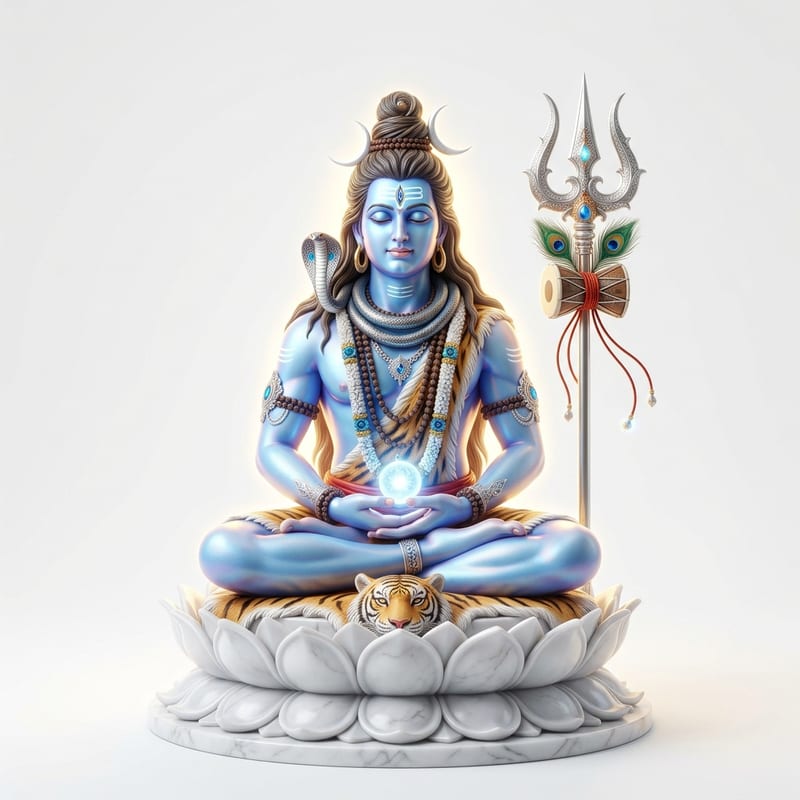
નમઃ શિવાભ્યાં નવયૌવનાભ્યાં
પરસ્પરાશ્લિષ્ટવપુર્ધરાભ્યામ્ ।
નગેન્દ્રકન્યાવૃષકેતનાભ્યાં
નમો નમઃ શઙ્કરપાર્વતીભ્યામ્ ॥ 1 ॥
પરસ્પરાશ્લિષ્ટવપુર્ધરાભ્યામ્ ।
નગેન્દ્રકન્યાવૃષકેતનાભ્યાં
નમો નમઃ શઙ્કરપાર્વતીભ્યામ્ ॥ 1 ॥
- નમઃ શિવાભ્યામ્ (namaḥ śivābhyām)salutation to the two auspicious ones
- નવ-યૌવનાભ્યામ્ (nava-yauvanābhyām)to the ever newly young
- પરસ્પર-આશ્લિષ્ટ-વપુર્-ધરાભ્યામ્ (paraspara-āśliṣṭa-vapur-dharābhyām)whose bodies are held in one another’s embrace
- નગ-ઇન્દ્ર-કન્યા-વૃષ-કેતનાભ્યામ્ (naga-indra-kanyā-vṛṣa-ketanābhyām)to the daughter of the mountain king and to him whose banner bears the bull
- નમઃ નમઃ (namaḥ namaḥ)salutation again and again
- શઙ્કર-પાર્વતીભ્યામ્ (śaṅkara-pārvatībhyām)to Śaṅkara and Pārvatī
નમઃ શિવાભ્યાં સરસોત્સવાભ્યાં
નમસ્કૃતાભીષ્ટવરપ્રદાભ્યામ્ ।
નારાયણેનાર્ચિતપાદુકાભ્યાં
નમો નમઃ શઙ્કરપાર્વતીભ્યામ્ ॥ 2 ॥
નમસ્કૃતાભીષ્ટવરપ્રદાભ્યામ્ ।
નારાયણેનાર્ચિતપાદુકાભ્યાં
નમો નમઃ શઙ્કરપાર્વતીભ્યામ્ ॥ 2 ॥
- નમઃ શિવાભ્યામ્ (namaḥ śivābhyām)salutation to the two auspicious ones
- સરસ-ઉત્સવાભ્યામ્ (sarasa-utsavābhyām)to the source of every glad festival
- નમસ્કૃત-અભીષ્ટ-વર-પ્રદાભ્યામ્ (namaskṛta-abhīṣṭa-vara-pradābhyām)who grant the wished-for boon to all who bow
- નારાયણેન અર્ચિત-પાદુકાભ્યામ્ (nārāyaṇena arcita-pādukābhyām)whose sandals Nārāyaṇa himself has worshipped
- નમઃ નમઃ (namaḥ namaḥ)salutation again and again
- શઙ્કર-પાર્વતીભ્યામ્ (śaṅkara-pārvatībhyām)to Śaṅkara and Pārvatī
નમઃ શિવાભ્યાં વૃષવાહનાભ્યાં
વિરિઞ્ચિવિષ્ણ્વિન્દ્રસુપૂજિતાભ્યામ્ ।
વિભૂતિપાટીરવિલેપનાભ્યાં
નમો નમઃ શઙ્કરપાર્વતીભ્યામ્ ॥ 3 ॥
વિરિઞ્ચિવિષ્ણ્વિન્દ્રસુપૂજિતાભ્યામ્ ।
વિભૂતિપાટીરવિલેપનાભ્યાં
નમો નમઃ શઙ્કરપાર્વતીભ્યામ્ ॥ 3 ॥
- નમઃ શિવાભ્યામ્ (namaḥ śivābhyām)salutation to the two auspicious ones
- વૃષ-વાહનાભ્યામ્ (vṛṣa-vāhanābhyām)whose mount is the bull
- વિરિઞ્ચિ-વિષ્ણુ-ઇન્દ્ર-સુપૂજિતાભ્યામ્ (viriñci-viṣṇu-indra-supūjitābhyām)well worshipped by Brahmā, Viṣṇu and Indra
- વિભૂતિ-પાટીર-વિલેપનાભ્યામ્ (vibhūti-pāṭīra-vilepanābhyām)anointed with sacred ash and with sandal
- નમઃ નમઃ (namaḥ namaḥ)salutation again and again
- શઙ્કર-પાર્વતીભ્યામ્ (śaṅkara-pārvatībhyām)to Śaṅkara and Pārvatī
નમઃ શિવાભ્યાં જગદીશ્વરાભ્યાં
જગત્પતિભ્યાં જયવિગ્રહાભ્યામ્ ।
જમ્ભારિમુખ્યૈરભિવન્દિતાભ્યાં
નમો નમઃ શઙ્કરપાર્વતીભ્યામ્ ॥ 4 ॥
જગત્પતિભ્યાં જયવિગ્રહાભ્યામ્ ।
જમ્ભારિમુખ્યૈરભિવન્દિતાભ્યાં
નમો નમઃ શઙ્કરપાર્વતીભ્યામ્ ॥ 4 ॥
- નમઃ શિવાભ્યામ્ (namaḥ śivābhyām)salutation to the two auspicious ones
- જગત્-ઈશ્વરાભ્યામ્ (jagat-īśvarābhyām)to the sovereigns of the world
- જગત્-પતિભ્યામ્ (jagat-patibhyām)to the lords of all that is
- જય-વિગ્રહાભ્યામ્ (jaya-vigrahābhyām)whose very forms are victory
- જમ્ભ-અરિ-મુખ્યૈઃ અભિવન્દિતાભ્યામ્ (jambha-ari-mukhyaiḥ abhivanditābhyām)saluted by Indra, the foe of Jambha, and those at his head
- નમઃ નમઃ (namaḥ namaḥ)salutation again and again
- શઙ્કર-પાર્વતીભ્યામ્ (śaṅkara-pārvatībhyām)to Śaṅkara and Pārvatī
નમઃ શિવાભ્યાં પરમૌષધાભ્યાં
પઞ્ચાક્ષરીપઞ્જરરઞ્જિતાભ્યામ્ ।
પ્રપઞ્ચસૃષ્ટિસ્થિતિસંહૃતાભ્યાં
નમો નમઃ શઙ્કરપાર્વતીભ્યામ્ ॥ 5 ॥
પઞ્ચાક્ષરીપઞ્જરરઞ્જિતાભ્યામ્ ।
પ્રપઞ્ચસૃષ્ટિસ્થિતિસંહૃતાભ્યાં
નમો નમઃ શઙ્કરપાર્વતીભ્યામ્ ॥ 5 ॥
- નમઃ શિવાભ્યામ્ (namaḥ śivābhyām)salutation to the two auspicious ones
- પરમ-ઔષધાભ્યામ્ (parama-auṣadhābhyām)to the supreme medicine
- પઞ્ચ-અક્ષરી-પઞ્જર-રઞ્જિતાભ્યામ્ (pañca-akṣarī-pañjara-rañjitābhyām)who take delight within the cage of the five-syllabled mantra
- પ્રપઞ્ચ-સૃષ્ટિ-સ્થિતિ-સંહૃતાભ્યામ્ (prapañca-sṛṣṭi-sthiti-saṃhṛtābhyām)by whom the world is made, upheld and withdrawn
- નમઃ નમઃ (namaḥ namaḥ)salutation again and again
- શઙ્કર-પાર્વતીભ્યામ્ (śaṅkara-pārvatībhyām)to Śaṅkara and Pārvatī
નમઃ શિવાભ્યામતિસુન્દરાભ્યાં
અત્યન્તમાસક્તહૃદમ્બુજાભ્યામ્ ।
અશેષલોકૈકહિતઙ્કરાભ્યાં
નમો નમઃ શઙ્કરપાર્વતીભ્યામ્ ॥ 6 ॥
અત્યન્તમાસક્તહૃદમ્બુજાભ્યામ્ ।
અશેષલોકૈકહિતઙ્કરાભ્યાં
નમો નમઃ શઙ્કરપાર્વતીભ્યામ્ ॥ 6 ॥
- નમઃ શિવાભ્યામ્ (namaḥ śivābhyām)salutation to the two auspicious ones
- અતિ-સુન્દરાભ્યામ્ (ati-sundarābhyām)to the surpassingly beautiful
- અત્યન્તમ્ આસક્ત-હૃદ્-અમ્બુજાભ્યામ્ (atyantam āsakta-hṛd-ambujābhyām)whose lotus hearts are bound utterly to each other
- અશેષ-લોક-એક-હિતઙ્કરાભ્યામ્ (aśeṣa-loka-eka-hitaṅkarābhyām)who alone work the good of every world
- નમઃ નમઃ (namaḥ namaḥ)salutation again and again
- શઙ્કર-પાર્વતીભ્યામ્ (śaṅkara-pārvatībhyām)to Śaṅkara and Pārvatī
નમઃ શિવાભ્યાં કલિનાશનાભ્યાં
કઙ્કાલકલ્યાણવપુર્ધરાભ્યામ્ ।
કૈલાસશૈલસ્થિતદેવતાભ્યાં
નમો નમઃ શઙ્કરપાર્વતીભ્યામ્ ॥ 7 ॥
કઙ્કાલકલ્યાણવપુર્ધરાભ્યામ્ ।
કૈલાસશૈલસ્થિતદેવતાભ્યાં
નમો નમઃ શઙ્કરપાર્વતીભ્યામ્ ॥ 7 ॥
- નમઃ શિવાભ્યામ્ (namaḥ śivābhyām)salutation to the two auspicious ones
- કલિ-નાશનાભ્યામ્ (kali-nāśanābhyām)destroyers of the ills of the Kali age
- કઙ્કાલ-કલ્યાણ-વપુર્-ધરાભ્યામ્ (kaṅkāla-kalyāṇa-vapur-dharābhyām)bearing forms at once gaunt as bone and auspicious
- કૈલાસ-શૈલ-સ્થિત-દેવતાભ્યામ્ (kailāsa-śaila-sthita-devatābhyām)to the deities seated upon Mount Kailāsa
- નમઃ નમઃ (namaḥ namaḥ)salutation again and again
- શઙ્કર-પાર્વતીભ્યામ્ (śaṅkara-pārvatībhyām)to Śaṅkara and Pārvatī
નમઃ શિવાભ્યામશુભાપહાભ્યાં
અશેષલોકૈકવિશેષિતાભ્યામ્ ।
અકુણ્ઠિતાભ્યાં સ્મૃતિસમ્ભૃતાભ્યાં
નમો નમઃ શઙ્કરપાર્વતીભ્યામ્ ॥ 8 ॥
અશેષલોકૈકવિશેષિતાભ્યામ્ ।
અકુણ્ઠિતાભ્યાં સ્મૃતિસમ્ભૃતાભ્યાં
નમો નમઃ શઙ્કરપાર્વતીભ્યામ્ ॥ 8 ॥
- નમઃ શિવાભ્યામ્ (namaḥ śivābhyām)salutation to the two auspicious ones
- અશુભ-અપહાભ્યામ્ (aśubha-apahābhyām)who take away all that is inauspicious
- અશેષ-લોક-એક-વિશેષિતાભ્યામ્ (aśeṣa-loka-eka-viśeṣitābhyām)singled out for honour by every world there is
- અકુણ્ઠિતાભ્યામ્ (akuṇṭhitābhyām)whose power is never blunted
- સ્મૃતિ-સમ્ભૃતાભ્યામ્ (smṛti-sambhṛtābhyām)borne up in the memory of the devout
- નમઃ નમઃ (namaḥ namaḥ)salutation again and again
- શઙ્કર-પાર્વતીભ્યામ્ (śaṅkara-pārvatībhyām)to Śaṅkara and Pārvatī
નમઃ શિવાભ્યાં રથવાહનાભ્યાં
રવીન્દુવૈશ્વાનરલોચનાભ્યામ્ ।
રાકાશશાઙ્કાભમુખામ્બુજાભ્યાં
નમો નમઃ શઙ્કરપાર્વતીભ્યામ્ ॥ 9 ॥
રવીન્દુવૈશ્વાનરલોચનાભ્યામ્ ।
રાકાશશાઙ્કાભમુખામ્બુજાભ્યાં
નમો નમઃ શઙ્કરપાર્વતીભ્યામ્ ॥ 9 ॥
- નમઃ શિવાભ્યામ્ (namaḥ śivābhyām)salutation to the two auspicious ones
- રથ-વાહનાભ્યામ્ (ratha-vāhanābhyām)to whom the chariot serves as vehicle
- રવિ-ઇન્દુ-વૈશ્વાનર-લોચનાભ્યામ્ (ravi-indu-vaiśvānara-locanābhyām)whose eyes are sun, moon and fire
- રાકા-શશાઙ્ક-આભ-મુખ-અમ્બુજાભ્યામ્ (rākā-śaśāṅka-ābha-mukha-ambujābhyām)whose lotus faces carry the sheen of the full moon
- નમઃ નમઃ (namaḥ namaḥ)salutation again and again
- શઙ્કર-પાર્વતીભ્યામ્ (śaṅkara-pārvatībhyām)to Śaṅkara and Pārvatī
નમઃ શિવાભ્યાં જટિલન્ધરાભ્યાં
જરામૃતિભ્યાં ચ વિવર્જિતાભ્યામ્ ।
જનાર્દનાબ્જોદ્ભવપૂજિતાભ્યાં
નમો નમઃ શઙ્કરપાર્વતીભ્યામ્ ॥ 10 ॥
જરામૃતિભ્યાં ચ વિવર્જિતાભ્યામ્ ।
જનાર્દનાબ્જોદ્ભવપૂજિતાભ્યાં
નમો નમઃ શઙ્કરપાર્વતીભ્યામ્ ॥ 10 ॥
- નમઃ શિવાભ્યામ્ (namaḥ śivābhyām)salutation to the two auspicious ones
- જટિલ-ધરાભ્યામ્ (jaṭila-dharābhyām)who wear the matted locks
- જરા-મૃતિભ્યામ્ (jarā-mṛtibhyām)from age and from death
- ચ (ca)and
- વિવર્જિતાભ્યામ્ (vivarjitābhyām)wholly free
- જનાર્દન-અબ્જ-ઉદ્ભવ-પૂજિતાભ્યામ્ (janārdana-abja-udbhava-pūjitābhyām)worshipped by Janārdana and by the lotus-born Brahmā
- નમઃ નમઃ (namaḥ namaḥ)salutation again and again
- શઙ્કર-પાર્વતીભ્યામ્ (śaṅkara-pārvatībhyām)to Śaṅkara and Pārvatī
નમઃ શિવાભ્યાં વિષમેક્ષણાભ્યાં
બિલ્વચ્છદામલ્લિકદામભૃદ્ભ્યામ્ ।
શોભાવતીશાન્તવતીશ્વરાભ્યાં
નમો નમઃ શઙ્કરપાર્વતીભ્યામ્ ॥ 11 ॥
બિલ્વચ્છદામલ્લિકદામભૃદ્ભ્યામ્ ।
શોભાવતીશાન્તવતીશ્વરાભ્યાં
નમો નમઃ શઙ્કરપાર્વતીભ્યામ્ ॥ 11 ॥
- નમઃ શિવાભ્યામ્ (namaḥ śivābhyām)salutation to the two auspicious ones
- વિષમ-ઈક્ષણાભ્યામ્ (viṣama-īkṣaṇābhyām)to the odd-eyed, that is the three-eyed
- બિલ્વ-છદ-મલ્લિક-દામ-ભૃદ્ભ્યામ્ (bilva-chada-mallika-dāma-bhṛdbhyām)wearing garlands of bilva leaf and of jasmine
- શોભાવતી-શાન્તવતી-ઈશ્વરાભ્યામ્ (śobhāvatī-śāntavatī-īśvarābhyām)lords of Śobhāvatī and Śāntavatī
- નમઃ નમઃ (namaḥ namaḥ)salutation again and again
- શઙ્કર-પાર્વતીભ્યામ્ (śaṅkara-pārvatībhyām)to Śaṅkara and Pārvatī
નમઃ શિવાભ્યાં પશુપાલકાભ્યાં
જગત્રયીરક્ષણબદ્ધહૃદ્ભ્યામ્ ।
સમસ્તદેવાસુરપૂજિતાભ્યાં
નમો નમઃ શઙ્કરપાર્વતીભ્યામ્ ॥ 12 ॥
જગત્રયીરક્ષણબદ્ધહૃદ્ભ્યામ્ ।
સમસ્તદેવાસુરપૂજિતાભ્યાં
નમો નમઃ શઙ્કરપાર્વતીભ્યામ્ ॥ 12 ॥
- નમઃ શિવાભ્યામ્ (namaḥ śivābhyām)salutation to the two auspicious ones
- પશુ-પાલકાભ્યામ્ (paśu-pālakābhyām)to the keepers of all creatures
- જગત્-ત્રયી-રક્ષણ-બદ્ધ-હૃદ્ભ્યામ્ (jagat-trayī-rakṣaṇa-baddha-hṛdbhyām)whose hearts are bound to the guarding of the three worlds
- સમસ્ત-દેવ-અસુર-પૂજિતાભ્યામ્ (samasta-deva-asura-pūjitābhyām)worshipped by every god and every asura
- નમઃ નમઃ (namaḥ namaḥ)salutation again and again
- શઙ્કર-પાર્વતીભ્યામ્ (śaṅkara-pārvatībhyām)to Śaṅkara and Pārvatī
સ્તોત્રં ત્રિસન્ધ્યં શિવપાર્વતીભ્યાં
ભક્ત્યા પઠેદ્દ્વાદશકં નરો યઃ ।
સ સર્વસૌભાગ્યફલાનિ
ભુઙ્ક્તે શતાયુરાન્તે શિવલોકમેતિ ॥ 13 ॥
ભક્ત્યા પઠેદ્દ્વાદશકં નરો યઃ ।
સ સર્વસૌભાગ્યફલાનિ
ભુઙ્ક્તે શતાયુરાન્તે શિવલોકમેતિ ॥ 13 ॥
- સ્તોત્રમ્ (stotram)this hymn
- ત્રિ-સન્ધ્યમ્ (tri-sandhyam)at the three junctures of the day
- શિવ-પાર્વતીભ્યામ્ (śiva-pārvatībhyām)to Śiva and Pārvatī
- ભક્ત્યા (bhaktyā)with devotion
- પઠેત્ (paṭhet)should recite
- દ્વાદશકમ્ (dvādaśakam)the set of twelve
- નરઃ યઃ (naraḥ yaḥ)whichever man
- સઃ (saḥ)he
- સર્વ-સૌભાગ્ય-ફલાનિ (sarva-saubhāgya-phalāni)the fruits of every good fortune
- ભુઙ્ક્તે (bhuṅkte)enjoys
- શત-આયુઃ (śata-āyuḥ)living out a hundred years
- અન્તે (ante)at the last
- શિવ-લોકમ્ એતિ (śiva-lokam eti)he goes to the world of Śiva