
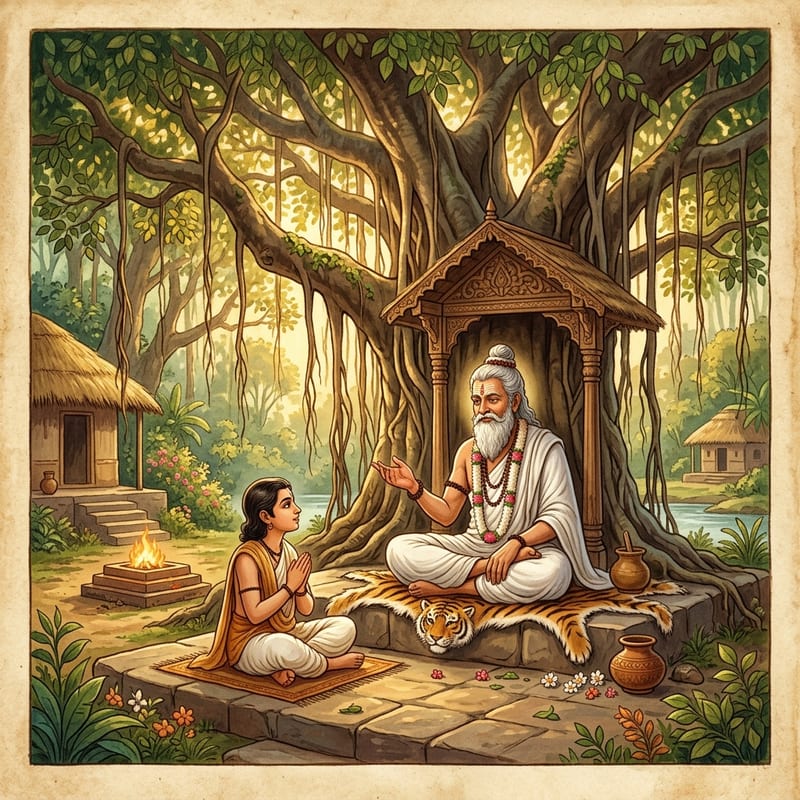
സര്വവേദാന്തസിദ്ധാന്തഗോചരം തമഗോചരമ് ।
ഗോവിന്ദം പരമാനന്ദം സദ്ഗുരും പ്രണതോഽസ്മ്യഹമ് ॥ 1॥
ഗോവിന്ദം പരമാനന്ദം സദ്ഗുരും പ്രണതോഽസ്മ്യഹമ് ॥ 1॥
- സര്വ-വേദാന്ത-സിദ്ധാന്ത-ഗോചരം (sarva-vedānta-siddhānta-gocaram)knowable through the import of all Vedanta (sarva:all | vedānta:Vedanta, essence of the Vedas | siddhānta:established conclusion | gocaram:within range of)
- തമ് അഗോചരമ് (tam agocaram)him who is beyond the reach of speech and mind (tam:him | a:beyond | gocaram:range of perception)
- ഗോവിന്ദം (govindaṃ)Govinda, the Lord
- പരമാനന്ദം (paramānandaṃ)Supreme Bliss (parama:supreme | ānanda:bliss)
- സദ്ഗുരും (sadguruṃ)the true Guru (sat:true, perfect | guru:spiritual teacher)
- പ്രണതഃ അസ്മി അഹമ് (praṇataḥ asmi aham)I bow in prostration (praṇataḥ:bowed, prostrated | asmi:am | aham:I)
ജന്തൂനാം നരജന്മ ദുര്ലഭമതഃ പുംസ്ത്വം തതോ വിപ്രതാ
തസ്മാദ്വൈദികധര്മമാര്ഗപരതാ വിദ്വത്ത്വമസ്മാത്പരമ് ।
ആത്മാനാത്മവിവേചനം സ്വനുഭവോ ബ്രഹ്മാത്മനാ സംസ്ഥിതിഃ
മുക്തിര്നോ ശതജന്മകോടിസുകൃതൈഃ പുണ്യൈര്വിനാ ലഭ്യതേ ॥ 2॥
തസ്മാദ്വൈദികധര്മമാര്ഗപരതാ വിദ്വത്ത്വമസ്മാത്പരമ് ।
ആത്മാനാത്മവിവേചനം സ്വനുഭവോ ബ്രഹ്മാത്മനാ സംസ്ഥിതിഃ
മുക്തിര്നോ ശതജന്മകോടിസുകൃതൈഃ പുണ്യൈര്വിനാ ലഭ്യതേ ॥ 2॥
- ജന്തൂനാം (jantūnāṃ)of all living beings
- നരജന്മ (narajanma)human birth (nara:human | janma:birth)
- ദുര്ലഭമ് (durlabham)difficult to obtain (dur:with difficulty | labha:attainment)
- അതഃ (ataḥ)more so, beyond that
- പുംസ്ത്വം (puṃstvaṃ)manhood
- തതഃ (tataḥ)beyond that
- വിപ്രതാ (vipratā)Brahminhood
- വൈദികധര്മമാര്ഗപരതാ (vaidikadharmamārgaparatā)devotion to the Vedic path of righteousness (vaidika:Vedic | dharma:righteousness | mārga:path | paratā:devotion to)
- വിദ്വത്ത്വമ് (vidvattvam)erudition, scriptural learning
- ആത്മാനാത്മവിവേചനം (ātmānātmavivecanam)discrimination between Self and not-Self (ātmā:the Self | anātma:the not-Self | vivecanam:discrimination)
- സ്വനുഭവഃ (svanubhavaḥ)direct personal experience of the Self (sva:one's own | anubhavaḥ:experience)
- ബ്രഹ്മാത്മനാ സംസ്ഥിതിഃ (brahmātmanā saṃsthitiḥ)abiding in identity with Brahman (brahma:Brahman | ātmanā:as the Self | saṃsthitiḥ:established abiding)
- മുക്തിഃ (muktiḥ)Liberation
- ശതജന്മകോടിസുകൃതൈഃ (śatajanmakoṭisukṛtaiḥ)by meritorious deeds of a hundred crore births (śata:hundred | janma:births | koṭi:crore | sukṛtaiḥ:by meritorious deeds)
- പുണ്യൈഃ വിനാ ന ലഭ്യതേ (puṇyair vinā na labhyate)cannot be obtained without merit (puṇyaiḥ:by merit | vinā:without | na labhyate:cannot be obtained)
(പാഠഭേദഃ - ശതകോടിജന്മസു കൃതൈഃ)
ദുര്ലഭം ത്രയമേവൈതദ്ദേവാനുഗ്രഹഹേതുകമ് ।
മനുഷ്യത്വം മുമുക്ഷുത്വം മഹാപുരുഷസംശ്രയഃ ॥ 3॥
ദുര്ലഭം ത്രയമേവൈതദ്ദേവാനുഗ്രഹഹേതുകമ് ।
മനുഷ്യത്വം മുമുക്ഷുത്വം മഹാപുരുഷസംശ്രയഃ ॥ 3॥
- ദുര്ലഭം (durlabhaṃ)difficult to attain
- ത്രയമ് ഏവ (trayam eva)these three alone (trayam:three | eva:indeed)
- ഏതത് (etat)these
- ദേവാനുഗ്രഹ-ഹേതുകമ് (devānugraha-hetukam)caused by the grace of God (deva:God | anugraha:grace | hetukam:caused by)
- മനുഷ്യത്വം (manuṣyatvaṃ)human birth, humanity
- മുമുക്ഷുത്വം (mumukṣutvaṃ)longing for Liberation (mumukṣu:one who desires liberation | tvam:state of being)
- മഹാപുരുഷ-സംശ്രയഃ (mahāpuruṣa-saṃśrayaḥ)the protecting care of a great soul or perfected sage (mahā:great | puruṣa:person, sage | saṃśrayaḥ:refuge, protective care)
ലബ്ധ്വാ കഥഞ്ചിന്നരജന്മ ദുര്ലഭം (പാഠഭേദഃ - കഥഞ്ചിന്)
തത്രാപി പുംസ്ത്വം ശ്രുതിപാരദര്ശനമ് ।
യസ്ത്വാത്മമുക്തൌ ന യതേത മൂഢധീഃ
സ ഹ്യാത്മഹാ സ്വം വിനിഹന്ത്യസദ്ഗ്രഹാത് ॥ 4॥
തത്രാപി പുംസ്ത്വം ശ്രുതിപാരദര്ശനമ് ।
യസ്ത്വാത്മമുക്തൌ ന യതേത മൂഢധീഃ
സ ഹ്യാത്മഹാ സ്വം വിനിഹന്ത്യസദ്ഗ്രഹാത് ॥ 4॥
- ലബ്ധ്വാ (labdhvā)having obtained
- കഥഞ്ചിത് (kathaṃcit)by some means, somehow
- നരജന്മ (narajanma)human birth (nara:human | janma:birth)
- ദുര്ലഭം (durlabhaṃ)rare, hard to obtain
- തത്രാപി (tatrāpi)and there too
- പുംസ്ത്വം (puṃstvaṃ)manhood
- ശ്രുതിപാരദര്ശനമ് (śrutipāradarśanam)mastery of the Vedas (śruti:Vedas | pāra:the other shore, full extent | darśanam:seeing, mastery)
- യഃ തു (yaḥ tu)but he who
- ആത്മമുക്തൌ (ātmamuktau)for the liberation of the Self (ātma:Self | muktau:for liberation)
- ന യതേത (na yateta)does not strive
- മൂഢധീഃ (mūḍhadhīḥ)the fool, the dull-witted one (mūḍha:deluded, foolish | dhīḥ:intellect)
- സഃ ഹി ആത്മഹാ (saḥ hi ātmahā)he indeed is a slayer of the Self
- സ്വം വിനിഹന്തി (svaṃ vinihanty)kills himself
- അസദ്ഗ്രഹാത് (asadgrahāt)by clinging to the unreal (asat:unreal | grahāt:from clinging to)
(പാഠഭേദഃ - ആത്മഹാ സ്വം)
ഇതഃ കോ ന്വസ്തി മൂഢാത്മാ യസ്തു സ്വാര്ഥേ പ്രമാദ്യതി ।
ദുര്ലഭം മാനുഷം ദേഹം പ്രാപ്യ തത്രാപി പൌരുഷമ് ॥ 5॥
ഇതഃ കോ ന്വസ്തി മൂഢാത്മാ യസ്തു സ്വാര്ഥേ പ്രമാദ്യതി ।
ദുര്ലഭം മാനുഷം ദേഹം പ്രാപ്യ തത്രാപി പൌരുഷമ് ॥ 5॥
- ഇതഃ (itaḥ)than this, greater than this
- കഃ നു അസ്തി (kaḥ nu asti)who indeed is there
- മൂഢാത്മാ (mūḍhātmā)the foolish one (mūḍha:deluded, foolish | ātmā:self)
- യഃ തു (yaḥ tu)but he who
- സ്വാര്ഥേ (svārthe)in his own highest interest, in the real purpose of life (sva:one's own | arthe:in the purpose, goal)
- പ്രമാദ്യതി (pramādyati)is negligent, neglects
- ദുര്ലഭം (durlabhaṃ)rare, hard to obtain
- മാനുഷം ദേഹം (mānuṣaṃ deham)a human body (mānuṣam:human | deham:body)
- പ്രാപ്യ (prāpya)having obtained
- പൌരുഷമ് (pauruṣam)manliness, the masculine capacity for spiritual striving
വദന്തു ശാസ്ത്രാണി യജന്തു ദേവാന് (പാഠഭേദഃ - പഠന്തു)
കുര്വന്തു കര്മാണി ഭജന്തു ദേവതാഃ ।
ആത്മൈക്യബോധേന വിനാപി മുക്തി- (പാഠഭേദഃ - വിനാ വിമുക്തിഃ ന)
ര്ന സിധ്യതി ബ്രഹ്മശതാന്തരേഽപി ॥ 6॥
കുര്വന്തു കര്മാണി ഭജന്തു ദേവതാഃ ।
ആത്മൈക്യബോധേന വിനാപി മുക്തി- (പാഠഭേദഃ - വിനാ വിമുക്തിഃ ന)
ര്ന സിധ്യതി ബ്രഹ്മശതാന്തരേഽപി ॥ 6॥
- വദന്തു ശാസ്ത്രാണി (vadantu śāstrāṇi)let them quote the scriptures (vadantu:let them recite | śāstrāṇi:scriptures)
- യജന്തു ദേവാന് (yajantu devān)let them sacrifice to the gods (yajantu:let them worship | devān:gods)
- കുര്വന്തു കര്മാണി (kurvantu karmāṇi)let them perform rituals (kurvantu:let them do | karmāṇi:rituals, actions)
- ഭജന്തു ദേവതാഃ (bhajantu devatāḥ)let them worship the deities (bhajantu:let them worship | devatāḥ:deities)
- ആത്മൈക്യബോധേന വിനാ (ātmaikyabodhena vinā)without the realisation of one's identity with the Ātman (ātma:Self | aikya:oneness, identity | bodhena:by knowledge | vinā:without)
- അപി മുക്തിഃ (api muktiḥ)even Liberation
- ന സിധ്യതി (na sidhyati)does not succeed
- ബ്രഹ്മശതാന്തരേ അപി (brahmaśatāntare api)even within a hundred Brahma-lifetimes (brahma:the creator Brahmā | śata:hundred | antare:within the span of | api:even)
അമൃതത്ത്വസ്യ നാശാസ്തി വിത്തേനേത്യേവ ഹി ശ്രുതിഃ ।
ബ്രവീതി കര്മണോ മുക്തേരഹേതുത്വം സ്ഫുടം യതഃ ॥ 7॥
ബ്രവീതി കര്മണോ മുക്തേരഹേതുത്വം സ്ഫുടം യതഃ ॥ 7॥
- അമൃതത്വസ്യ (amṛtatvasya)of immortality (amṛta:immortal | tvasya:of the state/nature)
- ന ആശാ അസ്തി (na āśā asti)there is no hope (na:not | āśā:hope | asti:is)
- വിത്തേന (vittena)by means of wealth
- ഇതി ഏവ ഹി (iti eva hi)thus indeed
- ശ്രുതിഃ (śrutiḥ)the Vedas, shruti
- ബ്രവീതി (bravīti)declares
- കര്മണഃ (karmaṇaḥ)of action, ritual works
- മുക്തേഃ (mukteḥ)for Liberation
- അഹേതുത്വം (ahetutvaṃ)being not the cause (a:not | hetu:cause | tvam:state of being)
- സ്ഫുടം (sphuṭaṃ)clearly
- യതഃ (yataḥ)since, because
അതോ വിമുക്ത്യൈ പ്രയതേത വിദ്വാന്
സന്ന്യസ്തബാഹ്യാര്ഥസുഖസ്പൃഹഃ സന് ।
സന്തം മഹാന്തം സമുപേത്യ ദേശികം
തേനോപദിഷ്ടാര്ഥസമാഹിതാത്മാ ॥ 8॥
സന്ന്യസ്തബാഹ്യാര്ഥസുഖസ്പൃഹഃ സന് ।
സന്തം മഹാന്തം സമുപേത്യ ദേശികം
തേനോപദിഷ്ടാര്ഥസമാഹിതാത്മാ ॥ 8॥
- അതഃ (ataḥ)therefore
- വിമുക്ത്യൈ (vimuktyai)for Liberation (vi:fully | mukti:liberation)
- പ്രയതേത (prayateta)should strive
- വിദ്വാന് (vidvān)the wise, learned man
- സംന്യസ്ത-ബാഹ്യാര്ഥ-സുഖ-സ്പൃഹഃ (saṃnyasta-bāhyārtha-sukha-spṛhaḥ)having renounced desire for pleasures from external objects (saṃnyasta:renounced | bāhya:external | artha:objects | sukha:pleasure | spṛhaḥ:desire for)
- സന് (san)being
- സന്തം മഹാന്തം (santaṃ mahāntaṃ)a good, magnanimous Guru (santam:good, holy | mahāntam:great, magnanimous)
- സമുപേത്യ (samupetya)having duly approached
- ദേശികം (deśikaṃ)the preceptor, Guru
- തേന ഉപദിഷ്ട-അര്ഥ-സമാഹിത-ആത്മാ (tena upadiṣṭa-artha-samāhita-ātmā)with mind concentrated on the truth taught by him (tena:by him | upadiṣṭa:instructed | artha:truth, meaning | samāhita:concentrated | ātmā:mind, self)
ഉദ്ധരേദാത്മനാഽഽത്മാനം മഗ്നം സംസാരവാരിധൌ ।
യോഗാരൂഢത്വമാസാദ്യ സമ്യഗ്ദര്ശനനിഷ്ഠയാ ॥ 9॥
യോഗാരൂഢത്വമാസാദ്യ സമ്യഗ്ദര്ശനനിഷ്ഠയാ ॥ 9॥
- ഉദ്ധരേത് (uddharet)should lift up, rescue
- ആത്മനാ (ātmanā)by oneself, by the Self
- ആത്മാനം (ātmānaṃ)oneself
- മഗ്നം (magnaṃ)immersed, drowning
- സംസാര-വാരിധൌ (saṃsāra-vāridhau)in the ocean of worldly existence (saṃsāra:the cycle of birth and death | vāridhau:in the ocean)
- യോഗാരൂഢത്വമ് (yogārūḍhatvam)the state of being established in Yoga (yoga:meditative union | ārūḍha:ascended to | tvam:state of being)
- ആസാദ്യ (āsādya)having attained
- സമ്യഗ്-ദര്ശന-നിഷ്ഠയാ (samyag-darśana-niṣṭhayā)through steadfast devotion to right discrimination (samyag:right, correct | darśana:vision, discrimination | niṣṭhayā:by steadfast devotion)
സന്ന്യസ്യ സര്വകര്മാണി ഭവബന്ധവിമുക്തയേ ।
യത്യതാം പണ്ഡിതൈര്ധീരൈരാത്മാഭ്യാസ ഉപസ്ഥിതൈഃ ॥ 10॥
യത്യതാം പണ്ഡിതൈര്ധീരൈരാത്മാഭ്യാസ ഉപസ്ഥിതൈഃ ॥ 10॥
- സംന്യസ്യ (saṃnyasya)having renounced
- സര്വകര്മാണി (sarvakarmāṇi)all actions, works (sarva:all | karmāṇi:actions)
- ഭവ-ബന്ധ-വിമുക്തയേ (bhava-bandha-vimuktaye)for liberation from the bondage of worldly existence (bhava:worldly existence | bandha:bondage | vimuktaye:for liberation)
- യത്യതാമ് (yatyatāṃ)let them strive
- പണ്ഡിതൈഃ (paṇḍitaiḥ)by the learned
- ധീരൈഃ (dhīraiḥ)by the firm, the erudite
- ആത്മാഭ്യാസേ (ātmābhyāse)in the practice of realising the Self (ātma:Self | abhyāse:in practice)
- ഉപസ്ഥിതൈഃ (upasthitaiḥ)by those who have commenced, who are engaged
ചിത്തസ്യ ശുദ്ധയേ കര്മ ന തു വസ്തൂപലബ്ധയേ ।
വസ്തുസിദ്ധിര്വിചാരേണ ന കിഞ്ചിത്കര്മകോടിഭിഃ ॥ 11॥
വസ്തുസിദ്ധിര്വിചാരേണ ന കിഞ്ചിത്കര്മകോടിഭിഃ ॥ 11॥
- ചിത്തസ്യ (cittasya)of the mind
- ശുദ്ധയേ (śuddhaye)for purification
- കര്മ (karma)action, ritual work
- ന തു (na tu)but not
- വസ്തു-ഉപലബ്ധയേ (vastu-upalabdhaye)for the perception of Reality (vastu:Reality, the real thing | upalabdhaye:for perception, attainment)
- വസ്തു-സിദ്ധിഃ (vastu-siddhiḥ)the realisation of Truth (vastu:Reality | siddhiḥ:accomplishment, realisation)
- വിചാരേണ (vicāreṇa)by discrimination, reasoning
- ന കിഞ്ചിത് (na kiṃcit)not in the least
- കര്മകോടിഭിഃ (karmakoṭibhiḥ)by ten million acts (karma:action | koṭibhiḥ:by crores, tens of millions)
സമ്യഗ്വിചാരതഃ സിദ്ധാ രജ്ജുതത്ത്വാവധാരണാ ।
ഭ്രാന്തോദിതമഹാസര്പഭയദുഃഖവിനാശിനീ ॥ 12॥
ഭ്രാന്തോദിതമഹാസര്പഭയദുഃഖവിനാശിനീ ॥ 12॥
- സമ്യഗ്-വിചാരതഃ (samyag-vicārataḥ)through right, thorough reasoning (samyag:right, proper | vicārataḥ:from reasoning)
- സിദ്ധാ (siddhā)accomplished, gained
- രജ്ജു-തത്ത്വ-അവധാരണാ (rajju-tattva-avadhāraṇā)the conviction about the true nature of the rope (rajju:rope | tattva:true nature | avadhāraṇā:conviction, firm understanding)
- ഭ്രാന്ത-ഉദിത (bhrānta-udita)arising from delusion (bhrānta:deluded | udita:arisen)
- മഹാസര്പ (mahāsarpa)great serpent (mahā:great | sarpa:serpent)
- ഭയ-ദുഃഖ-വിനാശിനീ (bhaya-duḥkha-vināśinī)that which destroys the fear and suffering (bhaya:fear | duḥkha:suffering | vināśinī:destroyer of)
(പാഠഭേദഃ - ഭ്രാന്ത്യോ)
അര്ഥസ്യ നിശ്ചയോ ദൃഷ്ടോ വിചാരേണ ഹിതോക്തിതഃ ।
ന സ്നാനേന ന ദാനേന പ്രാണായാമശതേന വാ ॥ 13॥
അര്ഥസ്യ നിശ്ചയോ ദൃഷ്ടോ വിചാരേണ ഹിതോക്തിതഃ ।
ന സ്നാനേന ന ദാനേന പ്രാണായാമശതേന വാ ॥ 13॥
- അര്ഥസ്യ (arthasya)of the Truth, Reality
- നിശ്ചയഃ (niścayaḥ)conviction, certainty
- ദൃഷ്ടഃ (dṛṣṭaḥ)is seen, is established
- വിചാരേണ (vicāreṇa)by reasoning, discrimination
- ഹിത-ഉക്തിതഃ (hita-uktitaḥ)from the salutary counsel of the wise (hita:beneficial, salutary | uktitaḥ:from speech, counsel)
- ന സ്നാനേന (na snānena)not by bathing in sacred waters
- ന ദാനേന (na dānena)not by gift-giving
- പ്രാണായാമ-ശതേന (prāṇāyāma-śatena)by hundreds of prāṇāyāmas (prāṇāyāma:breath control | śatena:by hundreds)
- വാ (vā)or
അധികാരിണമാശാസ്തേ ഫലസിദ്ധിര്വിശേഷതഃ ।
ഉപായാ ദേശകാലാദ്യാഃ സന്ത്യസ്മിന്സഹകാരിണഃ ॥ 14॥
ഉപായാ ദേശകാലാദ്യാഃ സന്ത്യസ്മിന്സഹകാരിണഃ ॥ 14॥
- അധികാരിണമ് (adhikāriṇam)the qualified aspirant
- ആശാസ്തേ (āśāste)expects, awaits
- ഫല-സിദ്ധിഃ (phala-siddhiḥ)the accomplishment of the fruit (phala:fruit, result | siddhiḥ:accomplishment)
- വിശേഷതഃ (viśeṣataḥ)essentially, primarily
- ഉപായാഃ (upāyāḥ)means, auxiliaries
- ദേശ-കാല-ആദ്യാഃ (deśa-kāla-ādyāḥ)place, time and other such factors (deśa:place | kāla:time | ādyāḥ:and others)
- സന്തി (santi)are
- അസ്മിന് (asmin)in this matter
- സഹകാരിണഃ (sahakāriṇaḥ)auxiliaries, supporting conditions (saha:together | kāriṇaḥ:causes)
(പാഠഭേദഃ - സന്ത്യസ്യാം)
അതോ വിചാരഃ കര്തവ്യോ ജിജ്ഞാസോരാത്മവസ്തുനഃ ॥
സമാസാദ്യ ദയാസിന്ധും ഗുരും ബ്രഹ്മവിദുത്തമമ് ॥ 15॥
അതോ വിചാരഃ കര്തവ്യോ ജിജ്ഞാസോരാത്മവസ്തുനഃ ॥
സമാസാദ്യ ദയാസിന്ധും ഗുരും ബ്രഹ്മവിദുത്തമമ് ॥ 15॥
- അതഃ (ataḥ)therefore
- വിചാരഃ (vicāraḥ)reasoning, inquiry
- കര്തവ്യഃ (kartavyaḥ)should be undertaken
- ജിജ്ഞാസോഃ (jijñāsoḥ)of the seeker, the inquirer
- ആത്മ-വസ്തുനഃ (ātma-vastunaḥ)of the Reality of the Self (ātma:Self | vastunaḥ:of the Reality)
- സമാസാദ്യ (samāsādya)having duly approached
- ദയാ-സിന്ധും (dayā-sindhuṃ)an ocean of compassion (dayā:compassion | sindhuṃ:ocean)
- ഗുരും (guruṃ)the Guru
- ബ്രഹ്മവിദ്-ഉത്തമമ് (brahmaviduttamam)the foremost among knowers of Brahman (brahma:Brahman | vid:knower | uttamam:the best, foremost)
മേധാവീ പുരുഷോ വിദ്വാനൂഹാപോഹവിചക്ഷണഃ ।
അധികാര്യാത്മവിദ്യായാമുക്തലക്ഷണലക്ഷിതഃ ॥ 16॥
അധികാര്യാത്മവിദ്യായാമുക്തലക്ഷണലക്ഷിതഃ ॥ 16॥
- മേധാവീ (medhāvī)intelligent, sharp-minded
- പുരുഷഃ (puruṣaḥ)person
- വിദ്വാന് (vidvān)learned, erudite
- ഊഹാപോഹ-വിചക്ഷണഃ (ūhāpoha-vicakṣaṇaḥ)skilled in arguing for and refuting counter-arguments (ūha:hypothesis, reasoning in favour | apoha:refutation, reasoning against | vicakṣaṇaḥ:skilled in)
- അധികാരീ (adhikārī)the qualified one, the fit recipient
- ആത്മ-വിദ്യായാമ് (ātma-vidyāyām)for the knowledge of the Self (ātma:Self | vidyāyām:for knowledge)
- ഉക്ത-ലക്ഷണ-ലക്ഷിതഃ (ukta-lakṣaṇa-lakṣitaḥ)characterised by the above-mentioned qualities (ukta:stated | lakṣaṇa:characteristic | lakṣitaḥ:marked by, endowed with)
വിവേകിനോ വിരക്തസ്യ ശമാദിഗുണശാലിനഃ ।
മുമുക്ഷോരേവ ഹി ബ്രഹ്മജിജ്ഞാസായോഗ്യതാ മതാ ॥ 17॥
മുമുക്ഷോരേവ ഹി ബ്രഹ്മജിജ്ഞാസായോഗ്യതാ മതാ ॥ 17॥
- വിവേകിനഃ (vivekinaḥ)of the one who discriminates
- വിരക്തസ്യ (viraktasya)of the dispassionate
- ശമ-ആദി-ഗുണ-ശാലിനഃ (śama-ādi-guṇa-śālinaḥ)possessing calmness and the allied virtues (śama:calmness | ādi:and the rest | guṇa:virtue | śālinaḥ:possessing)
- മുമുക്ഷോഃ ഏവ (mumukṣoḥ eva)of the one yearning for liberation alone (mumukṣoḥ:of the one desiring liberation | eva:alone, only)
- ഹി (hi)indeed
- ബ്രഹ്മ-ജിജ്ഞാസാ-യോഗ്യതാ (brahma-jijñāsā-yogyatā)the qualification for inquiry into Brahman (brahma:Brahman | jijñāsā:inquiry | yogyatā:fitness, qualification)
- മതാ (matā)is considered, is acknowledged
സാധനാന്യത്ര ചത്വാരി കഥിതാനി മനീഷിഭിഃ ।
യേഷു സത്സ്വേവ സന്നിഷ്ഠാ യദഭാവേ ന സിധ്യതി ॥ 18॥
യേഷു സത്സ്വേവ സന്നിഷ്ഠാ യദഭാവേ ന സിധ്യതി ॥ 18॥
- സാധനാനി (sādhanāni)the means, qualifications
- അത്ര (atra)here, regarding this
- ചത്വാരി (catvāri)four
- കഥിതാനി (kathitāni)have been spoken of
- മനീഷിഭിഃ (manīṣibhiḥ)by the sages, the wise
- യേഷു സത്സു ഏവ (yeṣu satsu eva)only when these are present (yeṣu:in which | satsu:being present | eva:only)
- സന്നിഷ്ഠാ (sanniṣṭhā)firm establishment, devotion to Brahman
- യദ് അഭാവേ (yad abhāve)in the absence of which
- ന സിധ്യതി (na sidhyati)does not succeed
ആദൌ നിത്യാനിത്യവസ്തുവിവേകഃ പരിഗണ്യതേ ।
ഇഹാമുത്രഫലഭോഗവിരാഗസ്തദനന്തരമ് ।
ശമാദിഷട്കസമ്പത്തിര്മുമുക്ഷുത്വമിതി സ്ഫുടമ് ॥ 19॥
ഇഹാമുത്രഫലഭോഗവിരാഗസ്തദനന്തരമ് ।
ശമാദിഷട്കസമ്പത്തിര്മുമുക്ഷുത്വമിതി സ്ഫുടമ് ॥ 19॥
- ആദൌ (ādau)first
- നിത്യാനിത്യ-വസ്തു-വിവേകഃ (nityānitya-vastu-vivekaḥ)discrimination between the eternal and the transient (nitya:eternal | anitya:transient | vastu:things | vivekaḥ:discrimination)
- പരിഗമ്യതേ (parigamyate)is enumerated, comes first
- ഇഹ അമുത്ര (iha amutra)here and hereafter (iha:here, in this world | amutra:hereafter, in the other world)
- ഫല-ഭോഗ-വിരാഗഃ (phala-bhoga-virāgaḥ)dispassion toward the enjoyment of fruits (phala:fruit, result | bhoga:enjoyment | virāgaḥ:dispassion)
- തദ് അനന്തരമ് (tad anantaram)after that, next
- ശമ-ആദി-ഷട്ക-സമ്പത്തിഃ (śama-ādi-ṣaṭka-sampattiḥ)the possession of the group of six virtues beginning with calmness (śama:calmness | ādi:beginning with | ṣaṭka:group of six | sampattiḥ:wealth, possession)
- മുമുക്ഷുത്വമ് (mumukṣutvam)yearning for Liberation
- ഇതി സ്ഫുടമ് (iti sphuṭam)thus clearly (iti:thus | sphuṭam:clearly)
ബ്രഹ്മ സത്യം ജഗന്മിഥ്യേത്യേവംരൂപോ വിനിശ്ചയഃ ।
സോഽയം നിത്യാനിത്യവസ്തുവിവേകഃ സമുദാഹൃതഃ ॥ 20॥
സോഽയം നിത്യാനിത്യവസ്തുവിവേകഃ സമുദാഹൃതഃ ॥ 20॥
- ബ്രഹ്മ സത്യം (brahma satyaṃ)Brahman is real (brahma:Brahman | satyam:real, true)
- ജഗത് മിഥ്യാ (jagat mithyā)the world is unreal (jagat:world | mithyā:unreal, illusory)
- ഇതി ഏവംരൂപഃ (iti evaṃrūpaḥ)of this very nature (iti:thus | evaṃrūpaḥ:of such form)
- വിനിശ്ചയഃ (viniścayaḥ)firm conviction, definitive determination
- സഃ അയമ് (saḥ ayam)this very
- നിത്യാനിത്യ-വസ്തു-വിവേകഃ (nityānitya-vastu-vivekaḥ)discrimination between the eternal and the non-eternal (nitya:eternal | anitya:non-eternal | vastu:reality | vivekaḥ:discrimination)
- സമുദാഹൃതഃ (samudāhṛtaḥ)is designated, is called
തദ്വൈരാഗ്യം ജിഹാസാ യാ ദര്ശനശ്രവണാദിഭിഃ । (പാഠഭേദഃ - ജുഗുപ്സാ യാ)
ദേഹാദിബ്രഹ്മപര്യന്തേ ഹ്യനിത്യേ ഭോഗവസ്തുനി ॥ 21॥
ദേഹാദിബ്രഹ്മപര്യന്തേ ഹ്യനിത്യേ ഭോഗവസ്തുനി ॥ 21॥
- തദ് വൈരാഗ്യമ് (tad vairāgyam)that Vairāgya, renunciation
- ജിഹാസാ (jihāsā)the desire to give up, aversion
- യാ (yā)which
- ദര്ശന-ശ്രവണ-ആദിഭിഃ (darśana-śravaṇa-ādibhiḥ)through observation, instruction and so forth (darśana:seeing, observation | śravaṇa:hearing, instruction | ādibhiḥ:and so forth)
- ദേഹ-ആദി-ബ്രഹ്മ-പര്യന്തേ (deha-ādi-brahma-paryante)from the body up to Brahmāhood (deha:body | ādi:beginning | brahma:the state of Brahmā | paryante:up to the limit of)
- ഹി അനിത്യേ (hi anitye)toward what is indeed transient
- ഭോഗ-വസ്തുനി (bhoga-vastuni)in the objects of enjoyment (bhoga:enjoyment | vastuni:in things, objects)
(പാഠഭേദഃ - ഭോഗ്യവസ്തുനി)
വിരജ്യ വിഷയവ്രാതാദ്ദോഷദൃഷ്ട്യാ മുഹുര്മുഹുഃ ।
സ്വലക്ഷ്യേ നിയതാവസ്ഥാ മനസഃ ശമ ഉച്യതേ ॥ 22॥
വിരജ്യ വിഷയവ്രാതാദ്ദോഷദൃഷ്ട്യാ മുഹുര്മുഹുഃ ।
സ്വലക്ഷ്യേ നിയതാവസ്ഥാ മനസഃ ശമ ഉച്യതേ ॥ 22॥
- വിരജ്യ (virajya)having detached from
- വിഷയ-വ്രാതാദ് (viṣaya-vrātāt)from the multitude of sense-objects (viṣaya:sense objects | vrātāt:from the multitude, host)
- ദോഷ-ദൃഷ്ട്യാ (doṣa-dṛṣṭyā)by continually observing their defects (doṣa:defect, fault | dṛṣṭyā:by seeing)
- മുഹുര്മുഹുഃ (muhurmuhuḥ)again and again, repeatedly
- സ്വ-ലക്ഷ്യേ (sva-lakṣye)on its own goal, Brahman (sva:its own | lakṣye:on the goal)
- നിയത-അവസ്ഥാ (niyata-avasthā)steadfast resting (niyata:fixed, steady | avasthā:state, resting)
- മനസഃ (manasaḥ)of the mind
- ശമഃ (śamaḥ)Śama, calmness
- ഉച്യതേ (ucyate)is called
വിഷയേഭ്യഃ പരാവര്ത്യ സ്ഥാപനം സ്വസ്വഗോലകേ ।
ഉഭയേഷാമിന്ദ്രിയാണാം സ ദമഃ പരികീര്തിതഃ ।
ബാഹ്യാനാലമ്ബനം വൃത്തേരേഷോപരതിരുത്തമാ ॥ 23॥
ഉഭയേഷാമിന്ദ്രിയാണാം സ ദമഃ പരികീര്തിതഃ ।
ബാഹ്യാനാലമ്ബനം വൃത്തേരേഷോപരതിരുത്തമാ ॥ 23॥
- വിഷയേഭ്യഃ (viṣayebhyaḥ)from sense-objects
- പരാവര്ത്യ (parāvartya)turning back
- സ്ഥാപനം (sthāpanaṃ)placing, establishing
- സ്വ-സ്വ-ഗോലകേ (svasva-golake)in their respective centres or spheres (sva-sva:each one's own | golake:in the sphere, centre)
- ഉഭയേഷാമ് ഇന്ദ്രിയാണാമ് (ubhayeṣām indriyāṇām)of both kinds of sense-organs, the five of knowledge and five of action (ubhayeṣām:of both kinds | indriyāṇām:of the sense-organs)
- സഃ ദമഃ (saḥ damaḥ)that is Dama, self-control
- പരികീര്തിതഃ (parikīrtitaḥ)is declared
- ബാഹ്യ-അനാലമ്ബനമ് (bāhya-anālambanaṃ)non-support in external objects, withdrawal from them (bāhya:external | anālambanaṃ:non-reliance, withdrawal)
- വൃത്തേഃ (vṛtteḥ)of the mind-function
- ഏഷാ ഉപരതിഃ (eṣā uparatiḥ)this Uparati, self-withdrawal
- ഉത്തമാ (uttamā)the best
സഹനം സര്വദുഃഖാനാമപ്രതീകാരപൂര്വകമ് ।
ചിന്താവിലാപരഹിതം സാ തിതിക്ഷാ നിഗദ്യതേ ॥ 24॥
ചിന്താവിലാപരഹിതം സാ തിതിക്ഷാ നിഗദ്യതേ ॥ 24॥
- സഹനം (sahanaṃ)bearing, endurance
- സര്വ-ദുഃഖാനാമ് (sarva-duḥkhānām)of all afflictions and sufferings (sarva:all | duḥkhānām:of sufferings)
- അപ്രതീകാര-പൂര്വകമ് (apratīkāra-pūrvakam)without seeking to redress them (apratīkāra:without remedy | pūrvakam:accompanied by)
- ചിന്താ-വിലാപ-രഹിതമ് (cintā-vilāpa-rahitam)free from anxiety and lamentation (cintā:anxiety | vilāpa:lamentation | rahitam:free from)
- സാ (sā)that
- തിതിക്ഷാ (titikṣā)Titikṣā, forbearance
- നിഗദ്യതേ (nigadyate)is called
ശാസ്ത്രസ്യ ഗുരുവാക്യസ്യ സത്യബുദ്ധ്യവധാരണമ് । (പാഠഭേദഃ - സത്യബുദ്ധ്യാവധാരണാ)
സാ ശ്രദ്ധാ കഥിതാ സദ്ഭിര്യയാ വസ്തൂപലഭ്യതേ ॥ 25॥
സാ ശ്രദ്ധാ കഥിതാ സദ്ഭിര്യയാ വസ്തൂപലഭ്യതേ ॥ 25॥
- ശാസ്ത്രസ്യ (śāstrasya)of the scripture
- ഗുരു-വാക്യസ്യ (guru-vākyasya)of the Guru's words (guru:teacher | vākyasya:of the words)
- സത്യ-ബുദ്ധ്യാ (satya-buddhyā)with a conviction of their truth (satya:truth | buddhyā:by the intellect, conviction)
- അവധാരണമ് (avadhāraṇam)firm acceptance
- സാ (sā)that
- ശ്രദ്ധാ (śraddhā)Śraddhā, faith
- കഥിതാ (kathitā)is called
- സദ്ഭിഃ (sadbhiḥ)by the sages, the wise
- യയാ (yayā)by which
- വസ്തു ഉപലഭ്യതേ (vastu upalabhyate)the Reality is perceived and attained (vastu:Reality | upalabhyate:is perceived, attained)
സര്വദാ സ്ഥാപനം ബുദ്ധേഃ ശുദ്ധേ ബ്രഹ്മണി സര്വദാ । (പാഠഭേദഃ - സമ്യഗാസ്ഥാപനം)
തത്സമാധാനമിത്യുക്തം ന തു ചിത്തസ്യ ലാലനമ് ॥ 26॥
തത്സമാധാനമിത്യുക്തം ന തു ചിത്തസ്യ ലാലനമ് ॥ 26॥
- സര്വദാ (sarvadā)always, ever
- സ്ഥാപനം (sthāpanaṃ)placing, fixing
- ബുദ്ധേഃ (buddheḥ)of the intellect, the affirming faculty
- ശുദ്ധേ ബ്രഹ്മണി (śuddhe brahmaṇi)on the ever-pure Brahman (śuddhe:pure | brahmaṇi:on Brahman)
- തത് (tat)that
- സമാധാനമ് (samādhānam)Samādhāna, self-settledness
- ഇതി ഉക്തമ് (iti uktam)is so called
- ന തു (na tu)but not
- ചിത്തസ്യ (cittasya)of the mind
- ലാലനമ് (lālanam)indulgence, mere pampering of thought in curiosity (lit. fondling)
അഹങ്കാരാദിദേഹാന്താന് ബന്ധാനജ്ഞാനകല്പിതാന് ।
സ്വസ്വരൂപാവബോധേന മോക്തുമിച്ഛാ മുമുക്ഷുതാ ॥ 27॥
സ്വസ്വരൂപാവബോധേന മോക്തുമിച്ഛാ മുമുക്ഷുതാ ॥ 27॥
- അഹംകാര-ആദി-ദേഹ-അന്താന് (ahaṃkāra-ādi-deha-antān)from egoism to the body and all bondages in between (ahaṃkāra:egoism | ādi:beginning | deha:body | antān:up to, extending to)
- ബന്ധാന് (bandhān)bondages
- അജ്ഞാന-കല്പിതാന് (ajñāna-kalpitān)superimposed by Ignorance (ajñāna:ignorance | kalpitān:imagined, superimposed)
- സ്വ-സ്വരൂപ-അവബോധേന (sva-svarūpa-avabodhena)through the realisation of one's own true nature (sva:one's own | svarūpa:true nature | avabodhena:by knowledge, realisation)
- മോക്തുമ് ഇച്ഛാ (moktum icchā)the desire to be freed (moktum:to be freed | icchā:desire)
- മുമുക്ഷുതാ (mumukṣutā)Mumukṣutā, yearning for Liberation
മന്ദമധ്യമരൂപാപി വൈരാഗ്യേണ ശമാദിനാ ।
പ്രസാദേന ഗുരോഃ സേയം പ്രവൃദ്ധാ സൂയതേ ഫലമ് ॥ 28॥
പ്രസാദേന ഗുരോഃ സേയം പ്രവൃദ്ധാ സൂയതേ ഫലമ് ॥ 28॥
- മന്ദ-മധ്യമ-രൂപാ അപി (manda-madhyama-rūpā api)even when torpid or mediocre in degree (manda:sluggish, dull | madhyama:mediocre | rūpā:in the form of | api:even)
- വൈരാഗ്യേണ (vairāgyeṇa)by means of renunciation
- ശമ-ആദിനാ (śama-ādinā)by calmness and the rest (śama:calmness | ādinā:by the rest)
- പ്രസാദേന (prasādena)by the grace
- ഗുരോഃ (guroḥ)of the Guru
- സാ ഇയമ് (sā iyam)this very yearning for liberation
- പ്രവൃദ്ധാ (pravṛddhā)grown, fully developed
- സൂയതേ (sūyate)bears, produces
- ഫലമ് (phalam)fruit, result
വൈരാഗ്യം ച മുമുക്ഷുത്വം തീവ്രം യസ്യ തു വിദ്യതേ ।
തസ്മിന്നേവാര്ഥവന്തഃ സ്യുഃ ഫലവന്തഃ ശമാദയഃ ॥ 29॥
തസ്മിന്നേവാര്ഥവന്തഃ സ്യുഃ ഫലവന്തഃ ശമാദയഃ ॥ 29॥
- വൈരാഗ്യമ് ച (vairāgyam ca)renunciation and
- മുമുക്ഷുത്വമ് (mumukṣutvam)yearning for liberation
- തീവ്രമ് (tīvram)intense, keen
- യസ്യ തു (yasya tu)in whose case indeed
- വിദ്യതേ (vidyate)exists, is present
- തസ്മിന് ഏവ (tasmin eva)in that person alone
- അര്ഥവന്തഃ (arthavantaḥ)meaningful, purposeful
- സ്യുഃ (syuḥ)are, become
- ഫലവന്തഃ (phalavantaḥ)fruitful, productive
- ശമ-ആദയഃ (śama-ādayaḥ)calmness and the rest (śama:calmness | ādayaḥ:and others)
ഏതയോര്മന്ദതാ യത്ര വിരക്തത്വമുമുക്ഷയോഃ ।
മരൌ സലിലവത്തത്ര ശമാദേര്ഭാനമാത്രതാ ॥ 30॥
മരൌ സലിലവത്തത്ര ശമാദേര്ഭാനമാത്രതാ ॥ 30॥
- ഏതയോഃ (etayoḥ)of these two
- മന്ദതാ (mandatā)torpidity, weakness
- യത്ര (yatra)where
- വിരക്തത്വ-മുമുക്ഷയോഃ (viraktatva-mumukṣayoḥ)of renunciation and yearning for liberation (viraktatva:dispassion | mumukṣayoḥ:and yearning for liberation)
- മരൌ (marau)in a desert
- സലില-വത് (salila-vat)like water, i.e. a mirage (salila:water | vat:like)
- തത്ര (tatra)there
- ശമ-ആദേഃ (śama-ādeḥ)of calmness and the rest
- ഭാന-മാത്രതാ (bhāna-mātratatā)being mere appearance, a seeming only (bhāna:appearance | mātratatā:being only that, mere seeming)
മോക്ഷകാരണസാമഗ്ര്യാം ഭക്തിരേവ ഗരീയസീ ।
സ്വസ്വരൂപാനുസന്ധാനം ഭക്തിരിത്യഭിധീയതേ ॥ 31॥
സ്വസ്വരൂപാനുസന്ധാനം ഭക്തിരിത്യഭിധീയതേ ॥ 31॥
- മോക്ഷ-കാരണ-സാമഗ്ര്യാമ് (mokṣa-kāraṇa-sāmagryām)among all the means and causes of Liberation (mokṣa:Liberation | kāraṇa:cause | sāmagryām:among the collection of means)
- ഭക്തിഃ ഏവ (bhaktiḥ eva)Bhakti alone
- ഗരീയസീ (garīyasī)the greatest, most important
- സ്വ-സ്വരൂപ-അനുസന്ധാനമ് (sva-svarūpa-anusandhānam)the constant seeking after one's own real nature (sva:one's own | svarūpa:true nature | anusandhānam:constant inquiry, seeking)
- ഭക്തിഃ (bhaktiḥ)is called Bhakti, devotion
- ഇതി അഭിധീയതേ (iti abhidhīyate)is thus designated (iti:thus | abhidhīyate:is called)
സ്വാത്മതത്ത്വാനുസന്ധാനം ഭക്തിരിത്യപരേ ജഗുഃ ।
ഉക്തസാധനസമ്പന്നസ്തത്ത്വജിജ്ഞാസുരാത്മനഃ ।
ഉപസീദേദ്ഗുരും പ്രാജ്ഞം യസ്മാദ്ബന്ധവിമോക്ഷണമ് ॥ 32॥
ഉക്തസാധനസമ്പന്നസ്തത്ത്വജിജ്ഞാസുരാത്മനഃ ।
ഉപസീദേദ്ഗുരും പ്രാജ്ഞം യസ്മാദ്ബന്ധവിമോക്ഷണമ് ॥ 32॥
- സ്വ-ആത്മ-തത്ത്വ-അനുസന്ധാനമ് (svātma-tattva-anusandhānam)inquiry into the truth of one's own Self (sva:one's own | ātma:Self | tattva:truth | anusandhānam:inquiry, constant seeking)
- ഭക്തിഃ (bhaktiḥ)is devotion
- ഇതി (iti)thus
- അപരേ (apare)others
- ജഗുഃ (jaguḥ)have said
- ഉക്ത-സാധന-സമ്പന്നഃ (ukta-sādhana-sampannaḥ)possessed of the above-mentioned qualifications (ukta:stated | sādhana:qualifications | sampannaḥ:possessed of)
- തത്ത്വ-ജിജ്ഞാസുഃ (tattva-jijñāsuḥ)the seeker of Truth
- ആത്മനഃ (ātmanaḥ)of the Self
- ഉപസീദേത് (upasīdet)should approach
- ഗുരുമ് പ്രാജ്ഞമ് (gurum prājñam)the wise Guru (gurum:teacher | prājñam:the wise, learned)
- യസ്മാത് (yasmāt)from whom
- ബന്ധ-വിമോക്ഷണമ് (bandha-vimokṣaṇam)liberation from bondage (bandha:bondage | vimokṣaṇam:complete liberation)
ശ്രോത്രിയോഽവൃജിനോഽകാമഹതോ യോ ബ്രഹ്മവിത്തമഃ ।
ബ്രഹ്മണ്യുപരതഃ ശാന്തോ നിരിന്ധന ഇവാനലഃ ।
അഹേതുകദയാസിന്ധുര്ബന്ധുരാനമതാം സതാമ് ॥ 33॥
ബ്രഹ്മണ്യുപരതഃ ശാന്തോ നിരിന്ധന ഇവാനലഃ ।
അഹേതുകദയാസിന്ധുര്ബന്ധുരാനമതാം സതാമ് ॥ 33॥
- ശ്രോത്രിയഃ (śrotriyaḥ)versed in the Vedas, a Vedic scholar
- അവൃജിനഃ (avṛjinaḥ)sinless (a:without | vṛjina:sin, transgression)
- അകാമഹതഃ (akāmahataḥ)unsmitten by desire (a:without | kāma:desire | hataḥ:struck, afflicted by)
- യഃ (yaḥ)who
- ബ്രഹ്മവിദ്-തമഃ (brahmavit-tamaḥ)the foremost knower of Brahman (brahma:Brahman | vit:knower | tamaḥ:superlative, foremost)
- ബ്രഹ്മണി ഉപരതഃ (brahmaṇi uparataḥ)withdrawn into Brahman, resting in Brahman (brahmaṇi:in Brahman | uparataḥ:withdrawn, at rest)
- ശാന്തഃ (śāntaḥ)calm, tranquil
- നിരിന്ധന ഇവ അനലഃ (nirindhana iva analaḥ)like a fire that has consumed its fuel (nirindhana:without fuel | iva:like | analaḥ:fire)
- അഹേതുക-ദയാ-സിന്ധുഃ (ahetuka-dayā-sindhuḥ)an ocean of causeless, spontaneous compassion (ahetuka:without cause, spontaneous | dayā:compassion | sindhuḥ:ocean)
- ബന്ധുഃ (bandhuḥ)friend, kinsman
- ആനമതാം സതാമ് (ānamatāṃ satām)of the virtuous who bow to him (ānamatām:of those who bow | satām:of the virtuous)
തമാരാധ്യ ഗുരും ഭക്ത്യാ പ്രഹ്വപ്രശ്രയസേവനൈഃ । (പാഠഭേദഃ - പ്രഹ്വഃ)
പ്രസന്നം തമനുപ്രാപ്യ പൃച്ഛേജ്ജ്ഞാതവ്യമാത്മനഃ ॥ 34॥
പ്രസന്നം തമനുപ്രാപ്യ പൃച്ഛേജ്ജ്ഞാതവ്യമാത്മനഃ ॥ 34॥
- തമ് (tam)that Guru
- ആരാധ്യ (ārādhya)worshipping
- ഗുരുമ് (gurum)the Guru
- ഭക്ത്യാ (bhaktyā)with devotion
- പ്രഹ്വ-പ്രശ്രയ-സേവനൈഃ (prahva-praśraya-sevanaih)with prostration, humility and service (prahva:prostration | praśraya:humility, courtesy | sevanaih:by service)
- പ്രസന്നമ് (prasannam)when pleased
- തമ് അനുപ്രാപ്യ (tam anuprāpya)having approached him
- പൃച്ഛേത് (pṛcchet)should ask
- ജ്ഞാതവ്യമ് (jñātavyam)what ought to be known
- ആത്മനഃ (ātmanaḥ)about the Self
സ്വാമിന്നമസ്തേ നതലോകബന്ധോ
കാരുണ്യസിന്ധോ പതിതം ഭവാബ്ധൌ ।
മാമുദ്ധരാത്മീയകടാക്ഷദൃഷ്ട്യാ
ഋജ്വ്യാതികാരുണ്യസുധാഭിവൃഷ്ട്യാ ॥ 35॥
കാരുണ്യസിന്ധോ പതിതം ഭവാബ്ധൌ ।
മാമുദ്ധരാത്മീയകടാക്ഷദൃഷ്ട്യാ
ഋജ്വ്യാതികാരുണ്യസുധാഭിവൃഷ്ട്യാ ॥ 35॥
- സ്വാമിന് (svāmin)O Master
- നമഃ തേ (namaḥ te)salutation to you, I bow to you
- നത-ലോക-ബന്ധോ (nata-loka-bandho)O friend of those who bow to you (nata:bowed, prostrating | loka:people | bandho:O friend, relative)
- കാരുണ്യ-സിന്ധോ (kāruṇya-sindho)O ocean of compassion (kāruṇya:compassion | sindho:O ocean)
- പതിതമ് (patitam)fallen
- ഭവ-അബ്ധൌ (bhava-abdhau)into the ocean of worldly existence (bhava:existence, birth-death cycle | abdhau:in the ocean)
- മാമ് ഉദ്ധര (mām uddhar)save me, lift me up (mām:me | uddhar:lift, rescue)
- ആത്മീയ-കടാക്ഷ-ദൃഷ്ട്യാ (ātmīya-kaṭākṣa-dṛṣṭyā)with your own gracious glance (ātmīya:one's own, gracious | kaṭākṣa:sidelong glance | dṛṣṭyā:with the glance)
- ഋജ്വ്യാ (ṛjvyā)straightforward, direct
- അതികാരുണ്യ-സുധാ-അഭിവൃഷ്ട്യാ (ati-kāruṇya-sudhā-abhivṛṣṭyā)showering the nectar of supreme compassion (ati:supreme | kāruṇya:compassion | sudhā:nectar | abhivṛṣṭyā:by showering)
ദുര്വാരസംസാരദവാഗ്നിതപ്തം
ദോധൂയമാനം ദുരദൃഷ്ടവാതൈഃ ।
ഭീതം പ്രപന്നം പരിപാഹി മൃത്യോഃ
ശരണ്യമന്യദ്യദഹം ന ജാനേ ॥ 36॥
ദോധൂയമാനം ദുരദൃഷ്ടവാതൈഃ ।
ഭീതം പ്രപന്നം പരിപാഹി മൃത്യോഃ
ശരണ്യമന്യദ്യദഹം ന ജാനേ ॥ 36॥
- ദുര്വാര-സംസാര-ദവ-അഗ്നി-തപ്തമ് (durvāra-saṃsāra-dava-agni-taptam)scorched by the unquenchable forest-fire of worldly existence (durvāra:unquenchable | saṃsāra:worldly cycle | dava:forest fire | agni:fire | taptam:scorched)
- ദോധൂയമാനമ് (dodhūyamānam)shaken violently, tossed about
- ദുരദൃഷ്ട-വാതൈഃ (duradṛṣṭa-vātaiḥ)by the winds of ill fate (duradṛṣṭa:ill fate | vātaiḥ:by the winds)
- ഭീതമ് (bhītam)terrified
- പ്രപന്നമ് (prapannam)one who has taken refuge, a surrendered seeker
- പരിപാഹി (paripāhi)protect fully, save completely
- മൃത്യോഃ (mṛtyoḥ)from death
- ശരണ്യമ് (śaraṇyam)refuge, shelter
- അന്യദ് യദ് (anyad yad)any other which
- അഹമ് ന ജാനേ (aham na jāne)I do not know (aham:I | na:not | jāne:know)
(പാഠഭേദഃ - അന്യം)
ശാന്താ മഹാന്തോ നിവസന്തി സന്തോ
വസന്തവല്ലോകഹിതം ചരന്തഃ ।
തീര്ണാഃ സ്വയം ഭീമഭവാര്ണവം ജനാ-
നഹേതുനാന്യാനപി താരയന്തഃ ॥ 37॥
ശാന്താ മഹാന്തോ നിവസന്തി സന്തോ
വസന്തവല്ലോകഹിതം ചരന്തഃ ।
തീര്ണാഃ സ്വയം ഭീമഭവാര്ണവം ജനാ-
നഹേതുനാന്യാനപി താരയന്തഃ ॥ 37॥
- ശാന്താഃ (śāntāḥ)tranquil
- മഹാന്തഃ (mahāntaḥ)magnanimous, great souls
- നിവസന്തി (nivasanti)dwell, live
- സന്തഃ (santaḥ)the good, holy ones
- വസന്ത-വത് (vasanta-vat)like the spring season (vasanta:spring | vat:like)
- ലോക-ഹിതമ് (loka-hitam)for the welfare of the world (loka:world | hitam:good, welfare)
- ചരന്തഃ (carantaḥ)moving about, acting
- തീര്ണാഃ (tīrṇāḥ)having crossed
- സ്വയമ് (svayam)themselves
- ഭീമ-ഭവ-അര്ണവമ് (bhīma-bhava-arṇavam)the terrible ocean of worldly existence (bhīma:terrible, dreadful | bhava:worldly existence | arṇavam:ocean)
- ജനാന് (janān)people
- അഹേതുനാ (ahetunā)without any selfish motive (a:without | hetu:cause, motive)
- യാന് അപി (yān api)whoever
- താരയന്തഃ (tārayantaḥ)helping to cross, ferrying across
അയം സ്വഭാവഃ സ്വത ഏവ യത്പര-
ശ്രമാപനോദപ്രവണം മഹാത്മനാമ് ।
സുധാംശുരേഷ സ്വയമര്കകര്കശ-
പ്രഭാഭിതപ്താമവതി ക്ഷിതിം കില ॥ 38॥
ശ്രമാപനോദപ്രവണം മഹാത്മനാമ് ।
സുധാംശുരേഷ സ്വയമര്കകര്കശ-
പ്രഭാഭിതപ്താമവതി ക്ഷിതിം കില ॥ 38॥
- അയമ് (ayam)this
- സ്വഭാവഃ (svabhāvaḥ)the very nature, inherent disposition
- സ്വതഃ ഏവ (svataḥ eva)of its own accord, naturally
- യത് (yat)that
- പര-ശ്രമ-അപനോദ-പ്രവണമ് (para-śrama-apanoda-pravaṇam)the inclination to remove others' troubles (para:others' | śrama:trouble, suffering | apanoda:removal | pravaṇam:inclined toward)
- മഹാത്മനാമ് (mahātmanām)of the great souls
- സുധാംശുഃ (sudhāṃśuḥ)the moon (sudhā:nectar | aṃśuḥ:the rayed one)
- ഏഷഃ (eṣaḥ)this moon
- സ്വയമ് (svayam)of its own accord
- അര്ക-കര്കശ-പ്രഭാ-അഭിതപ്താമ് (arka-karkaśa-prabhā-abhitaptām)the earth scorched by the harsh rays of the sun (arka:sun | karkaśa:harsh, fierce | prabhā:rays | abhitaptām:scorched)
- അവതി (avati)cools, protects
- ക്ഷിതിമ് (kṣitim)the earth
- കില (kila)indeed, as is well known
ബ്രഹ്മാനന്ദരസാനുഭൂതികലിതൈഃ പൂതൈഃ സുശീതൈര്യുതൈ- (പാഠഭേദഃ - സുശീതൈഃ സിതൈഃ)
ര്യുഷ്മദ്വാക്കലശോജ്ഝിതൈഃ ശ്രുതിസുഖൈര്വാക്യാമൃതൈഃ സേചയ ।
സന്തപ്തം ഭവതാപദാവദഹനജ്വാലാഭിരേനം പ്രഭോ
ധന്യാസ്തേ ഭവദീക്ഷണക്ഷണഗതേഃ പാത്രീകൃതാഃ സ്വീകൃതാഃ ॥ 39॥
ര്യുഷ്മദ്വാക്കലശോജ്ഝിതൈഃ ശ്രുതിസുഖൈര്വാക്യാമൃതൈഃ സേചയ ।
സന്തപ്തം ഭവതാപദാവദഹനജ്വാലാഭിരേനം പ്രഭോ
ധന്യാസ്തേ ഭവദീക്ഷണക്ഷണഗതേഃ പാത്രീകൃതാഃ സ്വീകൃതാഃ ॥ 39॥
- ബ്രഹ്മാനന്ദ-രസ-അനുഭൂതി-കലിതൈഃ (brahmānanda-rasa-anubhūti-kalitaiḥ)filled with the relish of the experience of Brahmananda (brahma:Brahman | ānanda:bliss | rasa:relish, essence | anubhūti:experience | kalitaiḥ:filled with)
- പൂര്തൈഃ സുശീതൈഃ (pūrtaiḥ suśītaiḥ)full and delightfully cool (pūrtaiḥ:full | suśītaiḥ:pleasantly cool)
- യുഷ്മദ്-വാക്-കലശ-ഉജ്ഝിതൈഃ (yuṣmad-vāk-kalaśa-ujjhitaiḥ)poured from the vessel of your speech (yuṣmad:your | vāk:speech | kalaśa:vessel, pitcher | ujjhitaiḥ:poured out from)
- ശ്രുതി-സുഖൈഃ (śruti-sukhaiḥ)delightful to the ears
- വാക്യ-അമൃതൈഃ (vākya-amṛtaiḥ)with nectar-like words (vākya:words, speech | amṛtaiḥ:with nectar)
- സേചയ (secaya)sprinkle, shower
- സംതപ്തമ് (saṃtaptam)scorched, tormented
- ഭവത്-താപ-ദാവ-ദഹന-ജ്വാലാഭിഃ (bhavat-tāpa-dāva-dahana-jvālābhiḥ)by the flames of the forest-fire of worldly affliction (bhavat:worldly | tāpa:affliction | dāva:forest fire | dahana:burning | jvālābhiḥ:by flames)
- ഏനമ് (enam)this one, me
- പ്രഭോ (prabho)O Lord
- ധന്യാഃ തേ (dhanyāḥ te)blessed are those (dhanyāḥ:blessed | te:those)
- ഭവദ്-ഈക്ഷണ-ക്ഷണ-ഗതേഃ (bhavad-īkṣaṇa-kṣaṇa-gateḥ)upon whom your glance falls even for a moment (bhavad:your | īkṣaṇa:glance | kṣaṇa:moment | gateḥ:of the alighting)
- പാത്രീകൃതാഃ സ്വീകൃതാഃ (pātrī-kṛtāḥ svī-kṛtāḥ)made worthy vessels and accepted as one's own (pātrī-kṛtāḥ:made into worthy recipients | svī-kṛtāḥ:accepted as one's own)
കഥം തരേയം ഭവസിന്ധുമേതം
കാ വാ ഗതിര്മേ കതമോഽസ്ത്യുപായഃ ।
ജാനേ ന കിഞ്ചിത്കൃപയാഽവ മാം പ്രഭോ
സംസാരദുഃഖക്ഷതിമാതനുഷ്വ ॥ 40॥
കാ വാ ഗതിര്മേ കതമോഽസ്ത്യുപായഃ ।
ജാനേ ന കിഞ്ചിത്കൃപയാഽവ മാം പ്രഭോ
സംസാരദുഃഖക്ഷതിമാതനുഷ്വ ॥ 40॥
- കഥമ് (katham)how
- തരേയമ് (tareyam)shall I cross
- ഭവ-സിന്ധുമ് (bhava-sindhum)the ocean of worldly existence (bhava:existence, birth-death cycle | sindhum:ocean)
- ഏതമ് (etam)this
- കാ വാ ഗതിഃ (kā vā gatiḥ)what is my way, what is my fate (kā:what | vā:or | gatiḥ:way, course)
- മേ (me)for me
- കതമഃ (katamaḥ)which
- അസ്തി ഉപായഃ (asti upāyaḥ)is the means (asti:is | upāyaḥ:means, method)
- ജാനേ ന കിഞ്ചിത് (jāne na kiñcit)I know nothing at all (jāne:I know | na:not | kiñcit:anything)
- കൃപയാ അവ മാമ് (kṛpayā ava mām)condescend to protect me (kṛpayā:with compassion | ava:protect, descend to help | mām:me)
- പ്രഭോ (prabho)O Lord
- സംസാര-ദുഃഖ-ക്ഷതിമ് (saṃsāra-duḥkha-kṣatim)the putting an end to the misery of worldly existence (saṃsāra:cycle of existence | duḥkha:misery | kṣatim:destruction, ending)
- ആതനുഷ്വ (ātanuṣva)describe at length, narrate fully
തഥാ വദന്തം ശരണാഗതം സ്വം
സംസാരദാവാനലതാപതപ്തമ് ।
നിരീക്ഷ്യ കാരുണ്യരസാര്ദ്രദൃഷ്ട്യാ
ദദ്യാദഭീതിം സഹസാ മഹാത്മാ ॥ 41॥
സംസാരദാവാനലതാപതപ്തമ് ।
നിരീക്ഷ്യ കാരുണ്യരസാര്ദ്രദൃഷ്ട്യാ
ദദ്യാദഭീതിം സഹസാ മഹാത്മാ ॥ 41॥
- തഥാ (tathā)thus, in this manner
- വദന്തമ് (vadantam)speaking
- ശരണ-ആഗതമ് (śaraṇa-āgatam)who has sought refuge (śaraṇa:refuge | āgatam:come to)
- സ്വമ് (svam)his own disciple
- സംസാര-ദാവ-അനല-താപ-തപ്തമ് (saṃsāra-dāva-anala-tāpa-taptam)scorched by the heat of the forest-fire of worldly existence (saṃsāra:worldly cycle | dāva:forest fire | anala:fire | tāpa:heat | taptam:scorched)
- നിരീക്ഷ്യ (nirīkṣya)looking at
- കാരുണ്യ-രസ-ആര്ദ്ര-ദൃഷ്ട്യാ (kāruṇya-rasa-ārdra-dṛṣṭyā)with a glance softened with the essence of compassion (kāruṇya:compassion | rasa:essence | ārdra:softened | dṛṣṭyā:with the glance)
- ദദ്യാത് (dadyāt)bestows
- അഭീതിമ് (abhītim)fearlessness
- സഹസാ (sahasā)spontaneously, at once
- മഹാത്മാ (mahātmā)the great soul, the saint
വിദ്വാന് സ തസ്മാ ഉപസത്തിമീയുഷേ
മുമുക്ഷവേ സാധു യഥോക്തകാരിണേ ।
പ്രശാന്തചിത്തായ ശമാന്വിതായ
തത്ത്വോപദേശം കൃപയൈവ കുര്യാത് ॥ 42॥
മുമുക്ഷവേ സാധു യഥോക്തകാരിണേ ।
പ്രശാന്തചിത്തായ ശമാന്വിതായ
തത്ത്വോപദേശം കൃപയൈവ കുര്യാത് ॥ 42॥
- വിദ്വാന് (vidvān)the wise one, the sage
- സഃ (saḥ)he
- തസ്മൈ (tasmai)to him
- ഉപസത്തിമ് ഈയുഷേ (upasattim īyuṣe)who has sought his protection (upasattim:approach for protection | īyuṣe:who has gone to)
- മുമുക്ഷവേ (mumukṣave)to the one thirsting for Liberation
- സാധു (sādhu)duly, properly
- യഥോക്ത-കാരിണേ (yathoktakāriṇe)who obeys the instructions as prescribed (yathā:as | ukta:said | kāriṇe:one who does)
- പ്രശാന്ത-ചിത്തായ (praśānta-cittāya)to one of serene mind (praśānta:serene | cittāya:of mind)
- ശമ-അന്വിതായ (śama-anvitāya)endowed with calmness (śama:calmness | anvitāya:endowed with)
- തത്ത്വ-ഉപദേശമ് (tattva-upadeśam)the teaching of Truth (tattva:Truth | upadeśam:teaching)
- കൃപയാ ഏവ (kṛpayā eva)out of sheer grace
- കുര്യാത് (kuryāt)should impart
മാ ഭൈഷ്ട വിദ്വംസ്തവ നാസ്ത്യപായഃ
സംസാരസിന്ധോസ്തരണേഽസ്ത്യുപായഃ ।
യേനൈവ യാതാ യതയോഽസ്യ പാരം
തമേവ മാര്ഗം തവ നിര്ദിശാമി ॥ 43॥
സംസാരസിന്ധോസ്തരണേഽസ്ത്യുപായഃ ।
യേനൈവ യാതാ യതയോഽസ്യ പാരം
തമേവ മാര്ഗം തവ നിര്ദിശാമി ॥ 43॥
- മാ ഭൈഷ്ട (mā bhaiṣṭa)fear not (mā:do not | bhaiṣṭa:fear)
- വിദ്വന് (vidvan)O learned one
- തവ (tava)for you
- ന അസ്തി അപായഃ (na asti apāyaḥ)there is no death, no danger (na:not | asti:is | apāyaḥ:danger, death)
- സംസാര-സിന്ധോഃ (saṃsāra-sindhoḥ)of the ocean of worldly existence (saṃsāra:cycle of birth and death | sindhoḥ:of the ocean)
- തരണേ (taraṇe)for the crossing
- അസ്തി ഉപായഃ (asti upāyaḥ)there is a means
- യേന ഏവ (yena eva)by which very means
- യാതാഃ യതയഃ (yātāḥ yatayaḥ)sages have gone (yātāḥ:gone | yatayaḥ:sages, ascetics)
- അസ്യ പാരമ് (asya pāram)to the other shore of this ocean
- തമ് ഏവ മാര്ഗമ് (tam eva mārgam)that very path
- തവ നിര്ദിശാമി (tava nirdiśāmi)I shall point out to you
അസ്ത്യുപായോ മഹാന്കശ്ചിത്സംസാരഭയനാശനഃ ।
തേന തീര്ത്വാ ഭവാമ്ഭോധിം പരമാനന്ദമാപ്സ്യസി ॥ 44॥
തേന തീര്ത്വാ ഭവാമ്ഭോധിം പരമാനന്ദമാപ്സ്യസി ॥ 44॥
- അസ്തി (asti)there is
- ഉപായഃ (upāyaḥ)a means
- മഹാന് (mahān)sovereign, great
- കശ്ചിത് (kaścit)a certain
- സംസാര-ഭയ-നാശനഃ (saṃsāra-bhaya-nāśanaḥ)that destroys the fear of relative existence (saṃsāra:relative existence | bhaya:fear | nāśanaḥ:destroyer)
- തേന (tena)by that
- തീര്ത്വാ (tīrtvā)having crossed
- ഭവ-അമ്ഭോധിമ് (bhava-ambhodhim)the ocean of Samsāra (bhava:worldly existence | ambhodhim:the ocean)
- പരമാനന്ദമ് (paramānandaṃ)supreme bliss (parama:supreme | ānanda:bliss)
- ആപ്സ്യസി (āpsyasi)you will attain
വേദാന്താര്ഥവിചാരേണ ജായതേ ജ്ഞാനമുത്തമമ് ।
തേനാത്യന്തികസംസാരദുഃഖനാശോ ഭവത്യനു ॥ 45॥
തേനാത്യന്തികസംസാരദുഃഖനാശോ ഭവത്യനു ॥ 45॥
- വേദാന്ത-അര്ഥ-വിചാരേണ (vedānta-artha-vicāreṇa)by reasoning on the meaning of the Vedanta (vedānta:Vedanta | artha:meaning | vicāreṇa:by reasoning)
- ജായതേ (jāyate)is born, arises
- ജ്ഞാനമ് ഉത്തമമ് (jñānam uttamam)the highest knowledge (jñānam:knowledge | uttamam:highest)
- തേന (tena)by that
- ആത്യന്തിക (ātyantika)complete, total
- സംസാര-ദുഃഖ-നാശഃ (saṃsāra-duḥkha-nāśaḥ)the annihilation of the misery of worldly existence (saṃsāra:worldly cycle | duḥkha:misery | nāśaḥ:destruction)
- ഭവതി (bhavati)occurs
- അനു (anu)immediately after
ശ്രദ്ധാഭക്തിധ്യാനയോഗാന്മുമുക്ഷോഃ
മുക്തേര്ഹേതൂന്വക്തി സാക്ഷാച്ഛ്രുതേര്ഗീഃ ।
യോ വാ ഏതേഷ്വേവ തിഷ്ഠത്യമുഷ്യ
മോക്ഷോഽവിദ്യാകല്പിതാദ്ദേഹബന്ധാത് ॥ 46॥
മുക്തേര്ഹേതൂന്വക്തി സാക്ഷാച്ഛ്രുതേര്ഗീഃ ।
യോ വാ ഏതേഷ്വേവ തിഷ്ഠത്യമുഷ്യ
മോക്ഷോഽവിദ്യാകല്പിതാദ്ദേഹബന്ധാത് ॥ 46॥
- ശ്രദ്ധാ-ഭക്തി-ധ്യാന-യോഗാന് (śraddhā-bhakti-dhyāna-yogān)faith, devotion and the Yoga of meditation (śraddhā:faith | bhakti:devotion | dhyāna:meditation | yogān:the yoga)
- മുമുക്ഷോഃ (mumukṣoḥ)of the seeker after Liberation
- മുക്തേഃ ഹേതൂന് (mukteḥ hetūn)as the direct causes of Liberation (mukteḥ:of Liberation | hetūn:causes)
- വക്തി (vakti)declares
- സാക്ഷാത് ശ്രുതേഃ ഗീഃ (sākṣāt śruteḥ gīḥ)the direct voice of the Vedas (sākṣāt:directly | śruteḥ:of the Shruti | gīḥ:voice, speech)
- യഃ വാ (yaḥ vā)whoever
- ഏതേഷു ഏവ (eteṣu eva)in these alone
- തിഷ്ഠതി (tiṣṭhati)abides
- അമുഷ്യ (amuṣya)his
- മോക്ഷഃ (mokṣaḥ)Liberation
- അവിദ്യാ-കല്പിതാത് ദേഹ-ബന്ധാത് (avidyā-kalpitāt deha-bandhāt)from the bondage of the body conjured by Ignorance (avidyā:ignorance | kalpitāt:from the conjured | deha:body | bandhāt:from bondage)
അജ്ഞാനയോഗാത്പരമാത്മനസ്തവ
ഹ്യനാത്മബന്ധസ്തത ഏവ സംസൃതിഃ ।
തയോര്വിവേകോദിതബോധവഹ്നിഃ
അജ്ഞാനകാര്യം പ്രദഹേത്സമൂലമ് ॥ 47॥
ഹ്യനാത്മബന്ധസ്തത ഏവ സംസൃതിഃ ।
തയോര്വിവേകോദിതബോധവഹ്നിഃ
അജ്ഞാനകാര്യം പ്രദഹേത്സമൂലമ് ॥ 47॥
- അജ്ഞാന-യോഗാത് (ajñāna-yogāt)through contact with Ignorance (ajñāna:ignorance | yogāt:from the union, contact)
- പരമാത്മനഃ (paramātmanaḥ)of the Supreme Self
- തവ (tava)for you
- ഹി (hi)indeed
- അനാത്മ-ബന്ധഃ (anātma-bandhaḥ)the bondage to the non-Self (anātma:non-Self | bandhaḥ:bondage)
- തതഃ ഏവ (tataḥ eva)from that alone
- സംസൃതിഃ (saṃsṛtiḥ)the cycle of births and deaths
- തയോഃ (tayoḥ)of these two, the Self and non-Self
- വിവേക-ഉദിത-ബോധ-വന്ഹിഃ (viveka-udita-bodha-vanhiḥ)the fire of knowledge kindled by discrimination (viveka:discrimination | udita:kindled | bodha:knowledge | vanhiḥ:fire)
- അജ്ഞാന-കാര്യമ് (ajñāna-kāryam)the effects of Ignorance
- പ്രദഹേത് (pradahet)burns up completely
- സമൂലമ് (samūlam)together with the root
ശിഷ്യ ഉവാച।
കൃപയാ ശ്രൂയതാം സ്വാമിന്പ്രശ്നോഽയം ക്രിയതേ മയാ ।
യദുത്തരമഹം ശ്രുത്വാ കൃതാര്ഥഃ സ്യാം ഭവന്മുഖാത് ॥ 48॥
കൃപയാ ശ്രൂയതാം സ്വാമിന്പ്രശ്നോഽയം ക്രിയതേ മയാ ।
യദുത്തരമഹം ശ്രുത്വാ കൃതാര്ഥഃ സ്യാം ഭവന്മുഖാത് ॥ 48॥
- ശിഷ്യഃ ഉവാച (śiṣyaḥ uvāca)the disciple said
- കൃപയാ (kṛpayā)kindly, condescend to
- ശ്രൂയതാമ് (śrūyatāṃ)may it be listened to
- സ്വാമിന് (svāmin)O Master
- പ്രശ്നഃ അയമ് (praśnaḥ ayam)this question
- ക്രിയതേ (kriyate)is put
- മയാ (mayā)by me
- യത് ഉത്തരമ് (yat uttaram)the reply to which
- അഹമ് (aham)I
- ശ്രുത്വാ (śrutvā)having heard
- കൃതാര്ഥഃ (kṛtārthaḥ)with my life's purpose fulfilled (kṛta:done | arthaḥ:purpose)
- സ്യാമ് (syām)shall be
- ഭവത് മുഖാത് (bhavat mukhāt)from your lips (bhavat:your | mukhāt:from the mouth)
കോ നാമ ബന്ധഃ കഥമേഷ ആഗതഃ
കഥം പ്രതിഷ്ഠാസ്യ കഥം വിമോക്ഷഃ ।
കോഽസാവനാത്മാ പരമഃ ക ആത്മാ
തയോര്വിവേകഃ കഥമേതദുച്യതാമ് ॥ 49॥
കഥം പ്രതിഷ്ഠാസ്യ കഥം വിമോക്ഷഃ ।
കോഽസാവനാത്മാ പരമഃ ക ആത്മാ
തയോര്വിവേകഃ കഥമേതദുച്യതാമ് ॥ 49॥
- കഃ നാമ ബന്ധഃ (kaḥ nāma bandhaḥ)what indeed is bondage (kaḥ:what | nāma:indeed, forsooth | bandhaḥ:bondage)
- കഥമ് ഏഷഃ ആഗതഃ (katham eṣaḥ āgataḥ)how has it come about (katham:how | eṣaḥ:this | āgataḥ:come)
- കഥമ് പ്രതിഷ്ഠാ (katham pratiṣṭhā)how does it persist
- അസ്യ (asya)of this
- കഥമ് വിമോക്ഷഃ (katham vimokṣaḥ)how is one freed from it
- കഃ അസൌ അനാത്മാ (kaḥ asau anātmā)what is this non-Self (kaḥ:what | asau:that | anātmā:non-Self)
- പരമഃ കഃ ആത്മാ (paramaḥ kaḥ ātmā)who is the Supreme Self
- തയോഃ വിവേകഃ (tayoḥ vivekaḥ)the discrimination between the two
- കഥമ് ഏതദ് ഉച്യതാമ് (katham etad ucyatām)let all this be stated (katham:how | etad:all this | ucyatām:let it be said)
ശ്രീഗുരുവാച ।
ധന്യോഽസി കൃതകൃത്യോഽസി പാവിതം തേ കുലം ത്വയാ । (പാഠഭേദഃ - പാവിതം)
യദവിദ്യാബന്ധമുക്ത്യാ ബ്രഹ്മീഭവിതുമിച്ഛസി ॥ 50॥
ധന്യോഽസി കൃതകൃത്യോഽസി പാവിതം തേ കുലം ത്വയാ । (പാഠഭേദഃ - പാവിതം)
യദവിദ്യാബന്ധമുക്ത്യാ ബ്രഹ്മീഭവിതുമിച്ഛസി ॥ 50॥
- ശ്രീഗുരുഃ ഉവാച (śrīguruḥ uvāca)the revered Guru said
- ധന്യഃ അസി (dhanyaḥ asi)blessed art thou (dhanyaḥ:blessed | asi:art)
- കൃതകൃത്യഃ അസി (kṛtakṛtyaḥ asi)thou hast achieved thy life's purpose (kṛta:done | kṛtyaḥ:what ought to be done | asi:art)
- പാവിതമ് (pāvitam)sanctified
- തേ കുലമ് (te kulam)your family
- ത്വയാ (tvayā)by you
- യദ് (yad)in that
- അവിദ്യാ-ബന്ധ-മുക്ത്യാ (avidyā-bandha-muktyā)by freeing oneself from the bondage of Ignorance (avidyā:ignorance | bandha:bondage | muktyā:by liberation from)
- ബ്രഹ്മീഭവിതുമ് (brahmībhavitum)to become Brahman, to attain Brahmanhood (brahmī:relating to Brahman | bhavitum:to become)
- ഇച്ഛസി (icchasi)you wish
ഋണമോചനകര്താരഃ പിതുഃ സന്തി സുതാദയഃ ।
ബന്ധമോചനകര്താ തു സ്വസ്മാദന്യോ ന കശ്ചന ॥ 51॥
ബന്ധമോചനകര്താ തു സ്വസ്മാദന്യോ ന കശ്ചന ॥ 51॥
- ഋണ-മോചന-കര്താരഃ (ṛṇa-mocana-kartāraḥ)those who can free one from debt (ṛṇa:debt | mocana:freeing | kartāraḥ:those who do)
- പിതുഃ (pituḥ)for the father
- സന്തി (santi)are, exist
- സുത-ആദയഃ (suta-ādayaḥ)sons and others (suta:son | ādayaḥ:and others)
- ബന്ധ-മോചന-കര്താ (bandha-mocana-kartā)one who can free from bondage (bandha:bondage | mocana:freeing | kartā:the doer)
- തു (tu)but
- സ്വസ്മാത് അന്യഃ (svasmāt anyaḥ)other than oneself (svasmāt:than oneself | anyaḥ:other)
- ന കശ്ചന (na kaścana)none whatsoever
മസ്തകന്യസ്തഭാരാദേര്ദുഃഖമന്യൈര്നിവാര്യതേ ।
ക്ഷുധാദികൃതദുഃഖം തു വിനാ സ്വേന ന കേനചിത് ॥ 52॥
ക്ഷുധാദികൃതദുഃഖം തു വിനാ സ്വേന ന കേനചിത് ॥ 52॥
- മസ്തക-ന്യസ്ത-ഭാര-ആദേഃ (mastaka-nyasta-bhāra-ādeḥ)caused by a load placed on the head and so on (mastaka:head | nyasta:placed | bhāra:load | ādeḥ:and such)
- ദുഃഖമ് (duḥkham)trouble, pain
- അന്യൈഃ (anyaiḥ)by others
- നിവാര്യതേ (nivāryate)can be removed
- ക്ഷുധാ-ആദി-കൃത-ദുഃഖമ് (kṣudhā-ādi-kṛta-duḥkham)the pain caused by hunger and the like (kṣudhā:hunger | ādi:and the like | kṛta:caused | duḥkham:pain)
- തു (tu)but
- വിനാ സ്വേന (vinā svena)except by oneself
- ന കേനചിത് (na kenacit)by none whatsoever
പഥ്യമൌഷധസേവാ ച ക്രിയതേ യേന രോഗിണാ ।
ആരോഗ്യസിദ്ധിര്ദൃഷ്ടാഽസ്യ നാന്യാനുഷ്ഠിതകര്മണാ ॥ 53॥
ആരോഗ്യസിദ്ധിര്ദൃഷ്ടാഽസ്യ നാന്യാനുഷ്ഠിതകര്മണാ ॥ 53॥
- പഥ്യമ് (pathyam)the proper diet
- ഔഷധ-സേവാ (auṣadha-sevā)taking the medicine (auṣadha:medicine | sevā:taking, using)
- ച (ca)and
- ക്രിയതേ (kriyate)is done
- യേന രോഗിണാ (yena rogiṇā)by which patient
- ആരോഗ്യ-സിദ്ധിഃ (ārogya-siddhiḥ)recovery of health (ārogya:health | siddhiḥ:accomplishment)
- ദൃഷ്ടാ (dṛṣṭā)is seen
- അസ്യ (asya)of that person
- ന അന്യ-അനുഷ്ഠിത-കര്മണാ (na anya-anuṣṭhita-karmaṇā)not through work done by another (na:not | anya:other | anuṣṭhita:performed | karmaṇā:by action)
വസ്തുസ്വരൂപം സ്ഫുടബോധചക്ഷുഷാ
സ്വേനൈവ വേദ്യം ന തു പണ്ഡിതേന ।
ചന്ദ്രസ്വരൂപം നിജചക്ഷുഷൈവ
ജ്ഞാതവ്യമന്യൈരവഗമ്യതേ കിമ് ॥ 54॥
സ്വേനൈവ വേദ്യം ന തു പണ്ഡിതേന ।
ചന്ദ്രസ്വരൂപം നിജചക്ഷുഷൈവ
ജ്ഞാതവ്യമന്യൈരവഗമ്യതേ കിമ് ॥ 54॥
- വസ്തു-സ്വരൂപമ് (vastu-svarūpam)the true nature of Reality (vastu:Reality | svarūpam:true nature)
- സ്ഫുട-ബോധ-ചക്ഷുഷാ (sphuṭa-bodha-cakṣuṣā)through the eye of clear illumination (sphuṭa:clear | bodha:illumination | cakṣuṣā:through the eye)
- സ്വേന ഏവ (svena eva)by oneself alone
- വേദ്യമ് (vedyam)to be known
- ന തു പണ്ഡിതേന (na tu paṇḍitena)not through a sage
- ചന്ദ്ര-സ്വരൂപമ് (candra-svarūpam)what the moon exactly is
- നിജ-ചക്ഷുഷാ ഏവ (nija-cakṣuṣā eva)by one's own eyes alone
- ജ്ഞാതവ്യമ് (jñātavyam)to be known
- അന്യൈഃ അവഗമ്യതേ കിമ് (anyaiḥ avagamyate kim)can others make him know it? (anyaiḥ:by others | avagamyate:can be conveyed | kim:what, implying impossible)
അവിദ്യാകാമകര്മാദിപാശബന്ധം വിമോചിതുമ് ।
കഃ ശക്നുയാദ്വിനാഽഽത്മാനം കല്പകോടിശതൈരപി ॥ 55॥
കഃ ശക്നുയാദ്വിനാഽഽത്മാനം കല്പകോടിശതൈരപി ॥ 55॥
- അവിദ്യാ-കാമ-കര്മ-ആദി-പാശ-ബന്ധമ് (avidyā-kāma-karma-ādi-pāśa-bandham)the bondage of the fetters of Ignorance, desire, action and the like (avidyā:ignorance | kāma:desire | karma:action | ādi:and others | pāśa:fetter | bandham:bondage)
- വിമോചിതുമ് (vimocitum)to free oneself from
- കഃ ശക്നുയാത് (kaḥ śaknuyāt)who can (kaḥ:who | śaknuyāt:is able to)
- വിനാ ആത്മാനമ് (vinā ātmānam)except one's own self
- കല്പ-കോടി-ശതൈഃ അപി (kalpa-koṭi-śataiḥ api)even in a hundred crore of cycles (kalpa:cosmic cycle | koṭi:crore | śataiḥ:hundreds | api:even)
ന യോഗേന ന സാങ്ഖ്യേന കര്മണാ നോ ന വിദ്യയാ ।
ബ്രഹ്മാത്മൈകത്വബോധേന മോക്ഷഃ സിധ്യതി നാന്യഥാ ॥ 56॥
ബ്രഹ്മാത്മൈകത്വബോധേന മോക്ഷഃ സിധ്യതി നാന്യഥാ ॥ 56॥
- ന യോഗേന (na yogena)not by Yoga
- ന സാംഖ്യേന (na sāṃkhyena)not by Sānkhya
- കര്മണാ നോ (karmaṇā no)not by action
- ന വിദ്യയാ (na vidyayā)not by learning
- ബ്രഹ്മ-ആത്മ-ഐകത്വ-ബോധേന (brahma-ātma-aikatva-bodhena)by the realisation of one's identity with Brahman (brahma:Brahman | ātma:Self | aikatva:oneness | bodhena:by realisation)
- മോക്ഷഃ (mokṣaḥ)Liberation
- സിധ്യതി (sidhyati)is accomplished
- ന അന്യഥാ (na anyathā)not otherwise
വീണായാ രൂപസൌന്ദര്യം തന്ത്രീവാദനസൌഷ്ഠവമ് ।
പ്രജാരഞ്ജനമാത്രം തന്ന സാമ്രാജ്യായ കല്പതേ ॥ 57॥
പ്രജാരഞ്ജനമാത്രം തന്ന സാമ്രാജ്യായ കല്പതേ ॥ 57॥
- വീണായാഃ (vīṇāyāḥ)of a guitar
- രൂപ-സൌന്ദര്യമ് (rūpa-saundaryam)the beauty of form (rūpa:form | saundaryam:beauty)
- തന്ത്രീ-വാദന-സൌഷ്ഠവമ് (tantrī-vādana-sauṣṭhavam)the skill of playing on its strings (tantrī:string | vādana:playing | sauṣṭhavam:skill)
- പ്രജാ-രഞ്ജന-മാത്രമ് (prajā-rañjana-mātram)merely serving to please some people (prajā:people | rañjana:delighting | mātram:merely)
- തത് (tat)that
- ന സാമരാജ്യായ (na sāmrājyāya)not for sovereignty
- കല്പതേ (kalpate)suffices
വാഗ്വൈഖരീ ശബ്ദഝരീ ശാസ്ത്രവ്യാഖ്യാനകൌശലമ് ।
വൈദുഷ്യം വിദുഷാം തദ്വദ്ഭുക്തയേ ന തു മുക്തയേ ॥ 58॥
വൈദുഷ്യം വിദുഷാം തദ്വദ്ഭുക്തയേ ന തു മുക്തയേ ॥ 58॥
- വാക്-വൈഖരീ (vāk-vaikharī)loud, articulate speech (vāk:speech | vaikharī:the articulate vocal form)
- ശബ്ദ-ഝരീ (śabda-jharī)a shower of words (śabda:word | jharī:stream)
- ശാസ്ത്ര-വ്യാഖ്യാന-കൌശലമ് (śāstra-vyākhyāna-kauśalam)skill in expounding the Scriptures (śāstra:scripture | vyākhyāna:exposition | kauśalam:skill)
- വൈദുഷ്യമ് (vaiduṣyam)erudition
- വിദുഷാമ് (viduṣāṃ)of the learned
- തദ്വത് (tadvat)likewise
- ഭുക്തയേ (bhuktaye)for personal enjoyment
- ന തു മുക്തയേ (na tu muktaye)not for Liberation
അവിജ്ഞാതേ പരേ തത്ത്വേ ശാസ്ത്രാധീതിസ്തു നിഷ്ഫലാ ।
വിജ്ഞാതേഽപി പരേ തത്ത്വേ ശാസ്ത്രാധീതിസ്തു നിഷ്ഫലാ ॥ 59॥
വിജ്ഞാതേഽപി പരേ തത്ത്വേ ശാസ്ത്രാധീതിസ്തു നിഷ്ഫലാ ॥ 59॥
- അവിജ്ഞാതേ (avijñāte)when not realised, when unknown
- പരേ തത്ത്വേ (pare tattve)the highest Truth (pare:highest | tattve:in the Truth)
- ശാസ്ത്ര-അധീതിഃ (śāstra-adhītiḥ)study of scriptures
- തു നിഷ്ഫലാ (tu niṣphalā)is indeed fruitless
- വിജ്ഞാതേ അപി (vijñāte api)even when known, after realisation
- പരേ തത്ത്വേ (pare tattve)of the highest Truth
- ശാസ്ത്ര-അധീതിഃ (śāstra-adhītiḥ)scriptural study
- തു നിഷ്ഫലാ (tu niṣphalā)is equally useless
ശബ്ദജാലം മഹാരണ്യം ചിത്തഭ്രമണകാരണമ് ।
അതഃ പ്രയത്നാജ്ജ്ഞാതവ്യം തത്ത്വജ്ഞൈസ്തത്ത്വമാത്മനഃ ॥ 60॥
അതഃ പ്രയത്നാജ്ജ്ഞാതവ്യം തത്ത്വജ്ഞൈസ്തത്ത്വമാത്മനഃ ॥ 60॥
- ശബ്ദ-ജാലമ് (śabda-jālam)the thicket of words (śabda:word | jālam:network, snare)
- മഹാ-അരണ്യമ് (mahā-araṇyam)a dense forest (mahā:great | araṇyam:forest)
- ചിത്ത-ഭ്രമണ-കാരണമ് (citta-bhramaṇa-kāraṇam)the cause of the mind's wandering (citta:mind | bhramaṇa:wandering | kāraṇam:cause)
- അതഃ (ataḥ)therefore
- പ്രയത്നാത് (prayatnāt)with earnest effort
- ജ്ഞാതവ്യമ് (jñātavyam)should be known
- തത്ത്വ-ജ്ഞൈഃ (tattva-jñaiḥ)by men of wisdom (tattva:truth | jñaiḥ:by knowers)
- തത്ത്വമ് ആത്മനഃ (tattvam ātmanaḥ)the true nature of the Self
തത്ത്വജ്ഞാത്തത്ത്വ
അജ്ഞാനസര്പദഷ്ടസ്യ ബ്രഹ്മജ്ഞാനൌഷധം വിനാ ।
കിമു വേദൈശ്ച ശാസ്ത്രൈശ്ച കിമു മന്ത്രൈഃ കിമൌഷധൈഃ ॥ 61॥
അജ്ഞാനസര്പദഷ്ടസ്യ ബ്രഹ്മജ്ഞാനൌഷധം വിനാ ।
കിമു വേദൈശ്ച ശാസ്ത്രൈശ്ച കിമു മന്ത്രൈഃ കിമൌഷധൈഃ ॥ 61॥
- അജ്ഞാന-സര്പ-ദഷ്ടസ്യ (ajñāna-sarpa-daṣṭasya)of one bitten by the serpent of Ignorance (ajñāna:ignorance | sarpa:serpent | daṣṭasya:of the bitten)
- ബ്രഹ്മ-ജ്ഞാന-ഔഷധമ് (brahma-jñāna-auṣadham)the medicine of the knowledge of Brahman (brahma:Brahman | jñāna:knowledge | auṣadham:medicine)
- വിനാ (vinā)without
- കിമു (kimu)of what avail
- വേദൈഃ ച ശാസ്ത്രൈഃ ച (vedaiḥ ca śāstraiḥ ca)the Vedas and Scriptures
- മന്ത്രൈഃ (mantraiḥ)by mantras
- ഔഷധൈഃ (auṣadhaiḥ)by medicines
ന ഗച്ഛതി വിനാ പാനം വ്യാധിരൌഷധശബ്ദതഃ ।
വിനാഽപരോക്ഷാനുഭവം ബ്രഹ്മശബ്ദൈര്ന മുച്യതേ ॥ 62॥
വിനാഽപരോക്ഷാനുഭവം ബ്രഹ്മശബ്ദൈര്ന മുച്യതേ ॥ 62॥
- ന ഗച്ഛതി (na gacchati)does not go away
- വിനാ പാനമ് (vinā pānam)without actually taking it (vinā:without | pānam:drinking, taking)
- വ്യാധിഃ (vyādhiḥ)a disease
- ഔഷധ-ശബ്ദതഃ (auṣadha-śabdataḥ)by the mere utterance of the word medicine (auṣadha:medicine | śabdataḥ:by mere utterance)
- വിനാ അപരോക്ഷ-അനുഭവമ് (vinā aparokṣa-anubhavam)without direct, immediate experience (vinā:without | aparokṣa:direct, non-mediate | anubhavam:experience)
- ബ്രഹ്മ-ശബ്ദൈഃ (brahma-śabdaiḥ)by the mere utterance of the word Brahman
- ന മുച്യതേ (na mucyate)one is not liberated
അകൃത്വാ ദൃശ്യവിലയമജ്ഞാത്വാ തത്ത്വമാത്മനഃ ।
ബ്രഹ്മശബ്ദൈഃ കുതോ മുക്തിരുക്തിമാത്രഫലൈര്നൃണാമ് ॥ 63॥
ബ്രഹ്മശബ്ദൈഃ കുതോ മുക്തിരുക്തിമാത്രഫലൈര്നൃണാമ് ॥ 63॥
- അകൃത്വാ (akṛtvā)without causing to vanish
- ദൃശ്യ-വിലയമ് (dṛśya-vilayam)the dissolution of the objective world (dṛśya:the visible universe | vilayam:dissolution)
- അജ്ഞാത്വാ (ajñātvā)without knowing
- തത്ത്വമ് ആത്മനഃ (tattvam ātmanaḥ)the truth of the Self
- ബ്രഹ്മ-ശബ്ദൈഃ (brahma-śabdaiḥ)by the mere utterance of the word Brahman
- കുതഃ മുക്തിഃ (kutaḥ muktiḥ)how can there be Liberation
- ഉക്തി-മാത്ര-ഫലൈഃ (ukti-mātra-phalaih)the result being a mere verbal exercise (ukti:utterance | mātra:merely | phalaih:by result)
- നൃണാമ് (nṛṇām)for men
(പാഠഭേദഃ - ബാഹ്യശബ്ദൈഃ)
അകൃത്വാ ശത്രുസംഹാരമഗത്വാഖിലഭൂശ്രിയമ് ।
രാജാഹമിതി ശബ്ദാന്നോ രാജാ ഭവിതുമര്ഹതി ॥ 64॥
അകൃത്വാ ശത്രുസംഹാരമഗത്വാഖിലഭൂശ്രിയമ് ।
രാജാഹമിതി ശബ്ദാന്നോ രാജാ ഭവിതുമര്ഹതി ॥ 64॥
- അകൃത്വാ (akṛtvā)without accomplishing
- ശത്രു-സംഹാരമ് (śatru-saṃhāram)the destruction of enemies (śatru:enemies | saṃhāram:destruction)
- അഗത്വാ (agatvā)without possessing
- അഖില-ഭൂ-ശ്രിയമ് (akhila-bhū-śriyam)the splendour of the entire earth (akhila:entire | bhū:earth | śriyam:splendour)
- രാജാ അഹമ് ഇതി (rājā aham iti)I am a king, thus
- ശബ്ദാത് (śabdāt)by the mere utterance
- നോ (no)not
- രാജാ ഭവിതുമ് (rājā bhavitum)to become a king
- അര്ഹതി (arhati)one deserves, one can claim
ആപ്തോക്തിം ഖനനം തഥോപരിശിലാദ്യുത്കര്ഷണം സ്വീകൃതിം (പാഠഭേദഃ - പരിശിലാപാകര്ഷണം)
നിക്ഷേപഃ സമപേക്ഷതേ ന ഹി ബഹിഃശബ്ദൈസ്തു നിര്ഗച്ഛതി ।
തദ്വദ്ബ്രഹ്മവിദോപദേശമനനധ്യാനാദിഭിര്ലഭ്യതേ
മായാകാര്യതിരോഹിതം സ്വമമലം തത്ത്വം ന ദുര്യുക്തിഭിഃ ॥ 65॥
നിക്ഷേപഃ സമപേക്ഷതേ ന ഹി ബഹിഃശബ്ദൈസ്തു നിര്ഗച്ഛതി ।
തദ്വദ്ബ്രഹ്മവിദോപദേശമനനധ്യാനാദിഭിര്ലഭ്യതേ
മായാകാര്യതിരോഹിതം സ്വമമലം തത്ത്വം ന ദുര്യുക്തിഭിഃ ॥ 65॥
- ആപ്ത-ഉക്തിമ് (āpta-uktim)trustworthy instruction from a competent person (āpta:trustworthy | uktim:instruction)
- ഖനനമ് (khananam)excavation
- ഉപരി-ശിലാ-ആദി-ഉത്കര്ഷണമ് (upari-śilā-ādi-utkarṣaṇam)removal of stones and other things lying above (upari:above | śilā:stone | ādi:and such | utkarṣaṇam:removal)
- സ്വീകൃതിമ് (svīkṛtim)grasping, taking possession
- നിക്ഷേപഃ (nikṣepaḥ)a hidden treasure
- സമപേക്ഷതേ (samapekṣate)requires
- ന ഹി ബഹിഃ ശബ്ദൈഃ (na hi bahiḥ śabdaiḥ)never by being called out by name
- നിര്ഗച്ഛതി (nirgacchati)comes out
- തദ്വത് (tadvat)likewise
- ബ്രഹ്മവിദ്-ഉപദേശ-മനന-ധ്യാന-ആദിഭിഃ (brahma-vid-upadeśa-manana-dhyāna-ādibhiḥ)through the instructions of a knower of Brahman, reflection, meditation and so forth
- ലഭ്യതേ (labhyate)is attained
- മായാ-കാര്യ-തിരോഹിതമ് (māyā-kārya-tirohitam)hidden by the effects of Maya (māyā:illusion | kārya:effects | tirohitam:concealed)
- സ്വ-അമലമ് തത്ത്വമ് (sva-amalam tattvam)one's own pure Truth, the stainless Self (sva:one's own | amalam:stainless | tattvam:Truth)
- ന ദുര്യുക്തിഭിഃ (na duryuktibhiḥ)not by perverted arguments
തസ്മാത്സര്വപ്രയത്നേന ഭവബന്ധവിമുക്തയേ ।
സ്വൈരേവ യത്നഃ കര്തവ്യോ രോഗാദാവിവ പണ്ഡിതൈഃ ॥ 66॥
സ്വൈരേവ യത്നഃ കര്തവ്യോ രോഗാദാവിവ പണ്ഡിതൈഃ ॥ 66॥
- തസ്മാത് (tasmāt)therefore
- സര്വ-പ്രയത്നേന (sarva-prayatnena)by all means, with every effort (sarva:all | prayatnena:with effort)
- ഭവ-ബന്ധ-വിമുക്തയേ (bhava-bandha-vimuktaye)for liberation from the bondage of worldly existence (bhava:worldly existence | bandha:bondage | vimuktaye:for liberation)
- സ്വൈഃ ഏവ (svaiḥ eva)personally, by oneself
- യത്നഃ (yatnaḥ)effort
- കര്തവ്യഃ (kartavyaḥ)should be made
- രോഗ-ആദൌ ഇവ (roga-ādau iva)just as in the case of disease (roga:disease | ādau:and such | iva:just as)
- പണ്ഡിതൈഃ (paṇḍitaiḥ)by the wise
(പാഠഭേദഃ - രോഗാദേരിവ)
യസ്ത്വയാദ്യ കൃതഃ പ്രശ്നോ വരീയാഞ്ഛാസ്ത്രവിന്മതഃ । (പാഠഭേദഃ - സമ്മതഃ)
സൂത്രപ്രായോ നിഗൂഢാര്ഥോ ജ്ഞാതവ്യശ്ച മുമുക്ഷുഭിഃ ॥ 67॥
യസ്ത്വയാദ്യ കൃതഃ പ്രശ്നോ വരീയാഞ്ഛാസ്ത്രവിന്മതഃ । (പാഠഭേദഃ - സമ്മതഃ)
സൂത്രപ്രായോ നിഗൂഢാര്ഥോ ജ്ഞാതവ്യശ്ച മുമുക്ഷുഭിഃ ॥ 67॥
- യഃ (yaḥ)which
- ത്വയാ (tvayā)by you
- അദ്യ (adya)today
- കൃതഃ (kṛtaḥ)asked
- പ്രശ്നഃ (praśnaḥ)question
- വരീയാന് (varīyān)excellent, the best
- ശാസ്ത്ര-വിന്-മതഃ (śāstra-vin-mataḥ)approved by those versed in the Śāstras (śāstra:scripture | vin:knower | mataḥ:approved by)
- സൂത്ര-പ്രായഃ (sūtra-prāyaḥ)aphoristic in character (sūtra:aphorism | prāyaḥ:resembling)
- നിഗൂഢ-അര്ഥഃ (nigūḍha-arthaḥ)pregnant with deep meaning (nigūḍha:deep, hidden | arthaḥ:meaning)
- ജ്ഞാതവ്യഃ ച (jñātavyaḥ ca)and fit to be known
- മുമുക്ഷുഭിഃ (mumukṣubhiḥ)by seekers after Liberation
ശഋണുഷ്വാവഹിതോ വിദ്വന്യന്മയാ സമുദീര്യതേ ।
തദേതച്ഛ്രവണാത്സദ്യോ ഭവബന്ധാദ്വിമോക്ഷ്യസേ ॥ 68॥
തദേതച്ഛ്രവണാത്സദ്യോ ഭവബന്ധാദ്വിമോക്ഷ്യസേ ॥ 68॥
- ശൃണുഷ്വ (śṛṇuṣva)listen
- അവഹിതഃ (avahitaḥ)attentively, with care
- വിദ്വന് (vidvan)O learned one
- യത് (yat)what
- മയാ (mayā)by me
- സമുദീര്യതേ (samudīryate)is being said
- തത് ഏതത് (tad etat)this
- ശ്രവണാത് (śravaṇāt)by listening to
- സദ്യഃ (sadyaḥ)immediately, at once
- ഭവ-ബന്ധാത് (bhava-bandhāt)from the bondage of worldly existence (bhava:existence | bandhāt:from bondage)
- വിമോക്ഷ്യസേ (vimokṣyase)you shall be completely freed
മോക്ഷസ്യ ഹേതുഃ പ്രഥമോ നിഗദ്യതേ
വൈരാഗ്യമത്യന്തമനിത്യവസ്തുഷു ।
തതഃ ശമശ്ചാപി ദമസ്തിതിക്ഷാ
ന്യാസഃ പ്രസക്താഖിലകര്മണാം ഭൃശമ് ॥ 69॥
വൈരാഗ്യമത്യന്തമനിത്യവസ്തുഷു ।
തതഃ ശമശ്ചാപി ദമസ്തിതിക്ഷാ
ന്യാസഃ പ്രസക്താഖിലകര്മണാം ഭൃശമ് ॥ 69॥
- മോക്ഷസ്യ (mokṣasya)of Liberation
- ഹേതുഃ (hetuḥ)the cause, the step
- പ്രഥമഃ (prathamaḥ)the first
- നിഗദ്യതേ (nigadyate)is declared
- വൈരാഗ്യമ് (vairāgyam)dispassion, renunciation
- അത്യന്തമ് (atyantam)extreme, intense
- അനിത്യ-വസ്തുഷു (anitya-vastuṣu)toward all perishable things (anitya:perishable | vastuṣu:toward things)
- തതഃ (tataḥ)then, next
- ശമഃ ച അപി (śamaḥ ca api)calmness also
- ദമഃ (damaḥ)self-control
- തിതിക്ഷാ (titikṣā)forbearance
- ന്യാസഃ (nyāsaḥ)relinquishment of works
- പ്രസക്ത-അഖില-കര്മണാമ് (prasakta-akhila-karmaṇām)of all works enjoined by the Scriptures (prasakta:enjoined | akhila:all | karmaṇām:of works)
- ഭൃശമ് (bhṛśam)utterly, completely
തതഃ ശ്രുതിസ്തന്മനനം സതത്ത്വ-
ധ്യാനം ചിരം നിത്യനിരന്തരം മുനേഃ ।
തതോഽവികല്പം പരമേത്യ വിദ്വാന്
ഇഹൈവ നിര്വാണസുഖം സമൃച്ഛതി ॥ 70॥
ധ്യാനം ചിരം നിത്യനിരന്തരം മുനേഃ ।
തതോഽവികല്പം പരമേത്യ വിദ്വാന്
ഇഹൈവ നിര്വാണസുഖം സമൃച്ഛതി ॥ 70॥
- തതഃ (tataḥ)then, next
- ശ്രുതിഃ (śrutiḥ)hearing of the Truth from the Guru
- തന്-മനനമ് (tan-mananam)reflection on that (tan:that | mananam:reflection)
- സ-തത്ത്വ-ധ്യാനമ് (sa-tattva-dhyānam)meditation on that Truth (sa:on that | tattva:Truth | dhyānam:meditation)
- ചിരമ് (ciram)for long
- നിത്യ-നിരന്തരമ് (nitya-nirantaram)constant and unbroken (nitya:constant | nirantaram:without interruption)
- മുനേഃ (muneḥ)of the sage, the contemplative
- തതഃ (tataḥ)after that
- അവികല്പമ് (avikalpam)the Nirvikalpa state, beyond all mental modifications (a:without | vikalpa:modification, distinction)
- പരമ് ഏത്യ (param etya)having reached the supreme state
- വിദ്വാന് (vidvān)the learned seeker
- ഇഹ ഏവ (iha eva)here in this very life
- നിര്വാണ-സുഖമ് (nirvāṇa-sukhaṃ)the bliss of Nirvana (nirvāṇa:liberation | sukham:bliss)
- സമൃച്ഛതി (samṛcchati)attains
യദ്ബോദ്ധവ്യം തവേദാനീമാത്മാനാത്മവിവേചനമ് ।
തദുച്യതേ മയാ സമ്യക് ശ്രുത്വാത്മന്യവധാരയ ॥ 71॥
തദുച്യതേ മയാ സമ്യക് ശ്രുത്വാത്മന്യവധാരയ ॥ 71॥
- യദ് ബോദ്ധവ്യമ് (yad boddhavyam)what ought to be known (yad:what | boddhavyam:ought to be known)
- തവ (tava)by you
- ഇദാനീമ് (idānīm)now
- ആത്മാനാത്മ-വിവേചനമ് (ātmānātma-vivecanam)the discrimination between the Self and the non-Self (ātmā:Self | anātma:non-Self | vivecanam:discrimination)
- തദ് (tad)that
- ഉച്യതേ (ucyate)is being said
- മയാ (mayā)by me
- സമ്യക് (samyak)fully, properly
- ശ്രുത്വാ (śrutvā)having listened
- ആത്മനി (ātmani)within yourself
- അവധാരയ (avadhāraya)decide, realise firmly
മജ്ജാസ്ഥിമേദഃപലരക്തചര്മ-
ത്വഗാഹ്വയൈര്ധാതുഭിരേഭിരന്വിതമ് ।
പാദോരുവക്ഷോഭുജപൃഷ്ഠമസ്തകൈഃ
അങ്ഗൈരുപാങ്ഗൈരുപയുക്തമേതത് ॥ 72॥
ത്വഗാഹ്വയൈര്ധാതുഭിരേഭിരന്വിതമ് ।
പാദോരുവക്ഷോഭുജപൃഷ്ഠമസ്തകൈഃ
അങ്ഗൈരുപാങ്ഗൈരുപയുക്തമേതത് ॥ 72॥
- മജ്ജാ (majjā)marrow
- അസ്ഥി (asthi)bone
- മേദഃ (medaḥ)fat
- പല (pala)flesh
- രക്ത (rakta)blood
- ചര്മ (carma)skin
- ത്വക്-ആഹ്വയൈഃ (tvak-āhvayaiḥ)called the cuticle (tvak:cuticle | āhvayaiḥ:named)
- ധാതുഭിഃ ഏഭിഃ (dhātubhiḥ ebhiḥ)by these seven bodily constituents
- അന്വിതമ് (anvitam)composed of
- പാദ-ഊരു-വക്ഷ-ഭുജ-പൃഷ്ഠ-മസ്തകൈഃ (pāda-ūru-vakṣa-bhuja-pṛṣṭha-mastakaiḥ)legs, thighs, chest, arms, back and head
- അങ്ഗൈഃ ഉപാങ്ഗൈഃ (aṅgaiḥ upāṅgaiḥ)with limbs and their sub-parts
- ഉപയുക്തമ് (upayuktam)constituted, fitted
- ഏതത് (etat)this body
അഹമ്മമേതി പ്രഥിതം ശരീരം
മോഹാസ്പദം സ്ഥൂലമിതീര്യതേ ബുധൈഃ ।
നഭോനഭസ്വദ്ദഹനാമ്ബുഭൂമയഃ
സൂക്ഷ്മാണി ഭൂതാനി ഭവന്തി താനി ॥ 73॥
മോഹാസ്പദം സ്ഥൂലമിതീര്യതേ ബുധൈഃ ।
നഭോനഭസ്വദ്ദഹനാമ്ബുഭൂമയഃ
സൂക്ഷ്മാണി ഭൂതാനി ഭവന്തി താനി ॥ 73॥
- അഹമ്-മമ-ഇതി-പ്രഥിതമ് (aham-mama-iti-prathitam)reputed as the seat of "I and mine" (aham:I | mama:mine | iti:thus | prathitam:reputed)
- ശരീരമ് (śarīram)the body
- മോഹ-ആസ്പദമ് (moha-āspadam)the abode of delusion (moha:delusion | āspadam:abode)
- സ്ഥൂലമ് (sthūlam)the gross body
- ഇതി ഈര്യതേ (iti īryate)is thus called
- ബുധൈഃ (budhaiḥ)by the wise
- നഭഃ (nabhaḥ)space, sky
- നഭസ്വത് (nabhasvat)air
- ദഹന (dahana)fire
- അമ്ബു (ambu)water
- ഭൂമയഃ (bhūmayaḥ)earth
- സൂക്ഷ്മാണി (sūkṣmāṇi)subtle
- ഭൂതാനി (bhūtāni)elements
- ഭവന്തി (bhavanti)are
- താനി (tāni)they
പരസ്പരാംശൈര്മിലിതാനി ഭൂത്വാ
സ്ഥൂലാനി ച സ്ഥൂലശരീരഹേതവഃ ।
മാത്രാസ്തദീയാ വിഷയാ ഭവന്തി
ശബ്ദാദയഃ പഞ്ച സുഖായ ഭോക്തുഃ ॥ 74॥
സ്ഥൂലാനി ച സ്ഥൂലശരീരഹേതവഃ ।
മാത്രാസ്തദീയാ വിഷയാ ഭവന്തി
ശബ്ദാദയഃ പഞ്ച സുഖായ ഭോക്തുഃ ॥ 74॥
- പരസ്പര-അംശൈഃ (paraspara-aṃśaiḥ)with parts of one another (paraspara:mutually | aṃśaiḥ:with parts)
- മിലിതാനി (militāni)united, combined
- ഭൂത്വാ (bhūtvā)having become
- സ്ഥൂലാനി (sthūlāni)gross
- സ്ഥൂല-ശരീര-ഹേതവഃ (sthūla-śarīra-hetavaḥ)causes of the gross body (sthūla:gross | śarīra:body | hetavaḥ:causes)
- മാത്രാഃ (mātrāḥ)subtle essences, tanmātras
- തദീയാഃ (tadīyāḥ)their (the elements')
- വിഷയാഃ (viṣayāḥ)sense-objects
- ഭവന്തി (bhavanti)become
- ശബ്ദ-ആദയഃ (śabda-ādayaḥ)sound and the rest
- പഞ്ച (pañca)five
- സുഖായ (sukhāya)for happiness
- ഭോക്തുഃ (bhoktuḥ)of the experiencer, the individual soul
യ ഏഷു മൂഢാ വിഷയേഷു ബദ്ധാ
രാഗോരുപാശേന സുദുര്ദമേന ।
ആയാന്തി നിര്യാന്ത്യധ ഊര്ധ്വമുച്ചൈഃ
സ്വകര്മദൂതേന ജവേന നീതാഃ ॥ 75॥
രാഗോരുപാശേന സുദുര്ദമേന ।
ആയാന്തി നിര്യാന്ത്യധ ഊര്ധ്വമുച്ചൈഃ
സ്വകര്മദൂതേന ജവേന നീതാഃ ॥ 75॥
- യേ (ye)those who
- ഏഷു (eṣu)to these
- മൂഢാഃ (mūḍhāḥ)fools
- വിഷയേഷു (viṣayeṣu)in sense-objects
- ബദ്ധാഃ (baddhāḥ)tied, bound
- രാഗ-ഉരു-പാശേന (rāga-uru-pāśena)by the stout cord of attachment (rāga:attachment | uru:stout, great | pāśena:by the cord)
- സുദുര്ദമേന (sudurdamena)very difficult to snap (su:very | dur:with difficulty | damena:by control)
- ആയാന്തി നിര്യാന്തി (āyānti niryānti)come and go
- അധഃ ഊര്ധ്വമ് (adhaḥ ūrdhvam)downward and upward
- ഉച്ചൈഃ (uccaiḥ)forcefully
- സ്വ-കര്മ-ദൂതേന (sva-karma-dūtena)by the emissary of their own past actions (sva:one's own | karma:action | dūtena:by the messenger)
- ജവേന (javena)swiftly
- നീതാഃ (nītāḥ)carried, led
ശബ്ദാദിഭിഃ പഞ്ചഭിരേവ പഞ്ച
പഞ്ചത്വമാപുഃ സ്വഗുണേന ബദ്ധാഃ ।
കുരങ്ഗമാതങ്ഗപതങ്ഗമീന-
ഭൃങ്ഗാ നരഃ പഞ്ചഭിരഞ്ചിതഃ കിമ് ॥ 76॥
പഞ്ചത്വമാപുഃ സ്വഗുണേന ബദ്ധാഃ ।
കുരങ്ഗമാതങ്ഗപതങ്ഗമീന-
ഭൃങ്ഗാ നരഃ പഞ്ചഭിരഞ്ചിതഃ കിമ് ॥ 76॥
- ശബ്ദ-ആദിഭിഃ (śabda-ādibhiḥ)by sound and the rest
- പഞ്ചഭിഃ ഏവ (pañcabhiḥ eva)by these five alone
- പഞ്ച (pañca)these five creatures
- പഞ്ചത്വമ് ആപുഃ (pañcatvam āpuḥ)met their death (pañcatvam:dissolution into five elements, death | āpuḥ:attained)
- സ്വ-ഗുണേന ബദ്ധാഃ (sva-guṇena baddhāḥ)bound by their own attachment to one quality
- കുരങ്ഗഃ (kuraṅgaḥ)the deer (drawn by sound)
- മാതങ്ഗഃ (mātaṅgaḥ)the elephant (drawn by touch)
- പതങ്ഗഃ (pataṅgaḥ)the moth (drawn by form/fire)
- മീനഃ (mīnaḥ)the fish (drawn by taste)
- ഭൃങ്ഗാഃ (bhṛṅgāḥ)the black bee (drawn by smell)
- നരഃ (naraḥ)man
- പഞ്ചഭിഃ അഞ്ചിതഃ (pañcabhiḥ añcitaḥ)attached to all five senses (pañcabhiḥ:by five | añcitaḥ:drawn toward)
- കിമ് (kim)what fate then awaits him?
ദോഷേണ തീവ്രോ വിഷയഃ കൃഷ്ണസര്പവിഷാദപി ।
വിഷം നിഹന്തി ഭോക്താരം ദ്രഷ്ടാരം ചക്ഷുഷാപ്യയമ് ॥ 77॥
വിഷം നിഹന്തി ഭോക്താരം ദ്രഷ്ടാരം ചക്ഷുഷാപ്യയമ് ॥ 77॥
- ദോഷേണ (doṣeṇa)in its evil effect
- തീവ്രഃ (tīvraḥ)more virulent
- വിഷയഃ (viṣayaḥ)sense-object
- കൃഷ്ണ-സര്പ-വിഷാത് അപി (kṛṣṇa-sarpa-viṣāt api)even than the poison of a black cobra (kṛṣṇa:black | sarpa:serpent | viṣāt:than the poison | api:even)
- വിഷമ് (viṣam)poison
- നിഹന്തി (nihanti)kills
- ഭോക്താരമ് (bhoktāram)one who consumes it
- ദ്രഷ്ടാരമ് (draṣṭāram)one who merely looks at the sense-objects
- ചക്ഷുഷാ അപി (cakṣuṣā api)even through the eyes
- അയമ് (ayam)this sense-object
വിഷയാശാമഹാപാശാദ്യോ വിമുക്തഃ സുദുസ്ത്യജാത് ।
സ ഏവ കല്പതേ മുക്ത്യൈ നാന്യഃ ഷട്ശാസ്ത്രവേദ്യപി ॥ 78॥
സ ഏവ കല്പതേ മുക്ത്യൈ നാന്യഃ ഷട്ശാസ്ത്രവേദ്യപി ॥ 78॥
- വിഷയ-ആശാ-മഹാ-പാശാത് (viṣaya-āśā-mahā-pāśāt)from the great fetter of hankering for sense-objects (viṣaya:sense-objects | āśā:hankering | mahā:great | pāśāt:from the fetter)
- യഃ (yaḥ)who
- വിമുക്തഃ (vimuktaḥ)is free
- സുദുസ്ത്യജാത് (sudustyajāt)so very difficult to give up
- സഃ ഏവ (saḥ eva)that person alone
- കല്പതേ (kalpate)is fit
- മുക്ത്യൈ (muktyai)for Liberation
- ന അന്യഃ (na anyaḥ)none other
- ഷട്-ശാസ്ത്ര-വേദ്യഃ അപി (ṣaṭ-śāstra-vedyaḥ api)even though versed in all six Śāstras (ṣaṭ:six | śāstra:scripture | vedyaḥ:one who knows | api:even though)
ആപാതവൈരാഗ്യവതോ മുമുക്ഷൂന്
ഭവാബ്ധിപാരം പ്രതിയാതുമുദ്യതാന് ।
ആശാഗ്രഹോ മജ്ജയതേഽന്തരാലേ
നിഗൃഹ്യ കണ്ഠേ വിനിവര്ത്യ വേഗാത് ॥ 79॥
ഭവാബ്ധിപാരം പ്രതിയാതുമുദ്യതാന് ।
ആശാഗ്രഹോ മജ്ജയതേഽന്തരാലേ
നിഗൃഹ്യ കണ്ഠേ വിനിവര്ത്യ വേഗാത് ॥ 79॥
- ആപാത-വൈരാഗ്യ-വതഃ (āpāta-vairāgya-vataḥ)those with only apparent or surface dispassion (āpāta:apparent, sudden | vairāgya:dispassion | vataḥ:possessing)
- മുമുക്ഷൂന് (mumukṣūn)seekers after Liberation
- ഭവ-അബ്ധി-പാരമ് (bhava-abdhi-pāram)the other shore of the ocean of worldly existence
- പ്രതി യാതുമ് ഉദ്യതാന് (prati yātum udyatān)endeavouring to cross toward (prati:toward | yātum:to go | udyatān:endeavouring)
- ആശാ-ഗ്രഹഃ (āśā-grahaḥ)the shark of hankering (āśā:hankering | grahaḥ:shark, seizer)
- മജ്ജയതേ (majjayate)drowns
- അന്തരാലേ (antarāle)halfway, midway
- നിഗൃഹ്യ (nigṛhya)catching
- കണ്ഠേ (kaṇṭhe)by the throat
- വിനിവര്ത്യ (vinivartya)pulling violently back
- വേഗാത് (vegāt)with force
വിഷയാഖ്യഗ്രഹോ യേന സുവിരക്ത്യസിനാ ഹതഃ ।
സ ഗച്ഛതി ഭവാമ്ഭോധേഃ പാരം പ്രത്യൂഹവര്ജിതഃ ॥ 80॥
സ ഗച്ഛതി ഭവാമ്ഭോധേഃ പാരം പ്രത്യൂഹവര്ജിതഃ ॥ 80॥
- വിഷയ-ആഖ്യ-ഗ്രഹഃ (viṣaya-ākhya-grahaḥ)the shark known as sense-objects (viṣaya:sense-objects | ākhya:named | grahaḥ:shark, seizer)
- യേന (yena)by whom
- സു-വിരക്തി-അസിനാ (su-virakti-asinā)with the sword of mature dispassion (su:mature | virakti:dispassion | asinā:with the sword)
- ഹതഃ (hataḥ)killed, cut down
- സഃ (saḥ)that person
- ഗച്ഛതി (gacchati)crosses
- ഭവ-അമ്ഭോധേഃ (bhava-ambhodheḥ)the ocean of worldly existence
- പാരമ് (pāram)the other shore
- പ്രത്യൂഹ-വര്ജിതഃ (pratyūha-varjitaḥ)free from all obstacles (pratyūha:obstacle | varjitaḥ:free from)
വിഷമവിഷയമാര്ഗൈര്ഗച്ഛതോഽനച്ഛബുദ്ധേഃ (പാഠഭേദഃ - വിഷയമാര്ഗേ ഗച്ഛതോ)
പ്രതിപദമഭിയാതോ മൃത്യുരപ്യേഷ വിദ്ധി । (പാഠഭേദഃ - പ്രതിപദമഭിഘാതോ മൃത്യുരപ്യേഷ സിദ്ധഃ)
ഹിതസുജനഗുരൂക്ത്യാ ഗച്ഛതഃ സ്വസ്യ യുക്ത്യാ
പ്രഭവതി ഫലസിദ്ധിഃ സത്യമിത്യേവ വിദ്ധി ॥ 81॥
പ്രതിപദമഭിയാതോ മൃത്യുരപ്യേഷ വിദ്ധി । (പാഠഭേദഃ - പ്രതിപദമഭിഘാതോ മൃത്യുരപ്യേഷ സിദ്ധഃ)
ഹിതസുജനഗുരൂക്ത്യാ ഗച്ഛതഃ സ്വസ്യ യുക്ത്യാ
പ്രഭവതി ഫലസിദ്ധിഃ സത്യമിത്യേവ വിദ്ധി ॥ 81॥
- വിഷമ-വിഷയ-മാര്ഗൈഃ (viṣama-viṣaya-mārgaiḥ)along the dreadful ways of sense-pleasure (viṣama:dreadful | viṣaya:sense-pleasure | mārgaiḥ:by the ways)
- ഗച്ഛതഃ (gacchataḥ)of one who walks
- അനച്ഛ-ബുദ്ധേഃ (anachha-buddheḥ)of the dull-witted (anachha:turbid, unclear | buddheḥ:of the intellect)
- പ്രതിപദമ് (pratipadam)at every step
- അഭിയാതഃ മൃത്യുഃ (abhiyātaḥ mṛtyuḥ)death approaches rapidly
- വിദ്ധി (viddhi)know
- ഹിത-സുജന-ഗുരു-ഉക്ത്യാ (hita-sujana-guru-uktyā)in accordance with the instructions of a well-wishing Guru (hita:well-wishing | sujana:good person | guru:teacher | uktyā:by the instructions)
- സ്വസ്യ യുക്ത്യാ (svasya yuktyā)with one's own reasoning (svasya:one's own | yuktyā:by reasoning)
- പ്രഭവതി ഫല-സിദ്ധിഃ (prabhavati phala-siddhiḥ)the accomplishment of the goal prevails (prabhavati:achieves | phala:fruit | siddhiḥ:accomplishment)
- സത്യമ് ഇതി ഏവ വിദ്ധി (satyam iti eva viddhi)know this to be true
മോക്ഷസ്യ കാങ്ക്ഷാ യദി വൈ തവാസ്തി
ത്യജാതിദൂരാദ്വിഷയാന്വിഷം യഥാ ।
പീയൂഷവത്തോഷദയാക്ഷമാര്ജവ-
പ്രശാന്തിദാന്തീര്ഭജ നിത്യമാദരാത് ॥ 82॥
ത്യജാതിദൂരാദ്വിഷയാന്വിഷം യഥാ ।
പീയൂഷവത്തോഷദയാക്ഷമാര്ജവ-
പ്രശാന്തിദാന്തീര്ഭജ നിത്യമാദരാത് ॥ 82॥
- മോക്ഷസ്യ കാങ്ക്ഷാ (mokṣasya kāṃkṣā)yearning for Liberation (mokṣasya:of Liberation | kāṃkṣā:craving)
- യദി (yadi)if
- വൈ (vai)indeed
- തവ അസ്തി (tava asti)you have
- ത്യജ (tyaja)shun, abandon
- അതി-ദൂരാത് (ati-dūrāt)from a great distance
- വിഷയാന് (viṣayān)sense-objects
- വിഷമ് യഥാ (viṣam yathā)as you would poison
- പീയൂഷ-വത് (pīyūṣa-vat)like nectar
- തോഷ-ദയാ-ക്ഷമാ-ആര്ജവ (toṣa-dayā-kṣamā-ārjava)contentment, compassion, forgiveness, straight-forwardness (toṣa:contentment | dayā:compassion | kṣamā:forgiveness | ārjava:straight-forwardness)
- പ്രശാന്തി-ദാന്തീഃ (praśānti-dāntīḥ)calmness and self-control (praśānti:calmness | dāntīḥ:self-control)
- ഭജ (bhaja)cultivate
- നിത്യമ് ആദരാത് (nityam ādarāt)always and carefully (nityam:always | ādarāt:with care, devotion)
അനുക്ഷണം യത്പരിഹൃത്യ കൃത്യം
അനാദ്യവിദ്യാകൃതബന്ധമോക്ഷണമ് ।
ദേഹഃ പരാര്ഥോഽയമമുഷ്യ പോഷണേ
യഃ സജ്ജതേ സ സ്വമനേന ഹന്തി ॥ 83॥
അനാദ്യവിദ്യാകൃതബന്ധമോക്ഷണമ് ।
ദേഹഃ പരാര്ഥോഽയമമുഷ്യ പോഷണേ
യഃ സജ്ജതേ സ സ്വമനേന ഹന്തി ॥ 83॥
- അനുക്ഷണമ് (anukṣaṇam)always, at every moment
- യത് പരിഹൃത്യ (yat parihṛtya)leaving aside what
- കൃത്യമ് (kṛtyam)should be done
- അനാദി-അവിദ്യാ-കൃത-ബന്ധ-മോക്ഷണമ് (anādi-avidyā-kṛta-bandha-mokṣaṇam)emancipation from the bondage created by beginningless Ignorance (anādi:without beginning | avidyā:ignorance | kṛta:created | bandha:bondage | mokṣaṇam:emancipation)
- ദേഹഃ (dehaḥ)the body
- പര-അര്ഥഃ (para-arthaḥ)an object for others, not one's own (para:others | arthaḥ:object)
- അയമ് (ayam)this
- അമുഷ്യ പോഷണേ (amuṣya poṣaṇe)in nourishing this body
- യഃ (yaḥ)whoever
- സജ്ജതേ (sajjate)is passionately devoted
- സഃ സ്വമ് അനേന ഹന്തി (saḥ svam anena hanti)commits suicide thereby (saḥ:he | svam:himself | anena:by this | hanti:kills)
ശരീരപോഷണാര്ഥീ സന് യ ആത്മാനം ദിദൃക്ഷതി । (പാഠഭേദഃ - ദിദൃക്ഷതേ)
ഗ്രാഹം ദാരുധിയാ ധൃത്വാ നദീം തര്തും സ ഗച്ഛതി ॥ 84॥
ഗ്രാഹം ദാരുധിയാ ധൃത്വാ നദീം തര്തും സ ഗച്ഛതി ॥ 84॥
- ശരീര-പോഷണ-അര്ഥീ (śarīra-poṣaṇa-arthī)one devoted to nourishing the body (śarīra:body | poṣaṇa:nourishment | arthī:seeker of)
- സന് (san)being
- യഃ (yaḥ)whoever
- ആത്മാനമ് (ātmānam)the Self
- ദിദൃക്ഷതി (didṛkṣati)desires to realise
- ഗ്രാഹമ് (grāham)a crocodile
- ദാരു-ധിയാ (dāru-dhiyā)mistaking it for a log of wood (dāru:wood, log | dhiyā:by thinking, mistaking)
- ധൃത്വാ (dhṛtvā)catching hold of
- നദീമ് തര്തുമ് (nadīm tartum)to cross a river
- സഃ ഗച്ഛതി (saḥ gacchati)proceeds
(പാഠഭേദഃ - സ ഇച്ഛതി)
മോഹ ഏവ മഹാമൃത്യുര്മുമുക്ഷോര്വപുരാദിഷു ।
മോഹോ വിനിര്ജിതോ യേന സ മുക്തിപദമര്ഹതി ॥ 85॥
മോഹ ഏവ മഹാമൃത്യുര്മുമുക്ഷോര്വപുരാദിഷു ।
മോഹോ വിനിര്ജിതോ യേന സ മുക്തിപദമര്ഹതി ॥ 85॥
- മോഹഃ ഏവ (mohaḥ eva)infatuation indeed
- മഹാമൃത്യുഃ (mahāmṛtyuḥ)the dire death (mahā:great, dire | mṛtyuḥ:death)
- മുമുക്ഷോഃ (mumukṣoḥ)for the seeker after Liberation
- വപുഃ-ആദിഷു (vapuḥ-ādiṣu)over the body and such things
- മോഹഃ (mohaḥ)this infatuation
- വിനിര്ജിതഃ (vinirjitaḥ)thoroughly conquered
- യേന (yena)by whom
- സഃ (saḥ)that person
- മുക്തി-പദമ് (mukti-padam)the state of Liberation
- അര്ഹതി (arhati)deserves
മോഹം ജഹി മഹാമൃത്യും ദേഹദാരസുതാദിഷു ।
യം ജിത്വാ മുനയോ യാന്തി തദ്വിഷ്ണോഃ പരമം പദമ് ॥ 86॥
യം ജിത്വാ മുനയോ യാന്തി തദ്വിഷ്ണോഃ പരമം പദമ് ॥ 86॥
- മോഹമ് (moham)infatuation
- ജഹി (jahi)conquer, give up
- മഹാമൃത്യുമ് (mahāmṛtyum)the dire death
- ദേഹ-ദാര-സുത-ആദിഷു (deha-dāra-suta-ādiṣu)over body, wife, children and so on (deha:body | dāra:wife | suta:children | ādiṣu:etc.)
- യമ് (yam)which
- ജിത്വാ (jitvā)having conquered
- മുനയഃ (munayaḥ)the sages
- യാന്തി (yānti)attain
- തദ് വിഷ്ണോഃ പരമമ് പദമ് (tad viṣṇoḥ paramam padam)that Supreme State of Vishnu (viṣṇoḥ:of Vishnu | paramam:supreme | padam:state, abode)
ത്വങ്മാംസരുധിരസ്നായുമേദോമജ്ജാസ്ഥിസങ്കുലമ് ।
പൂര്ണം മൂത്രപുരീഷാഭ്യാം സ്ഥൂലം നിന്ദ്യമിദം വപുഃ ॥ 87॥
പൂര്ണം മൂത്രപുരീഷാഭ്യാം സ്ഥൂലം നിന്ദ്യമിദം വപുഃ ॥ 87॥
- ത്വക് (tvak)skin
- മാംസ (māṃsa)flesh
- രുധിര (rudhira)blood
- സ്നായു (snāyu)arteries and veins
- മേദഃ (medaḥ)fat
- മജ്ജാ (majjā)marrow
- അസ്ഥി (asthi)bones
- സംകുലമ് (saṃkulam)composed of, full of
- പൂര്ണമ് (pūrṇam)full
- മൂത്ര-പുരീഷാഭ്യാമ് (mūtra-purīṣābhyām)of urine and excrement (mūtra:urine | purīṣābhyām:and excrement)
- സ്ഥൂലമ് (sthūlam)gross
- നിന്ദ്യമ് (nindyam)to be deprecated, censured
- ഇദമ് വപുഃ (idam vapuḥ)this body
പഞ്ചീകൃതേഭ്യോ ഭൂതേഭ്യഃ സ്ഥൂലേഭ്യഃ പൂര്വകര്മണാ ।
സമുത്പന്നമിദം സ്ഥൂലം ഭോഗായതനമാത്മനഃ ।
അവസ്ഥാ ജാഗരസ്തസ്യ സ്ഥൂലാര്ഥാനുഭവോ യതഃ ॥ 88॥
സമുത്പന്നമിദം സ്ഥൂലം ഭോഗായതനമാത്മനഃ ।
അവസ്ഥാ ജാഗരസ്തസ്യ സ്ഥൂലാര്ഥാനുഭവോ യതഃ ॥ 88॥
- പഞ്ചീകൃത-ഭൂതേഭ്യഃ (pañcīkṛta-bhūtebhyaḥ)from the gross elements formed by the union of the subtle elements (pañcīkṛta:combined through the quintuplication process | bhūtebhyaḥ:from the elements)
- സ്ഥൂലേഭ്യഃ (sthūlebhyaḥ)from the gross
- പൂര്വ-കര്മണാ (pūrva-karmaṇā)by one's past actions
- സമുത്പന്നമ് (samutpannam)produced
- ഇദമ് സ്ഥൂലമ് (idam sthūlam)this gross body
- ഭോഗ-ആയതനമ് (bhoga-āyatanam)the medium of experience (bhoga:experience | āyatanam:abode, medium)
- ആത്മനഃ (ātmanaḥ)of the soul
- അവസ്ഥാ ജാഗരഃ (avasthā jāgaraḥ)the waking state
- തസ്യ (tasya)its
- സ്ഥൂല-അര്ഥ-അനുഭവഃ (sthūla-artha-anubhavaḥ)experience of gross objects (sthūla:gross | artha:objects | anubhavaḥ:experience)
- യതഃ (yataḥ)since
ബാഹ്യേന്ദ്രിയൈഃ സ്ഥൂലപദാര്ഥസേവാം
സ്രക്ചന്ദനസ്ത്ര്യാദിവിചിത്രരൂപാമ് ।
കരോതി ജീവഃ സ്വയമേതദാത്മനാ
തസ്മാത്പ്രശസ്തിര്വപുഷോഽസ്യ ജാഗരേ ॥ 89॥
സ്രക്ചന്ദനസ്ത്ര്യാദിവിചിത്രരൂപാമ് ।
കരോതി ജീവഃ സ്വയമേതദാത്മനാ
തസ്മാത്പ്രശസ്തിര്വപുഷോഽസ്യ ജാഗരേ ॥ 89॥
- ബാഹ്യ-ഇന്ദ്രിയൈഃ (bāhya-indriyaiḥ)by means of the external organs
- സ്ഥൂല-പദാര്ഥ-സേവാമ് (sthūla-padārtha-sevām)enjoyment of gross objects
- സ്രക്-ചന്ദന-സ്ത്രീ-ആദി-വിചിത്ര-രൂപാമ് (srak-candana-strī-ādi-vicitra-rūpām)of varied forms like garlands, sandal-paste, women and so on (srak:garland | candana:sandal | strī:woman | ādi:etc. | vicitra:varied)
- കരോതി (karoti)performs
- ജീവഃ (jīvaḥ)the individual soul
- സ്വയമ് ഏതദ്-ആത്മനാ (svayam etad-ātmanā)identifying itself with this body (svayam:itself | etad:this | ātmanā:as the self)
- തസ്മാത് പ്രശസ്തിഃ (tasmāt praśastiḥ)hence its fullest play
- വപുഷഃ (vapuṣaḥ)of this body
- ജാഗരേ (jāgare)in the waking state
സര്വോഽപി ബാഹ്യസംസാരഃ പുരുഷസ്യ യദാശ്രയഃ ।
വിദ്ധി ദേഹമിദം സ്ഥൂലം ഗൃഹവദ്ഗൃഹമേധിനഃ ॥ 90॥
വിദ്ധി ദേഹമിദം സ്ഥൂലം ഗൃഹവദ്ഗൃഹമേധിനഃ ॥ 90॥
- സര്വഃ അപി (sarvaḥ api)the entire
- ബാഹ്യ-സംസാരഃ (bāhya-saṃsāraḥ)external worldly dealings
- പുരുഷസ്യ (puruṣasya)of man
- യത് ആശ്രയഃ (yat āśrayaḥ)which rests upon (yat:which | āśrayaḥ:depending on)
- വിദ്ധി (viddhi)know
- ദേഹമ് ഇദമ് സ്ഥൂലമ് (deham idam sthūlam)this gross body
- ഗൃഹ-വത് (gṛha-vat)like a house
- ഗൃഹമേധിനഃ (gṛhamedhinaḥ)of the householder
സ്ഥൂലസ്യ സമ്ഭവജരാമരണാനി ധര്മാഃ
സ്ഥൌല്യാദയോ ബഹുവിധാഃ ശിശുതാദ്യവസ്ഥാഃ ।
വര്ണാശ്രമാദിനിയമാ ബഹുധാഽഽമയാഃ സ്യുഃ
പൂജാവമാനബഹുമാനമുഖാ വിശേഷാഃ ॥ 91॥
സ്ഥൌല്യാദയോ ബഹുവിധാഃ ശിശുതാദ്യവസ്ഥാഃ ।
വര്ണാശ്രമാദിനിയമാ ബഹുധാഽഽമയാഃ സ്യുഃ
പൂജാവമാനബഹുമാനമുഖാ വിശേഷാഃ ॥ 91॥
- സ്ഥൂലസ്യ (sthūlasya)of the gross body
- സംഭവ-ജരാ-മരണാനി (saṃbhava-jarā-maraṇāni)birth, decay and death (saṃbhava:birth | jarā:decay | maraṇāni:death)
- ധര്മാഃ (dharmāḥ)characteristics
- സ്ഥൌല്യ-ആദയഃ (sthaulya-ādayaḥ)stoutness and the like
- ബഹു-വിധാഃ (bahu-vidhāḥ)of many kinds
- ശിശുതാ-ആദ്യ-അവസ്ഥാഃ (śiśutā-ādy-avasthāḥ)conditions such as childhood and so on
- വര്ണ-ആശ്രമ-ആദി-നിയമാഃ (varṇa-āśrama-ādi-niyamāḥ)restrictions of caste, order of life, etc.
- ബഹുധാ-അമയാഃ (bahudhā-amayāḥ)various diseases
- സ്യുഃ (syuḥ)are
- പൂജാ-അവമാന-ബഹുമാന-മുഖാഃ (pūjā-avamāna-bahumāna-mukhāḥ)such as worship, insult and high honour (pūjā:worship | avamāna:insult | bahumāna:high honour)
- വിശേഷാഃ (viśeṣāḥ)different kinds of treatment
ബുദ്ധീന്ദ്രിയാണി ശ്രവണം ത്വഗക്ഷി
ഘ്രാണം ച ജിഹ്വാ വിഷയാവബോധനാത് ।
വാക്പാണിപാദാ ഗുദമപ്യുപസ്ഥഃ (പാഠഭേദഃ - ഉപസ്ഥം)
കര്മേന്ദ്രിയാണി പ്രവണേന കര്മസു ॥ 92॥
ഘ്രാണം ച ജിഹ്വാ വിഷയാവബോധനാത് ।
വാക്പാണിപാദാ ഗുദമപ്യുപസ്ഥഃ (പാഠഭേദഃ - ഉപസ്ഥം)
കര്മേന്ദ്രിയാണി പ്രവണേന കര്മസു ॥ 92॥
- ബുദ്ധി-ഇന്ദ്രിയാണി (buddhi-indriyāṇi)the organs of knowledge
- ശ്രവണമ് (śravaṇam)ear
- ത്വക് (tvak)skin
- അക്ഷി (akṣi)eye
- ഘ്രാണമ് (ghrāṇam)nose
- ജിവ്ഹാ (jivhā)tongue
- വിഷയ-അവബോധനാത് (viṣaya-avabodhanāt)from their cognising objects (viṣaya:objects | avabodhanāt:from cognising)
- വാക് (vāk)speech
- പാണി (pāṇi)hands
- പാദാ (pādā)legs
- ഗുദമ് (gudam)rectum
- ഉപസ്ഥഃ (upasthaḥ)genitals
- കര്മ-ഇന്ദ്രിയാണി (karma-indriyāṇi)organs of action
- പ്രവണേന (pravaṇena)owing to their tendency
- കര്മസു (karmasu)in action
(പാഠഭേദഃ - പ്രവണാനി)
നിഗദ്യതേഽന്തഃകരണം മനോധീഃ
അഹങ്കൃതിശ്ചിത്തമിതി സ്വവൃത്തിഭിഃ ।
മനസ്തു സങ്കല്പവികല്പനാദിഭിഃ
ബുദ്ധിഃ പദാര്ഥാധ്യവസായധര്മതഃ ॥ 93॥
നിഗദ്യതേഽന്തഃകരണം മനോധീഃ
അഹങ്കൃതിശ്ചിത്തമിതി സ്വവൃത്തിഭിഃ ।
മനസ്തു സങ്കല്പവികല്പനാദിഭിഃ
ബുദ്ധിഃ പദാര്ഥാധ്യവസായധര്മതഃ ॥ 93॥
- നിഗദ്യതേ (nigadyate)is called
- അന്തഃകരണമ് (antaḥkaraṇam)the inner organ
- മനഃ-ധീഃ-അഹംകൃതിഃ-ചിത്തമ് (manaḥ-dhīḥ-ahaṃkṛtiḥ-cittam)as Manas, Buddhi, Ego and Chitta
- സ്വ-വൃത്തിഭിഃ (sva-vṛttibhiḥ)according to their respective functions
- മനഃ തു (manaḥ tu)Manas indeed
- സംകല്പ-വികല്പന-ആദിഭിഃ (saṃkalpa-vikalpana-ādibhiḥ)from considering the pros and cons (saṃkalpa:will, resolve | vikalpana:doubt, alternative)
- ബുദ്ധിഃ (buddhiḥ)Buddhi
- പദാര്ഥ-അധ്യവസായ-ധര്മതഃ (padārtha-adhyavasāya-dharmataḥ)from its property of determining the truth of objects (padārtha:objects | adhyavasāya:determination | dharmataḥ:from the property)
അത്രാഭിമാനാദഹമിത്യഹങ്കൃതിഃ ।
സ്വാര്ഥാനുസന്ധാനഗുണേന ചിത്തമ് ॥ 94॥
സ്വാര്ഥാനുസന്ധാനഗുണേന ചിത്തമ് ॥ 94॥
- അത്ര അഭിമാനാത് (atra abhimānāt)from identification here
- അഹമ് ഇതി അഹംകൃതിഃ (aham iti ahaṃkṛtiḥ)the ego, from the sense of "I"
- സ്വ-അര്ഥ-അനുസന്ധാന-ഗുണേന (sva-artha-anusandhāna-guṇena)from its function of seeking pleasurable objects (sva:one's own | artha:object | anusandhāna:seeking)
- ചിത്തമ് (cittam)Chitta
പ്രാണാപാനവ്യാനോദാനസമാനാ ഭവത്യസൌ പ്രാണഃ ।
സ്വയമേവ വൃത്തിഭേദാദ്വികൃതിഭേദാത്സുവര്ണസലിലാദിവത് ॥ 95॥
സ്വയമേവ വൃത്തിഭേദാദ്വികൃതിഭേദാത്സുവര്ണസലിലാദിവത് ॥ 95॥
- പ്രാണ-അപാന-വ്യാന-ഉദാന-സമാനാഃ (prāṇa-apāna-vyāna-udāna-samānāḥ)Prāṇa, Apāna, Vyāna, Udāna and Samāna
- ഭവതി (bhavati)becomes
- അസൌ പ്രാണഃ (asau prāṇaḥ)that one Prāṇa, the vital force
- സ്വയമ് ഏവ (svayam eva)by itself
- വൃത്തി-ഭേദാത് (vṛtti-bhedāt)due to diversity of functions (vṛtti:function | bhedāt:from diversity)
- വികൃതി-ഭേദാത് (vikṛti-bhedāt)due to diversity of modifications
- സുവര്ണ-സലില-ആദിവത് (suvarṇa-salila-ādivat)like gold and water and so on (suvarṇa:gold | salila:water | ādivat:and so on)
(പാഠഭേദഃ - വികൃതേര്ഭേദാത്സുവര്ണസലിലമിവ)
വാഗാദി പഞ്ച ശ്രവണാദി പഞ്ച
പ്രാണാദി പഞ്ചാഭ്രമുഖാനി പഞ്ച ।
ബുദ്ധ്യാദ്യവിദ്യാപി ച കാമകര്മണീ
പുര്യഷ്ടകം സൂക്ഷ്മശരീരമാഹുഃ ॥ 96॥
വാഗാദി പഞ്ച ശ്രവണാദി പഞ്ച
പ്രാണാദി പഞ്ചാഭ്രമുഖാനി പഞ്ച ।
ബുദ്ധ്യാദ്യവിദ്യാപി ച കാമകര്മണീ
പുര്യഷ്ടകം സൂക്ഷ്മശരീരമാഹുഃ ॥ 96॥
- വാക്-ആദി പഞ്ച (vāk-ādi pañca)the five organs of action beginning with speech
- ശ്രവണ-ആദി പഞ്ച (śravaṇa-ādi pañca)the five organs of knowledge beginning with the ear
- പ്രാണ-ആദി പഞ്ച (prāṇa-ādi pañca)the five vital forces beginning with Prāṇa
- അഭ്ര-മുഖാനി പഞ്ച (abhra-mukhāni pañca)the five subtle elements beginning with ether
- ബുദ്ധി-ആദ്യ-അവിദ്യാ (buddhi-ādy-avidyā)Buddhi and the rest, together with Nescience
- കാമ-കര്മണീ (kāma-karmaṇī)desire and action
- പുര്യ-അഷ്ടകമ് (pury-aṣṭakam)the group of eight cities, eight constituents (puri:city, constituent | aṣṭakam:group of eight)
- സൂക്ഷ്മ-ശരീരമ് (sūkṣma-śarīram)the subtle body
- ആഹുഃ (āhuḥ)is called by the wise
ഇദം ശരീരം ശഋണു സൂക്ഷ്മസഞ്ജ്ഞിതം
ലിങ്ഗം ത്വപഞ്ചീകൃതഭൂതസമ്ഭവമ് ।
സവാസനം കര്മഫലാനുഭാവകം
സ്വാജ്ഞാനതോഽനാദിരുപാധിരാത്മനഃ ॥ 97॥
ലിങ്ഗം ത്വപഞ്ചീകൃതഭൂതസമ്ഭവമ് ।
സവാസനം കര്മഫലാനുഭാവകം
സ്വാജ്ഞാനതോഽനാദിരുപാധിരാത്മനഃ ॥ 97॥
- ഇദമ് ശരീരമ് (idam śarīram)this body
- ശൃണു (śṛṇu)listen
- സൂക്ഷ്മ-സംജ്ഞിതമ് (sūkṣma-saṃjñitam)called the subtle body
- ലിങ്ഗമ് (liṅgam)the Liṅga body
- അപഞ്ചീകൃത-സംഭവമ് (apañcīkṛta-saṃbhavam)produced before the quintuplication of the subtle elements
- സ-വാസനമ് (sa-vāsanam)possessed of latent desires (sa:with | vāsanam:desires, impressions)
- കര്മ-ഫല-അനുഭാവകമ് (karma-phala-anubhāvakam)the experiencer of the fruits of actions
- സ്വ-അജ്ഞാനതഃ (sva-ajñānataḥ)due to its own ignorance
- അനാദി-ഉപാധിഃ (anādi-upādhiḥ)a beginningless superimposition
- ആത്മനഃ (ātmanaḥ)on the soul
സ്വപ്നോ ഭവത്യസ്യ വിഭക്ത്യവസ്ഥാ
സ്വമാത്രശേഷേണ വിഭാതി യത്ര ।
സ്വപ്നേ തു ബുദ്ധിഃ സ്വയമേവ ജാഗ്രത്
കാലീനനാനാവിധവാസനാഭിഃ ॥ 98॥
സ്വമാത്രശേഷേണ വിഭാതി യത്ര ।
സ്വപ്നേ തു ബുദ്ധിഃ സ്വയമേവ ജാഗ്രത്
കാലീനനാനാവിധവാസനാഭിഃ ॥ 98॥
- സ്വപ്നഃ (svapnah)dream
- ഭവതി (bhavati)becomes
- അസ്യ (asya)of this
- വിഭക്തി-അവസ്ഥാ (vibhakti avasthaa)the state of separation (vibhakti:separation | avasthaa:state)
- സ്വ-മാത്ര-ശേഷേണ (sva maatra sheshena)with only the self remaining (sva:self | maatra:only | sheshena:remaining)
- വിഭാതി (vibhaati)shines
- യത്ര (yatra)where
- സ്വപ്നേ (svapne)in dream
- തു (tu)indeed
- ബുദ്ധിഃ (buddhih)the intellect
- സ്വയമ്-ഏവ (svayam eva)by itself alone (svayam:itself | eva:alone)
- ജാഗ്രത്-കാലീന (jaagrat kaaliina)belonging to waking time (jaagrat:waking | kaaliina:belonging to time)
- നാനാ-വിധ-വാസനാഭിഃ (naanaa vidha vaasanaabhih)by various kinds of impressions (naanaa:various | vidha:kinds | vaasanaabhih:by impressions)
കര്ത്രാദിഭാവം പ്രതിപദ്യ രാജതേ
യത്ര സ്വയം ഭാതി ഹ്യയം പരാത്മാ । (പാഠഭേദഃ - സ്വയഞ്ജ്യോതിരയം)
ധീമാത്രകോപാധിരശേഷസാക്ഷീ
ന ലിപ്യതേ തത്കൃതകര്മലേശൈഃ । കര്മലേപൈഃ
യസ്മാദസങ്ഗസ്തത ഏവ കര്മഭിഃ
ന ലിപ്യതേ കിഞ്ചിദുപാധിനാ കൃതൈഃ ॥ 99॥
യത്ര സ്വയം ഭാതി ഹ്യയം പരാത്മാ । (പാഠഭേദഃ - സ്വയഞ്ജ്യോതിരയം)
ധീമാത്രകോപാധിരശേഷസാക്ഷീ
ന ലിപ്യതേ തത്കൃതകര്മലേശൈഃ । കര്മലേപൈഃ
യസ്മാദസങ്ഗസ്തത ഏവ കര്മഭിഃ
ന ലിപ്യതേ കിഞ്ചിദുപാധിനാ കൃതൈഃ ॥ 99॥
- കര്തൃ-ആദി-ഭാവമ് (kartri aadi bhaavam)the state of doer and so on (kartri:doer | aadi:and so on | bhaavam:state)
- പ്രതിപദ്യ (pratipadya)having assumed
- രാജതേ (raajate)shines
- സ്വയം-ഭാതി (svayam bhaati)self-luminous (svayam:self | bhaati:shines)
- ഹി (hi)indeed
- അയം (ayam)this
- പര-ആത്മാ (para aatmaa)the Supreme Self (para:supreme | aatmaa:Self)
- ധീ-മാത്രക-ഉപാധിഃ (dhii maatra ka upaadhih)having intellect alone as limiting adjunct (dhii:intellect | maatra:alone | upaadhih:limiting adjunct)
- അശേഷ-സാക്ഷീ (ashesha saakshii)witness of all (ashesha:all | saakshii:witness)
- ന-ലിപ്യതേ (na lipyate)is not tainted (na:not | lipyate:is tainted)
- തത്-കൃത-കര്മ-ലേശൈഃ (tat krita karma leshaih)by traces of actions done by that (tat:that | krita:done | karma:action | leshaih:by traces)
- യസ്മാത് (yasmaat)because
- അസങ്ഗഃ (asangah)unattached
- തതഃ-ഏവ (tatah eva)therefore alone (tatah:therefore | eva:alone)
- കര്മഭിഃ (karmabhih)by actions
- കിഞ്ചിത് (kinchit)anything
- ഉപാധിനാ-കൃതൈഃ (upaadhina kritaih)done by the limiting adjunct (upaadhina:by limiting adjunct | kritaih:done)
സര്വവ്യാപൃതികരണം ലിങ്ഗമിദം സ്യാച്ചിദാത്മനഃ പുംസഃ ।
വാസ്യാദികമിവ തക്ഷ്ണസ്തേനൈവാത്മാ ഭവത്യസങ്ഗോഽയമ് ॥ 100॥
വാസ്യാദികമിവ തക്ഷ്ണസ്തേനൈവാത്മാ ഭവത്യസങ്ഗോഽയമ് ॥ 100॥
- സര്വ-വ്യാപൃതി-കരണമ് (sarva-vyāpṛti-karaṇam)the instrument for all activities (sarva:all | vyāpṛti:activities | karaṇam:instrument)
- ലിങ്ഗമ് (liṅgam)the subtle (Liṅga) body
- ഇദമ് (idam)this
- സ്യാത് (syāt)is
- ചിദ്-ആത്മനഃ (cid-ātmanaḥ)of the Ātman who is Knowledge Absolute (cit:consciousness, knowledge | ātmanaḥ:of the Self)
- പുംസഃ (puṃsaḥ)of the person
- വാസ്യ-ആദികമ് ഇവ (vāsya-ādikaṃ iva)like an adze and other tools (vāsya:adze | ādikaṃ:and such | iva:like)
- തക്ഷ്ണഃ (takṣṇaḥ)of the carpenter
- തേന ഏവ (tena eva)therefore
- ആത്മാ (ātmā)the Ātman
- ഭവതി (bhavati)is
- അസങ്ഗഃ (asaṅgaḥ)perfectly unattached
- അയമ് (ayam)this
അന്ധത്വമന്ദത്വപടുത്വധര്മാഃ
സൌഗുണ്യവൈഗുണ്യവശാദ്ധി ചക്ഷുഷഃ ।
ബാധിര്യമൂകത്വമുഖാസ്തഥൈവ
ശ്രോത്രാദിധര്മാ ന തു വേത്തുരാത്മനഃ ॥ 101॥
സൌഗുണ്യവൈഗുണ്യവശാദ്ധി ചക്ഷുഷഃ ।
ബാധിര്യമൂകത്വമുഖാസ്തഥൈവ
ശ്രോത്രാദിധര്മാ ന തു വേത്തുരാത്മനഃ ॥ 101॥
- അന്ധത്വ (andhatva)blindness
- മന്ദത്വ (mandatva)weakness of vision
- പടുത്വ (paṭutva)sharpness
- ധര്മാഃ (dharmāḥ)are conditions
- സൌഗുണ്യ-വൈഗുണ്യ-വശാത് (sauguṇya-vaiguṇya-vaśāt)due to the fitness or defectiveness of the eye (sauguṇya:fitness, good quality | vaiguṇya:defectiveness | vaśāt:due to)
- ഹി (hi)indeed
- ചക്ഷുഷഃ (cakṣuṣaḥ)of the eye
- ബാധിര്യ (bādhirya)deafness
- മൂകത്വ (mūkatva)dumbness
- മുഖാഃ (mukhāḥ)and such
- തഥൈവ (tathaiva)likewise
- ശ്രോത്ര-ആദി-ധര്മാഃ (śrotra-ādi-dharmāḥ)conditions of the ear and so forth
- ന തു (na tu)but never
- വേത്തുഃ ആത്മനഃ (vettuḥ ātmanaḥ)of the Ātman the Knower (vettuḥ:of the knower | ātmanaḥ:of the Self)
ഉച്ഛ്വാസനിഃശ്വാസവിജൃമ്ഭണക്ഷു-
ത്പ്രസ്യന്ദനാദ്യുത്ക്രമണാദികാഃ ക്രിയാഃ । (പാഠഭേദഃ - പ്രസ്പന്ദനാദ്യ്)
പ്രാണാദികര്മാണി വദന്തി തജ്ഞാഃ (പാഠഭേദഃ - തജ്ജ്ഞാഃ)
പ്രാണസ്യ ധര്മാവശനാപിപാസേ ॥ 102॥
ത്പ്രസ്യന്ദനാദ്യുത്ക്രമണാദികാഃ ക്രിയാഃ । (പാഠഭേദഃ - പ്രസ്പന്ദനാദ്യ്)
പ്രാണാദികര്മാണി വദന്തി തജ്ഞാഃ (പാഠഭേദഃ - തജ്ജ്ഞാഃ)
പ്രാണസ്യ ധര്മാവശനാപിപാസേ ॥ 102॥
- ഉച്ഛ്വാസ-നിഃശ്വാസ (ucchvāsa-niḥśvāsa)inhalation and exhalation
- വിജൃമ്ഭണ (vijṛmbhaṇa)yawning
- ക്ഷുത് (kṣut)sneezing
- പ്രസ്യന്ദന (prasyandana)secretion
- ഉത്ക്രമണ-ആദികാഃ (utkramaṇa-ādikāḥ)leaving the body and so on
- ക്രിയാഃ (kriyāḥ)functions
- പ്രാണ-ആദി-കര്മാണി (prāṇa-ādi-karmāṇi)functions of Prāṇa and the rest
- വദന്തി (vadanti)declare
- തജ്ഞാഃ (tajñāḥ)experts
- പ്രാണസ്യ (prāṇasya)of Prāṇa proper
- ധര്മൌ (dharmau)the two characteristics
- അശനാ-അപിപാസേ (aśanā-apipāse)hunger and thirst (aśanā:hunger | apipāse:and thirst)
അന്തഃകരണമേതേഷു ചക്ഷുരാദിഷു വര്ഷ്മണി ।
അഹമിത്യഭിമാനേന തിഷ്ഠത്യാഭാസതേജസാ ॥ 103॥
അഹമിത്യഭിമാനേന തിഷ്ഠത്യാഭാസതേജസാ ॥ 103॥
- അന്തഃകരണമ് (antaḥkaraṇam)the inner organ (mind)
- ഏതേഷു (eteṣu)in these
- ചക്ഷുഃ-ആദിഷു (cakṣuḥ-ādiṣu)in the organs such as the eye
- വര്ഷ്മണി (varṣmaṇi)in the body
- അഹമ് ഇതി (aham iti)with the sense of "I"
- അഭിമാനേന (abhimānena)by identification
- തിഷ്ഠതി (tiṣṭhati)remains, operates
- ആഭാസ-തേജസാ (ābhāsa-tejasā)endued with a reflected light of the Ātman (ābhāsa:reflection | tejasā:by the light, consciousness)
അഹങ്കാരഃ സ വിജ്ഞേയഃ കര്താ ഭോക്താഭിമാന്യയമ് ।
സത്ത്വാദിഗുണയോഗേന ചാവസ്ഥാത്രയമശ്നുതേ ॥ 104॥
സത്ത്വാദിഗുണയോഗേന ചാവസ്ഥാത്രയമശ്നുതേ ॥ 104॥
- അഹംകാരഃ (ahaṃkāraḥ)egoism
- സഃ (saḥ)that
- വിജ്ഞേയഃ (vijñeyaḥ)should be known
- കര്താ (kartā)the doer
- ഭോക്താ (bhoktā)the experiencer
- അഭിമാനീ (abhimānī)the one who identifies
- അയമ് (ayam)this
- സത്ത്വ-ആദി-ഗുണ-യോഗേന (sattva-ādi-guṇa-yogena)in conjunction with the Guṇas such as Sattva (sattva:purity | ādi:and others | guṇa:quality | yogena:through conjunction)
- ച (ca)and
- അവസ്ഥാ-ത്രയമ് (avasthā-trayam)the three states (waking, dream, deep sleep)
- അശ്നുതേ (aśnute)assumes, experiences
(പാഠഭേദഃ - യോഗേനാവസ്ഥാത്രിതയമ്ശ്നുതേ)
വിഷയാണാമാനുകൂല്യേ സുഖീ ദുഃഖീ വിപര്യയേ ।
സുഖം ദുഃഖം ച തദ്ധര്മഃ സദാനന്ദസ്യ നാത്മനഃ ॥ 105॥
വിഷയാണാമാനുകൂല്യേ സുഖീ ദുഃഖീ വിപര്യയേ ।
സുഖം ദുഃഖം ച തദ്ധര്മഃ സദാനന്ദസ്യ നാത്മനഃ ॥ 105॥
- വിഷയാണാമ് (viṣayāṇām)of sense-objects
- ആനുകൂല്യേ (ānukūlye)when favourable
- സുഖീ (sukhī)becomes happy
- ദുഃഖീ (duḥkhī)becomes miserable
- വിപര്യയേ (viparyaye)when contrary
- സുഖമ് ദുഃഖമ് ച (sukham duḥkham ca)happiness and misery
- തദ് ധര്മാഃ (tad dharmāḥ)are characteristics of that (the ego)
- സദാ-ആനന്ദസ്യ (sadā-ānandasya)of the ever-blissful (sadā:ever | ānandasya:of the blissful)
- ന ആത്മനഃ (na ātmanaḥ)not of the Ātman
ആത്മാര്ഥത്വേന ഹി പ്രേയാന്വിഷയോ ന സ്വതഃ പ്രിയഃ ।
സ്വത ഏവ ഹി സര്വേഷാമാത്മാ പ്രിയതമോ യതഃ ।
തത ആത്മാ സദാനന്ദോ നാസ്യ ദുഃഖം കദാചന ॥ 106॥
സ്വത ഏവ ഹി സര്വേഷാമാത്മാ പ്രിയതമോ യതഃ ।
തത ആത്മാ സദാനന്ദോ നാസ്യ ദുഃഖം കദാചന ॥ 106॥
- ആത്മ-അര്ഥത്വേന (ātma-arthatvena)as dependent on the Ātman (ātma:Self | arthatvena:as the object, as depending on)
- ഹി (hi)indeed
- പ്രേയാന് (preyān)more beloved
- വിഷയഃ (viṣayaḥ)sense-object
- ന സ്വതഃ (na svataḥ)not independently
- പ്രിയഃ (priyaḥ)dear
- സ്വതഃ ഏവ ഹി (svataḥ eva hi)by its very nature indeed
- സര്വേഷാമ് (sarveṣām)of all
- ആത്മാ (ātmā)the Self
- പ്രിയതമഃ (priyatamaḥ)the most beloved
- യതഃ (yataḥ)therefore
- തതഃ (tataḥ)hence
- ആത്മാ (ātmā)the Ātman
- സദാ-ആനന്ദഃ (sadā-ānandaḥ)ever blissful (sadā:ever | ānandaḥ:blissful)
- ന അസ്യ ദുഃഖമ് (na asya duḥkham)it never suffers misery
- കദാചന (kadācana)ever, at any time
യത്സുഷുപ്തൌ നിര്വിഷയ ആത്മാനന്ദോഽനുഭൂയതേ ।
ശ്രുതിഃ പ്രത്യക്ഷമൈതിഹ്യമനുമാനം ച ജാഗ്രതി ॥ 107॥
ശ്രുതിഃ പ്രത്യക്ഷമൈതിഹ്യമനുമാനം ച ജാഗ്രതി ॥ 107॥
- യത് (yat)that
- സുഷുപ്തൌ (suṣuptau)in profound sleep
- നിര്വിഷയ (nirviṣaya)independent of sense-objects (nir:without | viṣaya:sense-objects)
- ആത്മാനന്ദഃ (ātmānandaḥ)the bliss of the Ātman (ātmā:Self | ānandaḥ:bliss)
- അനുഭൂയതേ (anubhūyate)is experienced
- ശ്രുതിഃ (śrutiḥ)the Vedas
- പ്രത്യക്ഷമ് (pratyakṣam)direct perception
- ഐതിഹ്യമ് (aitihyam)tradition
- അനുമാനമ് ച (anumānam ca)and inference
- ജാഗ്രതി (jāgrati)attest clearly
അവ്യക്തനാമ്നീ പരമേശശക്തിഃ
അനാദ്യവിദ്യാ ത്രിഗുണാത്മികാ പരാ ।
കാര്യാനുമേയാ സുധിയൈവ മായാ
യയാ ജഗത്സര്വമിദം പ്രസൂയതേ ॥ 108॥
അനാദ്യവിദ്യാ ത്രിഗുണാത്മികാ പരാ ।
കാര്യാനുമേയാ സുധിയൈവ മായാ
യയാ ജഗത്സര്വമിദം പ്രസൂയതേ ॥ 108॥
- അവ്യക്ത-നാമ്നീ (avyakta-nāmnī)called the Undifferentiated (avyakta:unmanifest | nāmnī:named)
- പരമേശ-ശക്തിഃ (parameśa-śaktiḥ)the power of the Lord (parameśa:the Supreme Lord | śaktiḥ:power)
- അനാദി-അവിദ്യാ (anādi-avidyā)beginningless Nescience
- ത്രി-ഗുണ-ആത്മികാ (tri-guṇa-ātmikā)made up of the three Guṇas (tri:three | guṇa:quality | ātmikā:consisting of)
- പരാ (parā)superior to effects, as their cause
- കാര്യ-അനുമേയാ (kārya-anumeyā)to be inferred from her effects (kārya:effects | anumeyā:inferrable)
- സുധിയാ ഏവ (sudhiyā eva)by one of clear intellect alone
- മായാ (māyā)Māyā
- യയാ (yayā)by whom
- ജഗത് സര്വമ് ഇദമ് (jagat sarvam idam)this entire universe
- പ്രസൂയതേ (prasūyate)is brought forth
സന്നാപ്യസന്നാപ്യുഭയാത്മികാ നോ
ഭിന്നാപ്യഭിന്നാപ്യുഭയാത്മികാ നോ ।
സാങ്ഗാപ്യനങ്ഗാ ഹ്യുഭയാത്മികാ നോ (പാഠഭേദഃ - അനങ്ഗാപ്യുഭയാത്മികാ)
മഹാദ്ഭുതാഽനിര്വചനീയരൂപാ ॥ 109॥
ഭിന്നാപ്യഭിന്നാപ്യുഭയാത്മികാ നോ ।
സാങ്ഗാപ്യനങ്ഗാ ഹ്യുഭയാത്മികാ നോ (പാഠഭേദഃ - അനങ്ഗാപ്യുഭയാത്മികാ)
മഹാദ്ഭുതാഽനിര്വചനീയരൂപാ ॥ 109॥
- സന്ന് അപി (san api)neither existent
- അസന്ന് അപി (asan api)nor non-existent
- ഉഭയാത്മികാ നോ (ubhayātmikā no)nor partaking of both characters
- ഭിന്ന് അപി (bhinna api)neither the same
- അഭിന്ന് അപി (abhinna api)nor different
- ഉഭയാത്മികാ നോ (ubhayātmikā no)nor both
- സാങ്ഗ് അപി (sāṅga api)neither composed of parts
- അനങ്ഗ് അപി (anaṅga api)nor indivisible
- ഉഭയാത്മികാ നോ (ubhayātmikā no)nor both
- മഹാദ്ഭുതാ (mahādbhutā)most wonderful
- അനിര്വചനീയ-രൂപാ (anirvacanīya-rūpā)of indescribable nature (anirvacanīya:beyond description | rūpā:of the nature)
ശുദ്ധാദ്വയബ്രഹ്മവിബോധനാശ്യാ
സര്പഭ്രമോ രജ്ജുവിവേകതോ യഥാ ।
രജസ്തമഃസത്ത്വമിതി പ്രസിദ്ധാ
ഗുണാസ്തദീയാഃ പ്രഥിതൈഃ സ്വകാര്യൈഃ ॥ 110॥
സര്പഭ്രമോ രജ്ജുവിവേകതോ യഥാ ।
രജസ്തമഃസത്ത്വമിതി പ്രസിദ്ധാ
ഗുണാസ്തദീയാഃ പ്രഥിതൈഃ സ്വകാര്യൈഃ ॥ 110॥
- ശുദ്ധ-അദ്വയ-ബ്രഹ്മ-വിബോധന-ആശ്യാ (śuddha-advaya-brahma-vibhodhana-āśyā)destroyed by the realisation of the pure, non-dual Brahman (śuddha:pure | advaya:non-dual | brahma:Brahman | vibhodhana:realisation | āśyā:by the destruction through)
- സര്പ-ഭ്രമഃ (sarpa-bhramaḥ)the mistaken idea of a serpent
- രജ്ജു-വിവേകതഃ (rajju-vivekataḥ)by discrimination of the rope (rajju:rope | vivekataḥ:by discrimination)
- യഥാ (yathā)just as
- രജഃ-തമഃ-സത്ത്വമ് (rajaḥ-tamaḥ-sattvam)Rajas, Tamas and Sattva
- ഇതി (iti)thus
- പ്രസിദ്ധാഃ (prasiddhāḥ)well-known
- ഗുണാഃ (guṇāḥ)the three Guṇas
- തദീയാഃ (tadīyāḥ)her, Māyā's
- പ്രഥിതൈഃ (prathitaiḥ)known through
- സ്വ-കാര്യൈഃ (sva-kāryaiḥ)their own respective functions
വിക്ഷേപശക്തീ രജസഃ ക്രിയാത്മികാ
യതഃ പ്രവൃത്തിഃ പ്രസൃതാ പുരാണീ ।
രാഗാദയോഽസ്യാഃ പ്രഭവന്തി നിത്യം
ദുഃഖാദയോ യേ മനസോ വികാരാഃ ॥ 111॥
യതഃ പ്രവൃത്തിഃ പ്രസൃതാ പുരാണീ ।
രാഗാദയോഽസ്യാഃ പ്രഭവന്തി നിത്യം
ദുഃഖാദയോ യേ മനസോ വികാരാഃ ॥ 111॥
- വിക്ഷേപ-ശക്തിഃ (vikṣepa-śaktiḥ)the projecting power (vikṣepa:projection, distraction | śaktiḥ:power)
- രജസഃ (rajasaḥ)of Rajas
- ക്രിയാ-ആത്മികാ (kriyā-ātmikā)of the nature of activity (kriyā:activity | ātmikā:consisting of)
- യതഃ (yataḥ)from which
- പ്രവൃത്തിഃ (pravṛttiḥ)worldly activity
- പ്രസൃതാ (prasṛtā)has emanated
- പുരാണീ (purāṇī)primeval
- രാഗ-ആദയഃ (rāga-ādayaḥ)attachment and the like
- അസ്യാഃ (asyāḥ)from this
- പ്രഭവന്തി (prabhavanti)are produced
- നിത്യമ് (nityam)continually
- ദുഃഖ-ആദയഃ (duḥkha-ādayaḥ)grief and such
- യേ (ye)which
- മനസഃ വികാരാഃ (manasaḥ vikārāḥ)modifications of the mind
കാമഃ ക്രോധോ ലോഭദമ്ഭാദ്യസൂയാ (പാഠഭേദഃ - ലോഭദമ്ഭാഭ്യസൂയാ)
അഹങ്കാരേര്ഷ്യാമത്സരാദ്യാസ്തു ഘോരാഃ ।
ധര്മാ ഏതേ രാജസാഃ പുമ്പ്രവൃത്തി-
ര്യസ്മാദേഷാ തദ്രജോ ബന്ധഹേതുഃ ॥ 112॥
അഹങ്കാരേര്ഷ്യാമത്സരാദ്യാസ്തു ഘോരാഃ ।
ധര്മാ ഏതേ രാജസാഃ പുമ്പ്രവൃത്തി-
ര്യസ്മാദേഷാ തദ്രജോ ബന്ധഹേതുഃ ॥ 112॥
- കാമഃ (kāmaḥ)lust
- ക്രോധഃ (krodhaḥ)anger
- ലോഭഃ (lobhaḥ)avarice
- ദമ്ഭ (dambha)arrogance
- അസൂയാ (asūyā)spite
- അഹംകാര (ahaṃkāra)egoism
- ഈര്ഷ്യാ (īrṣyā)envy
- മത്സര (matsara)jealousy
- ആദ്യാഃ തു ഘോരാഃ (ādyāḥ tu ghorāḥ)and other dire attributes
- ധര്മാഃ ഏതേ രാജസാഃ (dharmāḥ ete rājasāḥ)these are the attributes of Rajas
- പുമ്-പ്രവൃത്തിഃ (pum-pravṛttiḥ)the worldly tendency of man (pum:man | pravṛttiḥ:tendency)
- യസ്മാത് ഏഷാ (yasmāt eṣā)from which this arises
- തദ് രജഃ (tad rajaḥ)that Rajas
- ബന്ധ-ഹേതുഃ (bandha-hetuḥ)a cause of bondage
(പാഠഭേദഃ - യസ്മാദേതത്തദ്രജോ)
ഏഷാഽഽവൃതിര്നാമ തമോഗുണസ്യ
ശക്തിര്മയാ വസ്ത്വവഭാസതേഽന്യഥാ । ശക്തിര്യയാ
സൈഷാ നിദാനം പുരുഷസ്യ സംസൃതേഃ
വിക്ഷേപശക്തേഃ പ്രവണസ്യ ഹേതുഃ ॥ 113॥
ഏഷാഽഽവൃതിര്നാമ തമോഗുണസ്യ
ശക്തിര്മയാ വസ്ത്വവഭാസതേഽന്യഥാ । ശക്തിര്യയാ
സൈഷാ നിദാനം പുരുഷസ്യ സംസൃതേഃ
വിക്ഷേപശക്തേഃ പ്രവണസ്യ ഹേതുഃ ॥ 113॥
- ഏഷാ (eṣā)this
- ആവൃതിഃ (āvṛtiḥ)the veiling power
- നാമ (nāma)called
- തമോഗുണസ്യ (tamoguṇasya)of Tamas
- ശക്തിഃ (śaktiḥ)the power
- മയാ (māyā)by Māyā
- വസ്തു (vastu)things, Reality
- അവഭാസതേ അന്യഥാ (avabhāsate anyathā)appears other than what they are (avabhāsate:appears | anyathā:otherwise, differently)
- സാ ഏഷാ (sā eṣā)this very
- നിദാനമ് (nidānam)the root cause
- പുരുഷസ്യ (puruṣasya)of man's
- സംസൃതേഃ (saṃsṛteḥ)repeated transmigration
- വിക്ഷേപ-ശക്തേഃ (vikṣepa-śakteḥ)of the projecting power
- പ്രവണസ്യ (pravaṇasya)which is inclined
- ഹേതുഃ (hetuḥ)the cause
(പാഠഭേദഃ - പ്രസരസ്യ)
പ്രജ്ഞാവാനപി പണ്ഡിതോഽപി ചതുരോഽപ്യത്യന്തസൂക്ഷ്മാത്മദൃഗ്- (പാഠഭേദഃ - സൂക്ഷ്മാര്ഥദൃഗ്)
വ്യാലീഢസ്തമസാ ന വേത്തി ബഹുധാ സമ്ബോധിതോഽപി സ്ഫുടമ് ।
ഭ്രാന്ത്യാരോപിതമേവ സാധു കലയത്യാലമ്ബതേ തദ്ഗുണാന്
ഹന്താസൌ പ്രബലാ ദുരന്തതമസഃ ശക്തിര്മഹത്യാവൃതിഃ ॥ 114॥
പ്രജ്ഞാവാനപി പണ്ഡിതോഽപി ചതുരോഽപ്യത്യന്തസൂക്ഷ്മാത്മദൃഗ്- (പാഠഭേദഃ - സൂക്ഷ്മാര്ഥദൃഗ്)
വ്യാലീഢസ്തമസാ ന വേത്തി ബഹുധാ സമ്ബോധിതോഽപി സ്ഫുടമ് ।
ഭ്രാന്ത്യാരോപിതമേവ സാധു കലയത്യാലമ്ബതേ തദ്ഗുണാന്
ഹന്താസൌ പ്രബലാ ദുരന്തതമസഃ ശക്തിര്മഹത്യാവൃതിഃ ॥ 114॥
- പ്രജ്ഞാവാന് അപി (prajñāvān api)even the wise
- പണ്ഡിതഃ അപി (paṇḍitaḥ api)even the learned
- ചതുരഃ അപി (caturaḥ api)even the clever
- അത്യന്ത-സൂക്ഷ്മ-ആത്മ-ദൃക് (atyanta-sūkṣma-ātma-dṛk)adept in the vision of the exceedingly subtle Ātman (atyanta:exceedingly | sūkṣma:subtle | ātma:Self | dṛk:seer)
- വ്യാലീഢഃ (vyālīḍhaḥ)overpowered
- തമസാ (tamasā)by Tamas
- ന വേത്തി (na vetti)does not understand
- ബഹുധാ സംബോധിതഃ അപി (bahudhā saṃbodhitaḥ api)even though clearly explained in many ways
- ഭ്രാന്ത്യാ ആരോപിതമ് ഏവ (bhrāntyā āropitam eva)what is simply superimposed by delusion (bhrāntyā:by delusion | āropitam:superimposed)
- സാധു കലയതി (sādhu kalayati)considers as real
- ആലമ്ബതേ (ālambate)attaches to
- തദ്-ഗുണാന് (tad-guṇān)its qualities
- ഹന്ത (hanta)alas
- പ്രബലാ (prabalā)powerful
- ദുരന്ത-തമസഃ (dur-anta-tamasaḥ)of dreadful Tamas (dur:dreadful | anta:extreme | tamasaḥ:of Tamas)
- മഹതീ ആവൃതിഃ (mahatī āvṛtiḥ)the great veiling power
അഭാവനാ വാ വിപരീതഭാവനാഽ- (പാഠഭേദഃ - വിപരീതഭാവനാ)
സമ്ഭാവനാ വിപ്രതിപത്തിരസ്യാഃ ।
സംസര്ഗയുക്തം ന വിമുഞ്ചതി ധ്രുവം
വിക്ഷേപശക്തിഃ ക്ഷപയത്യജസ്രമ് ॥ 115॥
സമ്ഭാവനാ വിപ്രതിപത്തിരസ്യാഃ ।
സംസര്ഗയുക്തം ന വിമുഞ്ചതി ധ്രുവം
വിക്ഷേപശക്തിഃ ക്ഷപയത്യജസ്രമ് ॥ 115॥
- അഭാവനാ (abhāvanā)absence of right judgment
- വാ (vā)or
- വിപരീത-ഭാവനാ (viparīta-bhāvanā)contrary or wrong judgment (viparīta:contrary | bhāvanā:judgment, conception)
- അസംഭാവനാ (asaṃbhāvanā)want of definite belief, doubt about the Self
- വിപ്രതിപത്തിഃ (vipratiprattiḥ)perverse understanding
- അസ്യാഃ (asyāḥ)of this veiling power
- സംസര്ഗ-യുക്തമ് (saṃsarga-yuktam)one who has connection with it
- ന വിമുഞ്ചതി (na vimuñcati)does not leave
- ധ്രുവമ് (dhruvam)certainly
- വിക്ഷേപ-ശക്തിഃ (vikṣepa-śaktiḥ)the projecting power
- ക്ഷപയതി (kṣapayati)gives trouble, torments
- അജസ്രമ് (ajasram)ceaselessly
അജ്ഞാനമാലസ്യജഡത്വനിദ്രാ-
പ്രമാദമൂഢത്വമുഖാസ്തമോഗുണാഃ ।
ഏതൈഃ പ്രയുക്തോ ന ഹി വേത്തി കിഞ്ചിത്
നിദ്രാലുവത്സ്തമ്ഭവദേവ തിഷ്ഠതി ॥ 116॥
പ്രമാദമൂഢത്വമുഖാസ്തമോഗുണാഃ ।
ഏതൈഃ പ്രയുക്തോ ന ഹി വേത്തി കിഞ്ചിത്
നിദ്രാലുവത്സ്തമ്ഭവദേവ തിഷ്ഠതി ॥ 116॥
- അജ്ഞാനമ് (ajñānam)ignorance
- ആലസ്യ (ālasya)lassitude
- ജഡത്വ (jaḍatva)dullness, inertia
- നിദ്രാ (nidrā)sleep
- പ്രമാദ (pramāda)inadvertence
- മൂഢത്വ (mūḍhatva)stupidity
- മുഖാഃ (mukhāḥ)and such
- തമോ-ഗുണാഃ (tamo-guṇāḥ)attributes of Tamas
- ഏതൈഃ പ്രയുക്തഃ (etaiḥ prayuktaḥ)one tied to these (etaiḥ:by these | prayuktaḥ:impelled, tied)
- ന ഹി വേത്തി കിഞ്ചിത് (na hi vetti kiñcit)does not comprehend anything
- നിദ്രാലുവത് (nidrāluvat)like one asleep
- സ്തമ്ഭവത് ഏവ (stambhavat eva)like a stock or stone
- തിഷ്ഠതി (tiṣṭhati)remains
സത്ത്വം വിശുദ്ധം ജലവത്തഥാപി
താഭ്യാം മിലിത്വാ സരണായ കല്പതേ ।
യത്രാത്മബിമ്ബഃ പ്രതിബിമ്ബിതഃ സന്
പ്രകാശയത്യര്ക ഇവാഖിലം ജഡമ് ॥ 117॥
താഭ്യാം മിലിത്വാ സരണായ കല്പതേ ।
യത്രാത്മബിമ്ബഃ പ്രതിബിമ്ബിതഃ സന്
പ്രകാശയത്യര്ക ഇവാഖിലം ജഡമ് ॥ 117॥
- സത്ത്വമ് (sattvam)Sattva
- വിശുദ്ധമ് (viśuddham)pure
- ജല-വത് (jala-vat)like water
- തഥാപി (tathāpi)yet
- താഭ്യാമ് മിലിത്വാ (tābhyām militvā)in conjunction with those two (Rajas and Tamas)
- സരണായ (saraṇāya)for transmigration, for worldly flow
- കല്പതേ (kalpate)makes
- യത്ര (yatra)where
- ആത്മ-ബിമ്ബഃ (ātma-bimbaḥ)the reflection of the Ātman
- പ്രതിബിമ്ബിതഃ (pratibimbitaḥ)reflected
- സന് (san)being
- പ്രകാശയതി (prakāśayati)reveals
- അര്കഃ ഇവ (arkaḥ iva)like the sun
- അഖിലമ് (akhilam)the entire
- ജഡമ് (jaḍam)world of matter
മിശ്രസ്യ സത്ത്വസ്യ ഭവന്തി ധര്മാഃ
ത്വമാനിതാദ്യാ നിയമാ യമാദ്യാഃ ।
ശ്രദ്ധാ ച ഭക്തിശ്ച മുമുക്ഷുതാ ച
ദൈവീ ച സമ്പത്തിരസന്നിവൃത്തിഃ ॥ 118॥
ത്വമാനിതാദ്യാ നിയമാ യമാദ്യാഃ ।
ശ്രദ്ധാ ച ഭക്തിശ്ച മുമുക്ഷുതാ ച
ദൈവീ ച സമ്പത്തിരസന്നിവൃത്തിഃ ॥ 118॥
- മിശ്രസ്യ സത്ത്വസ്യ (miśrasya sattvasya)of mixed Sattva (combined with Rajas and Tamas)
- ഭവന്തി ധര്മാഃ (bhavanti dharmāḥ)are the traits
- തു (tu)and
- അമാനിതാ-ആദ്യാഃ (amānitā-ādyāḥ)an utter absence of pride and the like
- നിയമാഃ (niyamāḥ)the Niyamas (observances)
- യമ-ആദ്യാഃ (yama-ādyāḥ)the Yamas and such
- ശ്രദ്ധാ ച (śraddhā ca)faith and
- ഭക്തിഃ ച (bhaktiḥ ca)devotion and
- മുമുക്ഷതാ ച (mumukṣatā ca)yearning for Liberation and
- ദൈവീ സംപത്തിഃ (daivī sampattiḥ)the divine tendencies (daivī:divine | sampattiḥ:qualities, wealth)
- അസത്-നിവൃത്തിഃ (asat-nivṛttiḥ)turning away from the unreal (asat:unreal | nivṛttiḥ:turning away)
വിശുദ്ധസത്ത്വസ്യ ഗുണാഃ പ്രസാദഃ
സ്വാത്മാനുഭൂതിഃ പരമാ പ്രശാന്തിഃ ।
തൃപ്തിഃ പ്രഹര്ഷഃ പരമാത്മനിഷ്ഠാ
യയാ സദാനന്ദരസം സമൃച്ഛതി ॥ 119॥
സ്വാത്മാനുഭൂതിഃ പരമാ പ്രശാന്തിഃ ।
തൃപ്തിഃ പ്രഹര്ഷഃ പരമാത്മനിഷ്ഠാ
യയാ സദാനന്ദരസം സമൃച്ഛതി ॥ 119॥
- വിശുദ്ധ-സത്ത്വസ്യ (viśuddha-sattvasya)of pure Sattva
- ഗുണാഃ (guṇāḥ)the traits
- പ്രസാദഃ (prasādaḥ)cheerfulness, serenity
- സ്വ-ആത്മ-അനുഭൂതിഃ (sva-ātma-anubhūtiḥ)realisation of one's own Self (sva:one's own | ātma:Self | anubhūtiḥ:realisation)
- പരമാ പ്രശാന്തിഃ (paramā praśāntiḥ)supreme peace (paramā:supreme | praśāntiḥ:peace)
- തൃപ്തിഃ (tṛptiḥ)contentment
- പ്രഹര്ഷഃ (praharṣaḥ)bliss, joy
- പരമാത്മ-നിഷ്ഠാ (paramātma-niṣṭhā)steady devotion to the Ātman (paramātma:Supreme Self | niṣṭhā:steady devotion)
- യയാ (yayā)by which
- സദാ-ആനന്ദ-രസമ് (sadā-ānanda-rasam)the relish of eternal bliss
- സമൃച്ഛതി (samṛcchati)enjoys, attains
അവ്യക്തമേതത്ത്രിഗുണൈര്നിരുക്തം
തത്കാരണം നാമ ശരീരമാത്മനഃ ।
സുഷുപ്തിരേതസ്യ വിഭക്ത്യവസ്ഥാ
പ്രലീനസര്വേന്ദ്രിയബുദ്ധിവൃത്തിഃ ॥ 120॥
തത്കാരണം നാമ ശരീരമാത്മനഃ ।
സുഷുപ്തിരേതസ്യ വിഭക്ത്യവസ്ഥാ
പ്രലീനസര്വേന്ദ്രിയബുദ്ധിവൃത്തിഃ ॥ 120॥
- അവ്യക്തമ് ഏതത് (avyaktam etat)this Undifferentiated
- ത്രി-ഗുണൈഃ (tri-guṇaiḥ)spoken of in terms of the three Guṇas
- നിരുക്തമ് (niruktam)defined, spoken of
- തത് (tat)that
- കാരണമ് നാമ (kāraṇam nāma)called the causal body (kāraṇam:causal | nāma:called)
- ശരീരമ് (śarīram)body
- ആത്മനഃ (ātmanaḥ)of the soul
- സുഷുപ്തിഃ (suṣuptiḥ)profound sleep
- ഏതസ്യ (etasya)its
- വിഭക്തി-അവസ്ഥാ (vibhakti-avasthā)the special, distinct state (vibhakti:distinct | avasthā:state)
- പ്രലീന-സര്വ-ഇന്ദ്രിയ-ബുദ്ധി-വൃത്തിഃ (pralīna-sarva-indriya-buddhi-vṛttiḥ)in which the functions of all senses and mind are suspended (pralīna:dissolved | sarva:all | indriya:senses | buddhi:intellect | vṛttiḥ:functions)
സര്വപ്രകാരപ്രമിതിപ്രശാന്തിഃ
ബീജാത്മനാവസ്ഥിതിരേവ ബുദ്ധേഃ ।
സുഷുപ്തിരേതസ്യ കില പ്രതീതിഃ (പാഠഭേദഃ - സുഷുപ്തിരത്രാസ്യ)
കിഞ്ചിന്ന വേദ്മീതി ജഗത്പ്രസിദ്ധേഃ ॥ 121॥
ബീജാത്മനാവസ്ഥിതിരേവ ബുദ്ധേഃ ।
സുഷുപ്തിരേതസ്യ കില പ്രതീതിഃ (പാഠഭേദഃ - സുഷുപ്തിരത്രാസ്യ)
കിഞ്ചിന്ന വേദ്മീതി ജഗത്പ്രസിദ്ധേഃ ॥ 121॥
- സര്വ-പ്രകാര-പ്രമിതി-പ്രശാന്തിഃ (sarva prakaara pramiti prashaantih)complete cessation of all kinds of perception (sarva:all | prakaara:kinds | pramiti:perception | prashaantih:cessation)
- ബീജ-ആത്മനാ-അവസ്ഥിതിഃ (biija aatmanaa avasthitih)remaining in a seed-like state (biija:seed | aatmanaa:in the form of | avasthitih:remaining)
- ഏവ ബുദ്ധേഃ (eva buddhe)alone, of the mind/intellect (eva:alone | buddhe:of the intellect)
- സുഷുപ്തിഃ (sushuptih)profound sleep
- ഏതസ്യ (etasya)its
- കില പ്രതീതിഃ (kila pratiitih)is known/recognized (kila:verily | pratiitih:recognition)
- കിഞ്ചിത് ന വേദ്മി ഇതി (kimcin na vedmiiti)"I did not know anything" (kimcit:anything | na:not | vedmi:I know | iti:thus)
- ജഗത്-പ്രസിദ്ധേഃ (jagat prasiddheh)from the world-renowned verdict (jagat:world | prasiddheh:well-known)
ദേഹേന്ദ്രിയപ്രാണമനോഽഹമാദയഃ
സര്വേ വികാരാ വിഷയാഃ സുഖാദയഃ ।
വ്യോമാദിഭൂതാന്യഖിലം ച വിശ്വം
അവ്യക്തപര്യന്തമിദം ഹ്യനാത്മാ ॥ 122॥
സര്വേ വികാരാ വിഷയാഃ സുഖാദയഃ ।
വ്യോമാദിഭൂതാന്യഖിലം ച വിശ്വം
അവ്യക്തപര്യന്തമിദം ഹ്യനാത്മാ ॥ 122॥
- ദേഹ-ഇന്ദ്രിയ-പ്രാണ-മനഃ-അഹമ്-ആദയഃ (deha indriya praana mano aham aadayah)body, organs, vital breaths, mind, egoism and the rest (deha:body | indriya:organs | praana:vital breath | manas:mind | aham:ego | aadayah:and others)
- സര്വേ വികാരാഃ (sarve vikaaraa)all modifications (sarve:all | vikaaraa:modifications)
- വിഷയാഃ (vishaayaah)sense-objects
- സുഖ-ആദയഃ (sukha aadayah)pleasure and the rest (sukha:pleasure | aadayah:etc.)
- വ്യോമ-ആദി-ഭൂതാനി (vyoma aadi bhuutaani)elements beginning with ether (vyoma:ether/space | aadi:beginning with | bhuutaani:elements)
- അഖിലം വിശ്വമ് (akhilam vishvam)the entire universe (akhilam:entire | vishvam:universe)
- അവ്യക്ത-പര്യന്തമ് (avyakta paryantam)up to the Unmanifested (avyakta:unmanifested | paryantam:up to)
- ഇദം ഹി അനാത്മാ (idam hi anaatmaa)all this is verily the non-Self (idam:this | hi:verily | anaatmaa:non-Self)
മായാ മായാകാര്യം സര്വം മഹദാദിദേഹപര്യന്തമ് ।
അസദിദമനാത്മതത്ത്വം വിദ്ധി ത്വം മരുമരീചികാകല്പമ് ॥ 123॥
അസദിദമനാത്മതത്ത്വം വിദ്ധി ത്വം മരുമരീചികാകല്പമ് ॥ 123॥
- മായാ (maayaa)Maya, the cosmic illusion
- മായാ-കാര്യമ് (maayaa kaaryam)the effects/products of Maya (maayaa:illusion | kaaryam:effect)
- സര്വമ് (sarvam)all
- മഹദ്-ആദി-ദേഹ-പര്യന്തമ് (mahad aadi deha paryantam)from Mahat down to the gross body (mahad:Mahat, the great principle | aadi:beginning | deha:body | paryantam:up to)
- അസദ് ഇദമ് (asad idam)this is unreal (asat:unreal | idam:this)
- അനാത്മ-തത്ത്വമ് (anaatma tattvam)of the nature of non-Self (anaatma:non-Self | tattvam:nature)
- വിദ്ധി ത്വമ് (viddhi tvam)know thou (viddhi:know | tvam:you)
- മരു-മരീചികാ-കല്പമ് (maru mariicikaa kalpam)like a mirage in a desert (maru:desert | mariicikaa:mirage | kalpam:like)
അഥ തേ സമ്പ്രവക്ഷ്യാമി സ്വരൂപം പരമാത്മനഃ ।
യദ്വിജ്ഞായ നരോ ബന്ധാന്മുക്തഃ കൈവല്യമശ്നുതേ ॥ 124॥
യദ്വിജ്ഞായ നരോ ബന്ധാന്മുക്തഃ കൈവല്യമശ്നുതേ ॥ 124॥
- അഥ (atha)now
- തേ (te)to you
- സമ്പ്രവക്ഷ്യാമി (sampravakshaami)I will fully reveal (sam:fully | pra:forth | vakshaami:I will speak)
- സ്വരൂപമ് (svaruupam)the true nature
- പരമാത്മനഃ (param aatmanah)of the Supreme Self (param:supreme | aatmanah:of the Self)
- യദ് വിജ്ഞായ (yad vijnaaya)having directly known which (yad:which | vijnaaya:having known)
- നരഃ (narah)a person
- ബന്ധാന് മുക്തഃ (bandhaan muktah)freed from bondage (bandhaan:from bondage | muktah:freed)
- കൈവല്യമ് അശ്നുതേ (kaivalyam ashnute)attains liberation (kaivalyam:aloneness, liberation | ashnute:attains)
അസ്തി കശ്ചിത്സ്വയം നിത്യമഹമ്പ്രത്യയലമ്ബനഃ ।
അവസ്ഥാത്രയസാക്ഷീ സന്പഞ്ചകോശവിലക്ഷണഃ ॥ 125॥
അവസ്ഥാത്രയസാക്ഷീ സന്പഞ്ചകോശവിലക്ഷണഃ ॥ 125॥
- അസ്തി (asti)there is, exists
- കശ്ചിത് (kashcit)some (absolute) entity
- സ്വയമ് (svayam)self-luminous, by itself
- നിത്യമ് (nityam)eternal
- അഹമ്-പ്രത്യയ-ലമ്ബനഃ (aham pratyaya lambhanah)the substratum of the notion of I (aham:I | pratyaya:cognition, notion | lambhanah:substratum, support)
- അവസ്ഥാ-ത്രയ-സാക്ഷീ (avasthaa traya saakshii)the witness of the three states (avasthaa:state | traya:three | saakshii:witness)
- സന് (san)being
- പഞ്ച-കോശ-വിലക്ഷണഃ (panca kosha vilakshanah)distinct from the five sheaths (panca:five | kosha:sheath | vilakshanah:distinct from)
യോ വിജാനാതി സകലം ജാഗ്രത്സ്വപ്നസുഷുപ്തിഷു ।
ബുദ്ധിതദ്വൃത്തിസദ്ഭാവമഭാവമഹമിത്യയമ് ॥ 126॥
ബുദ്ധിതദ്വൃത്തിസദ്ഭാവമഭാവമഹമിത്യയമ് ॥ 126॥
- യഃ വിജാനാതി (yo vijaanaati)which knows (yo:which | vijaanaati:knows completely)
- സകലമ് (sakalam)everything, all
- ജാഗ്രത്-സ്വപ്ന-സുഷുപ്തിഷു (jaagrat svapna sushuptishu)in waking, dream and deep-sleep states (jaagrat:waking | svapna:dream | sushuptishu:in deep sleep)
- ബുദ്ധി-തദ്-വൃത്തി (buddhi tad vritti)the intellect and its functions (buddhi:intellect | tad:its | vritti:functions/modifications)
- സദ്ഭാവമ് (sad bhaavam)the presence, existence (sat:being | bhaavam:state of being)
- അഭാവമ് (abhaavam)absence, non-existence
- അഹമ് ഇതി അയമ് (aham iti ayam)this "I", background of egoism (aham:I | iti:thus | ayam:this one)
യഃ പശ്യതി സ്വയം സര്വം യം ന പശ്യതി കശ്ചന । (പാഠഭേദഃ - കിഞ്ചന)
യശ്ചേതയതി ബുദ്ധ്യാദി ന തദ്യം ചേതയത്യയമ് ॥ 127॥
യശ്ചേതയതി ബുദ്ധ്യാദി ന തദ്യം ചേതയത്യയമ് ॥ 127॥
- യഃ പശ്യതി സ്വയമ് സര്വമ് (yah pashyati svayam sarvam)which itself sees everything (yah:which | pashyati:sees | svayam:itself | sarvam:all)
- യമ് ന പശ്യതി കശ്ചന (yam na pashyati kashcana)which no one can see (yam:which | na:not | pashyati:see | kashcana:anyone)
- യശ് ചേതയതി (yash cetayati)which illumines/animates (yah:which | cetayati:makes conscious, illumines)
- ബുദ്ധി-ആദി (buddhi aadi)intellect and the rest (buddhi:intellect | aadi:etc.)
- ന തദ് യമ് ചേതയതി (na tad yam cetayati)which they cannot illumine in return (na:not | tad:that | yam:which | cetayati:illumines)
- അയമ് (ayam)This – that is That
യേന വിശ്വമിദം വ്യാപ്തം യം ന വ്യാപ്നോതി കിഞ്ചന ।
ആഭാരൂപമിദം സര്വം യം ഭാന്തമനുഭാത്യയമ് ॥ 128॥
ആഭാരൂപമിദം സര്വം യം ഭാന്തമനുഭാത്യയമ് ॥ 128॥
- യേന (yena)by whom
- വിശ്വമ് ഇദമ് (viśvam idam)all this universe
- വ്യാപ്തമ് (vyāptam)is pervaded
- യമ് (yam)whom
- ന വ്യാപ്നോതി (na vyāpnoti)does not pervade
- കിഞ്ചന (kiñcana)anything whatsoever
- ആഭാ-രൂപമ് (ābhā-rūpam)having the nature of mere appearance
- ഇദമ് സര്വമ് (idam sarvam)all this
- യമ് ഭാന്തമ് (yam bhāntam)whom, as he shines
- അനുഭാതി (anubhāti)shines after
- അയമ് (ayam)this world
യസ്യ സന്നിധിമാത്രേണ ദേഹേന്ദ്രിയമനോധിയഃ ।
വിഷയേഷു സ്വകീയേഷു വര്തന്തേ പ്രേരിതാ ഇവ ॥ 129॥
വിഷയേഷു സ്വകീയേഷു വര്തന്തേ പ്രേരിതാ ഇവ ॥ 129॥
- യസ്യ സന്നിധി-മാത്രേണ (yasya sannidhi maatrenaa)by the mere presence/proximity of which (yasya:whose | sannidhi:proximity, presence | maatrenaa:by mere)
- ദേഹ-ഇന്ദ്രിയ-മനഃ-ധിയഃ (deha indriya mano dhiyah)body, organs, mind and intellect (deha:body | indriya:organs | manas:mind | dhiyah:intellects)
- വിഷയേഷു സ്വകീയേഷു (vishaayeshu svaakiiyeshu)in their respective spheres of objects (vishaayeshu:in objects | svaakiiyeshu:in their own)
- വര്തന്തേ (vartante)function, operate
- പ്രേരിതാഃ ഇവ (preritaa iva)as if impelled, like servants (preritaa:impelled, driven | iva:as if, like)
അഹങ്കാരാദിദേഹാന്താ വിഷയാശ്ച സുഖാദയഃ ।
വേദ്യന്തേ ഘടവദ്യേന നിത്യബോധസ്വരൂപിണാ ॥ 130॥
വേദ്യന്തേ ഘടവദ്യേന നിത്യബോധസ്വരൂപിണാ ॥ 130॥
- അഹങ്കാര-ആദി-ദേഹ-അന്താഃ (ahamkaara aadi deha antaa)from egoism down to the body (ahamkaara:egoism | aadi:beginning from | deha:body | antaa:ending in)
- വിഷയാശ്ച (vishaayaash ca)and sense-objects
- സുഖ-ആദയഃ (sukha aadayah)pleasure and the rest (sukha:pleasure | aadayah:etc.)
- വേദ്യന്തേ (vedyante)are known, cognized
- ഘട-വത് (ghata vad)like a jar (ghata:jar | vad:like)
- യേന (yena)by which
- നിത്യ-ബോധ-സ്വരൂപിണാ (nitya bodha svaruupinaa)by It whose essence is Eternal Knowledge (nitya:eternal | bodha:consciousness/knowledge | svaruupinaa:by the one whose nature is)
ഏഷോഽന്തരാത്മാ പുരുഷഃ പുരാണോ
നിരന്തരാഖണ്ഡസുഖാനുഭൂതിഃ ।
സദൈകരൂപഃ പ്രതിബോധമാത്രോ
യേനേഷിതാ വാഗസവശ്ചരന്തി ॥ 131॥
നിരന്തരാഖണ്ഡസുഖാനുഭൂതിഃ ।
സദൈകരൂപഃ പ്രതിബോധമാത്രോ
യേനേഷിതാ വാഗസവശ്ചരന്തി ॥ 131॥
- ഏഷഃ അന്തരാത്മാ (esho antar aatmaa)this is the inner Self (esho:this | antar:inner | aatmaa:Self)
- പുരുഷഃ പുരാണഃ (purushah puraanah)the primeval Being (purushah:person, Being | puraanah:ancient, primeval)
- നിരന്തര-അഖണ്ഡ-സുഖ-അനുഭൂതിഃ (nirantara akhanda sukha anubhuutih)whose experience is unceasing undivided bliss (nirantara:unceasing | akhanda:undivided | sukha:bliss | anubhuutih:experience)
- സദാ ഏക-രൂപഃ (sadaa eka ruupah)ever the same, ever one form (sadaa:always | eka:one | ruupah:form)
- പ്രതി-ബോധ-മാത്രഃ (prati bodha maatrah)pure consciousness alone (prati:towards, reflected | bodha:consciousness | maatrah:alone)
- യേന ഇഷിതാ (yena ishitaa)commanded by which (yena:by which | ishitaa:commanded)
- വാക് അസവശ്ച രന്തി (vaag asavash caranti)speech and vital forces function (vaak:speech | asavah:vital forces | caranti:move, function)
അത്രൈവ സത്ത്വാത്മനി ധീഗുഹായാം
അവ്യാകൃതാകാശ ഉശത്പ്രകാശഃ । (പാഠഭേദഃ - ഉരുപ്രകാശഃ)
ആകാശ ഉച്ചൈ രവിവത്പ്രകാശതേ
സ്വതേജസാ വിശ്വമിദം പ്രകാശയന് ॥ 132॥
അവ്യാകൃതാകാശ ഉശത്പ്രകാശഃ । (പാഠഭേദഃ - ഉരുപ്രകാശഃ)
ആകാശ ഉച്ചൈ രവിവത്പ്രകാശതേ
സ്വതേജസാ വിശ്വമിദം പ്രകാശയന് ॥ 132॥
- അത്ര ഏവ (atra eva)right here, in this very body
- സത്ത്വ-ആത്മനി (sattva aatmani)in the mind full of Sattva (sattva:purity, clarity | aatmani:in the self/mind)
- ധീ-ഗുഹായാമ് (dhii guhaayaam)in the cave of the intellect (dhii:intellect | guhaayaam:in the cave)
- അവ്യാകൃത-ആകാശേ (avyaakrita aakaashe)in the akasha of the Unmanifested (avyaakrita:unmanifested | aakaashe:in space)
- ഉശത്-പ്രകാശഃ (ushat prakashah)of charming, brilliant splendour (ushat:shining, charming | prakashah:splendour)
- ആകാശേ ഉച്ചൈഃ (aakaashe uccai)in space, aloft (aakaashe:in space | uccai:on high)
- രവി-വത് പ്രകാശതേ (ravi vat prakaashate)shines like the sun (ravi:sun | vat:like | prakaashate:shines)
- സ്വ-തേജസാ (sva tejasaa)by Its own effulgence (sva:own | tejasaa:effulgence)
- വിശ്വമ് ഇദമ് പ്രകാശയന് (vishvam idam prakaashayan)illuminating this universe (vishvam:universe | idam:this | prakaashayan:illuminating)
ജ്ഞാതാ മനോഽഹങ്കൃതിവിക്രിയാണാം
ദേഹേന്ദ്രിയപ്രാണകൃതക്രിയാണാമ് ।
അയോഽഗ്നിവത്താനനുവര്തമാനോ
ന ചേഷ്ടതേ നോ വികരോതി കിഞ്ചന ॥ 133॥
ദേഹേന്ദ്രിയപ്രാണകൃതക്രിയാണാമ് ।
അയോഽഗ്നിവത്താനനുവര്തമാനോ
ന ചേഷ്ടതേ നോ വികരോതി കിഞ്ചന ॥ 133॥
- ജ്ഞാതാ (jnaataa)the Knower
- മനഃ-അഹങ്കൃതി-വിക്രിയാണാമ് (mano aham kriti vikriyaanaam)of the modifications of mind and egoism (manas:mind | ahamkrti:egoism | vikriyaanaam:of modifications)
- ദേഹ-ഇന്ദ്രിയ-പ്രാണ-കൃത-ക്രിയാണാമ് (deha indriya praana krita kriyaanaam)of the activities performed by body, organs, and vital forces (deha:body | indriya:organs | praana:vital forces | krita:done | kriyaanaam:of activities)
- അയഃ-അഗ്നി-വത് (ayo agni vat)like iron heated by fire (ayah:iron | agni:fire | vat:like)
- താന് അനുവര്തമാനഃ (taan anuvartamaanah)apparently following/taking their forms (taan:them | anuvartamaanah:following along)
- ന ചേഷ്ടതേ (na ceshtate)does not act
- ന വികരോതി (no vikaroti)nor undergoes change
- കിഞ്ചന (kimcana)in the least, whatsoever
ന ജായതേ നോ മ്രിയതേ ന വര്ധതേ
ന ക്ഷീയതേ നോ വികരോതി നിത്യഃ ।
വിലീയമാനേഽപി വപുഷ്യമുഷ്മി-
ന്ന ലീയതേ കുമ്ഭ ഇവാമ്ബരം സ്വയമ് ॥ 134॥
ന ക്ഷീയതേ നോ വികരോതി നിത്യഃ ।
വിലീയമാനേഽപി വപുഷ്യമുഷ്മി-
ന്ന ലീയതേ കുമ്ഭ ഇവാമ്ബരം സ്വയമ് ॥ 134॥
- ന ജായതേ (na jaayate)is not born
- ന മ്രിയതേ (no mriyate)nor does It die
- ന വര്ധതേ (na vardhate)does not grow
- ന ക്ഷീയതേ (na kshiiyate)does not decay
- ന വികരോതി (no vikaroti)does not undergo change
- നിത്യഃ (nityah)eternal
- വിലീയമാനേ അപി (viliiyamaane api)even when destroyed/dissolved (viliiyamaane:being dissolved | api:even)
- വപുഷി (vapushi)in the body
- അമുഷ്മിന് (amusmin)in that (body)
- ന ലീയതേ (na liiyate)does not cease to exist
- കുമ്ഭ ഇവ (kumbha iva)like a jar (kumbha:pot/jar | iva:like)
- അമ്ബരമ് സ്വയമ് (ambaram svayam)space itself, being independent (ambaram:space, sky | svayam:independently)
പ്രകൃതിവികൃതിഭിന്നഃ ശുദ്ധബോധസ്വഭാവഃ
സദസദിദമശേഷം ഭാസയന്നിര്വിശേഷഃ ।
വിലസതി പരമാത്മാ ജാഗ്രദാദിഷ്വവസ്ഥാ-
സ്വഹമഹമിതി സാക്ഷാത്സാക്ഷിരൂപേണ ബുദ്ധേഃ ॥ 135॥
സദസദിദമശേഷം ഭാസയന്നിര്വിശേഷഃ ।
വിലസതി പരമാത്മാ ജാഗ്രദാദിഷ്വവസ്ഥാ-
സ്വഹമഹമിതി സാക്ഷാത്സാക്ഷിരൂപേണ ബുദ്ധേഃ ॥ 135॥
- പ്രകൃതി-വികൃതി-ഭിന്നഃ (prakriti vikrti bhinnah)distinct from Prakriti and its modifications (prakriti:primal nature | vikrti:modifications | bhinnah:distinct)
- ശുദ്ധ-ബോധ-സ്വഭാവഃ (shuddha bodha svabhaavah)whose nature is Pure Consciousness (shuddha:pure | bodha:consciousness | svabhaavah:nature)
- സദ്-അസദ്-ഇദമ്-അശേഷമ് (sad asad idam ashesham)this entire (universe) of real and unreal (sat:real | asat:unreal | idam:this | ashesham:entire, without remainder)
- ഭാസയന് (bhaasayan)illuminating, manifesting
- നിര്വിശേഷഃ (nirvisheshuh)without distinctions, Absolute
- വിലസതി പരമാത്മാ (vilasati param aatmaa)the Supreme Self shines forth (vilasati:shines, plays | param:supreme | aatmaa:Self)
- ജാഗ്രത്-ആദിഷു-അവസ്ഥാ (jaagrat aadishu avasthaa)in states beginning with waking (jaagrat:waking | aadishu:in etc. | avasthaa:states)
- സ്വ-അഹമ്-അഹമ് ഇതി (sva aham aham iti)as the persistent sense of I (sva:own | aham:I)
- സാക്ഷാത് സാക്ഷി-രൂപേണ (saakshaat saakshi ruupena)directly as the Witness (saakshaat:directly | saakshi:witness | ruupena:in the form)
- ബുദ്ധേഃ (buddhe)of the intellect
നിയമിതമനസാമും ത്വം സ്വമാത്മാനമാത്മ-
ന്യയമഹമിതി സാക്ഷാദ്വിദ്ധി ബുദ്ധിപ്രസാദാത് ।
ജനിമരണതരങ്ഗാപാരസംസാരസിന്ധും
പ്രതര ഭവ കൃതാര്ഥോ ബ്രഹ്മരൂപേണ സംസ്ഥഃ ॥ 136॥
ന്യയമഹമിതി സാക്ഷാദ്വിദ്ധി ബുദ്ധിപ്രസാദാത് ।
ജനിമരണതരങ്ഗാപാരസംസാരസിന്ധും
പ്രതര ഭവ കൃതാര്ഥോ ബ്രഹ്മരൂപേണ സംസ്ഥഃ ॥ 136॥
- നിയമിത-മനസാ (niyamita manasaa)by means of a regulated mind (niyamita:regulated, controlled | manasaa:by the mind)
- അമുമ് ത്വമ് സ്വമ് ആത്മാനമ് (amum tvam svam aatmaanam)this, your own Self (amum:this one | tvam:you | svam:own | aatmaanam:Self)
- ആത്മനി (aatmani)in the Self
- അയമ് അഹമ് ഇതി (ayam aham iti)as "I am this" (ayam:this | aham:I | iti:thus)
- സാക്ഷാത് വിദ്ധി (saakshaad viddhi)know directly (saakshaat:directly | viddhi:know)
- ബുദ്ധി-പ്രസാദാത് (buddhi prasaadaat)through the grace/clarity of the purified intellect (buddhi:intellect | prasaadaat:through grace/clarity)
- ജനി-മരണ-തരങ്ഗ (jani marana taranga)waves of birth and death (jani:birth | marana:death | taranga:waves)
- അപാര-സംസാര-സിന്ധുമ് (apaara samsaara sindhum)the shoreless ocean of Samsara (apaara:boundless | samsaara:cycle of existence | sindhum:ocean)
- പ്രതര (pratara)cross over
- ഭവ (bhava)become
- കൃത-അര്ഥഃ (krita arthah)one who has achieved the goal (krita:accomplished | arthah:purpose)
- ബ്രഹ്മ-രൂപേണ സംസ്ഥഃ (brahma ruupena samsthah)established in the form of Brahman (brahma:Brahman | ruupena:in the form | samsthah:established)
അത്രാനാത്മന്യഹമിതി മതിര്ബന്ധ ഏഷോഽസ്യ പുംസഃ
പ്രാപ്തോഽജ്ഞാനാജ്ജനനമരണക്ലേശസമ്പാതഹേതുഃ ।
യേനൈവായം വപുരിദമസത്സത്യമിത്യാത്മബുദ്ധ്യാ
പുഷ്യത്യുക്ഷത്യവതി വിഷയൈസ്തന്തുഭിഃ കോശകൃദ്വത് ॥ 137॥
പ്രാപ്തോഽജ്ഞാനാജ്ജനനമരണക്ലേശസമ്പാതഹേതുഃ ।
യേനൈവായം വപുരിദമസത്സത്യമിത്യാത്മബുദ്ധ്യാ
പുഷ്യത്യുക്ഷത്യവതി വിഷയൈസ്തന്തുഭിഃ കോശകൃദ്വത് ॥ 137॥
- അത്ര അനാത്മനി അഹമ് ഇതി മതിഃ (atra anaatmani aham iti matih)the notion of I in this non-Self (atra:here | anaatmani:in the non-Self | aham:I | iti:thus | matih:notion)
- ബന്ധ ഏഷഃ (bandha esho)this is bondage
- അസ്യ പുംസഃ (asya pumsah)of this person
- പ്രാപ്തഃ അജ്ഞാനാത് (praapto ajnaanaat)brought about by ignorance (praapto:obtained | ajnaanaat:from ignorance)
- ജനന-മരണ-ക്ലേശ-സംപാത-ഹേതുഃ (janana marana klesha sampaata hetuh)the cause of falling into the miseries of birth and death (janana:birth | marana:death | klesha:misery | sampaata:falling | hetuh:cause)
- യേന ഏവ (yena eva)by which alone
- അയമ് വപുഃ ഇദമ് അസത് സത്യമ് ഇതി (ayam vapuh idam asat satyam iti)this body, though unreal, is taken as real (vapuh:body | asat:unreal | satyam:as real)
- ആത്മ-ബുദ്ധ്യാ (aatma buddhyaa)through the idea of being the Self
- പുഷ്യതി (pushyati)nourishes
- ഉക്ഷതി (ukshati)bathes
- അവതി (avati)preserves
- വിഷയൈഃ തന്തുഭിഃ (vishaayais tantubhih)by sense-objects as threads (vishaayaih:sense-objects | tantubhih:threads)
- കോശ-കൃത്-വത് (kosha krit vat)like a cocoon-maker (silkworm) (kosha:cocoon | krit:maker | vat:like)
അതസ്മിംസ്തദ്ബുദ്ധിഃ പ്രഭവതി വിമൂഢസ്യ തമസാ
വിവേകാഭാവാദ്വൈ സ്ഫുരതി ഭുജഗേ രജ്ജുധിഷണാ ।
തതോഽനര്ഥവ്രാതോ നിപതതി സമാദാതുരധികഃ
തതോ യോഽസദ്ഗ്രാഹഃ സ ഹി ഭവതി ബന്ധഃ ശഋണു സഖേ ॥ 138॥
വിവേകാഭാവാദ്വൈ സ്ഫുരതി ഭുജഗേ രജ്ജുധിഷണാ ।
തതോഽനര്ഥവ്രാതോ നിപതതി സമാദാതുരധികഃ
തതോ യോഽസദ്ഗ്രാഹഃ സ ഹി ഭവതി ബന്ധഃ ശഋണു സഖേ ॥ 138॥
- അതസ്മിന് തദ്-ബുദ്ധിഃ (atasmin tad buddhih)the notion of that thing in this (which is not it) – mistaking one for another (atasmin:in the other | tad:that | buddhih:notion)
- പ്രഭവതി (prabhavati)arises
- വിമൂഢസ്യ (vimuudasya)in the one overpowered by delusion
- തമസാ (tamasaa)by ignorance/darkness
- വിവേക-അഭാവാത് (viveka abhaavaat)due to absence of discrimination (viveka:discrimination | abhaavaat:from absence)
- വൈ സ്ഫുരതി (vai sphurati)verily appears
- ഭുജഗേ രജ്ജു-ധിഷണാ (bhujage rajju dhishanaa)the cognition of a rope in a snake – mistaking the snake for a rope (bhujage:in a snake | rajju:rope | dhishanaa:cognition/notion)
- തതഃ അനര്ഥ-വ്രാതാഃ നിപതതി (tato anarthavraato nipatati)then a host of calamities befalls (tato:then | anarthah:misfortune | vraat:multitude | nipatati:falls upon)
- സമ് ആദാതുഃ അധികഃ (sam aadaatuh adhikah)greater for the one who seizes it (sam:together | aadaatuh:of the one who seizes | adhikah:greater)
- തതാഃ യഃ അസത്-ഗ്രാഹഃ (tato yo asad graahah)therefore this grasping of the unreal (tato:therefore | yo:which | asat:unreal | graahah:grasping)
- സ ഹി ഭവതി ബന്ധഃ (sa hi bhavati bandhah)that verily is bondage
- ശൃണു സഖേ (shrinu sakhe)listen, O friend (shrinu:listen | sakhe:O friend)
അഖണ്ഡനിത്യാദ്വയബോധശക്ത്യാ
സ്ഫുരന്തമാത്മാനമനന്തവൈഭവമ് ।
സമാവൃണോത്യാവൃതിശക്തിരേഷാ
തമോമയീ രാഹുരിവാര്കബിമ്ബമ് ॥ 139॥
സ്ഫുരന്തമാത്മാനമനന്തവൈഭവമ് ।
സമാവൃണോത്യാവൃതിശക്തിരേഷാ
തമോമയീ രാഹുരിവാര്കബിമ്ബമ് ॥ 139॥
- അഖണ്ഡ-നിത്യ-അദ്വയ-ബോധ-ശക്ത്യാ (akhanda nitya advaya bodha shaktyaa)with the power of indivisible, eternal, non-dual Consciousness (akhanda:indivisible | nitya:eternal | advaya:non-dual | bodha:consciousness | shaktyaa:by the power)
- സ്ഫുരന്തമ് (sphurantam)shining, manifesting
- ആത്മാനമ് (aatmaanam)the Self
- അനന്ത-വൈഭവമ് (ananta vaibhavam)of infinite glory (ananta:infinite | vaibhavam:glory, majesty)
- സമാവൃണോതി (sam aavrinoti)completely covers
- ആവൃതി-ശക്തിഃ ഏഷാ (aavrti shaktir eshaa)this veiling power (aavrti:veiling | shaktih:power | eshaa:this)
- തമഃ-മയീ (tamo mayii)composed of darkness/tamas (tamas:darkness | mayii:made of)
- രാഹുഃ ഇവ (raahu iva)like Rahu, the eclipse demon (raahu:Rahu | iva:like)
- അര്ക-ബിമ്ബമ് (arka bimbam)the orb of the sun (arka:sun | bimbam:orb, disk)
തിരോഭൂതേ സ്വാത്മന്യമലതരതേജോവതി പുമാന്
അനാത്മാനം മോഹാദഹമിതി ശരീരം കലയതി ।
തതഃ കാമക്രോധപ്രഭൃതിഭിരമും ബന്ധനഗുണൈഃ (പാഠഭേദഃ - ബന്ധകഗുണൈഃ)
പരം വിക്ഷേപാഖ്യാ രജസ ഉരുശക്തിര്വ്യഥയതി ॥ 140॥
അനാത്മാനം മോഹാദഹമിതി ശരീരം കലയതി ।
തതഃ കാമക്രോധപ്രഭൃതിഭിരമും ബന്ധനഗുണൈഃ (പാഠഭേദഃ - ബന്ധകഗുണൈഃ)
പരം വിക്ഷേപാഖ്യാ രജസ ഉരുശക്തിര്വ്യഥയതി ॥ 140॥
- തിരോഭൂതേ (tiro bhuute)when hidden, concealed
- സ്വ-ആത്മനി (sva aatmani)one's own Self
- അമല-തര-തേജോ-വതി (amala tara tejo vati)endowed with the purest splendour (amala:pure | tara:more, purest | tejah:splendour | vati:endowed with)
- പുമാന് (pumaan)a person
- അനാത്മാനമ് (anaatmaanam)the non-Self
- മോഹാദ് അഹമ് ഇതി (mohaad aham iti)through delusion, as I (mohat:from delusion | aham:I | iti:thus)
- ശരീരമ് കലയതി (shariram kalayati)identifies with the body (shariram:body | kalayati:considers, identifies)
- തതഃ (tatah)then
- കാമ-ക്രോധ-പ്രഭൃതിഭിഃ (kaama krodha prabhritibhih)by desire, anger and the rest (kaama:desire | krodha:anger | prabhritibhih:and such others)
- അമുമ് ബന്ധന-ഗുണൈഃ (amum bandhana gunaih)him through these binding qualities (amum:him | bandhana:binding | gunaih:qualities)
- പരമ് (param)greatly
- വിക്ഷേപ-ആഖ്യാ (vikshepa aakhyaa)called the projecting power/Vikshepashakti (vikshepa:projecting | aakhyaa:called)
- രജസഃ ഉരു-ശക്തിഃ (rajasa uru shaktir)the great power of Rajas (rajasa:of rajas | uru:great | shaktih:power)
- വ്യഥയതി (vyathayati)torments, afflicts
മഹാമോഹഗ്രാഹഗ്രസനഗലിതാത്മാവഗമനോ
ധിയോ നാനാവസ്ഥാം സ്വയമഭിനയംസ്തദ്ഗുണതയാ । (പാഠഭേദഃ - നാനാവസ്ഥാഃ)
അപാരേ സംസാരേ വിഷയവിഷപൂരേ ജലനിധൌ
നിമജ്യോന്മജ്യായം ഭ്രമതി കുമതിഃ കുത്സിതഗതിഃ ॥ 141॥
ധിയോ നാനാവസ്ഥാം സ്വയമഭിനയംസ്തദ്ഗുണതയാ । (പാഠഭേദഃ - നാനാവസ്ഥാഃ)
അപാരേ സംസാരേ വിഷയവിഷപൂരേ ജലനിധൌ
നിമജ്യോന്മജ്യായം ഭ്രമതി കുമതിഃ കുത്സിതഗതിഃ ॥ 141॥
- മഹാ-മോഹ-ഗ്രാഹ-ഗ്രസന (mahaa moha graaha grasana)swallowed by the shark of great delusion (mahaa:great | moha:delusion | graaha:shark/crocodile | grasana:swallowing)
- ഗലിത-ആത്മ-അവഗമനഃ (galita aatma avagamanah)whose self-knowledge has slipped away (galita:dissolved | aatma:Self | avagamanah:knowledge)
- ധിയഃ നാനാ-അവസ്ഥാമ് (dhiyo naanaa avasthaam)the various states of intellect (dhiyah:of the intellect | naanaa:various | avasthaam:states)
- സ്വയമ് അഭിനയന് (svayam abhinayan)himself imitating (svayam:himself | abhinayan:playing the role, imitating)
- തദ്-ഗുണതയാ (tad gunatayaa)through the superimposed qualities (tad:its | gunatayaa:through the quality)
- അപാരേ സംസാരേ (apaare samsaare)in the boundless Samsara (apaare:boundless | samsaare:in the ocean of existence)
- വിഷയ-വിഷ-പൂരേ (vishaya visha puure)full of the poison of sense-objects (vishaya:sense-objects | visha:poison | puure:full of)
- ജല-നിധൌ (jala nidhau)in the ocean (jala:water | nidhau:in the ocean/receptacle)
- നിമജ്യ ഉന്മജ്യ (nimajya unmajya)sinking and rising (nimajya:having submerged | unmajya:having risen)
- അയമ് ഭ്രമതി (ayam bhramati)this one wanders
- കുമതിഃ (kumatih)of perverted intellect
- കുത്സിത-ഗതിഃ (kutsita gatih)of wretched fate (kutsita:wretched, contemptible | gatih:movement, fate)
ഭാനുപ്രഭാസഞ്ജനിതാഭ്രപങ്ക്തിഃ
ഭാനും തിരോധായ വിജൃമ്ഭതേ യഥാ ।
ആത്മോദിതാഹങ്കൃതിരാത്മതത്ത്വം
തഥാ തിരോധായ വിജൃമ്ഭതേ സ്വയമ് ॥ 142॥
ഭാനും തിരോധായ വിജൃമ്ഭതേ യഥാ ।
ആത്മോദിതാഹങ്കൃതിരാത്മതത്ത്വം
തഥാ തിരോധായ വിജൃമ്ഭതേ സ്വയമ് ॥ 142॥
- ഭാനു-പ്രഭാ-സമ്ജനിത (bhaanu prabhaa sam janita)generated by the sun's own rays (bhaanu:sun | prabhaa:rays/light | sam janita:generated from)
- അഭ്ര-പങ്ക്തിഃ (abhra panktih)rows/layers of clouds (abhra:cloud | panktih:row)
- ഭാനുമ് തിരോധായ (bhaanum tiro dhaaya)having hidden the sun (bhaanum:the sun | tirodhaya:having veiled)
- വിജൃമ്ഭതേ യഥാ (vijrimbhate yathaa)just as they spread and appear
- ആത്മ-ഉദിതാ (aatma uditaa)born/generated from the Self (aatma:Self | uditaa:arisen)
- അഹങ്-കൃതിഃ (aham kritih)egoism, the sense of I-maker (aham:I | kritih:making)
- ആത്മ-തത്ത്വമ് (aatma tattvam)the reality of the Self (aatma:Self | tattvam:truth/reality)
- തഥാ തിരോധായ (tathaa tiro dhaaya)similarly having hidden (tathaa:similarly | tirodhaya:having veiled)
- വിജൃമ്ഭതേ സ്വയമ് (vijrimbhate svayam)appears by itself (vijrimbhate:expands, appears | svayam:by itself alone)
കവലിതദിനനാഥേ ദുര്ദിനേ സാന്ദ്രമേഘൈഃ
വ്യഥയതി ഹിമഝഞ്ഝാവായുരുഗ്രോ യഥൈതാന് ।
അവിരതതമസാഽഽത്മന്യാവൃതേ മൂഢബുദ്ധിം
ക്ഷപയതി ബഹുദുഃഖൈസ്തീവ്രവിക്ഷേപശക്തിഃ ॥ 143॥
വ്യഥയതി ഹിമഝഞ്ഝാവായുരുഗ്രോ യഥൈതാന് ।
അവിരതതമസാഽഽത്മന്യാവൃതേ മൂഢബുദ്ധിം
ക്ഷപയതി ബഹുദുഃഖൈസ്തീവ്രവിക്ഷേപശക്തിഃ ॥ 143॥
- കവലിത-ദിന-ആര്ഥേ (kavalita dina aarthe)when the day is swallowed up (kavalita:swallowed | dina:day | aarthe:in respect of)
- ദുര്ദിനേ (dur dine)on a cloudy/bad day
- സാന്ദ്ര-മേഘൈഃ (saandra meghais)by dense clouds (saandra:dense, thick | meghais:by clouds)
- വ്യഥയതി (vyathayati)torments
- ഹിമ-ഝഞ്ഝാ-വായുഃ (hima jhanjhaa vaayuh)the cold blizzard wind (hima:cold | jhanjhaa:blizzard, storm | vaayuh:wind)
- ഉഗ്രഃ യഥാ ഏതാന് (ugro yathaa etaan)just as this fierce (wind) torments them (ugrah:fierce | yathaa:just as | etaan:these)
- അവിരത-തമസാ (avirata tamasaa)by unceasing darkness/ignorance (avirata:unceasing | tamasaa:by ignorance)
- ആത്മനി ആവൃതേ (aatmani aavrite)when the Self is veiled (aatmani:the Self | aavrite:having been covered)
- മൂഢ-ബുദ്ധിമ് (muudha buddhim)the foolish intellect (muudha:foolish | buddhim:intellect)
- ക്ഷപയതി (kshapayati)destroys, wears down, afflicts
- ബഹു-ദുഃഖൈഃ (bahu duhkhais)by many griefs (bahu:many | duhkhais:by griefs)
- തീവ്ര-വിക്ഷേപ-ശക്തിഃ (tiivra vikshepa shaktih)the powerful projecting power (tiivra:intense | vikshepa:projecting | shaktih:power)
ഏതാഭ്യാമേവ ശക്തിഭ്യാം ബന്ധഃ പുംസഃ സമാഗതഃ ।
യാഭ്യാം വിമോഹിതോ ദേഹം മത്വാഽഽത്മാനം ഭ്രമത്യയമ് ॥ 144॥
യാഭ്യാം വിമോഹിതോ ദേഹം മത്വാഽഽത്മാനം ഭ്രമത്യയമ് ॥ 144॥
- ഏതാഭ്യാമ് ഏവ ശക്തിഭ്യാമ് (etaabhyaam eva shaktibhyaam)from these two powers alone (etaabhyaam:from these two | eva:alone | shaktibhyaam:from the powers)
- ബന്ധഃ പുംസഃ സമാഗതഃ (bandhah pumsah samaagataah)man's bondage has come about (bandhah:bondage | pumsah:of man | samaagata:has arrived)
- യാഭ്യാമ് വിമോഹിതഃ (yaabhyaam vimohitah)beguiled by which two (yaabhyaam:by which two | vimohitah:deluded)
- ദേഹമ് മത്വാ ആത്മാനമ് (deham matvaa aatmaanam)mistaking the body for the Self (deham:body | matvaa:having considered | aatmaanam:as Self)
- ഭ്രമതി അയമ് (bhramaty ayam)this one wanders (bhramati:wanders | ayam:this one)
ബീജം സംസൃതിഭൂമിജസ്യ തു തമോ ദേഹാത്മധീരങ്കുരോ
രാഗഃ പല്ലവമമ്ബു കര്മ തു വപുഃ സ്കന്ധോഽസവഃ ശാഖികാഃ ।
അഗ്രാണീന്ദ്രിയസംഹതിശ്ച വിഷയാഃ പുഷ്പാണി ദുഃഖം ഫലം
നാനാകര്മസമുദ്ഭവം ബഹുവിധം ഭോക്താത്ര ജീവഃ ഖഗഃ ॥ 145॥
രാഗഃ പല്ലവമമ്ബു കര്മ തു വപുഃ സ്കന്ധോഽസവഃ ശാഖികാഃ ।
അഗ്രാണീന്ദ്രിയസംഹതിശ്ച വിഷയാഃ പുഷ്പാണി ദുഃഖം ഫലം
നാനാകര്മസമുദ്ഭവം ബഹുവിധം ഭോക്താത്ര ജീവഃ ഖഗഃ ॥ 145॥
- ബീജമ് സംസൃതി-ഭൂമിജസ്യ (biijam samsriti bhuumijasya)the seed of the tree of Samsara (biijam:seed | samsriti:cycle of births | bhuumijasya:of the earth-grown tree)
- തു തമഃ (tu tamo)verily is ignorance/darkness (tu:verily | tamas:darkness/ignorance)
- ദേഹ-ആത്മ-ധീഃ (deha aatma dhii)the notion of body as Self (deha:body | aatma:Self | dhii:notion)
- അങ്കുരഃ (ankuro)the sprout
- രാഗഃ പല്ലവമ് (raagah pallavam)attachment is the tender leaf (raagah:attachment | pallavam:tender shoot)
- അമ്ബു കര്മ (ambu karma)action is the water nourishing it (ambu:water | karma:action)
- തു വപുഃ സ്കന്ധഃ (tu vapuh skandhah)the body is the trunk (vapuh:body | skandhah:trunk)
- അസവഃ ശാഖികാഃ (asavah shaakhikaa)vital forces are the branches (asavah:vital forces | shaakhikaah:branches)
- അഗ്ര-ഇന്ദ്രിയ-സംഹതിഃ (agra indriya samhatih)the cluster of sense organs at the tips (agra:tip | indriya:senses | samhatih:cluster)
- ച വിഷയാഃ പുഷ്പാണി (ca vishaayaah pushpaani)and sense-objects are the flowers (vishaayaah:sense-objects | pushpaani:flowers)
- ദുഃഖമ് ഫലമ് (duhkham phalam)suffering is the fruit
- നാനാ-കര്മ-സമ്-ഉദ്ഭവമ് ബഹുവിധമ് (naanaa karma sam udbhavam bahu vidham)arising from various actions, manifold (naanaa:various | karma:action | udbhavam:arising | bahu vidham:manifold)
- ഭോക്താ അത്ര ജീവഃ ഖഗഃ (bhoktaa atra jiivah khagah)the Jiva (individual soul) is the bird sitting on it (bhoktaa:enjoyer | atra:here | jiivah:individual soul | khagah:bird)
അജ്ഞാനമൂലോഽയമനാത്മബന്ധോ
നൈസര്ഗികോഽനാദിരനന്ത ഈരിതഃ ।
ജന്മാപ്യയവ്യാധിജരാദിദുഃഖ-
പ്രവാഹപാതം ജനയത്യമുഷ്യ ॥ 146॥
നൈസര്ഗികോഽനാദിരനന്ത ഈരിതഃ ।
ജന്മാപ്യയവ്യാധിജരാദിദുഃഖ-
പ്രവാഹപാതം ജനയത്യമുഷ്യ ॥ 146॥
- അജ്ഞാന-മൂലഃ (ajnaana muulah)rooted in ignorance (ajnaana:ignorance | muulah:root)
- അയമ് അനാത്മ-ബന്ധഃ (ayam anaatma bandhah)this bondage of the non-Self (ayam:this | anaatma:non-Self | bandhah:bondage)
- നൈസര്ഗികഃ (naisargikah)natural, inherent
- അനാദിഃ (anaadir)without beginning
- അനന്ത (ananta)without end
- ഈരിതഃ (iiritah)declared, spoken of
- ജന്മ-അപ്യയ (janma apyaya)birth and dissolution/death (janma:birth | apyaya:dissolution, death)
- വ്യാധി-ജരാ-ആദി (vyaadhi jaraa aadi)disease, old age and the rest (vyaadhi:disease | jaraa:old age | aadi:etc.)
- ദുഃഖ-പ്രവാഹ-പാതമ് (duhkha pravaaha paatam)a continuous stream of miseries (duhkha:misery | pravaaha:stream | paatam:falling into)
- ജനയതി (janayati)produces, brings about
- അമുഷ്യ (amusya)for him, for that one
നാസ്ത്രൈര്ന ശസ്ത്രൈരനിലേന വഹ്നിനാ
ഛേത്തും ന ശക്യോ ന ച കര്മകോടിഭിഃ ।
വിവേകവിജ്ഞാനമഹാസിനാ വിനാ
ധാതുഃ പ്രസാദേന ശിതേന മഞ്ജുനാ ॥ 147॥
ഛേത്തും ന ശക്യോ ന ച കര്മകോടിഭിഃ ।
വിവേകവിജ്ഞാനമഹാസിനാ വിനാ
ധാതുഃ പ്രസാദേന ശിതേന മഞ്ജുനാ ॥ 147॥
- ന അസ്ത്രൈഃ ന ശസ്ത്രൈഃ (na astrair na shastrair)neither by missiles nor by weapons (na:not | astrair:by missiles | shastrair:by weapons)
- അനിലേന (anilena)by wind
- വഹ്നിനാ (vanhinaa)by fire
- ഛേത്തുമ് ന ശക്യഃ (chettum na shakyah)cannot be cut (chettum:to cut | na:not | shakyah:possible)
- ന ച കര്മ-കോടിഭിഃ (na ca karma kotibhih)nor by millions of actions (na:not | ca:nor | karma:action | kotibhih:by millions)
- വിവേക-വിജ്ഞാന-മഹാ-അസിനാ (viveka vijnaana mahaa asinaa)except by the great sword of discriminative knowledge (viveka:discrimination | vijnaana:knowledge | mahaa:great | asinaa:by sword)
- വിനാ (vinaa)without, except
- ധാതുഃ പ്രസാദേന (dhaatuh prasaadena)by the grace of the Lord/Creator (dhaatuh:of the Lord | prasaadena:by grace)
- ശിതേന (shitena)sharpened
- മഞ്ജുനാ (manjunaa)wonderful, beautiful
ശ്രുതിപ്രമാണൈകമതേഃ സ്വധര്മ
നിഷ്ഠാ തയൈവാത്മവിശുദ്ധിരസ്യ ।
വിശുദ്ധബുദ്ധേഃ പരമാത്മവേദനം
തേനൈവ സംസാരസമൂലനാശഃ ॥ 148॥
നിഷ്ഠാ തയൈവാത്മവിശുദ്ധിരസ്യ ।
വിശുദ്ധബുദ്ധേഃ പരമാത്മവേദനം
തേനൈവ സംസാരസമൂലനാശഃ ॥ 148॥
- ശ്രുതി-പ്രമാണ-ഏക-മതേഃ (shruti pramaana eka mateh)of one who regards Shruti alone as the authority (shruti:scriptures | pramaana:authority/proof | eka:sole | mateh:of one who holds)
- സ്വ-ധര്മ-നിഷ്ഠാ (sva dharma nishthaa)steadiness in one's own Svadharma (sva:own | dharma:duty | nishthaa:steadfastness)
- തയാ ഏവ (tayaa eva)by that alone
- ആത്മ-വിശുദ്ധിഃ (aatma vishuddhih)self-purification (aatma:self | vishuddhih:purification)
- അസ്യ (asya)his
- വിശുദ്ധ-ബുദ്ധേഃ (vishuddha buddhe)of the one with a purified intellect (vishuddha:purified | buddhe:intellect)
- പരമാത്മ-വേദനമ് (param aatma vedanam)the direct knowledge of the Supreme Self (param:supreme | aatma:Self | vedanam:knowing)
- തേന ഏവ (tena eva)by that alone
- സംസാര-സമൂല-നാശഃ (samsaara samuula naashaha)the complete destruction of Samsara with its root (samsaara:cycle of births | samuula:with the root | naashaha:destruction)
കോശൈരന്നമയാദ്യൈഃ പഞ്ചഭിരാത്മാ ന സംവൃതോ ഭാതി ।
നിജശക്തിസമുത്പന്നൈഃ ശൈവാലപടലൈരിവാമ്ബു വാപീസ്ഥമ് ॥ 149॥
നിജശക്തിസമുത്പന്നൈഃ ശൈവാലപടലൈരിവാമ്ബു വാപീസ്ഥമ് ॥ 149॥
- കോശൈഃ (koshaih)by the sheaths
- അന്നമയ-ആദ്യൈഃ (anna mayaa aadyaih)beginning with the food-sheath (anna:food | mayaa:made of | aadyaih:beginning with)
- പഞ്ചഭിഃ (pancabhih)by the five
- ആത്മാ ന സമവൃതഃ ഭാതി (aatmaa na samvrto bhaati)the Self does not appear, being covered (aatmaa:Self | na:not | samvrtah:covered | bhaati:appears/shines)
- നിജ-ശക്തി-സമ്-ഉത്പന്നൈഃ (nija shakti sam utpannaih)generated by its own power (nija:own | shakti:power | sam utpannaih:generated)
- ശൈവാല-പടലൈഃ ഇവ (shaivaalaa patalai iva)like layers of moss (shaivaalaa:moss | patalai:layers | iva:like)
- അമ്ബു വാപീ-സ്ഥമ് (ambu vaapii stham)the water in a pond/tank (ambu:water | vaapii:pond, tank | stham:situated in)
തച്ഛൈവാലാപനയേ സമ്യക് സലിലം പ്രതീയതേ ശുദ്ധമ് ।
തൃഷ്ണാസന്താപഹരം സദ്യഃ സൌഖ്യപ്രദം പരം പുംസഃ ॥ 150॥
തൃഷ്ണാസന്താപഹരം സദ്യഃ സൌഖ്യപ്രദം പരം പുംസഃ ॥ 150॥
- തച്-ശൈവാല-അപനയേ (tac chaivaalaa apanaye)on the removal of that moss (tad:that | chaivaalaa:moss | apanaye:on removal)
- സമ്യക് (samyak)properly, perfectly
- സലിലമ് പ്രതീയതേ (saliilam pratiiyate)the water appears/shines forth (saliilam:water | pratiiyate:appears)
- ശുദ്ധമ് (shuddham)pure
- തൃഷ്ണാ-സന്താപ-ഹരമ് (trishnaa santaapa haram)removing the burning of thirst (trishnaa:thirst | santaapa:burning torment | haram:remover)
- സദ്യഃ (sadyah)immediately
- സൌഖ്യ-പ്രദമ് (saukhya pradam)bestower of happiness (saukhya:happiness | pradam:bestower)
- പരമ് പുംസഃ (param pumsah)the supreme (joy) for man (param:supreme | pumsah:for man)
പഞ്ചാനാമപി കോശാനാമപവാദേ വിഭാത്യയം ശുദ്ധഃ ।
നിത്യാനന്ദൈകരസഃ പ്രത്യഗ്രൂപഃ പരഃ സ്വയഞ്ജ്യോതിഃ ॥ 151॥
നിത്യാനന്ദൈകരസഃ പ്രത്യഗ്രൂപഃ പരഃ സ്വയഞ്ജ്യോതിഃ ॥ 151॥
- പഞ്ചാനാമ് അപി കോശാനാമ് (pancaanaam api koshaanaam)of all five sheaths (pancaanaam:of five | api:even | koshaanaam:of sheaths)
- അപവാദേ (apavaade)on negation, elimination
- വിഭാതി അയമ് (vibhaaty ayam)this one shines forth (vibhaati:shines | ayam:this)
- ശുദ്ധഃ (shuddhah)pure
- നിത്യ-ആനന്ദ-ഏക-രസഃ (nitya ananda eka rasah)of the single essence of eternal bliss (nitya:eternal | ananda:bliss | eka:one | rasah:essence/taste)
- പ്രത്യഗ്-രൂപഃ (pratyag ruupah)of the nature of the indwelling inner Self (pratyak:indwelling, inner | ruupah:form)
- പരഃ (parah)supreme, the Highest
- സ്വയഞ്-ജ്യോതിഃ (svayam jyotih)self-luminous (svayam:self | jyotih:light)
ആത്മാനാത്മവിവേകഃ കര്തവ്യോ ബന്ധമുക്തയേ വിദുഷാ ।
തേനൈവാനന്ദീ ഭവതി സ്വം വിജ്ഞായ സച്ചിദാനന്ദമ് ॥ 152॥
തേനൈവാനന്ദീ ഭവതി സ്വം വിജ്ഞായ സച്ചിദാനന്ദമ് ॥ 152॥
- ആത്മാ-അനാത്മ-വിവേകഃ (aatmaa anaatma vivekah)discrimination between Self and non-Self (aatmaa:Self | anaatma:non-Self | vivekah:discrimination)
- കര്തവ്യഃ (kartavyah)should be practiced
- ബന്ധ-മുക്തയേ (bandha muktaye)for freedom from bondage (bandha:bondage | muktaye:for liberation)
- വിദുഷാ (vidushaa)by the wise person
- തേന ഏവ (tena eva)by that alone
- ആനന്ദീ ഭവതി (aanandii bhavati)becomes blissful (aanandii:blissful | bhavati:becomes)
- സ്വമ് വിജ്ഞായ (svam vijnaaya)having known one's own Self (svam:own | vijnaaya:having known directly)
- സച്-ചിദ്-ആനന്ദമ് (sac cid aanandam)as Existence-Knowledge-Bliss (sat:existence | cit:consciousness | aananda:bliss)
മുഞ്ജാദിഷീകാമിവ ദൃശ്യവര്ഗാത്
പ്രത്യഞ്ചമാത്മാനമസങ്ഗമക്രിയമ് ।
വിവിച്യ തത്ര പ്രവിലാപ്യ സര്വം
തദാത്മനാ തിഷ്ഠതി യഃ സ മുക്തഃ ॥ 153॥
പ്രത്യഞ്ചമാത്മാനമസങ്ഗമക്രിയമ് ।
വിവിച്യ തത്ര പ്രവിലാപ്യ സര്വം
തദാത്മനാ തിഷ്ഠതി യഃ സ മുക്തഃ ॥ 153॥
- മുഞ്ജ-ആദി-ശീകാമ് ഇവ (munja aadi shiikaam iva)like (drawing out) the inner stalk from its munja-grass sheath (munja:a type of grass | aadi:etc. | shiikaa:inner fiber/stalk | iva:like)
- ദൃശ്യ-വര്ഗാത് (drishya vargaat)from the group of perceived/visible objects (drishya:visible | vargaat:from the group)
- പ്രത്യഞ്ചമ് ആത്മാനമ് (pratyancam aatmaanam)the indwelling inner Self (pratyak:inner, indwelling | aatmaanam:the Self)
- അസങ്ഗമ് അക്രിയമ് (asangam akriyam)unattached and actionless (asangam:unattached | akriyam:without action)
- വിവിച്യ (vivicya)having discriminated/separated
- തത്ര (tatra)in That (the Self)
- പ്രവിലാപ്യ സര്വമ് (pravilaapya sarvam)having merged everything into It (pravilaapya:having dissolved | sarvam:everything)
- തദ്-ആത്മനാ (tad aatmanaa)identified with That, as That Self (tad:that | aatmanaa:as the Self)
- തിഷ്ഠതി യഃ (tishtati yah)who abides (tishtati:abides | yah:who)
- സ മുക്തഃ (sa muktah)he is liberated
ദേഹോഽയമന്നഭവനോഽന്നമയസ്തു കോശ- (പാഠഭേദഃ - കോശോ)
ശ്ചാന്നേന ജീവതി വിനശ്യതി തദ്വിഹീനഃ । (പാഠഭേദഃ - ഹ്യന്നേന)
ത്വക്ചര്മമാംസരുധിരാസ്ഥിപുരീഷരാശി-
ര്നായം സ്വയം ഭവിതുമര്ഹതി നിത്യശുദ്ധഃ ॥ 154॥
ശ്ചാന്നേന ജീവതി വിനശ്യതി തദ്വിഹീനഃ । (പാഠഭേദഃ - ഹ്യന്നേന)
ത്വക്ചര്മമാംസരുധിരാസ്ഥിപുരീഷരാശി-
ര്നായം സ്വയം ഭവിതുമര്ഹതി നിത്യശുദ്ധഃ ॥ 154॥
- ദേഹഃ അയമ് അന്ന-ഭവനഃ (deho ayam anna bhavanah)this body is born from food (deha:body | ayam:this | anna:food | bhavanah:born of)
- അന്നമയഃ തു കോശഃ (anna maayaas tu koshah)and is indeed the food-sheath (anna:food | maayaa:composed of | tu:and | koshah:sheath)
- ച അന്നേന ജീവതി (ca annena jiivati)and lives by food (ca:and | annena:by food | jiivati:lives)
- വിനശ്യതി തദ്-വിഹീനഃ (vinashyati tad viihinah)perishes without it (vinashyati:perishes | tad:it | viihinah:bereft of)
- ത്വക്-ചര്മ-മാംസ-രുധിര-അസ്ഥി-പുരീഷ-രാശിഃ (tvak carma maamsaa rudhira asthi puriisha raashih)a mass of skin, hide, flesh, blood, bones, and excrement (tvak:skin | carma:hide | maamsaa:flesh | rudhira:blood | asthi:bone | puriisha:excrement | raashih:mass)
- ന അയമ് സ്വയമ് ഭവിതുമ് അര്ഹതി (na ayam svayam bhavitum arhati)this itself is not fit to be (na:not | ayam:this | svayam:itself | bhavitum:to become | arhati:is worthy)
- നിത്യ-ശുദ്ധഃ (nitya shuddhah)eternally pure (nitya:eternal | shuddha:pure)
പൂര്വം ജനേരധിമൃതേരപി നായമസ്തി (പാഠഭേദഃ - ജനേരപിമൃതേരഥ)
ജാതക്ഷണഃ ക്ഷണഗുണോഽനിയതസ്വഭാവഃ ।
നൈകോ ജഡശ്ച ഘടവത്പരിദൃശ്യമാനഃ
സ്വാത്മാ കഥം ഭവതി ഭാവവികാരവേത്താ ॥ 155॥
ജാതക്ഷണഃ ക്ഷണഗുണോഽനിയതസ്വഭാവഃ ।
നൈകോ ജഡശ്ച ഘടവത്പരിദൃശ്യമാനഃ
സ്വാത്മാ കഥം ഭവതി ഭാവവികാരവേത്താ ॥ 155॥
- പൂര്വമ് ജനേഃ അധി മൃതേഃ അപി (puurvam janer adhi mriter api)neither before birth nor after death (puurvam:before | janeh:of birth | adhi:beyond, over | mrteh:of death | api:even)
- ന അയമ് അസ്തി (na ayam asti)this does not exist
- ജാത-ക്ഷണഃ (jaata kshanah)existing only at the moment of birth (jaata:born | kshanah:moment)
- ക്ഷണ-ഗുണഃ (kshana gunah)of transient qualities (kshana:moment | gunah:qualities)
- അനിയത-സ്വഭാവഃ (aniyata svabhaavah)of changeful uncertain nature (aniyata:irregular, not fixed | svabhaavah:nature)
- ന ഏകഃ (na ekah)not one, not unitary
- ജഡശ്ച (jadash ca)and inert
- ഘട-വത് (ghata vad)like a jar
- പരി-ദൃശ്യമാനഃ (pari drishyamaanah)being a sense-object, observable (pari:fully | drishyamaanah:being seen)
- സ്വ-ആത്മാ (sva aatmaa)one's own Self
- കഥമ് ഭവതി (katham bhavati)how can it be
- ഭാവ-വികാര-വേത്താ (bhaava vikaara vettaa)the Knower of changes in all states (bhaava:states | vikaara:changes | vettaa:knower)
പാണിപാദാദിമാന്ദേഹോ നാത്മാ വ്യങ്ഗേഽപി ജീവനാത് ।
തത്തച്ഛക്തേരനാശാച്ച ന നിയമ്യോ നിയാമകഃ ॥ 156॥
തത്തച്ഛക്തേരനാശാച്ച ന നിയമ്യോ നിയാമകഃ ॥ 156॥
- പാണി-പാദ-ആദി-മാന് ദേഹഃ (paani paada aadi maan deho)the body possessing hands, feet and the rest (paani:hand | paada:foot | aadi:etc. | maan:possessing | deha:body)
- ന ആത്മാ (na aatmaa)is not the Self
- വ്യങ്ഗേ അപി ജീവനാത് (vyange api jiivanaah)because one continues to live even with limbs amputated (vyange:in the absence of a limb | api:even | jiivanaah:because of living)
- തത്-തച്-ശക്തേഃ അനാശാച്-ച (tat tac shakter anaashaash ca)and because the respective powers/functions are not destroyed (tat tat:respective | shakteh:of power/function | anaashaash:of non-destruction | ca:and)
- ന നിയമ്യഃ (na niyamyah)not the governed/controlled
- നിയാമകഃ (niyaamakaah)the Ruler, Controller
ദേഹതദ്ധര്മതത്കര്മതദവസ്ഥാദിസാക്ഷിണഃ ।
സത ഏവ സ്വതഃസിദ്ധം തദ്വൈലക്ഷണ്യമാത്മനഃ ॥ 157॥
സത ഏവ സ്വതഃസിദ്ധം തദ്വൈലക്ഷണ്യമാത്മനഃ ॥ 157॥
- ദേഹ-തദ്-ധര്മ-തത്-കര്മ-തദ്-അവസ്ഥാ-ആദി-സാക്ഷിണഃ (deha tad dharma tat karma tad avasthaa aadi saakshinah)the witness of the body, its attributes, activities, states and the rest (deha:body | tad dharma:its attributes | tat karma:its actions | tad avasthaa:its states | aadi:etc. | saakshinah:of the witness)
- സതഃ ഏവ (sata eva)being real/existent
- സ്വതഃ-സിദ്ധമ് (svatah siddham)self-evident (svatah:by itself | siddham:established)
- തദ്-വൈലക്ഷണ്യമ് ആത്മനഃ (tad vailaksanyam aatmanah)the distinctness of the Self from all that (tad:that | vailaksanyam:distinction, difference in character | aatmanah:of the Self)
ശല്യരാശിര്മാംസലിപ്തോ മലപൂര്ണോഽതികശ്മലഃ ।
കഥം ഭവേദയം വേത്താ സ്വയമേതദ്വിലക്ഷണഃ ॥ 158॥
കഥം ഭവേദയം വേത്താ സ്വയമേതദ്വിലക്ഷണഃ ॥ 158॥
- ശല്യ-രാശിഃ (shalya raashih)a heap of bones (shalya:bones, splinters | raashih:heap)
- മാംസ-ലിപ്തഃ (maamsaa lipto)smeared with flesh (maamsaa:flesh | lipto:smeared)
- മല-പൂര്ണഃ (mala puurno)filled with filth (mala:filth, impurity | puurno:filled)
- അതി-കശ്മലഃ (ati kashmala)extremely impure (ati:extremely | kashmala:vile, impure)
- കഥമ് ഭവേദ് (katham bhaved)how can it be
- അയമ് വേത്താ (ayam vettaa)this Knower (ayam:this | vettaa:knower)
- സ്വയമ് ഏതദ്-വിലക്ഷണഃ (svayam etad vilakshanah)itself distinct from all this (svayam:itself | etad:this | vilakshanah:distinct from)
ത്വങ്മാംസമേദോഽസ്ഥിപുരീഷരാശാ-
വഹമ്മതിം മൂഢജനഃ കരോതി ।
വിലക്ഷണം വേത്തി വിചാരശീലോ
നിജസ്വരൂപം പരമാര്ഥഭൂതമ് ॥ 159॥
വഹമ്മതിം മൂഢജനഃ കരോതി ।
വിലക്ഷണം വേത്തി വിചാരശീലോ
നിജസ്വരൂപം പരമാര്ഥഭൂതമ് ॥ 159॥
- ത്വങ്-മാംസ-മേദ്-അസ്ഥി-പുരീഷ-രാശേ (tvang maamsaa medo asthi puriisha raashaa)in this mass of skin, flesh, fat, bones and excrement (tvak:skin | maamsaa:flesh | medas:fat | asthi:bone | puriisha:excrement | raashaa:in the mass)
- അഹമ്-മതിമ് (vaham matim)the I-notion, ego-identification (aham:I | matim:notion)
- മൂഢ-ജനഃ കരോതി (muudha janah karoti)the foolish person creates (muudha:foolish | janah:person | karoti:creates/makes)
- വിലക്ഷണമ് വേത്തി (vilakshanam vetti)knows the distinct (Self) (vilakshanam:distinct | vetti:knows)
- വിചാര-ശീലഃ (vicaara shiilo)one of a reflective, discriminating nature (vicaara:reflection | shiilo:given to)
- നിജ-സ്വരൂപമ് (nija svaruupam)one's own true nature (nija:own | svaruupam:true nature)
- പരമാര്ഥ-ഭൂതമ് (param artha bhuutam)which is the highest Reality (param:highest | artha:reality/purpose | bhuutam:which is)
ദേഹോഽഹമിത്യേവ ജഡസ്യ ബുദ്ധിഃ
ദേഹേ ച ജീവേ വിദുഷസ്ത്വഹന്ധീഃ ।
വിവേകവിജ്ഞാനവതോ മഹാത്മനോ
ബ്രഹ്മാഹമിത്യേവ മതിഃ സദാത്മനി ॥ 160॥
ദേഹേ ച ജീവേ വിദുഷസ്ത്വഹന്ധീഃ ।
വിവേകവിജ്ഞാനവതോ മഹാത്മനോ
ബ്രഹ്മാഹമിത്യേവ മതിഃ സദാത്മനി ॥ 160॥
- ദേഹഃ അഹമ് ഇതി ഏവ (deho aham ity eva)only the notion "I am the body" (deha:body | aham:I | iti:thus | eva:only)
- ജഡസ്യ ബുദ്ധിഃ (jadhasya buddhih)is the cognition of the stupid/inert one (jadhasya:of the inert | buddhih:cognition/intellect)
- ദേഹേ ച ജീവേ (dehe ca jiive)in both the body and the soul (dehe:in body | ca:and | jiive:in the individual soul)
- വിദുഷഃ തു അഹമ്-ധീഃ (vidushah tv aham dhii)the book-learned man's I-notion rests (vidushah:of the learned | tu:but | aham dhii:I-notion)
- വിവേക-വിജ്ഞാന-വതഃ (viveka vijnaana vatah)of the one possessed of discriminative realisation (viveka:discrimination | vijnaana:direct knowledge | vatah:possessing)
- മഹാ-ആത്മനഃ (mahaa aatmanah)of the great soul/sage (mahaa:great | aatmanah:of the Self)
- ബ്രഹ്മ അഹമ് ഇതി ഏവ മതിഃ (brahma aham ity eva matih)only the cognition "I am Brahman" (brahma:Brahman | aham:I | iti:thus | eva:only | matih:cognition)
- സദാ ആത്മനി (sadaa aatmani)ever in the Self (sadaa:always | aatmani:in the Self)
അത്രാത്മബുദ്ധിം ത്യജ മൂഢബുദ്ധേ
ത്വങ്മാംസമേദോഽസ്ഥിപുരീഷരാശൌ ।
സര്വാത്മനി ബ്രഹ്മണി നിര്വികല്പേ
കുരുഷ്വ ശാന്തിം പരമാം ഭജസ്വ ॥ 161॥
ത്വങ്മാംസമേദോഽസ്ഥിപുരീഷരാശൌ ।
സര്വാത്മനി ബ്രഹ്മണി നിര്വികല്പേ
കുരുഷ്വ ശാന്തിം പരമാം ഭജസ്വ ॥ 161॥
- അത്ര ആത്മ-ബുദ്ധിമ് ത്യജ (atra aatma buddhim tyaja)give up here the self-notion (atra:here | aatma:Self | buddhim:notion/identification | tyaja:give up)
- മൂഢ-ബുദ്ധേ (muudha buddhe)O foolish one (muudha:foolish | buddhe:O intellect)
- ത്വങ്-മാംസ-മേദ്-അസ്ഥി-പുരീഷ-രാശൌ (tvang maamsaa medo asthi puriisha raashau)in this mass of skin, flesh, fat, bones and filth (tvak:skin | maamsaa:flesh | medas:fat | asthi:bone | puriisha:filth | raashau:in the mass)
- സര്വ-ആത്മനി ബ്രഹ്മണി (sarva aatmani brahmani)in Brahman, the Self of all (sarva:all | aatmani:in the Self | brahmani:in Brahman)
- നിര്വികല്പേ (nirvikalpe)the Absolute, free of modifications
- കുരുഷ്വ (kurusha)establish
- ശാന്തിമ് പരമാമ് (shaantim paramaam)supreme Peace (shaantim:peace | paramaam:supreme)
- ഭജസ്വ (bhajasva)worship, resort to
ദേഹേന്ദ്രിയാദാവസതി ഭ്രമോദിതാം
വിദ്വാനഹന്താം ന ജഹാതി യാവത് ।
താവന്ന തസ്യാസ്തി വിമുക്തിവാര്താ-
പ്യസ്ത്വേഷ വേദാന്തനയാന്തദര്ശീ ॥ 162॥
വിദ്വാനഹന്താം ന ജഹാതി യാവത് ।
താവന്ന തസ്യാസ്തി വിമുക്തിവാര്താ-
പ്യസ്ത്വേഷ വേദാന്തനയാന്തദര്ശീ ॥ 162॥
- ദേഹ-ഇന്ദ്രിയ-ആദൌ (deha indriya aadau)in the body, organs and the rest (deha:body | indriya:organs | aadau:and so on)
- അസതി (asati)which are unreal
- ഭ്രമ-ഉദിതാമ് (bhrama uditaam)arising from delusion (bhrama:delusion | uditaam:arisen)
- വിദ്വാന് (vidvaan)the learned man
- അഹമ് താമ് ന ജഹാതി (aham taam na jahaati)does not give up the I-notion in them (aham:I | taam:that | na:not | jahaati:gives up)
- യാവത് (yaavat)as long as
- താവത് ന തസ്യ അസ്തി (taavannat tasya asti)till then there is no (taavannat:until then | tasya:his | asti:there is)
- വിമുക്തി-വാര്താ (vimukti vaartaa)talk of Liberation (vimukti:liberation | vaartaa:talk, discourse)
- അപി അസ്തു (apy astu)even though
- ഏഷഃ വേദാന്ത-നയ-അന്ത-ദര്ശീ (esha vedaanta naya anta darshii)he may be a knower of the final import of Vedanta (esha:this one | vedaanta:Vedanta | naya:import | anta:final | darshii:seer)
ഛായാശരീരേ പ്രതിബിമ്ബഗാത്രേ
യത്സ്വപ്നദേഹേ ഹൃദി കല്പിതാങ്ഗേ ।
യഥാത്മബുദ്ധിസ്തവ നാസ്തി കാചി-
ജ്ജീവച്ഛരീരേ ച തഥൈവ മാഽസ്തു ॥ 163॥
യത്സ്വപ്നദേഹേ ഹൃദി കല്പിതാങ്ഗേ ।
യഥാത്മബുദ്ധിസ്തവ നാസ്തി കാചി-
ജ്ജീവച്ഛരീരേ ച തഥൈവ മാഽസ്തു ॥ 163॥
- ഛായാ-ശരീരേ (chaayaa shariire)in the shadow-body (chaayaa:shadow | shariire:in the body)
- പ്രതിബിമ്ബ-ഗാത്രേ (pratibimba gaatre)in the image/reflection-body (pratibimba:reflection | gaatre:in the limbs)
- യത് സ്വപ്ന-ദേഹേ (yat svapna dehe)in the dream-body (yat:in which | svapna:dream | dehe:in the body)
- ഹൃദി കല്പിത-അങ്ഗേ (hridi kalpita ange)in the imagined body of the heart/mind (hridi:in the heart | kalpita:imagined | ange:in the body)
- യഥാ ആത്മ-ബുദ്ധിഃ (yathaa aatma buddhih)just as the Self-notion (yathaa:just as | aatma:Self | buddhih:notion)
- തവ നാസ്തി കാചിത് (tava naasti kaacij)you have none whatsoever (tava:your | naasti:there is not | kaacit:any)
- ജീവച്-ഛരീരേ ച (jiivac chariire ca)in the living body too (jiivat:living | shariire:in the body | ca:too)
- തഥാ ഏവ മാസ്തു (tathaa eva maastu)so too let it not be (tathaa:so | eva:indeed | maastu:let it not be)
ദേഹാത്മധീരേവ നൃണാമസദ്ധിയാം
ജന്മാദിദുഃഖപ്രഭവസ്യ ബീജമ് ।
യതസ്തതസ്ത്വം ജഹി താം പ്രയത്നാത്
ത്യക്തേ തു ചിത്തേ ന പുനര്ഭവാശാ ॥ 164॥
ജന്മാദിദുഃഖപ്രഭവസ്യ ബീജമ് ।
യതസ്തതസ്ത്വം ജഹി താം പ്രയത്നാത്
ത്യക്തേ തു ചിത്തേ ന പുനര്ഭവാശാ ॥ 164॥
- ദേഹ-ആത്മ-ധീഃ ഏവ (deha aatma dhiih eva)identification with the body alone (deha:body | aatma:Self | dhiih:notion | eva:alone)
- നൃണാമ് അസദ്-ധിയാമ് (nrinaaam asad dhiyaam)for people attached to unreality (nrinaaam:of men | asad:unreal | dhiyaam:of those whose minds are on)
- ജന്മ-ആദി-ദുഃഖ-പ്രഭാവ-ബീജമ് (janma aadi duhkha prabhaavasya biijam)the seed that produces miseries beginning with birth (janma:birth | aadi:beginning | duhkha:misery | prabhaavasya:of arising | biijam:seed)
- യതഃ തതഃ ത്വമ് ജഹി താമ് (yatas tatas tvam jahi taam)therefore do thou by all means destroy it (yatah tatah:therefore | tvam:you | jahi:destroy | taam:that)
- പ്രയത്നാത് (prayatnaat)with utmost care and effort
- ത്യക്തേ തു ചിത്തേ (tyakte tu citte)when the mind gives up (tyakte:on abandonment | tu:but | citte:in the mind)
- ന പുനര്ഭവ-ആശാ (na punar bhava aashaa)no more chance for rebirth (na:not | punah:again | bhava:becoming | aashaa:hope/possibility)
കര്മേന്ദ്രിയൈഃ പഞ്ചഭിരഞ്ചിതോഽയം
പ്രാണോ ഭവേത്പ്രാണമയസ്തു കോശഃ ॥
യേനാത്മവാനന്നമയോഽനുപൂര്ണഃ
പ്രവര്തതേഽസൌ സകലക്രിയാസു ॥ 165॥
പ്രാണോ ഭവേത്പ്രാണമയസ്തു കോശഃ ॥
യേനാത്മവാനന്നമയോഽനുപൂര്ണഃ
പ്രവര്തതേഽസൌ സകലക്രിയാസു ॥ 165॥
- കര്മ-ഇന്ദ്രിയൈഃ പഞ്ചഭിഃ (karma indriyaih pancabhih)by the five organs of action (karma:action | indriyaih:by organs | pancabhih:by five)
- അഞ്ചിതഃ അയമ് (ancitah ayam)combined with this
- പ്രാണഃ (praanah)the vital breath/Prana
- ഭവേത് പ്രാണമയഃ തു കോശഃ (bhavet praana maayaas tu koshah)forms indeed the vital sheath (bhavet:becomes | praana:vital breath | maayaa:composed of | tu:indeed | koshah:sheath)
- യേന ആത്മവാന് (yena aatma vaan)permeated by which as if alive (yena:by which | aatmavaan:possessing life)
- അന്നമയഃ അനുപൂര്ണഃ (anna mayo anupuurno)the food-sheath fully filled (annamayah:food-sheath | anupuurno:completely filled)
- പ്രവര്തതേ അസൌ (pravartate asau)engages itself (pravartate:engages | asau:that)
- സകല-ക്രിയാസു (sakala kriyaashu)in all activities (sakala:all | kriyaashu:in activities)
നൈവാത്മാപി പ്രാണമയോ വായുവികാരോ (പാഠഭേദഃ - നൈവാത്മായം)
ഗന്താഽഽഗന്താ വായുവദന്തര്ബഹിരേഷഃ ।
യസ്മാത്കിഞ്ചിത്ക്വാപി ന വേത്തീഷ്ടമനിഷ്ടം
സ്വം വാന്യം വാ കിഞ്ചന നിത്യം പരതന്ത്രഃ ॥ 166॥
ഗന്താഽഽഗന്താ വായുവദന്തര്ബഹിരേഷഃ ।
യസ്മാത്കിഞ്ചിത്ക്വാപി ന വേത്തീഷ്ടമനിഷ്ടം
സ്വം വാന്യം വാ കിഞ്ചന നിത്യം പരതന്ത്രഃ ॥ 166॥
- ന ഏവ ആത്മാ അപി (na eva aatmaa api)nor is the Self even (na:not | eva:indeed | aatmaa:Self | api:even)
- പ്രാണമയഃ (praana mayah)the vital sheath
- വായു-വികാരഃ (vaayu vikaarah)a modification of Vayu/air (vaayu:air | vikaarah:modification)
- ഗന്താ-അഗന്താ (gantaa agantaa)going in and coming out (gantaa:one who goes | agantaa:one who comes)
- വായുവത് (vaayuvad)like the air (vaayu:air | vat:like)
- അന്തര് ബഹിഃ ഏഷഃ (antar bahih eshah)this (breath) inside and outside (antar:inside | bahih:outside | eshah:this)
- യസ്മാത് കിഞ്ചിത് (yasmaat kimcit)because it does not know anything (yasmaat:because | kimcit:anything)
- ക്വാഽപി ന വേത്തി (kvaapi na vetti)anywhere at all (kvaapi:anywhere | na:not | vetti:knows)
- ഇഷ്ടമ് അനിഷ്ടമ് (ishtam anishtam)what is desirable or undesirable
- സ്വമ് വാ അന്യമ് വാ (svam vaa anyam vaa)of itself or others
- നിത്യമ് പര-തന്ത്രഃ (nityam para tantrah)eternally dependent on another (nityam:eternally | para:another | tantrah:dependent on)
ജ്ഞാനേന്ദ്രിയാണി ച മനശ്ച മനോമയഃ സ്യാത്
കോശോ മമാഹമിതി വസ്തുവികല്പഹേതുഃ ।
സഞ്ജ്ഞാദിഭേദകലനാകലിതോ ബലീയാം-
സ്തത്പൂര്വകോശമഭിപൂര്യ വിജൃമ്ഭതേ യഃ ॥ 167॥
കോശോ മമാഹമിതി വസ്തുവികല്പഹേതുഃ ।
സഞ്ജ്ഞാദിഭേദകലനാകലിതോ ബലീയാം-
സ്തത്പൂര്വകോശമഭിപൂര്യ വിജൃമ്ഭതേ യഃ ॥ 167॥
- ജ്ഞാന-ഇന്ദ്രിയാണി ച മനശ്ച (jnaana indriyaani ca manash ca)the organs of knowledge together with the mind (jnaana:knowledge | indriyaani:organs | ca:and | manas:mind)
- മനോമയഃ സ്യാത് കോശഃ (mano maayaah syaat koshah)form the mental sheath (mano:mental | maayaah:composed of | syaat:is | koshah:sheath)
- മമ അഹമ് ഇതി (mama aham iti)the notions of mine and I (mama:mine | aham:I | iti:thus)
- വസ്തു-വികല്പ-ഹേതുഃ (vastu vikalpa hetuh)the cause of the diversity of all objects (vastu:thing | vikalpa:diversity | hetuh:cause)
- സഞ്ജ്ഞാ-ആദി-ഭേദ-കലനാ-കലിതഃ (samjnaa aadi bheda kalanaa kalitah)endowed with faculty of creating differences of name etc. (samjnaa:name | aadi:etc. | bheda:differences | kalanaa:faculty | kalitah:endowed with)
- ബലീയാന് (baliiyaan)powerful
- തത്-പൂര്വ-കോശമ് അഭി-പൂര്യ (tat puurva kosham abhi puurya)permeating the preceding sheath, i.e. the vital sheath (tat:that | puurva:preceding | kosham:sheath | abhipuurya:permeating fully)
- വിജൃമ്ഭതേ യഃ (vijrimbhate yah)this one manifests (vijrimbhate:expands, manifests | yah:which)
(പാഠഭേദഃ - അനുപൂര്യ)
പഞ്ചേന്ദ്രിയൈഃ പഞ്ചഭിരേവ ഹോതൃഭിഃ
പ്രചീയമാനോ വിഷയാജ്യധാരയാ ।
ജാജ്വല്യമാനോ ബഹുവാസനേന്ധനൈഃ
മനോമയാഗ്നിര്ദഹതി പ്രപഞ്ചമ് ॥ 168॥
പഞ്ചേന്ദ്രിയൈഃ പഞ്ചഭിരേവ ഹോതൃഭിഃ
പ്രചീയമാനോ വിഷയാജ്യധാരയാ ।
ജാജ്വല്യമാനോ ബഹുവാസനേന്ധനൈഃ
മനോമയാഗ്നിര്ദഹതി പ്രപഞ്ചമ് ॥ 168॥
- പഞ്ച-ഇന്ദ്രിയൈഃ പഞ്ചഭിഃ (panca indriyaih pancabhih)by the five sense organs (panca:five | indriyaih:by senses | pancabhih:by five)
- ഏവ ഹോതൃഭിഃ (eva hotribhih)acting as priests/offerers (eva:indeed | hotribhih:by the officiating priests)
- പ്രചീയമാനഃ (praciiyamaanah)being fed, increased
- വിഷയ-ആജ്യ-ധാരയാ (vishaya aajya dhaarayaa)by the stream of sense-objects as oblations (vishaya:sense-objects | aajya:ghee/oblation | dhaarayaa:by the stream)
- ജാജ്വല്യമാനഃ (jaajvalyamaanah)blazing, set ablaze
- ബഹു-വാസനാ-ഇന്ധനൈഃ (bahu vaasana indhanai)with numerous desires as fuel (bahu:many | vaasana:desires | indhanai:with fuel)
- മനോമയ-അഗ്നിഃ (mano maya agnih)the fire that is the mental sheath (mano:mental | maya:composed of | agnih:fire)
- ദഹതി പ്രപഞ്ചമ് (dahati prapancam)burns up the phenomenal universe (dahati:burns | prapancam:the world of appearances)
(പാഠഭേദഃ - മനോമയോഽഗ്നിര്ദഹതി)
ന ഹ്യസ്ത്യവിദ്യാ മനസോഽതിരിക്താ
മനോ ഹ്യവിദ്യാ ഭവബന്ധഹേതുഃ ।
തസ്മിന്വിനഷ്ടേ സകലം വിനഷ്ടം
വിജൃമ്ഭിതേഽസ്മിന്സകലം വിജൃമ്ഭതേ ॥ 169॥
ന ഹ്യസ്ത്യവിദ്യാ മനസോഽതിരിക്താ
മനോ ഹ്യവിദ്യാ ഭവബന്ധഹേതുഃ ।
തസ്മിന്വിനഷ്ടേ സകലം വിനഷ്ടം
വിജൃമ്ഭിതേഽസ്മിന്സകലം വിജൃമ്ഭതേ ॥ 169॥
- ന ഹി അസ്തി അവിദ്യാ (na hi asty avidyaa)there is no Ignorance (na:not | hi:indeed | asti:exists | avidyaa:ignorance)
- മനസഃ അതിരിക്താ (manasah atiriktaa)outside/beyond the mind (manasah:of the mind | atiriktaa:beyond, apart from)
- മനഃ ഹി അവിദ്യാ (mano hi avidyaa)the mind alone is Ignorance (manas:mind | hi:indeed | avidyaa:ignorance)
- ഭവ-ബന്ധ-ഹേതുഃ (bhava bandha hetuh)the cause of the bondage of transmigration (bhava:becoming | bandha:bondage | hetuh:cause)
- തസ്മിന് വിനഷ്ടേ (tasmin vinashte)when that (mind) is destroyed (tasmin:in that | vinashte:on destruction)
- സകലമ് വിനഷ്ടമ് (sakalam vinastam)everything is destroyed (sakalam:everything | vinastam:destroyed)
- വിജൃമ്ഭിതേ അസ്മിന് (vijrimbhite asmin)when this expands/manifests (vijrimbhite:on manifesting | asmin:in this)
- സകലമ് വിജൃമ്ഭതേ (sakalam vijrimbhate)everything manifests (sakalam:everything | vijrimbhate:manifests)
സ്വപ്നേഽര്ഥശൂന്യേ സൃജതി സ്വശക്ത്യാ
ഭോക്ത്രാദിവിശ്വം മന ഏവ സര്വമ് ।
തഥൈവ ജാഗ്രത്യപി നോ വിശേഷഃ
തത്സര്വമേതന്മനസോ വിജൃമ്ഭണമ് ॥ 170॥
ഭോക്ത്രാദിവിശ്വം മന ഏവ സര്വമ് ।
തഥൈവ ജാഗ്രത്യപി നോ വിശേഷഃ
തത്സര്വമേതന്മനസോ വിജൃമ്ഭണമ് ॥ 170॥
- സ്വപ്നേ (svapne)in dream
- അര്ഥ-ശൂന്യേ (artha shuunye)where there are no actual objects (artha:object | shuunye:in the void/absence)
- സൃജതി (srijati)creates
- സ്വ-ശക്ത്യാ (sva shaktyaa)by its own power (sva:own | shaktyaa:by power)
- ഭോക്തൃ-ആദി-വിശ്വമ് (bhoktri aadi vishvam)the universe consisting of experiencer etc. (bhoktri:experiencer | aadi:etc. | vishvam:universe)
- മനഃ ഏവ സര്വമ് (mana eva sarvam)the mind alone, everything (manas:mind | eva:alone | sarvam:all)
- തഥാ ഏവ (tathaa eva)similarly
- ജാഗ്രതി അപി (jaagraty api)in the waking state too (jaagrati:in waking | api:too)
- ന വിശേഷഃ (no visheshah)there is no difference
- തത് സര്വമ് ഏതത് (tat sarvam etat)all this therefore
- മനസഃ വിജൃമ്ഭണമ് (manaso vijrimbhanam)is the projection/manifestation of the mind (manasah:of the mind | vijrimbhanam:projection, expansion)
സുഷുപ്തികാലേ മനസി പ്രലീനേ
നൈവാസ്തി കിഞ്ചിത്സകലപ്രസിദ്ധേഃ ।
അതോ മനഃകല്പിത ഏവ പുംസഃ
സംസാര ഏതസ്യ ന വസ്തുതോഽസ്തി ॥ 171॥
നൈവാസ്തി കിഞ്ചിത്സകലപ്രസിദ്ധേഃ ।
അതോ മനഃകല്പിത ഏവ പുംസഃ
സംസാര ഏതസ്യ ന വസ്തുതോഽസ്തി ॥ 171॥
- സുഷുപ്തി-കാലേ (sushupti kaale)in the time of deep sleep (sushupti:deep sleep | kaale:at the time)
- മനസി പ്രലീനേ (manasi praliine)when the mind is dissolved/reduced (manasi:the mind | praliine:on dissolution)
- ന ഏവ അസ്തി കിഞ്ചിത് (na eva asti kimcit)there is nothing whatsoever (na:not | eva:indeed | asti:exists | kimcit:anything)
- സകല-പ്രസിദ്ധേഃ (sakala prasiddheh)as is universally known (sakala:universal | prasiddheh:from being well-known)
- അതഃ (atah)therefore
- മനഃ-കല്പിത ഏവ (manah kalpita eva)truly imagined by the mind alone (manah:mind | kalpita:imagined | eva:alone)
- പുംസഃ സംസാരഃ (pumsah samsaara)the relative existence of man (pumsah:of man | samsaara:relative existence)
- ഏതസ്യ (etasya)his
- ന വസ്തുതഃ അസ്തി (na vastu to asti)has no objective reality (na:not | vastutah:in reality | asti:exists)
വായുനാഽഽനീയതേ മേഘഃ പുനസ്തേനൈവ നീയതേ । (പാഠഭേദഃ - വായുനാ നീയതേ മേഘഃ പുനസ്തേനൈവ ലീയതേ)
മനസാ കല്പ്യതേ ബന്ധോ മോക്ഷസ്തേനൈവ കല്പ്യതേ ॥ 172॥
മനസാ കല്പ്യതേ ബന്ധോ മോക്ഷസ്തേനൈവ കല്പ്യതേ ॥ 172॥
- വായുനാ നീയതേ (vaayunaa niiyate)clouds are brought by the wind (vaayunaa:by the wind | niiyate:are brought)
- മേധഃ (medhah)clouds
- പുനഃ തേന ഏവ (punas tena eva)and again by that same (punah:again | tena:by that | eva:same)
- നീയതേ (niiyate)are driven away
- മനസാ (manasaa)by the mind
- കല്പ്യതേ ബന്ധഃ (kalpyate bandhah)bondage is created (kalpyate:is fashioned | bandhah:bondage)
- മോക്ഷഃ (mokshah)Liberation
- തേന ഏവ കല്പ്യതേ (tena eva kalpyate)is also fashioned by that same (mind) (tena:by that | eva:alone | kalpyate:is caused)
ദേഹാദിസര്വവിഷയേ പരികല്പ്യ രാഗം
ബധ്നാതി തേന പുരുഷം പശുവദ്ഗുണേന ।
വൈരസ്യമത്ര വിഷവത് സുവിധായ പശ്ചാദ്
ഏനം വിമോചയതി തന്മന ഏവ ബന്ധാത് ॥ 173॥
ബധ്നാതി തേന പുരുഷം പശുവദ്ഗുണേന ।
വൈരസ്യമത്ര വിഷവത് സുവിധായ പശ്ചാദ്
ഏനം വിമോചയതി തന്മന ഏവ ബന്ധാത് ॥ 173॥
- ദേഹ-ആദി-സര്വ-വിഷയേ (deha aadi sarva vishaye)towards all objects beginning with the body (deha:body | aadi:beginning | sarva:all | vishaye:in objects)
- പരികല്പ്യ രാഗമ് (parikalpya raagam)having created attachment (parikalpya:having fashioned | raagam:attachment)
- ബധ്നാതി തേന (badhnati tena)binds by means of that (badhnati:binds | tena:by that)
- പുരുഷമ് (purusham)the person
- പശു-വത് ഗുണേന (pashu vad gunena)like an animal by a rope (pashu:animal | vad:like | gunena:by a rope/quality)
- വൈരസ്യമ് അത്ര (vairasyam atra)a total distaste for these (vairasyam:utter distaste | atra:here)
- വിഷ-വത് (visha vat)like poison (visha:poison | vat:like)
- സുവിധായ (suvudhaya)generating in (the person)
- പശ്ചാത് ഏനമ് (pashcaad enam)thereafter him
- വിമോചയതി (vimocayati)frees, liberates
- തത് മനഃ ഏവ (tan mana eva)that very same mind (tad:that | manas:mind | eva:alone)
- ബന്ധാത് (bandhaat)from bondage
തസ്മാന്മനഃ കാരണമസ്യ ജന്തോഃ
ബന്ധസ്യ മോക്ഷസ്യ ച വാ വിധാനേ ।
ബന്ധസ്യ ഹേതുര്മലിനം രജോഗുണൈഃ
മോക്ഷസ്യ ശുദ്ധം വിരജസ്തമസ്കമ് ॥ 174॥
ബന്ധസ്യ മോക്ഷസ്യ ച വാ വിധാനേ ।
ബന്ധസ്യ ഹേതുര്മലിനം രജോഗുണൈഃ
മോക്ഷസ്യ ശുദ്ധം വിരജസ്തമസ്കമ് ॥ 174॥
- തസ്മാത് (tasmaan)therefore
- മനഃ കാരണമ് (manah kaaranam)the mind is the cause (manas:mind | kaaranam:cause)
- അസ്യ ജന്തോഃ (asya jantoh)for this creature/man (asya:of this | jantoh:of the creature)
- ബന്ധസ്യ (bandhasya)of bondage
- മോക്ഷസ്യ ച വാ വിധാനേ (mokshasya ca vaa vidhaane)or of Liberation (mokshasya:of liberation | ca:and | vaa:or | vidhaane:in bringing about)
- ബന്ധസ്യ ഹേതുഃ (bandhasya hetuh)cause of bondage
- മലിനമ് (malinam)impure, tainted
- രജോ-ഗുണൈഃ (rajo gunaih)by the qualities of Rajas (rajah:Rajas | gunaih:by qualities)
- മോക്ഷസ്യ ശുദ്ധമ് (mokshasya shuddham)(the cause) of Liberation (is the mind) pure (mokshasya:of liberation | shuddham:pure)
- വിരജഃ-തമസ്കമ് (virajas tamaskam)free of Rajas and Tamas (virajas:free of rajas | tamaskam:free of tamas)
വിവേകവൈരാഗ്യഗുണാതിരേകാ-
ച്ഛുദ്ധത്വമാസാദ്യ മനോ വിമുക്ത്യൈ ।
ഭവത്യതോ ബുദ്ധിമതോ മുമുക്ഷോ-
സ്താഭ്യാം ദൃഢാഭ്യാം ഭവിതവ്യമഗ്രേ ॥ 175॥
ച്ഛുദ്ധത്വമാസാദ്യ മനോ വിമുക്ത്യൈ ।
ഭവത്യതോ ബുദ്ധിമതോ മുമുക്ഷോ-
സ്താഭ്യാം ദൃഢാഭ്യാം ഭവിതവ്യമഗ്രേ ॥ 175॥
- വിവേക-വൈരാഗ്യ-ഗുണ-അതിരേകാത് (viveka vairaagya guna atirekaac)through a preponderance of the qualities of discrimination and renunciation (viveka:discrimination | vairaagya:detachment | guna:qualities | atirekaac:through preponderance)
- ശുദ്ധത്വമ് ആസാദ്യ (chuddhatvam aasaadya)attaining purity (shuddhatvam:purity | aasaadya:having attained)
- മനഃ വിമുക്ത്യൈ (mano vimuktyai)the mind (works) for Liberation (manas:mind | vimuktyai:for liberation)
- ഭവതി (bhavati)becomes
- അതഃ (atah)therefore
- ബുദ്ധിമതഃ മുമുക്ഷോഃ (buddhi mato mumukshoh)for the intelligent seeker of Liberation (buddhimatah:of the intelligent one | mumukshoh:of the seeker of liberation)
- താഭ്യാമ് ദൃഢാഭ്യാമ് (taabhyaam dridhhaabhyaam)those two (discrimination and renunciation) firmly (taabhyaam:those two | drddhaabhyaam:firmly)
- ഭവിതവ്യമ് അഗ്രേ (bhavitavyam agre)must be cultivated first (bhavitavyam:should be | agre:first, in front)
മനോ നാമ മഹാവ്യാഘ്രോ വിഷയാരണ്യഭൂമിഷു ।
ചരത്യത്ര ന ഗച്ഛന്തു സാധവോ യേ മുമുക്ഷവഃ ॥ 176॥
ചരത്യത്ര ന ഗച്ഛന്തു സാധവോ യേ മുമുക്ഷവഃ ॥ 176॥
- മനഃ നാമ (mano naama)what is called the mind
- മഹാ-വ്യാഘ്രഃ (mahaa vyaaghrah)a great tiger (mahaa:great | vyaaghrah:tiger)
- വിഷയ-അരണ്യ-ഭൂമിഷു (vishaya aranya bhuumishu)in the forest-tracts of sense-objects (vishaya:sense-objects | aranya:forest | bhuumishu:in the tracts)
- ചരതി (carati)prowls, roams
- അത്ര (atra)there
- ന ഗച്ഛന്തു (na gacchantu)let them not go
- സാധവഃ യേ (saadhaavo ye)those virtuous ones who (saadhu:good person | ye:who)
- മുമുക്ഷവഃ (mumukshavah)have a longing for Liberation
മനഃ പ്രസൂതേ വിഷയാനശേഷാന്
സ്ഥൂലാത്മനാ സൂക്ഷ്മതയാ ച ഭോക്തുഃ ।
ശരീരവര്ണാശ്രമജാതിഭേദാന്
ഗുണക്രിയാഹേതുഫലാനി നിത്യമ് ॥ 177॥
സ്ഥൂലാത്മനാ സൂക്ഷ്മതയാ ച ഭോക്തുഃ ।
ശരീരവര്ണാശ്രമജാതിഭേദാന്
ഗുണക്രിയാഹേതുഫലാനി നിത്യമ് ॥ 177॥
- മനഃ പ്രസൂതേ (manah prasuute)the mind produces/creates (manas:mind | prasuute:produces)
- വിഷയാന് അശേഷാന് (vishayaan asheshaan)all sense-objects without exception (vishayaan:sense-objects | asheshaan:without remainder)
- സ്ഥൂല-ആത്മനാ (sthuula aatmanaa)in gross form (sthuula:gross | aatmanaa:in the form)
- സൂക്ഷ്മതയാ ച (suukshmatayaa ca)and in fine/subtle form (suukshmatayaa:in subtlety | ca:and)
- ഭോക്തുഃ (bhoktuh)for the experiencer
- ശരീര-വര്ണ-ആശ്രമ-ജാതി-ഭേദാന് (shariira varna aashrama jaati bhedaan)the differences of body, caste, order of life, and tribe (shariira:body | varna:caste | aashrama:order of life | jaati:tribe | bhedaan:differences)
- ഗുണ-ക്രിയാ-ഹേതു-ഫലാനി (guna kriyaa hetu phalaani)varieties of qualification, action, means and results (guna:quality | kriyaa:action | hetu:means | phalaani:results)
- നിത്യമ് (nityam)constantly, always
അസങ്ഗചിദ്രൂപമമും വിമോഹ്യ
ദേഹേന്ദ്രിയപ്രാണഗുണൈര്നിബദ്ധ്യ ।
അഹമ്മമേതി ഭ്രമയത്യജസ്രം
മനഃ സ്വകൃത്യേഷു ഫലോപഭുക്തിഷു ॥ 178॥
ദേഹേന്ദ്രിയപ്രാണഗുണൈര്നിബദ്ധ്യ ।
അഹമ്മമേതി ഭ്രമയത്യജസ്രം
മനഃ സ്വകൃത്യേഷു ഫലോപഭുക്തിഷു ॥ 178॥
- അസങ്ഗ-ചിദ്-രൂപമ് (asanga cid ruupam)which is unattached Pure Consciousness (asanga:unattached | cit:consciousness | ruupam:form)
- അമുമ് (amum)this (Jiva)
- വിമോഹ്യ (vimohya)having deluded
- ദേഹ-ഇന്ദ്രിയ-പ്രാണ-ഗുണൈഃ (deha indriya praana gunaih)by the attributes of body, organs and vital forces (deha:body | indriya:organs | praana:vital forces | gunaih:by attributes)
- നിബദ്ധ്യ (nibaddhya)having bound
- അഹമ്-മമ-ഇതി (aham mama iti)with the ideas of I and mine (aham:I | mama:mine | iti:thus)
- ഭ്രമാത് (bhramaat)through delusion
- അജസ്രമ് (ajasram)incessantly
- മനഃ (manah)the mind
- സ്വ-കൃത്യേഷു (sva krityeshu)amidst its own doings (sva:own | krityeshu:in actions)
- ഫല-ഉപഭുക്തിഷു (phala upabhuktiishu)in the enjoyment of results (phala:result | upabhuktiishu:in enjoyments)
- causes it to wander
അധ്യാസദോഷാത്പുരുഷസ്യ സംസൃതിഃ (പാഠഭേദഃ - അധ്യാസയോഗാത്)
അധ്യാസബന്ധസ്ത്വമുനൈവ കല്പിതഃ ।
രജസ്തമോദോഷവതോഽവിവേകിനോ
ജന്മാദിദുഃഖസ്യ നിദാനമേതത് ॥ 179॥
അധ്യാസബന്ധസ്ത്വമുനൈവ കല്പിതഃ ।
രജസ്തമോദോഷവതോഽവിവേകിനോ
ജന്മാദിദുഃഖസ്യ നിദാനമേതത് ॥ 179॥
- അധ്യാസ-ദോഷാത് (adhyaasa doshaat)due to the evil of superimposition (adhyaasa:superimposition | doshaat:due to the fault)
- പുരുഷസ്യ സംസൃതിഃ (purushasya samsritih)the transmigration of man (purushasya:of man | samsritih:transmigration)
- അധ്യാസ-ബന്ധഃ തു (adhyaasa bandhash tu)and the bondage of superimposition (adhyaasa:superimposition | bandhah:bondage | tu:and)
- അമുനാ ഏവ (amunaa eva)by that (mind) alone
- കല്പിതഃ (kalpitah)is created
- രജസ്-തമസ്-ദോഷ-വതഃ (rajas tamo dosha vatah)tainted by Rajas and Tamas (rajah:rajas | tamas:tamas | dosha:taint | vatah:having)
- അവിവേകിനഃ (avivekino)of the man without discrimination
- ജന്മ-ആദി-ദുഃഖസ്യ (janma aadi duhkhasya)of the misery beginning with birth (janma:birth | aadi:beginning | duhkhasya:of misery)
- നിദാനമ് ഏതത് (nidaanam etat)this is the root cause (nidaanam:root cause | etat:this)
അതഃ പ്രാഹുര്മനോഽവിദ്യാം പണ്ഡിതാസ്തത്ത്വദര്ശിനഃ ।
യേനൈവ ഭ്രാമ്യതേ വിശ്വം വായുനേവാഭ്രമണ്ഡലമ് ॥ 180॥
യേനൈവ ഭ്രാമ്യതേ വിശ്വം വായുനേവാഭ്രമണ്ഡലമ് ॥ 180॥
- അതഃ (atah)therefore
- പ്രാഹുഃ (praahuh)declare
- മനഃ അവിദ്യാമ് (mano avidyaam)the mind as Ignorance (manas:mind | avidyaam:ignorance)
- പണ്ഡിതാഃ (panditaah)the wise/learned
- തത്ത്വ-ദര്ശിനഃ (tattva darshinah)who have seen the Truth (tattva:Truth | darshinah:seers of)
- യേന ഏവ ഭ്രാമ്യതേ (yena eva bhraamyate)by which alone is moved (yena:by which | eva:alone | bhraamyate:is moved)
- വിശ്വമ് (vishvam)the universe
- വായുനാ ഇവ (vaayuneva)like by the wind (vaayunaa:by the wind | iva:like)
- അഭ്ര-മണ്ഡലമ് (abhra mandalam)masses of clouds (abhra:cloud | mandalam:masses, circle)
തന്മനഃശോധനം കാര്യം പ്രയത്നേന മുമുക്ഷുണാ ।
വിശുദ്ധേ സതി ചൈതസ്മിന്മുക്തിഃ കരഫലായതേ ॥ 181॥
വിശുദ്ധേ സതി ചൈതസ്മിന്മുക്തിഃ കരഫലായതേ ॥ 181॥
- തത് മനഃ-ശോധനമ് (tan manah shodhanam)therefore purification of the mind (tat:therefore | manas:mind | shodhanam:purification)
- കാര്യമ് (kaaryam)should be done
- പ്രയത്നേന (prayatnena)with effort, carefully
- മുമുക്ഷുണാ (mumukshinaa)by the seeker of Liberation
- വിശുദ്ധേ സതി (vishuddhe sati)when purified (vishuddhe:when pure | sati:being)
- ച ഏതസ്മിന് (ca etasmin)and when this (mind)
- മുക്തിഃ (muktih)Liberation
- കര-ഫലായതേ (kara phalaaayate)is as easy as a fruit in the palm of the hand (kara:palm | phala:fruit | aayate:becomes)
മോക്ഷൈകസക്ത്യാ വിഷയേഷു രാഗം
നിര്മൂല്യ സന്ന്യസ്യ ച സര്വകര്മ ।
സച്ഛ്രദ്ധയാ യഃ ശ്രവണാദിനിഷ്ഠോ
രജഃസ്വഭാവം സ ധുനോതി ബുദ്ധേഃ ॥ 182॥
നിര്മൂല്യ സന്ന്യസ്യ ച സര്വകര്മ ।
സച്ഛ്രദ്ധയാ യഃ ശ്രവണാദിനിഷ്ഠോ
രജഃസ്വഭാവം സ ധുനോതി ബുദ്ധേഃ ॥ 182॥
- മോക്ഷ-ഏക-സക്ത്യാ (moksha eka saktyaa)by one-pointed devotion to Liberation alone (moksha:liberation | eka:one | saktyaa:with attachment/devotion)
- വിഷയേഷു രാഗമ് (vishayeshu raagam)attachment to sense-objects (vishayeshu:in sense-objects | raagam:attachment)
- നിര്മൂല്യ (nirmuulya)having rooted out
- സംന്യസ്യ ച സര്വ-കര്മ (samnyasya ca sarva karma)and having renounced all actions (samnyasya:having renounced | ca:and | sarva:all | karma:actions)
- സച്-ശ്രദ്ധയാ (sac chraddhayaa)with genuine faith (sat:true, real | shraddhayaa:with faith)
- യഃ ശ്രവണ-ആദി-നിഷ്ഠഃ (yah shravana aadi nishthah)who is devoted to hearing etc. (yah:who | shravana:hearing | aadi:etc. | nishthah:devoted to)
- രജഃ-സ്വഭാവമ് (rajah svabhaavam)the Rajasika nature (rajah:rajas | svabhaavam:nature)
- സഃ ധുനോതി ബുദ്ധേഃ (sa dhunoti buddhe)he shakes off from the intellect (sa:he | dhunoti:shakes off | buddhe:from intellect)
മനോമയോ നാപി ഭവേത്പരാത്മാ
ഹ്യാദ്യന്തവത്ത്വാത്പരിണാമിഭാവാത് ।
ദുഃഖാത്മകത്വാദ്വിഷയത്വഹേതോഃ
ദ്രഷ്ടാ ഹി ദൃശ്യാത്മതയാ ന ദൃഷ്ടഃ ॥ 183॥
ഹ്യാദ്യന്തവത്ത്വാത്പരിണാമിഭാവാത് ।
ദുഃഖാത്മകത്വാദ്വിഷയത്വഹേതോഃ
ദ്രഷ്ടാ ഹി ദൃശ്യാത്മതയാ ന ദൃഷ്ടഃ ॥ 183॥
- മനോമയഃ ന അപി ഭവേത് (mano mayo na api bhavet)the mental sheath cannot be (mano:mental | mayah:composed of | na:not | api:even | bhavet:can be)
- പരാത്മാ (param aatmaa)the Supreme Self
- ഹി ആദി-അന്ത-വത്ത്വാത് (hi aadi anta vat tvaat)because it has a beginning and an end (hi:because | aadi:beginning | anta:end | vat:having | tvaat:because of)
- പരിണാമി-ഭാവാത് (parinaami bhaavaat)being subject to modifications (parinaami:changing | bhaavaat:due to the nature)
- ദുഃഖ-ആത്മകത്വാത് (duhkha aatmakatvaat)being characterised by pain (duhkha:pain | aatmakatvaat:due to being of the nature of)
- വിഷയത്വ-ഹേതോഃ (vishaya tvat hetoh)because it is an object (vishayatvat:being an object | hetoh:because of)
- ദ്രഷ്ടാ (drashthaa)the subject/seer
- ഹി ദൃശ്യ-ആത്മതയാ (hi drishya aatmatayaa)indeed by identifying with an object (hi:indeed | drishya:visible object | aatmatayaa:by identification with)
- ന ദൃഷ്ടഃ (na drishtah)is not perceived/known
ബുദ്ധിര്ബുദ്ധീന്ദ്രിയൈഃ സാര്ധം സവൃത്തിഃ കര്തൃലക്ഷണഃ ।
വിജ്ഞാനമയകോശഃ സ്യാത്പുംസഃ സംസാരകാരണമ് ॥ 184॥
വിജ്ഞാനമയകോശഃ സ്യാത്പുംസഃ സംസാരകാരണമ് ॥ 184॥
- ബുദ്ധിഃ (buddhih)the intellect
- ബുദ്ധി-ഇന്ദ്രിയൈഃ സാര്ധമ് (buddhi indriyaih saardham)together with the organs of knowledge (buddhi:intellect | indriyaih:organs | saardham:together with)
- സ-വൃത്തിഃ (sa vrittih)with its modifications (sa:with | vrittih:modifications/functions)
- കര്തൃ-ലക്ഷണഃ (kartri lakshanah)characterised by agency/doership (kartri:agent/doer | lakshanah:characterised by)
- വിജ്ഞാനമയ-കോശഃ (vijnaana maayaa koshah)forms the intellectual sheath (vijnaana:knowledge | maayaa:composed of | koshah:sheath)
- സ്യാത് (syaat)is
- പുംസഃ (pumsah)of man
- സംസാര-കാരണമ് (samsaara kaaranam)the cause of transmigration (samsaara:transmigration | kaaranam:cause)
അനുവ്രജച്ചിത്പ്രതിബിമ്ബശക്തിഃ
വിജ്ഞാനസഞ്ജ്ഞഃ പ്രകൃതേര്വികാരഃ ।
ജ്ഞാനക്രിയാവാനഹമിത്യജസ്രം
ദേഹേന്ദ്രിയാദിഷ്വഭിമന്യതേ ഭൃശമ് ॥ 185॥
വിജ്ഞാനസഞ്ജ്ഞഃ പ്രകൃതേര്വികാരഃ ।
ജ്ഞാനക്രിയാവാനഹമിത്യജസ്രം
ദേഹേന്ദ്രിയാദിഷ്വഭിമന്യതേ ഭൃശമ് ॥ 185॥
- അനു-വൃജത് (anu vrajat)followed by, reflected with
- ചിത്-പ്രതിബിമ്ബ-ശക്തിഃ (cit prati bimba shaktih)the power of the reflection of Consciousness (cit:consciousness | pratibimba:reflection | shaktih:power)
- വിജ്ഞാന-സംജ്ഞഃ (vijnaana samjnah)named the intellectual sheath (vijnaana:knowledge/intellect | samjnah:named)
- പ്രകൃതേഃ വികാരഃ (prakriter vikaarah)a modification of Prakriti (prakriteh:of Prakriti | vikaarah:modification)
- ജ്ഞാന-ക്രിയാ-വാന് (jnaana kriyaa vaan)endowed with the function of knowledge (jnaana:knowledge | kriyaa:action | vaan:endowed with)
- അഹമ് ഇതി (aham iti)as I
- അജസ്രമ് (ajasram)always, incessantly
- ദേഹ-ഇന്ദ്രിയ-ആദിഷു (deha indriya aadishu)with the body, organs and the rest (deha:body | indriya:organs | aadishu:etc.)
- അഭിമന്യതേ ഭൃശമ് (abhimanyate bhrisham)wholly identifies itself (abhimanyate:identifies with | bhrisham:completely, intensely)
അനാദികാലോഽയമഹംസ്വഭാവോ
ജീവഃ സമസ്തവ്യവഹാരവോഢാ ।
കരോതി കര്മാണ്യപി പൂര്വവാസനഃ (പാഠഭേദഃ - കര്മാണ്യനു)
പുണ്യാന്യപുണ്യാനി ച തത്ഫലാനി ॥ 186॥
ജീവഃ സമസ്തവ്യവഹാരവോഢാ ।
കരോതി കര്മാണ്യപി പൂര്വവാസനഃ (പാഠഭേദഃ - കര്മാണ്യനു)
പുണ്യാന്യപുണ്യാനി ച തത്ഫലാനി ॥ 186॥
- അനാദി-കാലഃ (anaadi kaalah)beginningless in time (anaadi:beginningless | kaalah:time)
- അയമ് (ayam)this
- അഹം-സ്വഭാവഃ (aham svabhaavah)whose nature is I-ness (aham:I | svabhaavah:nature)
- ജീവഃ (jiivah)the individual soul
- സമസ്ത-വ്യവഹാര-വോഢാ (samasta vyavahaara vodhaa)the bearer of all transactions (samasta:all | vyavahaara:transactions | vodhaa:bearer)
- കരോതി (karoti)performs
- കര്മാണി (karmaani)actions
- അപി (api)also
- പൂര്വ-വാസനഃ (puurva vaasanah)impelled by past impressions (puurva:past | vaasanah:impressions)
- പുണ്യാനി (punyaani)meritorious
- അപുണ്യാനി (apunyaani)demeritorious
- ച (ca)and
- തത്-ഫലാനി (tat phalaani)their fruits (tat:their | phalaani:fruits)
ഭുങ്ക്തേ വിചിത്രാസ്വപി യോനിഷു വ്രജ-
ന്നായാതി നിര്യാത്യധ ഊര്ധ്വമേഷഃ ।
അസ്യൈവ വിജ്ഞാനമയസ്യ ജാഗ്രത്-
സ്വപ്നാദ്യവസ്ഥാഃ സുഖദുഃഖഭോഗഃ ॥ 187॥
ന്നായാതി നിര്യാത്യധ ഊര്ധ്വമേഷഃ ।
അസ്യൈവ വിജ്ഞാനമയസ്യ ജാഗ്രത്-
സ്വപ്നാദ്യവസ്ഥാഃ സുഖദുഃഖഭോഗഃ ॥ 187॥
- ഭുങ്ക്തേ (bhunkte)experiences
- വിചിത്രാസു (vicitraasu)in various
- യോനിഷു (yonishu)in wombs or births
- വ്രജന് (vrajan)going
- ന ആയാതി (na aayaati)does not come (na:not | aayaati:comes)
- നിര്യാതി (niryaati)goes out
- അഥ (atha)then
- ഊര്ധ്വമ് (uurdhvam)upward
- ഏഷഃ (eshah)this one
- അസ്യ ഏവ (asya eva)of this alone (asya:of this | eva:alone)
- വിജ്ഞാനമ് (vijnyaanam)knowledge or consciousness
- ആയാസ്യ (aayaasya)of this being
- ജാഗ്രത് (jaagrat)waking
- സ്വപ്ന-ആദി-അവസ്ഥാഃ (svapna aadi avasthah)states beginning with dream (svapna:dream | aadi:beginning with | avasthah:states)
- സുഖ-ദുഃഖ-ഭോഗഃ (sukha duhkha bhogah)experience of pleasure and pain (sukha:pleasure | duhkha:pain | bhogah:experience)
ദേഹാദിനിഷ്ഠാശ്രമധര്മകര്മ-
ഗുണാഭിമാനഃ സതതം മമേതി ।
വിജ്ഞാനകോശോഽയമതിപ്രകാശഃ
പ്രകൃഷ്ടസാന്നിധ്യവശാത്പരാത്മനഃ ।
അതോ ഭവത്യേഷ ഉപാധിരസ്യ
യദാത്മധീഃ സംസരതി ഭ്രമേണ ॥ 188॥
ഗുണാഭിമാനഃ സതതം മമേതി ।
വിജ്ഞാനകോശോഽയമതിപ്രകാശഃ
പ്രകൃഷ്ടസാന്നിധ്യവശാത്പരാത്മനഃ ।
അതോ ഭവത്യേഷ ഉപാധിരസ്യ
യദാത്മധീഃ സംസരതി ഭ്രമേണ ॥ 188॥
- ദേഹ-ആദി-നിഷ്ഠാ-ആശ്രമ-ധര്മ-കര്മ (deha aadi nishthaa ashrama dharma karma)the duties, functions of the orders of life belonging to the body (deha:body | aadi:etc. | nishthaa:established | ashrama:order of life | dharma:duty | karma:action)
- ഗുണ-അഭിമാനഃ (guna abhimaanah)pride in these attributes (guna:qualities | abhimaanah:pride, self-identification)
- സതതമ് മമ ഇതി (satatam mama iti)always claiming these as mine (satatam:always | mama:mine | iti:thus)
- വിജ്ഞാന-കോശഃ അയമ് (vijnaana kosha ayam)this intellectual sheath (vijnaana:knowledge | koshah:sheath | ayam:this)
- അതി-പ്രകാശഃ (ati prakaashaha)exceedingly effulgent (ati:exceedingly | prakaashaha:luminous)
- പ്രകൃഷ്ട-സാന്നിധി-വശാത് (prakrishta saannidhi vashaad)owing to close proximity (prakrishta:excellent, close | saannidhi:proximity | vashaad:owing to)
- പരാത്മനഃ (param aatmanah)of the Supreme Self
- അതഃ ഭവതി ഏഷഃ ഉപാധിഃ അസ്യ (ato bhavati esha upaadhi asya)therefore it becomes a superimposition on It (atah:therefore | bhavati:becomes | esha:this | upaadhi:superimposition | asya:its)
- യദ് ആത്മ-ധീഃ (yad aatma dhiih)when the Self-notion (yad:when | aatma:Self | dhiih:cognition)
- സംസരതി ഭ്രമേണ (samsarati bhramena)wanders through delusion (samsarati:wanders | bhramena:through delusion)
യോഽയം വിജ്ഞാനമയഃ പ്രാണേഷു ഹൃദി സ്ഫുരത്യയം ജ്യോതിഃ । (പാഠഭേദഃ - സ്ഫുരത്സ്വയഞ്ജ്യോതിഃ)
കൂടസ്ഥഃ സന്നാത്മാ കര്താ ഭോക്താ ഭവത്യുപാധിസ്ഥഃ ॥ 189॥
കൂടസ്ഥഃ സന്നാത്മാ കര്താ ഭോക്താ ഭവത്യുപാധിസ്ഥഃ ॥ 189॥
- യഃ അയമ് വിജ്ഞാനമയഃ (yo ayam vijnaana maayaah)this one who is the intellectual sheath (yo:who | ayam:this | vijnaana:knowledge | maayah:composed of)
- പ്രാണേഷു ഹൃദി (praanashu hridi)in the Pranas, in the heart (praanashu:in vital forces | hridi:in the heart)
- സ്ഫുരതി അയമ് ജ്യോതിഃ (sphuraty ayam jyotih)this self-effulgent Light shines (sphuraty:shines | ayam:this | jyotih:light)
- കൂടസ്ഥഃ സന് (kuuta sthah san)being immutable (kuutasthah:immutable, unchanging | san:being)
- ആത്മാ (aatmaa)the Atman
- കര്താ (kartaa)agent/doer
- ഭോക്താ (bhoktaa)experiencer
- ഭവതി (bhavati)becomes
- ഉപാധി-സ്ഥഃ (upaadhi sthah)owing to being in the superimposition (upaadhi:superimposition | sthah:situated in)
സ്വയം പരിച്ഛേദമുപേത്യ ബുദ്ധേഃ
താദാത്മ്യദോഷേണ പരം മൃഷാത്മനഃ ।
സര്വാത്മകഃ സന്നപി വീക്ഷതേ സ്വയം
സ്വതഃ പൃഥക്ത്വേന മൃദോ ഘടാനിവ ॥ 190॥
താദാത്മ്യദോഷേണ പരം മൃഷാത്മനഃ ।
സര്വാത്മകഃ സന്നപി വീക്ഷതേ സ്വയം
സ്വതഃ പൃഥക്ത്വേന മൃദോ ഘടാനിവ ॥ 190॥
- സ്വയമ് പരിച്ഛേദമ് ഉപേത്യ (svayam parichedam upetya)assuming limitations by itself (svayam:itself | parichedam:limitations | upetya:having assumed)
- ബുദ്ധേഃ (buddhe)of the Buddhi
- താദാത്മ്യ-ദോഷേണ (taadaatmya doshenaa)through the error of identifying with it (taadaatmya:identification | doshenaa:through the fault)
- പരമ് (param)the Supreme
- മൃഷാ-ആത്മനഃ (mrishaa aatmanah)of this totally unreal entity (mrishaa:false, unreal | aatmanah:of the entity)
- സര്വ-ആത്മകഃ സന് അപി (sarva aatmakah san api)even though being the Self of all (sarva:all | aatmakah:being the Self of | san:being | api:even though)
- വിക്ഷതേ സ്വയമ് (viikshate svayam)looks upon itself
- സ്വതഃ പൃഥക്ത്വേന (svata prithaktvena)as different from itself (svatah:from itself | prithaktvena:by separateness)
- മൃദഃ ഘടാന് ഇവ (mrido ghataan iva)like earthen jars from clay (mridah:of clay/earth | ghataan:jars | iva:like)
ഉപാധിസമ്ബന്ധവശാത്പരാത്മാ
ഹ്യുപാധിധര്മാനനുഭാതി തദ്ഗുണഃ । (പാഠഭേദഃ - ഽപ്യുപാധി)
അയോവികാരാനവികാരിവഹ്നിവത്
സദൈകരൂപോഽപി പരഃ സ്വഭാവാത് ॥ 191॥
ഹ്യുപാധിധര്മാനനുഭാതി തദ്ഗുണഃ । (പാഠഭേദഃ - ഽപ്യുപാധി)
അയോവികാരാനവികാരിവഹ്നിവത്
സദൈകരൂപോഽപി പരഃ സ്വഭാവാത് ॥ 191॥
- ഉപാധി-സമ്ബന്ധ-വശാത് (upaadhi sambandha vashaad)owing to connection with the superimpositions (upaadhi:superimposition | sambandha:connection | vashaad:owing to)
- പരാത്മാ (param aatmaa)the Supreme Self
- ഹി ഉപാധി-ധര്മാന് (hi upaadhi dharmaan)indeed the qualities of the superimpositions (hi:indeed | upaadhi:superimposition | dharmaan:qualities)
- അനുഭാതി (anubhaati)appears to reflect
- തദ്-ഗുണഃ (tad gunah)taking on their qualities
- അയഃ-വികാരാന് (ayo vikaaraan)the modifications of iron (ayah:iron | vikaaraan:modifications)
- അവികാരി-വന്ഹിവത് (avikaarivanhivat)like the fire which itself does not change (avikaaari:unchanging | vanhi:fire | vat:like)
- സദാ ഏക-രൂപഃ അപി (sadaa eka ruupah api)even though eternally of one form (sadaa:always | eka:one | ruupah:form | api:even though)
- പരഃ സ്വഭാവാത് (parah svabhaavaat)transcendent by nature (parah:transcendent | svabhaavaat:by nature)
ശിഷ്യ ഉവാച।
ഭ്രമേണാപ്യന്യഥാ വാഽസ്തു ജീവഭാവഃ പരാത്മനഃ ।
തദുപാധേരനാദിത്വാന്നാനാദേര്നാശ ഇഷ്യതേ ॥ 192॥
ഭ്രമേണാപ്യന്യഥാ വാഽസ്തു ജീവഭാവഃ പരാത്മനഃ ।
തദുപാധേരനാദിത്വാന്നാനാദേര്നാശ ഇഷ്യതേ ॥ 192॥
- ശിഷ്യഃ ഉവാച (shishya uvaaca)the disciple said
- ഭ്രമേണ അപി (bhramena api)even through delusion
- അന്യഥാ വാസ്തു (anyathaa vaastu)or otherwise, be that as it may
- ജീവ-ഭാവഃ (jiiva bhaavah)the Jiva-hood (jiiva:individual soul | bhaavah:state of being)
- പരാത്മനഃ (param aatmanah)of the Supreme Self
- തദ്-ഉപാധേഃ (tad upaadhe)its superimposition (tad:that | upaadhe:superimposition)
- അനാദിത്വാത് (anaaditvaat)because of being without beginning (anaadi:beginningless | tvaat:because of)
- ന (na)not
- അനാദേഃ നാശഃ (anaadev naashaha)an end of what has no beginning (anaadev:of the beginningless | naashaha:destruction)
- ഇഷ്യതേ (ishyate)can be supposed
അതോഽസ്യ ജീവഭാവോഽപി നിത്യാ ഭവതി സംസൃതിഃ ।
ന നിവര്തേത തന്മോക്ഷഃ കഥം മേ ശ്രീഗുരോ വദ ॥ 193॥
ന നിവര്തേത തന്മോക്ഷഃ കഥം മേ ശ്രീഗുരോ വദ ॥ 193॥
- അതഃ അസ്യ (ato asya)therefore its
- ജീവ-ഭാവഃ അപി (jiiva bhaavah api)Jiva-hood also (jiiva:individual soul | bhaavah:state | api:also)
- നിത്യാ ഭവതി (nityaa bhavati)must be eternal
- സംസൃതിഃ (samsritih)transmigration
- ന നിവര്തേത (na nivarteta)would not cease
- തത് മോക്ഷഃ (tan mokshah)then Liberation
- കഥമ് (katham)how
- മേ (me)for me
- ശ്രീ-ഗുരോ (shri guro)O revered Teacher (shri:venerable | guro:O teacher)
- വദ (vada)kindly tell, enlighten
ശ്രീഗുരുരുവാച ।
സമ്യക്പൃഷ്ടം ത്വയാ വിദ്വന്സാവധാനേന തച്ഛൃണു ।
പ്രാമാണികീ ന ഭവതി ഭ്രാന്ത്യാ മോഹിതകല്പനാ ॥ 194॥
സമ്യക്പൃഷ്ടം ത്വയാ വിദ്വന്സാവധാനേന തച്ഛൃണു ।
പ്രാമാണികീ ന ഭവതി ഭ്രാന്ത്യാ മോഹിതകല്പനാ ॥ 194॥
- ശ്രീ-ഗുരുഃ ഉവാച (shri gurur uvaaca)the venerable Teacher said
- സമ്യക് പൃഷ്ടമ് (samyak prishtham)rightly, well questioned (samyak:rightly | prishtham:asked)
- ത്വയാ വിദ്വന് (tvayaa vidvan)by you, O learned one (tvayaa:by you | vidvan:O learned)
- സാവധാനേന (saavadhnaanena)attentively
- തത് ശൃണു (tac chhrinu)listen to that (tat:that | shrinu:listen)
- പ്രാമാണികീ ന ഭവതി (praamaanakii na bhavati)cannot be accepted as valid/real (praamaanakii:valid, authoritative | na:not | bhavati:becomes)
- ഭ്രാന്ത്യാ മോഹിത (bhraantyaa mohita)deluded by delusion (bhraantyaa:by delusion | mohita:deluded)
- കല്പനാ (kalpanaa)the imagination/supposition
ഭ്രാന്തിം വിനാ ത്വസങ്ഗസ്യ നിഷ്ക്രിയസ്യ നിരാകൃതേഃ ।
ന ഘടേതാര്ഥസമ്ബന്ധോ നഭസോ നീലതാദിവത് ॥ 195॥
ന ഘടേതാര്ഥസമ്ബന്ധോ നഭസോ നീലതാദിവത് ॥ 195॥
- ഭ്രാന്തിമ് വിനാ (bhraantim vinaa)without delusion (bhraantim:delusion | vinaa:without)
- തു (tu)but
- അസങ്ഗസ്യ (asangasya)of the unattached
- നിഷ്ക്രിയസ്യ (nishkriyasya)of the one beyond activity (nishkriya:actionless | sya:of)
- നിരാകൃതേഃ (niraakriteh)of the formless
- ന ഘടേത (na ghateta)cannot take place
- അര്ഥ-സമ്ബന്ധഃ (artha sambandho)the connection with objects (artha:object | sambandha:connection)
- നഭസഃ (nabhaso)of the sky
- നീലതാ-ആദിവത് (niila taa divat)like the appearance of blueness etc. (niila:blue | taa:quality | aadi:etc. | vat:like)
സ്വസ്യ ദ്രഷ്ടുര്നിര്ഗുണസ്യാക്രിയസ്യ
പ്രത്യഗ്ബോധാനന്ദരൂപസ്യ ബുദ്ധേഃ ।
ഭ്രാന്ത്യാ പ്രാപ്തോ ജീവഭാവോ ന സത്യോ
മോഹാപായേ നാസ്ത്യവസ്തുസ്വഭാവാത് ॥ 196॥
പ്രത്യഗ്ബോധാനന്ദരൂപസ്യ ബുദ്ധേഃ ।
ഭ്രാന്ത്യാ പ്രാപ്തോ ജീവഭാവോ ന സത്യോ
മോഹാപായേ നാസ്ത്യവസ്തുസ്വഭാവാത് ॥ 196॥
- സ്വസ്യ ദ്രഷ്ടുഃ (svasya drashthuh)of the Self as Witness (svasya:of itself | drashthuh:of the Witness/Seer)
- നിര്ഗുണസ്യ (nirgunasya)beyond qualities
- അക്രിയസ്യ (akriyasya)beyond activity
- പ്രത്യഗ്-ബോധ-ആനന്ദ-രൂപസ്യ (pratyag bodha aananda ruupasya)whose essence is inner Knowledge and Bliss (pratyak:inner | bodha:knowledge | aananda:bliss | ruupasya:of the nature of)
- ബുദ്ധേഃ (buddhe)of the Buddhi
- ഭ്രാന്ത്യാ പ്രാപ്തഃ (bhraantyaa praapto)superimposed by delusion (bhraantyaa:by delusion | praapto:obtained, superimposed)
- ജീവ-ഭാവഃ (jiiva bhaavah)the Jiva-hood
- ന സത്യഃ (na satyah)is not real
- മോഹ-അപായേ (moha apaaye)when delusion is gone (moha:delusion | apaaye:on disappearance)
- നാസ്തി (naasti)it does not exist
- അവസ്തു-സ്വഭാവാത് (avastu svabhaavaat)because it is by nature an unreality (avastu:non-entity | svabhaavaat:by nature)
യാവദ്ഭ്രാന്തിസ്താവദേവാസ്യ സത്താ
മിഥ്യാജ്ഞാനോജ്ജൃമ്ഭിതസ്യ പ്രമാദാത് ।
രജ്ജ്വാം സര്പോ ഭ്രാന്തികാലീന ഏവ
ഭ്രാന്തേര്നാശേ നൈവ സര്പോഽപി തദ്വത് ॥ 197॥
മിഥ്യാജ്ഞാനോജ്ജൃമ്ഭിതസ്യ പ്രമാദാത് ।
രജ്ജ്വാം സര്പോ ഭ്രാന്തികാലീന ഏവ
ഭ്രാന്തേര്നാശേ നൈവ സര്പോഽപി തദ്വത് ॥ 197॥
- യാവദ് ഭ്രാന്തിഃ (yaavad bhraantis)so long as the delusion lasts (yaavad:as long as | bhraantih:delusion)
- താവദ് ഏവ (taavad eva)only so long (taavad:that long | eva:only)
- അസ്യ സത്താ (asya sattaa)its existence (asya:its | sattaa:existence)
- മിഥ്യാ-ജ്ഞാന-ഉജ്ജൃമ്ഭിതസ്യ (mithyaa jnaana ujjrimbhitasya)caused by false knowledge that has arisen (mithyaa:false | jnaana:knowledge | ujjrimbhitasya:that has expanded/arisen)
- പ്രമാദാത് (pramaadaat)through indiscrimination/negligence
- രജ്ജൌ സര്പഃ (rajjvaam sarpo)the snake on the rope (rajjvaam:on the rope | sarpo:snake)
- ഭ്രാന്തി-കാലീന ഏവ (bhraanti kaaliina eva)only during the time of delusion (bhraanti:delusion | kaaliina:belonging to the time | eva:only)
- ഭ്രാന്തേഃ നാശേ (bhraantter naashe)on the destruction of delusion (bhraanteh:of delusion | naashe:on destruction)
- ന ഏവ സര്പഃ അപി (na eva sarpo api)the snake no longer exists (na:not | eva:indeed | sarpo:snake | api:even)
- തദ്വത് (tad vat)so too here (tad:that | vat:like)
(പാഠഭേദഃ - സര്പോഽസ്തി)
അനാദിത്വമവിദ്യായാഃ കാര്യസ്യാപി തഥേഷ്യതേ ।
ഉത്പന്നായാം തു വിദ്യായാമാവിദ്യകമനാദ്യപി ॥ 198॥
അനാദിത്വമവിദ്യായാഃ കാര്യസ്യാപി തഥേഷ്യതേ ।
ഉത്പന്നായാം തു വിദ്യായാമാവിദ്യകമനാദ്യപി ॥ 198॥
- അനാദിത്വമ് (anaaditvam)beginninglessness
- അവിദ്യായാഃ (avidyaayaah)of ignorance
- കാര്യസ്യ (kaaryasya)of the effect
- അപി (api)also
- തഥാ (tathaa)thus
- ഇഷ്യതേ (ishyate)is accepted
- ഉത്പന്നായാമ് (utpannaayaam)when arisen
- തു (tu)but
- വിദ്യായാമ് (vidyaayaam)in knowledge
- ആവിദ്യകമ് (aavidyakam)that which is of ignorance
- അനാദി (anaadi)beginningless
പ്രബോധേ സ്വപ്നവത്സര്വം സഹമൂലം വിനശ്യതി ।
അനാദ്യപീദം നോ നിത്യം പ്രാഗഭാവ ഇവ സ്ഫുടമ് ॥ 199॥
അനാദ്യപീദം നോ നിത്യം പ്രാഗഭാവ ഇവ സ്ഫുടമ് ॥ 199॥
- പ്രബോധേ (prabodhe)upon awakening
- സ്വപ്നവത് (svapnavat)like a dream
- സര്വമ് (sarvam)all
- സഹ-മൂലമ് (saha muulam)along with the root (saha:along with | muulam:root)
- വിനശ്യതി (vinashyati)is destroyed
- ഇദമ് (idam)this
- നോ (no)not
- നിത്യമ് (nityam)eternal
- പ്രാഗ്-അഭാവ (praag abhaava)prior non-existence (praag:prior | abhaava:non-existence)
- ഇവ (iva)like
- സ്ഫുടമ് (sphutam)clearly
അനാദേരപി വിധ്വംസഃ പ്രാഗഭാവസ്യ വീക്ഷിതഃ ।
യദ്ബുദ്ധ്യുപാധിസമ്ബന്ധാത്പരികല്പിതമാത്മനി ॥ 200॥
യദ്ബുദ്ധ്യുപാധിസമ്ബന്ധാത്പരികല്പിതമാത്മനി ॥ 200॥
- അനാദേഃ-അപി (anaadeh api)even of the beginningless (anaadeh:of the beginningless | api:even)
- വിധ്വംസഃ (vidhvamsah)destruction
- പ്രാഗ്-അഭാവസ്യ (praag abhavasya)of prior non-existence (praag:prior | abhavasya:of non-existence)
- വീക്ഷിതഃ (viikshitah)is observed
- യത് (yat)which
- ബുദ്ധി-ഉപാധി-സംബന്ധാത് (buddhi upaadhi sambandhaat)due to connection with the limiting adjunct of intellect (buddhi:intellect | upaadhi:limiting adjunct | sambandhaat:due to connection)
- പരികല്പിതമ് (parikalpitam)superimposed
- ആത്മനി (aatmani)on the Self
ജീവത്വം ന തതോഽന്യസ്തു സ്വരൂപേണ വിലക്ഷണഃ । (പാഠഭേദഃ - തതോഽന്യത്തു)
സമ്ബന്ധസ്ത്വാത്മനോ ബുദ്ധ്യാ മിഥ്യാജ്ഞാനപുരഃസരഃ ॥ 201॥
സമ്ബന്ധസ്ത്വാത്മനോ ബുദ്ധ്യാ മിഥ്യാജ്ഞാനപുരഃസരഃ ॥ 201॥
- ജീവത്വമ് (jiivatvam)the state of being a jiva
- ന (na)not
- തതഃ (tatah)from that
- അന്യഃ (anyah)other
- തു (tu)but
- സ്വരൂപേണ (svaruupena)by nature
- വിലക്ഷണഃ (vilakshanah)distinct
- സംബന്ധഃ (sambandhah)connection
- തു (tu)indeed
- ആത്മനഃ (aatmanah)of the Self
- ബുദ്ധ്യാ (buddhyaa)with the intellect
- മിഥ്യാ-ജ്ഞാന-പുരഃസരഃ (mithyaa jnaana purahsarah)preceded by false knowledge (mithyaa:false | jnaana:knowledge | purahsarah:preceded by)
(പാഠഭേദഃ - സമ്ബന്ധഃ സ്വാത്മനോ)
വിനിവൃത്തിര്ഭവേത്തസ്യ സമ്യഗ്ജ്ഞാനേന നാന്യഥാ ।
ബ്രഹ്മാത്മൈകത്വവിജ്ഞാനം സമ്യഗ്ജ്ഞാനം ശ്രുതേര്മതമ് ॥ 202॥
വിനിവൃത്തിര്ഭവേത്തസ്യ സമ്യഗ്ജ്ഞാനേന നാന്യഥാ ।
ബ്രഹ്മാത്മൈകത്വവിജ്ഞാനം സമ്യഗ്ജ്ഞാനം ശ്രുതേര്മതമ് ॥ 202॥
- വിനിവൃത്തിഃ ഭവേത് (vinivrttih bhavet)the cessation will come about (vinivrttih:cessation | bhavet:will come)
- തസ്യ (tasya)of that (superimposition)
- സമ്യഗ്-ജ്ഞാനേന (samyag jnaanena)through perfect knowledge (samyak:perfect, complete | jnaanena:by knowledge)
- ന അന്യഥാ (na anyathaa)not otherwise
- ബ്രഹ്മ-ആത്മ-ഏകത്വ-വിജ്ഞാനമ് (brahma aatma ekatva vijnaanm)the realisation of the identity of Brahman and Atman (brahma:Brahman | aatma:Self | ekatva:identity, oneness | vijnaanm:direct knowledge)
- സമ്യഗ്-ജ്ഞാനമ് (samyag jnaanam)is perfect knowledge
- ശ്രുതേഃ മതമ് (shruter matam)according to the Shrutis/scriptures (shruteh:of the scriptures | matam:opinion, teaching)
തദാത്മാനാത്മനോഃ സമ്യഗ്വിവേകേനൈവ സിധ്യതി ।
തതോ വിവേകഃ കര്തവ്യഃ പ്രത്യഗാത്മസദാത്മനോഃ ॥ 203॥
തതോ വിവേകഃ കര്തവ്യഃ പ്രത്യഗാത്മസദാത്മനോഃ ॥ 203॥
- തത് (tat)that
- ആത്മ-അനാത്മനോഃ (aatma anaatmanoh)of the Self and non-Self (aatma:Self | anaatmanoh:of the non-Self)
- സമ്യക് വിവേകേന ഏവ (samyak vivekena eva)only through proper discrimination (samyak:proper | vivekena:through discrimination | eva:only)
- സിധ്യതി (sidhyati)is accomplished
- തതഃ (tatah)therefore
- വിവേകഃ കര്തവ്യഃ (vivekah kartavyah)discrimination must be made (vivekah:discrimination | kartavyah:must be done)
- പ്രത്യക്-ആത്മ-സദ്-ആത്മനോഃ (pratyag aatma sad aatmanoh)between the inner Self and the Absolute Self (pratyak:inner | aatma:Self | sat:existence/absolute | aatmanoh:of the Self)
(പാഠഭേദഃ - പ്രത്യഗാത്മാസദാത്മനോഃ)
ജലം പങ്കവദത്യന്തം പങ്കാപായേ ജലം സ്ഫുടമ് । (പാഠഭേദഃ - പങ്കവദസ്പഷ്ടം)
യഥാ ഭാതി തഥാത്മാപി ദോഷാഭാവേ സ്ഫുടപ്രഭഃ ॥ 204॥
ജലം പങ്കവദത്യന്തം പങ്കാപായേ ജലം സ്ഫുടമ് । (പാഠഭേദഃ - പങ്കവദസ്പഷ്ടം)
യഥാ ഭാതി തഥാത്മാപി ദോഷാഭാവേ സ്ഫുടപ്രഭഃ ॥ 204॥
- ജലമ് പങ്ക-വത് (jalam panka vat)water like mud (jalam:water | panka:mud | vat:like)
- അത്യന്തമ് (atyantam)extremely
- പങ്ക-അപായേ (panka apaaye)when the mud is removed (panka:mud | apaaye:on removal)
- ജലമ് സ്ഫുടമ് (jalam sphutam)water becomes clear (jalam:water | sphutam:clear)
- യഥാ ഭാതി (yathaa bhaati)just as it shines (yathaa:just as | bhaati:shines)
- തഥാ ആത്മാ അപി (tathaa aatmaa api)so also the Self (tathaa:so also | aatmaa:Self | api:also)
- ദോഷ-അഭാവേ (dosha abhaave)in the absence of defects (dosha:defects | abhaave:in the absence of)
- സ്ഫുട-പ്രഭഃ (sphuta prabhah)of clear radiance (sphuta:clear | prabhah:radiance)
അസന്നിവൃത്തൌ തു സദാത്മനാ സ്ഫുടം
പ്രതീതിരേതസ്യ ഭവേത്പ്രതീചഃ ।
തതോ നിരാസഃ കരണീയ ഏവ
സദാത്മനഃ സാധ്വഹമാദിവസ്തുനഃ ॥ 205॥
പ്രതീതിരേതസ്യ ഭവേത്പ്രതീചഃ ।
തതോ നിരാസഃ കരണീയ ഏവ
സദാത്മനഃ സാധ്വഹമാദിവസ്തുനഃ ॥ 205॥
- അസത്-നിവൃത്തൌ (asat nivri ttau)upon the removal of the unreal (asat:unreal | nivri ttau:upon the removal)
- തു സദ്-ആത്മനാ (tu sad aatmanaa)but through the real Self (tu:but | sat:real | aatmanaa:through the Self)
- സ്ഫുടമ് പ്രതീതിഃ (sphutam pratiitih)clear experience (sphutam:clear | pratiitih:experience)
- ഏതസ്യ ഭവേത് (etasya bhavet)of this would arise (etasya:of this | bhavet:would arise)
- പ്രതീചഃ (pratiicah)of the inner Self
- തതഃ നിരാസഃ (tatah niraasah)therefore the negation (tatah:therefore | niraasah:negation)
- കരണീയ ഏവ (karaniiya eva)must indeed be done (karaniiya:to be done | eva:indeed)
- സദ്-ആത്മനഃ (sad aatmanah)of the real Self (sat:real | aatmanah:of the Self)
- സാധു അഹമ്-ആദി-വസ്തുനഃ (saadhu aham aadi vastunah)thoroughly of the I and other objects (saadhu:thoroughly | aham:I | aadi:etc. | vastunah:of the object)
(പാഠഭേദഃ - അസദാത്മനഃ)
അതോ നായം പരാത്മാ സ്യാദ്വിജ്ഞാനമയശബ്ദഭാക് ।
വികാരിത്വാജ്ജഡത്വാച്ച പരിച്ഛിന്നത്വഹേതുതഃ ।
ദൃശ്യത്വാദ്വ്യഭിചാരിത്വാന്നാനിത്യോ നിത്യ ഇഷ്യതേ ॥ 206॥
അതോ നായം പരാത്മാ സ്യാദ്വിജ്ഞാനമയശബ്ദഭാക് ।
വികാരിത്വാജ്ജഡത്വാച്ച പരിച്ഛിന്നത്വഹേതുതഃ ।
ദൃശ്യത്വാദ്വ്യഭിചാരിത്വാന്നാനിത്യോ നിത്യ ഇഷ്യതേ ॥ 206॥
- അതഃ (atah)therefore
- ന അയമ് പരാത്മാ സ്യാത് (na ayam para aatmaa syaat)this is not the Supreme Self (na:not | ayam:this | para:supreme | aatmaa:Self | syaat:would be)
- വിജ്ഞാന-മായാ-ശബ്ദ-ഭാക് (vijnyaana maayaa shabda bhaak)bearing the name of knowledge-sheath (vijnyaana:knowledge | maayaa:sheath | shabda:name | bhaak:bearing)
- വികാരിത്വാത് (vikaaritvaat)because of being subject to change
- ജഡത്വാത് ച (jadatvaat ca)and because of being insentient (jadatvaat:due to insentience | ca:and)
- പരിച്ഛിന്നത്വ-ഹേതുതഃ (paricchinna tva hetutah)by reason of being limited (paricchinna:limited | tva:ness | hetutah:by reason of)
- ദൃശ്യത്വാത് (drishyatvaat)because of being an object of perception
- വ്യഭിചാരിത്വാത് (vyabhicaaritvaat)because of being inconstant
- ന അനിത്യഃ നിത്യ ഇഷ്യതേ (na anityah nitya ishyate)the non-eternal is not considered eternal (na:not | anityah:non-eternal | nitya:eternal | ishyate:is considered)
ആനന്ദപ്രതിബിമ്ബചുമ്ബിതതനുര്വൃത്തിസ്തമോജൃമ്ഭിതാ
സ്യാദാനന്ദമയഃ പ്രിയാദിഗുണകഃ സ്വേഷ്ടാര്ഥലാഭോദയഃ ।
പുണ്യസ്യാനുഭവേ വിഭാതി കൃതിനാമാനന്ദരൂപഃ സ്വയം
സര്വോ നന്ദതി യത്ര സാധു തനുഭൃന്മാത്രഃ പ്രയത്നം വിനാ ॥ 207॥
സ്യാദാനന്ദമയഃ പ്രിയാദിഗുണകഃ സ്വേഷ്ടാര്ഥലാഭോദയഃ ।
പുണ്യസ്യാനുഭവേ വിഭാതി കൃതിനാമാനന്ദരൂപഃ സ്വയം
സര്വോ നന്ദതി യത്ര സാധു തനുഭൃന്മാത്രഃ പ്രയത്നം വിനാ ॥ 207॥
- ആനന്ദ-പ്രതിബിമ്ബ-ചുമ്ബിത-തനുഃ (ānanda-pratibimba-cumbita-tanuḥ)whose form is touched by the reflection of Bliss (ānanda:bliss | pratibimba:reflection | cumbita:touched | tanuḥ:body/form)
- വൃത്തിഃ തമഃ-ജൃമ്ഭിതാ (vṛttiḥ tamaḥ-jṛmbhitā)the mental modification expanded by Tamas (vṛttiḥ:modification | tamaḥ:darkness/tamas | jṛmbhitā:expanded)
- സ്യാത് ആനന്ദമയാഃ (syāt ānandamayāḥ)this is the Anandamaya sheath (syāt:is | ānandamayāḥ:bliss-sheath)
- പ്രിയ-ആദി-ഗുണകഃ (priya-ādi-guṇakaḥ)having qualities like Priya etc. (priya:dear | ādi:etc. | guṇakaḥ:having qualities)
- സ്വ-ഇഷ്ട-അര്ഥ-ലാഭ-ഉദയഃ (sva-iṣṭa-artha-lābha-udayaḥ)arising from obtaining one's desired object (sva:one's own | iṣṭa:desired | artha:object | lābha:obtaining | udayaḥ:arising)
- പുണ്യസ്യ അനുഭവേ (puṇyasya anubhave)in the experience of merit (puṇyasya:of merit | anubhave:in experience)
- വിഭാതി കൃതിനാമ് (vibhāti kṛtināam)shines for the meritorious (vibhāti:shines | kṛtinām:of the meritorious)
- ആനന്ദ-രൂപഃ സ്വയമ് (ānanda-rūpaḥ svayam)itself of the nature of bliss (ānanda:bliss | rūpaḥ:nature | svayam:itself)
- സര്വോ നന്ദതി യത്ര (sarvo nandati yatra)where everyone rejoices (sarvaḥ:everyone | nandati:rejoices | yatra:where)
- സാധു തനുഭൃത്-മാത്രഃ (sādhu tanubhṛt-mātraḥ)merely an embodied being (sādhu:well | tanubhṛt:embodied being | mātraḥ:merely)
- പ്രയത്നം വിനാ (prayatnaṃ vinā)without effort (prayatnam:effort | vinā:without)
(പാഠഭേദഃ - ഭൂത്വാ നന്ദതി)
ആനന്ദമയകോശസ്യ സുഷുപ്തൌ സ്ഫൂര്തിരുത്കടാ ।
സ്വപ്നജാഗരയോരീഷദിഷ്ടസന്ദര്ശനാദിനാ ॥ 208॥
ആനന്ദമയകോശസ്യ സുഷുപ്തൌ സ്ഫൂര്തിരുത്കടാ ।
സ്വപ്നജാഗരയോരീഷദിഷ്ടസന്ദര്ശനാദിനാ ॥ 208॥
- ആനന്ദ-മായ-കോശസ്യ (ānanda-māya-kośasya)of the bliss sheath (ānanda:bliss | māya:made of | kośasya:of the sheath)
- സുഷുപ്തൌ (suṣuptau)in deep sleep
- സ്ഫൂര്തിഃ ഉത്കടാ (sphūrtiḥ utkaṭā)the manifestation is intense (sphūrtiḥ:manifestation | utkaṭā:intense)
- സ്വപ്ന-ജാഗരയോഃ (svapna-jāgarayoḥ)in dream and waking states (svapna:dream | jāgarayoḥ:in waking)
- ഈഷത് (īṣat)slightly
- ഇഷ്ട-സംദര്ശന-അവിനാ (iṣṭa-saṃdarśana-avinā)without the sight of desired objects (iṣṭa:desired | saṃdarśana:sight | avinā:without)
നൈവായമാനന്ദമയഃ പരാത്മാ
സോപാധികത്വാത്പ്രകൃതേര്വികാരാത് ।
കാര്യത്വഹേതോഃ സുകൃതക്രിയായാ
വികാരസങ്ഘാതസമാഹിതത്വാത് ॥ 209॥
സോപാധികത്വാത്പ്രകൃതേര്വികാരാത് ।
കാര്യത്വഹേതോഃ സുകൃതക്രിയായാ
വികാരസങ്ഘാതസമാഹിതത്വാത് ॥ 209॥
- ന ഏവ അയമ് (na eva ayam)not indeed this (na:not | eva:indeed | ayam:this)
- ആനന്ദ-മയഃ (ānanda-mayaḥ)the bliss sheath (ānanda:bliss | mayaḥ:consisting of)
- പര-ആത്മാ (para-ātmā)the Supreme Self (para:supreme | ātmā:Self)
- സ-ഉപാധികത്വാത് (sa-upādhikatvāt)because of having limiting adjuncts (sa:with | upādhikatvāt:due to having adjuncts)
- പ്രകൃതേഃ വികാരാത് (prakṛteḥ vikārāt)being a modification of Prakṛti (prakṛteḥ:of Prakṛti | vikārāt:due to being a modification)
- കാര്യത്വ-ഹേതോഃ (kāryatva-hetoḥ)because of being an effect (kāryatva:being an effect | hetoḥ:due to the reason)
- സുകൃത-ക്രിയായാഃ (sukṛta-kriyāyāḥ)of meritorious deeds (sukṛta:meritorious | kriyāyāḥ:of action)
- വികാര-സങ്ഘാത-സമാഹിതത്വാത് (vikāra-saṅghāta-samāhitatvāt)because of being comprised of a collection of modifications (vikāra:modification | saṅghāta:collection | samāhitatvāt:due to being comprised of)
പഞ്ചാനാമപി കോശാനാം നിഷേധേ യുക്തിതഃ ശ്രുതേഃ । (പാഠഭേദഃ - യുക്തിതഃ കൃതേ)
തന്നിഷേധാവധി സാക്ഷീ ബോധരൂപോഽവശിഷ്യതേ ॥ 210॥
തന്നിഷേധാവധി സാക്ഷീ ബോധരൂപോഽവശിഷ്യതേ ॥ 210॥
- പഞ്ചാനാമ് അപി കോശാനാമ് (pañcānām api kośānām)of the five sheaths also (pañcānām:of five | api:also | kośānām:of sheaths)
- നിഷേധേ (niṣedhe)upon negation
- യുക്തിതഃ ശ്രുതേഃ (yuktitaḥ śruteḥ)through reasoning and scripture (yuktitaḥ:through reasoning | śruteḥ:from scripture)
- തത്-നിഷേധ-അവധി (tat-niṣedha-avadhi)up to the limit of that negation (tat:that | niṣedha:negation | avadhi:limit)
- സാക്ഷീ (sākṣī)the witness
- ബോധ-രൂപഃ (bodha-rūpaḥ)of the nature of consciousness (bodha:consciousness | rūpaḥ:of the nature)
- അവശിഷ്യതേ (avaśiṣyate)remains
(പാഠഭേദഃ - തന്നിഷേധാവധിഃ)
യോഽയമാത്മാ സ്വയഞ്ജ്യോതിഃ പഞ്ചകോശവിലക്ഷണഃ ।
അവസ്ഥാത്രയസാക്ഷീ സന്നിര്വികാരോ നിരഞ്ജനഃ ।
സദാനന്ദഃ സ വിജ്ഞേയഃ സ്വാത്മത്വേന വിപശ്ചിതാ ॥ 211॥
യോഽയമാത്മാ സ്വയഞ്ജ്യോതിഃ പഞ്ചകോശവിലക്ഷണഃ ।
അവസ്ഥാത്രയസാക്ഷീ സന്നിര്വികാരോ നിരഞ്ജനഃ ।
സദാനന്ദഃ സ വിജ്ഞേയഃ സ്വാത്മത്വേന വിപശ്ചിതാ ॥ 211॥
- യഃ അയമ് ആത്മാ (yaḥ ayam ātmā)this Self which (yaḥ:which | ayam:this | ātmā:Self)
- സ്വയം-ജ്യോതിഃ (svayaṃ-jyotiḥ)self-luminous (svayam:self | jyotiḥ:light)
- പഞ്ച-കോശ-വിലക്ഷണഃ (pañca-kośa-vilakṣaṇaḥ)distinct from the five sheaths (pañca:five | kośa:sheaths | vilakṣaṇaḥ:distinct)
- അവസ്ഥാ-ത്രയ-സാക്ഷീ (avasthā-traya-sākṣī)witness of the three states (avasthā:state | traya:three | sākṣī:witness)
- സന് (san)being
- നിര്വികാരഃ (nirvikāraḥ)changeless
- നിരഞ്ജനഃ (nirañjanaḥ)untainted
- സദാ-ആനന്ദഃ (sadā-ānandaḥ)ever blissful (sadā:always | ānandaḥ:bliss)
- സഃ വിജ്ഞേയഃ (saḥ vijñeyaḥ)that should be known (saḥ:that | vijñeyaḥ:to be known)
- സ്വ-ആത്മത്വേന (sva-ātmatvena)as one's own Self (sva:own | ātmatvena:as the Self)
- വിപശ്ചിതാ (vipaścitā)by the wise
ശിഷ്യ ഉവാച।
മിഥ്യാത്വേന നിഷിദ്ധേഷു കോശേഷ്വേതേഷു പഞ്ചസു ।
സര്വാഭാവം വിനാ കിഞ്ചിന്ന പശ്യാമ്യത്ര ഹേ ഗുരോ ।
വിജ്ഞേയം കിമു വസ്ത്വസ്തി സ്വാത്മനാഽഽത്മവിപശ്ചിതാ ॥ 212॥
മിഥ്യാത്വേന നിഷിദ്ധേഷു കോശേഷ്വേതേഷു പഞ്ചസു ।
സര്വാഭാവം വിനാ കിഞ്ചിന്ന പശ്യാമ്യത്ര ഹേ ഗുരോ ।
വിജ്ഞേയം കിമു വസ്ത്വസ്തി സ്വാത്മനാഽഽത്മവിപശ്ചിതാ ॥ 212॥
- ശിഷ്യ ഉവാച (śiṣya uvāca)the disciple said (śiṣya:disciple | uvāca:said)
- മിഥ്യാത്വേന (mithyātvena)as unreal
- നിഷിദ്ധേഷു (niṣiddheṣu)being negated
- കോശേഷു ഏതേഷു പഞ്ചസു (kośeṣu eteṣu pañcasu)in these five sheaths (kośeṣu:in the sheaths | eteṣu:in these | pañcasu:five)
- സര്വ-അഭാവമ് (sarva-abhāvam)complete absence (sarva:all | abhāvam:absence)
- വിനാ കിഞ്ചിത് (vinā kiñcit)except nothing (vinā:without | kiñcit:anything)
- ന പശ്യാമി അത്ര (na paśyāmi atra)I do not see here (na:not | paśyāmi:I see | atra:here)
- ഹേ ഗുരോ (he guro)O Guru (he:O | guro:Guru)
- വിജ്ഞേയമ് കിമ് ഉ വസ്തു അസ്തി (vijñeyam kim u vastu asti)what reality is there to be known (vijñeyam:to be known | kim:what | u:indeed | vastu:reality | asti:is there)
- സ്വ-ആത്മനാ ആത്മ-വിപശ്ചിതാ (sva-ātmanā ātma-vipaścitā)by oneself as a knower of the Self (sva:own | ātmanā:by the Self | ātma:Self | vipaścitā:by the wise one)
(പാഠഭേദഃ - സ്വാത്മനാത്ര വിപശ്ചിതാ)
ശ്രീഗുരുരുവാച ।
സത്യമുക്തം ത്വയാ വിദ്വന്നിപുണോഽസി വിചാരണേ ।
അഹമാദിവികാരാസ്തേ തദഭാവോഽയമപ്യനു ॥ 213॥
ശ്രീഗുരുരുവാച ।
സത്യമുക്തം ത്വയാ വിദ്വന്നിപുണോഽസി വിചാരണേ ।
അഹമാദിവികാരാസ്തേ തദഭാവോഽയമപ്യനു ॥ 213॥
- ശ്രീഗുരുരുവാച (shrii gurur uvaaca)the blessed teacher said (shrii:blessed | guruh:teacher | uvaaca:said)
- സത്യമ് (satyam)truth
- ഉക്തമ് (uktam)spoken
- ത്വയാ (tvayaa)by you
- വിദന് (vidan)knowing
- നിപുണഃ അസി (nipunah asi)you are skilled (nipunah:skilled | asi:you are)
- വിചാരണേ (vicaarane)in inquiry
- അഹമ്-ആദി-വികാരാഃ (aham aadi vikaaraah)the modifications beginning with ego (aham:ego | aadi:beginning with | vikaaraah:modifications)
- തേ (te)those
- തദ്-അഭാവഃ (tad abhaavah)the absence of that (tad:that | abhaavah:absence)
- അയമ് (ayam)this
- അപി അനു (api anu)also follows (api:also | anu:follows)
(പാഠഭേദഃ - ഽയമപ്യഥ)
സര്വേ യേനാനുഭൂയന്തേ യഃ സ്വയം നാനുഭൂയതേ ।
തമാത്മാനം വേദിതാരം വിദ്ധി ബുദ്ധ്യാ സുസൂക്ഷ്മയാ ॥ 214॥
സര്വേ യേനാനുഭൂയന്തേ യഃ സ്വയം നാനുഭൂയതേ ।
തമാത്മാനം വേദിതാരം വിദ്ധി ബുദ്ധ്യാ സുസൂക്ഷ്മയാ ॥ 214॥
- സര്വേ (sarve)all
- യേന (yena)by whom
- അനുഭൂയന്തേ (anubhuuyante)are experienced
- യഃ (yah)who
- സ്വയമ് (svayam)himself
- ന അനുഭൂയതേ (na anubhuuyate)is not experienced (na:not | anubhuuyate:experienced)
- തമ് ആത്മാനമ് (tam aatmaanam)that Self (tam:that | aatmaanam:Self)
- വേദിതാരമ് (veditaaram)the knower
- വിദ്ധി (viddhi)know
- ബുദ്ധ്യാ സുസൂക്ഷ്മയാ (buddhyaa susookshmayaa)with a very subtle intellect (buddhyaa:with intellect | susookshmayaa:very subtle)
തത്സാക്ഷികം ഭവേത്തത്തദ്യദ്യദ്യേനാനുഭൂയതേ ।
കസ്യാപ്യനനുഭൂതാര്ഥേ സാക്ഷിത്വം നോപയുജ്യതേ ॥ 215॥
കസ്യാപ്യനനുഭൂതാര്ഥേ സാക്ഷിത്വം നോപയുജ്യതേ ॥ 215॥
- തത്-സാക്ഷികമ് (tat-sākṣikam)witnessed by that (tat:that | sākṣikam:witnessed)
- ഭവേത് (bhavet)becomes
- തത് തത് (tat tat)that and that (tat:that | tat:that)
- യത് യത് (yat yat)whatever (yat:whatever | yat:whatever)
- യേന (yena)by which
- അനുഭൂയതേ (anubhūyate)is experienced
- കസ്യ അപി (kasya api)of anyone (kasya:of whom | api:even)
- അനനുഭൂത-അര്ഥേ (ananubhūta-arthe)in a matter not experienced (ananubhūta:not experienced | arthe:in the matter)
- സാക്ഷിത്വമ് (sākṣitvam)witnesshood
- ന ഉപയുജ്യതേ (na upayujyate)is not applicable (na:not | upayujyate:is applicable)
(പാഠഭേദഃ - നോപപദ്യതേ)
അസൌ സ്വസാക്ഷികോ ഭാവോ യതഃ സ്വേനാനുഭൂയതേ ।
അതഃ പരം സ്വയം സാക്ഷാത്പ്രത്യഗാത്മാ ന ചേതരഃ ॥ 216॥
അസൌ സ്വസാക്ഷികോ ഭാവോ യതഃ സ്വേനാനുഭൂയതേ ।
അതഃ പരം സ്വയം സാക്ഷാത്പ്രത്യഗാത്മാ ന ചേതരഃ ॥ 216॥
- അസൌ സ്വ-സാക്ഷികഃ ഭാവഃ (asau sva-sākṣikaḥ bhāvaḥ)this self-witnessing existence (asau:this | sva:self | sākṣikaḥ:witnessing | bhāvaḥ:existence)
- യതഃ സ്വേന അനുഭൂയതേ (yataḥ svena anubhūyate)because it is experienced by itself (yataḥ:because | svena:by itself | anubhūyate:is experienced)
- അതഃ പരമ് (ataḥ param)therefore the supreme (ataḥ:therefore | param:supreme)
- സ്വയമ് സാക്ഷാത് (svayam sākṣāt)directly itself (svayam:itself | sākṣāt:directly)
- പ്രത്യഗ്-ആത്മാ (pratyag-ātmā)the inner Self (pratyag:inner | ātmā:Self)
- ന ച ഇതരഃ (na ca itaraḥ)and not another (na:not | ca:and | itaraḥ:another)
ജാഗ്രത്സ്വപ്നസുഷുപ്തിഷു സ്ഫുടതരം യോഽസൌ സമുജ്ജൃമ്ഭതേ
പ്രത്യഗ്രൂപതയാ സദാഹമഹമിത്യന്തഃ സ്ഫുരന്നൈകധാ । (പാഠഭേദഃ - സ്ഫുരന്നേകധാ)
നാനാകാരവികാരഭാഗിന ഇമാന് പശ്യന്നഹന്ധീമുഖാന് (പാഠഭേദഃ - ഭാജിന)
നിത്യാനന്ദചിദാത്മനാ സ്ഫുരതി തം വിദ്ധി സ്വമേതം ഹൃദി ॥ 217॥
പ്രത്യഗ്രൂപതയാ സദാഹമഹമിത്യന്തഃ സ്ഫുരന്നൈകധാ । (പാഠഭേദഃ - സ്ഫുരന്നേകധാ)
നാനാകാരവികാരഭാഗിന ഇമാന് പശ്യന്നഹന്ധീമുഖാന് (പാഠഭേദഃ - ഭാജിന)
നിത്യാനന്ദചിദാത്മനാ സ്ഫുരതി തം വിദ്ധി സ്വമേതം ഹൃദി ॥ 217॥
- ജാഗ്രത്-സ്വപ്ന-സുഷുപ്തിഷു (jāgrat-svapna-suṣuptiṣu)in waking, dream and deep sleep (jāgrat:waking | svapna:dream | suṣuptiṣu:in deep sleep)
- സ്ഫുടതരമ് (sphuṭataram)more clearly
- യഃ അസൌ സമുജ്ജൃമ്ഭതേ (yaḥ asau samujjṛmbhate)that which manifests (yaḥ:which | asau:that | samujjṛmbhate:manifests fully)
- പ്രത്യഗ്-രൂപതയാ (pratyag-rūpatayā)as the innermost Self (pratyag:innermost | rūpatayā:in the form of)
- സദാ അഹമ് അഹമ് ഇതി (sadā aham aham iti)always as I, I (sadā:always | aham:I | iti:thus)
- അന്തഃ സ്ഫുരന് (antaḥ sphuran)shining within (antaḥ:within | sphuran:shining)
- ന ഏകധാ (na ekadhā)not in one way alone (na:not | ekadhā:in one way)
- നാനാ-ആകാര-വികാര-ഭാഗിനഃ (nānā-ākāra-vikāra-bhāginaḥ)partaking of various forms and modifications (nānā:various | ākāra:forms | vikāra:modifications | bhāginaḥ:partaking of)
- ഇമാന് പശ്യന് (imān paśyan)seeing these (imān:these | paśyan:seeing)
- അഹം-ധീ-മുഖാന് (ahaṃ-dhī-mukhān)the ego-intellect and the rest (aham:ego | dhī:intellect | mukhān:and others)
- നിത്യ-ആനന്ദ-ചിത്-ആത്മനാ (nitya-ānanda-cit-ātmanā)as eternal bliss and consciousness (nitya:eternal | ānanda:bliss | cit:consciousness | ātmanā:as the Self)
- സ്ഫുരതി (sphurati)shines
- തമ് വിദ്ധി സ്വമ് ഏതമ് ഹൃദി (tam viddhi svam etam hṛdi)know that as your own Self in the heart (tam:that | viddhi:know | svam:own | etam:this | hṛdi:in the heart)
ഘടോദകേ ബിമ്ബിതമര്കബിമ്ബ-
മാലോക്യ മൂഢോ രവിമേവ മന്യതേ ।
തഥാ ചിദാഭാസമുപാധിസംസ്ഥം
ഭ്രാന്ത്യാഹമിത്യേവ ജഡോഽഭിമന്യതേ ॥ 218॥
മാലോക്യ മൂഢോ രവിമേവ മന്യതേ ।
തഥാ ചിദാഭാസമുപാധിസംസ്ഥം
ഭ്രാന്ത്യാഹമിത്യേവ ജഡോഽഭിമന്യതേ ॥ 218॥
- ഘട-ഉദകേ (ghaṭa-udake)in the water of a pot (ghaṭa:pot | udake:in water)
- ബിമ്ബിതമ് അര്ക-ബിമ്ബമ് (bimbitam arka-bimbam)the reflected image of the sun (bimbitam:reflected | arka:sun | bimbam:image)
- ആലോക്യ (ālokya)having seen
- മൂഢഃ (mūḍhaḥ)the fool
- രവിമ് ഏവ മന്യതേ (ravim eva manyate)thinks it to be the sun itself (ravim:sun | eva:itself | manyate:thinks)
- തഥാ (tathā)similarly
- ചിത്-ആഭാസമ് (cit-ābhāsam)the reflection of consciousness (cit:consciousness | ābhāsam:reflection)
- ഉപാധി-സംസ്ഥമ് (upādhi-saṃstham)situated in the limiting adjunct (upādhi:limiting adjunct | saṃstham:situated)
- ഭ്രാന്ത്യാ (bhrāntyā)through delusion
- അഹമ് ഇതി ഏവ (aham iti eva)as 'I' itself (aham:I | iti:thus | eva:itself)
- ജഡഃ അഭിമന്യതേ (jaḍaḥ abhimanyate)the ignorant one identifies (jaḍaḥ:ignorant one | abhimanyate:identifies)
ഘടം ജലം തദ്ഗതമര്കബിമ്ബം
വിഹായ സര്വം വിനിരീക്ഷ്യതേഽര്കഃ । (പാഠഭേദഃ - ദിവി വീക്ഷ്യതേഽര്കഃ)
തടസ്ഥ ഏതത്ത്രിതയാവഭാസകഃ (പാഠഭേദഃ - തടസ്ഥിതഃ തത്ത്രി)
സ്വയമ്പ്രകാശോ വിദുഷാ യഥാ തഥാ ॥ 219॥
വിഹായ സര്വം വിനിരീക്ഷ്യതേഽര്കഃ । (പാഠഭേദഃ - ദിവി വീക്ഷ്യതേഽര്കഃ)
തടസ്ഥ ഏതത്ത്രിതയാവഭാസകഃ (പാഠഭേദഃ - തടസ്ഥിതഃ തത്ത്രി)
സ്വയമ്പ്രകാശോ വിദുഷാ യഥാ തഥാ ॥ 219॥
- ഘടമ് (ghaṭam)the pot
- ജലമ് (jalam)the water
- തദ്-ഗതമ് അര്ക-ബിമ്ബമ് (tad-gatam arka-bimbam)the reflection of the sun in it (tad:that | gatam:contained in | arka:sun | bimbam:reflection)
- വിഹായ സര്വമ് (vihāya sarvam)leaving aside all (vihāya:leaving aside | sarvam:all)
- വിനിരീക്ഷ്യതേ അര്കഃ (vinirīkṣyate arkaḥ)the sun is perceived (vinirīkṣyate:is perceived | arkaḥ:the sun)
- തടസ്ഥഃ (taṭasthaḥ)standing apart
- ഏതത്-ത്രിതയ-അവഭാസകഃ (etat-tritaya-avabhāsakaḥ)illuminator of these three (etat:these | tritaya:triad | avabhāsakaḥ:illuminator)
- സ്വയമ്-പ്രകാശഃ (svayam-prakāśaḥ)self-luminous (svayam:self | prakāśaḥ:luminous)
- വിദുഷാ (viduṣā)by the wise one
- യഥാ തഥാ (yathā tathā)in the same manner (yathā:just as | tathā:so)
ദേഹം ധിയം ചിത്പ്രതിബിമ്ബമേവം (പാഠഭേദഃ - ചിത്പ്രതിബിമ്ബമേതം)
വിസൃജ്യ ബുദ്ധൌ നിഹിതം ഗുഹായാമ് ।
ദ്രഷ്ടാരമാത്മാനമഖണ്ഡബോധം
സര്വപ്രകാശം സദസദ്വിലക്ഷണമ് ॥ 220॥
വിസൃജ്യ ബുദ്ധൌ നിഹിതം ഗുഹായാമ് ।
ദ്രഷ്ടാരമാത്മാനമഖണ്ഡബോധം
സര്വപ്രകാശം സദസദ്വിലക്ഷണമ് ॥ 220॥
- ദേഹമ് (deham)the body
- ധിയമ് (dhiyam)the intellect
- ചിത്-പ്രതിബിമ്ബമ് (cit pratibimbam)the reflection of consciousness (cit:consciousness | pratibimbam:reflection)
- ഏവമ് (evam)thus
- വിസൃജ്യ (visrijya)having renounced
- ബുദ്ധൌ (buddhau)in the intellect
- നിഹിതമ് (nihitam)placed
- ഗുഹായാമ് (guhaayaam)in the cave of the heart
- ദ്രഷ്ടാരമ് (drashtaaram)the witness
- ആത്മാനമ് (aatmaanam)the Self
- അഖണ്ഡ-ബോധമ് (akhanda bodham)undivided consciousness (akhanda:undivided | bodham:consciousness)
- സര്വ-പ്രകാശമ് (sarva prakaasham)all-illumining (sarva:all | prakaasham:illumining)
- സദ്-അസദ്-വിലക്ഷണമ് (sad asad vilakshanam)distinct from existence and non-existence (sat:existence | asat:non-existence | vilakshanam:distinct from)
നിത്യം വിഭും സര്വഗതം സുസൂക്ഷ്മം
അന്തര്ബഹിഃശൂന്യമനന്യമാത്മനഃ ।
വിജ്ഞായ സമ്യങ്നിജരൂപമേതത്
പുമാന് വിപാപ്മാ വിരജോ വിമൃത്യുഃ ॥ 221॥
അന്തര്ബഹിഃശൂന്യമനന്യമാത്മനഃ ।
വിജ്ഞായ സമ്യങ്നിജരൂപമേതത്
പുമാന് വിപാപ്മാ വിരജോ വിമൃത്യുഃ ॥ 221॥
- നിത്യമ് (nityam)eternal
- വിഭുമ് (vibhum)all-pervading
- സര്വഗതമ് (sarvagatam)omnipresent (sarva:all | gatam:present)
- സുസൂക്ഷ്മമ് (susookshmam)extremely subtle (su:very | sookshmam:subtle)
- അന്തര്-ബഹിഃ-ശൂന്യമ് (antar bahih shoonyam)devoid of inside and outside (antar:inside | bahih:outside | shoonyam:devoid of)
- അനന്യമ് (ananyam)non-different
- ആത്മനഃ (aatmanah)from the Self
- വിജ്ഞായ (vijnaaya)having known
- സമ്യക് (samyak)completely
- നിജ-രൂപമ് (nija roopam)one's own true nature (nija:own | roopam:nature)
- ഏതത് (etat)this
- പുമാന് (pumaan)a person
- വിപാപ്മാ (vipaapamaa)free from sin (vi:free from | paapamaa:sin)
- വിരജഃ (virajo)free from impurity (vi:free from | rajah:impurity)
- വിമൃത്യുഃ (vimrityuh)free from death (vi:free from | mrityuh:death)
വിശോക ആനന്ദഘനോ വിപശ്ചിത്
സ്വയം കുതശ്ചിന്ന ബിഭേതി കശ്ചിത് ।
നാന്യോഽസ്തി പന്ഥാ ഭവബന്ധമുക്തേഃ
വിനാ സ്വതത്ത്വാവഗമം മുമുക്ഷോഃ ॥ 222॥
സ്വയം കുതശ്ചിന്ന ബിഭേതി കശ്ചിത് ।
നാന്യോഽസ്തി പന്ഥാ ഭവബന്ധമുക്തേഃ
വിനാ സ്വതത്ത്വാവഗമം മുമുക്ഷോഃ ॥ 222॥
- വിശോകഃ (viśokaḥ)free from sorrow
- ആനന്ദഘനഃ (ānandaghanaḥ)mass of bliss (आनन्द:bliss | घन:mass/dense)
- വിപശ്ചിത് (vipaścit)the wise one
- സ്വയമ് (svayam)himself
- കുതശ്ചിത് (kutaścit)from anything
- ന ബിഭേതി (na bibheti)does not fear
- കശ്ചിത് (kaścit)anyone
- ന അന്യഃ അസ്തി (na anyaḥ asti)there is no other
- പന്ഥാഃ (panthāḥ)path
- ഭവബന്ധമുക്തേഃ (bhavabandhamukteḥ)for liberation from the bondage of worldly existence (भव:worldly existence | बन्ध:bondage | मुक्ति:liberation)
- വിനാ (vinā)without
- സ്വതത്ത്വാവഗമമ് (svatattvāvagamam)realization of one's own true nature (स्व:own | तत्त्व:true nature | अवगम:understanding)
- മുമുക്ഷോഃ (mumukṣoḥ)for the seeker of liberation
ബ്രഹ്മാഭിന്നത്വവിജ്ഞാനം ഭവമോക്ഷസ്യ കാരണമ് ।
യേനാദ്വിതീയമാനന്ദം ബ്രഹ്മ സമ്പദ്യതേ ബുധൈഃ ॥ 223॥
യേനാദ്വിതീയമാനന്ദം ബ്രഹ്മ സമ്പദ്യതേ ബുധൈഃ ॥ 223॥
- ബ്രഹ്മ-അഭിന്നത്വ-വിജ്ഞാനമ് (brahma-abhinnatva-vijñānam)the knowledge of non-difference from Brahman (brahma:Brahman | abhinnatva:non-difference | vijñānam:knowledge)
- ഭവ-മോക്ഷസ്യ കാരണമ് (bhava-mokṣasya kāraṇam)the cause of liberation from worldly existence (bhava:worldly existence | mokṣasya:of liberation | kāraṇam:cause)
- യേന (yena)by which
- അദ്വിതീയമ് ആനന്ദമ് (advitīyam ānandam)the non-dual bliss (advitīyam:non-dual | ānandam:bliss)
- ബ്രഹ്മ (brahma)Brahman
- സമ്പദ്യതേ (sampadyate)is attained
- ബുധൈഃ (budhaiḥ)by the wise
(പാഠഭേദഃ - സമ്പദ്യതേ ബുധഃ)
ബ്രഹ്മഭൂതസ്തു സംസൃത്യൈ വിദ്വാന്നാവര്തതേ പുനഃ ।
വിജ്ഞാതവ്യമതഃ സമ്യഗ്ബ്രഹ്മാഭിന്നത്വമാത്മനഃ ॥ 224॥
ബ്രഹ്മഭൂതസ്തു സംസൃത്യൈ വിദ്വാന്നാവര്തതേ പുനഃ ।
വിജ്ഞാതവ്യമതഃ സമ്യഗ്ബ്രഹ്മാഭിന്നത്വമാത്മനഃ ॥ 224॥
- ബ്രഹ്മ-ഭൂതഃ തു (brahma-bhūtaḥ tu)one who has become Brahman indeed (brahma:Brahman | bhūtaḥ:become | tu:indeed)
- സംസൃത്യൈ (saṃsṛtyai)for transmigration
- വിദ്വാന് (vidvān)the wise one
- ന ആവര്തതേ പുനഃ (na āvartate punaḥ)does not return again (na:not | āvartate:returns | punaḥ:again)
- വിജ്ഞാതവ്യമ് (vijñātavyam)should be known
- അതഃ (ataḥ)therefore
- സമ്യക് (samyak)thoroughly
- ബ്രഹ്മ-അഭിന്നത്വമ് ആത്മനഃ (brahma-abhinnatvam ātmanaḥ)the non-difference of the Self from Brahman (brahma:Brahman | abhinnatvam:non-difference | ātmanaḥ:of the Self)
സത്യം ജ്ഞാനമനന്തം ബ്രഹ്മ വിശുദ്ധം പരം സ്വതഃസിദ്ധമ് ।
നിത്യാനന്ദൈകരസം പ്രത്യഗഭിന്നം നിരന്തരം ജയതി ॥ 225॥
നിത്യാനന്ദൈകരസം പ്രത്യഗഭിന്നം നിരന്തരം ജയതി ॥ 225॥
- സത്യമ് ജ്ഞാനമ് അനന്തമ് ബ്രഹ്മ (satyam jñānam anantam brahma)Brahman is truth, knowledge, infinite (satyam:truth | jñānam:knowledge | anantam:infinite | brahma:Brahman)
- വിശുദ്ധമ് പരമ് (viśuddham param)absolutely pure, supreme (viśuddham:pure | param:supreme)
- സ്വതഃ-സിദ്ധമ് (svataḥ-siddham)self-established (svataḥ:by itself | siddham:established)
- നിത്യ-ആനന്ദ-ഏക-രസമ് (nitya-ānanda-eka-rasam)of the single essence of eternal bliss (nitya:eternal | ānanda:bliss | eka:one | rasam:essence)
- പ്രത്യക്-അഭിന്നമ് (pratyak-abhinnam)non-different from the inner Self (pratyak:inner Self | abhinnam:non-different)
- നിരന്തരമ് ജയതി (nirantaram jayati)triumphs eternally (nirantaram:without interruption | jayati:triumphs)
സദിദം പരമാദ്വൈതം സ്വസ്മാദന്യസ്യ വസ്തുനോഽഭാവാത് ।
ന ഹ്യന്യദസ്തി കിഞ്ചിത് സമ്യക് പരമാര്ഥതത്ത്വബോധദശായാമ് ॥ 226॥
ന ഹ്യന്യദസ്തി കിഞ്ചിത് സമ്യക് പരമാര്ഥതത്ത്വബോധദശായാമ് ॥ 226॥
- സത് ഇദമ് (sat idam)this is the Reality (sat:existence/truth | idam:this)
- പരമ-അദ്വൈതമ് (parama-advaitam)supreme non-duality (parama:supreme | advaitam:non-duality)
- സ്വസ്മാത് അന്യസ്യ വസ്തുനഃ അഭാവാത് (svasmāt anyasya vastunaḥ abhāvāt)because of the absence of any other thing apart from oneself (svasmāt:from oneself | anyasya:of another | vastunaḥ:of a thing | abhāvāt:due to absence)
- ന ഹി അന്യത് അസ്തി കിഞ്ചിത് (na hi anyat asti kiñcit)there is indeed nothing else (na:not | hi:indeed | anyat:other | asti:exists | kiñcit:anything)
- സമ്യക്-പരമ-അര്ഥ-തത്ത്വ-ബോധ-ദശായാമ് (samyak-parama-artha-tattva-bodha-daśāyām)in the state of correct knowledge of the ultimate reality (samyak:correct | parama:supreme | artha:meaning/reality | tattva:truth/principle | bodha:knowledge | daśāyām:in the state)
(പാഠഭേദഃ - പരതത്ത്വബോധസുദശായാമ്)
യദിദം സകലം വിശ്വം നാനാരൂപം പ്രതീതമജ്ഞാനാത് ।
തത്സര്വം ബ്രഹ്മൈവ പ്രത്യസ്താശേഷഭാവനാദോഷമ് ॥ 227॥
യദിദം സകലം വിശ്വം നാനാരൂപം പ്രതീതമജ്ഞാനാത് ।
തത്സര്വം ബ്രഹ്മൈവ പ്രത്യസ്താശേഷഭാവനാദോഷമ് ॥ 227॥
- യത് ഇദമ് (yat idam)this which (yat:which | idam:this)
- സകലമ് വിശ്വമ് (sakalam viśvam)the entire universe (sakalam:entire | viśvam:universe)
- നാനാ-രൂപമ് (nānā-rūpam)of manifold forms (nānā:various | rūpam:forms)
- പ്രതീതമ് അജ്ഞാനാത് (pratītam ajñānāt)perceived due to ignorance (pratītam:perceived | ajñānāt:from ignorance)
- തത് സര്വമ് (tat sarvam)all that (tat:that | sarvam:all)
- ബ്രഹ്മ ഏവ (brahma eva)is Brahman alone (brahma:Brahman | eva:alone)
- പ്രത്യസ്ത-അശേഷ-ഭാവനാ-ദോഷമ് (pratyasta-aśeṣa-bhāvanā-doṣam)when all defects of false notions are removed (pratyasta:removed | aśeṣa:all | bhāvanā:notions | doṣam:defects)
മൃത്കാര്യഭൂതോഽപി മൃദോ ന ഭിന്നഃ
കുമ്ഭോഽസ്തി സര്വത്ര തു മൃത്സ്വരൂപാത് ।
ന കുമ്ഭരൂപം പൃഥഗസ്തി കുമ്ഭഃ
കുതോ മൃഷാ കല്പിതനാമമാത്രഃ ॥ 228॥
കുമ്ഭോഽസ്തി സര്വത്ര തു മൃത്സ്വരൂപാത് ।
ന കുമ്ഭരൂപം പൃഥഗസ്തി കുമ്ഭഃ
കുതോ മൃഷാ കല്പിതനാമമാത്രഃ ॥ 228॥
- മൃത്-കാര്യ-ഭൂതഃ അപി (mṛt-kārya-bhūtaḥ api)though being an effect of clay (mṛt:clay | kārya:effect | bhūtaḥ:being | api:even/though)
- മൃദഃ ന ഭിന്നഃ (mṛdaḥ na bhinnaḥ)not different from clay (mṛdaḥ:from clay | na:not | bhinnaḥ:different)
- കുമ്ഭഃ അസ്തി (kumbhaḥ asti)the pot exists (kumbhaḥ:pot | asti:exists)
- സര്വത്ര തു മൃത്-സ്വരൂപാത് (sarvatra tu mṛt-svarūpāt)everywhere as the nature of clay (sarvatra:everywhere | tu:indeed | mṛt:clay | svarūpāt:from the nature)
- ന കുമ്ഭ-രൂപമ് പൃഥക് അസ്തി (na kumbha-rūpam pṛthak asti)the pot-form does not exist separately (na:not | kumbha:pot | rūpam:form | pṛthak:separately | asti:exists)
- കുമ്ഭഃ കുതഃ (kumbhaḥ kutaḥ)whence the pot (kumbhaḥ:pot | kutaḥ:whence/from where)
- മൃഷാ കല്പിത-നാമ-മാത്രഃ (mṛṣā kalpita-nāma-mātraḥ)merely a falsely imagined name (mṛṣā:falsely | kalpita:imagined | nāma:name | mātraḥ:merely)
കേനാപി മൃദ്ഭിന്നതയാ സ്വരൂപം
ഘടസ്യ സന്ദര്ശയിതും ന ശക്യതേ ।
അതോ ഘടഃ കല്പിത ഏവ മോഹാ-
ന്മൃദേവ സത്യം പരമാര്ഥഭൂതമ് ॥ 229॥
ഘടസ്യ സന്ദര്ശയിതും ന ശക്യതേ ।
അതോ ഘടഃ കല്പിത ഏവ മോഹാ-
ന്മൃദേവ സത്യം പരമാര്ഥഭൂതമ് ॥ 229॥
- കേന അപി (kena api)by any means (kena:by what | api:even)
- മൃത്-ഭിന്നതയാ (mṛt-bhinnatayā)as different from clay (mṛt:clay | bhinnatayā:by being different)
- സ്വരൂപമ് (svarūpam)the essential nature
- ഘടസ്യ (ghaṭasya)of the pot
- സംദര്ശയിതുമ് (saṃdarśayitum)to show
- ന ശക്യതേ (na śakyate)is not possible (na:not | śakyate:is possible)
- അതഃ (ataḥ)therefore
- ഘടഃ കല്പിതഃ ഏവ (ghaṭaḥ kalpitaḥ eva)the pot is merely imagined (ghaṭaḥ:pot | kalpitaḥ:imagined | eva:only)
- മോഹാത് (mohāt)due to delusion
- മൃത് ഏവ സത്യമ് (mṛt eva satyam)clay alone is real (mṛt:clay | eva:alone | satyam:real)
- പരമാര്ഥ-ഭൂതമ് (paramārtha-bhūtam)the ultimate reality (paramārtha:supreme truth | bhūtam:being)
സദ്ബ്രഹ്മകാര്യം സകലം സദേവം (പാഠഭേദഃ - സദൈവ)
തന്മാത്രമേതന്ന തതോഽന്യദസ്തി । (പാഠഭേദഃ - സന്മാത്രമേതന്ന)
അസ്തീതി യോ വക്തി ന തസ്യ മോഹോ
വിനിര്ഗതോ നിദ്രിതവത്പ്രജല്പഃ ॥ 230॥
തന്മാത്രമേതന്ന തതോഽന്യദസ്തി । (പാഠഭേദഃ - സന്മാത്രമേതന്ന)
അസ്തീതി യോ വക്തി ന തസ്യ മോഹോ
വിനിര്ഗതോ നിദ്രിതവത്പ്രജല്പഃ ॥ 230॥
- സത്-ബ്രഹ്മ-കാര്യമ് (sat-brahma-kāryam)the effect of Sat-Brahman (sat:existence | brahma:Brahman | kāryam:effect)
- സകലമ് (sakalam)all
- സ-ദേവമ് (sa-devam)along with the gods (sa:with | devam:gods)
- തത് മാത്രമ് ഏതത് (tat mātram etat)this is only That (tat:That | mātram:only | etat:this)
- ന തതഃ അന്യത് അസ്തി (na tataḥ anyat asti)nothing other than That exists (na:not | tataḥ:than That | anyat:other | asti:exists)
- അസ്തി ഇതി യഃ വക്തി (asti iti yaḥ vakti)one who says 'it exists' (asti:exists | iti:thus | yaḥ:who | vakti:says)
- ന തസ്യ മോഹഃ (na tasya mohaḥ)his delusion has not (na:not | tasya:his | mohaḥ:delusion)
- വിനിര്ഗതഃ (vinirgataḥ)departed
- നിദ്രിതവത് പ്രജല്പഃ (nidritavat prajalpaḥ)like the babbling of one asleep (nidritavat:like one asleep | prajalpaḥ:babbling/prattle)
ബ്രഹ്മൈവേദം വിശ്വമിത്യേവ വാണീ
ശ്രൌതീ ബ്രൂതേഽഥര്വനിഷ്ഠാ വരിഷ്ഠാ ।
തസ്മാദേതദ്ബ്രഹ്മമാത്രം ഹി വിശ്വം
നാധിഷ്ഠാനാദ്ഭിന്നതാഽഽരോപിതസ്യ ॥ 231॥
ശ്രൌതീ ബ്രൂതേഽഥര്വനിഷ്ഠാ വരിഷ്ഠാ ।
തസ്മാദേതദ്ബ്രഹ്മമാത്രം ഹി വിശ്വം
നാധിഷ്ഠാനാദ്ഭിന്നതാഽഽരോപിതസ്യ ॥ 231॥
- ബ്രഹ്മ ഏവ ഇദമ് വിശ്വമ് (brahma eva idam viśvam)Brahman alone is this universe (brahma:Brahman | eva:alone | idam:this | viśvam:universe)
- ഇതി ഏവ വാണീ (iti eva vāṇī)thus indeed the word (iti:thus | eva:indeed | vāṇī:word/speech)
- ശ്രൌതീ (śrautī)the Vedic
- ബ്രൂതേ (brūte)declares
- അഥര്വ-നിഷ്ഠാ (atharva-niṣṭhā)rooted in the Atharva Veda (atharva:Atharva Veda | niṣṭhā:rooted in)
- വരിഷ്ഠാ (variṣṭhā)most excellent
- തസ്മാത് (tasmāt)therefore
- ഏതദ് ബ്രഹ്മ-മാത്രമ് ഹി വിശ്വമ് (etad brahma-mātram hi viśvam)this universe is Brahman alone indeed (etad:this | brahma:Brahman | mātram:alone/only | hi:indeed | viśvam:universe)
- ന അധിഷ്ഠാനാത് ഭിന്ന-താ ആരോപിതസ്യ (na adhiṣṭhānāt bhinna-tā āropitasya)the superimposed has no separateness from the substratum (na:not | adhiṣṭhānāt:from the substratum | bhinna-tā:separateness | āropitasya:of the superimposed)
സത്യം യദി സ്യാജ്ജഗദേതദാത്മനോഽ
നന്തത്ത്വഹാനിര്നിഗമാപ്രമാണതാ ।
അസത്യവാദിത്വമപീശിതുഃ സ്യാ-
ന്നൈതത്ത്രയം സാധു ഹിതം മഹാത്മനാമ് ॥ 232॥
നന്തത്ത്വഹാനിര്നിഗമാപ്രമാണതാ ।
അസത്യവാദിത്വമപീശിതുഃ സ്യാ-
ന്നൈതത്ത്രയം സാധു ഹിതം മഹാത്മനാമ് ॥ 232॥
- സത്യമ് യദി സ്യാത് (satyam yadi syāt)if it were real (satyam:real | yadi:if | syāt:were to be)
- ജഗത് ഏതത് ആത്മനഃ (jagat etat ātmanaḥ)this world of the Self (jagat:world | etat:this | ātmanaḥ:of the Self)
- അനന്ത-തത്ത്വ-ഹാനിഃ (ananta-tattva-hāniḥ)loss of the infinite nature (ananta:infinite | tattva:nature/reality | hāniḥ:loss)
- നിഗമ-അപ്രമാണതാ (nigama-apramāṇatā)invalidity of the scriptures (nigama:Vedas/scriptures | apramāṇatā:invalidity)
- അസത്യ-വാദിത്വമ് അപി ഈശിതുഃ സ്യാത് (asatya-vāditvam api īśituḥ syāt)even the Lord would become a speaker of untruth (asatya:untruth | vāditvam:speaking | api:also | īśituḥ:of the Lord | syāt:would be)
- ന ഏതത് ത്രയമ് (na etat trayam)not these three (na:not | etat:this | trayam:three)
- സാധു ഹിതമ് മഹാത്മനാമ് (sādhu hitam mahātmanām)beneficial for the noble souls (sādhu:good/proper | hitam:beneficial | mahātmanām:of great souls)
ഈശ്വരോ വസ്തുതത്ത്വജ്ഞോ ന ചാഹം തേഷ്വവസ്ഥിതഃ ।
ന ച മത്സ്ഥാനി ഭൂതാനീത്യേവമേവ വ്യചീക്ലൃപത് ॥ 233॥
ന ച മത്സ്ഥാനി ഭൂതാനീത്യേവമേവ വ്യചീക്ലൃപത് ॥ 233॥
- ഈശ്വരഃ വസ്തു-തത്ത്വ-ജ്ഞഃ (īśvaraḥ vastu-tattva-jñaḥ)the Lord, knower of the truth of reality (īśvaraḥ:the Lord | vastu:reality | tattva:truth | jñaḥ:knower)
- ന ച അഹമ് തേഷു അവസ്ഥിതഃ (na ca aham teṣu avasthitaḥ)I am not situated in them (na:not | ca:and | aham:I | teṣu:in them | avasthitaḥ:situated)
- ന ച മത്-സ്ഥാനി ഭൂതാനി (na ca mat-sthāni bhūtāni)nor do beings exist in Me (na:not | ca:and | mat:in Me | sthāni:existing | bhūtāni:beings)
- ഇതി ഏവമ് ഏവ വ്യചീക്ലൃപത് (iti evam eva vyacīkḷpat)thus He declared in this very way (iti:thus | evam:in this way | eva:indeed | vyacīkḷpat:declared)
(പാഠഭേദഃ - വ്യചീകഥത്)
യദി സത്യം ഭവേദ്വിശ്വം സുഷുപ്താവുപലഭ്യതാമ് ।
യന്നോപലഭ്യതേ കിഞ്ചിദതോഽസത്സ്വപ്നവന്മൃഷാ ॥ 234॥
യദി സത്യം ഭവേദ്വിശ്വം സുഷുപ്താവുപലഭ്യതാമ് ।
യന്നോപലഭ്യതേ കിഞ്ചിദതോഽസത്സ്വപ്നവന്മൃഷാ ॥ 234॥
- യദി സത്യമ് (yadi satyam)if real (yadi:if | satyam:real)
- ഭവേത് വിശ്വമ് (bhavet viśvam)the universe were (bhavet:were | viśvam:universe)
- സുഷുപ്തൌ ഉപലഭ്യതാമ് (suṣuptau upalabhyatām)it should be perceived in deep sleep (suṣuptau:in deep sleep | upalabhyatām:let it be perceived)
- യത് ന ഉപലഭ്യതേ (yat na upalabhyate)that which is not perceived (yat:that which | na:not | upalabhyate:is perceived)
- കിഞ്ചിത് (kiñcit)anything
- അതഃ അസത് (ataḥ asat)therefore unreal (ataḥ:therefore | asat:unreal)
- സ്വപ്നവത് മൃഷാ (svapnavat mṛṣā)false like a dream (svapnavat:like a dream | mṛṣā:false)
അതഃ പൃഥങ്നാസ്തി ജഗത്പരാത്മനഃ
പൃഥക്പ്രതീതിസ്തു മൃഷാ ഗുണാദിവത് । ഗുണാഹിവത്
ആരോപിതസ്യാസ്തി കിമര്ഥവത്താഽ-
ധിഷ്ഠാനമാഭാതി തഥാ ഭ്രമേണ ॥ 235॥
പൃഥക്പ്രതീതിസ്തു മൃഷാ ഗുണാദിവത് । ഗുണാഹിവത്
ആരോപിതസ്യാസ്തി കിമര്ഥവത്താഽ-
ധിഷ്ഠാനമാഭാതി തഥാ ഭ്രമേണ ॥ 235॥
- അതഃ (ataḥ)therefore
- പൃഥക് ന അസ്തി (pṛthak na asti)does not exist separately (pṛthak:separately | na:not | asti:exists)
- ജഗത് പര-ആത്മനഃ (jagat para-ātmanaḥ)the world from the Supreme Self (jagat:world | para:supreme | ātmanaḥ:from the Self)
- പൃഥക്-പ്രതീതിഃ തു (pṛthak-pratītiḥ tu)but the perception of separateness (pṛthak:separate | pratītiḥ:perception | tu:but)
- മൃഷാ (mṛṣā)is false
- ഗുണ-ആദി-വത് (guṇa-ādi-vat)like the gunas etc. (guṇa:qualities | ādi:etc. | vat:like)
- ആരോപിതസ്യ (āropitasya)of what is superimposed
- അസ്തി കിമ് അര്ഥവത്താ (asti kim arthavattā)what reality is there (asti:is there | kim:what | arthavattā:reality)
- അധിഷ്ഠാനമ് ആഭാതി (adhiṣṭhānam ābhāti)the substratum appears (adhiṣṭhānam:substratum | ābhāti:appears)
- തഥാ ഭ്രമേണ (tathā bhrameṇa)thus through delusion (tathā:thus | bhrameṇa:through delusion)
ഭ്രാന്തസ്യ യദ്യദ്ഭ്രമതഃ പ്രതീതം
ബ്രഹ്മൈവ തത്തദ്രജതം ഹി ശുക്തിഃ ।
ഇദന്തയാ ബ്രഹ്മ സദൈവ രൂപ്യതേ (പാഠഭേദഃ - സദേവ)
ത്വാരോപിതം ബ്രഹ്മണി നാമമാത്രമ് ॥ 236॥
ബ്രഹ്മൈവ തത്തദ്രജതം ഹി ശുക്തിഃ ।
ഇദന്തയാ ബ്രഹ്മ സദൈവ രൂപ്യതേ (പാഠഭേദഃ - സദേവ)
ത്വാരോപിതം ബ്രഹ്മണി നാമമാത്രമ് ॥ 236॥
- ഭ്രാന്തസ്യ (bhrāntasya)of the deluded one
- യദ്-യദ് ഭ്രമതഃ പ്രതീതമ് (yad-yad bhramataḥ pratītam)whatever is perceived while wandering in delusion (yad-yad:whatever | bhramataḥ:of the wandering one | pratītam:perceived)
- ഭ്രാമഃ ഏവ (bhrāmaḥ eva)is delusion alone (bhrāmaḥ:delusion | eva:alone)
- തത്-തദ് രജതമ് (tat-tad rajatam)that silver (tat-tad:that | rajatam:silver)
- ഹി ശുക്തിഃ (hi śuktiḥ)is indeed the shell (hi:indeed | śuktiḥ:shell/nacre)
- ഇദന്തയാ ബ്രഹ്മ (idantayā brahma)Brahman as 'this' (idantayā:as this-ness | brahma:Brahman)
- സദാ ഏവ രൂപ്യതേ (sadā eva rūpyate)is always perceived (sadā:always | eva:indeed | rūpyate:is perceived)
- തു ആരോപിതമ് (tu āropitam)but what is superimposed (tu:but | āropitam:superimposed)
- ബ്രഹ്മണി നാമ-മാത്രമ് (brahmaṇi nāma-mātram)upon Brahman is name only (brahmaṇi:upon Brahman | nāma:name | mātram:only)
അതഃ പരം ബ്രഹ്മ സദദ്വിതീയം
വിശുദ്ധവിജ്ഞാനഘനം നിരഞ്ജനമ് ।
പ്രശാന്തമാദ്യന്തവിഹീനമക്രിയം
നിരന്തരാനന്ദരസസ്വരൂപമ് ॥ 237॥
വിശുദ്ധവിജ്ഞാനഘനം നിരഞ്ജനമ് ।
പ്രശാന്തമാദ്യന്തവിഹീനമക്രിയം
നിരന്തരാനന്ദരസസ്വരൂപമ് ॥ 237॥
- അതഃ (atah)therefore
- പരം ബ്രഹ്മ (param brahma)the Supreme Brahman (param:supreme | brahma:Brahman)
- സത്-അദ്വിതീയമ് (sat advatiiyam)existence without a second (sat:existence | advatiiyam:without a second)
- വിശുദ്ധ-വിജ്ഞാന-ഘനമ് (vishuddha vijnaana ghanam)mass of pure consciousness (vishuddha:pure | vijnaana:consciousness | ghanam:mass)
- നിരഞ്ജനമ് (niranjanam)untainted
- പ്രാശാന്തമ് (praashaantam)supremely peaceful
- ആദി-അന്ത-വിഹീനമ് (aadi anta vihiinam)devoid of beginning and end (aadi:beginning | anta:end | vihiinam:devoid of)
- അക്രിയമ് (akriyam)actionless
- നിരന്തര-ആനന്ദ-രസ-സ്വരൂപമ് (nirantara aananda rasa svaruupam)of the nature of uninterrupted bliss essence (nirantara:uninterrupted | aananda:bliss | rasa:essence | svaruupam:of the nature of)
നിരസ്തമായാകൃതസര്വഭേദം
നിത്യം സുഖം നിഷ്കലമപ്രമേയമ് । (പാഠഭേദഃ - നിത്യം ധ്രുവം)
അരൂപമവ്യക്തമനാഖ്യമവ്യയം
ജ്യോതിഃ സ്വയം കിഞ്ചിദിദം ചകാസ്തി ॥ 238॥
നിത്യം സുഖം നിഷ്കലമപ്രമേയമ് । (പാഠഭേദഃ - നിത്യം ധ്രുവം)
അരൂപമവ്യക്തമനാഖ്യമവ്യയം
ജ്യോതിഃ സ്വയം കിഞ്ചിദിദം ചകാസ്തി ॥ 238॥
- നിരസ്ത-മായാ-കൃത-സര്വ-ഭേദമ് (nirasta maayaa krita sarva bhedam)in which all differences created by maya are negated (nirasta:negated | maayaa:maya | krita:created | sarva:all | bhedam:differences)
- നിത്യമ് (nityam)eternal
- സുഖമ് (sukham)happiness
- നിഷ്കലമ് (nishkalam)partless
- അപ്രമേയമ് (aprameyam)immeasurable
- അരൂപമ് (aruupam)formless
- അവ്യക്തമ് (avyaktam)unmanifest
- അനാഖ്യമ് (anaakhyam)nameless
- അവ്യയമ് (avyayam)imperishable
- ജ്യോതിഃ സ്വയമ് (jyotih svayam)self-luminous light (jyotih:light | svayam:self)
- കിംചിത് ഇദമ് (kimchit idam)this something (kimchit:something | idam:this)
- ചകാസ്തി (chakaasti)shines
ജ്ഞാതൃജ്ഞേയജ്ഞാനശൂന്യമനന്തം നിര്വികല്പകമ് ।
കേവലാഖണ്ഡചിന്മാത്രം പരം തത്ത്വം വിദുര്ബുധാഃ ॥ 239॥
കേവലാഖണ്ഡചിന്മാത്രം പരം തത്ത്വം വിദുര്ബുധാഃ ॥ 239॥
- ജ്ഞാതൃ-ജ്ഞേയ-ജ്ഞാന-ശൂന്യമ് (jñātṛ-jñeya-jñāna-śūnyam)devoid of knower, known, and knowledge (jñātṛ:knower | jñeya:known | jñāna:knowledge | śūnyam:devoid of)
- അനന്തമ് (anantam)infinite
- നിര്വികല്പകമ് (nirvikalpakam)free from thought-constructs
- കേവല-അഖണ്ഡ-ചിത്-മാത്രമ് (kevala-akhaṇḍa-cit-mātram)pure undivided consciousness alone (kevala:pure | akhaṇḍa:undivided | cit:consciousness | mātram:alone)
- പരമ് തത്ത്വമ് (param tattvam)the supreme reality (param:supreme | tattvam:reality)
- വിദുഃ ബുധാഃ (viduḥ budhāḥ)the wise know (viduḥ:know | budhāḥ:the wise)
അഹേയമനുപാദേയം മനോവാചാമഗോചരമ് ।
അപ്രമേയമനാദ്യന്തം ബ്രഹ്മ പൂര്ണമഹം മഹഃ ॥ 240॥
അപ്രമേയമനാദ്യന്തം ബ്രഹ്മ പൂര്ണമഹം മഹഃ ॥ 240॥
- അഹേയമ് (aheyam)not to be rejected
- അനുപാദേയമ് (anupādeyam)not to be accepted
- മനോ-വാചാമ് അഗോചരമ് (mano-vācām agocaram)beyond the reach of mind and speech (manaḥ:mind | vācām:of speech | agocaram:beyond reach)
- അപ്രമേയമ് (aprameyam)immeasurable
- അനാദ്യന്തമ് (anādyantam)without beginning or end (anādi:without beginning | antam:end)
- ബ്രഹ്മ പൂര്ണമ് (brahma pūrṇam)the complete Brahman (brahma:Brahman | pūrṇam:complete)
- അഹമ് മഹഃ (aham mahaḥ)I am that radiance (aham:I | mahaḥ:radiance/light)
(പാഠഭേദഃ - പൂര്ണം മഹന്മഹഃ)
തത്ത്വമ്പദാഭ്യാമഭിധീയമാനയോഃ
ബ്രഹ്മാത്മനോഃ ശോധിതയോര്യദീത്ഥമ് । (പാഠഭേദഃ - ശോധിതയോര്യദിത്ഥമ്)
ശ്രുത്യാ തയോസ്തത്ത്വമസീതി സമ്യഗ്
ഏകത്വമേവ പ്രതിപാദ്യതേ മുഹുഃ ॥ 241-
ഏക്യം തയോര്ലക്ഷിതയോര്ന വാച്യയോഃ
നിഗദ്യതേഽന്യോന്യവിരുദ്ധധര്മിണോഃ ।
ഖദ്യോതഭാന്വോരിവ രാജഭൃത്യയോഃ
കൂപാമ്ബുരാശ്യോഃ പരമാണുമേര്വോഃ ॥ 242॥
തത്ത്വമ്പദാഭ്യാമഭിധീയമാനയോഃ
ബ്രഹ്മാത്മനോഃ ശോധിതയോര്യദീത്ഥമ് । (പാഠഭേദഃ - ശോധിതയോര്യദിത്ഥമ്)
ശ്രുത്യാ തയോസ്തത്ത്വമസീതി സമ്യഗ്
ഏകത്വമേവ പ്രതിപാദ്യതേ മുഹുഃ ॥ 241-
ഏക്യം തയോര്ലക്ഷിതയോര്ന വാച്യയോഃ
നിഗദ്യതേഽന്യോന്യവിരുദ്ധധര്മിണോഃ ।
ഖദ്യോതഭാന്വോരിവ രാജഭൃത്യയോഃ
കൂപാമ്ബുരാശ്യോഃ പരമാണുമേര്വോഃ ॥ 242॥
- പാഠ-ഭേദഃ (pāṭha-bhedaḥ)a variant reading
- പൂര്ണമ് മഹത്-മഹഃ (pūrṇam mahat-mahaḥ)“the full, the great light”
- തത്ത്വമ്-പദാഭ്യാമ് (tattvam-padābhyām)by the two words “That” and “thou”
- അഭിധീയമാനയോഃ (abhidhīyamānayoḥ)of the two so denoted
- ബ്രഹ്മ-ആത്മനോഃ (brahma-ātmanoḥ)of Brahman and the Self
- ശോധിതയോഃ (śodhitayoḥ)once purified of their surface senses
- യദി ഇത്ഥമ് (yadi ittham)when thus done
- ശ്രുത്യാ (śrutyā)by the revealed word
- തയോഃ (tayoḥ)of those two
- തത്ത്വമ് അസി ഇതി (tattvam asi iti)in the saying “That thou art”
- സമ്യക് (samyak)perfectly
- ഏകത്വമ് ഏവ (ekatvam eva)oneness and nothing else
- പ്രതിപാദ്യതേ (pratipādyate)is established
- മുഹുഃ (muhuḥ)again and again
- ഐക്യമ് (aikyam)their identity
- തയോഃ ലക്ഷിതയോഃ (tayoḥ lakṣitayoḥ)of the two as indirectly indicated
- ന വാച്യയോഃ (na vācyayoḥ)not as directly denoted
- നിഗദ്യതേ (nigadyate)is declared
- അന്യോന്യ-വിരുദ്ധ-ധര്മിണോഃ (anyonya-viruddha-dharmiṇoḥ)of two whose stated properties contradict each other
- ഖദ്യോത-ഭാന്വോഃ ഇവ (khadyota-bhānvoḥ iva)as of a firefly and the sun
- രാജ-ഭൃത്യയോഃ (rāja-bhṛtyayoḥ)of a king and his servant
- കൂപ-അമ്ബു-രാശ്യോഃ (kūpa-ambu-rāśyoḥ)of a well and the ocean
- പരമാണു-മേര്വോഃ (paramāṇu-mervoḥ)of a mote and Mount Meru
തയോര്വിരോധോഽയമുപാധികല്പിതോ
ന വാസ്തവഃ കശ്ചിദുപാധിരേഷഃ ।
ഈശസ്യ മായാ മഹദാദികാരണം
ജീവസ്യ കാര്യം ശഋണു പഞ്ചകോശമ് ॥ 243॥
ന വാസ്തവഃ കശ്ചിദുപാധിരേഷഃ ।
ഈശസ്യ മായാ മഹദാദികാരണം
ജീവസ്യ കാര്യം ശഋണു പഞ്ചകോശമ് ॥ 243॥
- തയോഃ വിരോധഃ (tayoḥ virodhaḥ)the conflict between the two (tayoḥ:of these two | virodhaḥ:conflict)
- അയമ് ഉപാധി-കല്പിതഃ (ayam upādhi-kalpitaḥ)this is imagined due to limiting adjuncts (ayam:this | upādhi:limiting adjunct | kalpitaḥ:imagined)
- ന വാസ്തവഃ (na vāstavaḥ)not real (na:not | vāstavaḥ:real)
- കശ്ചിത് ഉപാധിഃ ഏഷഃ (kaścit upādhiḥ eṣaḥ)this is some limiting adjunct (kaścit:some | upādhiḥ:limiting adjunct | eṣaḥ:this)
- ഈശസ്യ മായാ (īśasya māyā)the Maya of the Lord (īśasya:of the Lord | māyā:illusion/power)
- മഹത്-ആദി-കാരണമ് (mahat-ādi-kāraṇam)the cause beginning with Mahat (mahat:the great principle | ādi:beginning with | kāraṇam:cause)
- ജീവസ്യ കാര്യമ് (jīvasya kāryam)the effect pertaining to the Jiva (jīvasya:of the Jiva | kāryam:effect)
- ശൃണു പഞ്ചകോശമ് (śṛṇu pañcakośam)hear about the five sheaths (śṛṇu:hear | pañca:five | kośam:sheaths)
(പാഠഭേദഃ - പഞ്ചകോശാഃ)
ഏതാവുപാധീ പരജീവയോസ്തയോഃ
സമ്യങ്നിരാസേ ന പരോ ന ജീവഃ ।
രാജ്യം നരേന്ദ്രസ്യ ഭടസ്യ ഖേടക്-
സ്തയോരപോഹേ ന ഭടോ ന രാജാ ॥ 244॥
ഏതാവുപാധീ പരജീവയോസ്തയോഃ
സമ്യങ്നിരാസേ ന പരോ ന ജീവഃ ।
രാജ്യം നരേന്ദ്രസ്യ ഭടസ്യ ഖേടക്-
സ്തയോരപോഹേ ന ഭടോ ന രാജാ ॥ 244॥
- ഏതൌ ഉപാധീ (etau upādhī)these two limiting adjuncts (etau:these two | upādhī:limiting adjuncts)
- പര-ജീവയോഃ (para-jīvayoḥ)of the Supreme and the individual soul (para:Supreme | jīvayoḥ:of the Jiva)
- തയോഃ സമ്യക്-നിരാസേ (tayoḥ samyak-nirāse)when both are completely negated (tayoḥ:of these two | samyak:completely | nirāse:upon negation)
- ന പരഃ ന ജീവഃ (na paraḥ na jīvaḥ)neither Supreme nor Jiva (na:not | paraḥ:Supreme | na:not | jīvaḥ:Jiva)
- രാജ്യമ് നരേന്ദ്രസ്യ (rājyam narendrasya)the kingdom of the king (rājyam:kingdom | narendrasya:of the king)
- ഭടസ്യ ഖേടകഃ (bhaṭasya kheṭakaḥ)the shield of the soldier (bhaṭasya:of the soldier | kheṭakaḥ:shield)
- തയോഃ അപോഹേ (tayoḥ apohe)when both are removed (tayoḥ:of these two | apohe:upon removal)
- ന ഭടഃ ന രാജാ (na bhaṭaḥ na rājā)neither soldier nor king (na:not | bhaṭaḥ:soldier | na:not | rājā:king)
അഥാത ആദേശ ഇതി ശ്രുതിഃ സ്വയം
നിഷേധതി ബ്രഹ്മണി കല്പിതം ദ്വയമ് ।
ശ്രുതിപ്രമാണാനുഗൃഹീതബോധാ- (പാഠഭേദഃ - പ്രമാണാനുഗൃഹീതയുക്ത്യാ)
ത്തയോര്നിരാസഃ കരണീയ ഏവ ॥ 245॥
നിഷേധതി ബ്രഹ്മണി കല്പിതം ദ്വയമ് ।
ശ്രുതിപ്രമാണാനുഗൃഹീതബോധാ- (പാഠഭേദഃ - പ്രമാണാനുഗൃഹീതയുക്ത്യാ)
ത്തയോര്നിരാസഃ കരണീയ ഏവ ॥ 245॥
- അഥ അതഃ ആദേശഃ (atha ataḥ ādeśaḥ)now therefore the instruction (atha:now | ataḥ:therefore | ādeśaḥ:instruction)
- ഇതി ശ്രുതിഃ സ്വയമ് (iti śrutiḥ svayam)thus the Śruti itself (iti:thus | śrutiḥ:scripture | svayam:itself)
- നിഷേധതി (niṣedhati)negates
- ബ്രഹ്മണി കല്പിതമ് ദ്വയമ് (brahmaṇi kalpitam dvayam)the duality superimposed on Brahman (brahmaṇi:in Brahman | kalpitam:superimposed | dvayam:duality)
- ശ്രുതി-പ്രമാണ-അനുഗൃഹീത-ബോധാത് (śruti-pramāṇa-anugṛhīta-bodhāt)from knowledge supported by scriptural authority (śruti:scripture | pramāṇa:authority | anugṛhīta:supported | bodhāt:from knowledge)
- തയോഃ നിരാസഃ (tayoḥ nirāsaḥ)the negation of both (tayoḥ:of both | nirāsaḥ:negation)
- കരണീയഃ ഏവ (karaṇīyaḥ eva)must indeed be done (karaṇīyaḥ:to be done | eva:indeed)
നേദം നേദം കല്പിതത്വാന്ന സത്യം
രജ്ജുദൃഷ്ടവ്യാലവത്സ്വപ്നവച്ച । (പാഠഭേദഃ - രജ്ജൌ)
ഇത്ഥം ദൃശ്യം സാധുയുക്ത്യാ വ്യപോഹ്യ
ജ്ഞേയഃ പശ്ചാദേകഭാവസ്തയോര്യഃ ॥ 246॥
രജ്ജുദൃഷ്ടവ്യാലവത്സ്വപ്നവച്ച । (പാഠഭേദഃ - രജ്ജൌ)
ഇത്ഥം ദൃശ്യം സാധുയുക്ത്യാ വ്യപോഹ്യ
ജ്ഞേയഃ പശ്ചാദേകഭാവസ്തയോര്യഃ ॥ 246॥
- ന ഇദമ് ന ഇദമ് (na idam na idam)not this, not this (na:not | idam:this | na:not | idam:this)
- കല്പിതത്വാത് (kalpitatvāt)because of being imagined
- ന സത്യമ് (na satyam)not real (na:not | satyam:real)
- രജ്ജു-ദൃഷ്ട-വ്യാലവത് (rajju-dṛṣṭa-vyālavat)like a snake seen in a rope (rajju:rope | dṛṣṭa:seen | vyālavat:like a snake)
- സ്വപ്നവത് ച (svapnavat ca)and like a dream (svapnavat:like a dream | ca:and)
- ഇത്ഥമ് ദൃശ്യമ് (ittham dṛśyam)thus the seen (ittham:thus | dṛśyam:the visible/seen)
- സാധു-യുക്ത്യാ (sādhu-yuktyā)by sound reasoning (sādhu:proper/sound | yuktyā:by reasoning)
- വ്യപോഹ്യ (vyapohya)having negated
- ജ്ഞേയഃ പശ്ചാത് (jñeyaḥ paścāt)should be known afterwards (jñeyaḥ:to be known | paścāt:afterwards)
- ഏക-ഭാവഃ തയോഃ യഃ (eka-bhāvaḥ tayoḥ yaḥ)the one essence of those two which (eka:one | bhāvaḥ:essence/nature | tayoḥ:of those two | yaḥ:which)
തതസ്തു തൌ ലക്ഷണയാ സുലക്ഷ്യൌ
തയോരഖണ്ഡൈകരസത്വസിദ്ധയേ ।
നാലം ജഹത്യാ ന തഥാഽജഹത്യാ
കിന്തൂഭയാര്ഥാത്മികയൈവ ഭാവ്യമ് ॥ 247॥
തയോരഖണ്ഡൈകരസത്വസിദ്ധയേ ।
നാലം ജഹത്യാ ന തഥാഽജഹത്യാ
കിന്തൂഭയാര്ഥാത്മികയൈവ ഭാവ്യമ് ॥ 247॥
- തതഃ തു (tataḥ tu)therefore indeed (tataḥ:therefore | tu:indeed)
- തൌ ലക്ഷണയാ സു-ലക്ഷ്യൌ (tau lakṣaṇayā su-lakṣyau)those two are well indicated by implication (tau:those two | lakṣaṇayā:by implication | su-lakṣyau:well indicated)
- തയോഃ അഖണ്ഡ-ഏക-രസ-ത്വ-സിദ്ധയേ (tayoḥ akhaṇḍa-eka-rasa-tva-siddhaye)for establishing their undivided oneness of essence (tayoḥ:of those two | akhaṇḍa:undivided | eka:one | rasa:essence | tva:ness | siddhaye:for establishing)
- ന അലമ് ജഹത്യാ (na alam jahatyā)not sufficient by exclusive implication (na:not | alam:sufficient | jahatyā:by exclusive)
- ന തഥാ അജഹത്യാ (na tathā ajahatyā)nor likewise by non-exclusive implication (na:not | tathā:likewise | ajahatyā:by non-exclusive)
- കിന്തു ഉഭയ-അര്ഥ-ആത്മികയാ ഏവ (kintu ubhaya-artha-ātmikayā eva)but only by that which partakes of both meanings (kintu:but | ubhaya:both | artha:meaning | ātmikayā:by that which partakes of | eva:only)
- ഭാവ്യമ് (bhāvyam)it should be understood
(പാഠഭേദഃ - ഭയാര്ഥൈകതയൈവ)
സ ദേവദത്തോഽയമിതീഹ ചൈകതാ
വിരുദ്ധധര്മാംശമപാസ്യ കഥ്യതേ ।
യഥാ തഥാ തത്ത്വമസീതിവാക്യേ
വിരുദ്ധധര്മാനുഭയത്ര ഹിത്വാ ॥ 248॥
സ ദേവദത്തോഽയമിതീഹ ചൈകതാ
വിരുദ്ധധര്മാംശമപാസ്യ കഥ്യതേ ।
യഥാ തഥാ തത്ത്വമസീതിവാക്യേ
വിരുദ്ധധര്മാനുഭയത്ര ഹിത്വാ ॥ 248॥
- സഃ (sah)that
- ദേവദത്തഃ (devadattah)Devadatta
- അയമ് (ayam)this
- ഇതി (iti)thus
- ഇഹ (iha)here
- ച (cha)and
- ഏകതാ (ekataa)identity
- വിരുദ്ധ-ധര്മ-അംശമ് (viruddha dharma amsham)the contradictory attribute portion (viruddha:contradictory | dharma:attribute | amsham:portion)
- അപാസ്യ (apaasya)having set aside
- കഥ്യതേ (kathyate)is stated
- യഥാ (yathaa)just as
- തഥാ (tathaa)so also
- തത്-ത്വമ്-അസി-ഇതി-വാക്യേ (tat tvam asi iti vaakye)in the statement 'That thou art' (tat:that | tvam:thou | asi:art | iti:thus | vaakye:in the statement)
- വിരുദ്ധ-ധര്മാന് (viruddha dharmaan)contradictory attributes (viruddha:contradictory | dharmaan:attributes)
- ഉഭയത്ര (ubhayatra)in both
- ഹിത്വാ (hitvaa)having abandoned
സംലക്ഷ്യ ചിന്മാത്രതയാ സദാത്മനോഃ
അഖണ്ഡഭാവഃ പരിചീയതേ ബുധൈഃ ।
ഏവം മഹാവാക്യശതേന കഥ്യതേ
ബ്രഹ്മാത്മനോരൈക്യമഖണ്ഡഭാവഃ ॥ 249॥
അഖണ്ഡഭാവഃ പരിചീയതേ ബുധൈഃ ।
ഏവം മഹാവാക്യശതേന കഥ്യതേ
ബ്രഹ്മാത്മനോരൈക്യമഖണ്ഡഭാവഃ ॥ 249॥
- സംലക്ഷ്യ (samlakshya)having discerned
- ചിന്-മാത്രതയാ (chin maatratayaa)by pure consciousness alone (chit:consciousness | maatratayaa:by merely)
- സത്-ആത്മനോഃ (sat aatmanoh)of Existence and the Self (sat:existence | aatmanoh:of the Self)
- അഖണ്ഡ-ഭാവഃ (akhanda bhaavah)undivided nature (akhanda:undivided | bhaavah:nature)
- പരിചീയതേ (parichiyate)is realized
- ബുധൈഃ (budhaih)by the wise
- ഏവമ് (evam)thus
- മഹാ-വാക്യ-ശതേന (mahaa vaakya shatena)by hundreds of great statements (mahaa:great | vaakya:statement | shatena:by hundreds)
- ബ്രഹ്മ-ആത്മനോഃ (brahma aatmanoh)of Brahman and the Self (brahma:Brahman | aatmanoh:of the Self)
- ഐക്യമ് (aikyam)oneness
അസ്ഥൂലമിത്യേതദസന്നിരസ്യ
സിദ്ധം സ്വതോ വ്യോമവദപ്രതര്ക്യമ് ।
അതോ മൃഷാമാത്രമിദം പ്രതീതം
ജഹീഹി യത്സ്വാത്മതയാ ഗൃഹീതമ് ।
ബ്രഹ്മാഹമിത്യേവ വിശുദ്ധബുദ്ധ്യാ
വിദ്ധി സ്വമാത്മാനമഖണ്ഡബോധമ് ॥ 250॥
സിദ്ധം സ്വതോ വ്യോമവദപ്രതര്ക്യമ് ।
അതോ മൃഷാമാത്രമിദം പ്രതീതം
ജഹീഹി യത്സ്വാത്മതയാ ഗൃഹീതമ് ।
ബ്രഹ്മാഹമിത്യേവ വിശുദ്ധബുദ്ധ്യാ
വിദ്ധി സ്വമാത്മാനമഖണ്ഡബോധമ് ॥ 250॥
- അസ്ഥൂലമ് ഇതി (asthūlam iti)as 'not gross' etc. (asthūlam:not gross | iti:thus)
- ഏതത് അസത് നിരസ്യ (etat asat nirasya)negating this as unreal (etat:this | asat:unreal | nirasya:having negated)
- സിദ്ധമ് സ്വതഃ (siddham svataḥ)established by itself (siddham:established | svataḥ:by itself)
- വ്യോമവത് അപ്രതര്ക്യമ് (vyomavat apratarkyam)like space, beyond reasoning (vyomavat:like space | apratarkyam:beyond reasoning)
- അതഃ മൃഷാ-മാത്രമ് (ataḥ mṛṣā-mātram)therefore merely false (ataḥ:therefore | mṛṣā:false | mātram:merely)
- ഇദമ് പ്രതീതമ് (idam pratītam)this perceived world (idam:this | pratītam:perceived)
- ജഹീഹി യത് സ്വ-ആത്മതയാ ഗൃഹീതമ് (jahīhi yat sva-ātmatayā gṛhītam)abandon what is taken as the self (jahīhi:abandon | yat:what | sva-ātmatayā:as one's own self | gṛhītam:taken)
- ബ്രഹ്മ അഹമ് ഇതി ഏവ (brahma aham iti eva)'I am Brahman' alone (brahma:Brahman | aham:I | iti:thus | eva:indeed)
- വിശുദ്ധ-ബുദ്ധ്യാ (viśuddha-buddhyā)with purified intellect (viśuddha:purified | buddhyā:by intellect)
- വിദ്ധി സ്വമ് ആത്മാനമ് (viddhi svam ātmānam)know your own Self (viddhi:know | svam:one's own | ātmānam:Self)
- അഖണ്ഡ-ബോധമ് (akhaṇḍa-bodham)as undivided consciousness (akhaṇḍa:undivided | bodham:consciousness)
മൃത്കാര്യം സകലം ഘടാദി സതതം മൃന്മാത്രമേവാഹിതം (പാഠഭേദഃ - മൃന്മാത്രമേവാഭിതഃ)
തദ്വത്സജ്ജനിതം സദാത്മകമിദം സന്മാത്രമേവാഖിലമ് ।
യസ്മാന്നാസ്തി സതഃ പരം കിമപി തത്സത്യം സ ആത്മാ സ്വയം
തസ്മാത്തത്ത്വമസി പ്രശാന്തമമലം ബ്രഹ്മാദ്വയം യത്പരമ് ॥ 251॥
തദ്വത്സജ്ജനിതം സദാത്മകമിദം സന്മാത്രമേവാഖിലമ് ।
യസ്മാന്നാസ്തി സതഃ പരം കിമപി തത്സത്യം സ ആത്മാ സ്വയം
തസ്മാത്തത്ത്വമസി പ്രശാന്തമമലം ബ്രഹ്മാദ്വയം യത്പരമ് ॥ 251॥
- മൃത്-കാര്യമ് (mṛt-kāryam)product of clay (mṛt:clay | kāryam:product)
- സകലമ് ഘട-ആദി (sakalam ghaṭa-ādi)all pots and such (sakalam:all | ghaṭa:pot | ādi:etc.)
- സതതമ് (satatam)always
- മൃന്-മാത്രമ് ഏവ ആഹിതമ് (mṛn-mātram eva āhitam)is established as clay alone (mṛn:clay | mātram:only | eva:indeed | āhitam:established)
- തദ്വത് (tadvat)similarly
- സജ്-ജനിതമ് (saj-janitam)produced from Existence (sat:existence | janitam:produced)
- സത്-ആത്മകമ് ഇദമ് (sat-ātmakam idam)this whose nature is Existence (sat:existence | ātmakam:having the nature of | idam:this)
- സന്-മാത്രമ് ഏവ അഖിലമ് (san-mātram eva akhilam)is entirely Existence alone (sat:existence | mātram:only | eva:indeed | akhilam:entire)
- യസ്മാത് ന അസ്തി (yasmāt na asti)since there is not (yasmāt:since | na:not | asti:is)
- സതഃ പരമ് കിമ് അപി (sataḥ param kim api)anything whatsoever beyond Existence (sataḥ:than existence | param:beyond | kim api:anything)
- തത് സത്യമ് (tat satyam)that is the Truth (tat:that | satyam:truth)
- സ ആത്മാ സ്വയമ് (sa ātmā svayam)He is the Self Himself (sa:He | ātmā:Self | svayam:Himself)
- തസ്മാത് തത് ത്വമ് അസി (tasmāt tat tvam asi)therefore That thou art (tasmāt:therefore | tat:That | tvam:thou | asi:art)
- പ്രശാന്തമ് (praśāntam)supremely peaceful
- അമലമ് (amalam)pure
- ബ്രഹ്മ അദ്വയമ് (brahma advayam)non-dual Brahman (brahma:Brahman | advayam:non-dual)
- യത് പരമ് (yat param)which is the Supreme (yat:which | param:supreme)
നിദ്രാകല്പിതദേശകാലവിഷയജ്ഞാത്രാദി സര്വം യഥാ
മിഥ്യാ തദ്വദിഹാപി ജാഗ്രതി ജഗത്സ്വാജ്ഞാനകാര്യത്വതഃ ।
യസ്മാദേവമിദം ശരീരകരണപ്രാണാഹമാദ്യപ്യസത്
തസ്മാത്തത്ത്വമസി പ്രശാന്തമമലം ബ്രഹ്മാദ്വയം യത്പരമ് ॥ 252॥
മിഥ്യാ തദ്വദിഹാപി ജാഗ്രതി ജഗത്സ്വാജ്ഞാനകാര്യത്വതഃ ।
യസ്മാദേവമിദം ശരീരകരണപ്രാണാഹമാദ്യപ്യസത്
തസ്മാത്തത്ത്വമസി പ്രശാന്തമമലം ബ്രഹ്മാദ്വയം യത്പരമ് ॥ 252॥
- നിദ്രാ-കല്പിത (nidrā-kalpita)imagined in sleep (nidrā:sleep | kalpita:imagined)
- ദേശ-കാല-വിഷയ-ജ്ഞാതൃ-ആദി (deśa-kāla-viṣaya-jñātṛ-ādi)space, time, objects, knower, etc. (deśa:space | kāla:time | viṣaya:objects | jñātṛ:knower | ādi:etc.)
- സര്വമ് (sarvam)all
- യഥാ മിഥ്യാ (yathā mithyā)just as false (yathā:just as | mithyā:false)
- തദ്വത് (tadvat)similarly
- ഇഹ അപി ജാഗ്രതി (iha api jāgrati)here also in waking (iha:here | api:also | jāgrati:in waking)
- ജഗത് (jagat)the world
- സ്വ-അജ്ഞാന-കാര്യത്വതഃ (sva-ajñāna-kāryatvataḥ)being an effect of one's own ignorance (sva:one's own | ajñāna:ignorance | kāryatvataḥ:due to being an effect)
- യസ്മാത് ഏവമ് (yasmāt evam)because thus (yasmāt:because | evam:thus)
- ഇദമ് ശരീര-കരണ-പ്രാണ-അഹമ്-ആദി അപി (idam śarīra-karaṇa-prāṇa-aham-ādi api)this body, organs, vital breath, ego, etc. also (idam:this | śarīra:body | karaṇa:organs | prāṇa:vital breath | aham:ego | ādi:etc. | api:also)
- അസത് (asat)unreal
- തസ്മാത് (tasmāt)therefore
- തത് ത്വമ് അസി (tat tvam asi)That thou art (tat:That | tvam:thou | asi:art)
- പ്രശാന്തമ് (praśāntam)perfectly peaceful
- അമലമ് (amalam)pure
- ബ്രഹ്മ അദ്വയമ് (brahma advayam)non-dual Brahman (brahma:Brahman | advayam:non-dual)
- യത് പരമ് (yat param)which is supreme (yat:which | param:supreme)
യത്ര ഭ്രാന്ത്യാ കല്പിതം തദ്വിവേകേ (പാഠഭേദഃ - യദ്വിവേകേ)
തത്തന്മാത്രം നൈവ തസ്മാദ്വിഭിന്നമ് ।
സ്വപ്നേ നഷ്ടം സ്വപ്നവിശ്വം വിചിത്രം
സ്വസ്മാദ്ഭിന്നം കിന്നു ദൃഷ്ടം പ്രബോധേ ॥ 253॥
തത്തന്മാത്രം നൈവ തസ്മാദ്വിഭിന്നമ് ।
സ്വപ്നേ നഷ്ടം സ്വപ്നവിശ്വം വിചിത്രം
സ്വസ്മാദ്ഭിന്നം കിന്നു ദൃഷ്ടം പ്രബോധേ ॥ 253॥
- യത്ര ഭ്രാന്ത്യാ കല്പിതമ് (yatra bhrāntyā kalpitam)where something is imagined through delusion (yatra:where | bhrāntyā:through delusion | kalpitam:imagined)
- തത് വിവേകേ (tat viveke)that upon discrimination (tat:that | viveke:upon discrimination)
- തത്-തന്-മാത്രമ് (tat-tan-mātram)that alone remains as itself (tat:that | tan:itself | mātram:only)
- ന ഏവ തസ്മാത് വിഭിന്നമ് (na eva tasmāt vibhinnam)not at all different from it (na:not | eva:indeed | tasmāt:from that | vibhinnam:different)
- സ്വപ്നേ നഷ്ടമ് (svapne naṣṭam)destroyed in dream (svapne:in dream | naṣṭam:destroyed)
- സ്വപ്ന-വിശ്വമ് വിചിത്രമ് (svapna-viśvam vicitram)the variegated dream world (svapna:dream | viśvam:world | vicitram:variegated)
- സ്വസ്മാത് ഭിന്നമ് (svasmāt bhinnam)different from oneself (svasmāt:from oneself | bhinnam:different)
- കിം നു ദൃഷ്ടമ് പ്രബോധേ (kiṃ nu dṛṣṭam prabodhe)is it ever seen upon waking (kim:what | nu:indeed | dṛṣṭam:seen | prabodhe:upon waking)
ജാതിനീതികുലഗോത്രദൂരഗം
നാമരൂപഗുണദോഷവര്ജിതമ് ।
ദേശകാലവിഷയാതിവര്തി യദ്
ബ്രഹ്മ തത്ത്വമസി ഭാവയാത്മനി ॥ 254॥
നാമരൂപഗുണദോഷവര്ജിതമ് ।
ദേശകാലവിഷയാതിവര്തി യദ്
ബ്രഹ്മ തത്ത്വമസി ഭാവയാത്മനി ॥ 254॥
- ജാതി-നീതി-കുല-ഗോത്ര-ദൂരഗമ് (jāti-nīti-kula-gotra-dūragam)beyond caste, custom, family, and lineage (jāti:caste | nīti:custom | kula:family | gotra:lineage | dūragam:beyond)
- നാമ-രൂപ-ഗുണ-ദോഷ-വര്ജിതമ് (nāma-rūpa-guṇa-doṣa-varjitam)devoid of name, form, qualities, and defects (nāma:name | rūpa:form | guṇa:qualities | doṣa:defects | varjitam:devoid of)
- ദേശ-കാല-വിഷയ-അതിവര്തി (deśa-kāla-viṣaya-ativarti)transcending space, time, and objects (deśa:space | kāla:time | viṣaya:objects | ativarti:transcending)
- യത് ബ്രഹ്മ (yat brahma)that which is Brahman (yat:that which | brahma:Brahman)
- തത്ത്വമ് അസി (tattvam asi)That thou art (tat:That | tvam:thou | asi:art)
- ഭാവയ ആത്മനി (bhāvaya ātmani)meditate upon this in the Self (bhāvaya:meditate | ātmani:in the Self)
യത്പരം സകലവാഗഗോചരം
ഗോചരം വിമലബോധചക്ഷുഷഃ ।
ശുദ്ധചിദ്ഘനമനാദി വസ്തു യദ്
ബ്രഹ്മ തത്ത്വമസി ഭാവയാത്മനി ॥ 255॥
ഗോചരം വിമലബോധചക്ഷുഷഃ ।
ശുദ്ധചിദ്ഘനമനാദി വസ്തു യദ്
ബ്രഹ്മ തത്ത്വമസി ഭാവയാത്മനി ॥ 255॥
- യത് പരമ് (yat param)that which is supreme (yat:which | param:supreme)
- സകല-വാക്-അഗോചരമ് (sakala-vāk-agocaram)beyond the reach of all speech (sakala:all | vāk:speech | agocaram:beyond reach)
- ഗോചരമ് വിമല-ബോധ-ചക്ഷുഷഃ (gocaram vimala-bodha-cakṣuṣaḥ)perceivable by the eye of pure knowledge (gocaram:perceivable | vimala:pure | bodha:knowledge | cakṣuṣaḥ:by the eye)
- ശുദ്ധ-ചിത്-ഘനമ് (śuddha-cit-ghanam)mass of pure consciousness (śuddha:pure | cit:consciousness | ghanam:mass)
- അനാദി വസ്തു യത് (anādi vastu yat)that which is the beginningless reality (anādi:beginningless | vastu:reality | yat:which)
- ബ്രഹ്മ തത് ത്വമ് അസി (brahma tat tvam asi)that Brahman, you are (brahma:Brahman | tat:that | tvam:you | asi:are)
- ഭാവയ ആത്മനി (bhāvaya ātmani)meditate upon this in yourself (bhāvaya:meditate | ātmani:in the self)
ഷഡ്ഭിരൂര്മിഭിരയോഗി യോഗിഹൃദ്-
ഭാവിതം ന കരണൈര്വിഭാവിതമ് ।
ബുദ്ധ്യവേദ്യമനവദ്യമസ്തി യദ് (പാഠഭേദഃ - ഭൂതി യദ്)
ബ്രഹ്മ തത്ത്വമസി ഭാവയാത്മനി ॥ 256॥
ഭാവിതം ന കരണൈര്വിഭാവിതമ് ।
ബുദ്ധ്യവേദ്യമനവദ്യമസ്തി യദ് (പാഠഭേദഃ - ഭൂതി യദ്)
ബ്രഹ്മ തത്ത്വമസി ഭാവയാത്മനി ॥ 256॥
- ഷഡ്ഭിഃ ഊര്മിഭിഃ അയോഗി (ṣaḍbhiḥ ūrmibhiḥ ayogi)untouched by the six waves (ṣaḍbhiḥ:by six | ūrmibhiḥ:by waves | ayogi:unconnected)
- യോഗി-ഹൃദ്-ഭാവിതമ് (yogi-hṛd-bhāvitam)realized in the heart of the yogi (yogi:of the yogi | hṛd:heart | bhāvitam:realized)
- ന കരണൈഃ വിഭാവിതമ് (na karaṇaiḥ vibhāvitam)not perceived by the senses (na:not | karaṇaiḥ:by the senses | vibhāvitam:perceived)
- ബുദ്ധി-അവേദ്യമ് (buddhi-avedyam)unknowable by the intellect (buddhi:intellect | avedyam:unknowable)
- അനവദ്യമ് (anavadyam)faultless
- അസ്തി യത് (asti yat)that which exists (asti:exists | yat:which)
- ബ്രഹ്മ (brahma)Brahman
- തത് ത്വമ് അസി (tat tvam asi)That thou art (tat:that | tvam:thou | asi:art)
- ഭാവയ ആത്മനി (bhāvaya ātmani)meditate in the Self (bhāvaya:meditate | ātmani:in the Self)
ഭ്രാന്തികല്പിതജഗത്കലാശ്രയം
സ്വാശ്രയം ച സദസദ്വിലക്ഷണമ് ।
നിഷ്കലം നിരുപമാനവദ്ധി യദ് (പാഠഭേദഃ - നിരുപമാനമൃദ്ധിമത്)
ബ്രഹ്മ തത്ത്വമസി ഭാവയാത്മനി ॥ 257॥
സ്വാശ്രയം ച സദസദ്വിലക്ഷണമ് ।
നിഷ്കലം നിരുപമാനവദ്ധി യദ് (പാഠഭേദഃ - നിരുപമാനമൃദ്ധിമത്)
ബ്രഹ്മ തത്ത്വമസി ഭാവയാത്മനി ॥ 257॥
- ഭ്രാന്തി-കല്പിത-ജഗത്-കലാ-ആശ്രയമ് (bhrānti-kalpita-jagat-kalā-āśrayam)the substratum of the illusory world-appearance created by delusion (bhrānti:delusion | kalpita:imagined | jagat:world | kalā:appearance | āśrayam:substratum)
- സ്വ-ആശ്രയമ് (sva-āśrayam)self-dependent (sva:self | āśrayam:support)
- ച സത്-അസത്-വിലക്ഷണമ് (ca sat-asat-vilakṣaṇam)and distinct from existence and non-existence (ca:and | sat:existence | asat:non-existence | vilakṣaṇam:distinct from)
- നിഷ്കലമ് (niṣkalam)without parts
- നിരുപമാനവത് (nirupamānavat)without comparison
- ഹി യത് ബ്രഹ്മ (hi yat brahma)indeed that which is Brahman (hi:indeed | yat:which | brahma:Brahman)
- തത്ത്വമ് അസി (tattvam asi)That thou art (tat:that | tvam:thou | asi:art)
- ഭാവയ ആത്മനി (bhāvaya ātmani)meditate in the Self (bhāvaya:meditate | ātmani:in the Self)
ജന്മവൃദ്ധിപരിണത്യപക്ഷയ-
വ്യാധിനാശനവിഹീനമവ്യയമ് ।
വിശ്വസൃഷ്ട്യവവിഘാതകാരണം (പാഠഭേദഃ - വനഘാതകാരണം)
ബ്രഹ്മ തത്ത്വമസി ഭാവയാത്മനി ॥ 258॥
വ്യാധിനാശനവിഹീനമവ്യയമ് ।
വിശ്വസൃഷ്ട്യവവിഘാതകാരണം (പാഠഭേദഃ - വനഘാതകാരണം)
ബ്രഹ്മ തത്ത്വമസി ഭാവയാത്മനി ॥ 258॥
- ജന്മ-വൃദ്ധി-പരിണതി-അപക്ഷയ-വ്യാധി-നാശന-വിഹീനമ് (janma-vṛddhi-pariṇati-apakṣaya-vyādhi-nāśana-vihīnam)devoid of birth, growth, maturity, decay, disease, and death (janma:birth | vṛddhi:growth | pariṇati:maturity | apakṣaya:decay | vyādhi:disease | nāśana:death | vihīnam:devoid of)
- അവ്യയമ് (avyayam)imperishable
- വിശ്വ-സൃഷ്ടി-അവ-വിഘാത-കാരണമ് (viśva-sṛṣṭi-ava-vighāta-kāraṇam)the cause of creation, preservation, and dissolution of the universe (viśva:universe | sṛṣṭi:creation | ava:preservation | vighāta:dissolution | kāraṇam:cause)
- ബ്രഹ്മ (brahma)Brahman
- തത്ത്വമ് അസി (tattvam asi)That thou art (tat:That | tvam:thou | asi:art)
- ഭാവയ ആത്മനി (bhāvaya ātmani)meditate in the Self (bhāvaya:meditate | ātmani:in the Self)
അസ്തഭേദമനപാസ്തലക്ഷണം
നിസ്തരങ്ഗജലരാശിനിശ്ചലമ് ।
നിത്യമുക്തമവിഭക്തമൂര്തി യദ്
ബ്രഹ്മ തത്ത്വമസി ഭാവയാത്മനി ॥ 259॥
നിസ്തരങ്ഗജലരാശിനിശ്ചലമ് ।
നിത്യമുക്തമവിഭക്തമൂര്തി യദ്
ബ്രഹ്മ തത്ത്വമസി ഭാവയാത്മനി ॥ 259॥
- അസ്ത-ഭേദമ് (asta-bhedam)devoid of difference (asta:destroyed | bhedam:difference)
- അനപാസ്ത-ലക്ഷണമ് (anapāsta-lakṣaṇam)with characteristics not negated (anapāsta:not removed | lakṣaṇam:characteristics)
- നിസ്തരങ്ഗ-ജല-രാശി-നിശ്ചലമ് (nistaraṅga-jala-rāśi-niścalam)motionless like a waveless mass of water (nistaraṅga:waveless | jala:water | rāśi:mass | niścalam:motionless)
- നിത്യ-മുക്തമ് (nitya-muktam)eternally free (nitya:eternal | muktam:free)
- അവിഭക്ത-മൂര്തി (avibhakta-mūrti)undivided form (avibhakta:undivided | mūrti:form)
- യദ് ബ്രഹ്മ (yad brahma)which is Brahman (yad:which | brahma:Brahman)
- തത്ത്വമ് അസി (tattvam asi)Thou art That (tat:that | tvam:you | asi:are)
- ഭാവയ ആത്മനി (bhāvaya ātmani)meditate in the Self (bhāvaya:meditate | ātmani:in the Self)
ഏകമേവ സദനേകകാരണം
കാരണാന്തരനിരാസ്യകാരണമ് । (പാഠഭേദഃ - സകാരണമ്)
കാര്യകാരണവിലക്ഷണം സ്വയം
ബ്രഹ്മ തത്ത്വമസി ഭാവയാത്മനി ॥ 260॥
കാരണാന്തരനിരാസ്യകാരണമ് । (പാഠഭേദഃ - സകാരണമ്)
കാര്യകാരണവിലക്ഷണം സ്വയം
ബ്രഹ്മ തത്ത്വമസി ഭാവയാത്മനി ॥ 260॥
- ഏകമ് ഏവ സത് (ekam eva sat)the One Existence alone (ekam:one | eva:alone | sat:existence)
- അനേക-കാരണമ് (aneka-kāraṇam)the cause of many (aneka:many | kāraṇam:cause)
- കാരണ-അന്തര-നിരാസ്യ-കാരണമ് (kāraṇa-antara-nirāsya-kāraṇam)the cause that negates all other causes (kāraṇa:cause | antara:other | nirāsya:negating | kāraṇam:cause)
- കാര്യ-കാരണ-വിലക്ഷണമ് (kārya-kāraṇa-vilakṣaṇam)distinct from effect and cause (kārya:effect | kāraṇa:cause | vilakṣaṇam:distinct from)
- സ്വയമ് ബ്രഹ്മ (svayam brahma)itself is Brahman (svayam:itself | brahma:Brahman)
- തത് ത്വമ് അസി (tat tvam asi)That thou art (tat:that | tvam:thou | asi:art)
- ഭാവയ ആത്മനി (bhāvaya ātmani)meditate in the Self (bhāvaya:meditate | ātmani:in the Self)
നിര്വികല്പകമനല്പമക്ഷരം
യത്ക്ഷരാക്ഷരവിലക്ഷണം പരമ് ।
നിത്യമവ്യയസുഖം നിരഞ്ജനം
ബ്രഹ്മ തത്ത്വമസി ഭാവയാത്മനി ॥ 261॥
യത്ക്ഷരാക്ഷരവിലക്ഷണം പരമ് ।
നിത്യമവ്യയസുഖം നിരഞ്ജനം
ബ്രഹ്മ തത്ത്വമസി ഭാവയാത്മനി ॥ 261॥
- നിര്വികല്പകമ് (nirvikalpakam)free from mental modifications
- അനല്പമ് (analpam)not small, infinite
- അക്ഷരമ് (akṣaram)imperishable
- യത് ക്ഷര-അക്ഷര-വിലക്ഷണമ് (yat kṣara-akṣara-vilakṣaṇam)which is distinct from the perishable and imperishable (yat:which | kṣara:perishable | akṣara:imperishable | vilakṣaṇam:distinct from)
- പരമ് (param)supreme
- നിത്യമ് (nityam)eternal
- അവ്യയ-സുഖമ് (avyaya-sukham)inexhaustible bliss (avyaya:inexhaustible | sukham:bliss)
- നിരഞ്ജനമ് (nirañjanam)untainted
- ബ്രഹ്മ തത്ത്വമ് അസി (brahma tattvam asi)That Brahman Thou Art (brahma:Brahman | tattvam:that | asi:thou art)
- ഭാവയ ആത്മനി (bhāvaya ātmani)meditate in the Self (bhāvaya:meditate | ātmani:in the Self)
യദ്വിഭാതി സദനേകധാ ഭ്രമാ-
ന്നാമരൂപഗുണവിക്രിയാത്മനാ ।
ഹേമവത്സ്വയമവിക്രിയം സദാ
ബ്രഹ്മ തത്ത്വമസി ഭാവയാത്മനി ॥ 262॥
ന്നാമരൂപഗുണവിക്രിയാത്മനാ ।
ഹേമവത്സ്വയമവിക്രിയം സദാ
ബ്രഹ്മ തത്ത്വമസി ഭാവയാത്മനി ॥ 262॥
- യത് വിഭാതി (yat vibhāti)that which appears (yat:which | vibhāti:appears)
- സത് അനേകധാ (sat anekadhā)existence in manifold ways (sat:existence | anekadhā:in many ways)
- ഭ്രമാത് (bhramāt)due to delusion
- നാമ-രൂപ-ഗുണ-വിക്രിയാ-ആത്മനാ (nāma-rūpa-guṇa-vikriyā-ātmanā)through names, forms, qualities and modifications (nāma:name | rūpa:form | guṇa:quality | vikriyā:modification | ātmanā:through)
- ഹേമവത് (hemavat)like gold
- സ്വയമ് അവിക്രിയമ് (svayam avikriyam)itself unchanging (svayam:itself | avikriyam:unchanging)
- സദാ (sadā)always
- ബ്രഹ്മ തത്ത്വമ് അസി (brahma tattvam asi)Brahman, That thou art (brahma:Brahman | tattvam:that | asi:thou art)
- ഭാവയ ആത്മനി (bhāvaya ātmani)meditate in the Self (bhāvaya:meditate | ātmani:in the Self)
യച്ചകാസ്ത്യനപരം പരാത്പരം
പ്രത്യഗേകരസമാത്മലക്ഷണമ് ।
സത്യചിത്സുഖമനന്തമവ്യയം
ബ്രഹ്മ തത്ത്വമസി ഭാവയാത്മനി ॥ 263॥
പ്രത്യഗേകരസമാത്മലക്ഷണമ് ।
സത്യചിത്സുഖമനന്തമവ്യയം
ബ്രഹ്മ തത്ത്വമസി ഭാവയാത്മനി ॥ 263॥
- യത് ച കാഽസ്തി (yat ca kāsti)that which exists (yat:which | ca:and | kā:what | asti:exists)
- അന്-അപരമ് (an-aparam)without another (an:without | aparam:another)
- പരാത്-പരമ് (parāt-param)beyond the beyond (parāt:than the highest | param:supreme)
- പ്രത്യക് (pratyak)the innermost
- ഏക-രസമ് (eka-rasam)of one essence (eka:one | rasam:essence)
- ആത്മ-ലക്ഷണമ് (ātma-lakṣaṇam)characterized as the Self (ātma:Self | lakṣaṇam:characteristic)
- സത്യ-ചിത്-സുഖമ് (satya-cit-sukham)existence-consciousness-bliss (satya:truth | cit:consciousness | sukham:bliss)
- അനന്തമ് (anantam)infinite
- അവ്യയമ് (avyayam)immutable
- ബ്രഹ്മ തത്ത്വമ് അസി (brahma tattvam asi)Brahman thou art (brahma:Brahman | tattvam:that | asi:thou art)
- ഭാവയ ആത്മനി (bhāvaya ātmani)meditate in the Self (bhāvaya:meditate | ātmani:in the Self)
ഉക്തമര്ഥമിമമാത്മനി സ്വയം
ഭാവയേത്പ്രഥിതയുക്തിഭിര്ധിയാ । (പാഠഭേദഃ - ഭാവയ പ്രഥിത)
സംശയാദിരഹിതം കരാമ്ബുവത്
തേന തത്ത്വനിഗമോ ഭവിഷ്യതി ॥ 264॥
ഭാവയേത്പ്രഥിതയുക്തിഭിര്ധിയാ । (പാഠഭേദഃ - ഭാവയ പ്രഥിത)
സംശയാദിരഹിതം കരാമ്ബുവത്
തേന തത്ത്വനിഗമോ ഭവിഷ്യതി ॥ 264॥
- ഉക്തമ് അര്ഥമ് (uktam artham)the meaning that has been stated (uktam:stated | artham:meaning)
- ഇമമ് ആത്മനി (imam ātmani)this, in the Self (imam:this | ātmani:in the Self)
- സ്വയമ് ഭാവയേത് (svayam bhāvayet)one should contemplate oneself (svayam:oneself | bhāvayet:should contemplate)
- പ്രഥിത-യുക്തിഭിഃ (prathita-yuktibhiḥ)with well-known reasoning (prathita:well-known | yuktibhiḥ:with reasoning)
- ധിയാ (dhiyā)with the intellect
- സംശയ-ആദി-രഹിതമ് (saṃśaya-ādi-rahitam)free from doubt and the rest (saṃśaya:doubt | ādi:etc. | rahitam:free from)
- കര-അമ്ബു-വത് (kara-ambu-vat)like water in the palm (kara:palm | ambu:water | vat:like)
- തേന (tena)by that
- തത്ത്വ-നിഗമഃ (tattva-nigamaḥ)ascertainment of the Truth (tattva:Truth | nigamaḥ:ascertainment)
- ഭവിഷ്യതി (bhaviṣyati)will happen
സമ്ബോധമാത്രം പരിശുദ്ധതത്ത്വം (പാഠഭേദഃ - സ്വം ബോധമാത്രം)
വിജ്ഞായ സങ്ഘേ നൃപവച്ച സൈന്യേ ।
തദാശ്രയഃ സ്വാത്മനി സര്വദാ സ്ഥിതോ (പാഠഭേദഃ - തദാത്മനൈവാത്മനി)
വിലാപയ ബ്രഹ്മണി വിശ്വജാതമ് ॥ 265॥
വിജ്ഞായ സങ്ഘേ നൃപവച്ച സൈന്യേ ।
തദാശ്രയഃ സ്വാത്മനി സര്വദാ സ്ഥിതോ (പാഠഭേദഃ - തദാത്മനൈവാത്മനി)
വിലാപയ ബ്രഹ്മണി വിശ്വജാതമ് ॥ 265॥
- സംബോധ-മാത്രമ് (saṃbodha-mātram)pure consciousness alone (saṃbodha:consciousness | mātram:alone)
- പരിശുദ്ധ-തത്ത്വമ് (pariśuddha-tattvam)the absolutely pure essence (pariśuddha:completely pure | tattvam:essence/reality)
- വിജ്ഞായ (vijñāya)having known
- സങ്ഘേ നൃപ-വത് ച സൈന്യേ (saṅghe nṛpa-vat ca sainye)like a king in his assembly and army (saṅghe:in the assembly | nṛpa:king | vat:like | ca:and | sainye:in the army)
- തദ്-ആശ്രയഃ (tad-āśrayaḥ)taking refuge in That (tad:that | āśrayaḥ:taking refuge)
- സ്വ-ആത്മനി (sva-ātmani)in one's own Self (sva:own | ātmani:in the Self)
- സര്വദാ സ്ഥിതഃ (sarvadā sthitaḥ)always established (sarvadā:always | sthitaḥ:established)
- വിലാപയ (vilāpaya)dissolve
- ബ്രഹ്മണി (brahmaṇi)in Brahman
- വിശ്വ-ജാതമ് (viśva-jātam)the entire creation (viśva:universe | jātam:born/arisen)
(പാഠഭേദഃ - ദൃശ്യജാതമ്)
ബുദ്ധൌ ഗുഹായാം സദസദ്വിലക്ഷണം
ബ്രഹ്മാസ്തി സത്യം പരമദ്വിതീയമ് ।
തദാത്മനാ യോഽത്ര വസേദ്ഗുഹായാം
പുനര്ന തസ്യാങ്ഗഗുഹാപ്രവേശഃ ॥ 266॥
ബുദ്ധൌ ഗുഹായാം സദസദ്വിലക്ഷണം
ബ്രഹ്മാസ്തി സത്യം പരമദ്വിതീയമ് ।
തദാത്മനാ യോഽത്ര വസേദ്ഗുഹായാം
പുനര്ന തസ്യാങ്ഗഗുഹാപ്രവേശഃ ॥ 266॥
- ബുദ്ധൌ ഗുഹായാമ് (buddhau guhāyām)in the cave of the intellect (buddhau:in the intellect | guhāyām:in the cave)
- സത്-അസത്-വിലക്ഷണമ് (sat-asat-vilakṣaṇam)distinct from existence and non-existence (sat:existence | asat:non-existence | vilakṣaṇam:distinct from)
- ബ്രഹ്മ അസ്തി (brahma asti)Brahman exists (brahma:Brahman | asti:exists)
- സത്യമ് പരമ് അദ്വിതീയമ് (satyam param advitīyam)the true, supreme, non-dual (satyam:true | param:supreme | advitīyam:non-dual)
- തദ്-ആത്മനാ (tad-ātmanā)as that Self (tad:that | ātmanā:as the Self)
- യഃ അത്ര വസേത് ഗുഹായാമ് (yaḥ atra vaset guhāyām)one who dwells here in the cave (yaḥ:who | atra:here | vaset:dwells | guhāyām:in the cave)
- പുനഃ ന തസ്യ (punaḥ na tasya)again not for him (punaḥ:again | na:not | tasya:for him)
- അങ്ഗ-ഗുഹാ-പ്രവേശഃ (aṅga-guhā-praveśaḥ)entry into the cave of the body (aṅga:body | guhā:cave | praveśaḥ:entry)
ജ്ഞാതേ വസ്തുന്യപി ബലവതീ വാസനാഽനാദിരേഷാ
കര്താ ഭോക്താപ്യഹമിതി ദൃഢാ യാഽസ്യ സംസാരഹേതുഃ ।
പ്രത്യഗ്ദൃഷ്ട്യാഽഽത്മനി നിവസതാ സാപനേയാ പ്രയത്നാ-
ന്മുക്തിം പ്രാഹുസ്തദിഹ മുനയോ വാസനാതാനവം യത് ॥ 267॥
കര്താ ഭോക്താപ്യഹമിതി ദൃഢാ യാഽസ്യ സംസാരഹേതുഃ ।
പ്രത്യഗ്ദൃഷ്ട്യാഽഽത്മനി നിവസതാ സാപനേയാ പ്രയത്നാ-
ന്മുക്തിം പ്രാഹുസ്തദിഹ മുനയോ വാസനാതാനവം യത് ॥ 267॥
- ജ്ഞാതേ വസ്തുനി അപി (jñāte vastuni api)even when the Reality is known (jñāte:when known | vastuni:the Reality | api:even)
- ബലവതീ വാസനാ (balavatī vāsanā)the powerful tendency (balavatī:powerful | vāsanā:tendency)
- അനാദിഃ ഏഷാ (anādiḥ eṣā)this beginningless one (anādiḥ:beginningless | eṣā:this)
- കര്താ ഭോക്താ അപി അഹമ് ഇതി (kartā bhoktā api aham iti)I am the doer and enjoyer (kartā:doer | bhoktā:enjoyer | api:also | aham:I | iti:thus)
- ദൃഢാ യാ (dṛḍhā yā)which is firm (dṛḍhā:firm | yā:which)
- അസ്യ സംസാര-ഹേതുഃ (asya saṃsāra-hetuḥ)the cause of his worldly existence (asya:of this one | saṃsāra:worldly existence | hetuḥ:cause)
- പ്രത്യഗ്-ദൃഷ്ട്യാ (pratyag-dṛṣṭyā)by the inward vision (pratyag:inward | dṛṣṭyā:by vision)
- ആത്മനി നിവസതാ (ātmani nivasatā)by one dwelling in the Self (ātmani:in the Self | nivasatā:by one dwelling)
- സാ അപനേയാ പ്രയത്നാത് (sā apaneyā prayatnāt)that is to be removed with effort (sā:that | apaneyā:to be removed | prayatnāt:with effort)
- മുക്തിം പ്രാഹുഃ (muktiṃ prāhuḥ)they call liberation (muktim:liberation | prāhuḥ:they call)
- തത് ഇഹ മുനയഃ (tat iha munayaḥ)that here the sages (tat:that | iha:here | munayaḥ:sages)
- വാസനാ-താനവം യത് (vāsanā-tānavaṃ yat)which is the attenuation of tendencies (vāsanā:tendencies | tānavam:attenuation | yat:which)
അഹം മമേതി യോ ഭാവോ ദേഹാക്ഷാദാവനാത്മനി ।
അധ്യാസോഽയം നിരസ്തവ്യോ വിദുഷാ സ്വാത്മനിഷ്ഠയാ ॥ 268॥
അധ്യാസോഽയം നിരസ്തവ്യോ വിദുഷാ സ്വാത്മനിഷ്ഠയാ ॥ 268॥
- അഹമ് മമ ഇതി (aham mama iti)the notion of 'I' and 'mine' (aham:I | mama:mine | iti:thus)
- യഃ ഭാവഃ (yaḥ bhāvaḥ)which notion (yaḥ:which | bhāvaḥ:notion)
- ദേഹ-അക്ഷ-ആദൌ (deha-akṣa-ādau)in the body, senses, etc. (deha:body | akṣa:senses | ādau:etc.)
- അന്-ആത്മനി (an-ātmani)in the non-Self (an:non | ātmani:in the Self)
- അധ്യാസഃ അയമ് (adhyāsaḥ ayam)this superimposition (adhyāsaḥ:superimposition | ayam:this)
- നിരസ്തവ്യഃ (nirastavyaḥ)should be negated
- വിദുഷാ (viduṣā)by the wise one
- സ്വ-ആത്മ-നിഷ്ഠയാ (sva-ātma-niṣṭhayā)through steadfastness in one's own Self (sva:own | ātma:Self | niṣṭhayā:by steadfastness)
ജ്ഞാത്വാ സ്വം പ്രത്യഗാത്മാനം ബുദ്ധിതദ്വൃത്തിസാക്ഷിണമ് ।
സോഽഹമിത്യേവ സദ്വൃത്ത്യാഽനാത്മന്യാത്മമതിം ജഹി ॥ 269॥
സോഽഹമിത്യേവ സദ്വൃത്ത്യാഽനാത്മന്യാത്മമതിം ജഹി ॥ 269॥
- ജ്ഞാത്വാ (jñātvā)having known
- സ്വം പ്രത്യഗ്-ആത്മാനമ് (svaṃ pratyag-ātmānam)one's own inner Self (svam:one's own | pratyak:inner | ātmānam:Self)
- ബുദ്ധി-തദ്-വൃത്തി-സാക്ഷിണമ് (buddhi-tad-vṛtti-sākṣiṇam)the witness of the intellect and its modifications (buddhi:intellect | tad:its | vṛtti:modifications | sākṣiṇam:witness)
- സഃ അഹമ് ഇതി ഏവ (saḥ aham iti eva)as 'I am That' alone (saḥ:That | aham:I | iti:thus | eva:alone)
- സദ്-വൃത്ത്യാ (sad-vṛttyā)by the true thought (sat:true | vṛttyā:by the thought)
- അനാത്മനി (anātmani)in the non-Self
- ആത്മ-മതിം ജഹി (ātma-matiṃ jahi)abandon the notion of Self (ātma:Self | matim:notion | jahi:abandon)
ലോകാനുവര്തനം ത്യക്ത്വാ ത്യക്ത്വാ ദേഹാനുവര്തനമ് ।
ശാസ്ത്രാനുവര്തനം ത്യക്ത്വാ സ്വാധ്യാസാപനയം കുരു ॥ 270॥
ശാസ്ത്രാനുവര്തനം ത്യക്ത്വാ സ്വാധ്യാസാപനയം കുരു ॥ 270॥
- ലോക-അനുവര്തനമ് (loka-anuvartanam)conformity to the world (loka:world | anuvartanam:conformity/following)
- ത്യക്ത്വാ (tyaktvā)having abandoned
- ദേഹ-അനുവര്തനമ് (deha-anuvartanam)conformity to the body (deha:body | anuvartanam:conformity/following)
- ശാസ്ത്ര-അനുവര്തനമ് (śāstra-anuvartanam)conformity to scriptures (śāstra:scriptures | anuvartanam:conformity/following)
- സ്വ-അധ്യാസ-അപനയമ് (sva-adhyāsa-apanayam)removal of self-superimposition (sva:self | adhyāsa:superimposition | apanayam:removal)
- കുരു (kuru)do/perform
ലോകവാസനയാ ജന്തോഃ ശാസ്ത്രവാസനയാപി ച ।
ദേഹവാസനയാ ജ്ഞാനം യഥാവന്നൈവ ജായതേ ॥ 271
ദേഹവാസനയാ ജ്ഞാനം യഥാവന്നൈവ ജായതേ ॥ 271
- ലോക-വാസനയാ (loka-vāsanayā)by desire for worldly things (loka:world | vāsanayā:by desire)
- ജന്തോഃ (jantoḥ)of a person
- ശാസ്ത്ര-വാസനയാ അപി ച (śāstra-vāsanayā api ca)and also by desire for scriptures (śāstra:scriptures | vāsanayā:by desire | api:also | ca:and)
- ദേഹ-വാസനയാ (deha-vāsanayā)by desire for the body (deha:body | vāsanayā:by desire)
- ജ്ഞാനമ് (jñānam)knowledge
- യഥാവത് (yathāvat)properly
- ന ഏവ ജായതേ (na eva jāyate)does not arise at all (na:not | eva:indeed | jāyate:arises)
സംസാരകാരാഗൃഹമോക്ഷമിച്ഛോ-
രയോമയം പാദനിബന്ധശഋങ്ഖലമ് । (പാഠഭേദഃ - നിബദ്ധ)
വദന്തി തജ്ജ്ഞാഃ പടു വാസനാത്രയം
യോഽസ്മാദ്വിമുക്തഃ സമുപൈതി മുക്തിമ് ॥ 272॥
രയോമയം പാദനിബന്ധശഋങ്ഖലമ് । (പാഠഭേദഃ - നിബദ്ധ)
വദന്തി തജ്ജ്ഞാഃ പടു വാസനാത്രയം
യോഽസ്മാദ്വിമുക്തഃ സമുപൈതി മുക്തിമ് ॥ 272॥
- സംസാര-കാരാഗൃഹ-മോക്ഷമ് (saṃsāra-kārāgṛha-mokṣam)liberation from the prison of worldly existence (saṃsāra:worldly existence | kārāgṛha:prison | mokṣam:liberation)
- ഇച്ഛോഃ (icchoḥ)for one who desires
- അയോ-മയീമ് (ayo-mayīm)made of iron (ayaḥ:iron | mayīm:made of)
- പാദ-നിബന്ധ-ശൃങ്ഖലമ് (pāda-nibandha-śṛṅkhalam)the chain that binds the feet (pāda:foot | nibandha:binding | śṛṅkhalam:chain)
- വദന്തി തജ്ജ്ഞാഃ (vadanti tajjñāḥ)the knowers declare (vadanti:they say | tajjñāḥ:those who know that)
- പടു വാസനാ-ത്രയമ് (paṭu vāsanā-trayam)the three strong tendencies (paṭu:strong | vāsanā:tendency | trayam:triad)
- യഃ അസ്മാത് വിമുക്തഃ (yaḥ asmāt vimuktaḥ)one who is freed from this (yaḥ:who | asmāt:from this | vimuktaḥ:liberated)
- സമുപൈതി മുക്തിമ് (samupaiti muktim)attains liberation (samupaiti:attains | muktim:liberation)
ജലാദിസംസര്ഗവശാത്പ്രഭൂത- (പാഠഭേദഃ - ജലാദിസമ്പര്കവശാത്)
ദുര്ഗന്ധധൂതാഽഗരുദിവ്യവാസനാ ।
സങ്ഘര്ഷണേനൈവ വിഭാതി സമ്യ-
ഗ്വിധൂയമാനേ സതി ബാഹ്യഗന്ധേ ॥ 273॥
ദുര്ഗന്ധധൂതാഽഗരുദിവ്യവാസനാ ।
സങ്ഘര്ഷണേനൈവ വിഭാതി സമ്യ-
ഗ്വിധൂയമാനേ സതി ബാഹ്യഗന്ധേ ॥ 273॥
- ജല-ആദി-സംസര്ഗ-വശാത് (jala-ādi-saṃsarga-vaśāt)due to contact with water etc. (jala:water | ādi:etc. | saṃsarga:contact | vaśāt:due to)
- പ്രഭൂത-ദുര്ഗന്ധ-ധൂത (prabhūta-durgandha-dhūta)whose abundant foul smell is removed (prabhūta:abundant | durgandha:foul smell | dhūta:removed)
- അഗരു-ദിവ്യ-വാസനാ (agaru-divya-vāsanā)the divine fragrance of agaru (agaru:aloe wood | divya:divine | vāsanā:fragrance)
- സംഘര്ഷണേന ഏവ (saṃgharṣaṇena eva)only by rubbing (saṃgharṣaṇena:by rubbing | eva:only)
- വിഭാതി സമ്യക് (vibhāti samyak)shines forth fully (vibhāti:shines | samyak:fully/properly)
- വിധൂയമാനേ സതി (vidhūyamāne sati)when being removed (vidhūyamāne:being removed | sati:when)
- ബാഹ്യ-ഗന്ധേ (bāhya-gandhe)the external odor (bāhya:external | gandhe:odor)
അന്തഃശ്രിതാനന്തദുരന്തവാസനാ-
ധൂലീവിലിപ്താ പരമാത്മവാസനാ ।
പ്രജ്ഞാതിസങ്ഘര്ഷണതോ വിശുദ്ധാ
പ്രതീയതേ ചന്ദനഗന്ധവത് സ്ഫുടമ് ॥ 274॥
ധൂലീവിലിപ്താ പരമാത്മവാസനാ ।
പ്രജ്ഞാതിസങ്ഘര്ഷണതോ വിശുദ്ധാ
പ്രതീയതേ ചന്ദനഗന്ധവത് സ്ഫുടമ് ॥ 274॥
- അന്തഃ-ശ്രിത-അനന്ത-ദൂര-അന്ത-വാസനാ (antaḥ-śrita-ananta-dūra-anta-vāsanā)latent impressions extending infinitely far within (antaḥ:within | śrita:residing | ananta:endless | dūra:far | anta:end | vāsanā:latent impressions)
- ധൂലീ-വിലിപ്താ (dhūlī-viliptā)covered with dust (dhūlī:dust | viliptā:smeared)
- പരമ-ആത്മ-വാസനാ (parama-ātma-vāsanā)the longing for the Supreme Self (parama:supreme | ātma:Self | vāsanā:longing)
- പ്രജ്ഞാതി-സംഘര്ഷണതഃ (prajñāti-saṃgharṣaṇataḥ)through the friction of wisdom (prajñā:wisdom | ati:intense | saṃgharṣaṇataḥ:by friction)
- വിശുദ്ധാ (viśuddhā)purified
- പ്രതീയതേ (pratīyate)is perceived
- ചന്ദന-ഗന്ധവത് (candana-gandhavat)like the fragrance of sandalwood (candana:sandalwood | gandhavat:like fragrance)
- സ്ഫുടമ് (sphuṭam)clearly
(പാഠഭേദഃ - സ്ഫുടാ)
അനാത്മവാസനാജാലൈസ്തിരോഭൂതാത്മവാസനാ ।
നിത്യാത്മനിഷ്ഠയാ തേഷാം നാശേ ഭാതി സ്വയം സ്ഫുടമ് ॥ 275॥
അനാത്മവാസനാജാലൈസ്തിരോഭൂതാത്മവാസനാ ।
നിത്യാത്മനിഷ്ഠയാ തേഷാം നാശേ ഭാതി സ്വയം സ്ഫുടമ് ॥ 275॥
- അനാത്മ-വാസനാ-ജാലൈഃ (anātma-vāsanā-jālaiḥ)by the net of non-Self tendencies (anātma:non-Self | vāsanā:tendencies | jālaiḥ:by the net)
- തിരോഭൂത-ആത്മ-വാസനാ (tirobhūta-ātma-vāsanā)the Self-tendency being concealed (tirobhūta:concealed | ātma:Self | vāsanā:tendency)
- നിത്യ-ആത്മ-നിഷ്ഠയാ (nitya-ātma-niṣṭhayā)by steadfast abidance in the eternal Self (nitya:eternal | ātma:Self | niṣṭhayā:by steadfastness)
- തേഷാമ് നാശേ (teṣām nāśe)upon their destruction (teṣām:of those | nāśe:upon destruction)
- ഭാതി സ്വയമ് സ്ഫുടമ് (bhāti svayam sphuṭam)shines of itself clearly (bhāti:shines | svayam:of itself | sphuṭam:clearly)
(പാഠഭേദഃ - സ്ഫുടാ)
യഥാ യഥാ പ്രത്യഗവസ്ഥിതം മനഃ
തഥാ തഥാ മുഞ്ചതി ബാഹ്യവാസനാമ് । (പാഠഭേദഃ - ബാഹ്യവാസനാഃ)
നിഃശേഷമോക്ഷേ സതി വാസനാനാം
ആത്മാനുഭൂതിഃ പ്രതിബന്ധശൂന്യാ ॥ 276॥
യഥാ യഥാ പ്രത്യഗവസ്ഥിതം മനഃ
തഥാ തഥാ മുഞ്ചതി ബാഹ്യവാസനാമ് । (പാഠഭേദഃ - ബാഹ്യവാസനാഃ)
നിഃശേഷമോക്ഷേ സതി വാസനാനാം
ആത്മാനുഭൂതിഃ പ്രതിബന്ധശൂന്യാ ॥ 276॥
- യഥാ യഥാ (yathā yathā)as much as, to the extent that (yathā:as | yathā:as)
- പ്രത്യക്-അവസ്ഥിതമ് മനഃ (pratyak-avasthitam manaḥ)the mind established inward (pratyak:inward | avasthitam:established | manaḥ:mind)
- തഥാ തഥാ (tathā tathā)to that extent (tathā:so | tathā:so)
- മുഞ്ചതി (muñcati)releases
- ബാഹ്യ-വാസനാമ് (bāhya-vāsanām)external desires (bāhya:external | vāsanām:desires)
- നിഃശേഷ-മോക്ഷേ സതി (niḥśeṣa-mokṣe sati)when there is complete liberation (niḥśeṣa:complete | mokṣe:in liberation | sati:when there is)
- വാസനാനാമ് (vāsanānām)of the desires
- ആത്മ-അനുഭൂതിഃ (ātma-anubhūtiḥ)Self-realization (ātma:Self | anubhūtiḥ:experience)
- പ്രതിബന്ധ-ശൂന്യാ (pratibandha-śūnyā)free from obstruction (pratibandha:obstruction | śūnyā:devoid of)
സ്വാത്മന്യേവ സദാ സ്ഥിത്വാ മനോ നശ്യതി യോഗിനഃ । (പാഠഭേദഃ - സ്ഥിത്യാ)
വാസനാനാം ക്ഷയശ്ചാതഃ സ്വാധ്യാസാപനയം കുരു ॥ 277॥
വാസനാനാം ക്ഷയശ്ചാതഃ സ്വാധ്യാസാപനയം കുരു ॥ 277॥
- സ്വ-ആത്മനി ഏവ (sva-ātmani eva)in one's own Self alone (sva:own | ātmani:in the Self | eva:alone)
- സദാ സ്ഥിത്വാ (sadā sthitvā)always remaining (sadā:always | sthitvā:remaining)
- മനഃ നശ്യതി (manaḥ naśyati)the mind perishes (manaḥ:mind | naśyati:perishes)
- യോഗിനഃ (yoginaḥ)of the Yogi
- വാസനാനാമ് ക്ഷയഃ (vāsanānām kṣayaḥ)destruction of the latent impressions (vāsanānām:of the latent impressions | kṣayaḥ:destruction)
- ച അതഃ (ca ataḥ)and therefore (ca:and | ataḥ:therefore)
- സ്വ-അധ്യാസ-അപനയമ് കുരു (sva-adhyāsa-apanayam kuru)remove the superimposition upon yourself (sva:own | adhyāsa:superimposition | apanayam:removal | kuru:do)
തമോ ദ്വാഭ്യാം രജഃ സത്ത്വാത്സത്ത്വം ശുദ്ധേന നശ്യതി ।
തസ്മാത്സത്ത്വമവഷ്ടഭ്യ സ്വാധ്യാസാപനയം കുരു ॥ 278॥
തസ്മാത്സത്ത്വമവഷ്ടഭ്യ സ്വാധ്യാസാപനയം കുരു ॥ 278॥
- തമഃ ദ്വാഭ്യാമ് (tamaḥ dvābhyām)tamas by the two (tamaḥ:tamas/darkness | dvābhyām:by the two)
- രജഃ സത്ത്വാത് (rajaḥ sattvāt)rajas by sattva (rajaḥ:rajas/passion | sattvāt:by sattva)
- സത്ത്വമ് ശുദ്ധേന നശ്യതി (sattvam śuddhena naśyati)sattva is destroyed by the pure (sattvam:sattva | śuddhena:by the pure | naśyati:is destroyed)
- തസ്മാത് (tasmāt)therefore
- സത്ത്വമ് അവഷ്ടഭ്യ (sattvam avaṣṭabhya)having held firmly to sattva (sattvam:sattva | avaṣṭabhya:having held firmly)
- സ്വ-അധ്യാസ-അപനയമ് കുരു (sva-adhyāsa-apanayam kuru)remove your own superimposition (sva:one's own | adhyāsa:superimposition | apanayam:removal | kuru:do/make)
പ്രാരബ്ധം പുഷ്യതി വപുരിതി നിശ്ചിത്യ നിശ്ചലഃ ।
ധൈര്യമാലമ്ബ്യ യത്നേന സ്വാധ്യാസാപനയം കുരു ॥ 279॥
ധൈര്യമാലമ്ബ്യ യത്നേന സ്വാധ്യാസാപനയം കുരു ॥ 279॥
- പ്രാരബ്ധമ് പുഷ്യതി വപുഃ (prārabdham puṣyati vapuḥ)prārabdha sustains the body (prārabdham:prārabdha karma | puṣyati:sustains | vapuḥ:body)
- ഇതി നിശ്ചിത്യ (iti niścitya)having ascertained thus (iti:thus | niścitya:having determined)
- നിശ്ചലഃ (niścalaḥ)unmoved
- ധൈര്യമ് ആലമ്ബ്യ (dhairyam ālambya)taking hold of courage (dhairyam:courage, fortitude | ālambya:taking hold of)
- യത്നേന (yatnena)with effort
- സ്വ-അധ്യാസ-അപനയമ് കുരു (sva-adhyāsa-apanayam kuru)remove the superimposition on the Self (sva:self | adhyāsa:superimposition | apanayam:removal | kuru:do, perform)
നാഹം ജീവഃ പരം ബ്രഹ്മേത്യതദ്വ്യാവൃത്തിപൂര്വകമ് ।
വാസനാവേഗതഃ പ്രാപ്തസ്വാധ്യാസാപനയം കുരു ॥ 280॥
വാസനാവേഗതഃ പ്രാപ്തസ്വാധ്യാസാപനയം കുരു ॥ 280॥
- ന അഹം ജീവഃ (na ahaṃ jīvaḥ)I am not the individual soul (na:not | aham:I | jīvaḥ:individual soul)
- പരം ബ്രഹ്മ (paraṃ brahma)the Supreme Brahman (param:supreme | brahma:Brahman)
- ഇതി അതത്-വ്യാവൃത്തി-പൂര്വകമ് (iti atat-vyāvṛtti-pūrvakam)thus preceded by negation of the non-self (iti:thus | atat:not that | vyāvṛtti:negation | pūrvakam:preceded by)
- വാസനാ-വേഗതഃ (vāsanā-vegataḥ)due to the force of latent impressions (vāsanā:latent impressions | vegataḥ:due to force)
- പ്രാപ്ത-സ്വ-അധ്യാസ-അപനയമ് (prāpta-sva-adhyāsa-apanayam)removal of the superimposition upon oneself that has arisen (prāpta:obtained/arisen | sva:self | adhyāsa:superimposition | apanayam:removal)
- കുരു (kuru)do/perform
ശ്രുത്യാ യുക്ത്യാ സ്വാനുഭൂത്യാ ജ്ഞാത്വാ സാര്വാത്മ്യമാത്മനഃ ।
ക്വചിദാഭാസതഃ പ്രാപ്തസ്വാധ്യാസാപനയം കുരു ॥ 281॥
ക്വചിദാഭാസതഃ പ്രാപ്തസ്വാധ്യാസാപനയം കുരു ॥ 281॥
- ശ്രുത്യാ (śrutyā)by scripture
- യുക്ത്യാ (yuktyā)by reasoning
- സ്വ-അനുഭൂത്യാ (sva-anubhūtyā)by one's own experience (sva:own | anubhūtyā:by experience)
- ജ്ഞാത്വാ (jñātvā)having known
- സാര്വാത്മ്യമ് ആത്മനഃ (sārvātmyam ātmanaḥ)the all-pervading nature of the Self (sārvātmyam:all-pervading nature | ātmanaḥ:of the Self)
- ക്വചിത് ആഭാസതഃ (kvacit ābhāsataḥ)wherever appearing (kvacit:somewhere, wherever | ābhāsataḥ:from appearance)
- പ്രാപ്ത-സ്വ-അധ്യാസ-അപനയമ് (prāpta-sva-adhyāsa-apanayam)removal of the superimposition that has arisen (prāpta:obtained, arisen | sva:own | adhyāsa:superimposition | apanayam:removal)
- കുരു (kuru)do, perform
അനാദാനവിസര്ഗാഭ്യാമീഷന്നാസ്തി ക്രിയാ മുനേഃ । (പാഠഭേദഃ - അന്നാദാനവിസര്ഗാ)
തദേകനിഷ്ഠയാ നിത്യം സ്വാധ്യാസാപനയം കുരു ॥ 282॥
തദേകനിഷ്ഠയാ നിത്യം സ്വാധ്യാസാപനയം കുരു ॥ 282॥
- അനാദാന-വിസര്ഗാഭ്യാമ് (anādāna-visargābhyām)by non-acceptance and non-rejection (anādāna:non-acceptance | visargābhyām:by rejection)
- ഈഷത് ന അസ്തി (īṣat na asti)there is not even slightly (īṣat:slightly | na:not | asti:there is)
- ക്രിയാ മുനേഃ (kriyā muneḥ)action of the sage (kriyā:action | muneḥ:of the sage)
- തദ്-ഏക-നിഷ്ഠയാ (tad-eka-niṣṭhayā)with single-pointed devotion to That (tad:That | eka:one | niṣṭhayā:by devotion)
- നിത്യമ് (nityam)always
- സ്വ-അധ്യാസ-അപനയമ് (sva-adhyāsa-apanayam)removal of self-superimposition (sva:self | adhyāsa:superimposition | apanayam:removal)
- കുരു (kuru)do
തത്ത്വമസ്യാദിവാക്യോത്ഥബ്രഹ്മാത്മൈകത്വബോധതഃ ।
ബ്രഹ്മണ്യാത്മത്വദാര്ഢ്യായ സ്വാധ്യാസാപനയം കുരു ॥ 283॥
ബ്രഹ്മണ്യാത്മത്വദാര്ഢ്യായ സ്വാധ്യാസാപനയം കുരു ॥ 283॥
- തത്ത്വമ്-അസി-ആദി-വാക്യ-ഉത്ഥ (tattvam-asi-ādi-vākya-uttha)arising from statements like 'That thou art' (tattvam:that | asi:thou art | ādi:etc. | vākya:statement | uttha:arising from)
- ബ്രഹ്മ-ആത്മ-ഐകത്വ-ബോധതഃ (brahma-ātma-aikatva-bodhataḥ)from the knowledge of the oneness of Brahman and Atman (brahma:Brahman | ātma:Self | aikatva:oneness | bodhataḥ:from the knowledge)
- ബ്രഹ്മണി ആത്മത്വ-ദാര്ഢ്യായ (brahmaṇi ātmatva-dārḍhyāya)for firmness in the identity of Self with Brahman (brahmaṇi:in Brahman | ātmatva:selfhood | dārḍhyāya:for firmness)
- സ്വ-അധ്യാസ-അപനയമ് (sva-adhyāsa-apanayam)removal of self-superimposition (sva:self | adhyāsa:superimposition | apanayam:removal)
- കുരു (kuru)do
അഹമ്ഭാവസ്യ ദേഹേഽസ്മിന്നിഃശേഷവിലയാവധി ।
സാവധാനേന യുക്താത്മാ സ്വാധ്യാസാപനയം കുരു ॥ 284॥
സാവധാനേന യുക്താത്മാ സ്വാധ്യാസാപനയം കുരു ॥ 284॥
- അഹമ്-ഭാവസ്യ (aham-bhāvasya)of the ego-sense (aham:I | bhāvasya:of the sense/feeling)
- ദേഹേ അസ്മിന് (dehe asmin)in this body (dehe:in the body | asmin:in this)
- നിഃശേഷ-വിലയ-അവധി (niḥśeṣa-vilaya-avadhi)until complete dissolution (niḥśeṣa:complete/total | vilaya:dissolution | avadhi:until/limit)
- സാവധാനേന (sāvadhānena)with vigilance/attentively
- യുക്ത-ആത്മാ (yukta-ātmā)with concentrated mind (yukta:focused/joined | ātmā:self/mind)
- സ്വ-അധ്യാസ-അപനയമ് (sva-adhyāsa-apanayam)removal of self-superimposition (sva:self | adhyāsa:superimposition | apanayam:removal)
- കുരു (kuru)do/perform
പ്രതീതിര്ജീവജഗതോഃ സ്വപ്നവദ്ഭാതി യാവതാ ।
താവന്നിരന്തരം വിദ്വന്സ്വാധ്യാസാപനയം കുരു ॥ 285॥
താവന്നിരന്തരം വിദ്വന്സ്വാധ്യാസാപനയം കുരു ॥ 285॥
- പ്രതീതിഃ (pratītiḥ)the perception
- ജീവ-ജഗതോഃ (jīva-jagatoḥ)of the Jiva and the world (jīva:individual soul | jagatoḥ:of the world)
- സ്വപ്നവത് (svapnavat)like a dream
- ഭാതി (bhāti)appears
- യാവതാ (yāvatā)as long as
- താവത് (tāvat)so long
- നിരന്തരമ് (nirantaram)continuously
- വിദ്വന് (vidvan)O wise one
- സ്വ-അധ്യാസ-അപനയമ് (sva-adhyāsa-apanayam)removal of self-superimposition (sva:self | adhyāsa:superimposition | apanayam:removal)
- കുരു (kuru)do
നിദ്രായാ ലോകവാര്തായാഃ ശബ്ദാദേരപി വിസ്മൃതേഃ ।
ക്വചിന്നാവസരം ദത്ത്വാ ചിന്തയാത്മാനമാത്മനി ॥ 286॥
ക്വചിന്നാവസരം ദത്ത്വാ ചിന്തയാത്മാനമാത്മനി ॥ 286॥
- നിദ്രായാഃ (nidrāyāḥ)to sleep
- ലോക-വാര്തായാഃ (loka-vārtāyāḥ)to worldly gossip (loka:world | vārtāyāḥ:of talk/gossip)
- ശബ്ദ-ആദേഃ അപി (śabda-ādeḥ api)to sound and other sense objects also (śabda:sound | ādeḥ:etc./beginning with | api:also)
- വിസ്മൃതേഃ (vismṛteḥ)to forgetfulness
- ക്വചിത് ന അവസരമ് ദത്ത്വാ (kvacit na avasaram dattvā)not giving any opportunity at all (kvacit:anywhere/at all | na:not | avasaram:opportunity | dattvā:having given)
- ചിന്തയ ആത്മാനമ് (cintaya ātmānam)meditate on the Self (cintaya:meditate/contemplate | ātmānam:the Self)
- ആത്മനി (ātmani)in the Self
മാതാപിത്രോര്മലോദ്ഭൂതം മലമാംസമയം വപുഃ ।
ത്യക്ത്വാ ചാണ്ഡാലവദ്ദൂരം ബ്രഹ്മീഭൂയ കൃതീ ഭവ ॥ 287॥
ത്യക്ത്വാ ചാണ്ഡാലവദ്ദൂരം ബ്രഹ്മീഭൂയ കൃതീ ഭവ ॥ 287॥
- മാതാ-പിത്രോഃ മല-ഉദ്ഭൂതമ് (mātā-pitroḥ mala-udbhūtam)born from the impurities of mother and father (mātā:mother | pitroḥ:of father | mala:impurity | udbhūtam:born from)
- മല-മാംസമ് (mala-māṃsam)filth and flesh (mala:filth | māṃsam:flesh)
- ഇദമ് വപുഃ (idam vapuḥ)this body (idam:this | vapuḥ:body)
- ത്യക്ത്വാ (tyaktvā)having renounced
- ചാണ്ഡാല-വത് ദൂരമ് (cāṇḍāla-vat dūram)far away like an outcaste (cāṇḍāla:outcaste | vat:like | dūram:far)
- ബ്രഹ്മീ-ഭൂയ (brahmī-bhūya)having become Brahman (brahmī:Brahman | bhūya:having become)
- കൃതീ ഭവ (kṛtī bhava)become fulfilled (kṛtī:fulfilled one | bhava:become)
ഘടാകാശം മഹാകാശ ഇവാത്മാനം പരാത്മനി ।
വിലാപ്യാഖണ്ഡഭാവേന തൂഷ്ണീ ഭവ സദാ മുനേ ॥ 288॥
വിലാപ്യാഖണ്ഡഭാവേന തൂഷ്ണീ ഭവ സദാ മുനേ ॥ 288॥
- ഘട-ആകാശമ് (ghaṭa-ākāśam)the space in a pot (ghaṭa:pot | ākāśam:space)
- മഹാ-ആകാശേ ഇവ (mahā-ākāśe iva)like into the infinite space (mahā:great | ākāśe:in space | iva:like)
- ആത്മാനമ് (ātmānam)the self
- പര-ആത്മനി (para-ātmani)in the Supreme Self (para:supreme | ātmani:in the Self)
- വിലാപ്യ (vilāpya)having dissolved
- അഖണ്ഡ-ഭാവേന (akhaṇḍa-bhāvena)with the sense of indivisibility (akhaṇḍa:undivided | bhāvena:with the attitude)
- തൂഷ്ണീം ഭവ (tūṣṇīṃ bhava)remain silent (tūṣṇīm:silent | bhava:be)
- സദാ മുനേ (sadā mune)always, O sage (sadā:always | mune:O sage)
(പാഠഭേദഃ - തൂഷ്ണീം)
സ്വപ്രകാശമധിഷ്ഠാനം സ്വയമ്ഭൂയ സദാത്മനാ ।
ബ്രഹ്മാണ്ഡമപി പിണ്ഡാണ്ഡം ത്യജ്യതാം മലഭാണ്ഡവത് ॥ 289॥
സ്വപ്രകാശമധിഷ്ഠാനം സ്വയമ്ഭൂയ സദാത്മനാ ।
ബ്രഹ്മാണ്ഡമപി പിണ്ഡാണ്ഡം ത്യജ്യതാം മലഭാണ്ഡവത് ॥ 289॥
- സ്വ-പ്രകാശമ് (sva-prakāśam)self-luminous (sva:self | prakāśam:luminous)
- അധിഷ്ഠാനമ് (adhiṣṭhānam)substratum
- സ്വയമ് ഭൂയ (svayam bhūya)having become oneself (svayam:oneself | bhūya:having become)
- സത്-ആത്മനാ (sad-ātmanā)with the nature of Existence (sat:existence | ātmanā:with the self/nature)
- ബ്രഹ്മ-അണ്ഡമ് അപി (brahma-aṇḍam api)even the macrocosm (brahma:cosmic | aṇḍam:egg/sphere | api:even)
- പിണ്ഡ-അണ്ഡമ് (piṇḍa-aṇḍam)the microcosm (piṇḍa:individual body | aṇḍam:egg/sphere)
- ത്യജ്യതാമ് (tyajyatām)let it be renounced
- മല-ഭാണ്ഡ-വത് (mala-bhāṇḍa-vat)like a filthy vessel (mala:impurity | bhāṇḍa:vessel | vat:like)
ചിദാത്മനി സദാനന്ദേ ദേഹാരൂഢാമഹന്ധിയമ് ।
നിവേശ്യ ലിങ്ഗമുത്സൃജ്യ കേവലോ ഭവ സര്വദാ ॥ 290॥
നിവേശ്യ ലിങ്ഗമുത്സൃജ്യ കേവലോ ഭവ സര്വദാ ॥ 290॥
- ചിത്-ആത്മനി (cit-ātmani)in the Self of Consciousness (cit:consciousness | ātmani:in the Self)
- സദാ-ആനന്ദേ (sadā-ānande)ever blissful (sadā:always | ānande:in bliss)
- ദേഹ-ആരൂഢാമ് (deha-ārūḍhām)superimposed on the body (deha:body | ārūḍhām:superimposed)
- അഹം-ധിയമ് (ahaṃ-dhiyam)the I-notion (aham:I | dhiyam:notion/intellect)
- നിവേശ്യ (niveśya)having placed
- ലിങ്ഗമ് ഉത്സൃജ്യ (liṅgam utsṛjya)abandoning the subtle body (liṅgam:subtle body | utsṛjya:abandoning)
- കേവലഃ ഭവ (kevalaḥ bhava)be alone/absolute (kevalaḥ:alone/absolute | bhava:be)
- സര്വദാ (sarvadā)always
യത്രൈഷ ജഗദാഭാസോ ദര്പണാന്തഃ പുരം യഥാ ।
തദ്ബ്രഹ്മാഹമിതി ജ്ഞാത്വാ കൃതകൃത്യോ ഭവിഷ്യസി ॥ 291॥
തദ്ബ്രഹ്മാഹമിതി ജ്ഞാത്വാ കൃതകൃത്യോ ഭവിഷ്യസി ॥ 291॥
- യത്ര ഏഷഃ (yatra eṣaḥ)where this (yatra:where | eṣaḥ:this)
- ജഗത്-ആഭാസഃ (jagat-ābhāsaḥ)appearance of the world (jagat:world | ābhāsaḥ:appearance/reflection)
- ദര്പണ-അന്തഃ പുരമ് യഥാ (darpaṇa-antaḥ puram yathā)like a city within a mirror (darpaṇa:mirror | antaḥ:within | puram:city | yathā:just as)
- തത് ബ്രഹ്മ അഹമ് (tat brahma aham)that Brahman am I (tat:that | brahma:Brahman | aham:I)
- ഇതി ജ്ഞാത്വാ (iti jñātvā)having known thus (iti:thus | jñātvā:having known)
- കൃത-കൃത്യഃ ഭവിഷ്യസി (kṛta-kṛtyaḥ bhaviṣyasi)you will become one who has accomplished all duties (kṛta:done | kṛtyaḥ:duties | bhaviṣyasi:you will become)
യത്സത്യഭൂതം നിജരൂപമാദ്യം
ചിദദ്വയാനന്ദമരൂപമക്രിയമ് ।
തദേത്യ മിഥ്യാവപുരുത്സൃജേത (പാഠഭേദഃ - സൃജൈത)
ശൈലൂഷവദ്വേഷമുപാത്തമാത്മനഃ ॥ 292॥
ചിദദ്വയാനന്ദമരൂപമക്രിയമ് ।
തദേത്യ മിഥ്യാവപുരുത്സൃജേത (പാഠഭേദഃ - സൃജൈത)
ശൈലൂഷവദ്വേഷമുപാത്തമാത്മനഃ ॥ 292॥
- യത് സത്യ-ഭൂതമ് (yat satya-bhūtam)that which is truly existent (yat:which | satya:true | bhūtam:existent)
- നിജ-രൂപമ് ആദ്യമ് (nija-rūpam ādyam)one's own original nature (nija:own | rūpam:nature | ādyam:original)
- ചിത്-അദ്വയ-ആനന്ദമ് (cit-advaya-ānandam)non-dual consciousness and bliss (cit:consciousness | advaya:non-dual | ānandam:bliss)
- അരൂപമ് അക്രിയമ് (arūpam akriyam)formless and actionless (arūpam:formless | akriyam:actionless)
- തത് ഏത്യ (tat etya)having attained that (tat:that | etya:having attained)
- മിഥ്യാ-വപുഃ ഉത്സൃജേത (mithyā-vapuḥ utsṛjeta)should abandon the false body (mithyā:false | vapuḥ:body | utsṛjeta:should abandon)
- ശൈലൂഷവത് (śailūṣavat)like an actor (śailūṣa:actor | vat:like)
- വേഷമ് ഉപാത്തമ് ആത്മനഃ (veṣam upāttam ātmanaḥ)the costume assumed by oneself (veṣam:costume | upāttam:assumed | ātmanaḥ:of oneself)
സര്വാത്മനാ ദൃശ്യമിദം മൃഷൈവ
നൈവാഹമര്ഥഃ ക്ഷണികത്വദര്ശനാത് ।
ജാനാമ്യഹം സര്വമിതി പ്രതീതിഃ
കുതോഽഹമാദേഃ ക്ഷണികസ്യ സിധ്യേത് ॥ 293॥
നൈവാഹമര്ഥഃ ക്ഷണികത്വദര്ശനാത് ।
ജാനാമ്യഹം സര്വമിതി പ്രതീതിഃ
കുതോഽഹമാദേഃ ക്ഷണികസ്യ സിധ്യേത് ॥ 293॥
- സര്വ-ആത്മനാ (sarva-ātmanā)in every respect (sarva:all | ātmanā:by nature)
- ദൃശ്യമ് ഇദമ് (dṛśyam idam)this visible world (dṛśyam:visible | idam:this)
- മൃഷാ ഏവ (mṛṣā eva)is indeed false (mṛṣā:false | eva:indeed)
- ന ഏവ അഹമ്-അര്ഥഃ (na eva aham-arthaḥ)the ego is certainly not real (na:not | eva:certainly | aham:I | arthaḥ:meaning/reality)
- ക്ഷണികത്വ-ദര്ശനാത് (kṣaṇikatva-darśanāt)because of perceiving its momentariness (kṣaṇikatva:momentariness | darśanāt:from perceiving)
- ജാനാമി അഹം സര്വമ് (jānāmi ahaṃ sarvam)I know everything (jānāmi:I know | aham:I | sarvam:all)
- ഇതി പ്രതീതിഃ (iti pratītiḥ)this cognition (iti:thus | pratītiḥ:cognition)
- കുതഃ (kutaḥ)how
- അഹമ്-ആദേഃ ക്ഷണികസ്യ (aham-ādeḥ kṣaṇikasya)of the momentary ego etc. (aham:I | ādeḥ:etc. | kṣaṇikasya:of the momentary)
- സിധ്യേത് (sidhyet)could be established
അഹമ്പദാര്ഥസ്ത്വഹമാദിസാക്ഷീ
നിത്യം സുഷുപ്താവപി ഭാവദര്ശനാത് ।
ബ്രൂതേ ഹ്യജോ നിത്യ ഇതി ശ്രുതിഃ സ്വയം
തത്പ്രത്യഗാത്മാ സദസദ്വിലക്ഷണഃ ॥ 294॥
നിത്യം സുഷുപ്താവപി ഭാവദര്ശനാത് ।
ബ്രൂതേ ഹ്യജോ നിത്യ ഇതി ശ്രുതിഃ സ്വയം
തത്പ്രത്യഗാത്മാ സദസദ്വിലക്ഷണഃ ॥ 294॥
- അഹമ്-പദ-അര്ഥഃ (aham-pada-arthaḥ)the meaning of the word 'I' (aham:I | pada:word | arthaḥ:meaning)
- ത്വമ് അഹമ്-ആദി-സാക്ഷീ (tvam aham-ādi-sākṣī)you are the witness of 'I' and the rest (tvam:you | aham:I | ādi:etc. | sākṣī:witness)
- നിത്യമ് (nityam)eternal
- സുഷുപ്തൌ അപി (suṣuptau api)even in deep sleep (suṣuptau:in deep sleep | api:even)
- ഭാവ-ദര്ശനാത് (bhāva-darśanāt)because of the experience of existence (bhāva:existence | darśanāt:from perception)
- ബ്രൂതേ ഹി (brūte hi)indeed declares (brūte:declares | hi:indeed)
- അജഃ നിത്യഃ ഇതി (ajaḥ nityaḥ iti)unborn and eternal thus (ajaḥ:unborn | nityaḥ:eternal | iti:thus)
- ശ്രുതിഃ സ്വയമ് (śrutiḥ svayam)the scripture itself (śrutiḥ:scripture | svayam:itself)
- തത് പ്രത്യഗ്-ആത്മാ (tat pratyag-ātmā)that inner Self (tat:that | pratyag:inner | ātmā:Self)
- സത്-അസത്-വിലക്ഷണഃ (sat-asat-vilakṣaṇaḥ)distinct from existence and non-existence (sat:existence | asat:non-existence | vilakṣaṇaḥ:distinct from)
വികാരിണാം സര്വവികാരവേത്താ
നിത്യാവികാരോ ഭവിതും സമര്ഹതി । (പാഠഭേദഃ - നിത്യോഽവികാരോ)
മനോരഥസ്വപ്നസുഷുപ്തിഷു സ്ഫുടം
പുനഃ പുനര്ദൃഷ്ടമസത്ത്വമേതയോഃ ॥ 295॥
നിത്യാവികാരോ ഭവിതും സമര്ഹതി । (പാഠഭേദഃ - നിത്യോഽവികാരോ)
മനോരഥസ്വപ്നസുഷുപ്തിഷു സ്ഫുടം
പുനഃ പുനര്ദൃഷ്ടമസത്ത്വമേതയോഃ ॥ 295॥
- വികാരിണാമ് സര്വ-വികാര-വേത്താ (vikāriṇām sarva-vikāra-vettā)the knower of all modifications of the changing (vikāriṇām:of the changing ones | sarva:all | vikāra:modification | vettā:knower)
- നിത്യ-അവികാരഃ (nitya-avikāraḥ)eternally changeless (nitya:eternal | avikāraḥ:changeless)
- ഭവിതുമ് സമര്ഹതി (bhavitum samarhati)is fit to be (bhavitum:to be | samarhati:is fit)
- മനോ-രഥ-സ്വപ്ന-സുഷുപ്തിഷു (mano-ratha-svapna-suṣuptiṣu)in daydream, dream and deep sleep (mano-ratha:daydream | svapna:dream | suṣuptiṣu:in deep sleep)
- സ്ഫുടമ് (sphuṭam)clearly
- പുനഃ പുനഃ (punaḥ punaḥ)again and again (punaḥ:again | punaḥ:again)
- ദൃഷ്ടമ് (dṛṣṭam)seen
- അസത്ത്വമ് ഏതയോഃ (asattvam etayoḥ)the unreality of these two (asattvam:unreality | etayoḥ:of these two)
അതോഽഭിമാനം ത്യജ മാംസപിണ്ഡേ
പിണ്ഡാഭിമാനിന്യപി ബുദ്ധികല്പിതേ ।
കാലത്രയാബാധ്യമഖണ്ഡബോധം
ജ്ഞാത്വാ സ്വമാത്മാനമുപൈഹി ശാന്തിമ് ॥ 296॥
പിണ്ഡാഭിമാനിന്യപി ബുദ്ധികല്പിതേ ।
കാലത്രയാബാധ്യമഖണ്ഡബോധം
ജ്ഞാത്വാ സ്വമാത്മാനമുപൈഹി ശാന്തിമ് ॥ 296॥
- അതഃ അഭിമാനമ് (ataḥ abhimānam)therefore the identification (ataḥ:therefore | abhimānam:identification)
- ത്യജ മാംസ-പിണ്ഡേ (tyaja māṃsa-piṇḍe)give up in the lump of flesh (tyaja:give up | māṃsa:flesh | piṇḍe:in the lump)
- പിണ്ഡ-അഭിമാനിനി അപി (piṇḍa-abhimānini api)also in the one who identifies with the body (piṇḍa:body | abhimānini:in the one who identifies | api:also)
- ബുദ്ധി-കല്പിതേ (buddhi-kalpite)imagined by the intellect (buddhi:intellect | kalpite:imagined)
- കാല-ത്രയ-അബാധ്യമ് (kāla-traya-abādhyam)unaffected by the three periods of time (kāla:time | traya:three | abādhyam:unaffected)
- അഖണ്ഡ-ബോധമ് (akhaṇḍa-bodham)undivided consciousness (akhaṇḍa:undivided | bodham:consciousness)
- ജ്ഞാത്വാ സ്വമ് ആത്മാനമ് (jñātvā svam ātmānam)having known one's own Self (jñātvā:having known | svam:one's own | ātmānam:Self)
- ഉപൈഹി ശാന്തിമ് (upaihi śāntim)attain peace (upaihi:attain | śāntim:peace)
ത്യജാഭിമാനം കുലഗോത്രനാമ-
രൂപാശ്രമേഷ്വാര്ദ്രശവാശ്രിതേഷു ।
ലിങ്ഗസ്യ ധര്മാനപി കര്തൃതാദീം-
സ്ത്യക്ത്വാ ഭവാഖണ്ഡസുഖസ്വരൂപഃ ॥ 297॥
രൂപാശ്രമേഷ്വാര്ദ്രശവാശ്രിതേഷു ।
ലിങ്ഗസ്യ ധര്മാനപി കര്തൃതാദീം-
സ്ത്യക്ത്വാ ഭവാഖണ്ഡസുഖസ്വരൂപഃ ॥ 297॥
- ത്യജ അഭിമാനമ് (tyaja abhimānam)abandon identification (tyaja:abandon | abhimānam:identification/pride)
- കുല-ഗോത്ര-നാമ-രൂപ-ആശ്രമേഷു (kula-gotra-nāma-rūpa-āśrameṣu)with family, lineage, name, form, and stages of life (kula:family | gotra:lineage | nāma:name | rūpa:form | āśrameṣu:in the stages of life)
- ആര്ദ്ര-ശവ-ആശ്രിതേഷു (ārdra-śava-āśriteṣu)which depend on the moist corpse (ārdra:moist | śava:corpse | āśriteṣu:dependent on)
- ലിങ്ഗസ്യ ധര്മാന് അപി (liṅgasya dharmān api)even the properties of the subtle body (liṅgasya:of the subtle body | dharmān:properties | api:even)
- കര്തൃതാ-ആദീന് (kartṛtā-ādīn)doership and the rest (kartṛtā:doership | ādīn:and the rest)
- ത്യക്താ ഭവ (tyaktvā bhava)having abandoned, become (tyaktvā:having abandoned | bhava:become)
- അഖണ്ഡ-സുഖ-സ്വരൂപഃ (akhaṇḍa-sukha-svarūpaḥ)the nature of undivided bliss (akhaṇḍa:undivided | sukha:bliss | svarūpaḥ:nature/essence)
സന്ത്യന്യേ പ്രതിബന്ധാഃ പുംസഃ സംസാരഹേതവോ ദൃഷ്ടാഃ ।
തേഷാമേവം മൂലം പ്രഥമവികാരോ ഭവത്യഹങ്കാരഃ ॥ 298॥
തേഷാമേവം മൂലം പ്രഥമവികാരോ ഭവത്യഹങ്കാരഃ ॥ 298॥
- സന്തി അന്യേ (santi anye)there are other (santi:there are | anye:other)
- പ്രതിബന്ധാഃ (pratibandhāḥ)obstacles
- പുംസഃ (puṃsaḥ)of a person
- സംസാര-ഹേതവഃ (saṃsāra-hetavaḥ)causes of worldly bondage (saṃsāra:worldly existence | hetavaḥ:causes)
- ദൃഷ്ടാഃ (dṛṣṭāḥ)are seen
- തേഷാമ് ഏവമ് മൂലമ് (teṣām evaṃ mūlam)the root of these thus (teṣām:of these | evam:thus | mūlam:root)
- പ്രഥമ-വികാരഃ (prathama-vikāraḥ)the first modification (prathama:first | vikāraḥ:modification)
- ഭവതി (bhavati)is
- അഹംകാരഃ (ahaṃkāraḥ)the ego
(പാഠഭേദഃ - തേഷാമേഷാം)
യാവത്സ്യാത്സ്വസ്യ സമ്ബന്ധോഽഹങ്കാരേണ ദുരാത്മനാ ।
താവന്ന ലേശമാത്രാപി മുക്തിവാര്താ വിലക്ഷണാ ॥ 299॥
യാവത്സ്യാത്സ്വസ്യ സമ്ബന്ധോഽഹങ്കാരേണ ദുരാത്മനാ ।
താവന്ന ലേശമാത്രാപി മുക്തിവാര്താ വിലക്ഷണാ ॥ 299॥
- യാവത് സ്യാത് (yāvat syāt)as long as there is (yāvat:as long as | syāt:there is)
- സ്വസ്യ സമ്ബന്ധഃ (svasya saṃbandhaḥ)connection of oneself (svasya:of oneself | saṃbandhaḥ:connection)
- അഹംകാരേണ (ahaṃkāreṇa)with the ego
- ദുരാത്മനാ (durātmanā)the wicked one
- താവത് ന (tāvat na)so long not (tāvat:so long | na:not)
- ലേശ-മാത്രാപി (leśa-mātrāpi)even the slightest trace (leśa:trace | mātrā:measure | api:even)
- മുക്തി-വാര്താ (mukti-vārtā)talk of liberation (mukti:liberation | vārtā:talk)
- വിലക്ഷണാ (vilakṣaṇā)extraordinary
അഹങ്കാരഗ്രഹാന്മുക്തഃ സ്വരൂപമുപപദ്യതേ ।
ചന്ദ്രവദ്വിമലഃ പൂര്ണഃ സദാനന്ദഃ സ്വയമ്പ്രഭഃ ॥ 300॥
ചന്ദ്രവദ്വിമലഃ പൂര്ണഃ സദാനന്ദഃ സ്വയമ്പ്രഭഃ ॥ 300॥
- അഹംകാര-ഗ്രഹാത് മുക്തഃ (ahaṃkāra-grahāt muktaḥ)freed from the grip of ego (ahaṃkāra:ego | grahāt:from the grip | muktaḥ:freed)
- സ്വരൂപമ് ഉപപദ്യതേ (svarūpam upapadyate)attains one's true nature (svarūpam:true nature | upapadyate:attains)
- ചന്ദ്രവത് വിമലഃ (candravat vimalaḥ)pure like the moon (candravat:like the moon | vimalaḥ:pure)
- പൂര്ണഃ (pūrṇaḥ)complete
- സദാനന്ദഃ (sadānandaḥ)ever blissful (sadā:always | ānandaḥ:bliss)
- സ്വയം-പ്രഭഃ (svayaṃ-prabhaḥ)self-luminous (svayam:self | prabhaḥ:luminous)
യോ വാ പുരേ സോഽഹമിതി പ്രതീതോ (പാഠഭേദഃ - പുരൈഷോഽഹമിതി)
ബുദ്ധ്യാ പ്രക്ലൃപ്തസ്തമസാഽതിമൂഢയാ । (പാഠഭേദഃ - ബുദ്ധ്യാഽവിവിക്തസ്തമസാ)
തസ്യൈവ നിഃശേഷതയാ വിനാശേ
ബ്രഹ്മാത്മഭാവഃ പ്രതിബന്ധശൂന്യഃ ॥ 301॥
ബുദ്ധ്യാ പ്രക്ലൃപ്തസ്തമസാഽതിമൂഢയാ । (പാഠഭേദഃ - ബുദ്ധ്യാഽവിവിക്തസ്തമസാ)
തസ്യൈവ നിഃശേഷതയാ വിനാശേ
ബ്രഹ്മാത്മഭാവഃ പ്രതിബന്ധശൂന്യഃ ॥ 301॥
- യഃ വാ പുരേ (yaḥ vā pure)he who in the body (yaḥ:who | vā:or | pure:in the body/city)
- സഃ അഹമ് ഇതി പ്രതീതഃ (saḥ aham iti pratītaḥ)cognized as 'I am this' (saḥ:he | aham:I | iti:thus | pratītaḥ:cognized)
- ബുദ്ധ്യാ പ്രകൢപ്തഃ (buddhyā prakḷptaḥ)imagined by the intellect (buddhyā:by the intellect | prakḷptaḥ:imagined)
- തമസാ അതിമൂഢയാ (tamasā atimūḍhayā)by one extremely deluded by tamas (tamasā:by tamas | atimūḍhayā:extremely deluded)
- തസ്യ ഏവ നിഃശേഷതയാ വിനാശേ (tasya eva niḥśeṣatayā vināśe)upon the complete destruction of that (tasya:of that | eva:indeed | niḥśeṣatayā:completely | vināśe:upon destruction)
- ബ്രഹ്മ-ആത്മ-ഭാവഃ (brahma-ātma-bhāvaḥ)the identity of Brahman and Atman (brahma:Brahman | ātma:Self | bhāvaḥ:identity/state)
- പ്രതിബന്ധ-ശൂന്യഃ (pratibandha-śūnyaḥ)free from obstruction (pratibandha:obstruction | śūnyaḥ:devoid of)
ബ്രഹ്മാനന്ദനിധിര്മഹാബലവതാഽഹങ്കാരഘോരാഹിനാ
സംവേഷ്ട്യാത്മനി രക്ഷ്യതേ ഗുണമയൈശ്ചണ്ഡേസ്ത്രിഭിര്മസ്തകൈഃ (പാഠഭേദഃ - ചണ്ഡൈ)
വിജ്ഞാനാഖ്യമഹാസിനാ ശ്രുതിമതാ വിച്ഛിദ്യ ശീര്ഷത്രയം (പാഠഭേദഃ - ദ്യുതിമതാ)
നിര്മൂല്യാഹിമിമം നിധിം സുഖകരം ധീരോഽനുഭോക്തുങ്ക്ഷമഃ ॥ 302॥
സംവേഷ്ട്യാത്മനി രക്ഷ്യതേ ഗുണമയൈശ്ചണ്ഡേസ്ത്രിഭിര്മസ്തകൈഃ (പാഠഭേദഃ - ചണ്ഡൈ)
വിജ്ഞാനാഖ്യമഹാസിനാ ശ്രുതിമതാ വിച്ഛിദ്യ ശീര്ഷത്രയം (പാഠഭേദഃ - ദ്യുതിമതാ)
നിര്മൂല്യാഹിമിമം നിധിം സുഖകരം ധീരോഽനുഭോക്തുങ്ക്ഷമഃ ॥ 302॥
- ബ്രഹ്മ-ആനന്ദ-നിധിഃ (brahma-ānanda-nidhiḥ)the treasure of Brahman-bliss (brahma:Brahman | ānanda:bliss | nidhiḥ:treasure)
- മഹാ-ബലവതാ (mahā-balavatā)by the very powerful (mahā:great | balavatā:by the powerful one)
- അഹംകാര-ഘോര-അഹിനാ (ahaṃkāra-ghora-ahinā)by the terrible serpent of ego (ahaṃkāra:ego | ghora:terrible | ahinā:by the serpent)
- സംവേഷ്ട്യ ആത്മനി രക്ഷ്യതേ (saṃveṣṭya ātmani rakṣyate)is guarded by coiling around itself (saṃveṣṭya:having coiled | ātmani:in itself | rakṣyate:is guarded)
- ഗുണ-മയൈഃ (guṇa-mayaiḥ)consisting of the gunas (guṇa:qualities | mayaiḥ:consisting of)
- ചണ്ഡൈഃ ത്രിഭിഃ മസ്തകൈഃ (caṇḍaiḥ tribhiḥ mastakaiḥ)with three fierce heads (caṇḍaiḥ:fierce | tribhiḥ:three | mastakaiḥ:with heads)
- വിജ്ഞാന-ആഖ്യ-മഹാ-അസിനാ (vijñāna-ākhya-mahā-asinā)with the great sword called knowledge (vijñāna:knowledge | ākhya:called | mahā:great | asinā:with sword)
- ശ്രുതി-മതാ (śruti-matā)by one who knows the Vedas (śruti:Vedas | matā:possessing knowledge of)
- വിച്ഛിദ്യ ശീര്ഷ-ത്രയമ് (vicchidya śīrṣa-trayam)having cut off the three heads (vicchidya:having cut | śīrṣa:head | trayam:three)
- നിര്മൂല്യ അഹിമ് ഇമമ് (nirmūlya ahim imam)having uprooted this serpent (nirmūlya:having uprooted | ahim:serpent | imam:this)
- നിധിം സുഖ-കരമ് (nidhiṃ sukha-karam)the bliss-giving treasure (nidhim:treasure | sukha:happiness | karam:giving)
- ധീരഃ അനുഭോക്തും ക്ഷമഃ (dhīraḥ anubhoktuṃ kṣamaḥ)the wise one is capable of enjoying (dhīraḥ:wise one | anubhoktum:to experience | kṣamaḥ:capable)
യാവദ്വാ യത്കിഞ്ചിദ്വിഷദോഷസ്ഫൂര്തിരസ്തി ചേദ്ദേഹേ ।
കഥമാരോഗ്യായ ഭവേത്തദ്വദഹന്താപി യോഗിനോ മുക്ത്യൈ ॥ 303॥
കഥമാരോഗ്യായ ഭവേത്തദ്വദഹന്താപി യോഗിനോ മുക്ത്യൈ ॥ 303॥
- യാവദ്വാ (yāvadvā)as long as (yāvat:as long as | vā:or)
- യത്-കിഞ്ചിത് (yat-kiñcit)whatever little (yat:whatever | kiñcit:little)
- വിഷ-ദോഷ-സ്ഫൂര്തിഃ (viṣa-doṣa-sphūrtiḥ)manifestation of poison's defect (viṣa:poison | doṣa:defect | sphūrtiḥ:manifestation)
- അസ്തി ചേത് (asti cet)if there is (asti:there is | cet:if)
- ദേഹേ (dehe)in the body
- കഥമ് ആരോഗ്യായ ഭവേത് (katham ārogyāya bhavet)how can there be health (katham:how | ārogyāya:for health | bhavet:can there be)
- തദ്വത് (tadvat)similarly
- അഹന്താ അപി (ahantā api)the ego also (ahantā:ego | api:also)
- യോഗിനഃ മുക്ത്യൈ (yoginaḥ muktyai)for the liberation of the yogi (yoginaḥ:of the yogi | muktyai:for liberation)
അഹമോഽത്യന്തനിവൃത്ത്യാ തത്കൃതനാനാവികല്പസംഹൃത്യാ ।
പ്രത്യക്തത്ത്വവിവേകാദിദമഹമസ്മീതി വിന്ദതേ തത്ത്വമ് ॥ 304॥
പ്രത്യക്തത്ത്വവിവേകാദിദമഹമസ്മീതി വിന്ദതേ തത്ത്വമ് ॥ 304॥
- അഹമഃ അത്യന്ത-നിവൃത്ത്യാ (ahamaḥ atyanta-nivṛttyā)by the complete cessation of the ego (ahamaḥ:of the ego | atyanta:complete | nivṛttyā:by cessation)
- തത്-കൃത-നാനാ-വികല്പ-സംഹൃത്യാ (tat-kṛta-nānā-vikalpa-saṃhṛtyā)by the destruction of the manifold imaginations caused by it (tat:by it | kṛta:caused | nānā:manifold | vikalpa:imaginations | saṃhṛtyā:by destruction)
- പ്രത്യക്-തത്ത്വ-വിവേകാത് (pratyak-tattva-vivekāt)through discrimination of the inner Reality (pratyak:inner | tattva:Reality | vivekāt:through discrimination)
- ഇദമ് അഹമ് അസ്മി ഇതി (idam aham asmi iti)'This I am' (idam:this | aham:I | asmi:am | iti:thus)
- വിന്ദതേ തത്ത്വമ് (vindate tattvam)one realizes the Truth (vindate:realizes | tattvam:Truth)
(പാഠഭേദഃ - വിവേകാദയമ്)
അഹങ്കാരേ കര്തര്യഹമിതി മതിം മുഞ്ച സഹസാ (പാഠഭേദഃ - അഹങ്കര്തര്യസ്മിന്നഹമിതി)
വികാരാത്മന്യാത്മപ്രതിഫലജുഷി സ്വസ്ഥിതിമുഷി ।
യദധ്യാസാത്പ്രാപ്താ ജനിമൃതിജരാദുഃഖബഹുലാ
പ്രതീചശ്ചിന്മൂര്തേസ്തവ സുഖതനോഃ സംസൃതിരിയമ് ॥ 305॥
അഹങ്കാരേ കര്തര്യഹമിതി മതിം മുഞ്ച സഹസാ (പാഠഭേദഃ - അഹങ്കര്തര്യസ്മിന്നഹമിതി)
വികാരാത്മന്യാത്മപ്രതിഫലജുഷി സ്വസ്ഥിതിമുഷി ।
യദധ്യാസാത്പ്രാപ്താ ജനിമൃതിജരാദുഃഖബഹുലാ
പ്രതീചശ്ചിന്മൂര്തേസ്തവ സുഖതനോഃ സംസൃതിരിയമ് ॥ 305॥
- അഹംകാരേ കര്തരി (ahaṃkāre kartari)in the ego as the doer (ahaṃkāre:in the ego | kartari:in the doer)
- അഹമ് ഇതി മതിമ് (aham iti matim)the notion of 'I' (aham:I | iti:thus | matim:notion)
- മുഞ്ച സഹസാ (muñca sahasā)abandon at once (muñca:abandon | sahasā:at once)
- വികാര-ആത്മനി (vikāra-ātmani)in that which is of the nature of modification (vikāra:modification | ātmani:in the nature of)
- ആത്മ-പ്രതിഫല-ജുഷി (ātma-pratiphala-juṣi)which enjoys the reflection of the Self (ātma:Self | pratiphala:reflection | juṣi:enjoying)
- സ്വ-സ്ഥിതി-മുഷി (sva-sthiti-muṣi)which steals one's own true state (sva:own | sthiti:state | muṣi:stealing)
- യത്-അധ്യാസാത് (yad-adhyāsāt)due to superimposition on which (yat:which | adhyāsāt:due to superimposition)
- പ്രാപ്താ (prāptā)is obtained
- ജനി-മൃതി-ജരാ-ദുഃഖ-ബഹുലാ (jani-mṛti-jarā-duḥkha-bahulā)full of birth, death, old age and sorrow (jani:birth | mṛti:death | jarā:old age | duḥkha:sorrow | bahulā:full of)
- പ്രതീചഃ ചിന്-മൂര്തേഃ (pratīcaḥ cin-mūrteḥ)of the inward-facing one of the form of consciousness (pratīcaḥ:of the inward-facing | cit:consciousness | mūrteḥ:of the form)
- തവ സുഖ-തനോഃ (tava sukha-tanoḥ)of you whose nature is bliss (tava:your | sukha:bliss | tanoḥ:of the nature)
- സംസൃതിഃ ഇയമ് (saṃsṛtiḥ iyam)this transmigration (saṃsṛtiḥ:transmigration | iyam:this)
സദൈകരൂപസ്യ ചിദാത്മനോ വിഭോ-
രാനന്ദമൂര്തേരനവദ്യകീര്തേഃ ।
നൈവാന്യഥാ ക്വാപ്യവികാരിണസ്തേ
വിനാഹമധ്യാസമമുഷ്യ സംസൃതിഃ ॥ 306॥
രാനന്ദമൂര്തേരനവദ്യകീര്തേഃ ।
നൈവാന്യഥാ ക്വാപ്യവികാരിണസ്തേ
വിനാഹമധ്യാസമമുഷ്യ സംസൃതിഃ ॥ 306॥
- സദാ-ഏക-രൂപസ്യ (sadā-eka-rūpasya)of the one who is ever of one form (sadā:always | eka:one | rūpasya:of the form)
- ചിത്-ആത്മനഃ (cit-ātmanaḥ)of the Self who is pure consciousness (cit:consciousness | ātmanaḥ:of the Self)
- വിഭോഃ (vibhoḥ)of the all-pervading one
- ആനന്ദ-മൂര്തേഃ (ānanda-mūrteḥ)of the embodiment of bliss (ānanda:bliss | mūrteḥ:of the form/embodiment)
- അനവദ്യ-കീര്തേഃ (anavadya-kīrteḥ)of faultless glory (anavadya:faultless | kīrteḥ:of glory)
- ന ഏവ അന്യഥാ (na eva anyathā)not at all otherwise (na:not | eva:indeed | anyathā:otherwise)
- ക്വ അപി (kva api)anywhere at all (kva:where | api:even)
- അവികാരിണഃ തേ (avikāriṇaḥ te)of You who are changeless (avikāriṇaḥ:of the changeless one | te:of You)
- വിനാ അഹമ്-അധ്യാസമ് (vinā aham-adhyāsam)without the superimposition of 'I' (vinā:without | aham:I | adhyāsam:superimposition)
- അമുഷ്യ സംസൃതിഃ (amuṣya saṃsṛtiḥ)transmigration of this one (amuṣya:of this | saṃsṛtiḥ:transmigration/worldly existence)
തസ്മാദഹങ്കാരമിമം സ്വശത്രും
ഭോക്തുര്ഗലേ കണ്ടകവത്പ്രതീതമ് ।
വിച്ഛിദ്യ വിജ്ഞാനമഹാസിനാ സ്ഫുടം
ഭുങ്ക്ഷ്വാത്മസാമ്രാജ്യസുഖം യഥേഷ്ടമ് ॥ 307॥
ഭോക്തുര്ഗലേ കണ്ടകവത്പ്രതീതമ് ।
വിച്ഛിദ്യ വിജ്ഞാനമഹാസിനാ സ്ഫുടം
ഭുങ്ക്ഷ്വാത്മസാമ്രാജ്യസുഖം യഥേഷ്ടമ് ॥ 307॥
- തസ്മാത് (tasmāt)therefore
- അഹംകാരമ് ഇമമ് (ahaṃkāram imam)this ego (ahaṃkāram:ego | imam:this)
- സ്വ-ശത്രുമ് (sva-śatrum)one's own enemy (sva:own | śatrum:enemy)
- ഭോക്തുഃ ഗലേ (bhoktuḥ gale)in the throat of the enjoyer (bhoktuḥ:of the enjoyer | gale:in the throat)
- കണ്ടകവത് പ്രതീതമ് (kaṇṭakavat pratītam)perceived like a thorn (kaṇṭakavat:like a thorn | pratītam:perceived)
- വിച്ഛിദ്യ (vicchidya)having cut off
- വിജ്ഞാന-മഹാ-അസിനാ (vijñāna-mahā-asinā)with the great sword of knowledge (vijñāna:knowledge | mahā:great | asinā:with sword)
- സ്ഫുടമ് (sphuṭam)completely
- ഭുങ്ക്ഷ്വ (bhuṅkṣva)enjoy
- ആത്മ-സാമ്രാജ്യ-സുഖമ് (ātma-sāmrājya-sukham)the bliss of the sovereignty of the Self (ātma:Self | sāmrājya:sovereignty | sukham:bliss)
- യഥാ-ഇഷ്ടമ് (yathā-iṣṭam)as desired (yathā:as | iṣṭam:desired)
തതോഽഹമാദേര്വിനിവര്ത്യ വൃത്തിം
സന്ത്യക്തരാഗഃ പരമാര്ഥലാഭാത് ।
തൂഷ്ണീം സമാസ്സ്വാത്മസുഖാനുഭൂത്യാ
പൂര്ണാത്മനാ ബ്രഹ്മണി നിര്വികല്പഃ ॥ 308॥
സന്ത്യക്തരാഗഃ പരമാര്ഥലാഭാത് ।
തൂഷ്ണീം സമാസ്സ്വാത്മസുഖാനുഭൂത്യാ
പൂര്ണാത്മനാ ബ്രഹ്മണി നിര്വികല്പഃ ॥ 308॥
- തതഃ (tataḥ)therefore
- അഹമ്-ആദേഃ (aham-ādeḥ)from the ego and the rest (aham:ego | ādeḥ:from the rest)
- വിനിവര്ത്യ വൃത്തിമ് (vinivartya vṛttim)having withdrawn the mental activity (vinivartya:having withdrawn | vṛttim:mental activity)
- സംത്യക്ത-രാഗഃ (saṃtyakta-rāgaḥ)having abandoned attachment (saṃtyakta:abandoned | rāgaḥ:attachment)
- പരമാര്ഥ-ലാഭാത് (paramārtha-lābhāt)due to attainment of the Supreme Reality (paramārtha:Supreme Reality | lābhāt:due to attainment)
- തൂഷ്ണീമ് (tūṣṇīm)silently
- സമാസ്സ്വ (samāssva)remain
- ആത്മ-സുഖ-അനുഭൂത്യാ (ātma-sukha-anubhūtyā)through the experience of the bliss of the Self (ātma:Self | sukha:bliss | anubhūtyā:through experience)
- പൂര്ണ-ആത്മനാ (pūrṇa-ātmanā)with the full Self (pūrṇa:full | ātmanā:with the Self)
- ബ്രഹ്മണി (brahmaṇi)in Brahman
- നിര്വികല്പഃ (nirvikalpaḥ)free from mental modifications
സമൂലകൃത്തോഽപി മഹാനഹം പുനഃ
വ്യുല്ലേഖിതഃ സ്യാദ്യദി ചേതസാ ക്ഷണമ് ।
സഞ്ജീവ്യ വിക്ഷേപശതം കരോതി
നഭസ്വതാ പ്രാവൃഷി വാരിദോ യഥാ ॥ 309॥
വ്യുല്ലേഖിതഃ സ്യാദ്യദി ചേതസാ ക്ഷണമ് ।
സഞ്ജീവ്യ വിക്ഷേപശതം കരോതി
നഭസ്വതാ പ്രാവൃഷി വാരിദോ യഥാ ॥ 309॥
- സമൂല-കൃത്തഃ അപി (samūla-kṛttaḥ api)even though cut off at the root (samūla:with the root | kṛttaḥ:cut | api:even)
- മഹാന് അഹമ് (mahān aham)the great ego (mahān:great | aham:I/ego)
- പുനഃ വ്യുല്ലേഖിതഃ സ്യാത് (punaḥ vyullekhitaḥ syāt)would be revived again (punaḥ:again | vyullekhitaḥ:scratched/revived | syāt:would be)
- യദി ചേതസാ ക്ഷണമ് (yadi cetasā kṣaṇam)if by the mind even for a moment (yadi:if | cetasā:by the mind | kṣaṇam:moment)
- സംജീവ്യ (saṃjīvya)having revived
- വിക്ഷേപ-ശതമ് കരോതി (vikṣepa-śatam karoti)produces hundreds of distractions (vikṣepa:distraction | śatam:hundred | karoti:produces)
- നഭസ്വതാ പ്രാവൃഷി (nabhasvatā prāvṛṣi)by the wind in the rainy season (nabhasvatā:by the wind | prāvṛṣi:in the rainy season)
- വാരിദഃ യഥാ (vāridaḥ yathā)like a cloud (vāridaḥ:cloud | yathā:like)
നിഗൃഹ്യ ശത്രോരഹമോഽവകാശഃ
ക്വചിന്ന ദേയോ വിഷയാനുചിന്തയാ ।
സ ഏവ സഞ്ജീവനഹേതുരസ്യ
പ്രക്ഷീണജമ്ബീരതരോരിവാമ്ബു ॥ 310॥
ക്വചിന്ന ദേയോ വിഷയാനുചിന്തയാ ।
സ ഏവ സഞ്ജീവനഹേതുരസ്യ
പ്രക്ഷീണജമ്ബീരതരോരിവാമ്ബു ॥ 310॥
- നിഗൃഹ്യ ശത്രോഃ (nigṛhya śatroḥ)having subdued the enemy (nigṛhya:having subdued | śatroḥ:of the enemy)
- അഹമഃ അവകാശഃ (ahamaḥ avakāśaḥ)opportunity for the ego (ahamaḥ:of the ego | avakāśaḥ:opportunity/scope)
- ക്വചിത് ന ദേയഃ (kvacit na deyaḥ)should never be given (kvacit:ever | na:not | deyaḥ:to be given)
- വിഷയ-അനുചിന്തയാ (viṣaya-anucintayā)by thinking about sense objects (viṣaya:sense objects | anucintayā:by contemplating)
- സ ഏവ (sa eva)that alone (sa:that | eva:alone)
- സംജീവന-ഹേതുഃ അസ്യ (saṃjīvana-hetuḥ asya)the cause of reviving this (saṃjīvana:reviving | hetuḥ:cause | asya:of this)
- പ്രക്ഷീണ-ജമ്ബീര-തരോഃ ഇവ അമ്ബു (prakṣīṇa-jambīra-taroḥ iva ambu)like water to a withered lemon tree (prakṣīṇa:withered | jambīra:lemon | taroḥ:of the tree | iva:like | ambu:water)
ദേഹാത്മനാ സംസ്ഥിത ഏവ കാമീ
വിലക്ഷണഃ കാമയിതാ കഥം സ്യാത് ।
അതോഽര്ഥസന്ധാനപരത്വമേവ
ഭേദപ്രസക്ത്യാ ഭവബന്ധഹേതുഃ ॥ 311॥
വിലക്ഷണഃ കാമയിതാ കഥം സ്യാത് ।
അതോഽര്ഥസന്ധാനപരത്വമേവ
ഭേദപ്രസക്ത്യാ ഭവബന്ധഹേതുഃ ॥ 311॥
- ദേഹ-ആത്മനാ (deha-ātmanā)as the body-self (deha:body | ātmanā:as the self)
- സംസ്ഥിതഃ ഏവ (saṃsthitaḥ eva)being established indeed (saṃsthitaḥ:established | eva:indeed)
- കാമീ (kāmī)the desirer
- വിലക്ഷണഃ (vilakṣaṇaḥ)different
- കാമയിതാ (kāmayitā)the one who desires
- കഥം സ്യാത് (kathaṃ syāt)how can he be (katham:how | syāt:can be)
- അതഃ (ataḥ)therefore
- അര്ഥ-സന്ധാന-പരത്വമ് ഏവ (artha-sandhāna-paratvam eva)devotion to pursuit of objects alone (artha:objects | sandhāna:pursuit | paratvam:devotion to | eva:alone)
- ഭേദ-പ്രസക്ത്യാ (bheda-prasaktyā)by attachment to duality (bheda:duality | prasaktyā:by attachment)
- ഭവ-ബന്ധ-ഹേതുഃ (bhava-bandha-hetuḥ)the cause of worldly bondage (bhava:worldly existence | bandha:bondage | hetuḥ:cause)
കാര്യപ്രവര്ധനാദ്ബീജപ്രവൃദ്ധിഃ പരിദൃശ്യതേ ।
കാര്യനാശാദ്ബീജനാശസ്തസ്മാത്കാര്യം നിരോധയേത് ॥ 312॥
കാര്യനാശാദ്ബീജനാശസ്തസ്മാത്കാര്യം നിരോധയേത് ॥ 312॥
- കാര്യ-പ്രവര്ധനാത് (kārya-pravardhanāt)from the growth of the effect (kārya:effect | pravardhanāt:from the growth)
- ബീജ-പ്രവൃദ്ധിഃ (bīja-pravṛddhiḥ)increase of the seed (bīja:seed | pravṛddhiḥ:increase)
- പരിദൃശ്യതേ (paridṛśyate)is seen
- കാര്യ-നാശാത് (kārya-nāśāt)from the destruction of the effect (kārya:effect | nāśāt:from destruction)
- ബീജ-നാശഃ (bīja-nāśaḥ)destruction of the seed (bīja:seed | nāśaḥ:destruction)
- തസ്മാത് (tasmāt)therefore
- കാര്യം നിരോധയേത് (kāryaṃ nirodhayet)one should restrain the effect (kāryam:effect | nirodhayet:should restrain)
വാസനാവൃദ്ധിതഃ കാര്യം കാര്യവൃദ്ധ്യാ ച വാസനാ ।
വര്ധതേ സര്വഥാ പുംസഃ സംസാരോ ന നിവര്തതേ ॥ 313॥
വര്ധതേ സര്വഥാ പുംസഃ സംസാരോ ന നിവര്തതേ ॥ 313॥
- വാസനാ-വൃദ്ധിതഃ (vāsanā-vṛddhitaḥ)from the increase of impressions (vāsanā:impressions | vṛddhitaḥ:from the increase)
- കാര്യമ് (kāryam)action arises
- കാര്യ-വൃദ്ധ്യാ (kārya-vṛddhyā)by the increase of action (kārya:action | vṛddhyā:by the increase)
- ച വാസനാ (ca vāsanā)and the impressions (ca:and | vāsanā:impressions)
- വര്ധതേ (vardhate)increase
- സര്വഥാ (sarvathā)in every way
- പുംസഃ (puṃsaḥ)of a person
- സംസാരഃ (saṃsāraḥ)worldly existence
- ന നിവര്തതേ (na nivartate)does not cease (na:not | nivartate:ceases/turns back)
സംസാരബന്ധവിച്ഛിത്ത്യൈ തദ് ദ്വയം പ്രദഹേദ്യതിഃ ।
വാസനാവൃദ്ധിരേതാഭ്യാം ചിന്തയാ ക്രിയയാ ബഹിഃ ॥ 314॥
വാസനാവൃദ്ധിരേതാഭ്യാം ചിന്തയാ ക്രിയയാ ബഹിഃ ॥ 314॥
- സംസാര-ബന്ധ-വിച്ഛിത്ത്യൈ (saṃsāra-bandha-vicchittyai)for the cutting off of the bondage of worldly existence (saṃsāra:worldly existence | bandha:bondage | vicchittyai:for the cutting off)
- തദ്-ദ്വയമ് (tad-dvayam)those two (tat:that | dvayam:two)
- പ്രദഹേത് യതിഃ (pradahet yatiḥ)the ascetic should burn (pradahet:should burn | yatiḥ:ascetic)
- വാസനാ-വൃദ്ധിഃ (vāsanā-vṛddhiḥ)the growth of tendencies (vāsanā:tendencies | vṛddhiḥ:growth)
- ഏതാഭ്യാമ് (etābhyām)by these two
- ചിന്തയാ (cintayā)by thinking
- ക്രിയയാ (kriyayā)by action
- ബഹിഃ (bahiḥ)external
(പാഠഭേദഃ - വാസനാ പ്രേര്യതേ ഹ്യന്തഃ)
താഭ്യാം പ്രവര്ധമാനാ സാ സൂതേ സംസൃതിമാത്മനഃ ।
ത്രയാണാം ച ക്ഷയോപായഃ സര്വാവസ്ഥാസു സര്വദാ ॥ 315॥
താഭ്യാം പ്രവര്ധമാനാ സാ സൂതേ സംസൃതിമാത്മനഃ ।
ത്രയാണാം ച ക്ഷയോപായഃ സര്വാവസ്ഥാസു സര്വദാ ॥ 315॥
- താഭ്യാമ് (taabhyaam)by these two
- പ്രവര്ധമാനാ (pravardhamaanaa)being nourished, increasing
- സാ (saa)she, that
- സൂതേ (suute)gives birth to, produces
- സംസൃതിമ് (samsritim)worldly existence, transmigration
- ആത്മനഃ (aatmanah)of the self
- ത്രയാണാമ് (trayaanaam)of the three
- ച (ca)and
- ക്ഷയ-ഉപായഃ (kshaya upaayah)the means of destruction (kshaya:destruction
- | upaayah:means)
- സര്വ-അവസ്ഥാസു (sarva avasthasu)in all states (sarva:all | avasthasu:in states)
- സര്വദാ (sarvadaa)always
സര്വത്ര സര്വതഃ സര്വബ്രഹ്മമാത്രാവലോകനൈഃ । (പാഠഭേദഃ - മാത്രാവലോകനമ്)
സദ്ഭാവവാസനാദാര്ഢ്യാത്തത്ത്രയം ലയമശ്നുതേ ॥ 316॥
സദ്ഭാവവാസനാദാര്ഢ്യാത്തത്ത്രയം ലയമശ്നുതേ ॥ 316॥
- സര്വത്ര (sarvatra)everywhere
- സര്വതഃ (sarvatah)in all directions, from all sides
- സര്വ-ബ്രഹ്മ-മാത്ര-അവലോകനൈഃ (sarva brahma maatra avalokanaiih)by the vision of everything as Brahman alone (sarva:all | brahma:Brahman | maatra:alone | avalokanaiih:by visions)
- സദ്-ഭാവ-വാസനാ-ദാര്ഢ്യാത് (sat bhaava vaasanaa daardhyaat)from the firmness of the tendency towards true being (sat:true being | bhaava:nature | vaasanaa:tendency | daardhyaat:from firmness)
- തത്-ത്രയമ് (tat trayam)that triad (tat:that | trayam:triad)
- ലയമ് (layam)dissolution, absorption
- അശ്നുതേ (ashnute)attains
ക്രിയാനാശേ ഭവേച്ചിന്താനാശോഽസ്മാദ്വാസനാക്ഷയഃ ।
വാസനാപ്രക്ഷയോ മോക്ഷഃ സാ ജീവന്മുക്തിരിഷ്യതേ ॥ 317॥
വാസനാപ്രക്ഷയോ മോക്ഷഃ സാ ജീവന്മുക്തിരിഷ്യതേ ॥ 317॥
- ക്രിയാ-നാശേ (kriyā-nāśe)upon the destruction of action (kriyā:action | nāśe:in the destruction)
- ഭവേത് ചിന്താ-നാശഃ (bhavet cintā-nāśaḥ)there arises the destruction of thought (bhavet:there arises | cintā:thought | nāśaḥ:destruction)
- അസ്മാത് വാസനാ-ക്ഷയഃ (asmāt vāsanā-kṣayaḥ)from this, the decay of latent impressions (asmāt:from this | vāsanā:latent impressions | kṣayaḥ:decay)
- വാസനാ-പ്രക്ഷയഃ മോക്ഷഃ (vāsanā-prakṣayaḥ mokṣaḥ)the complete destruction of latent impressions is liberation (vāsanā:latent impressions | prakṣayaḥ:complete destruction | mokṣaḥ:liberation)
- സാ ജീവന്-മുക്തിഃ ഇഷ്യതേ (sā jīvan-muktiḥ iṣyate)that is called liberation while living (sā:that | jīvan:while living | muktiḥ:liberation | iṣyate:is called)
(പാഠഭേദഃ - സ)
സദ്വാസനാസ്ഫൂര്തിവിജൃമ്ഭണേ സതി
ഹ്യസൌ വിലീനാപ്യഹമാദിവാസനാ । (പാഠഭേദഃ - വിലീനാ ത്വഹമാദിവാസനാ)
അതിപ്രകൃഷ്ടാപ്യരുണപ്രഭായാം
വിലീയതേ സാധു യഥാ തമിസ്രാ ॥ 318॥
സദ്വാസനാസ്ഫൂര്തിവിജൃമ്ഭണേ സതി
ഹ്യസൌ വിലീനാപ്യഹമാദിവാസനാ । (പാഠഭേദഃ - വിലീനാ ത്വഹമാദിവാസനാ)
അതിപ്രകൃഷ്ടാപ്യരുണപ്രഭായാം
വിലീയതേ സാധു യഥാ തമിസ്രാ ॥ 318॥
- സദ്-വാസനാ-സ്ഫൂര്തി-വിജൃമ്ഭണേ സതി (sad-vāsanā-sphūrti-vijṛmbhaṇe sati)when the awakening of good tendencies fully manifests (sat:good | vāsanā:tendencies | sphūrti:awakening | vijṛmbhaṇe:in the expansion | sati:when)
- ഹി അസൌ (hi asau)indeed this (hi:indeed | asau:this)
- വിലീനാ അപി (vilīnā api)though dissolved (vilīnā:dissolved | api:even/though)
- അഹമ്-ആദി-വാസനാ (aham-ādi-vāsanā)the I-sense and other tendencies (aham:I | ādi:etc. | vāsanā:tendencies)
- അതി-പ്രകൃഷ്ടാ അപി (ati-prakṛṣṭā api)though very intense (ati:very | prakṛṣṭā:intense | api:even/though)
- അരുണ-പ്രഭായാമ് (aruṇa-prabhāyām)in the light of dawn (aruṇa:dawn/sun | prabhāyām:in the light)
- വിലീയതേ സാധു (vilīyate sādhu)dissolves completely (vilīyate:dissolves | sādhu:well/completely)
- യഥാ തമിസ്രാ (yathā tamisrā)just as darkness (yathā:just as | tamisrā:darkness)
തമസ്തമഃകാര്യമനര്ഥജാലം
ന ദൃശ്യതേ സത്യുദിതേ ദിനേശേ ।
തഥാഽദ്വയാനന്ദരസാനുഭൂതൌ
നൈവാസ്തി ബന്ധോ ന ച ദുഃഖഗന്ധഃ ॥ 319॥
ന ദൃശ്യതേ സത്യുദിതേ ദിനേശേ ।
തഥാഽദ്വയാനന്ദരസാനുഭൂതൌ
നൈവാസ്തി ബന്ധോ ന ച ദുഃഖഗന്ധഃ ॥ 319॥
- തമഃ (tamaḥ)darkness
- തമഃ-കാര്യമ് (tamaḥ-kāryam)the effect of darkness (tamaḥ:darkness | kāryam:effect)
- അനര്ഥ-ജാലമ് (anartha-jālam)the net of misfortunes (anartha:misfortune | jālam:net)
- ന ദൃശ്യതേ (na dṛśyate)is not seen (na:not | dṛśyate:is seen)
- സതി ഉദിതേ ദിനേശേ (sati udite dineśe)when the sun has risen (sati:when | udite:risen | dineśe:sun)
- തഥാ (tathā)likewise
- അദ്വയ-ആനന്ദ-രസ-അനുഭൂതൌ (advaya-ānanda-rasa-anubhūtau)in the experience of the essence of non-dual bliss (advaya:non-dual | ānanda:bliss | rasa:essence | anubhūtau:in the experience)
- ന വാ അസ്തി ബന്ധഃ (na vā asti bandhaḥ)there is no bondage (na:not | vā:or | asti:is | bandhaḥ:bondage)
- ന ച ദുഃഖ-ഗന്ധഃ (na ca duḥkha-gandhaḥ)nor even a trace of sorrow (na:not | ca:and | duḥkha:sorrow | gandhaḥ:trace)
ദൃശ്യം പ്രതീതം പ്രവിലാപയന്സന് (പാഠഭേദഃ - പ്രവിലാപയന്സ്വയം)
സന്മാത്രമാനന്ദഘനം വിഭാവയന് ।
സമാഹിതഃ സന്ബഹിരന്തരം വാ
കാലം നയേഥാഃ സതി കര്മബന്ധേ ॥ 320॥
സന്മാത്രമാനന്ദഘനം വിഭാവയന് ।
സമാഹിതഃ സന്ബഹിരന്തരം വാ
കാലം നയേഥാഃ സതി കര്മബന്ധേ ॥ 320॥
- ദൃശ്യമ് പ്രതീതമ് (dṛśyam pratītam)the perceived phenomenal world (dṛśyam:visible/perceived | pratītam:appearing)
- പ്രവിലാപയന് സന് (pravilāpayan san)while dissolving (pravilāpayan:dissolving | san:being)
- സത്-മാത്രമ് (sat-mātram)pure Existence alone (sat:existence | mātram:only)
- ആനന്ദ-ഘനമ് (ānanda-ghanam)mass of bliss (ānanda:bliss | ghanam:mass/solid)
- വിഭാവയന് (vibhāvayan)meditating upon
- സമാഹിതഃ സന് (samāhitaḥ san)being absorbed (samāhitaḥ:absorbed/concentrated | san:being)
- ബഹിഃ അന്തരമ് വാ (bahiḥ antaram vā)whether outside or inside (bahiḥ:outside | antaram:inside | vā:or)
- കാലമ് നയേഥാഃ (kālam nayethāḥ)you should spend time (kālam:time | nayethāḥ:you should lead/spend)
- സതി കര്മ-ബന്ധേ (sati karma-bandhe)while bondage of action exists (sati:while existing | karma:action | bandhe:in bondage)
പ്രമാദോ ബ്രഹ്മനിഷ്ഠായാം ന കര്തവ്യഃ കദാചന ।
പ്രമാദോ മൃത്യുരിത്യാഹ ഭഗവാന്ബ്രഹ്മണഃ സുതഃ ॥ 321॥
പ്രമാദോ മൃത്യുരിത്യാഹ ഭഗവാന്ബ്രഹ്മണഃ സുതഃ ॥ 321॥
- പ്രമാദഃ (pramādaḥ)negligence
- ബ്രഹ്മ-നിഷ്ഠായാമ് (brahma-niṣṭhāyām)in steadfastness to Brahman (brahma:Brahman | niṣṭhāyām:in steadfastness)
- ന കര്തവ്യഃ (na kartavyaḥ)should not be done (na:not | kartavyaḥ:should be done)
- കദാചന (kadācana)ever
- പ്രമാദഃ മൃത്യുഃ (pramādaḥ mṛtyuḥ)negligence is death (pramādaḥ:negligence | mṛtyuḥ:death)
- ഇതി ആഹ (iti āha)thus said (iti:thus | āha:said)
- ഭഗവാന് ബ്രഹ്മണഃ സുതഃ (bhagavān brahmaṇaḥ sutaḥ)the blessed son of Brahma (bhagavān:blessed one | brahmaṇaḥ:of Brahma | sutaḥ:son)
ന പ്രമാദാദനര്ഥോഽന്യോ ജ്ഞാനിനഃ സ്വസ്വരൂപതഃ ।
തതോ മോഹസ്തതോഽഹന്ധീസ്തതോ ബന്ധസ്തതോ വ്യഥാ ॥ 322॥
തതോ മോഹസ്തതോഽഹന്ധീസ്തതോ ബന്ധസ്തതോ വ്യഥാ ॥ 322॥
- ന പ്രമാദാത് (na pramādāt)not from negligence (na:not | pramādāt:from negligence)
- അനര്ഥഃ അന്യഃ (anarthaḥ anyaḥ)other calamity (anarthaḥ:calamity | anyaḥ:other)
- ജ്ഞാനിനഃ (jñāninaḥ)for the wise one
- സ്വ-സ്വരൂപതഃ (sva-svarūpataḥ)from one's own true nature (sva:own | svarūpataḥ:from the true nature)
- തതഃ മോഹഃ (tataḥ mohaḥ)from that delusion (tataḥ:from that | mohaḥ:delusion)
- തതഃ അഹം-ധീഃ (tataḥ ahaṃ-dhīḥ)from that ego-notion (tataḥ:from that | ahaṃ:I | dhīḥ:notion)
- തതഃ ബന്ധഃ (tataḥ bandhaḥ)from that bondage (tataḥ:from that | bandhaḥ:bondage)
- തതഃ വ്യഥാ (tataḥ vyathā)from that suffering (tataḥ:from that | vyathā:suffering)
വിഷയാഭിമുഖം ദൃഷ്ട്വാ വിദ്വാംസമപി വിസ്മൃതിഃ ।
വിക്ഷേപയതി ധീദോഷൈര്യോഷാ ജാരമിവ പ്രിയമ് ॥ 323॥
വിക്ഷേപയതി ധീദോഷൈര്യോഷാ ജാരമിവ പ്രിയമ് ॥ 323॥
- വിഷയ-അഭിമുഖമ് (viṣaya-abhimukham)turned towards sense objects (viṣaya:sense objects | abhimukham:turned towards)
- ദൃഷ്ട്വാ (dṛṣṭvā)having seen
- വിദ്വാംസമ് അപി (vidvāṃsam api)even the wise one (vidvāṃsam:wise one | api:even)
- വിസ്മൃതിഃ (vismṛtiḥ)forgetfulness
- വിക്ഷേപയതി (vikṣepayati)distracts
- ധീ-ദോഷൈഃ (dhī-doṣaiḥ)through defects of the intellect (dhī:intellect | doṣaiḥ:through defects)
- യോഷാ (yoṣā)a woman
- ജാരമ് ഇവ പ്രിയമ് (jāram iva priyam)like a beloved paramour (jāram:paramour | iva:like | priyam:beloved)
യഥാപകൃഷ്ടം ശൈവാലം ക്ഷണമാത്രം ന തിഷ്ഠതി ।
ആവൃണോതി തഥാ മായാ പ്രാജ്ഞം വാപി പരാങ്മുഖമ് ॥ 324॥
ആവൃണോതി തഥാ മായാ പ്രാജ്ഞം വാപി പരാങ്മുഖമ് ॥ 324॥
- യഥാ അപകൃഷ്ടമ് (yathā apakṛṣṭam)just as when pushed aside (yathā:just as | apakṛṣṭam:pushed aside)
- ശൈവാലമ് (śaivālam)moss/algae
- ക്ഷണ-മാത്രമ് (kṣaṇa-mātram)even for a moment (kṣaṇa:moment | mātram:only)
- ന തിഷ്ഠതി (na tiṣṭhati)does not stay away (na:not | tiṣṭhati:stays)
- ആവൃണോതി (āvṛṇoti)covers
- തഥാ മായാ (tathā māyā)similarly Maya (tathā:similarly | māyā:illusion)
- പ്രാജ്ഞമ് വാ അപി (prājñam vā api)even a wise person (prājñam:wise one | vā:or | api:even)
- പരാങ്-മുഖമ് (parāṅ-mukham)one who turns away (parāk:away | mukham:facing)
ലക്ഷ്യച്യുതം ചേദ്യദി ചിത്തമീഷദ്
ബഹിര്മുഖം സന്നിപതേത്തതസ്തതഃ ।
പ്രമാദതഃ പ്രച്യുതകേലികന്ദുകഃ
സോപാനപങ്ക്തൌ പതിതോ യഥാ തഥാ ॥ 325॥
ബഹിര്മുഖം സന്നിപതേത്തതസ്തതഃ ।
പ്രമാദതഃ പ്രച്യുതകേലികന്ദുകഃ
സോപാനപങ്ക്തൌ പതിതോ യഥാ തഥാ ॥ 325॥
- ലക്ഷ്യ-ച്യുതമ് (lakṣya-cyutam)fallen from the goal (lakṣya:goal | cyutam:fallen)
- ചേദ് യദി (ced yadi)if indeed (ced:if | yadi:indeed)
- ചിത്തമ് (cittam)the mind
- ഈഷത് ബഹിര്-മുഖമ് (īṣat bahir-mukham)even slightly outward-turned (īṣat:slightly | bahir:outward | mukham:facing)
- സന്നിപതേത് (sannipatet)it falls down
- തതസ് തതഃ (tatas tataḥ)from step to step (tatas:from there | tataḥ:to there)
- പ്രമാദതഃ (pramādataḥ)due to carelessness
- പ്രച്യുത-കേലി-കന്ദുകഃ (pracyuta-keli-kandukaḥ)a dropped play-ball (pracyuta:dropped | keli:play | kandukaḥ:ball)
- സോപാന-പങ്ക്തൌ (sopāna-paṅktau)on a flight of stairs (sopāna:stairs | paṅktau:on a row)
- പതിതഃ (patitaḥ)having fallen
- യഥാ തഥാ (yathā tathā)just as, so too (yathā:just as | tathā:so too)
വിഷയേഷ്വാവിശച്ചേതഃ സങ്കല്പയതി തദ്ഗുണാന് ।
സമ്യക്സങ്കല്പനാത്കാമഃ കാമാത്പുംസഃ പ്രവര്തനമ് ॥ 326॥
സമ്യക്സങ്കല്പനാത്കാമഃ കാമാത്പുംസഃ പ്രവര്തനമ് ॥ 326॥
- വിഷയേഷു ആവിശത് ചേതഃ (viṣayeṣu āviśat cetaḥ)the mind entering into sense objects (viṣayeṣu:in sense objects | āviśat:entering | cetaḥ:mind)
- സംകല്പയതി തദ്-ഗുണാന് (saṃkalpayati tad-guṇān)imagines their qualities (saṃkalpayati:imagines | tad:their | guṇān:qualities)
- സമ്യക്-സംകല്പനാത് കാമഃ (samyak-saṃkalpanāt kāmaḥ)from complete imagination arises desire (samyak:complete | saṃkalpanāt:from imagination | kāmaḥ:desire)
- കാമാത് പുംസഃ പ്രവര്തനമ് (kāmāt puṃsaḥ pravartanam)from desire comes the activity of a person (kāmāt:from desire | puṃsaḥ:of a person | pravartanam:activity)
അതഃ പ്രമാദാന്ന പരോഽസ്തി മൃത്യുഃ
വിവേകിനോ ബ്രഹ്മവിദഃ സമാധൌ ।
സമാഹിതഃ സിദ്ധിമുപൈതി സമ്യക്
സമാഹിതാത്മാ ഭവ സാവധാനഃ ॥ 327॥
വിവേകിനോ ബ്രഹ്മവിദഃ സമാധൌ ।
സമാഹിതഃ സിദ്ധിമുപൈതി സമ്യക്
സമാഹിതാത്മാ ഭവ സാവധാനഃ ॥ 327॥
- അതഃ പ്രമാദാത് (ataḥ pramādāt)therefore from negligence (ataḥ:therefore | pramādāt:from negligence)
- ന പരഃ അസ്തി മൃത്യുഃ (na paraḥ asti mṛtyuḥ)there is no greater death (na:not | paraḥ:greater | asti:is | mṛtyuḥ:death)
- വിവേകിനഃ ബ്രഹ്മവിദഃ (vivekinaḥ brahmavidaḥ)for the discriminating knower of Brahman (vivekinaḥ:of the discriminating one | brahmavidaḥ:of the knower of Brahman)
- സമാധൌ (samādhau)in meditation
- സമാഹിതഃ (samāhitaḥ)one who is concentrated
- സിദ്ധിമ് ഉപൈതി സമ്യക് (siddhim upaiti samyak)attains perfection completely (siddhim:perfection | upaiti:attains | samyak:completely)
- സമാഹിത-ആത്മാ ഭവ (samāhita-ātmā bhava)be of concentrated mind (samāhita:concentrated | ātmā:self/mind | bhava:be)
- സാവധാനഃ (sāvadhānaḥ)be attentive
തതഃ സ്വരൂപവിഭ്രംശോ വിഭ്രഷ്ടസ്തു പതത്യധഃ ।
പതിതസ്യ വിനാ നാശം പുനര്നാരോഹ ഈക്ഷ്യതേ ॥ 328॥
പതിതസ്യ വിനാ നാശം പുനര്നാരോഹ ഈക്ഷ്യതേ ॥ 328॥
- തതഃ സ്വരൂപ-വിഭ്രംശഃ (tataḥ svarūpa-vibhraṃśaḥ)then the fall from one's true nature (tataḥ:then | svarūpa:true nature | vibhraṃśaḥ:fall)
- വിഭ്രഷ്ടഃ തു (vibhraṣṭaḥ tu)the one who has fallen (vibhraṣṭaḥ:fallen one | tu:indeed)
- പതതി അധഃ (patati adhaḥ)falls downward (patati:falls | adhaḥ:downward)
- പതിതസ്യ (patitasya)of the fallen one
- വിനാ നാശമ് (vinā nāśam)without destruction (vinā:without | nāśam:destruction)
- പുനഃ ന ആരോഹഃ ഈക്ഷ്യതേ (punaḥ na ārohaḥ īkṣyate)re-ascent is not seen (punaḥ:again | na:not | ārohaḥ:ascent | īkṣyate:is seen)
സങ്കല്പം വര്ജയേത്തസ്മാത്സര്വാനര്ഥസ്യ കാരണമ് ।
അപഥ്യാനി ഹി വസ്തൂനി വ്യാധിഗ്രസ്തോ യഥോത്സൃജേ ।
ജീവതോ യസ്യ കൈവല്യം വിദേഹേ സ ച കേവലഃ ।
യത്കിഞ്ചിത് പശ്യതോ ഭേദം ഭയം ബ്രൂതേ യജുഃശ്രുതിഃ ॥ 329॥
അപഥ്യാനി ഹി വസ്തൂനി വ്യാധിഗ്രസ്തോ യഥോത്സൃജേ ।
ജീവതോ യസ്യ കൈവല്യം വിദേഹേ സ ച കേവലഃ ।
യത്കിഞ്ചിത് പശ്യതോ ഭേദം ഭയം ബ്രൂതേ യജുഃശ്രുതിഃ ॥ 329॥
- സങ്കല്പമ് (saṅkalpam)willing, the forming of intentions
- വര്ജയേത് (varjayet)let one give up
- തസ്മാത് (tasmāt)therefore
- സര്വ-അനര്ഥസ്യ കാരണമ് (sarva-anarthasya kāraṇam)the cause of every misfortune
- അപഥ്യാനി ഹി വസ്തൂനി (apathyāni hi vastūni)things harmful to health
- വ്യാധി-ഗ്രസ്തഃ (vyādhi-grastaḥ)a man in the grip of disease
- യഥാ ഉത്സൃജേത് (yathā utsṛjet)as he would cast them away
- ജീവതഃ യസ്യ (jīvataḥ yasya)he for whom, while yet living
- കൈവല്യമ് (kaivalyam)aloneness, absolute freedom
- വിദേഹേ (videhe)when the body falls away
- സഃ ച കേവലഃ (saḥ ca kevalaḥ)he too is the Alone
- യത് കിഞ്ചിത് (yat kiñcit)even the least
- പശ്യതഃ ഭേദമ് (paśyataḥ bhedam)for one who sees difference
- ഭയമ് (bhayam)there is fear
- ബ്രൂതേ (brūte)so declares
- യജുഃ-ശ്രുതിഃ (yajuḥ-śrutiḥ)the revelation of the Yajur Veda
യദാ കദാ വാപി വിപശ്ചിദേഷ
ബ്രഹ്മണ്യനന്തേഽപ്യണുമാത്രഭേദമ് ।
പശ്യത്യഥാമുഷ്യ ഭയം തദൈവ
യദ്വീക്ഷിതം ഭിന്നതയാ പ്രമാദാത് ॥ 330॥
ബ്രഹ്മണ്യനന്തേഽപ്യണുമാത്രഭേദമ് ।
പശ്യത്യഥാമുഷ്യ ഭയം തദൈവ
യദ്വീക്ഷിതം ഭിന്നതയാ പ്രമാദാത് ॥ 330॥
- യദാ കദാ വാപി (yadā kadā vāpi)whenever (yadā:when | kadā:at any time | vāpi:or even)
- വിപശ്ചിത് ഏഷഃ (vipaścit eṣaḥ)this wise one (vipaścit:wise person | eṣaḥ:this)
- ബ്രഹ്മണി അനന്തേ (brahmaṇi anante)in the infinite Brahman (brahmaṇi:in Brahman | anante:infinite)
- അപി അണു-മാത്ര-ഭേദമ് (api aṇu-mātra-bhedam)even the slightest difference (api:even | aṇu:atom | mātra:mere | bhedam:difference)
- പശ്യതി (paśyati)sees
- അഥ അമുഷ്യ ഭയമ് (atha amuṣya bhayam)then for him there is fear (atha:then | amuṣya:for him | bhayam:fear)
- തത് ഏവ (tat eva)that very (tat:that | eva:indeed)
- യത് വീക്ഷിതമ് (yat vīkṣitam)which was seen (yat:which | vīkṣitam:seen)
- ഭിന്ന-തയാ (bhinna-tayā)as different (bhinna:different | tayā:as)
- പ്രമാദാത് (pramādāt)due to negligence
(പാഠഭേദഃ - യദീക്ഷിതം)
ശ്രുതിസ്മൃതിന്യായശതൈര്നിഷിദ്ധേ
ദൃശ്യേഽത്ര യഃ സ്വാത്മമതിം കരോതി ।
ഉപൈതി ദുഃഖോപരി ദുഃഖജാതം
നിഷിദ്ധകര്താ സ മലിമ്ലുചോ യഥാ ॥ 331॥
ശ്രുതിസ്മൃതിന്യായശതൈര്നിഷിദ്ധേ
ദൃശ്യേഽത്ര യഃ സ്വാത്മമതിം കരോതി ।
ഉപൈതി ദുഃഖോപരി ദുഃഖജാതം
നിഷിദ്ധകര്താ സ മലിമ്ലുചോ യഥാ ॥ 331॥
- ശ്രുതി-സ്മൃതി-ന്യായ-ശതൈഃ (śruti-smṛti-nyāya-śataiḥ)by hundreds of Śruti, Smṛti and reasoning (śruti:Vedas | smṛti:traditional texts | nyāya:reasoning | śataiḥ:by hundreds)
- നിഷിദ്ധേ ദൃശ്യേ (niṣiddhe dṛśye)in the prohibited visible world (niṣiddhe:prohibited | dṛśye:in the visible)
- അത്ര യഃ (atra yaḥ)here whoever (atra:here | yaḥ:who)
- സ്വ-ആത്മ-മതിമ് കരോതി (sva-ātma-matim karoti)identifies as the Self (sva:own | ātma:Self | matim:notion | karoti:makes)
- ഉപൈതി ദുഃഖ-ഉപരി ദുഃഖ-ജാതമ് (upaiti duḥkha-upari duḥkha-jātam)attains suffering upon suffering (upaiti:attains | duḥkha:suffering | upari:upon | duḥkha:suffering | jātam:born)
- നിഷിദ്ധ-കര്താ (niṣiddha-kartā)doer of the prohibited (niṣiddha:prohibited | kartā:doer)
- സഃ മലിമ്ലുചഃ യഥാ (saḥ malimlucaḥ yathā)like a thief (saḥ:he | malimlucaḥ:thief | yathā:like)
സത്യാഭിസന്ധാനരതോ വിമുക്തോ
മഹത്ത്വമാത്മീയമുപൈതി നിത്യമ് ।
മിഥ്യാഭിസന്ധാനരതസ്തു നശ്യേദ്
ദൃഷ്ടം തദേതദ്യദചൌരചൌരയോഃ ॥ 332॥
മഹത്ത്വമാത്മീയമുപൈതി നിത്യമ് ।
മിഥ്യാഭിസന്ധാനരതസ്തു നശ്യേദ്
ദൃഷ്ടം തദേതദ്യദചൌരചൌരയോഃ ॥ 332॥
- സത്യ-അഭിസന്ധാന-രതഃ (satya-abhisandhāna-rataḥ)one devoted to truthful resolve (satya:truth | abhisandhāna:resolve/intention | rataḥ:devoted to)
- വിമുക്തഃ (vimuktaḥ)liberated
- മഹത്ത്വമ് ആത്മീയമ് (mahattvam ātmīyam)one's own greatness (mahattvam:greatness | ātmīyam:one's own)
- ഉപൈതി നിത്യമ് (upaiti nityam)attains eternally (upaiti:attains | nityam:eternally)
- മിഥ്യാ-അഭിസന്ധാന-രതഃ തു (mithyā-abhisandhāna-rataḥ tu)but one devoted to false resolve (mithyā:false | abhisandhāna:resolve/intention | rataḥ:devoted to | tu:but)
- നശ്യേത് (naśyet)perishes
- ദൃഷ്ടമ് തത് ഏതത് (dṛṣṭam tat etat)this is seen (dṛṣṭam:seen | tat:that | etat:this)
- യത് അ-ചൌര-ചൌരയോഃ (yat a-caura-caurayoḥ)in the case of the non-thief and the thief (yat:which | a-caura:non-thief | caurayoḥ:of the two thieves)
(പാഠഭേദഃ - ചോരചോരയോഃ)
യതിരസദനുസന്ധിം ബന്ധഹേതും വിഹായ
സ്വയമയമഹമസ്മീത്യാത്മദൃഷ്ട്യൈവ തിഷ്ഠേത്
സുഖയതി നനു നിഷ്ഠാ ബ്രഹ്മണി സ്വാനുഭൂത്യാ
ഹരതി പരമവിദ്യാകാര്യദുഃഖം പ്രതീതമ് ॥ 333॥
യതിരസദനുസന്ധിം ബന്ധഹേതും വിഹായ
സ്വയമയമഹമസ്മീത്യാത്മദൃഷ്ട്യൈവ തിഷ്ഠേത്
സുഖയതി നനു നിഷ്ഠാ ബ്രഹ്മണി സ്വാനുഭൂത്യാ
ഹരതി പരമവിദ്യാകാര്യദുഃഖം പ്രതീതമ് ॥ 333॥
- യതിഃ (yatiḥ)the renunciate
- അസത്-അനുസന്ധിമ് (asat-anusandhim)inquiry into the unreal (asat:unreal | anusandhim:inquiry)
- ബന്ധ-ഹേതുമ് (bandha-hetum)the cause of bondage (bandha:bondage | hetum:cause)
- വിഹായ (vihāya)abandoning
- സ്വയമ് അഹമ് അസ്മി ഇതി (svayam aham asmi iti)I myself am thus (svayam:oneself | aham:I | asmi:am | iti:thus)
- ആത്മ-ദൃഷ്ട്യാ ഏവ (ātma-dṛṣṭyā eva)by the vision of the Self alone (ātma:Self | dṛṣṭyā:by vision | eva:alone)
- തിഷ്ഠേത് (tiṣṭhet)should remain
- സുഖയതി (sukhayati)gives happiness
- നനു (nanu)indeed
- നിഷ്ഠാ ബ്രഹ്മണി (niṣṭhā brahmaṇi)steadfastness in Brahman (niṣṭhā:steadfastness | brahmaṇi:in Brahman)
- സ്വ-അനുഭൂത്യാ (sva-anubhūtyā)by one's own experience (sva:own | anubhūtyā:by experience)
- ഹരതി (harati)removes
- പരമ-വിദ്യാ-കാര്യ-ദുഃഖമ് (parama-vidyā-kārya-duḥkham)the sorrow which is the effect of supreme ignorance (parama:supreme | vidyā:knowledge/ignorance | kārya:effect | duḥkham:sorrow)
- പ്രതീതമ് (pratītam)experienced
ബാഹ്യാനുസന്ധിഃ പരിവര്ധയേത്ഫലം (പാഠഭേദഃ - ബാഹ്യാഭിസന്ധിഃ)
ദുര്വാസനാമേവ തതസ്തതോഽധികാമ് ।
ജ്ഞാത്വാ വിവേകൈഃ പരിഹൃത്യ ബാഹ്യം
സ്വാത്മാനുസന്ധിം വിദധീത നിത്യമ് ॥ 334॥
ദുര്വാസനാമേവ തതസ്തതോഽധികാമ് ।
ജ്ഞാത്വാ വിവേകൈഃ പരിഹൃത്യ ബാഹ്യം
സ്വാത്മാനുസന്ധിം വിദധീത നിത്യമ് ॥ 334॥
- ബാഹ്യ-അനുസന്ധിഃ (bāhya-anusandhiḥ)pursuit of external objects (bāhya:external | anusandhiḥ:pursuit)
- പരിവര്ധയേത് ഫലമ് (parivardhayed phalam)increases the fruit (parivardhayed:increases | phalam:fruit/result)
- ദുര്-വാസനാമ് ഏവ (dur-vāsanām eva)only evil tendencies (dur:bad/evil | vāsanām:tendencies | eva:only)
- തതസ്തതഃ അധികാമ് (tatastataḥ adhikām)more and more (tatastataḥ:progressively | adhikām:more)
- ജ്ഞാത്വാ വിവേകൈഃ (jñātvā vivekaiḥ)knowing through discrimination (jñātvā:having known | vivekaiḥ:through discrimination)
- പരിഹൃത്യ ബാഹ്യമ് (parihṛtya bāhyam)abandoning the external (parihṛtya:abandoning | bāhyam:external)
- സ്വ-ആത്മ-അനുസന്ധിമ് (sva-ātma-anusandhim)inquiry into one's own Self (sva:own | ātma:Self | anusandhim:inquiry)
- വിദധീത നിത്യമ് (vidadhīta nityam)one should practice constantly (vidadhīta:should practice | nityam:always/constantly)
ബാഹ്യേ നിരുദ്ധേ മനസഃ പ്രസന്നതാ
മനഃപ്രസാദേ പരമാത്മദര്ശനമ് ।
തസ്മിന്സുദൃഷ്ടേ ഭവബന്ധനാശോ
ബഹിര്നിരോധഃ പദവീ വിമുക്തേഃ ॥ 335॥
മനഃപ്രസാദേ പരമാത്മദര്ശനമ് ।
തസ്മിന്സുദൃഷ്ടേ ഭവബന്ധനാശോ
ബഹിര്നിരോധഃ പദവീ വിമുക്തേഃ ॥ 335॥
- ബാഹ്യേ നിരുദ്ധേ (bāhye niruddhe)when the external is restrained (bāhye:in the external | niruddhe:being restrained)
- മനസഃ പ്രസന്നതാ (manasaḥ prasannatā)serenity of the mind (manasaḥ:of the mind | prasannatā:serenity)
- മനഃ-പ്രസാദേ (manaḥ-prasāde)in the tranquility of mind (manaḥ:mind | prasāde:in the tranquility)
- പരമാത്മ-ദര്ശനമ് (paramātma-darśanam)vision of the Supreme Self (paramātma:Supreme Self | darśanam:vision)
- തസ്മിന് സുദൃഷ്ടേ (tasmin sudṛṣṭe)when That is clearly seen (tasmin:in That | sudṛṣṭe:being well seen)
- ഭവ-ബന്ധ-നാശഃ (bhava-bandha-nāśaḥ)destruction of the bondage of worldly existence (bhava:worldly existence | bandha:bondage | nāśaḥ:destruction)
- ബഹിര്-നിരോധഃ (bahir-nirodhaḥ)restraint of the external (bahiḥ:external | nirodhaḥ:restraint)
- പദവീ വിമുക്തേഃ (padavī vimukteḥ)the path to liberation (padavī:path | vimukteḥ:of liberation)
കഃ പണ്ഡിതഃ സന്സദസദ്വിവേകീ
ശ്രുതിപ്രമാണഃ പരമാര്ഥദര്ശീ ।
ജാനന്ഹി കുര്യാദസതോഽവലമ്ബം
സ്വപാതഹേതോഃ ശിശുവന്മുമുക്ഷുഃ ॥ 336॥
ശ്രുതിപ്രമാണഃ പരമാര്ഥദര്ശീ ।
ജാനന്ഹി കുര്യാദസതോഽവലമ്ബം
സ്വപാതഹേതോഃ ശിശുവന്മുമുക്ഷുഃ ॥ 336॥
- കഃ പണ്ഡിതഃ (kaḥ paṇḍitaḥ)which wise person (kaḥ:who | paṇḍitaḥ:wise person)
- സന് സത്-അസത്-വിവേകീ (san sat-asat-vivekī)being a discriminator of real and unreal (san:being | sat:real | asat:unreal | vivekī:discriminator)
- ശ്രുതി-പ്രമാണഃ (śruti-pramāṇaḥ)having scripture as authority (śruti:scripture | pramāṇaḥ:having as authority)
- പരമ-അര്ഥ-ദര്ശീ (parama-artha-darśī)seer of the highest truth (parama:highest | artha:truth | darśī:seer)
- ജാനന് ഹി (jānan hi)knowing indeed (jānan:knowing | hi:indeed)
- കുര്യാത് അസതഃ അവലമ്ബമ് (kuryāt asataḥ avalambam)would take recourse to the unreal (kuryāt:would do | asataḥ:of the unreal | avalambam:recourse)
- സ്വ-പാത-ഹേതോഃ (sva-pāta-hetoḥ)for the sake of one's own fall (sva:one's own | pāta:fall | hetoḥ:for the sake of)
- ശിശു-വത് (śiśu-vat)like a child (śiśu:child | vat:like)
- മുമുക്ഷുഃ (mumukṣuḥ)seeker of liberation
ദേഹാദിസംസക്തിമതോ ന മുക്തിഃ
മുക്തസ്യ ദേഹാദ്യഭിമത്യഭാവഃ ।
സുപ്തസ്യ നോ ജാഗരണം ന ജാഗ്രതഃ
സ്വപ്നസ്തയോര്ഭിന്നഗുണാശ്രയത്വാത് ॥ 337॥
മുക്തസ്യ ദേഹാദ്യഭിമത്യഭാവഃ ।
സുപ്തസ്യ നോ ജാഗരണം ന ജാഗ്രതഃ
സ്വപ്നസ്തയോര്ഭിന്നഗുണാശ്രയത്വാത് ॥ 337॥
- ദേഹ-ആദി-സംസക്തിമതഃ (dehādi-saṃsaktimataḥ)for one attached to body etc. (deha:body | ādi:etc. | saṃsakti:attachment | mataḥ:for one having)
- ന മുക്തിഃ (na muktiḥ)no liberation (na:not | muktiḥ:liberation)
- മുക്തസ്യ (muktasya)of the liberated one
- ദേഹ-ആദി-അഭിമതി-അഭാവഃ (dehādi-abhimati-abhāvaḥ)absence of identification with body etc. (deha:body | ādi:etc. | abhimati:identification | abhāvaḥ:absence)
- സുപ്തസ്യ (suptasya)of one who is asleep
- നോ ജാഗരണമ് (no jāgaraṇam)no waking (no:not | jāgaraṇam:waking)
- ന ജാഗ്രതഃ സ്വപ്നഃ (na jāgrataḥ svapnaḥ)no dream for the waking one (na:not | jāgrataḥ:of the waking one | svapnaḥ:dream)
- തയോഃ ഭിന്ന-ഗുണ-ആശ്രയത്വാത് (tayoḥ bhinna-guṇa-āśrayatvāt)because of their dependence on different qualities (tayoḥ:of these two | bhinna:different | guṇa:qualities | āśrayatvāt:because of dependence)
അന്തര്ബഹിഃ സ്വം സ്ഥിരജങ്ഗമേഷു
ജ്ഞാത്വാഽഽത്മനാധാരതയാ വിലോക്യ । (പാഠഭേദഃ - ജ്ഞാനാത്മന്)
ത്യക്താഖിലോപാധിരഖണ്ഡരൂപഃ
പൂര്ണാത്മനാ യഃ സ്ഥിത ഏഷ മുക്തഃ ॥ 338॥
ജ്ഞാത്വാഽഽത്മനാധാരതയാ വിലോക്യ । (പാഠഭേദഃ - ജ്ഞാനാത്മന്)
ത്യക്താഖിലോപാധിരഖണ്ഡരൂപഃ
പൂര്ണാത്മനാ യഃ സ്ഥിത ഏഷ മുക്തഃ ॥ 338॥
- അന്തഃ-ബഹിഃ (antaḥ-bahiḥ)inside and outside (antaḥ:inside | bahiḥ:outside)
- സ്വമ് (svam)oneself
- സ്ഥിര-ജങ്ഗമേഷു (sthira-jaṅgameṣu)in the moving and the non-moving (sthira:stationary | jaṅgameṣu:in the moving)
- ജ്ഞാത്വാ (jñātvā)having known
- ആത്മനാ ആധാരതയാ (ātmanā ādhāratayā)as the Self being the substratum (ātmanā:by the Self | ādhāratayā:as the support)
- വിലോക്യ (vilokya)having perceived
- ത്യക്ത-അഖില-ഉപാധിഃ (tyakta-akhila-upādhiḥ)having renounced all limiting adjuncts (tyakta:abandoned | akhila:all | upādhiḥ:superimpositions)
- അഖണ്ഡ-രൂപഃ (akhaṇḍa-rūpaḥ)of undivided nature (akhaṇḍa:undivided | rūpaḥ:form)
- പൂര്ണ-ആത്മനാ (pūrṇa-ātmanā)as the complete Self (pūrṇa:full | ātmanā:as the Self)
- യഃ സ്ഥിതഃ (yaḥ sthitaḥ)who remains (yaḥ:who | sthitaḥ:established)
- ഏഷഃ മുക്തഃ (eṣaḥ muktaḥ)he is liberated (eṣaḥ:this one | muktaḥ:liberated)
സര്വാത്മനാ ബന്ധവിമുക്തിഹേതുഃ
സര്വാത്മഭാവാന്ന പരോഽസ്തി കശ്ചിത് ।
ദൃശ്യാഗ്രഹേ സത്യുപപദ്യതേഽസൌ
സര്വാത്മഭാവോഽസ്യ സദാത്മനിഷ്ഠയാ ॥ 339॥
സര്വാത്മഭാവാന്ന പരോഽസ്തി കശ്ചിത് ।
ദൃശ്യാഗ്രഹേ സത്യുപപദ്യതേഽസൌ
സര്വാത്മഭാവോഽസ്യ സദാത്മനിഷ്ഠയാ ॥ 339॥
- സര്വ-ആത്മനാ (sarva-ātmanā)through the vision of the Self in all (sarva:all | ātmanā:through the Self)
- ബന്ധ-വിമുക്തി-ഹേതുഃ (bandha-vimukti-hetuḥ)the cause of liberation from bondage (bandha:bondage | vimukti:liberation | hetuḥ:cause)
- സര്വ-ആത്മ-ഭാവാത് (sarva-ātma-bhāvāt)from the realization of the Self in all (sarva:all | ātma:Self | bhāvāt:from the realization)
- ന പരഃ അസ്തി കശ്ചിത് (na paraḥ asti kaścit)there is nothing higher (na:not | paraḥ:higher | asti:is | kaścit:anything)
- ദൃശ്യ-ആഗ്രഹേ സതി (dṛśya-āgrahe sati)when there is non-attachment to the seen (dṛśya:the seen | āgrahe:non-attachment | sati:when there is)
- ഉപപദ്യതേ അസൌ (upapadyate asau)this is attained (upapadyate:is attained | asau:this)
- സര്വ-ആത്മ-ഭാവഃ (sarva-ātma-bhāvaḥ)the realization of the Self in all (sarva:all | ātma:Self | bhāvaḥ:realization)
- അസ്യ (asya)of this
- സദാ ആത്മ-നിഷ്ഠയാ (sadā ātma-niṣṭhayā)by constant abidance in the Self (sadā:always | ātma:Self | niṣṭhayā:by abidance)
ദൃശ്യസ്യാഗ്രഹണം കഥം നു ഘടതേ ദേഹാത്മനാ തിഷ്ഠതോ
ബാഹ്യാര്ഥാനുഭവപ്രസക്തമനസസ്തത്തത്ക്രിയാം കുര്വതഃ ।
സന്ന്യസ്താഖിലധര്മകര്മവിഷയൈര്നിത്യാത്മനിഷ്ഠാപരൈഃ
തത്ത്വജ്ഞൈഃ കരണീയമാത്മനി സദാനന്ദേച്ഛുഭിര്യത്നതഃ ॥ 340॥
ബാഹ്യാര്ഥാനുഭവപ്രസക്തമനസസ്തത്തത്ക്രിയാം കുര്വതഃ ।
സന്ന്യസ്താഖിലധര്മകര്മവിഷയൈര്നിത്യാത്മനിഷ്ഠാപരൈഃ
തത്ത്വജ്ഞൈഃ കരണീയമാത്മനി സദാനന്ദേച്ഛുഭിര്യത്നതഃ ॥ 340॥
- ദൃശ്യസ്യ അഗ്രഹണമ് (dṛśyasya agrahaṇam)non-perception of the visible (dṛśyasya:of the visible | agrahaṇam:non-perception)
- കഥം നു ഘടതേ (kathaṃ nu ghaṭate)how indeed is it possible (katham:how | nu:indeed | ghaṭate:is possible)
- ദേഹ-ആത്മനാ തിഷ്ഠതഃ (deha-ātmanā tiṣṭhataḥ)for one who remains identified with the body (deha:body | ātmanā:as the self | tiṣṭhataḥ:remaining)
- ബാഹ്യ-അര്ഥ-അനുഭവ-പ്രസക്ത-മനസഃ (bāhya-artha-anubhava-prasakta-manasaḥ)whose mind is attached to experiencing external objects (bāhya:external | artha:objects | anubhava:experience | prasakta:attached | manasaḥ:of the mind)
- തത്-തത്-ക്രിയാം കുര്വതഃ (tat-tat-kriyāṃ kurvataḥ)for one engaged in various activities (tat-tat:various | kriyām:activities | kurvataḥ:performing)
- സംന്യസ്ത-അഖില-ധര്മ-കര്മ-വിഷയൈഃ (saṃnyasta-akhila-dharma-karma-viṣayaiḥ)by those who have renounced all duties, actions and objects (saṃnyasta:renounced | akhila:all | dharma:duties | karma:actions | viṣayaiḥ:objects)
- നിത്യ-ആത്മ-നിഷ്ഠാ-അപരൈഃ (nitya-ātma-niṣṭhā-aparaiḥ)by those devoted solely to the eternal Self (nitya:eternal | ātma:Self | niṣṭhā:devotion | aparaiḥ:solely engaged in)
- തത്ത്വജ്ഞൈഃ (tattvajñaiḥ)by the knowers of Truth (tattva:truth | jñaiḥ:knowers)
- കരണീയമ് ആത്മനി (karaṇīyam ātmani)should be practiced in the Self (karaṇīyam:should be practiced | ātmani:in the Self)
- സദാ ആനന്ദ-ഇച്ഛുഭിഃ (sadā ānanda-icchubhiḥ)by those always desiring bliss (sadā:always | ānanda:bliss | icchubhiḥ:desiring)
- യത്നതഃ (yatnataḥ)with effort
സര്വാത്മസിദ്ധയേ ഭിക്ഷോഃ കൃതശ്രവണകര്മണഃ । (പാഠഭേദഃ - സാര്വാത്മ്യ)
സമാധിം വിദധാത്യേഷാ ശാന്തോ ദാന്ത ഇതി ശ്രുതിഃ ॥ 341॥
സമാധിം വിദധാത്യേഷാ ശാന്തോ ദാന്ത ഇതി ശ്രുതിഃ ॥ 341॥
- സര്വ-ആത്മ-സിദ്ധയേ (sarva-ātma-siddhaye)for the realization of the Self as all (sarva:all | ātma:Self | siddhaye:for the attainment)
- ഭിക്ഷോഃ (bhikṣoḥ)of the mendicant
- കൃത-ശ്രവണ-കര്മണഃ (kṛta-śravaṇa-karmaṇaḥ)who has completed the practice of hearing (kṛta:done | śravaṇa:hearing | karmaṇaḥ:of the action)
- സമാധിമ് (samādhim)meditation/absorption
- വിദധാതി (vidadhāti)prescribes
- ഏഷാ ശ്രുതിഃ (eṣā śrutiḥ)this scripture (eṣā:this | śrutiḥ:Vedic scripture)
- ശാന്തഃ ദാന്തഃ ഇതി (śāntaḥ dāntaḥ iti)'calm and self-controlled' thus (śāntaḥ:peaceful | dāntaḥ:self-controlled | iti:thus)
ആരൂഢശക്തേരഹമോ വിനാശഃ
കര്തുന്ന ശക്യ സഹസാപി പണ്ഡിതൈഃ । (പാഠഭേദഃ - കര്തും ന)
യേ നിര്വികല്പാഖ്യസമാധിനിശ്ചലാഃ
താനന്തരാഽനന്തഭവാ ഹി വാസനാഃ ॥ 342॥
കര്തുന്ന ശക്യ സഹസാപി പണ്ഡിതൈഃ । (പാഠഭേദഃ - കര്തും ന)
യേ നിര്വികല്പാഖ്യസമാധിനിശ്ചലാഃ
താനന്തരാഽനന്തഭവാ ഹി വാസനാഃ ॥ 342॥
- ആരൂഢ-ശക്തേഃ അഹമഃ വിനാശഃ (ārūḍha-śakteḥ ahamaḥ vināśaḥ)the destruction of the ego that has gathered strength (ārūḍha:risen | śakteḥ:of strength | ahamaḥ:of the ego | vināśaḥ:destruction)
- കര്തുമ് ന ശക്യഃ (kartum na śakyaḥ)cannot be done (kartum:to do | na:not | śakyaḥ:possible)
- സഹസാ അപി പണ്ഡിതൈഃ (sahasā api paṇḍitaiḥ)even suddenly by the learned (sahasā:suddenly | api:even | paṇḍitaiḥ:by the learned)
- യേ നിര്വികല്പ-ആഖ്യ-സമാധി-നിശ്ചലാഃ (ye nirvikalpa-ākhya-samādhi-niścalāḥ)those who are steady in the samadhi called nirvikalpa (ye:who | nirvikalpa:without thought-constructs | ākhya:called | samādhi:absorption | niścalāḥ:steady)
- താന് അന്തരാ (tān antarā)without them (tān:them | antarā:without)
- അനന്ത-ഭവാഃ ഹി വാസനാഃ (ananta-bhavāḥ hi vāsanāḥ)the tendencies are indeed of endless births (ananta:endless | bhavāḥ:births | hi:indeed | vāsanāḥ:tendencies)
അഹമ്ബുദ്ധ്യൈവ മോഹിന്യാ യോജയിത്വാഽഽവൃതേര്ബലാത് ।
വിക്ഷേപശക്തിഃ പുരുഷം വിക്ഷേപയതി തദ്ഗുണൈഃ ॥ 343॥
വിക്ഷേപശക്തിഃ പുരുഷം വിക്ഷേപയതി തദ്ഗുണൈഃ ॥ 343॥
- അഹമ്-ബുദ്ധ്യാ ഏവ (aham-buddhyā eva)by the ego-intellect alone (aham:ego | buddhyā:by intellect | eva:alone)
- മോഹിന്യാ (mohinyā)by the deluding one
- യോജയിത്വാ (yojayitvā)having joined
- ആവൃതേഃ-ബലാത് (āvṛteḥ-balāt)by the force of veiling (āvṛteḥ:of veiling | balāt:by force)
- വിക്ഷേപ-ശക്തിഃ (vikṣepa-śaktiḥ)the projecting power (vikṣepa:projection | śaktiḥ:power)
- പുരുഷമ് (puruṣam)the person
- വിക്ഷേപയതി (vikṣepayati)distracts
- തദ്-ഗുണൈഃ (tad-guṇaiḥ)by its qualities (tad:its | guṇaiḥ:by qualities)
വിക്ഷേപശക്തിവിജയോ വിഷമോ വിധാതും
നിഃശേഷമാവരണശക്തിനിവൃത്ത്യഭാവേ ।
ദൃഗ്ദൃശ്യയോഃ സ്ഫുടപയോജലവദ്വിഭാഗേ
നശ്യേത്തദാവരണമാത്മനി ച സ്വഭാവാത് ।
നിഃസംശയേന ഭവതി പ്രതിബന്ധശൂന്യോ
വിക്ഷേപണം ന ഹി തദാ യദി ചേന്മൃഷാര്ഥേ ॥ 344॥
നിഃശേഷമാവരണശക്തിനിവൃത്ത്യഭാവേ ।
ദൃഗ്ദൃശ്യയോഃ സ്ഫുടപയോജലവദ്വിഭാഗേ
നശ്യേത്തദാവരണമാത്മനി ച സ്വഭാവാത് ।
നിഃസംശയേന ഭവതി പ്രതിബന്ധശൂന്യോ
വിക്ഷേപണം ന ഹി തദാ യദി ചേന്മൃഷാര്ഥേ ॥ 344॥
- വിക്ഷേപ-ശക്തി-വിജയഃ (vikṣepa-śakti-vijayaḥ)conquest of the projecting power (vikṣepa:projecting | śakti:power | vijayaḥ:conquest)
- വിഷമഃ വിധാതുമ് (viṣamaḥ vidhātum)difficult to accomplish (viṣamaḥ:difficult | vidhātum:to accomplish)
- നിഃശേഷമ് (niḥśeṣam)completely
- ആവരണ-ശക്തി-നിവൃത്തി-അഭാവേ (āvaraṇa-śakti-nivṛtti-abhāve)in the absence of removal of the veiling power (āvaraṇa:veiling | śakti:power | nivṛtti:removal | abhāve:in the absence of)
- ദൃഗ്-ദൃശ്യയോഃ (dṛg-dṛśyayoḥ)of the seer and the seen (dṛg:seer | dṛśyayoḥ:of the seen)
- സ്ഫുട-പയോജ-ലവത്-വിഭാഗേ (sphuṭa-payoja-lavat-vibhāge)when clearly distinguished like water and milk (sphuṭa:clearly | payoja:milk | lavat:like | vibhāge:distinction)
- നശ്യേത് തത് ആവരണമ് (naśyet tat āvaraṇam)that veiling is destroyed (naśyet:is destroyed | tat:that | āvaraṇam:veiling)
- ആത്മനി ച സ്വഭാവാത് (ātmani ca svabhāvāt)in the Self by its own nature (ātmani:in the Self | ca:and | svabhāvāt:by its own nature)
- നിഃസംശയേന (niḥsaṃśayena)without doubt
- ഭവതി പ്രതിബന്ധ-ശൂന്യഃ (bhavati pratibandha-śūnyaḥ)becomes free from obstruction (bhavati:becomes | pratibandha:obstruction | śūnyaḥ:free from)
- വിക്ഷേപണമ് ന ഹി (vikṣepaṇam na hi)projection indeed does not (vikṣepaṇam:projection | na:not | hi:indeed)
- തദാ യദി ചേത് (tadā yadi cet)then if (tadā:then | yadi:if | cet:indeed)
- മൃഷാ-അര്ഥേ (mṛṣā-arthe)in a false object (mṛṣā:false | arthe:in the object)
(പാഠഭേദഃ - നിക്ഷേപണം)
സമ്യഗ്വിവേകഃ സ്ഫുടബോധജന്യോ
വിഭജ്യ ദൃഗ്ദൃശ്യപദാര്ഥതത്ത്വമ് ।
ഛിനത്തി മായാകൃതമോഹബന്ധം
യസ്മാദ്വിമുക്തസ്തു പുനര്ന സംസൃതിഃ ॥ 345॥
സമ്യഗ്വിവേകഃ സ്ഫുടബോധജന്യോ
വിഭജ്യ ദൃഗ്ദൃശ്യപദാര്ഥതത്ത്വമ് ।
ഛിനത്തി മായാകൃതമോഹബന്ധം
യസ്മാദ്വിമുക്തസ്തു പുനര്ന സംസൃതിഃ ॥ 345॥
- സമ്യക്-വിവേകഃ (samyak-vivekaḥ)right discrimination (samyak:right | vivekaḥ:discrimination)
- സ്ഫുട-ബോധ-ജന്യഃ (sphuṭa-bodha-janyaḥ)born of clear knowledge (sphuṭa:clear | bodha:knowledge | janyaḥ:born of)
- വിഭജ്യ (vibhajya)having distinguished
- ദൃക്-ദൃശ്യ-പദാര്ഥ-തത്ത്വമ് (dṛk-dṛśya-padārtha-tattvam)the reality of the seer and seen objects (dṛk:seer | dṛśya:seen | padārtha:object | tattvam:reality)
- ഛിനത്തി (chinatti)cuts asunder
- മായാ-കൃത-മോഹ-ബന്ധമ് (māyā-kṛta-moha-bandham)the bondage of delusion created by Maya (māyā:illusion | kṛta:created | moha:delusion | bandham:bondage)
- യസ്മാത് വിമുക്തഃ (yasmāt vimuktaḥ)from which one is liberated (yasmāt:from which | vimuktaḥ:liberated)
- തു പുനഃ ന സംസൃതിഃ (tu punaḥ na saṃsṛtiḥ)there is no more transmigration (tu:indeed | punaḥ:again | na:not | saṃsṛtiḥ:transmigration)
(പാഠഭേദഃ - വിമുക്തസ്യ)
പരാവരൈകത്വവിവേകവഹ്നിഃ
ദഹത്യവിദ്യാഗഹനം ഹ്യശേഷമ് ।
കിം സ്യാത്പുനഃ സംസരണസ്യ ബീജം
അദ്വൈതഭാവം സമുപേയുഷോഽസ്യ ॥ 346॥
പരാവരൈകത്വവിവേകവഹ്നിഃ
ദഹത്യവിദ്യാഗഹനം ഹ്യശേഷമ് ।
കിം സ്യാത്പുനഃ സംസരണസ്യ ബീജം
അദ്വൈതഭാവം സമുപേയുഷോഽസ്യ ॥ 346॥
- പര-അവര-ഏകത്വ-വിവേക-വഹ്നിഃ (para-avara-ekatva-viveka-vahniḥ)the fire of discrimination of the oneness of the higher and lower (para:higher | avara:lower | ekatva:oneness | viveka:discrimination | vahniḥ:fire)
- ദഹതി (dahati)burns
- അവിദ്യാ-ഗഹനമ് (avidyā-gahanam)the dense forest of ignorance (avidyā:ignorance | gahanam:dense forest)
- ഹി അശേഷമ് (hi aśeṣam)indeed completely (hi:indeed | aśeṣam:completely)
- കിം സ്യാത് (kiṃ syāt)what could there be (kim:what | syāt:could be)
- പുനഃ (punaḥ)again
- സംസരണസ്യ ബീജമ് (saṃsaraṇasya bījam)the seed of transmigration (saṃsaraṇasya:of transmigration | bījam:seed)
- അദ്വൈത-ഭാവമ് (advaita-bhāvam)the state of non-duality (advaita:non-duality | bhāvam:state)
- സമുപേയുഷഃ അസ്യ (samupeyuṣaḥ asya)for one who has attained this (samupeyuṣaḥ:for one who has attained | asya:of this)
ആവരണസ്യ നിവൃത്തിര്ഭവതി ഹി സമ്യക്പദാര്ഥദര്ശനതഃ ।
മിഥ്യാജ്ഞാനവിനാശസ്തദ്വിക്ഷേപജനിതദുഃഖനിവൃത്തിഃ ॥ 347॥
മിഥ്യാജ്ഞാനവിനാശസ്തദ്വിക്ഷേപജനിതദുഃഖനിവൃത്തിഃ ॥ 347॥
- ആവരണസ്യ നിവൃത്തിഃ (āvaraṇasya nivṛttiḥ)the removal of the veil (āvaraṇasya:of the veil | nivṛttiḥ:removal)
- ഭവതി ഹി (bhavati hi)indeed happens (bhavati:happens | hi:indeed)
- സമ്യക്-പദാര്ഥ-ദര്ശനതഃ (samyak-padārtha-darśanataḥ)from the right perception of the Reality (samyak:right/correct | padārtha:object/Reality | darśanataḥ:from the perception)
- മിഥ്യാ-ജ്ഞാന-വിനാശഃ (mithyā-jñāna-vināśaḥ)the destruction of false knowledge (mithyā:false | jñāna:knowledge | vināśaḥ:destruction)
- തത്-വിക്ഷേപ-ജനിത-ദുഃഖ-നിവൃത്തിഃ (tat-vikṣepa-janita-duḥkha-nivṛttiḥ)the cessation of misery born of that distraction (tat:that | vikṣepa:distraction/projection | janita:born of | duḥkha:misery | nivṛttiḥ:cessation)
ഏതത്ത്രിതയം ദൃഷ്ടം സമ്യഗ്രജ്ജുസ്വരൂപവിജ്ഞാനാത് ।
തസ്മാദ്വസ്തുസതത്ത്വം ജ്ഞാതവ്യം ബന്ധമുക്തയേ വിദുഷാ ॥ 348॥
തസ്മാദ്വസ്തുസതത്ത്വം ജ്ഞാതവ്യം ബന്ധമുക്തയേ വിദുഷാ ॥ 348॥
- ഏതത് ത്രിതയമ് (etat tritayam)this triad (etat:this | tritayam:triad)
- ദൃഷ്ടമ് (dṛṣṭam)is seen
- സമ്യക് രജ്ജു-സ്വരൂപ-വിജ്ഞാനാത് (samyak rajju-svarūpa-vijñānāt)through correct knowledge of the rope's true nature (samyak:correct | rajju:rope | svarūpa:true nature | vijñānāt:from knowledge)
- തസ്മാത് (tasmāt)therefore
- വസ്തു-സതത്ത്വമ് (vastu-satattvam)the true reality of the Self (vastu:thing/reality | satattvam:true essence)
- ജ്ഞാതവ്യമ് (jñātavyam)should be known
- ബന്ധ-മുക്തയേ (bandha-muktaye)for liberation from bondage (bandha:bondage | muktaye:for liberation)
- വിദുഷാ (viduṣā)by the wise one
അയോഽഗ്നിയോഗാദിവ സത്സമന്വയാന്
മാത്രാദിരൂപേണ വിജൃമ്ഭതേ ധീഃ ।
തത്കാര്യമേതദ്ദ്വിതയം യതോ മൃഷാ (പാഠഭേദഃ - തത്കാര്യമേവ ത്രിതയം)
ദൃഷ്ടം ഭ്രമസ്വപ്നമനോരഥേഷു ॥ 349॥
മാത്രാദിരൂപേണ വിജൃമ്ഭതേ ധീഃ ।
തത്കാര്യമേതദ്ദ്വിതയം യതോ മൃഷാ (പാഠഭേദഃ - തത്കാര്യമേവ ത്രിതയം)
ദൃഷ്ടം ഭ്രമസ്വപ്നമനോരഥേഷു ॥ 349॥
- അയഃ (ayah)iron
- അഗ്നി-യോഗാത് (agni yogaat)from contact with fire (agni:fire | yogaat:from contact)
- ഇവ (iva)just as
- സത്-സമന്വയാത് (sat samanvayaat)from association with existence/consciousness (sat:existence | samanvayaat:from association)
- മാത്രാദി-രൂപേണ (maatra aadi ruupena)in the form of elements and so on (maatra:elements | aadi:and so on | ruupena:in the form of)
- വിജൃമ്ഭതേ (vijrimbhate)manifests, expands
- ധീഃ (dhiih)the intellect
- തത്-കാര്യമ് (tat kaaryam)its effect (tat:its | kaaryam:effect)
- ഏതത്-ദ്വിതയമ് (etat dvitayam)this pair (etat:this | dvitayam:pair)
- യതഃ (yatah)because
- മൃഷാ (mrishaa)false
- ദൃഷ്ടമ് (drishtam)is seen
- ഭ്രമ-സ്വപ്ന-മനോരഥേഷു (bhrama svapna manorathesu)in delusion, dream and fancy (bhrama:delusion | svapna:dream | manorathesu:in fancy)
തതോ വികാരാഃ പ്രകൃതേരഹമ്മുഖാ
ദേഹാവസാനാ വിഷയാശ്ച സര്വേ ।
ക്ഷണേഽന്യഥാഭാവിതയാ ഹ്യമീഷാ- (പാഠഭേദഃ - ഭാവിന ഏഷ ആത്മാ)
മസത്ത്വമാത്മാ തു കദാപി നാന്യഥാ ॥ 350॥
ദേഹാവസാനാ വിഷയാശ്ച സര്വേ ।
ക്ഷണേഽന്യഥാഭാവിതയാ ഹ്യമീഷാ- (പാഠഭേദഃ - ഭാവിന ഏഷ ആത്മാ)
മസത്ത്വമാത്മാ തു കദാപി നാന്യഥാ ॥ 350॥
- തതഃ (tatah)therefore
- വികാരാഃ (vikaaraah)modifications
- പ്രകൃതേഃ (prakriteh)of prakṛti/nature
- അഹം-മുഖാഃ (aham mukhaa)beginning with ego (aham:ego | mukhaa:beginning with)
- ദേഹ-അവസാനാഃ (deha avasaanaa)ending with the body (deha:body | avasaanaa:ending with)
- വിഷയാഃ (vishayaah)objects
- ച (cha)and
- സര്വേ (sarve)all
- ക്ഷണേ (kshane)in a moment
- അന്യഥാ-ഭാവിതയാ (anyathaa bhaavitayaa)by becoming otherwise (anyathaa:otherwise | bhaavitayaa:by becoming)
- ഹി (hi)indeed
- അമീഷാമ് (amiishaam)of these
- അസത്ത്വമ് (asattvam)unreality
- ആത്മാ (aatmaa)the Self
- തു (tu)but
- കദാപി (kadaa api)ever (kadaa:when | api:even)
- ന അന്യഥാ (na anyathaa)not otherwise (na:not | anyathaa:otherwise)
(പാഠഭേദഃ - മസത്ത്വമാത്മാ തു കദാപി)
നിത്യാദ്വയാഖണ്ഡചിദേകരൂപോ
ബുദ്ധ്യാദിസാക്ഷീ സദസദ്വിലക്ഷണഃ ।
അഹമ്പദപ്രത്യയലക്ഷിതാര്ഥഃ
പ്രത്യക് സദാനന്ദഘനഃ പരാത്മാ ॥ 351॥
നിത്യാദ്വയാഖണ്ഡചിദേകരൂപോ
ബുദ്ധ്യാദിസാക്ഷീ സദസദ്വിലക്ഷണഃ ।
അഹമ്പദപ്രത്യയലക്ഷിതാര്ഥഃ
പ്രത്യക് സദാനന്ദഘനഃ പരാത്മാ ॥ 351॥
- നിത്യ-അദ്വയ-അഖണ്ഡ-ചിത്-ഏക-രൂപഃ (nitya-advaya-akhaṇḍa-cit-eka-rūpaḥ)of the nature of eternal, non-dual, indivisible consciousness (nitya:eternal | advaya:non-dual | akhaṇḍa:indivisible | cit:consciousness | eka:one | rūpaḥ:nature)
- ബുദ്ധി-ആദി-സാക്ഷീ (buddhi-ādi-sākṣī)witness of intellect and the rest (buddhi:intellect | ādi:etc. | sākṣī:witness)
- സത്-അസത്-വിലക്ഷണഃ (sat-asat-vilakṣaṇaḥ)distinct from existence and non-existence (sat:existence | asat:non-existence | vilakṣaṇaḥ:distinct from)
- അഹം-പദ-പ്രത്യയ-ലക്ഷിത-അര്ഥഃ (ahaṃ-pada-pratyaya-lakṣita-arthaḥ)the meaning indicated by the notion of the word 'I' (ahaṃ:I | pada:word | pratyaya:notion | lakṣita:indicated | arthaḥ:meaning)
- പ്രത്യക്ഷ-ആനന്ദ-ഘനഃ (pratyakṣa-ānanda-ghanaḥ)mass of directly experienced bliss (pratyakṣa:direct | ānanda:bliss | ghanaḥ:mass)
- പര-ആത്മാ (para-ātmā)the Supreme Self (para:supreme | ātmā:Self)
ഇത്ഥം വിപശ്ചിത്സദസദ്വിഭജ്യ
നിശ്ചിത്യ തത്ത്വം നിജബോധദൃഷ്ട്യാ ।
ജ്ഞാത്വാ സ്വമാത്മാനമഖണ്ഡബോധം
തേഭ്യോ വിമുക്തഃ സ്വയമേവ ശാമ്യതി ॥ 352॥
നിശ്ചിത്യ തത്ത്വം നിജബോധദൃഷ്ട്യാ ।
ജ്ഞാത്വാ സ്വമാത്മാനമഖണ്ഡബോധം
തേഭ്യോ വിമുക്തഃ സ്വയമേവ ശാമ്യതി ॥ 352॥
- ഇത്ഥമ് വിപശ്ചിത് (itthaṃ vipaścit)thus the wise one (ittham:thus | vipaścit:wise one)
- സത്-അസത് വിഭജ്യ (sad-asad vibhajya)distinguishing the real from the unreal (sat:real | asat:unreal | vibhajya:distinguishing)
- നിശ്ചിത്യ തത്ത്വമ് (niścitya tattvam)ascertaining the truth (niścitya:ascertaining | tattvam:truth)
- നിജ-ബോധ-ദൃഷ്ട്യാ (nija-bodha-dṛṣṭyā)through the vision of one's own knowledge (nija:one's own | bodha:knowledge | dṛṣṭyā:through vision)
- ജ്ഞാത്വാ സ്വമ് ആത്മാനമ് (jñātvā svam ātmānam)having known one's own Self (jñātvā:having known | svam:one's own | ātmānam:Self)
- അഖണ്ഡ-ബോധമ് (akhaṇḍa-bodham)as undivided consciousness (akhaṇḍa:undivided | bodham:consciousness)
- തേഭ്യഃ വിമുക്തഃ (tebhyaḥ vimuktaḥ)liberated from those (tebhyaḥ:from those | vimuktaḥ:liberated)
- സ്വയമ് ഏവ ശാമ്യതി (svayam eva śāmyati)himself indeed attains peace (svayam:himself | eva:indeed | śāmyati:attains peace)
അജ്ഞാനഹൃദയഗ്രന്ഥേര്നിഃശേഷവിലയസ്തദാ ।
സമാധിനാഽവികല്പേന യദാഽദ്വൈതാത്മദര്ശനമ് ॥ 353॥
സമാധിനാഽവികല്പേന യദാഽദ്വൈതാത്മദര്ശനമ് ॥ 353॥
- അജ്ഞാന-ഹൃദയ-ഗ്രന്ഥേഃ (ajñāna-hṛdaya-grantheḥ)of the knot of ignorance in the heart (ajñāna:ignorance | hṛdaya:heart | grantheḥ:of the knot)
- നിഃശേഷ-വിലയഃ (niḥśeṣa-vilayaḥ)complete dissolution (niḥśeṣa:without remainder | vilayaḥ:dissolution)
- തദാ (tadā)then
- സമാധിനാ (samādhinā)through samadhi
- അവികല്പേന (avikalpena)without thought-constructs
- യത് (yat)when
- അദ്വൈത-ആത്മ-ദര്ശനമ് (advaita-ātma-darśanam)the vision of the non-dual Self (advaita:non-dual | ātma:Self | darśanam:vision/realization)
ത്വമഹമിദമിതീയം കല്പനാ ബുദ്ധിദോഷാത്
പ്രഭവതി പരമാത്മന്യദ്വയേ നിര്വിശേഷേ ।
പ്രവിലസതി സമാധാവസ്യ സര്വോ വികല്പോ
വിലയനമുപഗച്ഛേദ്വസ്തുതത്ത്വാവധൃത്യാ ॥ 354॥
പ്രഭവതി പരമാത്മന്യദ്വയേ നിര്വിശേഷേ ।
പ്രവിലസതി സമാധാവസ്യ സര്വോ വികല്പോ
വിലയനമുപഗച്ഛേദ്വസ്തുതത്ത്വാവധൃത്യാ ॥ 354॥
- ത്വമ്-അഹമ്-ഇദമ്-ഇതി (tvam-aham-idam-iti)'you,' 'I,' 'this' (tvam:you | aham:I | idam:this | iti:thus)
- ഇയമ് കല്പനാ (iyam kalpanā)this imagination (iyam:this | kalpanā:imagination)
- ബുദ്ധി-ദോഷാത് (buddhi-doṣāt)due to the defect of the intellect (buddhi:intellect | doṣāt:due to defect)
- പ്രഭവതി (prabhavati)arises
- പരമ-ആത്മനി (parama-ātmani)in the Supreme Self (parama:supreme | ātmani:in the Self)
- അദ്വയേ (advaye)in the non-dual
- നിര്വിശേഷേ (nirviśeṣe)without distinctions
- പ്രവിലസതി (pravilasati)dissolves
- സമാധൌ (samādhau)in samadhi
- അസ്യ സര്വഃ വികല്പഃ (asya sarvaḥ vikalpaḥ)all this mental modification (asya:of this | sarvaḥ:all | vikalpaḥ:mental modification)
- വിലയനമ് ഉപഗച്ഛേത് (vilayanam upagacchet)attains dissolution (vilayanam:dissolution | upagacchet:attains)
- വസ്തു-തത്ത്വ-അവധൃത്യാ (vastu-tattva-avadhṛtyā)by the firm grasp of the Reality (vastu:reality | tattva:truth | avadhṛtyā:by firm grasp)
ശാന്തോ ദാന്തഃ പരമുപരതഃ ക്ഷാന്തിയുക്തഃ സമാധിം
കുര്വന്നിത്യം കലയതി യതിഃ സ്വസ്യ സര്വാത്മഭാവമ് ।
തേനാവിദ്യാതിമിരജനിതാന്സാധു ദഗ്ധ്വാ വികല്പാന്
ബ്രഹ്മാകൃത്യാ നിവസതി സുഖം നിഷ്ക്രിയോ നിര്വികല്പഃ ॥ 355॥
കുര്വന്നിത്യം കലയതി യതിഃ സ്വസ്യ സര്വാത്മഭാവമ് ।
തേനാവിദ്യാതിമിരജനിതാന്സാധു ദഗ്ധ്വാ വികല്പാന്
ബ്രഹ്മാകൃത്യാ നിവസതി സുഖം നിഷ്ക്രിയോ നിര്വികല്പഃ ॥ 355॥
- ശാന്തഃ ദാന്തഃ (śāntaḥ dāntaḥ)peaceful and self-controlled (śāntaḥ:peaceful | dāntaḥ:self-controlled)
- പരമ്-ഉപരതഃ (param-uparataḥ)supremely withdrawn (param:supremely | uparataḥ:withdrawn)
- ക്ഷാന്തി-യുക്തഃ (kṣānti-yuktaḥ)endowed with forbearance (kṣānti:forbearance | yuktaḥ:endowed with)
- സമാധിം കുര്വന് (samādhiṃ kurvan)practicing samadhi (samādhim:meditation | kurvan:practicing)
- നിത്യം കലയതി (nityaṃ kalayati)constantly contemplates (nityam:constantly | kalayati:contemplates)
- യതിഃ (yatiḥ)the ascetic
- സ്വസ്യ സര്വ-ആത്മ-ഭാവമ് (svasya sarva-ātma-bhāvam)his own nature as the Self of all (svasya:his own | sarva:all | ātma:Self | bhāvam:nature)
- തേന (tena)by that
- അവിദ്യാ-തിമിര-ജനിതാന് (avidyā-timira-janitān)born of the darkness of ignorance (avidyā:ignorance | timira:darkness | janitān:born of)
- സാധു ദഗ്ധ്വാ (sādhu dagdhvā)having thoroughly burnt (sādhu:thoroughly | dagdhvā:having burnt)
- വികല്പാന് (vikalpān)the modifications
- ബ്രഹ്മ-ആകൃത്യാ (brahma-ākṛtyā)in the form of Brahman (brahma:Brahman | ākṛtyā:in the form of)
- നിവസതി സുഖമ് (nivasati sukham)dwells happily (nivasati:dwells | sukham:happily)
- നിഷ്ക്രിയഃ നിര്വികല്പഃ (niṣkriyaḥ nirvikalpaḥ)actionless and free from thought (niṣkriyaḥ:actionless | nirvikalpaḥ:free from thought)
സമാഹിതാ യേ പ്രവിലാപ്യ ബാഹ്യം
ശ്രോത്രാദി ചേതഃ സ്വമഹം ചിദാത്മനി ।
ത ഏവ മുക്താ ഭവപാശബന്ധൈഃ
നാന്യേ തു പാരോക്ഷ്യകഥാഭിധായിനഃ ॥ 356॥
ശ്രോത്രാദി ചേതഃ സ്വമഹം ചിദാത്മനി ।
ത ഏവ മുക്താ ഭവപാശബന്ധൈഃ
നാന്യേ തു പാരോക്ഷ്യകഥാഭിധായിനഃ ॥ 356॥
- സമാഹിതാഃ യേ (samāhitāḥ ye)those who are absorbed (samāhitāḥ:absorbed | ye:who)
- പ്രവിലാപ്യ ബാഹ്യമ് (pravilāpya bāhyam)having dissolved the external (pravilāpya:having dissolved | bāhyam:external)
- ശ്രോത്ര-ആദി (śrotra-ādi)the ear and other senses (śrotra:ear | ādi:etc.)
- ചേതഃ (cetaḥ)the mind
- സ്വമ് അഹമ് (svam aham)one's own ego (svam:own | aham:ego)
- ചിത്-ആത്മനി (cit-ātmani)in the Self of pure consciousness (cit:consciousness | ātmani:in the Self)
- ത ഏവ മുക്താഃ (ta eva muktāḥ)they alone are liberated (te:they | eva:alone | muktāḥ:liberated)
- ഭവ-പാശ-ബന്ധൈഃ (bhava-pāśa-bandhaiḥ)from the bonds of worldly fetters (bhava:worldly existence | pāśa:fetters | bandhaiḥ:from bonds)
- ന അന്യേ (na anye)not others (na:not | anye:others)
- തു പാരോക്ഷ്യ-കഥാ-അഭിധായിനഃ (tu pārokṣya-kathā-abhidhāyinaḥ)but those who merely speak of indirect knowledge (tu:but | pārokṣya:indirect | kathā:talk | abhidhāyinaḥ:speakers)
ഉപാധിഭേദാത്സ്വയമേവ ഭിദ്യതേ (പാഠഭേദഃ - യോഗാത്സ്വയമേവ)
ചോപാധ്യപോഹേ സ്വയമേവ കേവലഃ ।
തസ്മാദുപാധേര്വിലയായ വിദ്വാന്
വസേത്സദാഽകല്പസമാധിനിഷ്ഠയാ ॥ 357॥
ചോപാധ്യപോഹേ സ്വയമേവ കേവലഃ ।
തസ്മാദുപാധേര്വിലയായ വിദ്വാന്
വസേത്സദാഽകല്പസമാധിനിഷ്ഠയാ ॥ 357॥
- ഉപാധി-ഭേദാത് (upādhi-bhedāt)due to the difference of limiting adjuncts (upādhi:limiting adjunct | bhedāt:due to difference)
- സ്വയമ് ഏവ ഭിദ്യതേ (svayam eva bhidyate)appears divided by itself (svayam:itself | eva:indeed | bhidyate:is divided)
- ച ഉപാധി-അപോഹേ (ca upādhi-apohe)and when the limiting adjunct is negated (ca:and | upādhi:limiting adjunct | apohe:upon removal)
- സ്വയമ് ഏവ കേവലഃ (svayam eva kevalaḥ)itself alone remains (svayam:itself | eva:indeed | kevalaḥ:alone)
- തസ്മാത് (tasmāt)therefore
- ഉപാധേഃ വിലയായ (upādheḥ vilayāya)for the dissolution of the limiting adjunct (upādheḥ:of the limiting adjunct | vilayāya:for dissolution)
- വിദ്വാന് വസേത് (vidvān vaset)the wise one should dwell (vidvān:the wise one | vaset:should dwell)
- സദാ അ-കല്പ-സമാധി-നിഷ്ഠയാ (sadā a-kalpa-samādhi-niṣṭhayā)always with steadfastness in thought-free absorption (sadā:always | a-kalpa:without thought | samādhi:absorption | niṣṭhayā:with steadfastness)
സതി സക്തോ നരോ യാതി സദ്ഭാവം ഹ്യേകനിഷ്ഠയാ ।
കീടകോ ഭ്രമരം ധ്യായന് ഭ്രമരത്വായ കല്പതേ ॥ 358॥
കീടകോ ഭ്രമരം ധ്യായന് ഭ്രമരത്വായ കല്പതേ ॥ 358॥
- സതി സക്തഃ (sati saktaḥ)attached to the Real (sati:to the Real | saktaḥ:attached)
- നരഃ യാതി (naraḥ yāti)a man attains (naraḥ:man | yāti:attains)
- സദ്-ഭാവമ് (sad-bhāvam)the state of Reality (sat:being/reality | bhāvam:state)
- ഹി ഏക-നിഷ്ഠയാ (hi eka-niṣṭhayā)indeed through one-pointed devotion (hi:indeed | eka:one | niṣṭhayā:by devotion/steadfastness)
- കീടകഃ (kīṭakaḥ)the worm
- ഭ്രമരമ് ധ്യായന് (bhramaraṃ dhyāyan)meditating on the wasp (bhramaram:wasp/bee | dhyāyan:meditating)
- ഭ്രമരത്വായ കല്പതേ (bhramaratvāya kalpate)becomes fit for wasp-hood (bhramaratva:wasp-nature | āya:for | kalpate:becomes fit/is transformed)
ക്രിയാന്തരാസക്തിമപാസ്യ കീടകോ
ധ്യായന്നലിത്വം ഹ്യലിഭാവമൃച്ഛതി । (പാഠഭേദഃ - ധ്യായന്യഥാലിം)
തഥൈവ യോഗീ പരമാത്മതത്ത്വം
ധ്യാത്വാ സമായാതി തദേകനിഷ്ഠയാ ॥ 359॥
ധ്യായന്നലിത്വം ഹ്യലിഭാവമൃച്ഛതി । (പാഠഭേദഃ - ധ്യായന്യഥാലിം)
തഥൈവ യോഗീ പരമാത്മതത്ത്വം
ധ്യാത്വാ സമായാതി തദേകനിഷ്ഠയാ ॥ 359॥
- ക്രിയാ-അന്തര-ആസക്തിമ് (kriyā-antara-āsaktim)attachment to other activities (kriyā:action | antara:other | āsaktim:attachment)
- അപാസ്യ (apāsya)abandoning
- കീടകഃ (kīṭakaḥ)the worm
- ധ്യായന് (dhyāyan)meditating upon
- അലിത്വമ് (alitvam)the state of being a bee
- ഹി അലി-ഭാവമ് ഋച്ഛതി (hi ali-bhāvam ṛcchati)indeed attains the nature of a bee (hi:indeed | ali:bee | bhāvam:nature | ṛcchati:attains)
- തഥാ ഏവ (tathā eva)in the same way (tathā:thus | eva:indeed)
- യോഗീ (yogī)the yogi
- പരമ-ആത്മ-തത്ത്വമ് (param-ātma-tattvam)the reality of the Supreme Self (param:supreme | ātma:Self | tattvam:reality)
- ധ്യാത്വാ (dhyātvā)having meditated upon
- സമായാതി (samāyāti)attains completely
- തത്-ഏക-നിഷ്ഠയാ (tad-eka-niṣṭhayā)through one-pointed devotion to That (tad:That | eka:one | niṣṭhayā:through steadfastness)
അതീവ സൂക്ഷ്മം പരമാത്മതത്ത്വം
ന സ്ഥൂലദൃഷ്ട്യാ പ്രതിപത്തുമര്ഹതി ।
സമാധിനാത്യന്തസുസൂക്ഷ്മവൃത്ത്യാ
ജ്ഞാതവ്യമാര്യൈരതിശുദ്ധബുദ്ധിഭിഃ ॥ 360॥
ന സ്ഥൂലദൃഷ്ട്യാ പ്രതിപത്തുമര്ഹതി ।
സമാധിനാത്യന്തസുസൂക്ഷ്മവൃത്ത്യാ
ജ്ഞാതവ്യമാര്യൈരതിശുദ്ധബുദ്ധിഭിഃ ॥ 360॥
- അതീവ സൂക്ഷ്മമ് (atīva sūkṣmam)extremely subtle (atīva:extremely | sūkṣmam:subtle)
- പരമാത്മ-തത്ത്വമ് (paramātma-tattvam)the reality of the Supreme Self (paramātma:Supreme Self | tattvam:reality/truth)
- ന സ്ഥൂല-ദൃഷ്ട്യാ (na sthūla-dṛṣṭyā)not by gross vision (na:not | sthūla:gross | dṛṣṭyā:by vision)
- പ്രതിപത്തുമ് അര്ഹതി (pratipattum arhati)can be comprehended (pratipattum:to comprehend | arhati:is able/fit)
- സമാധിനാ (samādhinā)through samadhi
- അത്യന്ത-സു-സൂക്ഷ്മ-വൃത്ത്യാ (atyanta-su-sūkṣma-vṛttyā)through an exceedingly refined mental state (atyanta:exceedingly | su:very | sūkṣma:subtle | vṛttyā:by mental state)
- ജ്ഞാതവ്യമ് (jñātavyam)is to be known
- ആര്യൈഃ (āryaiḥ)by the noble ones
- അതിശുദ്ധ-ബുദ്ധിഭിഃ (atiśuddha-buddhibhiḥ)by those of extremely pure intellect (atiśuddha:extremely pure | buddhibhiḥ:by those with intellect)
യഥാ സുവര്ണം പുടപാകശോധിതം
ത്യക്ത്വാ മലം സ്വാത്മഗുണം സമൃച്ഛതി ।
തഥാ മനഃ സത്ത്വരജസ്തമോമലം
ധ്യാനേന സന്ത്യജ്യ സമേതി തത്ത്വമ് ॥ 361॥
ത്യക്ത്വാ മലം സ്വാത്മഗുണം സമൃച്ഛതി ।
തഥാ മനഃ സത്ത്വരജസ്തമോമലം
ധ്യാനേന സന്ത്യജ്യ സമേതി തത്ത്വമ് ॥ 361॥
- യഥാ സുവര്ണമ് (yathā suvarṇam)just as gold (yathā:just as | suvarṇam:gold)
- പുട-പാക-ശോധിതമ് (puṭa-pāka-śodhitam)purified by heating in a crucible (puṭa:crucible | pāka:heating | śodhitam:purified)
- ത്യക്ത്വാ മലമ് (tyaktvā malam)having abandoned impurities (tyaktvā:having abandoned | malam:impurity)
- സ്വ-ആത്മ-ഗുണമ് (sva-ātma-guṇam)its own innate quality (sva:own | ātma:self | guṇam:quality)
- സമൃച്ഛതി (samṛcchati)attains
- തഥാ മനഃ (tathā manaḥ)so also the mind (tathā:so also | manaḥ:mind)
- സത്ത്വ-രജസ്-തമോ-മലമ് (sattva-rajas-tamo-malam)the impurities of sattva, rajas and tamas (sattva:purity | rajas:passion | tamas:inertia | malam:impurity)
- ധ്യാനേന സന്ത്യജ്യ (dhyānena santyajya)abandoning through meditation (dhyānena:through meditation | santyajya:abandoning)
- സമേതി തത്ത്വമ് (sameti tattvam)attains the Reality (sameti:attains | tattvam:Reality)
നിരന്തരാഭ്യാസവശാത്തദിത്ഥം
പക്വം മനോ ബ്രഹ്മണി ലീയതേ യദാ ।
തദാ സമാധിഃ സവികല്പവര്ജിതഃ (പാഠഭേദഃ - സ വികല്പവര്ജിതഃ)
സ്വതോഽദ്വയാനന്ദരസാനുഭാവകഃ ॥ 362॥
പക്വം മനോ ബ്രഹ്മണി ലീയതേ യദാ ।
തദാ സമാധിഃ സവികല്പവര്ജിതഃ (പാഠഭേദഃ - സ വികല്പവര്ജിതഃ)
സ്വതോഽദ്വയാനന്ദരസാനുഭാവകഃ ॥ 362॥
- നിരന്തര-അഭ്യാസ-വശാത് (nirantara-abhyāsa-vaśāt)by the power of continuous practice (nirantara:continuous | abhyāsa:practice | vaśāt:by the power of)
- തത് ഇത്ഥമ് (tat ittham)that thus (tat:that | ittham:thus)
- പക്വമ് മനഃ (pakvam manaḥ)the ripened mind (pakvam:ripened | manaḥ:mind)
- ബ്രഹ്മണി ലീയതേ (brahmaṇi līyate)dissolves in Brahman (brahmaṇi:in Brahman | līyate:dissolves)
- യദാ (yadā)when
- തദാ സമാധിഃ (tadā samādhiḥ)then samadhi (tadā:then | samādhiḥ:absorption)
- സവികല്പ-വര്ജിതഃ (savikalpa-varjitaḥ)free from savikalpa (savikalpa:with distinctions | varjitaḥ:devoid of)
- സ്വതഃ (svataḥ)by itself
- അദ്വയ-ആനന്ദ-രസ-അനുഭാവകഃ (advaya-ānanda-rasa-anubhāvakaḥ)the experiencer of the essence of non-dual bliss (advaya:non-dual | ānanda:bliss | rasa:essence | anubhāvakaḥ:experiencer)
സമാധിനാഽനേന സമസ്തവാസനാ-
ഗ്രന്ഥേര്വിനാശോഽഖിലകര്മനാശഃ ।
അന്തര്ബഹിഃ സര്വത ഏവ സര്വദാ
സ്വരൂപവിസ്ഫൂര്തിരയത്നതഃ സ്യാത് ॥ 363॥
ഗ്രന്ഥേര്വിനാശോഽഖിലകര്മനാശഃ ।
അന്തര്ബഹിഃ സര്വത ഏവ സര്വദാ
സ്വരൂപവിസ്ഫൂര്തിരയത്നതഃ സ്യാത് ॥ 363॥
- സമാധിനാ അനേന (samādhinā anena)by this samadhi (samādhinā:by samadhi | anena:by this)
- സമസ്ത-വാസനാ-ഗ്രന്ഥേഃ വിനാശഃ (samasta-vāsanā-grantheḥ vināśaḥ)destruction of the knot of all desires (samasta:all | vāsanā:desires | grantheḥ:of the knot | vināśaḥ:destruction)
- അഖില-കര്മ-നാശഃ (akhila-karma-nāśaḥ)destruction of all karmas (akhila:all | karma:actions | nāśaḥ:destruction)
- അന്തഃ ബഹിഃ (antaḥ bahiḥ)within and without (antaḥ:within | bahiḥ:without)
- സര്വതഃ ഏവ (sarvataḥ eva)everywhere indeed (sarvataḥ:everywhere | eva:indeed)
- സര്വദാ (sarvadā)always
- സ്വരൂപ-വിസ്ഫൂര്തിഃ (svarūpa-visphūrtiḥ)the shining forth of one's own nature (svarūpa:own nature | visphūrtiḥ:shining forth)
- അയത്നതഃ സ്യാത് (ayatnataḥ syāt)happens effortlessly (ayatnataḥ:effortlessly | syāt:happens)
ശ്രുതേഃ ശതഗുണം വിദ്യാന്മനനം മനനാദപി ।
നിദിധ്യാസം ലക്ഷഗുണമനന്തം നിര്വികല്പകമ് ॥ 364॥
നിദിധ്യാസം ലക്ഷഗുണമനന്തം നിര്വികല്പകമ് ॥ 364॥
- ശ്രുതേഃ ശത-ഗുണമ് (śruteḥ śata-guṇam)a hundredfold greater than hearing (śruteḥ:than hearing | śata:hundred | guṇam:fold)
- വിദ്യാത് മനനമ് (vidyāt mananam)know reflection to be (vidyāt:one should know | mananam:reflection)
- മനനാത് അപി (mananāt api)than reflection also (mananāt:than reflection | api:also)
- നിദിധ്യാസമ് ലക്ഷ-ഗുണമ് (nididhyāsam lakṣa-guṇam)meditation a hundred-thousand-fold (nididhyāsam:deep meditation | lakṣa:hundred thousand | guṇam:fold)
- അനന്തമ് നിര്വികല്പകമ് (anantam nirvikalpakam)infinite is nirvikalpa samadhi (anantam:infinite | nirvikalpakam:without thought-modification)
നിര്വികല്പകസമാധിനാ സ്ഫുടം
ബ്രഹ്മതത്ത്വമവഗമ്യതേ ധ്രുവമ് ।
നാന്യഥാ ചലതയാ മനോഗതേഃ
പ്രത്യയാന്തരവിമിശ്രിതം ഭവേത് ॥ 365॥
ബ്രഹ്മതത്ത്വമവഗമ്യതേ ധ്രുവമ് ।
നാന്യഥാ ചലതയാ മനോഗതേഃ
പ്രത്യയാന്തരവിമിശ്രിതം ഭവേത് ॥ 365॥
- നിര്വികല്പക-സമാധിനാ (nirvikalpaka-samādhinā)through thought-free absorption (nirvikalpaka:without thought-constructs | samādhinā:by absorption)
- സ്ഫുടമ് (sphuṭam)clearly
- ബ്രഹ്മ-തത്ത്വമ് (brahma-tattvam)the reality of Brahman (brahma:Brahman | tattvam:reality)
- അവഗമ്യതേ (avagamyate)is realized
- ധ്രുവമ് (dhruvam)certainly
- ന അന്യഥാ (na anyathā)not otherwise (na:not | anyathā:otherwise)
- ചലതയാ (calatayā)due to restlessness
- മനോ-ഗതേഃ (mano-gateḥ)of the movement of mind (manaḥ:mind | gateḥ:of the movement)
- പ്രത്യയ-അന്തര-വിമിശ്രിതമ് (pratyaya-antara-vimiśritam)mixed with other cognitions (pratyaya:cognition | antara:other | vimiśritam:mixed)
- ഭവേത് (bhavet)it would become
അതഃ സമാധത്സ്വ യതേന്ദ്രിയഃ സന്
നിരന്തരം ശാന്തമനാഃ പ്രതീചി ।
വിധ്വംസയ ധ്വാന്തമനാദ്യവിദ്യയാ
കൃതം സദേകത്വവിലോകനേന ॥ 366॥
നിരന്തരം ശാന്തമനാഃ പ്രതീചി ।
വിധ്വംസയ ധ്വാന്തമനാദ്യവിദ്യയാ
കൃതം സദേകത്വവിലോകനേന ॥ 366॥
- അതഃ സമാധത്സ്വ (ataḥ samādhatsva)therefore concentrate (ataḥ:therefore | samādhatsva:concentrate)
- യത-ഇന്ദ്രിയഃ സന് (yata-indriyaḥ san)being one with controlled senses (yata:controlled | indriyaḥ:senses | san:being)
- നിരന്തരമ് (nirantaram)continuously
- ശാന്ത-മനാഃ (śānta-manāḥ)with peaceful mind (śānta:peaceful | manāḥ:mind)
- പ്രതീചി (pratīci)on the inner Self
- വിധ്വംസയ (vidhvaṃsaya)destroy
- ധ്വാന്തമ് (dhvāntam)the darkness
- അനാദി-അവിദ്യയാ കൃതമ് (anādi-avidyayā kṛtam)created by beginningless ignorance (anādi:beginningless | avidyayā:by ignorance | kṛtam:created)
- സത്-ഏകത്വ-വിലോകനേന (sat-ekatva-vilokanena)by the vision of oneness with Existence (sat:Existence | ekatva:oneness | vilokanena:by the vision)
യോഗസ്യ പ്രഥമദ്വാരം വാങ്നിരോധോഽപരിഗ്രഹഃ । (പാഠഭേദഃ - പ്രഥമം ദ്വാരം)
നിരാശാ ച നിരീഹാ ച നിത്യമേകാന്തശീലതാ ॥ 367॥
നിരാശാ ച നിരീഹാ ച നിത്യമേകാന്തശീലതാ ॥ 367॥
- യോഗസ്യ പ്രഥമ-ദ്വാരമ് (yogasya prathama-dvāram)the first gate of yoga (yogasya:of yoga | prathama:first | dvāram:gate)
- വാക്-നിരോധഃ (vāk-nirodhaḥ)restraint of speech (vāk:speech | nirodhaḥ:restraint)
- അപരിഗ്രഹഃ (aparigrahaḥ)non-possessiveness
- നിരാശാ (nirāśā)freedom from expectation
- ച (ca)and
- നിരീഹാ (nirīhā)freedom from desire
- ച (ca)and
- നിത്യമ് ഏകാന്ത-ശീലതാ (nityam ekānta-śīlatā)constant love of solitude (nityam:always | ekānta:solitude | śīlatā:disposition)
ഏകാന്തസ്ഥിതിരിന്ദ്രിയോപരമണേ ഹേതുര്ദമശ്ചേതസഃ
സംരോധേ കരണം ശമേന വിലയം യായാദഹംവാസനാ ।
തേനാനന്ദരസാനുഭൂതിരചലാ ബ്രാഹ്മീ സദാ യോഗിനഃ
തസ്മാച്ചിത്തനിരോധ ഏവ സതതം കാര്യഃ പ്രയത്നോ മുനേഃ ॥ 368॥
സംരോധേ കരണം ശമേന വിലയം യായാദഹംവാസനാ ।
തേനാനന്ദരസാനുഭൂതിരചലാ ബ്രാഹ്മീ സദാ യോഗിനഃ
തസ്മാച്ചിത്തനിരോധ ഏവ സതതം കാര്യഃ പ്രയത്നോ മുനേഃ ॥ 368॥
- ഏകാന്ത-സ്ഥിതിഃ (ekānta-sthitiḥ)abiding in solitude (ekānta:solitude | sthitiḥ:abiding)
- ഇന്ദ്രിയ-ഉപരമണേ (indriya-uparamaṇe)in the withdrawal of the senses (indriya:senses | uparamaṇe:in the withdrawal)
- ഹേതുഃ (hetuḥ)the cause
- ദമഃ (damaḥ)self-control
- ചേതസഃ സംരോധേ (cetasaḥ saṃrodhe)in the restraint of the mind (cetasaḥ:of the mind | saṃrodhe:in the restraint)
- കരണമ് (karaṇam)the instrument
- ശമേന (śamena)through inner tranquility
- വിലയം യാദ് (vilayaṃ yāyāt)would dissolve (vilayam:dissolution | yāyāt:would go to)
- അഹം-വാസനാ (ahaṃ-vāsanā)the ego-tendency (aham:I | vāsanā:tendency)
- തേന (tena)thereby
- ആനന്ദ-രസ-അനുഭൂതിഃ (ānanda-rasa-anubhūtiḥ)the experience of the essence of bliss (ānanda:bliss | rasa:essence | anubhūtiḥ:experience)
- അചലാ (acalā)unshakeable
- ബ്രാഹ്മീ (brāhmī)of Brahman
- സദാ യോഗിനഃ (sadā yoginaḥ)always for the yogi (sadā:always | yoginaḥ:of the yogi)
- തസ്മാത് (tasmāt)therefore
- ചിത്ത-നിരോധഃ ഏവ (citta-nirodhaḥ eva)restraint of the mind alone (citta:mind | nirodhaḥ:restraint | eva:alone)
- സതതം കാര്യഃ (satataṃ kāryaḥ)should be constantly done (satatam:constantly | kāryaḥ:to be done)
- പ്രയത്നഃ മുനേഃ (prayatnaḥ muneḥ)the effort of the sage (prayatnaḥ:effort | muneḥ:of the sage)
പ്രയത്നാന്മുനേഃ
വാചം നിയച്ഛാത്മനി തം നിയച്ഛ
ബുദ്ധൌ ധിയം യച്ഛ ച ബുദ്ധിസാക്ഷിണി ।
തം ചാപി പൂര്ണാത്മനി നിര്വികല്പേ
വിലാപ്യ ശാന്തിം പരമാം ഭജസ്വ ॥ 369॥
വാചം നിയച്ഛാത്മനി തം നിയച്ഛ
ബുദ്ധൌ ധിയം യച്ഛ ച ബുദ്ധിസാക്ഷിണി ।
തം ചാപി പൂര്ണാത്മനി നിര്വികല്പേ
വിലാപ്യ ശാന്തിം പരമാം ഭജസ്വ ॥ 369॥
- വാചമ് നിയച്ഛ (vācam niyaccha)restrain speech (vācam:speech | niyaccha:restrain)
- ആത്മനി (ātmani)in the mind
- തമ് നിയച്ഛ (tam niyaccha)restrain that (tam:that | niyaccha:restrain)
- ബുദ്ധൌ (buddhau)in the intellect
- ധിയമ് യച്ഛ (dhiyam yaccha)merge the intellect (dhiyam:intellect | yaccha:merge/restrain)
- ബുദ്ധി-സാക്ഷിണി (buddhi-sākṣiṇi)in the witness of the intellect (buddhi:intellect | sākṣiṇi:in the witness)
- തമ് ച അപി (tam ca api)and that also (tam:that | ca:and | api:also)
- പൂര്ണ-ആത്മനി നിര്വികല്പേ (pūrṇa-ātmani nirvikalpe)in the complete Self free from modifications (pūrṇa:complete/full | ātmani:in the Self | nirvikalpe:free from modifications)
- വിലാപ്യ (vilāpya)having dissolved
- ശാന്തിമ് പരമാമ് ഭജസ്വ (śāntim paramām bhajasva)attain supreme peace (śāntim:peace | paramām:supreme | bhajasva:attain/enjoy)
ദേഹപ്രാണേന്ദ്രിയമനോബുദ്ധ്യാദിഭിരുപാധിഭിഃ ।
യൈര്യൈര്വൃത്തേഃസമായോഗസ്തത്തദ്ഭാവോഽസ്യ യോഗിനഃ ॥ 370॥
യൈര്യൈര്വൃത്തേഃസമായോഗസ്തത്തദ്ഭാവോഽസ്യ യോഗിനഃ ॥ 370॥
- ദേഹ-പ്രാണ-ഇന്ദ്രിയ-മനോ-ബുദ്ധി-ആദിഭിഃ (deha-prāṇa-indriya-mano-buddhi-ādibhiḥ)with body, vital breath, senses, mind, intellect, etc. (deha:body | prāṇa:vital breath | indriya:senses | manas:mind | buddhi:intellect | ādibhiḥ:etc.)
- ഉപാധിഭിഃ (upādhibhiḥ)with limiting adjuncts
- യൈഃ യൈഃ (yaiḥ yaiḥ)with whichever
- വൃത്തേഃ സമായോഗഃ (vṛtteḥ samāyogaḥ)association of the mind's modification (vṛtteḥ:of the mental modification | samāyogaḥ:association)
- തത്-തദ്-ഭാവഃ (tat-tad-bhāvaḥ)that corresponding state (tat:that | tad:that | bhāvaḥ:state)
- അസ്യ യോഗിനഃ (asya yoginaḥ)of this yogi (asya:of this | yoginaḥ:of the yogi)
തന്നിവൃത്ത്യാ മുനേഃ സമ്യക് സര്വോപരമണം സുഖമ് ।
സന്ദൃശ്യതേ സദാനന്ദരസാനുഭവവിപ്ലവഃ ॥ 371॥
സന്ദൃശ്യതേ സദാനന്ദരസാനുഭവവിപ്ലവഃ ॥ 371॥
- തത്-നിവൃത്ത്യാ (tat-nivṛttyā)by the cessation of that (tat:that | nivṛttyā:by cessation)
- മുനേഃ (muneḥ)of the sage
- സമ്യക് സര്വ-ഉപരമണമ് (samyak sarva-uparamaṇam)complete cessation of all (samyak:complete | sarva:all | uparamaṇam:cessation)
- സുഖമ് (sukham)bliss
- സംദൃശ്യതേ (saṃdṛśyate)is perceived
- സദാ-ആനന്ദ-രസ-അനുഭവ-വിപ്ലവഃ (sadā-ānanda-rasa-anubhava-viplavaḥ)flood of the experience of the essence of eternal bliss (sadā:eternal | ānanda:bliss | rasa:essence | anubhava:experience | viplavaḥ:flood)
അന്തസ്ത്യാഗോ ബഹിസ്ത്യാഗോ വിരക്തസ്യൈവ യുജ്യതേ ।
ത്യജത്യന്തര്ബഹിഃസങ്ഗം വിരക്തസ്തു മുമുക്ഷയാ ॥ 372॥
ത്യജത്യന്തര്ബഹിഃസങ്ഗം വിരക്തസ്തു മുമുക്ഷയാ ॥ 372॥
- അന്തഃ-ത്യാഗഃ (antaḥ-tyāgaḥ)inner renunciation (antaḥ:inner | tyāgaḥ:renunciation)
- ബഹിഃ-ത്യാഗഃ (bahiḥ-tyāgaḥ)outer renunciation (bahiḥ:outer | tyāgaḥ:renunciation)
- വിരക്തസ്യ ഏവ (viraktasya eva)only for the dispassionate one (viraktasya:of the dispassionate one | eva:only)
- യുജ്യതേ (yujyate)is appropriate
- ത്യജതി (tyajati)abandons
- അന്തര്-ബഹിഃ-സങ്ഗമ് (antar-bahiḥ-saṅgam)inner and outer attachment (antar:inner | bahiḥ:outer | saṅgam:attachment)
- വിരക്തഃ തു (viraktaḥ tu)the dispassionate one indeed (viraktaḥ:dispassionate one | tu:indeed)
- മുമുക്ഷയാ (mumukṣayā)through desire for liberation
ബഹിസ്തു വിഷയൈഃ സങ്ഗം തഥാന്തരഹമാദിഭിഃ । (പാഠഭേദഃ - സങ്ഗഃ)
വിരക്ത ഏവ ശക്നോതി ത്യക്തും ബ്രഹ്മണി നിഷ്ഠിതഃ ॥ 373॥
വിരക്ത ഏവ ശക്നോതി ത്യക്തും ബ്രഹ്മണി നിഷ്ഠിതഃ ॥ 373॥
- ബഹിഃ തു (bahiḥ tu)externally indeed (bahiḥ:externally | tu:indeed)
- വിഷയൈഃ സങ്ഗമ് (viṣayaiḥ saṅgam)attachment to sense objects (viṣayaiḥ:with sense objects | saṅgam:attachment)
- തഥാ അന്തഃ (tathā antaḥ)likewise internally (tathā:likewise | antaḥ:internally)
- അഹമ്-ആദിഭിഃ (aham-ādibhiḥ)with ego and the rest (aham:ego | ādibhiḥ:with the rest)
- വിരക്തഃ ഏവ (viraktaḥ eva)only the dispassionate one (viraktaḥ:dispassionate one | eva:only)
- ശക്നോതി ത്യക്തുമ് (śaknoti tyaktum)is able to renounce (śaknoti:is able | tyaktum:to renounce)
- ബ്രഹ്മണി നിഷ്ഠിതഃ (brahmaṇi niṣṭhitaḥ)established in Brahman (brahmaṇi:in Brahman | niṣṭhitaḥ:established)
വൈരാഗ്യബോധൌ പുരുഷസ്യ പക്ഷിവത്
പക്ഷൌ വിജാനീഹി വിചക്ഷണ ത്വമ് ।
വിമുക്തിസൌധാഗ്രലതാധിരോഹണം
താഭ്യാം വിനാ നാന്യതരേണ സിധ്യതി ॥ 374॥
പക്ഷൌ വിജാനീഹി വിചക്ഷണ ത്വമ് ।
വിമുക്തിസൌധാഗ്രലതാധിരോഹണം
താഭ്യാം വിനാ നാന്യതരേണ സിധ്യതി ॥ 374॥
- വൈരാഗ്യ-ബോധൌ (vairāgya-bodhau)dispassion and knowledge (vairāgya:dispassion | bodhau:knowledge, the two)
- പുരുഷസ്യ (puruṣasya)of a person
- പക്ഷിവത് പക്ഷൌ (pakṣivat pakṣau)like the two wings of a bird (pakṣivat:like a bird | pakṣau:two wings)
- വിജാനീഹി (vijānīhi)know
- വിചക്ഷണ ത്വമ് (vicakṣaṇa tvam)O wise one, you (vicakṣaṇa:wise one | tvam:you)
- വിമുക്തി-സൌധ-അഗ്ര-ലതാ-അധിരോഹണമ് (vimukti-saudha-agra-latā-adhirohaṇam)climbing the creeper atop the palace of liberation (vimukti:liberation | saudha:palace | agra:top | latā:creeper | adhirohaṇam:climbing)
- താഭ്യാമ് വിനാ (tābhyām vinā)without these two (tābhyām:by these two | vinā:without)
- ന അന്യതരേണ സിധ്യതി (na anyatareṇa sidhyati)is not accomplished by one alone (na:not | anyatareṇa:by one or the other | sidhyati:is accomplished)
അത്യന്തവൈരാഗ്യവതഃ സമാധിഃ
സമാഹിതസ്യൈവ ദൃഢപ്രബോധഃ ।
പ്രബുദ്ധതത്ത്വസ്യ ഹി ബന്ധമുക്തിഃ
മുക്താത്മനോ നിത്യസുഖാനുഭൂതിഃ ॥ 375॥
സമാഹിതസ്യൈവ ദൃഢപ്രബോധഃ ।
പ്രബുദ്ധതത്ത്വസ്യ ഹി ബന്ധമുക്തിഃ
മുക്താത്മനോ നിത്യസുഖാനുഭൂതിഃ ॥ 375॥
- അത്യന്ത-വൈരാഗ്യവതഃ സമാധിഃ (atyanta-vairāgyavataḥ samādhiḥ)for one possessing intense dispassion, there is Samadhi (atyanta:intense | vairāgya:dispassion | vataḥ:one possessing | samādhiḥ:absorption)
- സമാഹിതസ്യ ഏവ (samāhitasya eva)only for one absorbed (samāhitasya:of one absorbed | eva:only)
- ദൃഢ-പ്രബോധഃ (dṛḍha-prabodhaḥ)firm awakening (dṛḍha:firm | prabodhaḥ:awakening)
- പ്രബുദ്ധ-തത്ത്വസ്യ ഹി (prabuddha-tattvasya hi)indeed for one awakened to the Truth (prabuddha:awakened | tattvasya:of the Truth | hi:indeed)
- ബന്ധ-മുക്തിഃ (bandha-muktiḥ)freedom from bondage (bandha:bondage | muktiḥ:liberation)
- മുക്ത-ആത്മനഃ (mukta-ātmanaḥ)for the liberated Self (mukta:liberated | ātmanaḥ:of the Self)
- നിത്യ-സുഖ-അനുഭൂതിഃ (nitya-sukha-anubhūtiḥ)experience of eternal bliss (nitya:eternal | sukha:bliss | anubhūtiḥ:experience)
വൈരാഗ്യാന്ന പരം സുഖസ്യ ജനകം പശ്യാമി വശ്യാത്മനഃ
തച്ചേച്ഛുദ്ധതരാത്മബോധസഹിതം സ്വാരാജ്യസാമ്രാജ്യധുക് ।
ഏതദ്ദ്വാരമജസ്രമുക്തിയുവതേര്യസ്മാത്ത്വമസ്മാത്പരം
സര്വത്രാസ്പൃഹയാ സദാത്മനി സദാ പ്രജ്ഞാം കുരു ശ്രേയസേ ॥ 376॥
തച്ചേച്ഛുദ്ധതരാത്മബോധസഹിതം സ്വാരാജ്യസാമ്രാജ്യധുക് ।
ഏതദ്ദ്വാരമജസ്രമുക്തിയുവതേര്യസ്മാത്ത്വമസ്മാത്പരം
സര്വത്രാസ്പൃഹയാ സദാത്മനി സദാ പ്രജ്ഞാം കുരു ശ്രേയസേ ॥ 376॥
- വൈരാഗ്യാത് (vairāgyāt)from dispassion
- ന പരം സുഖസ്യ ജനകമ് (na paraṃ sukhasya janakam)no greater producer of happiness (na:not | param:greater | sukhasya:of happiness | janakam:producer)
- പശ്യാമി (paśyāmi)I see
- വശ്യ-ആത്മനഃ (vaśya-ātmanaḥ)for one whose mind is controlled (vaśya:controlled | ātmanaḥ:of the self/mind)
- തത് ചേത് ശുദ്ധതര-ആത്മ-ബോധ-സഹിതമ് (tat cet śuddhatara-ātma-bodha-sahitam)if that is combined with purer Self-knowledge (tat:that | cet:if | śuddhatara:purer | ātma:Self | bodha:knowledge | sahitam:combined with)
- സ്വ-രാജ്യ-സാമ്രാജ്യ-ധുക് (sva-rājya-sāmrājya-dhuk)bestower of self-sovereignty and supreme dominion (sva:own | rājya:kingdom | sāmrājya:empire | dhuk:bestower)
- ഏതത് ദ്വാരമ് (etat dvāram)this is the door (etat:this | dvāram:door)
- അജസ്രമ്-ഉക്തി-യുവതേഃ (ajasram-ukti-yuvateḥ)of the ever-flowing maiden of liberation (ajasram:perpetual | ukti:speech/liberation | yuvateḥ:of the maiden)
- യസ്മാത് ത്വമ് അസ്മാത് പരമ് (yasmāt tvam asmāt param)since you are beyond this (yasmāt:since | tvam:you | asmāt:from this | param:beyond)
- സര്വത്ര അസ്പൃഹയാ (sarvatra aspṛhayā)with desirelessness everywhere (sarvatra:everywhere | aspṛhayā:with desirelessness)
- സദാ ആത്മനി (sadā ātmani)always in the Self (sadā:always | ātmani:in the Self)
- സദാ പ്രജ്ഞാം കുരു (sadā prajñāṃ kuru)always establish wisdom (sadā:always | prajñām:wisdom | kuru:make/establish)
- ശ്രേയസേ (śreyase)for the highest good
ആശാം ഛിന്ദ്ധി വിഷോപമേഷു വിഷയേഷ്വേഷൈവ മൃത്യോഃ കൃതി- (പാഠഭേദഃ - മൃത്യോഃ സൃതി)
സ്ത്യക്ത്വാ ജാതികുലാശ്രമേഷ്വഭിമതിം മുഞ്ചാതിദൂരാത്ക്രിയാഃ ।
ദേഹാദാവസതി ത്യജാത്മധിഷണാം പ്രജ്ഞാം കുരുഷ്വാത്മനി
ത്വം ദ്രഷ്ടാസ്യമനോഽസി നിര്ദ്വയപരം ബ്രഹ്മാസി യദ്വസ്തുതഃ ॥ 377॥
സ്ത്യക്ത്വാ ജാതികുലാശ്രമേഷ്വഭിമതിം മുഞ്ചാതിദൂരാത്ക്രിയാഃ ।
ദേഹാദാവസതി ത്യജാത്മധിഷണാം പ്രജ്ഞാം കുരുഷ്വാത്മനി
ത്വം ദ്രഷ്ടാസ്യമനോഽസി നിര്ദ്വയപരം ബ്രഹ്മാസി യദ്വസ്തുതഃ ॥ 377॥
- ആശാമ് ഛിന്ധി (āśāṃ chindhi)cut off desire (āśām:desire | chindhi:cut)
- വിഷോപമേഷു വിഷയേഷു (viṣopameṣu viṣayeṣu)in sense objects that are like poison (viṣa:poison | upameṣu:comparable to | viṣayeṣu:in sense objects)
- ഏഷാ ഏവ മൃത്യോഃ കൃതിഃ (eṣā eva mṛtyoḥ kṛtiḥ)this alone is the work of death (eṣā:this | eva:alone | mṛtyoḥ:of death | kṛtiḥ:work)
- ത്യക്ത്വാ (tyaktvā)having abandoned
- ജാതി-കുല-ആശ്രമേഷു അഭിമതിമ് (jāti-kula-āśrameṣu abhimatim)pride in caste, family and stages of life (jāti:caste | kula:family | āśrameṣu:in stages of life | abhimatim:pride)
- മുഞ്ച അതിദൂരാത് ക്രിയാഃ (muñca atidūrāt kriyāḥ)give up actions from afar (muñca:give up | atidūrāt:from very far | kriyāḥ:actions)
- ദേഹ-ആദൌ അവസതി (deha-ādau avasati)dwelling in the body etc. (deha:body | ādau:etc. | avasati:dwelling)
- ത്യജ ആത്മ-ധിഷണാമ് (tyaja ātma-dhiṣaṇām)abandon the notion of self (tyaja:abandon | ātma:self | dhiṣaṇām:notion)
- പ്രജ്ഞാമ് കുരുഷ്വ ആത്മനി (prajñāṃ kuruṣva ātmani)fix your awareness in the Self (prajñām:awareness | kuruṣva:make/fix | ātmani:in the Self)
- ത്വമ് ദ്രഷ്ടാ അസി (tvam draṣṭā asi)you are the witness (tvam:you | draṣṭā:witness | asi:are)
- അമനഃ അസി (amanaḥ asi)you are beyond mind (amanaḥ:without mind | asi:are)
- നിര്ദ്വയ-പരമ് ബ്രഹ്മ അസി (nirdvaya-param brahma asi)you are the non-dual supreme Brahman (nirdvaya:non-dual | param:supreme | brahma:Brahman | asi:are)
- യത് വസ്തുതഃ (yad vastutaḥ)which is in reality (yad:which | vastutaḥ:in reality)
(പാഠഭേദഃ - ദ്രഷ്ടാസ്യമലോ)
ലക്ഷ്യേ ബ്രഹ്മണി മാനസം ദൃഢതരം സംസ്ഥാപ്യ ബാഹ്യേന്ദ്രിയം
സ്വസ്ഥാനേ വിനിവേശ്യ നിശ്ചലതനുശ്ചോപേക്ഷ്യ ദേഹസ്ഥിതിമ് ।
ബ്രഹ്മാത്മൈക്യമുപേത്യ തന്മയതയാ ചാഖണ്ഡവൃത്ത്യാഽനിശം
ബ്രഹ്മാനന്ദരസം പിബാത്മനി മുദാ ശൂന്യൈഃ കിമന്യൈര്ഭൃശമ് ॥ 378॥
ലക്ഷ്യേ ബ്രഹ്മണി മാനസം ദൃഢതരം സംസ്ഥാപ്യ ബാഹ്യേന്ദ്രിയം
സ്വസ്ഥാനേ വിനിവേശ്യ നിശ്ചലതനുശ്ചോപേക്ഷ്യ ദേഹസ്ഥിതിമ് ।
ബ്രഹ്മാത്മൈക്യമുപേത്യ തന്മയതയാ ചാഖണ്ഡവൃത്ത്യാഽനിശം
ബ്രഹ്മാനന്ദരസം പിബാത്മനി മുദാ ശൂന്യൈഃ കിമന്യൈര്ഭൃശമ് ॥ 378॥
- ലക്ഷ്യേ ബ്രഹ്മണി (lakṣye brahmaṇi)on the goal, Brahman (lakṣye:on the goal | brahmaṇi:on Brahman)
- മാനസമ് ദൃഢതരമ് സംസ്ഥാപ്യ (mānasam dṛḍhataram saṃsthāpya)firmly fixing the mind (mānasam:mind | dṛḍhataram:more firmly | saṃsthāpya:having fixed)
- ബാഹ്യ-ഇന്ദ്രിയമ് (bāhya-indriyam)the external senses (bāhya:external | indriyam:senses)
- സ്വ-സ്ഥാനേ വിനിവേശ്യ (sva-sthāne viniveśya)placing in their own place (sva:own | sthāne:in place | viniveśya:having placed)
- നിശ്ചല-തനുഃ ച (niścala-tanuḥ ca)and with motionless body (niścala:motionless | tanuḥ:body | ca:and)
- ഉപേക്ഷ്യ ദേഹ-സ്ഥിതിമ് (upekṣya deha-sthitim)disregarding the condition of the body (upekṣya:disregarding | deha:body | sthitim:condition)
- ബ്രഹ്മ-ആത്മ-ഐക്യമ് ഉപേത്യ (brahma-ātma-aikyam upetya)attaining the unity of Brahman and Self (brahma:Brahman | ātma:Self | aikyam:unity | upetya:having attained)
- തത്-മായതയാ ച (tat-māyatayā ca)through identity with That (tat:That | māyatayā:through identity | ca:and)
- അഖണ്ഡ-വൃത്ത്യാ അനിശമ് (akhaṇḍa-vṛttyā aniśam)with unbroken thought constantly (akhaṇḍa:unbroken | vṛttyā:with thought | aniśam:constantly)
- ബ്രഹ്മ-ആനന്ദ-രസമ് പിബ (brahma-ānanda-rasam piba)drink the bliss-essence of Brahman (brahma:Brahman | ānanda:bliss | rasam:essence | piba:drink)
- ആത്മനി മുദാ (ātmani mudā)in the Self with joy (ātmani:in the Self | mudā:with joy)
- ശൂന്യൈഃ കിമ് അന്യൈഃ ഭൃശമ് (śūnyaiḥ kim anyaiḥ bhṛśam)what use are other empty things exceedingly (śūnyaiḥ:with empty things | kim:what | anyaiḥ:with others | bhṛśam:exceedingly)
(പാഠഭേദഃ - കിമന്യൈര്ഭ്രമൈഃ)
അനാത്മചിന്തനം ത്യക്ത്വാ കശ്മലം ദുഃഖകാരണമ് ।
ചിന്തയാത്മാനമാനന്ദരൂപം യന്മുക്തികാരണമ് ॥ 379॥
അനാത്മചിന്തനം ത്യക്ത്വാ കശ്മലം ദുഃഖകാരണമ് ।
ചിന്തയാത്മാനമാനന്ദരൂപം യന്മുക്തികാരണമ് ॥ 379॥
- അനാത്മ-ചിന്തനമ് (anātma-cintanam)thinking of the non-Self (anātma:non-Self | cintanam:thinking)
- ത്യക്ത്വാ (tyaktvā)having abandoned
- കശ്മലമ് (kaśmalam)impurity
- ദുഃഖ-കാരണമ് (duḥkha-kāraṇam)the cause of sorrow (duḥkha:sorrow | kāraṇam:cause)
- ചിന്തയ (cintaya)meditate upon
- ആത്മാനമ് (ātmānam)the Self
- ആനന്ദ-രൂപമ് (ānanda-rūpam)whose nature is bliss (ānanda:bliss | rūpam:nature, form)
- യത് മുക്തി-കാരണമ് (yat mukti-kāraṇam)which is the cause of liberation (yat:which | mukti:liberation | kāraṇam:cause)
ഏഷ സ്വയഞ്ജ്യോതിരശേഷസാക്ഷീ
വിജ്ഞാനകോശോ വിലസത്യജസ്രമ് । വിജ്ഞാനകോശേ
ലക്ഷ്യം വിധായൈനമസദ്വിലക്ഷണ-
മഖണ്ഡവൃത്ത്യാഽഽത്മതയാഽനുഭാവയ ॥ 380॥
വിജ്ഞാനകോശോ വിലസത്യജസ്രമ് । വിജ്ഞാനകോശേ
ലക്ഷ്യം വിധായൈനമസദ്വിലക്ഷണ-
മഖണ്ഡവൃത്ത്യാഽഽത്മതയാഽനുഭാവയ ॥ 380॥
- ഏഷഃ സ്വയം-ജ്യോതിഃ (eṣaḥ svayaṃ-jyotiḥ)this self-luminous one (eṣaḥ:this | svayam:self | jyotiḥ:light)
- അശേഷ-സാക്ഷീ (aśeṣa-sākṣī)witness of all (aśeṣa:all | sākṣī:witness)
- വിജ്ഞാന-കോശഃ (vijñāna-kośaḥ)the intellectual sheath (vijñāna:intellect | kośaḥ:sheath)
- വിലസതി അജസ്രമ് (vilasati ajasram)shines constantly (vilasati:shines | ajasram:constantly)
- ലക്ഷ്യമ് വിധായ (lakṣyam vidhāya)making it the target (lakṣyam:target | vidhāya:having made)
- ഏനമ് അസത്-വിലക്ഷണമ് (enam asat-vilakṣaṇam)this one distinct from the unreal (enam:this | asat:unreal | vilakṣaṇam:distinct from)
- അഖണ്ഡ-വൃത്ത്യാ (akhaṇḍa-vṛttyā)through unbroken cognition (akhaṇḍa:unbroken | vṛttyā:through the mental modification)
- ആത്മതയാ അനുഭാവയ (ātmatayā anubhāvaya)realize as the Self (ātmatayā:as the Self | anubhāvaya:realize)
ഏതമച്ഛിന്നയാ വൃത്ത്യാ പ്രത്യയാന്തരശൂന്യയാ ।
ഉല്ലേഖയന്വിജാനീയാത്സ്വസ്വരൂപതയാ സ്ഫുടമ് ॥ 381॥
ഉല്ലേഖയന്വിജാനീയാത്സ്വസ്വരൂപതയാ സ്ഫുടമ് ॥ 381॥
- ഏതമ് (etam)this
- അച്ഛിന്നയാ വൃത്ത്യാ (acchinnayā vṛttyā)by an unbroken mental modification (acchinnayā:unbroken | vṛttyā:by mental modification)
- പ്രത്യയ-അന്തര-ശൂന്യയാ (pratyaya-antara-śūnyayā)devoid of any other thought (pratyaya:thought | antara:other | śūnyayā:devoid of)
- ഉല്ലേഖയന് (ullekhayan)manifesting, bringing to awareness
- വിജാനീയാത് (vijānīyāt)one should know clearly
- സ്വ-സ്വരൂപതയാ (sva-svarūpatayā)as one's own nature (sva:own | svarūpatayā:as the essential nature)
- സ്ഫുടമ് (sphuṭam)clearly, distinctly
അത്രാത്മത്വം ദൃഢീകുര്വന്നഹമാദിഷു സന്ത്യജന് ।
ഉദാസീനതയാ തേഷു തിഷ്ഠേത്സ്ഫുടഘടാദിവത് ॥ 382॥
ഉദാസീനതയാ തേഷു തിഷ്ഠേത്സ്ഫുടഘടാദിവത് ॥ 382॥
- അത്ര ആത്മത്വമ് (atra ātmatvam)selfhood here (atra:here | ātmatvam:selfhood)
- ദൃഢീ-കുര്വന് (dṛḍhī-kurvan)making firm (dṛḍhī:firm | kurvan:making)
- അഹമ്-ആദിഷു (aham-ādiṣu)in the ego etc. (aham:ego | ādiṣu:in the etc.)
- സംത്യജന് (saṃtyajan)abandoning
- ഉദാസീനതയാ (udāsīnatayā)with indifference
- തേഷു (teṣu)towards them
- തിഷ്ഠേത് (tiṣṭhet)one should remain
- സ്ഫുട-ഘട-ആദിവത് (sphuṭa-ghaṭa-ādivat)like a broken pot etc. (sphuṭa:broken | ghaṭa:pot | ādivat:like etc.)
(പാഠഭേദഃ - തിഷ്ഠേദ്ഘടപടാദിവത്)
വിശുദ്ധമന്തഃകരണം സ്വരൂപേ
നിവേശ്യ സാക്ഷിണ്യവബോധമാത്രേ ।
ശനൈഃ ശനൈര്നിശ്ചലതാമുപാനയന്
പൂര്ണം സ്വമേവാനുവിലോകയേത്തതഃ ॥ 383॥
വിശുദ്ധമന്തഃകരണം സ്വരൂപേ
നിവേശ്യ സാക്ഷിണ്യവബോധമാത്രേ ।
ശനൈഃ ശനൈര്നിശ്ചലതാമുപാനയന്
പൂര്ണം സ്വമേവാനുവിലോകയേത്തതഃ ॥ 383॥
- വിശുദ്ധമ് അന്തഃകരണമ് (viśuddham antaḥkaraṇam)the purified inner instrument (viśuddham:purified | antaḥkaraṇam:inner instrument/mind)
- സ്വരൂപേ നിവേശ്യ (svarūpe niveśya)fixing in one's own nature (svarūpe:in one's own nature | niveśya:fixing/placing)
- സാക്ഷിണി അവബോധ-മാത്രേ (sākṣiṇi avabodha-mātre)in the Witness which is pure awareness alone (sākṣiṇi:in the Witness | avabodha:awareness | mātre:alone/only)
- ശനൈഃ ശനൈഃ (śanaiḥ śanaiḥ)slowly, gradually (śanaiḥ:slowly | śanaiḥ:slowly)
- നിശ്ചലതാമ് ഉപാനയന് (niścalatām upānayan)bringing to stillness (niścalatām:stillness | upānayan:bringing)
- പൂര്ണമ് സ്വമ് ഏവ (pūrṇam svam eva)the complete Self alone (pūrṇam:complete/full | svam:one's own Self | eva:alone/indeed)
- അനു-വിലോകയേത് തതഃ (anu-vilokayet tataḥ)then one should behold (anu:following/continuously | vilokayet:should behold | tataḥ:then)
(പാഠഭേദഃ - പൂര്ണത്വമേവാനു)
ദേഹേന്ദ്രിയപ്രാണമനോഽഹമാദിഭിഃ
സ്വാജ്ഞാനക്ലൃപ്തൈരഖിലൈരുപാധിഭിഃ ।
വിമുക്തമാത്മാനമഖണ്ഡരൂപം
പൂര്ണം മഹാകാശമിവാവലോകയേത് ॥ 384॥
ദേഹേന്ദ്രിയപ്രാണമനോഽഹമാദിഭിഃ
സ്വാജ്ഞാനക്ലൃപ്തൈരഖിലൈരുപാധിഭിഃ ।
വിമുക്തമാത്മാനമഖണ്ഡരൂപം
പൂര്ണം മഹാകാശമിവാവലോകയേത് ॥ 384॥
- ദേഹ-ഇന്ദ്രിയ-പ്രാണ-മനഃ-അഹമ്-ആദിഭിഃ (deha-indriya-prāṇa-manaḥ-aham-ādibhiḥ)from body, senses, vital force, mind, ego, etc. (deha:body | indriya:senses | prāṇa:vital force | manaḥ:mind | aham:ego | ādibhiḥ:etc.)
- സ്വ-അജ്ഞാന-കൢപ്തൈഃ (sva-ajñāna-kḷptaiḥ)created by one's own ignorance (sva:one's own | ajñāna:ignorance | kḷptaiḥ:created)
- അഖിലൈഃ ഉപാധിഭിഃ (akhilaiḥ upādhibhiḥ)from all limiting adjuncts (akhilaiḥ:all | upādhibhiḥ:limiting adjuncts)
- വിമുക്തമ് ആത്മാനമ് (vimuktam ātmānam)the Self freed (vimuktam:freed | ātmānam:Self)
- അഖണ്ഡ-രൂപമ് (akhaṇḍa-rūpam)of indivisible nature (akhaṇḍa:indivisible | rūpam:form/nature)
- പൂര്ണമ് (pūrṇam)complete
- മഹാ-ആകാശമ് ഇവ (mahā-ākāśam iva)like the infinite sky (mahā:great | ākāśam:sky/space | iva:like)
- അവലോകയേത് (avalokayet)one should perceive
ഘടകലശകുസൂലസൂചിമുഖ്യൈഃ
ഗഗനമുപാധിശതൈര്വിമുക്തമേകമ് ।
ഭവതി ന വിവിധം തഥൈവ ശുദ്ധം
പരമഹമാദിവിമുക്തമേകമേവ ॥ 385॥
ഗഗനമുപാധിശതൈര്വിമുക്തമേകമ് ।
ഭവതി ന വിവിധം തഥൈവ ശുദ്ധം
പരമഹമാദിവിമുക്തമേകമേവ ॥ 385॥
- ഘട-കലശ-കുസൂല-സൂചി-മുഖ്യൈഃ (ghaṭa-kalaśa-kusūla-sūci-mukhyaiḥ)by pot, jar, granary, needle and such (ghaṭa:pot | kalaśa:jar | kusūla:granary | sūci:needle | mukhyaiḥ:chief ones, etc.)
- ഗഗനമ് (gaganam)the sky
- ഉപാധി-ശതൈഃ (upādhi-śataiḥ)by hundreds of limiting adjuncts (upādhi:limiting adjunct | śataiḥ:by hundreds)
- വിമുക്തമ് ഏകമ് (vimuktam ekam)free and one (vimuktam:free | ekam:one)
- ഭവതി ന വിവിധമ് (bhavati na vividham)does not become manifold (bhavati:becomes | na:not | vividham:manifold)
- തഥാ ഏവ (tathā eva)in the same way (tathā:thus | eva:indeed)
- ശുദ്ധമ് (śuddham)pure
- പരമ് (param)the Supreme
- അഹമ്-ആദി-വിമുക്തമ് (aham-ādi-vimuktam)free from ego and the rest (aham:I, ego | ādi:etc. | vimuktam:free from)
- ഏകമ് ഏവ (ekam eva)one alone (ekam:one | eva:alone)
ബ്രഹ്മാദിസ്തമ്ബപര്യന്താ മൃഷാമാത്രാ ഉപാധയഃ । (പാഠഭേദഃ - ബ്രഹ്മാദ്യാഃ സ്തമ്ബ)
തതഃ പൂര്ണം സ്വമാത്മാനം പശ്യേദേകാത്മനാ സ്ഥിതമ് ॥ 386॥
തതഃ പൂര്ണം സ്വമാത്മാനം പശ്യേദേകാത്മനാ സ്ഥിതമ് ॥ 386॥
- ബ്രഹ്മ-ആദി-സ്തമ്ബ-പര്യന്താഃ (brahmādi-stamba-paryantāḥ)from Brahma down to a blade of grass (brahmā:Brahma | ādi:beginning | stamba:grass | paryantāḥ:extending to)
- മൃഷാ-മാത്രാഃ (mṛṣā-mātrāḥ)mere illusions (mṛṣā:false | mātrāḥ:merely)
- ഉപാധയഃ (upādhayaḥ)limiting adjuncts
- തതഃ (tataḥ)therefore
- പൂര്ണമ് (pūrṇam)complete
- സ്വമ് ആത്മാനമ് (svam ātmānam)one's own Self (svam:own | ātmānam:Self)
- പശ്യേത് (paśyet)one should see
- ഏക-ആത്മനാ സ്ഥിതമ് (eka-ātmanā sthitam)established as the one Self (eka:one | ātmanā:as Self | sthitam:established)
യത്ര ഭ്രാന്ത്യാ കല്പിതം തദ്വിവേകേ (പാഠഭേദഃ - യദ്വിവേകേ)
തത്തന്മാത്രം നൈവ തസ്മാദ്വിഭിന്നമ് ।
ഭ്രാന്തേര്നാശേ ഭാതി ദൃഷ്ടാഹിതത്ത്വം (പാഠഭേദഃ - ഭ്രാന്തിദൃഷ്ടാ)
രജ്ജുസ്തദ്വദ്വിശ്വമാത്മസ്വരൂപമ് ॥ 387॥
തത്തന്മാത്രം നൈവ തസ്മാദ്വിഭിന്നമ് ।
ഭ്രാന്തേര്നാശേ ഭാതി ദൃഷ്ടാഹിതത്ത്വം (പാഠഭേദഃ - ഭ്രാന്തിദൃഷ്ടാ)
രജ്ജുസ്തദ്വദ്വിശ്വമാത്മസ്വരൂപമ് ॥ 387॥
- യത്ര ഭ്രാന്ത്യാ കല്പിതമ് (yatra bhrāntyā kalpitam)where something is imagined through delusion (yatra:where | bhrāntyā:through delusion | kalpitam:imagined)
- തത് വിവേകേ (tat viveke)that upon discrimination (tat:that | viveke:upon discrimination)
- തത്-തന്-മാത്രമ് (tat-tan-mātram)is only that itself (tat:that | tan:that very | mātram:only)
- ന ഏവ തസ്മാത് വിഭിന്നമ് (na eva tasmāt vibhinnam)not at all different from it (na:not | eva:indeed | tasmāt:from that | vibhinnam:different)
- ഭ്രാന്തേഃ നാശേ (bhrānteḥ nāśe)upon destruction of delusion (bhrānteḥ:of delusion | nāśe:upon destruction)
- ഭാതി ദൃഷ്ടാ ഹി തത്ത്വമ് (bhāti dṛṣṭā hi tattvam)the reality seen shines forth (bhāti:shines | dṛṣṭā:seen | hi:indeed | tattvam:reality)
- രജ്ജുഃ തദ്വത് (rajjuḥ tadvat)like the rope (rajjuḥ:rope | tadvat:in that manner)
- വിശ്വമ് ആത്മ-സ്വരൂപമ് (viśvam ātma-svarūpam)the universe is the nature of the Self (viśvam:universe | ātma:Self | svarūpam:own nature)
സ്വയം ബ്രഹ്മാ സ്വയം വിഷ്ണുഃ സ്വയമിന്ദ്രഃ സ്വയം ശിവഃ ।
സ്വയം വിശ്വമിദം സര്വം സ്വസ്മാദന്യന്ന കിഞ്ചന ॥ 388॥
സ്വയം വിശ്വമിദം സര്വം സ്വസ്മാദന്യന്ന കിഞ്ചന ॥ 388॥
- സ്വയം ബ്രഹ്മാ (svayaṃ brahmā)oneself is Brahma (svayam:oneself | brahmā:Brahma the creator)
- സ്വയം വിഷ്ണുഃ (svayaṃ viṣṇuḥ)oneself is Vishnu (svayam:oneself | viṣṇuḥ:Vishnu)
- സ്വയമ് ഇന്ദ്രഃ (svayam indraḥ)oneself is Indra (svayam:oneself | indraḥ:Indra)
- സ്വയം ശിവഃ (svayaṃ śivaḥ)oneself is Shiva (svayam:oneself | śivaḥ:Shiva)
- സ്വയം വിശ്വമ് ഇദം സര്വമ് (svayaṃ viśvam idaṃ sarvam)oneself is this entire universe (svayam:oneself | viśvam:universe | idam:this | sarvam:all)
- സ്വസ്മാത് അന്യത് ന കിഞ്ചന (svasmāt anyat na kiñcana)nothing whatsoever other than oneself (svasmāt:from oneself | anyat:other | na:not | kiñcana:anything)
അന്തഃ സ്വയം ചാപി ബഹിഃ സ്വയം ച
സ്വയം പുരസ്താത് സ്വയമേവ പശ്ചാത് ।
സ്വയം ഹ്യാവാച്യാം സ്വയമപ്യുദീച്യാം (പാഠഭേദഃ - ഹ്യവാച്യാം)
തഥോപരിഷ്ടാത്സ്വയമപ്യധസ്താത് ॥ 389॥
സ്വയം പുരസ്താത് സ്വയമേവ പശ്ചാത് ।
സ്വയം ഹ്യാവാച്യാം സ്വയമപ്യുദീച്യാം (പാഠഭേദഃ - ഹ്യവാച്യാം)
തഥോപരിഷ്ടാത്സ്വയമപ്യധസ്താത് ॥ 389॥
- അന്തഃ സ്വയമ് (antaḥ svayam)oneself within (antaḥ:within | svayam:oneself)
- ച അപി (ca api)and also (ca:and | api:also)
- ബഹിഃ സ്വയമ് (bahiḥ svayam)oneself outside (bahiḥ:outside | svayam:oneself)
- സ്വയം പുരസ്താത് (svayaṃ purastāt)oneself in front (svayam:oneself | purastāt:in front)
- സ്വയമ് ഏവ പശ്ചാത് (svayam eva paścāt)oneself indeed behind (svayam:oneself | eva:indeed | paścāt:behind)
- സ്വയം ഹി ആവാച്യാമ് (svayaṃ hi āvācyām)oneself indeed in the south (svayam:oneself | hi:indeed | āvācyām:in the south)
- സ്വയമ് അപി ഉദീച്യാമ് (svayam api udīcyām)oneself also in the north (svayam:oneself | api:also | udīcyām:in the north)
- തഥാ ഉപരിഷ്ടാത് സ്വയമ് (tathā upariṣṭāt svayam)likewise oneself above (tathā:likewise | upariṣṭāt:above | svayam:oneself)
- അപി അധസ്താത് (api adhastāt)also below (api:also | adhastāt:below)
തരങ്ഗഫേനഭ്രമബുദ്ബുദാദി
സര്വം സ്വരൂപേണ ജലം യഥാ തഥാ ।
ചിദേവ ദേഹാദ്യഹമന്തമേതത്
സര്വം ചിദേവൈകരസം വിശുദ്ധമ് ॥ 390॥
സര്വം സ്വരൂപേണ ജലം യഥാ തഥാ ।
ചിദേവ ദേഹാദ്യഹമന്തമേതത്
സര്വം ചിദേവൈകരസം വിശുദ്ധമ് ॥ 390॥
- തരങ്ഗ-ഫേന-ഭ്രമ-ബുദ്ബുദ-ആദി (taraṅga-phena-bhrama-budbuda-ādi)waves, foam, whirlpools, bubbles, etc. (taraṅga:waves | phena:foam | bhrama:whirlpools | budbuda:bubbles | ādi:etc.)
- സര്വമ് (sarvam)all
- സ്വരൂപേണ ജലമ് (svarūpeṇa jalam)in essence is water (svarūpeṇa:in essence | jalam:water)
- യഥാ തഥാ (yathā tathā)just as, so too (yathā:just as | tathā:so too)
- ചിത് ഏവ (cit eva)Consciousness alone (cit:Consciousness | eva:alone)
- ദേഹ-ആദി (deha-ādi)body and the rest (deha:body | ādi:etc.)
- അഹമ്-അന്തമ് (aham-antam)up to the ego (aham:I/ego | antam:up to/ending)
- ഏതത് സര്വമ് (etat sarvam)all this (etat:this | sarvam:all)
- ചിത് ഏവ (cit eva)Consciousness alone (cit:Consciousness | eva:alone)
- ഏക-രസമ് (eka-rasam)of one essence (eka:one | rasam:essence)
- വിശുദ്ധമ് (viśuddham)absolutely pure
സദേവേദം സര്വം ജഗദവഗതം വാങ്മനസയോഃ
സതോഽന്യന്നാസ്ത്യേവ പ്രകൃതിപരസീമ്നി സ്ഥിതവതഃ ।
പൃഥക് കിം മൃത്സ്നായാഃ കലശഘടകുമ്ഭാദ്യവഗതം
വദത്യേഷ ഭ്രാന്തസ്ത്വമഹമിതി മായാമദിരയാ ॥ 391॥
സതോഽന്യന്നാസ്ത്യേവ പ്രകൃതിപരസീമ്നി സ്ഥിതവതഃ ।
പൃഥക് കിം മൃത്സ്നായാഃ കലശഘടകുമ്ഭാദ്യവഗതം
വദത്യേഷ ഭ്രാന്തസ്ത്വമഹമിതി മായാമദിരയാ ॥ 391॥
- സത് ഏവ ഇദമ് (sat eva idam)this is Existence alone (sat:existence | eva:alone | idam:this)
- സര്വമ് ജഗത് (sarvam jagat)the entire world (sarvam:entire | jagat:world)
- അവഗതമ് വാക്-മനസയോഃ (avagataṃ vāk-manasayoḥ)known through speech and mind (avagataṃ:known | vāk:speech | manasayoḥ:of the mind)
- സതഃ അന്യത് ന അസ്തി ഏവ (sataḥ anyat na asti eva)there is nothing other than Existence (sataḥ:than existence | anyat:other | na:not | asti:is | eva:indeed)
- പ്രകൃതി-പര-സീമ്നി സ്ഥിതവതഃ (prakṛti-para-sīmni sthitavataḥ)for one established beyond the boundary of Nature (prakṛti:nature | para:beyond | sīmni:in the boundary | sthitavataḥ:for one established)
- പൃഥക് കിമ് മൃത്സ്നായാഃ (pṛthak kiṃ mṛtsnāyāḥ)what is separate from clay (pṛthak:separate | kiṃ:what | mṛtsnāyāḥ:from clay)
- കലശ-ഘട-കുമ്ഭ-ആദി-അവഗതമ് (kalaśa-ghaṭa-kumbha-ādi-avagataṃ)known as jar, pot, pitcher, etc. (kalaśa:water-pot | ghaṭa:pot | kumbha:pitcher | ādi:etc. | avagataṃ:known)
- വദതി ഏഷഃ ഭ്രാന്തഃ (vadati eṣaḥ bhrāntaḥ)this deluded one speaks (vadati:speaks | eṣaḥ:this | bhrāntaḥ:deluded)
- ത്വമ് അഹമ് ഇതി (tvam aham iti)'you' and 'I' thus (tvam:you | aham:I | iti:thus)
- മായാ-മദിരയാ (māyā-madirayā)intoxicated by the wine of Maya (māyā:illusion | madirayā:by wine/intoxication)
ക്രിയാസമഭിഹാരേണ യത്ര നാന്യദിതി ശ്രുതിഃ ।
ബ്രവീതി ദ്വൈതരാഹിത്യം മിഥ്യാധ്യാസനിവൃത്തയേ ॥ 392॥
ബ്രവീതി ദ്വൈതരാഹിത്യം മിഥ്യാധ്യാസനിവൃത്തയേ ॥ 392॥
- ക്രിയാ-സമഭിഹാരേണ (kriyā-samabhihāreṇa)by repetition of the verb (kriyā:action/verb | samabhihāreṇa:by repetition)
- യത്ര ന അന്യത് (yatra na anyat)where there is nothing else (yatra:where | na:not | anyat:other)
- ഇതി ശ്രുതിഃ (iti śrutiḥ)thus the scripture (iti:thus | śrutiḥ:scripture)
- ബ്രവീതി (bravīti)declares
- ദ്വൈത-രാഹിത്യമ് (dvaita-rāhityam)absence of duality (dvaita:duality | rāhityam:absence)
- മിഥ്യാ-അധ്യാസ-നിവൃത്തയേ (mithyā-adhyāsa-nivṛttaye)for the removal of false superimposition (mithyā:false | adhyāsa:superimposition | nivṛttaye:for the removal)
ആകാശവന്നിര്മലനിര്വികല്പം (പാഠഭേദഃ - നിര്വികല്പ)
നിഃസീമനിഃസ്പന്ദനനിര്വികാരമ് ।
അന്തര്ബഹിഃശൂന്യമനന്യമദ്വയം
സ്വയം പരം ബ്രഹ്മ കിമസ്തി ബോധ്യമ് ॥ 393॥
നിഃസീമനിഃസ്പന്ദനനിര്വികാരമ് ।
അന്തര്ബഹിഃശൂന്യമനന്യമദ്വയം
സ്വയം പരം ബ്രഹ്മ കിമസ്തി ബോധ്യമ് ॥ 393॥
- ആകാശ-വത് (ākāśa-vat)like space (ākāśa:space | vat:like)
- നിര്മല (nirmala)pure
- നിര്വികല്പമ് (nirvikalpam)without thought-constructs
- നിഃസീമ (niḥsīma)limitless
- നിഃസ്പന്ദന (niḥspandana)without vibration
- നിര്വികാരമ് (nirvikāram)without modification
- അന്തഃ-ബഹിഃ-ശൂന്യമ് (antaḥ-bahiḥ-śūnyam)void of inside and outside (antaḥ:inside | bahiḥ:outside | śūnyam:void)
- അനന്യമ് (ananyam)without another
- അദ്വയമ് (advayam)non-dual
- സ്വയമ് പരം ബ്രഹ്മ (svayam paraṃ brahma)oneself is the Supreme Brahman (svayam:oneself | param:supreme | brahma:Brahman)
- കിമ് അസ്തി ബോധ്യമ് (kim asti bodhyam)what remains to be known? (kim:what | asti:is there | bodhyam:to be known)
വക്തവ്യം കിമു വിദ്യതേഽത്ര ബഹുധാ ബ്രഹ്മൈവ ജീവഃ സ്വയം
ബ്രഹ്മൈതജ്ജഗദാതതം നു സകലം ബ്രഹ്മാദ്വിതീയം ശ്രുതിഃ । (പാഠഭേദഃ - ജഗദാപരാണു സകലം)
ബ്രഹ്മൈവാഹമിതി പ്രബുദ്ധമതയഃ സന്ത്യക്തബാഹ്യാഃ സ്ഫുടം
ബ്രഹ്മീഭൂയ വസന്തി സന്തതചിദാനന്ദാത്മനൈതദ്ധ്രുവമ് ॥ 394॥
ബ്രഹ്മൈതജ്ജഗദാതതം നു സകലം ബ്രഹ്മാദ്വിതീയം ശ്രുതിഃ । (പാഠഭേദഃ - ജഗദാപരാണു സകലം)
ബ്രഹ്മൈവാഹമിതി പ്രബുദ്ധമതയഃ സന്ത്യക്തബാഹ്യാഃ സ്ഫുടം
ബ്രഹ്മീഭൂയ വസന്തി സന്തതചിദാനന്ദാത്മനൈതദ്ധ്രുവമ് ॥ 394॥
- വക്തവ്യമ് കിമു വിദ്യതേ (vaktavyam kimu vidyate)what more remains to be said (vaktavyam:to be said | kimu:what indeed | vidyate:exists)
- അത്ര ബഹുധാ (atra bahudhā)here in many ways (atra:here | bahudhā:in many ways)
- ബ്രഹ്മ ഏവ ജീവഃ സ്വയമ് (brahma eva jīvaḥ svayam)Brahman itself is the Jiva (brahma:Brahman | eva:itself | jīvaḥ:the individual soul | svayam:oneself)
- ബ്രഹ്മ ഏതത് ജഗത് ആതതമ് (brahma etat jagat ātatam)Brahman is this world spread out (brahma:Brahman | etat:this | jagat:world | ātatam:pervaded)
- നു സകലമ് (nu sakalam)indeed all (nu:indeed | sakalam:all)
- ബ്രഹ്മ അദ്വിതീയമ് ശ്രുതിഃ (brahma advitīyam śrutiḥ)Brahman is without a second, so says the Shruti (brahma:Brahman | advitīyam:without a second | śrutiḥ:scripture)
- ബ്രഹ്മ ഏവ അഹമ് ഇതി (brahma eva aham iti)I am Brahman alone, thus (brahma:Brahman | eva:alone | aham:I | iti:thus)
- പ്രബുദ്ധ-മതയഃ (prabuddha-matayaḥ)those of awakened intellect (prabuddha:awakened | matayaḥ:those with understanding)
- സംത്യക്ത-ബാഹ്യാഃ (saṃtyakta-bāhyāḥ)having renounced external things (saṃtyakta:having renounced | bāhyāḥ:external)
- സ്ഫുടമ് (sphuṭam)clearly
- ബ്രഹ്മീഭൂയ വസന്തി (brahmībhūya vasanti)becoming Brahman they abide (brahmībhūya:having become Brahman | vasanti:they dwell)
- സന്തത-ചിത്-ആനന്ദ-ആത്മനാ (santata-cit-ānanda-ātmanā)as the continuous consciousness-bliss Self (santata:continuous | cit:consciousness | ānanda:bliss | ātmanā:as the Self)
- ഏതത് ധ്രുവമ് (etat dhruvam)this is certain (etat:this | dhruvam:certain)
(പാഠഭേദഃ - ആനന്ദാത്മനൈവ ധ്രുവമ്)
ജഹി മലമയകോശേഽഹന്ധിയോത്ഥാപിതാശാം
പ്രസഭമനിലകല്പേ ലിങ്ഗദേഹേഽപി പശ്ചാത് ।
നിഗമഗദിതകീര്തിം നിത്യമാനന്ദമൂര്തിം
സ്വയമിതി പരിചീയ ബ്രഹ്മരൂപേണ തിഷ്ഠ ॥ 395॥
ജഹി മലമയകോശേഽഹന്ധിയോത്ഥാപിതാശാം
പ്രസഭമനിലകല്പേ ലിങ്ഗദേഹേഽപി പശ്ചാത് ।
നിഗമഗദിതകീര്തിം നിത്യമാനന്ദമൂര്തിം
സ്വയമിതി പരിചീയ ബ്രഹ്മരൂപേണ തിഷ്ഠ ॥ 395॥
- ജഹി മലമ് (jahi malam)destroy the impurity (jahi:destroy | malam:impurity)
- മായാ-കോശേ (māyā-kośe)in the sheath of Maya (māyā:illusion | kośe:in the sheath)
- അഹം-ധിയാ ഉത്ഥാപിതാ ആശാമ് (ahaṃ-dhiyā utthāpitā āśām)desires raised by ego-based intellect (ahaṃ:ego | dhiyā:by intellect | utthāpitā:raised | āśām:desires)
- പ്രസഭമ് (prasabham)forcibly
- അനില-കല്പേ (anila-kalpe)resembling air (anila:air | kalpe:resembling)
- ലിങ്ഗ-ദേഹേ അപി (liṅga-dehe api)in the subtle body also (liṅga:subtle | dehe:in the body | api:also)
- പശ്ചാത് (paścāt)afterwards
- നിഗമ-ഗദിത-കീര്തിമ് (nigama-gadita-kīrtim)whose glory is proclaimed by the Vedas (nigama:Vedas | gadita:proclaimed | kīrtim:glory)
- നിത്യമ് ആനന്ദ-മൂര്തിമ് (nityam ānanda-mūrtim)eternal embodiment of bliss (nityam:eternal | ānanda:bliss | mūrtim:embodiment)
- സ്വയമ് ഇതി പരിചീയ (svayam iti paricīya)recognizing oneself as such (svayam:oneself | iti:thus | paricīya:recognizing)
- ബ്രഹ്മ-രൂപേണ തിഷ്ഠ (brahma-rūpeṇa tiṣṭha)abide in the form of Brahman (brahma:Brahman | rūpeṇa:in the form | tiṣṭha:abide)
ശവാകാരം യാവദ്ഭജതി മനുജസ്താവദശുചിഃ
പരേഭ്യഃ സ്യാത്ക്ലേശോ ജനനമരണവ്യാധിനിലയഃ । (പാഠഭേദഃ - വ്യാധിനിരയാഃ)
യദാത്മാനം ശുദ്ധം കലയതി ശിവാകാരമചലമ്
തദാ തേഭ്യോ മുക്തോ ഭവതി ഹി തദാഹ ശ്രുതിരപി ॥ 396॥
പരേഭ്യഃ സ്യാത്ക്ലേശോ ജനനമരണവ്യാധിനിലയഃ । (പാഠഭേദഃ - വ്യാധിനിരയാഃ)
യദാത്മാനം ശുദ്ധം കലയതി ശിവാകാരമചലമ്
തദാ തേഭ്യോ മുക്തോ ഭവതി ഹി തദാഹ ശ്രുതിരപി ॥ 396॥
- ശവ-ആകാരമ് (śava-ākāram)the corpse-like form (śava:corpse | ākāram:form)
- യാവത് ഭജതി (yāvat bhajati)as long as one identifies with (yāvat:as long as | bhajati:identifies with)
- മനുജഃ (manujaḥ)a human being
- താവത് അശുചിഃ (tāvat aśuciḥ)so long is he impure (tāvat:so long | aśuciḥ:impure)
- പരേഭ്യഃ സ്യാത് ക്ലേശഃ (parebhyaḥ syāt kleśaḥ)there is trouble from others (parebhyaḥ:from others | syāt:there is | kleśaḥ:trouble)
- ജനന-മരണ-വ്യാധി-നിലയഃ (janana-maraṇa-vyādhi-nilayaḥ)abode of birth, death, and disease (janana:birth | maraṇa:death | vyādhi:disease | nilayaḥ:abode)
- യദാ ആത്മാനമ് (yadā ātmānam)when the Self (yadā:when | ātmānam:the Self)
- ശുദ്ധമ് (śuddham)pure
- കലയതി (kalayati)contemplates
- ശിവ-ആകാരമ് (śiva-ākāram)of the nature of Shiva/auspiciousness (śiva:auspicious/Shiva | ākāram:form)
- അചലമ് (acalam)immovable
- തദാ തേഭ്യഃ മുക്തഃ ഭവതി (tadā tebhyaḥ muktaḥ bhavati)then he becomes free from them (tadā:then | tebhyaḥ:from them | muktaḥ:liberated | bhavati:becomes)
- ഹി തദാ ആഹ ശ്രുതിഃ അപി (hi tadā āha śrutiḥ api)indeed the scripture also declares thus (hi:indeed | tadā:thus | āha:declares | śrutiḥ:scripture | api:also)
സ്വാത്മന്യാരോപിതാശേഷാഭാസവസ്തുനിരാസതഃ ।
സ്വയമേവ പരം ബ്രഹ്മ പൂര്ണമദ്വയമക്രിയമ് ॥ 397॥
സ്വയമേവ പരം ബ്രഹ്മ പൂര്ണമദ്വയമക്രിയമ് ॥ 397॥
- സ്വ-ആത്മനി (sva-ātmani)in one's own Self (sva:own | ātmani:in the Self)
- ആരോപിത-അശേഷ-ആഭാസ-വസ്തു-നിരാസതഃ (āropita-aśeṣa-ābhāsa-vastu-nirāsataḥ)by negating all superimposed illusory objects (āropita:superimposed | aśeṣa:all | ābhāsa:illusory appearance | vastu:objects | nirāsataḥ:by negation)
- സ്വയമ് ഏവ (svayam eva)oneself alone (svayam:oneself | eva:alone)
- പരം ബ്രഹ്മ (paraṃ brahma)the Supreme Brahman (param:supreme | brahma:Brahman)
- പൂര്ണമ് (pūrṇam)complete
- അദ്വയമ് (advayam)non-dual
- അക്രിയമ് (akriyam)actionless
സമാഹിതായാം സതി ചിത്തവൃത്തൌ
പരാത്മനി ബ്രഹ്മണി നിര്വികല്പേ ।
ന ദൃശ്യതേ കശ്ചിദയം വികല്പഃ
പ്രജല്പമാത്രഃ പരിശിഷ്യതേ യതഃ ॥ 398॥
പരാത്മനി ബ്രഹ്മണി നിര്വികല്പേ ।
ന ദൃശ്യതേ കശ്ചിദയം വികല്പഃ
പ്രജല്പമാത്രഃ പരിശിഷ്യതേ യതഃ ॥ 398॥
- സമാഹിതായാമ് സതി (samāhitāyām sati)when absorbed (samāhitāyām:being absorbed | sati:when)
- ചിത്ത-വൃത്തൌ (citta-vṛttau)in the mental modification (citta:mind | vṛttau:in the modification)
- പര-ആത്മനി (para-ātmani)in the Supreme Self (para:supreme | ātmani:in the Self)
- ബ്രഹ്മണി നിര്വികല്പേ (brahmaṇi nirvikalpe)in the undifferentiated Brahman (brahmaṇi:in Brahman | nirvikalpe:without distinction)
- ന ദൃശ്യതേ (na dṛśyate)is not seen (na:not | dṛśyate:is seen)
- കശ്ചിത് അയമ് വികല്പഃ (kaścit ayam vikalpaḥ)any of this differentiation (kaścit:any | ayam:this | vikalpaḥ:differentiation)
- പ്രജല്പ-മാത്രഃ (prajalpa-mātraḥ)mere idle talk (prajalpa:idle talk | mātraḥ:mere)
- പരിശിഷ്യതേ യതഃ (pariśiṣyate yataḥ)since it remains (pariśiṣyate:remains | yataḥ:since)
(പാഠഭേദഃ - തതഃ)
അസത്കല്പോ വികല്പോഽയം വിശ്വമിത്യേകവസ്തുനി ।
നിര്വികാരേ നിരാകാരേ നിര്വിശേഷേ ഭിദാ കുതഃ ॥ 399॥
അസത്കല്പോ വികല്പോഽയം വിശ്വമിത്യേകവസ്തുനി ।
നിര്വികാരേ നിരാകാരേ നിര്വിശേഷേ ഭിദാ കുതഃ ॥ 399॥
- അസത്-കല്പഃ (asat-kalpaḥ)unreal imagination (asat:unreal | kalpaḥ:imagination)
- വികല്പഃ അയമ് (vikalpaḥ ayam)this differentiation (vikalpaḥ:differentiation | ayam:this)
- വിശ്വമ് ഇതി (viśvam iti)called the universe (viśvam:universe | iti:thus)
- ഏക-വസ്തുനി (eka-vastuni)in the one Reality (eka:one | vastuni:in the Reality)
- നിര്വികാരേ (nirvikāre)in the changeless
- നിരാകാരേ (nirākāre)in the formless
- നിര്വിശേഷേ (nirviśeṣe)in the attributeless
- ഭിദാ കുതഃ (bhidā kutaḥ)whence any difference (bhidā:difference | kutaḥ:whence)
ദ്രഷ്ടുദര്ശനദൃശ്യാദിഭാവശൂന്യൈകവസ്തുനി । (പാഠഭേദഃ - ദ്രഷ്ടൃദര്ശന)
നിര്വികാരേ നിരാകാരേ നിര്വിശേഷേ ഭിദാ കുതഃ ॥ 400॥
നിര്വികാരേ നിരാകാരേ നിര്വിശേഷേ ഭിദാ കുതഃ ॥ 400॥
- ദ്രഷ്ടൃ-ദര്ശന-ദൃശ്യ-ആദി-ഭാവ-ശൂന്യ (draṣṭṛ-darśana-dṛśya-ādi-bhāva-śūnya)devoid of the distinctions of seer, seeing, seen, etc. (draṣṭṛ:seer | darśana:seeing | dṛśya:seen | ādi:etc. | bhāva:distinctions | śūnya:devoid of)
- ഏക-വസ്തുനി (eka-vastuni)in the One Reality (eka:one | vastuni:in the reality)
- നിര്വികാരേ (nirvikāre)changeless
- നിരാകാരേ (nirākāre)formless
- നിര്വിശേഷേ (nirviśeṣe)without distinctions
- ഭിദാ കുതഃ (bhidā kutaḥ)whence can there be difference? (bhidā:difference | kutaḥ:whence)
കല്പാര്ണവ ഇവാത്യന്തപരിപൂര്ണൈകവസ്തുനി ।
നിര്വികാരേ നിരാകാരേ നിര്വിശേഷേ ഭിദാ കുതഃ ॥ 401॥
നിര്വികാരേ നിരാകാരേ നിര്വിശേഷേ ഭിദാ കുതഃ ॥ 401॥
- കല്പ-അര്ണവ ഇവ (kalpa-arṇava iva)like the ocean of cosmic dissolution (kalpa:cosmic cycle | arṇava:ocean | iva:like)
- അത്യന്ത-പരിപൂര്ണ-ഏക-വസ്തുനി (atyanta-paripūrṇa-eka-vastuni)in the one completely full reality (atyanta:extremely | paripūrṇa:completely full | eka:one | vastuni:in the reality)
- നിര്വികാരേ (nirvikāre)in that which is changeless
- നിരാകാരേ (nirākāre)in that which is formless
- നിര്വിശേഷേ (nirviśeṣe)in that which is without distinction
- ഭിദാ കുതഃ (bhidā kutaḥ)whence is difference? (bhidā:difference | kutaḥ:whence)
തേജസീവ തമോ യത്ര പ്രലീനം ഭ്രാന്തികാരണമ് । (പാഠഭേദഃ - യത്ര വിലീനം)
അദ്വിതീയേ പരേ തത്ത്വേ നിര്വിശേഷേ ഭിദാ കുതഃ ॥ 402॥
അദ്വിതീയേ പരേ തത്ത്വേ നിര്വിശേഷേ ഭിദാ കുതഃ ॥ 402॥
- തേജസി ഇവ തമഃ (tejasi iva tamaḥ)like darkness in light (tejasi:in light | iva:like | tamaḥ:darkness)
- യത്ര പ്രലീനമ് (yatra pralīnam)where it is dissolved (yatra:where | pralīnam:dissolved)
- ഭ്രാന്തി-കാരണമ് (bhrānti-kāraṇam)the cause of delusion (bhrānti:delusion | kāraṇam:cause)
- അദ്വിതീയേ പരേ തത്ത്വേ (advitīye pare tattve)in the non-dual supreme Reality (advitīye:non-dual | pare:supreme | tattve:in Reality)
- നിര്വിശേഷേ (nirviśeṣe)without distinction
- ഭിദാ കുതഃ (bhidā kutaḥ)whence is difference (bhidā:difference | kutaḥ:whence)
ഏകാത്മകേ പരേ തത്ത്വേ ഭേദവാര്താ കഥം വസേത് । (പാഠഭേദഃ - കഥം ഭവേത്)
സുഷുപ്തൌ സുഖമാത്രായാം ഭേദഃ കേനാവലോകിതഃ ॥ 403॥
സുഷുപ്തൌ സുഖമാത്രായാം ഭേദഃ കേനാവലോകിതഃ ॥ 403॥
- ഏക-ആത്മകേ പരേ തത്ത്വേ (eka-ātmake pare tattve)in the supreme Reality which is one Self (eka:one | ātmake:having as Self | pare:supreme | tattve:in the Reality)
- ഭേദ-വാര്താ (bheda-vārtā)talk of difference (bheda:difference | vārtā:talk)
- കഥം വസേത് (kathaṃ vaset)how can it dwell (katham:how | vaset:can dwell)
- സുഷുപ്തൌ (suṣuptau)in deep sleep
- സുഖ-മാത്രായാമ് (sukha-mātrāyām)which is bliss alone (sukha:bliss | mātrāyām:consisting only of)
- ഭേദഃ (bhedaḥ)difference
- കേന അവലോകിതഃ (kena avalokitaḥ)by whom is perceived (kena:by whom | avalokitaḥ:perceived)
ന ഹ്യസ്തി വിശ്വം പരതത്ത്വബോധാത്
സദാത്മനി ബ്രഹ്മണി നിര്വികല്പേ ।
കാലത്രയേ നാപ്യഹിരീക്ഷിതോ ഗുണേ
ന ഹ്യമ്ബുബിന്ദുര്മൃഗതൃഷ്ണികായാമ് ॥ 404॥
സദാത്മനി ബ്രഹ്മണി നിര്വികല്പേ ।
കാലത്രയേ നാപ്യഹിരീക്ഷിതോ ഗുണേ
ന ഹ്യമ്ബുബിന്ദുര്മൃഗതൃഷ്ണികായാമ് ॥ 404॥
- ന ഹി അസ്തി (na hi asti)indeed there is not (na:not | hi:indeed | asti:is)
- വിശ്വമ് (viśvam)the universe
- പര-തത്ത്വ-ബോധാത് (para-tattva-bodhāt)from the knowledge of the Supreme Reality (para:supreme | tattva:reality | bodhāt:from knowledge)
- സത്-ആത്മനി (sat-ātmani)in the Self which is Existence (sat:existence | ātmani:in the Self)
- ബ്രഹ്മണി നിര്വികല്പേ (brahmaṇi nirvikalpe)in Brahman which is without modification (brahmaṇi:in Brahman | nirvikalpe:without modification)
- കാല-ത്രയേ (kāla-traye)in the three periods of time (kāla:time | traye:in the three)
- ന അപി (na api)not even (na:not | api:even)
- അഹിഃ ഈക്ഷിതഃ (ahiḥ īkṣitaḥ)a snake is seen (ahiḥ:snake | īkṣitaḥ:seen)
- ഗുണേ (guṇe)in the rope
- ന ഹി അമ്ബു-ബിന്ദുഃ (na hi ambu-binduḥ)indeed not a drop of water (na:not | hi:indeed | ambu:water | binduḥ:drop)
- മൃഗ-തൃഷ്ണികായാമ് (mṛga-tṛṣṇikāyām)in the mirage (mṛga:deer | tṛṣṇikāyām:in the mirage)
മായാമാത്രമിദം ദ്വൈതമദ്വൈതം പരമാര്ഥതഃ ।
ഇതി ബ്രൂതേ ശ്രുതിഃ സാക്ഷാത്സുഷുപ്താവനുഭൂയതേ ॥ 405॥
ഇതി ബ്രൂതേ ശ്രുതിഃ സാക്ഷാത്സുഷുപ്താവനുഭൂയതേ ॥ 405॥
- മായാ-മാത്രമ് ഇദമ് ദ്വൈതമ് (māyā-mātram idaṃ dvaitam)this duality is merely Maya (māyā:illusion | mātram:merely | idam:this | dvaitam:duality)
- അദ്വൈതമ് പരമാര്ഥതഃ (advaitaṃ paramārthataḥ)non-duality is the ultimate truth (advaitam:non-duality | paramārthataḥ:in ultimate reality)
- ഇതി ബ്രൂതേ ശ്രുതിഃ (iti brūte śrutiḥ)thus declares the scripture (iti:thus | brūte:declares | śrutiḥ:scripture)
- സാക്ഷാത് സുഷുപ്തൌ അനുഭൂയതേ (sākṣāt suṣuptau anubhūyate)directly experienced in deep sleep (sākṣāt:directly | suṣuptau:in deep sleep | anubhūyate:is experienced)
അനന്യത്വമധിഷ്ഠാനാദാരോപ്യസ്യ നിരീക്ഷിതമ് ।
പണ്ഡിതൈ രജ്ജുസര്പാദൌ വികല്പോ ഭ്രാന്തിജീവനഃ ॥ 406॥
പണ്ഡിതൈ രജ്ജുസര്പാദൌ വികല്പോ ഭ്രാന്തിജീവനഃ ॥ 406॥
- അനന്യത്വമ് അധിഷ്ഠാനാത് (ananyatvam adhiṣṭhānāt)non-difference from the substratum (ananyatvam:non-difference | adhiṣṭhānāt:from the substratum)
- ആരോപ്യസ്യ നിരീക്ഷിതമ് (āropyasya nirīkṣitam)of the superimposed is observed (āropyasya:of the superimposed | nirīkṣitam:observed)
- പണ്ഡിതൈഃ (paṇḍitaiḥ)by the wise
- രജ്ജു-സര്പ-ആദൌ (rajju-sarpa-ādau)in the case of rope-snake etc. (rajju:rope | sarpa:snake | ādau:in the case of)
- വികല്പഃ (vikalpaḥ)imagination
- ഭ്രാന്തി-ജീവനഃ (bhrānti-jīvanaḥ)sustained by delusion (bhrānti:delusion | jīvanaḥ:living/sustained)
ചിത്തമൂലോ വികല്പോഽയം ചിത്താഭാവേ ന കശ്ചന ।
അതശ്ചിത്തം സമാധേഹി പ്രത്യഗ്രൂപേ പരാത്മനി ॥ 407॥
അതശ്ചിത്തം സമാധേഹി പ്രത്യഗ്രൂപേ പരാത്മനി ॥ 407॥
- ചിത്ത-മൂലഃ (citta-mūlaḥ)rooted in the mind (citta:mind | mūlaḥ:rooted)
- വികല്പഃ അയമ് (vikalpaḥ ayam)this mental modification (vikalpaḥ:modification/thought | ayam:this)
- ചിത്ത-അഭാവേ (citta-abhāve)in the absence of the mind (citta:mind | abhāve:in the absence of)
- ന കശ്ചന (na kaścana)none whatsoever (na:not | kaścana:any/whatsoever)
- അതഃ (ataḥ)therefore
- ചിത്തമ് സമാധേഹി (cittam samādhehi)fix the mind (cittam:mind | samādhehi:fix/establish)
- പ്രത്യക്-രൂപേ (pratyak-rūpe)in the inward form (pratyak:inward | rūpe:in the form)
- പരാത്മനി (parātmani)in the Supreme Self (para:supreme | ātmani:in the Self)
കിമപി സതതബോധം കേവലാനന്ദരൂപം
നിരുപമമതിവേലം നിത്യമുക്തം നിരീഹമ് ।
നിരവധിഗഗനാഭം നിഷ്കലം നിര്വികല്പം
ഹൃദി കലയതി വിദ്വാന് ബ്രഹ്മ പൂര്ണം സമാധൌ ॥ 408॥
നിരുപമമതിവേലം നിത്യമുക്തം നിരീഹമ് ।
നിരവധിഗഗനാഭം നിഷ്കലം നിര്വികല്പം
ഹൃദി കലയതി വിദ്വാന് ബ്രഹ്മ പൂര്ണം സമാധൌ ॥ 408॥
- കിമ് അപി (kim api)something indescribable (kim:what | api:even)
- സതത-ബോധമ് (satata-bodham)of constant awareness (satata:constant | bodham:awareness)
- കേവല-ആനന്ദ-രൂപമ് (kevala-ānanda-rūpam)of the nature of pure bliss (kevala:pure | ānanda:bliss | rūpam:form)
- നിരുപമമ് (nirupamam)incomparable
- അതിവേലമ് (ativelam)beyond limits (ati:beyond | velam:limit)
- നിത്യ-മുക്തമ് (nitya-muktam)eternally free (nitya:eternal | muktam:liberated)
- നിരീഹമ് (nirīham)without desire
- നിരവധി-ഗഗന-ആഭമ് (niravadhi-gagana-ābham)with the splendor of limitless sky (niravadhi:limitless | gagana:sky | ābham:splendor)
- നിഷ്കലമ് (niṣkalam)without parts
- നിര്വികല്പമ് (nirvikalpam)without thought-modifications
- ഹൃദി (hṛdi)in the heart
- കലയതി (kalayati)perceives
- വിദ്വാന് (vidvān)the wise one
- ബ്രഹ്മ പൂര്ണമ് (brahma pūrṇam)the complete Brahman (brahma:Brahman | pūrṇam:complete)
- സമാധൌ (samādhau)in samadhi
പ്രകൃതിവികൃതിശൂന്യം ഭാവനാതീതഭാവം
സമരസമസമാനം മാനസമ്ബന്ധദൂരമ് ।
നിഗമവചനസിദ്ധം നിത്യമസ്മത്പ്രസിദ്ധം
ഹൃദി കലയതി വിദ്വാന് ബ്രഹ്മ പൂര്ണം സമാധൌ ॥ 409॥
സമരസമസമാനം മാനസമ്ബന്ധദൂരമ് ।
നിഗമവചനസിദ്ധം നിത്യമസ്മത്പ്രസിദ്ധം
ഹൃദി കലയതി വിദ്വാന് ബ്രഹ്മ പൂര്ണം സമാധൌ ॥ 409॥
- പ്രകൃതി-വികൃതി-ശൂന്യമ് (prakṛti-vikṛti-śūnyam)devoid of Prakṛti and its modifications (prakṛti:primal nature | vikṛti:modification | śūnyam:devoid of)
- ഭാവനാ-അതീത-ഭാവമ് (bhāvanā-atīta-bhāvam)whose nature transcends thought (bhāvanā:thought/conception | atīta:beyond | bhāvam:nature)
- സമ-രസ-സമ-സമാനമ് (sama-rasa-sama-samānam)of uniform essence, equal and homogeneous (sama:equal | rasa:essence | sama:same | samānam:homogeneous)
- മാനസമ് (mānasam)mental
- ബന്ധ-ദൂരമ് (bandha-dūram)far from bondage (bandha:bondage | dūram:far)
- നിഗമ-വചന-സിദ്ധമ് (nigama-vacana-siddham)established by Vedic statements (nigama:Veda | vacana:statement | siddham:established)
- നിത്യമ് (nityam)eternal
- അസ്മത്-പ്രസിദ്ധമ് (asmat-prasiddham)well-known to us/self-evident (asmat:to us | prasiddham:well-known)
- ഹൃദി കലയതി (hṛdi kalayati)meditates in the heart (hṛdi:in the heart | kalayati:meditates/contemplates)
- വിദ്വാന് (vidvān)the wise one
- ബ്രഹ്മ പൂര്ണമ് (brahma pūrṇam)the full Brahman (brahma:Brahman | pūrṇam:full/complete)
- സമാധൌ (samādhau)in Samādhi
അജരമമരമസ്താഭാവവസ്തുസ്വരൂപം (പാഠഭേദഃ - ഭാസവസ്തു)
സ്തിമിതസലിലരാശിപ്രഖ്യമാഖ്യാവിഹീനമ് ।
ശമിതഗുണവികാരം ശാശ്വതം ശാന്തമേകം
ഹൃദി കലയതി വിദ്വാന് ബ്രഹ്മ പൂര്ണം സമാധൌ ॥ 410॥
സ്തിമിതസലിലരാശിപ്രഖ്യമാഖ്യാവിഹീനമ് ।
ശമിതഗുണവികാരം ശാശ്വതം ശാന്തമേകം
ഹൃദി കലയതി വിദ്വാന് ബ്രഹ്മ പൂര്ണം സമാധൌ ॥ 410॥
- അജര-അമരമ് (ajara-amaram)ageless and deathless (ajara:without old age | amaram:immortal)
- അസ്ത-അഭാവ-വസ്തു-സ്വരൂപമ് (asta-abhāva-vastu-svarūpam)whose nature is the reality free from absence and setting (asta:setting/destruction | abhāva:non-existence | vastu:reality | svarūpam:essential nature)
- സ്തിമിത-സലില-രാശി-പ്രഖ്യമ് (stimita-salila-rāśi-prakhyam)resembling a motionless mass of water (stimita:still | salila:water | rāśi:mass | prakhyam:resembling)
- ആഖ്യാ-വിഹീനമ് (ākhyā-vihīnam)devoid of name (ākhyā:name | vihīnam:devoid of)
- ശമിത-ഗുണ-വികാരമ് (śamita-guṇa-vikāram)with qualities and modifications subdued (śamita:subdued | guṇa:qualities | vikāram:modifications)
- ശാശ്വതമ് (śāśvatam)eternal
- ശാന്തമ് (śāntam)peaceful
- ഏകമ് (ekam)one
- ഹൃദി (hṛdi)in the heart
- കലയതി (kalayati)perceives
- വിദ്വാന് (vidvān)the wise one
- ബ്രഹ്മ പൂര്ണമ് (brahma pūrṇam)the complete Brahman (brahma:Brahman | pūrṇam:complete/full)
- സമാധൌ (samādhau)in samadhi
സമാഹിതാന്തഃകരണഃ സ്വരൂപേ
വിലോകയാത്മാനമഖണ്ഡവൈഭവമ് ।
വിച്ഛിന്ദ്ധി ബന്ധം ഭവഗന്ധഗന്ധിതം (പാഠഭേദഃ - ഗന്ധഗന്ധിലം)
യത്നേന പുംസ്ത്വം സഫലീകുരുഷ്വ ॥ 411-
സര്വോപാധിവിനിര്മുക്തം സച്ചിദാനന്ദമദ്വയമ് ।
ഭാവയാത്മാനമാത്മസ്ഥം ന ഭൂയഃ കല്പസേഽധ്വനേ ॥ 412॥
വിലോകയാത്മാനമഖണ്ഡവൈഭവമ് ।
വിച്ഛിന്ദ്ധി ബന്ധം ഭവഗന്ധഗന്ധിതം (പാഠഭേദഃ - ഗന്ധഗന്ധിലം)
യത്നേന പുംസ്ത്വം സഫലീകുരുഷ്വ ॥ 411-
സര്വോപാധിവിനിര്മുക്തം സച്ചിദാനന്ദമദ്വയമ് ।
ഭാവയാത്മാനമാത്മസ്ഥം ന ഭൂയഃ കല്പസേഽധ്വനേ ॥ 412॥
- സമാഹിത-അന്തഃകരണഃ (samāhita-antaḥkaraṇaḥ)with the inner instrument fully collected
- സ്വരൂപേ (svarūpe)in its own nature
- വിലോകയ (vilokaya)behold
- ആത്മാനമ് (ātmānam)the Self
- അഖണ്ഡ-വൈഭവമ് (akhaṇḍa-vaibhavam)whose glory is undivided
- വിച്ഛിന്ദ്ധി (vicchinddhi)sever
- ബന്ധമ് (bandham)the bond
- ഭവ-ഗന്ധ-ഗന്ധിതമ് (bhava-gandha-gandhitam)scented over with the odour of worldly becoming
- യത്നേന (yatnena)by your own effort
- പുംസ്ത്വമ് (puṃstvam)this birth as a man
- സഫലീ-കുരുഷ്വ (saphalī-kuruṣva)make fruitful
- സര്വ-ഉപാധി-വിനിര്മുക്തമ് (sarva-upādhi-vinirmuktam)free of every limiting adjunct
- സത്-ചിത്-ആനന്ദമ് (sat-cit-ānandam)being, consciousness and bliss
- അദ്വയമ് (advayam)without a second
- ഭാവയ (bhāvaya)contemplate
- ആത്മാനമ് (ātmānam)the Self
- ആത്മ-സ്ഥമ് (ātma-stham)abiding in itself
- ന ഭൂയഃ (na bhūyaḥ)never again
- കല്പസേ അധ്വനേ (kalpase adhvane)will you be fit for the road of rebirth
ഛായേവ പുംസഃ പരിദൃശ്യമാന-
മാഭാസരൂപേണ ഫലാനുഭൂത്യാ ।
ശരീരമാരാച്ഛവവന്നിരസ്തം
പുനര്ന സന്ധത്ത ഇദം മഹാത്മാ ॥ 413॥
മാഭാസരൂപേണ ഫലാനുഭൂത്യാ ।
ശരീരമാരാച്ഛവവന്നിരസ്തം
പുനര്ന സന്ധത്ത ഇദം മഹാത്മാ ॥ 413॥
- ഛായാ ഇവ (chāyā iva)like a shadow (chāyā:shadow | iva:like)
- പുംസഃ പരിദൃശ്യമാനാ (puṃsaḥ paridṛśyamānā)appearing to belong to a person (puṃsaḥ:of a person | paridṛśyamānā:being perceived)
- ആഭാസ-രൂപേണ (ābhāsa-rūpeṇa)in the form of a reflection (ābhāsa:reflection | rūpeṇa:in the form of)
- ഫല-അനുഭൂത്യാ (phala-anubhūtyā)through the experience of results (phala:fruit/result | anubhūtyā:through experience)
- ശരീരമ് (śarīram)the body
- ആരാച്ഛവ-വത് നിരസ്തമ് (ārācchava-vat nirastam)rejected like a corpse from a distance (ārāt:from a distance | śava:corpse | vat:like | nirastam:rejected)
- പുനര് ന സംധത്തേ (punar na saṃdhatte)does not take up again (punar:again | na:not | saṃdhatte:takes up/assumes)
- ഇദമ് മഹാത്മാ (idam mahātmā)this great soul (idam:this | mahātmā:great soul)
സതതവിമലബോധാനന്ദരൂപം സമേത്യ (പാഠഭേദഃ - സ്വമേത്യ)
ത്യജ ജഡമലരൂപോപാധിമേതം സുദൂരേ ।
അഥ പുനരപി നൈഷ സ്മര്യതാം വാന്തവസ്തു (പാഠഭേദഃ - പുനരപി നൈവ)
സ്മരണവിഷയഭൂതം കല്പതേ കുത്സനായ ॥ 414॥
ത്യജ ജഡമലരൂപോപാധിമേതം സുദൂരേ ।
അഥ പുനരപി നൈഷ സ്മര്യതാം വാന്തവസ്തു (പാഠഭേദഃ - പുനരപി നൈവ)
സ്മരണവിഷയഭൂതം കല്പതേ കുത്സനായ ॥ 414॥
- സതത-വിമല-ബോധ-ആനന്ദ-രൂപമ് (satata-vimala-bodha-ānanda-rūpam)the form of eternal, pure consciousness and bliss (satata:eternal | vimala:pure | bodha:consciousness | ānanda:bliss | rūpam:form)
- സമേത്യ (sametya)having attained
- ത്യജ (tyaja)abandon
- ജഡ-മല-രൂപ-ഉപാധിമ് (jaḍa-mala-rūpa-upādhim)the limiting adjunct of inert and impure nature (jaḍa:inert | mala:impurity | rūpa:nature | upādhim:limiting adjunct)
- ഏതമ് സുദൂരേ (etam sudūre)this far away (etam:this | sudūre:far away)
- അഥ പുനര് അപി (atha punar api)then again also (atha:then | punar:again | api:also)
- ന ഏഷഃ സ്മര്യതാമ് (na eṣaḥ smaryatām)let this not be remembered (na:not | eṣaḥ:this | smaryatām:let it be remembered)
- വാന്ത-വസ്തു (vānta-vastu)vomited thing (vānta:vomited | vastu:thing)
- സ്മരണ-വിഷയ-ഭൂതമ് (smaraṇa-viṣaya-bhūtam)becoming an object of memory (smaraṇa:memory | viṣaya:object | bhūtam:becoming)
- പല്പതേ കുത്സനായ (palpate kutsanāya)leads to disgust (palpate:leads to | kutsanāya:for disgust)
സമൂലമേതത്പരിദാഹ്യ വഹ്നൌ (പാഠഭേദഃ - പരിദഹ്യ)
സദാത്മനി ബ്രഹ്മണി നിര്വികല്പേ ।
തതഃ സ്വയം നിത്യവിശുദ്ധബോധാ-
നന്ദാത്മനാ തിഷ്ഠതി വിദ്വരിഷ്ഠഃ ॥ 415॥
സദാത്മനി ബ്രഹ്മണി നിര്വികല്പേ ।
തതഃ സ്വയം നിത്യവിശുദ്ധബോധാ-
നന്ദാത്മനാ തിഷ്ഠതി വിദ്വരിഷ്ഠഃ ॥ 415॥
- സമൂലമ് ഏതത് (samūlam etat)this along with its root (samūlam:with root | etat:this)
- പരിദാഹ്യ വഹ്നൌ (paridāhya vahnau)having burnt in the fire (paridāhya:having burnt | vahnau:in the fire)
- സദാ ആത്മനി (sadā ātmani)in the eternal Self (sadā:always/eternal | ātmani:in the Self)
- ബ്രഹ്മണി നിര്വികല്പേ (brahmaṇi nirvikalpe)in the attributeless Brahman (brahmaṇi:in Brahman | nirvikalpe:without modification/attributeless)
- തതഃ സ്വയമ് (tataḥ svayam)then oneself (tataḥ:then | svayam:oneself)
- നിത്യ-വിശുദ്ധ-ബോധ (nitya-viśuddha-bodha)of eternal pure consciousness (nitya:eternal | viśuddha:pure | bodha:consciousness)
- ആനന്ദ-ആത്മനാ (ānanda-ātmanā)as the blissful Self (ānanda:bliss | ātmanā:as the Self)
- തിഷ്ഠതി വിദ്വരിഷ്ഠഃ (tiṣṭhati vidvariṣṭhaḥ)the greatest among the wise abides (tiṣṭhati:abides/remains | vidvariṣṭhaḥ:greatest among the wise)
പ്രാരബ്ധസൂത്രഗ്രഥിതം ശരീരം
പ്രയാതു വാ തിഷ്ഠതു ഗോരിവ സ്രക് ।
ന തത്പുനഃ പശ്യതി തത്ത്വവേത്താ-
ഽഽനന്ദാത്മനി ബ്രഹ്മണി ലീനവൃത്തിഃ ॥ 416॥
പ്രയാതു വാ തിഷ്ഠതു ഗോരിവ സ്രക് ।
ന തത്പുനഃ പശ്യതി തത്ത്വവേത്താ-
ഽഽനന്ദാത്മനി ബ്രഹ്മണി ലീനവൃത്തിഃ ॥ 416॥
- പ്രാരബ്ധ-സൂത്ര-ഗ്രഥിതമ് (prārabdha-sūtra-grathitam)strung on the thread of Prarabdha (prārabdha:fructifying karma | sūtra:thread | grathitam:strung)
- ശരീരമ് (śarīram)the body
- പ്രയാതു വാ തിഷ്ഠതു (prayātu vā tiṣṭhatu)let it go or let it stay (prayātu:let it go | vā:or | tiṣṭhatu:let it stay)
- ഗോഃ ഇവ സ്രക് (goḥ iva srak)like a garland on a cow (goḥ:of a cow | iva:like | srak:garland)
- ന തത് പുനഃ പശ്യതി (na tat punaḥ paśyati)he does not see it again (na:not | tat:that | punaḥ:again | paśyati:sees)
- തത്ത്വ-വേത്താ (tattva-vettā)the knower of Truth (tattva:truth | vettā:knower)
- ആനന്ദ-ആത്മനി ബ്രഹ്മണി (ānanda-ātmani brahmaṇi)in Brahman whose nature is Bliss (ānanda:bliss | ātmani:whose nature | brahmaṇi:in Brahman)
- ലീന-വൃത്തിഃ (līna-vṛttiḥ)whose mind is absorbed (līna:absorbed | vṛttiḥ:mental activity)
അഖണ്ഡാനന്ദമാത്മാനം വിജ്ഞായ സ്വസ്വരൂപതഃ ।
കിമിച്ഛന് കസ്യ വാ ഹേതോര്ദേഹം പുഷ്ണാതി തത്ത്വവിത് ॥ 417॥
കിമിച്ഛന് കസ്യ വാ ഹേതോര്ദേഹം പുഷ്ണാതി തത്ത്വവിത് ॥ 417॥
- അഖണ്ഡ-ആനന്ദമ് ആത്മാനമ് (akhaṇḍa-ānandam ātmānam)the Self of undivided bliss (akhaṇḍa:undivided | ānandam:bliss | ātmānam:the Self)
- വിജ്ഞായ (vijñāya)having known
- സ്വ-സ്വരൂപതഃ (sva-svarūpataḥ)as one's own true nature (sva:own | svarūpataḥ:from the true nature)
- കിമ് ഇച്ഛന് (kim icchan)desiring what (kim:what | icchan:desiring)
- കസ്യ വാ ഹേതോഃ (kasya vā hetoḥ)or for whose sake (kasya:whose | vā:or | hetoḥ:for the sake of)
- ദേഹമ് പുഷ്ണാതി (deham puṣṇāti)nourishes the body (deham:body | puṣṇāti:nourishes)
- തത്ത്വവിത് (tattvavit)the knower of Truth (tattva:truth | vit:knower)
സംസിദ്ധസ്യ ഫലം ത്വേതജ്ജീവന്മുക്തസ്യ യോഗിനഃ ।
ബഹിരന്തഃ സദാനന്ദരസാസ്വാദനമാത്മനി ॥ 418॥
ബഹിരന്തഃ സദാനന്ദരസാസ്വാദനമാത്മനി ॥ 418॥
- സംസിദ്ധസ്യ (saṃsiddhasya)of one who is perfected
- ഫലമ് തു ഏതത് (phalam tu etat)this indeed is the fruit (phalam:fruit | tu:indeed | etat:this)
- ജീവന്-മുക്തസ്യ യോഗിനഃ (jīvan-muktasya yoginaḥ)of the liberated-while-living yogi (jīvan:while living | muktasya:of the liberated one | yoginaḥ:of the yogi)
- ബഹിഃ അന്തഃ (bahiḥ antaḥ)externally and internally (bahiḥ:externally | antaḥ:internally)
- സദാ ആനന്ദ-രസ-ആസ്വാദനമ് (sadā ānanda-rasa-āsvādanam)constant tasting of the essence of bliss (sadā:always | ānanda:bliss | rasa:essence | āsvādanam:tasting)
- ആത്മനി (ātmani)in the Self
വൈരാഗ്യസ്യ ഫലം ബോധോ ബോധസ്യോപരതിഃ ഫലമ് ।
സ്വാനന്ദാനുഭവാച്ഛാന്തിരേഷൈവോപരതേഃ ഫലമ് ॥ 419॥
സ്വാനന്ദാനുഭവാച്ഛാന്തിരേഷൈവോപരതേഃ ഫലമ് ॥ 419॥
- വൈരാഗ്യസ്യ ഫലമ് (vairāgyasya phalam)the fruit of dispassion (vairāgyasya:of dispassion | phalam:fruit)
- ബോധഃ (bodhaḥ)knowledge
- ബോധസ്യ ഫലമ് (bodhasya phalam)the fruit of knowledge (bodhasya:of knowledge | phalam:fruit)
- ഉപരതിഃ (uparatiḥ)cessation
- സ്വ-ആനന്ദ-അനുഭവാത് (sva-ānanda-anubhavāt)from the experience of one's own bliss (sva:own | ānanda:bliss | anubhavāt:from experience)
- ശാന്തിഃ (śāntiḥ)peace
- ഏഷാ ഏവ ഉപരതേഃ ഫലമ് (eṣā eva uparateḥ phalam)this alone is the fruit of cessation (eṣā:this | eva:alone | uparateḥ:of cessation | phalam:fruit)
യദ്യുത്തരോത്തരാഭാവഃ പൂര്വപൂര്വന്തു നിഷ്ഫലമ് ।
നിവൃത്തിഃ പരമാ തൃപ്തിരാനന്ദോഽനുപമഃ സ്വതഃ ॥ 420॥
നിവൃത്തിഃ പരമാ തൃപ്തിരാനന്ദോഽനുപമഃ സ്വതഃ ॥ 420॥
- യദി ഉത്തര-ഉത്തര-അഭാവഃ (yadi uttara-uttara-abhāvaḥ)if there is absence of each successive stage (yadi:if | uttara-uttara:each successive | abhāvaḥ:absence)
- പൂര്വ-പൂര്വം തു നിഷ്ഫലമ് (pūrva-pūrvaṃ tu niṣphalam)then each preceding one is fruitless (pūrva-pūrvam:each preceding | tu:then | niṣphalam:fruitless)
- നിവൃത്തിഃ പരമാ (nivṛttiḥ paramā)supreme cessation (nivṛttiḥ:cessation | paramā:supreme)
- തൃപ്തിഃ (tṛptiḥ)satisfaction
- ആനന്ദഃ അനുപമഃ (ānandaḥ anupamaḥ)incomparable bliss (ānandaḥ:bliss | anupamaḥ:incomparable)
- സ്വതഃ (svataḥ)by itself
ദൃഷ്ടദുഃഖേഷ്വനുദ്വേഗോ വിദ്യായാഃ പ്രസ്തുതം ഫലമ് ।
യത്കൃതം ഭ്രാന്തിവേലായാം നാനാ കര്മ ജുഗുപ്സിതമ് ।
പശ്ചാന്നരോ വിവേകേന തത്കഥം കര്തുമര്ഹതി ॥ 421॥
യത്കൃതം ഭ്രാന്തിവേലായാം നാനാ കര്മ ജുഗുപ്സിതമ് ।
പശ്ചാന്നരോ വിവേകേന തത്കഥം കര്തുമര്ഹതി ॥ 421॥
- ദൃഷ്ട-ദുഃഖേഷു അനുദ്വേഗഃ (dṛṣṭa-duḥkheṣu anudvegaḥ)non-agitation regarding perceived sorrows (dṛṣṭa:seen | duḥkheṣu:in sorrows | anudvegaḥ:non-agitation)
- വിദ്യായാഃ പ്രസ്തുതം ഫലമ് (vidyāyāḥ prastuataṃ phalam)the evident fruit of knowledge (vidyāyāḥ:of knowledge | prastutam:evident | phalam:fruit)
- യത് കൃതമ് (yat kṛtam)that which was done (yat:which | kṛtam:done)
- ഭ്രാന്തി-വേലായാമ് (bhrānti-velāyām)during the time of delusion (bhrānti:delusion | velāyām:during the time)
- നാനാ കര്മ ജുഗുപ്സിതമ് (nānā karma jugupsitam)various despicable actions (nānā:various | karma:actions | jugupsitam:despicable)
- പശ്ചാത് നരഃ (paścāt naraḥ)afterwards a man (paścāt:afterwards | naraḥ:man)
- വിവേകേന (vivekena)with discrimination
- തത് കഥം കര്തുമ് അര്ഹതി (tat kathaṃ kartum arhati)how can he be fit to do that (tat:that | katham:how | kartum:to do | arhati:is fit)
വിദ്യാഫലം സ്യാദസതോ നിവൃത്തിഃ
പ്രവൃത്തിരജ്ഞാനഫലം തദീക്ഷിതമ് ।
തജ്ജ്ഞാജ്ഞയോര്യന്മൃഗതൃഷ്ണികാദൌ
നോചേദ്വിദാം ദൃഷ്ടഫലം കിമസ്മാത് ॥ 422॥
പ്രവൃത്തിരജ്ഞാനഫലം തദീക്ഷിതമ് ।
തജ്ജ്ഞാജ്ഞയോര്യന്മൃഗതൃഷ്ണികാദൌ
നോചേദ്വിദാം ദൃഷ്ടഫലം കിമസ്മാത് ॥ 422॥
- വിദ്യാ-ഫലമ് (vidyā-phalam)the fruit of knowledge (vidyā:knowledge | phalam:fruit)
- സ്യാത് അസതഃ നിവൃത്തിഃ (syāt asataḥ nivṛttiḥ)would be cessation from the unreal (syāt:would be | asataḥ:from the unreal | nivṛttiḥ:cessation)
- പ്രവൃത്തിഃ അജ്ഞാന-ഫലമ് (pravṛttiḥ ajñāna-phalam)activity is the fruit of ignorance (pravṛttiḥ:activity | ajñāna:ignorance | phalam:fruit)
- തത് ഈക്ഷിതമ് (tat īkṣitam)that is observed (tat:that | īkṣitam:observed)
- തത്-ജ്ഞ-അജ്ഞയോഃ (tat-jña-ajñayoḥ)of the knower and the ignorant (tat:that | jña:knower | ajñayoḥ:of the ignorant)
- യത് മൃഗ-തൃഷ്ണികാ-ആദൌ (yat mṛga-tṛṣṇikā-ādau)as in the case of mirage etc. (yat:as | mṛga-tṛṣṇikā:mirage | ādau:etc.)
- നോ ചേത് (no cet)if not (no:not | cet:if)
- വിദാമ് ദൃഷ്ട-ഫലമ് കിമ് അസ്മാത് (vidām dṛṣṭa-phalam kim asmāt)what visible fruit for the wise from this (vidām:of the wise | dṛṣṭa:visible | phalam:fruit | kim:what | asmāt:from this)
(പാഠഭേദഃ - നോചേദ്വിദോ)
അജ്ഞാനഹൃദയഗ്രന്ഥേര്വിനാശോ യദ്യശേഷതഃ ।
അനിച്ഛോര്വിഷയഃ കിം നു പ്രവൃത്തേഃ കാരണം സ്വതഃ ॥ 423॥
അജ്ഞാനഹൃദയഗ്രന്ഥേര്വിനാശോ യദ്യശേഷതഃ ।
അനിച്ഛോര്വിഷയഃ കിം നു പ്രവൃത്തേഃ കാരണം സ്വതഃ ॥ 423॥
- അജ്ഞാന-ഹൃദയ-ഗ്രന്ഥേഃ വിനാശഃ (ajñāna-hṛdaya-grantheḥ vināśaḥ)the destruction of the knot of ignorance in the heart (ajñāna:ignorance | hṛdaya:heart | grantheḥ:of the knot | vināśaḥ:destruction)
- യദി അശേഷതഃ (yadi aśeṣataḥ)if completely (yadi:if | aśeṣataḥ:completely)
- അനിച്ഛോഃ വിഷയഃ (anicchoḥ viṣayaḥ)for one without desire, the object (anicchoḥ:of one without desire | viṣayaḥ:object)
- കിം നു (kiṃ nu)how indeed (kiṃ:how | nu:indeed)
- പ്രവൃത്തേഃ കാരണമ് (pravṛtteḥ kāraṇam)cause of activity (pravṛtteḥ:of activity | kāraṇam:cause)
- സ്വതഃ (svataḥ)of itself
(പാഠഭേദഃ - വിദുഷഃ കിം)
വാസനാനുദയോ ഭോഗ്യേ വൈരാഗ്യസ്യ തദാവധിഃ ।
അഹമ്ഭാവോദയാഭാവോ ബോധസ്യ പരമാവധിഃ ।
ലീനവൃത്തൈരനുത്പത്തിര്മര്യാദോപരതേസ്തു സാ ॥ 424॥
വാസനാനുദയോ ഭോഗ്യേ വൈരാഗ്യസ്യ തദാവധിഃ ।
അഹമ്ഭാവോദയാഭാവോ ബോധസ്യ പരമാവധിഃ ।
ലീനവൃത്തൈരനുത്പത്തിര്മര്യാദോപരതേസ്തു സാ ॥ 424॥
- വാസനാ-അനുദയഃ (vāsanā-anudayaḥ)non-arising of desires (vāsanā:desires | anudayaḥ:non-arising)
- ഭോഗ്യേ (bhogye)towards objects of enjoyment
- വൈരാഗ്യസ്യ (vairāgyasya)of dispassion
- തദ്-അവധിഃ (tad-avadhiḥ)that is the limit (tat:that | avadhiḥ:limit)
- അഹമ്-ഭാവ-ഉദയ-അഭാവഃ (aham-bhāva-udaya-abhāvaḥ)absence of the arising of ego-sense (aham:I | bhāva:sense | udaya:arising | abhāvaḥ:absence)
- ബോധസ്യ (bodhasya)of knowledge
- പരമ-അവധിഃ (parama-avadhiḥ)the ultimate limit (parama:ultimate | avadhiḥ:limit)
- ലീന-വൃത്തൈഃ (līna-vṛttaiḥ)with dissolved mental modifications (līna:dissolved | vṛttaiḥ:with modifications)
- അനുത്പത്തിഃ (anutpattiḥ)non-arising
- മര്യാദാ (maryādā)the standard
- ഉപരതേഃ തു സാ (uparateḥ tu sā)that indeed is of uparati (uparateḥ:of withdrawal | tu:indeed | sā:that)
(പാഠഭേദഃ - വൃത്തേര)
ബ്രഹ്മാകാരതയാ സദാ സ്ഥിതതയാ നിര്മുക്തബാഹ്യാര്ഥധീ-
രന്യാവേദിതഭോഗ്യഭോഗകലനോ നിദ്രാലുവദ്ബാലവത് ।
സ്വപ്നാലോകിതലോകവജ്ജഗദിദം പശ്യന്ക്വചില്ലബ്ധധീ-
രാസ്തേ കശ്ചിദനന്തപുണ്യഫലഭുഗ്ധന്യഃ സ മാന്യോ ഭുവി ॥ 425॥
ബ്രഹ്മാകാരതയാ സദാ സ്ഥിതതയാ നിര്മുക്തബാഹ്യാര്ഥധീ-
രന്യാവേദിതഭോഗ്യഭോഗകലനോ നിദ്രാലുവദ്ബാലവത് ।
സ്വപ്നാലോകിതലോകവജ്ജഗദിദം പശ്യന്ക്വചില്ലബ്ധധീ-
രാസ്തേ കശ്ചിദനന്തപുണ്യഫലഭുഗ്ധന്യഃ സ മാന്യോ ഭുവി ॥ 425॥
- ബ്രഹ്മ-ആകാരതയാ (brahma-ākāratayā)through the form of Brahman (brahma:Brahman | ākāratayā:through the form of)
- സദാ സ്ഥിതതയാ (sadā sthitatayā)by being always established (sadā:always | sthitatayā:by being established)
- നിര്മുക്ത-ബാഹ്യ-അര്ഥ-ധീഃ (nirmukta-bāhya-artha-dhīḥ)whose mind is freed from external objects (nirmukta:freed | bāhya:external | artha:objects | dhīḥ:mind)
- അന്യ-അവേദിത-ഭോഗ്യ-ഭോഗ-കലനഃ (anya-avedita-bhogya-bhoga-kalanaḥ)unaware of enjoyable objects and their enjoyment by others (anya:by others | avedita:unknown | bhogya:enjoyable | bhoga:enjoyment | kalanaḥ:perception)
- നിദ്രാലു-വത് ബാലവത് (nidrālu-vat bālavat)like a drowsy child (nidrālu:drowsy | vat:like | bālavat:like a child)
- സ്വപ്ന-ആലോകിത-ലോക-വത് (svapna-ālokita-loka-vat)like a world seen in a dream (svapna:dream | ālokita:seen | loka:world | vat:like)
- ജഗത് ഇദമ് പശ്യന് (jagat idam paśyan)seeing this world (jagat:world | idam:this | paśyan:seeing)
- ക്വചിത് ലബ്ധ-ധീഃ (kvacit labdha-dhīḥ)occasionally gaining awareness (kvacit:sometimes | labdha:gained | dhīḥ:awareness)
- ആസ്തേ കശ്ചിത് (āste kaścit)someone abides (āste:abides | kaścit:someone)
- അനന്ത-പുണ്യ-ഫല-ഭുക് (ananta-puṇya-phala-bhuk)enjoying the fruit of infinite merit (ananta:infinite | puṇya:merit | phala:fruit | bhuk:enjoyer)
- ധന്യഃ സഃ മാന്യഃ ഭുവി (dhanyaḥ saḥ mānyaḥ bhuvi)blessed is he, honored on earth (dhanyaḥ:blessed | saḥ:he | mānyaḥ:honored | bhuvi:on earth)
സ്ഥിതപ്രജ്ഞോ യതിരയം യഃ സദാനന്ദമശ്നുതേ ।
ബ്രഹ്മണ്യേവ വിലീനാത്മാ നിര്വികാരോ വിനിഷ്ക്രിയഃ ॥ 426॥
ബ്രഹ്മണ്യേവ വിലീനാത്മാ നിര്വികാരോ വിനിഷ്ക്രിയഃ ॥ 426॥
- സ്ഥിത-പ്രജ്ഞഃ യതിഃ അയമ് (sthita-prajñaḥ yatiḥ ayam)this ascetic of steady wisdom (sthita:steady | prajñaḥ:wisdom | yatiḥ:ascetic | ayam:this)
- യഃ സദാ ആനന്ദമ് അശ്നുതേ (yaḥ sadā ānandam aśnute)who always enjoys bliss (yaḥ:who | sadā:always | ānandam:bliss | aśnute:enjoys)
- ബ്രഹ്മണി ഏവ വിലീന-ആത്മാ (brahmaṇi eva vilīna-ātmā)whose self is merged in Brahman alone (brahmaṇi:in Brahman | eva:alone | vilīna:merged | ātmā:self)
- നിര്വികാരഃ (nirvikāraḥ)free from modifications
- വിനിഷ്ക്രിയഃ (viniṣkriyaḥ)free from action
ബ്രഹ്മാത്മനോഃ ശോധിതയോരേകഭാവാവഗാഹിനീ ।
നിര്വികല്പാ ച ചിന്മാത്രാ വൃത്തിഃ പ്രജ്ഞേതി കഥ്യതേ ।
സുസ്ഥിതാഽസൌ ഭവേദ്യസ്യ സ്ഥിതപ്രജ്ഞഃ സ ഉച്യതേ ॥ 427॥
നിര്വികല്പാ ച ചിന്മാത്രാ വൃത്തിഃ പ്രജ്ഞേതി കഥ്യതേ ।
സുസ്ഥിതാഽസൌ ഭവേദ്യസ്യ സ്ഥിതപ്രജ്ഞഃ സ ഉച്യതേ ॥ 427॥
- ബ്രഹ്മ-ആത്മനോഃ (brahma-ātmanoḥ)of Brahman and Atman (brahma:Brahman | ātmanoḥ:of the Self)
- ശോധിതയോഃ (śodhitayoḥ)of the purified
- ഏക-ഭാവ-അവഗാഹിനീ (eka-bhāva-avagāhinī)penetrating into the oneness (eka:one | bhāva:nature/state | avagāhinī:penetrating/plunging into)
- നിര്വികല്പാ (nirvikalpā)free from alternatives/modifications
- ചിത്-മാത്രാ (cit-mātrā)pure consciousness alone (cit:consciousness | mātrā:only/mere)
- വൃത്തിഃ (vṛttiḥ)mental modification
- പ്രജ്ഞാ ഇതി കഥ്യതേ (prajñā iti kathyate)is called wisdom (prajñā:wisdom | iti:thus | kathyate:is called)
- സുസ്ഥിതാ അസൌ (susthitā asau)that being well-established (susthitā:well-established | asau:that)
- ഭവേത് യസ്യ (bhavet yasya)in whom it becomes (bhavet:becomes | yasya:of whom)
- സ്ഥിത-പ്രജ്ഞഃ സഃ ഉച്യതേ (sthita-prajñaḥ saḥ ucyate)he is called one of steady wisdom (sthita:steady | prajñaḥ:wisdom | saḥ:he | ucyate:is called)
യസ്യ സ്ഥിതാ ഭവേത്പ്രജ്ഞാ യസ്യാനന്ദോ നിരന്തരഃ ।
പ്രപഞ്ചോ വിസ്മൃതപ്രായഃ സ ജീവന്മുക്ത ഇഷ്യതേ ॥ 428॥
പ്രപഞ്ചോ വിസ്മൃതപ്രായഃ സ ജീവന്മുക്ത ഇഷ്യതേ ॥ 428॥
- യസ്യ സ്ഥിതാ ഭവേത് പ്രജ്ഞാ (yasya sthitā bhavet prajñā)whose wisdom remains steady (yasya:whose | sthitā:steady | bhavet:becomes | prajñā:wisdom)
- യസ്യ ആനന്ദഃ നിരന്തരഃ (yasya ānandaḥ nirantaraḥ)whose bliss is uninterrupted (yasya:whose | ānandaḥ:bliss | nirantaraḥ:uninterrupted)
- പ്രപഞ്ചഃ വിസ്മൃത-പ്രായഃ (prapañcaḥ vismṛta-prāyaḥ)the world almost forgotten (prapañcaḥ:world | vismṛta:forgotten | prāyaḥ:almost)
- സഃ ജീവന്-മുക്തഃ ഇഷ്യതേ (saḥ jīvan-muktaḥ iṣyate)he is considered liberated while living (saḥ:he | jīvan:while living | muktaḥ:liberated | iṣyate:is considered)
ലീനധീരപി ജാഗര്തി ജാഗ്രദ്ധര്മവിവര്ജിതഃ ।
ബോധോ നിര്വാസനോ യസ്യ സ ജീവന്മുക്ത ഇഷ്യതേ ॥ 429॥
ബോധോ നിര്വാസനോ യസ്യ സ ജീവന്മുക്ത ഇഷ്യതേ ॥ 429॥
- ലീന-ധീഃ അപി (līna-dhīḥ api)even with mind absorbed (līna:absorbed | dhīḥ:mind | api:even)
- ജാഗര്തി (jāgarti)remains awake
- ജാഗ്രത്-ധര്മ-വിവര്ജിതഃ (jāgrat-dharma-vivarjitaḥ)devoid of the characteristics of waking (jāgrat:waking | dharma:characteristics | vivarjitaḥ:devoid of)
- ബോധഃ നിര്വാസനഃ (bodhaḥ nirvāsanaḥ)awareness free from impressions (bodhaḥ:awareness | nirvāsanaḥ:free from vāsanās)
- യസ്യ (yasya)whose
- സഃ ജീവന്-മുക്തഃ ഇഷ്യതേ (saḥ jīvan-muktaḥ iṣyate)he is considered liberated while living (saḥ:he | jīvan:while living | muktaḥ:liberated | iṣyate:is considered)
ശാന്തസംസാരകലനഃ കലാവാനപി നിഷ്കലഃ ।
യസ്യ ചിത്തം വിനിശ്ചിന്തം സ ജീവന്മുക്ത ഇഷ്യതേ ॥ 430॥
യസ്യ ചിത്തം വിനിശ്ചിന്തം സ ജീവന്മുക്ത ഇഷ്യതേ ॥ 430॥
- ശാന്ത-സംസാര-കലനഃ (śānta-saṃsāra-kalanaḥ)one whose worldly agitation is pacified (śānta:pacified | saṃsāra:worldly existence | kalanaḥ:agitation/disturbance)
- കലാവാന് അപി (kalāvān api)though possessing parts/faculties (kalāvān:possessing parts | api:even/though)
- നിഷ്കലഃ (niṣkalaḥ)without parts, undivided
- യസ്യ ചിത്തമ് (yasya cittam)whose mind (yasya:whose | cittam:mind)
- വിനിശ്ചിന്തമ് (viniścintam)free from anxiety/thought
- സഃ ജീവന്-മുക്തഃ ഇഷ്യതേ (saḥ jīvan-muktaḥ iṣyate)he is considered liberated while living (saḥ:he | jīvan:while living | muktaḥ:liberated | iṣyate:is considered)
(പാഠഭേദഃ - യഃ സചിത്തോഽപി നിശ്ചിത്തഃ)
വര്തമാനേഽപി ദേഹേഽസ്മിഞ്ഛായാവദനുവര്തിനി ।
അഹന്താമമതാഽഭാവോ ജീവന്മുക്തസ്യ ലക്ഷണമ് ॥ 431॥
വര്തമാനേഽപി ദേഹേഽസ്മിഞ്ഛായാവദനുവര്തിനി ।
അഹന്താമമതാഽഭാവോ ജീവന്മുക്തസ്യ ലക്ഷണമ് ॥ 431॥
- വര്തമാനേ അപി (vartamāne api)even while existing (vartamāne:in the present/existing | api:even)
- ദേഹേ അസ്മിന് (dehe asmin)in this body (dehe:in the body | asmin:this)
- ഛായാ-വത് അനുവര്തിനി (chāyā-vat anuvartini)following like a shadow (chāyā:shadow | vat:like | anuvartini:following)
- അഹന്താ-മമതാ-അഭാവഃ (ahantā-mamatā-abhāvaḥ)absence of ego and possessiveness (ahantā:ego/I-ness | mamatā:mine-ness/possessiveness | abhāvaḥ:absence)
- ജീവന്മുക്തസ്യ ലക്ഷണമ് (jīvanmuktasya lakṣaṇam)the characteristic of one liberated while living (jīvanmuktasya:of the liberated while living | lakṣaṇam:characteristic/sign)
അതീതാനനുസന്ധാനം ഭവിഷ്യദവിചാരണമ് ।
ഔദാസീന്യമപി പ്രാപ്തം ജീവന്മുക്തസ്യ ലക്ഷണമ് ॥ 432॥
ഔദാസീന്യമപി പ്രാപ്തം ജീവന്മുക്തസ്യ ലക്ഷണമ് ॥ 432॥
- അതീത-അനുസന്ധാനമ് (atīta-anusandhānam)non-brooding over the past (atīta:past | anusandhānam:brooding, inquiry)
- ഭവിഷ്യദ്-അവിചാരണമ് (bhaviṣyad-avicāraṇam)non-contemplation of the future (bhaviṣyat:future | avicāraṇam:non-contemplation)
- ഔദാസീന്യമ് അപി പ്രാപ്തമ് (audāsīnyam api prāptam)indifference even to the present (audāsīnyam:indifference | api:even | prāptam:obtained, to the present)
- ജീവന്മുക്തസ്യ ലക്ഷണമ് (jīvanmuktasya lakṣaṇam)the characteristic of one liberated while living (jīvanmuktasya:of the liberated while living | lakṣaṇam:characteristic, mark)
(പാഠഭേദഃ - പ്രാപ്തേ)
ഗുണദോഷവിശിഷ്ടേഽസ്മിന്സ്വഭാവേന വിലക്ഷണേ ।
സര്വത്ര സമദര്ശിത്വം ജീവന്മുക്തസ്യ ലക്ഷണമ് ॥ 433॥
ഗുണദോഷവിശിഷ്ടേഽസ്മിന്സ്വഭാവേന വിലക്ഷണേ ।
സര്വത്ര സമദര്ശിത്വം ജീവന്മുക്തസ്യ ലക്ഷണമ് ॥ 433॥
- ഗുണ-ദോഷ-വിശിഷ്ടേ (guṇa-doṣa-viśiṣṭe)in that which is characterized by virtues and faults (guṇa:virtue | doṣa:fault | viśiṣṭe:characterized by)
- അസ്മിന് സ്വഭാവേന വിലക്ഷണേ (asmin svabhāvena vilakṣaṇe)in this, by nature distinct (asmin:in this | svabhāvena:by nature | vilakṣaṇe:distinct)
- സര്വത്ര സമ-ദര്ശിത്വമ് (sarvatra sama-darśitvam)equal vision everywhere (sarvatra:everywhere | sama:equal | darśitvam:vision)
- ജീവന്-മുക്തസ്യ ലക്ഷണമ് (jīvan-muktasya lakṣaṇam)the characteristic of one liberated while living (jīvan:while living | muktasya:of the liberated one | lakṣaṇam:characteristic)
ഇഷ്ടാനിഷ്ടാര്ഥസമ്പ്രാപ്തൌ സമദര്ശിതയാഽഽത്മനി ।
ഉഭയത്രാവികാരിത്വം ജീവന്മുക്തസ്യ ലക്ഷണമ് ॥ 434॥
ഉഭയത്രാവികാരിത്വം ജീവന്മുക്തസ്യ ലക്ഷണമ് ॥ 434॥
- ഇഷ്ട-അനിഷ്ട-അര്ഥ-സമ്പ്രാപ്തൌ (iṣṭa-aniṣṭa-artha-samprāptau)upon the attainment of desirable and undesirable objects (iṣṭa:desirable | aniṣṭa:undesirable | artha:object | samprāptau:upon attainment)
- സമ-ദര്ശിതയാ ആത്മനി (sama-darśitayā ātmani)through equal vision in the Self (sama:equal | darśitayā:through vision | ātmani:in the Self)
- ഉഭയത്ര അവികാരിത്വമ് (ubhayatra avikāritvam)changelessness in both situations (ubhayatra:in both | avikāritvam:changelessness)
- ജീവന്-മുക്തസ്യ ലക്ഷണമ് (jīvan-muktasya lakṣaṇam)the characteristic of one liberated while living (jīvan:while living | muktasya:of the liberated one | lakṣaṇam:characteristic)
ബ്രഹ്മാനന്ദരസാസ്വാദാസക്തചിത്തതയാ യതേഃ ।
അന്തര്ബഹിരവിജ്ഞാനം ജീവന്മുക്തസ്യ ലക്ഷണമ് ॥ 435॥
അന്തര്ബഹിരവിജ്ഞാനം ജീവന്മുക്തസ്യ ലക്ഷണമ് ॥ 435॥
- ബ്രഹ്മ-ആനന്ദ-രസ-ആസ്വാദ (brahma-ānanda-rasa-āsvāda)the tasting of the bliss of Brahman (brahma:Brahman | ānanda:bliss | rasa:essence | āsvāda:tasting)
- ആസക്ത-ചിത്തതയാ (āsakta-cittatayā)with a mind absorbed (āsakta:attached/absorbed | citta:mind | tayā:by that state)
- യതേഃ (yateḥ)of the renunciate
- അന്തഃ-ബഹിഃ (antaḥ-bahiḥ)inside and outside (antaḥ:within | bahiḥ:without)
- അവിജ്ഞാനമ് (avijñānam)unawareness
- ജീവന്-മുക്തസ്യ ലക്ഷണമ് (jīvan-muktasya lakṣaṇam)the characteristic of one liberated while living (jīvan:while living | muktasya:of the liberated one | lakṣaṇam:characteristic/sign)
ദേഹേന്ദ്രിയാദൌ കര്തവ്യേ മമാഹമ്ഭാവവര്ജിതഃ ।
ഔദാസീന്യേന യസ്തിഷ്ഠേത്സ ജീവന്മുക്തലക്ഷണഃ ॥ 436॥
ഔദാസീന്യേന യസ്തിഷ്ഠേത്സ ജീവന്മുക്തലക്ഷണഃ ॥ 436॥
- ദേഹ-ഇന്ദ്രിയ-ആദൌ (deha-indriya-ādau)in the body, senses, etc. (deha:body | indriya:senses | ādau:etc.)
- കര്തവ്യേ (kartavye)in duties to be performed
- മമ-അഹം-ഭാവ-വര്ജിതഃ (mama-ahaṃ-bhāva-varjitaḥ)free from the sense of 'mine' and 'I' (mama:mine | ahaṃ:I | bhāva:notion | varjitaḥ:free from)
- ഔദാസീന്യേന (audāsīnyena)with indifference
- യഃ തിഷ്ഠേത് (yaḥ tiṣṭhet)one who remains (yaḥ:who | tiṣṭhet:remains)
- സഃ ജീവന്-മുക്ത-ലക്ഷണഃ (saḥ jīvan-mukta-lakṣaṇaḥ)he is characterized as liberated while living (saḥ:he | jīvan:while living | mukta:liberated | lakṣaṇaḥ:characterized)
(പാഠഭേദഃ - സ ജീവന്മുക്ത ഇഷ്യതേ)
വിജ്ഞാത ആത്മനോ യസ്യ ബ്രഹ്മഭാവഃ ശ്രുതേര്ബലാത് ।
ഭവബന്ധവിനിര്മുക്തഃ സ ജീവന്മുക്തലക്ഷണഃ ॥ 437॥
വിജ്ഞാത ആത്മനോ യസ്യ ബ്രഹ്മഭാവഃ ശ്രുതേര്ബലാത് ।
ഭവബന്ധവിനിര്മുക്തഃ സ ജീവന്മുക്തലക്ഷണഃ ॥ 437॥
- വിജ്ഞാതഃ ആത്മനഃ (vijñātaḥ ātmanaḥ)of the known Self (vijñātaḥ:known | ātmanaḥ:of the Self)
- യസ്യ ബ്രഹ്മ-ഭാവഃ (yasya brahma-bhāvaḥ)whose identity with Brahman (yasya:whose | brahma:Brahman | bhāvaḥ:identity/state)
- ശ്രുതേഃ ബലാത് (śruteḥ balāt)by the strength of the scriptures (śruteḥ:of the Śruti | balāt:by the strength)
- ഭവ-ബന്ധ-വിനിര്മുക്തഃ (bhava-bandha-vinirmuktaḥ)completely freed from the bondage of worldly existence (bhava:worldly existence | bandha:bondage | vinirmuktaḥ:completely freed)
- സഃ ജീവന്-മുക്ത-ലക്ഷണഃ (saḥ jīvan-mukta-lakṣaṇaḥ)he is characterized as liberated while living (saḥ:he | jīvan:while living | mukta:liberated | lakṣaṇaḥ:characterized)
(പാഠഭേദഃ - സ ജീവന്മുക്ത ഇഷ്യതേ)
ദേഹേന്ദ്രിയേഷ്വഹമ്ഭാവ ഇദമ്ഭാവസ്തദന്യകേ ।
യസ്യ നോ ഭവതഃ ക്വാപി സ ജീവന്മുക്ത ഇഷ്യതേ ॥ 438॥
ദേഹേന്ദ്രിയേഷ്വഹമ്ഭാവ ഇദമ്ഭാവസ്തദന്യകേ ।
യസ്യ നോ ഭവതഃ ക്വാപി സ ജീവന്മുക്ത ഇഷ്യതേ ॥ 438॥
- ദേഹ-ഇന്ദ്രിയേഷു (deha-indriyeṣu)in the body and senses (deha:body | indriyeṣu:in the senses)
- അഹം-ഭാവഃ (ahaṃ-bhāvaḥ)the notion of 'I' (aham:I | bhāvaḥ:notion)
- ഇദം-ഭാവഃ (idaṃ-bhāvaḥ)the notion of 'this' (idam:this | bhāvaḥ:notion)
- തദ്-അന്യകേ (tad-anyake)in anything other than that (tad:that | anyake:in other)
- യസ്യ (yasya)of whom
- നോ ഭവതഃ (no bhavataḥ)does not arise (no:not | bhavataḥ:arises)
- ക്വാപി (kvāpi)anywhere
- സഃ ജീവന്-മുക്തഃ (saḥ jīvan-muktaḥ)he is liberated while living (saḥ:he | jīvan:while living | muktaḥ:liberated)
- ഇഷ്യതേ (iṣyate)is considered
ജീവേശോഭയസംസാരരൂപദുര്വാസനോജ്ഝിതാ ।
സാ സര്വദാ ഭവേദ്യസ്യ സ ജീവന്മുക്ത ഇഷ്യതേ ॥
ന പ്രത്യഗ്ബ്രഹ്മണോര്ഭേദം കദാപി ബ്രഹ്മസര്ഗയോഃ ।
പ്രജ്ഞയാ യോ വിജാനിതി സ ജീവന്മുക്തലക്ഷണഃ ॥ 439॥
സാ സര്വദാ ഭവേദ്യസ്യ സ ജീവന്മുക്ത ഇഷ്യതേ ॥
ന പ്രത്യഗ്ബ്രഹ്മണോര്ഭേദം കദാപി ബ്രഹ്മസര്ഗയോഃ ।
പ്രജ്ഞയാ യോ വിജാനിതി സ ജീവന്മുക്തലക്ഷണഃ ॥ 439॥
- ജീവ-ഈശ-ഉഭയ-സംസാര-രൂപ-ദുര്വാസനാ-ഉജ്ഝിതാ (jīva-īśa-ubhaya-saṃsāra-rūpa-durvāsanā-ujjhitā)from which the evil tendency shaped by the twofold worldly notion, of the individual and of the Lord, has fallen away
- സാ (sā)that understanding
- സര്വദാ (sarvadā)at all times
- ഭവേത് യസ്യ (bhavet yasya)whoever possesses it
- സഃ (saḥ)he
- ജീവന്-മുക്തഃ (jīvan-muktaḥ)liberated while yet living
- ഇഷ്യതേ (iṣyate)is held to be
- ന പ്രത്യക്-ബ്രഹ്മണോഃ ഭേദമ് (na pratyak-brahmaṇoḥ bhedam)no difference between the inmost self and Brahman
- കദാ അപി (kadā api)at any time
- ബ്രഹ്മ-സര്ഗയോഃ (brahma-sargayoḥ)nor between Brahman and its creation
- പ്രജ്ഞയാ (prajñayā)with awakened understanding
- യഃ വിജാനാതി (yaḥ vijānāti)who so knows
- സഃ (saḥ)he
- ജീവന്-മുക്ത-ലക്ഷണഃ (jīvan-mukta-lakṣaṇaḥ)bears the mark of one liberated while living
(പാഠഭേദഃ - സ ജീവന്മുക്ത ഇഷ്യതേ)
സാധുഭിഃ പൂജ്യമാനേഽസ്മിന്പീഡ്യമാനേഽപി ദുര്ജനൈഃ ।
സമഭാവോ ഭവേദ്യസ്യ സ ജീവന്മുക്തലക്ഷണഃ ॥ 440॥
സാധുഭിഃ പൂജ്യമാനേഽസ്മിന്പീഡ്യമാനേഽപി ദുര്ജനൈഃ ।
സമഭാവോ ഭവേദ്യസ്യ സ ജീവന്മുക്തലക്ഷണഃ ॥ 440॥
- സാധുഭിഃ പൂജ്യമാനേ (sādhubhiḥ pūjyamāne)when honored by the virtuous (sādhubhiḥ:by the virtuous | pūjyamāne:being honored)
- അസ്മിന് (asmin)in this
- പീഡ്യമാനേ അപി (pīḍyamāne api)even when afflicted (pīḍyamāne:being afflicted | api:even)
- ദുര്ജനൈഃ (durjanaiḥ)by the wicked
- സമ-ഭാവഃ (sama-bhāvaḥ)equanimity (sama:equal | bhāvaḥ:state of mind)
- ഭവേത് യസ്യ (bhavet yasya)of whom there is (bhavet:there is | yasya:of whom)
- സഃ ജീവന്-മുക്ത-ലക്ഷണഃ (saḥ jīvan-mukta-lakṣaṇaḥ)he has the characteristic of being liberated while living (saḥ:he | jīvan:while living | mukta:liberated | lakṣaṇaḥ:characteristic)
(പാഠഭേദഃ - സ ജീവന്മുക്ത ഇഷ്യതേ)
യത്ര പ്രവിഷ്ടാ വിഷയാഃ പരേരിതാ
നദീപ്രവാഹാ ഇവ വാരിരാശൌ ।
ലിനന്തി സന്മാത്രതയാ ന വിക്രിയാം
ഉത്പാദയന്ത്യേഷ യതിര്വിമുക്തഃ ॥ 441॥
യത്ര പ്രവിഷ്ടാ വിഷയാഃ പരേരിതാ
നദീപ്രവാഹാ ഇവ വാരിരാശൌ ।
ലിനന്തി സന്മാത്രതയാ ന വിക്രിയാം
ഉത്പാദയന്ത്യേഷ യതിര്വിമുക്തഃ ॥ 441॥
- യത്ര (yatra)where
- പ്രവിഷ്ടാഃ വിഷയാഃ (praviṣṭāḥ viṣayāḥ)the sense-objects that have entered (praviṣṭāḥ:entered | viṣayāḥ:sense-objects)
- പ്ര-ഈരിതാഃ (pra-īritāḥ)brought forth by others
- നദീ-പ്രവാഹാഃ ഇവ (nadī-pravāhāḥ iva)like river currents (nadī:river | pravāhāḥ:currents | iva:like)
- വാരി-രാശൌ (vāri-rāśau)in the ocean (vāri:water | rāśau:in the mass)
- ലിനന്തി (linanti)merge, dissolve
- സന്-മാത്രതയാ (san-mātratayā)into pure Existence alone (sat:being | mātratayā:as mere)
- ന വിക്രിയാമ് ഉത്പാദയന്തി (na vikriyām utpādayanti)do not produce any modification (na:not | vikriyām:modification | utpādayanti:produce)
- ഏഷഃ യതിഃ വിമുക്തഃ (eṣaḥ yatiḥ vimuktaḥ)this ascetic is liberated (eṣaḥ:this | yatiḥ:ascetic | vimuktaḥ:liberated)
വിജ്ഞാതബ്രഹ്മതത്ത്വസ്യ യഥാപൂര്വം ന സംസൃതിഃ ।
അസ്തി ചേന്ന സ വിജ്ഞാതബ്രഹ്മഭാവോ ബഹിര്മുഖഃ ॥ 442॥
അസ്തി ചേന്ന സ വിജ്ഞാതബ്രഹ്മഭാവോ ബഹിര്മുഖഃ ॥ 442॥
- വിജ്ഞാത-ബ്രഹ്മ-തത്ത്വസ്യ (vijñāta-brahma-tattvasya)for one who has known the truth of Brahman (vijñāta:known | brahma:Brahman | tattvasya:of the truth)
- യഥാ-പൂര്വമ് (yathā-pūrvam)as before (yathā:as | pūrvam:before)
- ന സംസൃതിഃ (na saṃsṛtiḥ)there is no transmigration (na:not | saṃsṛtiḥ:worldly existence)
- അസ്തി ചേത് (asti cet)if it exists (asti:exists | cet:if)
- ന സഃ വിജ്ഞാത-ബ്രഹ്മ-ഭാവഃ (na saḥ vijñāta-brahma-bhāvaḥ)he has not realized Brahman (na:not | saḥ:he | vijñāta:known | brahma:Brahman | bhāvaḥ:state)
- ബഹിര്-മുഖഃ (bahir-mukhaḥ)outward-turned (bahiḥ:outward | mukhaḥ:facing)
പ്രാചീനവാസനാവേഗാദസൌ സംസരതീതി ചേത് ।
ന സദേകത്വവിജ്ഞാനാന്മന്ദീ ഭവതി വാസനാ ॥ 443॥
ന സദേകത്വവിജ്ഞാനാന്മന്ദീ ഭവതി വാസനാ ॥ 443॥
- പ്രാചീന-വാസനാ-വേഗാത് (prācīna-vāsanā-vegāt)due to the force of past impressions (prācīna:past | vāsanā:impressions | vegāt:due to force)
- അസൌ സംസരതി (asau saṃsarati)this one transmigrates (asau:this one | saṃsarati:transmigrates)
- ഇതി ചേത് (iti cet)if it is said thus (iti:thus | cet:if)
- ന (na)not
- സത്-ഏകത്വ-വിജ്ഞാനാത് (sat-ekatva-vijñānāt)from the knowledge of oneness with Existence (sat:existence | ekatva:oneness | vijñānāt:from knowledge)
- മന്ദീ ഭവതി (mandī bhavati)becomes weakened (mandī:weakened | bhavati:becomes)
- വാസനാ (vāsanā)the impressions
അത്യന്തകാമുകസ്യാപി വൃത്തിഃ കുണ്ഠതി മാതരി ।
തഥൈവ ബ്രഹ്മണി ജ്ഞാതേ പൂര്ണാനന്ദേ മനീഷിണഃ ॥ 444॥
തഥൈവ ബ്രഹ്മണി ജ്ഞാതേ പൂര്ണാനന്ദേ മനീഷിണഃ ॥ 444॥
- അത്യന്ത-കാമുകസ്യ അപി (atyanta-kāmukasya api)even of an extremely lustful person (atyanta:extremely | kāmukasya:of a lustful person | api:even)
- വൃത്തിഃ കുണ്ഠതി (vṛttiḥ kuṇṭhati)the tendency becomes blunted (vṛttiḥ:tendency | kuṇṭhati:becomes blunted)
- മാതരി (mātari)towards the mother
- തഥാ ഏവ (tathā eva)in the same way (tathā:thus | eva:indeed)
- ബ്രഹ്മണി ജ്ഞാതേ (brahmaṇi jñāte)when Brahman is known (brahmaṇi:in Brahman | jñāte:when known)
- പൂര്ണ-ആനന്ദേ (pūrṇa-ānande)in the fullness of bliss (pūrṇa:full | ānande:in bliss)
- മനീഷിണഃ (manīṣiṇaḥ)of the wise one
നിദിധ്യാസനശീലസ്യ ബാഹ്യപ്രത്യയ ഈക്ഷ്യതേ ।
ബ്രവീതി ശ്രുതിരേതസ്യ പ്രാരബ്ധം ഫലദര്ശനാത് ॥ 445॥
ബ്രവീതി ശ്രുതിരേതസ്യ പ്രാരബ്ധം ഫലദര്ശനാത് ॥ 445॥
- നിദിധ്യാസന-ശീലസ്യ (nididhyāsana-śīlasya)of one devoted to meditation (nididhyāsana:deep meditation | śīlasya:of one habituated to)
- ബാഹ്യ-പ്രത്യയഃ (bāhya-pratyayaḥ)external perception (bāhya:external | pratyayaḥ:perception/cognition)
- ഈക്ഷ്യതേ (īkṣyate)is observed
- ബ്രവീതി ശ്രുതിഃ (bravīti śrutiḥ)the scripture says (bravīti:says | śrutiḥ:scripture)
- ഏതസ്യ പ്രാരബ്ധമ് (etasya prārabdham)this is due to prārabdha (etasya:of this | prārabdham:commenced karma)
- ഫല-ദര്ശനാത് (phala-darśanāt)from the observation of results (phala:fruit/result | darśanāt:from seeing)
സുഖാദ്യനുഭവോ യാവത്താവത്പ്രാരബ്ധമിഷ്യതേ ।
ഫലോദയഃ ക്രിയാപൂര്വോ നിഷ്ക്രിയോ ന ഹി കുത്രചിത് ॥ 446॥
ഫലോദയഃ ക്രിയാപൂര്വോ നിഷ്ക്രിയോ ന ഹി കുത്രചിത് ॥ 446॥
- സുഖ-ആദി-അനുഭവഃ (sukha-ādi-anubhavaḥ)the experience of pleasure and so on (sukha:pleasure | ādi:etc. | anubhavaḥ:experience)
- യാവത് താവത് (yāvat tāvat)as long as, so long (yāvat:as long as | tāvat:so long)
- പ്രാരബ്ധമ് ഇഷ്യതേ (prārabdham iṣyate)Prarabdha is admitted (prārabdham:Prarabdha karma | iṣyate:is admitted)
- ഫല-ഉദയഃ (phala-udayaḥ)the arising of fruit (phala:fruit | udayaḥ:arising)
- ക്രിയാ-പൂര്വഃ (kriyā-pūrvaḥ)preceded by action (kriyā:action | pūrvaḥ:preceded by)
- നിഷ്ക്രിയഃ ന ഹി കുത്രചിത് (niṣkriyaḥ na hi kutracit)without action never anywhere (niṣkriyaḥ:without action | na:not | hi:indeed | kutracit:anywhere)
അഹം ബ്രഹ്മേതി വിജ്ഞാനാത്കല്പകോടിശതാര്ജിതമ് ।
സഞ്ചിതം വിലയം യാതി പ്രബോധാത്സ്വപ്നകര്മവത് ॥ 447॥
സഞ്ചിതം വിലയം യാതി പ്രബോധാത്സ്വപ്നകര്മവത് ॥ 447॥
- അഹം ബ്രഹ്മ ഇതി (ahaṃ brahma iti)"I am Brahman" thus (aham:I | brahma:Brahman | iti:thus)
- വിജ്ഞാനാത് (vijñānāt)through knowledge
- കല്പ-കോടി-ശത-അര്ജിതമ് (kalpa-koṭi-śata-arjitam)accumulated over hundreds of crores of aeons (kalpa:aeon | koṭi:crore | śata:hundred | arjitam:accumulated)
- സഞ്ചിതമ് (sañcitam)stored karma
- വിലയം യാതി (vilayaṃ yāti)gets destroyed (vilayam:destruction | yāti:goes to)
- പ്രബോധാത് (prabodhāt)upon awakening
- സ്വപ്ന-കര്മ-വത് (svapna-karma-vat)like actions in a dream (svapna:dream | karma:actions | vat:like)
യത്കൃതം സ്വപ്നവേലായാം പുണ്യം വാ പാപമുല്ബണമ് ।
സുപ്തോത്ഥിതസ്യ കിന്തത്സ്യാത്സ്വര്ഗായ നരകായ വാ ॥ 448॥
സുപ്തോത്ഥിതസ്യ കിന്തത്സ്യാത്സ്വര്ഗായ നരകായ വാ ॥ 448॥
- യത് കൃതമ് (yat kṛtam)whatever is done (yat:whatever | kṛtam:done)
- സ്വപ്ന-വേലായാമ് (svapna-velāyām)during the dream state (svapna:dream | velāyām:during the time)
- പുണ്യമ് വാ (puṇyam vā)merit or (puṇyam:merit | vā:or)
- പാപമ് ഉല്ബണമ് (pāpam ulbaṇam)grievous sin (pāpam:sin | ulbaṇam:excessive/grievous)
- സുപ്ത-ഉത്ഥിതസ്യ (supta-utthitasya)of one who has awakened from sleep (supta:from sleep | utthitasya:of one who has risen)
- കിമ് തത് സ്യാത് (kim tat syāt)what would that be (kim:what | tat:that | syāt:would be)
- സ്വര്ഗായ നരകായ വാ (svargāya narakāya vā)for heaven or for hell (svargāya:for heaven | narakāya:for hell | vā:or)
സ്വമസങ്ഗമുദാസീനം പരിജ്ഞായ നഭോ യഥാ ।
ന ശ്ലിഷ്യതി ച യത്കിഞ്ചിത്കദാചിദ്ഭാവികര്മഭിഃ ॥ 449॥
ന ശ്ലിഷ്യതി ച യത്കിഞ്ചിത്കദാചിദ്ഭാവികര്മഭിഃ ॥ 449॥
- സ്വമ് അസങ്ഗമ് (svam asaṅgam)oneself as unattached (svam:oneself | asaṅgam:unattached)
- ഉദാസീനമ് (udāsīnam)indifferent
- പരിജ്ഞായ (parijñāya)having fully known
- നഭഃ യഥാ (nabhaḥ yathā)like the sky (nabhaḥ:sky | yathā:like)
- ന ശ്ലിഷ്യതി (na śliṣyati)does not cling (na:not | śliṣyati:clings)
- ച യത് കിഞ്ചിത് (ca yat kiñcit)and anything whatsoever (ca:and | yat:which | kiñcit:anything)
- കദാചിത് (kadācit)ever
- ഭാവി-കര്മഭിഃ (bhāvi-karmabhiḥ)by future actions (bhāvi:future | karmabhiḥ:by actions)
(പാഠഭേദഃ - ശ്ലിഷ്യതേ യതിഃ കിഞ്ചിത്)
ന നഭോ ഘടയോഗേന സുരാഗന്ധേന ലിപ്യതേ ।
തഥാത്മോപാധിയോഗേന തദ്ധര്മൈര്നൈവ ലിപ്യതേ ॥ 450॥
ന നഭോ ഘടയോഗേന സുരാഗന്ധേന ലിപ്യതേ ।
തഥാത്മോപാധിയോഗേന തദ്ധര്മൈര്നൈവ ലിപ്യതേ ॥ 450॥
- ന നഭഃ (na nabhaḥ)not the sky (na:not | nabhaḥ:sky)
- ഘട-യോഗേന (ghaṭa-yogena)by connection with a pot (ghaṭa:pot | yogena:by connection)
- സുരാ-ഗന്ധേന (surā-gandhena)by the smell of liquor (surā:liquor | gandhena:by smell)
- ലിപ്യതേ (lipyate)is tainted
- തഥാ ആത്മാ (tathā ātmā)similarly the Self (tathā:similarly | ātmā:Self)
- ഉപാധി-യോഗേന (upādhi-yogena)by connection with limiting adjuncts (upādhi:limiting adjunct | yogena:by connection)
- തദ്-ധര്മൈഃ (tad-dharmaiḥ)by their properties (tad:their | dharmaiḥ:by properties)
- ന ഏവ ലിപ്യതേ (na eva lipyate)is never tainted (na:not | eva:indeed | lipyate:is tainted)
ജ്ഞാനോദയാത്പുരാരബ്ധം കര്മജ്ഞാനാന്ന നശ്യതി ।
അദത്വാ സ്വഫലം ലക്ഷ്യമുദ്ദിശ്യോത്സൃഷ്ടബാണവത് ॥ 451॥
അദത്വാ സ്വഫലം ലക്ഷ്യമുദ്ദിശ്യോത്സൃഷ്ടബാണവത് ॥ 451॥
- ജ്ഞാന-ഉദയാത് (jñāna-udayāt)from the rise of knowledge (jñāna:knowledge | udayāt:from the rise)
- പുരാ ആരബ്ധമ് (purā ārabdham)previously begun (purā:before | ārabdham:begun)
- കര്മ (karma)action
- ജ്ഞാനാത് ന നശ്യതി (jñānāt na naśyati)is not destroyed by knowledge (jñānāt:by knowledge | na:not | naśyati:is destroyed)
- അദത്വാ സ്വ-ഫലമ് (adatvā sva-phalam)without giving its own fruit (adatvā:without giving | sva:own | phalam:fruit)
- ലക്ഷ്യമ് ഉദ്ദിശ്യ (lakṣyam uddiśya)having aimed at the target (lakṣyam:target | uddiśya:having aimed at)
- ഉത്സൃഷ്ട-ബാണ-വത് (utsṛṣṭa-bāṇa-vat)like an arrow released (utsṛṣṭa:released | bāṇa:arrow | vat:like)
വ്യാഘ്രബുദ്ധ്യാ വിനിര്മുക്തോ ബാണഃ പശ്ചാത്തു ഗോമതൌ ।
ന തിഷ്ഠതി ഛിനത്യേവ ലക്ഷ്യം വേഗേന നിര്ഭരമ് ॥ 452॥
ന തിഷ്ഠതി ഛിനത്യേവ ലക്ഷ്യം വേഗേന നിര്ഭരമ് ॥ 452॥
- വ്യാഘ്ര-ബുദ്ധ്യാ (vyāghra-buddhyā)with the notion of a tiger (vyāghra:tiger | buddhyā:with the notion)
- വിനിര്മുക്തഃ ബാണഃ (vinirmuktaḥ bāṇaḥ)an arrow released (vinirmuktaḥ:released | bāṇaḥ:arrow)
- പശ്ചാത് തു ഗോമതൌ (paścāt tu gomatau)afterwards towards a cow (paścāt:afterwards | tu:but | gomatau:towards a cow)
- ന തിഷ്ഠതി (na tiṣṭhati)does not stop (na:not | tiṣṭhati:stops)
- ഛിനത്യ് ഏവ (chinaty eva)indeed pierces (chinati:pierces | eva:indeed)
- ലക്ഷ്യമ് (lakṣyam)the target
- വേഗേന നിര്ഭരമ് (vegena nirbharam)with full force (vegena:with speed | nirbharam:completely/full)
പ്രാരബ്ധം ബലവത്തരം ഖലു വിദാം ഭോഗേന തസ്യ ക്ഷയഃ
സമ്യഗ്ജ്ഞാനഹുതാശനേന വിലയഃ പ്രാക്സഞ്ചിതാഗാമിനാമ് ।
ബ്രഹ്മാത്മൈക്യമവേക്ഷ്യ തന്മയതയാ യേ സര്വദാ സംസ്ഥിതാഃ
തേഷാം തത്ത്രിതയം നഹി ക്വചിദപി ബ്രഹ്മൈവ തേ നിര്ഗുണമ് ॥ 453॥
സമ്യഗ്ജ്ഞാനഹുതാശനേന വിലയഃ പ്രാക്സഞ്ചിതാഗാമിനാമ് ।
ബ്രഹ്മാത്മൈക്യമവേക്ഷ്യ തന്മയതയാ യേ സര്വദാ സംസ്ഥിതാഃ
തേഷാം തത്ത്രിതയം നഹി ക്വചിദപി ബ്രഹ്മൈവ തേ നിര്ഗുണമ് ॥ 453॥
- പ്രാബ്ധമ് ബലവത്തരമ് (prābdhaṃ balavattaram)Prarabdha is most powerful (prābdham:Prarabdha karma | balavattaram:most powerful)
- ഖലു വിദാമ് (khalu vidām)indeed for the wise (khalu:indeed | vidām:of the wise)
- ഭോഗേന തസ്യ ക്ഷയഃ (bhogena tasya kṣayaḥ)its exhaustion through experience (bhogena:through experience | tasya:of that | kṣayaḥ:exhaustion)
- സമ്യഗ്-ജ്ഞാന-ഹുത-അശനേന (samyag-jñāna-huta-aśanena)by the fire fed with right knowledge (samyag:right | jñāna:knowledge | huta:fed | aśanena:by fire)
- വിലയഃ (vilayaḥ)dissolution
- പ്രാക്-സഞ്ചിത-ആഗാമിനാമ് (prāk-sañcita-āgāminām)of the prior Sanchita and Agami (prāk:prior | sañcita:accumulated | āgāminām:of future karmas)
- ബ്രഹ്മ-ആത്മ-ഐക്യമ് അവേക്ഷ്യ (brahma-ātma-aikyam avekṣya)having realized the unity of Brahman and Atman (brahma:Brahman | ātma:Self | aikyam:unity | avekṣya:having realized)
- തത് മായാതയാ (tat māyātayā)that as Maya (tat:that | māyātayā:as illusion)
- യേ സര്വദാ സംസ്ഥിതാഃ (ye sarvadā saṃsthitāḥ)those who always remain established (ye:who | sarvadā:always | saṃsthitāḥ:established)
- തേഷാമ് തത്-ത്രിതയമ് (teṣāṃ tat-tritayam)for them that triad (teṣām:for them | tat:that | tritayam:triad)
- നഹി ക്വചിദ് അപി (nahi kvacid api)never anywhere (nahi:not | kvacid:anywhere | api:even)
- ബ്രഹ്മ ഏവ തേ നിര്ഗുണമ് (brahma eva te nirguṇam)they are Brahman alone without qualities (brahma:Brahman | eva:alone | te:they | nirguṇam:without qualities)
ഉപാധിതാദാത്മ്യവിഹീനകേവല-
ബ്രഹ്മാത്മനൈവാത്മനി തിഷ്ഠതോ മുനേഃ ।
പ്രാരബ്ധസദ്ഭാവകഥാ ന യുക്താ
സ്വപ്നാര്ഥസമ്ബന്ധകഥേവ ജാഗ്രതഃ ॥ 454॥
ബ്രഹ്മാത്മനൈവാത്മനി തിഷ്ഠതോ മുനേഃ ।
പ്രാരബ്ധസദ്ഭാവകഥാ ന യുക്താ
സ്വപ്നാര്ഥസമ്ബന്ധകഥേവ ജാഗ്രതഃ ॥ 454॥
- ഉപാധി-താദാത്മ്യ-വിഹീന (upādhi-tādātmya-vihīna)free from identification with limiting adjuncts (upādhi:limiting adjunct | tādātmya:identification | vihīna:devoid of)
- കേവല-ബ്രഹ്മ-ആത്മനാ (kevala-brahma-ātmanā)as the Absolute Brahman alone (kevala:pure/alone | brahma:Brahman | ātmanā:as the Self)
- ഏവ ആത്മനി തിഷ്ഠതഃ (eva ātmani tiṣṭhataḥ)who abides in the Self alone (eva:indeed | ātmani:in the Self | tiṣṭhataḥ:abiding)
- മുനേഃ (muneḥ)of the sage
- പ്രാരബ്ധ-സദ്ഭാവ-കഥാ (prārabdha-sadbhāva-kathā)talk of the existence of prārabdha (prārabdha:fructifying karma | sadbhāva:existence | kathā:talk/story)
- ന യുക്താ (na yuktā)is not appropriate (na:not | yuktā:appropriate/proper)
- സ്വപ്ന-അര്ഥ-സംബന്ധ-കഥാ ഇവ (svapna-artha-saṃbandha-kathā iva)like talk of connection with dream objects (svapna:dream | artha:object | saṃbandha:connection | kathā:talk | iva:like)
- ജാഗ്രതഃ (jāgrataḥ)for one who is awake
ന ഹി പ്രബുദ്ധഃ പ്രതിഭാസദേഹേ
ദേഹോപയോഗിന്യപി ച പ്രപഞ്ചേ ।
കരോത്യഹന്താം മമതാമിദന്താം
കിന്തു സ്വയം തിഷ്ഠതി ജാഗരേണ ॥ 455॥
ദേഹോപയോഗിന്യപി ച പ്രപഞ്ചേ ।
കരോത്യഹന്താം മമതാമിദന്താം
കിന്തു സ്വയം തിഷ്ഠതി ജാഗരേണ ॥ 455॥
- ന ഹി (na hi)certainly not (na:not | hi:indeed)
- പ്രബുദ്ധഃ (prabuddhaḥ)the awakened one
- പ്രതിഭാസ-ദേഹേ (pratibhāsa-dehe)in the illusory body (pratibhāsa:appearance/illusion | dehe:in the body)
- ദേഹ-ഉപയോഗിനി അപി ച പ്രപഞ്ചേ (deha-upayogini api ca prapañce)and also in the world useful to the body (deha:body | upayogini:useful to | api:also | ca:and | prapañce:in the world)
- കരോതി അഹന്താമ് (karoti ahantām)creates ego-sense (karoti:makes/creates | ahantām:ego-sense/I-notion)
- മമതാ-നിദന്താമ് (mamatā-nidantām)mine-ness and this-ness (mamatā:mine-ness | nidantām:this-ness)
- കിന്തു സ്വയമ് (kintu svayam)but himself (kintu:but | svayam:himself)
- തിഷ്ഠതി ജാഗരേണ (tiṣṭhati jāgareṇa)remains awake (tiṣṭhati:remains/abides | jāgareṇa:with wakefulness/vigilance)
ന തസ്യ മിഥ്യാര്ഥസമര്ഥനേച്ഛാ
ന സങ്ഗ്രഹസ്തജ്ജഗതോഽപി ദൃഷ്ടഃ ।
തത്രാനുവൃത്തിര്യദി ചേന്മൃഷാര്ഥേ
ന നിദ്രയാ മുക്ത ഇതീഷ്യതേ ധ്രുവമ് ॥ 456॥
ന സങ്ഗ്രഹസ്തജ്ജഗതോഽപി ദൃഷ്ടഃ ।
തത്രാനുവൃത്തിര്യദി ചേന്മൃഷാര്ഥേ
ന നിദ്രയാ മുക്ത ഇതീഷ്യതേ ധ്രുവമ് ॥ 456॥
- ന തസ്യ (na tasya)not his (na:not | tasya:his)
- മിഥ്യാ-അര്ഥ-സമര്ഥനേ ഇച്ഛാ (mithyā-artha-samarthane icchā)desire to establish unreal things (mithyā:false | artha:object | samarthane:in establishing | icchā:desire)
- ന സംഗ്രഹഃ (na saṃgrahaḥ)no accumulation (na:not | saṃgrahaḥ:accumulation)
- തത് ജഗതഃ അപി (tat jagataḥ api)even of that world (tat:that | jagataḥ:of the world | api:even)
- ദൃഷ്ടഃ (dṛṣṭaḥ)is seen
- തത്ര അനുവൃത്തിഃ (tatra anuvṛttiḥ)engagement in that (tatra:there | anuvṛttiḥ:engagement)
- യദി ചേത് (yadi cet)if indeed (yadi:if | cet:indeed)
- മൃഷാ-അര്ഥേ (mṛṣā-arthe)in false objects (mṛṣā:false | arthe:in objects)
- ന നിദ്രയാ മുക്തഃ (na nidrayā muktaḥ)not free from sleep (na:not | nidrayā:from sleep | muktaḥ:free)
- ഇതി ഇഷ്യതേ ധ്രുവമ് (iti iṣyate dhruvam)thus it is certainly considered (iti:thus | iṣyate:is considered | dhruvam:certainly)
തദ്വത്പരേ ബ്രഹ്മണി വര്തമാനഃ
സദാത്മനാ തിഷ്ഠതി നാന്യദീക്ഷതേ ।
സ്മൃതിര്യഥാ സ്വപ്നവിലോകിതാര്ഥേ
തഥാ വിദഃ പ്രാശനമോചനാദൌ ॥ 457॥
സദാത്മനാ തിഷ്ഠതി നാന്യദീക്ഷതേ ।
സ്മൃതിര്യഥാ സ്വപ്നവിലോകിതാര്ഥേ
തഥാ വിദഃ പ്രാശനമോചനാദൌ ॥ 457॥
- തദ്വത് (tadvat)likewise
- പരേ ബ്രഹ്മണി (pare brahmaṇi)in the Supreme Brahman (pare:in the Supreme | brahmaṇi:in Brahman)
- വര്തമാനഃ (vartamānaḥ)abiding
- സദാത്മനാ തിഷ്ഠതി (sadātmanā tiṣṭhati)remains as the Self of Existence (sadātmanā:as the true Self | tiṣṭhati:remains)
- ന അന്യത് ഈക്ഷതേ (na anyat īkṣate)sees nothing else (na:not | anyat:other | īkṣate:sees)
- സ്മൃതിഃ യഥാ (smṛtiḥ yathā)just as memory (smṛtiḥ:memory | yathā:just as)
- സ്വപ്ന-വിലോകിത-അര്ഥേ (svapna-vilokita-arthe)regarding objects seen in dream (svapna:dream | vilokita:seen | arthe:regarding objects)
- തഥാ വിദഃ (tathā vidaḥ)so too for the knower (tathā:so | vidaḥ:of the wise one)
- പ്രാശന-മോചന-ആദൌ (prāśana-mocana-ādau)in eating, excreting, and so forth (prāśana:eating | mocana:excreting | ādau:and so on)
കര്മണാ നിര്മിതോ ദേഹഃ പ്രാരബ്ധം തസ്യ കല്പ്യതാമ് ।
നാനാദേരാത്മനോ യുക്തം നൈവാത്മാ കര്മനിര്മിതഃ ॥ 458॥
നാനാദേരാത്മനോ യുക്തം നൈവാത്മാ കര്മനിര്മിതഃ ॥ 458॥
- കര്മണാ നിര്മിതഃ ദേഹഃ (karmaṇā nirmitaḥ dehaḥ)the body created by karma (karmaṇā:by karma | nirmitaḥ:created | dehaḥ:body)
- പ്രാരബ്ധമ് തസ്യ കല്പ്യതാമ് (prārabdhaṃ tasya kalpyatām)let Prarabdha be attributed to it (prārabdham:Prarabdha | tasya:of that | kalpyatām:let it be attributed)
- ന അനാദേഃ ആത്മനഃ യുക്തമ് (na anādeḥ ātmanaḥ yuktam)not fitting for the beginningless Self (na:not | anādeḥ:of the beginningless | ātmanaḥ:of the Self | yuktam:fitting)
- ന ഏവ ആത്മാ കര്മ-നിര്മിതഃ (na eva ātmā karma-nirmitaḥ)the Self is never created by karma (na:not | eva:indeed | ātmā:Self | karma:karma | nirmitaḥ:created)
അജോ നിത്യഃ ശാശ്വത ഇതി ബ്രൂതേ ശ്രുതിരമോഘവാക് । (പാഠഭേദഃ - അജോ നിത്യ ഇതി ബ്രൂതേ ശ്രുതിരേഷാ ത്വമോഘവാക്)
തദാത്മനാ തിഷ്ഠതോഽസ്യ കുതഃ പ്രാരബ്ധകല്പനാ ॥ 459॥
തദാത്മനാ തിഷ്ഠതോഽസ്യ കുതഃ പ്രാരബ്ധകല്പനാ ॥ 459॥
- അജഃ നിത്യഃ ശാശ്വതഃ (ajaḥ nityaḥ śāśvataḥ)unborn, eternal, everlasting (ajaḥ:unborn | nityaḥ:eternal | śāśvataḥ:everlasting)
- ഇതി ബ്രൂതേ (iti brūte)thus declares (iti:thus | brūte:declares)
- ശ്രുതിഃ അമോഘ-വാക് (śrutiḥ amogha-vāk)the scripture whose words are infallible (śrutiḥ:scripture | amogha:infallible | vāk:word)
- തദ്-ആത്മനാ തിഷ്ഠതഃ (tad-ātmanā tiṣṭhataḥ)for one who abides as That (tad:That | ātmanā:as the Self | tiṣṭhataḥ:for one who abides)
- അസ്യ (asya)of this one
- കുതഃ (kutaḥ)whence, how
- പ്രാരബ്ധ-കല്പനാ (prārabdha-kalpanā)imagination of prarabdha karma (prārabdha:commenced karma | kalpanā:imagination)
പ്രാരബ്ധം സിധ്യതി തദാ യദാ ദേഹാത്മനാ സ്ഥിതിഃ ।
ദേഹാത്മഭാവോ നൈവേഷ്ടഃ പ്രാരബ്ധം ത്യജ്യതാമതഃ ॥ 460॥
ദേഹാത്മഭാവോ നൈവേഷ്ടഃ പ്രാരബ്ധം ത്യജ്യതാമതഃ ॥ 460॥
- പ്രാരബ്ധമ് സിധ്യതി (prārabdhaṃ sidhyati)prarabdha is valid (prārabdham:prarabdha karma | sidhyati:is valid/holds)
- തദാ യദാ (tadā yadā)only when (tadā:then | yadā:when)
- ദേഹ-ആത്മനാ സ്ഥിതിഃ (deha-ātmanā sthitiḥ)there is identification with the body as self (deha:body | ātmanā:as the self | sthitiḥ:abidance)
- ദേഹ-ആത്മ-ഭാവഃ (deha-ātma-bhāvaḥ)the notion that the body is the self (deha:body | ātma:self | bhāvaḥ:notion)
- ന ഏവ ഇഷ്ടഃ (na eva iṣṭaḥ)is never accepted (na:not | eva:indeed | iṣṭaḥ:accepted/desired)
- പ്രാരബ്ധമ് ത്യജ്യതാമ് (prārabdhaṃ tyajyatām)let prarabdha be given up (prārabdham:prarabdha | tyajyatām:let it be abandoned)
- അതഃ (ataḥ)therefore
ശരീരസ്യാപി പ്രാരബ്ധകല്പനാ ഭ്രാന്തിരേവ ഹി ।
അധ്യസ്തസ്യ കുതഃ സത്ത്വമസത്യസ്യ കുതോ ജനിഃ । (പാഠഭേദഃ - സത്ത്വമസത്ത്വസ്യ)
അജാതസ്യ കുതോ നാശഃ പ്രാരബ്ധമസതഃ കുതഃ ॥ 461॥
അധ്യസ്തസ്യ കുതഃ സത്ത്വമസത്യസ്യ കുതോ ജനിഃ । (പാഠഭേദഃ - സത്ത്വമസത്ത്വസ്യ)
അജാതസ്യ കുതോ നാശഃ പ്രാരബ്ധമസതഃ കുതഃ ॥ 461॥
- ശരീരസ്യ അപി (śarīrasyāpi)even of the body (śarīrasya:of the body | api:even)
- പ്രാരബ്ധ-കല്പനാ (prārabdha-kalpanā)the notion of Prarabdha (prārabdha:fructifying karma | kalpanā:notion/imagination)
- ഭ്രാന്തിഃ ഏവ ഹി (bhrāntiḥ eva hi)is indeed delusion (bhrāntiḥ:delusion | eva:indeed | hi:verily)
- അധ്യസ്തസ്യ (adhyastasya)of that which is superimposed
- കുതഃ സത്ത്വമ് (kutaḥ sattvam)whence reality? (kutaḥ:whence | sattvam:reality/existence)
- അസത്യസ്യ (asatyasya)of the unreal
- കുതഃ ജനിഃ (kutaḥ janiḥ)whence birth? (kutaḥ:whence | janiḥ:birth)
- അജാതസ്യ (ajātasya)of the unborn
- കുതഃ നാശഃ (kutaḥ nāśaḥ)whence destruction? (kutaḥ:whence | nāśaḥ:destruction)
- പ്രാരബ്ധമ് അസതഃ കുതഃ (prārabdham asataḥ kutaḥ)whence Prarabdha for what is non-existent? (prārabdham:Prarabdha karma | asataḥ:of the non-existent | kutaḥ:whence)
ജ്ഞാനേനാജ്ഞാനകാര്യസ്യ സമൂലസ്യ ലയോ യദി ।
തിഷ്ഠത്യയം കഥം ദേഹ ഇതി ശങ്കാവതോ ജഡാന് ॥ 462॥
തിഷ്ഠത്യയം കഥം ദേഹ ഇതി ശങ്കാവതോ ജഡാന് ॥ 462॥
- ജ്ഞാനേന (jñānena)by knowledge
- അജ്ഞാന-കാര്യസ്യ (ajñāna-kāryasya)of the effect of ignorance
- സമൂലസ്യ (samūlasya)together with its root
- ലയഃ (layaḥ)the dissolution
- യദി (yadi)if
- തിഷ്ഠതി അയമ് (tiṣṭhati ayam)how then does this remain
- കഥമ് ദേഹഃ (katham dehaḥ)how the body
- ഇതി (iti)so asking
- ശങ്കാവതഃ (śaṅkāvataḥ)those beset by doubt
- ജഡാന് (jaḍān)the dull-witted
സമാധാതും ബാഹ്യദൃഷ്ട്യാ പ്രാരബ്ധം വദതി ശ്രുതിഃ ।
ന തു ദേഹാദിസത്യത്വബോധനായ വിപശ്ചിതാമ് ।
യതഃ ശ്രുതേരഭിപ്രായഃ പരമാര്ഥൈകഗോചരഃ ॥ 463॥
ന തു ദേഹാദിസത്യത്വബോധനായ വിപശ്ചിതാമ് ।
യതഃ ശ്രുതേരഭിപ്രായഃ പരമാര്ഥൈകഗോചരഃ ॥ 463॥
- സമാധാതുമ് (samādhātum)in order to settle the matter
- ബാഹ്യ-ദൃഷ്ട്യാ (bāhya-dṛṣṭyā)for those whose view is turned outward
- പ്രാരബ്ധമ് (prārabdham)of prārabdha, the karma already set going
- വദതി (vadati)speaks
- ശ്രുതിഃ (śrutiḥ)the revealed word
- ന തു (na tu)but not
- ദേഹ-ആദി-സത്യത്വ-ബോധനായ (deha-ādi-satyatva-bodhanāya)to teach that the body and the rest are real
- വിപശ്ചിതാമ് (vipaścitām)to the wise
- യതഃ (yataḥ)since
- ശ്രുതേഃ അഭിപ്രായഃ (śruteḥ abhiprāyaḥ)the whole intent of the śruti
- പരമ-അര്ഥ-ഏക-ഗോചരഃ (parama-artha-eka-gocaraḥ)has the supreme reality alone for its object
പരിപൂര്ണമനാദ്യന്തമപ്രമേയമവിക്രിയമ് ।
ഏകമേവാദ്വയം ബ്രഹ്മ നേഹ നാനാസ്തി കിഞ്ചന ॥ 464॥
ഏകമേവാദ്വയം ബ്രഹ്മ നേഹ നാനാസ്തി കിഞ്ചന ॥ 464॥
- പരിപൂര്ണമ് (paripūrṇam)absolutely full
- അനാദി-അന്തമ് (anādi-antam)without beginning or end (anādi:beginningless | antam:endless)
- അപ്രമേയമ് (aprameyam)immeasurable
- അവിക്രിയമ് (avikriyam)without modification
- ഏകമ് ഏവ (ekam eva)one alone (ekam:one | eva:alone)
- അദ്വയമ് ബ്രഹ്മ (advayaṃ brahma)non-dual Brahman (advayam:without a second | brahma:Brahman)
- ന ഇഹ നാനാ അസ്തി കിഞ്ചന (na iha nānā asti kiñcana)there is no diversity here whatsoever (na:not | iha:here | nānā:diversity | asti:exists | kiñcana:whatsoever)
സദ്ഘനം ചിദ്ഘനം നിത്യമാനന്ദഘനമക്രിയമ് ।
ഏകമേവാദ്വയം ബ്രഹ്മ നേഹ നാനാസ്തി കിഞ്ചന ॥ 465॥
ഏകമേവാദ്വയം ബ്രഹ്മ നേഹ നാനാസ്തി കിഞ്ചന ॥ 465॥
- സദ്-ഘനമ് (sad-ghanam)mass of existence (sat:existence | ghanam:mass/solid)
- ചിദ്-ഘനമ് (cid-ghanam)mass of consciousness (cit:consciousness | ghanam:mass/solid)
- നിത്യമ് (nityam)eternal
- ആനന്ദ-ഘനമ് (ānanda-ghanam)mass of bliss (ānanda:bliss | ghanam:mass/solid)
- അക്രിയമ് (akriyam)actionless
- ഏകമ് ഏവ (ekam eva)one only (ekam:one | eva:only)
- അദ്വയമ് ബ്രഹ്മ (advayam brahma)non-dual Brahman (advayam:non-dual | brahma:Brahman)
- ന ഇഹ നാനാ അസ്തി കിഞ്ചന (na iha nānā asti kiñcana)there is no diversity here whatsoever (na:not | iha:here | nānā:diversity | asti:is | kiñcana:whatsoever)
പ്രത്യഗേകരസം പൂര്ണമനന്തം സര്വതോമുഖമ് ।
ഏകമേവാദ്വയം ബ്രഹ്മ നേഹ നാനാസ്തി കിഞ്ചന ॥ 466॥
ഏകമേവാദ്വയം ബ്രഹ്മ നേഹ നാനാസ്തി കിഞ്ചന ॥ 466॥
- പ്രത്യക്-ഏക-രസമ് (pratyak-eka-rasam)of one essence as the inner Self (pratyak:inner | eka:one | rasam:essence)
- പൂര്ണമ് (pūrṇam)complete
- അനന്തമ് (anantam)infinite
- സര്വതഃ-മുഖമ് (sarvataḥ-mukham)facing all directions (sarvataḥ:everywhere | mukham:facing)
- ഏകമ് ഏവ (ekam eva)one alone (ekam:one | eva:alone)
- അദ്വയമ് (advayam)without a second
- ബ്രഹ്മ (brahma)Brahman
- ന ഇഹ നാനാ അസ്തി കിഞ്ചന (na iha nānā asti kiñcana)there is no diversity whatsoever here (na:not | iha:here | nānā:diversity | asti:is | kiñcana:whatsoever)
അഹേയമനുപാദേയമനാദേയമനാശ്രയമ് । മനാധേയമനാ
ഏകമേവാദ്വയം ബ്രഹ്മ നേഹ നാനാസ്തി കിഞ്ചന ॥ 467॥
ഏകമേവാദ്വയം ബ്രഹ്മ നേഹ നാനാസ്തി കിഞ്ചന ॥ 467॥
- അഹേയമ് (aheyam)not to be rejected
- അനുപാദേയമ് (anupādeyam)not to be accepted
- അനാദേയമ് (anādeyam)not to be taken
- അനാശ്രയമ് (anāśrayam)without any support
- ഏകമ് ഏവ (ekam eva)one alone (ekam:one | eva:alone)
- അദ്വയമ് ബ്രഹ്മ (advayam brahma)non-dual Brahman (advayam:non-dual | brahma:Brahman)
- ന ഇഹ നാനാ അസ്തി കിഞ്ചന (na iha nānā asti kiñcana)there is no multiplicity here whatsoever (na:not | iha:here | nānā:multiplicity | asti:is | kiñcana:whatsoever)
നിര്ഗുണം നിഷ്കലം സൂക്ഷ്മം നിര്വികല്പം നിരഞ്ജനമ് ।
ഏകമേവാദ്വയം ബ്രഹ്മ നേഹ നാനാസ്തി കിഞ്ചന ॥ 468॥
ഏകമേവാദ്വയം ബ്രഹ്മ നേഹ നാനാസ്തി കിഞ്ചന ॥ 468॥
- നിര്ഗുണമ് (nirguṇam)without attributes (nir:without | guṇam:qualities)
- നിഷ്കലമ് (niṣkalam)without parts (niṣ:without | kalam:parts)
- സൂക്ഷ്മമ് (sūkṣmam)subtle
- നിര്വികല്പമ് (nirvikalpam)without modification (nir:without | vikalpam:modification)
- നിരഞ്ജനമ് (nirañjanam)without taint (nir:without | añjanam:taint)
- ഏകമ് ഏവ അദ്വയമ് ബ്രഹ്മ (ekam eva advayam brahma)Brahman alone, one without a second (ekam:one | eva:alone | advayam:without a second | brahma:Brahman)
- ന ഇഹ നാനാ അസ്തി കിഞ്ചന (na iha nānā asti kiñcana)there is no diversity here whatsoever (na:not | iha:here | nānā:diversity | asti:is | kiñcana:whatsoever)
അനിരൂപ്യ സ്വരൂപം യന്മനോവാചാമഗോചരമ് ।
ഏകമേവാദ്വയം ബ്രഹ്മ നേഹ നാനാസ്തി കിഞ്ചന ॥ 469॥
ഏകമേവാദ്വയം ബ്രഹ്മ നേഹ നാനാസ്തി കിഞ്ചന ॥ 469॥
- അനിരൂപ്യ സ്വരൂപമ് (anirūpya svarūpam)of indefinable nature (anirūpya:indefinable | svarūpam:nature)
- യത് മനോ-വാചാമ് അഗോചരമ് (yat mano-vācām agocaram)which is beyond mind and speech (yat:which | manaḥ:mind | vācām:of speech | agocaram:beyond reach)
- ഏകമ് ഏവ അദ്വയമ് (ekam eva advayam)one alone without a second (ekam:one | eva:alone | advayam:non-dual)
- ബ്രഹ്മ (brahma)Brahman
- ന ഇഹ നാനാ അസ്തി കിഞ്ചന (na iha nānā asti kiñcana)there is no diversity here whatsoever (na:not | iha:here | nānā:diversity | asti:is | kiñcana:whatsoever)
സത്സമൃദ്ധം സ്വതഃസിദ്ധം ശുദ്ധം ബുദ്ധമനീദൃശമ് ।
ഏകമേവാദ്വയം ബ്രഹ്മ നേഹ നാനാസ്തി കിഞ്ചന ॥ 470॥
ഏകമേവാദ്വയം ബ്രഹ്മ നേഹ നാനാസ്തി കിഞ്ചന ॥ 470॥
- സത്-സമൃദ്ധമ് (sat-samṛddham)full of existence (sat:existence | samṛddham:full, complete)
- സ്വതഃ-സിദ്ധമ് (svataḥ-siddham)self-established (svataḥ:by itself | siddham:established, proven)
- ശുദ്ധമ് (śuddham)pure
- ബുദ്ധമ് (buddham)conscious, aware
- അനീദൃശമ് (anīdṛśam)incomparable, unlike anything
- ഏകമ് ഏവ അദ്വയമ് (ekam eva advayam)one only, without a second (ekam:one | eva:only | advayam:non-dual)
- ബ്രഹ്മ (brahma)Brahman
- ന ഇഹ നാനാ അസ്തി കിഞ്ചന (na iha nānā asti kiñcana)there is no diversity here whatsoever (na:not | iha:here | nānā:diversity | asti:exists | kiñcana:whatsoever)
നിരസ്തരാഗാ വിനിരസ്തഭോഗാഃ (പാഠഭേദഃ - നിരപാസ്തഭോഗാഃ)
ശാന്താഃ സുദാന്താ യതയോ മഹാന്തഃ ।
വിജ്ഞായ തത്ത്വം പരമേതദന്തേ
പ്രാപ്താഃ പരാം നിര്വൃതിമാത്മയോഗാത് ॥ 471॥
ശാന്താഃ സുദാന്താ യതയോ മഹാന്തഃ ।
വിജ്ഞായ തത്ത്വം പരമേതദന്തേ
പ്രാപ്താഃ പരാം നിര്വൃതിമാത്മയോഗാത് ॥ 471॥
- നിരസ്ത-രാഗാഃ (nirasta-rāgāḥ)those who have cast off attachment (nirasta:cast off | rāgāḥ:attachments)
- വിനിരസ്ത-ഭോഗാഃ (vinirasta-bhogāḥ)those who have renounced enjoyments (vinirasta:completely renounced | bhogāḥ:enjoyments)
- ശാന്താഃ (śāntāḥ)peaceful
- സുദാന്താഃ (sudāntāḥ)well-controlled (su:well | dāntāḥ:controlled)
- യതയഃ മഹാന്തഃ (yatayaḥ mahāntaḥ)great ascetics (yatayaḥ:ascetics | mahāntaḥ:great)
- വിജ്ഞായ തത്ത്വമ് (vijñāya tattvam)having realized the truth (vijñāya:having known | tattvam:truth/reality)
- പരമ് ഏതത് അന്തേ (param etat ante)this supreme at the end (param:supreme | etat:this | ante:at the end)
- പ്രാപ്താഃ (prāptāḥ)having attained
- പരാമ് നിര്വൃതിമ് (parām nirvṛtim)supreme bliss (parām:supreme | nirvṛtim:bliss/liberation)
- ആത്മ-യോഗാത് (ātma-yogāt)through union with the Self (ātma:Self | yogāt:through union)
ഭവാനപീദം പരതത്ത്വമാത്മനഃ
സ്വരൂപമാനന്ദഘനം വിചാര്യ । (പാഠഭേദഃ - നിചായ്യ)
വിധൂയ മോഹം സ്വമനഃപ്രകല്പിതം
മുക്തഃ കൃതാര്ഥോ ഭവതു പ്രബുദ്ധഃ ॥ 472॥
സ്വരൂപമാനന്ദഘനം വിചാര്യ । (പാഠഭേദഃ - നിചായ്യ)
വിധൂയ മോഹം സ്വമനഃപ്രകല്പിതം
മുക്തഃ കൃതാര്ഥോ ഭവതു പ്രബുദ്ധഃ ॥ 472॥
- ഭവാന് അപി (bhavān api)you also (bhavān:you | api:also)
- ഇദമ് പര-തത്ത്വമ് (idam para-tattvam)this supreme truth (idam:this | para:supreme | tattvam:truth)
- ആത്മനഃ സ്വരൂപമ് (ātmanaḥ svarūpam)the true nature of the Self (ātmanaḥ:of the Self | svarūpam:true nature)
- ആനന്ദ-ഘനമ് (ānanda-ghanam)mass of bliss (ānanda:bliss | ghanam:mass/solid)
- വിചാര്യ (vicārya)having reflected upon
- വിധൂയ മോഹമ് (vidhūya moham)having shaken off delusion (vidhūya:having dispelled | moham:delusion)
- സ്വ-മനഃ-പ്രകല്പിതമ് (sva-manaḥ-prakalpitam)created by one's own mind (sva:own | manaḥ:mind | prakalpitam:imagined/created)
- മുക്തഃ (muktaḥ)liberated
- കൃത-അര്ഥഃ (kṛta-arthaḥ)fulfilled (kṛta:accomplished | arthaḥ:purpose)
- ഭവതു (bhavatu)may you become
- പ്രബുദ്ധഃ (prabuddhaḥ)awakened
സമാധിനാ സാധുവിനിശ്ചലാത്മനാ (പാഠഭേദഃ - സുനിശ്ചലാത്മനാ)
പശ്യാത്മതത്ത്വം സ്ഫുടബോധചക്ഷുഷാ ।
നിഃസംശയം സമ്യഗവേക്ഷിതശ്ചേ-
ച്ഛ്രുതഃ പദാര്ഥോ ന പുനര്വികല്പ്യതേ ॥ 473॥
പശ്യാത്മതത്ത്വം സ്ഫുടബോധചക്ഷുഷാ ।
നിഃസംശയം സമ്യഗവേക്ഷിതശ്ചേ-
ച്ഛ്രുതഃ പദാര്ഥോ ന പുനര്വികല്പ്യതേ ॥ 473॥
- സമാധിനാ (samādhinā)through meditation
- സാധു വിനിശ്ചല-ആത്മനാ (sādhu viniścala-ātmanā)with a well-steadied mind (sādhu:well | viniścala:steadied | ātmanā:with mind)
- പശ്യ ആത്മ-തത്ത്വമ് (paśya ātma-tattvam)see the truth of the Self (paśya:see | ātma:Self | tattvam:truth)
- സ്ഫുട-ബോധ-ചക്ഷുഷാ (sphuṭa-bodha-cakṣuṣā)with the eye of clear understanding (sphuṭa:clear | bodha:understanding | cakṣuṣā:with the eye)
- നിഃസംശയമ് (niḥsaṃśayam)without doubt
- സമ്യക് അവേക്ഷിതഃ ചേത് (samyak avekṣitaḥ cet)if properly examined (samyak:properly | avekṣitaḥ:examined | cet:if)
- ശ്രുതഃ പദാര്ഥഃ (śrutaḥ padārthaḥ)the heard teaching (śrutaḥ:heard | padārthaḥ:subject matter)
- ന പുനഃ വികല്പ്യതേ (na punaḥ vikalpyate)is not doubted again (na:not | punaḥ:again | vikalpyate:is doubted)
(പാഠഭേദഃ - പുനര്വികല്പതേ)
സ്വസ്യാവിദ്യാബന്ധസമ്ബന്ധമോക്ഷാ-
ത്സത്യജ്ഞാനാനന്ദരൂപാത്മലബ്ധൌ ।
ശാസ്ത്രം യുക്തിര്ദേശികോക്തിഃ പ്രമാണം
ചാന്തഃസിദ്ധാ സ്വാനുഭൂതിഃ പ്രമാണമ് ॥ 474॥
സ്വസ്യാവിദ്യാബന്ധസമ്ബന്ധമോക്ഷാ-
ത്സത്യജ്ഞാനാനന്ദരൂപാത്മലബ്ധൌ ।
ശാസ്ത്രം യുക്തിര്ദേശികോക്തിഃ പ്രമാണം
ചാന്തഃസിദ്ധാ സ്വാനുഭൂതിഃ പ്രമാണമ് ॥ 474॥
- സ്വസ്യ അവിദ്യാ-ബന്ധ-സമ്ബന്ധ-മോക്ഷാത് (svasya avidyā-bandha-sambandha-mokṣāt)from liberation from one's bondage connected with ignorance (svasya:one's own | avidyā:ignorance | bandha:bondage | sambandha:connection | mokṣāt:from liberation)
- സത്യ-ജ്ഞാന-ആനന്ദ-രൂപ-ആത്മ-ലബ്ധൌ (satya-jñāna-ānanda-rūpa-ātma-labdhau)in attaining the Self of the nature of truth, knowledge and bliss (satya:truth | jñāna:knowledge | ānanda:bliss | rūpa:nature | ātma:Self | labdhau:in attaining)
- ശാസ്ത്രമ് (śāstram)scripture
- യുക്തിഃ (yuktiḥ)reasoning
- ദേശിക-ഉക്തിഃ (deśika-uktiḥ)the words of the teacher (deśika:teacher | uktiḥ:words)
- പ്രമാണമ് (pramāṇam)are the authority
- ച അന്തഃ-സിദ്ധാ സ്വ-അനുഭൂതിഃ (ca antaḥ-siddhā sva-anubhūtiḥ)and one's own inner experience established within (ca:and | antaḥ:within | siddhā:established | sva:one's own | anubhūtiḥ:experience)
- പ്രമാണമ് (pramāṇam)is the authority
ബന്ധോ മോക്ഷശ്ച തൃപ്തിശ്ച ചിന്താഽഽരോഗ്യക്ഷുധാദയഃ ।
സ്വേനൈവ വേദ്യാ യജ്ജ്ഞാനം പരേഷാമാനുമാനികമ് ॥ 475॥
സ്വേനൈവ വേദ്യാ യജ്ജ്ഞാനം പരേഷാമാനുമാനികമ് ॥ 475॥
- ബന്ധഃ (bandhaḥ)bondage
- മോക്ഷഃ ച (mokṣaḥ ca)and liberation (mokṣaḥ:liberation | ca:and)
- തൃപ്തിഃ ച (tṛptiḥ ca)and satisfaction (tṛptiḥ:satisfaction | ca:and)
- ചിന്താ-ആരോഗ്യ-ക്ഷുത്-ആദയഃ (cintā-ārogya-kṣut-ādayaḥ)anxiety, health, hunger, etc. (cintā:anxiety | ārogya:health | kṣut:hunger | ādayaḥ:etc.)
- സ്വേന ഏവ വേദ്യാഃ (svena eva vedyāḥ)known only by oneself (svena:by oneself | eva:only | vedyāḥ:known)
- യത് ജ്ഞാനമ് (yat jñānam)that knowledge (yat:which | jñānam:knowledge)
- പരേഷാമ് ആനുമാനികമ് (pareṣām ānumānikam)for others is only inferential (pareṣām:of others | ānumānikam:inferential)
തടസ്ഥിതാ ബോധയന്തി ഗുരവഃ ശ്രുതയോ യഥാ ।
പ്രജ്ഞയൈവ തരേദ്വിദ്വാനീശ്വരാനുഗൃഹീതയാ ॥ 476॥
പ്രജ്ഞയൈവ തരേദ്വിദ്വാനീശ്വരാനുഗൃഹീതയാ ॥ 476॥
- തട-സ്ഥിതാഃ (taṭa-sthitāḥ)standing on the bank (taṭa:bank | sthitāḥ:standing)
- ബോധയന്തി (bodhayanti)they instruct
- ഗുരവഃ (guravaḥ)the teachers
- ശ്രുതയഃ (śrutayaḥ)the scriptures
- യഥാ (yathā)just as
- പ്രജ്ഞയാ ഏവ (prajñayā eva)by wisdom alone (prajñayā:by wisdom | eva:alone)
- തരേത് (taret)one should cross
- വിദ്വാന് (vidvān)the wise one
- ഈശ്വര-അനുഗൃഹീതയാ (īśvara-anugṛhītayā)blessed by the Lord (īśvara:Lord | anugṛhītayā:blessed by)
സ്വാനുഭൂത്യാ സ്വയം ജ്ഞാത്വാ സ്വമാത്മാനമഖണ്ഡിതമ് ।
സംസിദ്ധഃ സമ്മുഖം തിഷ്ഠേന്നിര്വികല്പാത്മനാഽഽത്മനി ॥ 477॥
സംസിദ്ധഃ സമ്മുഖം തിഷ്ഠേന്നിര്വികല്പാത്മനാഽഽത്മനി ॥ 477॥
- സ്വ-അനുഭൂത്യാ (sva-anubhūtyā)by one's own experience (sva:own | anubhūtyā:by experience)
- സ്വയമ് ജ്ഞാത്വാ (svayam jñātvā)having known oneself (svayam:oneself | jñātvā:having known)
- സ്വമ് ആത്മാനമ് (svam ātmānam)one's own Self (svam:one's own | ātmānam:Self)
- അഖണ്ഡിതമ് (akhaṇḍitam)undivided
- സംസിദ്ധഃ (saṃsiddhaḥ)perfectly accomplished
- സമ്മുഖമ് തിഷ്ഠേത് (sammukham tiṣṭhet)let one remain facing (sammukham:facing/in presence | tiṣṭhet:let one stand/remain)
- നിര്വികല്പ-ആത്മനാ (nirvikalpa-ātmanā)with a thought-free mind (nirvikalpa:without modification | ātmanā:by the self/mind)
- ആത്മനി (ātmani)in the Self
(പാഠഭേദഃ - സുസുഖം തിഷ്ഠേന്)
വേദാന്തസിദ്ധാന്തനിരുക്തിരേഷാ
ബ്രഹ്മൈവ ജീവഃ സകലം ജഗച്ച ।
അഖണ്ഡരൂപസ്ഥിതിരേവ മോക്ഷോ
ബ്രഹ്മാദ്വിതീയേ ശ്രുതയഃ പ്രമാണമ് ॥ 478॥
വേദാന്തസിദ്ധാന്തനിരുക്തിരേഷാ
ബ്രഹ്മൈവ ജീവഃ സകലം ജഗച്ച ।
അഖണ്ഡരൂപസ്ഥിതിരേവ മോക്ഷോ
ബ്രഹ്മാദ്വിതീയേ ശ്രുതയഃ പ്രമാണമ് ॥ 478॥
- വേദാന്ത-സിദ്ധാന്ത-നിരുക്തിഃ ഏഷാ (vedānta-siddhānta-niruktiḥ eṣā)this is the declaration of Vedantic doctrine (vedānta:Vedanta | siddhānta:established conclusion | niruktiḥ:declaration | eṣā:this)
- ബ്രഹ്മ ഏവ ജീവഃ (brahma eva jīvaḥ)Brahman alone is the Jiva (brahma:Brahman | eva:alone | jīvaḥ:individual soul)
- സകലം ജഗത് ച (sakalaṃ jagat ca)and the entire universe (sakalam:entire | jagat:universe | ca:and)
- അഖണ്ഡ-രൂപ-സ്ഥിതിഃ ഏവ മോക്ഷഃ (akhaṇḍa-rūpa-sthitiḥ eva mokṣaḥ)abidance in the undivided nature alone is liberation (akhaṇḍa:undivided | rūpa:nature | sthitiḥ:abidance | eva:alone | mokṣaḥ:liberation)
- ബ്രഹ്മ അദ്വിതീയേ (brahma advitīye)regarding the non-dual Brahman (brahma:Brahman | advitīye:in the non-dual)
- ശ്രുതയഃ പ്രമാണമ് (śrutayaḥ pramāṇam)the Vedas are the authority (śrutayaḥ:the Vedas | pramāṇam:authority)
(പാഠഭേദഃ - ബ്രഹ്മാദ്വിതീയം)
ഇതി ഗുരുവചനാച്ഛ്രുതിപ്രമാണാത്
പരമവഗമ്യ സതത്ത്വമാത്മയുക്ത്യാ ।
പ്രശമിതകരണഃ സമാഹിതാത്മാ
ക്വചിദചലാകൃതിരാത്മനിഷ്ഠതോഽഭൂത് ॥ 479॥
ഇതി ഗുരുവചനാച്ഛ്രുതിപ്രമാണാത്
പരമവഗമ്യ സതത്ത്വമാത്മയുക്ത്യാ ।
പ്രശമിതകരണഃ സമാഹിതാത്മാ
ക്വചിദചലാകൃതിരാത്മനിഷ്ഠതോഽഭൂത് ॥ 479॥
- ഇതി ഗുരു-വചനാത് (iti guru-vacanāt)thus from the words of the Guru (iti:thus | guru:teacher | vacanāt:from the words)
- ശ്രുതി-പ്രമാണാത് (śruti-pramāṇāt)from the authority of the scriptures (śruti:scripture | pramāṇāt:from the authority)
- പരമ് അവഗമ്യ (param avagamya)having understood the Supreme (param:Supreme | avagamya:having understood)
- സത്-തത്ത്വമ് (sat-tattvam)the true reality (sat:being/truth | tattvam:reality/principle)
- ആത്മ-യുക്ത്യാ (ātma-yuktyā)by reasoning in the Self (ātma:Self | yuktyā:by reasoning)
- പ്രശമിത-കരണഃ (praśamita-karaṇaḥ)with senses subdued (praśamita:calmed/subdued | karaṇaḥ:senses/instruments)
- സമാഹിത-ആത്മാ (samāhita-ātmā)with mind absorbed (samāhita:absorbed/concentrated | ātmā:mind/self)
- ക്വചിത് (kvacit)somewhere
- അചല-ആകൃതിഃ (acala-ākṛtiḥ)motionless in form (acala:motionless | ākṛtiḥ:form/appearance)
- ആത്മ-നിഷ്ഠതഃ അഭൂത് (ātma-niṣṭhataḥ abhūt)became established in the Self (ātma:Self | niṣṭhataḥ:established in | abhūt:became)
(പാഠഭേദഃ - ആത്മനിഷ്ഠിതോ)
കിഞ്ചിത്കാലം സമാധായ പരേ ബ്രഹ്മണി മാനസമ് । (പാഠഭേദഃ - കഞ്ചിത്കാലം)
ഉത്ഥായ പരമാനന്ദാദിദം വചനമബ്രവീത് ॥ 480॥
കിഞ്ചിത്കാലം സമാധായ പരേ ബ്രഹ്മണി മാനസമ് । (പാഠഭേദഃ - കഞ്ചിത്കാലം)
ഉത്ഥായ പരമാനന്ദാദിദം വചനമബ്രവീത് ॥ 480॥
- കിഞ്ചിത്-കാലമ് (kiñcit-kālam)for some time (kiñcit:some | kālam:time)
- സമാധായ (samādhāya)having fixed
- പരേ ബ്രഹ്മണി (pare brahmaṇi)in the Supreme Brahman (pare:in the Supreme | brahmaṇi:in Brahman)
- മാനസമ് (mānasam)the mind
- ഉത്ഥായ (utthāya)having risen
- പരമ-ആനന്ദാത് (parama-ānandāt)from supreme bliss (parama:supreme | ānandāt:from bliss)
- ഇദമ് വചനമ് (idam vacanam)these words (idam:this | vacanam:words)
- അബ്രവീത് (abravīt)spoke
(പാഠഭേദഃ - വ്യുത്ഥായ)
ബുദ്ധിര്വിനഷ്ടാ ഗലിതാ പ്രവൃത്തിഃ
ബ്രഹ്മാത്മനോരേകതയാഽധിഗത്യാ ।
ഇദം ന ജാനേഽപ്യനിദം ന ജാനേ
കിം വാ കിയദ്വാ സുഖമസ്ത്യപാരമ് ॥ 481॥
ബുദ്ധിര്വിനഷ്ടാ ഗലിതാ പ്രവൃത്തിഃ
ബ്രഹ്മാത്മനോരേകതയാഽധിഗത്യാ ।
ഇദം ന ജാനേഽപ്യനിദം ന ജാനേ
കിം വാ കിയദ്വാ സുഖമസ്ത്യപാരമ് ॥ 481॥
- ബുദ്ധിഃ വിനഷ്ടാ (buddhiḥ vinaṣṭā)the intellect is destroyed (buddhiḥ:intellect | vinaṣṭā:destroyed)
- ഗലിതാ പ്രവൃത്തിഃ (galitā pravṛttiḥ)activity has melted away (galitā:melted | pravṛttiḥ:activity)
- ബ്രഹ്മ-ആത്മനോഃ ഏകതയാ (brahma-ātmanoḥ ekatayā)through the oneness of Brahman and Self (brahma:Brahman | ātmanoḥ:of the Self | ekatayā:through oneness)
- അധിഗത്യ (adhigatya)having realized
- ഇദമ് ന ജാനേ (idam na jāne)I know not this (idam:this | na:not | jāne:I know)
- അപി അനിദമ് ന ജാനേ (api anidam na jāne)nor do I know not-this (api:also | anidam:not-this | na:not | jāne:I know)
- കിമ് വാ കിയത് വാ (kim vā kiyat vā)what or how much (kim:what | vā:or | kiyat:how much | vā:or)
- സുഖമ് അസ്തി അപാരമ് (sukham asti apāram)there is boundless bliss (sukham:bliss | asti:there is | apāram:boundless)
(പാഠഭേദഃ - സുഖമസ്യ പാരമ്)
വാചാ വക്തുമശക്യമേവ മനസാ മന്തും ന വാ ശക്യതേ
സ്വാനന്ദാമൃതപൂരപൂരിതപരബ്രഹ്മാമ്ബുധേര്വൈഭവമ് ।
അമ്ഭോരാശിവിശീര്ണവാര്ഷികശിലാഭാവം ഭജന്മേ മനോ
യസ്യാംശാംശലവേ വിലീനമധുനാഽഽനന്ദാത്മനാ നിര്വൃതമ് ॥ 482॥
വാചാ വക്തുമശക്യമേവ മനസാ മന്തും ന വാ ശക്യതേ
സ്വാനന്ദാമൃതപൂരപൂരിതപരബ്രഹ്മാമ്ബുധേര്വൈഭവമ് ।
അമ്ഭോരാശിവിശീര്ണവാര്ഷികശിലാഭാവം ഭജന്മേ മനോ
യസ്യാംശാംശലവേ വിലീനമധുനാഽഽനന്ദാത്മനാ നിര്വൃതമ് ॥ 482॥
- വാചാ വക്തുമ് അശക്യമ് ഏവ (vācā vaktum aśakyam eva)impossible to express by speech (vācā:by speech | vaktum:to speak | aśakyam:impossible | eva:indeed)
- മനസാ മന്തുമ് ന വാ ശക്യതേ (manasā mantuṃ na vā śakyate)nor can it be conceived by the mind (manasā:by mind | mantum:to think | na:not | vā:or | śakyate:is possible)
- സ്വ-ആനന്ദ-അമൃത-പൂര-പൂരിത (sva-ānanda-amṛta-pūra-pūrita)filled with the flood of its own blissful nectar (sva:own | ānanda:bliss | amṛta:nectar | pūra:flood | pūrita:filled)
- പര-ബ്രഹ്മ-അമ്ബുധേഃ വൈഭവമ് (para-brahma-ambudheḥ vaibhavam)the glory of the ocean of Supreme Brahman (para:supreme | brahma:Brahman | ambudheḥ:of the ocean | vaibhavam:glory)
- അമ്ഭോ-രാശി-വിശീര്ണ-വാര്ഷിക-ശിലാ-ഭാവമ് (ambho-rāśi-viśīrṇa-vārṣika-śilā-bhāvam)the state of a hailstone dissolved in the ocean (ambhaḥ:water | rāśi:mass/ocean | viśīrṇa:dissolved | vārṣika:seasonal | śilā:hailstone | bhāvam:state)
- ഭജത് മേ മനഃ (bhajat me manaḥ)my mind attaining (bhajat:attaining | me:my | manaḥ:mind)
- യസ്യ അംശ-അംശ-ലവേ വിലീനമ് (yasya aṃśa-aṃśa-lave vilīnam)dissolved in a fraction of a fraction of which (yasya:of which | aṃśa:part | aṃśa:part | lave:in a particle | vilīnam:dissolved)
- അധുനാ ആനന്ദ-ആത്മനാ നിര്വൃതമ് (adhunā ānanda-ātmanā nirvṛtam)now blissful with the nature of bliss (adhunā:now | ānanda:bliss | ātmanā:with the nature of | nirvṛtam:satisfied/blissful)
ക്വ ഗതം കേന വാ നീതം കുത്ര ലീനമിദം ജഗത് ।
അധുനൈവ മയാ ദൃഷ്ടം നാസ്തി കിം മഹദദ്ഭുതമ് ॥ 483॥
അധുനൈവ മയാ ദൃഷ്ടം നാസ്തി കിം മഹദദ്ഭുതമ് ॥ 483॥
- ക്വ ഗതമ് (kva gatam)where has it gone (kva:where | gatam:gone)
- കേന വാ നീതമ് (kena vā nītam)or by whom was it taken away (kena:by whom | vā:or | nītam:taken away)
- കുത്ര ലീനമ് (kutra līnam)where has it dissolved (kutra:where | līnam:dissolved)
- ഇദമ് ജഗത് (idam jagat)this world (idam:this | jagat:world)
- അധുനാ ഏവ (adhunā eva)just now (adhunā:now | eva:just)
- മയാ ദൃഷ്ടമ് (mayā dṛṣṭam)seen by me (mayā:by me | dṛṣṭam:seen)
- ന അസ്തി (na asti)it is not (na:not | asti:is)
- കിമ് മഹത് അദ്ഭുതമ് (kim mahat adbhutam)what a great wonder (kim:what | mahat:great | adbhutam:wonder)
കിം ഹേയം കിമുപാദേയം കിമന്യത്കിം വിലക്ഷണമ് ।
അഖണ്ഡാനന്ദപീയൂഷപൂര്ണേ ബ്രഹ്മമഹാര്ണവേ ॥ 484॥
അഖണ്ഡാനന്ദപീയൂഷപൂര്ണേ ബ്രഹ്മമഹാര്ണവേ ॥ 484॥
- കിമ് ഹേയമ് (kim heyam)what is to be rejected (kim:what | heyam:to be rejected)
- കിമ് ഉപാദേയമ് (kim upādeyam)what is to be accepted (kim:what | upādeyam:to be accepted)
- കിമ് അന്യത് (kim anyat)what is other (kim:what | anyat:other)
- കിമ് വിലക്ഷണമ് (kim vilakṣaṇam)what is different (kim:what | vilakṣaṇam:different)
- അഖണ്ഡ-ആനന്ദ-പീയൂഷ-പൂര്ണേ (akhaṇḍa-ānanda-pīyūṣa-pūrṇe)full of the nectar of undivided bliss (akhaṇḍa:undivided | ānanda:bliss | pīyūṣa:nectar | pūrṇe:full of)
- ബ്രഹ്മ-മഹാ-അര്ണവേ (brahma-mahā-arṇave)in the great ocean of Brahman (brahma:Brahman | mahā:great | arṇave:in the ocean)
ന കിഞ്ചിദത്ര പശ്യാമി ന ശഋണോമി ന വേദ്മ്യഹമ് ।
സ്വാത്മനൈവ സദാനന്ദരൂപേണാസ്മി വിലക്ഷണഃ ॥ 485॥
സ്വാത്മനൈവ സദാനന്ദരൂപേണാസ്മി വിലക്ഷണഃ ॥ 485॥
- ന കിഞ്ചിത് അത്ര പശ്യാമി (na kiñcit atra paśyāmi)I see nothing here (na:not | kiñcit:anything | atra:here | paśyāmi:I see)
- ന ശൃണോമി (na śṛṇomi)I do not hear (na:not | śṛṇomi:I hear)
- ന വേദ്മി അഹമ് (na vedmi aham)I do not know (na:not | vedmi:I know | aham:I)
- സ്വ-ആത്മനാ ഏവ (sva-ātmanā eva)by my own Self alone (sva:own | ātmanā:by the Self | eva:alone)
- സദാ-ആനന്ദ-രൂപേണ (sadā-ānanda-rūpeṇa)in the form of eternal bliss (sadā:eternal | ānanda:bliss | rūpeṇa:in the form of)
- അസ്മി വിലക്ഷണഃ (asmi vilakṣaṇaḥ)I am distinct (asmi:I am | vilakṣaṇaḥ:distinct/different)
നമോ നമസ്തേ ഗുരവേ മഹാത്മനേ
വിമുക്തസങ്ഗായ സദുത്തമായ ।
നിത്യാദ്വയാനന്ദരസസ്വരൂപിണേ
ഭൂമ്നേ സദാഽപാരദയാമ്ബുധാമ്നേ ॥ 486॥
വിമുക്തസങ്ഗായ സദുത്തമായ ।
നിത്യാദ്വയാനന്ദരസസ്വരൂപിണേ
ഭൂമ്നേ സദാഽപാരദയാമ്ബുധാമ്നേ ॥ 486॥
- നമോ നമസ്തേ (namo namaste)salutations again and again (namaḥ:salutation | namaste:salutation to you)
- ഗുരവേ (gurave)to the Guru
- മഹാത്മനേ (mahātmane)to the great soul (mahā:great | ātmane:to the soul)
- വിമുക്ത-സങ്ഗായ (vimukta-saṅgāya)to one free from attachments (vimukta:liberated | saṅgāya:from attachment)
- സദ്-ഉത്തമായ (sad-uttamāya)to the best among the good (sat:good | uttamāya:to the highest)
- നിത്യ-അദ്വയ-ആനന്ദ-രസ-സ്വരൂപിണേ (nitya-advaya-ānanda-rasa-svarūpiṇe)whose nature is eternal non-dual bliss essence (nitya:eternal | advaya:non-dual | ānanda:bliss | rasa:essence | svarūpiṇe:whose nature is)
- ഭൂമ്നേ (bhūmne)to the Infinite
- സദാ-അപാര-ദയാ-അമ്ബു-ധാമ്നേ (sadā-apāra-dayā-ambu-dhāmne)the abode of ever-boundless ocean of compassion (sadā:always | apāra:boundless | dayā:compassion | ambu:water | dhāmne:to the abode)
യത്കടാക്ഷശശിസാന്ദ്രചന്ദ്രികാ-
പാതധൂതഭവതാപജശ്രമഃ ।
പ്രാപ്തവാനഹമഖണ്ഡവൈഭവാ-
നന്ദമാത്മപദമക്ഷയം ക്ഷണാത് ॥ 487॥
പാതധൂതഭവതാപജശ്രമഃ ।
പ്രാപ്തവാനഹമഖണ്ഡവൈഭവാ-
നന്ദമാത്മപദമക്ഷയം ക്ഷണാത് ॥ 487॥
- യത്-കടാക്ഷ-ശശി-സാന്ദ്ര-ചന്ദ്രികാ (yat-kaṭākṣa-śaśi-sāndra-candrikā)by the dense moonlight of whose sidelong glance (yat:whose | kaṭākṣa:sidelong glance | śaśi:moon | sāndra:dense | candrikā:moonlight)
- പാത-ധൂത-ഭവ-താപ-ജ-ശ്രമഃ (pāta-dhūta-bhava-tāpa-ja-śramaḥ)the weariness born of worldly suffering was dispelled by its descent (pāta:falling/descent | dhūta:dispelled | bhava:worldly existence | tāpa:suffering | ja:born of | śramaḥ:weariness)
- പ്രാപ്തവാന് അഹമ് (prāptavān aham)I have attained (prāptavān:having attained | aham:I)
- അഖണ്ഡ-വൈഭവാ (akhaṇḍa-vaibhavā)of undivided glory (akhaṇḍa:undivided | vaibhavā:glory)
- ആനന്ദമ് ആത്മ-പദമ് (ānandam ātma-padam)the blissful state of the Self (ānandam:bliss | ātma:Self | padam:state/abode)
- അക്ഷയമ് (akṣayam)imperishable
- ക്ഷണാത് (kṣaṇāt)in an instant
ധന്യോഽഹം കൃതകൃത്യോഽഹം വിമുക്തോഽഹം ഭവഗ്രഹാത് ।
നിത്യാനന്ദസ്വരൂപോഽഹം പൂര്ണോഽഹം ത്വദനുഗ്രഹാത് ॥ 488॥
നിത്യാനന്ദസ്വരൂപോഽഹം പൂര്ണോഽഹം ത്വദനുഗ്രഹാത് ॥ 488॥
- ധന്യഃ അഹമ് (dhanyaḥ aham)I am blessed (dhanyaḥ:blessed | aham:I)
- കൃത-കൃത്യഃ അഹമ് (kṛta-kṛtyaḥ aham)I have accomplished all that was to be done (kṛta:done | kṛtyaḥ:duty | aham:I)
- വിമുക്തഃ അഹമ് (vimuktaḥ aham)I am liberated (vimuktaḥ:liberated | aham:I)
- ഭവ-ഗ്രഹാത് (bhava-grahāt)from the grip of worldly existence (bhava:worldly existence | grahāt:from the grip)
- നിത്യ-ആനന്ദ-സ്വരൂപഃ അഹമ് (nitya-ānanda-svarūpaḥ aham)I am of the nature of eternal bliss (nitya:eternal | ānanda:bliss | svarūpaḥ:nature | aham:I)
- പൂര്ണഃ അഹമ് (pūrṇaḥ aham)I am complete (pūrṇaḥ:complete | aham:I)
- ത്വത്-അനുഗ്രഹാത് (tvat-anugrahāt)by your grace (tvat:your | anugrahāt:by grace)
അസങ്ഗോഽഹമനങ്ഗോഽഹമലിങ്ഗോഽഹമഭങ്ഗുരഃ ।
പ്രശാന്തോഽഹമനന്തോഽഹമമലോഽഹം ചിരന്തനഃ ॥ 489॥
പ്രശാന്തോഽഹമനന്തോഽഹമമലോഽഹം ചിരന്തനഃ ॥ 489॥
- അസങ്ഗഃ അഹമ് (asaṅgaḥ aham)I am unattached (asaṅgaḥ:unattached | aham:I)
- അനങ്ഗഃ അഹമ് (anaṅgaḥ aham)I am bodiless (anaṅgaḥ:bodiless | aham:I)
- അലിങ്ഗഃ അഹമ് (aliṅgaḥ aham)I am without form (aliṅgaḥ:formless | aham:I)
- അഭങ്ഗുരഃ (abhaṅguraḥ)imperishable
- പ്രശാന്തഃ അഹമ് (praśāntaḥ aham)I am utterly peaceful (praśāntaḥ:peaceful | aham:I)
- അനന്തഃ അഹമ് (anantaḥ aham)I am infinite (anantaḥ:infinite | aham:I)
- അമലഃ അഹമ് (amalaḥ aham)I am pure (amalaḥ:pure | aham:I)
- ചിരന്തനഃ (cirantanaḥ)eternal
(പാഠഭേദഃ - ഽഹമതാന്തോഽഹം)
അകര്താഹമഭോക്താഹമവികാരോഽഹമക്രിയഃ ।
ശുദ്ധബോധസ്വരൂപോഽഹം കേവലോഽഹം സദാശിവഃ ॥ 490॥
അകര്താഹമഭോക്താഹമവികാരോഽഹമക്രിയഃ ।
ശുദ്ധബോധസ്വരൂപോഽഹം കേവലോഽഹം സദാശിവഃ ॥ 490॥
- അകര്താ അഹമ് (akartā aham)I am the non-doer (akartā:non-doer | aham:I)
- അഭോക്താ അഹമ് (abhoktā aham)I am the non-enjoyer (abhoktā:non-enjoyer | aham:I)
- അവികാരഃ അഹമ് (avikāraḥ aham)I am changeless (avikāraḥ:changeless | aham:I)
- അക്രിയഃ (akriyaḥ)without action
- ശുദ്ധ-ബോധ-സ്വരൂപഃ അഹമ് (śuddha-bodha-svarūpaḥ aham)I am of the nature of pure consciousness (śuddha:pure | bodha:consciousness | svarūpaḥ:nature | aham:I)
- കേവലഃ അഹമ് (kevalaḥ aham)I am alone (kevalaḥ:alone | aham:I)
- സദാ ശിവഃ (sadā śivaḥ)ever auspicious (sadā:always | śivaḥ:auspicious)
ദ്രഷ്ടുഃ ശ്രോതുര്വക്തുഃ കര്തുര്ഭോക്തുര്വിഭിന്ന ഏവാഹമ് ।
നിത്യനിരന്തരനിഷ്ക്രിയനിഃസീമാസങ്ഗപൂര്ണബോധാത്മാ ॥ 491॥
നിത്യനിരന്തരനിഷ്ക്രിയനിഃസീമാസങ്ഗപൂര്ണബോധാത്മാ ॥ 491॥
- ദ്രഷ്ടുഃ ശ്രോതുഃ വക്തുഃ (draṣṭuḥ śrotuḥ vaktuḥ)from the seer, hearer, speaker (draṣṭuḥ:from the seer | śrotuḥ:from the hearer | vaktuḥ:from the speaker)
- കര്തുഃ ഭോക്തുഃ (kartuḥ bhoktuḥ)from the doer, enjoyer (kartuḥ:from the doer | bhoktuḥ:from the enjoyer)
- വിഭിന്നഃ ഏവ അഹമ് (vibhinnaḥ eva aham)I am indeed distinct (vibhinnaḥ:distinct | eva:indeed | aham:I)
- നിത്യ-നിരന്തര-നിഷ്ക്രിയ (nitya-nirantara-niṣkriya)eternal, continuous, actionless (nitya:eternal | nirantara:continuous | niṣkriya:actionless)
- നിഃസീമ-അസങ്ഗ-പൂര്ണ-ബോധ-ആത്മാ (niḥsīma-asaṅga-pūrṇa-bodha-ātmā)the Self of limitless, unattached, full consciousness (niḥsīma:limitless | asaṅga:unattached | pūrṇa:full | bodha:consciousness | ātmā:Self)
നാഹമിദം നാഹമദോഽപ്യുഭയോരവഭാസകം പരം ശുദ്ധമ് ।
ബാഹ്യാഭ്യന്തരശൂന്യം പൂര്ണം ബ്രഹ്മാദ്വിതീയമേവാഹമ് ॥ 492॥
ബാഹ്യാഭ്യന്തരശൂന്യം പൂര്ണം ബ്രഹ്മാദ്വിതീയമേവാഹമ് ॥ 492॥
- ന അഹമ് ഇദമ് (na aham idam)I am not this (na:not | aham:I | idam:this)
- ന അഹമ് അദഃ (na aham adaḥ)I am not that (na:not | aham:I | adaḥ:that)
- അപി ഉഭയോഃ അവഭാസകമ് (api ubhayoḥ avabhāsakam)but the illuminator of both (api:but | ubhayoḥ:of both | avabhāsakam:illuminator)
- പരമ് ശുദ്ധമ് (param śuddham)supreme and pure (param:supreme | śuddham:pure)
- ബാഹ്യ-അഭ്യന്തര-ശൂന്യമ് (bāhya-abhyantara-śūnyam)devoid of exterior and interior (bāhya:external | abhyantara:internal | śūnyam:devoid of)
- പൂര്ണമ് ബ്രഹ്മ (pūrṇam brahma)the complete Brahman (pūrṇam:complete | brahma:Brahman)
- അദ്വിതീയമ് ഏവ അഹമ് (advitīyam eva aham)I am verily the non-dual (advitīyam:non-dual | eva:verily | aham:I am)
നിരുപമമനാദിതത്ത്വം ത്വമഹമിദമദ ഇതി കല്പനാദൂരമ് ।
നിത്യാനന്ദൈകരസം സത്യം ബ്രഹ്മാദ്വിതീയമേവാഹമ് ॥ 493॥
നിത്യാനന്ദൈകരസം സത്യം ബ്രഹ്മാദ്വിതീയമേവാഹമ് ॥ 493॥
- നിരുപമമ് (nirupamam)incomparable (nir:without | upamam:comparison)
- അനാദി-തത്ത്വമ് (anādi-tattvam)the beginningless reality (anādi:beginningless | tattvam:reality/principle)
- ത്വമ്-അഹമ്-ഇദമ്-അദഃ (tvam-aham-idam-adaḥ)you, I, this, that (tvam:you | aham:I | idam:this | adaḥ:that)
- ഇതി കല്പനാ-ദൂരമ് (iti kalpanā-dūram)far from such imaginations (iti:thus | kalpanā:imagination | dūram:far/remote)
- നിത്യ-ആനന്ദ-ഏക-രസമ് (nitya-ānanda-eka-rasam)of the nature of eternal bliss alone (nitya:eternal | ānanda:bliss | eka:one | rasam:essence/nature)
- സത്യമ് (satyam)truth
- ബ്രഹ്മ അദ്വിതീയമ് (brahma advitīyam)Brahman without a second (brahma:Brahman | advitīyam:without a second)
- ഏവ അഹമ് (eva aham)I am verily (eva:verily | aham:I)
നാരായണോഽഹം നരകാന്തകോഽഹം
പുരാന്തകോഽഹം പുരുഷോഽഹമീശഃ ।
അഖണ്ഡബോധോഽഹമശേഷസാക്ഷീ
നിരീശ്വരോഽഹം നിരഹം ച നിര്മമഃ ॥ 494॥
പുരാന്തകോഽഹം പുരുഷോഽഹമീശഃ ।
അഖണ്ഡബോധോഽഹമശേഷസാക്ഷീ
നിരീശ്വരോഽഹം നിരഹം ച നിര്മമഃ ॥ 494॥
- നാരായണഃ അഹമ് (nārāyaṇaḥ aham)I am Narayana (nārāyaṇaḥ:Narayana | aham:I)
- നരക-അന്തകഃ അഹമ് (naraka-antakaḥ aham)I am the destroyer of hell (naraka:hell | antakaḥ:destroyer | aham:I)
- പുര-അന്തകഃ അഹമ് (pura-antakaḥ aham)I am the destroyer of the cities (pura:cities | antakaḥ:destroyer | aham:I)
- പുരുഷഃ അഹമ് ഈശഃ (puruṣaḥ aham īśaḥ)I am the Supreme Purusha, the Lord (puruṣaḥ:Purusha | aham:I | īśaḥ:Lord)
- അഖണ്ഡ-ബോധഃ അഹമ് (akhaṇḍa-bodhaḥ aham)I am undivided consciousness (akhaṇḍa:undivided | bodhaḥ:consciousness | aham:I)
- അശേഷ-സാക്ഷീ (aśeṣa-sākṣī)witness of all without exception (aśeṣa:without remainder | sākṣī:witness)
- നിരീശ്വരഃ അഹമ് (nirīśvaraḥ aham)I am without a lord above me (nirīśvaraḥ:without a lord | aham:I)
- നിരഹമ് (niraham)without ego
- നിര്മമഃ (nirmamaḥ)without mine-ness
സര്വേഷു ഭൂതേഷ്വഹമേവ സംസ്ഥിതോ
ജ്ഞാനാത്മനാഽന്തര്ബഹിരാശ്രയഃ സന് ।
ഭോക്താ ച ഭോഗ്യം സ്വയമേവ സര്വം
യദ്യത്പൃഥഗ്ദൃഷ്ടമിദന്തയാ പുരാ ॥ 495॥
ജ്ഞാനാത്മനാഽന്തര്ബഹിരാശ്രയഃ സന് ।
ഭോക്താ ച ഭോഗ്യം സ്വയമേവ സര്വം
യദ്യത്പൃഥഗ്ദൃഷ്ടമിദന്തയാ പുരാ ॥ 495॥
- സര്വേഷു ഭൂതേഷു (sarveṣu bhūteṣu)in all beings (sarveṣu:in all | bhūteṣu:in beings)
- അഹമ് ഏവ സംസ്ഥിതഃ (aham eva saṃsthitaḥ)I alone am established (aham:I | eva:alone | saṃsthitaḥ:established)
- ജ്ഞാന-ആത്മനാ (jñāna-ātmanā)as the Self of knowledge (jñāna:knowledge | ātmanā:as the Self)
- അന്തഃ-ബഹിഃ-ആശ്രയഃ (antaḥ-bahiḥ-āśrayaḥ)the support within and without (antaḥ:within | bahiḥ:without | āśrayaḥ:support)
- സന് (san)being
- ഭോക്താ ച ഭോഗ്യമ് (bhoktā ca bhogyam)the enjoyer and the enjoyed (bhoktā:enjoyer | ca:and | bhogyam:enjoyed)
- സ്വയമ് ഏവ സര്വമ് (svayam eva sarvam)I myself am all (svayam:myself | eva:alone | sarvam:all)
- യദ് യത് (yad yat)whatever (yad:which | yat:whatever)
- പൃഥക് ദൃഷ്ടമ് (pṛthak dṛṣṭam)was seen as separate (pṛthak:separately | dṛṣṭam:seen)
- ഇദന്തയാ പുരാ (idantayā purā)as 'this' before (idantayā:as this | purā:before)
മയ്യഖണ്ഡസുഖാമ്ഭോധൌ ബഹുധാ വിശ്വവീചയഃ ।
ഉത്പദ്യന്തേ വിലീയന്തേ മായാമാരുതവിഭ്രമാത് ॥ 496॥
ഉത്പദ്യന്തേ വിലീയന്തേ മായാമാരുതവിഭ്രമാത് ॥ 496॥
- മയി അഖണ്ഡ-സുഖ-അമ്ഭോധൌ (mayi akhaṇḍa-sukha-ambhodhau)in Me, the ocean of unbroken bliss (mayi:in Me | akhaṇḍa:unbroken | sukha:bliss | ambhodhau:in the ocean)
- ബഹുധാ (bahudhā)in many ways
- വിശ്വ-വീചയഃ (viśva-vīcayaḥ)the waves of the universe (viśva:universe | vīcayaḥ:waves)
- ഉത്പദ്യന്തേ (utpadyante)arise
- വിലീയന്തേ (vilīyante)dissolve
- മായാ-മാരുത-വിഭ്രമാത് (māyā-māruta-vibhramāt)due to the delusion of the wind of Maya (māyā:illusion | māruta:wind | vibhramāt:due to delusion)
സ്ഥുലാദിഭാവാ മയി കല്പിതാ ഭ്രമാ-
ദാരോപിതാനുസ്ഫുരണേന ലോകൈഃ ।
കാലേ യഥാ കല്പകവത്സരായ-
ണര്ത്വാദയോ നിഷ്കലനിര്വികല്പേ ॥ 497॥
ദാരോപിതാനുസ്ഫുരണേന ലോകൈഃ ।
കാലേ യഥാ കല്പകവത്സരായ-
ണര്ത്വാദയോ നിഷ്കലനിര്വികല്പേ ॥ 497॥
- സ്ഥൂല-ആദി-ഭാവാഃ (sthūla-ādi-bhāvāḥ)the gross and other states (sthūla:gross | ādi:etc. | bhāvāḥ:states)
- മയി (mayi)in me
- കല്പിതാഃ (kalpitāḥ)imagined
- ഭ്രമാത് (bhramāt)due to delusion
- ആരോപിത-അനുസ്ഫുരണേന (āropita-anusphuraṇena)by superimposed reflection (āropita:superimposed | anusphuraṇena:by reflection)
- ലോകൈഃ (lokaiḥ)by people
- കാലേ (kāle)in time
- യഥാ (yathā)just as
- കല്പ-വത്സര-അയന-ഋതു-ആദയഃ (kalpa-vatsara-ayana-ṛtu-ādayaḥ)kalpas, years, solstices, seasons, etc. (kalpa:aeon | vatsara:year | ayana:solstice | ṛtu:season | ādayaḥ:etc.)
- നിഷ്കല-നിര്വികല്പേ (niṣkala-nirvikalpe)in the partless and thought-free (niṣkala:partless | nirvikalpe:thought-free)
ആരോപിതം നാശ്രയദൂഷകം ഭവേത്
കദാപി മൂഢൈരതിദോഷദൂഷിതൈഃ । മൂഢൈര്മതി
നാര്ദ്രീകരോത്യൂഷരഭൂമിഭാഗം
മരീചികാവാരി മഹാപ്രവാഹഃ ॥ 498॥
കദാപി മൂഢൈരതിദോഷദൂഷിതൈഃ । മൂഢൈര്മതി
നാര്ദ്രീകരോത്യൂഷരഭൂമിഭാഗം
മരീചികാവാരി മഹാപ്രവാഹഃ ॥ 498॥
- ആരോപിതമ് (āropitam)that which is superimposed
- ന ആശ്രയ-ദൂഷകമ് (na āśraya-dūṣakam)does not contaminate the substratum (na:not | āśraya:substratum | dūṣakam:contaminating)
- ഭവേത് കദാപി (bhavet kadāpi)can ever become (bhavet:becomes | kadāpi:ever)
- മൂഢൈഃ അതി-ദോഷ-ദൂഷിതൈഃ (mūḍhaiḥ ati-doṣa-dūṣitaiḥ)by the deluded who are greatly tainted by faults (mūḍhaiḥ:by the deluded | ati:greatly | doṣa:fault | dūṣitaiḥ:tainted)
- ന ആര്ദ്രീകരോതി (na ārdrikaroti)does not moisten (na:not | ārdrikaroti:makes wet)
- ഊഷര-ഭൂമി-ഭാഗമ് (ūṣara-bhūmi-bhāgam)a portion of barren land (ūṣara:barren/saline | bhūmi:land | bhāgam:portion)
- മരീചികാ-വാരി (marīcikā-vāri)mirage water (marīcikā:mirage | vāri:water)
- മഹാ-പ്രവാഹഃ (mahā-pravāhaḥ)great flood (mahā:great | pravāhaḥ:flood/stream)
ആകാശവല്ലേപവിദൂരഗോഽഹം (പാഠഭേദഃ - ആകാശവത് കല്പവി)
ആദിത്യവദ്ഭാസ്യവിലക്ഷണോഽഹമ് ।
അഹാര്യവന്നിത്യവിനിശ്ചലോഽഹം
അമ്ഭോധിവത്പാരവിവര്ജിതോഽഹമ് ॥ 499॥
ആദിത്യവദ്ഭാസ്യവിലക്ഷണോഽഹമ് ।
അഹാര്യവന്നിത്യവിനിശ്ചലോഽഹം
അമ്ഭോധിവത്പാരവിവര്ജിതോഽഹമ് ॥ 499॥
- ആകാശ-വത് (ākāśa-vat)like space (ākāśa:space | vat:like)
- ലേപ-വിദൂര-ഗഃ അഹമ് (lepa-vidūra-gaḥ aham)I am free from all taint (lepa:taint | vidūra:far | gaḥ:gone | aham:I)
- ആദിത്യ-വത് (āditya-vat)like the sun (āditya:sun | vat:like)
- ഭാസ്യ-വിലക്ഷണഃ അഹമ് (bhāsya-vilakṣaṇaḥ aham)I am distinct from what is illumined (bhāsya:what is illumined | vilakṣaṇaḥ:distinct | aham:I)
- അഹാര്യ-വത് (ahārya-vat)like the immovable (ahārya:immovable | vat:like)
- നിത്യ-വിനിശ്ചലഃ അഹമ് (nitya-viniścalaḥ aham)I am eternally motionless (nitya:eternal | viniścalaḥ:motionless | aham:I)
- അമ്ഭോധി-വത് (ambhodhi-vat)like the ocean (ambhodhi:ocean | vat:like)
- പാര-വിവര്ജിതഃ അഹമ് (pāra-vivarjitaḥ aham)I am without any limit (pāra:limit, shore | vivarjitaḥ:devoid of | aham:I)
ന മേ ദേഹേന സമ്ബന്ധോ മേഘേനേവ വിഹായസഃ ।
അതഃ കുതോ മേ തദ്ധര്മാ ജാഗ്രത്സ്വപ്നസുഷുപ്തയഃ ॥ 500॥
അതഃ കുതോ മേ തദ്ധര്മാ ജാഗ്രത്സ്വപ്നസുഷുപ്തയഃ ॥ 500॥
- ന മേ ദേഹേന സമ്ബന്ധഃ (na me dehena saṃbandhaḥ)I have no connection with the body (na:not | me:my/of me | dehena:with the body | saṃbandhaḥ:connection)
- മേഘേന ഇവ വിഹായസഃ (meghena iva vihāyasaḥ)like the sky with a cloud (meghena:with a cloud | iva:like | vihāyasaḥ:of the sky)
- അതഃ കുതഃ മേ (ataḥ kutaḥ me)therefore how can there be to me (ataḥ:therefore | kutaḥ:from where/how | me:to me)
- തദ്-ധര്മാഃ (tad-dharmāḥ)the properties of that (tad:of that | dharmāḥ:properties/states)
- ജാഗ്രത്-സ്വപ്ന-സുഷുപ്തയഃ (jāgrat-svapna-suṣuptayaḥ)waking, dream and deep sleep (jāgrat:waking | svapna:dream | suṣuptayaḥ:deep sleep)
ഉപാധിരായാതി സ ഏവ ഗച്ഛതി
സ ഏവ കര്മാണി കരോതി ഭുങ്ക്തേ ।
സ ഏവ ജീര്യന് മ്രിയതേ സദാഹം (പാഠഭേദഃ - ഏവ ജീവന്)
കുലാദ്രിവന്നിശ്ചല ഏവ സംസ്ഥിതഃ ॥ 501॥
സ ഏവ കര്മാണി കരോതി ഭുങ്ക്തേ ।
സ ഏവ ജീര്യന് മ്രിയതേ സദാഹം (പാഠഭേദഃ - ഏവ ജീവന്)
കുലാദ്രിവന്നിശ്ചല ഏവ സംസ്ഥിതഃ ॥ 501॥
- ഉപാധിഃ ആയാതി (upādhiḥ āyāti)the limiting adjunct comes (upādhiḥ:limiting adjunct | āyāti:comes)
- സ ഏവ ഗച്ഛതി (sa eva gacchati)it alone goes (sa:it | eva:alone | gacchati:goes)
- സ ഏവ കര്മാണി കരോതി (sa eva karmāṇi karoti)it alone performs actions (sa:it | eva:alone | karmāṇi:actions | karoti:performs)
- ഭുങ്ക്തേ (bhuṅkte)enjoys
- സ ഏവ ജീര്യന് മ്രിയതേ (sa eva jīryan mriyate)it alone grows old and dies (sa:it | eva:alone | jīryan:growing old | mriyate:dies)
- സദാ അഹമ് (sadā aham)I am always (sadā:always | aham:I)
- കുല-അദ്രി-വത് (kula-adri-vat)like the Kulādri mountain (kula-adri:Kulādri mountain | vat:like)
- നിശ്ചലഃ ഏവ സംസ്ഥിതഃ (niścalaḥ eva saṃsthitaḥ)ever motionless and established (niścalaḥ:motionless | eva:indeed | saṃsthitaḥ:established)
ന മേ പ്രവൃത്തിര്ന ച മേ നിവൃത്തിഃ
സദൈകരൂപസ്യ നിരംശകസ്യ ।
ഏകാത്മകോ യോ നിവിഡോ നിരന്തരോ (പാഠഭേദഃ - നിബിഡോ)
വ്യോമേവ പൂര്ണഃ സ കഥം നു ചേഷ്ടതേ ॥ 502॥
സദൈകരൂപസ്യ നിരംശകസ്യ ।
ഏകാത്മകോ യോ നിവിഡോ നിരന്തരോ (പാഠഭേദഃ - നിബിഡോ)
വ്യോമേവ പൂര്ണഃ സ കഥം നു ചേഷ്ടതേ ॥ 502॥
- ന മേ പ്രവൃത്തിഃ (na me pravṛttiḥ)I have no activity (na:not | me:my | pravṛttiḥ:activity)
- ന ച മേ നിവൃത്തിഃ (na ca me nivṛttiḥ)nor do I have cessation (na:not | ca:and | me:my | nivṛttiḥ:cessation)
- സദാ-ഏക-രൂപസ്യ (sadā-eka-rūpasya)of one who is ever of one form (sadā:always | eka:one | rūpasya:of form)
- നിരംശകസ്യ (niraṃśakasya)of one who is partless
- ഏക-ആത്മകഃ (eka-ātmakaḥ)of one essence (eka:one | ātmakaḥ:nature)
- യഃ നിവിഡഃ (yaḥ niviḍaḥ)who is dense/compact (yaḥ:who | niviḍaḥ:dense)
- നിരന്തരഃ (nirantaraḥ)without interval
- വ്യോമ ഇവ പൂര്ണഃ (vyoma iva pūrṇaḥ)full like space (vyoma:space | iva:like | pūrṇaḥ:full)
- സഃ കഥം നു ചേഷ്ടതേ (saḥ kathaṃ nu ceṣṭate)how can he act (saḥ:he | katham:how | nu:indeed | ceṣṭate:acts)
പുണ്യാനി പാപാനി നിരിന്ദ്രിയസ്യ
നിശ്ചേതസോ നിര്വികൃതേര്നിരാകൃതേഃ ।
കുതോ മമാഖണ്ഡസുഖാനുഭൂതേഃ
ബ്രൂതേ ഹ്യനന്വാഗതമിത്യപി ശ്രുതിഃ ॥ 503॥
നിശ്ചേതസോ നിര്വികൃതേര്നിരാകൃതേഃ ।
കുതോ മമാഖണ്ഡസുഖാനുഭൂതേഃ
ബ്രൂതേ ഹ്യനന്വാഗതമിത്യപി ശ്രുതിഃ ॥ 503॥
- പുണ്യാനി പാപാനി (puṇyāni pāpāni)merits and sins (puṇyāni:merits | pāpāni:sins)
- നിരിന്ദ്രിയസ്യ (nirindriyasya)of that which is without sense organs (nir:without | indriyasya:of sense organs)
- നിശ്ചേതസഃ (niścetasaḥ)of that which is without mind (niḥ:without | cetasaḥ:of mind)
- നിര്വികൃതേഃ (nirvikṛteḥ)of that which is without modification (nir:without | vikṛteḥ:of modification)
- നിരാകൃതേഃ (nirākṛteḥ)of that which is without form (nir:without | ākṛteḥ:of form)
- കുതഃ (kutaḥ)whence, how
- മമ (mama)of me
- അഖണ്ഡ-സുഖ-അനുഭൂതേഃ (akhaṇḍa-sukha-anubhūteḥ)of the experience of unbroken bliss (akhaṇḍa:unbroken | sukha:bliss | anubhūteḥ:of experience)
- ബ്രൂതേ (brūte)declares
- ഹി (hi)indeed
- അനന്വാഗതമ് (ananvāgatam)not followed by, untouched
- ഇതി അപി ശ്രുതിഃ (iti api śrutiḥ)thus also the Shruti (iti:thus | api:also | śrutiḥ:scripture/Shruti)
ഛായയാ സ്പൃഷ്ടമുഷ്ണം വാ ശീതം വാ സുഷ്ഠു ദുഃഷ്ഠു വാ ।
ന സ്പൃശത്യേവ യത്കിഞ്ചിത്പുരുഷം തദ്വിലക്ഷണമ് ॥ 504॥
ന സ്പൃശത്യേവ യത്കിഞ്ചിത്പുരുഷം തദ്വിലക്ഷണമ് ॥ 504॥
- ഛായയാ സ്പൃഷ്ടമ് (chāyayā spṛṣṭam)touched by shadow (chāyayā:by shadow | spṛṣṭam:touched)
- ഉഷ്ണം വാ (uṣṇaṃ vā)heat or (uṣṇam:heat | vā:or)
- ശീതം വാ (śītaṃ vā)cold or (śītam:cold | vā:or)
- സുഷ്ഠു ദുഷ്ഠു വാ (suṣṭhu duṣṭhu vā)good or bad (suṣṭhu:good | duṣṭhu:bad | vā:or)
- ന സ്പൃശതി ഏവ (na spṛśati eva)does not touch at all (na:not | spṛśati:touches | eva:indeed)
- യത് കിഞ്ചിത് (yat kiñcit)whatever (yat:which | kiñcit:anything)
- പുരുഷം തദ്-വിലക്ഷണമ് (puruṣaṃ tad-vilakṣaṇam)the Purusha distinct from that (puruṣam:the Self | tad:from that | vilakṣaṇam:distinct)
ന സാക്ഷിണം സാക്ഷ്യധര്മാഃ സംസ്പൃശന്തി വിലക്ഷണമ് ।
അവികാരമുദാസീനം ഗൃഹധര്മാഃ പ്രദീപവത് ।
ദേഹേന്ദ്രിയമനോധര്മാ നൈവാത്മാനം സ്പൃശന്ത്യഹോ ॥ 505॥
അവികാരമുദാസീനം ഗൃഹധര്മാഃ പ്രദീപവത് ।
ദേഹേന്ദ്രിയമനോധര്മാ നൈവാത്മാനം സ്പൃശന്ത്യഹോ ॥ 505॥
- ന (na)not
- സാക്ഷിണമ് (sākṣiṇam)the witness
- സാക്ഷ്യ-ധര്മാഃ (sākṣya-dharmāḥ)the attributes of what is witnessed
- സംസ്പൃശന്തി (saṃspṛśanti)touch
- വിലക്ഷണമ് (vilakṣaṇam)who is of a wholly different order
- അവികാരമ് (avikāram)unchanging
- ഉദാസീനമ് (udāsīnam)standing apart
- ഗൃഹ-ധര്മാഃ (gṛha-dharmāḥ)as the attributes of a house
- പ്രദീപ-വത് (pradīpa-vat)do not touch the lamp within it
- ദേഹ-ഇന്ദ്രിയ-മനോ-ധര്മാഃ (deha-indriya-mano-dharmāḥ)the attributes of body, senses and mind
- ന ഏവ (na eva)never at all
- ആത്മാനമ് (ātmānam)the Self
- സ്പൃശന്തി (spṛśanti)touch
- അഹോ (aho)how remarkable
ഏക്ഷ്ത്ര
രവേര്യഥാ കര്മണി സാക്ഷിഭാവോ
വഹ്നേര്യഥാ ദാഹനിയാമകത്വമ് । (പാഠഭേദഃ - വാഽയസി ദാഹകത്വമ്)
രജ്ജോര്യഥാഽഽരോപിതവസ്തുസങ്ഗഃ
തഥൈവ കൂടസ്ഥചിദാത്മനോ മേ ॥ 506॥
രവേര്യഥാ കര്മണി സാക്ഷിഭാവോ
വഹ്നേര്യഥാ ദാഹനിയാമകത്വമ് । (പാഠഭേദഃ - വാഽയസി ദാഹകത്വമ്)
രജ്ജോര്യഥാഽഽരോപിതവസ്തുസങ്ഗഃ
തഥൈവ കൂടസ്ഥചിദാത്മനോ മേ ॥ 506॥
- രവേഃ യഥാ (raveḥ yathā)just as of the sun (raveḥ:of the sun | yathā:just as)
- കര്മണി സാക്ഷി-ഭാവഃ (karmaṇi sākṣi-bhāvaḥ)the witness-nature in activities (karmaṇi:in activities | sākṣi:witness | bhāvaḥ:nature)
- വഹ്നേഃ യഥാ (vahneḥ yathā)just as of fire (vahneḥ:of fire | yathā:just as)
- ദാഹ-നിയാമകത്വമ് (dāha-niyāmakatvam)the role of regulating burning (dāha:burning | niyāmakatvam:the role of regulating)
- രജ്ജോഃ യഥാ (rajjoḥ yathā)just as of the rope (rajjoḥ:of the rope | yathā:just as)
- ആരോപിത-വസ്തു-സങ്ഗഃ (āropita-vastu-saṅgaḥ)connection with the superimposed object (āropita:superimposed | vastu:object | saṅgaḥ:connection)
- തഥാ ഏവ (tathā eva)so also (tathā:so | eva:indeed)
- കൂടസ്ഥ-ചിത്-ആത്മനഃ മേ (kūṭastha-cit-ātmanaḥ me)of me, the immutable conscious Self (kūṭastha:immutable | cit:consciousness | ātmanaḥ:of the Self | me:of me)
കര്താപി വാ കാരയിതാപി നാഹം
ഭോക്താപി വാ ഭോജയിതാപി നാഹമ് ।
ദ്രഷ്ടാപി വാ ദര്ശയിതാപി നാഹം
സോഽഹം സ്വയഞ്ജ്യോതിരനീദൃഗാത്മാ ॥ 507॥
ഭോക്താപി വാ ഭോജയിതാപി നാഹമ് ।
ദ്രഷ്ടാപി വാ ദര്ശയിതാപി നാഹം
സോഽഹം സ്വയഞ്ജ്യോതിരനീദൃഗാത്മാ ॥ 507॥
- കര്താ അപി വാ (kartā api vā)neither the doer (kartā:doer | api:even | vā:or)
- കാരയിതാ അപി ന അഹമ് (kārayitā api na aham)nor the one who causes to do, I am not (kārayitā:one who causes to do | api:even | na:not | aham:I)
- ഭോക്താ അപി വാ (bhoktā api vā)neither the enjoyer (bhoktā:enjoyer | api:even | vā:or)
- ഭോജയിതാ അപി ന അഹമ് (bhojayitā api na aham)nor the one who causes to enjoy, I am not (bhojayitā:one who causes to enjoy | api:even | na:not | aham:I)
- ദ്രഷ്ടാ അപി വാ (draṣṭā api vā)neither the seer (draṣṭā:seer | api:even | vā:or)
- ദര്ശയിതാ അപി ന അഹമ് (darśayitā api na aham)nor the one who causes to see, I am not (darśayitā:one who causes to see | api:even | na:not | aham:I)
- സഃ അഹമ് (saḥ aham)that I am (saḥ:that | aham:I)
- സ്വയം-ജ്യോതിഃ (svayaṃ-jyotiḥ)self-luminous (svayam:self | jyotiḥ:light)
- അനീദൃക്-ആത്മാ (anīdṛk-ātmā)the incomparable Self (anīdṛk:unlike anything | ātmā:Self)
ചലത്യുപാധൌ പ്രതിബിമ്ബലൌല്യ-
മൌപാധികം മൂഢധിയോ നയന്തി ।
സ്വബിമ്ബഭൂതം രവിവദ്വിനിഷ്ക്രിയം
കര്താസ്മി ഭോക്താസ്മി ഹതോഽസ്മി ഹേതി ॥ 508॥
മൌപാധികം മൂഢധിയോ നയന്തി ।
സ്വബിമ്ബഭൂതം രവിവദ്വിനിഷ്ക്രിയം
കര്താസ്മി ഭോക്താസ്മി ഹതോഽസ്മി ഹേതി ॥ 508॥
- ചലതി ഉപാധൌ (calati upādhau)when the superimposition moves (calati:moves | upādhau:in the superimposition)
- പ്രതിബിമ്ബ-ലൌല്യമ് (pratibimba-laulyam)the restlessness of the reflection (pratibimba:reflection | laulyam:restlessness)
- ഔപാധികമ് (aupādhikam)belonging to the superimposition
- മൂഢ-ധിയഃ (mūḍha-dhiyaḥ)the deluded minds (mūḍha:deluded | dhiyaḥ:minds)
- നയന്തി (nayanti)attribute
- സ്വ-ബിമ്ബ-ഭൂതമ് (sva-bimba-bhūtam)to the original archetype itself (sva:own | bimba:original | bhūtam:being)
- രവിവത് (ravivat)like the sun
- വിനിഷ്ക്രിയമ് (viniṣkriyam)actionless
- കര്താ അസ്മി (kartā asmi)I am the doer (kartā:doer | asmi:I am)
- ഭോക്താ അസ്മി (bhoktā asmi)I am the enjoyer (bhoktā:enjoyer | asmi:I am)
- ഹതഃ അസ്മി (hataḥ asmi)I am slain (hataḥ:slain | asmi:I am)
- ഹ ഇതി (ha iti)alas, thus (ha:alas | iti:thus)
ജലേ വാപി സ്ഥലേ വാപി ലുഠത്വേഷ ജഡാത്മകഃ ।
നാഹം വിലിപ്യേ തദ്ധര്മൈര്ഘടധര്മൈര്നഭോ യഥാ ॥ 509॥
നാഹം വിലിപ്യേ തദ്ധര്മൈര്ഘടധര്മൈര്നഭോ യഥാ ॥ 509॥
- ജലേ വാപി (jale vāpi)whether in water (jale:in water | vāpi:or even)
- സ്ഥലേ വാപി (sthale vāpi)or on land (sthale:on land | vāpi:or even)
- ലുഠതു ഏഷഃ (luṭhatu eṣaḥ)let this roll about (luṭhatu:let it roll | eṣaḥ:this)
- ജഡ-ആത്മകഃ (jaḍa-ātmakaḥ)the inert one (jaḍa:inert | ātmakaḥ:nature of)
- ന അഹമ് വിലിപ്യേ (na aham vilipye)I am not tainted (na:not | aham:I | vilipye:am tainted)
- തത്-ധര്മൈഃ (tad-dharmaiḥ)by its properties (tat:its | dharmaiḥ:by properties)
- ഘട-ധര്മൈഃ (ghaṭa-dharmaiḥ)by the properties of a pot (ghaṭa:pot | dharmaiḥ:by properties)
- നഭഃ യഥാ (nabhaḥ yathā)just as space (nabhaḥ:space | yathā:just as)
കര്തൃത്വഭോക്തൃത്വഖലത്വമത്തതാ-
ജഡത്വബദ്ധത്വവിമുക്തതാദയഃ ।
ബുദ്ധേര്വികല്പാ ന തു സന്തി വസ്തുതഃ
സ്വസ്മിന്പരേ ബ്രഹ്മണി കേവലേഽദ്വയേ ॥ 510॥
ജഡത്വബദ്ധത്വവിമുക്തതാദയഃ ।
ബുദ്ധേര്വികല്പാ ന തു സന്തി വസ്തുതഃ
സ്വസ്മിന്പരേ ബ്രഹ്മണി കേവലേഽദ്വയേ ॥ 510॥
- കര്തൃത്വ-ഭോക്തൃത്വ-ഖലത്വ-മത്തതാ (kartṛtva-bhoktṛtva-khalatva-mattatā)doership, enjoyership, wickedness, intoxication (kartṛtva:doership | bhoktṛtva:enjoyership | khalatva:wickedness | mattatā:intoxication)
- ജഡത്വ-ബദ്ധത്വ-വിമുക്തതാ-ആദയഃ (jaḍatva-baddhatva-vimuktatā-ādayaḥ)inertness, bondage, liberation, etc. (jaḍatva:inertness | baddhatva:bondage | vimuktatā:liberation | ādayaḥ:etc.)
- ബുദ്ധേഃ വികല്പാഃ (buddheḥ vikalpāḥ)imaginations of the intellect (buddheḥ:of the intellect | vikalpāḥ:imaginations)
- ന തു സന്തി വസ്തുതഃ (na tu santi vastutaḥ)do not exist in reality (na:not | tu:but | santi:exist | vastutaḥ:in reality)
- സ്വസ്മിന് പരേ ബ്രഹ്മണി (svasmin pare brahmaṇi)in one's own supreme Brahman (svasmin:in one's own | pare:supreme | brahmaṇi:in Brahman)
- കേവലേ അദ്വയേ (kevale advaye)absolute and non-dual (kevale:absolute | advaye:non-dual)
സന്തു വികാരാഃ പ്രകൃതേര്ദശധാ ശതധാ സഹസ്രധാ വാപി ।
കിം മേഽസങ്ഗചിതസ്തൈര്ന ഘനഃ ക്വചിദമ്ബരം സ്പൃശതി ॥ 511॥
കിം മേഽസങ്ഗചിതസ്തൈര്ന ഘനഃ ക്വചിദമ്ബരം സ്പൃശതി ॥ 511॥
- സന്തു വികാരാഃ (santu vikārāḥ)let there be modifications (santu:let there be | vikārāḥ:modifications)
- പ്രകൃതേഃ (prakṛteḥ)of Prakriti
- ദശധാ (daśadhā)tenfold
- ശതധാ (śatadhā)hundredfold
- സഹസ്രധാ വാ അപി (sahasradhā vā api)or even thousandfold (sahasradhā:thousandfold | vā:or | api:even)
- കിമ് മേ (kim me)what to me (kim:what | me:to me)
- അസങ്ഗ-ചിതഃ (asaṅga-citaḥ)whose consciousness is unattached (asaṅga:unattached | citaḥ:consciousness)
- തൈഃ (taiḥ)by those
- ന ഘനഃ ക്വചിത് (na ghanaḥ kvacit)never does a cloud (na:not | ghanaḥ:cloud | kvacit:ever)
- അമ്ബരമ് സ്പൃശതി (ambaram spṛśati)touch the sky (ambaram:sky | spṛśati:touches)
(പാഠഭേദഃ - തൈഃ കിം മേഽസങ്ഗചിതേര്ന ഹ്യമ്ബുദഡമ്ബരോഽമ്ബരം)
അവ്യക്താദിസ്ഥൂലപര്യന്തമേതത്
വിശ്വം യത്രാഭാസമാത്രം പ്രതീതമ് ।
വ്യോമപ്രഖ്യം സൂക്ഷ്മമാദ്യന്തഹീനം
ബ്രഹ്മാദ്വൈതം യത്തദേവാഹമസ്മി ॥ 512॥
അവ്യക്താദിസ്ഥൂലപര്യന്തമേതത്
വിശ്വം യത്രാഭാസമാത്രം പ്രതീതമ് ।
വ്യോമപ്രഖ്യം സൂക്ഷ്മമാദ്യന്തഹീനം
ബ്രഹ്മാദ്വൈതം യത്തദേവാഹമസ്മി ॥ 512॥
- അവ്യക്ത-ആദി-സ്ഥൂല-പര്യന്തമ് (avyakta-ādi-sthūla-paryantam)from the unmanifest to the gross (avyakta:unmanifest | ādi:beginning | sthūla:gross | paryantam:up to)
- ഏതത് വിശ്വമ് (etat viśvam)this universe (etat:this | viśvam:universe)
- യത്ര ആഭാസ-മാത്രമ് (yatra ābhāsa-mātram)where it is mere appearance (yatra:where | ābhāsa:appearance | mātram:merely)
- പ്രതീതമ് (pratītam)perceived
- വ്യോമ-പ്രഖ്യമ് (vyoma-prakhyam)like space (vyoma:space | prakhyam:resembling)
- സൂക്ഷ്മമ് (sūkṣmam)subtle
- ആദി-അന്ത-ഹീനമ് (ādi-anta-hīnam)without beginning or end (ādi:beginning | anta:end | hīnam:devoid of)
- ബ്രഹ്മ അദ്വൈതമ് (brahma advaitam)non-dual Brahman (brahma:Brahman | advaitam:non-dual)
- യത് തത് ഏവ അഹമ് അസ്മി (yat tat eva aham asmi)that indeed I am (yat:which | tat:that | eva:indeed | aham:I | asmi:am)
സര്വാധാരം സര്വവസ്തുപ്രകാശം
സര്വാകാരം സര്വഗം സര്വശൂന്യമ് ।
നിത്യം ശുദ്ധം നിശ്ചലം നിര്വികല്പം (പാഠഭേദഃ - നിഷ്കലം)
ബ്രഹ്മാദ്വൈതം യത്തദേവാഹമസ്മി ॥ 513॥
സര്വാകാരം സര്വഗം സര്വശൂന്യമ് ।
നിത്യം ശുദ്ധം നിശ്ചലം നിര്വികല്പം (പാഠഭേദഃ - നിഷ്കലം)
ബ്രഹ്മാദ്വൈതം യത്തദേവാഹമസ്മി ॥ 513॥
- സര്വ-ആധാരമ് (sarva-ādhāram)the support of all (sarva:all | ādhāram:support)
- സര്വ-വസ്തു-പ്രകാശമ് (sarva-vastu-prakāśam)the illuminator of all objects (sarva:all | vastu:objects | prakāśam:illuminator)
- സര്വ-ആകാരമ് (sarva-ākāram)of all forms (sarva:all | ākāram:forms)
- സര്വ-ഗമ് (sarva-gam)all-pervading (sarva:all | gam:pervading)
- സര്വ-ശൂന്യമ് (sarva-śūnyam)devoid of all (sarva:all | śūnyam:devoid)
- നിത്യമ് (nityam)eternal
- ശുദ്ധമ് (śuddham)pure
- നിശ്ചലമ് (niścalam)immovable
- നിര്വികല്പമ് (nirvikalpam)without modifications
- ബ്രഹ്മ-അദ്വൈതമ് (brahma-advaitam)the non-dual Brahman (brahma:Brahman | advaitam:non-dual)
- യത് തത് ഏവ അഹമ് അസ്മി (yat tat eva aham asmi)That alone I am (yat:which | tat:that | eva:alone | aham:I | asmi:am)
യത്പ്രത്യസ്താശേഷമായാവിശേഷം
പ്രത്യഗ്രൂപം പ്രത്യയാഗമ്യമാനമ് ।
സത്യജ്ഞാനാനന്തമാനന്ദരൂപം
ബ്രഹ്മാദ്വൈതം യത്തദേവാഹമസ്മി ॥ 514॥
പ്രത്യഗ്രൂപം പ്രത്യയാഗമ്യമാനമ് ।
സത്യജ്ഞാനാനന്തമാനന്ദരൂപം
ബ്രഹ്മാദ്വൈതം യത്തദേവാഹമസ്മി ॥ 514॥
- യത് പ്രത്യസ്ത-അശേഷ-മായാ-വിശേഷമ് (yat pratyasta-aśeṣa-māyā-viśeṣam)that in which all distinctions of Maya are negated (yat:that which | pratyasta:negated | aśeṣa:all | māyā:illusion | viśeṣam:distinctions)
- പ്രത്യഗ്-രൂപമ് (pratyag-rūpam)of the nature of the inner Self (pratyag:inner | rūpam:nature)
- പ്രത്യയ-അഗമ്യമാനമ് (pratyaya-agamyamānam)not attainable by thought (pratyaya:thought | agamyamānam:not attainable)
- സത്യ-ജ്ഞാന-അനന്തമ് (satya-jñāna-anantam)truth, knowledge, infinite (satya:truth | jñāna:knowledge | anantam:infinite)
- ആനന്ദ-രൂപമ് (ānanda-rūpam)of the nature of bliss (ānanda:bliss | rūpam:nature)
- ബ്രഹ്മ അദ്വൈതമ് (brahma advaitam)the non-dual Brahman (brahma:Brahman | advaitam:non-dual)
- യത് തത് ഏവ അഹമ് അസ്മി (yat tat eva aham asmi)that indeed I am (yat:which | tat:that | eva:indeed | aham:I | asmi:am)
നിഷ്ക്രിയോഽസ്മ്യവികാരോഽസ്മി
നിഷ്കലോഽസ്മി നിരാകൃതിഃ ।
നിര്വികല്പോഽസ്മി നിത്യോഽസ്മി
നിരാലമ്ബോഽസ്മി നിര്ദ്വയഃ ॥ 515॥
നിഷ്കലോഽസ്മി നിരാകൃതിഃ ।
നിര്വികല്പോഽസ്മി നിത്യോഽസ്മി
നിരാലമ്ബോഽസ്മി നിര്ദ്വയഃ ॥ 515॥
- നിഷ്ക്രിയഃ അസ്മി (niṣkriyaḥ asmi)I am without action (niṣkriyaḥ:actionless | asmi:I am)
- അവികാരഃ അസ്മി (avikāraḥ asmi)I am without modification (avikāraḥ:changeless | asmi:I am)
- നിഷ്കലഃ അസ്മി (niṣkalaḥ asmi)I am without parts (niṣkalaḥ:partless | asmi:I am)
- നിരാകൃതിഃ (nirākṛtiḥ)without form
- നിര്വികല്പഃ അസ്മി (nirvikalpaḥ asmi)I am without thought-constructs (nirvikalpaḥ:free from mental modifications | asmi:I am)
- നിത്യഃ അസ്മി (nityaḥ asmi)I am eternal (nityaḥ:eternal | asmi:I am)
- നിരാലമ്ബഃ അസ്മി (nirālambaḥ asmi)I am without support (nirālambaḥ:supportless | asmi:I am)
- നിര്ദ്വയഃ (nirdvayaḥ)without duality
സര്വാത്മകോഽഹം സര്വോഽഹം സര്വാതീതോഽഹമദ്വയഃ ।
കേവലാഖണ്ഡബോധോഽഹമാനന്ദോഽഹം നിരന്തരഃ ॥ 516॥
കേവലാഖണ്ഡബോധോഽഹമാനന്ദോഽഹം നിരന്തരഃ ॥ 516॥
- സര്വ-ആത്മകഃ അഹമ് (sarva-ātmakaḥ aham)I am the Self of all (sarva:all | ātmakaḥ:consisting of, having as Self | aham:I)
- സര്വഃ അഹമ് (sarvaḥ aham)I am everything (sarvaḥ:all, everything | aham:I)
- സര്വ-അതീതഃ അഹമ് (sarva-atītaḥ aham)I am beyond all (sarva:all | atītaḥ:beyond, transcending | aham:I)
- അദ്വയഃ (advayaḥ)non-dual
- കേവല-അഖണ്ഡ-ബോധഃ അഹമ് (kevala-akhaṇḍa-bodhaḥ aham)I am pure undivided consciousness (kevala:pure, absolute | akhaṇḍa:undivided, whole | bodhaḥ:consciousness, knowledge | aham:I)
- ആനന്ദഃ അഹമ് (ānandaḥ aham)I am bliss (ānandaḥ:bliss | aham:I)
- നിരന്തരഃ (nirantaraḥ)uninterrupted, continuous
സ്വാരാജ്യസാമ്രാജ്യവിഭൂതിരേഷാ
ഭവത്കൃപാശ്രീമഹിമപ്രസാദാത് ।
പ്രാപ്താ മയാ ശ്രീഗുരവേ മഹാത്മനേ
നമോ നമസ്തേഽസ്തു പുനര്നമോഽസ്തു ॥ 517॥
ഭവത്കൃപാശ്രീമഹിമപ്രസാദാത് ।
പ്രാപ്താ മയാ ശ്രീഗുരവേ മഹാത്മനേ
നമോ നമസ്തേഽസ്തു പുനര്നമോഽസ്തു ॥ 517॥
- സ്വാരാജ്യ-സാമ്രാജ്യ-വിഭൂതിഃ ഏഷാ (svārājya-sāmrājya-vibhūtiḥ eṣā)this glory of self-sovereignty and empire (svārājya:self-rule | sāmrājya:empire | vibhūtiḥ:glory | eṣā:this)
- ഭവത്-കൃപാ-ശ്രീ-മഹിമ-പ്രസാദാത് (bhavat-kṛpā-śrī-mahima-prasādāt)by the grace of your glorious compassion (bhavat:your | kṛpā:grace | śrī:glorious | mahima:greatness | prasādāt:by the grace)
- പ്രാപ്താ മയാ (prāptā mayā)attained by me (prāptā:attained | mayā:by me)
- ശ്രീ-ഗുരവേ മഹാത്മനേ (śrī-gurave mahātmane)to the glorious great-souled Guru (śrī:glorious | gurave:to the Guru | mahātmane:to the great soul)
- നമോ നമഃ തേ അസ്തു (namo namaḥ te astu)salutations to you (namaḥ:salutation | te:to you | astu:let there be)
- പുനഃ നമഃ അസ്തു (punaḥ namaḥ astu)again salutations (punaḥ:again | namaḥ:salutation | astu:let there be)
മഹാസ്വപ്നേ മായാകൃതജനിജരാമൃത്യുഗഹനേ
ഭ്രമന്തം ക്ലിശ്യന്തം ബഹുലതരതാപൈരനുദിനമ് । (പാഠഭേദഃ - രനുകലമ്)
അഹങ്കാരവ്യാഘ്രവ്യഥിതമിമമത്യന്തകൃപയാ
പ്രബോധ്യ പ്രസ്വാപാത്പരമവിതവാന്മാമസി ഗുരോ ॥ 518॥
ഭ്രമന്തം ക്ലിശ്യന്തം ബഹുലതരതാപൈരനുദിനമ് । (പാഠഭേദഃ - രനുകലമ്)
അഹങ്കാരവ്യാഘ്രവ്യഥിതമിമമത്യന്തകൃപയാ
പ്രബോധ്യ പ്രസ്വാപാത്പരമവിതവാന്മാമസി ഗുരോ ॥ 518॥
- മഹാ-സ്വപ്നേ (mahā-svapne)in the great dream (mahā:great | svapne:in dream)
- മായാ-കൃത-ജനി-ജരാ-മൃത്യു-ഗഹനേ (māyā-kṛta-jani-jarā-mṛtyu-gahane)in the dense forest of birth, old age and death created by Maya (māyā:illusion | kṛta:created | jani:birth | jarā:old age | mṛtyu:death | gahane:in the dense forest)
- ഭ്രമന്തമ് (bhramantam)wandering
- ക്ലിശ്യന്തമ് (kliśyantam)suffering
- ബഹുല-തര-താപൈഃ (bahula-tara-tāpaiḥ)by ever-increasing afflictions (bahula:abundant | tara:more | tāpaiḥ:by afflictions)
- അനുദിനമ് (anudinam)day after day
- അഹങ്കാര-വ്യാഘ്ര-വ്യഥിതമ് (ahaṅkāra-vyāghra-vyathitam)tormented by the tiger of ego (ahaṅkāra:ego | vyāghra:tiger | vyathitam:tormented)
- ഇമമ് (imam)this one
- അത്യന്ത-കൃപയാ (atyanta-kṛpayā)with infinite compassion (atyanta:extreme | kṛpayā:with compassion)
- പ്രബോധ്യ (prabodhya)having awakened
- പ്രസ്വാപാത് (prasvāpāt)from deep sleep
- പരമ് (param)completely
- അവിതവാന് മാമ് അസി (avitavān mām asi)you have protected me (avitavān:having protected | mām:me | asi:you are)
- ഗുരോ (guro)O Guru
നമസ്തസ്മൈ സദൈകസ്മൈ കസ്മൈചിന്മഹസേ നമഃ । (പാഠഭേദഃ - സദേകസ്മൈ നമശ്ചിന്മഹസേ മുഹുഃ)
യദേതദ്വിശ്വരൂപേണ രാജതേ ഗുരുരാജ തേ ॥ 519॥
യദേതദ്വിശ്വരൂപേണ രാജതേ ഗുരുരാജ തേ ॥ 519॥
- നമഃ തസ്മൈ (namaḥ tasmai)salutations to that (namaḥ:salutations | tasmai:to that)
- സദാ ഏകസ്മൈ (sadā ekasmai)to the eternally one (sadā:always | ekasmai:to the one)
- കസ്മൈചിത് മഹസേ (kasmaicit mahase)to a certain effulgence (kasmaicit:to a certain | mahase:to the effulgence)
- നമഃ (namaḥ)salutations
- യത് ഏതത് (yat etat)that which this (yat:which | etat:this)
- വിശ്വ-രൂപേണ (viśva-rūpeṇa)in the form of the universe (viśva:universe | rūpeṇa:in the form of)
- രാജതേ (rājate)shines
- ഗുരു-രാജ തേ (guru-rāja te)O king of Gurus, to you (guru:teacher | rāja:king | te:to you)
ഇതി നതമവലോക്യ ശിഷ്യവര്യം
സമധിഗതാത്മസുഖം പ്രബുദ്ധതത്ത്വമ് ।
പ്രമുദിതഹൃദയം സ ദേശികേന്ദ്രഃ (പാഠഭേദഃ - ഹൃദയഃ)
പുനരിദമാഹ വചഃ പരം മഹാത്മാ ॥ 520॥
സമധിഗതാത്മസുഖം പ്രബുദ്ധതത്ത്വമ് ।
പ്രമുദിതഹൃദയം സ ദേശികേന്ദ്രഃ (പാഠഭേദഃ - ഹൃദയഃ)
പുനരിദമാഹ വചഃ പരം മഹാത്മാ ॥ 520॥
- ഇതി (iti)thus
- നതമ് അവലോക്യ (natam avalokya)having seen bowing (natam:bowing | avalokya:having seen)
- ശിഷ്യ-വര്യമ് (śiṣya-varyam)the excellent disciple (śiṣya:disciple | varyam:excellent)
- സമധിഗത-ആത്മ-സുഖമ് (samadhigata-ātma-sukham)who has attained the bliss of the Self (samadhigata:attained | ātma:Self | sukham:bliss)
- പ്രബുദ്ധ-തത്ത്വമ് (prabuddha-tattvam)awakened to the Truth (prabuddha:awakened | tattvam:Truth)
- പ്രമുദിത-ഹൃദയമ് (pramudita-hṛdayam)with a joyful heart (pramudita:joyful | hṛdayam:heart)
- സഃ ദേശിക-ഇന്ദ്രഃ (saḥ deśika-indraḥ)that king among teachers (saḥ:he | deśika:teacher | indraḥ:king)
- പുനഃ ഇദമ് ആഹ (punaḥ idam āha)again spoke this (punaḥ:again | idam:this | āha:spoke)
- വചഃ പരമ് (vacaḥ param)supreme words (vacaḥ:words | param:supreme)
- മഹാത്മാ (mahātmā)the great soul
ബ്രഹ്മപ്രത്യയസന്തതിര്ജഗദതോ ബ്രഹ്മൈവ തത്സര്വതഃ (പാഠഭേദഃ - സത്സര്വതഃ)
പശ്യാധ്യാത്മദൃശാ പ്രശാന്തമനസാ സര്വാസ്വവസ്ഥാസ്വപി ।
രൂപാദന്യദവേക്ഷിതം കിമഭിതശ്ചക്ഷുഷ്മതാം ദൃശ്യതേ (പാഠഭേദഃ - വിദ്യതേ)
തദ്വദ്ബ്രഹ്മവിദഃ സതഃ കിമപരം ബുദ്ധേര്വിഹാരാസ്പദമ് ॥ 521॥
പശ്യാധ്യാത്മദൃശാ പ്രശാന്തമനസാ സര്വാസ്വവസ്ഥാസ്വപി ।
രൂപാദന്യദവേക്ഷിതം കിമഭിതശ്ചക്ഷുഷ്മതാം ദൃശ്യതേ (പാഠഭേദഃ - വിദ്യതേ)
തദ്വദ്ബ്രഹ്മവിദഃ സതഃ കിമപരം ബുദ്ധേര്വിഹാരാസ്പദമ് ॥ 521॥
- ബ്രഹ്മ-പ്രത്യയ-സന്തതിഃ (brahma-pratyaya-santatiḥ)the continuous stream of Brahman-awareness (brahma:Brahman | pratyaya:cognition | santatiḥ:continuous stream)
- ജഗത് (jagat)the world
- അതഃ ബ്രഹ്മ ഏവ തത് സര്വതഃ (ataḥ brahma eva tat sarvataḥ)therefore that is Brahman alone everywhere (ataḥ:therefore | brahma:Brahman | eva:alone | tat:that | sarvataḥ:everywhere)
- പശ്യ (paśya)see
- അധ്യാത്മ-ദൃശാ (adhyātma-dṛśā)with the spiritual vision (adhyātma:spiritual | dṛśā:with vision)
- പ്രശാന്ത-മനസാ (praśānta-manasā)with a tranquil mind (praśānta:tranquil | manasā:with mind)
- സര്വാസു അവസ്ഥാസു അപി (sarvāsu avasthāsu api)in all states also (sarvāsu:in all | avasthāsu:states | api:also)
- രൂപാത് അന്യത് (rūpāt anyat)other than form (rūpāt:than form | anyat:other)
- അവേക്ഷിതമ് കിമ് (avekṣitam kim)what is perceived (avekṣitam:perceived | kim:what)
- അഭിതഃ (abhitaḥ)all around
- ചക്ഷുഷ്മതാമ് ദൃശ്യതേ (cakṣuṣmatām dṛśyate)is seen by those having eyes (cakṣuṣmatām:of those having eyes | dṛśyate:is seen)
- തദ്വത് (tadvat)likewise
- ബ്രഹ്മ-വിദഃ സതഃ (brahma-vidaḥ sataḥ)for the knower of Brahman who exists (brahma-vidaḥ:of the knower of Brahman | sataḥ:existing)
- കിമ് അപരമ് (kim aparam)what else (kim:what | aparam:else)
- ബുദ്ധേഃ വിഹാര-ആസ്പദമ് (buddheḥ vihāra-āspadam)the abode for the play of the intellect (buddheḥ:of the intellect | vihāra:play | āspadam:abode)
കസ്താം പരാനന്ദരസാനുഭൂതി-
മൃത്സൃജ്യ ശൂന്യേഷു രമേത വിദ്വാന് । (പാഠഭേദഃ - മുത്സൃജ്യ
ചന്ദ്രേ മഹാഹ്ലാദിനി ദീപ്യമാനേ)
ചിത്രേന്ദുമാലോകയിതും ക ഇച്ഛേത് ॥ 522॥
മൃത്സൃജ്യ ശൂന്യേഷു രമേത വിദ്വാന് । (പാഠഭേദഃ - മുത്സൃജ്യ
ചന്ദ്രേ മഹാഹ്ലാദിനി ദീപ്യമാനേ)
ചിത്രേന്ദുമാലോകയിതും ക ഇച്ഛേത് ॥ 522॥
- കഃ താമ് (kaḥ tām)who that (kaḥ:who | tām:that)
- പര-ആനന്ദ-രസ-അനുഭൂതിമ് (para-ānanda-rasa-anubhūtim)experience of the essence of supreme bliss (para:supreme | ānanda:bliss | rasa:essence | anubhūtim:experience)
- മൃത് സൃജ്യ (mṛt sṛjya)having abandoned (mṛt:abandoning | sṛjya:having cast off)
- ശൂന്യേഷു രമേത (śūnyeṣu rameta)would delight in empty things (śūnyeṣu:in empty things | rameta:would delight)
- വിദ്വാന് (vidvān)a wise person
- ചന്ദ്രേ മഹാ-ആഹ്ലാദിനി ദീപ്യമാനേ (candre mahā-āhlādini dīpyamāne)when the moon, the great delighter, is shining (candre:when the moon | mahā:great | āhlādini:delighter | dīpyamāne:shining)
- ചിത്ര-ഇന്ദുമ് ആലോകയിതുമ് (citra-indum ālokayitum)to look at a painted moon (citra:painted | indum:moon | ālokayitum:to look at)
- കഃ ഇച്ഛേത് (kaḥ icchet)who would desire (kaḥ:who | icchet:would desire)
അസത്പദാര്ഥാനുഭവേന കിഞ്ചിന്
ന ഹ്യസ്തി തൃപ്തിര്ന ച ദുഃഖഹാനിഃ ।
തദദ്വയാനന്ദരസാനുഭൂത്യാ
തൃപ്തഃ സുഖം തിഷ്ഠ സദാത്മനിഷ്ഠയാ ॥ 523॥
ന ഹ്യസ്തി തൃപ്തിര്ന ച ദുഃഖഹാനിഃ ।
തദദ്വയാനന്ദരസാനുഭൂത്യാ
തൃപ്തഃ സുഖം തിഷ്ഠ സദാത്മനിഷ്ഠയാ ॥ 523॥
- അസത്-പദാര്ഥ-അനുഭവേന (asat-padārtha-anubhavena)by experiencing unreal objects (asat:unreal | padārtha:objects | anubhavena:by experiencing)
- കിഞ്ചിത് ന ഹി അസ്തി (kiñcit na hi asti)there is certainly not (kiñcit:any | na:not | hi:indeed | asti:is)
- തൃപ്തിഃ (tṛptiḥ)satisfaction
- ന ച ദുഃഖ-ഹാനിഃ (na ca duḥkha-hāniḥ)nor removal of sorrow (na:not | ca:and | duḥkha:sorrow | hāniḥ:removal)
- തത്-അദ്വയ-ആനന്ദ-രസ-അനുഭൂത്യാ (tad-advaya-ānanda-rasa-anubhūtyā)by experiencing the essence of that non-dual bliss (tat:that | advaya:non-dual | ānanda:bliss | rasa:essence | anubhūtyā:by experiencing)
- തൃപ്തഃ (tṛptaḥ)satisfied
- സുഖം തിഷ്ഠ (sukhaṃ tiṣṭha)remain happily (sukham:happily | tiṣṭha:remain)
- സദാ ആത്മ-നിഷ്ഠയാ (sadā ātma-niṣṭhayā)always with steadfastness in the Self (sadā:always | ātma:Self | niṣṭhayā:with steadfastness)
സ്വമേവ സര്വഥാ പശ്യന്മന്യമാനഃ സ്വമദ്വയമ് । (പാഠഭേദഃ - സര്വതഃ)
സ്വാനന്ദമനുഭുഞ്ജാനഃ കാലം നയ മഹാമതേ ॥ 524॥
സ്വാനന്ദമനുഭുഞ്ജാനഃ കാലം നയ മഹാമതേ ॥ 524॥
- സ്വമ് ഏവ (svam eva)the Self alone (svam:the Self | eva:alone)
- സര്വഥാ പശ്യന് (sarvathā paśyan)seeing in all ways (sarvathā:in all ways | paśyan:seeing)
- മന്യമാനഃ സ്വമ് അദ്വയമ് (manyamānaḥ svam advayam)considering the Self as non-dual (manyamānaḥ:considering | svam:the Self | advayam:non-dual)
- സ്വ-ആനന്ദമ് അനുഭുഞ്ജാനഃ (sva-ānandam anubhuñjānaḥ)enjoying one's own bliss (sva:own | ānandam:bliss | anubhuñjānaḥ:enjoying)
- കാലം നയ (kālaṃ naya)spend time (kālam:time | naya:spend)
- മഹാമതേ (mahāmate)O wise one
അഖണ്ഡബോധാത്മനി നിര്വികല്പേ
വികല്പനം വ്യോമ്നി പുരപ്രകല്പനമ് ।
തദദ്വയാനന്ദമയാത്മനാ സദാ
ശാന്തിം പരാമേത്യ ഭജസ്വ മൌനമ് ॥ 525॥
വികല്പനം വ്യോമ്നി പുരപ്രകല്പനമ് ।
തദദ്വയാനന്ദമയാത്മനാ സദാ
ശാന്തിം പരാമേത്യ ഭജസ്വ മൌനമ് ॥ 525॥
- അഖണ്ഡ-ബോധ-ആത്മനി (akhaṇḍa-bodha-ātmani)in the Self of undivided consciousness (akhaṇḍa:undivided | bodha:consciousness | ātmani:in the Self)
- നിര്വികല്പേ (nirvikalpe)in the changeless
- വികല്പനമ് (vikalpanam)imagining distinctions
- വ്യോമ്നി പുര-പ്രകല്പനമ് (vyomni pura-prakalpanam)like imagining a city in the sky (vyomni:in the sky | pura:city | prakalpanam:imagining)
- തത് അദ്വയ-ആനന്ദ-മയ-ആത്മനാ (tat advaya-ānanda-maya-ātmanā)through that Self of non-dual bliss (tat:that | advaya:non-dual | ānanda:bliss | maya:consisting of | ātmanā:through the Self)
- സദാ (sadā)always
- ശാന്തിമ് പരാമ് ഏത്യ (śāntim parām etya)having attained supreme peace (śāntim:peace | parām:supreme | etya:having attained)
- ഭജസ്വ മൌനമ് (bhajasva maunam)practice silence (bhajasva:practice | maunam:silence)
തൂഷ്ണീമവസ്ഥാ പരമോപശാന്തിഃ
ബുദ്ധേരസത്കല്പവികല്പഹേതോഃ ।
ബ്രഹ്മാത്മനോ ബ്രഹ്മവിദോ മഹാത്മനോ
യത്രാദ്വയാനന്ദസുഖം നിരന്തരമ് ॥ 526॥
ബുദ്ധേരസത്കല്പവികല്പഹേതോഃ ।
ബ്രഹ്മാത്മനോ ബ്രഹ്മവിദോ മഹാത്മനോ
യത്രാദ്വയാനന്ദസുഖം നിരന്തരമ് ॥ 526॥
- തൂഷ്ണീമ് അവസ്ഥാ (tūṣṇīm avasthā)the state of silence (tūṣṇīm:silence | avasthā:state)
- പരമ-ഉപശാന്തിഃ (parama-upaśāntiḥ)supreme tranquility (parama:supreme | upaśāntiḥ:tranquility)
- ബുദ്ധേഃ (buddheḥ)of the intellect
- അസത്-കല്പ-വികല്പ-ഹേതോഃ (asat-kalpa-vikalpa-hetoḥ)the cause of unreal imagination and modification (asat:unreal | kalpa:imagination | vikalpa:modification | hetoḥ:cause of)
- ബ്രഹ്മ-ആത്മനഃ (brahma-ātmanaḥ)of the one whose Self is Brahman (brahma:Brahman | ātmanaḥ:of the Self)
- ബ്രഹ്മ-വിദഃ (brahma-vidaḥ)of the knower of Brahman (brahma:Brahman | vidaḥ:knower of)
- മഹാത്മനഃ (mahātmanaḥ)of the great soul (mahā:great | ātmanaḥ:of the soul)
- യത്ര (yatra)where
- അദ്വയ-ആനന്ദ-സുഖമ് (advaya-ānanda-sukham)non-dual bliss and happiness (advaya:non-dual | ānanda:bliss | sukham:happiness)
- നിരന്തരമ് (nirantaram)uninterrupted
നാസ്തി നിര്വാസനാന്മൌനാത്പരം സുഖകൃദുത്തമമ് ।
വിജ്ഞാതാത്മസ്വരൂപസ്യ സ്വാനന്ദരസപായിനഃ ॥ 527॥
വിജ്ഞാതാത്മസ്വരൂപസ്യ സ്വാനന്ദരസപായിനഃ ॥ 527॥
- നാസ്തി (nāsti)there is not (na:not | asti:is)
- നിര്വാസനാത് മൌനാത് (nirvāsanāt maunāt)than the silence born of desirelessness (nirvāsanāt:from desirelessness | maunāt:from silence)
- പരമ് സുഖ-കൃത് ഉത്തമമ് (param sukha-kṛt uttamam)a superior means of happiness (param:supreme | sukha:happiness | kṛt:producing | uttamam:highest)
- വിജ്ഞാത-ആത്മ-സ്വരൂപസ്യ (vijñāta-ātma-svarūpasya)of one who has realized the nature of the Self (vijñāta:known | ātma:Self | svarūpasya:of the nature)
- സ്വ-ആനന്ദ-രസ-പായിനഃ (sva-ānanda-rasa-pāyinaḥ)who drinks the essence of his own bliss (sva:own | ānanda:bliss | rasa:essence | pāyinaḥ:of the drinker)
ഗച്ഛംസ്തിഷ്ഠന്നുപവിശഞ്ഛയാനോ വാഽന്യഥാപി വാ ।
യഥേച്ഛയാ വസേദ്വിദ്വാനാത്മാരാമഃ സദാ മുനിഃ ॥ 528॥
യഥേച്ഛയാ വസേദ്വിദ്വാനാത്മാരാമഃ സദാ മുനിഃ ॥ 528॥
- ഗച്ഛന് (gacchan)going
- തിഷ്ഠന് (tiṣṭhan)standing
- ഉപവിശന് (upaviśan)sitting
- ശയാനഃ (śayānaḥ)lying down
- വാ അന്യഥാ അപി വാ (vā anyathā api vā)or in any other way (vā:or | anyathā:otherwise | api:also | vā:or)
- യഥാ-ഇച്ഛയാ (yathā-icchayā)according to wish (yathā:as | icchayā:by wish)
- വസേത് (vaset)may dwell
- വിദ്വാന് (vidvān)the wise one
- ആത്മ-ആരാമഃ (ātma-ārāmaḥ)delighting in the Self (ātma:Self | ārāmaḥ:delighting)
- സദാ (sadā)always
- മുനിഃ (muniḥ)the sage
ന ദേശകാലാസനദിഗ്യമാദി-
ലക്ഷ്യാദ്യപേക്ഷാഽപ്രതിബദ്ധവൃത്തേഃ । (പാഠഭേദഃ - പ്രതിബദ്ധ
സംസിദ്ധതത്ത്വസ്യ മഹാത്മനോഽസ്തി)
സ്വവേദനേ കാ നിയമാദ്യവസ്ഥാ ॥ 529॥
ലക്ഷ്യാദ്യപേക്ഷാഽപ്രതിബദ്ധവൃത്തേഃ । (പാഠഭേദഃ - പ്രതിബദ്ധ
സംസിദ്ധതത്ത്വസ്യ മഹാത്മനോഽസ്തി)
സ്വവേദനേ കാ നിയമാദ്യവസ്ഥാ ॥ 529॥
- ന (na)not
- ദേശ-കാല-ആസന-ദിക്-യമ-ആദി (deśa-kāla-āsana-dik-yama-ādi)place, time, posture, direction, yama and so on (deśa:place | kāla:time | āsana:posture | dik:direction | yama:restraint | ādi:etc.)
- ലക്ഷ്യ-ആദി-അപേക്ഷാ (lakṣya-ādi-apekṣā)dependence on object of meditation etc. (lakṣya:object of meditation | ādi:etc. | apekṣā:dependence)
- പ്രതിബദ്ധ-വൃത്തേഃ (pratibaddha-vṛtteḥ)whose mental function is bound (pratibaddha:bound | vṛtteḥ:of mental function)
- സംസിദ്ധ-തത്ത്വസ്യ (saṃsiddha-tattvasya)of one who has realized the Truth (saṃsiddha:fully realized | tattvasya:of the Truth)
- മഹാത്മനഃ (mahātmanaḥ)of the great soul
- അസ്തി (asti)is there
- സ്വ-വേദനേ (sva-vedane)in Self-knowledge (sva:Self | vedane:in knowing)
- കാ നിയമ-ആദി-അവസ്ഥാ (kā niyama-ādi-avasthā)what condition of rules etc. (kā:what | niyama:rule | ādi:etc. | avasthā:condition)
ഘടോഽയമിതി വിജ്ഞാതും നിയമഃ കോഽന്വവേക്ഷതേ । (പാഠഭേദഃ - അപേക്ഷ്യതേ)
വിനാ പ്രമാണസുഷ്ഠുത്വം യസ്മിന്സതി പദാര്ഥധീഃ ॥ 530॥
വിനാ പ്രമാണസുഷ്ഠുത്വം യസ്മിന്സതി പദാര്ഥധീഃ ॥ 530॥
- ഘടഃ അയമ് ഇതി (ghaṭaḥ ayam iti)this is a pot, thus (ghaṭaḥ:pot | ayam:this | iti:thus)
- വിജ്ഞാതുമ് (vijñātum)to know
- നിയമഃ കഃ (niyamaḥ kaḥ)what rule (niyamaḥ:rule | kaḥ:what)
- അന്വവേക്ഷതേ (anvavekṣate)examines, considers
- വിനാ പ്രമാണ-സുഷ്ഠുത്വമ് (vinā pramāṇa-suṣṭhutvam)without the validity of proof (vinā:without | pramāṇa:proof | suṣṭhutvam:validity, soundness)
- യസ്മിന് സതി (yasmin sati)when which exists (yasmin:in which | sati:being, existing)
- പദാര്ഥ-ധീഃ (padārtha-dhīḥ)cognition of an object (padārtha:object | dhīḥ:cognition, knowledge)
അയമാത്മാ നിത്യസിദ്ധഃ പ്രമാണേ സതി ഭാസതേ ।
ന ദേശം നാപി വാ കാലം ന ശുദ്ധിം വാപ്യപേക്ഷതേ ॥ 531॥
ന ദേശം നാപി വാ കാലം ന ശുദ്ധിം വാപ്യപേക്ഷതേ ॥ 531॥
- അയമ് ആത്മാ (ayam ātmā)this Self (ayam:this | ātmā:Self)
- നിത്യ-സിദ്ധഃ (nitya-siddhaḥ)eternally established (nitya:eternal | siddhaḥ:established)
- പ്രമാണേ സതി (pramāṇe sati)when there is valid knowledge (pramāṇe:in valid means of knowledge | sati:being present)
- ഭാസതേ (bhāsate)shines forth
- ന ദേശമ് (na deśam)not place (na:not | deśam:place)
- ന അപി കാലമ് (na api kālam)nor time (na:not | api:also | kālam:time)
- ന ശുദ്ധിമ് (na śuddhim)nor purification (na:not | śuddhim:purification)
- വാ അപി അപേക്ഷതേ (vā api apekṣate)nor does it require (vā:or | api:also | apekṣate:requires)
ദേവദത്തോഽഹമിത്യേതദ്വിജ്ഞാനം നിരപേക്ഷകമ് ।
തദ്വദ്ബ്രഹ്മവിദോഽപ്യസ്യ ബ്രഹ്മാഹമിതി വേദനമ് ॥ 532॥
തദ്വദ്ബ്രഹ്മവിദോഽപ്യസ്യ ബ്രഹ്മാഹമിതി വേദനമ് ॥ 532॥
- ദേവദത്തഃ അഹമ് (devadattaḥ aham)I am Devadatta (devadattaḥ:Devadatta | aham:I)
- ഇതി ഏതദ് വിജ്ഞാനമ് (iti etad vijñānam)this knowledge that (iti:thus | etad:this | vijñānam:knowledge)
- നിരപേക്ഷകമ് (nirapekṣakam)independent, not dependent on anything else
- തദ്വത് (tadvat)similarly
- ബ്രഹ്മവിദഃ അപി (brahmavidaḥ api)even of the knower of Brahman (brahmavidaḥ:of the knower of Brahman | api:even)
- അസ്യ (asya)of this one
- ബ്രഹ്മ അഹമ് ഇതി വേദനമ് (brahma aham iti vedanam)the knowledge 'I am Brahman' (brahma:Brahman | aham:I | iti:thus | vedanam:knowledge)
ഭാനുനേവ ജഗത്സര്വം ഭാസതേ യസ്യ തേജസാ ।
അനാത്മകമസത്തുച്ഛം കിം നു തസ്യാവഭാസകമ് ॥ 533॥
അനാത്മകമസത്തുച്ഛം കിം നു തസ്യാവഭാസകമ് ॥ 533॥
- ഭാനുനാ ഏവ (bhānunā eva)by the sun alone (bhānunā:by the sun | eva:alone)
- ജഗത് സര്വമ് (jagat sarvam)the entire world (jagat:world | sarvam:entire)
- ഭാസതേ (bhāsate)shines
- യസ്യ തേജസാ (yasya tejasā)by whose light (yasya:whose | tejasā:by the light)
- അനാത്മകമ് (anātmakam)without self
- അസത് (asat)unreal
- തുച്ഛമ് (tuccham)worthless/trivial
- കിം നു (kiṃ nu)what indeed (kiṃ:what | nu:indeed)
- തസ്യ അവഭാസകമ് (tasya avabhāsakam)can illuminate that (tasya:of that | avabhāsakam:illuminator)
വേദശാസ്ത്രപുരാണാനി ഭൂതാനി സകലാന്യപി ।
യേനാര്ഥവന്തി തം കിന്നു വിജ്ഞാതാരം പ്രകാശയേത് ॥ 534॥
യേനാര്ഥവന്തി തം കിന്നു വിജ്ഞാതാരം പ്രകാശയേത് ॥ 534॥
- വേദ-ശാസ്ത്ര-പുരാണാനി (veda-śāstra-purāṇāni)the Vedas, Shastras and Puranas (veda:Vedas | śāstra:scriptures | purāṇāni:Puranas)
- ഭൂതാനി സകലാനി അപി (bhūtāni sakalāni api)all beings also (bhūtāni:beings | sakalāni:all | api:also)
- യേന അര്ഥവന്തി (yena arthavanti)by whom they become meaningful (yena:by whom | arthavanti:become meaningful)
- തമ് കിം നു (tam kiṃ nu)Him, how indeed (tam:Him | kim:how | nu:indeed)
- വിജ്ഞാതാരമ് പ്രകാശയേത് (vijñātāram prakāśayet)can the knower be illumined (vijñātāram:the knower | prakāśayet:can illuminate)
ഏഷ സ്വയഞ്ജ്യോതിരനന്തശക്തിഃ
ആത്മാഽപ്രമേയഃ സകലാനുഭൂതിഃ ।
യമേവ വിജ്ഞായ വിമുക്തബന്ധോ
ജയത്യയം ബ്രഹ്മവിദുത്തമോത്തമഃ ॥ 535॥
ആത്മാഽപ്രമേയഃ സകലാനുഭൂതിഃ ।
യമേവ വിജ്ഞായ വിമുക്തബന്ധോ
ജയത്യയം ബ്രഹ്മവിദുത്തമോത്തമഃ ॥ 535॥
- ഏഷഃ സ്വയം-ജ്യോതിഃ (eṣaḥ svayaṃ-jyotiḥ)this self-luminous one (eṣaḥ:this | svayam:self | jyotiḥ:light)
- അനന്ത-ശക്തിഃ (ananta-śaktiḥ)of infinite power (ananta:infinite | śaktiḥ:power)
- ആത്മാ അപ്രമേയഃ (ātmā aprameyaḥ)the Self beyond measure (ātmā:Self | aprameyaḥ:immeasurable)
- സകല-അനുഭൂതിഃ (sakala-anubhūtiḥ)the experience of all (sakala:all | anubhūtiḥ:experience)
- യമ് ഏവ വിജ്ഞായ (yam eva vijñāya)having known whom alone (yam:whom | eva:alone | vijñāya:having known)
- വിമുക്ത-ബന്ധഃ (vimukta-bandhaḥ)freed from bondage (vimukta:liberated | bandhaḥ:bondage)
- ജയതി അയമ് (jayati ayam)this one triumphs (jayati:triumphs | ayam:this)
- ബ്രഹ്മ-വിത്-ഉത്തമ-ഉത്തമഃ (brahma-vit-uttama-uttamaḥ)the best among the best knowers of Brahman (brahma:Brahman | vit:knower | uttama:best | uttamaḥ:supreme)
ന ഖിദ്യതേ നോ വിഷയൈഃ പ്രമോദതേ
ന സജ്ജതേ നാപി വിരജ്യതേ ച ।
സ്വസ്മിന്സദാ ക്രീഡതി നന്ദതി സ്വയം
നിരന്തരാനന്ദരസേന തൃപ്തഃ ॥ 536॥
ന സജ്ജതേ നാപി വിരജ്യതേ ച ।
സ്വസ്മിന്സദാ ക്രീഡതി നന്ദതി സ്വയം
നിരന്തരാനന്ദരസേന തൃപ്തഃ ॥ 536॥
- ന ഖിദ്യതേ (na khidyate)does not grieve (na:not | khidyate:grieves)
- നോ വിഷയൈഃ പ്രമോദതേ (no viṣayaiḥ pramodate)nor rejoices in sense objects (no:nor | viṣayaiḥ:by sense objects | pramodate:rejoices)
- ന സജ്ജതേ (na sajjate)does not get attached (na:not | sajjate:gets attached)
- നാപി വിരജ്യതേ ച (nāpi virajyate ca)nor becomes dispassionate (na:not | api:also | virajyate:becomes dispassionate | ca:and)
- സ്വസ്മിന് സദാ ക്രീഡതി (svasmin sadā krīḍati)always sports in oneself (svasmin:in oneself | sadā:always | krīḍati:sports)
- നന്ദതി സ്വയമ് (nandati svayam)rejoices by himself (nandati:rejoices | svayam:by himself)
- നിരന്തര-ആനന്ദ-രസേന തൃപ്തഃ (nirantara-ānanda-rasena tṛptaḥ)satisfied with the essence of uninterrupted bliss (nirantara:uninterrupted | ānanda:bliss | rasena:with the essence | tṛptaḥ:satisfied)
ക്ഷുധാം ദേഹവ്യഥാം ത്യക്ത്വാ ബാലഃ ക്രീഡതി വസ്തുനിഃ । (പാഠഭേദഃ - വസ്തുനി)
തഥൈവ വിദ്വാന് രമതേ നിര്മമോ നിരഹം സുഖീ ॥ 537॥
തഥൈവ വിദ്വാന് രമതേ നിര്മമോ നിരഹം സുഖീ ॥ 537॥
- ക്ഷുധാമ് (kṣudhām)hunger
- ദേഹ-വ്യഥാമ് (deha-vyathām)bodily affliction (deha:body | vyathām:affliction)
- ത്യക്ത്വാ (tyaktvā)having abandoned
- ബാലഃ (bālaḥ)a child
- ക്രീഡതി (krīḍati)plays
- വസ്തുനിഃ (vastuniḥ)with objects
- തഥൈവ (tathaiva)in the same way (tathā:thus | eva:indeed)
- വിദ്വാന് (vidvān)the wise one
- രമതേ (ramate)rejoices
- നിര്മമഃ (nirmamaḥ)without possessiveness (niḥ:without | mamaḥ:mine-ness)
- നിരഹമ് (niraham)without ego (niḥ:without | aham:I-ness)
- സുഖീ (sukhī)happy
ചിന്താശൂന്യമദൈന്യഭൈക്ഷമശനം പാനം സരിദ്വാരിഷു
സ്വാതന്ത്ര്യേണ നിരങ്കുശാ സ്ഥിതിരഭീര്നിദ്രാ ശ്മശാനേ വനേ ।
വസ്ത്രം ക്ഷാലനശോഷണാദിരഹിതം ദിഗ്വാസ്തു ശയ്യാ മഹീ
സഞ്ചാരോ നിഗമാന്തവീഥിഷു വിദാം ക്രീഡാ പരേ ബ്രഹ്മണി ॥ 538॥
സ്വാതന്ത്ര്യേണ നിരങ്കുശാ സ്ഥിതിരഭീര്നിദ്രാ ശ്മശാനേ വനേ ।
വസ്ത്രം ക്ഷാലനശോഷണാദിരഹിതം ദിഗ്വാസ്തു ശയ്യാ മഹീ
സഞ്ചാരോ നിഗമാന്തവീഥിഷു വിദാം ക്രീഡാ പരേ ബ്രഹ്മണി ॥ 538॥
- ചിന്താ-ശൂന്യമ് (cintā-śūnyam)free from anxiety (cintā:anxiety | śūnyam:devoid of)
- അദൈന്യ-ഭൈക്ഷമ് അശനമ് (adainya-bhaikṣam aśanam)eating alms without servility (adainya:without humiliation | bhaikṣam:alms | aśanam:eating)
- പാനമ് സരിദ്-വാരിഷു (pānam sarid-vāriṣu)drinking from river waters (pānam:drinking | sarit:river | vāriṣu:in waters)
- സ്വാതന്ത്ര്യേണ നിരങ്കുശാ സ്ഥിതിഃ (svātantryeṇa niraṅkuśā sthitiḥ)unrestrained abode with complete freedom (svātantryeṇa:with independence | niraṅkuśā:unobstructed | sthitiḥ:dwelling)
- അഭീഃ നിദ്രാ ശ്മശാനേ വനേ (abhīḥ nidrā śmaśāne vane)fearless sleep in cremation ground or forest (abhīḥ:fearless | nidrā:sleep | śmaśāne:in cremation ground | vane:in forest)
- വസ്ത്രമ് ക്ഷാലന-ശോഷണ-ആദി-രഹിതമ് (vastram kṣālana-śoṣaṇa-ādi-rahitam)garment free from washing and drying etc. (vastram:cloth | kṣālana:washing | śoṣaṇa:drying | ādi:etc. | rahitam:free from)
- ദിക് വാസ്തു (dik vāstu)the directions as dwelling (dik:directions | vāstu:abode)
- ശയ്യാ മഹീ (śayyā mahī)the earth as bed (śayyā:bed | mahī:earth)
- സഞ്ചാരഃ നിഗമാന്ത-വീഥിഷു (sañcāraḥ nigamānta-vīthiṣu)wandering in the paths of Vedanta (sañcāraḥ:movement | nigamānta:Vedanta | vīthiṣu:in the streets)
- വിദാമ് ക്രീഡാ പരേ ബ്രഹ്മണി (vidām krīḍā pare brahmaṇi)the sport of the wise in the Supreme Brahman (vidām:of the wise | krīḍā:play | pare:in the Supreme | brahmaṇi:in Brahman)
വിമാനമാലമ്ബ്യ ശരീരമേതദ്
ഭുനക്ത്യശേഷാന്വിഷയാനുപസ്ഥിതാന് ।
പരേച്ഛയാ ബാലവദാത്മവേത്താ
യോഽവ്യക്തലിങ്ഗോഽനനുഷക്തബാഹ്യഃ ॥ 539॥
ഭുനക്ത്യശേഷാന്വിഷയാനുപസ്ഥിതാന് ।
പരേച്ഛയാ ബാലവദാത്മവേത്താ
യോഽവ്യക്തലിങ്ഗോഽനനുഷക്തബാഹ്യഃ ॥ 539॥
- വിമാനമ് ആലമ്ബ്യ (vimānam ālambya)resting on the chariot (vimānam:chariot/vehicle | ālambya:resting on/supporting)
- ശരീരമ് ഏതദ് (śarīram etad)this body (śarīram:body | etad:this)
- ഭുനക്തി (bhunakti)enjoys
- അശേഷാന് വിഷയാന് ഉപസ്ഥിതാന് (aśeṣān viṣayān upasthitān)all objects presented (aśeṣān:all/without remainder | viṣayān:objects | upasthitān:presented/brought near)
- പര-ഇച്ഛയാ (para-icchayā)by the will of others (para:of others | icchayā:by the will)
- ബാല-വദ് (bāla-vad)like a child (bāla:child | vad:like)
- ആത്മ-വേത്താ (ātma-vettā)the knower of the Self (ātma:Self | vettā:knower)
- യഃ അവ്യക്ത-ലിങ്ഗഃ (yaḥ avyakta-liṅgaḥ)who has unmanifest characteristics (yaḥ:who | avyakta:unmanifest | liṅgaḥ:mark/characteristic)
- അനനുഷക്ത-ബാഹ്യഃ (ananuṣakta-bāhyaḥ)unattached to external things (ananuṣakta:unattached | bāhyaḥ:external)
ദിഗമ്ബരോ വാപി ച സാമ്ബരോ വാ
ത്വഗമ്ബരോ വാപി ചിദമ്ബരസ്ഥഃ ।
ഉന്മത്തവദ്വാപി ച ബാലവദ്വാ
പിശാചവദ്വാപി ചരത്യവന്യാമ് ॥ 540॥
ത്വഗമ്ബരോ വാപി ചിദമ്ബരസ്ഥഃ ।
ഉന്മത്തവദ്വാപി ച ബാലവദ്വാ
പിശാചവദ്വാപി ചരത്യവന്യാമ് ॥ 540॥
- ദിഗമ്ബരഃ വാ അപി (digambaraḥ vā api)or even sky-clad/naked (dik:sky/directions | ambaraḥ:clad | vā:or | api:even)
- ച സാമ്ബരഃ വാ (ca sāmbaraḥ vā)or clothed (ca:and | sa:with | ambaraḥ:garment | vā:or)
- ത്വക്-അമ്ബരഃ വാ അപി (tvak-ambaraḥ vā api)or clad in bark/skin (tvak:bark/skin | ambaraḥ:clad | vā:or | api:even)
- ചിത്-അമ്ബര-സ്ഥഃ (cit-ambara-sthaḥ)established in the space of consciousness (cit:consciousness | ambara:space | sthaḥ:established)
- ഉന്മത്ത-വത് വാ അപി (unmatta-vat vā api)or even like a madman (unmatta:madman | vat:like | vā:or | api:even)
- ച ബാല-വത് വാ (ca bāla-vat vā)or like a child (ca:and | bāla:child | vat:like | vā:or)
- പിശാച-വത് വാ അപി (piśāca-vat vā api)or even like a ghost/demon (piśāca:ghost/demon | vat:like | vā:or | api:even)
- ചരതി അവന്യാമ് (carati avanyām)wanders on the earth (carati:wanders | avanyām:on the earth)
കാമാന്നിഷ്കാമരൂപീ സംശ്ചരത്യേകചരോ മുനിഃ । (പാഠഭേദഃ - കാമാന്നീ കാമരൂപീ)
സ്വാത്മനൈവ സദാ തുഷ്ടഃ സ്വയം സര്വാത്മനാ സ്ഥിതഃ ॥ 541॥
സ്വാത്മനൈവ സദാ തുഷ്ടഃ സ്വയം സര്വാത്മനാ സ്ഥിതഃ ॥ 541॥
- കാമാന് നിഷ്കാമ-രൂപീ (kāmān niṣkāma-rūpī)though among desires, one whose nature is desireless (kāmān:desires | niṣkāma:desireless | rūpī:having the form of)
- സംശ്ചരതി ഏക-ചാരഃ (saṃścarati eka-cāraḥ)wanders alone (saṃścarati:moves about | eka:alone | cāraḥ:wanderer)
- മുനിഃ (muniḥ)the sage
- സ്വ-ആത്മനാ ഏവ (sva-ātmanā eva)by his own Self alone (sva:own | ātmanā:by the Self | eva:alone)
- സദാ തുഷ്ടഃ (sadā tuṣṭaḥ)always content (sadā:always | tuṣṭaḥ:content)
- സ്വയം സര്വ-ആത്മനാ സ്ഥിതഃ (svayaṃ sarva-ātmanā sthitaḥ)himself established as the Self of all (svayam:himself | sarva:all | ātmanā:as the Self | sthitaḥ:established)
ക്വചിന്മൂഢോ വിദ്വാന് ക്വചിദപി മഹാരാജവിഭവഃ
ക്വചിദ്ഭ്രാന്തഃ സൌമ്യഃ ക്വചിദജഗരാചാരകലിതഃ ।
ക്വചിത്പാത്രീഭൂതഃ ക്വചിദവമതഃ ക്വാപ്യവിദിതഃ
ചരത്യേവം പ്രാജ്ഞഃ സതതപരമാനന്ദസുഖിതഃ ॥ 542॥
ക്വചിദ്ഭ്രാന്തഃ സൌമ്യഃ ക്വചിദജഗരാചാരകലിതഃ ।
ക്വചിത്പാത്രീഭൂതഃ ക്വചിദവമതഃ ക്വാപ്യവിദിതഃ
ചരത്യേവം പ്രാജ്ഞഃ സതതപരമാനന്ദസുഖിതഃ ॥ 542॥
- ക്വചിത് മൂഢഃ (kvacit mūḍhaḥ)sometimes appearing as a fool (kvacit:sometimes | mūḍhaḥ:fool)
- വിദ്വാന് (vidvān)a learned one
- ക്വചിത് അപി മഹാ-രാജ-വിഭവഃ (kvacit api mahā-rāja-vibhavaḥ)sometimes with the splendor of a great king (kvacit:sometimes | api:also | mahā:great | rāja:king | vibhavaḥ:splendor)
- ക്വചിത് ഭ്രാന്തഃ (kvacit bhrāntaḥ)sometimes appearing deluded (kvacit:sometimes | bhrāntaḥ:deluded)
- സൌമ്യഃ (saumyaḥ)gentle
- ക്വചിത് അജഗര-ആചാര-കലിതഃ (kvacit ajagara-ācāra-kalitaḥ)sometimes adopting the conduct of a python (kvacit:sometimes | ajagara:python | ācāra:conduct | kalitaḥ:endowed with)
- ക്വചിത് പാത്രീ-ഭൂതഃ (kvacit pātrī-bhūtaḥ)sometimes honored as a worthy recipient (kvacit:sometimes | pātrī:worthy vessel | bhūtaḥ:become)
- ക്വചിത് അവമതഃ (kvacit avamataḥ)sometimes despised (kvacit:sometimes | avamataḥ:disrespected)
- ക്വ അപി അവിദിതഃ (kva api aviditaḥ)somewhere completely unknown (kva:somewhere | api:even | aviditaḥ:unknown)
- ചരതി ഏവമ് പ്രാജ്ഞഃ (carati evam prājñaḥ)thus moves the wise one (carati:moves/wanders | evam:thus | prājñaḥ:wise one)
- സതത-പരമ-ആനന്ദ-സുഖിതഃ (satata-parama-ānanda-sukhitaḥ)ever happy in supreme bliss (satata:always | parama:supreme | ānanda:bliss | sukhitaḥ:happy)
നിര്ധനോഽപി സദാ തുഷ്ടോഽപ്യസഹായോ മഹാബലഃ ।
നിത്യതൃപ്തോഽപ്യഭുഞ്ജാനോഽപ്യസമഃ സമദര്ശനഃ ॥ 543॥
നിത്യതൃപ്തോഽപ്യഭുഞ്ജാനോഽപ്യസമഃ സമദര്ശനഃ ॥ 543॥
- നിര്ധനഃ അപി (nirdhanaḥ api)though without wealth (nirdhanaḥ:without wealth | api:even/though)
- സദാ തുഷ്ടഃ (sadā tuṣṭaḥ)always contented (sadā:always | tuṣṭaḥ:contented)
- അപി അസഹായഃ (api asahāyaḥ)though without support (api:even/though | asahāyaḥ:without support/helper)
- മഹാബലഃ (mahābalaḥ)of great strength (mahā:great | balaḥ:strength)
- നിത്യ-തൃപ്തഃ അപി (nitya-tṛptaḥ api)though ever satisfied (nitya:ever/always | tṛptaḥ:satisfied | api:even/though)
- അഭുഞ്ജാനഃ അപി (abhuñjānaḥ api)though not eating (abhuñjānaḥ:not eating | api:even/though)
- അസമഃ (asamaḥ)without equal
- സമ-ദര്ശനഃ (sama-darśanaḥ)of equal vision (sama:equal | darśanaḥ:vision/sight)
അപി കുര്വന്നകുര്വാണശ്ചാഭോക്താ ഫലഭോഗ്യപി ।
ശരീര്യപ്യശരീര്യേഷ പരിച്ഛിന്നോഽപി സര്വഗഃ ॥ 544॥
ശരീര്യപ്യശരീര്യേഷ പരിച്ഛിന്നോഽപി സര്വഗഃ ॥ 544॥
- അപി കുര്വന് (api kurvan)though doing (api:even/though | kurvan:doing)
- അകുര്വാണഃ ച (akurvāṇaḥ ca)and yet not doing (akurvāṇaḥ:not doing | ca:and)
- അഭോക്താ (abhoktā)non-enjoyer
- ഫല-ഭോഗ്യ-അപി (phala-bhogya-api)though experiencing fruits (phala:fruit | bhogya:to be experienced | api:though)
- ശരീരീ അപി (śarīrī api)though embodied (śarīrī:embodied | api:though)
- അശരീരീ ഏഷഃ (aśarīrī eṣaḥ)this one is bodiless (aśarīrī:bodiless | eṣaḥ:this one)
- പരിച്ഛിന്നഃ അപി (paricchinnaḥ api)though limited (paricchinnaḥ:limited | api:though)
- സര്വഗഃ (sarvagaḥ)all-pervading
അശരീരം സദാ സന്തമിമം ബ്രഹ്മവിദം ക്വചിത് ।
പ്രിയാപ്രിയേ ന സ്പൃശതസ്തഥൈവ ച ശുഭാശുഭേ ॥ 545॥
പ്രിയാപ്രിയേ ന സ്പൃശതസ്തഥൈവ ച ശുഭാശുഭേ ॥ 545॥
- അശരീരമ് (aśarīram)bodiless (a:without | śarīram:body)
- സദാ സന്തമ് (sadā santam)always existing (sadā:always | santam:existing)
- ഇമമ് ബ്രഹ്മ-വിദമ് (imam brahma-vidam)this knower of Brahman (imam:this | brahma:Brahman | vidam:knower)
- ക്വചിത് (kvacit)ever
- പ്രിയ-അപ്രിയേ (priya-apriye)the pleasant and unpleasant (priya:pleasant | apriye:unpleasant)
- ന സ്പൃശതഃ (na spṛśataḥ)do not touch (na:not | spṛśataḥ:touch)
- തഥാ ഏവ ച (tathā eva ca)and likewise (tathā:thus | eva:indeed | ca:and)
- ശുഭ-അശുഭേ (śubha-aśubhe)the auspicious and inauspicious (śubha:auspicious | aśubhe:inauspicious)
സ്ഥൂലാദിസമ്ബന്ധവതോഽഭിമാനിനഃ
സുഖം ച ദുഃഖം ച ശുഭാശുഭേ ച ।
വിധ്വസ്തബന്ധസ്യ സദാത്മനോ മുനേഃ
കുതഃ ശുഭം വാഽപ്യശുഭം ഫലം വാ ॥ 546॥
സുഖം ച ദുഃഖം ച ശുഭാശുഭേ ച ।
വിധ്വസ്തബന്ധസ്യ സദാത്മനോ മുനേഃ
കുതഃ ശുഭം വാഽപ്യശുഭം ഫലം വാ ॥ 546॥
- സ്ഥൂല-ആദി-സമ്ബന്ധവതഃ (sthūla-ādi-sambandha-vataḥ)for one connected with the gross body etc. (sthūla:gross | ādi:etc. | sambandha:connection | vataḥ:possessing)
- അഭിമാനിനഃ (abhimāninaḥ)for the one who identifies
- സുഖം ച ദുഃഖം ച (sukhaṃ ca duḥkhaṃ ca)pleasure and pain (sukham:pleasure | ca:and | duḥkham:pain | ca:and)
- ശുഭ-അശുഭേ ച (śubha-aśubhe ca)good and evil (śubha:good | aśubhe:evil | ca:and)
- വിധ്വസ്ത-ബന്ധസ്യ (vidhvasta-bandhasya)for one whose bondage is destroyed (vidhvasta:destroyed | bandhasya:of bondage)
- സദാ ആത്മനഃ (sadā ātmanaḥ)of the eternal Self (sadā:always | ātmanaḥ:of the Self)
- മുനേഃ (muneḥ)of the sage
- കുതഃ ശുഭമ് (kutaḥ śubham)whence good (kutaḥ:whence | śubham:good)
- വാ അപി അശുഭമ് (vā api aśubham)or even evil (vā:or | api:even | aśubham:evil)
- ഫലം വാ (phalaṃ vā)or fruit (phalam:fruit | vā:or)
തമസാ ഗ്രസ്തവദ്ഭാനാദഗ്രസ്തോഽപി രവിര്ജനൈഃ ।
ഗ്രസ്ത ഇത്യുച്യതേ ഭ്രാന്ത്യാം ഹ്യജ്ഞാത്വാ വസ്തുലക്ഷണമ് ॥ 547॥
ഗ്രസ്ത ഇത്യുച്യതേ ഭ്രാന്ത്യാം ഹ്യജ്ഞാത്വാ വസ്തുലക്ഷണമ് ॥ 547॥
- തമസാ ഗ്രസ്ത-വത് (tamasā grasta-vat)as if swallowed by darkness (tamasā:by darkness | grasta:swallowed | vat:as if)
- ഭാനാത് (bhānāt)due to appearance
- അഗ്രസ്തഃ അപി (agrastaḥ api)though not swallowed (agrastaḥ:not swallowed | api:even/though)
- രവിഃ ജനൈഃ (raviḥ janaiḥ)the sun by people (raviḥ:sun | janaiḥ:by people)
- ഗ്രസ്തഃ ഇതി ഉച്യതേ (grastaḥ iti ucyate)is said to be eclipsed (grastaḥ:eclipsed | iti:thus | ucyate:is said)
- ഭ്രാന്ത്യാമ് (bhrāntyām)through delusion
- ഹി അജ്ഞാത്വാ (hi ajñātvā)indeed not knowing (hi:indeed | ajñātvā:not knowing)
- വസ്തു-ലക്ഷണമ് (vastu-lakṣaṇam)the true nature of the object (vastu:object/reality | lakṣaṇam:characteristic/nature)
(പാഠഭേദഃ - ഭ്രാന്ത്യാ)
തദ്വദ്ദേഹാദിബന്ധേഭ്യോ വിമുക്തം ബ്രഹ്മവിത്തമമ് ।
പശ്യന്തി ദേഹിവന്മൂഢാഃ ശരീരാഭാസദര്ശനാത് ॥ 548॥
തദ്വദ്ദേഹാദിബന്ധേഭ്യോ വിമുക്തം ബ്രഹ്മവിത്തമമ് ।
പശ്യന്തി ദേഹിവന്മൂഢാഃ ശരീരാഭാസദര്ശനാത് ॥ 548॥
- തദ്വത് (tadvat)similarly
- ദേഹ-ആദി-ബന്ധേഭ്യഃ (deha-ādi-bandhebhyaḥ)from bondages of body etc. (deha:body | ādi:etc. | bandhebhyaḥ:from bondages)
- വിമുക്തമ് (vimuktam)liberated
- ബ്രഹ്മ-വിത്തമമ് (brahma-vittamam)the best knower of Brahman (brahma:Brahman | vittamam:best knower)
- പശ്യന്തി (paśyanti)they see
- ദേഹിവത് (dehivat)as if embodied
- മൂഢാഃ (mūḍhāḥ)the deluded ones
- ശരീര-ആഭാസ-ദര്ശനാത് (śarīra-ābhāsa-darśanāt)due to seeing the appearance of a body (śarīra:body | ābhāsa:appearance | darśanāt:due to seeing)
അഹിര്നിര്ല്വയനീം വായം മുക്ത്വാ ദേഹം തു തിഷ്ഠതി । (പാഠഭേദഃ - അഹിനി)
ഇതസ്തതശ്ചാല്യമാനോ യത്കിഞ്ചിത്പ്രാണവായുനാ ॥ 549॥
ഇതസ്തതശ്ചാല്യമാനോ യത്കിഞ്ചിത്പ്രാണവായുനാ ॥ 549॥
- അഹിഃ നിര്ല്വയനീമ് (ahiḥ nirlvayanīm)a snake its slough (ahiḥ:snake | nirlvayanīm:slough/cast-off skin)
- വാ ഇയമ് (vā iyam)or this (vā:or | iyam:this)
- മുക്ത്വാ ദേഹമ് (muktvā deham)having cast off the body (muktvā:having abandoned | deham:body)
- തു തിഷ്ഠതി (tu tiṣṭhati)indeed remains (tu:indeed | tiṣṭhati:remains)
- ഇതഃ തതഃ (itaḥ tataḥ)here and there (itaḥ:from here | tataḥ:from there)
- ചാല്യമാനഃ (cālyamānaḥ)being moved
- യത് കിഞ്ചിത് (yat kiñcit)somewhat (yat:which | kiñcit:a little)
- പ്രാണ-വായുനാ (prāṇa-vāyunā)by the vital air (prāṇa:vital breath | vāyunā:by the wind)
സ്ത്രോതസാ നീയതേ ദാരു യഥാ നിമ്നോന്നതസ്ഥലമ് ।
ദൈവേന നീയതേ ദേഹോ യഥാകാലോപഭുക്തിഷു ॥ 550॥
ദൈവേന നീയതേ ദേഹോ യഥാകാലോപഭുക്തിഷു ॥ 550॥
- സ്രോതസാ നീയതേ (strotasā nīyate)is carried by the current (strotasā:by the current | nīyate:is carried)
- ദാരു (dāru)a piece of wood
- യഥാ നിമ്ന-ഉന്നത-സ്ഥലമ് (yathā nimna-unnata-sthalam)to low and high ground (yathā:just as | nimna:low | unnata:high | sthalam:ground)
- ദൈവേന നീയതേ (daivena nīyate)is led by fate (daivena:by fate | nīyate:is led)
- ദേഹഃ (dehaḥ)the body
- യഥാ-കാല-ഉപഭുക്തിഷു (yathākāla-upabhuktiṣu)to experiences at the proper time (yathā:according to | kāla:time | upabhuktiṣu:in experiences)
പ്രാരബ്ധകര്മപരികല്പിതവാസനാഭിഃ
സംസാരിവച്ചരതി ഭുക്തിഷു മുക്തദേഹഃ ।
സിദ്ധഃ സ്വയം വസതി സാക്ഷിവദത്ര തൂഷ്ണീം
ചക്രസ്യ മൂലമിവ കല്പവികല്പശൂന്യഃ ॥ 551॥
സംസാരിവച്ചരതി ഭുക്തിഷു മുക്തദേഹഃ ।
സിദ്ധഃ സ്വയം വസതി സാക്ഷിവദത്ര തൂഷ്ണീം
ചക്രസ്യ മൂലമിവ കല്പവികല്പശൂന്യഃ ॥ 551॥
- പ്രാരബ്ധ-കര്മ-പരികല്പിത-വാസനാഭിഃ (prārabdha-karma-parikalpita-vāsanābhiḥ)by tendencies shaped by Prarabdha karma (prārabdha:commenced | karma:action | parikalpita:shaped | vāsanābhiḥ:by tendencies)
- സംസാരി-വത് (saṃsāri-vat)like a worldly person (saṃsāri:worldly being | vat:like)
- ചരതി (carati)moves about
- ഭുക്തിഷു (bhuktiṣu)in experiences
- മുക്ത-ദേഹഃ (mukta-dehaḥ)one liberated while in the body (mukta:liberated | dehaḥ:body)
- സിദ്ധഃ (siddhaḥ)the perfected one
- സ്വയമ് (svayam)himself
- വസതി (vasati)dwells
- സാക്ഷി-വത് (sākṣi-vat)like a witness (sākṣi:witness | vat:like)
- അത്ര (atra)here
- തൂഷ്ണീമ് (tūṣṇīm)silently
- ചക്രസ്യ മൂലമ് ഇവ (cakrasya mūlam iva)like the hub of a wheel (cakrasya:of the wheel | mūlam:center/hub | iva:like)
- കല്പ-വികല്പ-ശൂന്യഃ (kalpa-vikalpa-śūnyaḥ)free from thought and imagination (kalpa:thought | vikalpa:imagination | śūnyaḥ:devoid of)
നൈവേന്ദ്രിയാണി വിഷയേഷു നിയുങ്ക്ത ഏഷ
നൈവാപയുങ്ക്ത ഉപദര്ശനലക്ഷണസ്ഥഃ ।
നൈവ ക്രിയാഫലമപീഷദവേക്ഷതേ സ (പാഠഭേദഃ - അപീഷദപേക്ഷതേ സഃ)
സ്വാനന്ദസാന്ദ്രരസപാനസുമത്തചിത്തഃ ॥ 552॥
നൈവാപയുങ്ക്ത ഉപദര്ശനലക്ഷണസ്ഥഃ ।
നൈവ ക്രിയാഫലമപീഷദവേക്ഷതേ സ (പാഠഭേദഃ - അപീഷദപേക്ഷതേ സഃ)
സ്വാനന്ദസാന്ദ്രരസപാനസുമത്തചിത്തഃ ॥ 552॥
- ന ഏവ ഇന്ദ്രിയാണി (na eva indriyāṇi)indeed not the senses (na:not | eva:indeed | indriyāṇi:senses)
- വിഷയേഷു നിയുങ്ക്തേ (viṣayeṣu niyuṅkte)engages in objects (viṣayeṣu:in objects | niyuṅkte:engages)
- ഏഷഃ (eṣaḥ)this one
- ന ഏവ അപയുങ്ക്തേ (na eva apayuṅkte)nor withdraws (na:not | eva:indeed | apayuṅkte:withdraws)
- ഉപദര്ശന-ലക്ഷണ-സ്ഥഃ (upadarśana-lakṣaṇa-sthaḥ)established in the nature of witness-consciousness (upadarśana:witnessing | lakṣaṇa:characteristic | sthaḥ:established)
- ന ഏവ ക്രിയാ-ഫലമ് (na eva kriyā-phalam)indeed not the fruit of action (na:not | eva:indeed | kriyā:action | phalam:fruit)
- അപി ഈഷത് അവേക്ഷതേ (api īṣat avekṣate)even slightly regards (api:even | īṣat:slightly | avekṣate:regards)
- സഃ (saḥ)he
- സ്വ-ആനന്ദ-സാന്ദ്ര-രസ-പാന-സുമത്ത-ചിത്തഃ (sva-ānanda-sāndra-rasa-pāna-sumatta-cittaḥ)whose mind is intoxicated by drinking the dense nectar of his own bliss (sva:own | ānanda:bliss | sāndra:dense | rasa:nectar | pāna:drinking | sumatta:intoxicated | cittaḥ:mind)
ലക്ഷ്യാലക്ഷ്യഗതിം ത്യക്ത്വാ യസ്തിഷ്ഠേത്കേവലാത്മനാ ।
ശിവ ഏവ സ്വയം സാക്ഷാദയം ബ്രഹ്മവിദുത്തമഃ ॥ 553॥
ശിവ ഏവ സ്വയം സാക്ഷാദയം ബ്രഹ്മവിദുത്തമഃ ॥ 553॥
- ലക്ഷ്യ-അലക്ഷ്യ-ഗതിമ് (lakṣya-alakṣya-gatim)the movement toward the perceived and unperceived (lakṣya:perceived | alakṣya:unperceived | gatim:movement)
- ത്യക്ത്വാ (tyaktvā)having abandoned
- യഃ തിഷ്ഠേത് (yaḥ tiṣṭhet)who remains (yaḥ:who | tiṣṭhet:remains)
- കേവല-ആത്മനാ (kevala-ātmanā)as the pure Self alone (kevala:pure, alone | ātmanā:as the Self)
- ശിവഃ ഏവ (śivaḥ eva)Shiva indeed (śivaḥ:Shiva | eva:indeed)
- സ്വയമ് സാക്ഷാത് (svayam sākṣāt)himself directly (svayam:himself | sākṣāt:directly)
- അയമ് ബ്രഹ്മ-വിത്-ഉത്തമഃ (ayam brahma-vit-uttamaḥ)this one is the highest knower of Brahman (ayam:this | brahma:Brahman | vit:knower | uttamaḥ:highest)
ജീവന്നേവ സദാ മുക്തഃ കൃതാര്ഥോ ബ്രഹ്മവിത്തമഃ ।
ഉപാധിനാശാദ്ബ്രഹ്മൈവ സന് ബ്രഹ്മാപ്യേതി നിര്ദ്വയമ് ॥ 554॥
ഉപാധിനാശാദ്ബ്രഹ്മൈവ സന് ബ്രഹ്മാപ്യേതി നിര്ദ്വയമ് ॥ 554॥
- ജീവന് ഏവ (jīvan eva)while living itself (jīvan:living | eva:indeed)
- സദാ മുക്തഃ (sadā muktaḥ)always liberated (sadā:always | muktaḥ:liberated)
- കൃത-അര്ഥഃ (kṛta-arthaḥ)one who has fulfilled the purpose (kṛta:accomplished | arthaḥ:purpose)
- ബ്രഹ്മ-വിത്-തമഃ (brahma-vit-tamaḥ)the supreme knower of Brahman (brahma:Brahman | vit:knower | tamaḥ:supreme)
- ഉപാധി-നാശാത് (upādhi-nāśāt)from the destruction of limiting adjuncts (upādhi:limiting adjunct | nāśāt:from destruction)
- ബ്രഹ്മ ഏവ സന് (brahma eva san)being Brahman alone (brahma:Brahman | eva:alone | san:being)
- ബ്രഹ്മ അപ്യേതി (brahma apyeti)attains Brahman (brahma:Brahman | apyeti:attains)
- നിര്ദ്വയമ് (nirdvayam)non-dual
ശൈലൂഷോ വേഷസദ്ഭാവാഭാവയോശ്ച യഥാ പുമാന് ।
തഥൈവ ബ്രഹ്മവിച്ഛ്രേഷ്ഠഃ സദാ ബ്രഹ്മൈവ നാപരഃ ॥ 555॥
തഥൈവ ബ്രഹ്മവിച്ഛ്രേഷ്ഠഃ സദാ ബ്രഹ്മൈവ നാപരഃ ॥ 555॥
- ശൈലൂഷഃ (śailūṣaḥ)an actor
- വേഷ-സദ്ഭാവാത് (veṣa-sadbhāvāt)due to the existence of costume (veṣa:costume | sadbhāvāt:due to existence)
- ഭാവയോഃ ച (bhāvayoḥ ca)and in both states (bhāvayoḥ:in both states | ca:and)
- യഥാ പുമാന് (yathā pumān)just as a man (yathā:just as | pumān:man)
- തഥാ ഏവ (tathā eva)in the same way (tathā:so | eva:indeed)
- ബ്രഹ്മ-വിത്-ശ്രേഷ്ഠഃ (brahma-vit-śreṣṭhaḥ)the best among knowers of Brahman (brahma:Brahman | vit:knower | śreṣṭhaḥ:best)
- സദാ ബ്രഹ്മ ഏവ (sadā brahma eva)always Brahman alone (sadā:always | brahma:Brahman | eva:alone)
- ന അപരഃ (na aparaḥ)not another (na:not | aparaḥ:another)
യത്ര ക്വാപി വിശീര്ണം സത്പര്ണമിവ തരോര്വപുഃ പതതാത് । (പാഠഭേദഃ - വിശീര്ണം പര്ണമിവ)
ബ്രഹ്മീഭൂതസ്യ യതേഃ പ്രാഗേവ തച്ചിദഗ്നിനാ ദഗ്ധമ് ॥ 556॥
ബ്രഹ്മീഭൂതസ്യ യതേഃ പ്രാഗേവ തച്ചിദഗ്നിനാ ദഗ്ധമ് ॥ 556॥
- യത്ര ക്വ അപി (yatra kva api)wherever (yatra:where | kva:somewhere | api:even)
- വിശീര്ണമ് സത് (viśīrṇam sat)being withered (viśīrṇam:withered | sat:being)
- പര്ണമ് ഇവ (parṇam iva)like a leaf (parṇam:leaf | iva:like)
- തരോഃ വപുഃ (taroḥ vapuḥ)the body of the tree (taroḥ:of the tree | vapuḥ:body)
- പതതാത് (patatāt)let it fall
- ബ്രഹ്മീ-ഭൂതസ്യ യതേഃ (brahmī-bhūtasya yateḥ)of the renunciate who has become Brahman (brahmī:Brahman | bhūtasya:who has become | yateḥ:of the renunciate)
- പ്രാക് ഏവ (prāk eva)already before (prāk:before | eva:indeed)
- തത് ചിത്-അഗ്നിനാ ദഗ്ധമ് (tat cit-agninā dagdham)that is burnt by the fire of consciousness (tat:that | cit:consciousness | agninā:by fire | dagdham:burnt)
സദാത്മനി ബ്രഹ്മണി തിഷ്ഠതോ മുനേഃ
പൂര്ണാഽദ്വയാനന്ദമയാത്മനാ സദാ ।
ന ദേശകാലാദ്യുചിതപ്രതീക്ഷാ
ത്വങ്മാംസവിട്പിണ്ഡവിസര്ജനായ ॥ 557॥
പൂര്ണാഽദ്വയാനന്ദമയാത്മനാ സദാ ।
ന ദേശകാലാദ്യുചിതപ്രതീക്ഷാ
ത്വങ്മാംസവിട്പിണ്ഡവിസര്ജനായ ॥ 557॥
- സദാ ആത്മനി ബ്രഹ്മണി (sadā ātmani brahmaṇi)always in the Self, in Brahman (sadā:always | ātmani:in the Self | brahmaṇi:in Brahman)
- തിഷ്ഠതഃ മുനേഃ (tiṣṭhataḥ muneḥ)of the sage who abides (tiṣṭhataḥ:abiding | muneḥ:of the sage)
- പൂര്ണ-അദ്വയ-ആനന്ദ-മയ-ആത്മനാ (pūrṇa-advaya-ānanda-maya-ātmanā)with the Self full of complete non-dual bliss (pūrṇa:full | advaya:non-dual | ānanda:bliss | maya:full of | ātmanā:with the Self)
- സദാ (sadā)always
- ന (na)not
- ദേശ-കാല-ആദി-ഉചിത-പ്രതീക്ഷാ (deśa-kāla-ādi-ucita-pratīkṣā)waiting for proper place, time, etc. (deśa:place | kāla:time | ādi:etc. | ucita:proper | pratīkṣā:waiting)
- ത്വക്-മാംസ-വിട്-പിണ്ഡ-വിസര്ജനായ (tvak-māṃsa-viṭ-piṇḍa-visarjanāya)for casting off this lump of skin, flesh and excrement (tvak:skin | māṃsa:flesh | viṭ:excrement | piṇḍa:lump | visarjanāya:for casting off)
ദേഹസ്യ മോക്ഷോ നോ മോക്ഷോ ന ദണ്ഡസ്യ കമണ്ഡലോഃ ।
അവിദ്യാഹൃദയഗ്രന്ഥിമോക്ഷോ മോക്ഷോ യതസ്തതഃ ॥ 558॥
അവിദ്യാഹൃദയഗ്രന്ഥിമോക്ഷോ മോക്ഷോ യതസ്തതഃ ॥ 558॥
- ദേഹസ്യ മോക്ഷഃ (dehasya mokṣaḥ)liberation of the body (dehasya:of the body | mokṣaḥ:liberation)
- നോ മോക്ഷഃ (no mokṣaḥ)is not liberation (no:not | mokṣaḥ:liberation)
- ന ദണ്ഡസ്യ (na daṇḍasya)nor of the staff (na:not | daṇḍasya:of the staff)
- കമണ്ഡലോഃ (kamaṇḍaloḥ)nor of the water-pot
- അവിദ്യാ-ഹൃദയ-ഗ്രന്ഥി-മോക്ഷഃ (avidyā-hṛdaya-granthi-mokṣaḥ)liberation from the knot of ignorance in the heart (avidyā:ignorance | hṛdaya:heart | granthi:knot | mokṣaḥ:liberation)
- മോക്ഷഃ (mokṣaḥ)is true liberation
- യതഃ തതഃ (yataḥ tataḥ)therefore (yataḥ:from which | tataḥ:therefore)
കുല്യായാമഥ നദ്യാം വാ ശിവക്ഷേത്രേഽപി ചത്വരേ ।
പര്ണം പതതി ചേത്തേന തരോഃ കിം നു ശുഭാശുഭമ് ॥ 559॥
പര്ണം പതതി ചേത്തേന തരോഃ കിം നു ശുഭാശുഭമ് ॥ 559॥
- കുല്യായാമ് (kulyāyām)in a canal
- അഥ നദ്യാമ് വാ (atha nadyāṃ vā)or in a river (atha:or | nadyām:in a river | vā:or)
- ശിവ-ക്ഷേത്രേ അപി (śiva-kṣetre api)even in a holy place of Shiva (śiva:Shiva | kṣetre:in a place | api:even)
- ചത്വരേ (catvare)in a courtyard
- പര്ണമ് പതതി ചേത് (parṇaṃ patati cet)if a leaf falls (parṇam:leaf | patati:falls | cet:if)
- തേന തരോഃ (tena taroḥ)by that, to the tree (tena:by that | taroḥ:of the tree)
- കിമ് നു ശുഭ-അശുഭമ് (kiṃ nu śubhāśubham)what merit or demerit indeed (kim:what | nu:indeed | śubha:good | aśubham:bad)
പത്രസ്യ പുഷ്പസ്യ ഫലസ്യ നാശവദ്-
ദേഹേന്ദ്രിയപ്രാണധിയാം വിനാശഃ ।
നൈവാത്മനഃ സ്വസ്യ സദാത്മകസ്യാ-
നന്ദാകൃതേര്വൃക്ഷവദസ്തി ചൈഷഃ ॥ 560॥
ദേഹേന്ദ്രിയപ്രാണധിയാം വിനാശഃ ।
നൈവാത്മനഃ സ്വസ്യ സദാത്മകസ്യാ-
നന്ദാകൃതേര്വൃക്ഷവദസ്തി ചൈഷഃ ॥ 560॥
- പത്രസ്യ പുഷ്പസ്യ ഫലസ്യ (patrasya puṣpasya phalasya)of the leaf, flower, and fruit (patrasya:of the leaf | puṣpasya:of the flower | phalasya:of the fruit)
- നാശവത് (nāśavat)like the destruction (nāśa:destruction | vat:like)
- ദേഹ-ഇന്ദ്രിയ-പ്രാണ-ധിയാമ് (deha-indriya-prāṇa-dhiyām)of the body, senses, vital breath, and intellect (deha:body | indriya:senses | prāṇa:vital breath | dhiyām:of the intellect)
- വിനാശഃ (vināśaḥ)destruction
- ന ഏവ ആത്മനഃ (na eva ātmanaḥ)not at all of the Self (na:not | eva:indeed | ātmanaḥ:of the Self)
- സ്വസ്യ സദ്-ആത്മകസ്യ (svasya sad-ātmakasya)of one's own existence-natured Self (svasya:of one's own | sat:existence | ātmakasya:of the nature of)
- ആനന്ദ-ആകൃതേഃ (ānanda-ākṛteḥ)of the form of bliss (ānanda:bliss | ākṛteḥ:of the form)
- വൃക്ഷവത് (vṛkṣavat)like a tree (vṛkṣa:tree | vat:like)
- അസ്തി ച ഏഷഃ (asti ca eṣaḥ)and this exists (asti:exists | ca:and | eṣaḥ:this)
(പാഠഭേദഃ - വദാസ്ത ഏഷഃ)
പ്രജ്ഞാനഘന ഇത്യാത്മലക്ഷണം സത്യസൂചകമ് ।
അനൂദ്യൌപാധികസ്യൈവ കഥയന്തി വിനാശനമ് ॥ 561॥
പ്രജ്ഞാനഘന ഇത്യാത്മലക്ഷണം സത്യസൂചകമ് ।
അനൂദ്യൌപാധികസ്യൈവ കഥയന്തി വിനാശനമ് ॥ 561॥
- പ്രജ്ഞാന-ഘനഃ (prajñāna-ghanaḥ)mass of consciousness (prajñāna:consciousness | ghanaḥ:mass)
- ഇതി ആത്മ-ലക്ഷണമ് (iti ātma-lakṣaṇam)thus the characteristic of the Self (iti:thus | ātma:Self | lakṣaṇam:characteristic)
- സത്യ-സൂചകമ് (satya-sūcakam)indicating the truth (satya:truth | sūcakam:indicating)
- അനൂദ്യ (anūdya)having restated
- ഔപാധികസ്യ ഏവ (aupādhikasya eva)of that which is due to limiting adjuncts only (aupādhikasya:of that which is due to adjuncts | eva:only)
- കഥയന്തി വിനാശനമ് (kathayanti vināśanam)they declare the destruction (kathayanti:they declare | vināśanam:destruction)
അവിനാശീ വാ അരേഽയമാത്മേതി ശ്രുതിരാത്മനഃ ।
പ്രബ്രവീത്യവിനാശിത്വം വിനശ്യത്സു വികാരിഷു ॥ 562॥
പ്രബ്രവീത്യവിനാശിത്വം വിനശ്യത്സു വികാരിഷു ॥ 562॥
- അവിനാശീ വാ അരേ അയമ് ആത്മാ (avināśī vā are ayam ātmā)this Self is indeed imperishable (avināśī:imperishable | vā:indeed | are:O | ayam:this | ātmā:Self)
- ഇതി ശ്രുതിഃ (iti śrutiḥ)thus the scripture (iti:thus | śrutiḥ:scripture)
- ആത്മനഃ (ātmanaḥ)of the Self
- പ്രബ്രവീതി അവിനാശിത്വമ് (prabravīti avināśitvam)declares the imperishability (prabravīti:declares | avināśitvam:imperishability)
- വിനശ്യത്സു വികാരിഷു (vinaśyatsu vikāriṣu)while modifications perish (vinaśyatsu:perishing | vikāriṣu:among modifications)
പാഷാണവൃക്ഷതൃണധാന്യകഡങ്കരാദ്യാ (പാഠഭേദഃ - കടാമ്ബരാദ്യാ)
ദഗ്ധാ ഭവന്തി ഹി മൃദേവ യഥാ തഥൈവ ।
ദേഹേന്ദ്രിയാസുമന ആദി സമസ്തദൃശ്യം
ജ്ഞാനാഗ്നിദഗ്ധമുപയാതി പരാത്മഭാവമ് ॥ 563॥
ദഗ്ധാ ഭവന്തി ഹി മൃദേവ യഥാ തഥൈവ ।
ദേഹേന്ദ്രിയാസുമന ആദി സമസ്തദൃശ്യം
ജ്ഞാനാഗ്നിദഗ്ധമുപയാതി പരാത്മഭാവമ് ॥ 563॥
- പാഷാണ-വൃക്ഷ-തൃണ-ധാന്യ-കഡങ്കര-ആദ്യാഃ (pāṣāṇa-vṛkṣa-tṛṇa-dhānya-kaḍaṅkara-ādyāḥ)stones, trees, grass, grain, chaff, etc. (pāṣāṇa:stone | vṛkṣa:tree | tṛṇa:grass | dhānya:grain | kaḍaṅkara:chaff | ādyāḥ:etc.)
- ദഗ്ധാഃ ഭവന്തി (dagdhāḥ bhavanti)when burnt become (dagdhāḥ:burnt | bhavanti:become)
- ഹി മൃദ് ഏവ (hi mṛd eva)indeed earth only (hi:indeed | mṛd:earth | eva:only)
- യഥാ തഥൈവ (yathā tathaiva)just as, so also (yathā:just as | tathā:so | eva:also)
- ദേഹ-ഇന്ദ്രിയ-അസു-മനഃ-ആദി (deha-indriya-asu-manaḥ-ādi)body, senses, vital breath, mind, etc. (deha:body | indriya:senses | asu:vital breath | manaḥ:mind | ādi:etc.)
- സമസ്ത-ദൃശ്യമ് (samasta-dṛśyam)the entire visible world (samasta:entire | dṛśyam:visible)
- ജ്ഞാന-അഗ്നി-ദഗ്ധമ് (jñāna-agni-dagdham)burnt by the fire of knowledge (jñāna:knowledge | agni:fire | dagdham:burnt)
- ഉപയാതി പര-ആത്മ-ഭാവമ് (upayāti para-ātma-bhāvam)attains the state of the Supreme Self (upayāti:attains | para:supreme | ātma:Self | bhāvam:state)
വിലക്ഷണം യഥാ ധ്വാന്തം ലീയതേ ഭാനുതേജസി ।
തഥൈവ സകലം ദൃശ്യം ബ്രഹ്മണി പ്രവിലീയതേ ॥ 564॥
തഥൈവ സകലം ദൃശ്യം ബ്രഹ്മണി പ്രവിലീയതേ ॥ 564॥
- വിലക്ഷണമ് (vilakṣaṇam)distinct, different
- യഥാ (yathā)just as
- ധ്വാന്തമ് (dhvāntam)darkness
- ലീയതേ (līyate)dissolves, merges
- ഭാനു-തേജസി (bhānu-tejasi)in the light of the sun (bhānu:sun | tejasi:in the light)
- തഥാ ഏവ (tathā eva)in the same way (tathā:so | eva:indeed)
- സകലമ് ദൃശ്യമ് (sakalam dṛśyam)the entire visible world (sakalam:entire | dṛśyam:visible)
- ബ്രഹ്മണി (brahmaṇi)in Brahman
- പ്രവിലീയതേ (pravilīyate)completely dissolves
ഘടേ നഷ്ടേ യഥാ വ്യോമ വ്യോമൈവ ഭവതി സ്ഫുടമ് ।
തഥൈവോപാധിവിലയേ ബ്രഹ്മൈവ ബ്രഹ്മവിത്സ്വയമ് ॥ 565॥
തഥൈവോപാധിവിലയേ ബ്രഹ്മൈവ ബ്രഹ്മവിത്സ്വയമ് ॥ 565॥
- ഘടേ നഷ്ടേ (ghaṭe naṣṭe)when the pot is destroyed (ghaṭe:in the pot | naṣṭe:destroyed)
- യഥാ വ്യോമ (yathā vyoma)just as space (yathā:just as | vyoma:space)
- വ്യോമ ഏവ ഭവതി (vyoma eva bhavati)becomes space alone (vyoma:space | eva:alone | bhavati:becomes)
- സ്ഫുടമ് (sphuṭam)clearly
- തഥാ ഏവ (tathā eva)in the same way (tathā:so | eva:indeed)
- ഉപാധി-വിലയേ (upādhi-vilaye)upon the dissolution of limiting adjuncts (upādhi:limiting adjunct | vilaye:upon dissolution)
- ബ്രഹ്മ ഏവ (brahma eva)Brahman alone (brahma:Brahman | eva:alone)
- ബ്രഹ്മ-വിത് സ്വയമ് (brahma-vit svayam)the knower of Brahman himself (brahma:Brahman | vit:knower | svayam:himself)
ക്ഷീരം ക്ഷീരേ യഥാ ക്ഷിപ്തം തൈലം തൈലേ ജലം ജലേ ।
സംയുക്തമേകതാം യാതി തഥാഽഽത്മന്യാത്മവിന്മുനിഃ ॥ 566॥
സംയുക്തമേകതാം യാതി തഥാഽഽത്മന്യാത്മവിന്മുനിഃ ॥ 566॥
- ക്ഷീരം ക്ഷീരേ (kṣīraṃ kṣīre)milk in milk (kṣīram:milk | kṣīre:in milk)
- യഥാ ക്ഷിപ്തമ് (yathā kṣiptam)just as when poured (yathā:just as | kṣiptam:poured)
- തൈലം തൈലേ (tailaṃ taile)oil in oil (tailam:oil | taile:in oil)
- ജലം ജലേ (jalaṃ jale)water in water (jalam:water | jale:in water)
- സംയുക്തമ് ഏകതാമ് യാതി (saṃyuktam ekatāṃ yāti)becomes united in oneness (saṃyuktam:united | ekatām:oneness | yāti:attains)
- തഥാ ആത്മനി (tathā ātmani)so also in the Self (tathā:so also | ātmani:in the Self)
- ആത്മവിത് മുനിഃ (ātmavit muniḥ)the sage who knows the Self (ātmavit:knower of Self | muniḥ:sage)
ഏവം വിദേഹകൈവല്യം സന്മാത്രത്വമഖണ്ഡിതമ് ।
ബ്രഹ്മഭാവം പ്രപദ്യൈഷ യതിര്നാവര്തതേ പുനഃ ॥ 567॥
ബ്രഹ്മഭാവം പ്രപദ്യൈഷ യതിര്നാവര്തതേ പുനഃ ॥ 567॥
- ഏവമ് (evam)thus
- വിദേഹ-കൈവല്യമ് (videha-kaivalyam)bodiless liberation (videha:bodiless | kaivalyam:liberation)
- സത്-മാത്രത്വമ് (sat-mātratvam)the state of pure existence alone (sat:existence | mātratvam:state of being only)
- അഖണ്ഡിതമ് (akhaṇḍitam)undivided
- ബ്രഹ്മ-ഭാവമ് (brahma-bhāvam)the state of Brahman (brahma:Brahman | bhāvam:state)
- പ്രപദ്യ (prapadya)having attained
- ഏഷഃ യതിഃ (eṣaḥ yatiḥ)this renunciate (eṣaḥ:this | yatiḥ:renunciate)
- ന ആവര്തതേ പുനഃ (na āvartate punaḥ)does not return again (na:not | āvartate:returns | punaḥ:again)
സദാത്മൈകത്വവിജ്ഞാനദഗ്ധാവിദ്യാദിവര്ഷ്മണഃ ।
അമുഷ്യ ബ്രഹ്മഭൂതത്വാദ് ബ്രഹ്മണഃ കുത ഉദ്ഭവഃ ॥ 568॥
അമുഷ്യ ബ്രഹ്മഭൂതത്വാദ് ബ്രഹ്മണഃ കുത ഉദ്ഭവഃ ॥ 568॥
- സദാ-ആത്മ-ഏകത്വ-വിജ്ഞാന (sadā-ātma-ekatva-vijñāna)through the constant knowledge of oneness with the Self (sadā:always | ātma:Self | ekatva:oneness | vijñāna:knowledge)
- ദഗ്ധ-അവിദ്യാ-ആദി-വര്ഷ്മണഃ (dagdha-avidyā-ādi-varṣmaṇaḥ)whose body of ignorance etc. has been burnt (dagdha:burnt | avidyā:ignorance | ādi:etc. | varṣmaṇaḥ:of the body)
- അമുഷ്യ (amuṣya)of this one
- ബ്രഹ്മ-ഭൂതത്വാത് (brahma-bhūtatvāt)due to having become Brahman (brahma:Brahman | bhūtatvāt:due to having become)
- ബ്രഹ്മണഃ (brahmaṇaḥ)of Brahman
- കുതഃ ഉദ്ഭവഃ (kutaḥ udbhavaḥ)whence can there be birth (kutaḥ:whence | udbhavaḥ:birth)
മായാക്ലൃപ്തൌ ബന്ധമോക്ഷൌ ന സ്തഃ സ്വാത്മനി വസ്തുതഃ ।
യഥാ രജ്ജൌ നിഷ്ക്രിയായാം സര്പാഭാസവിനിര്ഗമൌ ॥ 569॥
യഥാ രജ്ജൌ നിഷ്ക്രിയായാം സര്പാഭാസവിനിര്ഗമൌ ॥ 569॥
- മായാ-കൢപ്തൌ (māyā-kḷptau)imagined by Maya (māyā:illusion | kḷptau:imagined)
- ബന്ധ-മോക്ഷൌ (bandha-mokṣau)bondage and liberation (bandha:bondage | mokṣau:liberation)
- ന സ്തഃ (na staḥ)do not exist (na:not | staḥ:exist)
- സ്വ-ആത്മനി (sva-ātmani)in one's own Self (sva:own | ātmani:in the Self)
- വസ്തുതഃ (vastutaḥ)in reality
- യഥാ (yathā)just as
- രജ്ജൌ (rajjau)in the rope
- നിഷ്ക്രിയായാമ് (niṣkriyāyām)which is actionless
- സര്പ-ആഭാസ-വിനിര്ഗമൌ (sarpa-ābhāsa-vinirgamau)the appearance and disappearance of the snake (sarpa:snake | ābhāsa:appearance | vinirgamau:appearance and disappearance)
ആവൃതേഃ സദസത്ത്വാഭ്യാം വക്തവ്യേ ബന്ധമോക്ഷണേ ।
നാവൃതിര്ബ്രഹ്മണഃ കാചിദന്യാഭാവാദനാവൃതമ് ।
യദ്യസ്ത്യദ്വൈതഹാനിഃ സ്യാദ് ദ്വൈതം നോ സഹതേ ശ്രുതിഃ ॥ 570॥
നാവൃതിര്ബ്രഹ്മണഃ കാചിദന്യാഭാവാദനാവൃതമ് ।
യദ്യസ്ത്യദ്വൈതഹാനിഃ സ്യാദ് ദ്വൈതം നോ സഹതേ ശ്രുതിഃ ॥ 570॥
- ആവൃതേഃ സത്-അസത്ത്വാഭ്യാമ് (āvṛteḥ sat-asattvābhyām)by the existence or non-existence of the covering (āvṛteḥ:of the covering | sat:existence | asattvābhyām:by non-existence)
- വക്തവ്യേ ബന്ധ-മോക്ഷണേ (vaktavye bandha-mokṣaṇe)bondage and liberation are to be spoken of (vaktavye:to be spoken | bandha:bondage | mokṣaṇe:liberation)
- ന ആവൃതിഃ ബ്രഹ്മണഃ കാചിത് (na āvṛtiḥ brahmaṇaḥ kācit)there is no covering of Brahman whatsoever (na:not | āvṛtiḥ:covering | brahmaṇaḥ:of Brahman | kācit:any)
- അന്യ-അഭാവാത് (anya-abhāvāt)due to the absence of another (anya:other | abhāvāt:due to absence)
- അനാവൃതമ് (anāvṛtam)uncovered
- യദി അസ്തി (yadi asti)if there is (yadi:if | asti:there is)
- അദ്വൈത-ഹാനിഃ സ്യാത് (advaita-hāniḥ syāt)there would be loss of non-duality (advaita:non-duality | hāniḥ:loss | syāt:would be)
- ദ്വൈതമ് നോ സഹതേ ശ്രുതിഃ (dvaitaṃ no sahate śrutiḥ)the Shruti does not tolerate duality (dvaitam:duality | no:not | sahate:tolerates | śrutiḥ:scripture)
ബന്ധഞ്ച മോക്ഷഞ്ച മൃഷൈവ മൂഢാ
ബുദ്ധേര്ഗുണം വസ്തുനി കല്പയന്തി ।
ദൃഗാവൃതിം മേഘകൃതാം യഥാ രവൌ
യതോഽദ്വയാഽസങ്ഗചിദേതദക്ഷരമ് ॥ 571॥
ബുദ്ധേര്ഗുണം വസ്തുനി കല്പയന്തി ।
ദൃഗാവൃതിം മേഘകൃതാം യഥാ രവൌ
യതോഽദ്വയാഽസങ്ഗചിദേതദക്ഷരമ് ॥ 571॥
- ബന്ധമ് ച മോക്ഷമ് ച (bandham ca mokṣam ca)bondage and liberation (bandham:bondage | ca:and | mokṣam:liberation | ca:and)
- മൃഷാ ഏവ (mṛṣā eva)falsely indeed (mṛṣā:falsely | eva:indeed)
- മൂഢാഃ (mūḍhāḥ)the deluded ones
- ബുദ്ധേഃ ഗുണമ് (buddheḥ guṇam)the quality of the intellect (buddheḥ:of the intellect | guṇam:quality)
- വസ്തുനി കല്പയന്തി (vastuni kalpayanti)they superimpose on Reality (vastuni:on Reality | kalpayanti:they superimpose)
- ദൃക്-ആവൃതിമ് (dṛk-āvṛtim)the covering of vision (dṛk:vision | āvṛtim:covering)
- മേഘ-കൃതാമ് (megha-kṛtām)caused by clouds (megha:cloud | kṛtām:caused)
- യഥാ രവൌ (yathā ravau)just as upon the sun (yathā:just as | ravau:upon the sun)
- യതഃ (yataḥ)because
- അദ്വയ-അസങ്ഗ-ചിത് (advaya-asaṅga-cit)non-dual, unattached Consciousness (advaya:non-dual | asaṅga:unattached | cit:Consciousness)
- ഏതത് അക്ഷരമ് (etat akṣaram)this is the Imperishable (etat:this | akṣaram:imperishable)
(പാഠഭേദഃ - ചിദേകമക്ഷരമ്)
അസ്തീതി പ്രത്യയോ യശ്ച യശ്ച നാസ്തീതി വസ്തുനി ।
ബുദ്ധേരേവ ഗുണാവേതൌ ന തു നിത്യസ്യ വസ്തുനഃ ॥ 572॥
അസ്തീതി പ്രത്യയോ യശ്ച യശ്ച നാസ്തീതി വസ്തുനി ।
ബുദ്ധേരേവ ഗുണാവേതൌ ന തു നിത്യസ്യ വസ്തുനഃ ॥ 572॥
- അസ്തി ഇതി പ്രത്യയഃ (asti iti pratyayaḥ)the notion 'it exists' (asti:exists | iti:thus | pratyayaḥ:notion)
- യശ്ച (yaśca)and which (yaḥ:which | ca:and)
- യശ്ച നാസ്തി ഇതി (yaśca nāsti iti)and which is 'it does not exist' (yaḥ:which | ca:and | na:not | asti:exists | iti:thus)
- വസ്തുനി (vastuni)regarding the object
- ബുദ്ധേഃ ഏവ ഗുണൌ ഏതൌ (buddheḥ eva guṇau etau)these two are qualities of the intellect alone (buddheḥ:of the intellect | eva:alone | guṇau:qualities | etau:these two)
- ന തു നിത്യസ്യ വസ്തുനഃ (na tu nityasya vastunaḥ)but not of the eternal Reality (na:not | tu:but | nityasya:of the eternal | vastunaḥ:of the Reality)
അതസ്തൌ മായയാ ക്ലൃപ്തൌ ബന്ധമോക്ഷൌ ന ചാത്മനി ।
നിഷ്കലേ നിഷ്ക്രിയേ ശാന്തേ നിരവദ്യേ നിരഞ്ജനേ ।
അദ്വിതീയേ പരേ തത്ത്വേ വ്യോമവത്കല്പനാ കുതഃ ॥ 573॥
നിഷ്കലേ നിഷ്ക്രിയേ ശാന്തേ നിരവദ്യേ നിരഞ്ജനേ ।
അദ്വിതീയേ പരേ തത്ത്വേ വ്യോമവത്കല്പനാ കുതഃ ॥ 573॥
- അതഃ തൌ (ataḥ tau)therefore these two (ataḥ:therefore | tau:these two)
- മായയാ കൢപ്തൌ (māyayā kḷptau)created by Maya (māyayā:by Maya | kḷptau:created)
- ബന്ധ-മോക്ഷൌ (bandha-mokṣau)bondage and liberation (bandha:bondage | mokṣau:liberation)
- ന ച ആത്മനി (na ca ātmani)not in the Self (na:not | ca:and | ātmani:in the Self)
- നിഷ്കലേ (niṣkale)partless
- നിഷ്ക്രിയേ (niṣkriye)actionless
- ശാന്തേ (śānte)peaceful
- നിരവദ്യേ (niravadye)faultless
- നിരഞ്ജനേ (nirañjane)untainted
- അദ്വിതീയേ (advitīye)non-dual
- പരേ തത്ത്വേ (pare tattve)in the Supreme Reality (pare:supreme | tattve:in the Reality)
- വ്യോമവത് (vyomavat)like space
- കല്പനാ കുതഃ (kalpanā kutaḥ)how can there be imagination (kalpanā:imagination | kutaḥ:from where)
ന നിരോധോ ന ചോത്പത്തിര്ന ബദ്ധോ ന ച സാധകഃ ।
ന മുമുക്ഷുര്ന വൈ മുക്ത ഇത്യേഷാ പരമാര്ഥതാ ॥ 574॥
ന മുമുക്ഷുര്ന വൈ മുക്ത ഇത്യേഷാ പരമാര്ഥതാ ॥ 574॥
- ന നിരോധഃ (na nirodhaḥ)no cessation (na:not | nirodhaḥ:cessation)
- ന ച ഉത്പത്തിഃ (na ca utpattiḥ)nor origination (na:not | ca:and | utpattiḥ:origination)
- ന ബദ്ധഃ (na baddhaḥ)no one bound (na:not | baddhaḥ:bound)
- ന ച സാധകഃ (na ca sādhakaḥ)nor any aspirant (na:not | ca:and | sādhakaḥ:aspirant)
- ന മുമുക്ഷുഃ (na mumukṣuḥ)no seeker of liberation (na:not | mumukṣuḥ:seeker of liberation)
- ന വൈ മുക്തഃ (na vai muktaḥ)nor indeed any liberated one (na:not | vai:indeed | muktaḥ:liberated)
- ഇതി ഏഷാ പരമാര്ഥതാ (iti eṣā paramārthatā)this is the ultimate truth (iti:thus | eṣā:this | paramārthatā:supreme reality)
സകലനിഗമചൂഡാസ്വാന്തസിദ്ധാന്തരൂപം
പരമിദമതിഗുഹ്യം ദര്ശിതം തേ മയാദ്യ ।
അപഗതകലിദോഷം കാമനിര്മുക്തബുദ്ധിം (പാഠഭേദഃ - ബുദ്ധിഃ)
സ്വസുതവദസകൃത്ത്വാം ഭാവയിത്വാ മുമുക്ഷുമ് ॥ 575॥
പരമിദമതിഗുഹ്യം ദര്ശിതം തേ മയാദ്യ ।
അപഗതകലിദോഷം കാമനിര്മുക്തബുദ്ധിം (പാഠഭേദഃ - ബുദ്ധിഃ)
സ്വസുതവദസകൃത്ത്വാം ഭാവയിത്വാ മുമുക്ഷുമ് ॥ 575॥
- സകല-നിഗമ-ചൂഡാ-സ്വാന്ത-സിദ്ധാന്ത-രൂപമ് (sakala-nigama-cūḍā-svānta-siddhānta-rūpam)the essence of the conclusion within all Vedāntic scriptures (sakala:all | nigama:Vedas | cūḍā:crest | svānta:within | siddhānta:conclusion | rūpam:form/essence)
- പരമ് ഇദമ് അതി-ഗുഹ്യമ് (param idam ati-guhyam)this supreme and most secret (param:supreme | idam:this | ati:very | guhyam:secret)
- ദര്ശിതമ് തേ മയാ അദ്യ (darśitam te mayā adya)has been shown to you by me today (darśitam:shown | te:to you | mayā:by me | adya:today)
- അപഗത-കലി-ദോഷമ് (apagata-kali-doṣam)free from the faults of Kali (apagata:gone away | kali:Kali age | doṣam:fault)
- കാമ-നിര്മുക്ത-ബുദ്ധിമ് (kāma-nirmukta-buddhim)whose intellect is free from desire (kāma:desire | nirmukta:liberated | buddhim:intellect)
- സ്വ-സുത-വത് (sva-suta-vat)like one's own son (sva:own | suta:son | vat:like)
- അസകൃത് ത്വാമ് ഭാവയിത്വാ (asakṛt tvām bhāvayitvā)having contemplated you repeatedly (asakṛt:repeatedly | tvām:you | bhāvayitvā:having contemplated)
- മുമുക്ഷുമ് (mumukṣum)a seeker of liberation
ഇതി ശ്രുത്വാ ഗുരോര്വാക്യം പ്രശ്രയേണ കൃതാനതിഃ ।
സ തേന സമനുജ്ഞാതോ യയൌ നിര്മുക്തബന്ധനഃ ॥ 576॥
സ തേന സമനുജ്ഞാതോ യയൌ നിര്മുക്തബന്ധനഃ ॥ 576॥
- ഇതി ശ്രുത്വാ (iti śrutvā)having heard thus (iti:thus | śrutvā:having heard)
- ഗുരോഃ വാക്യമ് (guroḥ vākyam)the words of the Guru (guroḥ:of the Guru | vākyam:words)
- പ്രശ്രയേണ (praśrayeṇa)with humility
- കൃത-ആനതിഃ (kṛta-ānatiḥ)having made obeisance (kṛta:having made | ānatiḥ:bowing/obeisance)
- സഃ തേന (saḥ tena)he by him (saḥ:he | tena:by him)
- സമനുജ്ഞാതഃ (samanujñātaḥ)being permitted
- യയൌ (yayau)went
- നിര്മുക്ത-ബന്ധനഃ (nirmukta-bandhanaḥ)freed from bondage (nirmukta:freed | bandhanaḥ:from bondage)
ഗുരുരേവ സദാനന്ദസിന്ധൌ നിര്മഗ്നമാനസഃ । (പാഠഭേദഃ - ഗുരുരേഷ)
പാവയന്വസുധാം സര്വാം വിചചാര നിരന്തരഃ ॥ 577॥
പാവയന്വസുധാം സര്വാം വിചചാര നിരന്തരഃ ॥ 577॥
- ഗുരുഃ ഏവ (guruḥ eva)the Guru alone (guruḥ:Guru | eva:alone)
- സദാ-ആനന്ദ-സിന്ധൌ (sadā-ānanda-sindhau)in the ocean of eternal bliss (sadā:eternal | ānanda:bliss | sindhau:in the ocean)
- നിര്മഗ്ന-മാനസഃ (nirmagna-mānasaḥ)with mind immersed (nirmagna:immersed | mānasaḥ:mind)
- പാവയന് (pāvayan)purifying
- വസുധാമ് സര്വാമ് (vasudhām sarvām)the entire earth (vasudhām:earth | sarvām:entire)
- വിചചാര (vicacāra)wandered
- നിരന്തരഃ (nirantaraḥ)continuously
ഇത്യാചാര്യസ്യ ശിഷ്യസ്യ സംവാദേനാത്മലക്ഷണമ് ।
നിരൂപിതം മുമുക്ഷൂണാം സുഖബോധോപപത്തയേ ॥ 578॥
നിരൂപിതം മുമുക്ഷൂണാം സുഖബോധോപപത്തയേ ॥ 578॥
- ഇതി (iti)thus
- ആചാര്യസ്യ ശിഷ്യസ്യ (ācāryasya śiṣyasya)of the teacher and the disciple (ācāryasya:of the teacher | śiṣyasya:of the disciple)
- സംവാദേന (saṃvādena)through dialogue
- ആത്മ-ലക്ഷണമ് (ātma-lakṣaṇam)the nature of the Self (ātma:Self | lakṣaṇam:nature/characteristic)
- നിരൂപിതമ് (nirūpitam)has been explained
- മുമുക്ഷൂണാമ് (mumukṣūṇām)for the seekers of liberation
- സുഖ-ബോധ-ഉപപത്തയേ (sukha-bodha-upapattaye)for easy understanding (sukha:easy | bodha:understanding | upapattaye:for attainment)
ഹിതമിദമുപദേശമാദ്രിയന്താം
വിഹിതനിരസ്തസമസ്തചിത്തദോഷാഃ ।
ഭവസുഖവിരതാഃ പ്രശാന്തചിത്താഃ (പാഠഭേദഃ - സുഖവിമുഖാഃ)
ശ്രുതിരസികാ യതയോ മുമുക്ഷവോ യേ ॥ 579॥
വിഹിതനിരസ്തസമസ്തചിത്തദോഷാഃ ।
ഭവസുഖവിരതാഃ പ്രശാന്തചിത്താഃ (പാഠഭേദഃ - സുഖവിമുഖാഃ)
ശ്രുതിരസികാ യതയോ മുമുക്ഷവോ യേ ॥ 579॥
- ഹിതമ് ഇദമ് ഉപദേശമ് (hitam idam upadeśam)this beneficial teaching (hitam:beneficial | idam:this | upadeśam:teaching)
- ആദ്രിയന്താമ് (ādriyantām)may they embrace
- വിഹിത-നിരസ്ത-സമസ്ത-ചിത്ത-ദോഷാഃ (vihita-nirasta-samasta-citta-doṣāḥ)those who have properly removed all mental defects (vihita:properly | nirasta:removed | samasta:all | citta:mind | doṣāḥ:defects)
- ഭവ-സുഖ-വിരതാഃ (bhava-sukha-viratāḥ)those dispassionate toward worldly pleasures (bhava:worldly existence | sukha:pleasure | viratāḥ:dispassionate)
- പ്രശാന്ത-ചിത്താഃ (praśānta-cittāḥ)those with tranquil minds (praśānta:tranquil | cittāḥ:minds)
- ശ്രുതി-രസികാഃ (śruti-rasikāḥ)those who relish the scriptures (śruti:scriptures | rasikāḥ:connoisseurs)
- യതയഃ (yatayaḥ)ascetics
- മുമുക്ഷവഃ യേ (mumukṣavaḥ ye)those seekers of liberation (mumukṣavaḥ:seekers of liberation | ye:who)
സംസാരാധ്വനി താപഭാനുകിരണപ്രോദ്ഭൂതദാഹവ്യഥാ-
ഖിന്നാനാം ജലകാങ്ക്ഷയാ മരുഭുവി ഭ്രാന്ത്യാ പരിഭ്രാമ്യതാമ് ।
അത്യാസന്നസുധാമ്ബുധിം സുഖകരം ബ്രഹ്മാദ്വയം ദര്ശയ-
ത്യേഷാ ശങ്കരഭാരതീ വിജയതേ നിര്വാണസന്ദായിനീ ॥ 580॥
ഖിന്നാനാം ജലകാങ്ക്ഷയാ മരുഭുവി ഭ്രാന്ത്യാ പരിഭ്രാമ്യതാമ് ।
അത്യാസന്നസുധാമ്ബുധിം സുഖകരം ബ്രഹ്മാദ്വയം ദര്ശയ-
ത്യേഷാ ശങ്കരഭാരതീ വിജയതേ നിര്വാണസന്ദായിനീ ॥ 580॥
- സംസാര-അധ്വനി (saṃsāra-adhvani)on the path of worldly existence (saṃsāra:worldly existence | adhvani:on the path)
- താപ-ഭാനു-കിരണ-പ്രോദ്ഭൂത-ദാഹ-വ്യഥാ (tāpa-bhānu-kiraṇa-prodbhūta-dāha-vyathā)the agony of burning produced by the rays of the scorching sun (tāpa:scorching | bhānu:sun | kiraṇa:rays | prodbhūta:produced | dāha:burning | vyathā:agony)
- ഖിന്നാനാമ് (khinnānām)of those who are afflicted
- ജല-കാങ്ക്ഷയാ (jala-kāṅkṣayā)with longing for water (jala:water | kāṅkṣayā:with longing)
- മരു-ഭുവി (maru-bhuvi)in the desert land (maru:desert | bhuvi:in the land)
- ഭ്രാന്ത്യാ പരിഭ്രാമ്യതാമ് (bhrāntyā paribhrāmyatām)of those wandering about in delusion (bhrāntyā:through delusion | paribhrāmyatām:of those wandering)
- അതി-ആസന്ന-സുധാ-അമ്ബുധിമ് (ati-āsanna-sudhā-ambudhim)the ocean of nectar very close at hand (ati:very | āsanna:near | sudhā:nectar | ambudhim:ocean)
- സുഖ-കരമ് (sukha-karam)bestowing happiness (sukha:happiness | karam:bestowing)
- ബ്രഹ്മ-അദ്വയമ് (brahma-advayam)the non-dual Brahman (brahma:Brahman | advayam:non-dual)
- ദര്ശയതി (darśayati)reveals
- ഏഷാ ശങ്കര-ഭാരതീ (eṣā śaṅkara-bhāratī)this teaching of Shankara (eṣā:this | śaṅkara:Shankara | bhāratī:speech/teaching)
- വിജയതേ (vijayate)is victorious
- നിര്വാണ-സംദായിനീ (nirvāṇa-saṃdāyinī)bestower of liberation (nirvāṇa:liberation | saṃdāyinī:bestower)
॥ ഇതി ശങ്കരാചാര്യവിരചിതം വിവേകചൂഡാമണിഃ ॥
॥ ഓം തത്സത് ॥