
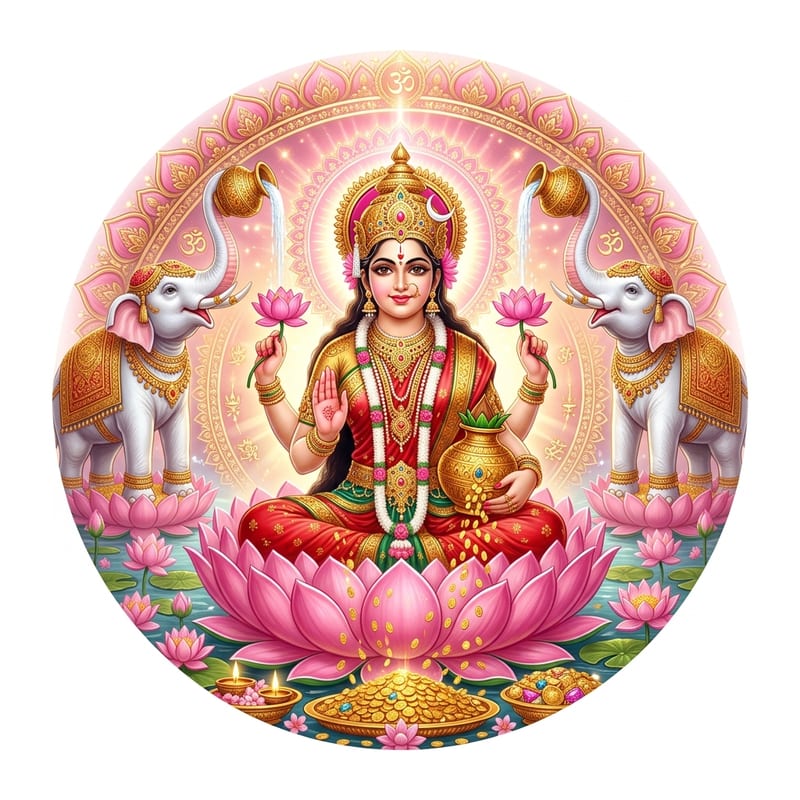
মহেন্দ্ৰ উৱাচ
নমঃ কমলৱাসিন্যৈ নাৰাযণ্যৈ নমো নমঃ ।
কৃষ্ণপ্ৰিযাযৈ সাৰাযৈ পদ্মাযৈ চ নমো নমঃ ॥ 1 ॥
কৃষ্ণপ্ৰিযাযৈ সাৰাযৈ পদ্মাযৈ চ নমো নমঃ ॥ 1 ॥
- নমঃ (namaḥ)salutation
- কমল-ৱাসিন্যৈ (kamala-vāsinyai)to her who dwells in the lotus
- নাৰাযণ্যৈ (nārāyaṇyai)to Nārāyaṇī, Nārāyaṇa’s own
- নমো নমঃ (namo namaḥ)salutation upon salutation
- কৃষ্ণ-প্ৰিযাযৈ (kṛṣṇa-priyāyai)to her who is dear to Kṛṣṇa
- সাৰাযৈ (sārāyai)to the essence of all things
- পদ্মাযৈ (padmāyai)to Padmā, the lotus
- চ (ca)and
- নমো নমঃ (namo namaḥ)salutation upon salutation
পদ্মপত্ৰেক্ষণাযৈ চ পদ্মাস্যাযৈ নমো নমঃ ।
পদ্মাসনাযৈ পদ্মিন্যৈ ৱৈষ্ণৱ্যৈ চ নমো নমঃ ॥ 2 ॥
পদ্মাসনাযৈ পদ্মিন্যৈ ৱৈষ্ণৱ্যৈ চ নমো নমঃ ॥ 2 ॥
- পদ্ম-পত্ৰ-ঈক্ষণাযৈ (padma-patrekṣaṇāyai)to her whose eyes are lotus petals
- চ (ca)and
- পদ্ম-আস্যাযৈ (padmāsyāyai)to her whose face is a lotus
- নমো নমঃ (namo namaḥ)salutation upon salutation
- পদ্ম-আসনাযৈ (padmāsanāyai)to her whose seat is a lotus
- পদ্মিন্যৈ (padminyai)to her of the lotus pool
- ৱৈষ্ণৱ্যৈ (vaiṣṇavyai)to Viṣṇu’s own power
- চ (ca)and
- নমো নমঃ (namo namaḥ)salutation upon salutation
সৰ্ৱসম্পত্স্ৱৰূপাযৈ সৰ্ৱদাত্ৰ্যৈ নমো নমঃ ।
সুখদাযৈ মোক্ষদাযৈ সিদ্ধিদাযৈ নমো নমঃ ॥ 3 ॥
সুখদাযৈ মোক্ষদাযৈ সিদ্ধিদাযৈ নমো নমঃ ॥ 3 ॥
- সৰ্ৱ-সম্পত্-স্ৱৰূপাযৈ (sarva-sampat-svarūpāyai)to her whose very form is all abundance
- সৰ্ৱ-দাত্ৰ্যৈ (sarva-dātryai)to the giver of everything
- নমো নমঃ (namo namaḥ)salutation upon salutation
- সুখ-দাযৈ (sukha-dāyai)to the giver of ease
- মোক্ষ-দাযৈ (mokṣa-dāyai)to the giver of release
- সিদ্ধি-দাযৈ (siddhi-dāyai)to the giver of attainment
- নমো নমঃ (namo namaḥ)salutation upon salutation
হৰিভক্তিপ্ৰদাত্ৰ্যৈ চ হৰ্ষদাত্ৰ্যৈ নমো নমঃ ।
কৃষ্ণৱক্ষঃস্থিতাযৈ চ কৃষ্ণেশাযৈ নমো নমঃ ॥ 4 ॥
কৃষ্ণৱক্ষঃস্থিতাযৈ চ কৃষ্ণেশাযৈ নমো নমঃ ॥ 4 ॥
- হৰি-ভক্তি-প্ৰদাত্ৰ্যৈ (hari-bhakti-pradātryai)to her who bestows devotion to Hari
- চ (ca)and
- হৰ্ষ-দাত্ৰ্যৈ (harṣa-dātryai)to the giver of gladness
- নমো নমঃ (namo namaḥ)salutation upon salutation
- কৃষ্ণ-ৱক্ষঃ-স্থিতাযৈ (kṛṣṇa-vakṣaḥ-sthitāyai)to her who rests upon Kṛṣṇa’s breast
- চ (ca)and
- কৃষ্ণ-ঈশাযৈ (kṛṣṇeśāyai)to her who is Kṛṣṇa’s own sovereign lady
- নমো নমঃ (namo namaḥ)salutation upon salutation
কৃষ্ণশোভাস্ৱৰূপাযৈ ৰত্নাঢ্যাযৈ নমো নমঃ ।
সম্পত্যধিষ্ঠাতৃদেৱ্যৈ মহাদেৱ্যৈ নমো নমঃ ॥ 5 ॥
সম্পত্যধিষ্ঠাতৃদেৱ্যৈ মহাদেৱ্যৈ নমো নমঃ ॥ 5 ॥
- কৃষ্ণ-শোভা-স্ৱৰূপাযৈ (kṛṣṇa-śobhā-svarūpāyai)to her who is the very beauty of Kṛṣṇa
- ৰত্ন-আঢ্যাযৈ (ratnāḍhyāyai)to her rich in jewels
- নমো নমঃ (namo namaḥ)salutation upon salutation
- সম্পত্-অধিষ্ঠাতৃ-দেৱ্যৈ (sampad-adhiṣṭhātṛ-devyai)to the goddess who presides over wealth
- মহা-দেৱ্যৈ (mahā-devyai)to the Great Goddess
- নমো নমঃ (namo namaḥ)salutation upon salutation
সস্যাধিষ্ঠাতৃদেৱ্যৈ চ সস্যলক্ষ্ম্যৈ নমো নমঃ ।
নমো বুদ্ধিস্ৱৰূপাযৈ বুদ্ধিদাযৈ নমো নমঃ ॥ 6 ॥
নমো বুদ্ধিস্ৱৰূপাযৈ বুদ্ধিদাযৈ নমো নমঃ ॥ 6 ॥
- সস্য-অধিষ্ঠাতৃ-দেৱ্যৈ (sasyādhiṣṭhātṛ-devyai)to the goddess who presides over the standing crop
- চ (ca)and
- সস্য-লক্ষ্ম্যৈ (sasya-lakṣmyai)to Lakṣmī of the harvest
- নমো নমঃ (namo namaḥ)salutation upon salutation
- নমঃ (namaḥ)salutation
- বুদ্ধি-স্ৱৰূপাযৈ (buddhi-svarūpāyai)to her whose form is understanding itself
- বুদ্ধি-দাযৈ (buddhi-dāyai)to the giver of understanding
- নমো নমঃ (namo namaḥ)salutation upon salutation
ৱৈকুণ্ঠে চ মহালক্ষ্মীৰ্লক্ষ্মীঃ ক্ষীৰোদসাগৰে ।
স্ৱৰ্গলক্ষ্মীৰিন্দ্ৰগেহে ৰাজলক্ষ্মীৰ্নৃপালযে ॥ 7 ॥
স্ৱৰ্গলক্ষ্মীৰিন্দ্ৰগেহে ৰাজলক্ষ্মীৰ্নৃপালযে ॥ 7 ॥
- ৱৈকুণ্ঠে (vaikuṇṭhe)in Vaikuṇṭha
- চ (ca)and
- মহা-লক্ষ্মীঃ (mahā-lakṣmīḥ)you are Mahālakṣmī
- লক্ষ্মীঃ (lakṣmīḥ)Lakṣmī
- ক্ষীৰ-উদ-সাগৰে (kṣīroda-sāgare)in the ocean of milk
- স্ৱৰ্গ-লক্ষ্মীঃ (svarga-lakṣmīḥ)the Lakṣmī of heaven
- ইন্দ্ৰ-গেহে (indra-gehe)in Indra’s house
- ৰাজ-লক্ষ্মীঃ (rāja-lakṣmīḥ)the Lakṣmī of kingship
- নৃপ-আলযে (nṛpālaye)in the palace of a king
গৃহলক্ষ্মীশ্চ গৃহিণাং গেহে চ গৃহদেৱতা ।
সুৰভিঃ সা গৱাং মাতা দক্ষিণা যজ্ঞকামিনী ॥ 8 ॥
সুৰভিঃ সা গৱাং মাতা দক্ষিণা যজ্ঞকামিনী ॥ 8 ॥
- গৃহ-লক্ষ্মীঃ (gṛha-lakṣmīḥ)the Lakṣmī of the household
- চ (ca)and
- গৃহিণাম্ (gṛhiṇām)of those who keep a house
- গেহে (gehe)in the home
- চ (ca)and
- গৃহ-দেৱতা (gṛha-devatā)its presiding deity
- সুৰভিঃ (surabhiḥ)Surabhi
- সা (sā)she
- গৱাম্ মাতা (gavāṃ mātā)the mother of cows
- দক্ষিণা (dakṣiṇā)Dakṣiṇā, the sacrificial fee
- যজ্ঞ-কামিনী (yajña-kāminī)who is the desire the sacrifice is made for
অদিতিৰ্দেৱমাতা ত্ৱং কমলা কমলালযে ।
স্ৱাহা ত্ৱং চ হৱিৰ্দানে কৱ্যদানে স্ৱধা স্মৃতা ॥ 9 ॥
স্ৱাহা ত্ৱং চ হৱিৰ্দানে কৱ্যদানে স্ৱধা স্মৃতা ॥ 9 ॥
- অদিতিঃ (aditiḥ)Aditi
- দেৱ-মাতা (deva-mātā)mother of the gods
- ত্ৱম্ (tvam)you are
- কমলা (kamalā)Kamalā
- কমল-আলযে (kamalālaye)you whose home is the lotus
- স্ৱাহা (svāhā)Svāhā
- ত্ৱম্ (tvam)you are
- চ (ca)and
- হৱিঃ-দানে (haviḥ-dāne)in the giving of oblation to the gods
- কৱ্য-দানে (kavya-dāne)in the giving of food to the ancestors
- স্ৱধা (svadhā)as Svadhā
- স্মৃতা (smṛtā)you are remembered
ত্ৱং হি ৱিষ্ণুস্ৱৰূপা চ সৰ্ৱাধাৰা ৱসুন্ধৰা ।
শুদ্ধসত্ত্ৱস্ৱৰূপা ত্ৱং নাৰাযণপৰাযাণা ॥ 10 ॥
শুদ্ধসত্ত্ৱস্ৱৰূপা ত্ৱং নাৰাযণপৰাযাণা ॥ 10 ॥
- ত্ৱম্ (tvam)you
- হি (hi)indeed
- ৱিষ্ণু-স্ৱৰূপা (viṣṇu-svarūpā)are Viṣṇu’s own form
- চ (ca)and
- সৰ্ৱ-আধাৰা (sarvādhārā)the ground that bears everything
- ৱসুন্ধৰা (vasundharā)the earth herself
- শুদ্ধ-সত্ত্ৱ-স্ৱৰূপা (śuddha-sattva-svarūpā)whose nature is sattva unmixed
- ত্ৱম্ (tvam)you
- নাৰাযণ-পৰাযণা (nārāyaṇa-parāyaṇā)given wholly over to Nārāyaṇa
ক্ৰোধহিংসাৱৰ্জিতা চ ৱৰদা চ শুভাননা ।
পৰমাৰ্থপ্ৰদা ত্ৱং চ হৰিদাস্যপ্ৰদা পৰা ॥ 11 ॥
পৰমাৰ্থপ্ৰদা ত্ৱং চ হৰিদাস্যপ্ৰদা পৰা ॥ 11 ॥
- ক্ৰোধ-হিংসা-ৱৰ্জিতা (krodha-hiṃsā-varjitā)in whom is neither anger nor harming
- চ (ca)and
- ৱৰ-দা (vara-dā)giver of boons
- চ (ca)and
- শুভ-আননা (śubhānanā)of auspicious face
- পৰম-অৰ্থ-প্ৰদা (paramārtha-pradā)who gives the highest aim of all
- ত্ৱম্ (tvam)you
- চ (ca)and
- হৰি-দাস্য-প্ৰদা (hari-dāsya-pradā)who grants the servitude of Hari
- পৰা (parā)supreme
যযা ৱিনা জগত্সৰ্ৱং ভস্মীভূতমসাৰকম্ ।
জীৱন্মৃতং চ ৱিশ্ৱং চ শৱতুল্যং যযা ৱিনা ॥ 12 ॥
জীৱন্মৃতং চ ৱিশ্ৱং চ শৱতুল্যং যযা ৱিনা ॥ 12 ॥
- যযা ৱিনা (yayā vinā)without whom
- জগত্ সৰ্ৱম্ (jagat sarvam)the whole world
- ভস্মী-ভূতম্ (bhasmī-bhūtam)is turned to ash
- অসাৰকম্ (asārakam)with nothing in it
- জীৱত্-মৃতম্ (jīvan-mṛtam)dead while it lives
- চ (ca)and
- ৱিশ্ৱম্ (viśvam)the universe
- চ (ca)and
- শৱ-তুল্যম্ (śava-tulyam)no better than a corpse
- যযা ৱিনা (yayā vinā)without whom
সৰ্ৱেষাং চ পৰা ত্ৱং হি সৰ্ৱবান্ধৱৰূপিণী ।
যযা ৱিনা ন সম্ভাষ্যো বান্ধৱৈৰ্বান্ধৱঃ সদা ॥ 13 ॥
যযা ৱিনা ন সম্ভাষ্যো বান্ধৱৈৰ্বান্ধৱঃ সদা ॥ 13 ॥
- সৰ্ৱেষাম্ (sarveṣām)for all beings
- চ (ca)and
- পৰা (parā)the highest
- ত্ৱম্ (tvam)you
- হি (hi)indeed
- সৰ্ৱ-বান্ধৱ-ৰূপিণী (sarva-bāndhava-rūpiṇī)who takes the form of every kinsman
- যযা ৱিনা (yayā vinā)without whom
- ন সম্ভাষ্যঃ (na sambhāṣyaḥ)there is no speaking together
- বান্ধৱৈঃ (bāndhavaiḥ)by kinsfolk
- বান্ধৱঃ (bāndhavaḥ)with a kinsman
- সদা (sadā)ever
ত্ৱযা হীনো বন্ধুহীনস্ত্ৱযা যুক্তঃ সবান্ধৱঃ ।
ধৰ্মাৰ্থকামমোক্ষাণাং ত্ৱং চ কাৰণৰূপিণী ॥ 14 ॥
ধৰ্মাৰ্থকামমোক্ষাণাং ত্ৱং চ কাৰণৰূপিণী ॥ 14 ॥
- ত্ৱযা হীনঃ (tvayā hīnaḥ)he who is without you
- বন্ধু-হীনঃ (bandhu-hīnaḥ)is without kin
- ত্ৱযা যুক্তঃ (tvayā yuktaḥ)he who has you
- স-বান্ধৱঃ (sa-bāndhavaḥ)has kin about him
- ধৰ্ম-অৰ্থ-কাম-মোক্ষাণাম্ (dharmārtha-kāma-mokṣāṇām)of righteousness, means, desire and release
- ত্ৱম্ (tvam)you
- চ (ca)and
- কাৰণ-ৰূপিণী (kāraṇa-rūpiṇī)are the cause in bodily form
স্তনন্ধযানাং ত্ৱং মাতা শিশূনাং শৈশৱে যথা ।
তথা ত্ৱং সৰ্ৱদা মাতা সৰ্ৱেষাং সৰ্ৱৱিশ্ৱতঃ ॥ 15 ॥
তথা ত্ৱং সৰ্ৱদা মাতা সৰ্ৱেষাং সৰ্ৱৱিশ্ৱতঃ ॥ 15 ॥
- স্তনন্ধযানাম্ (stanandhayānām)of infants at the breast
- ত্ৱম্ (tvam)you
- মাতা (mātā)are the mother
- শিশূনাম্ (śiśūnām)of little ones
- শৈশৱে (śaiśave)in their infancy
- যথা (yathā)as
- তথা (tathā)even so
- ত্ৱম্ (tvam)you
- সৰ্ৱদা (sarvadā)at all times
- মাতা (mātā)the mother
- সৰ্ৱেষাম্ (sarveṣām)of all
- সৰ্ৱ-ৱিশ্ৱতঃ (sarva-viśvataḥ)throughout the whole universe
ত্যক্তস্তনো মাতৃহীনঃ স চেজ্জীৱতি দৈৱতঃ ।
ত্ৱযা হীনো জনঃ কোঽপি ন জীৱত্যেৱ নিশ্চিতম্ ॥ 16 ॥
ত্ৱযা হীনো জনঃ কোঽপি ন জীৱত্যেৱ নিশ্চিতম্ ॥ 16 ॥
- ত্যক্ত-স্তনঃ (tyakta-stanaḥ)one from whom the breast has been taken
- মাতৃ-হীনঃ (mātṛ-hīnaḥ)bereft of his mother
- সঃ (saḥ)he
- চেত্ (cet)if
- জীৱতি (jīvati)lives on
- দৈৱতঃ (daivataḥ)by some act of the gods
- ত্ৱযা হীনঃ (tvayā hīnaḥ)without you
- জনঃ কঃ অপি (janaḥ kaḥ api)no person whatever
- ন জীৱতি এৱ (na jīvaty eva)simply does not live
- নিশ্চিতম্ (niścitam)that is certain
সুপ্ৰসন্নস্ৱৰূপা ত্ৱং মে প্ৰসন্না ভৱাম্বিকে ।
ৱৈৰিগ্ৰস্তং চ ৱিষযং দেহি মহ্যং সনাতনি ॥ 17 ॥
ৱৈৰিগ্ৰস্তং চ ৱিষযং দেহি মহ্যং সনাতনি ॥ 17 ॥
- সুপ্ৰসন্ন-স্ৱৰূপা (suprasanna-svarūpā)whose very nature is grace
- ত্ৱম্ (tvam)you
- মে (me)to me
- প্ৰসন্না (prasannā)gracious
- ভৱ (bhava)be
- অম্বিকে (ambike)O Mother
- ৱৈৰি-গ্ৰস্তম্ (vairi-grastam)seized by enemies
- চ (ca)and
- ৱিষযম্ (viṣayam)the domain
- দেহি (dehi)give back
- মহ্যম্ (mahyam)to me
- সনাতনি (sanātani)O everlasting one
ৱযং যাৱত্ত্ৱযা হীনা বন্ধুহীনাশ্চ ভিক্ষুকাঃ ।
সৰ্ৱসম্পদ্ৱিহীনাশ্চ তাৱদেৱ হৰিপ্ৰিযে ॥ 18 ॥
সৰ্ৱসম্পদ্ৱিহীনাশ্চ তাৱদেৱ হৰিপ্ৰিযে ॥ 18 ॥
- ৱযম্ (vayam)we
- যাৱত্ (yāvat)for as long as
- ত্ৱযা হীনাঃ (tvayā hīnāḥ)we are without you
- বন্ধু-হীনাঃ (bandhu-hīnāḥ)are kinless
- চ (ca)and
- ভিক্ষুকাঃ (bhikṣukāḥ)beggars
- সৰ্ৱ-সম্পত্-ৱিহীনাঃ (sarva-sampad-vihīnāḥ)stripped of every good
- চ (ca)and
- তাৱত্ এৱ (tāvad eva)just so long
- হৰি-প্ৰিযে (hari-priye)O beloved of Hari
ৰাজ্যং দেহি শ্ৰিযং দেহি বলং দেহি সুৰেশ্ৱৰি ।
কীৰ্তিং দেহি ধনং দেহি পুত্ৰান্মহ্যং চ দেহি ৱৈ ॥ 19 ॥
কীৰ্তিং দেহি ধনং দেহি পুত্ৰান্মহ্যং চ দেহি ৱৈ ॥ 19 ॥
- ৰাজ্যম্ (rājyam)a kingdom
- দেহি (dehi)grant
- শ্ৰিযম্ (śriyam)splendour
- দেহি (dehi)grant
- বলম্ (balam)strength
- দেহি (dehi)grant
- সুৰেশ্ৱৰি (sureśvari)O sovereign of the gods
- কীৰ্তিম্ (kīrtim)renown
- দেহি (dehi)grant
- ধনম্ (dhanam)wealth
- দেহি (dehi)grant
- পুত্ৰান্ (putrān)sons
- মহ্যম্ (mahyam)to me
- চ (ca)and
- দেহি ৱৈ (dehi vai)grant indeed
কামং দেহি মতিং দেহি ভোগান্ দেহি হৰিপ্ৰিযে ।
জ্ঞানং দেহি চ ধৰ্মং চ সৰ্ৱসৌভাগ্যমীপ্সিতম্ ॥ 20 ॥
জ্ঞানং দেহি চ ধৰ্মং চ সৰ্ৱসৌভাগ্যমীপ্সিতম্ ॥ 20 ॥
- কামম্ (kāmam)what I desire
- দেহি (dehi)grant
- মতিম্ (matim)a sound mind
- দেহি (dehi)grant
- ভোগান্ (bhogān)enjoyments
- দেহি (dehi)grant
- হৰি-প্ৰিযে (hari-priye)O beloved of Hari
- জ্ঞানম্ (jñānam)knowledge
- দেহি (dehi)grant
- চ (ca)and
- ধৰ্মম্ (dharmam)righteousness
- চ (ca)and
- সৰ্ৱ-সৌভাগ্যম্ (sarva-saubhāgyam)every good fortune
- ঈপ্সিতম্ (īpsitam)that is longed for
সৰ্ৱাধিকাৰমেৱং ৱৈ প্ৰভাৱাং চ প্ৰতাপকম্ ।
জযং পৰাক্ৰমং যুদ্ধে পৰমৈশ্ৱৰ্যমৈৱ চ ॥ 21 ॥
জযং পৰাক্ৰমং যুদ্ধে পৰমৈশ্ৱৰ্যমৈৱ চ ॥ 21 ॥
- সৰ্ৱ-অধিকাৰম্ (sarvādhikāram)authority over all
- এৱম্ (evam)so too
- ৱৈ (vai)indeed
- প্ৰভাৱাম্ (prabhāvām)power
- চ (ca)and
- প্ৰতাপকম্ (pratāpakam)the heat of majesty
- জযম্ (jayam)victory
- পৰাক্ৰমম্ (parākramam)prowess
- যুদ্ধে (yuddhe)in battle
- পৰম-ঐশ্ৱৰ্যম্ (paramaiśvaryam)the highest lordship
- এৱ চ (eva ca)these as well – the verse continues the “grant me” of the line before, where the published rendering reads it instead as the fruit of the hymn
ইত্যুক্ত্ৱা তু মহেন্দ্ৰশ্চ সৰ্ৱৈঃ সুৰগণৈঃ সহ ।
ননাম সাশ্ৰুনেত্ৰোঽযং মূৰ্ধ্না চৈৱ পুনঃ পুনঃ ॥ 22 ॥
ননাম সাশ্ৰুনেত্ৰোঽযং মূৰ্ধ্না চৈৱ পুনঃ পুনঃ ॥ 22 ॥
- ইতি উক্ত্ৱা (ity uktvā)having spoken thus
- তু (tu)then
- মহা-ইন্দ্ৰঃ (mahendraḥ)the great Indra
- চ (ca)and
- সৰ্ৱৈঃ সুৰ-গণৈঃ সহ (sarvaiḥ sura-gaṇaiḥ saha)together with all the hosts of gods
- ননাম (nanāma)bowed
- স-অশ্ৰু-নেত্ৰঃ (sāśru-netraḥ)his eyes wet with tears
- অযম্ (ayam)he there
- মূৰ্ধ্না (mūrdhnā)with his head
- চ এৱ (caiva)and so
- পুনঃ পুনঃ (punaḥ punaḥ)again and again
ব্ৰহ্মা চ শঙ্কৰশ্চৈৱ শেষো ধৰ্মশ্চ কেশৱঃ ।
সৰ্ৱে চক্ৰুঃ পৰীহাৰং সুৰাৰ্থে চ পুনঃ পুনঃ ॥ 23 ॥
সৰ্ৱে চক্ৰুঃ পৰীহাৰং সুৰাৰ্থে চ পুনঃ পুনঃ ॥ 23 ॥
- ব্ৰহ্মা (brahmā)Brahmā
- চ (ca)and
- শঙ্কৰঃ (śaṅkaraḥ)Śaṅkara
- চ এৱ (caiva)and also
- শেষঃ (śeṣaḥ)Śeṣa
- ধৰ্মঃ (dharmaḥ)Dharma
- চ (ca)and
- কেশৱঃ (keśavaḥ)Keśava
- সৰ্ৱে (sarve)all of them
- চক্ৰুঃ (cakruḥ)made
- পৰীহাৰম্ (parīhāram)entreaty for her favour
- সুৰ-অৰ্থে (surārthe)for the sake of the gods
- চ (ca)and
- পুনঃ পুনঃ (punaḥ punaḥ)again and again
দেৱেভ্যশ্চ ৱৰং দত্ত্ৱা পুষ্পমালাং মনোহৰাম্ ।
কেশৱায দদৌ লক্ষ্মীঃ সন্তুষ্টা সুৰসংসদি ॥ 24 ॥
কেশৱায দদৌ লক্ষ্মীঃ সন্তুষ্টা সুৰসংসদি ॥ 24 ॥
- দেৱেভ্যঃ (devebhyaḥ)to the gods
- চ (ca)and
- ৱৰম্ (varam)a boon
- দত্ত্ৱা (dattvā)having given
- পুষ্প-মালাম্ (puṣpa-mālām)a garland of flowers
- মনোহৰাম্ (manoharām)that took the heart
- কেশৱায (keśavāya)to Keśava
- দদৌ (dadau)she gave it
- লক্ষ্মীঃ (lakṣmīḥ)Lakṣmī
- সন্তুষ্টা (santuṣṭā)well content
- সুৰ-সংসদি (sura-saṃsadi)in the assembly of the gods
যযুৰ্দৈৱাশ্চ সন্তুষ্টাঃ স্ৱং স্ৱং স্থানং চ নাৰদ ।
দেৱী যযৌ হৰেঃ ক্ৰোডং হৃষ্টা ক্ষীৰোদশাযিনঃ ॥ 25 ॥
দেৱী যযৌ হৰেঃ ক্ৰোডং হৃষ্টা ক্ষীৰোদশাযিনঃ ॥ 25 ॥
- যযুঃ (yayuḥ)they went
- দেৱাঃ (devāḥ)the gods
- চ (ca)and
- সন্তুষ্টাঃ (santuṣṭāḥ)well content
- স্ৱম্ স্ৱম্ স্থানম্ (svaṃ svaṃ sthānam)each to his own place
- চ (ca)and
- নাৰদ (nārada)O Nārada
- দেৱী (devī)the Goddess
- যযৌ (yayau)went
- হৰেঃ ক্ৰোডম্ (hareḥ kroḍam)to the breast of Hari
- হৃষ্টা (hṛṣṭā)rejoicing
- ক্ষীৰ-উদ-শাযিনঃ (kṣīroda-śāyinaḥ)of him who lies on the milk ocean
যযতুস্তৌ স্ৱস্ৱগৃহং ব্ৰহ্মেশানৌ চ নাৰদ ।
দত্ত্ৱা শুভাশিষং তৌ চ দেৱেভ্যঃ প্ৰীতিপূৰ্ৱকম্ ॥ 26 ॥
দত্ত্ৱা শুভাশিষং তৌ চ দেৱেভ্যঃ প্ৰীতিপূৰ্ৱকম্ ॥ 26 ॥
- যযতুঃ (yayatuḥ)the two of them went
- তৌ (tau)they
- স্ৱ-স্ৱ-গৃহম্ (sva-sva-gṛham)each to his own house
- ব্ৰহ্ম-ঈশানৌ (brahmeśānau)Brahmā and Īśāna
- চ (ca)and
- নাৰদ (nārada)O Nārada
- দত্ত্ৱা (dattvā)having given
- শুভ-আশিষম্ (śubhāśiṣam)an auspicious blessing
- তৌ (tau)the two of them
- চ (ca)and
- দেৱেভ্যঃ (devebhyaḥ)to the gods
- প্ৰীতি-পূৰ্ৱকম্ (prīti-pūrvakam)with affection
ইদং স্তোত্ৰং মহাপুণ্যং ত্ৰিসন্ধ্যং যঃ পঠেন্নৰঃ ।
কুবেৰতুল্যঃ স ভৱেদ্ৰাজৰাজেশ্ৱৰো মহান্ ॥ 27 ॥
কুবেৰতুল্যঃ স ভৱেদ্ৰাজৰাজেশ্ৱৰো মহান্ ॥ 27 ॥
- ইদম্ স্তোত্ৰম্ (idaṃ stotram)this hymn
- মহা-পুণ্যম্ (mahā-puṇyam)of great merit
- ত্ৰি-সন্ধ্যম্ (tri-sandhyam)at the three junctures of the day
- যঃ (yaḥ)whoever
- পঠেত্ (paṭhet)recites it
- নৰঃ (naraḥ)the man who does
- কুবেৰ-তুল্যঃ (kubera-tulyaḥ)a match for Kubera
- সঃ (saḥ)he
- ভৱেত্ (bhavet)would become
- ৰাজ-ৰাজ-ঈশ্ৱৰঃ (rāja-rājeśvaraḥ)lord over kings of kings
- মহান্ (mahān)a great one
সিদ্ধস্তোত্ৰং যদি পঠেত্ সোঽপি কল্পতৰুৰ্নৰঃ ।
পঞ্চলক্ষজপেনৈৱ স্তোত্ৰসিদ্ধিৰ্ভৱেন্নৃণাম্ ॥ 28 ॥
পঞ্চলক্ষজপেনৈৱ স্তোত্ৰসিদ্ধিৰ্ভৱেন্নৃণাম্ ॥ 28 ॥
- সিদ্ধ-স্তোত্ৰম্ (siddha-stotram)this hymn once it is mastered
- যদি (yadi)if
- পঠেত্ (paṭhet)one recites
- সঃ অপি (saḥ api)that person too
- কল্প-তৰুঃ (kalpa-taruḥ)becomes a wishing-tree
- নৰঃ (naraḥ)a man
- পঞ্চ-লক্ষ-জপেন (pañca-lakṣa-japena)by five hundred thousand repetitions
- এৱ (eva)just so
- স্তোত্ৰ-সিদ্ধিঃ (stotra-siddhiḥ)mastery of the hymn
- ভৱেত্ (bhavet)comes about
- নৃণাম্ (nṛṇām)for men
সিদ্ধস্তোত্ৰং যদি পঠেন্মাসমেকং চ সংযতঃ ।
মহাসুখী চ ৰাজেন্দ্ৰো ভৱিষ্যতি ন সংশযঃ ॥ 29 ॥
মহাসুখী চ ৰাজেন্দ্ৰো ভৱিষ্যতি ন সংশযঃ ॥ 29 ॥
- সিদ্ধ-স্তোত্ৰম্ (siddha-stotram)this mastered hymn
- যদি (yadi)if
- পঠেত্ (paṭhet)one recites
- মাসম্ একম্ (māsam ekam)for one month
- চ (ca)and
- সংযতঃ (saṃyataḥ)holding himself in check
- মহা-সুখী (mahā-sukhī)greatly at ease
- চ (ca)and
- ৰাজ-ইন্দ্ৰঃ (rājendraḥ)a lord among kings
- ভৱিষ্যতি (bhaviṣyati)he will become
- ন সংশযঃ (na saṃśayaḥ)there is no doubt
ইতি শ্ৰীব্ৰহ্মৱৈৱৰ্তে মহাপুৰাণে দ্ৱিতীযে প্ৰকৃতিখণ্ডে নাৰদনাৰাযণসংৱাদে একোনচত্ৱাৰিংশত্তমোঽধ্যাযে মহেন্দ্ৰ কৃত শ্ৰী মহালক্ষ্মী স্তোত্ৰম্ ।