
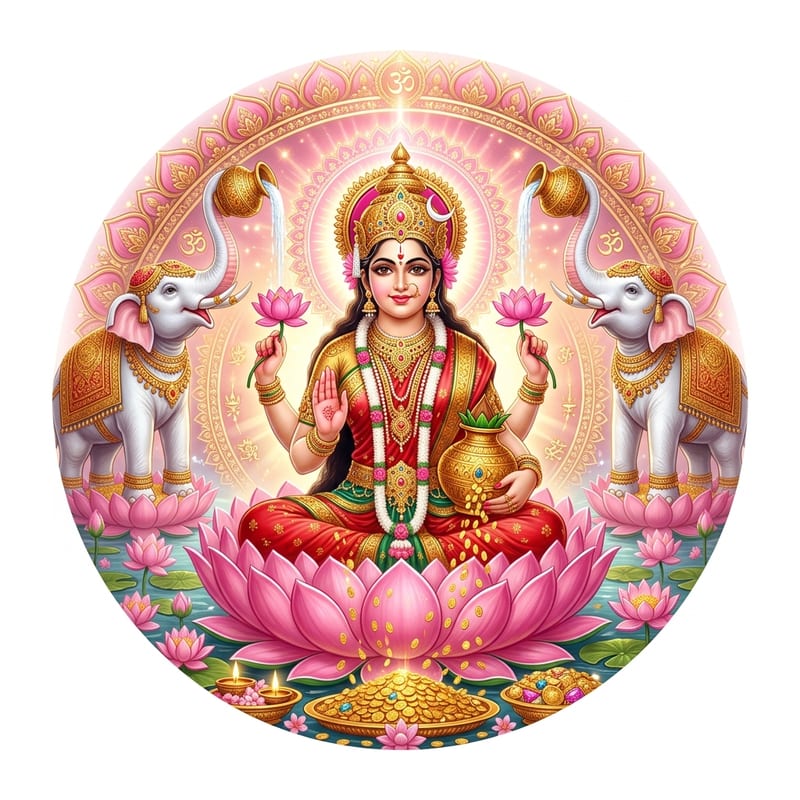
ମହେନ୍ଦ୍ର ଉଵାଚ
ନମଃ କମଲଵାସିନ୍ଯୈ ନାରାଯଣ୍ଯୈ ନମୋ ନମଃ ।
କୃଷ୍ଣପ୍ରିଯାଯୈ ସାରାଯୈ ପଦ୍ମାଯୈ ଚ ନମୋ ନମଃ ॥ 1 ॥
କୃଷ୍ଣପ୍ରିଯାଯୈ ସାରାଯୈ ପଦ୍ମାଯୈ ଚ ନମୋ ନମଃ ॥ 1 ॥
- ନମଃ (namaḥ)salutation
- କମଲ-ଵାସିନ୍ଯୈ (kamala-vāsinyai)to her who dwells in the lotus
- ନାରାଯଣ୍ଯୈ (nārāyaṇyai)to Nārāyaṇī, Nārāyaṇa’s own
- ନମୋ ନମଃ (namo namaḥ)salutation upon salutation
- କୃଷ୍ଣ-ପ୍ରିଯାଯୈ (kṛṣṇa-priyāyai)to her who is dear to Kṛṣṇa
- ସାରାଯୈ (sārāyai)to the essence of all things
- ପଦ୍ମାଯୈ (padmāyai)to Padmā, the lotus
- ଚ (ca)and
- ନମୋ ନମଃ (namo namaḥ)salutation upon salutation
ପଦ୍ମପତ୍ରେକ୍ଷଣାଯୈ ଚ ପଦ୍ମାସ୍ଯାଯୈ ନମୋ ନମଃ ।
ପଦ୍ମାସନାଯୈ ପଦ୍ମିନ୍ଯୈ ଵୈଷ୍ଣଵ୍ଯୈ ଚ ନମୋ ନମଃ ॥ 2 ॥
ପଦ୍ମାସନାଯୈ ପଦ୍ମିନ୍ଯୈ ଵୈଷ୍ଣଵ୍ଯୈ ଚ ନମୋ ନମଃ ॥ 2 ॥
- ପଦ୍ମ-ପତ୍ର-ଈକ୍ଷଣାଯୈ (padma-patrekṣaṇāyai)to her whose eyes are lotus petals
- ଚ (ca)and
- ପଦ୍ମ-ଆସ୍ଯାଯୈ (padmāsyāyai)to her whose face is a lotus
- ନମୋ ନମଃ (namo namaḥ)salutation upon salutation
- ପଦ୍ମ-ଆସନାଯୈ (padmāsanāyai)to her whose seat is a lotus
- ପଦ୍ମିନ୍ଯୈ (padminyai)to her of the lotus pool
- ଵୈଷ୍ଣଵ୍ଯୈ (vaiṣṇavyai)to Viṣṇu’s own power
- ଚ (ca)and
- ନମୋ ନମଃ (namo namaḥ)salutation upon salutation
ସର୍ଵସମ୍ପତ୍ସ୍ଵରୂପାଯୈ ସର୍ଵଦାତ୍ର୍ଯୈ ନମୋ ନମଃ ।
ସୁଖଦାଯୈ ମୋକ୍ଷଦାଯୈ ସିଦ୍ଧିଦାଯୈ ନମୋ ନମଃ ॥ 3 ॥
ସୁଖଦାଯୈ ମୋକ୍ଷଦାଯୈ ସିଦ୍ଧିଦାଯୈ ନମୋ ନମଃ ॥ 3 ॥
- ସର୍ଵ-ସମ୍ପତ୍-ସ୍ଵରୂପାଯୈ (sarva-sampat-svarūpāyai)to her whose very form is all abundance
- ସର୍ଵ-ଦାତ୍ର୍ଯୈ (sarva-dātryai)to the giver of everything
- ନମୋ ନମଃ (namo namaḥ)salutation upon salutation
- ସୁଖ-ଦାଯୈ (sukha-dāyai)to the giver of ease
- ମୋକ୍ଷ-ଦାଯୈ (mokṣa-dāyai)to the giver of release
- ସିଦ୍ଧି-ଦାଯୈ (siddhi-dāyai)to the giver of attainment
- ନମୋ ନମଃ (namo namaḥ)salutation upon salutation
ହରିଭକ୍ତିପ୍ରଦାତ୍ର୍ଯୈ ଚ ହର୍ଷଦାତ୍ର୍ଯୈ ନମୋ ନମଃ ।
କୃଷ୍ଣଵକ୍ଷଃସ୍ଥିତାଯୈ ଚ କୃଷ୍ଣେଶାଯୈ ନମୋ ନମଃ ॥ 4 ॥
କୃଷ୍ଣଵକ୍ଷଃସ୍ଥିତାଯୈ ଚ କୃଷ୍ଣେଶାଯୈ ନମୋ ନମଃ ॥ 4 ॥
- ହରି-ଭକ୍ତି-ପ୍ରଦାତ୍ର୍ଯୈ (hari-bhakti-pradātryai)to her who bestows devotion to Hari
- ଚ (ca)and
- ହର୍ଷ-ଦାତ୍ର୍ଯୈ (harṣa-dātryai)to the giver of gladness
- ନମୋ ନମଃ (namo namaḥ)salutation upon salutation
- କୃଷ୍ଣ-ଵକ୍ଷଃ-ସ୍ଥିତାଯୈ (kṛṣṇa-vakṣaḥ-sthitāyai)to her who rests upon Kṛṣṇa’s breast
- ଚ (ca)and
- କୃଷ୍ଣ-ଈଶାଯୈ (kṛṣṇeśāyai)to her who is Kṛṣṇa’s own sovereign lady
- ନମୋ ନମଃ (namo namaḥ)salutation upon salutation
କୃଷ୍ଣଶୋଭାସ୍ଵରୂପାଯୈ ରତ୍ନାଢ୍ଯାଯୈ ନମୋ ନମଃ ।
ସମ୍ପତ୍ଯଧିଷ୍ଠାତୃଦେଵ୍ଯୈ ମହାଦେଵ୍ଯୈ ନମୋ ନମଃ ॥ 5 ॥
ସମ୍ପତ୍ଯଧିଷ୍ଠାତୃଦେଵ୍ଯୈ ମହାଦେଵ୍ଯୈ ନମୋ ନମଃ ॥ 5 ॥
- କୃଷ୍ଣ-ଶୋଭା-ସ୍ଵରୂପାଯୈ (kṛṣṇa-śobhā-svarūpāyai)to her who is the very beauty of Kṛṣṇa
- ରତ୍ନ-ଆଢ୍ଯାଯୈ (ratnāḍhyāyai)to her rich in jewels
- ନମୋ ନମଃ (namo namaḥ)salutation upon salutation
- ସମ୍ପତ୍-ଅଧିଷ୍ଠାତୃ-ଦେଵ୍ଯୈ (sampad-adhiṣṭhātṛ-devyai)to the goddess who presides over wealth
- ମହା-ଦେଵ୍ଯୈ (mahā-devyai)to the Great Goddess
- ନମୋ ନମଃ (namo namaḥ)salutation upon salutation
ସସ୍ଯାଧିଷ୍ଠାତୃଦେଵ୍ଯୈ ଚ ସସ୍ଯଲକ୍ଷ୍ମ୍ଯୈ ନମୋ ନମଃ ।
ନମୋ ବୁଦ୍ଧିସ୍ଵରୂପାଯୈ ବୁଦ୍ଧିଦାଯୈ ନମୋ ନମଃ ॥ 6 ॥
ନମୋ ବୁଦ୍ଧିସ୍ଵରୂପାଯୈ ବୁଦ୍ଧିଦାଯୈ ନମୋ ନମଃ ॥ 6 ॥
- ସସ୍ଯ-ଅଧିଷ୍ଠାତୃ-ଦେଵ୍ଯୈ (sasyādhiṣṭhātṛ-devyai)to the goddess who presides over the standing crop
- ଚ (ca)and
- ସସ୍ଯ-ଲକ୍ଷ୍ମ୍ଯୈ (sasya-lakṣmyai)to Lakṣmī of the harvest
- ନମୋ ନମଃ (namo namaḥ)salutation upon salutation
- ନମଃ (namaḥ)salutation
- ବୁଦ୍ଧି-ସ୍ଵରୂପାଯୈ (buddhi-svarūpāyai)to her whose form is understanding itself
- ବୁଦ୍ଧି-ଦାଯୈ (buddhi-dāyai)to the giver of understanding
- ନମୋ ନମଃ (namo namaḥ)salutation upon salutation
ଵୈକୁଣ୍ଠେ ଚ ମହାଲକ୍ଷ୍ମୀର୍ଲକ୍ଷ୍ମୀଃ କ୍ଷୀରୋଦସାଗରେ ।
ସ୍ଵର୍ଗଲକ୍ଷ୍ମୀରିନ୍ଦ୍ରଗେହେ ରାଜଲକ୍ଷ୍ମୀର୍ନୃପାଲଯେ ॥ 7 ॥
ସ୍ଵର୍ଗଲକ୍ଷ୍ମୀରିନ୍ଦ୍ରଗେହେ ରାଜଲକ୍ଷ୍ମୀର୍ନୃପାଲଯେ ॥ 7 ॥
- ଵୈକୁଣ୍ଠେ (vaikuṇṭhe)in Vaikuṇṭha
- ଚ (ca)and
- ମହା-ଲକ୍ଷ୍ମୀଃ (mahā-lakṣmīḥ)you are Mahālakṣmī
- ଲକ୍ଷ୍ମୀଃ (lakṣmīḥ)Lakṣmī
- କ୍ଷୀର-ଉଦ-ସାଗରେ (kṣīroda-sāgare)in the ocean of milk
- ସ୍ଵର୍ଗ-ଲକ୍ଷ୍ମୀଃ (svarga-lakṣmīḥ)the Lakṣmī of heaven
- ଇନ୍ଦ୍ର-ଗେହେ (indra-gehe)in Indra’s house
- ରାଜ-ଲକ୍ଷ୍ମୀଃ (rāja-lakṣmīḥ)the Lakṣmī of kingship
- ନୃପ-ଆଲଯେ (nṛpālaye)in the palace of a king
ଗୃହଲକ୍ଷ୍ମୀଶ୍ଚ ଗୃହିଣାଂ ଗେହେ ଚ ଗୃହଦେଵତା ।
ସୁରଭିଃ ସା ଗଵାଂ ମାତା ଦକ୍ଷିଣା ଯଜ୍ଞକାମିନୀ ॥ 8 ॥
ସୁରଭିଃ ସା ଗଵାଂ ମାତା ଦକ୍ଷିଣା ଯଜ୍ଞକାମିନୀ ॥ 8 ॥
- ଗୃହ-ଲକ୍ଷ୍ମୀଃ (gṛha-lakṣmīḥ)the Lakṣmī of the household
- ଚ (ca)and
- ଗୃହିଣାମ୍ (gṛhiṇām)of those who keep a house
- ଗେହେ (gehe)in the home
- ଚ (ca)and
- ଗୃହ-ଦେଵତା (gṛha-devatā)its presiding deity
- ସୁରଭିଃ (surabhiḥ)Surabhi
- ସା (sā)she
- ଗଵାମ୍ ମାତା (gavāṃ mātā)the mother of cows
- ଦକ୍ଷିଣା (dakṣiṇā)Dakṣiṇā, the sacrificial fee
- ଯଜ୍ଞ-କାମିନୀ (yajña-kāminī)who is the desire the sacrifice is made for
ଅଦିତିର୍ଦେଵମାତା ତ୍ଵଂ କମଲା କମଲାଲଯେ ।
ସ୍ଵାହା ତ୍ଵଂ ଚ ହଵିର୍ଦାନେ କଵ୍ଯଦାନେ ସ୍ଵଧା ସ୍ମୃତା ॥ 9 ॥
ସ୍ଵାହା ତ୍ଵଂ ଚ ହଵିର୍ଦାନେ କଵ୍ଯଦାନେ ସ୍ଵଧା ସ୍ମୃତା ॥ 9 ॥
- ଅଦିତିଃ (aditiḥ)Aditi
- ଦେଵ-ମାତା (deva-mātā)mother of the gods
- ତ୍ଵମ୍ (tvam)you are
- କମଲା (kamalā)Kamalā
- କମଲ-ଆଲଯେ (kamalālaye)you whose home is the lotus
- ସ୍ଵାହା (svāhā)Svāhā
- ତ୍ଵମ୍ (tvam)you are
- ଚ (ca)and
- ହଵିଃ-ଦାନେ (haviḥ-dāne)in the giving of oblation to the gods
- କଵ୍ଯ-ଦାନେ (kavya-dāne)in the giving of food to the ancestors
- ସ୍ଵଧା (svadhā)as Svadhā
- ସ୍ମୃତା (smṛtā)you are remembered
ତ୍ଵଂ ହି ଵିଷ୍ଣୁସ୍ଵରୂପା ଚ ସର୍ଵାଧାରା ଵସୁନ୍ଧରା ।
ଶୁଦ୍ଧସତ୍ତ୍ଵସ୍ଵରୂପା ତ୍ଵଂ ନାରାଯଣପରାଯାଣା ॥ 10 ॥
ଶୁଦ୍ଧସତ୍ତ୍ଵସ୍ଵରୂପା ତ୍ଵଂ ନାରାଯଣପରାଯାଣା ॥ 10 ॥
- ତ୍ଵମ୍ (tvam)you
- ହି (hi)indeed
- ଵିଷ୍ଣୁ-ସ୍ଵରୂପା (viṣṇu-svarūpā)are Viṣṇu’s own form
- ଚ (ca)and
- ସର୍ଵ-ଆଧାରା (sarvādhārā)the ground that bears everything
- ଵସୁନ୍ଧରା (vasundharā)the earth herself
- ଶୁଦ୍ଧ-ସତ୍ତ୍ଵ-ସ୍ଵରୂପା (śuddha-sattva-svarūpā)whose nature is sattva unmixed
- ତ୍ଵମ୍ (tvam)you
- ନାରାଯଣ-ପରାଯଣା (nārāyaṇa-parāyaṇā)given wholly over to Nārāyaṇa
କ୍ରୋଧହିଂସାଵର୍ଜିତା ଚ ଵରଦା ଚ ଶୁଭାନନା ।
ପରମାର୍ଥପ୍ରଦା ତ୍ଵଂ ଚ ହରିଦାସ୍ଯପ୍ରଦା ପରା ॥ 11 ॥
ପରମାର୍ଥପ୍ରଦା ତ୍ଵଂ ଚ ହରିଦାସ୍ଯପ୍ରଦା ପରା ॥ 11 ॥
- କ୍ରୋଧ-ହିଂସା-ଵର୍ଜିତା (krodha-hiṃsā-varjitā)in whom is neither anger nor harming
- ଚ (ca)and
- ଵର-ଦା (vara-dā)giver of boons
- ଚ (ca)and
- ଶୁଭ-ଆନନା (śubhānanā)of auspicious face
- ପରମ-ଅର୍ଥ-ପ୍ରଦା (paramārtha-pradā)who gives the highest aim of all
- ତ୍ଵମ୍ (tvam)you
- ଚ (ca)and
- ହରି-ଦାସ୍ଯ-ପ୍ରଦା (hari-dāsya-pradā)who grants the servitude of Hari
- ପରା (parā)supreme
ଯଯା ଵିନା ଜଗତ୍ସର୍ଵଂ ଭସ୍ମୀଭୂତମସାରକମ୍ ।
ଜୀଵନ୍ମୃତଂ ଚ ଵିଶ୍ଵଂ ଚ ଶଵତୁଲ୍ଯଂ ଯଯା ଵିନା ॥ 12 ॥
ଜୀଵନ୍ମୃତଂ ଚ ଵିଶ୍ଵଂ ଚ ଶଵତୁଲ୍ଯଂ ଯଯା ଵିନା ॥ 12 ॥
- ଯଯା ଵିନା (yayā vinā)without whom
- ଜଗତ୍ ସର୍ଵମ୍ (jagat sarvam)the whole world
- ଭସ୍ମୀ-ଭୂତମ୍ (bhasmī-bhūtam)is turned to ash
- ଅସାରକମ୍ (asārakam)with nothing in it
- ଜୀଵତ୍-ମୃତମ୍ (jīvan-mṛtam)dead while it lives
- ଚ (ca)and
- ଵିଶ୍ଵମ୍ (viśvam)the universe
- ଚ (ca)and
- ଶଵ-ତୁଲ୍ଯମ୍ (śava-tulyam)no better than a corpse
- ଯଯା ଵିନା (yayā vinā)without whom
ସର୍ଵେଷାଂ ଚ ପରା ତ୍ଵଂ ହି ସର୍ଵବାନ୍ଧଵରୂପିଣୀ ।
ଯଯା ଵିନା ନ ସମ୍ଭାଷ୍ଯୋ ବାନ୍ଧଵୈର୍ବାନ୍ଧଵଃ ସଦା ॥ 13 ॥
ଯଯା ଵିନା ନ ସମ୍ଭାଷ୍ଯୋ ବାନ୍ଧଵୈର୍ବାନ୍ଧଵଃ ସଦା ॥ 13 ॥
- ସର୍ଵେଷାମ୍ (sarveṣām)for all beings
- ଚ (ca)and
- ପରା (parā)the highest
- ତ୍ଵମ୍ (tvam)you
- ହି (hi)indeed
- ସର୍ଵ-ବାନ୍ଧଵ-ରୂପିଣୀ (sarva-bāndhava-rūpiṇī)who takes the form of every kinsman
- ଯଯା ଵିନା (yayā vinā)without whom
- ନ ସମ୍ଭାଷ୍ଯଃ (na sambhāṣyaḥ)there is no speaking together
- ବାନ୍ଧଵୈଃ (bāndhavaiḥ)by kinsfolk
- ବାନ୍ଧଵଃ (bāndhavaḥ)with a kinsman
- ସଦା (sadā)ever
ତ୍ଵଯା ହୀନୋ ବନ୍ଧୁହୀନସ୍ତ୍ଵଯା ଯୁକ୍ତଃ ସବାନ୍ଧଵଃ ।
ଧର୍ମାର୍ଥକାମମୋକ୍ଷାଣାଂ ତ୍ଵଂ ଚ କାରଣରୂପିଣୀ ॥ 14 ॥
ଧର୍ମାର୍ଥକାମମୋକ୍ଷାଣାଂ ତ୍ଵଂ ଚ କାରଣରୂପିଣୀ ॥ 14 ॥
- ତ୍ଵଯା ହୀନଃ (tvayā hīnaḥ)he who is without you
- ବନ୍ଧୁ-ହୀନଃ (bandhu-hīnaḥ)is without kin
- ତ୍ଵଯା ଯୁକ୍ତଃ (tvayā yuktaḥ)he who has you
- ସ-ବାନ୍ଧଵଃ (sa-bāndhavaḥ)has kin about him
- ଧର୍ମ-ଅର୍ଥ-କାମ-ମୋକ୍ଷାଣାମ୍ (dharmārtha-kāma-mokṣāṇām)of righteousness, means, desire and release
- ତ୍ଵମ୍ (tvam)you
- ଚ (ca)and
- କାରଣ-ରୂପିଣୀ (kāraṇa-rūpiṇī)are the cause in bodily form
ସ୍ତନନ୍ଧଯାନାଂ ତ୍ଵଂ ମାତା ଶିଶୂନାଂ ଶୈଶଵେ ଯଥା ।
ତଥା ତ୍ଵଂ ସର୍ଵଦା ମାତା ସର୍ଵେଷାଂ ସର୍ଵଵିଶ୍ଵତଃ ॥ 15 ॥
ତଥା ତ୍ଵଂ ସର୍ଵଦା ମାତା ସର୍ଵେଷାଂ ସର୍ଵଵିଶ୍ଵତଃ ॥ 15 ॥
- ସ୍ତନନ୍ଧଯାନାମ୍ (stanandhayānām)of infants at the breast
- ତ୍ଵମ୍ (tvam)you
- ମାତା (mātā)are the mother
- ଶିଶୂନାମ୍ (śiśūnām)of little ones
- ଶୈଶଵେ (śaiśave)in their infancy
- ଯଥା (yathā)as
- ତଥା (tathā)even so
- ତ୍ଵମ୍ (tvam)you
- ସର୍ଵଦା (sarvadā)at all times
- ମାତା (mātā)the mother
- ସର୍ଵେଷାମ୍ (sarveṣām)of all
- ସର୍ଵ-ଵିଶ୍ଵତଃ (sarva-viśvataḥ)throughout the whole universe
ତ୍ଯକ୍ତସ୍ତନୋ ମାତୃହୀନଃ ସ ଚେଜ୍ଜୀଵତି ଦୈଵତଃ ।
ତ୍ଵଯା ହୀନୋ ଜନଃ କୋଽପି ନ ଜୀଵତ୍ଯେଵ ନିଶ୍ଚିତମ୍ ॥ 16 ॥
ତ୍ଵଯା ହୀନୋ ଜନଃ କୋଽପି ନ ଜୀଵତ୍ଯେଵ ନିଶ୍ଚିତମ୍ ॥ 16 ॥
- ତ୍ଯକ୍ତ-ସ୍ତନଃ (tyakta-stanaḥ)one from whom the breast has been taken
- ମାତୃ-ହୀନଃ (mātṛ-hīnaḥ)bereft of his mother
- ସଃ (saḥ)he
- ଚେତ୍ (cet)if
- ଜୀଵତି (jīvati)lives on
- ଦୈଵତଃ (daivataḥ)by some act of the gods
- ତ୍ଵଯା ହୀନଃ (tvayā hīnaḥ)without you
- ଜନଃ କଃ ଅପି (janaḥ kaḥ api)no person whatever
- ନ ଜୀଵତି ଏଵ (na jīvaty eva)simply does not live
- ନିଶ୍ଚିତମ୍ (niścitam)that is certain
ସୁପ୍ରସନ୍ନସ୍ଵରୂପା ତ୍ଵଂ ମେ ପ୍ରସନ୍ନା ଭଵାମ୍ବିକେ ।
ଵୈରିଗ୍ରସ୍ତଂ ଚ ଵିଷଯଂ ଦେହି ମହ୍ଯଂ ସନାତନି ॥ 17 ॥
ଵୈରିଗ୍ରସ୍ତଂ ଚ ଵିଷଯଂ ଦେହି ମହ୍ଯଂ ସନାତନି ॥ 17 ॥
- ସୁପ୍ରସନ୍ନ-ସ୍ଵରୂପା (suprasanna-svarūpā)whose very nature is grace
- ତ୍ଵମ୍ (tvam)you
- ମେ (me)to me
- ପ୍ରସନ୍ନା (prasannā)gracious
- ଭଵ (bhava)be
- ଅମ୍ବିକେ (ambike)O Mother
- ଵୈରି-ଗ୍ରସ୍ତମ୍ (vairi-grastam)seized by enemies
- ଚ (ca)and
- ଵିଷଯମ୍ (viṣayam)the domain
- ଦେହି (dehi)give back
- ମହ୍ଯମ୍ (mahyam)to me
- ସନାତନି (sanātani)O everlasting one
ଵଯଂ ଯାଵତ୍ତ୍ଵଯା ହୀନା ବନ୍ଧୁହୀନାଶ୍ଚ ଭିକ୍ଷୁକାଃ ।
ସର୍ଵସମ୍ପଦ୍ଵିହୀନାଶ୍ଚ ତାଵଦେଵ ହରିପ୍ରିଯେ ॥ 18 ॥
ସର୍ଵସମ୍ପଦ୍ଵିହୀନାଶ୍ଚ ତାଵଦେଵ ହରିପ୍ରିଯେ ॥ 18 ॥
- ଵଯମ୍ (vayam)we
- ଯାଵତ୍ (yāvat)for as long as
- ତ୍ଵଯା ହୀନାଃ (tvayā hīnāḥ)we are without you
- ବନ୍ଧୁ-ହୀନାଃ (bandhu-hīnāḥ)are kinless
- ଚ (ca)and
- ଭିକ୍ଷୁକାଃ (bhikṣukāḥ)beggars
- ସର୍ଵ-ସମ୍ପତ୍-ଵିହୀନାଃ (sarva-sampad-vihīnāḥ)stripped of every good
- ଚ (ca)and
- ତାଵତ୍ ଏଵ (tāvad eva)just so long
- ହରି-ପ୍ରିଯେ (hari-priye)O beloved of Hari
ରାଜ୍ଯଂ ଦେହି ଶ୍ରିଯଂ ଦେହି ବଲଂ ଦେହି ସୁରେଶ୍ଵରି ।
କୀର୍ତିଂ ଦେହି ଧନଂ ଦେହି ପୁତ୍ରାନ୍ମହ୍ଯଂ ଚ ଦେହି ଵୈ ॥ 19 ॥
କୀର୍ତିଂ ଦେହି ଧନଂ ଦେହି ପୁତ୍ରାନ୍ମହ୍ଯଂ ଚ ଦେହି ଵୈ ॥ 19 ॥
- ରାଜ୍ଯମ୍ (rājyam)a kingdom
- ଦେହି (dehi)grant
- ଶ୍ରିଯମ୍ (śriyam)splendour
- ଦେହି (dehi)grant
- ବଲମ୍ (balam)strength
- ଦେହି (dehi)grant
- ସୁରେଶ୍ଵରି (sureśvari)O sovereign of the gods
- କୀର୍ତିମ୍ (kīrtim)renown
- ଦେହି (dehi)grant
- ଧନମ୍ (dhanam)wealth
- ଦେହି (dehi)grant
- ପୁତ୍ରାନ୍ (putrān)sons
- ମହ୍ଯମ୍ (mahyam)to me
- ଚ (ca)and
- ଦେହି ଵୈ (dehi vai)grant indeed
କାମଂ ଦେହି ମତିଂ ଦେହି ଭୋଗାନ୍ ଦେହି ହରିପ୍ରିଯେ ।
ଜ୍ଞାନଂ ଦେହି ଚ ଧର୍ମଂ ଚ ସର୍ଵସୌଭାଗ୍ଯମୀପ୍ସିତମ୍ ॥ 20 ॥
ଜ୍ଞାନଂ ଦେହି ଚ ଧର୍ମଂ ଚ ସର୍ଵସୌଭାଗ୍ଯମୀପ୍ସିତମ୍ ॥ 20 ॥
- କାମମ୍ (kāmam)what I desire
- ଦେହି (dehi)grant
- ମତିମ୍ (matim)a sound mind
- ଦେହି (dehi)grant
- ଭୋଗାନ୍ (bhogān)enjoyments
- ଦେହି (dehi)grant
- ହରି-ପ୍ରିଯେ (hari-priye)O beloved of Hari
- ଜ୍ଞାନମ୍ (jñānam)knowledge
- ଦେହି (dehi)grant
- ଚ (ca)and
- ଧର୍ମମ୍ (dharmam)righteousness
- ଚ (ca)and
- ସର୍ଵ-ସୌଭାଗ୍ଯମ୍ (sarva-saubhāgyam)every good fortune
- ଈପ୍ସିତମ୍ (īpsitam)that is longed for
ସର୍ଵାଧିକାରମେଵଂ ଵୈ ପ୍ରଭାଵାଂ ଚ ପ୍ରତାପକମ୍ ।
ଜଯଂ ପରାକ୍ରମଂ ଯୁଦ୍ଧେ ପରମୈଶ୍ଵର୍ଯମୈଵ ଚ ॥ 21 ॥
ଜଯଂ ପରାକ୍ରମଂ ଯୁଦ୍ଧେ ପରମୈଶ୍ଵର୍ଯମୈଵ ଚ ॥ 21 ॥
- ସର୍ଵ-ଅଧିକାରମ୍ (sarvādhikāram)authority over all
- ଏଵମ୍ (evam)so too
- ଵୈ (vai)indeed
- ପ୍ରଭାଵାମ୍ (prabhāvām)power
- ଚ (ca)and
- ପ୍ରତାପକମ୍ (pratāpakam)the heat of majesty
- ଜଯମ୍ (jayam)victory
- ପରାକ୍ରମମ୍ (parākramam)prowess
- ଯୁଦ୍ଧେ (yuddhe)in battle
- ପରମ-ଐଶ୍ଵର୍ଯମ୍ (paramaiśvaryam)the highest lordship
- ଏଵ ଚ (eva ca)these as well – the verse continues the “grant me” of the line before, where the published rendering reads it instead as the fruit of the hymn
ଇତ୍ଯୁକ୍ତ୍ଵା ତୁ ମହେନ୍ଦ୍ରଶ୍ଚ ସର୍ଵୈଃ ସୁରଗଣୈଃ ସହ ।
ନନାମ ସାଶ୍ରୁନେତ୍ରୋଽଯଂ ମୂର୍ଧ୍ନା ଚୈଵ ପୁନଃ ପୁନଃ ॥ 22 ॥
ନନାମ ସାଶ୍ରୁନେତ୍ରୋଽଯଂ ମୂର୍ଧ୍ନା ଚୈଵ ପୁନଃ ପୁନଃ ॥ 22 ॥
- ଇତି ଉକ୍ତ୍ଵା (ity uktvā)having spoken thus
- ତୁ (tu)then
- ମହା-ଇନ୍ଦ୍ରଃ (mahendraḥ)the great Indra
- ଚ (ca)and
- ସର୍ଵୈଃ ସୁର-ଗଣୈଃ ସହ (sarvaiḥ sura-gaṇaiḥ saha)together with all the hosts of gods
- ନନାମ (nanāma)bowed
- ସ-ଅଶ୍ରୁ-ନେତ୍ରଃ (sāśru-netraḥ)his eyes wet with tears
- ଅଯମ୍ (ayam)he there
- ମୂର୍ଧ୍ନା (mūrdhnā)with his head
- ଚ ଏଵ (caiva)and so
- ପୁନଃ ପୁନଃ (punaḥ punaḥ)again and again
ବ୍ରହ୍ମା ଚ ଶଙ୍କରଶ୍ଚୈଵ ଶେଷୋ ଧର୍ମଶ୍ଚ କେଶଵଃ ।
ସର୍ଵେ ଚକ୍ରୁଃ ପରୀହାରଂ ସୁରାର୍ଥେ ଚ ପୁନଃ ପୁନଃ ॥ 23 ॥
ସର୍ଵେ ଚକ୍ରୁଃ ପରୀହାରଂ ସୁରାର୍ଥେ ଚ ପୁନଃ ପୁନଃ ॥ 23 ॥
- ବ୍ରହ୍ମା (brahmā)Brahmā
- ଚ (ca)and
- ଶଙ୍କରଃ (śaṅkaraḥ)Śaṅkara
- ଚ ଏଵ (caiva)and also
- ଶେଷଃ (śeṣaḥ)Śeṣa
- ଧର୍ମଃ (dharmaḥ)Dharma
- ଚ (ca)and
- କେଶଵଃ (keśavaḥ)Keśava
- ସର୍ଵେ (sarve)all of them
- ଚକ୍ରୁଃ (cakruḥ)made
- ପରୀହାରମ୍ (parīhāram)entreaty for her favour
- ସୁର-ଅର୍ଥେ (surārthe)for the sake of the gods
- ଚ (ca)and
- ପୁନଃ ପୁନଃ (punaḥ punaḥ)again and again
ଦେଵେଭ୍ଯଶ୍ଚ ଵରଂ ଦତ୍ତ୍ଵା ପୁଷ୍ପମାଲାଂ ମନୋହରାମ୍ ।
କେଶଵାଯ ଦଦୌ ଲକ୍ଷ୍ମୀଃ ସନ୍ତୁଷ୍ଟା ସୁରସଂସଦି ॥ 24 ॥
କେଶଵାଯ ଦଦୌ ଲକ୍ଷ୍ମୀଃ ସନ୍ତୁଷ୍ଟା ସୁରସଂସଦି ॥ 24 ॥
- ଦେଵେଭ୍ଯଃ (devebhyaḥ)to the gods
- ଚ (ca)and
- ଵରମ୍ (varam)a boon
- ଦତ୍ତ୍ଵା (dattvā)having given
- ପୁଷ୍ପ-ମାଲାମ୍ (puṣpa-mālām)a garland of flowers
- ମନୋହରାମ୍ (manoharām)that took the heart
- କେଶଵାଯ (keśavāya)to Keśava
- ଦଦୌ (dadau)she gave it
- ଲକ୍ଷ୍ମୀଃ (lakṣmīḥ)Lakṣmī
- ସନ୍ତୁଷ୍ଟା (santuṣṭā)well content
- ସୁର-ସଂସଦି (sura-saṃsadi)in the assembly of the gods
ଯଯୁର୍ଦୈଵାଶ୍ଚ ସନ୍ତୁଷ୍ଟାଃ ସ୍ଵଂ ସ୍ଵଂ ସ୍ଥାନଂ ଚ ନାରଦ ।
ଦେଵୀ ଯଯୌ ହରେଃ କ୍ରୋଡଂ ହୃଷ୍ଟା କ୍ଷୀରୋଦଶାଯିନଃ ॥ 25 ॥
ଦେଵୀ ଯଯୌ ହରେଃ କ୍ରୋଡଂ ହୃଷ୍ଟା କ୍ଷୀରୋଦଶାଯିନଃ ॥ 25 ॥
- ଯଯୁଃ (yayuḥ)they went
- ଦେଵାଃ (devāḥ)the gods
- ଚ (ca)and
- ସନ୍ତୁଷ୍ଟାଃ (santuṣṭāḥ)well content
- ସ୍ଵମ୍ ସ୍ଵମ୍ ସ୍ଥାନମ୍ (svaṃ svaṃ sthānam)each to his own place
- ଚ (ca)and
- ନାରଦ (nārada)O Nārada
- ଦେଵୀ (devī)the Goddess
- ଯଯୌ (yayau)went
- ହରେଃ କ୍ରୋଡମ୍ (hareḥ kroḍam)to the breast of Hari
- ହୃଷ୍ଟା (hṛṣṭā)rejoicing
- କ୍ଷୀର-ଉଦ-ଶାଯିନଃ (kṣīroda-śāyinaḥ)of him who lies on the milk ocean
ଯଯତୁସ୍ତୌ ସ୍ଵସ୍ଵଗୃହଂ ବ୍ରହ୍ମେଶାନୌ ଚ ନାରଦ ।
ଦତ୍ତ୍ଵା ଶୁଭାଶିଷଂ ତୌ ଚ ଦେଵେଭ୍ଯଃ ପ୍ରୀତିପୂର୍ଵକମ୍ ॥ 26 ॥
ଦତ୍ତ୍ଵା ଶୁଭାଶିଷଂ ତୌ ଚ ଦେଵେଭ୍ଯଃ ପ୍ରୀତିପୂର୍ଵକମ୍ ॥ 26 ॥
- ଯଯତୁଃ (yayatuḥ)the two of them went
- ତୌ (tau)they
- ସ୍ଵ-ସ୍ଵ-ଗୃହମ୍ (sva-sva-gṛham)each to his own house
- ବ୍ରହ୍ମ-ଈଶାନୌ (brahmeśānau)Brahmā and Īśāna
- ଚ (ca)and
- ନାରଦ (nārada)O Nārada
- ଦତ୍ତ୍ଵା (dattvā)having given
- ଶୁଭ-ଆଶିଷମ୍ (śubhāśiṣam)an auspicious blessing
- ତୌ (tau)the two of them
- ଚ (ca)and
- ଦେଵେଭ୍ଯଃ (devebhyaḥ)to the gods
- ପ୍ରୀତି-ପୂର୍ଵକମ୍ (prīti-pūrvakam)with affection
ଇଦଂ ସ୍ତୋତ୍ରଂ ମହାପୁଣ୍ଯଂ ତ୍ରିସନ୍ଧ୍ଯଂ ଯଃ ପଠେନ୍ନରଃ ।
କୁବେରତୁଲ୍ଯଃ ସ ଭଵେଦ୍ରାଜରାଜେଶ୍ଵରୋ ମହାନ୍ ॥ 27 ॥
କୁବେରତୁଲ୍ଯଃ ସ ଭଵେଦ୍ରାଜରାଜେଶ୍ଵରୋ ମହାନ୍ ॥ 27 ॥
- ଇଦମ୍ ସ୍ତୋତ୍ରମ୍ (idaṃ stotram)this hymn
- ମହା-ପୁଣ୍ଯମ୍ (mahā-puṇyam)of great merit
- ତ୍ରି-ସନ୍ଧ୍ଯମ୍ (tri-sandhyam)at the three junctures of the day
- ଯଃ (yaḥ)whoever
- ପଠେତ୍ (paṭhet)recites it
- ନରଃ (naraḥ)the man who does
- କୁବେର-ତୁଲ୍ଯଃ (kubera-tulyaḥ)a match for Kubera
- ସଃ (saḥ)he
- ଭଵେତ୍ (bhavet)would become
- ରାଜ-ରାଜ-ଈଶ୍ଵରଃ (rāja-rājeśvaraḥ)lord over kings of kings
- ମହାନ୍ (mahān)a great one
ସିଦ୍ଧସ୍ତୋତ୍ରଂ ଯଦି ପଠେତ୍ ସୋଽପି କଲ୍ପତରୁର୍ନରଃ ।
ପଞ୍ଚଲକ୍ଷଜପେନୈଵ ସ୍ତୋତ୍ରସିଦ୍ଧିର୍ଭଵେନ୍ନୃଣାମ୍ ॥ 28 ॥
ପଞ୍ଚଲକ୍ଷଜପେନୈଵ ସ୍ତୋତ୍ରସିଦ୍ଧିର୍ଭଵେନ୍ନୃଣାମ୍ ॥ 28 ॥
- ସିଦ୍ଧ-ସ୍ତୋତ୍ରମ୍ (siddha-stotram)this hymn once it is mastered
- ଯଦି (yadi)if
- ପଠେତ୍ (paṭhet)one recites
- ସଃ ଅପି (saḥ api)that person too
- କଲ୍ପ-ତରୁଃ (kalpa-taruḥ)becomes a wishing-tree
- ନରଃ (naraḥ)a man
- ପଞ୍ଚ-ଲକ୍ଷ-ଜପେନ (pañca-lakṣa-japena)by five hundred thousand repetitions
- ଏଵ (eva)just so
- ସ୍ତୋତ୍ର-ସିଦ୍ଧିଃ (stotra-siddhiḥ)mastery of the hymn
- ଭଵେତ୍ (bhavet)comes about
- ନୃଣାମ୍ (nṛṇām)for men
ସିଦ୍ଧସ୍ତୋତ୍ରଂ ଯଦି ପଠେନ୍ମାସମେକଂ ଚ ସଂଯତଃ ।
ମହାସୁଖୀ ଚ ରାଜେନ୍ଦ୍ରୋ ଭଵିଷ୍ଯତି ନ ସଂଶଯଃ ॥ 29 ॥
ମହାସୁଖୀ ଚ ରାଜେନ୍ଦ୍ରୋ ଭଵିଷ୍ଯତି ନ ସଂଶଯଃ ॥ 29 ॥
- ସିଦ୍ଧ-ସ୍ତୋତ୍ରମ୍ (siddha-stotram)this mastered hymn
- ଯଦି (yadi)if
- ପଠେତ୍ (paṭhet)one recites
- ମାସମ୍ ଏକମ୍ (māsam ekam)for one month
- ଚ (ca)and
- ସଂଯତଃ (saṃyataḥ)holding himself in check
- ମହା-ସୁଖୀ (mahā-sukhī)greatly at ease
- ଚ (ca)and
- ରାଜ-ଇନ୍ଦ୍ରଃ (rājendraḥ)a lord among kings
- ଭଵିଷ୍ଯତି (bhaviṣyati)he will become
- ନ ସଂଶଯଃ (na saṃśayaḥ)there is no doubt
ଇତି ଶ୍ରୀବ୍ରହ୍ମଵୈଵର୍ତେ ମହାପୁରାଣେ ଦ୍ଵିତୀଯେ ପ୍ରକୃତିଖଣ୍ଡେ ନାରଦନାରାଯଣସଂଵାଦେ ଏକୋନଚତ୍ଵାରିଂଶତ୍ତମୋଽଧ୍ଯାଯେ ମହେନ୍ଦ୍ର କୃତ ଶ୍ରୀ ମହାଲକ୍ଷ୍ମୀ ସ୍ତୋତ୍ରମ୍ ।