
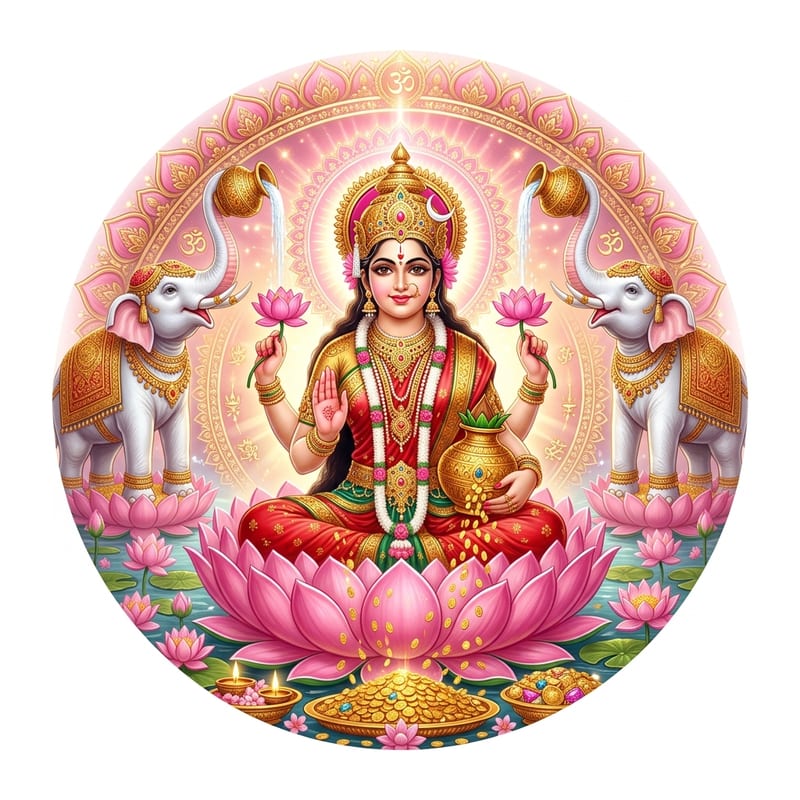
મહેન્દ્ર ઉવાચ
નમઃ કમલવાસિન્યૈ નારાયણ્યૈ નમો નમઃ ।
કૃષ્ણપ્રિયાયૈ સારાયૈ પદ્માયૈ ચ નમો નમઃ ॥ 1 ॥
કૃષ્ણપ્રિયાયૈ સારાયૈ પદ્માયૈ ચ નમો નમઃ ॥ 1 ॥
- નમઃ (namaḥ)salutation
- કમલ-વાસિન્યૈ (kamala-vāsinyai)to her who dwells in the lotus
- નારાયણ્યૈ (nārāyaṇyai)to Nārāyaṇī, Nārāyaṇa’s own
- નમો નમઃ (namo namaḥ)salutation upon salutation
- કૃષ્ણ-પ્રિયાયૈ (kṛṣṇa-priyāyai)to her who is dear to Kṛṣṇa
- સારાયૈ (sārāyai)to the essence of all things
- પદ્માયૈ (padmāyai)to Padmā, the lotus
- ચ (ca)and
- નમો નમઃ (namo namaḥ)salutation upon salutation
પદ્મપત્રેક્ષણાયૈ ચ પદ્માસ્યાયૈ નમો નમઃ ।
પદ્માસનાયૈ પદ્મિન્યૈ વૈષ્ણવ્યૈ ચ નમો નમઃ ॥ 2 ॥
પદ્માસનાયૈ પદ્મિન્યૈ વૈષ્ણવ્યૈ ચ નમો નમઃ ॥ 2 ॥
- પદ્મ-પત્ર-ઈક્ષણાયૈ (padma-patrekṣaṇāyai)to her whose eyes are lotus petals
- ચ (ca)and
- પદ્મ-આસ્યાયૈ (padmāsyāyai)to her whose face is a lotus
- નમો નમઃ (namo namaḥ)salutation upon salutation
- પદ્મ-આસનાયૈ (padmāsanāyai)to her whose seat is a lotus
- પદ્મિન્યૈ (padminyai)to her of the lotus pool
- વૈષ્ણવ્યૈ (vaiṣṇavyai)to Viṣṇu’s own power
- ચ (ca)and
- નમો નમઃ (namo namaḥ)salutation upon salutation
સર્વસમ્પત્સ્વરૂપાયૈ સર્વદાત્ર્યૈ નમો નમઃ ।
સુખદાયૈ મોક્ષદાયૈ સિદ્ધિદાયૈ નમો નમઃ ॥ 3 ॥
સુખદાયૈ મોક્ષદાયૈ સિદ્ધિદાયૈ નમો નમઃ ॥ 3 ॥
- સર્વ-સમ્પત્-સ્વરૂપાયૈ (sarva-sampat-svarūpāyai)to her whose very form is all abundance
- સર્વ-દાત્ર્યૈ (sarva-dātryai)to the giver of everything
- નમો નમઃ (namo namaḥ)salutation upon salutation
- સુખ-દાયૈ (sukha-dāyai)to the giver of ease
- મોક્ષ-દાયૈ (mokṣa-dāyai)to the giver of release
- સિદ્ધિ-દાયૈ (siddhi-dāyai)to the giver of attainment
- નમો નમઃ (namo namaḥ)salutation upon salutation
હરિભક્તિપ્રદાત્ર્યૈ ચ હર્ષદાત્ર્યૈ નમો નમઃ ।
કૃષ્ણવક્ષઃસ્થિતાયૈ ચ કૃષ્ણેશાયૈ નમો નમઃ ॥ 4 ॥
કૃષ્ણવક્ષઃસ્થિતાયૈ ચ કૃષ્ણેશાયૈ નમો નમઃ ॥ 4 ॥
- હરિ-ભક્તિ-પ્રદાત્ર્યૈ (hari-bhakti-pradātryai)to her who bestows devotion to Hari
- ચ (ca)and
- હર્ષ-દાત્ર્યૈ (harṣa-dātryai)to the giver of gladness
- નમો નમઃ (namo namaḥ)salutation upon salutation
- કૃષ્ણ-વક્ષઃ-સ્થિતાયૈ (kṛṣṇa-vakṣaḥ-sthitāyai)to her who rests upon Kṛṣṇa’s breast
- ચ (ca)and
- કૃષ્ણ-ઈશાયૈ (kṛṣṇeśāyai)to her who is Kṛṣṇa’s own sovereign lady
- નમો નમઃ (namo namaḥ)salutation upon salutation
કૃષ્ણશોભાસ્વરૂપાયૈ રત્નાઢ્યાયૈ નમો નમઃ ।
સમ્પત્યધિષ્ઠાતૃદેવ્યૈ મહાદેવ્યૈ નમો નમઃ ॥ 5 ॥
સમ્પત્યધિષ્ઠાતૃદેવ્યૈ મહાદેવ્યૈ નમો નમઃ ॥ 5 ॥
- કૃષ્ણ-શોભા-સ્વરૂપાયૈ (kṛṣṇa-śobhā-svarūpāyai)to her who is the very beauty of Kṛṣṇa
- રત્ન-આઢ્યાયૈ (ratnāḍhyāyai)to her rich in jewels
- નમો નમઃ (namo namaḥ)salutation upon salutation
- સમ્પત્-અધિષ્ઠાતૃ-દેવ્યૈ (sampad-adhiṣṭhātṛ-devyai)to the goddess who presides over wealth
- મહા-દેવ્યૈ (mahā-devyai)to the Great Goddess
- નમો નમઃ (namo namaḥ)salutation upon salutation
સસ્યાધિષ્ઠાતૃદેવ્યૈ ચ સસ્યલક્ષ્મ્યૈ નમો નમઃ ।
નમો બુદ્ધિસ્વરૂપાયૈ બુદ્ધિદાયૈ નમો નમઃ ॥ 6 ॥
નમો બુદ્ધિસ્વરૂપાયૈ બુદ્ધિદાયૈ નમો નમઃ ॥ 6 ॥
- સસ્ય-અધિષ્ઠાતૃ-દેવ્યૈ (sasyādhiṣṭhātṛ-devyai)to the goddess who presides over the standing crop
- ચ (ca)and
- સસ્ય-લક્ષ્મ્યૈ (sasya-lakṣmyai)to Lakṣmī of the harvest
- નમો નમઃ (namo namaḥ)salutation upon salutation
- નમઃ (namaḥ)salutation
- બુદ્ધિ-સ્વરૂપાયૈ (buddhi-svarūpāyai)to her whose form is understanding itself
- બુદ્ધિ-દાયૈ (buddhi-dāyai)to the giver of understanding
- નમો નમઃ (namo namaḥ)salutation upon salutation
વૈકુણ્ઠે ચ મહાલક્ષ્મીર્લક્ષ્મીઃ ક્ષીરોદસાગરે ।
સ્વર્ગલક્ષ્મીરિન્દ્રગેહે રાજલક્ષ્મીર્નૃપાલયે ॥ 7 ॥
સ્વર્ગલક્ષ્મીરિન્દ્રગેહે રાજલક્ષ્મીર્નૃપાલયે ॥ 7 ॥
- વૈકુણ્ઠે (vaikuṇṭhe)in Vaikuṇṭha
- ચ (ca)and
- મહા-લક્ષ્મીઃ (mahā-lakṣmīḥ)you are Mahālakṣmī
- લક્ષ્મીઃ (lakṣmīḥ)Lakṣmī
- ક્ષીર-ઉદ-સાગરે (kṣīroda-sāgare)in the ocean of milk
- સ્વર્ગ-લક્ષ્મીઃ (svarga-lakṣmīḥ)the Lakṣmī of heaven
- ઇન્દ્ર-ગેહે (indra-gehe)in Indra’s house
- રાજ-લક્ષ્મીઃ (rāja-lakṣmīḥ)the Lakṣmī of kingship
- નૃપ-આલયે (nṛpālaye)in the palace of a king
ગૃહલક્ષ્મીશ્ચ ગૃહિણાં ગેહે ચ ગૃહદેવતા ।
સુરભિઃ સા ગવાં માતા દક્ષિણા યજ્ઞકામિની ॥ 8 ॥
સુરભિઃ સા ગવાં માતા દક્ષિણા યજ્ઞકામિની ॥ 8 ॥
- ગૃહ-લક્ષ્મીઃ (gṛha-lakṣmīḥ)the Lakṣmī of the household
- ચ (ca)and
- ગૃહિણામ્ (gṛhiṇām)of those who keep a house
- ગેહે (gehe)in the home
- ચ (ca)and
- ગૃહ-દેવતા (gṛha-devatā)its presiding deity
- સુરભિઃ (surabhiḥ)Surabhi
- સા (sā)she
- ગવામ્ માતા (gavāṃ mātā)the mother of cows
- દક્ષિણા (dakṣiṇā)Dakṣiṇā, the sacrificial fee
- યજ્ઞ-કામિની (yajña-kāminī)who is the desire the sacrifice is made for
અદિતિર્દેવમાતા ત્વં કમલા કમલાલયે ।
સ્વાહા ત્વં ચ હવિર્દાને કવ્યદાને સ્વધા સ્મૃતા ॥ 9 ॥
સ્વાહા ત્વં ચ હવિર્દાને કવ્યદાને સ્વધા સ્મૃતા ॥ 9 ॥
- અદિતિઃ (aditiḥ)Aditi
- દેવ-માતા (deva-mātā)mother of the gods
- ત્વમ્ (tvam)you are
- કમલા (kamalā)Kamalā
- કમલ-આલયે (kamalālaye)you whose home is the lotus
- સ્વાહા (svāhā)Svāhā
- ત્વમ્ (tvam)you are
- ચ (ca)and
- હવિઃ-દાને (haviḥ-dāne)in the giving of oblation to the gods
- કવ્ય-દાને (kavya-dāne)in the giving of food to the ancestors
- સ્વધા (svadhā)as Svadhā
- સ્મૃતા (smṛtā)you are remembered
ત્વં હિ વિષ્ણુસ્વરૂપા ચ સર્વાધારા વસુન્ધરા ।
શુદ્ધસત્ત્વસ્વરૂપા ત્વં નારાયણપરાયાણા ॥ 10 ॥
શુદ્ધસત્ત્વસ્વરૂપા ત્વં નારાયણપરાયાણા ॥ 10 ॥
- ત્વમ્ (tvam)you
- હિ (hi)indeed
- વિષ્ણુ-સ્વરૂપા (viṣṇu-svarūpā)are Viṣṇu’s own form
- ચ (ca)and
- સર્વ-આધારા (sarvādhārā)the ground that bears everything
- વસુન્ધરા (vasundharā)the earth herself
- શુદ્ધ-સત્ત્વ-સ્વરૂપા (śuddha-sattva-svarūpā)whose nature is sattva unmixed
- ત્વમ્ (tvam)you
- નારાયણ-પરાયણા (nārāyaṇa-parāyaṇā)given wholly over to Nārāyaṇa
ક્રોધહિંસાવર્જિતા ચ વરદા ચ શુભાનના ।
પરમાર્થપ્રદા ત્વં ચ હરિદાસ્યપ્રદા પરા ॥ 11 ॥
પરમાર્થપ્રદા ત્વં ચ હરિદાસ્યપ્રદા પરા ॥ 11 ॥
- ક્રોધ-હિંસા-વર્જિતા (krodha-hiṃsā-varjitā)in whom is neither anger nor harming
- ચ (ca)and
- વર-દા (vara-dā)giver of boons
- ચ (ca)and
- શુભ-આનના (śubhānanā)of auspicious face
- પરમ-અર્થ-પ્રદા (paramārtha-pradā)who gives the highest aim of all
- ત્વમ્ (tvam)you
- ચ (ca)and
- હરિ-દાસ્ય-પ્રદા (hari-dāsya-pradā)who grants the servitude of Hari
- પરા (parā)supreme
યયા વિના જગત્સર્વં ભસ્મીભૂતમસારકમ્ ।
જીવન્મૃતં ચ વિશ્વં ચ શવતુલ્યં યયા વિના ॥ 12 ॥
જીવન્મૃતં ચ વિશ્વં ચ શવતુલ્યં યયા વિના ॥ 12 ॥
- યયા વિના (yayā vinā)without whom
- જગત્ સર્વમ્ (jagat sarvam)the whole world
- ભસ્મી-ભૂતમ્ (bhasmī-bhūtam)is turned to ash
- અસારકમ્ (asārakam)with nothing in it
- જીવત્-મૃતમ્ (jīvan-mṛtam)dead while it lives
- ચ (ca)and
- વિશ્વમ્ (viśvam)the universe
- ચ (ca)and
- શવ-તુલ્યમ્ (śava-tulyam)no better than a corpse
- યયા વિના (yayā vinā)without whom
સર્વેષાં ચ પરા ત્વં હિ સર્વબાન્ધવરૂપિણી ।
યયા વિના ન સમ્ભાષ્યો બાન્ધવૈર્બાન્ધવઃ સદા ॥ 13 ॥
યયા વિના ન સમ્ભાષ્યો બાન્ધવૈર્બાન્ધવઃ સદા ॥ 13 ॥
- સર્વેષામ્ (sarveṣām)for all beings
- ચ (ca)and
- પરા (parā)the highest
- ત્વમ્ (tvam)you
- હિ (hi)indeed
- સર્વ-બાન્ધવ-રૂપિણી (sarva-bāndhava-rūpiṇī)who takes the form of every kinsman
- યયા વિના (yayā vinā)without whom
- ન સમ્ભાષ્યઃ (na sambhāṣyaḥ)there is no speaking together
- બાન્ધવૈઃ (bāndhavaiḥ)by kinsfolk
- બાન્ધવઃ (bāndhavaḥ)with a kinsman
- સદા (sadā)ever
ત્વયા હીનો બન્ધુહીનસ્ત્વયા યુક્તઃ સબાન્ધવઃ ।
ધર્માર્થકામમોક્ષાણાં ત્વં ચ કારણરૂપિણી ॥ 14 ॥
ધર્માર્થકામમોક્ષાણાં ત્વં ચ કારણરૂપિણી ॥ 14 ॥
- ત્વયા હીનઃ (tvayā hīnaḥ)he who is without you
- બન્ધુ-હીનઃ (bandhu-hīnaḥ)is without kin
- ત્વયા યુક્તઃ (tvayā yuktaḥ)he who has you
- સ-બાન્ધવઃ (sa-bāndhavaḥ)has kin about him
- ધર્મ-અર્થ-કામ-મોક્ષાણામ્ (dharmārtha-kāma-mokṣāṇām)of righteousness, means, desire and release
- ત્વમ્ (tvam)you
- ચ (ca)and
- કારણ-રૂપિણી (kāraṇa-rūpiṇī)are the cause in bodily form
સ્તનન્ધયાનાં ત્વં માતા શિશૂનાં શૈશવે યથા ।
તથા ત્વં સર્વદા માતા સર્વેષાં સર્વવિશ્વતઃ ॥ 15 ॥
તથા ત્વં સર્વદા માતા સર્વેષાં સર્વવિશ્વતઃ ॥ 15 ॥
- સ્તનન્ધયાનામ્ (stanandhayānām)of infants at the breast
- ત્વમ્ (tvam)you
- માતા (mātā)are the mother
- શિશૂનામ્ (śiśūnām)of little ones
- શૈશવે (śaiśave)in their infancy
- યથા (yathā)as
- તથા (tathā)even so
- ત્વમ્ (tvam)you
- સર્વદા (sarvadā)at all times
- માતા (mātā)the mother
- સર્વેષામ્ (sarveṣām)of all
- સર્વ-વિશ્વતઃ (sarva-viśvataḥ)throughout the whole universe
ત્યક્તસ્તનો માતૃહીનઃ સ ચેજ્જીવતિ દૈવતઃ ।
ત્વયા હીનો જનઃ કોઽપિ ન જીવત્યેવ નિશ્ચિતમ્ ॥ 16 ॥
ત્વયા હીનો જનઃ કોઽપિ ન જીવત્યેવ નિશ્ચિતમ્ ॥ 16 ॥
- ત્યક્ત-સ્તનઃ (tyakta-stanaḥ)one from whom the breast has been taken
- માતૃ-હીનઃ (mātṛ-hīnaḥ)bereft of his mother
- સઃ (saḥ)he
- ચેત્ (cet)if
- જીવતિ (jīvati)lives on
- દૈવતઃ (daivataḥ)by some act of the gods
- ત્વયા હીનઃ (tvayā hīnaḥ)without you
- જનઃ કઃ અપિ (janaḥ kaḥ api)no person whatever
- ન જીવતિ એવ (na jīvaty eva)simply does not live
- નિશ્ચિતમ્ (niścitam)that is certain
સુપ્રસન્નસ્વરૂપા ત્વં મે પ્રસન્ના ભવામ્બિકે ।
વૈરિગ્રસ્તં ચ વિષયં દેહિ મહ્યં સનાતનિ ॥ 17 ॥
વૈરિગ્રસ્તં ચ વિષયં દેહિ મહ્યં સનાતનિ ॥ 17 ॥
- સુપ્રસન્ન-સ્વરૂપા (suprasanna-svarūpā)whose very nature is grace
- ત્વમ્ (tvam)you
- મે (me)to me
- પ્રસન્ના (prasannā)gracious
- ભવ (bhava)be
- અમ્બિકે (ambike)O Mother
- વૈરિ-ગ્રસ્તમ્ (vairi-grastam)seized by enemies
- ચ (ca)and
- વિષયમ્ (viṣayam)the domain
- દેહિ (dehi)give back
- મહ્યમ્ (mahyam)to me
- સનાતનિ (sanātani)O everlasting one
વયં યાવત્ત્વયા હીના બન્ધુહીનાશ્ચ ભિક્ષુકાઃ ।
સર્વસમ્પદ્વિહીનાશ્ચ તાવદેવ હરિપ્રિયે ॥ 18 ॥
સર્વસમ્પદ્વિહીનાશ્ચ તાવદેવ હરિપ્રિયે ॥ 18 ॥
- વયમ્ (vayam)we
- યાવત્ (yāvat)for as long as
- ત્વયા હીનાઃ (tvayā hīnāḥ)we are without you
- બન્ધુ-હીનાઃ (bandhu-hīnāḥ)are kinless
- ચ (ca)and
- ભિક્ષુકાઃ (bhikṣukāḥ)beggars
- સર્વ-સમ્પત્-વિહીનાઃ (sarva-sampad-vihīnāḥ)stripped of every good
- ચ (ca)and
- તાવત્ એવ (tāvad eva)just so long
- હરિ-પ્રિયે (hari-priye)O beloved of Hari
રાજ્યં દેહિ શ્રિયં દેહિ બલં દેહિ સુરેશ્વરિ ।
કીર્તિં દેહિ ધનં દેહિ પુત્રાન્મહ્યં ચ દેહિ વૈ ॥ 19 ॥
કીર્તિં દેહિ ધનં દેહિ પુત્રાન્મહ્યં ચ દેહિ વૈ ॥ 19 ॥
- રાજ્યમ્ (rājyam)a kingdom
- દેહિ (dehi)grant
- શ્રિયમ્ (śriyam)splendour
- દેહિ (dehi)grant
- બલમ્ (balam)strength
- દેહિ (dehi)grant
- સુરેશ્વરિ (sureśvari)O sovereign of the gods
- કીર્તિમ્ (kīrtim)renown
- દેહિ (dehi)grant
- ધનમ્ (dhanam)wealth
- દેહિ (dehi)grant
- પુત્રાન્ (putrān)sons
- મહ્યમ્ (mahyam)to me
- ચ (ca)and
- દેહિ વૈ (dehi vai)grant indeed
કામં દેહિ મતિં દેહિ ભોગાન્ દેહિ હરિપ્રિયે ।
જ્ઞાનં દેહિ ચ ધર્મં ચ સર્વસૌભાગ્યમીપ્સિતમ્ ॥ 20 ॥
જ્ઞાનં દેહિ ચ ધર્મં ચ સર્વસૌભાગ્યમીપ્સિતમ્ ॥ 20 ॥
- કામમ્ (kāmam)what I desire
- દેહિ (dehi)grant
- મતિમ્ (matim)a sound mind
- દેહિ (dehi)grant
- ભોગાન્ (bhogān)enjoyments
- દેહિ (dehi)grant
- હરિ-પ્રિયે (hari-priye)O beloved of Hari
- જ્ઞાનમ્ (jñānam)knowledge
- દેહિ (dehi)grant
- ચ (ca)and
- ધર્મમ્ (dharmam)righteousness
- ચ (ca)and
- સર્વ-સૌભાગ્યમ્ (sarva-saubhāgyam)every good fortune
- ઈપ્સિતમ્ (īpsitam)that is longed for
સર્વાધિકારમેવં વૈ પ્રભાવાં ચ પ્રતાપકમ્ ।
જયં પરાક્રમં યુદ્ધે પરમૈશ્વર્યમૈવ ચ ॥ 21 ॥
જયં પરાક્રમં યુદ્ધે પરમૈશ્વર્યમૈવ ચ ॥ 21 ॥
- સર્વ-અધિકારમ્ (sarvādhikāram)authority over all
- એવમ્ (evam)so too
- વૈ (vai)indeed
- પ્રભાવામ્ (prabhāvām)power
- ચ (ca)and
- પ્રતાપકમ્ (pratāpakam)the heat of majesty
- જયમ્ (jayam)victory
- પરાક્રમમ્ (parākramam)prowess
- યુદ્ધે (yuddhe)in battle
- પરમ-ઐશ્વર્યમ્ (paramaiśvaryam)the highest lordship
- એવ ચ (eva ca)these as well – the verse continues the “grant me” of the line before, where the published rendering reads it instead as the fruit of the hymn
ઇત્યુક્ત્વા તુ મહેન્દ્રશ્ચ સર્વૈઃ સુરગણૈઃ સહ ।
નનામ સાશ્રુનેત્રોઽયં મૂર્ધ્ના ચૈવ પુનઃ પુનઃ ॥ 22 ॥
નનામ સાશ્રુનેત્રોઽયં મૂર્ધ્ના ચૈવ પુનઃ પુનઃ ॥ 22 ॥
- ઇતિ ઉક્ત્વા (ity uktvā)having spoken thus
- તુ (tu)then
- મહા-ઇન્દ્રઃ (mahendraḥ)the great Indra
- ચ (ca)and
- સર્વૈઃ સુર-ગણૈઃ સહ (sarvaiḥ sura-gaṇaiḥ saha)together with all the hosts of gods
- નનામ (nanāma)bowed
- સ-અશ્રુ-નેત્રઃ (sāśru-netraḥ)his eyes wet with tears
- અયમ્ (ayam)he there
- મૂર્ધ્ના (mūrdhnā)with his head
- ચ એવ (caiva)and so
- પુનઃ પુનઃ (punaḥ punaḥ)again and again
બ્રહ્મા ચ શઙ્કરશ્ચૈવ શેષો ધર્મશ્ચ કેશવઃ ।
સર્વે ચક્રુઃ પરીહારં સુરાર્થે ચ પુનઃ પુનઃ ॥ 23 ॥
સર્વે ચક્રુઃ પરીહારં સુરાર્થે ચ પુનઃ પુનઃ ॥ 23 ॥
- બ્રહ્મા (brahmā)Brahmā
- ચ (ca)and
- શઙ્કરઃ (śaṅkaraḥ)Śaṅkara
- ચ એવ (caiva)and also
- શેષઃ (śeṣaḥ)Śeṣa
- ધર્મઃ (dharmaḥ)Dharma
- ચ (ca)and
- કેશવઃ (keśavaḥ)Keśava
- સર્વે (sarve)all of them
- ચક્રુઃ (cakruḥ)made
- પરીહારમ્ (parīhāram)entreaty for her favour
- સુર-અર્થે (surārthe)for the sake of the gods
- ચ (ca)and
- પુનઃ પુનઃ (punaḥ punaḥ)again and again
દેવેભ્યશ્ચ વરં દત્ત્વા પુષ્પમાલાં મનોહરામ્ ।
કેશવાય દદૌ લક્ષ્મીઃ સન્તુષ્ટા સુરસંસદિ ॥ 24 ॥
કેશવાય દદૌ લક્ષ્મીઃ સન્તુષ્ટા સુરસંસદિ ॥ 24 ॥
- દેવેભ્યઃ (devebhyaḥ)to the gods
- ચ (ca)and
- વરમ્ (varam)a boon
- દત્ત્વા (dattvā)having given
- પુષ્પ-માલામ્ (puṣpa-mālām)a garland of flowers
- મનોહરામ્ (manoharām)that took the heart
- કેશવાય (keśavāya)to Keśava
- દદૌ (dadau)she gave it
- લક્ષ્મીઃ (lakṣmīḥ)Lakṣmī
- સન્તુષ્ટા (santuṣṭā)well content
- સુર-સંસદિ (sura-saṃsadi)in the assembly of the gods
યયુર્દૈવાશ્ચ સન્તુષ્ટાઃ સ્વં સ્વં સ્થાનં ચ નારદ ।
દેવી યયૌ હરેઃ ક્રોડં હૃષ્ટા ક્ષીરોદશાયિનઃ ॥ 25 ॥
દેવી યયૌ હરેઃ ક્રોડં હૃષ્ટા ક્ષીરોદશાયિનઃ ॥ 25 ॥
- યયુઃ (yayuḥ)they went
- દેવાઃ (devāḥ)the gods
- ચ (ca)and
- સન્તુષ્ટાઃ (santuṣṭāḥ)well content
- સ્વમ્ સ્વમ્ સ્થાનમ્ (svaṃ svaṃ sthānam)each to his own place
- ચ (ca)and
- નારદ (nārada)O Nārada
- દેવી (devī)the Goddess
- યયૌ (yayau)went
- હરેઃ ક્રોડમ્ (hareḥ kroḍam)to the breast of Hari
- હૃષ્ટા (hṛṣṭā)rejoicing
- ક્ષીર-ઉદ-શાયિનઃ (kṣīroda-śāyinaḥ)of him who lies on the milk ocean
યયતુસ્તૌ સ્વસ્વગૃહં બ્રહ્મેશાનૌ ચ નારદ ।
દત્ત્વા શુભાશિષં તૌ ચ દેવેભ્યઃ પ્રીતિપૂર્વકમ્ ॥ 26 ॥
દત્ત્વા શુભાશિષં તૌ ચ દેવેભ્યઃ પ્રીતિપૂર્વકમ્ ॥ 26 ॥
- યયતુઃ (yayatuḥ)the two of them went
- તૌ (tau)they
- સ્વ-સ્વ-ગૃહમ્ (sva-sva-gṛham)each to his own house
- બ્રહ્મ-ઈશાનૌ (brahmeśānau)Brahmā and Īśāna
- ચ (ca)and
- નારદ (nārada)O Nārada
- દત્ત્વા (dattvā)having given
- શુભ-આશિષમ્ (śubhāśiṣam)an auspicious blessing
- તૌ (tau)the two of them
- ચ (ca)and
- દેવેભ્યઃ (devebhyaḥ)to the gods
- પ્રીતિ-પૂર્વકમ્ (prīti-pūrvakam)with affection
ઇદં સ્તોત્રં મહાપુણ્યં ત્રિસન્ધ્યં યઃ પઠેન્નરઃ ।
કુબેરતુલ્યઃ સ ભવેદ્રાજરાજેશ્વરો મહાન્ ॥ 27 ॥
કુબેરતુલ્યઃ સ ભવેદ્રાજરાજેશ્વરો મહાન્ ॥ 27 ॥
- ઇદમ્ સ્તોત્રમ્ (idaṃ stotram)this hymn
- મહા-પુણ્યમ્ (mahā-puṇyam)of great merit
- ત્રિ-સન્ધ્યમ્ (tri-sandhyam)at the three junctures of the day
- યઃ (yaḥ)whoever
- પઠેત્ (paṭhet)recites it
- નરઃ (naraḥ)the man who does
- કુબેર-તુલ્યઃ (kubera-tulyaḥ)a match for Kubera
- સઃ (saḥ)he
- ભવેત્ (bhavet)would become
- રાજ-રાજ-ઈશ્વરઃ (rāja-rājeśvaraḥ)lord over kings of kings
- મહાન્ (mahān)a great one
સિદ્ધસ્તોત્રં યદિ પઠેત્ સોઽપિ કલ્પતરુર્નરઃ ।
પઞ્ચલક્ષજપેનૈવ સ્તોત્રસિદ્ધિર્ભવેન્નૃણામ્ ॥ 28 ॥
પઞ્ચલક્ષજપેનૈવ સ્તોત્રસિદ્ધિર્ભવેન્નૃણામ્ ॥ 28 ॥
- સિદ્ધ-સ્તોત્રમ્ (siddha-stotram)this hymn once it is mastered
- યદિ (yadi)if
- પઠેત્ (paṭhet)one recites
- સઃ અપિ (saḥ api)that person too
- કલ્પ-તરુઃ (kalpa-taruḥ)becomes a wishing-tree
- નરઃ (naraḥ)a man
- પઞ્ચ-લક્ષ-જપેન (pañca-lakṣa-japena)by five hundred thousand repetitions
- એવ (eva)just so
- સ્તોત્ર-સિદ્ધિઃ (stotra-siddhiḥ)mastery of the hymn
- ભવેત્ (bhavet)comes about
- નૃણામ્ (nṛṇām)for men
સિદ્ધસ્તોત્રં યદિ પઠેન્માસમેકં ચ સંયતઃ ।
મહાસુખી ચ રાજેન્દ્રો ભવિષ્યતિ ન સંશયઃ ॥ 29 ॥
મહાસુખી ચ રાજેન્દ્રો ભવિષ્યતિ ન સંશયઃ ॥ 29 ॥
- સિદ્ધ-સ્તોત્રમ્ (siddha-stotram)this mastered hymn
- યદિ (yadi)if
- પઠેત્ (paṭhet)one recites
- માસમ્ એકમ્ (māsam ekam)for one month
- ચ (ca)and
- સંયતઃ (saṃyataḥ)holding himself in check
- મહા-સુખી (mahā-sukhī)greatly at ease
- ચ (ca)and
- રાજ-ઇન્દ્રઃ (rājendraḥ)a lord among kings
- ભવિષ્યતિ (bhaviṣyati)he will become
- ન સંશયઃ (na saṃśayaḥ)there is no doubt
ઇતિ શ્રીબ્રહ્મવૈવર્તે મહાપુરાણે દ્વિતીયે પ્રકૃતિખણ્ડે નારદનારાયણસંવાદે એકોનચત્વારિંશત્તમોઽધ્યાયે મહેન્દ્ર કૃત શ્રી મહાલક્ષ્મી સ્તોત્રમ્ ।