
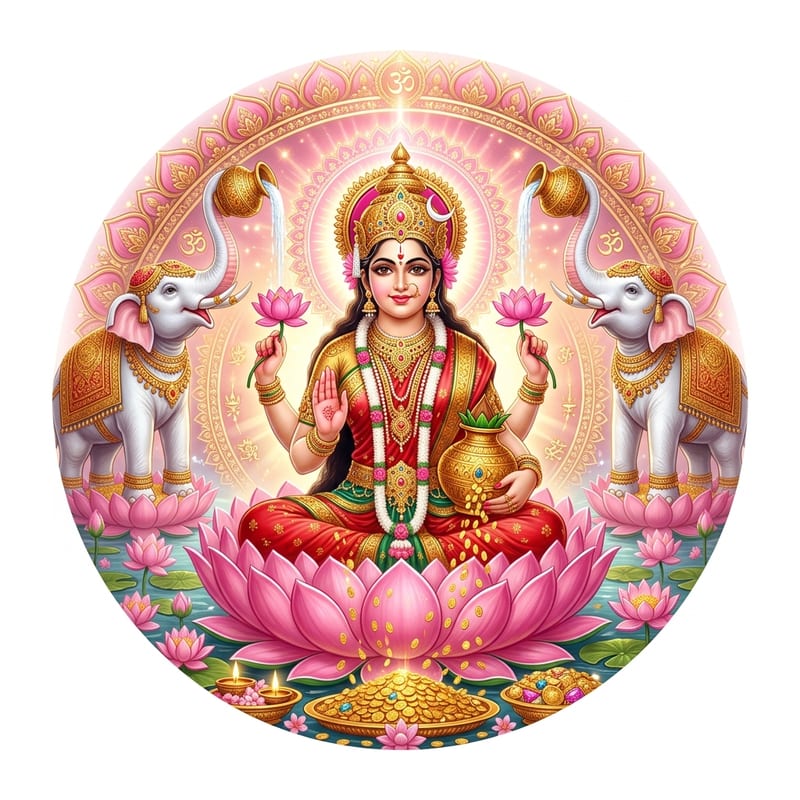
महेन्द्र उवाच
नमः कमलवासिन्यै नारायण्यै नमो नमः ।
कृष्णप्रियायै सारायै पद्मायै च नमो नमः ॥ 1 ॥
कृष्णप्रियायै सारायै पद्मायै च नमो नमः ॥ 1 ॥
- नमः (namaḥ)salutation
- कमल-वासिन्यै (kamala-vāsinyai)to her who dwells in the lotus
- नारायण्यै (nārāyaṇyai)to Nārāyaṇī, Nārāyaṇa’s own
- नमो नमः (namo namaḥ)salutation upon salutation
- कृष्ण-प्रियायै (kṛṣṇa-priyāyai)to her who is dear to Kṛṣṇa
- सारायै (sārāyai)to the essence of all things
- पद्मायै (padmāyai)to Padmā, the lotus
- च (ca)and
- नमो नमः (namo namaḥ)salutation upon salutation
पद्मपत्रेक्षणायै च पद्मास्यायै नमो नमः ।
पद्मासनायै पद्मिन्यै वैष्णव्यै च नमो नमः ॥ 2 ॥
पद्मासनायै पद्मिन्यै वैष्णव्यै च नमो नमः ॥ 2 ॥
- पद्म-पत्र-ईक्षणायै (padma-patrekṣaṇāyai)to her whose eyes are lotus petals
- च (ca)and
- पद्म-आस्यायै (padmāsyāyai)to her whose face is a lotus
- नमो नमः (namo namaḥ)salutation upon salutation
- पद्म-आसनायै (padmāsanāyai)to her whose seat is a lotus
- पद्मिन्यै (padminyai)to her of the lotus pool
- वैष्णव्यै (vaiṣṇavyai)to Viṣṇu’s own power
- च (ca)and
- नमो नमः (namo namaḥ)salutation upon salutation
सर्वसम्पत्स्वरूपायै सर्वदात्र्यै नमो नमः ।
सुखदायै मोक्षदायै सिद्धिदायै नमो नमः ॥ 3 ॥
सुखदायै मोक्षदायै सिद्धिदायै नमो नमः ॥ 3 ॥
- सर्व-सम्पत्-स्वरूपायै (sarva-sampat-svarūpāyai)to her whose very form is all abundance
- सर्व-दात्र्यै (sarva-dātryai)to the giver of everything
- नमो नमः (namo namaḥ)salutation upon salutation
- सुख-दायै (sukha-dāyai)to the giver of ease
- मोक्ष-दायै (mokṣa-dāyai)to the giver of release
- सिद्धि-दायै (siddhi-dāyai)to the giver of attainment
- नमो नमः (namo namaḥ)salutation upon salutation
हरिभक्तिप्रदात्र्यै च हर्षदात्र्यै नमो नमः ।
कृष्णवक्षःस्थितायै च कृष्णेशायै नमो नमः ॥ 4 ॥
कृष्णवक्षःस्थितायै च कृष्णेशायै नमो नमः ॥ 4 ॥
- हरि-भक्ति-प्रदात्र्यै (hari-bhakti-pradātryai)to her who bestows devotion to Hari
- च (ca)and
- हर्ष-दात्र्यै (harṣa-dātryai)to the giver of gladness
- नमो नमः (namo namaḥ)salutation upon salutation
- कृष्ण-वक्षः-स्थितायै (kṛṣṇa-vakṣaḥ-sthitāyai)to her who rests upon Kṛṣṇa’s breast
- च (ca)and
- कृष्ण-ईशायै (kṛṣṇeśāyai)to her who is Kṛṣṇa’s own sovereign lady
- नमो नमः (namo namaḥ)salutation upon salutation
कृष्णशोभास्वरूपायै रत्नाढ्यायै नमो नमः ।
सम्पत्यधिष्ठातृदेव्यै महादेव्यै नमो नमः ॥ 5 ॥
सम्पत्यधिष्ठातृदेव्यै महादेव्यै नमो नमः ॥ 5 ॥
- कृष्ण-शोभा-स्वरूपायै (kṛṣṇa-śobhā-svarūpāyai)to her who is the very beauty of Kṛṣṇa
- रत्न-आढ्यायै (ratnāḍhyāyai)to her rich in jewels
- नमो नमः (namo namaḥ)salutation upon salutation
- सम्पत्-अधिष्ठातृ-देव्यै (sampad-adhiṣṭhātṛ-devyai)to the goddess who presides over wealth
- महा-देव्यै (mahā-devyai)to the Great Goddess
- नमो नमः (namo namaḥ)salutation upon salutation
सस्याधिष्ठातृदेव्यै च सस्यलक्ष्म्यै नमो नमः ।
नमो बुद्धिस्वरूपायै बुद्धिदायै नमो नमः ॥ 6 ॥
नमो बुद्धिस्वरूपायै बुद्धिदायै नमो नमः ॥ 6 ॥
- सस्य-अधिष्ठातृ-देव्यै (sasyādhiṣṭhātṛ-devyai)to the goddess who presides over the standing crop
- च (ca)and
- सस्य-लक्ष्म्यै (sasya-lakṣmyai)to Lakṣmī of the harvest
- नमो नमः (namo namaḥ)salutation upon salutation
- नमः (namaḥ)salutation
- बुद्धि-स्वरूपायै (buddhi-svarūpāyai)to her whose form is understanding itself
- बुद्धि-दायै (buddhi-dāyai)to the giver of understanding
- नमो नमः (namo namaḥ)salutation upon salutation
वैकुण्ठे च महालक्ष्मीर्लक्ष्मीः क्षीरोदसागरे ।
स्वर्गलक्ष्मीरिन्द्रगेहे राजलक्ष्मीर्नृपालये ॥ 7 ॥
स्वर्गलक्ष्मीरिन्द्रगेहे राजलक्ष्मीर्नृपालये ॥ 7 ॥
- वैकुण्ठे (vaikuṇṭhe)in Vaikuṇṭha
- च (ca)and
- महा-लक्ष्मीः (mahā-lakṣmīḥ)you are Mahālakṣmī
- लक्ष्मीः (lakṣmīḥ)Lakṣmī
- क्षीर-उद-सागरे (kṣīroda-sāgare)in the ocean of milk
- स्वर्ग-लक्ष्मीः (svarga-lakṣmīḥ)the Lakṣmī of heaven
- इन्द्र-गेहे (indra-gehe)in Indra’s house
- राज-लक्ष्मीः (rāja-lakṣmīḥ)the Lakṣmī of kingship
- नृप-आलये (nṛpālaye)in the palace of a king
गृहलक्ष्मीश्च गृहिणां गेहे च गृहदेवता ।
सुरभिः सा गवां माता दक्षिणा यज्ञकामिनी ॥ 8 ॥
सुरभिः सा गवां माता दक्षिणा यज्ञकामिनी ॥ 8 ॥
- गृह-लक्ष्मीः (gṛha-lakṣmīḥ)the Lakṣmī of the household
- च (ca)and
- गृहिणाम् (gṛhiṇām)of those who keep a house
- गेहे (gehe)in the home
- च (ca)and
- गृह-देवता (gṛha-devatā)its presiding deity
- सुरभिः (surabhiḥ)Surabhi
- सा (sā)she
- गवाम् माता (gavāṃ mātā)the mother of cows
- दक्षिणा (dakṣiṇā)Dakṣiṇā, the sacrificial fee
- यज्ञ-कामिनी (yajña-kāminī)who is the desire the sacrifice is made for
अदितिर्देवमाता त्वं कमला कमलालये ।
स्वाहा त्वं च हविर्दाने कव्यदाने स्वधा स्मृता ॥ 9 ॥
स्वाहा त्वं च हविर्दाने कव्यदाने स्वधा स्मृता ॥ 9 ॥
- अदितिः (aditiḥ)Aditi
- देव-माता (deva-mātā)mother of the gods
- त्वम् (tvam)you are
- कमला (kamalā)Kamalā
- कमल-आलये (kamalālaye)you whose home is the lotus
- स्वाहा (svāhā)Svāhā
- त्वम् (tvam)you are
- च (ca)and
- हविः-दाने (haviḥ-dāne)in the giving of oblation to the gods
- कव्य-दाने (kavya-dāne)in the giving of food to the ancestors
- स्वधा (svadhā)as Svadhā
- स्मृता (smṛtā)you are remembered
त्वं हि विष्णुस्वरूपा च सर्वाधारा वसुन्धरा ।
शुद्धसत्त्वस्वरूपा त्वं नारायणपरायाणा ॥ 10 ॥
शुद्धसत्त्वस्वरूपा त्वं नारायणपरायाणा ॥ 10 ॥
- त्वम् (tvam)you
- हि (hi)indeed
- विष्णु-स्वरूपा (viṣṇu-svarūpā)are Viṣṇu’s own form
- च (ca)and
- सर्व-आधारा (sarvādhārā)the ground that bears everything
- वसुन्धरा (vasundharā)the earth herself
- शुद्ध-सत्त्व-स्वरूपा (śuddha-sattva-svarūpā)whose nature is sattva unmixed
- त्वम् (tvam)you
- नारायण-परायणा (nārāyaṇa-parāyaṇā)given wholly over to Nārāyaṇa
क्रोधहिंसावर्जिता च वरदा च शुभानना ।
परमार्थप्रदा त्वं च हरिदास्यप्रदा परा ॥ 11 ॥
परमार्थप्रदा त्वं च हरिदास्यप्रदा परा ॥ 11 ॥
- क्रोध-हिंसा-वर्जिता (krodha-hiṃsā-varjitā)in whom is neither anger nor harming
- च (ca)and
- वर-दा (vara-dā)giver of boons
- च (ca)and
- शुभ-आनना (śubhānanā)of auspicious face
- परम-अर्थ-प्रदा (paramārtha-pradā)who gives the highest aim of all
- त्वम् (tvam)you
- च (ca)and
- हरि-दास्य-प्रदा (hari-dāsya-pradā)who grants the servitude of Hari
- परा (parā)supreme
यया विना जगत्सर्वं भस्मीभूतमसारकम् ।
जीवन्मृतं च विश्वं च शवतुल्यं यया विना ॥ 12 ॥
जीवन्मृतं च विश्वं च शवतुल्यं यया विना ॥ 12 ॥
- यया विना (yayā vinā)without whom
- जगत् सर्वम् (jagat sarvam)the whole world
- भस्मी-भूतम् (bhasmī-bhūtam)is turned to ash
- असारकम् (asārakam)with nothing in it
- जीवत्-मृतम् (jīvan-mṛtam)dead while it lives
- च (ca)and
- विश्वम् (viśvam)the universe
- च (ca)and
- शव-तुल्यम् (śava-tulyam)no better than a corpse
- यया विना (yayā vinā)without whom
सर्वेषां च परा त्वं हि सर्वबान्धवरूपिणी ।
यया विना न सम्भाष्यो बान्धवैर्बान्धवः सदा ॥ 13 ॥
यया विना न सम्भाष्यो बान्धवैर्बान्धवः सदा ॥ 13 ॥
- सर्वेषाम् (sarveṣām)for all beings
- च (ca)and
- परा (parā)the highest
- त्वम् (tvam)you
- हि (hi)indeed
- सर्व-बान्धव-रूपिणी (sarva-bāndhava-rūpiṇī)who takes the form of every kinsman
- यया विना (yayā vinā)without whom
- न सम्भाष्यः (na sambhāṣyaḥ)there is no speaking together
- बान्धवैः (bāndhavaiḥ)by kinsfolk
- बान्धवः (bāndhavaḥ)with a kinsman
- सदा (sadā)ever
त्वया हीनो बन्धुहीनस्त्वया युक्तः सबान्धवः ।
धर्मार्थकाममोक्षाणां त्वं च कारणरूपिणी ॥ 14 ॥
धर्मार्थकाममोक्षाणां त्वं च कारणरूपिणी ॥ 14 ॥
- त्वया हीनः (tvayā hīnaḥ)he who is without you
- बन्धु-हीनः (bandhu-hīnaḥ)is without kin
- त्वया युक्तः (tvayā yuktaḥ)he who has you
- स-बान्धवः (sa-bāndhavaḥ)has kin about him
- धर्म-अर्थ-काम-मोक्षाणाम् (dharmārtha-kāma-mokṣāṇām)of righteousness, means, desire and release
- त्वम् (tvam)you
- च (ca)and
- कारण-रूपिणी (kāraṇa-rūpiṇī)are the cause in bodily form
स्तनन्धयानां त्वं माता शिशूनां शैशवे यथा ।
तथा त्वं सर्वदा माता सर्वेषां सर्वविश्वतः ॥ 15 ॥
तथा त्वं सर्वदा माता सर्वेषां सर्वविश्वतः ॥ 15 ॥
- स्तनन्धयानाम् (stanandhayānām)of infants at the breast
- त्वम् (tvam)you
- माता (mātā)are the mother
- शिशूनाम् (śiśūnām)of little ones
- शैशवे (śaiśave)in their infancy
- यथा (yathā)as
- तथा (tathā)even so
- त्वम् (tvam)you
- सर्वदा (sarvadā)at all times
- माता (mātā)the mother
- सर्वेषाम् (sarveṣām)of all
- सर्व-विश्वतः (sarva-viśvataḥ)throughout the whole universe
त्यक्तस्तनो मातृहीनः स चेज्जीवति दैवतः ।
त्वया हीनो जनः कोऽपि न जीवत्येव निश्चितम् ॥ 16 ॥
त्वया हीनो जनः कोऽपि न जीवत्येव निश्चितम् ॥ 16 ॥
- त्यक्त-स्तनः (tyakta-stanaḥ)one from whom the breast has been taken
- मातृ-हीनः (mātṛ-hīnaḥ)bereft of his mother
- सः (saḥ)he
- चेत् (cet)if
- जीवति (jīvati)lives on
- दैवतः (daivataḥ)by some act of the gods
- त्वया हीनः (tvayā hīnaḥ)without you
- जनः कः अपि (janaḥ kaḥ api)no person whatever
- न जीवति एव (na jīvaty eva)simply does not live
- निश्चितम् (niścitam)that is certain
सुप्रसन्नस्वरूपा त्वं मे प्रसन्ना भवाम्बिके ।
वैरिग्रस्तं च विषयं देहि मह्यं सनातनि ॥ 17 ॥
वैरिग्रस्तं च विषयं देहि मह्यं सनातनि ॥ 17 ॥
- सुप्रसन्न-स्वरूपा (suprasanna-svarūpā)whose very nature is grace
- त्वम् (tvam)you
- मे (me)to me
- प्रसन्ना (prasannā)gracious
- भव (bhava)be
- अम्बिके (ambike)O Mother
- वैरि-ग्रस्तम् (vairi-grastam)seized by enemies
- च (ca)and
- विषयम् (viṣayam)the domain
- देहि (dehi)give back
- मह्यम् (mahyam)to me
- सनातनि (sanātani)O everlasting one
वयं यावत्त्वया हीना बन्धुहीनाश्च भिक्षुकाः ।
सर्वसम्पद्विहीनाश्च तावदेव हरिप्रिये ॥ 18 ॥
सर्वसम्पद्विहीनाश्च तावदेव हरिप्रिये ॥ 18 ॥
- वयम् (vayam)we
- यावत् (yāvat)for as long as
- त्वया हीनाः (tvayā hīnāḥ)we are without you
- बन्धु-हीनाः (bandhu-hīnāḥ)are kinless
- च (ca)and
- भिक्षुकाः (bhikṣukāḥ)beggars
- सर्व-सम्पत्-विहीनाः (sarva-sampad-vihīnāḥ)stripped of every good
- च (ca)and
- तावत् एव (tāvad eva)just so long
- हरि-प्रिये (hari-priye)O beloved of Hari
राज्यं देहि श्रियं देहि बलं देहि सुरेश्वरि ।
कीर्तिं देहि धनं देहि पुत्रान्मह्यं च देहि वै ॥ 19 ॥
कीर्तिं देहि धनं देहि पुत्रान्मह्यं च देहि वै ॥ 19 ॥
- राज्यम् (rājyam)a kingdom
- देहि (dehi)grant
- श्रियम् (śriyam)splendour
- देहि (dehi)grant
- बलम् (balam)strength
- देहि (dehi)grant
- सुरेश्वरि (sureśvari)O sovereign of the gods
- कीर्तिम् (kīrtim)renown
- देहि (dehi)grant
- धनम् (dhanam)wealth
- देहि (dehi)grant
- पुत्रान् (putrān)sons
- मह्यम् (mahyam)to me
- च (ca)and
- देहि वै (dehi vai)grant indeed
कामं देहि मतिं देहि भोगान् देहि हरिप्रिये ।
ज्ञानं देहि च धर्मं च सर्वसौभाग्यमीप्सितम् ॥ 20 ॥
ज्ञानं देहि च धर्मं च सर्वसौभाग्यमीप्सितम् ॥ 20 ॥
- कामम् (kāmam)what I desire
- देहि (dehi)grant
- मतिम् (matim)a sound mind
- देहि (dehi)grant
- भोगान् (bhogān)enjoyments
- देहि (dehi)grant
- हरि-प्रिये (hari-priye)O beloved of Hari
- ज्ञानम् (jñānam)knowledge
- देहि (dehi)grant
- च (ca)and
- धर्मम् (dharmam)righteousness
- च (ca)and
- सर्व-सौभाग्यम् (sarva-saubhāgyam)every good fortune
- ईप्सितम् (īpsitam)that is longed for
सर्वाधिकारमेवं वै प्रभावां च प्रतापकम् ।
जयं पराक्रमं युद्धे परमैश्वर्यमैव च ॥ 21 ॥
जयं पराक्रमं युद्धे परमैश्वर्यमैव च ॥ 21 ॥
- सर्व-अधिकारम् (sarvādhikāram)authority over all
- एवम् (evam)so too
- वै (vai)indeed
- प्रभावाम् (prabhāvām)power
- च (ca)and
- प्रतापकम् (pratāpakam)the heat of majesty
- जयम् (jayam)victory
- पराक्रमम् (parākramam)prowess
- युद्धे (yuddhe)in battle
- परम-ऐश्वर्यम् (paramaiśvaryam)the highest lordship
- एव च (eva ca)these as well – the verse continues the “grant me” of the line before, where the published rendering reads it instead as the fruit of the hymn
इत्युक्त्वा तु महेन्द्रश्च सर्वैः सुरगणैः सह ।
ननाम साश्रुनेत्रोऽयं मूर्ध्ना चैव पुनः पुनः ॥ 22 ॥
ननाम साश्रुनेत्रोऽयं मूर्ध्ना चैव पुनः पुनः ॥ 22 ॥
- इति उक्त्वा (ity uktvā)having spoken thus
- तु (tu)then
- महा-इन्द्रः (mahendraḥ)the great Indra
- च (ca)and
- सर्वैः सुर-गणैः सह (sarvaiḥ sura-gaṇaiḥ saha)together with all the hosts of gods
- ननाम (nanāma)bowed
- स-अश्रु-नेत्रः (sāśru-netraḥ)his eyes wet with tears
- अयम् (ayam)he there
- मूर्ध्ना (mūrdhnā)with his head
- च एव (caiva)and so
- पुनः पुनः (punaḥ punaḥ)again and again
ब्रह्मा च शङ्करश्चैव शेषो धर्मश्च केशवः ।
सर्वे चक्रुः परीहारं सुरार्थे च पुनः पुनः ॥ 23 ॥
सर्वे चक्रुः परीहारं सुरार्थे च पुनः पुनः ॥ 23 ॥
- ब्रह्मा (brahmā)Brahmā
- च (ca)and
- शङ्करः (śaṅkaraḥ)Śaṅkara
- च एव (caiva)and also
- शेषः (śeṣaḥ)Śeṣa
- धर्मः (dharmaḥ)Dharma
- च (ca)and
- केशवः (keśavaḥ)Keśava
- सर्वे (sarve)all of them
- चक्रुः (cakruḥ)made
- परीहारम् (parīhāram)entreaty for her favour
- सुर-अर्थे (surārthe)for the sake of the gods
- च (ca)and
- पुनः पुनः (punaḥ punaḥ)again and again
देवेभ्यश्च वरं दत्त्वा पुष्पमालां मनोहराम् ।
केशवाय ददौ लक्ष्मीः सन्तुष्टा सुरसंसदि ॥ 24 ॥
केशवाय ददौ लक्ष्मीः सन्तुष्टा सुरसंसदि ॥ 24 ॥
- देवेभ्यः (devebhyaḥ)to the gods
- च (ca)and
- वरम् (varam)a boon
- दत्त्वा (dattvā)having given
- पुष्प-मालाम् (puṣpa-mālām)a garland of flowers
- मनोहराम् (manoharām)that took the heart
- केशवाय (keśavāya)to Keśava
- ददौ (dadau)she gave it
- लक्ष्मीः (lakṣmīḥ)Lakṣmī
- सन्तुष्टा (santuṣṭā)well content
- सुर-संसदि (sura-saṃsadi)in the assembly of the gods
ययुर्दैवाश्च सन्तुष्टाः स्वं स्वं स्थानं च नारद ।
देवी ययौ हरेः क्रोडं हृष्टा क्षीरोदशायिनः ॥ 25 ॥
देवी ययौ हरेः क्रोडं हृष्टा क्षीरोदशायिनः ॥ 25 ॥
- ययुः (yayuḥ)they went
- देवाः (devāḥ)the gods
- च (ca)and
- सन्तुष्टाः (santuṣṭāḥ)well content
- स्वम् स्वम् स्थानम् (svaṃ svaṃ sthānam)each to his own place
- च (ca)and
- नारद (nārada)O Nārada
- देवी (devī)the Goddess
- ययौ (yayau)went
- हरेः क्रोडम् (hareḥ kroḍam)to the breast of Hari
- हृष्टा (hṛṣṭā)rejoicing
- क्षीर-उद-शायिनः (kṣīroda-śāyinaḥ)of him who lies on the milk ocean
ययतुस्तौ स्वस्वगृहं ब्रह्मेशानौ च नारद ।
दत्त्वा शुभाशिषं तौ च देवेभ्यः प्रीतिपूर्वकम् ॥ 26 ॥
दत्त्वा शुभाशिषं तौ च देवेभ्यः प्रीतिपूर्वकम् ॥ 26 ॥
- ययतुः (yayatuḥ)the two of them went
- तौ (tau)they
- स्व-स्व-गृहम् (sva-sva-gṛham)each to his own house
- ब्रह्म-ईशानौ (brahmeśānau)Brahmā and Īśāna
- च (ca)and
- नारद (nārada)O Nārada
- दत्त्वा (dattvā)having given
- शुभ-आशिषम् (śubhāśiṣam)an auspicious blessing
- तौ (tau)the two of them
- च (ca)and
- देवेभ्यः (devebhyaḥ)to the gods
- प्रीति-पूर्वकम् (prīti-pūrvakam)with affection
इदं स्तोत्रं महापुण्यं त्रिसन्ध्यं यः पठेन्नरः ।
कुबेरतुल्यः स भवेद्राजराजेश्वरो महान् ॥ 27 ॥
कुबेरतुल्यः स भवेद्राजराजेश्वरो महान् ॥ 27 ॥
- इदम् स्तोत्रम् (idaṃ stotram)this hymn
- महा-पुण्यम् (mahā-puṇyam)of great merit
- त्रि-सन्ध्यम् (tri-sandhyam)at the three junctures of the day
- यः (yaḥ)whoever
- पठेत् (paṭhet)recites it
- नरः (naraḥ)the man who does
- कुबेर-तुल्यः (kubera-tulyaḥ)a match for Kubera
- सः (saḥ)he
- भवेत् (bhavet)would become
- राज-राज-ईश्वरः (rāja-rājeśvaraḥ)lord over kings of kings
- महान् (mahān)a great one
सिद्धस्तोत्रं यदि पठेत् सोऽपि कल्पतरुर्नरः ।
पञ्चलक्षजपेनैव स्तोत्रसिद्धिर्भवेन्नृणाम् ॥ 28 ॥
पञ्चलक्षजपेनैव स्तोत्रसिद्धिर्भवेन्नृणाम् ॥ 28 ॥
- सिद्ध-स्तोत्रम् (siddha-stotram)this hymn once it is mastered
- यदि (yadi)if
- पठेत् (paṭhet)one recites
- सः अपि (saḥ api)that person too
- कल्प-तरुः (kalpa-taruḥ)becomes a wishing-tree
- नरः (naraḥ)a man
- पञ्च-लक्ष-जपेन (pañca-lakṣa-japena)by five hundred thousand repetitions
- एव (eva)just so
- स्तोत्र-सिद्धिः (stotra-siddhiḥ)mastery of the hymn
- भवेत् (bhavet)comes about
- नृणाम् (nṛṇām)for men
सिद्धस्तोत्रं यदि पठेन्मासमेकं च संयतः ।
महासुखी च राजेन्द्रो भविष्यति न संशयः ॥ 29 ॥
महासुखी च राजेन्द्रो भविष्यति न संशयः ॥ 29 ॥
- सिद्ध-स्तोत्रम् (siddha-stotram)this mastered hymn
- यदि (yadi)if
- पठेत् (paṭhet)one recites
- मासम् एकम् (māsam ekam)for one month
- च (ca)and
- संयतः (saṃyataḥ)holding himself in check
- महा-सुखी (mahā-sukhī)greatly at ease
- च (ca)and
- राज-इन्द्रः (rājendraḥ)a lord among kings
- भविष्यति (bhaviṣyati)he will become
- न संशयः (na saṃśayaḥ)there is no doubt
इति श्रीब्रह्मवैवर्ते महापुराणे द्वितीये प्रकृतिखण्डे नारदनारायणसंवादे एकोनचत्वारिंशत्तमोऽध्याये महेन्द्र कृत श्री महालक्ष्मी स्तोत्रम् ।