
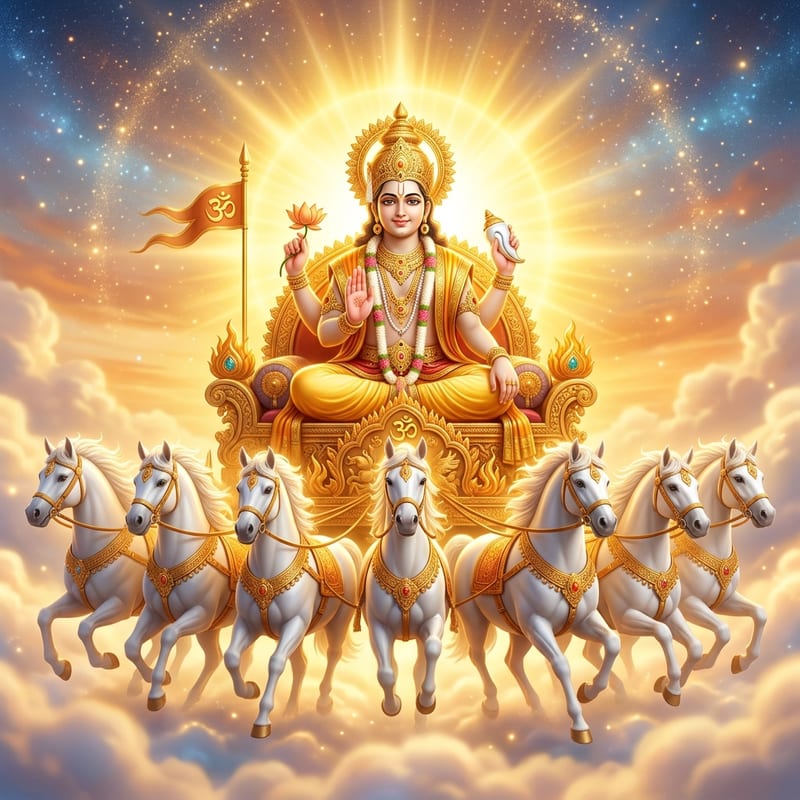
শিৰো মে পাতু মাৰ্তাণ্ডো কপালং ৰোহিণীপতিঃ ।
মুখমঙ্গাৰকঃ পাতু কণ্ঠশ্চ শশিনন্দনঃ ॥ 1 ॥
মুখমঙ্গাৰকঃ পাতু কণ্ঠশ্চ শশিনন্দনঃ ॥ 1 ॥
- শিৰঃ (śiraḥ)the head
- মে (me)my
- পাতু (pātu)may he guard
- মাৰ্তাণ্ডঃ (mārtāṇḍaḥ)Mārtāṇḍa, the Sun
- কপালম্ (kapālam)the skull
- ৰোহিণী-পতিঃ (rohiṇī-patiḥ)the lord of Rohiṇī, the Moon
- মুখম্ (mukham)the face
- অঙ্গাৰকঃ (aṅgārakaḥ)Aṅgāraka, Mars
- পাতু (pātu)may he guard
- কণ্ঠম্ (kaṇṭham)the throat
- চ (ca)and
- শশি-নন্দনঃ (śaśi-nandanaḥ)the Moon’s son, Mercury
বুদ্ধিং জীৱঃ সদা পাতু হৃদযং ভৃগুনন্দনঃ ।
জঠৰং চ শনিঃ পাতু জিহ্ৱাং মে দিতিনন্দনঃ ॥ 2 ॥
জঠৰং চ শনিঃ পাতু জিহ্ৱাং মে দিতিনন্দনঃ ॥ 2 ॥
- বুদ্ধিম্ (buddhim)the understanding
- জীৱঃ (jīvaḥ)Jīva, Jupiter
- সদা (sadā)always
- পাতু (pātu)may he guard
- হৃদযম্ (hṛdayam)the heart
- ভৃগু-নন্দনঃ (bhṛgu-nandanaḥ)the son of Bhṛgu, Venus
- জঠৰম্ (jaṭharam)the belly
- চ (ca)and
- শনিঃ (śaniḥ)Śani, Saturn
- পাতু (pātu)may he guard
- জিহ্ৱাম্ (jihvām)the tongue
- মে (me)my
- দিতি-নন্দনঃ (diti-nandanaḥ)the son of Diti, Rāhu
পাদৌ কেতুঃ সদা পাতু ৱাৰাঃ সৰ্ৱাঙ্গমেৱ চ ।
তিথযোঽষ্টৌ দিশঃ পান্তু নক্ষত্ৰাণি ৱপুঃ সদা ॥ 3 ॥
তিথযোঽষ্টৌ দিশঃ পান্তু নক্ষত্ৰাণি ৱপুঃ সদা ॥ 3 ॥
- পাদৌ (pādau)the two feet
- কেতুঃ (ketuḥ)Ketu
- সদা (sadā)always
- পাতু (pātu)may he guard
- ৱাৰাঃ (vārāḥ)the days of the week
- সৰ্ৱ-অঙ্গম্ (sarva-aṅgam)every limb
- এৱ চ (eva ca)as well
- তিথযঃ (tithayaḥ)the lunar days
- অষ্টৌ দিশঃ (aṣṭau diśaḥ)the eight directions
- পান্তু (pāntu)may they guard
- নক্ষত্ৰাণি (nakṣatrāṇi)the constellations
- ৱপুঃ (vapuḥ)the body
- সদা (sadā)always
অংসৌ ৰাশিঃ সদা পাতু যোগাশ্চ স্থৈৰ্যমেৱ চ ।
গুহ্যং লিঙ্গং সদা পান্তু সৰ্ৱে গ্ৰহাঃ শুভপ্ৰদাঃ ॥ 4 ॥
গুহ্যং লিঙ্গং সদা পান্তু সৰ্ৱে গ্ৰহাঃ শুভপ্ৰদাঃ ॥ 4 ॥
- অংসৌ (aṃsau)the two shoulders
- ৰাশিঃ (rāśiḥ)the signs of the zodiac
- সদা (sadā)always
- পাতু (pātu)may they guard
- যোগাঃ (yogāḥ)the yogas of the almanac
- চ (ca)and
- স্থৈৰ্যম্ (sthairyam)steadiness
- এৱ চ (eva ca)as well
- গুহ্যম্ লিঙ্গম্ (guhyam liṅgam)the hidden parts
- সদা (sadā)always
- পান্তু (pāntu)may they guard
- সৰ্ৱে গ্ৰহাঃ (sarve grahāḥ)all the planets
- শুভ-প্ৰদাঃ (śubha-pradāḥ)bestowers of good
অণিমাদীনি সৰ্ৱাণি লভতে যঃ পঠেদ্ ধৃৱম্ ।
এতাং ৰক্ষাং পঠেদ্ যস্তু ভক্ত্যা স প্ৰযতঃ সুধীঃ ॥ 5 ॥
এতাং ৰক্ষাং পঠেদ্ যস্তু ভক্ত্যা স প্ৰযতঃ সুধীঃ ॥ 5 ॥
- অণিমা-আদীনি (aṇimā-ādīni)the powers beginning with aṇimā, the power of smallness
- সৰ্ৱাণি (sarvāṇi)all of them
- লভতে (labhate)he gains
- যঃ (yaḥ)whoever
- পঠেত্ (paṭhet)recites
- ধ্ৰুৱম্ (dhruvam)assuredly
- এতাম্ ৰক্ষাম্ (etām rakṣām)this warding
- পঠেত্ (paṭhet)should recite
- যঃ তু (yaḥ tu)whoever indeed
- ভক্ত্যা (bhaktyā)with devotion
- সঃ (saḥ)he
- প্ৰযতঃ (prayataḥ)self-restrained
- সুধীঃ (sudhīḥ)of good understanding
স চিৰাযুঃ সুখী পুত্ৰী ৰণে চ ৱিজযী ভৱেত্ ।
অপুত্ৰো লভতে পুত্ৰং ধনাৰ্থী ধনমাপ্নুযাত্ ॥ 6 ॥
অপুত্ৰো লভতে পুত্ৰং ধনাৰ্থী ধনমাপ্নুযাত্ ॥ 6 ॥
- সঃ (saḥ)he
- চিৰ-আযুঃ (cira-āyuḥ)long of life
- সুখী (sukhī)happy
- পুত্ৰী (putrī)blessed with sons
- ৰণে (raṇe)in battle
- চ (ca)and
- ৱিজযী ভৱেত্ (vijayī bhavet)becomes victorious
- অপুত্ৰঃ (aputraḥ)the sonless man
- লভতে পুত্ৰম্ (labhate putram)obtains a son
- ধন-অৰ্থী (dhana-arthī)he who seeks wealth
- ধনম্ আপ্নুযাত্ (dhanam āpnuyāt)shall come by wealth
দাৰাৰ্থী লভতে ভাৰ্যাং সুৰূপাং সুমনোহৰাম্ ।
ৰোগী ৰোগাত্প্ৰমুচ্যেত বদ্ধো মুচ্যেত বন্ধনাত্ ॥ 7 ॥
ৰোগী ৰোগাত্প্ৰমুচ্যেত বদ্ধো মুচ্যেত বন্ধনাত্ ॥ 7 ॥
- দাৰ-অৰ্থী (dāra-arthī)he who seeks a wife
- লভতে (labhate)obtains
- ভাৰ্যাম্ (bhāryām)a wife
- সুৰূপাম্ (surūpām)fair of form
- সুমনোহৰাম্ (sumanoharām)winning of heart
- ৰোগী (rogī)the sick man
- ৰোগাত্ প্ৰমুচ্যেত (rogāt pramucyeta)is released from his disease
- বদ্ধঃ (baddhaḥ)the man in fetters
- মুচ্যেত বন্ধনাত্ (mucyeta bandhanāt)is freed from his bonds
জলে স্থলে চান্তৰিক্ষে কাৰাগাৰে ৱিশেষতঃ ।
যঃ কৰে ধাৰযেন্নিত্যং ভযং তস্য ন ৱিদ্যতে ॥ 8 ॥
যঃ কৰে ধাৰযেন্নিত্যং ভযং তস্য ন ৱিদ্যতে ॥ 8 ॥
- জলে (jale)in water
- স্থলে (sthale)on land
- চ (ca)and
- অন্তৰিক্ষে (antarikṣe)in the air
- কাৰাগাৰে (kārāgāre)in prison
- ৱিশেষতঃ (viśeṣataḥ)above all
- যঃ (yaḥ)whoever
- কৰে (kare)upon his hand
- ধাৰযেত্ (dhārayet)should wear it
- নিত্যম্ (nityam)daily
- ভযম্ (bhayam)fear
- তস্য (tasya)for him
- ন ৱিদ্যতে (na vidyate)is not to be found
ব্ৰহ্মহত্যা সুৰাপানং স্তেযং গুৰ্ৱঙ্গনাগমঃ ।
সৰ্ৱপাপৈঃ প্ৰমুচ্যেত কৱচস্য চ ধাৰণাত্ ॥ 9 ॥
সৰ্ৱপাপৈঃ প্ৰমুচ্যেত কৱচস্য চ ধাৰণাত্ ॥ 9 ॥
- ব্ৰহ্ম-হত্যা (brahma-hatyā)the slaying of a brāhmaṇa
- সুৰা-পানম্ (surā-pānam)the drinking of liquor
- স্তেযম্ (steyam)theft
- গুৰু-অঙ্গনা-গমঃ (guru-aṅganā-gamaḥ)going in to the teacher’s wife
- সৰ্ৱ-পাপৈঃ (sarva-pāpaiḥ)from all these sins
- প্ৰমুচ্যেত (pramucyeta)one is set free
- কৱচস্য (kavacasya)of this armour
- চ (ca)and
- ধাৰণাত্ (dhāraṇāt)by the wearing
নাৰী ৱামভুজে ধৃত্ৱা সুখৈশ্ৱৰ্যসমন্ৱিতা ।
কাকৱন্ধ্যা জন্মৱন্ধ্যা মৃতৱত্সা চ যা ভৱেত্ ।
বহ্ৱপত্যা জীৱৱত্সা কৱচস্য প্ৰসাদতঃ ॥ 10 ॥
কাকৱন্ধ্যা জন্মৱন্ধ্যা মৃতৱত্সা চ যা ভৱেত্ ।
বহ্ৱপত্যা জীৱৱত্সা কৱচস্য প্ৰসাদতঃ ॥ 10 ॥
- নাৰী (nārī)a woman
- ৱাম-ভুজে (vāma-bhuje)upon her left arm
- ধৃত্ৱা (dhṛtvā)having worn it
- সুখ-ঐশ্ৱৰ্য-সমন্ৱিতা (sukha-aiśvarya-samanvitā)endowed with happiness and plenty
- কাক-ৱন্ধ্যা (kāka-vandhyā)barren after one child, as the crow is said to be
- জন্ম-ৱন্ধ্যা (janma-vandhyā)barren from her birth
- মৃত-ৱত্সা (mṛta-vatsā)whose children have died
- চ যা ভৱেত্ (ca yā bhavet)whichever she may be
- বহু-অপত্যা (bahu-apatyā)rich in children
- জীৱ-ৱত্সা (jīva-vatsā)her children living
- কৱচস্য প্ৰসাদতঃ (kavacasya prasādataḥ)by the grace of this armour
ইতি গ্ৰহযামলে উত্তৰখণ্ডে নৱগ্ৰহ কৱচং সমাপ্তম্ ।