
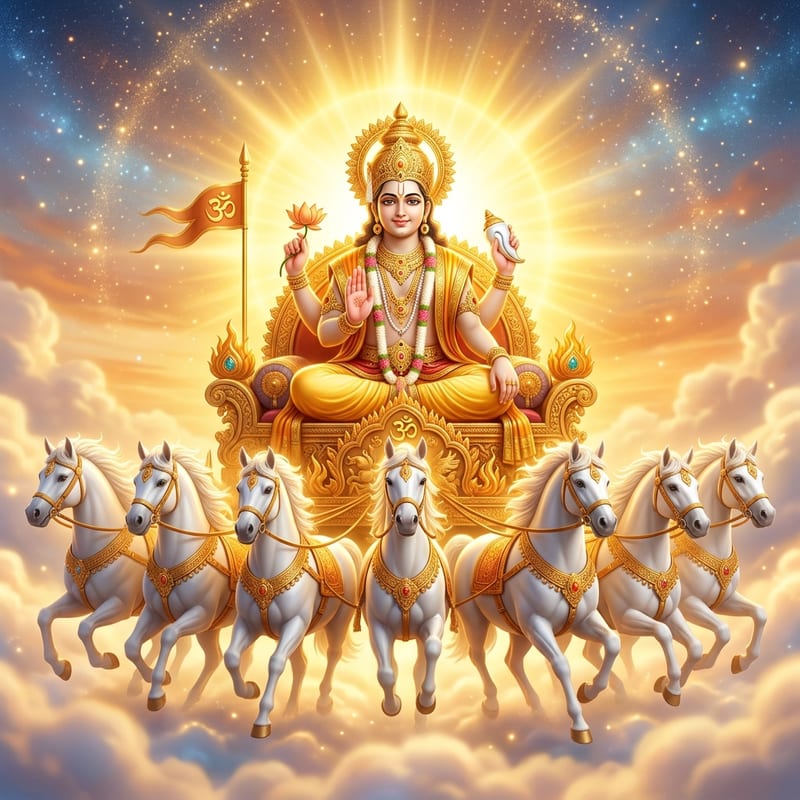
ശിരോ മേ പാതു മാര്താണ്ഡോ കപാലം രോഹിണീപതിഃ ।
മുഖമങ്ഗാരകഃ പാതു കണ്ഠശ്ച ശശിനന്ദനഃ ॥ 1 ॥
മുഖമങ്ഗാരകഃ പാതു കണ്ഠശ്ച ശശിനന്ദനഃ ॥ 1 ॥
- ശിരഃ (śiraḥ)the head
- മേ (me)my
- പാതു (pātu)may he guard
- മാര്താണ്ഡഃ (mārtāṇḍaḥ)Mārtāṇḍa, the Sun
- കപാലമ് (kapālam)the skull
- രോഹിണീ-പതിഃ (rohiṇī-patiḥ)the lord of Rohiṇī, the Moon
- മുഖമ് (mukham)the face
- അങ്ഗാരകഃ (aṅgārakaḥ)Aṅgāraka, Mars
- പാതു (pātu)may he guard
- കണ്ഠമ് (kaṇṭham)the throat
- ച (ca)and
- ശശി-നന്ദനഃ (śaśi-nandanaḥ)the Moon’s son, Mercury
ബുദ്ധിം ജീവഃ സദാ പാതു ഹൃദയം ഭൃഗുനന്ദനഃ ।
ജഠരം ച ശനിഃ പാതു ജിഹ്വാം മേ ദിതിനന്ദനഃ ॥ 2 ॥
ജഠരം ച ശനിഃ പാതു ജിഹ്വാം മേ ദിതിനന്ദനഃ ॥ 2 ॥
- ബുദ്ധിമ് (buddhim)the understanding
- ജീവഃ (jīvaḥ)Jīva, Jupiter
- സദാ (sadā)always
- പാതു (pātu)may he guard
- ഹൃദയമ് (hṛdayam)the heart
- ഭൃഗു-നന്ദനഃ (bhṛgu-nandanaḥ)the son of Bhṛgu, Venus
- ജഠരമ് (jaṭharam)the belly
- ച (ca)and
- ശനിഃ (śaniḥ)Śani, Saturn
- പാതു (pātu)may he guard
- ജിഹ്വാമ് (jihvām)the tongue
- മേ (me)my
- ദിതി-നന്ദനഃ (diti-nandanaḥ)the son of Diti, Rāhu
പാദൌ കേതുഃ സദാ പാതു വാരാഃ സര്വാങ്ഗമേവ ച ।
തിഥയോഽഷ്ടൌ ദിശഃ പാന്തു നക്ഷത്രാണി വപുഃ സദാ ॥ 3 ॥
തിഥയോഽഷ്ടൌ ദിശഃ പാന്തു നക്ഷത്രാണി വപുഃ സദാ ॥ 3 ॥
- പാദൌ (pādau)the two feet
- കേതുഃ (ketuḥ)Ketu
- സദാ (sadā)always
- പാതു (pātu)may he guard
- വാരാഃ (vārāḥ)the days of the week
- സര്വ-അങ്ഗമ് (sarva-aṅgam)every limb
- ഏവ ച (eva ca)as well
- തിഥയഃ (tithayaḥ)the lunar days
- അഷ്ടൌ ദിശഃ (aṣṭau diśaḥ)the eight directions
- പാന്തു (pāntu)may they guard
- നക്ഷത്രാണി (nakṣatrāṇi)the constellations
- വപുഃ (vapuḥ)the body
- സദാ (sadā)always
അംസൌ രാശിഃ സദാ പാതു യോഗാശ്ച സ്ഥൈര്യമേവ ച ।
ഗുഹ്യം ലിങ്ഗം സദാ പാന്തു സര്വേ ഗ്രഹാഃ ശുഭപ്രദാഃ ॥ 4 ॥
ഗുഹ്യം ലിങ്ഗം സദാ പാന്തു സര്വേ ഗ്രഹാഃ ശുഭപ്രദാഃ ॥ 4 ॥
- അംസൌ (aṃsau)the two shoulders
- രാശിഃ (rāśiḥ)the signs of the zodiac
- സദാ (sadā)always
- പാതു (pātu)may they guard
- യോഗാഃ (yogāḥ)the yogas of the almanac
- ച (ca)and
- സ്ഥൈര്യമ് (sthairyam)steadiness
- ഏവ ച (eva ca)as well
- ഗുഹ്യമ് ലിങ്ഗമ് (guhyam liṅgam)the hidden parts
- സദാ (sadā)always
- പാന്തു (pāntu)may they guard
- സര്വേ ഗ്രഹാഃ (sarve grahāḥ)all the planets
- ശുഭ-പ്രദാഃ (śubha-pradāḥ)bestowers of good
അണിമാദീനി സര്വാണി ലഭതേ യഃ പഠേദ് ധൃവമ് ।
ഏതാം രക്ഷാം പഠേദ് യസ്തു ഭക്ത്യാ സ പ്രയതഃ സുധീഃ ॥ 5 ॥
ഏതാം രക്ഷാം പഠേദ് യസ്തു ഭക്ത്യാ സ പ്രയതഃ സുധീഃ ॥ 5 ॥
- അണിമാ-ആദീനി (aṇimā-ādīni)the powers beginning with aṇimā, the power of smallness
- സര്വാണി (sarvāṇi)all of them
- ലഭതേ (labhate)he gains
- യഃ (yaḥ)whoever
- പഠേത് (paṭhet)recites
- ധ്രുവമ് (dhruvam)assuredly
- ഏതാമ് രക്ഷാമ് (etām rakṣām)this warding
- പഠേത് (paṭhet)should recite
- യഃ തു (yaḥ tu)whoever indeed
- ഭക്ത്യാ (bhaktyā)with devotion
- സഃ (saḥ)he
- പ്രയതഃ (prayataḥ)self-restrained
- സുധീഃ (sudhīḥ)of good understanding
സ ചിരായുഃ സുഖീ പുത്രീ രണേ ച വിജയീ ഭവേത് ।
അപുത്രോ ലഭതേ പുത്രം ധനാര്ഥീ ധനമാപ്നുയാത് ॥ 6 ॥
അപുത്രോ ലഭതേ പുത്രം ധനാര്ഥീ ധനമാപ്നുയാത് ॥ 6 ॥
- സഃ (saḥ)he
- ചിര-ആയുഃ (cira-āyuḥ)long of life
- സുഖീ (sukhī)happy
- പുത്രീ (putrī)blessed with sons
- രണേ (raṇe)in battle
- ച (ca)and
- വിജയീ ഭവേത് (vijayī bhavet)becomes victorious
- അപുത്രഃ (aputraḥ)the sonless man
- ലഭതേ പുത്രമ് (labhate putram)obtains a son
- ധന-അര്ഥീ (dhana-arthī)he who seeks wealth
- ധനമ് ആപ്നുയാത് (dhanam āpnuyāt)shall come by wealth
ദാരാര്ഥീ ലഭതേ ഭാര്യാം സുരൂപാം സുമനോഹരാമ് ।
രോഗീ രോഗാത്പ്രമുച്യേത ബദ്ധോ മുച്യേത ബന്ധനാത് ॥ 7 ॥
രോഗീ രോഗാത്പ്രമുച്യേത ബദ്ധോ മുച്യേത ബന്ധനാത് ॥ 7 ॥
- ദാര-അര്ഥീ (dāra-arthī)he who seeks a wife
- ലഭതേ (labhate)obtains
- ഭാര്യാമ് (bhāryām)a wife
- സുരൂപാമ് (surūpām)fair of form
- സുമനോഹരാമ് (sumanoharām)winning of heart
- രോഗീ (rogī)the sick man
- രോഗാത് പ്രമുച്യേത (rogāt pramucyeta)is released from his disease
- ബദ്ധഃ (baddhaḥ)the man in fetters
- മുച്യേത ബന്ധനാത് (mucyeta bandhanāt)is freed from his bonds
ജലേ സ്ഥലേ ചാന്തരിക്ഷേ കാരാഗാരേ വിശേഷതഃ ।
യഃ കരേ ധാരയേന്നിത്യം ഭയം തസ്യ ന വിദ്യതേ ॥ 8 ॥
യഃ കരേ ധാരയേന്നിത്യം ഭയം തസ്യ ന വിദ്യതേ ॥ 8 ॥
- ജലേ (jale)in water
- സ്ഥലേ (sthale)on land
- ച (ca)and
- അന്തരിക്ഷേ (antarikṣe)in the air
- കാരാഗാരേ (kārāgāre)in prison
- വിശേഷതഃ (viśeṣataḥ)above all
- യഃ (yaḥ)whoever
- കരേ (kare)upon his hand
- ധാരയേത് (dhārayet)should wear it
- നിത്യമ് (nityam)daily
- ഭയമ് (bhayam)fear
- തസ്യ (tasya)for him
- ന വിദ്യതേ (na vidyate)is not to be found
ബ്രഹ്മഹത്യാ സുരാപാനം സ്തേയം ഗുര്വങ്ഗനാഗമഃ ।
സര്വപാപൈഃ പ്രമുച്യേത കവചസ്യ ച ധാരണാത് ॥ 9 ॥
സര്വപാപൈഃ പ്രമുച്യേത കവചസ്യ ച ധാരണാത് ॥ 9 ॥
- ബ്രഹ്മ-ഹത്യാ (brahma-hatyā)the slaying of a brāhmaṇa
- സുരാ-പാനമ് (surā-pānam)the drinking of liquor
- സ്തേയമ് (steyam)theft
- ഗുരു-അങ്ഗനാ-ഗമഃ (guru-aṅganā-gamaḥ)going in to the teacher’s wife
- സര്വ-പാപൈഃ (sarva-pāpaiḥ)from all these sins
- പ്രമുച്യേത (pramucyeta)one is set free
- കവചസ്യ (kavacasya)of this armour
- ച (ca)and
- ധാരണാത് (dhāraṇāt)by the wearing
നാരീ വാമഭുജേ ധൃത്വാ സുഖൈശ്വര്യസമന്വിതാ ।
കാകവന്ധ്യാ ജന്മവന്ധ്യാ മൃതവത്സാ ച യാ ഭവേത് ।
ബഹ്വപത്യാ ജീവവത്സാ കവചസ്യ പ്രസാദതഃ ॥ 10 ॥
കാകവന്ധ്യാ ജന്മവന്ധ്യാ മൃതവത്സാ ച യാ ഭവേത് ।
ബഹ്വപത്യാ ജീവവത്സാ കവചസ്യ പ്രസാദതഃ ॥ 10 ॥
- നാരീ (nārī)a woman
- വാമ-ഭുജേ (vāma-bhuje)upon her left arm
- ധൃത്വാ (dhṛtvā)having worn it
- സുഖ-ഐശ്വര്യ-സമന്വിതാ (sukha-aiśvarya-samanvitā)endowed with happiness and plenty
- കാക-വന്ധ്യാ (kāka-vandhyā)barren after one child, as the crow is said to be
- ജന്മ-വന്ധ്യാ (janma-vandhyā)barren from her birth
- മൃത-വത്സാ (mṛta-vatsā)whose children have died
- ച യാ ഭവേത് (ca yā bhavet)whichever she may be
- ബഹു-അപത്യാ (bahu-apatyā)rich in children
- ജീവ-വത്സാ (jīva-vatsā)her children living
- കവചസ്യ പ്രസാദതഃ (kavacasya prasādataḥ)by the grace of this armour
ഇതി ഗ്രഹയാമലേ ഉത്തരഖണ്ഡേ നവഗ്രഹ കവചം സമാപ്തമ് ।