
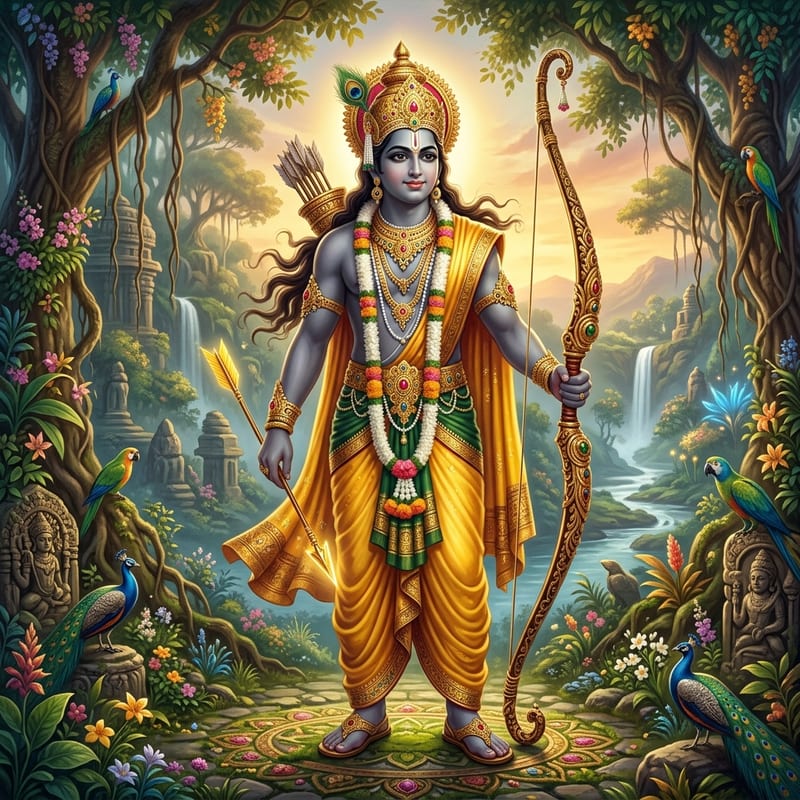
ଵିଶୁଦ୍ଧଂ ପରଂ ସଚ୍ଚିଦାନନ୍ଦରୂପଂ
ଗୁଣାଧାରମାଧାରହୀନଂ ଵରେଣ୍ଯମ୍ ।
ମହାନ୍ତଂ ଵିଭାନ୍ତଂ ଗୁହାନ୍ତଂ ଗୁଣାନ୍ତଂ
ସୁଖାନ୍ତଂ ସ୍ଵଯଂ ଧାମ ରାମଂ ପ୍ରପଦ୍ଯେ ॥ 1 ॥
ଗୁଣାଧାରମାଧାରହୀନଂ ଵରେଣ୍ଯମ୍ ।
ମହାନ୍ତଂ ଵିଭାନ୍ତଂ ଗୁହାନ୍ତଂ ଗୁଣାନ୍ତଂ
ସୁଖାନ୍ତଂ ସ୍ଵଯଂ ଧାମ ରାମଂ ପ୍ରପଦ୍ଯେ ॥ 1 ॥
- ଵିଶୁଦ୍ଧମ୍ (viśuddham)utterly pure
- ପରମ୍ (param)supreme
- ସତ୍-ଚିତ୍-ଆନନ୍ଦ-ରୂପମ୍ (sac-cid-ānanda-rūpam)whose form is being, awareness and bliss
- ଗୁଣ-ଆଧାରମ୍ (guṇādhāram)the ground on which every quality rests
- ଆଧାର-ହୀନମ୍ (ādhāra-hīnam)himself resting on nothing
- ଵରେଣ୍ଯମ୍ (vareṇyam)most choiceworthy
- ମହାନ୍ତମ୍ (mahāntam)vast
- ଵିଭାନ୍ତମ୍ (vibhāntam)shining out
- ଗୁହାନ୍ତମ୍ (guhāntam)at the far end of the heart’s cave
- ଗୁଣାନ୍ତମ୍ (guṇāntam)past where the qualities end
- ସୁଖାନ୍ତମ୍ (sukhāntam)where happiness comes to rest
- ସ୍ଵଯମ୍ ଧାମ (svayaṃ dhāma)light in his own right
- ରାମମ୍ (rāmam)Rāma
- ପ୍ରପଦ୍ଯେ (prapadye)I take refuge in
ଶିଵଂ ନିତ୍ଯମେକଂ ଵିଭୁଂ ତାରକାଖ୍ଯଂ
ସୁଖାକାରମାକାରଶୂନ୍ଯଂ ସୁମାନ୍ଯମ୍ ।
ମହେଶଂ କଲେଶଂ ସୁରେଶଂ ପରେଶଂ
ନରେଶଂ ନିରୀଶଂ ମହୀଶଂ ପ୍ରପଦ୍ଯେ ॥ 2 ॥
ସୁଖାକାରମାକାରଶୂନ୍ଯଂ ସୁମାନ୍ଯମ୍ ।
ମହେଶଂ କଲେଶଂ ସୁରେଶଂ ପରେଶଂ
ନରେଶଂ ନିରୀଶଂ ମହୀଶଂ ପ୍ରପଦ୍ଯେ ॥ 2 ॥
- ଶିଵମ୍ (śivam)auspicious
- ନିତ୍ଯମ୍ (nityam)eternal
- ଏକମ୍ (ekam)one
- ଵିଭୁମ୍ (vibhum)all-pervading
- ତାରକ-ଆଖ୍ଯମ୍ (tārakākhyam)called Tāraka, the name that ferries one across
- ସୁଖ-ଆକାରମ୍ (sukhākāram)whose shape is happiness
- ଆକାର-ଶୂନ୍ଯମ୍ (ākāra-śūnyam)having no shape at all
- ସୁ-ମାନ୍ଯମ୍ (su-mānyam)well worth honouring
- ମହା-ଈଶମ୍ (maheśam)great lord
- କଲ-ଈଶମ୍ (kaleśam)lord of time’s divisions
- ସୁର-ଈଶମ୍ (sureśam)lord of the gods
- ପର-ଈଶମ୍ (pareśam)lord beyond them
- ନର-ଈଶମ୍ (nareśam)lord of men
- ନିର୍-ଈଶମ୍ (nirīśam)having no lord above him
- ମହୀ-ଈଶମ୍ (mahīśam)lord of the earth
- ପ୍ରପଦ୍ଯେ (prapadye)I take refuge in
ଯଦାଵର୍ଣଯତ୍କର୍ଣମୂଲେଽନ୍ତକାଲେ
ଶିଵୋ ରାମ ରାମେତି ରାମେତି କାଶ୍ଯାମ୍ ।
ତଦେକଂ ପରଂ ତାରକବ୍ରହ୍ମରୂପଂ
ଭଜେଽହଂ ଭଜେଽହଂ ଭଜେଽହଂ ଭଜେଽହମ୍ ॥ 3 ॥
ଶିଵୋ ରାମ ରାମେତି ରାମେତି କାଶ୍ଯାମ୍ ।
ତଦେକଂ ପରଂ ତାରକବ୍ରହ୍ମରୂପଂ
ଭଜେଽହଂ ଭଜେଽହଂ ଭଜେଽହଂ ଭଜେଽହମ୍ ॥ 3 ॥
- ଯତ୍ (yat)that which
- ଆଵର୍ଣଯତ୍ (āvarṇayat)he tells over
- କର୍ଣ-ମୂଲେ (karṇa-mūle)at the root of the ear
- ଅନ୍ତ-କାଲେ (anta-kāle)at the last hour
- ଶିଵଃ (śivaḥ)Śiva
- ରାମ ରାମ ଇତି ରାମ ଇତି (rāma rāma iti rāma iti)"Rāma, Rāma, Rāma"
- କାଶ୍ଯାମ୍ (kāśyām)in Kāśī
- ତତ୍ ଏକମ୍ (tad ekam)that one thing
- ପରମ୍ (param)supreme
- ତାରକ-ବ୍ରହ୍ମ-ରୂପମ୍ (tāraka-brahma-rūpam)the ferrying Brahman in bodily form
- ଭଜେ ଅହମ୍ (bhaje aham)I worship – said four times over, once for each utterance of the name above
ମହାରତ୍ନପୀଠେ ଶୁଭେ କଲ୍ପମୂଲେ
ସୁଖାସୀନମାଦିତ୍ଯକୋଟିପ୍ରକାଶମ୍ ।
ସଦା ଜାନକୀଲକ୍ଷ୍ମଣୋପେତମେକଂ
ସଦା ରାମଚନ୍ଦ୍ରଂ ଭଜେଽହଂ ଭଜେଽହମ୍ ॥ 4 ॥
ସୁଖାସୀନମାଦିତ୍ଯକୋଟିପ୍ରକାଶମ୍ ।
ସଦା ଜାନକୀଲକ୍ଷ୍ମଣୋପେତମେକଂ
ସଦା ରାମଚନ୍ଦ୍ରଂ ଭଜେଽହଂ ଭଜେଽହମ୍ ॥ 4 ॥
- ମହା-ରତ୍ନ-ପୀଠେ (mahā-ratna-pīṭhe)on a throne of great jewels
- ଶୁଭେ (śubhe)auspicious
- କଲ୍ପ-ମୂଲେ (kalpa-mūle)at the foot of the wishing-tree
- ସୁଖ-ଆସୀନମ୍ (sukhāsīnam)seated at his ease
- ଆଦିତ୍ଯ-କୋଟି-ପ୍ରକାଶମ୍ (āditya-koṭi-prakāśam)shining like ten million suns
- ସଦା (sadā)ever
- ଜାନକୀ-ଲକ୍ଷ୍ମଣ-ଉପେତମ୍ (jānakī-lakṣmaṇopetam)attended by Jānakī and Lakṣmaṇa
- ଏକମ୍ (ekam)the one
- ସଦା (sadā)always
- ରାମଚନ୍ଦ୍ରମ୍ (rāmacandram)Rāmacandra
- ଭଜେ ଅହମ୍ ଭଜେ ଅହମ୍ (bhaje’haṃ bhaje’ham)I worship, I worship
କ୍ଵଣଦ୍ରତ୍ନମଞ୍ଜୀରପାଦାରଵିନ୍ଦଂ
ଲସନ୍ମେଖଲାଚାରୁପୀତାମ୍ବରାଢ୍ଯମ୍ ।
ମହାରତ୍ନହାରୋଲ୍ଲସତ୍କୌସ୍ତୁଭାଙ୍ଗଂ
ନଦଚ୍ଚଞ୍ଚରୀମଞ୍ଜରୀଲୋଲମାଲମ୍ ॥ 5 ॥
ଲସନ୍ମେଖଲାଚାରୁପୀତାମ୍ବରାଢ୍ଯମ୍ ।
ମହାରତ୍ନହାରୋଲ୍ଲସତ୍କୌସ୍ତୁଭାଙ୍ଗଂ
ନଦଚ୍ଚଞ୍ଚରୀମଞ୍ଜରୀଲୋଲମାଲମ୍ ॥ 5 ॥
- କ୍ଵଣତ୍-ରତ୍ନ-ମଞ୍ଜୀର-ପାଦ-ଅରଵିନ୍ଦମ୍ (kvaṇad-ratna-mañjīra-pādāravindam)lotus feet in jewelled anklets that chime
- ଲସତ୍-ମେଖଲା-ଚାରୁ-ପୀତ-ଅମ୍ବର-ଆଢ୍ଯମ୍ (lasan-mekhalā-cāru-pītāmbarāḍhyam)rich in a bright girdle and lovely yellow silk
- ମହା-ରତ୍ନ-ହାର-ଉଲ୍ଲସତ୍-କୌସ୍ତୁଭ-ଅଙ୍ଗମ୍ (mahā-ratna-hārollasat-kaustubhāṅgam)his body agleam with a great jewelled necklace and the Kaustubha gem
- ନଦତ୍-ଚଞ୍ଚରୀ-ମଞ୍ଜରୀ-ଲୋଲ-ମାଲମ୍ (nadac-cañcarī-mañjarī-lola-mālam)a swaying garland where humming bees move among the blossom-clusters
ଲସଚ୍ଚନ୍ଦ୍ରିକାସ୍ମେରଶୋଣାଧରାଭଂ
ସମୁଦ୍ଯତ୍ପତଙ୍ଗେନ୍ଦୁକୋଟିପ୍ରକାଶମ୍ ।
ନମଦ୍ବ୍ରହ୍ମରୁଦ୍ରାଦିକୋଟୀରରତ୍ନ
ସ୍ଫୁରତ୍କାନ୍ତିନୀରାଜନାରାଧିତାଙ୍ଘ୍ରିମ୍ ॥ 6 ॥
ସମୁଦ୍ଯତ୍ପତଙ୍ଗେନ୍ଦୁକୋଟିପ୍ରକାଶମ୍ ।
ନମଦ୍ବ୍ରହ୍ମରୁଦ୍ରାଦିକୋଟୀରରତ୍ନ
ସ୍ଫୁରତ୍କାନ୍ତିନୀରାଜନାରାଧିତାଙ୍ଘ୍ରିମ୍ ॥ 6 ॥
- ଲସତ୍-ଚନ୍ଦ୍ରିକା-ସ୍ମେର-ଶୋଣ-ଅଧର-ଆଭମ୍ (lasac-candrikā-smera-śoṇādharābham)his red lower lip aglow with a smile like spreading moonlight
- ସମୁଦ୍ଯତ୍-ପତଙ୍ଗ-ଇନ୍ଦୁ-କୋଟି-ପ୍ରକାଶମ୍ (samudyat-pataṅgendu-koṭi-prakāśam)bright as ten million suns and moons rising at once
- ନମତ୍-ବ୍ରହ୍ମ-ରୁଦ୍ର-ଆଦି-କୋଟୀର-ରତ୍ନ-ସ୍ଫୁରତ୍-କାନ୍ତି-ନୀରାଜନ-ଆରାଧିତ-ଅଙ୍ଘ୍ରିମ୍ (namad-brahma-rudrādi-koṭīra-ratna-sphurat-kānti-nīrājanārādhitāṅghrim)his feet worshipped with a lamp-offering made of the flashing light of the crown-jewels of Brahmā, Rudra and the rest as they bow
ପୁରଃ ପ୍ରାଞ୍ଜଲୀନାଞ୍ଜନେଯାଦିଭକ୍ତାନ୍
ସ୍ଵଚିନ୍ମୁଦ୍ରଯା ଭଦ୍ରଯା ବୋଧଯନ୍ତମ୍ ।
ଭଜେଽହଂ ଭଜେଽହଂ ସଦା ରାମଚନ୍ଦ୍ରଂ
ତ୍ଵଦନ୍ଯଂ ନ ମନ୍ଯେ ନ ମନ୍ଯେ ନ ମନ୍ଯେ ॥ 7 ॥
ସ୍ଵଚିନ୍ମୁଦ୍ରଯା ଭଦ୍ରଯା ବୋଧଯନ୍ତମ୍ ।
ଭଜେଽହଂ ଭଜେଽହଂ ସଦା ରାମଚନ୍ଦ୍ରଂ
ତ୍ଵଦନ୍ଯଂ ନ ମନ୍ଯେ ନ ମନ୍ଯେ ନ ମନ୍ଯେ ॥ 7 ॥
- ପୁରଃ (puraḥ)before him
- ପ୍ରାଞ୍ଜଲୀନ୍ (prāñjalīn)their hands joined
- ଆଞ୍ଜନେଯ-ଆଦି-ଭକ୍ତାନ୍ (āñjaneyādi-bhaktān)Āñjaneya and the other devotees
- ସ୍ଵ-ଚିତ୍-ମୁଦ୍ରଯା (sva-cin-mudrayā)by his own sign of awareness
- ଭଦ୍ରଯା (bhadrayā)auspicious
- ବୋଧଯନ୍ତମ୍ (bodhayantam)awakening them
- ଭଜେ ଅହମ୍ ଭଜେ ଅହମ୍ (bhaje’haṃ bhaje’ham)I worship, I worship
- ସଦା (sadā)always
- ରାମଚନ୍ଦ୍ରମ୍ (rāmacandram)Rāmacandra
- ତ୍ଵତ୍-ଅନ୍ଯମ୍ (tvad-anyam)any other than you
- ନ ମନ୍ଯେ ନ ମନ୍ଯେ ନ ମନ୍ଯେ (na manye na manye na manye)I do not own, I do not, I do not
ଯଦା ମତ୍ସମୀପଂ କୃତାନ୍ତଃ ସମେତ୍ଯ
ପ୍ରଚଣ୍ଡପ୍ରକୋପୈର୍ଭଟୈର୍ଭୀଷଯେନ୍ମାମ୍ ।
ତଦାଵିଷ୍କରୋଷି ତ୍ଵଦୀଯଂ ସ୍ଵରୂପଂ
ସଦାପତ୍ପ୍ରଣାଶଂ ସକୋଦଣ୍ଡବାଣମ୍ ॥ 8 ॥
ପ୍ରଚଣ୍ଡପ୍ରକୋପୈର୍ଭଟୈର୍ଭୀଷଯେନ୍ମାମ୍ ।
ତଦାଵିଷ୍କରୋଷି ତ୍ଵଦୀଯଂ ସ୍ଵରୂପଂ
ସଦାପତ୍ପ୍ରଣାଶଂ ସକୋଦଣ୍ଡବାଣମ୍ ॥ 8 ॥
- ଯଦା (yadā)when
- ମତ୍-ସମୀପମ୍ (mat-samīpam)close to me
- କୃତାନ୍ତଃ (kṛtāntaḥ)Death, the ender of things
- ସମେତ୍ଯ (sametya)having come
- ପ୍ରଚଣ୍ଡ-ପ୍ରକୋପୈଃ (pracaṇḍa-prakopaiḥ)their fury blazing
- ଭଟୈଃ (bhaṭaiḥ)with his henchmen
- ଭୀଷଯେତ୍ (bhīṣayet)would terrify
- ମାମ୍ (mām)me
- ତଦା (tadā)then
- ଆଵିଷ୍କରୋଷି (āviṣkaroṣi)you make plain
- ତ୍ଵଦୀଯମ୍ ସ୍ଵରୂପମ୍ (tvadīyaṃ svarūpam)that own form of yours
- ସଦା-ଆପଦ୍-ପ୍ରଣାଶମ୍ (sadāpat-praṇāśam)which is the undoing of calamity always
- ସ-କୋଦଣ୍ଡ-ବାଣମ୍ (sa-kodaṇḍa-bāṇam)with the Kodaṇḍa bow and its arrow
ନିଜେ ମାନସେ ମନ୍ଦିରେ ସନ୍ନିଧେହି
ପ୍ରସୀଦ ପ୍ରସୀଦ ପ୍ରଭୋ ରାମଚନ୍ଦ୍ର ।
ସସୌମିତ୍ରିଣା କୈକଯୀନନ୍ଦନେନ
ସ୍ଵଶକ୍ତ୍ଯାନୁଭକ୍ତ୍ଯା ଚ ସଂସେଵ୍ଯମାନ ॥ 9 ॥
ପ୍ରସୀଦ ପ୍ରସୀଦ ପ୍ରଭୋ ରାମଚନ୍ଦ୍ର ।
ସସୌମିତ୍ରିଣା କୈକଯୀନନ୍ଦନେନ
ସ୍ଵଶକ୍ତ୍ଯାନୁଭକ୍ତ୍ଯା ଚ ସଂସେଵ୍ଯମାନ ॥ 9 ॥
- ନିଜେ (nije)my own
- ମାନସେ ମନ୍ଦିରେ (mānase mandire)in the temple that is the mind
- ସନ୍ନିଧେହି (sannidhehi)take your place
- ପ୍ରସୀଦ ପ୍ରସୀଦ (prasīda prasīda)be gracious, be gracious
- ପ୍ରଭୋ ରାମଚନ୍ଦ୍ର (prabho rāmacandra)O Lord Rāmacandra
- ସ-ସୌମିତ୍ରିଣା (sa-saumitriṇā)along with the son of Sumitrā
- କୈକଯୀ-ନନ୍ଦନେନ (kaikayī-nandanena)with the gladdener of Kaikeyī, Bharata
- ସ୍ଵ-ଶକ୍ତ୍ଯା (sva-śaktyā)by your own power
- ଅନୁଭକ୍ତ୍ଯା (anubhaktyā)by devotion that follows after you
- ଚ (ca)and
- ସଂସେଵ୍ଯମାନ (saṃsevyamāna)O you who are so served
ସ୍ଵଭକ୍ତାଗ୍ରଗଣ୍ଯୈଃ କପୀଶୈର୍ମହୀଶୈ-
-ରନୀକୈରନେକୈଶ୍ଚ ରାମ ପ୍ରସୀଦ ।
ନମସ୍ତେ ନମୋଽସ୍ତ୍ଵୀଶ ରାମ ପ୍ରସୀଦ
ପ୍ରଶାଧି ପ୍ରଶାଧି ପ୍ରକାଶଂ ପ୍ରଭୋ ମାମ୍ ॥ 10 ॥
-ରନୀକୈରନେକୈଶ୍ଚ ରାମ ପ୍ରସୀଦ ।
ନମସ୍ତେ ନମୋଽସ୍ତ୍ଵୀଶ ରାମ ପ୍ରସୀଦ
ପ୍ରଶାଧି ପ୍ରଶାଧି ପ୍ରକାଶଂ ପ୍ରଭୋ ମାମ୍ ॥ 10 ॥
- ସ୍ଵ-ଭକ୍ତ-ଅଗ୍ର-ଗଣ୍ଯୈଃ (sva-bhaktāgra-gaṇyaiḥ)with those counted first among your devotees
- କପି-ଈଶୈଃ (kapīśaiḥ)with the lords of the monkeys
- ମହୀ-ଈଶୈଃ (mahīśaiḥ)with the lords of the earth
- ଅନୀକୈଃ (anīkaiḥ)with armies
- ଅନେକୈଃ (anekaiḥ)many
- ଚ (ca)and
- ରାମ (rāma)O Rāma
- ପ୍ରସୀଦ (prasīda)be gracious
- ନମଃ ତେ (namas te)salutation to you
- ନମଃ ଅସ୍ତୁ (namaḥ astu)let there be salutation
- ଈଶ (īśa)O Lord
- ରାମ (rāma)O Rāma
- ପ୍ରସୀଦ (prasīda)be gracious
- ପ୍ରଶାଧି ପ୍ରଶାଧି (praśādhi praśādhi)give me your command, command me
- ପ୍ରକାଶମ୍ (prakāśam)into the open light
- ପ୍ରଭୋ (prabho)O Master
- ମାମ୍ (mām)me
ତ୍ଵମେଵାସି ଦୈଵଂ ପରଂ ମେ ଯଦେକଂ
ସୁଚୈତନ୍ଯମେତତ୍ତ୍ଵଦନ୍ଯଂ ନ ମନ୍ଯେ ।
ଯତୋଽଭୂଦମେଯଂ ଵିଯଦ୍ଵାଯୁତେଜୋ
ଜଲୋର୍ଵ୍ଯାଦିକାର୍ଯଂ ଚରଂ ଚାଚରଂ ଚ ॥ 11 ॥
ସୁଚୈତନ୍ଯମେତତ୍ତ୍ଵଦନ୍ଯଂ ନ ମନ୍ଯେ ।
ଯତୋଽଭୂଦମେଯଂ ଵିଯଦ୍ଵାଯୁତେଜୋ
ଜଲୋର୍ଵ୍ଯାଦିକାର୍ଯଂ ଚରଂ ଚାଚରଂ ଚ ॥ 11 ॥
- ତ୍ଵମ୍ ଏଵ (tvam eva)you alone
- ଅସି (asi)are
- ଦୈଵମ୍ (daivam)the divinity
- ପରମ୍ (param)supreme
- ମେ (me)mine
- ଯତ୍ ଏକମ୍ (yad ekam)that one thing
- ସୁ-ଚୈତନ୍ଯମ୍ (su-caitanyam)pure awareness
- ଏତତ୍ (etat)this
- ତ୍ଵତ୍-ଅନ୍ଯମ୍ (tvad-anyam)anything other than you
- ନ ମନ୍ଯେ (na manye)I do not own
- ଯତଃ (yataḥ)from whom
- ଅଭୂତ୍ (abhūt)came to be
- ଅମେଯମ୍ (ameyam)past all measuring
- ଵିଯତ୍-ଵାଯୁ-ତେଜଃ-ଜଲ-ଉର୍ଵୀ-ଆଦି-କାର୍ଯମ୍ (viyad-vāyu-tejo-jalorvyādi-kāryam)everything made of space, wind, fire, water, earth and the rest
- ଚରମ୍ (caram)what moves
- ଚ (ca)and
- ଅଚରମ୍ (acaram)what does not
- ଚ (ca)and
ନମଃ ସଚ୍ଚିଦାନନ୍ଦରୂପାଯ ତସ୍ମୈ
ନମୋ ଦେଵଦେଵାଯ ରାମାଯ ତୁଭ୍ଯମ୍ ।
ନମୋ ଜାନକୀଜୀଵିତେଶାଯ ତୁଭ୍ଯଂ
ନମଃ ପୁଣ୍ଡରୀକାଯତାକ୍ଷାଯ ତୁଭ୍ଯମ୍ ॥ 12 ॥
ନମୋ ଦେଵଦେଵାଯ ରାମାଯ ତୁଭ୍ଯମ୍ ।
ନମୋ ଜାନକୀଜୀଵିତେଶାଯ ତୁଭ୍ଯଂ
ନମଃ ପୁଣ୍ଡରୀକାଯତାକ୍ଷାଯ ତୁଭ୍ଯମ୍ ॥ 12 ॥
- ନମଃ (namaḥ)salutation
- ସତ୍-ଚିତ୍-ଆନନ୍ଦ-ରୂପାଯ (sac-cid-ānanda-rūpāya)to him whose form is being, awareness and bliss
- ତସ୍ମୈ (tasmai)to that one
- ନମଃ (namaḥ)salutation
- ଦେଵ-ଦେଵାଯ (deva-devāya)to the god of gods
- ରାମାଯ (rāmāya)to Rāma
- ତୁଭ୍ଯମ୍ (tubhyam)to you
- ନମଃ (namaḥ)salutation
- ଜାନକୀ-ଜୀଵିତ-ଈଶାଯ (jānakī-jīviteśāya)to the lord of Jānakī’s very life
- ତୁଭ୍ଯମ୍ (tubhyam)to you
- ନମଃ (namaḥ)salutation
- ପୁଣ୍ଡରୀକ-ଆଯତ-ଅକ୍ଷାଯ (puṇḍarīkāyatākṣāya)to him whose eyes are wide as white lotuses
- ତୁଭ୍ଯମ୍ (tubhyam)to you
ନମୋ ଭକ୍ତିଯୁକ୍ତାନୁରକ୍ତାଯ ତୁଭ୍ଯଂ
ନମଃ ପୁଣ୍ଯପୁଞ୍ଜୈକଲଭ୍ଯାଯ ତୁଭ୍ଯମ୍ ।
ନମୋ ଵେଦଵେଦ୍ଯାଯ ଚାଦ୍ଯାଯ ପୁଂସେ
ନମଃ ସୁନ୍ଦରାଯେନ୍ଦିରାଵଲ୍ଲଭାଯ ॥ 13 ॥
ନମଃ ପୁଣ୍ଯପୁଞ୍ଜୈକଲଭ୍ଯାଯ ତୁଭ୍ଯମ୍ ।
ନମୋ ଵେଦଵେଦ୍ଯାଯ ଚାଦ୍ଯାଯ ପୁଂସେ
ନମଃ ସୁନ୍ଦରାଯେନ୍ଦିରାଵଲ୍ଲଭାଯ ॥ 13 ॥
- ନମଃ (namaḥ)salutation
- ଭକ୍ତି-ଯୁକ୍ତ-ଅନୁରକ୍ତାଯ (bhakti-yuktānuraktāya)to him who loves in return those who love him
- ତୁଭ୍ଯମ୍ (tubhyam)to you
- ନମଃ (namaḥ)salutation
- ପୁଣ୍ଯ-ପୁଞ୍ଜ-ଏକ-ଲଭ୍ଯାଯ (puṇya-puñjaika-labhyāya)to be had by nothing but a heaped-up store of merit
- ତୁଭ୍ଯମ୍ (tubhyam)to you
- ନମଃ (namaḥ)salutation
- ଵେଦ-ଵେଦ୍ଯାଯ (veda-vedyāya)to him whom the Vedas exist to know
- ଚ (ca)and
- ଆଦ୍ଯାଯ ପୁଂସେ (ādyāya puṃse)to the first Person
- ନମଃ (namaḥ)salutation
- ସୁନ୍ଦରାଯ (sundarāya)to the beautiful one
- ଇନ୍ଦିରା-ଵଲ୍ଲଭାଯ (indirā-vallabhāya)to the beloved of Indirā
ନମୋ ଵିଶ୍ଵକର୍ତ୍ରେ ନମୋ ଵିଶ୍ଵହର୍ତ୍ରେ
ନମୋ ଵିଶ୍ଵଭୋକ୍ତ୍ରେ ନମୋ ଵିଶ୍ଵମାତ୍ରେ ।
ନମୋ ଵିଶ୍ଵନେତ୍ରେ ନମୋ ଵିଶ୍ଵଜେତ୍ରେ
ନମୋ ଵିଶ୍ଵପିତ୍ରେ ନମୋ ଵିଶ୍ଵମାତ୍ରେ ॥ 14 ॥
ନମୋ ଵିଶ୍ଵଭୋକ୍ତ୍ରେ ନମୋ ଵିଶ୍ଵମାତ୍ରେ ।
ନମୋ ଵିଶ୍ଵନେତ୍ରେ ନମୋ ଵିଶ୍ଵଜେତ୍ରେ
ନମୋ ଵିଶ୍ଵପିତ୍ରେ ନମୋ ଵିଶ୍ଵମାତ୍ରେ ॥ 14 ॥
- ନମଃ (namaḥ)salutation
- ଵିଶ୍ଵ-କର୍ତ୍ରେ (viśva-kartre)to the maker of all
- ନମଃ (namaḥ)salutation
- ଵିଶ୍ଵ-ହର୍ତ୍ରେ (viśva-hartre)to him who takes it all away
- ନମଃ (namaḥ)salutation
- ଵିଶ୍ଵ-ଭୋକ୍ତ୍ରେ (viśva-bhoktre)to him who tastes it
- ନମଃ (namaḥ)salutation
- ଵିଶ୍ଵ-ମାତ୍ରେ (viśva-mātre)to the whole measure of it
- ନମଃ (namaḥ)salutation
- ଵିଶ୍ଵ-ନେତ୍ରେ (viśva-netre)to the eye of all, and to its leader
- ନମଃ (namaḥ)salutation
- ଵିଶ୍ଵ-ଜେତ୍ରେ (viśva-jetre)to its conqueror
- ନମଃ (namaḥ)salutation
- ଵିଶ୍ଵ-ପିତ୍ରେ (viśva-pitre)to the father of all
- ନମଃ (namaḥ)salutation
- ଵିଶ୍ଵ-ମାତ୍ରେ (viśva-mātre)and to its mother – one written form serving twice, first as मात्रा "measure", here as मातृ "mother"
ନମସ୍ତେ ନମସ୍ତେ ସମସ୍ତପ୍ରପଞ୍ଚ-
-ପ୍ରଭୋଗପ୍ରଯୋଗପ୍ରମାଣପ୍ରଵୀଣ ।
ମଦୀଯଂ ମନସ୍ତ୍ଵତ୍ପଦଦ୍ଵନ୍ଦ୍ଵସେଵାଂ
ଵିଧାତୁଂ ପ୍ରଵୃତ୍ତଂ ସୁଚୈତନ୍ଯସିଦ୍ଧ୍ଯୈ ॥ 15 ॥
-ପ୍ରଭୋଗପ୍ରଯୋଗପ୍ରମାଣପ୍ରଵୀଣ ।
ମଦୀଯଂ ମନସ୍ତ୍ଵତ୍ପଦଦ୍ଵନ୍ଦ୍ଵସେଵାଂ
ଵିଧାତୁଂ ପ୍ରଵୃତ୍ତଂ ସୁଚୈତନ୍ଯସିଦ୍ଧ୍ଯୈ ॥ 15 ॥
- ନମଃ ତେ ନମଃ ତେ (namas te namas te)salutation to you, salutation to you
- ସମସ୍ତ-ପ୍ରପଞ୍ଚ-ପ୍ରଭୋଗ-ପ୍ରଯୋଗ-ପ୍ରମାଣ-ପ୍ରଵୀଣ (samasta-prapañca-prabhoga-prayoga-pramāṇa-pravīṇa)O adept in the enjoyment, the employment and the measure of this whole spread-out world
- ମଦୀଯମ୍ ମନଃ (madīyaṃ manaḥ)this mind of mine
- ତ୍ଵତ୍-ପଦ-ଦ୍ଵନ୍ଦ୍ଵ-ସେଵାମ୍ (tvat-pada-dvandva-sevām)service at the pair of your feet
- ଵିଧାତୁମ୍ (vidhātum)to perform
- ପ୍ରଵୃତ୍ତମ୍ (pravṛttam)has set out
- ସୁ-ଚୈତନ୍ଯ-ସିଦ୍ଧ୍ଯୈ (su-caitanya-siddhyai)for the winning of pure awareness
ଶିଲାପି ତ୍ଵଦଙ୍ଘ୍ରିକ୍ଷମାସଙ୍ଗିରେଣୁ
ପ୍ରସାଦାଦ୍ଧି ଚୈତନ୍ଯମାଧତ୍ତ ରାମ ।
ନରସ୍ତ୍ଵତ୍ପଦଦ୍ଵନ୍ଦ୍ଵସେଵାଵିଧାନା-
-ତ୍ସୁଚୈତନ୍ଯମେତୀତି କିଂ ଚିତ୍ରମତ୍ର ॥ 16 ॥
ପ୍ରସାଦାଦ୍ଧି ଚୈତନ୍ଯମାଧତ୍ତ ରାମ ।
ନରସ୍ତ୍ଵତ୍ପଦଦ୍ଵନ୍ଦ୍ଵସେଵାଵିଧାନା-
-ତ୍ସୁଚୈତନ୍ଯମେତୀତି କିଂ ଚିତ୍ରମତ୍ର ॥ 16 ॥
- ଶିଲା (śilā)a stone
- ଅପି (api)even
- ତ୍ଵତ୍-ଅଙ୍ଘ୍ରି-କ୍ଷମା-ସଙ୍ଗି-ରେଣୁ-ପ୍ରସାଦାତ୍ (tvad-aṅghri-kṣamā-saṅgi-reṇu-prasādāt)by the grace of the dust where your foot met the earth
- ହି (hi)indeed
- ଚୈତନ୍ଯମ୍ (caitanyam)awareness
- ଆଧତ୍ତ (ādhatta)took on
- ରାମ (rāma)O Rāma
- ନରଃ (naraḥ)a man
- ତ୍ଵତ୍-ପଦ-ଦ୍ଵନ୍ଦ୍ଵ-ସେଵା-ଵିଧାନାତ୍ (tvat-pada-dvandva-sevā-vidhānāt)by keeping up service at the pair of your feet
- ସୁ-ଚୈତନ୍ଯମ୍ (su-caitanyam)pure awareness
- ଏତି (eti)reaches
- ଇତି (iti)that being so
- କିମ୍ ଚିତ୍ରମ୍ ଅତ୍ର (kiṃ citram atra)where is the wonder in it
ପଵିତ୍ରଂ ଚରିତ୍ରଂ ଵିଚିତ୍ରଂ ତ୍ଵଦୀଯଂ
ନରା ଯେ ସ୍ମରନ୍ତ୍ଯନ୍ଵହଂ ରାମଚନ୍ଦ୍ର ।
ଭଵନ୍ତଂ ଭଵାନ୍ତଂ ଭରନ୍ତଂ ଭଜନ୍ତୋ
ଲଭନ୍ତେ କୃତାନ୍ତଂ ନ ପଶ୍ଯନ୍ତ୍ଯତୋଽନ୍ତେ ॥ 17 ॥
ନରା ଯେ ସ୍ମରନ୍ତ୍ଯନ୍ଵହଂ ରାମଚନ୍ଦ୍ର ।
ଭଵନ୍ତଂ ଭଵାନ୍ତଂ ଭରନ୍ତଂ ଭଜନ୍ତୋ
ଲଭନ୍ତେ କୃତାନ୍ତଂ ନ ପଶ୍ଯନ୍ତ୍ଯତୋଽନ୍ତେ ॥ 17 ॥
- ପଵିତ୍ରମ୍ (pavitram)hallowing
- ଚରିତ୍ରମ୍ (caritram)the story of your deeds
- ଵିଚିତ୍ରମ୍ (vicitram)full of wonders
- ତ୍ଵଦୀଯମ୍ (tvadīyam)yours
- ନରାଃ ଯେ (narā ye)those people who
- ସ୍ମରନ୍ତି (smaranti)call it to mind
- ଅନ୍ଵହମ୍ (anvaham)day after day
- ରାମଚନ୍ଦ୍ର (rāmacandra)O Rāmacandra
- ଭଵନ୍ତମ୍ (bhavantam)you
- ଭଵ-ଅନ୍ତମ୍ (bhavāntam)who are the end of becoming
- ଭରନ୍ତମ୍ (bharantam)who bear them up
- ଭଜନ୍ତଃ (bhajantaḥ)worshipping
- ଲଭନ୍ତେ (labhante)they win you
- କୃତାନ୍ତମ୍ (kṛtāntam)Death
- ନ ପଶ୍ଯନ୍ତି (na paśyanti)they never set eyes on
- ଅତଃ (ataḥ)and therefore
- ଅନ୍ତେ (ante)at the end
ସ ପୁଣ୍ଯଃ ସ ଗଣ୍ଯଃ ଶରଣ୍ଯୋ ମମାଯଂ
ନରୋ ଵେଦ ଯୋ ଦେଵଚୂଡାମଣିଂ ତ୍ଵାମ୍ ।
ସଦାକାରମେକଂ ଚିଦାନନ୍ଦରୂପଂ
ମନୋଵାଗଗମ୍ଯଂ ପରଂ ଧାମ ରାମ ॥ 18 ॥
ନରୋ ଵେଦ ଯୋ ଦେଵଚୂଡାମଣିଂ ତ୍ଵାମ୍ ।
ସଦାକାରମେକଂ ଚିଦାନନ୍ଦରୂପଂ
ମନୋଵାଗଗମ୍ଯଂ ପରଂ ଧାମ ରାମ ॥ 18 ॥
- ସଃ ପୁଣ୍ଯଃ (sa puṇyaḥ)he is holy
- ସଃ ଗଣ୍ଯଃ (sa gaṇyaḥ)he is one to be counted
- ଶରଣ୍ଯଃ (śaraṇyaḥ)a refuge
- ମମ (mama)to me
- ଅଯମ୍ (ayam)this one
- ନରଃ (naraḥ)the man
- ଵେଦ (veda)who knows
- ଯଃ (yaḥ)who
- ଦେଵ-ଚୂଡାମଣିମ୍ (deva-cūḍāmaṇim)the crest-jewel of the gods
- ତ୍ଵାମ୍ (tvām)you
- ସଦା-ଆକାରମ୍ (sadākāram)of unchanging form
- ଏକମ୍ (ekam)one
- ଚିତ୍-ଆନନ୍ଦ-ରୂପମ୍ (cid-ānanda-rūpam)whose form is awareness and bliss
- ମନଃ-ଵାକ୍-ଅଗମ୍ଯମ୍ (mano-vāg-agamyam)where neither mind nor speech arrives
- ପରମ୍ ଧାମ (paraṃ dhāma)the highest abode
- ରାମ (rāma)O Rāma
ପ୍ରଚଣ୍ଡପ୍ରତାପପ୍ରଭାଵାଭିଭୂତ-
-ପ୍ରଭୂତାରିଵୀର ପ୍ରଭୋ ରାମଚନ୍ଦ୍ର ।
ବଲଂ ତେ କଥଂ ଵର୍ଣ୍ଯତେଽତୀଵ ବାଲ୍ଯେ
ଯତୋଽଖଣ୍ଡି ଚଣ୍ଡୀଶକୋଦଣ୍ଡଦଣ୍ଡମ୍ ॥ 19 ॥
-ପ୍ରଭୂତାରିଵୀର ପ୍ରଭୋ ରାମଚନ୍ଦ୍ର ।
ବଲଂ ତେ କଥଂ ଵର୍ଣ୍ଯତେଽତୀଵ ବାଲ୍ଯେ
ଯତୋଽଖଣ୍ଡି ଚଣ୍ଡୀଶକୋଦଣ୍ଡଦଣ୍ଡମ୍ ॥ 19 ॥
- ପ୍ରଚଣ୍ଡ-ପ୍ରତାପ-ପ୍ରଭାଵ-ଅଭିଭୂତ-ପ୍ରଭୂତ-ଅରି-ଵୀର (pracaṇḍa-pratāpa-prabhāvābhibhūta-prabhūtāri-vīra)O hero by the force of whose fierce blazing might a host of foes was borne down
- ପ୍ରଭୋ ରାମଚନ୍ଦ୍ର (prabho rāmacandra)O Lord Rāmacandra
- ବଲମ୍ ତେ (balaṃ te)your strength
- କଥମ୍ (katham)how
- ଵର୍ଣ୍ଯତେ (varṇyate)is it to be told
- ଅତୀଵ ବାଲ୍ଯେ (atīva bālye)in your very boyhood
- ଯତଃ (yataḥ)whereby
- ଅଖଣ୍ଡି (akhaṇḍi)was snapped
- ଚଣ୍ଡୀ-ଈଶ-କୋଦଣ୍ଡ-ଦଣ୍ଡମ୍ (caṇḍīśa-kodaṇḍa-daṇḍam)the staff of the bow of Caṇḍī’s lord, Śiva
ଦଶଗ୍ରୀଵମୁଗ୍ରଂ ସପୁତ୍ରଂ ସମିତ୍ରଂ
ସରିଦ୍ଦୁର୍ଗମଧ୍ଯସ୍ଥରକ୍ଷୋଗଣେଶମ୍ ।
ଭଵନ୍ତଂ ଵିନା ରାମ ଵୀରୋ ନରୋ ଵା
ସୁରୋ ଵାଽମରୋ ଵା ଜଯେତ୍କସ୍ତ୍ରିଲୋକ୍ଯାମ୍ ॥ 20 ॥
ସରିଦ୍ଦୁର୍ଗମଧ୍ଯସ୍ଥରକ୍ଷୋଗଣେଶମ୍ ।
ଭଵନ୍ତଂ ଵିନା ରାମ ଵୀରୋ ନରୋ ଵା
ସୁରୋ ଵାଽମରୋ ଵା ଜଯେତ୍କସ୍ତ୍ରିଲୋକ୍ଯାମ୍ ॥ 20 ॥
- ଦଶ-ଗ୍ରୀଵମ୍ (daśa-grīvam)the ten-necked one
- ଉଗ୍ରମ୍ (ugram)terrible
- ସ-ପୁତ୍ରମ୍ (sa-putram)with his sons
- ସ-ମିତ୍ରମ୍ (sa-mitram)with his allies
- ସରିତ୍-ଦୁର୍ଗ-ମଧ୍ଯ-ସ୍ଥ-ରକ୍ଷଃ-ଗଣ-ଈଶମ୍ (sarid-durga-madhya-stha-rakṣo-gaṇeśam)lord of the rākṣasa hosts, set in a stronghold ringed about by water
- ଭଵନ୍ତମ୍ ଵିନା (bhavantaṃ vinā)apart from you
- ରାମ (rāma)O Rāma
- ଵୀରଃ (vīraḥ)what hero
- ନରଃ (naraḥ)man
- ଵା (vā)or
- ସୁରଃ (suraḥ)god
- ଵା (vā)or
- ଅମରଃ (amaraḥ)deathless one
- ଵା (vā)or
- ଜଯେତ୍ (jayet)could have conquered him
- କଃ (kaḥ)who
- ତ୍ରିଲୋକ୍ଯାମ୍ (trilokyām)in the three worlds
ସଦା ରାମ ରାମେତି ରାମାମୃତଂ ତେ
ସଦାରାମମାନନ୍ଦନିଷ୍ଯନ୍ଦକନ୍ଦମ୍ ।
ପିବନ୍ତଂ ନମନ୍ତଂ ସୁଦନ୍ତଂ ହସନ୍ତଂ
ହନୂମନ୍ତମନ୍ତର୍ଭଜେ ତଂ ନିତାନ୍ତମ୍ ॥ 21 ॥
ସଦାରାମମାନନ୍ଦନିଷ୍ଯନ୍ଦକନ୍ଦମ୍ ।
ପିବନ୍ତଂ ନମନ୍ତଂ ସୁଦନ୍ତଂ ହସନ୍ତଂ
ହନୂମନ୍ତମନ୍ତର୍ଭଜେ ତଂ ନିତାନ୍ତମ୍ ॥ 21 ॥
- ସଦା (sadā)always
- ରାମ ରାମ ଇତି (rāma rāma iti)"Rāma, Rāma"
- ରାମ-ଅମୃତମ୍ (rāmāmṛtam)that nectar which is the name Rāma
- ତେ (te)yours
- ସଦା-ରାମମ୍ (sadā-rāmam)a delight that never ends
- ଆନନ୍ଦ-ନିଷ୍ଯନ୍ଦ-କନ୍ଦମ୍ (ānanda-niṣyanda-kandam)the root from which bliss wells up
- ପିବନ୍ତମ୍ (pibantam)drinking it
- ନମନ୍ତମ୍ (namantam)bowing
- ସୁ-ଦନ୍ତମ୍ (su-dantam)fine of tooth
- ହସନ୍ତମ୍ (hasantam)smiling
- ହନୂମନ୍ତମ୍ (hanūmantam)Hanumān
- ଅନ୍ତଃ (antaḥ)within
- ଭଜେ (bhaje)I worship
- ତମ୍ (tam)him
- ନିତାନ୍ତମ୍ (nitāntam)with all my heart
ସଦା ରାମ ରାମେତି ରାମାମୃତଂ ତେ
ସଦାରାମମାନନ୍ଦନିଷ୍ଯନ୍ଦକନ୍ଦମ୍ ।
ପିବନ୍ନନ୍ଵହଂ ନନ୍ଵହଂ ନୈଵ ମୃତ୍ଯୋ-
-ର୍ବିଭେମି ପ୍ରସାଦାଦସାଦାତ୍ତଵୈଵ ॥ 22 ॥
ସଦାରାମମାନନ୍ଦନିଷ୍ଯନ୍ଦକନ୍ଦମ୍ ।
ପିବନ୍ନନ୍ଵହଂ ନନ୍ଵହଂ ନୈଵ ମୃତ୍ଯୋ-
-ର୍ବିଭେମି ପ୍ରସାଦାଦସାଦାତ୍ତଵୈଵ ॥ 22 ॥
- ସଦା (sadā)always
- ରାମ ରାମ ଇତି (rāma rāma iti)"Rāma, Rāma"
- ରାମ-ଅମୃତମ୍ (rāmāmṛtam)that nectar which is the name Rāma
- ତେ (te)yours
- ସଦା-ରାମମ୍ (sadā-rāmam)a delight that never ends
- ଆନନ୍ଦ-ନିଷ୍ଯନ୍ଦ-କନ୍ଦମ୍ (ānanda-niṣyanda-kandam)the root from which bliss wells up
- ପିବନ୍ (piban)drinking it
- ଅନ୍ଵହମ୍ (anvaham)day after day
- ନନୁ (nanu)surely
- ଅହମ୍ (aham)I
- ନ ଏଵ (naiva)not in the least
- ମୃତ୍ଯୋଃ (mṛtyoḥ)of Death
- ବିଭେମି (bibhemi)am I afraid
- ପ୍ରସାଦାତ୍ (prasādāt)by the grace
- ଅସାଦାତ୍ (asādāt)unfailing (printed thus
- the word is not standard and the reading is uncertain)
- ତଵ ଏଵ (tavaiva)of you and no other
ଅସୀତାସମେତୈରକୋଦଣ୍ଡଭୂଷୈ-
-ରସୌମିତ୍ରିଵନ୍ଦ୍ଯୈରଚଣ୍ଡପ୍ରତାପୈଃ ।
ଅଲଙ୍କେଶକାଲୈରସୁଗ୍ରୀଵମିତ୍ରୈ-
-ରରାମାଭିଧେଯୈରଲଂ ଦୈଵତୈର୍ନଃ ॥ 23 ॥
-ରସୌମିତ୍ରିଵନ୍ଦ୍ଯୈରଚଣ୍ଡପ୍ରତାପୈଃ ।
ଅଲଙ୍କେଶକାଲୈରସୁଗ୍ରୀଵମିତ୍ରୈ-
-ରରାମାଭିଧେଯୈରଲଂ ଦୈଵତୈର୍ନଃ ॥ 23 ॥
- ଅ-ସୀତା-ସମେତୈଃ (a-sītā-sametaiḥ)with those not joined to Sītā
- ଅ-କୋଦଣ୍ଡ-ଭୂଷୈଃ (a-kodaṇḍa-bhūṣaiḥ)not wearing the Kodaṇḍa bow for ornament
- ଅ-ସୌମିତ୍ରି-ଵନ୍ଦ୍ଯୈଃ (a-saumitri-vandyaiḥ)to whom Sumitrā’s son does not bow
- ଅ-ଚଣ୍ଡ-ପ୍ରତାପୈଃ (a-caṇḍa-pratāpaiḥ)whose blaze is not fierce
- ଅ-ଲଙ୍କା-ଈଶ-କାଲୈଃ (a-laṅkeśa-kālaiḥ)who are no Death to the lord of Laṅkā
- ଅ-ସୁଗ୍ରୀଵ-ମିତ୍ରୈଃ (a-sugrīva-mitraiḥ)no friends to Sugrīva
- ଅ-ରାମ-ଅଭିଧେଯୈଃ (a-rāmābhidheyaiḥ)not to be called by the name Rāma
- ଅଲମ୍ (alam)we have had enough
- ଦୈଵତୈଃ (daivataiḥ)of such gods
- ନଃ (naḥ)for us
ଅଵୀରାସନସ୍ଥୈରଚିନ୍ମୁଦ୍ରିକାଢ୍ଯୈ-
-ରଭକ୍ତାଞ୍ଜନେଯାଦିତତ୍ତ୍ଵପ୍ରକାଶୈଃ ।
ଅମନ୍ଦାରମୂଲୈରମନ୍ଦାରମାଲୈ-
-ରରାମାଭିଧେଯୈରଲଂ ଦୈଵତୈର୍ନଃ ॥ 24 ॥
-ରଭକ୍ତାଞ୍ଜନେଯାଦିତତ୍ତ୍ଵପ୍ରକାଶୈଃ ।
ଅମନ୍ଦାରମୂଲୈରମନ୍ଦାରମାଲୈ-
-ରରାମାଭିଧେଯୈରଲଂ ଦୈଵତୈର୍ନଃ ॥ 24 ॥
- ଅ-ଵୀର-ଆସନ-ସ୍ଥୈଃ (a-vīrāsana-sthaiḥ)not seated in the hero’s posture
- ଅ-ଚିତ୍-ମୁଦ୍ରିକା-ଆଢ୍ଯୈଃ (a-cin-mudrikāḍhyaiḥ)not graced with the sign of awareness
- ଅ-ଭକ୍ତ-ଆଞ୍ଜନେଯ-ଆଦି-ତତ୍ତ୍ଵ-ପ୍ରକାଶୈଃ (a-bhaktāñjaneyādi-tattva-prakāśaiḥ)who light up the truth for no Āñjaneya and no other devotee
- ଅ-ମନ୍ଦାର-ମୂଲୈଃ (a-mandāra-mūlaiḥ)not at the foot of the mandāra tree
- ଅ-ମନ୍ଦାର-ମାଲୈଃ (a-mandāra-mālaiḥ)not garlanded with mandāra blossom
- ଅ-ରାମ-ଅଭିଧେଯୈଃ (a-rāmābhidheyaiḥ)not to be called by the name Rāma
- ଅଲମ୍ (alam)we have had enough
- ଦୈଵତୈଃ (daivataiḥ)of such gods
- ନଃ (naḥ)for us
ଅସିନ୍ଧୁପ୍ରକୋପୈରଵନ୍ଦ୍ଯପ୍ରତାପୈ-
-ରବନ୍ଧୁପ୍ରଯାଣୈରମନ୍ଦସ୍ମିତାଢ୍ଯୈଃ ।
ଅଦଣ୍ଡପ୍ରଵାସୈରଖଣ୍ଡପ୍ରବୋଧୈ-
-ରରାମାଭିଧେଯୈରଲଂ ଦୈଵତୈର୍ନଃ ॥ 25 ॥
-ରବନ୍ଧୁପ୍ରଯାଣୈରମନ୍ଦସ୍ମିତାଢ୍ଯୈଃ ।
ଅଦଣ୍ଡପ୍ରଵାସୈରଖଣ୍ଡପ୍ରବୋଧୈ-
-ରରାମାଭିଧେଯୈରଲଂ ଦୈଵତୈର୍ନଃ ॥ 25 ॥
- ଅ-ସିନ୍ଧୁ-ପ୍ରକୋପୈଃ (a-sindhu-prakopaiḥ)who never raised their wrath against the sea
- ଅ-ଵନ୍ଦ୍ଯ-ପ୍ରତାପୈଃ (a-vandya-pratāpaiḥ)whose might is not to be revered
- ଅ-ବନ୍ଧୁ-ପ୍ରଯାଣୈଃ (a-bandhu-prayāṇaiḥ)who set out on no journey with a brother
- ଅ-ମନ୍ଦ-ସ୍ମିତ-ଆଢ୍ଯୈଃ (a-manda-smitāḍhyaiḥ)not rich in a gentle smile
- ଅ-ଦଣ୍ଡ-ପ୍ରଵାସୈଃ (a-daṇḍa-pravāsaiḥ)whose exile was no sentence borne
- ଅ-ଖଣ୍ଡ-ପ୍ରବୋଧୈଃ (a-khaṇḍa-prabodhaiḥ)whose waking is not entire – the verse’s running privative अ- falls here on a word that already reads "unbroken", so the sense is carried by the pattern rather than by the compound
- ଅ-ରାମ-ଅଭିଧେଯୈଃ (a-rāmābhidheyaiḥ)not to be called by the name Rāma
- ଅଲମ୍ (alam)we have had enough
- ଦୈଵତୈଃ (daivataiḥ)of such gods
- ନଃ (naḥ)for us
ହରେ ରାମ ସୀତାପତେ ରାଵଣାରେ
ଖରାରେ ମୁରାରେଽସୁରାରେ ପରେତି ।
ଲପନ୍ତଂ ନଯନ୍ତଂ ସଦାକାଲମେଵଂ
ସମାଲୋକଯାଲୋକଯାଶେଷବନ୍ଧୋ ॥ 26 ॥
ଖରାରେ ମୁରାରେଽସୁରାରେ ପରେତି ।
ଲପନ୍ତଂ ନଯନ୍ତଂ ସଦାକାଲମେଵଂ
ସମାଲୋକଯାଲୋକଯାଶେଷବନ୍ଧୋ ॥ 26 ॥
- ହରେ (hare)O Hari
- ରାମ (rāma)O Rāma
- ସୀତା-ପତେ (sītā-pate)O husband of Sītā
- ରାଵଣ-ଅରେ (rāvaṇāre)O foe of Rāvaṇa
- ଖର-ଅରେ (kharāre)O foe of Khara
- ମୁର-ଅରେ (murāre)O foe of Mura
- ଅସୁର-ଅରେ (asurāre)O foe of the asuras
- ପର (para)O supreme one
- ଇତି (iti)so
- ଲପନ୍ତମ୍ (lapantam)murmuring
- ନଯନ୍ତମ୍ (nayantam)passing
- ସଦା-କାଲମ୍ (sadā-kālam)all his time
- ଏଵମ୍ (evam)in this way
- ସମାଲୋକଯ (samālokaya)look upon him
- ଆଲୋକଯ (ālokaya)look
- ଅଶେଷ-ବନ୍ଧୋ (aśeṣa-bandho)O kinsman of every creature
ନମସ୍ତେ ସୁମିତ୍ରାସୁପୁତ୍ରାଭିଵନ୍ଦ୍ଯ
ନମସ୍ତେ ସଦା କୈକଯୀନନ୍ଦନେଡ୍ଯ ।
ନମସ୍ତେ ସଦା ଵାନରାଧୀଶଵନ୍ଦ୍ଯ
ନମସ୍ତେ ନମସ୍ତେ ସଦା ରାମଚନ୍ଦ୍ର ॥ 27 ॥
ନମସ୍ତେ ସଦା କୈକଯୀନନ୍ଦନେଡ୍ଯ ।
ନମସ୍ତେ ସଦା ଵାନରାଧୀଶଵନ୍ଦ୍ଯ
ନମସ୍ତେ ନମସ୍ତେ ସଦା ରାମଚନ୍ଦ୍ର ॥ 27 ॥
- ନମଃ ତେ (namas te)salutation to you
- ସୁମିତ୍ରା-ସୁ-ପୁତ୍ର-ଅଭିଵନ୍ଦ୍ଯ (sumitrā-su-putrābhivandya)O you whom Sumitrā’s good son reveres
- ନମଃ ତେ (namas te)salutation to you
- ସଦା (sadā)always
- କୈକଯୀ-ନନ୍ଦନ-ଈଡ୍ଯ (kaikayī-nandaneḍya)O you whom Kaikeyī’s son extols
- ନମଃ ତେ (namas te)salutation to you
- ସଦା (sadā)always
- ଵାନର-ଅଧୀଶ-ଵନ୍ଦ୍ଯ (vānarādhīśa-vandya)O you whom the overlord of the monkeys honours
- ନମଃ ତେ ନମଃ ତେ (namas te namas te)salutation, salutation to you
- ସଦା (sadā)always
- ରାମଚନ୍ଦ୍ର (rāmacandra)O Rāmacandra
ପ୍ରସୀଦ ପ୍ରସୀଦ ପ୍ରଚଣ୍ଡପ୍ରତାପ
ପ୍ରସୀଦ ପ୍ରସୀଦ ପ୍ରଚଣ୍ଡାରିକାଲ ।
ପ୍ରସୀଦ ପ୍ରସୀଦ ପ୍ରପନ୍ନାନୁକମ୍ପିନ୍
ପ୍ରସୀଦ ପ୍ରସୀଦ ପ୍ରଭୋ ରାମଚନ୍ଦ୍ର ॥ 28 ॥
ପ୍ରସୀଦ ପ୍ରସୀଦ ପ୍ରଚଣ୍ଡାରିକାଲ ।
ପ୍ରସୀଦ ପ୍ରସୀଦ ପ୍ରପନ୍ନାନୁକମ୍ପିନ୍
ପ୍ରସୀଦ ପ୍ରସୀଦ ପ୍ରଭୋ ରାମଚନ୍ଦ୍ର ॥ 28 ॥
- ପ୍ରସୀଦ ପ୍ରସୀଦ (prasīda prasīda)be gracious, be gracious
- ପ୍ରଚଣ୍ଡ-ପ୍ରତାପ (pracaṇḍa-pratāpa)O you of fierce blazing might
- ପ୍ରସୀଦ ପ୍ରସୀଦ (prasīda prasīda)be gracious, be gracious
- ପ୍ରଚଣ୍ଡ-ଅରି-କାଲ (pracaṇḍāri-kāla)O Death to the fiercest of foes
- ପ୍ରସୀଦ ପ୍ରସୀଦ (prasīda prasīda)be gracious, be gracious
- ପ୍ରପନ୍ନ-ଅନୁକମ୍ପିନ୍ (prapannānukampin)O you who feel for those who have surrendered
- ପ୍ରସୀଦ ପ୍ରସୀଦ (prasīda prasīda)be gracious, be gracious
- ପ୍ରଭୋ ରାମଚନ୍ଦ୍ର (prabho rāmacandra)O Lord Rāmacandra
ଭୁଜଙ୍ଗପ୍ରଯାତଂ ପରଂ ଵେଦସାରଂ
ମୁଦା ରାମଚନ୍ଦ୍ରସ୍ଯ ଭକ୍ତ୍ଯା ଚ ନିତ୍ଯମ୍ ।
ପଠନ୍ସନ୍ତତଂ ଚିନ୍ତଯନ୍ସ୍ଵାନ୍ତରଙ୍ଗେ
ସ ଏଵ ସ୍ଵଯଂ ରାମଚନ୍ଦ୍ରଃ ସ ଧନ୍ଯଃ ॥ 29 ॥
ମୁଦା ରାମଚନ୍ଦ୍ରସ୍ଯ ଭକ୍ତ୍ଯା ଚ ନିତ୍ଯମ୍ ।
ପଠନ୍ସନ୍ତତଂ ଚିନ୍ତଯନ୍ସ୍ଵାନ୍ତରଙ୍ଗେ
ସ ଏଵ ସ୍ଵଯଂ ରାମଚନ୍ଦ୍ରଃ ସ ଧନ୍ଯଃ ॥ 29 ॥
- ଭୁଜଙ୍ଗ-ପ୍ରଯାତମ୍ (bhujaṅga-prayātam)this hymn in the bhujaṅgaprayāta metre
- ପରମ୍ (param)supreme
- ଵେଦ-ସାରମ୍ (veda-sāram)the marrow of the Vedas
- ମୁଦା (mudā)with gladness
- ରାମଚନ୍ଦ୍ରସ୍ଯ (rāmacandrasya)of Rāmacandra
- ଭକ୍ତ୍ଯା (bhaktyā)with devotion
- ଚ (ca)and
- ନିତ୍ଯମ୍ (nityam)day by day
- ପଠନ୍ (paṭhan)reciting
- ସନ୍ତତମ୍ (santatam)without a break
- ଚିନ୍ତଯନ୍ (cintayan)pondering it
- ସ୍ଵ-ଅନ୍ତରଙ୍ଗେ (svāntaraṅge)in his own inmost part
- ସଃ ଏଵ (sa eva)he himself
- ସ୍ଵଯମ୍ (svayam)in his own person
- ରାମଚନ୍ଦ୍ରଃ (rāmacandraḥ)is Rāmacandra
- ସଃ ଧନ୍ଯଃ (sa dhanyaḥ)blessed is that man
ଇତି ଶ୍ରୀମଚ୍ଛଙ୍କରାଚାର୍ଯ କୃତଂ ଶ୍ରୀ ରାମ ଭୁଜଙ୍ଗପ୍ରଯାତ ସ୍ତୋତ୍ରମ୍ ।