
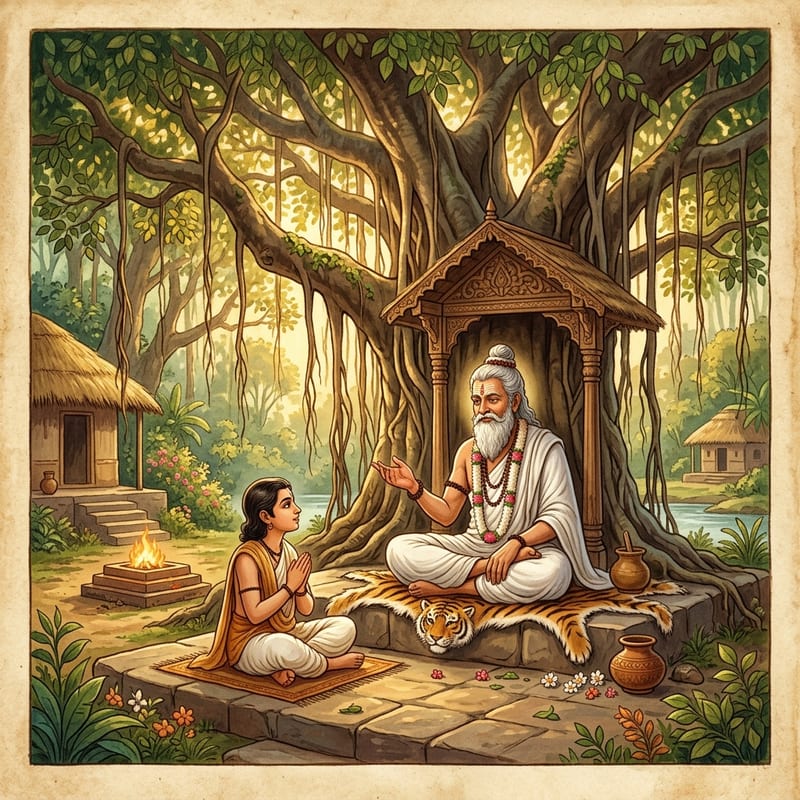
ಕರ್ತುರಾಜ್ಞಯಾ ಪ್ರಾಪ್ಯತೇ ಫಲಮ್ ।
ಕರ್ಮ ಕಿಂ ಪರಂ ಕರ್ಮ ತಜ್ಜಡಮ್ ॥ 1 ॥
ಕರ್ಮ ಕಿಂ ಪರಂ ಕರ್ಮ ತಜ್ಜಡಮ್ ॥ 1 ॥
- ಕರ್ತುಃ ಆಜ್ಞಯಾ (kartuḥ ājñayā)by the ordinance of the Doer
- ಪ್ರಾಪ್ಯತೇ (prāpyate)is obtained
- ಫಲಮ್ (phalam)the fruit
- ಕರ್ಮ (karma)action
- ಕಿಮ್ ಪರಮ್ (kim param)how then should it be supreme
- ಕರ್ಮ (karma)action
- ತತ್ ಜಡಮ್ (tat jaḍam)that is a thing insentient
ಕೃತಿಮಹೋದಧೌ ಪತನಕಾರಣಮ್ ।
ಫಲಮಶಾಶ್ವತಂ ಗತಿನಿರೋಧಕಮ್ ॥ 2 ॥
ಫಲಮಶಾಶ್ವತಂ ಗತಿನಿರೋಧಕಮ್ ॥ 2 ॥
- ಕೃತಿ-ಮಹಾ-ಉದಧೌ (kṛti-mahā-udadhau)into the great ocean of doing
- ಪತನ-ಕಾರಣಮ್ (patana-kāraṇam)the cause of falling
- ಫಲಮ್ (phalam)its fruit
- ಅಶಾಶ್ವತಮ್ (aśāśvatam)impermanent
- ಗತಿ-ನಿರೋಧಕಮ್ (gati-nirodhakam)blocking the way onward
ಈಶ್ವರಾರ್ಪಿತಂ ನೇಚ್ಛಯಾ ಕೃತಮ್ ।
ಚಿತ್ತಶೋಧಕಂ ಮುಕ್ತಿಸಾಧಕಮ್ ॥ 3 ॥
ಚಿತ್ತಶೋಧಕಂ ಮುಕ್ತಿಸಾಧಕಮ್ ॥ 3 ॥
- ಈಶ್ವರ-ಅರ್ಪಿತಮ್ (īśvara-arpitam)offered up to the Lord
- ನ ಇಚ್ಛಯಾ ಕೃತಮ್ (na icchayā kṛtam)not done out of desire
- ಚಿತ್ತ-ಶೋಧಕಮ್ (citta-śodhakam)cleanser of the mind
- ಮುಕ್ತಿ-ಸಾಧಕಮ್ (mukti-sādhakam)bringer of release
ಕಾಯವಾಙ್ಮನಃ ಕಾರ್ಯಮುತ್ತಮಮ್ ।
ಪೂಜನಂ ಜಪಶ್ಚಿನ್ತನಂ ಕ್ರಮಾತ್ ॥ 4 ॥
ಪೂಜನಂ ಜಪಶ್ಚಿನ್ತನಂ ಕ್ರಮಾತ್ ॥ 4 ॥
- ಕಾಯ-ವಾಕ್-ಮನಃ (kāya-vāk-manaḥ)by body, by speech, by mind
- ಕಾರ್ಯಮ್ (kāryam)the work to be done
- ಉತ್ತಮಮ್ (uttamam)each higher than the last
- ಪೂಜನಮ್ (pūjanam)ritual worship
- ಜಪಃ (japaḥ)repetition of the name
- ಚಿನ್ತನಮ್ (cintanam)contemplation
- ಕ್ರಮಾತ್ (kramāt)in that order
ಜಗತ ಈಶಧೀ ಯುಕ್ತಸೇವನಮ್ ।
ಅಷ್ಟಮೂರ್ತಿಭೃದ್ದೇವಪೂಜನಮ್ ॥ 5 ॥
ಅಷ್ಟಮೂರ್ತಿಭೃದ್ದೇವಪೂಜನಮ್ ॥ 5 ॥
- ಜಗತಃ (jagataḥ)of the world
- ಈಶ-ಧೀ-ಯುಕ್ತ-ಸೇವನಮ್ (īśa-dhī-yukta-sevanam)service rendered holding the thought that it is the Lord
- ಅಷ್ಟ-ಮೂರ್ತಿ-ಭೃತ್-ದೇವ-ಪೂಜನಮ್ (aṣṭa-mūrti-bhṛt-deva-pūjanam)is worship of the God who bears the eight forms
ಉತ್ತಮಸ್ತವಾದುಚ್ಚಮನ್ದತಃ ।
ಚಿತ್ತಜಂ ಜಪಧ್ಯಾನಮುತ್ತಮಮ್ ॥ 6 ॥
ಚಿತ್ತಜಂ ಜಪಧ್ಯಾನಮುತ್ತಮಮ್ ॥ 6 ॥
- ಉತ್ತಮಃ (uttamaḥ)better
- ಸ್ತವಾತ್ (stavāt)than praise cried aloud
- ಉಚ್ಚ-ಮನ್ದತಃ (ucca-mandataḥ)is the low-voiced murmur
- ಚಿತ್ತ-ಜಮ್ (citta-jam)that born within the mind
- ಜಪ-ಧ್ಯಾನಮ್ (japa-dhyānam)repetition become meditation
- ಉತ್ತಮಮ್ (uttamam)is best of all
ಆಜ್ಯಧಾರಯಾ ಸ್ರೋತಸಾ ಸಮಮ್ ।
ಸರಲಚಿನ್ತನಂ ವಿರಲತಃ ಪರಮ್ ॥ 7 ॥
ಸರಲಚಿನ್ತನಂ ವಿರಲತಃ ಪರಮ್ ॥ 7 ॥
- ಆಜ್ಯ-ಧಾರಯಾ (ājya-dhārayā)like an unbroken pouring of ghee
- ಸ್ರೋತಸಾ ಸಮಮ್ (srotasā samam)even as a running stream
- ಸರಲ-ಚಿನ್ತನಮ್ (sarala-cintanam)contemplation straight and unbroken
- ವಿರಲತಃ ಪರಮ್ (viralataḥ param)is higher than that which comes in fits
ಭೇದಭಾವನಾತ್ ಸೋಽಹಮಿತ್ಯಸೌ ।
ಭಾವನಾಽಭಿದಾ ಪಾವನೀ ಮತಾ ॥ 8 ॥
ಭಾವನಾಽಭಿದಾ ಪಾವನೀ ಮತಾ ॥ 8 ॥
- ಭೇದ-ಭಾವನಾತ್ (bheda-bhāvanāt)than holding the sense of difference
- ಸಃ ಅಹಮ್ ಇತಿ (saḥ aham iti)“He am I”
- ಅಸೌ (asau)that
- ಭಾವನಾ (bhāvanā)contemplation
- ಅಭಿದಾ (abhidā)of no-difference
- ಪಾವನೀ (pāvanī)purifying
- ಮತಾ (matā)is held to be
ಭಾವಶೂನ್ಯಸದ್ಭಾವಸುಸ್ಥಿತಿಃ ।
ಭಾವನಾಬಲಾದ್ಭಕ್ತಿರುತ್ತಮಾ ॥ 9 ॥
ಭಾವನಾಬಲಾದ್ಭಕ್ತಿರುತ್ತಮಾ ॥ 9 ॥
- ಭಾವ-ಶೂನ್ಯ-ಸದ್-ಭಾವ-ಸು-ಸ್ಥಿತಿಃ (bhāva-śūnya-sad-bhāva-su-sthitiḥ)firm abiding in pure Being, empty of every notion
- ಭಾವನಾ-ಬಲಾತ್ (bhāvanā-balāt)by the strength of that contemplation
- ಭಕ್ತಿಃ ಉತ್ತಮಾ (bhaktiḥ uttamā)is devotion at its highest
ಹೃತ್ಸ್ಥಲೇ ಮನಃ ಸ್ವಸ್ಥತಾ ಕ್ರಿಯಾ ।
ಭಕ್ತಿಯೋಗಬೋಧಾಶ್ಚ ನಿಶ್ಚಿತಮ್ ॥ 10 ॥
ಭಕ್ತಿಯೋಗಬೋಧಾಶ್ಚ ನಿಶ್ಚಿತಮ್ ॥ 10 ॥
- ಹೃದ್-ಸ್ಥಲೇ (hṛd-sthale)in the place of the Heart
- ಮನಃ (manaḥ)the mind
- ಸ್ವ-ಸ್ಥತಾ (sva-sthatā)its settling into itself
- ಕ್ರಿಯಾ (kriyā)this is action
- ಭಕ್ತಿ-ಯೋಗ-ಬೋಧಾಃ (bhakti-yoga-bodhāḥ)and devotion, yoga and knowledge as well
- ಚ (ca)and
- ನಿಶ್ಚಿತಮ್ (niścitam)of this there is no doubt
ವಾಯುರೋಧನಾಲ್ಲೀಯತೇ ಮನಃ ।
ಜಾಲಪಕ್ಷಿವದ್ರೋಧಸಾಧನಮ್ ॥ 11 ॥
ಜಾಲಪಕ್ಷಿವದ್ರೋಧಸಾಧನಮ್ ॥ 11 ॥
- ವಾಯು-ರೋಧನಾತ್ (vāyu-rodhanāt)by the restraining of the breath
- ಲೀಯತೇ ಮನಃ (līyate manaḥ)the mind is absorbed
- ಜಾಲ-ಪಕ್ಷಿ-ವತ್ (jāla-pakṣi-vat)as a bird is held in a net
- ರೋಧ-ಸಾಧನಮ್ (rodha-sādhanam)such is the means of restraint
ಚಿತ್ತವಾಯವಶ್ಚಿತ್ಕ್ರಿಯಾಯುತಾಃ ।
ಶಾಖಯೋರ್ದ್ವಯೀ ಶಕ್ತಿಮೂಲಕಾ ॥ 12 ॥
ಶಾಖಯೋರ್ದ್ವಯೀ ಶಕ್ತಿಮೂಲಕಾ ॥ 12 ॥
- ಚಿತ್ತ-ವಾಯವಃ (citta-vāyavaḥ)mind and breath
- ಚಿತ್-ಕ್ರಿಯಾ-ಯುತಾಃ (cit-kriyā-yutāḥ)joined the one to knowing, the other to doing
- ಶಾಖಯೋಃ ದ್ವಯೀ (śākhayoḥ dvayī)a pair of branches
- ಶಕ್ತಿ-ಮೂಲಕಾ (śakti-mūlakā)rooted in a single power
ಲಯವಿನಾಶನೇ ಉಭಯರೋಧನೇ ।
ಲಯಗತಂ ಪುನರ್ಭವತಿ ನೋ ಮೃತಮ್ ॥ 13 ॥
ಲಯಗತಂ ಪುನರ್ಭವತಿ ನೋ ಮೃತಮ್ ॥ 13 ॥
- ಲಯ-ವಿನಾಶನೇ (laya-vināśane)subsiding and destruction
- ಉಭಯ-ರೋಧನೇ (ubhaya-rodhane)are the two ways of restraint
- ಲಯ-ಗತಮ್ (laya-gatam)what has merely subsided
- ಪುನಃ ಭವತಿ (punaḥ bhavati)rises again
- ನೋ ಮೃತಮ್ (no mṛtam)what is dead does not
ಪ್ರಾಣಬನ್ಧನಾಲ್ಲೀನಮಾನಸಮ್ ।
ಏಕಚಿನ್ತನಾನ್ನಾಶಮೇತ್ಯದಃ ॥ 14 ॥
ಏಕಚಿನ್ತನಾನ್ನಾಶಮೇತ್ಯದಃ ॥ 14 ॥
- ಪ್ರಾಣ-ಬನ್ಧನಾತ್ (prāṇa-bandhanāt)through the binding of the breath
- ಲೀನ-ಮಾನಸಮ್ (līna-mānasam)the mind that has subsided
- ಏಕ-ಚಿನ್ತನಾತ್ (eka-cintanāt)by contemplation of the One
- ನಾಶಮ್ ಏತಿ (nāśam eti)comes to its destruction
- ಅದಃ (adaḥ)that mind
ನಷ್ಟಮಾನಸೋತ್ಕೃಷ್ಟಯೋಗಿನಃ ।
ಕೃತ್ಯಮಸ್ತಿ ಕಿಂ ಸ್ವಸ್ಥಿತಿಂ ಯತಃ ॥ 15 ॥
ಕೃತ್ಯಮಸ್ತಿ ಕಿಂ ಸ್ವಸ್ಥಿತಿಂ ಯತಃ ॥ 15 ॥
- ನಷ್ಟ-ಮಾನಸ-ಉತ್ಕೃಷ್ಟ-ಯೋಗಿನಃ (naṣṭa-mānasa-utkṛṣṭa-yoginaḥ)for the surpassing yogin whose mind is destroyed
- ಕೃತ್ಯಮ್ ಅಸ್ತಿ ಕಿಮ್ (kṛtyam asti kim)what work remains to be done
- ಸ್ವ-ಸ್ಥಿತಿಮ್ (sva-sthitim)his own true state
- ಯತಃ (yataḥ)since he has reached
ದೃಶ್ಯವಾರಿತಂ ಚಿತ್ತಮಾತ್ಮನಃ ।
ಚಿತ್ತ್ವದರ್ಶನಂ ತತ್ತ್ವದರ್ಶನಮ್ ॥ 16 ॥
ಚಿತ್ತ್ವದರ್ಶನಂ ತತ್ತ್ವದರ್ಶನಮ್ ॥ 16 ॥
- ದೃಶ್ಯ-ವಾರಿತಮ್ (dṛśya-vāritam)turned back from the things it saw
- ಚಿತ್ತಮ್ (cittam)the mind
- ಆತ್ಮನಃ (ātmanaḥ)of the Self
- ಚಿತ್ತ್ವ-ದರ್ಶನಮ್ (cittva-darśanam)the beholding of its own nature as consciousness
- ತತ್ತ್ವ-ದರ್ಶನಮ್ (tattva-darśanam)is the beholding of Reality itself
ಮಾನಸಂ ತು ಕಿಂ ಮಾರ್ಗಣೇ ಕೃತೇ ।
ನೈವ ಮಾನಸಂ ಮಾರ್ಗ ಆರ್ಜವಾತ್ ॥ 17 ॥
ನೈವ ಮಾನಸಂ ಮಾರ್ಗ ಆರ್ಜವಾತ್ ॥ 17 ॥
- ಮಾನಸಮ್ ತು ಕಿಮ್ (mānasam tu kim)“what then is this mind?”
- ಮಾರ್ಗಣೇ ಕೃತೇ (mārgaṇe kṛte)when the search is made
- ನ ಏವ ಮಾನಸಮ್ (na eva mānasam)there is no mind at all
- ಮಾರ್ಗಃ ಆರ್ಜವಾತ್ (mārgaḥ ārjavāt)this is the path, by its very directness
ವೃತ್ತಯಸ್ತ್ವಹಂ ವೃತ್ತಿಮಾಶ್ರಿತಾಃ ।
ವೃತ್ತಯೋ ಮನೋ ವಿದ್ಧ್ಯಹಂ ಮನಃ ॥ 18 ॥
ವೃತ್ತಯೋ ಮನೋ ವಿದ್ಧ್ಯಹಂ ಮನಃ ॥ 18 ॥
- ವೃತ್ತಯಃ (vṛttayaḥ)the mind’s movements
- ತು (tu)indeed
- ಅಹಮ್-ವೃತ್ತಿಮ್ ಆಶ್ರಿತಾಃ (aham-vṛttim āśritāḥ)rest upon the “I”-thought
- ವೃತ್ತಯಃ ಮನಃ (vṛttayaḥ manaḥ)those movements are the mind
- ವಿದ್ಧಿ (viddhi)know then
- ಅಹಮ್ ಮನಃ (aham manaḥ)the “I” is the mind
ಅಹಮಯಂ ಕುತೋ ಭವತಿ ಚಿನ್ವತಃ ।
ಅಯಿ ಪತತ್ಯಹಂ ನಿಜವಿಚಾರಣಮ್ ॥ 19 ॥
ಅಯಿ ಪತತ್ಯಹಂ ನಿಜವಿಚಾರಣಮ್ ॥ 19 ॥
- ಅಹಮ್ ಅಯಮ್ (aham ayam)this “I”
- ಕುತಃ ಭವತಿ (kutaḥ bhavati)whence does it arise
- ಚಿನ್ವತಃ (cinvataḥ)for one who searches it out
- ಅಯಿ (ayi)lo
- ಪತತಿ ಅಹಮ್ (patati aham)the “I” falls away
- ನಿಜ-ವಿಚಾರಣಮ್ (nija-vicāraṇam)this is the inquiry into oneself
ಅಹಮಿ ನಾಶಭಾಜ್ಯಹಮಹನ್ತಯಾ ।
ಸ್ಫುರತಿ ಹೃತ್ಸ್ವಯಂ ಪರಮಪೂರ್ಣಸತ್ ॥ 20 ॥
ಸ್ಫುರತಿ ಹೃತ್ಸ್ವಯಂ ಪರಮಪೂರ್ಣಸತ್ ॥ 20 ॥
- ಅಹಮಿ ನಾಶ-ಭಾಜಿ (ahami nāśa-bhāji)when the “I” has met its destruction
- ಅಹಮ್-ಅಹನ್ತಯಾ (aham-ahantayā)as the pure “I-I”
- ಸ್ಫುರತಿ (sphurati)there shines forth
- ಹೃತ್ (hṛt)in the Heart
- ಸ್ವಯಮ್ (svayam)of itself
- ಪರಮ-ಪೂರ್ಣ-ಸತ್ (parama-pūrṇa-sat)the supreme and perfect Being
ಇದಮಹಂ ಪದಾಽಭಿಖ್ಯಮನ್ವಹಮ್ ।
ಅಹಮಿಲೀನಕೇಽಪ್ಯಲಯಸತ್ತಯಾ ॥ 21 ॥
ಅಹಮಿಲೀನಕೇಽಪ್ಯಲಯಸತ್ತಯಾ ॥ 21 ॥
- ಇದಮ್ (idam)this
- ಅಹಮ್-ಪದ-ಅಭಿಖ್ಯಮ್ (aham-pada-abhikhyam)is what the word “I” names
- ಅನ್ವಹಮ್ (anvaham)at every moment
- ಅಹಮಿ ಲೀನಕೇ ಅಪಿ (ahami līnake api)even when the “I” has subsided
- ಅಲಯ-ಸತ್ತಯಾ (alaya-sattayā)by a being that itself never subsides
ವಿಗ್ರಹೇನ್ದ್ರಿಯಪ್ರಾಣಧೀತಮಃ ।
ನಾಹಮೇಕಸತ್ತಜ್ಜಡಂ ಹ್ಯಸತ್ ॥ 22 ॥
ನಾಹಮೇಕಸತ್ತಜ್ಜಡಂ ಹ್ಯಸತ್ ॥ 22 ॥
- ವಿಗ್ರಹ-ಇನ್ದ್ರಿಯ-ಪ್ರಾಣ-ಧೀ-ತಮಃ (vigraha-indriya-prāṇa-dhī-tamaḥ)body, senses, breath, intellect and the darkness of ignorance
- ನ ಅಹಮ್ (na aham)I am none of these
- ಏಕ-ಸತ್ (eka-sat)I am the one Being
- ತತ್ ಜಡಮ್ (tat jaḍam)they are insentient
- ಹಿ ಅಸತ್ (hi asat)and therefore unreal
ಸತ್ತ್ವಭಾಸಿಕಾ ಚಿತ್ಕ್ವವೇತರಾ ।
ಸತ್ತಯಾ ಹಿ ಚಿಚ್ಚಿತ್ತಯಾ ಹ್ಯಹಮ್ ॥ 23 ॥
ಸತ್ತಯಾ ಹಿ ಚಿಚ್ಚಿತ್ತಯಾ ಹ್ಯಹಮ್ ॥ 23 ॥
- ಸತ್ತ್ವ-ಭಾಸಿಕಾ (sattva-bhāsikā)that which lights up Being
- ಚಿತ್ (cit)is consciousness
- ಕ್ವ ವಾ ಇತರಾ (kva vā itarā)where then is any other
- ಸತ್ತಯಾ ಹಿ (sattayā hi)since in its very being
- ಚಿತ್ (cit)it is consciousness
- ಚಿತ್ತಯಾ ಹಿ (cittayā hi)and in its very consciousness
- ಅಹಮ್ (aham)it is “I”
ಈಶಜೀವಯೋರ್ವೇಷಧೀಭಿದಾ ।
ಸತ್ಸ್ವಭಾವತೋ ವಸ್ತು ಕೇವಲಮ್ ॥ 24 ॥
ಸತ್ಸ್ವಭಾವತೋ ವಸ್ತು ಕೇವಲಮ್ ॥ 24 ॥
- ಈಶ-ಜೀವಯೋಃ (īśa-jīvayoḥ)of the Lord and the individual soul
- ವೇಷ-ಧೀ-ಭಿದಾ (veṣa-dhī-bhidā)the difference lies in the garb and in the notion of it
- ಸತ್-ಸ್ವಭಾವತಃ (sat-svabhāvataḥ)in their true nature as Being
- ವಸ್ತು ಕೇವಲಮ್ (vastu kevalam)the substance is one alone
ವೇಷಹಾನತಃ ಸ್ವಾತ್ಮದರ್ಶನಮ್ ।
ಈಶದರ್ಶನಂ ಸ್ವಾತ್ಮರೂಪತಃ ॥ 25 ॥
ಈಶದರ್ಶನಂ ಸ್ವಾತ್ಮರೂಪತಃ ॥ 25 ॥
- ವೇಷ-ಹಾನತಃ (veṣa-hānataḥ)by the putting off of the garb
- ಸ್ವ-ಆತ್ಮ-ದರ್ಶನಮ್ (sva-ātma-darśanam)comes the seeing of one’s own Self
- ಈಶ-ದರ್ಶನಮ್ (īśa-darśanam)and that is the seeing of the Lord
- ಸ್ವ-ಆತ್ಮ-ರೂಪತಃ (sva-ātma-rūpataḥ)since his very form is one’s own Self
ಆತ್ಮಸಂಸ್ಥಿತಿಃ ಸ್ವಾತ್ಮದರ್ಶನಮ್ ।
ಆತ್ಮನಿರ್ದ್ವಯಾದಾತ್ಮನಿಷ್ಠತಾ ॥ 26 ॥
ಆತ್ಮನಿರ್ದ್ವಯಾದಾತ್ಮನಿಷ್ಠತಾ ॥ 26 ॥
- ಆತ್ಮ-ಸಂಸ್ಥಿತಿಃ (ātma-saṃsthitiḥ)to abide as the Self
- ಸ್ವ-ಆತ್ಮ-ದರ್ಶನಮ್ (sva-ātma-darśanam)is to see the Self
- ಆತ್ಮ-ನಿರ್ದ್ವಯಾತ್ (ātma-nirdvayāt)since the Self is without a second
- ಆತ್ಮ-ನಿಷ್ಠತಾ (ātma-niṣṭhatā)it is standing firm in the Self
ಜ್ಞಾನವರ್ಜಿತಾಽಜ್ಞಾನಹೀನಚಿತ್ ।
ಜ್ಞಾನಮಸ್ತಿ ಕಿಂ ಜ್ಞಾತುಮನ್ತರಮ್ ॥ 27 ॥
ಜ್ಞಾನಮಸ್ತಿ ಕಿಂ ಜ್ಞಾತುಮನ್ತರಮ್ ॥ 27 ॥
- ಜ್ಞಾನ-ವರ್ಜಿತಾ (jñāna-varjitā)devoid of knowledge
- ಅಜ್ಞಾನ-ಹೀನ-ಚಿತ್ (ajñāna-hīna-cit)consciousness free of ignorance too
- ಜ್ಞಾನಮ್ ಅಸ್ತಿ (jñānam asti)such is Knowledge
- ಕಿಮ್ ಜ್ಞಾತುಮ್ ಅನ್ತರಮ್ (kim jñātum antaram)what other thing is left to be known
ಕಿಂ ಸ್ವರೂಪಮಿತ್ಯಾತ್ಮದರ್ಶನೇ ।
ಅವ್ಯಯಾಽಭವಾಽಽಪೂರ್ಣಚಿತ್ಸುಖಮ್ ॥ 28 ॥
ಅವ್ಯಯಾಽಭವಾಽಽಪೂರ್ಣಚಿತ್ಸುಖಮ್ ॥ 28 ॥
- ಕಿಮ್ ಸ್ವ-ರೂಪಮ್ ಇತಿ (kim sva-rūpam iti)“what is my own nature?”
- ಆತ್ಮ-ದರ್ಶನೇ (ātma-darśane)when the Self is so beheld
- ಅವ್ಯಯಾ (avyayā)imperishable
- ಅಭವಾ (abhavā)unborn
- ಆಪೂರ್ಣ-ಚಿತ್-ಸುಖಮ್ (āpūrṇa-cit-sukham)the brimming bliss that is consciousness
ಬನ್ಧಮುಕ್ತ್ಯತೀತಂ ಪರಂ ಸುಖಮ್ ।
ವಿನ್ದತೀಹ ಜೀವಸ್ತು ದೈವಿಕಃ ॥ 29 ॥
ವಿನ್ದತೀಹ ಜೀವಸ್ತು ದೈವಿಕಃ ॥ 29 ॥
- ಬನ್ಧ-ಮುಕ್ತಿ-ಅತೀತಮ್ (bandha-mukti-atītam)beyond both bondage and release
- ಪರಮ್ ಸುಖಮ್ (param sukham)the supreme happiness
- ವಿನ್ದತಿ (vindati)he finds
- ಇಹ (iha)here, in this very life
- ಜೀವಃ ತು ದೈವಿಕಃ (jīvaḥ tu daivikaḥ)the individual, become divine
ಅಹಮಪೇತಕಂ ನಿಜವಿಭಾನಕಮ್ ।
ಮಹದಿದನ್ತಪೋ ರಮನವಾಗಿಯಮ್ ॥ 30 ॥
ಮಹದಿದನ್ತಪೋ ರಮನವಾಗಿಯಮ್ ॥ 30 ॥
- ಅಹಮ್-ಅಪೇತಕಮ್ (aham-apetakam)that from which the “I” has departed
- ನಿಜ-ವಿಭಾನಕಮ್ (nija-vibhānakam)shining forth as its own self
- ಮಹತ್ ಇದಮ್ ತಪಃ (mahat idam tapaḥ)this is the great austerity
- ರಮಣ-ವಾಕ್ ಇಯಮ್ (ramaṇa-vāk iyam)these are Ramaṇa’s words