
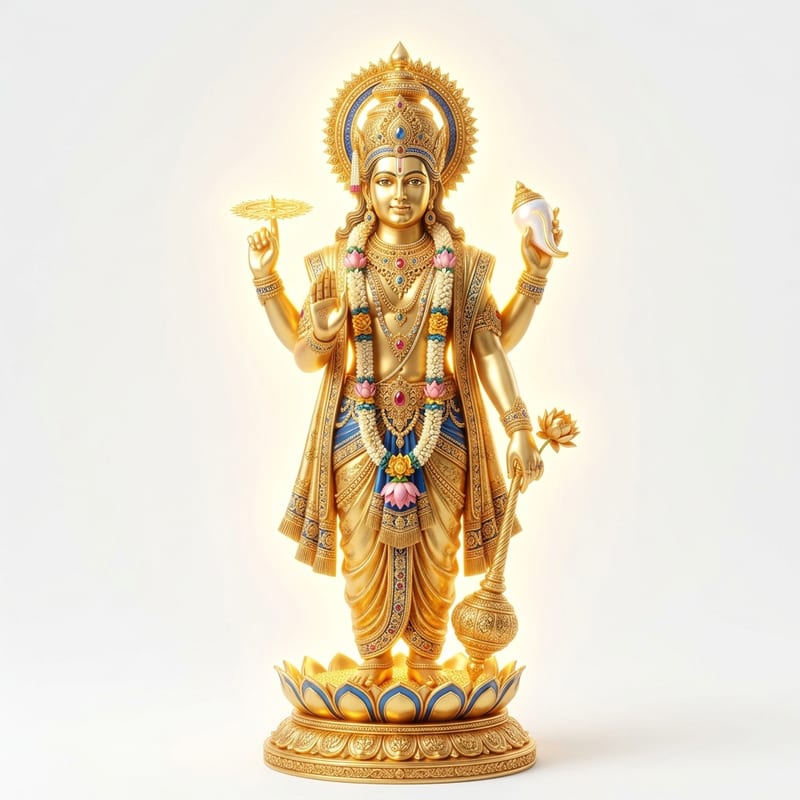
ଶ୍ରୀଵିଷ୍ଣୁସହସ୍ରନାମସ୍ତୋତ୍ରମ୍
- ଶ୍ରୀଵିଷ୍ଣୁସହସ୍ରନାମସ୍ତୋତ୍ରମ୍ (śrīviṣṇusahasranāmastotram)the hymn of the thousand names of Śrī Viṣṇu (sahasra:thousand | nāman:name | stotra:hymn)
ଓଁ
ଶ୍ରୀପରମାତ୍ମନେ ନମଃ ।
ନାରାଯଣଂ ନମସ୍କୃତ୍ଯ ନରଂ ଚୈଵ ନରୋତ୍ତମମ୍ ।
ଦେଵୀଂ ସରସ୍ଵତୀଂ ଵ୍ଯାସଂ ତତୋ ଜଯମୁଦୀରଯେତ୍ ॥
ଶ୍ରୀପରମାତ୍ମନେ ନମଃ ।
ନାରାଯଣଂ ନମସ୍କୃତ୍ଯ ନରଂ ଚୈଵ ନରୋତ୍ତମମ୍ ।
ଦେଵୀଂ ସରସ୍ଵତୀଂ ଵ୍ଯାସଂ ତତୋ ଜଯମୁଦୀରଯେତ୍ ॥
- ଶ୍ରୀପରମାତ୍ମନେ (śrīparamātmane)to the supreme Self
- ନମଃ (namaḥ)salutation
- ନାରାଯଣମ୍ (nārāyaṇam)Nārāyaṇa
- ନମସ୍କୃତ୍ଯ (namaskṛtya)having bowed
- ନରମ୍ (naram)Nara
- ନରୋତ୍ତମମ୍ (narottamam)best of men
- ଦେଵୀମ୍ ସରସ୍ଵତୀମ୍ (devīm sarasvatīm)the goddess Sarasvatī
- ଵ୍ଯାସମ୍ (vyāsam)Vyāsa
- ତତଃ (tataḥ)then
- ଜଯମ୍ ଉଦୀରଯେତ୍ (jayam udīrayet)let one utter “victory”
ଓଁ ଅଥ ସକଲସୌଭାଗ୍ଯଦାଯକଂ ଶ୍ରୀଵିଷ୍ଣୁସହସ୍ରନାମସ୍ତୋତ୍ରମ୍ ।
ହରିଃ ଓଁ ॥
ହରିଃ ଓଁ ॥
- ଅଥ (atha)now
- ସକଲସୌଭାଗ୍ଯଦାଯକମ୍ (sakalasaubhāgyadāyakam)giving every good fortune (sakala:entire | saubhāgya:good fortune | dāyaka:giving)
- ହରିଃ ଓଁ (hariḥ oṃ)the auspicious opening formula
ଶୁକ୍ଲାମ୍ବରଧରଂ ଵିଷ୍ଣୁଂ ଶଶିଵର୍ଣଂ ଚତୁର୍ଭୁଜମ୍ ।
ପ୍ରସନ୍ନଵଦନଂ ଧ୍ଯାଯେତ୍ ସର୍ଵଵିଘ୍ନୋପଶାନ୍ତଯେ ॥ ୧॥
ପ୍ରସନ୍ନଵଦନଂ ଧ୍ଯାଯେତ୍ ସର୍ଵଵିଘ୍ନୋପଶାନ୍ତଯେ ॥ ୧॥
- ଓଁ (ōṃ)Om
- ଶୁକ୍ଲାମ୍ବରଧରଂ (śuklāmbaradharaṃ)wearing white garments (śukla:white | ambara:garment | dharaṃ:wearing)
- ଵିଷ୍ଣୁଂ (viṣṇuṃ)Vishnu
- ଶଶିଵର୍ଣଂ (śaśivarṇaṃ)moon-colored (śaśi:moon | varṇaṃ:color)
- ଚତୁର୍ଭୁଜମ୍ (caturbhujam)four-armed (catur:four | bhujam:armed)
- ପ୍ରସନ୍ନଵଦନଂ (prasannavadanaṃ)with a pleasing face (prasanna:pleasing | vadanaṃ:face)
- ଧ୍ଯାଯେତ୍ (dhyāyet)may meditate
- ସର୍ଵଵିଘ୍ନୋପଶାନ୍ତଯେ (sarvavighnopaśāntaye)for removal of all obstacles (sarva:all | vighna:obstacles | upaśāntaye:for removal)
ଯସ୍ଯ ଦ୍ଵିରଦଵକ୍ତ୍ରାଦ୍ଯାଃ ପାରିଷଦ୍ଯାଃ ପରଃ ଶତମ୍ ।
ଵିଘ୍ନଂ ନିଘ୍ନନ୍ତି ସତତଂ ଵିଷ୍ଵକ୍ସେନଂ ତମାଶ୍ରଯେ ॥ ୨॥
ଵିଘ୍ନଂ ନିଘ୍ନନ୍ତି ସତତଂ ଵିଷ୍ଵକ୍ସେନଂ ତମାଶ୍ରଯେ ॥ ୨॥
- ଯସ୍ଯ (yasya)whose
- ଦ୍ଵିରଦଵକ୍ତ୍ରାଦ୍ଯାଃ (dviradavaktrādyāḥ)headed by elephant-faced (dvirada:elephant | vaktra:face | ādyāḥ:headed by)
- ପାରିଷଦ୍ଯାଃ (pāriṣadyāḥ)attendants
- ପରଃ (paraḥ)numerous
- ଶତମ୍ (śatam)hundred
- ଵିଘ୍ନଂ (vighnaṃ)hindrance
- ନିଘ୍ନନ୍ତି (nighnanti)eliminate
- ସତତଂ (satataṃ)always
- ଵିଷ୍ଵକ୍ସେନଂ (viṣvaksenaṃ)Vishvaksena
- ତମ୍ (tam)him
- ଆଶ୍ରଯେ (āśraye)I take refuge
ଵ୍ଯାସଂ ଵସିଷ୍ଠନପ୍ତାରଂ ଶକ୍ତେଃ ପୌତ୍ରମକଲ୍ମଷମ୍ ।
ପରାଶରାତ୍ମଜଂ ଵନ୍ଦେ ଶୁକତାତଂ ତପୋନିଧିମ୍ ॥ ୩॥
ପରାଶରାତ୍ମଜଂ ଵନ୍ଦେ ଶୁକତାତଂ ତପୋନିଧିମ୍ ॥ ୩॥
- ପୂର୍ଵ (pūrva)previous
- ପୀଠିକା (pīṭhikā)introduction
- ଵ୍ଯାସଂ (vyāsam)Vyasa
- ଵସିଷ୍ଠ (vasiṣṭha)Vasishta
- ନପ୍ତାରଂ (naptāram)great-grandson
- ଶକ୍ତେଃ (śakteḥ)of Shakti
- ପୌତ୍ରମ୍ (pautram)grandson
- ଅକଲ୍ମଷମ୍ (akalmaṣam)free from defects
- ପରାଶରାତ୍ମଜଂ (parāśarātmajam)son of Parasara (parāśara:Parasara | ātmajam:son)
- ଵନ୍ଦେ (vande)I offer obeisance
- ଶୁକତାତଂ (śukatātam)father of Suka (śuka:Suka | tātam:father)
- ତପୋନିଧିମ୍ (taponidhim)repository of austerities (tapas:austerities | nidhim:repository)
ଵ୍ଯାସାଯ ଵିଷ୍ଣୁରୂପାଯ ଵ୍ଯାସରୂପାଯ ଵିଷ୍ଣଵେ ।
ନମୋ ଵୈ ବ୍ରହ୍ମନିଧଯେ ଵାସିଷ୍ଠାଯ ନମୋ ନମଃ ॥ ୪॥
ନମୋ ଵୈ ବ୍ରହ୍ମନିଧଯେ ଵାସିଷ୍ଠାଯ ନମୋ ନମଃ ॥ ୪॥
- ଵ୍ଯାସାଯ (vyāsāya)to Vyasa
- ଵିଷ୍ଣୁ (viṣṇu)Vishnu
- ରୂପାଯ (rūpāya)to the form
- ଵ୍ଯାସରୂପାଯ (vyāsarūpāya)to Vyasa's form (vyāsa:Vyasa | rūpāya:to the form)
- ଵିଷ୍ଣଵେ (viṣṇave)to Vishnu
- ନମଃ (namaḥ)salutations
- ଵୈ (vai)indeed
- ବ୍ରହ୍ମନିଧଯେ (brahmanidhaye)to the treasure of Brahman (brahma:Brahman | nidhaye:to the treasure)
- ଵାସିଷ୍ଠାଯ (vāsiṣṭhāya)to the descendant of Vasistha (vāsiṣṭha:descendant of Vasistha | āya:to)
- ନମଃ (namaḥ)salutations
- ନମଃ (namaḥ)salutations
ଅଵିକାରାଯ ଶୁଦ୍ଧାଯ ନିତ୍ଯାଯ ପରମାତ୍ମନେ ।
ସଦୈକରୂପରୂପାଯ ଵିଷ୍ଣଵେ ସର୍ଵଜିଷ୍ଣଵେ ॥ ୫॥
ସଦୈକରୂପରୂପାଯ ଵିଷ୍ଣଵେ ସର୍ଵଜିଷ୍ଣଵେ ॥ ୫॥
- ଅଵିକାରାଯ (avikārāya)to the changeless (a:not | vikāra:change | āya:to)
- ଶୁଦ୍ଧାଯ (śuddhāya)to the pure
- ନିତ୍ଯାଯ (nityāya)to the eternal
- ପରମାତ୍ମନେ (paramātmanē)to the supreme soul (parama:supreme | ātman:soul | ē:to)
- ସଦୈକରୂପରୂପାଯ (sadaikarūparūpāya)to the one form always (sadā:always | eka:one | rūpa:form | rūpāya:to the form)
- ଵିଷ୍ଣଵେ (viṣṇavē)to Vishnu
- ସର୍ଵଜିଷ୍ଣଵେ (sarvajiṣṇavē)to the conqueror of all (sarva:all | jiṣṇu:conqueror | vē:to)
ଯସ୍ଯ ସ୍ମରଣମାତ୍ରେଣ ଜନ୍ମସଂସାରବନ୍ଧନାତ୍ ।
ଵିମୁଚ୍ଯତେ ନମସ୍ତସ୍ମୈ ଵିଷ୍ଣଵେ ପ୍ରଭଵିଷ୍ଣଵେ ॥ ୬॥
ଵିମୁଚ୍ଯତେ ନମସ୍ତସ୍ମୈ ଵିଷ୍ଣଵେ ପ୍ରଭଵିଷ୍ଣଵେ ॥ ୬॥
- ଯସ୍ଯ (yasya)whose
- ସ୍ମରଣମାତ୍ରେଣ (smaraṇamātreṇa)by mere remembrance (smaraṇa:remembrance | mātreṇa:by mere)
- ଜନ୍ମସଂସାରବନ୍ଧନାତ୍ (janmasaṃsārabandhanāt)from the bonds of birth and samsara (janma:birth | saṃsāra:samsara | bandhanāt:from the bonds)
- ଵିମୁଚ୍ଯତେ (vimucyate)is freed
- ନମଃ (namaḥ)salutations
- ତସ୍ମୈ (tasmai)to that
- ଵିଷ୍ଣଵେ (viṣṇave)to Vishnu
- ପ୍ରଭଵିଷ୍ଣଵେ (prabhaviṣṇave)to the omnipotent Vishnu (prabha:omnipotent | viṣṇave:to Vishnu)
(ନମଃ ସମସ୍ତଭୂତାନାମାଦିଭୂତାଯ ଭୂଭୃତେ ।
ଅନେକରୂପରୂପାଯ ଵିଷ୍ଣଵେ ପ୍ରଭଵିଷ୍ଣଵେ ॥)
ଓଁ ନମୋ ଵିଷ୍ଣଵେ ପ୍ରଭଵିଷ୍ଣଵେ ॥
ଅନେକରୂପରୂପାଯ ଵିଷ୍ଣଵେ ପ୍ରଭଵିଷ୍ଣଵେ ॥)
ଓଁ ନମୋ ଵିଷ୍ଣଵେ ପ୍ରଭଵିଷ୍ଣଵେ ॥
- ସମସ୍ତଭୂତାନାମ୍ (samastabhūtānām)of all beings
- ଆଦିଭୂତାଯ (ādibhūtāya)to the first-existing
- ଭୂଭୃତେ (bhūbhṛte)bearer of the earth
- ଅନେକରୂପରୂପାଯ (anekarūparūpāya)whose form is many forms
- ଵିଷ୍ଣଵେ (viṣṇave)to Viṣṇu
- ପ୍ରଭଵିଷ୍ଣଵେ (prabhaviṣṇave)to the ever-becoming, the mighty
ଶ୍ରୀଵୈଶମ୍ପାଯନ ଉଵାଚ---
ଶ୍ରୁତ୍ଵା ଧର୍ମାନଶେଷେଣ ପାଵନାନି ଚ ସର୍ଵଶଃ ।
ଯୁଧିଷ୍ଠିରଃ ଶାନ୍ତନଵଂ ପୁନରେଵାଭ୍ଯଭାଷତ ॥ ୭॥
ଶ୍ରୁତ୍ଵା ଧର୍ମାନଶେଷେଣ ପାଵନାନି ଚ ସର୍ଵଶଃ ।
ଯୁଧିଷ୍ଠିରଃ ଶାନ୍ତନଵଂ ପୁନରେଵାଭ୍ଯଭାଷତ ॥ ୭॥
- ଶ୍ରୀ (śrī)auspicious
- ଵୈଶମ୍ପାଯନ (vaiśampāyana)Vaishampayana
- ଉଵାଚ (uvāca)said
- ଶ୍ରୁତ୍ଵା (śrutvā)having heard
- ଧର୍ମାନ୍ (dharmān)Dharmas
- ଅଶେଷେଣ (aśeṣeṇa)in entirety
- ପାଵନାନି (pāvanāni)purificatory acts
- ଚ (ca)and
- ସର୍ଵଶଃ (sarvaśaḥ)in all respects
- ଯୁଧିଷ୍ଠିରଃ (yudhiṣṭhiraḥ)Yudhishthira
- ଶାନ୍ତନଵମ୍ (śāntanavam)to Shantanava (Bhishma)
- ପୁନଃ (punaḥ)again
- ଏଵ (eva)indeed
- ଅଭ୍ଯଭାଷତ (abhyabhāṣata)addressed
ଯୁଧିଷ୍ଠିର ଉଵାଚ---
କିମେକଂ ଦୈଵତଂ ଲୋକେ କିଂ ଵାପ୍ଯେକଂ ପରାଯଣମ୍ ।
ସ୍ତୁଵନ୍ତଃ କଂ କମର୍ଚନ୍ତଃ ପ୍ରାପ୍ନୁଯୁର୍ମାନଵାଃ ଶୁଭମ୍ ॥ ୮॥
କିମେକଂ ଦୈଵତଂ ଲୋକେ କିଂ ଵାପ୍ଯେକଂ ପରାଯଣମ୍ ।
ସ୍ତୁଵନ୍ତଃ କଂ କମର୍ଚନ୍ତଃ ପ୍ରାପ୍ନୁଯୁର୍ମାନଵାଃ ଶୁଭମ୍ ॥ ୮॥
- ଯୁଧିଷ୍ଠିର (yudhiṣṭhira)Yudhishthira
- ଉଵାଚ (uvāca)said
- କିମ୍ (kim)what
- ଏକମ୍ (ekam)one
- ଦୈଵତମ୍ (daivatam)deity
- ଲୋକେ (loke)in the world
- କିମ୍ (kim)what
- ଵା (vā)or
- ଅପି (api)also
- ଏକମ୍ (ekam)one
- ପରାଯଣମ୍ (parāyaṇam)supreme goal
- ସ୍ତୁଵନ୍ତଃ (stuvantaḥ)praising
- କମ୍ (kam)whom
- କମ୍ (kam)whom
- ଅର୍ଚନ୍ତଃ (archantaḥ)worshipping
- ପ୍ରାପ୍ନୁଯୁଃ (prāpnuyuḥ)may attain
- ମାନଵାଃ (mānavāḥ)humans
- ଶୁଭମ୍ (śubham)auspiciousness
କୋ ଧର୍ମଃ ସର୍ଵଧର୍ମାଣାଂ ଭଵତଃ ପରମୋ ମତଃ ।
କିଂ ଜପନ୍ମୁଚ୍ଯତେ ଜନ୍ତୁର୍ଜନ୍ମସଂସାରବନ୍ଧନାତ୍ ॥ ୯॥
କିଂ ଜପନ୍ମୁଚ୍ଯତେ ଜନ୍ତୁର୍ଜନ୍ମସଂସାରବନ୍ଧନାତ୍ ॥ ୯॥
- କଃ (kaḥ)what
- ଧର୍ମଃ (dharmaḥ)duty
- ସର୍ଵଧର୍ମାଣାମ୍ (sarvadharmāṇām)of all duties (sarva:all | dharmāṇām:of duties)
- ଭଵତଃ (bhavataḥ)according to you
- ପରମଃ (paramaḥ)foremost
- ମତଃ (mataḥ)opinion
- କିମ୍ (kim)what
- ଜପନ୍ (japan)reciting
- ମୁଚ୍ଯତେ (mucyate)is freed
- ଜନ୍ତୁଃ (jantuḥ)being
- ଜନ୍ମସଂସାର (janmasaṃsāra)birth and death cycle (janma:birth | saṃsāra:cycle of existence)
- ବନ୍ଧନାତ୍ (bandhanāt)from the bonds
ଭୀଷ୍ମ ଉଵାଚ---
ଜଗତ୍ପ୍ରଭୁଂ ଦେଵଦେଵମନନ୍ତଂ ପୁରୁଷୋତ୍ତମମ୍ ।
ସ୍ତୁଵନ୍ ନାମସହସ୍ରେଣ ପୁରୁଷଃ ସତତୋତ୍ଥିତଃ ॥ ୧୦॥
ଜଗତ୍ପ୍ରଭୁଂ ଦେଵଦେଵମନନ୍ତଂ ପୁରୁଷୋତ୍ତମମ୍ ।
ସ୍ତୁଵନ୍ ନାମସହସ୍ରେଣ ପୁରୁଷଃ ସତତୋତ୍ଥିତଃ ॥ ୧୦॥
- ଶ୍ରୀ (śrī)auspicious
- ଭୀଷ୍ମ (bhīṣma)Bhishma
- ଉଵାଚ (uvāca)said
- ଜଗତ୍ପ୍ରଭୁଂ (jagatprabhuṃ)Lord of the Universe (jagat:universe | prabhuṃ:lord)
- ଦେଵଦେଵ (devadeva)God of gods (deva:god | deva:god)
- ଅନନ୍ତଂ (anantaṃ)limitless
- ପୁରୁଷୋତ୍ତମମ୍ (puruṣottamam)Supreme Being (puruṣa:being | uttamam:supreme)
- ସ୍ତୁଵନ୍ (stuvan)praising
- ନାମ (nāma)name
- ସହସ୍ରେଣ (sahasreṇa)with a thousand
- ପୁରୁଷଃ (puruṣaḥ)person
- ସତତ (satata)always
- ଉତ୍ଥିତଃ (utthitaḥ)engaged
ତମେଵ ଚାର୍ଚଯନ୍ନିତ୍ଯଂ ଭକ୍ତ୍ଯା ପୁରୁଷମଵ୍ଯଯମ୍ ।
ଧ୍ଯାଯନ୍ ସ୍ତୁଵନ୍ ନମସ୍ଯଂଶ୍ଚ ଯଜମାନସ୍ତମେଵ ଚ ॥ ୧୧॥
ଧ୍ଯାଯନ୍ ସ୍ତୁଵନ୍ ନମସ୍ଯଂଶ୍ଚ ଯଜମାନସ୍ତମେଵ ଚ ॥ ୧୧॥
- ତମେଵ (tam eva)Him only
- ଚ (ca)and
- ଅର୍ଚଯନ୍ (arcayan)worshipping
- ନିତ୍ଯଂ (nityaṃ)always
- ଭକ୍ତ୍ଯା (bhaktyā)with devotion
- ପୁରୁଷମ୍ (puruṣam)the person
- ଅଵ୍ଯଯମ୍ (avyayam)imperishable
- ଧ୍ଯାଯନ୍ (dhyāyan)meditating
- ସ୍ତୁଵନ୍ (stuvan)glorifying
- ନମସ୍ଯନ୍ (namasyan)offering obeisance
- ଚ (ca)and
- ଯଜମାନଃ (yajamānaḥ)adoring
- ତମେଵ (tam eva)Him only
- ଚ (ca)and
ଅନାଦିନିଧନଂ ଵିଷ୍ଣୁଂ ସର୍ଵଲୋକମହେଶ୍ଵରମ୍ ।
ଲୋକାଧ୍ଯକ୍ଷଂ ସ୍ତୁଵନ୍ନିତ୍ଯଂ ସର୍ଵଦୁଃଖାତିଗୋ ଭଵେତ୍ ॥ ୧୨॥
ଲୋକାଧ୍ଯକ୍ଷଂ ସ୍ତୁଵନ୍ନିତ୍ଯଂ ସର୍ଵଦୁଃଖାତିଗୋ ଭଵେତ୍ ॥ ୧୨॥
- ଅନାଦି (anādi)without beginning
- ନିଧନଂ (nidhanam)end
- ଵିଷ୍ଣୁଂ (viṣṇum)Vishnu
- ସର୍ଵଲୋକ (sarvaloka)all worlds (sarva:all | loka:worlds)
- ମହେଶ୍ଵରମ୍ (maheśvaram)great lord
- ଲୋକାଧ୍ଯକ୍ଷଂ (lokādhyakṣam)supervisor of the worlds (loka:worlds | adhyakṣa:supervisor)
- ସ୍ତୁଵନ୍ (stuvan)praising
- ନିତ୍ଯଂ (nityaṃ)always
- ସର୍ଵ (sarva)all
- ଦୁଃଖାତିଗୋ (duḥkhātigo)transcends sorrow (duḥkha:sorrow | atiga:transcends)
- ଭଵେତ୍ (bhavet)becomes
ବ୍ରହ୍ମଣ୍ଯଂ ସର୍ଵଧର୍ମଜ୍ଞଂ ଲୋକାନାଂ କୀର୍ତିଵର୍ଧନମ୍ ।
ଲୋକନାଥଂ ମହଦ୍ଭୂତଂ ସର୍ଵଭୂତଭଵୋଦ୍ଭଵମ୍ ॥ ୧୩॥
ଲୋକନାଥଂ ମହଦ୍ଭୂତଂ ସର୍ଵଭୂତଭଵୋଦ୍ଭଵମ୍ ॥ ୧୩॥
- ବ୍ରହ୍ମଣ୍ଯଂ (brahmaṇyam)champion of the devotees
- ସର୍ଵ (sarva)all
- ଧର୍ମଜ୍ଞଂ (dharmajñam)conversant with duties (dharma:duties | jñam:knower)
- ଲୋକାନାଂ (lokānāṃ)of the people
- କୀର୍ତି (kīrti)fame
- ଵର୍ଧନମ୍ (vardhanam)enhancer
- ଲୋକନାଥଂ (lokanātham)master of the universe (loka:universe | nātham:master)
- ମହତ୍ (mahat)exceedingly
- ଭୂତଂ (bhūtam)wonderful
- ସର୍ଵଭୂତ (sarvabhūta)of all beings (sarva:all | bhūta:beings)
- ଭଵୋଦ୍ଭଵମ୍ (bhavodbhavam)cause of origination (bhava:origination | udbhavam:cause)
ଏଷ ମେ ସର୍ଵଧର୍ମାଣାଂ ଧର୍ମୋଽଧିକତମୋ ମତଃ ।
ଯଦ୍ଭକ୍ତ୍ଯା ପୁଣ୍ଡରୀକାକ୍ଷଂ ସ୍ତଵୈରର୍ଚେନ୍ନରଃ ସଦା ॥ ୧୪॥
ଯଦ୍ଭକ୍ତ୍ଯା ପୁଣ୍ଡରୀକାକ୍ଷଂ ସ୍ତଵୈରର୍ଚେନ୍ନରଃ ସଦା ॥ ୧୪॥
- ଏଷ (eṣa)this
- ମେ (me)my
- ସର୍ଵ (sarva)all
- ଧର୍ମାଣାଂ (dharmāṇāṃ)of duties
- ଧର୍ମଃ (dharmaḥ)duty
- ଅଧିକତମଃ (adhikatamaḥ)greatest
- ମତଃ (mataḥ)considered
- ଯତ୍ (yat)which
- ଭକ୍ତ୍ଯା (bhaktyā)with devotion
- ପୁଣ୍ଡରୀକାକ୍ଷମ୍ (puṇḍarīkākṣam)Lotus-eyed Lord (puṇḍarīka:lotus | akṣam:eye)
- ସ୍ତଵୈଃ (stavaiḥ)with hymns
- ଅର୍ଚେତ୍ (arcet)worships
- ନରଃ (naraḥ)person
- ସଦା (sadā)always
ପରମଂ ଯୋ ମହତ୍ତେଜଃ ପରମଂ ଯୋ ମହତ୍ତପଃ ।
ପରମଂ ଯୋ ମହଦ୍ବ୍ରହ୍ମ ପରମଂ ଯଃ ପରାଯଣମ୍ ॥ ୧୫॥
ପରମଂ ଯୋ ମହଦ୍ବ୍ରହ୍ମ ପରମଂ ଯଃ ପରାଯଣମ୍ ॥ ୧୫॥
- ପରମଂ (paramaṃ)supreme
- ଯଃ (yaḥ)who
- ମହତ୍ତେଜଃ (mahattējaḥ)great effulgence (mahat:great | tējaḥ:effulgence)
- ପରମଂ (paramaṃ)supreme
- ଯଃ (yaḥ)who
- ମହତ୍ତପଃ (mahattapaḥ)great penance (mahat:great | tapaḥ:penance)
- ପରମଂ (paramaṃ)supreme
- ଯଃ (yaḥ)who
- ମହତ୍ (mahat)great
- ବ୍ରହ୍ମ (brahma)Brahman
- ପରମଂ (paramaṃ)supreme
- ଯଃ (yaḥ)who
- ପରାଯଣମ୍ (parāyaṇam)ultimate goal
ପଵିତ୍ରାଣାଂ ପଵିତ୍ରଂ ଯୋ ମଙ୍ଗଲାନାଂ ଚ ମଙ୍ଗଲମ୍ ।
ଦୈଵତଂ ଦୈଵତାନାଂ ଚ ଭୂତାନାଂ ଯୋଽଵ୍ଯଯଃ ପିତା ॥ ୧୬॥
ଦୈଵତଂ ଦୈଵତାନାଂ ଚ ଭୂତାନାଂ ଯୋଽଵ୍ଯଯଃ ପିତା ॥ ୧୬॥
- ପଵିତ୍ରାଣାଂ (pavitrāṇāṃ)of the pure
- ପଵିତ୍ରଂ (pavitraṃ)purest
- ଯଃ (yaḥ)who
- ମଙ୍ଗଲାନାଂ (maṅgalānāṃ)of the auspicious
- ଚ (ca)and
- ମଙ୍ଗଲମ୍ (maṅgalam)auspicious
- ଦୈଵତମ୍ (daivatam)god
- ଦେଵତାନାଂ (devatānāṃ)of the gods
- ଚ (ca)and
- ଭୂତାନାଂ (bhūtānāṃ)of beings
- ଯଃ (yaḥ)who
- ଅଵ୍ଯଯଃ (avyayaḥ)indestructible
- ପିତା (pitā)father
ଯତଃ ସର୍ଵାଣି ଭୂତାନି ଭଵନ୍ତ୍ଯାଦିଯୁଗାଗମେ ।
ଯସ୍ମିଂଶ୍ଚ ପ୍ରଲଯଂ ଯାନ୍ତି ପୁନରେଵ ଯୁଗକ୍ଷଯେ ॥ ୧୭॥
ଯସ୍ମିଂଶ୍ଚ ପ୍ରଲଯଂ ଯାନ୍ତି ପୁନରେଵ ଯୁଗକ୍ଷଯେ ॥ ୧୭॥
- ଯତଃ (yataḥ)from whom
- ସର୍ଵାଣି (sarvāṇi)all
- ଭୂତାନି (bhūtāni)beings
- ଭଵନ୍ତି (bhavanti)originate
- ଆଦି (ādi)beginning
- ଯୁଗାଗମେ (yugāgame)at the start of the Yuga (yuga:Yuga | āgame:at the start)
- ଯସ୍ମିଂଶ୍ଚ (yasmiṃśca)and in whom
- ପ୍ରଲଯଂ (pralayaṃ)dissolution
- ଯାନ୍ତି (yānti)merge
- ପୁନଃ (punaḥ)again
- ଏଵ (eva)indeed
- ଯୁଗକ୍ଷଯେ (yugakṣaye)at the end of the Yuga (yuga:Yuga | kṣaye:at the end)
ତସ୍ଯ ଲୋକପ୍ରଧାନସ୍ଯ ଜଗନ୍ନାଥସ୍ଯ ଭୂପତେ ।
ଵିଷ୍ଣୋର୍ନାମସହସ୍ରଂ ମେ ଶୃଣୁ ପାପଭଯାପହମ୍ ॥ ୧୮॥
ଵିଷ୍ଣୋର୍ନାମସହସ୍ରଂ ମେ ଶୃଣୁ ପାପଭଯାପହମ୍ ॥ ୧୮॥
- ତସ୍ଯ (tasya)of that
- ଲୋକପ୍ରଧାନସ୍ଯ (lokapradhānasya)of the chief of the world (loka:world | pradhānasya:of the chief)
- ଜଗନ୍ନାଥସ୍ଯ (jagannāthasya)of the Lord of the Universe (jagat:universe | nāthasya:of the Lord)
- ଭୂପତେ (bhūpate)O King
- ଵିଷ୍ଣୋଃ (viṣṇoḥ)of Vishnu
- ନାମସହସ୍ରଂ (nāmasahasraṃ)thousand names (nāma:names | sahasraṃ:thousand)
- ମେ (me)my
- ଶ୍ରୁଣୁ (śruṇu)hear
- ପାପଭଯାପହମ୍ (pāpabhayāpaham)remover of sins and fear (pāpa:sins | bhaya:fear | āpaham:remover)
ଯାନି ନାମାନି ଗୌଣାନି ଵିଖ୍ଯାତାନି ମହାତ୍ମନଃ ।
ଋଷିଭିଃ ପରିଗୀତାନି ତାନି ଵକ୍ଷ୍ଯାମି ଭୂତଯେ ॥ ୧୯॥
ଋଷିଭିଃ ପରିଗୀତାନି ତାନି ଵକ୍ଷ୍ଯାମି ଭୂତଯେ ॥ ୧୯॥
- ଯାନି (yāni)which
- ନାମାନି (nāmāni)names
- ଗୌଣାନି (gauṇāni)indicative
- ଵିଖ୍ଯାତାନି (vikhyātāni)well known
- ମହାତ୍ମନଃ (mahātmanaḥ)of the Supreme Being (mahā:great | ātmanaḥ:of the soul/being)
- ଋଷିଭିଃ (ṛṣibhiḥ)by the Rishis
- ପରିଗୀତାନି (parigītāni)recited
- ତାନି (tāni)those
- ଵକ୍ଷ୍ଯାମି (vakṣyāmi)I shall tell
- ଭୂତଯେ (bhūtaye)for the good
ଋଷିର୍ନାମ୍ନାଂ ସହସ୍ରସ୍ଯ ଵେଦଵ୍ଯାସୋ ମହାମୁନିଃ ।
ଛନ୍ଦୋଽନୁଷ୍ଟୁପ୍ ତଥା ଦେଵୋ ଭଗଵାନ୍ ଦେଵକୀସୁତଃ ॥ ୨୦॥
ଛନ୍ଦୋଽନୁଷ୍ଟୁପ୍ ତଥା ଦେଵୋ ଭଗଵାନ୍ ଦେଵକୀସୁତଃ ॥ ୨୦॥
- ଋଷିଃ (ṛṣiḥ)seer
- ନାମ୍ନାମ୍ (nāmnām)of the names
- ସହସ୍ରସ୍ଯ (sahasrasya)of the thousand
- ଵେଦଵ୍ଯାସଃ (vedavyāsaḥ)Vedavyasa
- ମହାମୁନିଃ (mahāmuniḥ)great sage (mahā:great | muniḥ:sage)
- ଛନ୍ଦଃ (chandaḥ)metre
- ଅନୁଷ୍ଟୁପ୍ (anuṣṭup)Anushtup
- ତଥା (tathā)also
- ଦେଵଃ (devaḥ)deity
- ଭଗଵାନ୍ (bhagavān)Lord
- ଦେଵକୀସୁତଃ (devakīsutaḥ)son of Devaki (devakī:Devaki | sutaḥ:son)
ଅମୃତାଂଶୂଦ୍ଭଵୋ ବୀଜଂ ଶକ୍ତିର୍ଦେଵକୀନନ୍ଦନଃ ।
ତ୍ରିସାମା ହୃଦଯଂ ତସ୍ଯ ଶାନ୍ତ୍ଯର୍ଥେ ଵିନିଯୋଜ୍ଯତେ ॥ ୨୧॥
ତ୍ରିସାମା ହୃଦଯଂ ତସ୍ଯ ଶାନ୍ତ୍ଯର୍ଥେ ଵିନିଯୋଜ୍ଯତେ ॥ ୨୧॥
- ଅମୃତାଂ (amṛtām)nectar
- ଶୂଦ୍ଭଵଃ (śūdbhavaḥ)He-who-was-born-in-the-lunar-race (śū:lunar | bhavaḥ:born)
- ବୀଜଂ (bījaṃ)seed
- ଶକ୍ତିଃ (śaktiḥ)power
- ଦେଵକିନନ୍ଦନଃ (devakinandanaḥ)The-son-of-Devaki (devaki:Devaki | nandanaḥ:son)
- ତ୍ରିସାମା (trisāmā)One-who-is-lauded-by-the-three-Sama-hymns (tri:three | sāmā:Sama hymns)
- ହୃଦଯଂ (hṛdayaṃ)heart
- ତସ୍ଯ (tasya)its
- ଶାନ୍ତ୍ଯର୍ଥେ (śāntyarthe)for the attainment of peace (śānti:peace | arthe:for the purpose of)
- ଵିନିଯୁଜ୍ଯତେ (viniyujyate)is used
ଵିଷ୍ଣୁଂ ଜିଷ୍ଣୁଂ ମହାଵିଷ୍ଣୁଂ ପ୍ରଭଵିଷ୍ଣୁଂ ମହେଶ୍ଵରମ୍ ।
ଅନେକରୂପଦୈତ୍ଯାନ୍ତଂ ନମାମି ପୁରୁଷୋତ୍ତମମ୍ ॥ ୨୨॥
ଅନେକରୂପଦୈତ୍ଯାନ୍ତଂ ନମାମି ପୁରୁଷୋତ୍ତମମ୍ ॥ ୨୨॥
- ଵିଷ୍ଣୁଂ (viṣṇum)Vishnu
- ଜିଷ୍ଣୁଂ (jiṣṇum)Victorious
- ମହାଵିଷ୍ଣୁଂ (mahāviṣṇum)Great Vishnu (mahā:great | viṣṇum:Vishnu)
- ପ୍ରଭଵିଷ୍ଣୁଂ (prabhaviṣṇum)All-pervading Vishnu (prabha:all-pervading | viṣṇum:Vishnu)
- ମହେଶ୍ଵରମ୍ (maheśvaram)Great Lord (mahā:great | īśvaram:lord)
- ଅନେକରୂପ (anēkarūpa)many forms (anēka:many | rūpa:forms)
- ଦୈତ୍ଯାନ୍ତଂ (daityāntam)end of demons (daitya:demon | antam:end)
- ନମାମି (namāmi)I pay obeisance
- ପୁରୁଷୋତ୍ତମମ୍ (puruṣottamam)Best of Persons (puruṣa:person | uttamam:best)
ପୂର୍ଵନ୍ଯାସଃ
- ପୂର୍ଵନ୍ଯାସଃ (pūrvanyāsaḥ)the preliminary placing of syllables upon the body (pūrva:prior | nyāsa:placing)
ଶ୍ରୀଵେଦଵ୍ଯାସ ଉଵାଚ---
ଓଁ ଅସ୍ଯ ଶ୍ରୀଵିଷ୍ଣୋର୍ଦିଵ୍ଯସହସ୍ରନାମସ୍ତୋତ୍ରମହାମନ୍ତ୍ରସ୍ଯ ।
ଶ୍ରୀଵେଦଵ୍ଯାସୋ ଭଗଵାନ୍ ଋଷିଃ ।
ଅନୁଷ୍ଟୁପ୍ ଛନ୍ଦଃ ।
ଶ୍ରୀମହାଵିଷ୍ଣୁଃ ପରମାତ୍ମା ଶ୍ରୀମନ୍ନାରାଯଣୋ ଦେଵତା ।
ଅମୃତାଂଶୂଦ୍ଭଵୋ ଭାନୁରିତି ବୀଜମ୍ ।
ଦେଵକୀନନ୍ଦନଃ ସ୍ରଷ୍ଟେତି ଶକ୍ତିଃ ।
ଉଦ୍ଭଵଃ କ୍ଷୋଭଣୋ ଦେଵ ଇତି ପରମୋ ମନ୍ତ୍ରଃ ।
ଶଙ୍ଖଭୃନ୍ନନ୍ଦକୀ ଚକ୍ରୀତି କୀଲକମ୍ ।
ଶାର୍ଙ୍ଗଧନ୍ଵା ଗଦାଧର ଇତ୍ଯସ୍ତ୍ରମ୍ ।
ରଥାଙ୍ଗପାଣିରକ୍ଷୋଭ୍ଯ ଇତି ନେତ୍ରମ୍ ।
ତ୍ରିସାମା ସାମଗଃ ସାମେତି କଵଚମ୍ ।
ଆନନ୍ଦଂ ପରବ୍ରହ୍ମେତି ଯୋନିଃ ।
ଋତୁଃ ସୁଦର୍ଶନଃ କାଲ ଇତି ଦିଗ୍ବନ୍ଧଃ ।
ଶ୍ରୀଵିଶ୍ଵରୂପ ଇତି ଧ୍ଯାନମ୍ ।
ଶ୍ରୀମହାଵିଷ୍ଣୁପ୍ରୀତ୍ଯର୍ଥେ ସହସ୍ରନାମସ୍ତୋତ୍ରପାଠେ ଵିନିଯୋଗଃ ॥
- ପୂର୍ଵନ୍ଯାସଃ (pūrvanyāsaḥ)preliminary placement (pūrva:preliminary | nyāsaḥ:placement)
- ଅସ୍ଯ (asya)of this
- ଶ୍ରୀ (śrī)blessed
- ଵିଷ୍ଣୋଃ (viṣṇoḥ)of Vishnu
- ଦିଵ୍ଯ (divya)divine
- ସହସ୍ରନାମ (sahasranāma)thousand names (sahasra:thousand | nāma:names)
- ସ୍ତୋତ୍ର (stotra)praise-song
- ମହାମନ୍ତ୍ରସ୍ଯ (mahāmantrasya)of the great mantra (mahā:great | mantrasya:of the mantra)
- ଶ୍ରୀ (śrī)blessed
- ଵେଦଵ୍ଯାସଃ (vedavyāsaḥ)Vedavyasa
- ଭଗଵାନ୍ (bhagavān)the divine
- ଋଷିଃ (ṛṣiḥ)seer
- ଅନୁଷ୍ଟୁପ୍ (anuṣṭup)Anushtup metre
- ଛନ୍ଦଃ (chandaḥ)metre
- ଶ୍ରୀମହାଵିଷ୍ଣୁଃ (śrīmahāviṣṇuḥ)Great Vishnu (śrī:blessed | mahā:great | viṣṇuḥ:Vishnu)
- ପରମାତ୍ମା (paramātmā)Supreme Self (parama:supreme | ātmā:self)
- ଶ୍ରୀମନ୍ନାରାଯଣଃ (śrīmannārāyaṇaḥ)blessed Narayana (śrīman:blessed | nārāyaṇaḥ:Narayana)
- ଦେଵତା (devatā)deity
- ଅମୃତାଂଶୂଦ୍ଭଵଃ (amṛtāṃśūdbhavaḥ)born of nectar rays (amṛta:nectar | aṃśu:rays | udbhavaḥ:born of)
- ଭାନୁଃ (bhānuḥ)sun
- ଇତି (iti)thus
- ବୀଜମ୍ (bījam)seed
- ଦେଵକୀନନ୍ଦନଃ (devakīnandanaḥ)son of Devaki (devakī:Devaki | nandanaḥ:son)
- ସ୍ରଷ୍ଟା (sraṣṭā)creator
- ଇତି (iti)thus
- ଶକ୍ତିଃ (śaktiḥ)power
- ଉଦ୍ଭଵଃ (udbhavaḥ)origin
- କ୍ଷୋଭଣଃ (kṣobhaṇaḥ)agitation
- ଦେଵଃ (devaḥ)god
- ଇତି (iti)thus
- ପରମଃ (paramaḥ)supreme
- ମନ୍ତ୍ରଃ (mantraḥ)mantra
- ଶଙ୍ଖଭୃତ୍ (śaṅkhabhṛt)bearer of the conch (śaṅkha:conch | bhṛt:bearer)
- ନନ୍ଦକୀ (nandakī)wielder of Nandaka
- ଚକ୍ରଃ (cakraḥ)discus
- ଇତି (iti)thus
- କୀଲକମ୍ (kīlakam)nail
- ଶାର୍ଙ୍ଗଧନ୍ଵା (śārṅgadhanvā)wielder of Sharnga bow (śārṅga:Sharnga | dhanvā:bow)
- ଗଦାଧରଃ (gadādharaḥ)wielder of the mace (gadā:mace | dharaḥ:wielder)
- ଇତି (iti)thus
- ଅସ୍ତ୍ରମ୍ (astram)weapon
- ରଥାଙ୍ଗପାଣିଃ (rathāṅgapāṇiḥ)holder of chariot wheel (ratha:chariot | aṅga:wheel | pāṇiḥ:holder)
- ରକ୍ଷୋଭ୍ଯଃ (rakṣobhyaḥ)imperturbable
- ଇତି (iti)thus
- ନେତ୍ରମ୍ (netram)eye
- ତ୍ରିସାମା (trisāmā)three types of Sama (tri:three | sāmā:Sama)
- ସାମଗଃ (sāmagaḥ)singer of Sama (sāma:Sama | gaḥ:singer)
- ସାମ (sāma)Sama
- ଇତି (iti)thus
- କଵଚମ୍ (kavacam)armor
- ଆନନ୍ଦମ୍ (ānandam)bliss
- ପରବ୍ରହ୍ମ (parabrahma)Supreme Brahman (para:supreme | brahma:Brahman)
- ଇତି (iti)thus
- ଯୋନିଃ (yoniḥ)source
- ଋତୁଃ (ṛtuḥ)season
- ସୁଦର୍ଶନଃ (sudarśanaḥ)Sudarshana
- କାଲଃ (kālaḥ)time
- ଇତି (iti)thus
- ଦିଗ୍ବନ୍ଧଃ (digbandhaḥ)directional binding (dik:direction | bandhaḥ:binding)
- ଶ୍ରୀଵିଶ୍ଵରୂପଃ (śrīviśvarūpaḥ)universal form (śrī:blessed | viśva:universal | rūpaḥ:form)
- ଇତି (iti)thus
- ଧ୍ଯାନମ୍ (dhyānam)meditation
- ଶ୍ରୀ (śrī)blessed
- ମହାଵିଷ୍ଣୁଃ (mahāviṣṇuḥ)Great Vishnu (mahā:great | viṣṇuḥ:Vishnu)
- ପ୍ରୀତ୍ଯର୍ଥେ (prītyarthe)for the purpose of pleasing (prīti:pleasing | arthe:for the purpose of)
- ସହସ୍ରନାମ (sahasranāma)thousand names (sahasra:thousand | nāma:names)
- ଜପେ (jape)in the recitation
- ପାରାଯଣେ (pārāyaṇe)in the completion
- ଵିନିଯୋଗଃ (viniyogaḥ)application
ଅଥ ନ୍ଯାସଃ ।
ଓଁ ଶିରସି ଵେଦଵ୍ଯାସର୍ଷଯେ ନମଃ ।
ମୁଖେ ଅନୁଷ୍ଟୁପ୍ଛନ୍ଦସେ ନମଃ ।
ହୃଦି ଶ୍ରୀକୃଷ୍ଣପରମାତ୍ମଦେଵତାଯୈ ନମଃ ।
ଗୁହ୍ଯେ ଅମୃତାଂଶୂଦ୍ଭଵୋ ଭାନୁରିତି ବୀଜାଯ ନମଃ ।
ପାଦଯୋର୍ଦେଵକୀନନ୍ଦନଃ ସ୍ରଷ୍ଟେତି ଶକ୍ତଯେ ନମଃ ।
ସର୍ଵାଙ୍ଗେ ଶଙ୍ଖଭୃନ୍ନନ୍ଦକୀ ଚକ୍ରୀତି କୀଲକାଯ ନମଃ ।
କରସମ୍ପୂଟେ ମମ ଶ୍ରୀକୃଷ୍ଣପ୍ରୀତ୍ଯର୍ଥେ ଜପେ ଵିନିଯୋଗଃ ॥
ଓଁ ଶିରସି ଵେଦଵ୍ଯାସର୍ଷଯେ ନମଃ ।
ମୁଖେ ଅନୁଷ୍ଟୁପ୍ଛନ୍ଦସେ ନମଃ ।
ହୃଦି ଶ୍ରୀକୃଷ୍ଣପରମାତ୍ମଦେଵତାଯୈ ନମଃ ।
ଗୁହ୍ଯେ ଅମୃତାଂଶୂଦ୍ଭଵୋ ଭାନୁରିତି ବୀଜାଯ ନମଃ ।
ପାଦଯୋର୍ଦେଵକୀନନ୍ଦନଃ ସ୍ରଷ୍ଟେତି ଶକ୍ତଯେ ନମଃ ।
ସର୍ଵାଙ୍ଗେ ଶଙ୍ଖଭୃନ୍ନନ୍ଦକୀ ଚକ୍ରୀତି କୀଲକାଯ ନମଃ ।
କରସମ୍ପୂଟେ ମମ ଶ୍ରୀକୃଷ୍ଣପ୍ରୀତ୍ଯର୍ଥେ ଜପେ ଵିନିଯୋଗଃ ॥
- ଅଥ (atha)Now
- ନ୍ଯାସଃ (nyāsaḥ)the ritual installation of mantras
- ଓଁ (om)Om, the sacred pranava
- ଶିରସି (śirasi)on the head
- ଵେଦଵ୍ଯାସଋଷଯେ (vedavyāsaṛṣaye)to Sage Veda Vyasa
- ନମଃ (namaḥ)salutations
- ମୁଖେ (mukhe)in the mouth
- ଅନୁଷ୍ଟୁପ୍ଛନ୍ଦସେ (anuṣṭupchandase)to the Anushtup metre
- ନମଃ (namaḥ)salutations
- ହୃଦି (hṛdi)in the heart
- ଶ୍ରୀକୃଷ୍ଣପରମାତ୍ମଦେଵତାଯୈ (śrīkṛṣṇaparamātmadevatāyai)to the deity Sri Krishna, the Supreme Self
- ନମଃ (namaḥ)salutations
- ଗୁହ୍ଯେ (guhye)at the hidden/secret organ
- ଅମୃତାଂଶୂଦ୍ଭଵଃ (amṛtāṁśūdbhavaḥ)the phrase Amritamshudbhavah
- ଭାନୁଃ (bhānuḥ)the phrase Bhanuh
- ଇତି (iti)thus (designating the seed mantra)
- ବୀଜାଯ (bījāya)to the seed mantra
- ନମଃ (namaḥ)salutations
- ପାଦଯୋଃ (pādayoḥ)on both feet
- ଦେଵକୀନନ୍ଦନଃ (devakīnandanaḥ)the phrase Devakinandanah
- ସ୍ରଷ୍ଟା (sraṣṭā)the phrase Srashta
- ଇତି (iti)thus (designating the power mantra)
- ଶକ୍ତଯେ (śaktaye)to the power mantra
- ନମଃ (namaḥ)salutations
- ସର୍ଵାଙ୍ଗେ (sarvāṅge)on all limbs
- ଶଙ୍ଖଭୃତ୍ (śaṅkhabhṛt)the phrase Shankhabhrit
- ନନ୍ଦକୀ (nandakī)the phrase Nandaki
- ଚକ୍ରୀ (cakrī)the phrase Chakri
- ଇତି (iti)thus (designating the pin mantra)
- କୀଲକାଯ (kīlakāya)to the pin mantra
- ନମଃ (namaḥ)salutations
- କରସମ୍ପୂଟେ (karasampūṭe)in folded hands
- ମମ (mama)my
- ଶ୍ରୀକୃଷ୍ଣପ୍ରୀତ୍ଯର୍ଥେ (śrīkṛṣṇaprītyarthe)for the gratification of Sri Krishna
- ଜପେ (jape)in the recitation
- ଵିନିଯୋଗଃ (viniyogaḥ)ritual application
ଇତି ଋଷ୍ଯାଦିନ୍ଯାସଃ ॥
- ଇତି (iti)thus
- ଋଷ୍ଯାଦିନ୍ଯାସଃ (ṛṣyādinyāsaḥ)the placing beginning with the seer
ଅଥ କରନ୍ଯାସଃ ।
ଓଁ ଵିଶ୍ଵଂ ଵିଷ୍ଣୁର୍ଵଷଟ୍କାର ଇତ୍ଯଙ୍ଗୁଷ୍ଠାଭ୍ଯାଂ ନମଃ ।
ଅମୃତାଂଶୂଦ୍ଭଵୋ ଭାନୁରିତି ତର୍ଜନୀଭ୍ଯାଂ ନମଃ ।
ବ୍ରହ୍ମଣ୍ଯୋ ବ୍ରହ୍ମକୃଦ୍ବ୍ରହ୍ମେତି ମଧ୍ଯମାଭ୍ଯାଂ ନମଃ ।
ସୁଵର୍ଣବିନ୍ଦୁରକ୍ଷୋଭ୍ଯ ଇତ୍ଯନାମିକାଭ୍ଯାଂ ନମଃ ।
ନିମିଷୋଽନିମିଷଃ ସ୍ରଗ୍ଵୀତି କନିଷ୍ଠିକାଭ୍ଯାଂ ନମଃ ।
ରଥାଙ୍ଗପାଣିରକ୍ଷୋଭ୍ଯ ଇତି କରତଲକରପୃଷ୍ଠାଭ୍ଯାଂ ନମଃ ।
ଇତି କରନ୍ଯାସଃ ॥
ଓଁ ଵିଶ୍ଵଂ ଵିଷ୍ଣୁର୍ଵଷଟ୍କାର ଇତ୍ଯଙ୍ଗୁଷ୍ଠାଭ୍ଯାଂ ନମଃ ।
ଅମୃତାଂଶୂଦ୍ଭଵୋ ଭାନୁରିତି ତର୍ଜନୀଭ୍ଯାଂ ନମଃ ।
ବ୍ରହ୍ମଣ୍ଯୋ ବ୍ରହ୍ମକୃଦ୍ବ୍ରହ୍ମେତି ମଧ୍ଯମାଭ୍ଯାଂ ନମଃ ।
ସୁଵର୍ଣବିନ୍ଦୁରକ୍ଷୋଭ୍ଯ ଇତ୍ଯନାମିକାଭ୍ଯାଂ ନମଃ ।
ନିମିଷୋଽନିମିଷଃ ସ୍ରଗ୍ଵୀତି କନିଷ୍ଠିକାଭ୍ଯାଂ ନମଃ ।
ରଥାଙ୍ଗପାଣିରକ୍ଷୋଭ୍ଯ ଇତି କରତଲକରପୃଷ୍ଠାଭ୍ଯାଂ ନମଃ ।
ଇତି କରନ୍ଯାସଃ ॥
- ଅଥ (atha)now / here begins
- କରନ୍ଯାସଃ (karanyāsaḥ)the ritual projection on the hands
- ଓଁ (om)sacred syllable Om
- ଵିଶ୍ଵମ୍ (viśvam)the Universe / the All
- ଵିଷ୍ଣୁଃ (viṣṇuḥ)the All-Pervading Lord
- ଵଷଟ୍କାରଃ (vaṣaṭkāraḥ)the sacrificial exclamation Vashat
- ଇତି (iti)thus [with this mantra]
- ଅଙ୍ଗୁଷ୍ଠାଭ୍ଯାମ୍ (aṅguṣṭhābhyām)to both thumbs
- ନମଃ (namaḥ)salutations
- ଅମୃତାଂଶୂଦ୍ଭଵଃ (amṛtāṃśūdbhavaḥ)He who is the origin of the moon
- ଭାନୁଃ (bhānuḥ)the radiant / sun-like Lord
- ଇତି (iti)thus
- ତର୍ଜନୀଭ୍ଯାମ୍ (tarjanībhyām)to both index fingers
- ନମଃ (namaḥ)salutations
- ବ୍ରହ୍ମଣ୍ଯଃ (brahmaṇyaḥ)patron of spiritual truth and Vedas
- ବ୍ରହ୍ମକୃତ୍ (brahmakṛt)author/creator of the Vedas and spiritual knowledge
- ବ୍ରହ୍ମା (brahmā)the Supreme Absolute / Brahma
- ଇତି (iti)thus
- ମଧ୍ଯମାଭ୍ଯାମ୍ (madhyamābhyām)to both middle fingers
- ନମଃ (namaḥ)salutations
- ସୁଵର୍ଣବିନ୍ଦୁଃ (suvarṇabinduḥ)He who has golden limbs / golden drops
- ଅକ୍ଷୋଭ୍ଯଃ (akṣobhyaḥ)He who is unshakeable
- ଇତି (iti)thus
- ଅନାମିକାଭ୍ଯାମ୍ (anāmikābhyām)to both ring fingers
- ନମଃ (namaḥ)salutations
- ନିମିଷଃ (nimiṣaḥ)He whose eyes close in dissolution
- ଅନିମିଷଃ (animiṣaḥ)He who is ever unblinking / watchful
- ସ୍ରଗ୍ଵୀ (sragvī)He who wears the divine garland
- ଇତି (iti)thus
- କନିଷ୍ଠିକାଭ୍ଯାମ୍ (kaniṣṭhikābhyām)to both little fingers
- ନମଃ (namaḥ)salutations
- ରଥାଙ୍ଗପାଣିଃ (rathāṅgapāṇiḥ)He holding the chariot-wheel discus in hand
- ଅକ୍ଷୋଭ୍ଯଃ (akṣobhyaḥ)He who is unagitated
- ଇତି (iti)thus
- କରତଲକରପୃଷ୍ଠାଭ୍ଯାମ୍ (karatalakarapṛṣṭhābhyām)to both palms and backs of the hands
- ନମଃ (namaḥ)salutations
- ଇତି (iti)thus ends
- କରନ୍ଯାସଃ (karanyāsaḥ)the ritual projection on hands
ଅଥ ଷଡଙ୍ଗନ୍ଯାସଃ ।
ଓଁ ଵିଶ୍ଵଂ ଵିଷ୍ଣୁର୍ଵଷଟ୍କାର ଇତି ହୃଦଯାଯ ନମଃ ।
ଅମୃତାଂଶୂଦ୍ଭଵୋ ଭାନୁରିତି ଶିରସେ ସ୍ଵାହା ।
ବ୍ରହ୍ମଣ୍ଯୋ ବ୍ରହ୍ମକୃଦ୍ବ୍ରହ୍ମେତି ଶିଖାଯୈ ଵଷଟ୍ ।
ସୁଵର୍ଣବିନ୍ଦୁରକ୍ଷୋଭ୍ଯ ଇତି କଵଚାଯ ହୁମ୍ ।
ନିମିଷୋଽନିମିଷଃ ସ୍ରଗ୍ଵୀତି ନେତ୍ରତ୍ରଯାଯ ଵୌଷଟ୍ ।
ରଥାଙ୍ଗପାଣିରକ୍ଷୋଭ୍ଯ ଇତ୍ଯସ୍ତ୍ରାଯ ଫଟ୍ ।
(ସୁଵ୍ରତଃ ସୁମୁଖଃ ସୂକ୍ଷ୍ମେତି ଜ୍ଞାନାଯ ହୃଦଯାଯ ନମଃ ।
ସହସ୍ରମୂର୍ଧା ଵିଶ୍ଵାତ୍ମେତି ଐଶ୍ଵରାଯ ଶିରସେ ସ୍ଵାହା ।
ସହସ୍ରାର୍ଚିଃ ସପ୍ତଜିହ୍ଵେତି ଶକ୍ତ୍ଯୈ ଶିଖାଯୈ ଵଷଟ୍ ।
ତ୍ରିସାମା ସାମଗଃ ସାମେତି ବଲାଯ କଵଚାଯ ହୁମ୍ ।
ରଥାଙ୍ଗପାଣିରକ୍ଷୋଭ୍ଯ ଇତି ତେଜସେ ନେତ୍ରତ୍ରଯାଯ ଵୌଷଟ୍ ।
ଶାର୍ଙ୍ଗଧନ୍ଵା ଗଦାଧର ଇତି ଵୀର୍ଯାଯ ଅସ୍ତ୍ରାଯ ଫଟ୍ ।
ଋତୁଃ ସୁଦର୍ଶନଃ କାଲ ଇତି ଭୂର୍ଭୁଵଃସୁଵରୋମିତି ଦିଗ୍ବନ୍ଧଃ ॥)
ଇତି ଷଡଙ୍ଗନ୍ଯାସଃ ॥
- ଅଥ (atha)now, here begins
- ଷଡଙ୍ଗନ୍ଯାସଃ (ṣaḍaṅganyāsaḥ)installation of divine mantras on the six limbs of the body
- ଓଁ (om)Om, the cosmic primordial sound
- ଵିଶ୍ଵମ୍ (viśvam)The All / The Universe
- ଵିଷ୍ଣୁଃ (viṣṇuḥ)Vishnu, the All-pervasive Lord
- ଵଷଟ୍କାରଃ (vaṣaṭkāraḥ)the sacred syllable Vashat
- ଇତି (iti)thus (marking mantra quotation)
- ହୃଦଯାଯ (hṛdayāya)to the heart
- ନମଃ (namaḥ)salutations
- ଅମୃତାଂଶୂଦ୍ଭଵଃ (amṛtāṁśūdbhavaḥ)origin of the moon-rayed one
- ଭାନୁଃ (bhānuଃ)the luminous sun
- ଶିରସେ (śirase)to the head
- ସ୍ଵାହା (svāhā)Svaha (oblation / consecration)
- ବ୍ରହ୍ମଣ୍ଯଃ (brahmaṇyaḥ)patron of sacred knowledge / Brahman
- ବ୍ରହ୍ମକୃତ୍ (brahmakṛt)creator of Veda / sacred works
- ବ୍ରହ୍ମ (brahma)the Supreme Reality / Brahman
- ଶିଖାଯୈ (śikhāyai)to the crown of the head / tuft of hair
- ଵଷଟ୍ (vaṣaṭ)Vashat
- ସୁଵର୍ଣବିନ୍ଦୁଃ (suvarṇabinduḥ)having golden limbs / golden drop
- ଅକ୍ଷୋଭ୍ଯଃ (akṣobhyaḥ)unshakable / unagitated
- କଵଚାଯ (kavacāya)to the armor
- ହୁମ୍ (hum)Hum
- ନିମିଷଃ (nimiṣaḥ)he who closes eyes in meditation
- ଅନିମିଷଃ (animiṣaḥ)the unblinking / ever-vigilant
- ସ୍ରଗ୍ଵୀ (sragvī)garlanded
- ନେତ୍ରତ୍ରଯାଯ (netratrayāya)to the three eyes
- ଵୌଷଟ୍ (vauṣaṭ)Vaushat
- ରଥାଙ୍ଗପାଣିଃ (rathāṅgapāṇiḥ)holding the discus in hand
- ଅସ୍ତ୍ରାଯ (astrāya)to the weapon / protective energy
- ଫଟ୍ (phaṭ)Phat
- ସୁଵ୍ରତଃ (suvrataḥ)of noble vows
- ସୁମୁଖଃ (sumukhaḥ)of gracious countenance
- ସୂକ୍ଷ୍ମଃ (sūkṣmaḥ)subtle
- ଜ୍ଞାନାଯ (jñānāya)for spiritual knowledge
- ସହସ୍ରମୂର୍ଧା (sahasramūrdhā)thousand-headed
- ଵିଶ୍ଵାତ୍ମା (viśvātmā)soul of the universe
- ଐଶ୍ଵରାଯ (aiśvarāya)for divine sovereignty
- ସହସ୍ରାର୍ଚିଃ (sahasrārciḥ)of thousand rays
- ସପ୍ତଜିହ୍ଵଃ (saptajihvaḥ)seven-tongued
- ଶକ୍ତ୍ଯୈ (śaktyai)for divine power
- ତ୍ରିସାମା (trisāmā)extolled by three Samans
- ସାମଗଃ (sāmagaḥ)singer of Saman hymns
- ସାମ (sāma)the Samaveda chant
- ବଲାଯ (balāya)for strength
- ତେଜସେ (tejase)for splendor / brilliance
- ଶାର୍ଙ୍ଗଧନ୍ଵା (śārṅgadhanvā)armed with the Sharnga bow
- ଗଦାଧରଃ (gadādharaḥ)bearer of the mace
- ଵୀର୍ଯାଯ (vīryāya)for valor
- ଋତୁଃ (ṛtuḥ)season / cosmic time unit
- ସୁଦର୍ଶନଃ (sudarśanaḥ)Sudarshana / auspicious of sight
- କାଲଃ (kālaḥ)Time
- ଭୂର୍ଭୁଵଃସୁଵରୋମ (bhūrbhuvaḥsuvarom)Bhur Bhuvas Svas Om
- ଦିଗ୍ବନ୍ଧଃ (digbandhaḥ)protective fencing of directions
ଶ୍ରୀକୃଷ୍ଣପ୍ରୀତ୍ଯର୍ଥେ ଵିଷ୍ଣୋର୍ଦିଵ୍ଯସହସ୍ରନାମଜପମହଂ
କରିଷ୍ଯେ ଇତି ସଙ୍କଲ୍ପଃ ।
ଅଥ ଧ୍ଯାନମ୍ ।
କ୍ଷୀରୋଦନ୍ଵତ୍ପ୍ରଦେଶେ ଶୁଚିମଣିଵିଲସତ୍ସୈକତେ ମୌକ୍ତିକାନାଂ
ମାଲାକୢପ୍ତାସନସ୍ଥଃ ସ୍ଫଟିକମଣିନିଭୈର୍ମୌକ୍ତିକୈର୍ମଣ୍ଡିତାଙ୍ଗଃ ।
ଶୁଭ୍ରୈରଭ୍ରୈରଦଭ୍ରୈରୁପରିଵିରଚିତୈର୍ମୁକ୍ତପୀଯୂଷଵର୍ଷୈ-
ରାନନ୍ଦୀ ନଃ ପୁନୀଯାଦରିନଲିନଗଦାଶଙ୍ଖପାଣିର୍ମୁକୁନ୍ଦଃ ॥ ୧॥
କରିଷ୍ଯେ ଇତି ସଙ୍କଲ୍ପଃ ।
ଅଥ ଧ୍ଯାନମ୍ ।
କ୍ଷୀରୋଦନ୍ଵତ୍ପ୍ରଦେଶେ ଶୁଚିମଣିଵିଲସତ୍ସୈକତେ ମୌକ୍ତିକାନାଂ
ମାଲାକୢପ୍ତାସନସ୍ଥଃ ସ୍ଫଟିକମଣିନିଭୈର୍ମୌକ୍ତିକୈର୍ମଣ୍ଡିତାଙ୍ଗଃ ।
ଶୁଭ୍ରୈରଭ୍ରୈରଦଭ୍ରୈରୁପରିଵିରଚିତୈର୍ମୁକ୍ତପୀଯୂଷଵର୍ଷୈ-
ରାନନ୍ଦୀ ନଃ ପୁନୀଯାଦରିନଲିନଗଦାଶଙ୍ଖପାଣିର୍ମୁକୁନ୍ଦଃ ॥ ୧॥
- ଅହମ୍ (aham)I
- ଶ୍ରୀକୃଷ୍ଣପ୍ରୀତ୍ଯର୍ଥେ (śrīkṛṣṇaprītyarthe)for the pleasure of Lord Krishna
- ଵିଷ୍ଣୋଃ (viṣṇoḥ)of Lord Vishnu
- ଦିଵ୍ଯସହସ୍ରନାମଜପମ୍ (divyasahasranāmajapam)the recitation of the divine thousand names
- କରିଷ୍ଯେ (kariṣye)shall perform
- ଇତି (iti)thus [ends the resolve]
- ସଙ୍କଲ୍ପଃ (saṅkalpaḥ)the ritual resolve
- ଅଥ (atha)now
- ଧ୍ଯାନମ୍ (dhyānam)the meditation
- କ୍ଷୀରୋଦନ୍ଵତ୍ପ୍ରଦେଶେ (kṣīrodanvatpradeśe)in the region of the ocean of milk
- ଶୁଚିମଣିଵିଲସତ୍ସୈକତେ (śucimaṇivilasatsaikate)on the sandbanks glistening with pure gems
- ମୌକ୍ତିକାନାମ୍ (mauktikānām)of pearls
- ମାଲାକୢପ୍ତାସନସ୍ଥଃ (mālāklptāsanasthaḥ)seated on a throne fashioned from garlands
- ସ୍ଫଟିକମଣିନିଭୈଃ (sphaṭikamaṇinibhaiḥ)resembling crystal gems
- ମୌକ୍ତିକୈଃ (mauktikaiḥ)with pearls
- ମଣ୍ଡିତାଙ୍ଗଃ (maṇḍitāṅgaḥ)whose body is adorned
- ଉପରିଵିରଚିତୈଃ (upariviracitaiḥ)formed above
- ଶୁଭ୍ରୈଃ (śubhraiḥ)by pure white
- ଅଦଭ୍ରୈଃ (adabhraiḥ)by dense
- ଅଭ୍ରୈଃ (abhraiḥ)by clouds
- ମୁକ୍ତପୀଯୂଷଵର୍ଷୈଃ (muktapīyūṣavarṣaiḥ)releasing showers of nectar
- ଆନନ୍ଦୀ (ānandī)experiencing supreme bliss
- ଅରିନଲିନଗଦାଶଙ୍ଖପାଣିଃ (arinalinagadāśaṅkhapāṇiḥ)holding the discus, lotus, mace, and conch in His hands
- ମୁକୁନ୍ଦଃ (mukundaḥ)Lord Mukunda
- ନଃ (naḥ)us
- ପୁନୀଯାତ୍ (punīyāt)may He purify
ଭୂଃ ପାଦୌ ଯସ୍ଯ ନାଭିର୍ଵିଯଦସୁରନିଲଶ୍ଚନ୍ଦ୍ରସୂର୍ଯୌ ଚ ନେତ୍ରେ
କର୍ଣାଵାଶାଃ ଶିରୋ ଦ୍ଯୌର୍ମୁଖମପି ଦହନୋ ଯସ୍ଯ ଵାସ୍ତେଯମବ୍ଧିଃ ।
ଅନ୍ତଃସ୍ଥଂ ଯସ୍ଯ ଵିଶ୍ଵଂ ସୁରନରଖଗଗୋଭୋଗିଗନ୍ଧର୍ଵଦୈତ୍ଯୈଃ
ଚିତ୍ରଂ ରଂରମ୍ଯତେ ତଂ ତ୍ରିଭୁଵନଵପୁଷଂ ଵିଷ୍ଣୁମୀଶଂ ନମାମି ॥ ୨॥
କର୍ଣାଵାଶାଃ ଶିରୋ ଦ୍ଯୌର୍ମୁଖମପି ଦହନୋ ଯସ୍ଯ ଵାସ୍ତେଯମବ୍ଧିଃ ।
ଅନ୍ତଃସ୍ଥଂ ଯସ୍ଯ ଵିଶ୍ଵଂ ସୁରନରଖଗଗୋଭୋଗିଗନ୍ଧର୍ଵଦୈତ୍ଯୈଃ
ଚିତ୍ରଂ ରଂରମ୍ଯତେ ତଂ ତ୍ରିଭୁଵନଵପୁଷଂ ଵିଷ୍ଣୁମୀଶଂ ନମାମି ॥ ୨॥
- ଭୂଃ (bhūḥ)earth
- ପାଦୌ (pādau)feet
- ଯସ୍ଯ (yasya)whose
- ନାଭିଃ (nābhiḥ)navel
- ଵିଯଦସୁର (viyadasura)sky and gods (viya:sky | asura:gods)
- ନିଲଃ (nilaḥ)air
- ଚନ୍ଦ୍ର (candra)moon
- ସୂର୍ଯୌ (sūryau)sun
- ଚ (ca)and
- ନେତ୍ରେ (netre)eyes
- କର୍ଣୌ (karṇau)ears
- ଆଶାଃ (āśāḥ)directions
- ଶିରଃ (śiraḥ)head
- ଦ୍ଯୌଃ (dyauḥ)heaven
- ମୁଖମ୍ (mukham)mouth
- ଅପି (api)also
- ଦହନଃ (dahanaḥ)fire
- ଯସ୍ଯ (yasya)whose
- ଵାସ୍ତେ (vāste)dwells
- ଅଯମ୍ (ayam)this
- ଅବ୍ଧିଃ (abdhiḥ)ocean
- ଅନ୍ତଃସ୍ଥଂ (antaḥstham)within
- ଯସ୍ଯ (yasya)whose
- ଵିଶ୍ଵଂ (viśvam)universe
- ସୁର (sura)gods
- ନର (nara)men
- ଖଗ (khaga)birds
- ଗୋ (go)cows
- ଭୋଗି (bhogi)serpents
- ଗନ୍ଧର୍ଵ (gandharva)gandharvas
- ଦୈତ୍ଯୈଃ (daityaiḥ)demons
- ଚିତ୍ରଂ (citraṃ)wonderful
- ରଂ (raṃ)play
- ରମ୍ଯତେ (ramyate)enjoy
- ତଂ (taṃ)that
- ତ୍ରିଭୁଵନ (tribhuvana)three worlds (tri:three | bhuvana:worlds)
- ଵପୁଶଂ (vapuśaṃ)form
- ଵିଷ୍ଣୁମ୍ (viṣṇum)Vishnu
- ଈଶଂ (īśaṃ)lord
- ନମାମି (namāmi)I bow
ଓଁ ନମୋ ଭଗଵତେ ଵାସୁଦେଵାଯ ॥
- ନମଃ (namaḥ)salutation
- ଭଗଵତେ (bhagavate)to the Blessed One
- ଵାସୁଦେଵାଯ (vāsudevāya)to Vāsudeva, the son of Vasudeva
ଓଁ ଶାନ୍ତାକାରଂ ଭୁଜଗଶଯନଂ ପଦ୍ମନାଭଂ ସୁରେଶଂ
ଵିଶ୍ଵାଧାରଂ ଗଗନସଦୃଶଂ ମେଘଵର୍ଣଂ ଶୁଭାଙ୍ଗମ୍ ।
ଲକ୍ଷ୍ମୀକାନ୍ତଂ କମଲନଯନଂ ଯୋଗିଭିର୍ଧ୍ଯାନଗମ୍ଯଂ (ଯୋଗିହୃଦ୍ଧ୍ଯାନଗମ୍ଯଂ)
ଵନ୍ଦେ ଵିଷ୍ଣୁଂ ଭଵଭଯହରଂ ସର୍ଵଲୋକୈକନାଥମ୍ ॥ ୩॥
ଵିଶ୍ଵାଧାରଂ ଗଗନସଦୃଶଂ ମେଘଵର୍ଣଂ ଶୁଭାଙ୍ଗମ୍ ।
ଲକ୍ଷ୍ମୀକାନ୍ତଂ କମଲନଯନଂ ଯୋଗିଭିର୍ଧ୍ଯାନଗମ୍ଯଂ (ଯୋଗିହୃଦ୍ଧ୍ଯାନଗମ୍ଯଂ)
ଵନ୍ଦେ ଵିଷ୍ଣୁଂ ଭଵଭଯହରଂ ସର୍ଵଲୋକୈକନାଥମ୍ ॥ ୩॥
- ଶାନ୍ତାକାରଂ (śāntākāraṃ)peaceful form (śānta:peaceful | ākāraṃ:form)
- ଭୁଜଗଶଯନଂ (bhujagaśayanaṃ)sleeps on serpent (bhujaga:serpent | śayanaṃ:sleeping)
- ପଦ୍ମନାଭଂ (padmanābhaṃ)lotus-naveled (padma:lotus | nābhaṃ:navel)
- ସୁରେଶଂ (sureśaṃ)lord of gods (sura:god | īśaṃ:lord)
- ଵିଶ୍ଵାଧାରଂ (viśvādhāraṃ)support of universe (viśva:universe | ādhāraṃ:support)
- ଗଗନସଦୃଶଂ (gaganasadṛśaṃ)like the sky (gagana:sky | sadṛśaṃ:like)
- ମେଘଵର୍ଣଂ (meghavarṇaṃ)cloud-colored (megha:cloud | varṇaṃ:color)
- ଶୁଭାଙ୍ଗମ୍ (śubhāṅgam)beautiful limbs (śubha:beautiful | aṅgam:limbs)
- ଲକ୍ଷ୍ମୀକାନ୍ତଂ (lakṣmīkāntaṃ)consort of Lakshmi (lakṣmī:Lakshmi | kāntaṃ:consort)
- କମଲନଯନଂ (kamalanayanaṃ)lotus-eyed (kamala:lotus | nayanaṃ:eye)
- ଯୋଗିହୃର୍ଧ୍ଯାନଗମ୍ଯମ୍ (yogihṛrdhyānagamyam)accessible through meditation (yogi:yogi | hṛd:heart | dhyāna:meditation | gamyam:accessible)
- ଵନ୍ଦେ (vande)I bow
- ଵିଷ୍ଣୁଂ (viṣṇuṃ)Vishnu
- ଭଵଭଯହରଂ (bhavabhayaharaṃ)remover of worldly fears (bhava:worldly | bhaya:fear | haraṃ:remover)
- ସର୍ଵଲୋକୈକନାଥମ୍ (sarvalōkaikanātham)lord of all worlds (sarva:all | lōka:worlds | eka:one | nātham:lord)
ମେଘଶ୍ଯାମଂ ପୀତକୌଶେଯଵାସଂ
ଶ୍ରୀଵତ୍ସାଙ୍କଂ କୌସ୍ତୁଭୋଦ୍ଭାସିତାଙ୍ଗମ୍ ।
ପୁଣ୍ଯୋପେତଂ ପୁଣ୍ଡରୀକାଯତାକ୍ଷଂ
ଵିଷ୍ଣୁଂ ଵନ୍ଦେ ସର୍ଵଲୋକୈକନାଥମ୍ ॥ ୪॥
ଶ୍ରୀଵତ୍ସାଙ୍କଂ କୌସ୍ତୁଭୋଦ୍ଭାସିତାଙ୍ଗମ୍ ।
ପୁଣ୍ଯୋପେତଂ ପୁଣ୍ଡରୀକାଯତାକ୍ଷଂ
ଵିଷ୍ଣୁଂ ଵନ୍ଦେ ସର୍ଵଲୋକୈକନାଥମ୍ ॥ ୪॥
- ମେଘଶ୍ଯାମଂ (meghaśyāmam)cloud-dark (megha:cloud | śyāmam:dark)
- ପୀତକୌଶେଯଵାସଂ (pītakauśeyavāsam)wearing yellow silk (pīta:yellow | kauśeya:silk | vāsam:wearing)
- ଶ୍ରୀଵତ୍ସାକଂ (śrīvatsākam)with Śrīvatsa mark (śrīvatsa:Śrīvatsa | ākam:with)
- କୌସ୍ତୁଭୋଦ୍ଭାସିତାଙ୍ଗମ୍ (kaustubhodbhāsitāṅgam)limbs shining with Kaustubha (kaustubha:Kaustubha | udbhāsita:shining | aṅgam:limbs)
- ପୁଣ୍ଯୋପେତଂ (puṇyopetam)endowed with virtue (puṇya:virtue | upetam:endowed with)
- ପୁଣ୍ଡରୀକାଯତାକ୍ଷଂ (puṇḍarīkāyatākṣam)lotus-like eyes (puṇḍarīka:lotus | āyata:like | akṣam:eyes)
- ଵିଷ୍ଣୁଂ (viṣṇum)Vishnu
- ଵନ୍ଦେ (vande)I bow
- ସର୍ଵଲୋକୈକନାଥମ୍ (sarvalokaikanātham)lord of all worlds (sarva:all | loka:worlds | eka:one | nātham:lord)
ନମଃ ସମସ୍ତଭୂତାନାମାଦିଭୂତାଯ ଭୂଭୃତେ ।
ଅନେକରୂପରୂପାଯ ଵିଷ୍ଣଵେ ପ୍ରଭଵିଷ୍ଣଵେ ॥ ୫॥
ଅନେକରୂପରୂପାଯ ଵିଷ୍ଣଵେ ପ୍ରଭଵିଷ୍ଣଵେ ॥ ୫॥
- ନମଃ (namaḥ)obeisance
- ସମସ୍ତ (samasta)all
- ଭୂତାନାଂ (bhūtānāṃ)of beings
- ଆଦି (ādi)origin
- ଭୂତାଯ (bhūtāya)to the origin
- ଭୂଭୃତେ (bhūbhṛte)sustainer of the earth (bhū:earth | bhṛte:sustainer)
- ଅନେକରୂପ (anēkarūpa)of many forms (anēka:many | rūpa:forms)
- ରୂପାଯ (rūpāya)to the form
- ଵିଷ୍ଣଵେ (viṣṇave)to Vishnu
- ପ୍ରଭଵିଷ୍ଣଵେ (prabhaviṣṇave)to the originator (prabhava:origin | viṣṇave:to Vishnu)
ସଶଙ୍ଖଚକ୍ରଂ ସକିରୀଟକୁଣ୍ଡଲଂ
ସପୀତଵସ୍ତ୍ରଂ ସରସୀରୁହେକ୍ଷଣମ୍ ।
ସହାରଵକ୍ଷଃସ୍ଥଲକୌସ୍ତୁଭଶ୍ରିଯଂ (ସ୍ଥଲଶୋଭିକୌସ୍ତୁଭଂ)
ନମାମି ଵିଷ୍ଣୁଂ ଶିରସା ଚତୁର୍ଭୁଜମ୍ ॥ ୬॥
ସପୀତଵସ୍ତ୍ରଂ ସରସୀରୁହେକ୍ଷଣମ୍ ।
ସହାରଵକ୍ଷଃସ୍ଥଲକୌସ୍ତୁଭଶ୍ରିଯଂ (ସ୍ଥଲଶୋଭିକୌସ୍ତୁଭଂ)
ନମାମି ଵିଷ୍ଣୁଂ ଶିରସା ଚତୁର୍ଭୁଜମ୍ ॥ ୬॥
- ସଶଙ୍ଖଚକ୍ରଂ (saśaṅkhachakraṃ)with conch and discus (sa:with | śaṅkha:conch | chakraṃ:discus)
- ସକିରୀଟକୁଣ୍ଡଲଂ (sakirīṭakuṇḍalaṃ)with crown and earrings (sa:with | kirīṭa:crown | kuṇḍalaṃ:earrings)
- ସପୀତଵସ୍ତ୍ରଂ (sapītavastraṃ)with yellow garments (sa:with | pīta:yellow | vastraṃ:garments)
- ସରସୀରୁହେକ୍ଷଣମ୍ (sarasīruhākṣaṇam)lotus-like eyes (sarasīruha:lotus | īkṣaṇam:eyes)
- ସହାର (sahāra)with garland (sa:with | hāra:garland)
- ଵକ୍ଷଃସ୍ଥଲ (vakṣaḥsthala)chest
- ଶୋଭି (śobhi)shining
- କୌସ୍ତୁଭଂ (kaustubhaṃ)Kaustubha gem
- ନମାମି (namāmi)I bow
- ଵିଷ୍ଣୁଂ (viṣṇuṃ)Vishnu
- ଶିରସା (śirasā)with head
- ଚତୁର୍ଭୁଜମ୍ (caturbhujam)four-armed (catur:four | bhujam:armed)
ଛାଯାଯାଂ ପାରିଜାତସ୍ଯ ହେମସିଂହାସନୋପରି
ଆସୀନମମ୍ବୁଦଶ୍ଯାମମାଯତାକ୍ଷମଲଂକୃତମ୍ ।
ଚନ୍ଦ୍ରାନନଂ ଚତୁର୍ବାହୁଂ ଶ୍ରୀଵତ୍ସାଙ୍କିତଵକ୍ଷସଂ
ରୁକ୍ମିଣୀସତ୍ଯଭାମାଭ୍ଯାଂ ସହିତଂ କୃଷ୍ଣମାଶ୍ରଯେ ॥ ୭॥
ଆସୀନମମ୍ବୁଦଶ୍ଯାମମାଯତାକ୍ଷମଲଂକୃତମ୍ ।
ଚନ୍ଦ୍ରାନନଂ ଚତୁର୍ବାହୁଂ ଶ୍ରୀଵତ୍ସାଙ୍କିତଵକ୍ଷସଂ
ରୁକ୍ମିଣୀସତ୍ଯଭାମାଭ୍ଯାଂ ସହିତଂ କୃଷ୍ଣମାଶ୍ରଯେ ॥ ୭॥
- ଛାଯାଯାମ୍ (chāyāyām)in the shade
- ପାରିଜାତସ୍ଯ (pārijātasya)of the pārijāta tree
- ହେମସିଂହାସନୋପରି (hemasiṃhāsanopari)upon a golden lion-throne
- ଆସୀନମ୍ (āsīnam)seated
- ଅମ୍ବୁଦଶ୍ଯାମମ୍ (ambudaśyāmam)dark as a raincloud
- ଆଯତାକ୍ଷମ୍ (āyatākṣam)long-eyed
- ଅଲଂକୃତମ୍ (alaṃkṛtam)adorned
- ଚନ୍ଦ୍ରାନନମ୍ (candrānanam)moon-faced
- ଚତୁର୍ବାହୁମ୍ (caturbāhum)four-armed
- ଶ୍ରୀଵତ୍ସାଙ୍କିତଵକ୍ଷସମ୍ (śrīvatsāṅkitavakṣasam)with the Śrīvatsa marked on his breast
- ରୁକ୍ମିଣୀସତ୍ଯଭାମାଭ୍ଯାମ୍ ସହିତମ୍ (rukmiṇīsatyabhāmābhyām sahitam)together with Rukmiṇī and Satyabhāmā
- କୃଷ୍ଣମ୍ ଆଶ୍ରଯେ (kṛṣṇam āśraye)I take refuge in Kṛṣṇa
ସ୍ତୋତ୍ରମ୍
- ସ୍ତୋତ୍ରମ୍ (stotram)hymn of praise
ହରିଃ ଓଁ ।
ଓଁ ଵିଶ୍ଵଂ ଵିଷ୍ଣୁର୍ଵଷଟ୍କାରୋ ଭୂତଭଵ୍ଯଭଵତ୍ପ୍ରଭୁଃ ।
ଭୂତକୃଦ୍ଭୂତଭୃଦ୍ଭାଵୋ ଭୂତାତ୍ମା ଭୂତଭାଵନଃ ॥ ୧॥
ଓଁ ଵିଶ୍ଵଂ ଵିଷ୍ଣୁର୍ଵଷଟ୍କାରୋ ଭୂତଭଵ୍ଯଭଵତ୍ପ୍ରଭୁଃ ।
ଭୂତକୃଦ୍ଭୂତଭୃଦ୍ଭାଵୋ ଭୂତାତ୍ମା ଭୂତଭାଵନଃ ॥ ୧॥
- ହରିଃ (hariḥ)Lord Hari, who removes sorrow and sin
- ଓଁ (oṁ)the sacred monosyllable Om
- ଓଁ (oṁ)the sacred monosyllable Om
- ଵିଶ୍ଵମ୍ (viśvam)the universe and all-pervading reality
- ଵିଷ୍ଣୁଃ (viṣṇuḥ)the all-pervading Lord
- ଵଷଟ୍କାରଃ (vaṣaṭkāraḥ)the sacred sacrificial invocation Vashat
- ଭୂତଭଵ୍ଯଭଵତ୍ପ୍ରଭୁଃ (bhūtabhavyabhavatprabhuḥ)the lord of past, future, and present
- ଭୂତକୃତ୍ (bhūtakṛt)the creator of all beings
- ଭୂତଭୃତ୍ (bhūtabhṛt)the sustainer of all beings
- ଭାଵଃ (bhāvaḥ)pure unconditioned existence
- ଭୂତାତ୍ମା (bhūtātmā)the inner self of all beings
- ଭୂତଭାଵନଃ (bhūtabhāvanaḥ)the nourisher and cause of growth of all beings
ପୂତାତ୍ମା ପରମାତ୍ମା ଚ ମୁକ୍ତାନାଂ ପରମା ଗତିଃ ।
ଅଵ୍ଯଯଃ ପୁରୁଷଃ ସାକ୍ଷୀ କ୍ଷେତ୍ରଜ୍ଞୋଽକ୍ଷର ଏଵ ଚ ॥ ୨॥
ଅଵ୍ଯଯଃ ପୁରୁଷଃ ସାକ୍ଷୀ କ୍ଷେତ୍ରଜ୍ଞୋଽକ୍ଷର ଏଵ ଚ ॥ ୨॥
- ପୂତାତ୍ମା (pūtātmā)one whose self or nature is pure
- ପରମାତ୍ମା (paramātmā)the supreme self
- ଚ (ca)and
- ମୁକ୍ତାନାମ୍ (muktānām)of the liberated souls
- ପରମା (paramā)supreme or highest
- ଗତିଃ (gatiḥ)goal or destination
- ଅଵ୍ଯଯଃ (avyayaḥ)imperishable or changeless
- ପୁରୁଷଃ (puruṣaḥ)the person or indweller of the city/body
- ସାକ୍ଷୀ (sākṣī)the direct witness
- କ୍ଷେତ୍ରଜ୍ଞଃ (kṣetrajñaḥ)the knower of the field (body or matter)
- ଅକ୍ଷରଃ (akṣaraḥ)indestructible or immutable
- ଏଵ (eva)indeed
- ଚ (ca)and
ଯୋଗୋ ଯୋଗଵିଦାଂ ନେତା ପ୍ରଧାନପୁରୁଷେଶ୍ଵରଃ ।
ନାରସିଂହଵପୁଃ ଶ୍ରୀମାନ୍ କେଶଵଃ ପୁରୁଷୋତ୍ତମଃ ॥ ୩॥
ନାରସିଂହଵପୁଃ ଶ୍ରୀମାନ୍ କେଶଵଃ ପୁରୁଷୋତ୍ତମଃ ॥ ୩॥
- ଯୋଗଃ (yogaḥ)Yoga personified (the direct path and spiritual union)
- ଯୋଗଵିଦାମ୍ (yogavidām)of those who know and practice Yoga
- ନେତା (netā)the leader, guide, or dispenser of fruits
- ପ୍ରଧାନପୁରୁଷେଶ୍ଵରଃ (pradhānapuruṣeśvaraḥ)the sovereign Lord over unmanifest nature (Pradhāna) and individual spirit (Puruṣa)
- ନାରସିଂହଵପୁଃ (nārasiṃhavapuḥ)He whose divine body is the Man-Lion incarnation
- ଶ୍ରୀମାନ୍ (śrīmān)eternally endowed with divine majesty and Goddess Śrī
- କେଶଵଃ (keśavaḥ)Keśava (Lord over Brahmā and Śiva, possessor of radiant rays, or slayer of Keśin)
- ପୁରୁଷୋତ୍ତମଃ (puruṣottamaḥ)the Supreme Being, highest among all Puruṣas
ସର୍ଵଃ ଶର୍ଵଃ ଶିଵଃ ସ୍ଥାଣୁର୍ଭୂତାଦିର୍ନିଧିରଵ୍ଯଯଃ ।
ସମ୍ଭଵୋ ଭାଵନୋ ଭର୍ତା ପ୍ରଭଵଃ ପ୍ରଭୁରୀଶ୍ଵରଃ ॥ ୪॥
ସମ୍ଭଵୋ ଭାଵନୋ ଭର୍ତା ପ୍ରଭଵଃ ପ୍ରଭୁରୀଶ୍ଵରଃ ॥ ୪॥
- ସର୍ଵଃ (sarvaḥ)the all-encompassing or omniscient source
- ଶର୍ଵଃ (śarvaḥ)the withdrawer or destroyer of creation
- ଶିଵଃ (śivaḥ)the inherently pure and auspicious one
- ସ୍ଥାଣୁଃ (sthāṇuḥ)the immovable and changeless reality
- ଭୂତାଦିଃ (bhūtādiḥ)the original cause of all beings
- ନିଧିଃ (nidhiḥ)the supreme abode or cosmic receptacle
- ଅଵ୍ଯଯଃ (avyayaḥ)the imperishable and undecaying one
- ସମ୍ଭଵଃ (sambhavaḥ)he who manifests voluntarily through divine incarnations
- ଭାଵନଃ (bhāvanaḥ)the nurturer and dispenser of karmic fruits
- ଭର୍ତା (bhartā)the supporter and sustainer of the universe
- ପ୍ରଭଵଃ (prabhavaḥ)the ultimate source of creation
- ପ୍ରଭୁଃ (prabhuḥ)the all-powerful supreme master
- ଈଶ୍ଵରଃ (īśvaraḥ)the absolute ruler and controller
ସ୍ଵଯମ୍ଭୂଃ ଶମ୍ଭୁରାଦିତ୍ଯଃ ପୁଷ୍କରାକ୍ଷୋ ମହାସ୍ଵନଃ ।
ଅନାଦିନିଧନୋ ଧାତା ଵିଧାତା ଧାତୁରୁତ୍ତମଃ ॥ ୫॥
ଅନାଦିନିଧନୋ ଧାତା ଵିଧାତା ଧାତୁରୁତ୍ତମଃ ॥ ୫॥
- ସ୍ଵଯମ୍ଭୂଃ (svayambhūḥ)self-existent
- ଶମ୍ଭୁଃ (śambhuḥ)grantor of happiness and auspiciousness
- ଆଦିତ୍ଯଃ (ādityaḥ)the Sun or son of Aditi
- ପୁଷ୍କରାକ୍ଷଃ (puṣkarākṣaḥ)lotus-eyed
- ମହାସ୍ଵନଃ (mahāsvanaḥ)having a majestic sound or Vedic voice
- ଅନାଦିନିଧନଃ (anādinidhanaḥ)devoid of beginning and death
- ଧାତା (dhātā)supporter or creator
- ଵିଧାତା (vidhātā)dispenser of actions and their fruits
- ଧାତୁଃ (dhātuḥ)of Dhātṛ (Brahmā the creator)
- ଉତ୍ତମଃ (uttamaḥ)supreme or superior
ଅପ୍ରମେଯୋ ହୃଷୀକେଶଃ ପଦ୍ମନାଭୋଽମରପ୍ରଭୁଃ ।
ଵିଶ୍ଵକର୍ମା ମନୁସ୍ତ୍ଵଷ୍ଟା ସ୍ଥଵିଷ୍ଠଃ ସ୍ଥଵିରୋ ଧ୍ରୁଵଃ ॥ ୬॥
ଵିଶ୍ଵକର୍ମା ମନୁସ୍ତ୍ଵଷ୍ଟା ସ୍ଥଵିଷ୍ଠଃ ସ୍ଥଵିରୋ ଧ୍ରୁଵଃ ॥ ୬॥
- ଅପ୍ରମେଯଃ (aprameyaḥ)Incomprehensible, not measurable by empirical means of knowledge.
- ହୃଷୀକେଶଃ (hṛṣīkeśaḥ)Master of the senses.
- ପଦ୍ମନାଭଃ (padmanābhaḥ)He from whose navel the cosmic lotus arises.
- ଅମରପ୍ରଭୁଃ (amaraprabhuḥ)Lord of the immortal gods.
- ଵିଶ୍ଵକର୍ମା (viśvakarmā)Doer or creator of the entire universe.
- ମନୁଃ (manuḥ)The supreme thinker or progenitor.
- ତ୍ଵଷ୍ଟା (tvaṣṭā)The shaper who fashions or contracts all forms.
- ସ୍ଥଵିଷ୍ଠଃ (sthaviṣṭhaḥ)The immensely vast or most massive.
- ସ୍ଥଵିରଃ (sthaviraḥ)The ancient or primeval.
- ଧ୍ରୁଵଃ (dhruvaḥ)The unchanging or permanent.
ଅଗ୍ରାହ୍ଯଃ ଶାଶ୍ଵତଃ କୃଷ୍ଣୋ ଲୋହିତାକ୍ଷଃ ପ୍ରତର୍ଦନଃ ।
ପ୍ରଭୂତସ୍ତ୍ରିକକୁବ୍ଧାମ ପଵିତ୍ରଂ ମଙ୍ଗଲଂ ପରମ୍ ॥ ୭॥
ପ୍ରଭୂତସ୍ତ୍ରିକକୁବ୍ଧାମ ପଵିତ୍ରଂ ମଙ୍ଗଲଂ ପରମ୍ ॥ ୭॥
- ଅଗ୍ରାହ୍ଯଃ (agrāhyaḥ)ungraspable by sense organs or intellect
- ଶାଶ୍ଵତଃ (śāśvataḥ)eternal and immutable across all times
- କୃଷ୍ଣଃ (kṛṣṇaḥ)Lord Krishna, embodiment of existence and bliss
- ଲୋହିତାକ୍ଷଃ (lohitākṣaḥ)red-eyed one
- ପ୍ରତର୍ଦନଃ (pratardanaḥ)the destroyer at cosmic dissolution
- ପ୍ରଭୂତଃ (prabhūtaḥ)abundant in divine majesty and sovereign qualities
- ତ୍ରିକକୁବ୍ଧାମ (trikakubdhāma)the support and abode of the three realms
- ପଵିତ୍ରମ୍ (pavitram)the supreme purifier
- ପରମ୍ (param)transcendent / supreme
- ମଙ୍ଗଲମ୍ (maṅgalam)auspiciousness itself
ଈଶାନଃ ପ୍ରାଣଦଃ ପ୍ରାଣୋ ଜ୍ଯେଷ୍ଠଃ ଶ୍ରେଷ୍ଠଃ ପ୍ରଜାପତିଃ ।
ହିରଣ୍ଯଗର୍ଭୋ ଭୂଗର୍ଭୋ ମାଧଵୋ ମଧୁସୂଦନଃ ॥ ୮॥
ହିରଣ୍ଯଗର୍ଭୋ ଭୂଗର୍ଭୋ ମାଧଵୋ ମଧୁସୂଦନଃ ॥ ୮॥
- ଈଶାନଃ (īśānaḥ)the sovereign ruler of all beings
- ପ୍ରାଣଦଃ (prāṇadaḥ)the giver of vital energy or life-breath
- ପ୍ରାଣଃ (prāṇaḥ)the vital breath or life-principle itself
- ଜ୍ଯେଷ୍ଠଃ (jyeṣṭhaḥ)the eldest, existing prior to all creation
- ଶ୍ରେଷ୍ଠଃ (śreṣṭhaḥ)the most excellent or glorious
- ପ୍ରଜାପତିଃ (prajāpatiḥ)the lord of all created beings
- ହିରଣ୍ଯଗର୍ଭଃ (hiraṇyagarbhaḥ)he who contains the golden cosmic egg
- ଭୂଗର୍ଭଃ (bhūgarbhaḥ)he who holds the earth within himself
- ମାଧଵଃ (mādhavaḥ)the consort of Lakshmi (Ma)
- ମଧୁସୂଦନଃ (madhusūdanaḥ)the slayer of the demon Madhu
ଈଶ୍ଵରୋ ଵିକ୍ରମୀ ଧନ୍ଵୀ ମେଧାଵୀ ଵିକ୍ରମଃ କ୍ରମଃ ।
ଅନୁତ୍ତମୋ ଦୁରାଧର୍ଷଃ କୃତଜ୍ଞଃ କୃତିରାତ୍ମଵାନ୍ ॥ ୯॥
ଅନୁତ୍ତମୋ ଦୁରାଧର୍ଷଃ କୃତଜ୍ଞଃ କୃତିରାତ୍ମଵାନ୍ ॥ ୯॥
- ଈଶ୍ଵରଃ (īśvaraḥ)The omnipotent ruler possessing unlimited power.
- ଵିକ୍ରମୀ (vikramī)The courageous one, possessor of supreme prowess.
- ଧନ୍ଵୀ (dhanvī)The wielder of the bow (Sharnga).
- ମେଧାଵୀ (medhāvī)Possessor of supreme intelligence capable of retaining all knowledge.
- ଵିକ୍ରମଃ (vikramaḥ)The embodiment of stride/prowess, or He who has Garuda as mount.
- କ୍ରମଃ (kramaḥ)The cause of spiritual progression and cosmic order.
- ଅନୁତ୍ତମଃ (anuttamaḥ)The unsurpassed one, higher than whom none exists.
- ଦୁରାଧର୍ଷଃ (durādharṣaḥ)The unassailable one who cannot be overcome by demoniac forces.
- କୃତଜ୍ଞଃ (kṛtajñaḥ)The knower of all deeds, who responds lovingly even to minor devotion.
- କୃତିଃ (kṛtiḥ)The embodiment of dynamic action or divine achievement.
- ଆତ୍ମଵାନ୍ (ātmavān)Established in His own independent glory and self-sufficiency.
ସୁରେଶଃ ଶରଣଂ ଶର୍ମ ଵିଶ୍ଵରେତାଃ ପ୍ରଜାଭଵଃ ।
ଅହଃ ସଂଵତ୍ସରୋ ଵ୍ଯାଲଃ ପ୍ରତ୍ଯଯଃ ସର୍ଵଦର୍ଶନଃ ॥ ୧୦॥
ଅହଃ ସଂଵତ୍ସରୋ ଵ୍ଯାଲଃ ପ୍ରତ୍ଯଯଃ ସର୍ଵଦର୍ଶନଃ ॥ ୧୦॥
- ସୁରେଶଃ (sureśaḥ)Lord of the gods
- ଶରଣମ୍ (śaraṇam)Refuge or protector from suffering
- ଶର୍ମ (śarma)Supreme bliss or ultimate comfort
- ଵିଶ୍ଵରେତାଃ (viśvaretāḥ)Seed or cause of the entire cosmos
- ପ୍ରଜାଭଵଃ (prajābhavaḥ)Source from whom all beings originate
- ଅହଃ (ahaḥ)Day or luminous time
- ସଂଵତ୍ସରଃ (saṁvatsaraḥ)Year or Cosmic Time itself
- ଵ୍ଯାଲଃ (vyālaḥ)Ungraspable like a serpent
- ପ୍ରତ୍ଯଯଃ (pratyayaḥ)Pure consciousness or embodiment of trust
- ସର୍ଵଦର୍ଶନଃ (sarvadarśanaḥ)All-seeing or possessor of universal vision
- [ଅସ୍ତି] ([asti])[is]
ଅଜଃ ସର୍ଵେଶ୍ଵରଃ ସିଦ୍ଧଃ ସିଦ୍ଧିଃ ସର୍ଵାଦିରଚ୍ଯୁତଃ ।
ଵୃଷାକପିରମେଯାତ୍ମା ସର୍ଵଯୋଗଵିନିଃସୃତଃ ॥ ୧୧॥
ଵୃଷାକପିରମେଯାତ୍ମା ସର୍ଵଯୋଗଵିନିଃସୃତଃ ॥ ୧୧॥
- ଅଜଃ (ajaḥ)unborn
- ସର୍ଵେଶ୍ଵରଃ (sarveśvaraḥ)Lord of all
- ସିଦ୍ଧଃ (siddhaḥ)ever-established, self-perfected
- ସିଦ୍ଧିଃ (siddhiḥ)perfection, supreme goal
- ସର୍ଵାଦିଃ (sarvādiḥ)primal cause of all
- ଅଚ୍ଯୁତଃ (acyutaḥ)immutable, one who never swerves
- ଵୃଷାକପିଃ (vṛṣākapiḥ)showerer of dharma who uplifts creation
- ଅମେଯାତ୍ମା (ameyātmā)one whose self or nature is immeasurable
- ସର୍ଵଯୋଗଵିନିଃସୃତଃ (sarvayogaviniḥsṛtaḥ)completely detached from all worldly attachments
ଵସୁର୍ଵସୁମନାଃ ସତ୍ଯଃ ସମାତ୍ମାଽସମ୍ମିତଃ ସମଃ ।
ଅମୋଘଃ ପୁଣ୍ଡରୀକାକ୍ଷୋ ଵୃଷକର୍ମା ଵୃଷାକୃତିଃ ॥ ୧୨॥
ଅମୋଘଃ ପୁଣ୍ଡରୀକାକ୍ଷୋ ଵୃଷକର୍ମା ଵୃଷାକୃତିଃ ॥ ୧୨॥
- ଵସୁଃ (vasuḥ)the Abode or Indweller in all beings
- ଵସୁମନାଃ (vasumanāḥ)possessed of a pure and magnanimous mind
- ସତ୍ଯଃ (satyaḥ)the ultimate Truth and Reality
- ସମାତ୍ମା (samātmā)one whose self is equal and impartial toward all
- ଅସମ୍ମିତଃ (asammitaḥ)immeasurable and boundless
- ସମଃ (samaḥ)unchanging and equanimous at all times
- ଅମୋଘଃ (amoghaḥ)unfailing in purpose and fruitfulness
- ପୁଣ୍ଡରୀକାକ୍ଷଃ (puṇḍarīkākṣaḥ)lotus-eyed or residing in the lotus of the heart
- ଵୃଷକର୍ମା (vṛṣakarmā)one whose deeds are righteous
- ଵୃଷାକୃତିଃ (vṛṣākṛtiḥ)one whose very form is righteousness
ରୁଦ୍ରୋ ବହୁଶିରା ବଭ୍ରୁର୍ଵିଶ୍ଵଯୋନିଃ ଶୁଚିଶ୍ରଵାଃ ।
ଅମୃତଃ ଶାଶ୍ଵତସ୍ଥାଣୁର୍ଵରାରୋହୋ ମହାତପାଃ ॥ ୧୩॥
ଅମୃତଃ ଶାଶ୍ଵତସ୍ଥାଣୁର୍ଵରାରୋହୋ ମହାତପାଃ ॥ ୧୩॥
- ରୁଦ୍ରଃ (rudraḥ)the dispeller of sorrow or cause of dissolution
- ବହୁଶିରାଃ (bahuśirāḥ)having manifold heads
- ବଭ୍ରୁଃ (babhruḥ)the supporter and ruler of the cosmos
- ଵିଶ୍ଵଯୋନିଃ (viśvayoniḥ)the source and material cause of the universe
- ଶୁଚିଶ୍ରଵାଃ (śuciśravāḥ)he whose names and glory are purifying to hear
- ଅମୃତଃ (amṛtaḥ)immortal and imperishable
- ଶାଶ୍ଵତସ୍ଥାଣୁଃ (śāśvatasthāṇuḥ)eternally unshakeable and firm
- ଵରାରୋହଃ (varārohaḥ)he of supreme ascent whose refuge is the highest attainment
- ମହାତପାଃ (mahātapāḥ)endowed with supreme creative knowledge and austerity
ସର୍ଵଗଃ ସର୍ଵଵିଦ୍ଭାନୁର୍ଵିଷ୍ଵକ୍ସେନୋ ଜନାର୍ଦନଃ ।
ଵେଦୋ ଵେଦଵିଦଵ୍ଯଙ୍ଗୋ ଵେଦାଙ୍ଗୋ ଵେଦଵିତ୍ କଵିଃ ॥ ୧୪॥
ଵେଦୋ ଵେଦଵିଦଵ୍ଯଙ୍ଗୋ ଵେଦାଙ୍ଗୋ ଵେଦଵିତ୍ କଵିଃ ॥ ୧୪॥
- ସର୍ଵଗଃ (sarvagaḥ)All-pervading as the ultimate material cause
- ସର୍ଵଵିଦ୍ଭାନୁଃ (sarvavidbhānuḥ)Omniscient and self-effulgent sun that illumines all
- ଵିଷ୍ଵକ୍ସେନଃ (viṣvaksenaḥ)He whose forces face in all directions to scatter demonic armies
- ଜନାର୍ଦନଃ (janārdanaḥ)He who afflicts the wicked or is prayed to by all beings for liberation
- ଵେଦଃ (vedaḥ)The embodiment of sacred knowledge (Veda)
- ଵେଦଵିତ୍ (vedavit)The true knower of the Veda and its meaning
- ଅଵ୍ଯଙ୍ଗଃ (avyaṅgaḥ)Free from all defects or shortcomings, self-fulfilled
- ଵେଦାଙ୍ଗଃ (vedāṅgaḥ)He whose limbs are the Vedas
- ଵେଦଵିତ୍ (vedavit)The knower and preserver of Vedic wisdom (repeated for distinction in scope)
- କଵିଃ (kaviḥ)The omniscient seer who visualizes all beyond sensory perception
ଲୋକାଧ୍ଯକ୍ଷଃ ସୁରାଧ୍ଯକ୍ଷୋ ଧର୍ମାଧ୍ଯକ୍ଷଃ କୃତାକୃତଃ ।
ଚତୁରାତ୍ମା ଚତୁର୍ଵ୍ଯୂହଶ୍ଚତୁର୍ଦଂଷ୍ଟ୍ରଶ୍ଚତୁର୍ଭୁଜଃ ॥ ୧୫॥
ଚତୁରାତ୍ମା ଚତୁର୍ଵ୍ଯୂହଶ୍ଚତୁର୍ଦଂଷ୍ଟ୍ରଶ୍ଚତୁର୍ଭୁଜଃ ॥ ୧୫॥
- [ସଃ] ([saḥ])[He]
- ଲୋକାଧ୍ଯକ୍ଷଃ (lokādhyakṣaḥ)the overseer of the worlds
- ସୁରାଧ୍ଯକ୍ଷଃ (surādhyakṣaḥ)the overseer of the gods
- ଧର୍ମାଧ୍ଯକ୍ଷଃ (dharmādhyakṣaḥ)the overseer of righteousness
- କୃତାକୃତଃ (kṛtākṛtaḥ)both the effect (created) and the cause (uncreated)
- ଚତୁରାତ୍ମା (caturātmā)having a fourfold self or manifestation
- ଚତୁର୍ଵ୍ଯୂହଃ (caturvyūhaḥ)having four canonical emanations
- ଚତୁର୍ଦଂଷ୍ଟ୍ରଃ (caturdaṁṣṭraḥ)having four fangs
- ଚତୁର୍ଭୁଜଃ (caturbhujaḥ)having four arms
- [ଅସ୍ତି] ([asti])[is]
ଭ୍ରାଜିଷ୍ଣୁର୍ଭୋଜନଂ ଭୋକ୍ତା ସହିଷ୍ଣୁର୍ଜଗଦାଦିଜଃ ।
ଅନଘୋ ଵିଜଯୋ ଜେତା ଵିଶ୍ଵଯୋନିଃ ପୁନର୍ଵସୁଃ ॥ ୧୬॥
ଅନଘୋ ଵିଜଯୋ ଜେତା ଵିଶ୍ଵଯୋନିଃ ପୁନର୍ଵସୁଃ ॥ ୧୬॥
- ଭ୍ରାଜିଷ୍ଣୁଃ (bhrājiṣṇuḥ)the naturally resplendent one
- ଭୋଜନମ୍ (bhojanam)the object of enjoyment or cosmic nature
- ଭୋକ୍ତା (bhoktā)the enjoyer or protector
- ସହିଷ୍ଣୁଃ (sahiṣṇuḥ)the forbearing or patient conqueror
- ଜଗଦାଦିଜଃ (jagadādijaḥ)born before or at the beginning of the universe
- ଅନଘଃ (anaghaḥ)the sinless or faultless one
- ଵିଜଯଃ (vijayaḥ)victory personified
- ଜେତା (jetā)the supreme conqueror
- ଵିଶ୍ଵଯୋନିଃ (viśvayoniḥ)the source or cause of the universe
- ପୁନର୍ଵସୁଃ (punarvasuḥ)he who dwells repeatedly in created beings
ଉପେନ୍ଦ୍ରୋ ଵାମନଃ ପ୍ରାଂଶୁରମୋଘଃ ଶୁଚିରୂର୍ଜିତଃ ।
ଅତୀନ୍ଦ୍ରଃ ସଙ୍ଗ୍ରହଃ ସର୍ଗୋ ଧୃତାତ୍ମା ନିଯମୋ ଯମଃ ॥ ୧୭॥
ଅତୀନ୍ଦ୍ରଃ ସଙ୍ଗ୍ରହଃ ସର୍ଗୋ ଧୃତାତ୍ମା ନିଯମୋ ଯମଃ ॥ ୧୭॥
- ଉପେନ୍ଦ୍ରଃ (upendraḥ)Upendra (the younger brother of Indra)
- ଵାମନଃ (vāmanaḥ)Vamana (taking a dwarfed incarnation)
- ପ୍ରାଂଶୁଃ (prāṃśuḥ)the exalted one (who expanded to vast height)
- ଅମୋଘଃ (amoghaḥ)unfailing (whose actions and purpose never fail)
- ଶୁଚିଃ (śuciḥ)the pure one (who purifies worshippers)
- ଊର୍ଜିତଃ (ūrjitaḥ)the mighty one (possessing infinite power)
- ଅତୀନ୍ଦ୍ରଃ (atīndraḥ)he who transcends Indra
- ସଙ୍ଗ୍ରହଃ (saṅgrahaḥ)the reabsorber (who holds the universe at dissolution)
- ସର୍ଗଃ (sargaḥ)the creator (or the source of creation)
- ଧୃତାତ୍ମା (dhṛtātmā)he whose essential nature is immutable and self-sustained
- ନିଯମଃ (niyamaḥ)the controller (who assigns duties to creatures)
- ଯମଃ (yamaḥ)the inner regulator (governing all from within)
ଵେଦ୍ଯୋ ଵୈଦ୍ଯଃ ସଦାଯୋଗୀ ଵୀରହା ମାଧଵୋ ମଧୁଃ ।
ଅତୀନ୍ଦ୍ରିଯୋ ମହାମାଯୋ ମହୋତ୍ସାହୋ ମହାବଲଃ ॥ ୧୮॥
ଅତୀନ୍ଦ୍ରିଯୋ ମହାମାଯୋ ମହୋତ୍ସାହୋ ମହାବଲଃ ॥ ୧୮॥
- ଵେଦ୍ଯଃ (vedyaḥ)one who is to be known
- ଵୈଦ୍ଯଃ (vaidyaḥ)knower of all sciences or supreme physician
- ସଦାଯୋଗୀ (sadāyogī)eternally united in yoga
- ଵୀରହା (vīrahā)slayer of heroic evil forces
- ମାଧଵଃ (mādhavaḥ)Lord of Lakshmi or Lord of knowledge
- ମଧୁଃ (madhuḥ)sweet like honey or slayer of demon Madhu
- ଅତୀନ୍ଦ୍ରିଯଃ (atīndriyaḥ)beyond the reach of senses
- ମହାମାଯଃ (mahāmāyaḥ)wielder of great divine illusory power
- ମହୋତ୍ସାହଃ (mahotsāhaḥ)endowed with supreme initiative and energy
- ମହାବଲଃ (mahābalaଃ)possessed of supreme strength
ମହାବୁଦ୍ଧିର୍ମହାଵୀର୍ଯୋ ମହାଶକ୍ତିର୍ମହାଦ୍ଯୁତିଃ ।
ଅନିର୍ଦେଶ୍ଯଵପୁଃ ଶ୍ରୀମାନମେଯାତ୍ମା ମହାଦ୍ରିଧୃକ୍ ॥ ୧୯॥
ଅନିର୍ଦେଶ୍ଯଵପୁଃ ଶ୍ରୀମାନମେଯାତ୍ମା ମହାଦ୍ରିଧୃକ୍ ॥ ୧୯॥
- ମହାବୁଦ୍ଧିଃ (mahābuddhiḥ)He who possesses supreme intellect or wisdom
- ମହାଵୀର୍ଯଃ (mahāvīryaḥ)He who possesses immense energy and potency
- ମହାଶକ୍ତିଃ (mahāśaktiḥ)He who possesses supreme capability and power
- ମହାଦ୍ଯୁତିଃ (mahādyutiḥ)He who possesses supreme effulgence
- ଅନିର୍ଦେଶ୍ଯଵପୁଃ (anirdeśyavapuḥ)He whose essential form cannot be specifically defined
- ଶ୍ରୀମାନ୍ (śrīmān)He who is possessed of supreme majesty and divine glory
- ଅମେଯାତ୍ମା (ameyātmā)He whose self or nature is immeasurable
- ମହାଦ୍ରିଧୃକ୍ (mahādridhṛk)He who lifted and supported the great mountain
ମହେଷ୍ଵାସୋ ମହୀଭର୍ତା ଶ୍ରୀନିଵାସଃ ସତାଂ ଗତିଃ ।
ଅନିରୁଦ୍ଧଃ ସୁରାନନ୍ଦୋ ଗୋଵିନ୍ଦୋ ଗୋଵିଦାଂ ପତିଃ ॥ ୨୦॥
ଅନିରୁଦ୍ଧଃ ସୁରାନନ୍ଦୋ ଗୋଵିନ୍ଦୋ ଗୋଵିଦାଂ ପତିଃ ॥ ୨୦॥
- ମହେଷ୍ଵାସଃ (maheṣvāsaḥ)the great archer
- ମହୀଭର୍ତା (mahībhartā)bearer of the earth
- ଶ୍ରୀନିଵାସଃ (śrīnivāsaḥ)abode of Śrī
- ସତାମ୍ ଗତିଃ (satām gatiḥ)the goal of the good
- ଅନିରୁଦ୍ଧଃ (aniruddhaḥ)unobstructed
- ସୁରାନନ୍ଦଃ (surānandaḥ)joy of the gods
- ଗୋଵିନ୍ଦଃ (govindaḥ)finder of the cows, of the earth
- ଗୋଵିଦାମ୍ ପତିଃ (govidām patiḥ)lord of those who know
ମରୀଚିର୍ଦମନୋ ହଂସଃ ସୁପର୍ଣୋ ଭୁଜଗୋତ୍ତମଃ ।
ହିରଣ୍ଯନାଭଃ ସୁତପାଃ ପଦ୍ମନାଭଃ ପ୍ରଜାପତିଃ ॥ ୨୧॥
ହିରଣ୍ଯନାଭଃ ସୁତପାଃ ପଦ୍ମନାଭଃ ପ୍ରଜାପତିଃ ॥ ୨୧॥
- ମରୀଚିଃ (marīciḥ)The effulgent light / ray of light.
- ଦମନଃ (damanaḥ)The subduer / chastiser of the wicked.
- ହଂସଃ (haṃsaḥ)The pure swan / destroyer of the fear of transmigratory existence.
- ସୁପର୍ଣଃ (suparṇaḥ)He of beautiful wings (Garuda or the Supreme Soul).
- ଭୁଜଗୋତ୍ତମଃ (bhujagottamaḥ)The greatest among serpents (Adisesha).
- ହିରଣ୍ଯନାଭଃ (hiraṇyanābhaḥ)He who has a golden navel.
- ସୁତପାଃ (sutapāḥ)He who performs glorious austerities.
- ପଦ୍ମନାଭଃ (padmanābhaḥ)He who has a lotus-navel.
- ପ୍ରଜାପତିଃ (prajāpatiḥ)The Lord of all creatures.
ଅମୃତ୍ଯୁଃ ସର୍ଵଦୃକ୍ ସିଂହଃ ସନ୍ଧାତା ସନ୍ଧିମାନ୍ ସ୍ଥିରଃ ।
ଅଜୋ ଦୁର୍ମର୍ଷଣଃ ଶାସ୍ତା ଵିଶ୍ରୁତାତ୍ମା ସୁରାରିହା ॥ ୨୨॥
ଅଜୋ ଦୁର୍ମର୍ଷଣଃ ଶାସ୍ତା ଵିଶ୍ରୁତାତ୍ମା ସୁରାରିହା ॥ ୨୨॥
- ଅମୃତ୍ଯୁଃ (amṛtyuḥ)deathless, free from destruction or its causes
- ସର୍ଵଦୃକ୍ (sarvadṛk)all-seeing, witnessing all beings and deeds
- ସିଂହଃ (siṃhaḥ)lion-like, supreme in prowess or destroyer of sins
- ସନ୍ଧାତା (sandhātā)the regulator, who connects beings with the fruits of karma
- ସନ୍ଧିମାନ୍ (sandhimān)ever-united, the enjoyer connected to actions or devotees
- ସ୍ଥିରଃ (sthiraḥ)firm, unchanging, steadfast in nature
- ଅଜଃ (ajaḥ)unborn, or one who drives away evil forces
- ଦୁର୍ମର୍ଷଣଃ (durmarṣaṇaḥ)invincible, whose power adversaries cannot tolerate
- ଶାସ୍ତା (śāstā)the instructor and ruler through scriptures
- ଵିଶ୍ରୁତାତ୍ମା (viśrutātmā)he whose essential nature is celebrated in scripture
- ସୁରାରିହା (surārihā)slayer of the enemies of the gods
ଗୁରୁର୍ଗୁରୁତମୋ ଧାମ ସତ୍ଯଃ ସତ୍ଯପରାକ୍ରମଃ ।
ନିମିଷୋଽନିମିଷଃ ସ୍ରଗ୍ଵୀ ଵାଚସ୍ପତିରୁଦାରଧୀଃ ॥ ୨୩॥
ନିମିଷୋଽନିମିଷଃ ସ୍ରଗ୍ଵୀ ଵାଚସ୍ପତିରୁଦାରଧୀଃ ॥ ୨୩॥
- ଗୁରୁଃ (guruḥ)The supreme teacher
- ଗୁରୁତମଃ (gurutamaḥ)The greatest teacher among all preceptors
- ଧାମ (dhāma)The supreme effulgent light or abode
- ସତ୍ଯଃ (satyaḥ)The embodiment of Truth
- ସତ୍ଯପରାକ୍ରମଃ (satyaparākramaḥ)He whose prowess is unfailing and real
- ନିମିଷଃ (nimiṣaḥ)He who closes His eyes in Yoganidrā
- ଅନିମିଷଃ (animiṣaḥ)He who is unblinking and ever watchful
- ସ୍ରଗ୍ଵୀ (sragvī)He who wears the Vaijayantī garland
- ଵାଚସ୍ପତିଃ (vācaspatiḥ)The Master of all speech and knowledge
- ଉଦାରଧୀଃ (udāradhīଃ)He who possesses a noble and magnanimous intellect
ଅଗ୍ରଣୀର୍ଗ୍ରାମଣୀଃ ଶ୍ରୀମାନ୍ ନ୍ଯାଯୋ ନେତା ସମୀରଣଃ ।
ସହସ୍ରମୂର୍ଧା ଵିଶ୍ଵାତ୍ମା ସହସ୍ରାକ୍ଷଃ ସହସ୍ରପାତ୍ ॥ ୨୪॥
ସହସ୍ରମୂର୍ଧା ଵିଶ୍ଵାତ୍ମା ସହସ୍ରାକ୍ଷଃ ସହସ୍ରପାତ୍ ॥ ୨୪॥
- ଅଗ୍ରଣୀଃ (agraṇīḥ)the leader who leads seekers to liberation
- ଗ୍ରାମଣୀଃ (grāmaṇīḥ)the commander of the aggregate of beings
- ଶ୍ରୀମାନ୍ (śrīmān)possessor of supreme splendor and majesty
- ନ୍ଯାଯଃ (nyāyaḥ)justice, or the logical path leading to truth
- ନେତା (netā)the regulator or guide of the world
- ସମୀରଣଃ (samīraṇaḥ)the vital breath activating all creatures
- ସହସ୍ରମୂର୍ଧା (sahasramūrdhā)he who possesses a thousand heads
- ଵିଶ୍ଵାତ୍ମା (viśvātmā)the soul of the entire universe
- ସହସ୍ରାକ୍ଷଃ (sahasrākṣaḥ)he who possesses a thousand eyes
- ସହସ୍ରପାତ୍ (sahasrapāt)he who possesses a thousand feet
ଆଵର୍ତନୋ ନିଵୃତ୍ତାତ୍ମା ସଂଵୃତଃ ସମ୍ପ୍ରମର୍ଦନଃ ।
ଅହଃ ସଂଵର୍ତକୋ ଵହ୍ନିରନିଲୋ ଧରଣୀଧରଃ ॥ ୨୫॥
ଅହଃ ସଂଵର୍ତକୋ ଵହ୍ନିରନିଲୋ ଧରଣୀଧରଃ ॥ ୨୫॥
- [ସଃ] ([saḥ])[He]
- ଆଵର୍ତନଃ (āvartanaḥ)the rotator of the wheel of existence
- ନିଵୃତ୍ତାତ୍ମା (nivṛttātmā)He whose nature is completely detached from worldly bondage
- ସଂଵୃତଃ (saṁvṛtaḥ)He who is concealed by illusion
- ସମ୍ପ୍ରମର୍ଦନଃ (sampramardanaḥ)the thorough destroyer of evil and ignorance
- ଅହଃସଂଵର୍ତକଃ (ahaḥsaṁvartakaḥ)the rotator of days and time cycles
- ଵହ୍ନିଃ (vahniḥ)Fire, the bearer of sacrificial offerings
- ଅନିଲଃ (anilaḥ)Wind, or He who has no fixed residence
- ଧରଣୀଧରଃ (dharaṇīdharaḥ)the supporter of the Earth
- [ଅସ୍ତି] ([asti])[is]
ସୁପ୍ରସାଦଃ ପ୍ରସନ୍ନାତ୍ମା ଵିଶ୍ଵଧୃଗ୍ଵିଶ୍ଵଭୁଗ୍ଵିଭୁଃ ।
ସତ୍କର୍ତା ସତ୍କୃତଃ ସାଧୁର୍ଜହ୍ନୁର୍ନାରାଯଣୋ ନରଃ ॥ ୨୬॥
ସତ୍କର୍ତା ସତ୍କୃତଃ ସାଧୁର୍ଜହ୍ନୁର୍ନାରାଯଣୋ ନରଃ ॥ ୨୬॥
- ସୁପ୍ରସାଦଃ (suprasādaḥ)exceedingly gracious
- ପ୍ରସନ୍ନାତ୍ମା (prasannātmā)one whose mind or self is ever serene and pure
- ଵିଶ୍ଵଧୃକ୍ (viśvadhṛk)the supporter of the universe
- ଵିଶ୍ଵଭୁକ୍ (viśvabhuk)the enjoyer or absorber of the universe
- ଵିଭୁଃ (vibhuḥ)the all-pervading Lord
- ସତ୍କର୍ତା (satkartā)one who honors and acts beneficently toward the good
- ସତ୍କୃତଃ (satkṛtaḥ)one who is worshipped by the virtuous
- ସାଧୁଃ (sādhuḥ)righteous / one who accomplishes all ends
- ଜହ୍ନୁଃ (jahnuḥ)the dissolver of all beings at cosmic dissolution
- ନାରାଯଣଃ (nārāyaṇaḥ)the supreme abode and refuge of all living beings
- ନରଃ (naraḥ)the imperishable eternal leader
ଅସଙ୍ଖ୍ଯେଯୋଽପ୍ରମେଯାତ୍ମା ଵିଶିଷ୍ଟଃ ଶିଷ୍ଟକୃଚ୍ଛୁଚିଃ ।
ସିଦ୍ଧାର୍ଥଃ ସିଦ୍ଧସଙ୍କଲ୍ପଃ ସିଦ୍ଧିଦଃ ସିଦ୍ଧିସାଧନଃ ॥ ୨୭॥
ସିଦ୍ଧାର୍ଥଃ ସିଦ୍ଧସଙ୍କଲ୍ପଃ ସିଦ୍ଧିଦଃ ସିଦ୍ଧିସାଧନଃ ॥ ୨୭॥
- ଅସଙ୍ଖ୍ଯେଯଃ (asaṅkhyeyaḥ)innumerable or beyond numerical calculation
- ଅପ୍ରମେଯାତ୍ମା (aprameyātmā)one whose nature cannot be measured or comprehended
- ଵିଶିଷ୍ଟଃ (viśiṣṭaḥ)pre-eminent and superior to all
- ଶିଷ୍ଟକୃତ୍ (śiṣṭakṛt)protector or instructor of the righteous
- ଶୁଚିଃ (śuciḥ)pure and untainted
- ସିଦ୍ଧାର୍ଥଃ (siddhārthaḥ)one whose aims are eternally accomplished
- ସିଦ୍ଧସଙ୍କଲ୍ପଃ (siddhasaṅkalpaḥ)one whose resolves are always fulfilled
- ସିଦ୍ଧିଦଃ (siddhidaḥ)bestower of success and realization
- ସିଦ୍ଧିସାଧନଃ (siddhisādhanaḥ)the means or instrument for attaining success
- [ଅସ୍ତି] ([asti])[is]
ଵୃଷାହୀ ଵୃଷଭୋ ଵିଷ୍ଣୁର୍ଵୃଷପର୍ଵା ଵୃଷୋଦରଃ ।
ଵର୍ଧନୋ ଵର୍ଧମାନଶ୍ଚ ଵିଵିକ୍ତଃ ଶ୍ରୁତିସାଗରଃ ॥ ୨୮॥
ଵର୍ଧନୋ ଵର୍ଧମାନଶ୍ଚ ଵିଵିକ୍ତଃ ଶ୍ରୁତିସାଗରଃ ॥ ୨୮॥
- ଵୃଷାହୀ (vṛṣāhī)whose day is righteousness (Dharma)
- ଵୃଷଭଃ (vṛṣabhaḥ)the showerer of blessings and desires
- ଵିଷ୍ଣୁଃ (viṣṇuḥ)the all-pervading supreme Lord
- ଵୃଷପର୍ଵା (vṛṣaparvā)whose rungs or steps consist of virtue
- ଵୃଷୋଦରଃ (vṛṣodaraḥ)whose belly contains or showers all creation
- ଵର୍ଧନଃ (vardhanaḥ)the promoter of growth and prosperity
- ଵର୍ଧମାନଃ (vardhamānaḥ)the expanding one who grows as the manifest universe
- ଵିଵିକ୍ତଃ (viviktaḥ)the detached, immaculate, and solitary Self
- ଶ୍ରୁତିସାଗରଃ (śrutisāgaraḥ)the ocean into which all Vedic declarations flow
- ଚ (ca)and
ସୁଭୁଜୋ ଦୁର୍ଧରୋ ଵାଗ୍ମୀ ମହେନ୍ଦ୍ରୋ ଵସୁଦୋ ଵସୁଃ ।
ନୈକରୂପୋ ବୃହଦ୍ରୂପଃ ଶିପିଵିଷ୍ଟଃ ପ୍ରକାଶନଃ ॥ ୨୯॥
ନୈକରୂପୋ ବୃହଦ୍ରୂପଃ ଶିପିଵିଷ୍ଟଃ ପ୍ରକାଶନଃ ॥ ୨୯॥
- ସୁଭୁଜଃ (subhujaḥ)he who possesses noble, protective arms
- ଦୁର୍ଧରଃ (durdharaḥ)he who cannot be restrained or sustained by others
- ଵାଗ୍ମୀ (vāgmī)he who is supremely eloquent and the source of Vedavāc
- ମହେନ୍ଦ୍ରଃ (mahendraḥ)the great lord, supreme sovereign over all gods
- ଵସୁଦଃ (vasudaḥ)the bestower of spiritual and material wealth
- ଵସୁଃ (vasuḥ)he who is himself the ultimate abode and wealth
- ନୈକରୂପଃ (naikarūpaḥ)he who is not limited to a single form
- ବୃହଦ୍ରୂପଃ (bṛhadrūpaḥ)he who possesses an immense cosmic form
- ଶିପିଵିଷ୍ଟଃ (śipiviṣṭaḥ)he who pervades solar rays or sacrificial forms
- ପ୍ରକାଶନଃ (prakāśanaḥ)he who illuminates all beings and minds
ଓଜସ୍ତେଜୋଦ୍ଯୁତିଧରଃ ପ୍ରକାଶାତ୍ମା ପ୍ରତାପନଃ ।
ଋଦ୍ଧଃ ସ୍ପଷ୍ଟାକ୍ଷରୋ ମନ୍ତ୍ରଶ୍ଚନ୍ଦ୍ରାଂଶୁର୍ଭାସ୍କରଦ୍ଯୁତିଃ ॥ ୩୦॥
ଋଦ୍ଧଃ ସ୍ପଷ୍ଟାକ୍ଷରୋ ମନ୍ତ୍ରଶ୍ଚନ୍ଦ୍ରାଂଶୁର୍ଭାସ୍କରଦ୍ଯୁତିଃ ॥ ୩୦॥
- ଓଜସ୍ତେଜୋଦ୍ଯୁତିଧରଃ (ojastejodyutidharaḥ)bearer of vital strength, vigour, and effulgence
- ପ୍ରକାଶାତ୍ମା (prakāśātmā)he whose essential nature is luminous radiance
- ପ୍ରତାପନଃ (pratāpanaḥ)he who scorches or radiates heat through manifestations like the sun
- ଋଦ୍ଧଃ (ṛddhaḥ)he who is fully rich and prosperous in divine attributes
- ସ୍ପଷ୍ଟାକ୍ଷରଃ (spaṣṭākṣaraḥ)he whose sacred syllable (Om) is clearly articulated
- ମନ୍ତ୍ରଃ (mantraḥ)he who is the sacred mantra of the Vedas
- ଚନ୍ଦ୍ରାଂଶୁଃ (candrāṁśuḥ)he who cools like moonbeams to relieve worldly afflictions
- ଭାସ୍କରଦ୍ଯୁତିଃ (bhāskaradyutiḥ)he who possesses the brilliant lustre of the sun
ଅମୃତାଂଶୂଦ୍ଭଵୋ ଭାନୁଃ ଶଶବିନ୍ଦୁଃ ସୁରେଶ୍ଵରଃ ।
ଔଷଧଂ ଜଗତଃ ସେତୁଃ ସତ୍ଯଧର୍ମପରାକ୍ରମଃ ॥ ୩୧॥
ଔଷଧଂ ଜଗତଃ ସେତୁଃ ସତ୍ଯଧର୍ମପରାକ୍ରମଃ ॥ ୩୧॥
- ଅମୃତାଂଶୂଦ୍ଭଵଃ (amṛtāṃśūdbhavaḥ)the origin of the nectar-rayed moon
- ଭାନୁଃ (bhānuḥ)the luminous one (sun)
- ଶଶବିନ୍ଦୁଃ (śaśabinduḥ)the moon / the nurturer of creatures
- ସୁରେଶ୍ଵରଃ (sureśvaraḥ)the Lord of the gods
- ଔଷଧମ୍ (auṣadham)the divine medicine
- ଜଗତଃ (jagataḥ)of the universe
- ସେତୁଃ (setuḥ)the protective bridge or dam
- ସତ୍ଯଧର୍ମପରାକ୍ରମଃ (satyadharmaparākramaḥ)one whose virtue and prowess are true
ଭୂତଭଵ୍ଯଭଵନ୍ନାଥଃ ପଵନଃ ପାଵନୋଽନଲଃ ।
କାମହା କାମକୃତ୍କାନ୍ତଃ କାମଃ କାମପ୍ରଦଃ ପ୍ରଭୁଃ ॥ ୩୨॥
କାମହା କାମକୃତ୍କାନ୍ତଃ କାମଃ କାମପ୍ରଦଃ ପ୍ରଭୁଃ ॥ ୩୨॥
- ଭୂତଭଵ୍ଯଭଵନ୍ନାଥଃ (bhūtabhavyabhavannāthaḥ)Lord of all beings in the past, future, and present
- ପଵନଃ (pavanaḥ)the purifier or moving wind
- ପାଵନଃ (pāvanaḥ)the supreme cause of purification who sanctifies all
- ଅନଲଃ (analaḥ)vital fire, or one who is boundless in grace
- କାମହା (kāmahā)destroyer of unrighteous desires
- କାମକୃତ୍ (kāmakṛt)creator and fulfiller of noble longings
- କାନ୍ତଃ (kāntaḥ)one of supreme beauty and charm
- କାମଃ (kāmaḥ)the ultimate object of desire
- କାମପ୍ରଦଃ (kāmapradaḥ)bestower of all desired puruṣārthas
- ପ୍ରଭୁଃ (prabhuḥ)the sovereign and all-powerful Lord
ଯୁଗାଦିକୃଦ୍ଯୁଗାଵର୍ତୋ ନୈକମାଯୋ ମହାଶନଃ ।
ଅଦୃଶ୍ଯୋ ଵ୍ଯକ୍ତରୂପଶ୍ଚ ସହସ୍ରଜିଦନନ୍ତଜିତ୍ ॥ ୩୩॥
ଅଦୃଶ୍ଯୋ ଵ୍ଯକ୍ତରୂପଶ୍ଚ ସହସ୍ରଜିଦନନ୍ତଜିତ୍ ॥ ୩୩॥
- ଯୁଗାଦିକୃତ୍ (yugādikṛt)the creator of the beginning of cosmic ages (Yugas)
- ଯୁଗାଵର୍ତଃ (yugāvartaḥ)the rotator of the cycles of time
- ନୈକମାଯଃ (naikamāyaḥ)possessor of manifold divine powers or forms
- ମହାଶନଃ (mahāśanaḥ)the great consumer who devours all during universal dissolution
- ଅଦୃଶ୍ଯଃ (adṛśyaḥ)imperceptible to gross physical senses
- ଵ୍ଯକ୍ତରୂପଃ (vyaktarūpaḥ)having clearly manifested forms
- ଚ (ca)and
- ସହସ୍ରଜିତ୍ (sahasrajit)vanquisher of thousands of foes
- ଅନନ୍ତଜିତ୍ (anantajit)conqueror of infinite realms and enemies
ଇଷ୍ଟୋଽଵିଶିଷ୍ଟଃ ଶିଷ୍ଟେଷ୍ଟଃ ଶିଖଣ୍ଡୀ ନହୁଷୋ ଵୃଷଃ ।
କ୍ରୋଧହା କ୍ରୋଧକୃତ୍କର୍ତା ଵିଶ୍ଵବାହୁର୍ମହୀଧରଃ ॥ ୩୪॥
କ୍ରୋଧହା କ୍ରୋଧକୃତ୍କର୍ତା ଵିଶ୍ଵବାହୁର୍ମହୀଧରଃ ॥ ୩୪॥
- ଇଷ୍ଟଃ (iṣṭaḥ)The desired one, or He who is invoked through sacrifice.
- ଅଵିଶିଷ୍ଟଃ (aviśiṣṭaḥ)The impartial one who is nondifferent and dwells in all creatures.
- ଶିଷ୍ଟେଷ୍ଟଃ (śiṣṭeṣṭaḥ)He who is beloved of the wise and virtuous.
- ଶିଖଣ୍ଡୀ (śikhaṇḍī)He who wears a peacock feather crest.
- ନହୁଷଃ (nahuṣaḥ)He who binds all living beings through His divine Maya.
- ଵୃଷଃ (vṛṣaḥ)Righteousness personified, or He who showers grace.
- କ୍ରୋଧହା (krodhahā)The destroyer of anger in good people.
- କ୍ରୋଧକୃତ୍ (krodhakṛt)The generator of anger in demonic beings.
- କର୍ତା (kartā)The ultimate agent or destroyer of anger-doers.
- ଵିଶ୍ଵବାହୁଃ (viśvabāhuḥ)He whose arms extend everywhere to protect.
- ମହୀଧରଃ (mahīdharaḥ)The supporter of the earth.
ଅଚ୍ଯୁତଃ ପ୍ରଥିତଃ ପ୍ରାଣଃ ପ୍ରାଣଦୋ ଵାସଵାନୁଜଃ ।
ଅପାଂନିଧିରଧିଷ୍ଠାନମପ୍ରମତ୍ତଃ ପ୍ରତିଷ୍ଠିତଃ ॥ ୩୫॥
ଅପାଂନିଧିରଧିଷ୍ଠାନମପ୍ରମତ୍ତଃ ପ୍ରତିଷ୍ଠିତଃ ॥ ୩୫॥
- ଅଚ୍ଯୁତଃ (acyutaḥ)Infallible or unchanging one
- ପ୍ରଥିତଃ (prathitaḥ)Renowned or famous one
- ପ୍ରାଣଃ (prāṇaḥ)Life-breath or vital force
- ପ୍ରାଣଦଃ (prāṇadaḥ)Giver of vital life energy
- ଵାସଵାନୁଜଃ (vāsavānujaḥ)Younger brother of Indra (Vasava)
- ଅପାମ୍ (apām)Of waters
- ନିଧିଃ (nidhiḥ)Ocean or receptacle
- ଅଧିଷ୍ଠାନମ୍ (adhiṣṭhānam)Substrate or cosmic foundation
- ଅପ୍ରମତ୍ତଃ (apramattaḥ)Vigilant or ever-watchful one
- ପ୍ରତିଷ୍ଠିତଃ (pratiṣṭhitaḥ)Self-established or well-rooted one
ସ୍କନ୍ଦଃ ସ୍କନ୍ଦଧରୋ ଧୁର୍ଯୋ ଵରଦୋ ଵାଯୁଵାହନଃ ।
ଵାସୁଦେଵୋ ବୃହଦ୍ଭାନୁରାଦିଦେଵଃ ପୁରନ୍ଦରଃ ॥ ୩୬॥
ଵାସୁଦେଵୋ ବୃହଦ୍ଭାନୁରାଦିଦେଵଃ ପୁରନ୍ଦରଃ ॥ ୩୬॥
- ସ୍କନ୍ଦଃ (skandaḥ)Skanda (one who flows, moves, or manifests as the divine commander)
- ସ୍କନ୍ଦଧରଃ (skandadharaḥ)the upholder of Skanda (or upholder of the path of righteousness)
- ଧୁର୍ଯଃ (dhuryaḥ)the bearer of the cosmic burden
- ଵରଦଃ (varadaḥ)the granter of boons
- ଵାଯୁଵାହନଃ (vāyuvāhanaḥ)one who causes the atmospheric winds to move
- ଵାସୁଦେଵଃ (vāsudevaḥ)Vasudeva (the indwelling divine light)
- ବୃହଦ୍ଭାନୁଃ (bṛhadbhānuḥ)one of vast effulgence
- ଆଦିଦେଵଃ (ādidevaḥ)the primeval God and source of all demigods
- ପୁରନ୍ଦରଃ (purandaraḥ)the destroyer of enemy strongholds
ଅଶୋକସ୍ତାରଣସ୍ତାରଃ ଶୂରଃ ଶୌରିର୍ଜନେଶ୍ଵରଃ ।
ଅନୁକୂଲଃ ଶତାଵର୍ତଃ ପଦ୍ମୀ ପଦ୍ମନିଭେକ୍ଷଣଃ ॥ ୩୭॥
ଅନୁକୂଲଃ ଶତାଵର୍ତଃ ପଦ୍ମୀ ପଦ୍ମନିଭେକ୍ଷଣଃ ॥ ୩୭॥
- ଅଶୋକଃ (aśokaḥ)He who is without grief or sorrow.
- ତାରଣଃ (tāraṇaḥ)He who enables beings to cross the ocean of samsara.
- ତାରଃ (tāraḥ)He who saves or liberates beings from the fear of birth and death.
- ଶୂରଃ (śūraḥ)The valiant or heroic one.
- ଶୌରିଃ (śauriḥ)The descendant of Sura, referring to Lord Krishna.
- ଜନେଶ୍ଵରଃ (janeśvaraḥ)The supreme Lord of all people and living beings.
- ଅନୁକୂଲଃ (anukūlaḥ)He who is favorable and well-disposed toward all.
- ଶତାଵର୍ତଃ (śatāvartaḥ)He who manifests in hundreds of divine incarnations or whirls.
- ପଦ୍ମୀ (padmī)He who holds a lotus in His hand.
- ପଦ୍ମନିଭେକ୍ଷଣଃ (padmanibhekṣaṇaḥ)He whose eyes resemble beautiful lotuses.
ପଦ୍ମନାଭୋଽରଵିନ୍ଦାକ୍ଷଃ ପଦ୍ମଗର୍ଭଃ ଶରୀରଭୃତ୍ ।
ମହର୍ଦ୍ଧିରୃଦ୍ଧୋ ଵୃଦ୍ଧାତ୍ମା ମହାକ୍ଷୋ ଗରୁଡଧ୍ଵଜଃ ॥ ୩୮॥
ମହର୍ଦ୍ଧିରୃଦ୍ଧୋ ଵୃଦ୍ଧାତ୍ମା ମହାକ୍ଷୋ ଗରୁଡଧ୍ଵଜଃ ॥ ୩୮॥
- ପଦ୍ମନାଭଃ (padmanābhaḥ)He who has a lotus emerging from His navel
- ଅରଵିନ୍ଦାକ୍ଷଃ (aravindākṣaḥ)He whose eyes resemble lotus petals
- ପଦ୍ମଗର୍ଭଃ (padmagarbhaḥ)He who resides within the lotus of the heart
- ଶରୀରଭୃତ୍ (śarīrabhṛt)Sustainer of physical bodies
- ମହର୍ଦ୍ଧିଃ (mahardhiḥ)He who possesses supreme glory and affluence
- ଋଦ୍ଧଃ (ṛddhaḥ)He who is expanded in the form of the cosmos
- ଵୃଦ୍ଧାତ୍ମା (vṛddhātmā)The ancient, timeless Self
- ମହାକ୍ଷଃ (mahākṣaḥ)He who possesses great, all-seeing eyes
- ଗରୁଡଧ୍ଵଜଃ (garuḍadhvajaḥ)He who has Garuda upon His banner
ଅତୁଲଃ ଶରଭୋ ଭୀମଃ ସମଯଜ୍ଞୋ ହଵିର୍ହରିଃ ।
ସର୍ଵଲକ୍ଷଣଲକ୍ଷଣ୍ଯୋ ଲକ୍ଷ୍ମୀଵାନ୍ ସମିତିଞ୍ଜଯଃ ॥ ୩୯॥
ସର୍ଵଲକ୍ଷଣଲକ୍ଷଣ୍ଯୋ ଲକ୍ଷ୍ମୀଵାନ୍ ସମିତିଞ୍ଜଯଃ ॥ ୩୯॥
- ଅତୁଲଃ (atulaḥ)Incomparable (one who has no equal or measure)
- ଶରଭଃ (śarabhaḥ)He who shines within mortal bodies (śarīra) or protects like the fierce Śarabha
- ଭୀମଃ (bhīmaḥ)The Formidable One (inspiring cosmic awe in transgressors)
- ସମଯଜ୍ଞଃ (samayajñaḥ)Knower of times and ordinances (knowing the exact times of creation, maintenance, and dissolution)
- ହଵିର୍ହରିଃ (havirhariḥ)He who takes the sacrificial offering (or He who is both oblation and remover of sins)
- ସର୍ଵଲକ୍ଷଣଲକ୍ଷଣ୍ଯଃ (sarvalakṣaṇalakṣaṇyaḥ)He who is known through all criteria of knowledge and possesses all auspicious attributes
- ଲକ୍ଷ୍ମୀଵାନ୍ (lakṣmīvān)Possessor of Lakshmi (ever united with supreme glory and Goddess Lakshmi)
- ସମିତିଞ୍ଜଯଃ (samitiñjayaḥ)Victorious in war and assemblies
ଵିକ୍ଷରୋ ରୋହିତୋ ମାର୍ଗୋ ହେତୁର୍ଦାମୋଦରଃ ସହଃ ।
ମହୀଧରୋ ମହାଭାଗୋ ଵେଗଵାନମିତାଶନଃ ॥ ୪୦॥
ମହୀଧରୋ ମହାଭାଗୋ ଵେଗଵାନମିତାଶନଃ ॥ ୪୦॥
- ଵିକ୍ଷରଃ (vikṣaraḥ)the imperishable one (devoid of destruction)
- ରୋହିତଃ (rohitaḥ)the red-hued one, or the divine fish (Matsya) incarnation
- ମାର୍ଗଃ (mārgaḥ)the path sought by seekers of liberation
- ହେତୁଃ (hetuḥ)the ultimate cause (both material and instrumental)
- ଦାମୋଦରଃ (dāmodaraḥ)Dāmodara (bound with ropes around the waist, or bearing the worlds in His belly)
- ସହଃ (sahaḥ)the patient or all-enduring one (who forgives or subdues all)
- ମହୀଧରଃ (mahīdharaḥ)the supporter of the earth (in the form of Varāha or mountains)
- ମହାଭାଗଃ (mahābhāgaḥ)the supremely fortunate and glorious one
- ଵେଗଵାନ୍ (vegavān)the swift one (possessing limitless speed and swiftness)
- ଅମିତାଶନଃ (amitāśanaḥ)the consumer of boundless magnitude (who devours the universe during dissolution)
ଉଦ୍ଭଵଃ କ୍ଷୋଭଣୋ ଦେଵଃ ଶ୍ରୀଗର୍ଭଃ ପରମେଶ୍ଵରଃ ।
କରଣଂ କାରଣଂ କର୍ତା ଵିକର୍ତା ଗହନୋ ଗୁହଃ ॥ ୪୧॥
କରଣଂ କାରଣଂ କର୍ତା ଵିକର୍ତା ଗହନୋ ଗୁହଃ ॥ ୪୧॥
- ଉଦ୍ଭଵଃ (udbhavaḥ)the source or origin of creation
- କ୍ଷୋଭଣଃ (kṣobhaṇaḥ)the agitator of primordial spirit and matter
- ଦେଵଃ (devaḥ)the resplendent and sportive lord
- ଶ୍ରୀଗର୍ଭଃ (śrīgarbhaḥ)one who holds all cosmic opulence within Himself
- ପରମେଶ୍ଵରଃ (parameśvaraḥ)the supreme sovereign ruler
- କରଣମ୍ (karaṇam)the primary instrument of cosmic action
- କାରଣମ୍ (kāraṇam)the causal material and efficient source
- କର୍ତା (kartā)the independent agent or doer
- ଵିକର୍ତା (vikartā)the creator of manifold diversity
- ଗହନଃ (gahanaḥ)the unfathomable and inscrutable reality
- ଗୁହଃ (guhaḥ)the concealer who abides in secret
ଵ୍ଯଵସାଯୋ ଵ୍ଯଵସ୍ଥାନଃ ସଂସ୍ଥାନଃ ସ୍ଥାନଦୋ ଧ୍ରୁଵଃ ।
ପରର୍ଦ୍ଧିଃ ପରମସ୍ପଷ୍ଟସ୍ତୁଷ୍ଟଃ ପୁଷ୍ଟଃ ଶୁଭେକ୍ଷଣଃ ॥ ୪୨॥
ପରର୍ଦ୍ଧିଃ ପରମସ୍ପଷ୍ଟସ୍ତୁଷ୍ଟଃ ପୁଷ୍ଟଃ ଶୁଭେକ୍ଷଣଃ ॥ ୪୨॥
- ଵ୍ଯଵସାଯଃ (vyavasāyaḥ)resolve, determination
- ଵ୍ଯଵସ୍ଥାନଃ (vyavasthānaḥ)that which is ordered
- ସଂସ୍ଥାନଃ (saṃsthānaḥ)the abiding ground
- ସ୍ଥାନଦଃ (sthānadaḥ)giver of place
- ଧ୍ରୁଵଃ (dhruvaḥ)fixed
- ପରର୍ଦ୍ଧିଃ (pararddhiḥ)of surpassing increase
- ପରମସ୍ପଷ୍ଟଃ (paramaspaṣṭaḥ)supremely manifest
- ତୁଷ୍ଟଃ (tuṣṭaḥ)contented
- ପୁଷ୍ଟଃ (puṣṭaḥ)well nourished
- ଶୁଭେକ୍ଷଣଃ (śubhekṣaṇaḥ)of auspicious glance
ରାମୋ ଵିରାମୋ ଵିରଜୋ ମାର୍ଗୋ ନେଯୋ ନଯୋଽନଯଃ । (ଵିରାମୋ ଵିରତୋ)
ଵୀରଃ ଶକ୍ତିମତାଂ ଶ୍ରେଷ୍ଠୋ ଧର୍ମୋ ଧର୍ମଵିଦୁତ୍ତମଃ ॥ ୪୩॥
ଵୀରଃ ଶକ୍ତିମତାଂ ଶ୍ରେଷ୍ଠୋ ଧର୍ମୋ ଧର୍ମଵିଦୁତ୍ତମଃ ॥ ୪୩॥
- ରାମଃ (rāmaḥ)the bliss in whom yogins delight (or Lord Rāma)
- ଵିରାମଃ (virāmaḥ)the ultimate resting place where cycle of existence ceases
- ଵିରଜଃ (virajaḥ)the one who is free from rajas (passion and impurity)
- ମାର୍ଗଃ (mārgaḥ)the direct path to supreme liberation
- ନେଯଃ (neyaḥ)the one who is reached through spiritual knowledge
- ନଯଃ (nayaḥ)the leader who guides all beings
- ଅନଯଃ (anayaḥ)the one who has no leader above Him
- ଵିରାମଃ (virāmaḥ)[variant reading] the ultimate resting place
- ଵିରତଃ (virataḥ)[variant reading] the one entirely detached from worldly pleasures
- ଵୀରଃ (vīraḥ)the heroic one of boundless valour
- ଶକ୍ତିମତାମ୍ (śaktimatām)among all beings endowed with power
- ଶ୍ରେଷ୍ଠଃ (śreṣṭhaḥ)the foremost or supreme
- ଧର୍ମଃ (dharmaḥ)righteousness itself and the upholder of all creation
- ଧର୍ମଵିଦୁତ୍ତମଃ (dharmaviduttamaḥ)the greatest among all knowers of Dharma
ଵୈକୁଣ୍ଠଃ ପୁରୁଷଃ ପ୍ରାଣଃ ପ୍ରାଣଦଃ ପ୍ରଣଵଃ ପୃଥୁଃ ।
ହିରଣ୍ଯଗର୍ଭଃ ଶତ୍ରୁଘ୍ନୋ ଵ୍ଯାପ୍ତୋ ଵାଯୁରଧୋକ୍ଷଜଃ ॥ ୪୪॥
ହିରଣ୍ଯଗର୍ଭଃ ଶତ୍ରୁଘ୍ନୋ ଵ୍ଯାପ୍ତୋ ଵାଯୁରଧୋକ୍ଷଜଃ ॥ ୪୪॥
- ଵୈକୁଣ୍ଠଃ (vaikuṇṭhaḥ)Vaikuntha (the uniter of disparate elements or Lord of the transcendent realm)
- ପୁରୁଷଃ (puruṣaḥ)Purusha (the supreme indwelling spirit existing prior to all)
- ପ୍ରାଣଃ (prāṇaḥ)Prana (the vital breath or animator of living beings)
- ପ୍ରାଣଦଃ (prāṇadaḥ)Pranada (the bestower of life-force and strength)
- ପ୍ରଣଵଃ (praṇavaḥ)Pranava (the sacred syllable Om, praised by all)
- ପୃଥୁଃ (pṛthuḥ)Prithu (the expanded one who manifested as the cosmos)
- ହିରଣ୍ଯଗର୍ଭଃ (hiraṇyagarbhaḥ)Hiranyagarbha (the golden womb or cause of the cosmic golden egg)
- ଶତ୍ରୁଘ୍ନଃ (śatrughnaḥ)Shatrughna (the destroyer of enemies)
- ଵ୍ଯାପ୍ତଃ (vyāptaḥ)Vyapta (the all-pervading cause present in all effects)
- ଵାଯୁଃ (vāyuḥ)Vayu (the mover who approaches His devotees or functions as cosmic wind)
- ଅଧୋକ୍ଷଜଃ (adhokṣajaḥ)Adhokshaja (He who is beyond sense-perception and never degenerates)
ଋତୁଃ ସୁଦର୍ଶନଃ କାଲଃ ପରମେଷ୍ଠୀ ପରିଗ୍ରହଃ ।
ଉଗ୍ରଃ ସଂଵତ୍ସରୋ ଦକ୍ଷୋ ଵିଶ୍ରାମୋ ଵିଶ୍ଵଦକ୍ଷିଣଃ ॥ ୪୫॥
ଉଗ୍ରଃ ସଂଵତ୍ସରୋ ଦକ୍ଷୋ ଵିଶ୍ରାମୋ ଵିଶ୍ଵଦକ୍ଷିଣଃ ॥ ୪୫॥
- ଋତୁଃ (ṛtuḥ)The Season (time personified in its periodic divisions)
- ସୁଦର୍ଶନଃ (sudarśanaḥ)The Auspiciously-Visioned (whose vision or form bestows liberation)
- କାଲଃ (kālaḥ)Time (the measurer and reckoner of all beings)
- ପରମେଷ୍ଠୀ (parameṣṭhī)Abiding in the Supreme Abode (dwelling in His exalted nature or heart-space)
- ପରିଗ୍ରହଃ (parigrahaḥ)The All-Embraced Refuge (accepted/grasped on all sides by seekers)
- ଉଗ୍ରଃ (ugraḥ)The Formidable (who inspires awe even in celestial powers)
- ସଂଵତ୍ସରଃ (saṃvatsaraḥ)The Year (in whom all created beings reside)
- ଦକ୍ଷଃ (dakṣaḥ)The Competent / Efficient (who rapidly manifests as the universe)
- ଵିଶ୍ରାମଃ (viśrāmaḥ)The Resting Place (who provides ultimate relief from transmigratory life)
- ଵିଶ୍ଵଦକ୍ଷିଣଃ (viśvadakṣiṇaḥ)The All-Skilled / Most Bountiful (more adept than all in every action)
ଵିସ୍ତାରଃ ସ୍ଥାଵରସ୍ଥାଣୁଃ ପ୍ରମାଣଂ ବୀଜମଵ୍ଯଯମ୍ ।
ଅର୍ଥୋଽନର୍ଥୋ ମହାକୋଶୋ ମହାଭୋଗୋ ମହାଧନଃ ॥ ୪୬॥
ଅର୍ଥୋଽନର୍ଥୋ ମହାକୋଶୋ ମହାଭୋଗୋ ମହାଧନଃ ॥ ୪୬॥
- [ସଃ] ([saḥ])He
- ଵିସ୍ତାରଃ (vistāraḥ)the expansion of the universe
- ସ୍ଥାଵରସ୍ଥାଣୁଃ (sthāvarasthāṇuḥ)the motionless pillar within all stable entities
- ପ୍ରମାଣମ୍ (pramāṇam)the self-evident authority of valid knowledge
- ଅଵ୍ଯଯମ୍ (avyayam)imperishable or immutable
- ବୀଜମ୍ (bījam)the causal seed
- ଅର୍ଥଃ (arthaḥ)the supreme object of desire
- ଅନର୍ଥଃ (anarthaḥ)one who has no unfulfilled desire remaining
- ମହାକୋଶଃ (mahākośaḥ)he who possesses the great sheaths
- ମହାଭୋଗଃ (mahābhogaḥ)he who possesses supreme enjoyment
- ମହାଧନଃ (mahādhanaḥ)he who possesses great spiritual wealth
- [ଅସ୍ତି] ([asti])is
ଅନିର୍ଵିଣ୍ଣଃ ସ୍ଥଵିଷ୍ଠୋଽଭୂର୍ଧର୍ମଯୂପୋ ମହାମଖଃ ।
ନକ୍ଷତ୍ରନେମିର୍ନକ୍ଷତ୍ରୀ କ୍ଷମଃ କ୍ଷାମଃ ସମୀହନଃ ॥ ୪୭॥
ନକ୍ଷତ୍ରନେମିର୍ନକ୍ଷତ୍ରୀ କ୍ଷମଃ କ୍ଷାମଃ ସମୀହନଃ ॥ ୪୭॥
- ଅନିର୍ଵିଣ୍ଣଃ (anirviṇṇaḥ)unwearied, free from despondency or depression
- ସ୍ଥଵିଷ୍ଠଃ (sthaviṣṭhaḥ)most massive, appearing in the immense cosmic form
- ଅଭୂଃ (abhūḥ)birthless, having no origin or material cause
- ଧର୍ମଯୂପଃ (dharmayūpaḥ)the sacrificial post to which all righteousness is tied
- ମହାମଖଃ (mahāmakhaଃ)the great sacrifice
- ନକ୍ଷତ୍ରନେମିଃ (nakṣatranemiḥ)the nave or hub of the stellar wheel
- ନକ୍ଷତ୍ରୀ (nakṣatrī)lord of the constellations (the Moon)
- କ୍ଷମଃ (kṣamaḥ)capable, highly competent, enduring
- କ୍ଷାମଃ (kṣāmaḥ)diminished or solitary residue remaining after cosmic dissolution
- ସମୀହନଃ (samīhanaḥ)one whose intentions and efforts for cosmic creation are well-directed
ଯଜ୍ଞ ଇଜ୍ଯୋ ମହେଜ୍ଯଶ୍ଚ କ୍ରତୁଃ ସତ୍ରଂ ସତାଂ ଗତିଃ ।
ସର୍ଵଦର୍ଶୀ ଵିମୁକ୍ତାତ୍ମା ସର୍ଵଜ୍ଞୋ ଜ୍ଞାନମୁତ୍ତମମ୍ ॥ ୪୮॥
ସର୍ଵଦର୍ଶୀ ଵିମୁକ୍ତାତ୍ମା ସର୍ଵଜ୍ଞୋ ଜ୍ଞାନମୁତ୍ତମମ୍ ॥ ୪୮॥
- ଯଜ୍ଞଃ (yajñaḥ)the sacrifice itself
- ଇଜ୍ଯଃ (ijyaḥ)the one who ought to be worshipped through sacrifice
- ମହେଜ୍ଯଃ (mahejyaḥ)the supreme worshipful Lord
- ଚ (ca)and
- କ୍ରତୁଃ (kratuḥ)the Vedic sacrifice involving a sacrificial post
- ସତ୍ରମ୍ (satram)the extended sacrificial session protecting the virtuous
- ସତାମ୍ (satām)of the virtuous seekers
- ଗତିଃ (gatiḥ)the ultimate refuge or destination
- ସର୍ଵଦର୍ଶୀ (sarvadarśī)the all-seeing witness
- ଵିମୁକ୍ତାତ୍ମା (vimuktātmā)the naturally liberated Self
- ସର୍ଵଜ୍ଞଃ (sarvajñaḥ)the all-knowing One
- ଉତ୍ତମମ୍ (uttamam)supreme or unexcelled
- ଜ୍ଞାନମ୍ (jñānam)Consciousness or Knowledge
ସୁଵ୍ରତଃ ସୁମୁଖଃ ସୂକ୍ଷ୍ମଃ ସୁଘୋଷଃ ସୁଖଦଃ ସୁହୃତ୍ ।
ମନୋହରୋ ଜିତକ୍ରୋଧୋ ଵୀରବାହୁର୍ଵିଦାରଣଃ ॥ ୪୯॥
ମନୋହରୋ ଜିତକ୍ରୋଧୋ ଵୀରବାହୁର୍ଵିଦାରଣଃ ॥ ୪୯॥
- ସୁଵ୍ରତଃ (suvrataḥ)He who observes auspicious vows or noble resolves
- ସୁମୁଖଃ (sumukhaḥ)He who possesses a gracious and serene face
- ସୂକ୍ଷ୍ମଃ (sūkṣmaḥ)He who is subtle and beyond sensory perception
- ସୁଘୋଷଃ (sughoṣaḥ)He whose sound or voice (the Veda) is auspicious
- ସୁଖଦଃ (sukhadaḥ)He who bestows bliss upon the righteous
- ସୁହୃତ୍ (suhṛt)He who is the disinterested friend of all beings
- ମନୋହରଃ (manoharaḥ)He who captivates the mind with supreme beauty
- ଜିତକ୍ରୋଧଃ (jitakrodhaḥ)He who has completely conquered anger
- ଵୀରବାହୁଃ (vīrabāhuḥ)He who possesses heroic and mighty arms
- ଵିଦାରଣଃ (vidāraṇaḥ)He who splits asunder the unrighteous
ସ୍ଵାପନଃ ସ୍ଵଵଶୋ ଵ୍ଯାପୀ ନୈକାତ୍ମା ନୈକକର୍ମକୃତ୍ ।
ଵତ୍ସରୋ ଵତ୍ସଲୋ ଵତ୍ସୀ ରତ୍ନଗର୍ଭୋ ଧନେଶ୍ଵରଃ ॥ ୫୦॥
ଵତ୍ସରୋ ଵତ୍ସଲୋ ଵତ୍ସୀ ରତ୍ନଗର୍ଭୋ ଧନେଶ୍ଵରଃ ॥ ୫୦॥
- ସ୍ଵାପନଃ (svāpanaḥ)the inducer of sleep or cosmic dissolution
- ସ୍ଵଵଶଃ (svavaśaḥ)independent / self-controlled
- ଵ୍ଯାପୀ (vyāpī)all-pervading
- ନୈକାତ୍ମା (naikātmā)having manifold forms or natures
- ନୈକକର୍ମକୃତ୍ (naikakarmakṛt)doer of manifold cosmic actions
- ଵତ୍ସରଃ (vatsaraḥ)the abode of all beings / cosmic time
- ଵତ୍ସଲଃ (vatsalaḥ)affectionate toward devotees
- ଵତ୍ସୀ (vatsī)protector of devotees (as a cow protects her calves)
- ରତ୍ନଗର୍ଭଃ (ratnagarbhaḥ)containing treasures within Himself
- ଧନେଶ୍ଵରଃ (dhaneśvaraḥ)Lord of all wealth
- [ଅସ୍ତି] ([asti])is
ଧର୍ମଗୁବ୍ଧର୍ମକୃଦ୍ଧର୍ମୀ ସଦସତ୍କ୍ଷରମକ୍ଷରମ୍ ।
ଅଵିଜ୍ଞାତା ସହସ୍ରାଂଶୁର୍ଵିଧାତା କୃତଲକ୍ଷଣଃ ॥ ୫୧॥
ଅଵିଜ୍ଞାତା ସହସ୍ରାଂଶୁର୍ଵିଧାତା କୃତଲକ୍ଷଣଃ ॥ ୫୧॥
- ଧର୍ମଗୁପ୍ (dharmagup)the protector of righteousness
- ଧର୍ମକୃତ୍ (dharmakṛt)the performer and preserver of Dharma
- ଧର୍ମୀ (dharmī)the possessor and abode of all virtues
- ସତ୍ (sat)the true existent reality (Brahman)
- ଅସତ୍ (asat)the unmanifest or relative non-existent cause
- କ୍ଷରମ୍ (kṣaram)the perishable and changing creation
- ଅକ୍ଷରମ୍ (akṣaram)the imperishable and eternal reality
- ଅଵିଜ୍ଞାତା (avijñātā)the non-agent who transcends finite empirical cognition
- ସହସ୍ରାଂଶୁଃ (sahasrāṃśuḥ)the thousand-rayed one, radiant like the sun
- ଵିଧାତା (vidhātā)the supreme creator and dispenser of cosmic order
- କୃତଲକ୍ଷଣଃ (kṛtalakṣaṇaḥ)the maker of sacred marks and scripture, or pure consciousness
ଗଭସ୍ତିନେମିଃ ସତ୍ତ୍ଵସ୍ଥଃ ସିଂହୋ ଭୂତମହେଶ୍ଵରଃ ।
ଆଦିଦେଵୋ ମହାଦେଵୋ ଦେଵେଶୋ ଦେଵଭୃଦ୍ଗୁରୁଃ ॥ ୫୨॥
ଆଦିଦେଵୋ ମହାଦେଵୋ ଦେଵେଶୋ ଦେଵଭୃଦ୍ଗୁରୁଃ ॥ ୫୨॥
- ଗଭସ୍ତିନେମିଃ (gabhastinemiḥ)He who resides at the center of rays of effulgence
- ସତ୍ତ୍ଵସ୍ଥଃ (sattvasthaḥ)He who abides in pure Sattva quality or within all beings
- ସିଂହଃ (siṃhaḥ)the lion, who destroys sins and manifests irresistible power
- ଭୂତମହେଶ୍ଵରଃ (bhūtamahēśvaraḥ)the supreme Lord of all created beings
- ଆଦିଦେଵଃ (ādidevaḥ)the primal God, first cause of all divine beings
- ମହାଦେଵଃ (mahādevaḥ)the great deity, transcendent in supreme knowledge
- ଦେଵେଶଃ (deveśaḥ)the ruler of the celestial gods
- ଦେଵଭୃତ୍ (devabhṛt)the protector and sustainer of the gods
- ଗୁରୁଃ (guruḥ)the supreme spiritual teacher
ଉତ୍ତରୋ ଗୋପତିର୍ଗୋପ୍ତା ଜ୍ଞାନଗମ୍ଯଃ ପୁରାତନଃ ।
ଶରୀରଭୂତଭୃଦ୍ଭୋକ୍ତା କପୀନ୍ଦ୍ରୋ ଭୂରିଦକ୍ଷିଣଃ ॥ ୫୩॥
ଶରୀରଭୂତଭୃଦ୍ଭୋକ୍ତା କପୀନ୍ଦ୍ରୋ ଭୂରିଦକ୍ଷିଣଃ ॥ ୫୩॥
- ଉତ୍ତରଃ (uttaraḥ)the transcendent one or liberator from worldly existence
- ଗୋପତିଃ (gopatiḥ)the lord of speech, earth, or cattle
- ଗୋପ୍ତା (goptā)the protector of all beings
- ଜ୍ଞାନଗମ୍ଯଃ (jñānagamyaḥ)attainable only through direct spiritual realization
- ପୁରାତନଃ (purātanaḥ)the ancient one unconditioned by temporal limits
- ଶରୀରଭୂତଭୃତ୍ (śarīrabhūtabhṛt)the sustainer of physical sheaths and elemental constituents
- ଭୋକ୍ତା (bhoktā)the supreme enjoyer or preserver
- କପୀନ୍ଦ୍ରଃ (kapīndraḥ)the sovereign of monkeys, as in the Rama incarnation
- ଭୂରିଦକ୍ଷିଣଃ (bhūridakṣiṇaḥ)the granter of abundant rewards and sacrificial fruits
ସୋମପୋଽମୃତପଃ ସୋମଃ ପୁରୁଜିତ୍ପୁରୁସତ୍ତମଃ ।
ଵିନଯୋ ଜଯଃ ସତ୍ଯସନ୍ଧୋ ଦାଶାର୍ହଃ ସାତ୍ଵତାମ୍ପତିଃ ॥ ୫୪॥ ଵିନିଯୋଜ୍ଯଃ
ଵିନଯୋ ଜଯଃ ସତ୍ଯସନ୍ଧୋ ଦାଶାର୍ହଃ ସାତ୍ଵତାମ୍ପତିଃ ॥ ୫୪॥ ଵିନିଯୋଜ୍ଯଃ
- ସୋମପଃ (somapaḥ)drinker of the Soma juice in sacrifices
- ଅମୃତପଃ (amṛtapaḥ)drinker/enjoyer of the nectar of immortal bliss
- ସୋମଃ (somaḥ)Soma (the Moon, or who nourishes plants)
- ପୁରୁଜିତ୍ (purujit)conqueror of many foes or worlds
- ପୁରୁସତ୍ତମଃ (purusattamaḥ)the best and most eminent among the many
- ଵିନଯଃ (vinayaḥ)chastiser of evil / embodiment of humility and order
- ଜଯଃ (jayaḥ)victory itself / conqueror of all
- ସତ୍ଯସନ୍ଧଃ (satyasandhaḥ)one whose resolve or vow is always true
- ଦାଶାର୍ହଃ (dāśārhaḥ)worthy of worshipful offerings, or born in the Dasharha clan
- ସାତ୍ଵତାମ୍ (sātvatām)of the Satvatas (devotees or Yadavas)
- ପତିଃ (patiḥ)lord / protector
- ଵିନିଯୋଜ୍ଯଃ (viniyojyaḥ)one who appoints all beings to their respective duties
ଜୀଵୋ ଵିନଯିତା ସାକ୍ଷୀ ମୁକୁନ୍ଦୋଽମିତଵିକ୍ରମଃ ।
ଅମ୍ଭୋନିଧିରନନ୍ତାତ୍ମା ମହୋଦଧିଶଯୋଽନ୍ତକଃ ॥ ୫୫॥
ଅମ୍ଭୋନିଧିରନନ୍ତାତ୍ମା ମହୋଦଧିଶଯୋଽନ୍ତକଃ ॥ ୫୫॥
- ଜୀଵଃ (jīvaḥ)the life-giver or the living soul
- ଵିନଯିତା (vinayitā)the guide or teacher of righteous conduct and humility
- ସାକ୍ଷୀ (sākṣī)the direct witness of all actions
- ମୁକୁନ୍ଦଃ (mukundaḥ)the granter of liberation (mukti)
- ଅମିତଵିକ୍ରମଃ (amitavikramaḥ)he whose valor or strides are immeasurable
- ଅମ୍ଭୋନିଧିଃ (ambhonidhiḥ)the ocean or repository of all beings and cosmic waters
- ଅନନ୍ତାତ୍ମା (anantātmā)the unlimited and boundless Self
- ମହୋଦଧିଶଯଃ (mahodadhiśayaḥ)he who reclines upon the great ocean
- ଅନ୍ତକଃ (antakaḥ)the bringer of end or destroyer at cosmic dissolution
ଅଜୋ ମହାର୍ହଃ ସ୍ଵାଭାଵ୍ଯୋ ଜିତାମିତ୍ରଃ ପ୍ରମୋଦନଃ ।
ଆନନ୍ଦୋ ନନ୍ଦନୋ ନନ୍ଦଃ ସତ୍ଯଧର୍ମା ତ୍ରିଵିକ୍ରମଃ ॥ ୫୬॥
ଆନନ୍ଦୋ ନନ୍ଦନୋ ନନ୍ଦଃ ସତ୍ଯଧର୍ମା ତ୍ରିଵିକ୍ରମଃ ॥ ୫୬॥
- ଅଜଃ (ajaḥ)unborn or born from A (Vishnu)
- ମହାର୍ହଃ (mahārhaḥ)worthy of supreme worship and reverence
- ସ୍ଵାଭାଵ୍ଯଃ (svābhāvyaḥ)inherently self-existent without external cause
- ଜିତାମିତ୍ରଃ (jitāmitraḥ)conqueror of all enemies, internal and external
- ପ୍ରମୋଦନଃ (pramodanaḥ)bestower of joy upon those who meditate on Him
- ଆନନ୍ଦଃ (ānandaḥ)embodiment of absolute bliss
- ନନ୍ଦନଃ (nandanaḥ)gladdener and protector of devotees
- ନନ୍ଦଃ (nandaḥ)endowed with all divine opulences and perfections
- ସତ୍ଯଧର୍ମା (satyadharmā)one whose nature and attributes are immutable truth
- ତ୍ରିଵିକ୍ରମଃ (trivikramaḥ)one who pervaded the three worlds in three strides
ମହର୍ଷିଃ କପିଲାଚାର୍ଯଃ କୃତଜ୍ଞୋ ମେଦିନୀପତିଃ ।
ତ୍ରିପଦସ୍ତ୍ରିଦଶାଧ୍ଯକ୍ଷୋ ମହାଶୃଙ୍ଗଃ କୃତାନ୍ତକୃତ୍ ॥ ୫୭॥
ତ୍ରିପଦସ୍ତ୍ରିଦଶାଧ୍ଯକ୍ଷୋ ମହାଶୃଙ୍ଗଃ କୃତାନ୍ତକୃତ୍ ॥ ୫୭॥
- ମହର୍ଷିଃ (maharṣiḥ)the great seer
- କପିଲାଚାର୍ଯଃ (kapilācāryaḥ)the preceptor Kapila
- କୃତଜ୍ଞଃ (kṛtajñaḥ)the knower of creation (or knower of deeds)
- ମେଦିନୀପତିଃ (medinīpatiḥ)the Lord of the earth
- ତ୍ରିପଦଃ (tripadaḥ)having three steps
- ତ୍ରିଦଶାଧ୍ଯକ୍ଷଃ (tridaśādhyakṣaḥ)the presiding lord of the gods
- ମହାଶୃଙ୍ଗଃ (mahāśṛṅgaḥ)having a great horn
- କୃତାନ୍ତକୃତ୍ (kṛtāntakṛt)the destroyer of death (or fashioner of the end of creation)
ମହାଵରାହୋ ଗୋଵିନ୍ଦଃ ସୁଷେଣଃ କନକାଙ୍ଗଦୀ ।
ଗୁହ୍ଯୋ ଗଭୀରୋ ଗହନୋ ଗୁପ୍ତଶ୍ଚକ୍ରଗଦାଧରଃ ॥ ୫୮॥
ଗୁହ୍ଯୋ ଗଭୀରୋ ଗହନୋ ଗୁପ୍ତଶ୍ଚକ୍ରଗଦାଧରଃ ॥ ୫୮॥
- ମହାଵରାହଃ (mahāvarāhaḥ)the Great Cosmic Boar
- ଗୋଵିନ୍ଦଃ (govindaḥ)the finder or protector of the earth and Vedic speech
- ସୁଷେଣଃ (suṣeṇaḥ)he who has a splendid army of divine associates
- କନକାଙ୍ଗଦୀ (kanakāṅgadī)he who wears armlets of gold
- ଗୁହ୍ଯଃ (guhyaḥ)he who is concealed or known through secret knowledge
- ଗଭୀରଃ (gabhīraḥ)he who is unfathomable in majesty and depth
- ଗହନଃ (gahanaḥ)he who is inscrutable and difficult to enter
- ଗୁପ୍ତଃ (guptaḥ)he who is well-protected or hidden
- ଚକ୍ରଗଦାଧରଃ (cakragadādharaḥ)the wielder of the discus and mace
ଵେଧାଃ ସ୍ଵାଙ୍ଗୋଽଜିତଃ କୃଷ୍ଣୋ ଦୃଢଃ ସଙ୍କର୍ଷଣୋଽଚ୍ଯୁତଃ ।
ଵରୁଣୋ ଵାରୁଣୋ ଵୃକ୍ଷଃ ପୁଷ୍କରାକ୍ଷୋ ମହାମନାଃ ॥ ୫୯॥
ଵରୁଣୋ ଵାରୁଣୋ ଵୃକ୍ଷଃ ପୁଷ୍କରାକ୍ଷୋ ମହାମନାଃ ॥ ୫୯॥
- ଵେଧାଃ (vedhāḥ)the Ordainer who arranges cosmic duties
- ସ୍ଵାଙ୍ଗଃ (svāṅgaḥ)He whose body/limbs are self-originated and independent
- ଅଜିତଃ (ajitaḥ)the Unconquered
- କୃଷ୍ଣଃ (kṛṣṇaḥ)Krishna, the dark-complexioned and blissful supreme being
- ଦୃଢଃ (dṛḍhaḥ)the Firm and immutable
- ସଙ୍କର୍ଷଣଃ (saṅkarṣaṇaḥ)Sankarshana, who draws all beings into Himself during dissolution
- ଅଚ୍ଯୁତଃ (acyutaḥ)the Infallible, who never slips from His divine state
- ଵରୁଣଃ (varuṇaḥ)Varuna, who envelopes or withdraws His rays
- ଵାରୁଣଃ (vāruṇaḥ)the son of Varuna (such as sage Vasishtha or Agastya)
- ଵୃକ୍ଷଃ (vṛkṣaḥ)the Tree, standing steadfast as a shelter for all beings
- ପୁଷ୍କରାକ୍ଷଃ (puṣkarākṣaḥ)the Lotus-eyed
- ମହାମନାଃ (mahāmanāḥ)the Great-minded, whose intellect accomplishes creation by divine will
ଭଗଵାନ୍ ଭଗହାଽଽନନ୍ଦୀ ଵନମାଲୀ ହଲାଯୁଧଃ ।
ଆଦିତ୍ଯୋ ଜ୍ଯୋତିରାଦିତ୍ଯଃ ସହିଷ୍ଣୁର୍ଗତିସତ୍ତମଃ ॥ ୬୦॥
ଆଦିତ୍ଯୋ ଜ୍ଯୋତିରାଦିତ୍ଯଃ ସହିଷ୍ଣୁର୍ଗତିସତ୍ତମଃ ॥ ୬୦॥
- ଭଗଵାନ୍ (bhagavān)Possessor of divine opulences and knower of cosmic origins and destinies
- ଭଗହା (bhagahā)Withdrawer or destroyer of all opulences at cosmic dissolution
- ଆନନ୍ଦୀ (ānandī)One whose essential nature is supreme bliss
- ଵନମାଲୀ (vanamālī)Wearer of the floral garland Vaijayantī
- ହଲାଯୁଧଃ (halāyudhaḥ)One whose weapon is the plough, in His avatar as Balarāma
- ଆଦିତ୍ଯଃ (ādityaḥ)Son of Aditi, incarnated as Vāmana
- ଜ୍ଯୋତିରାଦିତ୍ଯଃ (jyotirādityaḥ)The radiant Āditya residing within the solar sphere
- ସହିଷ୍ଣୁଃ (sahiṣṇuḥ)Patiently forbearing dualities and the shortcomings of devotees
- ଗତିସତ୍ତମଃ (gatisattamaḥ)The highest goal and supreme refuge of all beings
ସୁଧନ୍ଵା ଖଣ୍ଡପରଶୁର୍ଦାରୁଣୋ ଦ୍ରଵିଣପ୍ରଦଃ ।
ଦିଵସ୍ପୃକ୍ ସର୍ଵଦୃଗ୍ଵ୍ଯାସୋ ଵାଚସ୍ପତିରଯୋନିଜଃ ॥ ୬୧॥ (ଦିଵିସ୍ପୃକ୍)
ଦିଵସ୍ପୃକ୍ ସର୍ଵଦୃଗ୍ଵ୍ଯାସୋ ଵାଚସ୍ପତିରଯୋନିଜଃ ॥ ୬୧॥ (ଦିଵିସ୍ପୃକ୍)
- ସୁଧନ୍ଵା (sudhanvā)He who possesses a splendid bow (Śārṅga)
- ଖଣ୍ଡପରଶୁଃ (khaṇḍaparaśuḥ)He who possesses a battle-axe that breaks foes
- ଦାରୁଣଃ (dāruṇaḥ)He who is formidable or relentless towards the unrighteous
- ଦ୍ରଵିଣପ୍ରଦଃ (draviṇapradaḥ)The bestower of wealth and spiritual treasure
- ଦିଵସ୍ପୃକ୍ (divaspṛk)He who touches the heavenly realm
- ସର୍ଵଦୃକ୍ (sarvadṛk)The all-seeing omniscient one
- ଵ୍ଯାସଃ (vyāsaḥ)Sage Vyāsa, the arranger of the Vedas
- ଵାଚସ୍ପତିଃ (vācaspatiḥ)The master of sacred knowledge and speech
- ଅଯୋନିଜଃ (ayonijaḥ)The unwomb-born one
ତ୍ରିସାମା ସାମଗଃ ସାମ ନିର୍ଵାଣଂ ଭେଷଜଂ ଭିଷକ୍ ।
ସଂନ୍ଯାସକୃଚ୍ଛମଃ ଶାନ୍ତୋ ନିଷ୍ଠା ଶାନ୍ତିଃ ପରାଯଣମ୍ ॥ ୬୨॥
ସଂନ୍ଯାସକୃଚ୍ଛମଃ ଶାନ୍ତୋ ନିଷ୍ଠା ଶାନ୍ତିଃ ପରାଯଣମ୍ ॥ ୬୨॥
- ତ୍ରିସାମା (trisāmā)praised by three Samas
- ସାମଗଃ (sāmagaḥ)chanter of the Samaveda
- ସାମ (sāma)the Samaveda hymn
- ନିର୍ଵାଣମ୍ (nirvāṇam)supreme liberation
- ଭେଷଜମ୍ (bheṣajam)the divine medicine
- ଭିଷକ୍ (bhiṣak)the divine physician
- ସଂନ୍ଯାସକୃତ୍ (saṃnyāsakṛt)institutor of renunciation
- ଶମଃ (śamaḥ)tranquility
- ଶାନ୍ତଃ (śāntaḥ)the serene one
- ନିଷ୍ଠା (niṣṭhā)the ultimate abode
- ଶାନ୍ତିଃ (śāntiḥ)supreme peace
- ପରାଯଣମ୍ (parāyaṇam)the ultimate goal
ଶୁଭାଙ୍ଗଃ ଶାନ୍ତିଦଃ ସ୍ରଷ୍ଟା କୁମୁଦଃ କୁଵଲେଶଯଃ ।
ଗୋହିତୋ ଗୋପତିର୍ଗୋପ୍ତା ଵୃଷଭାକ୍ଷୋ ଵୃଷପ୍ରିଯଃ ॥ ୬୩॥
ଗୋହିତୋ ଗୋପତିର୍ଗୋପ୍ତା ଵୃଷଭାକ୍ଷୋ ଵୃଷପ୍ରିଯଃ ॥ ୬୩॥
- ଶୁଭାଙ୍ଗଃ (śubhāṅgaḥ)one having auspicious or captivating limbs
- ଶାନ୍ତିଦଃ (śāntidaḥ)bestower of peace and spiritual tranquility
- ସ୍ରଷ୍ଟା (sraṣṭā)the creator of all beings
- କୁମୁଦଃ (kumudaḥ)one who delights the earth
- କୁଵଲେଶଯଃ (kuvaleśayaḥ)one who reposes in waters or upon a water-bed
- ଗୋହିତଃ (gohitaḥ)one who brings welfare to cows, earth, and speech
- ଗୋପତିଃ (gopatiḥ)the lord and master of cattle and earth
- ଗୋପ୍ତା (goptā)the protector of creation
- ଵୃଷଭାକ୍ଷଃ (vṛṣabhākṣaḥ)one whose eyes shower blessings like a bull or represent righteousness
- ଵୃଷପ୍ରିଯଃ (vṛṣapriyaḥ)one to whom virtue and righteousness are dear
ଅନିଵର୍ତୀ ନିଵୃତ୍ତାତ୍ମା ସଙ୍କ୍ଷେପ୍ତା କ୍ଷେମକୃଚ୍ଛିଵଃ ।
ଶ୍ରୀଵତ୍ସଵକ୍ଷାଃ ଶ୍ରୀଵାସଃ ଶ୍ରୀପତିଃ ଶ୍ରୀମତାଂଵରଃ ॥ ୬୪॥
ଶ୍ରୀଵତ୍ସଵକ୍ଷାଃ ଶ୍ରୀଵାସଃ ଶ୍ରୀପତିଃ ଶ୍ରୀମତାଂଵରଃ ॥ ୬୪॥
- ଅନିଵର୍ତୀ (anivartī)one who does not retreat in battle with evil or from dharma
- ନିଵୃତ୍ତାତ୍ମା (nivṛttātmā)one whose mind is naturally detached from worldly sense-objects
- ସଙ୍କ୍ଷେପ୍ତା (saṅkṣeptā)one who contracts or withdraws the creation during cosmic dissolution
- କ୍ଷେମକୃତ୍ (kṣemakṛt)one who preserves and protects the well-being of surrendered devotees
- ଶିଵଃ (śivaḥ)the inherently pure and auspicious one who sanctifies all by His name
- ଶ୍ରୀଵତ୍ସଵକ୍ଷାଃ (śrīvatsavakṣāḥ)one whose chest bears the sacred mark named Śrīvatsa
- ଶ୍ରୀଵାସଃ (śrīvāsaḥ)the eternal dwelling place of Śrī (Lakṣmī)
- ଶ୍ରୀପତିଃ (śrīpatiḥ)the Lord and consort of Śrī
- ଶ୍ରୀମତାମ୍ (śrīmatām)of those who are endowed with divine glory, wealth, or Vedic wisdom
- ଵରଃ (varaḥ)the foremost or supreme
ଶ୍ରୀଦଃ ଶ୍ରୀଶଃ ଶ୍ରୀନିଵାସଃ ଶ୍ରୀନିଧିଃ ଶ୍ରୀଵିଭାଵନଃ ।
ଶ୍ରୀଧରଃ ଶ୍ରୀକରଃ ଶ୍ରେଯଃ ଶ୍ରୀମାଁଲ୍ଲୋକତ୍ରଯାଶ୍ରଯଃ ॥ ୬୫॥
ଶ୍ରୀଧରଃ ଶ୍ରୀକରଃ ଶ୍ରେଯଃ ଶ୍ରୀମାଁଲ୍ଲୋକତ୍ରଯାଶ୍ରଯଃ ॥ ୬୫॥
- ଶ୍ରୀଦଃ (śrīdaḥ)Giver of prosperity
- ଶ୍ରୀଶଃ (śrīśaḥ)Lord of Śrī
- ଶ୍ରୀନିଵାସଃ (śrīnivāsaḥ)Abode of Śrī
- ଶ୍ରୀନିଧିଃ (śrīnidhiḥ)Treasury of Śrī
- ଶ୍ରୀଵିଭାଵନଃ (śrīvibhāvanaḥ)Dispenser of Śrī
- ଶ୍ରୀଧରଃ (śrīdharaḥ)Bearer of Śrī
- ଶ୍ରୀକରଃ (śrīkaraḥ)Bestower of Śrī
- ଶ୍ରେଯଃ (śreyaḥ)Supreme Good
- ଶ୍ରୀମାନ୍ (śrīmān)Possessor of Śrī
- ଲୋକତ୍ରଯାଶ୍ରଯଃ (lokatrayāśrayaḥ)Refuge of the three worlds
ସ୍ଵକ୍ଷଃ ସ୍ଵଙ୍ଗଃ ଶତାନନ୍ଦୋ ନନ୍ଦିର୍ଜ୍ଯୋତିର୍ଗଣେଶ୍ଵରଃ ।
ଵିଜିତାତ୍ମାଽଵିଧେଯାତ୍ମା ସତ୍କୀର୍ତିଶ୍ଛିନ୍ନସଂଶଯଃ ॥ ୬୬॥
ଵିଜିତାତ୍ମାଽଵିଧେଯାତ୍ମା ସତ୍କୀର୍ତିଶ୍ଛିନ୍ନସଂଶଯଃ ॥ ୬୬॥
- ସ୍ଵକ୍ଷଃ (svakṣaḥ)one who has beautiful lotus-like eyes
- ସ୍ଵଙ୍ଗଃ (svaṅgaḥ)one whose limbs are beautifully proportioned
- ଶତାନନ୍ଦଃ (śatānandaḥ)one who possesses infinite or hundredfold blisses
- ନନ୍ଦିଃ (nandiḥ)one who is the embodiment of supreme joy
- ଜ୍ଯୋତିର୍ଗଣେଶ୍ଵରଃ (jyotirgaṇeśvaraḥ)lord of the hosts of luminous celestial bodies
- ଵିଜିତାତ୍ମା (vijitātmā)one who has completely conquered the self or mind
- ଅଵିଧେଯାତ୍ମା (avidheyātmā)one whose self is independent and subject to no external control
- ସତ୍କୀର୍ତିଃ (satkīrtiḥ)one of true and righteous renown
- ଛିନ୍ନସଂଶଯଃ (chinnasaṁśayaḥ)one by whom all doubts are severed and dispelled
- [ଅସ୍ତି] ([asti])[is]
ଉଦୀର୍ଣଃ ସର୍ଵତଶ୍ଚକ୍ଷୁରନୀଶଃ ଶାଶ୍ଵତସ୍ଥିରଃ ।
ଭୂଶଯୋ ଭୂଷଣୋ ଭୂତିର୍ଵିଶୋକଃ ଶୋକନାଶନଃ ॥ ୬୭॥
ଭୂଶଯୋ ଭୂଷଣୋ ଭୂତିର୍ଵିଶୋକଃ ଶୋକନାଶନଃ ॥ ୬୭॥
- ଉଦୀର୍ଣଃ (udīrṇaḥ)exalted and transcendent above samsara
- ସର୍ଵତଶ୍ଚକ୍ଷୁଃ (sarvataścakṣuḥ)having eyes in all directions, all-seeing
- ଅନୀଶଃ (anīśaḥ)having no master or ruler above Himself
- ଶାଶ୍ଵତସ୍ଥିରଃ (śāśvatasthiraḥ)eternally changeless and steadfast
- ଭୂଶଯଃ (bhūśayaḥ)reclining on the bare earth
- ଭୂଷଣଃ (bhūṣaṇaḥ)the adorner who decorates the world
- ଭୂତିଃ (bhūtiḥ)absolute divine glory, wealth, and existence
- ଵିଶୋକଃ (viśokaḥ)completely free from sorrow
- ଶୋକନାଶନଃ (śokanāśanaḥ)the destroyer of sorrow for devotees
ଅର୍ଚିଷ୍ମାନର୍ଚିତଃ କୁମ୍ଭୋ ଵିଶୁଦ୍ଧାତ୍ମା ଵିଶୋଧନଃ ।
ଅନିରୁଦ୍ଧୋଽପ୍ରତିରଥଃ ପ୍ରଦ୍ଯୁମ୍ନୋଽମିତଵିକ୍ରମଃ ॥ ୬୮॥
ଅନିରୁଦ୍ଧୋଽପ୍ରତିରଥଃ ପ୍ରଦ୍ଯୁମ୍ନୋଽମିତଵିକ୍ରମଃ ॥ ୬୮॥
- ଅର୍ଚିଷ୍ମାନ୍ (arciṣmān)the radiant one who possesses brilliant rays
- ଅର୍ଚିତଃ (arcitaḥ)the worshipped one
- କୁମ୍ଭଃ (kumbhaḥ)the container of all things like a pot
- ଵିଶୁଦ୍ଧାତ୍ମା (viśuddhātmā)he whose nature is completely pure
- ଵିଶୋଧନଃ (viśodhanaଃ)the active purifier of sins
- ଅନିରୁଦ୍ଧଃ (aniruddhaḥ)the unobstructed one or the Aniruddha manifestation
- ଅପ୍ରତିରଥଃ (apratirathaḥ)one who has no opposing chariot warrior
- ପ୍ରଦ୍ଯୁମ୍ନଃ (pradyumnaḥ)one endowed with preeminent wealth or the Pradyumna manifestation
- ଅମିତଵିକ୍ରମଃ (amitavikramaḥ)one of immeasurable prowess
କାଲନେମିନିହା ଵୀରଃ ଶୌରିଃ ଶୂରଜନେଶ୍ଵରଃ ।
ତ୍ରିଲୋକାତ୍ମା ତ୍ରିଲୋକେଶଃ କେଶଵଃ କେଶିହା ହରିଃ ॥ ୬୯॥
ତ୍ରିଲୋକାତ୍ମା ତ୍ରିଲୋକେଶଃ କେଶଵଃ କେଶିହା ହରିଃ ॥ ୬୯॥
- କାଲନେମିନିହା (kālaneminihā)The slayer of the demon Kālanemi
- ଵୀରଃ (vīraḥ)The heroic and courageous one
- ଶୌରିଃ (śauriḥ)The descendant of Śūra (born as Kṛṣṇa in the Yādava dynasty)
- ଶୂରଜନେଶ୍ଵରଃ (śūrajaneśvaraḥ)The lord and master of heroic beings
- ତ୍ରିଲୋକାତ୍ମା (trilokātmā)The inner Self of the three worlds
- ତ୍ରିଲୋକେଶଃ (trilokeśaḥ)The sovereign ruler of the three worlds
- କେଶଵଃ (keśavaḥ)Keśava (He who possesses beautiful hair, solar rays, or authority over Brahmā, Viṣṇu, and Śiva)
- କେଶିହା (keśihā)The slayer of the demon Keśin
- ହରିଃ (hariḥ)Hari (He who removes bondage and ignorance)
କାମଦେଵଃ କାମପାଲଃ କାମୀ କାନ୍ତଃ କୃତାଗମଃ ।
ଅନିର୍ଦେଶ୍ଯଵପୁର୍ଵିଷ୍ଣୁର୍ଵୀରୋଽନନ୍ତୋ ଧନଞ୍ଜଯଃ ॥ ୭୦॥
ଅନିର୍ଦେଶ୍ଯଵପୁର୍ଵିଷ୍ଣୁର୍ଵୀରୋଽନନ୍ତୋ ଧନଞ୍ଜଯଃ ॥ ୭୦॥
- କାମଦେଵଃ (kāmadevaḥ)The God who fulfills desires or is desired by seekers
- କାମପାଲଃ (kāmapālaḥ)The protector of legitimate desires and righteous ends
- କାମୀ (kāmī)The possessor of all fulfilled desires (inherently self-satisfied)
- କାନ୍ତଃ (kāntaḥ)The supremely attractive and beloved Lord
- କୃତାଗମଃ (kṛtāgamaḥ)The author and revealer of sacred scriptures
- ଅନିର୍ଦେଶ୍ଯଵପୁଃ (anirdeśyavapuḥ)He whose essential form cannot be defined or delimited
- ଵିଷ୍ଣୁଃ (viṣṇuḥ)The all-pervading Supreme Spirit
- ଵୀରଃ (vīraḥ)The heroic and valiant champion of Dharma
- ଅନନ୍ତଃ (anantaḥ)The boundless Lord unlimited by time, space, or entity
- ଧନଞ୍ଜଯଃ (dhanañjayaḥ)The conqueror of wealth, manifest as Arjuna
ବ୍ରହ୍ମଣ୍ଯୋ ବ୍ରହ୍ମକୃଦ୍ ବ୍ରହ୍ମା ବ୍ରହ୍ମ ବ୍ରହ୍ମଵିଵର୍ଧନଃ ।
ବ୍ରହ୍ମଵିଦ୍ ବ୍ରାହ୍ମଣୋ ବ୍ରହ୍ମୀ ବ୍ରହ୍ମଜ୍ଞୋ ବ୍ରାହ୍ମଣପ୍ରିଯଃ ॥ ୭୧॥
ବ୍ରହ୍ମଵିଦ୍ ବ୍ରାହ୍ମଣୋ ବ୍ରହ୍ମୀ ବ୍ରହ୍ମଜ୍ଞୋ ବ୍ରାହ୍ମଣପ୍ରିଯଃ ॥ ୭୧॥
- [ସଃ] ([saḥ])[He]
- ବ୍ରହ୍ମଣ୍ଯଃ (brahmaṇyaḥ)benefactor of Vedas, tapas, and holy ones
- ବ୍ରହ୍ମକୃତ୍ (brahmakṛt)author of austerity and Vedas
- ବ୍ରହ୍ମା (brahmā)the creator deity Brahma
- ବ୍ରହ୍ମ (brahma)the Supreme Reality (Brahman)
- ବ୍ରହ୍ମଵିଵର୍ଧନଃ (brahmavivardhanaḥ)one who augments spiritual power and knowledge
- ବ୍ରହ୍ମଵିତ୍ (brahmavit)knower of the Vedas
- ବ୍ରାହ୍ମଣଃ (brāhmaṇaḥ)one who instructs Vedic truth in the form of a Brahmana
- ବ୍ରହ୍ମୀ (brahmī)possessor of Brahman
- ବ୍ରହ୍ମଜ୍ଞଃ (brahmajñaḥ)knower of the true nature of Brahman
- ବ୍ରାହ୍ମଣପ୍ରିଯଃ (brāhmaṇapriyaḥ)one to whom Brahmanas are dear
- [ଅସ୍ତି] ([asti])[is]
ମହାକ୍ରମୋ ମହାକର୍ମା ମହାତେଜା ମହୋରଗଃ ।
ମହାକ୍ରତୁର୍ମହାଯଜ୍ଵା ମହାଯଜ୍ଞୋ ମହାହଵିଃ ॥ ୭୨॥
ମହାକ୍ରତୁର୍ମହାଯଜ୍ଵା ମହାଯଜ୍ଞୋ ମହାହଵିଃ ॥ ୭୨॥
- ମହାକ୍ରମଃ (mahākramaḥ)He who has vast strides
- ମହାକର୍ମା (mahākarmā)He who performs great cosmic works
- ମହାତେଜାଃ (mahātejāḥ)He who possesses supreme brilliance
- ମହୋରଗଃ (mahoragaḥ)He who is the great serpent
- ମହାକ୍ରତୁଃ (mahākratuḥ)He who is the great Vedic sacrifice
- ମହାଯଜ୍ଵା (mahāyajvā)He who is the great sacrificer
- ମହାଯଜ୍ଞଃ (mahāyajñaḥ)He who is the supreme sacrifice
- ମହାହଵିଃ (mahāhaviḥ)He who is the ultimate sacrificial oblation
ସ୍ତଵ୍ଯଃ ସ୍ତଵପ୍ରିଯଃ ସ୍ତୋତ୍ରଂ ସ୍ତୁତିଃ ସ୍ତୋତା ରଣପ୍ରିଯଃ ।
ପୂର୍ଣଃ ପୂରଯିତା ପୁଣ୍ଯଃ ପୁଣ୍ଯକୀର୍ତିରନାମଯଃ ॥ ୭୩॥
ପୂର୍ଣଃ ପୂରଯିତା ପୁଣ୍ଯଃ ପୁଣ୍ଯକୀର୍ତିରନାମଯଃ ॥ ୭୩॥
- ସ୍ତଵ୍ଯଃ (stavyaḥ)worthy of praise
- ସ୍ତଵପ୍ରିଯଃ (stavapriyaḥ)fond of hymns of praise
- ସ୍ତୋତ୍ରମ୍ (stotram)the hymn of praise
- ସ୍ତୁତିଃ (stutiḥ)the act of praising
- ସ୍ତୋତା (stotā)the praiser
- ରଣପ୍ରିଯଃ (raṇapriyaḥ)fond of battle
- ପୂର୍ଣଃ (pūrṇaḥ)intrinsically complete or full
- ପୂରଯିତା (pūrayitā)the fulfiller
- ପୁଣ୍ଯଃ (puṇyaḥ)holy or purifying
- ପୁଣ୍ଯକୀର୍ତିଃ (puṇyakīrtiḥ)one of purifying fame
- ଅନାମଯଃ (anāmayaḥ)free from disease or affliction
ମନୋଜଵସ୍ତୀର୍ଥକରୋ ଵସୁରେତା ଵସୁପ୍ରଦଃ ।
ଵସୁପ୍ରଦୋ ଵାସୁଦେଵୋ ଵସୁର୍ଵସୁମନା ହଵିଃ ॥ ୭୪॥
ଵସୁପ୍ରଦୋ ଵାସୁଦେଵୋ ଵସୁର୍ଵସୁମନା ହଵିଃ ॥ ୭୪॥
- ମନୋଜଵଃ (manojavaḥ)He who possesses speed swift as thought
- ତୀର୍ଥକରଃ (tīrthakaraḥ)The author of sacred sciences (vidyās) and holy places
- ଵସୁରେତାଃ (vasuretāḥ)He whose seed/creative power is brilliant gold (vasu)
- ଵସୁପ୍ରଦଃ (vasupradaḥ)The bestower of worldly wealth and prosperity
- ଵସୁପ୍ରଦଃ (vasupradaḥ)The bestower of ultimate spiritual wealth (Mokṣa)
- ଵାସୁଦେଵଃ (vāsudevaḥ)The divine Son of Vasudeva who indwells and envelops all
- ଵସୁଃ (vasuḥ)The supreme abode in whom all beings reside
- ଵସୁମନାଃ (vasumanāḥ)He of magnanimous, pure, and all-encompassing mind
- ହଵିଃ (haviḥ)The sacrificial oblation itself
ସଦ୍ଗତିଃ ସତ୍କୃତିଃ ସତ୍ତା ସଦ୍ଭୂତିଃ ସତ୍ପରାଯଣଃ ।
ଶୂରସେନୋ ଯଦୁଶ୍ରେଷ୍ଠଃ ସନ୍ନିଵାସଃ ସୁଯାମୁନଃ ॥ ୭୫॥
ଶୂରସେନୋ ଯଦୁଶ୍ରେଷ୍ଠଃ ସନ୍ନିଵାସଃ ସୁଯାମୁନଃ ॥ ୭୫॥
- ସଦ୍ଗତିଃ (sadgatiḥ)the supreme goal of the virtuous
- ସତ୍କୃତିଃ (satkṛtiḥ)the benefactor of righteous beings
- ସତ୍ତା (sattā)pure absolute existence
- ସଦ୍ଭୂତିଃ (sadbhūtiḥ)the glorious manifestation of the good
- ସତ୍ପରାଯଣଃ (satparāyaṇaḥ)the supreme sanctuary for holy souls
- ଶୂରସେନଃ (śūrasenaḥ)he who commands heroic armies
- ଯଦୁଶ୍ରେଷ୍ଠଃ (yaduśreṣṭhaḥ)the foremost among the Yadu lineage
- ସନ୍ନିଵାସଃ (sannivāsaḥ)the abiding dwelling place of the wise
- ସୁଯାମୁନଃ (suyāmunaḥ)he who is gloriously associated with the Yamuna river
ଭୂତାଵାସୋ ଵାସୁଦେଵଃ ସର୍ଵାସୁନିଲଯୋଽନଲଃ ।
ଦର୍ପହା ଦର୍ପଦୋ ଦୃପ୍ତୋ ଦୁର୍ଧରୋଽଥାପରାଜିତଃ ॥ ୭୬॥
ଦର୍ପହା ଦର୍ପଦୋ ଦୃପ୍ତୋ ଦୁର୍ଧରୋଽଥାପରାଜିତଃ ॥ ୭୬॥
- ଭୂତାଵାସଃ (bhūtāvāsaḥ)the abode in which all beings reside
- ଵାସୁଦେଵଃ (vāsudevaḥ)the Lord who envelopes the universe and shines
- ସର୍ଵାସୁନିଲଯଃ (sarvāsunilayaḥ)the resting place of all life-breaths
- ଅନଲଃ (analaḥ)the limitless one, or the cosmic fire
- ଦର୍ପହା (darpahā)destroyer of unrighteous pride
- ଦର୍ପଦଃ (darpadaḥ)bestower of righteous pride or spiritual enthusiasm
- ଦୃପ୍ତଃ (dṛptaḥ)ever-satisfied in intrinsic supreme bliss
- ଦୁର୍ଧରଃ (durdharaḥ)irresistible or difficult to be held in meditation without devotion
- ଅଥ (atha)and, furthermore
- ଅପରାଜିତଃ (aparājitaḥ)unconquered and invincible
ଵିଶ୍ଵମୂର୍ତିର୍ମହାମୂର୍ତିର୍ଦୀପ୍ତମୂର୍ତିରମୂର୍ତିମାନ୍ ।
ଅନେକମୂର୍ତିରଵ୍ଯକ୍ତଃ ଶତମୂର୍ତିଃ ଶତାନନଃ ॥ ୭୭॥
ଅନେକମୂର୍ତିରଵ୍ଯକ୍ତଃ ଶତମୂର୍ତିଃ ଶତାନନଃ ॥ ୭୭॥
- ଵିଶ୍ଵମୂର୍ତିଃ (viśvamūrtiḥ)He whose form is the universe
- ମହାମୂର୍ତିଃ (mahāmūrtiḥ)He who has a majestic form
- ଦୀପ୍ତମୂର୍ତିଃ (dīptamūrtiḥ)He whose form is luminous
- ଅମୂର୍ତିମାନ୍ (amūrtimān)He who is without physical form
- ଅନେକମୂର୍ତିଃ (anekamūrtiḥ)He who assumes manifold forms
- ଅଵ୍ଯକ୍ତଃ (avyaktaḥ)He who is unmanifest
- ଶତମୂର୍ତିଃ (śatamūrtiḥ)He who has a hundred forms
- ଶତାନନଃ (śatānanaḥ)He who has a hundred faces
ଏକୋ ନୈକଃ ସଵଃ କଃ କିଂ ଯତ୍ ତତ୍ପଦମନୁତ୍ତମମ୍ ।
ଲୋକବନ୍ଧୁର୍ଲୋକନାଥୋ ମାଧଵୋ ଭକ୍ତଵତ୍ସଲଃ ॥ ୭୮॥
ଲୋକବନ୍ଧୁର୍ଲୋକନାଥୋ ମାଧଵୋ ଭକ୍ତଵତ୍ସଲଃ ॥ ୭୮॥
- ଏକଃ (ekaḥ)the One without a second
- ନୈକଃ (naikaḥ)the Many (assuming diverse forms)
- ସଵଃ (savaḥ)the Sacrifice / generator
- କଃ (kaḥ)Joy / Bliss
- କିମ୍ (kim)the Ultimate Object of Inquiry
- ଯତ୍ (yat)the Self-Existent Entity
- ତତ୍ (tat)That (all-pervading Supreme Reality)
- ପଦମ୍ (padam)the Goal or Abode
- ଅନୁତ୍ତମମ୍ (anuttamam)unsurpassed / supreme
- ଲୋକବନ୍ଧୁଃ (lokabandhuḥ)friend of all worlds
- ଲୋକନାଥଃ (lokanāthaḥ)lord and refuge of all worlds
- ମାଧଵଃ (mādhavaḥ)consort of Lakshmi / descendant of Madhu
- ଭକ୍ତଵତ୍ସଲଃ (bhaktavatsalaḥ)affectionate toward devotees
ସୁଵର୍ଣଵର୍ଣୋ ହେମାଙ୍ଗୋ ଵରାଙ୍ଗଶ୍ଚନ୍ଦନାଙ୍ଗଦୀ ।
ଵୀରହା ଵିଷମଃ ଶୂନ୍ଯୋ ଘୃତାଶୀରଚଲଶ୍ଚଲଃ ॥ ୭୯॥
ଵୀରହା ଵିଷମଃ ଶୂନ୍ଯୋ ଘୃତାଶୀରଚଲଶ୍ଚଲଃ ॥ ୭୯॥
- ସୁଵର୍ଣଵର୍ଣଃ (suvarṇavarṇaḥ)having a complexion golden like refined gold
- ହେମାଙ୍ଗଃ (hemāṅgaḥ)having a golden body
- ଵରାଙ୍ଗଃ (varāṅgaḥ)having exquisite or auspicious limbs
- ଚନ୍ଦନାଙ୍ଗଦୀ (candanāṅgadī)adorned with sandalwood paste and armlets
- ଵୀରହା (vīrahā)slayer of powerful demonic adversaries
- ଵିଷମଃ (viṣamaḥ)peerless, unequalled by anyone
- ଶୂନ୍ଯଃ (śūnyaḥ)devoid of material attributes or empirical limitations
- ଘୃତାଶୀଃ (ghṛtāśīḥ)one whose benedictions or desires are completely fulfilled
- ଅଚଲଃ (acalaḥ)immovable and unchangeable
- ଚଲଃ (calaḥ)moving in the form of cosmic wind or activity
- [ଅସ୍ତି] ([asti])[is]
ଅମାନୀ ମାନଦୋ ମାନ୍ଯୋ ଲୋକସ୍ଵାମୀ ତ୍ରିଲୋକଧୃକ୍ ।
ସୁମେଧା ମେଧଜୋ ଧନ୍ଯଃ ସତ୍ଯମେଧା ଧରାଧରଃ ॥ ୮୦॥
ସୁମେଧା ମେଧଜୋ ଧନ୍ଯଃ ସତ୍ଯମେଧା ଧରାଧରଃ ॥ ୮୦॥
- ଅମାନୀ (amānī)free from self-conceit or false pride
- ମାନଦଃ (mānadaḥ)bestower of honor upon others
- ମାନ୍ଯଃ (mānyaḥ)worthy of universal adoration and respect
- ଲୋକସ୍ଵାମୀ (lokasvāmī)supreme master of all realms
- ତ୍ରିଲୋକଧୃକ୍ (trilokadhṛk)sustainer of the three worlds
- ସୁମେଧାଃ (sumedhāḥ)endowed with pure and auspicious intellect
- ମେଧଜଃ (medhajaḥ)born of sacred sacrifice or meditative wisdom
- ଧନ୍ଯଃ (dhanyaḥ)ever-fulfilled and possessed of absolute auspiciousness
- ସତ୍ଯମେଧାଃ (satyamedhāḥ)possessed of unfailing and truthful comprehension
- ଧରାଧରଃ (dharādharaḥ)upholder of the Earth
ତେଜୋଵୃଷୋ ଦ୍ଯୁତିଧରଃ ସର୍ଵଶସ୍ତ୍ରଭୃତାଂ ଵରଃ ।
ପ୍ରଗ୍ରହୋ ନିଗ୍ରହୋ ଵ୍ଯଗ୍ରୋ ନୈକଶୃଙ୍ଗୋ ଗଦାଗ୍ରଜଃ ॥ ୮୧॥
ପ୍ରଗ୍ରହୋ ନିଗ୍ରହୋ ଵ୍ଯଗ୍ରୋ ନୈକଶୃଙ୍ଗୋ ଗଦାଗ୍ରଜଃ ॥ ୮୧॥
- ତେଜୋଵୃଷଃ (tejovṛṣaḥ)He who showers splendour or light
- ଦ୍ଯୁତିଧରଃ (dyutidharaḥ)He who possesses or bears brilliant effulgence
- ସର୍ଵଶସ୍ତ୍ରଭୃତାମ୍ (sarvaśastrabhṛtām)among all wielders of weapons
- ଵରଃ (varaḥ)the foremost or supreme
- ପ୍ରଗ୍ରହଃ (pragrahaḥ)the controller who holds the reins, or He who receives worship
- ନିଗ୍ରହଃ (nigrahaḥ)the subduer or restrainer of all
- ଵ୍ଯଗ୍ରଃ (vyagraḥ)He who is without an end, or intensely intent on fulfilling prayers
- ନୈକଶୃଙ୍ଗଃ (naikaśṛṅgaḥ)He who has multiple horns
- ଗଦାଗ୍ରଜଃ (gadāgrajaḥ)the elder brother of Gada
ଚତୁର୍ମୂର୍ତିଶ୍ଚତୁର୍ବାହୁଶ୍ଚତୁର୍ଵ୍ଯୂହଶ୍ଚତୁର୍ଗତିଃ ।
ଚତୁରାତ୍ମା ଚତୁର୍ଭାଵଶ୍ଚତୁର୍ଵେଦଵିଦେକପାତ୍ ॥ ୮୨॥
ଚତୁରାତ୍ମା ଚତୁର୍ଭାଵଶ୍ଚତୁର୍ଵେଦଵିଦେକପାତ୍ ॥ ୮୨॥
- ଚତୁର୍ମୂର୍ତିଃ (caturmūrtiḥ)He who possesses four divine forms or cosmic manifestations.
- ଚତୁର୍ବାହୁଃ (caturbāhuḥ)He who has four arms holding the divine emblems.
- ଚତୁର୍ଵ୍ଯୂହଃ (caturvyūhaḥ)He who manifests in four cosmic arrays or emanations.
- ଚତୁର୍ଗତିଃ (caturgatiḥ)He who is the ultimate refuge of the four stages of life and social orders.
- ଚତୁରାତ୍ମା (caturātmā)He whose inner nature operates through four aspects or internal faculties.
- ଚତୁର୍ଭାଵଃ (caturbhāvaḥ)He from whom the four goals of human life originate.
- ଚତୁର୍ଵେଦଵିଦ୍ (caturvedavid)He who fully knows the deep truth of the four Vedas.
- ଏକପାତ୍ (ekapāt)He who possesses a single foot, whose manifest universe is merely one quarter of His fullness.
ସମାଵର୍ତୋଽନିଵୃତ୍ତାତ୍ମା ଦୁର୍ଜଯୋ ଦୁରତିକ୍ରମଃ ।
ଦୁର୍ଲଭୋ ଦୁର୍ଗମୋ ଦୁର୍ଗୋ ଦୁରାଵାସୋ ଦୁରାରିହା ॥ ୮୩॥
ଦୁର୍ଲଭୋ ଦୁର୍ଗମୋ ଦୁର୍ଗୋ ଦୁରାଵାସୋ ଦୁରାରିହା ॥ ୮୩॥
- ସମାଵର୍ତଃ (samāvartaḥ)the efficient rotator of the cycle of existence
- ଅନିଵୃତ୍ତାତ୍ମା (anivṛttātmā)He whose essence is never withdrawn or restricted
- ଦୁର୍ଜଯଃ (durjayaḥ)He who cannot be conquered
- ଦୁରତିକ୍ରମଃ (duratikramaḥ)He whose order cannot be violated
- ଦୁର୍ଲଭଃ (durlabhaḥ)He who is difficult to attain
- ଦୁର୍ଗମଃ (durgamaḥ)He who is difficult to approach
- ଦୁର୍ଗଃ (durgaḥ)He who is hard to access
- ଦୁରାଵାସଃ (durāvāsaḥ)He whose residence within the heart is hard to establish
- ଦୁରାରିହା (durārihā)He who slays formidable evil enemies
ଶୁଭାଙ୍ଗୋ ଲୋକସାରଙ୍ଗଃ ସୁତନ୍ତୁସ୍ତନ୍ତୁଵର୍ଧନଃ ।
ଇନ୍ଦ୍ରକର୍ମା ମହାକର୍ମା କୃତକର୍ମା କୃତାଗମଃ ॥ ୮୪॥
ଇନ୍ଦ୍ରକର୍ମା ମହାକର୍ମା କୃତକର୍ମା କୃତାଗମଃ ॥ ୮୪॥
- ଶୁଭାଙ୍ଗଃ (śubhāṅgaḥ)One having auspicious limbs or divine form
- ଲୋକସାରଙ୍ଗଃ (lokasāraṅgaḥ)One who extracts the essence of all worlds like a honey-bee
- ସୁତନ୍ତୁଃ (sutantuḥ)One who possesses the beautiful cosmic thread of existence
- ତନ୍ତୁଵର୍ଧନଃ (tantuvardhanaḥ)One who expands or multiplies the thread of creation
- ଇନ୍ଦ୍ରକର୍ମା (indrakarmā)One whose acts are noble and grand like Indra's
- ମହାକର୍ମା (mahākarmā)One who performs mighty, colossal cosmic deeds
- କୃତକର୍ମା (kṛtakarmā)One who has fulfilled all duties and accomplished every task
- କୃତାଗମଃ (kṛtāgamaḥ)One who has revealed and authored the sacred scriptures
ଉଦ୍ଭଵଃ ସୁନ୍ଦରଃ ସୁନ୍ଦୋ ରତ୍ନନାଭଃ ସୁଲୋଚନଃ ।
ଅର୍କୋ ଵାଜସନଃ ଶୃଙ୍ଗୀ ଜଯନ୍ତଃ ସର୍ଵଵିଜ୍ଜଯୀ ॥ ୮୫॥
ଅର୍କୋ ଵାଜସନଃ ଶୃଙ୍ଗୀ ଜଯନ୍ତଃ ସର୍ଵଵିଜ୍ଜଯୀ ॥ ୮୫॥
- ଉଦ୍ଭଵଃ (udbhavaḥ)the ultimate origin or source of creation
- ସୁନ୍ଦରଃ (sundaraḥ)the intrinsically beautiful and charming one
- ସୁନ୍ଦଃ (sundaḥ)the tenderly compassionate one who melts with mercy
- ରତ୍ନନାଭଃ (ratnanābhaḥ)he whose navel is radiant like a jewel
- ସୁଲୋଚନଃ (sulocanaḥ)he who possesses enchanting eyes
- ଅର୍କଃ (arkaḥ)the one worshipped even by venerable beings
- ଵାଜସନଃ (vājasanaḥ)the giver of food and spiritual nourishment
- ଶୃଙ୍ଗୀ (śṛṅgī)the horned lord, referring to the Matsya avatar
- ଜଯନ୍ତଃ (jayantaḥ)the naturally victorious conqueror of obstacles
- ସର୍ଵଵିଜ୍ଜଯୀ (sarvavijjayī)he who is all-knowing and completely victorious
ସୁଵର୍ଣବିନ୍ଦୁରକ୍ଷୋଭ୍ଯଃ ସର୍ଵଵାଗୀଶ୍ଵରେଶ୍ଵରଃ ।
ମହାହ୍ରଦୋ ମହାଗର୍ତୋ ମହାଭୂତୋ ମହାନିଧିଃ ॥ ୮୬॥
ମହାହ୍ରଦୋ ମହାଗର୍ତୋ ମହାଭୂତୋ ମହାନିଧିଃ ॥ ୮୬॥
- ସୁଵର୍ଣବିନ୍ଦୁଃ (suvarṇabinduḥ)He whose limbs or Vedic syllables shine like pure gold
- ଅକ୍ଷୋଭ୍ଯଃ (akṣobhyaḥ)He who cannot be agitated by passions, sense-objects, or demons
- ସର୍ଵଵାଗୀଶ୍ଵରେଶ୍ଵରଃ (sarvavāgīśvareśvaraḥ)The supreme master of all lords of eloquence and knowledge
- ମହାହ୍ରଦଃ (mahāhradaḥ)The great lake of supreme bliss wherein spiritual seekers submerge themselves
- ମହାଗର୍ତଃ (mahāgartaḥ)The great abyss whose deceptive illusion is fathomless and difficult to cross
- ମହାଭୂତଃ (mahābhūtaḥ)The supreme great Being unconditioned by time and space
- ମହାନିଧିଃ (mahānidhiḥ)The great treasure-house in which all beings and elements rest
କୁମୁଦଃ କୁନ୍ଦରଃ କୁନ୍ଦଃ ପର୍ଜନ୍ଯଃ ପାଵନୋଽନିଲଃ ।
ଅମୃତାଶୋଽମୃତଵପୁଃ ସର୍ଵଜ୍ଞଃ ସର୍ଵତୋମୁଖଃ ॥ ୮୭॥
ଅମୃତାଶୋଽମୃତଵପୁଃ ସର୍ଵଜ୍ଞଃ ସର୍ଵତୋମୁଖଃ ॥ ୮୭॥
- କୁମୁଦଃ (kumudaḥ)He who delights the earth by relieving her burdens
- କୁନ୍ଦରଃ (kundaraḥ)He who bestows boons as pure as the Kunda flower
- କୁନ୍ଦଃ (kundaḥ)He who possesses a pure, jasmine-like form or grants earth
- ପର୍ଜନ୍ଯଃ (parjanyaḥ)He who is like a rain-cloud showering grace and extinguishing miseries
- ପାଵନଃ (pāvanaḥ)He who purifies all beings upon remembrance
- ଅନିଲଃ (anilaḥ)He who requires no external motivation, or is ever vigilant
- ଅମୃତାଶଃ (amṛtāśaḥ)He who consumes or enjoys immortal bliss
- ଅମୃତଵପୁଃ (amṛtavapuḥ)He whose subtle form is deathless and undecaying
- ସର୍ଵଜ୍ଞଃ (sarvajñaḥ)He who is omniscient, knowing all directly
- ସର୍ଵତୋମୁଖଃ (sarvatomukhaḥ)He who faces all directions simultaneously
ସୁଲଭଃ ସୁଵ୍ରତଃ ସିଦ୍ଧଃ ଶତ୍ରୁଜିଚ୍ଛତ୍ରୁତାପନଃ ।
ନ୍ଯଗ୍ରୋଧୋଽଦୁମ୍ବରୋଽଶ୍ଵତ୍ଥଶ୍ଚାଣୂରାନ୍ଧ୍ରନିଷୂଦନଃ ॥ ୮୮॥
ନ୍ଯଗ୍ରୋଧୋଽଦୁମ୍ବରୋଽଶ୍ଵତ୍ଥଶ୍ଚାଣୂରାନ୍ଧ୍ରନିଷୂଦନଃ ॥ ୮୮॥
- ସୁଲଭଃ (sulabhaḥ)easily attainable through simple devotion
- ସୁଵ୍ରତଃ (suvrataḥ)observing pure auspicious vows or accepting pure rites
- ସିଦ୍ଧଃ (siddhaḥ)eternally accomplished and omnipotent
- ଶତ୍ରୁଜିତ୍ (śatrujit)conqueror of enemies
- ଶତ୍ରୁତାପନଃ (śatrutāpanaḥ)tormentor of unrighteous adversaries
- ନ୍ଯଗ୍ରୋଧଃ (nyagrodhaḥ)the banyan tree that grows downward and encompasses all
- ଉଦୁମ୍ବରଃ (udumbaraḥ)the Audumbara tree or transcendent beyond sky
- ଅଶ୍ଵତ୍ଥଃ (aśvatthaḥ)the sacred fig tree or the transient cosmic tree
- ଚ (ca)and
- ଚାଣୂରାନ୍ଧ୍ରନିଷୂଦନଃ (cāṇūrāndhraniṣūdanaḥ)slayer of Chanura, the wrestler of the Andhra region
ସହସ୍ରାର୍ଚିଃ ସପ୍ତଜିହ୍ଵଃ ସପ୍ତୈଧାଃ ସପ୍ତଵାହନଃ ।
ଅମୂର୍ତିରନଘୋଽଚିନ୍ତ୍ଯୋ ଭଯକୃଦ୍ଭଯନାଶନଃ ॥ ୮୯॥
ଅମୂର୍ତିରନଘୋଽଚିନ୍ତ୍ଯୋ ଭଯକୃଦ୍ଭଯନାଶନଃ ॥ ୮୯॥
- ସହସ୍ରାର୍ଚିଃ (sahasrārcih)He who possesses thousands of rays of brilliance
- ସପ୍ତଜିହ୍ଵଃ (saptajihvaḥ)He who has seven flames/tongues of fire (as Agni)
- ସପ୍ତୈଧାଃ (saptaidhāḥ)He who possesses seven kinds of fuel or brilliance
- ସପ୍ତଵାହନଃ (saptavāhanaḥ)He whose chariot is drawn by seven horses (as Sūrya)
- ଅମୂର୍ତିଃ (amūrtiḥ)He who is formless or devoid of a finite material body
- ଅନଘଃ (anaghaḥ)He who is free from sin, fault, or sorrow
- ଅଚିନ୍ତ୍ଯଃ (acintyaḥ)He who is inconceivable and beyond sensory/mental grasp
- ଭଯକୃତ୍ (bhayakṛt)He who causes fear in the unrighteous (or cuts away fear)
- ଭଯନାଶନଃ (bhayanāśanaḥ)He who destroys the fears of his devotees
ଅଣୁର୍ବୃହତ୍କୃଶଃ ସ୍ଥୂଲୋ ଗୁଣଭୃନ୍ନିର୍ଗୁଣୋ ମହାନ୍ ।
ଅଧୃତଃ ସ୍ଵଧୃତଃ ସ୍ଵାସ୍ଯଃ ପ୍ରାଗ୍ଵଂଶୋ ଵଂଶଵର୍ଧନଃ ॥ ୯୦॥
ଅଧୃତଃ ସ୍ଵଧୃତଃ ସ୍ଵାସ୍ଯଃ ପ୍ରାଗ୍ଵଂଶୋ ଵଂଶଵର୍ଧନଃ ॥ ୯୦॥
- ଅଣୁଃ (aṇuḥ)subtle, imperceptibly small
- ବୃହତ୍ (bṛhat)immense, vast
- କୃଶଃ (kṛśaḥ)slender, non-material
- ସ୍ଥୂଲଃ (sthūlaḥ)gross, manifest as the cosmos
- ଗୁଣଭୃତ୍ (guṇabhṛt)supporter of cosmic attributes or qualities
- ନିର୍ଗୁଣଃ (nirguṇaḥ)devoid of material qualities
- ମହାନ୍ (mahān)great, supreme
- ଅଧୃତଃ (adhṛtaḥ)unsupported by external entities
- ସ୍ଵଧୃତଃ (svadhṛtaḥ)self-supported
- ସ୍ଵାସ୍ଯଃ (svāsyaḥ)having an auspicious, beautiful face
- ପ୍ରାଗ୍ଵଂଶଃ (prāgvaṁśaḥ)having a lineage prior to all existing lineages
- ଵଂଶଵର୍ଧନଃ (vaṁśavardhanaḥ)augmentor of the cosmic lineage
- [ଅସ୍ତି] ([asti])[is]
ଭାରଭୃତ୍ କଥିତୋ ଯୋଗୀ ଯୋଗୀଶଃ ସର୍ଵକାମଦଃ ।
ଆଶ୍ରମଃ ଶ୍ରମଣଃ କ୍ଷାମଃ ସୁପର୍ଣୋ ଵାଯୁଵାହନଃ ॥ ୯୧॥
ଆଶ୍ରମଃ ଶ୍ରମଣଃ କ୍ଷାମଃ ସୁପର୍ଣୋ ଵାଯୁଵାହନଃ ॥ ୯୧॥
- ଭାରଭୃତ୍ (bhārabhṛt)bearer of the weight of the earth
- କଥିତଃ (kathitaḥ)declared or famed in the scriptures
- ଯୋଗୀ (yogī)the embodiment of Yoga
- ଯୋଗୀଶଃ (yogīśaḥ)the Lord of all yogis
- ସର୍ଵକାମଦଃ (sarvakāmadaḥ)bestower of all desires
- ଆଶ୍ରମଃ (āśramaḥ)the resting place or spiritual refuge
- ଶ୍ରମଣଃ (śramaṇaḥ)the afflicter of non-discriminating beings
- କ୍ଷାମଃ (kṣāmaḥ)the diminisher who reduces all at dissolution
- ସୁପର୍ଣଃ (suparṇaḥ)having beautiful leaves in the form of Vedic hymns
- ଵାଯୁଵାହନଃ (vāyuvāhanaḥ)having air as vehicle or impelling the wind
ଧନୁର୍ଧରୋ ଧନୁର୍ଵେଦୋ ଦଣ୍ଡୋ ଦମଯିତା ଦମଃ ।
ଅପରାଜିତଃ ସର୍ଵସହୋ ନିଯନ୍ତାଽନିଯମୋଽଯମଃ ॥ ୯୨॥
ଅପରାଜିତଃ ସର୍ଵସହୋ ନିଯନ୍ତାଽନିଯମୋଽଯମଃ ॥ ୯୨॥
- ଧନୁର୍ଧରଃ (dhanurdharaḥ)the wielder of the bow
- ଧନୁର୍ଵେଦଃ (dhanurvedaḥ)the science of archery
- ଦଣ୍ଡଃ (daṇḍaḥ)the rod of punishment or law
- ଦମଯିତା (damayitā)the subduer or chastiser
- ଦମଃ (damaḥ)self-control or restraint
- ଅପରାଜିତଃ (aparājitaḥ)the unconquered or invincible one
- ସର୍ଵସହଃ (sarvasahaḥ)the all-enduring or capable of all actions
- ନିଯନ୍ତା (niyantā)the sovereign controller
- ଅନିଯମଃ (aniyamaḥ)one who is unconstrained by any higher rule
- ଅଯମଃ (ayamaḥ)one beyond death or external subjugation
ସତ୍ତ୍ଵଵାନ୍ ସାତ୍ତ୍ଵିକଃ ସତ୍ଯଃ ସତ୍ଯଧର୍ମପରାଯଣଃ ।
ଅଭିପ୍ରାଯଃ ପ୍ରିଯାର୍ହୋଽର୍ହଃ ପ୍ରିଯକୃତ୍ ପ୍ରୀତିଵର୍ଧନଃ ॥ ୯୩॥
ଅଭିପ୍ରାଯଃ ପ୍ରିଯାର୍ହୋଽର୍ହଃ ପ୍ରିଯକୃତ୍ ପ୍ରୀତିଵର୍ଧନଃ ॥ ୯୩॥
- ସତ୍ତ୍ଵଵାନ୍ (sattvavān)possessor of strength, prowess, or essential existence (sattva)
- ସାତ୍ତ୍ଵିକଃ (sāttvikaḥ)established in pure sattva-guṇa
- ସତ୍ଯଃ (satyaḥ)the ultimate reality, or benevolent to the virtuous
- ସତ୍ଯଧର୍ମପରାଯଣଃ (satyadharmaparāyaṇaḥ)devoted to truth and righteousness
- ଅଭିପ୍ରାଯଃ (abhiprāyaḥ)the ultimate intended goal sought by all seekers
- ପ୍ରିଯାର୍ହଃ (priyārhaḥ)deserving of beloved offerings
- ଅର୍ହଃ (arhaḥ)worthy of supreme worship
- ପ୍ରିଯକୃତ୍ (priyakṛt)doer of what is pleasing and beneficial to devotees
- ପ୍ରୀତିଵର୍ଧନଃ (prātivardhanaḥ)increaser of spiritual joy and love
- [ଅସ୍ତି] ([asti])[is]
ଵିହାଯସଗତିର୍ଜ୍ଯୋତିଃ ସୁରୁଚିର୍ହୁତଭୁଗ୍ଵିଭୁଃ ।
ରଵିର୍ଵିରୋଚନଃ ସୂର୍ଯଃ ସଵିତା ରଵିଲୋଚନଃ ॥ ୯୪॥
ରଵିର୍ଵିରୋଚନଃ ସୂର୍ଯଃ ସଵିତା ରଵିଲୋଚନଃ ॥ ୯୪॥
- ଵିହାଯସଗତିଃ (vihāyasagatiḥ)He whose movement or abode is in space/sky
- ଜ୍ଯୋତିଃ (jyotiḥ)Self-luminous light
- ସୁରୁଚିଃ (suruciḥ)He of brilliant radiance or divine will
- ହୁତଭୁକ୍ (hutabhuk)The consumer/enjoyer of sacrificial offerings
- ଵିଭୁଃ (vibhuḥ)The all-pervading Master
- ରଵିଃ (raviḥ)The sun, who absorbs fluids and energy
- ଵିରୋଚନଃ (virocanaḥ)He who shines in manifold ways
- ସୂର୍ଯଃ (sūryaḥ)The generator of light and life
- ସଵିତା (savitā)The progenitor who brings forth all worlds
- ରଵିଲୋଚନଃ (ravilocanaḥ)He who has the sun as His eye
- [ଅସ୍ତି] ([asti])[is]
ଅନନ୍ତୋ ହୁତଭୁଗ୍ଭୋକ୍ତା ସୁଖଦୋ ନୈକଜୋଽଗ୍ରଜଃ ।
ଅନିର୍ଵିଣ୍ଣଃ ସଦାମର୍ଷୀ ଲୋକାଧିଷ୍ଠାନମଦ୍ଭୁତଃ ॥ ୯୫॥
ଅନିର୍ଵିଣ୍ଣଃ ସଦାମର୍ଷୀ ଲୋକାଧିଷ୍ଠାନମଦ୍ଭୁତଃ ॥ ୯୫॥
- ଅନନ୍ତଃ (anantaḥ)The Limitless or Endless One
- ହୁତଭୁକ୍ (hutabhuk)The Consumer of sacrificial offerings
- ଭୋକ୍ତା (bhoktā)The supreme Enjoyer or Experiencer
- ସୁଖଦଃ (sukhadaḥ)The Bestower of bliss and liberation
- ନୈକଜଃ (naikajaḥ)The One born in manifold incarnations
- ଅଗ୍ରଜଃ (agrajaḥ)The First-born, preceding all creation
- ଅନିର୍ଵିଣ୍ଣଃ (anirviṇṇaḥ)The One free from sorrow or despondency
- ସଦାମର୍ଷୀ (sadāmarṣī)The One ever-patient toward the righteous (or ever-intolerant toward evil)
- ଲୋକାଧିଷ୍ଠାନମ୍ (lokādhiṣṭhānam)The ultimate Substratum or Abode of all worlds
- ଅଦ୍ଭୁତଃ (adbhutaḥ)The Marvellous or Wondrous One
ସନାତ୍ସନାତନତମଃ କପିଲଃ କପିରଵ୍ଯଯଃ ।
ସ୍ଵସ୍ତିଦଃ ସ୍ଵସ୍ତିକୃତ୍ସ୍ଵସ୍ତି ସ୍ଵସ୍ତିଭୁକ୍ସ୍ଵସ୍ତିଦକ୍ଷିଣଃ ॥ ୯୬॥
ସ୍ଵସ୍ତିଦଃ ସ୍ଵସ୍ତିକୃତ୍ସ୍ଵସ୍ତି ସ୍ଵସ୍ତିଭୁକ୍ସ୍ଵସ୍ତିଦକ୍ଷିଣଃ ॥ ୯୬॥
- ସନାତ୍ (sanāt)eternity or eternal time
- ସନାତନତମଃ (sanātanatamaḥ)the most ancient, prior to all eternal entities
- କପିଲଃ (kapilaḥ)Kapila (the reddish-brown illumined sage)
- କପିଃ (kapiḥ)Kapi (the Sun who drinks water, or Varaha)
- ଅଵ୍ଯଯଃ (avyayaḥ)imperishable and immutable
- ସ୍ଵସ୍ତିଦଃ (svastidaḥ)giver of auspiciousness and welfare
- ସ୍ଵସ୍ତିକୃତ୍ (svastikṛt)doer or creator of auspiciousness
- ସ୍ଵସ୍ତି (svasti)auspiciousness and supreme bliss itself
- ସ୍ଵସ୍ତିଭୁକ୍ (svastibhuk)enjoyer or protector of auspiciousness
- ସ୍ଵସ୍ତିଦକ୍ଷିଣଃ (svastidakṣiṇaḥ)dexterous or quick in bestowing auspiciousness
ଅରୌଦ୍ରଃ କୁଣ୍ଡଲୀ ଚକ୍ରୀ ଵିକ୍ରମ୍ଯୂର୍ଜିତଶାସନଃ ।
ଶବ୍ଦାତିଗଃ ଶବ୍ଦସହଃ ଶିଶିରଃ ଶର୍ଵରୀକରଃ ॥ ୯୭॥
ଶବ୍ଦାତିଗଃ ଶବ୍ଦସହଃ ଶିଶିରଃ ଶର୍ଵରୀକରଃ ॥ ୯୭॥
- [ସଃ] ([saḥ])[He]
- ଅରୌଦ୍ରଃ (araudraḥ)free from fierce wrath or attachment
- କୁଣ୍ଡଲୀ (kuṇḍalī)adorned with earrings
- ଚକ୍ରୀ (cakrī)wielder of the Sudarśana discus
- ଵିକ୍ରମୀ (vikramī)endowed with heroic strides or valor
- ଊର୍ଜିତଶାସନଃ (ūrjitaśāsanaḥ)whose commands and scriptures are exalted and unassailable
- ଶବ୍ଦାତିଗଃ (śabdātigaḥ)transcending sound or words
- ଶବ୍ଦସହଃ (śabdasahaḥ)enduring words or revealed by sacred Vedic sound
- ଶିଶିରଃ (śiśiraḥ)a cool and refreshing refuge
- ଶର୍ଵରୀକରଃ (śarvarīkaraḥ)creator of night or dissolution
- [ଅସ୍ତି] ([asti])[is]
ଅକ୍ରୂରଃ ପେଶଲୋ ଦକ୍ଷୋ ଦକ୍ଷିଣଃ କ୍ଷମିଣାଂଵରଃ ।
ଵିଦ୍ଵତ୍ତମୋ ଵୀତଭଯଃ ପୁଣ୍ଯଶ୍ରଵଣକୀର୍ତନଃ ॥ ୯୮॥
ଵିଦ୍ଵତ୍ତମୋ ଵୀତଭଯଃ ପୁଣ୍ଯଶ୍ରଵଣକୀର୍ତନଃ ॥ ୯୮॥
- ଅକ୍ରୂରଃ (akrūraḥ)one who is non-cruel, gentle, and devoid of anger
- ପେଶଲଃ (peśalaḥ)one who is charming and handsome in action, speech, mind, and form
- ଦକ୍ଷଃ (dakṣaḥ)one who is prompt, efficient, and inherently competent
- ଦକ୍ଷିଣଃ (dakṣiṇaḥ)one who is amiable, liberal, and skillful in conduct
- କ୍ଷମିଣାମ୍ (kṣamiṇām)of those who possess patience or forgiveness
- ଵରଃ (varaḥ)the foremost or best
- ଵିଦ୍ଵତ୍ତମଃ (vidvattamaḥ)the most learned, possessing supreme omniscience
- ଵୀତଭଯଃ (vītabhayaḥ)one from whom fear has departed and who removes fear in others
- ପୁଣ୍ଯଶ୍ରଵଣକୀର୍ତନଃ (puṇyaśravaṇakīrtanaḥ)one hearing and singing of whom bestows merit
ଉତ୍ତାରଣୋ ଦୁଷ୍କୃତିହା ପୁଣ୍ଯୋ ଦୁଃସ୍ଵପ୍ନନାଶନଃ ।
ଵୀରହା ରକ୍ଷଣଃ ସନ୍ତୋ ଜୀଵନଃ ପର୍ଯଵସ୍ଥିତଃ ॥ ୯୯॥
ଵୀରହା ରକ୍ଷଣଃ ସନ୍ତୋ ଜୀଵନଃ ପର୍ଯଵସ୍ଥିତଃ ॥ ୯୯॥
- ଉତ୍ତାରଣଃ (uttāraṇaḥ)one who enables beings to cross the ocean of transmigratory existence
- ଦୁଷ୍କୃତିହା (duṣkṛtihā)destroyer of evil actions or evil-doers
- ପୁଣ୍ଯଃ (puṇyaḥ)pure one or bestower of holiness upon remembrance
- ଦୁଃସ୍ଵପ୍ନନାଶନଃ (duḥsvapnanāśanaḥ)destroyer of bad dreams and evil omens
- ଵୀରହା (vīrahā)slayer of unrighteous demon-heroes or liberator of bound souls
- ରକ୍ଷଣଃ (rakṣaṇaḥ)protector of the three worlds
- ସନ୍ତଃ (santaḥ)the virtuous one or existence itself
- ଜୀଵନଃ (jīvanaḥ)enlivener who supports all life as vital breath
- ପର୍ଯଵସ୍ଥିତଃ (paryavasthitaḥ)one who remains pervading everywhere
- [ଅସ୍ତି] ([asti])[is]
ଅନନ୍ତରୂପୋଽନନ୍ତଶ୍ରୀର୍ଜିତମନ୍ଯୁର୍ଭଯାପହଃ ।
ଚତୁରଶ୍ରୋ ଗଭୀରାତ୍ମା ଵିଦିଶୋ ଵ୍ଯାଦିଶୋ ଦିଶଃ ॥ ୧୦୦॥
ଚତୁରଶ୍ରୋ ଗଭୀରାତ୍ମା ଵିଦିଶୋ ଵ୍ଯାଦିଶୋ ଦିଶଃ ॥ ୧୦୦॥
- ଅନନ୍ତରୂପଃ (anantarūpaḥ)He whose forms are infinite
- ଅନନ୍ତଶ୍ରୀଃ (anantaśrīḥ)He whose glory and opulence are boundless
- ଜିତମନ୍ଯୁଃ (jitamanyuḥ)He who has conquered anger
- ଭଯାପହଃ (bhayāpahaḥ)He who destroys fear
- ଚତୁରଶ୍ରଃ (caturaśraḥ)He who is fair and impartial in dispensing justice
- ଗଭୀରାତ୍ମା (gabhīrātmā)He whose essential nature is unfathomable
- ଵିଦିଶଃ (vidiśaḥ)He who bestows varied fruits according to fitness
- ଵ୍ଯାଦିଶଃ (vyādiśaḥ)He who issues commands to celestial deities
- ଦିଶଃ (diśaḥ)He who points out duty through the Vedas
ଅନାଦିର୍ଭୂର୍ଭୁଵୋ ଲକ୍ଷ୍ମୀଃ ସୁଵୀରୋ ରୁଚିରାଙ୍ଗଦଃ ।
ଜନନୋ ଜନଜନ୍ମାଦିର୍ଭୀମୋ ଭୀମପରାକ୍ରମଃ ॥ ୧୦୧॥
ଜନନୋ ଜନଜନ୍ମାଦିର୍ଭୀମୋ ଭୀମପରାକ୍ରମଃ ॥ ୧୦୧॥
- ଅନାଦିଃ (anādiḥ)beginningless, having no origin
- ଭୂର୍ଭୁଵଃ (bhūrbhuvaḥ)the support of the earth which supports all
- ଲକ୍ଷ୍ମୀଃ (lakṣmīḥ)supreme splendour and glory of the universe
- ସୁଵୀରଃ (suvīraḥ)possessing noble heroic manifestations
- ରୁଚିରାଙ୍ଗଦଃ (rucirāṅgadaḥ)adorned with radiant armlets
- ଜନନଃ (jananaḥ)the creator of all living beings
- ଜନଜନ୍ମାଦିଃ (janajanmādiḥ)the prime origin of the birth of embodied beings
- ଭୀମଃ (bhīmaḥ)awe-inspiring, terrifying to evil-doers
- ଭୀମପରାକ୍ରମଃ (bhīmaparākramaḥ)possessing formidable and overwhelming prowess
ଆଧାରନିଲଯୋଽଧାତା ପୁଷ୍ପହାସଃ ପ୍ରଜାଗରଃ ।
ଊର୍ଧ୍ଵଗଃ ସତ୍ପଥାଚାରଃ ପ୍ରାଣଦଃ ପ୍ରଣଵଃ ପଣଃ ॥ ୧୦୨॥
ଊର୍ଧ୍ଵଗଃ ସତ୍ପଥାଚାରଃ ପ୍ରାଣଦଃ ପ୍ରଣଵଃ ପଣଃ ॥ ୧୦୨॥
- ଆଧାରନିଲଯଃ (ādhāranilayaḥ)The support and abode of all fundamental elements
- ଅଧାତା (adhātā)One who has no support above Himself, self-sustained
- ପୁଷ୍ପହାସଃ (puṣpahāsaḥ)One whose manifestation as the universe is like the blooming of a flower
- ପ୍ରଜାଗରଃ (prajāgaraḥ)One who is eternally awake as pure awareness
- ଊର୍ଧ୍ଵଗଃ (ūrdhvagaḥ)One who stays above all material creation
- ସତ୍ପଥାଚାରଃ (satpathācāraḥ)One who walks and establishes the righteous path
- ପ୍ରାଣଦଃ (prāṇadaḥ)The bestower of life-force and vital breath
- ପ୍ରଣଵଃ (praṇavaḥ)The sacred sound Om and the target of eternal praise
- ପଣଃ (paṇaḥ)The dispenser of the fruits of actions
ପ୍ରମାଣଂ ପ୍ରାଣନିଲଯଃ ପ୍ରାଣଭୃତ୍ପ୍ରାଣଜୀଵନଃ ।
ତତ୍ତ୍ଵଂ ତତ୍ତ୍ଵଵିଦେକାତ୍ମା ଜନ୍ମମୃତ୍ଯୁଜରାତିଗଃ ॥ ୧୦୩॥
ତତ୍ତ୍ଵଂ ତତ୍ତ୍ଵଵିଦେକାତ୍ମା ଜନ୍ମମୃତ୍ଯୁଜରାତିଗଃ ॥ ୧୦୩॥
- ପ୍ରମାଣମ୍ (pramāṇam)the standard of truth / self-evident authority
- ପ୍ରାଣନିଲଯଃ (prāṇanilayaḥ)the abode or resting place of the vital energies
- ପ୍ରାଣଭୃତ୍ (prāṇabhṛt)the sustainer of the vital airs
- ପ୍ରାଣଜୀଵନଃ (prāṇajīvanaḥ)the enlivener of the vital airs
- ତତ୍ତ୍ଵମ୍ (tattvam)the essential reality / ultimate truth
- ତତ୍ତ୍ଵଵିଦ୍ (tattvavid)the knower of the ultimate reality
- ଏକାତ୍ମା (ekātmā)the sole supreme Spirit / non-dual Self
- ଜନ୍ମମୃତ୍ଯୁଜରାତିଗଃ (janmamṛtyujarātigaḥ)one who transcends birth, death, and old age
ଭୂର୍ଭୁଵଃସ୍ଵସ୍ତରୁସ୍ତାରଃ ସଵିତା ପ୍ରପିତାମହଃ ।
ଯଜ୍ଞୋ ଯଜ୍ଞପତିର୍ଯଜ୍ଵା ଯଜ୍ଞାଙ୍ଗୋ ଯଜ୍ଞଵାହନଃ ॥ ୧୦୪॥
ଯଜ୍ଞୋ ଯଜ୍ଞପତିର୍ଯଜ୍ଵା ଯଜ୍ଞାଙ୍ଗୋ ଯଜ୍ଞଵାହନଃ ॥ ୧୦୪॥
- ଭୂର୍ଭୁଵଃସ୍ଵସ୍ତରୁଃ (bhūrbhuvaḥsvastaruḥ)the tree of the three worlds (Bhuh, Bhuvah, Svah)
- ତାରଃ (tāraḥ)the deliverer who carries souls across samsara
- ସଵିତା (savitā)the progenitor or creator of all worlds
- ପ୍ରପିତାମହଃ (prapitāmahaḥ)the great-grandfather (father of Brahma)
- ଯଜ୍ଞଃ (yajñaḥ)the sacrifice personified
- ଯଜ୍ଞପତିଃ (yajñapatiḥ)the lord and protector of sacrifices
- ଯଜ୍ଵା (yajvā)the active performer of sacrifice
- ଯଜ୍ଞାଙ୍ଗଃ (yajñāṅgaḥ)he whose limbs are the components of sacrifice
- ଯଜ୍ଞଵାହନଃ (yajñavāhanaḥ)the bearer or sustainer of sacrifice
ଯଜ୍ଞଭୃଦ୍ ଯଜ୍ଞକୃଦ୍ ଯଜ୍ଞୀ ଯଜ୍ଞଭୁଗ୍ ଯଜ୍ଞସାଧନଃ ।
ଯଜ୍ଞାନ୍ତକୃଦ୍ ଯଜ୍ଞଗୁହ୍ଯମନ୍ନମନ୍ନାଦ ଏଵ ଚ ॥ ୧୦୫॥
ଯଜ୍ଞାନ୍ତକୃଦ୍ ଯଜ୍ଞଗୁହ୍ଯମନ୍ନମନ୍ନାଦ ଏଵ ଚ ॥ ୧୦୫॥
- ଯଜ୍ଞଭୃତ୍ (yajñabhṛt)Sustainer or protector of sacrifices
- ଯଜ୍ଞକୃତ୍ (yajñakṛt)Creator or performer of sacrifice
- ଯଜ୍ଞୀ (yajñī)Master/Owner for whose sake sacrifice is performed
- ଯଜ୍ଞଭୁକ୍ (yajñabhuk)Receiver or enjoyer of oblations
- ଯଜ୍ଞସାଧନଃ (yajñasādhanaḥ)He whose instrument/means is sacrifice, or who makes sacrifice effective
- ଯଜ୍ଞାନ୍ତକୃତ୍ (yajñāntakṛt)Fulfiller or completer of sacrifice (bestower of its final fruit)
- ଯଜ୍ଞଗୁହ୍ଯମ୍ (yajñaguhyam)The esoteric core or secret knowledge of sacrifice
- ଅନ୍ନମ୍ (annam)Food (that which is experienced/consumed)
- ଅନ୍ନାଦଃ (annādaḥ)Eater of food (the experiencing consciousness)
- ଏଵ (eva)indeed, alone
- ଚ (ca)and
ଆତ୍ମଯୋନିଃ ସ୍ଵଯଞ୍ଜାତୋ ଵୈଖାନଃ ସାମଗାଯନଃ ।
ଦେଵକୀନନ୍ଦନଃ ସ୍ରଷ୍ଟା କ୍ଷିତୀଶଃ ପାପନାଶନଃ ॥ ୧୦୬॥
ଦେଵକୀନନ୍ଦନଃ ସ୍ରଷ୍ଟା କ୍ଷିତୀଶଃ ପାପନାଶନଃ ॥ ୧୦୬॥
- ଆତ୍ମଯୋନିଃ (ātmayoniḥ)self-cause, the material cause of Himself
- ସ୍ଵଯମ୍ (svayam)spontaneously, by Himself
- ଜାତଃ (jātaḥ)manifested, born
- ଵୈଖାନଃ (vaikhānaḥ)excavator of the earth (in Varāha form)
- ସାମଗାଯନଃ (sāmagāyanaḥ)chanter of the Sāma Veda hymns
- ଦେଵକୀନନ୍ଦନଃ (devakīnandanaḥ)delight and son of Devakī
- ସ୍ରଷ୍ଟା (sraṣṭā)creator of the universe
- କ୍ଷିତୀଶଃ (kṣitīśaḥ)lord and ruler of the earth
- ପାପନାଶନଃ (pāpanāśanaḥ)destroyer of sins
ଶଙ୍ଖଭୃନ୍ନନ୍ଦକୀ ଚକ୍ରୀ ଶାର୍ଙ୍ଗଧନ୍ଵା ଗଦାଧରଃ ।
ରଥାଙ୍ଗପାଣିରକ୍ଷୋଭ୍ଯଃ ସର୍ଵପ୍ରହରଣାଯୁଧଃ ॥ ୧୦୭॥
ରଥାଙ୍ଗପାଣିରକ୍ଷୋଭ୍ଯଃ ସର୍ଵପ୍ରହରଣାଯୁଧଃ ॥ ୧୦୭॥
- ଶଙ୍ଖଭୃତ୍ (śaṅkhabhṛt)bearer of the conch (Pāñcajanya)
- ନନ୍ଦକୀ (nandakī)wielder of the sword named Nandaka
- ଚକ୍ରୀ (cakrī)wielder of the discus (Sudarśana)
- ଶାର୍ଙ୍ଗଧନ୍ଵା (śārṅgadhanvā)armed with the bow made of horn named Śārङ्ग
- ଗଦାଧରଃ (gadādharaḥ)holder of the mace (Kaumodakī)
- ରଥାଙ୍ଗପାଣିଃ (rathāṅgapāṇiḥ)holding a chariot wheel in His hand
- ଅକ୍ଷୋଭ୍ଯଃ (akṣobhyaḥ)unshakeable, unagitated by any power
- ସର୍ଵପ୍ରହରଣାଯୁଧଃ (sarvapraharaṇāyudhaḥ)having all offensive instruments as His weapons
ସର୍ଵପ୍ରହରଣାଯୁଧ ଓଁ ନମ ଇତି ।
ଵନମାଲୀ ଗଦୀ ଶାର୍ଙ୍ଗୀ ଶଙ୍ଖୀ ଚକ୍ରୀ ଚ ନନ୍ଦକୀ ।
ଶ୍ରୀମାନ୍ ନାରାଯଣୋ ଵିଷ୍ଣୁର୍ଵାସୁଦେଵୋଽଭିରକ୍ଷତୁ ॥ ୧୦୮॥
ଵନମାଲୀ ଗଦୀ ଶାର୍ଙ୍ଗୀ ଶଙ୍ଖୀ ଚକ୍ରୀ ଚ ନନ୍ଦକୀ ।
ଶ୍ରୀମାନ୍ ନାରାଯଣୋ ଵିଷ୍ଣୁର୍ଵାସୁଦେଵୋଽଭିରକ୍ଷତୁ ॥ ୧୦୮॥
- ଵନମାଲୀ (vanamālī)forest garland wearer (vana:forest | mālī:garland wearer)
- ଗଦୀ (gadī)mace holder
- ଶାର୍ଙ୍ଗୀ (śārṅgī)bow holder
- ଶଙ୍ଖୀ (śaṅkhī)conch holder
- ଚକ୍ରୀ (cakrī)disc holder
- ଚ (ca)and
- ନନ୍ଦକୀ (nandakī)sword holder
- ଶ୍ରୀମାନ୍ (śrīmān)prosperous
- ନାରାଯଣଃ (nārāyaṇaḥ)Narayana
- ଵିଷ୍ଣୁଃ (viṣṇuḥ)Vishnu
- ଵାସୁଦେଵଃ (vāsudevaḥ)Vasudeva
- ଅଭିରକ୍ଷତୁ (abhirakṣatu)may protect
ଶ୍ରୀଵାସୁଦେଵୋଽଭିରକ୍ଷତୁ ଓଁ ନମ ଇତି ।
ଉତ୍ତରନ୍ଯାସଃ, ଫଲଶ୍ରୁତିଃ
ଉତ୍ତରନ୍ଯାସଃ, ଫଲଶ୍ରୁତିଃ
- ଶ୍ରୀଵାସୁଦେଵଃ (śrīvāsudevaḥ)The glorious Vāsudeva (Lord Viṣṇu)
- ଅଭିରକ୍ଷତୁ (abhirakṣatu)may he protect completely
- ଓଁ (om)Om, the supreme sacred syllable
- ନମଃ (namaḥ)salutation / obeisance
- ଇତି (iti)thus (marking completion of repetition)
- ଉତ୍ତରନ୍ଯାସଃ (uttaranyāsaḥ)the concluding ritual placement (Uttara-nyāsa)
- ଫଲଶ୍ରୁତିଃ (phalaśrutiḥ)the statement of fruits of recitation (Phala-śruti)
ଭୀଷ୍ମ ଉଵାଚ---
ଇତୀଦଂ କୀର୍ତନୀଯସ୍ଯ କେଶଵସ୍ଯ ମହାତ୍ମନଃ ।
ନାମ୍ନାଂ ସହସ୍ରଂ ଦିଵ୍ଯାନାମଶେଷେଣ ପ୍ରକୀର୍ତିତମ୍ ॥ ୧॥
ଇତୀଦଂ କୀର୍ତନୀଯସ୍ଯ କେଶଵସ୍ଯ ମହାତ୍ମନଃ ।
ନାମ୍ନାଂ ସହସ୍ରଂ ଦିଵ୍ଯାନାମଶେଷେଣ ପ୍ରକୀର୍ତିତମ୍ ॥ ୧॥
- ଭୀଷ୍ମଃ (bhīṣmaḥ)Bhishma
- ଉଵାଚ (uvāca)said
- ଇତି (iti)thus
- ଇଦମ୍ (idam)this
- କୀର୍ତନୀଯସ୍ଯ (kīrtanīyasya)of Him who is worthy of praise
- ମହାତ୍ମନଃ (mahātmanaḥ)of the great-souled one
- କେଶଵସ୍ଯ (keśavasya)of Keshava
- ଦିଵ୍ଯାନାମ୍ (divyānām)of divine
- ନାମ୍ନାମ୍ (nāmnām)names
- ସହସ୍ରମ୍ (sahasram)thousand
- ଅଶେଷେଣ (aśeṣeṇa)completely
- ପ୍ରକୀର୍ତିତମ୍ (prakīrtitam)recounted
ଯ ଇଦଂ ଶୃଣୁଯାନ୍ନିତ୍ଯଂ ଯଶ୍ଚାପି ପରିକୀର୍ତଯେତ୍ ।
ନାଶୁଭଂ ପ୍ରାପ୍ନୁଯାତ୍କିଞ୍ଚିତ୍ସୋଽମୁତ୍ରେହ ଚ ମାନଵଃ ॥ ୨॥
ନାଶୁଭଂ ପ୍ରାପ୍ନୁଯାତ୍କିଞ୍ଚିତ୍ସୋଽମୁତ୍ରେହ ଚ ମାନଵଃ ॥ ୨॥
- ଯ (ya)who
- ଇଦଂ (idaṃ)this
- ଶୃଣୁଯାତ୍ (śṛṇuyāt)hears
- ନିତ୍ଯଂ (nityaṃ)daily
- ଯଶ୍ଚ (yaśca)and whoever (yaḥ:who | ca:and)
- ଅପି (api)also
- ପରିକୀର୍ତଯେତ୍ (parikīrtayet)recites
- ନ (na)not
- ଅଶୁଭଂ (aśubhaṃ)evil
- ପ୍ରାପ୍ନୁଯାତ୍ (prāpnuyāt)attains
- କିଞ୍ଚିତ୍ (kiñcit)any
- ସଃ (saḥ)he
- ଅମୁତ୍ର (amutra)in the next world
- ଇହ (iha)in this world
- ଚ (ca)and
- ମାନଵଃ (mānavaḥ)man
ଵେଦାନ୍ତଗୋ ବ୍ରାହ୍ମଣଃ ସ୍ଯାତ୍କ୍ଷତ୍ରିଯୋ ଵିଜଯୀ ଭଵେତ୍ ।
ଵୈଶ୍ଯୋ ଧନସମୃଦ୍ଧଃ ସ୍ଯାଚ୍ଛୂଦ୍ରଃ ସୁଖମଵାପ୍ନୁଯାତ୍ ॥ ୩॥
ଵୈଶ୍ଯୋ ଧନସମୃଦ୍ଧଃ ସ୍ଯାଚ୍ଛୂଦ୍ରଃ ସୁଖମଵାପ୍ନୁଯାତ୍ ॥ ୩॥
- ଵେଦାନ୍ତଗଃ (vedāntagaḥ)knower of Vedanta (veda:Veda | anta:end | gaḥ:knower)
- ବ୍ରାହ୍ମଣଃ (brāhmaṇaḥ)Brahmin
- ସ୍ଯାତ୍ (syāt)will be
- କ୍ଷତ୍ରିଯଃ (kṣatriyaḥ)Kshatriya
- ଵିଜଯୀ (vijayī)victorious
- ଭଵେତ୍ (bhavet)will become
- ଵୈଶ୍ଯଃ (vaiśyaḥ)Vaisya
- ଧନସମୃଦ୍ଧଃ (dhanasamṛddhaḥ)wealthy (dhana:wealth | samṛddhaḥ:prosperous)
- ସ୍ଯାତ୍ (syāt)will be
- ଶୂଦ୍ରଃ (śūdraḥ)Shudra
- ସୁଖମ୍ (sukham)pleasure
- ଅଵାପ୍ନୁଯାତ୍ (avāpnuyāt)will obtain
ଧର୍ମାର୍ଥୀ ପ୍ରାପ୍ନୁଯାଦ୍ଧର୍ମମର୍ଥାର୍ଥୀ ଚାର୍ଥମାପ୍ନୁଯାତ୍ ।
କାମାନଵାପ୍ନୁଯାତ୍କାମୀ ପ୍ରଜାର୍ଥୀ ପ୍ରାପ୍ନୁଯାତ୍ପ୍ରଜାମ୍ ॥ ୪॥
କାମାନଵାପ୍ନୁଯାତ୍କାମୀ ପ୍ରଜାର୍ଥୀ ପ୍ରାପ୍ନୁଯାତ୍ପ୍ରଜାମ୍ ॥ ୪॥
- ଧର୍ମାର୍ଥୀ (dharmārthī)seeker of righteousness (dharma:righteousness | arthī:seeker)
- ପ୍ରାପ୍ନୁଯାତ୍ (prāpnuyāt)may obtain
- ଧର୍ମମ୍ (dharmam)righteousness
- ଅର୍ଥାର୍ଥୀ (arthārthī)seeker of wealth (artha:wealth | arthī:seeker)
- ଚ (ca)and
- ଅର୍ଥମ୍ (artham)wealth
- ଆପ୍ନୁଯାତ୍ (āpnuyāt)may obtain
- କାମାନ୍ (kāmān)desires
- ଅଵାପ୍ନୁଯାତ୍ (avāpnuyāt)may obtain
- କାମୀ (kāmī)desirous person
- ପ୍ରଜାର୍ଥୀ (prajārthī)seeker of progeny (prajā:progeny | arthī:seeker)
- ଚ (ca)and
- ଆପ୍ନୁଯାତ୍ (āpnuyāt)may obtain
- ପ୍ରଜାମ୍ (prajām)progeny
ଭକ୍ତିମାନ୍ ଯଃ ସଦୋତ୍ଥାଯ ଶୁଚିସ୍ତଦ୍ଗତମାନସଃ ।
ସହସ୍ରଂ ଵାସୁଦେଵସ୍ଯ ନାମ୍ନାମେତତ୍ପ୍ରକୀର୍ତଯେତ୍ ॥ ୫॥
ସହସ୍ରଂ ଵାସୁଦେଵସ୍ଯ ନାମ୍ନାମେତତ୍ପ୍ରକୀର୍ତଯେତ୍ ॥ ୫॥
- ଭକ୍ତିମାନ୍ (bhaktimān)devoted
- ଯଃ (yaḥ)who
- ସଦା (sadā)always
- ଉତ୍ଥାଯ (utthāya)getting up
- ଶୁଚିଃ (śuciḥ)pure
- ତତ୍ (tat)that
- ଗତ (gata)gone
- ମାନସଃ (mānasaḥ)mind
- ସହସ୍ରଂ (sahasraṃ)thousand
- ଵାସୁଦେଵସ୍ଯ (vāsudevasya)of Vasudeva
- ନାମ୍ନାମ୍ (nāmnām)names
- ଏତତ୍ (etat)this
- ପ୍ରକୀର୍ତଯେତ୍ (prakīrtayet)should recite
ଯଶଃ ପ୍ରାପ୍ନୋତି ଵିପୁଲଂ ଜ୍ଞାତିପ୍ରାଧାନ୍ଯମେଵ ଚ ।
ଅଚଲାଂ ଶ୍ରିଯମାପ୍ନୋତି ଶ୍ରେଯଃ ପ୍ରାପ୍ନୋତ୍ଯନୁତ୍ତମମ୍ ॥ ୬॥
ଅଚଲାଂ ଶ୍ରିଯମାପ୍ନୋତି ଶ୍ରେଯଃ ପ୍ରାପ୍ନୋତ୍ଯନୁତ୍ତମମ୍ ॥ ୬॥
- ଯଶଃ (yaśaḥ)fame
- ପ୍ରାପ୍ନୋତି (prāpnoti)attains
- ଵିପୁଲଂ (vipulaṃ)great
- ଯାତି (yāti)goes
- ପ୍ରାଧାନ୍ଯମ୍ (prādhānyam)leadership
- ଏଵ (eva)indeed
- ଚ (ca)and
- ଅଚଲାଂ (acalāṃ)immovable
- ଶ୍ରିଯମ୍ (śriyam)wealth
- ଆପ୍ନୋତି (āpnoti)obtains
- ଶ୍ରେଯଃ (śreyaḥ)supreme good
- ପ୍ରାପ୍ନୋତି (prāpnoti)attains
- ଅନୁତ୍ତମମ୍ (anuttamam)unsurpassed
ନ ଭଯଂ କ୍ଵଚିଦାପ୍ନୋତି ଵୀର୍ଯଂ ତେଜଶ୍ଚ ଵିନ୍ଦତି ।
ଭଵତ୍ଯରୋଗୋ ଦ୍ଯୁତିମାନ୍ବଲରୂପଗୁଣାନ୍ଵିତଃ ॥ ୭॥
ଭଵତ୍ଯରୋଗୋ ଦ୍ଯୁତିମାନ୍ବଲରୂପଗୁଣାନ୍ଵିତଃ ॥ ୭॥
- ନ (na)not
- ଭଯମ୍ (bhayam)fear
- କ୍ଵଚିତ୍ (kvacit)anywhere
- ଆପ୍ନୋତି (āpnoti)obtains
- ଵୀର୍ଯମ୍ (vīryam)courage
- ତେଜଃ (tejaḥ)energy
- ଚ (ca)and
- ଵିନ୍ଦତି (vindati)finds
- ଭଵତି (bhavati)becomes
- ଅରୋଗଃ (arogaḥ)free from diseases
- ଦ୍ଯୁତିମାନ୍ (dyutimān)endowed with splendor
- ବଲରୂପ (balarūpa)strength and form (bala:strength | rūpa:form)
- ଗୁଣାନ୍ଵିତଃ (guṇānvitaḥ)endowed with qualities (guṇa:qualities | anvitaḥ:endowed with)
ରୋଗାର୍ତୋ ମୁଚ୍ଯତେ ରୋଗାଦ୍ବଦ୍ଧୋ ମୁଚ୍ଯେତ ବନ୍ଧନାତ୍ ।
ଭଯାନ୍ମୁଚ୍ଯେତ ଭୀତସ୍ତୁ ମୁଚ୍ଯେତାପନ୍ନ ଆପଦଃ ॥ ୮॥
ଭଯାନ୍ମୁଚ୍ଯେତ ଭୀତସ୍ତୁ ମୁଚ୍ଯେତାପନ୍ନ ଆପଦଃ ॥ ୮॥
- ରୋଗାର୍ତଃ (rogārtaḥ)afflicted by disease (roga:disease | ārtaḥ:afflicted)
- ମୁଚ୍ଯତେ (mucyate)is released
- ରୋଗାତ୍ (rogāt)from disease
- ବଦ୍ଧଃ (baddhaḥ)bound
- ମୁଚ୍ଯେତ (mucyeta)may be released
- ବନ୍ଧନାତ୍ (bandhanāt)from bondage
- ଭଯାତ୍ (bhayāt)from fear
- ମୁଚ୍ଯେତ (mucyeta)may be released
- ଭୀତଃ (bhītaḥ)frightened
- ତୁ (tu)but
- ମୁଚ୍ଯେତ (mucyeta)may be released
- ଆପନ୍ନଃ (āpannaḥ)fallen into
- ଆପଦଃ (āpadaḥ)calamity
ଦୁର୍ଗାଣ୍ଯତିତରତ୍ଯାଶୁ ପୁରୁଷଃ ପୁରୁଷୋତ୍ତମମ୍ ।
ସ୍ତୁଵନ୍ନାମସହସ୍ରେଣ ନିତ୍ଯଂ ଭକ୍ତିସମନ୍ଵିତଃ ॥ ୯॥
ସ୍ତୁଵନ୍ନାମସହସ୍ରେଣ ନିତ୍ଯଂ ଭକ୍ତିସମନ୍ଵିତଃ ॥ ୯॥
- ଦୁର୍ଗାଣି (durgāṇi)difficulties
- ଅତିତରତି (atitarati)crosses over
- ଆଶୁ (āśu)quickly
- ପୁରୁଷଃ (puruṣaḥ)a man
- ପୁରୁଷୋତ୍ତମମ୍ (puruṣottamam)Supreme Person (puruṣa:person | uttama:supreme)
- ସ୍ତୁଵନ୍ (stuvan)praising
- ନାମସହସ୍ରେଣ (nāmasahasreṇa)with a thousand names (nāma:name | sahasreṇa:with a thousand)
- ନିତ୍ଯମ୍ (nityam)ever
- ଭକ୍ତିସମନ୍ଵିତଃ (bhaktisamanvitaḥ)accompanied by devotion (bhakti:devotion | samanvitaḥ:accompanied by)
ଵାସୁଦେଵାଶ୍ରଯୋ ମର୍ତ୍ଯୋ ଵାସୁଦେଵପରାଯଣଃ ।
ସର୍ଵପାପଵିଶୁଦ୍ଧାତ୍ମା ଯାତି ବ୍ରହ୍ମ ସନାତନମ୍ ॥ ୧୦॥
ସର୍ଵପାପଵିଶୁଦ୍ଧାତ୍ମା ଯାତି ବ୍ରହ୍ମ ସନାତନମ୍ ॥ ୧୦॥
- ଵାସୁଦେଵାଶ୍ରଯଃ (vāsudevāśrayaḥ)refuge in Vāsudeva (vāsudeva:Vāsudeva | āśrayaḥ:refuge)
- ମର୍ତ୍ଯଃ (martyaḥ)mortal
- ଵାସୁଦେଵପରାଯଣଃ (vāsudevaparāyaṇaḥ)devoted to Vāsudeva (vāsudeva:Vāsudeva | parāyaṇaḥ:devoted to)
- ସର୍ଵପାପଵିଶୁଦ୍ଧାତ୍ମା (sarvapāpaviśuddhātmā)purified of all sins (sarva:all | pāpa:sins | viśuddha:purified | ātmā:soul)
- ଯାତି (yāti)attains
- ବ୍ରହ୍ମ (brahma)Brahman
- ସନାତନମ୍ (sanātanam)eternal
ନ ଵାସୁଦେଵଭକ୍ତାନାମଶୁଭଂ ଵିଦ୍ଯତେ କ୍ଵଚିତ୍ ।
ଜନ୍ମମୃତ୍ଯୁଜରାଵ୍ଯାଧିଭଯଂ ନୈଵୋପଜାଯତେ ॥ ୧୧॥
ଜନ୍ମମୃତ୍ଯୁଜରାଵ୍ଯାଧିଭଯଂ ନୈଵୋପଜାଯତେ ॥ ୧୧॥
- ନ (na)not
- ଵାସୁଦେଵ (vāsudeva)Vāsudeva
- ଭକ୍ତାନାମ୍ (bhaktānām)of the devotees
- ଅଶୁଭମ୍ (aśubham)inauspicious
- ଵିଦ୍ଯତେ (vidyate)exists
- କ୍ଵଚିତ୍ (kvacit)anywhere
- ଜନ୍ମମୃତ୍ଯୁଜରାଵ୍ଯାଧିଭଯମ୍ (janmamṛtyujarāvyādhibhayam)fear of birth, death, old age, disease (janma:birth | mṛtyu:death | jarā:old age | vyādhi:disease | bhayam:fear)
- ନ (na)not
- ଏଵ (eva)indeed
- ଉପଜାଯତେ (upajāyate)arises
ଇମଂ ସ୍ତଵମଧୀଯାନଃ ଶ୍ରଦ୍ଧାଭକ୍ତିସମନ୍ଵିତଃ ।
ଯୁଜ୍ଯେତାତ୍ମସୁଖକ୍ଷାନ୍ତିଶ୍ରୀଧୃତିସ୍ମୃତିକୀର୍ତିଭିଃ ॥ ୧୨॥
ଯୁଜ୍ଯେତାତ୍ମସୁଖକ୍ଷାନ୍ତିଶ୍ରୀଧୃତିସ୍ମୃତିକୀର୍ତିଭିଃ ॥ ୧୨॥
- ଇମଂ (imaṃ)this
- ସ୍ତଵମ୍ (stavam)hymn
- ଅଧୀଯାନଃ (adhīyānaḥ)studying
- ଶ୍ରଦ୍ଧା (śraddhā)faith
- ଭକ୍ତି (bhakti)devotion
- ସମନ୍ଵିତଃ (samanvitaḥ)endowed with
- ଯୁଜ୍ଯେତ (yujyeta)will be endowed
- ଆତ୍ମ (ātma)self
- ସୁଖ (sukha)happiness
- କ୍ଷାନ୍ତି (kṣānti)forbearance
- ଶ୍ରୀ (śrī)prosperity
- ଧୃତି (dhṛti)patience
- ସ୍ମୃତି (smṛti)memory
- କୀର୍ତିଭିଃ (kīrtibhiḥ)fame
ନ କ୍ରୋଧୋ ନ ଚ ମାତ୍ସର୍ଯଂ ନ ଲୋଭୋ ନାଶୁଭା ମତିଃ ।
ଭଵନ୍ତି କୃତପୁଣ୍ଯାନାଂ ଭକ୍ତାନାଂ ପୁରୁଷୋତ୍ତମେ ॥ ୧୩॥
ଭଵନ୍ତି କୃତପୁଣ୍ଯାନାଂ ଭକ୍ତାନାଂ ପୁରୁଷୋତ୍ତମେ ॥ ୧୩॥
- ନ (na)not
- କ୍ରୋଧଃ (krodhaḥ)anger
- ନ (na)not
- ଚ (ca)and
- ମାତ୍ସର୍ଯମ୍ (mātsaryam)envy
- ନ (na)not
- ଲୋଭଃ (lobhaḥ)greed
- ନ (na)not
- ଅଶୁଭା (aśubhā)inauspicious
- ମତିଃ (matiḥ)thought
- ଭଵନ୍ତି (bhavanti)become
- କୃତପୁଣ୍ଯାନାମ୍ (kṛtapuṇyānām)of those with good deeds (kṛta:done | puṇyānām:of the virtuous)
- ଭକ୍ତାନାମ୍ (bhaktānām)of the devotees
- ପୁରୁଷୋତ୍ତମେ (puruṣottame)in the Supreme Person (puruṣa:person | uttame:supreme)
ଦ୍ଯୌଃ ସଚନ୍ଦ୍ରାର୍କନକ୍ଷତ୍ରା ଖଂ ଦିଶୋ ଭୂର୍ମହୋଦଧିଃ ।
ଵାସୁଦେଵସ୍ଯ ଵୀର୍ଯେଣ ଵିଧୃତାନି ମହାତ୍ମନଃ ॥ ୧୪॥
ଵାସୁଦେଵସ୍ଯ ଵୀର୍ଯେଣ ଵିଧୃତାନି ମହାତ୍ମନଃ ॥ ୧୪॥
- ଦ୍ଯୌଃ (dyauḥ)the heavens
- ସ-ଚନ୍ଦ୍ରାର୍କ (sa-candrārka)with moon and sun (sa:with | candra:moon | arka:sun)
- ନକ୍ଷତ୍ରା (nakṣatrā)the stars
- ଖଂ (khaṃ)the sky
- ଦିଶଃ (diśaḥ)the directions
- ଭୂଃ (bhūḥ)the earth
- ମହୋଦଧିଃ (mahōdadhiḥ)the great ocean (maha:great | udadhi:ocean)
- ଵାସୁଦେଵସ୍ଯ (vāsudēvasya)of Vasudeva
- ଵୀର୍ଯେଣ (vīryēṇa)by the might
- ଵିଧୃତାନି (vidhṛtāni)are sustained
- ମହାତ୍ମନଃ (mahātmanaḥ)of the great soul (mahā:great | ātmanaḥ:soul)
ସସୁରାସୁରଗନ୍ଧର୍ଵଂ ସଯକ୍ଷୋରଗରାକ୍ଷସମ୍ ।
ଜଗଦ୍ଵଶେ ଵର୍ତତେଦଂ କୃଷ୍ଣସ୍ଯ ସଚରାଚରମ୍ ॥ ୧୫॥
ଜଗଦ୍ଵଶେ ଵର୍ତତେଦଂ କୃଷ୍ଣସ୍ଯ ସଚରାଚରମ୍ ॥ ୧୫॥
- ସସୁରାସୁରଗନ୍ଧର୍ଵଂ (sasurāsuragandharvaṃ)with Devas, Asuras, Gandharvas (sa:with | surā:Devas | asura:Asuras | gandharvaṃ:Gandharvas)
- ସଯକ୍ଷୋରଗରାକ୍ଷସମ୍ (sayakṣoragarākṣasam)with Yakshas, Nagas, Rakshasas (sa:with | yakṣa:Yakshas | uraga:Nagas | rākṣasam:Rakshasas)
- ଜଗଦ୍ଵଶେ (jagadvaśe)under the control of world (jagat:world | vaśe:under control)
- ଵର୍ତତେ (vartate)exists
- ଇଦଂ (idaṃ)this
- କୃଷ୍ଣସ୍ଯ (kṛṣṇasya)of Krishna
- ସ (sa)with
- ଚରାଚରମ୍ (carācaram)moving and non-moving (cara:moving | acaram:non-moving)
ଇନ୍ଦ୍ରିଯାଣି ମନୋ ବୁଦ୍ଧିଃ ସତ୍ତ୍ଵଂ ତେଜୋ ବଲଂ ଧୃତିଃ ।
ଵାସୁଦେଵାତ୍ମକାନ୍ଯାହୁଃ କ୍ଷେତ୍ରଂ କ୍ଷେତ୍ରଜ୍ଞ ଏଵ ଚ ॥ ୧୬॥
ଵାସୁଦେଵାତ୍ମକାନ୍ଯାହୁଃ କ୍ଷେତ୍ରଂ କ୍ଷେତ୍ରଜ୍ଞ ଏଵ ଚ ॥ ୧୬॥
- ଇନ୍ଦ୍ରିଯାଣି (indriyāṇi)senses
- ମନୋବୁଦ୍ଧିଃ (manobuddhiḥ)mind and intellect (manaḥ:mind | buddhiḥ:intellect)
- ସତ୍ତ୍ଵଂ (sattvaṃ)Sattva
- ତେଜଃ (tejaḥ)splendour
- ବଲଂ (balaṃ)strength
- ଧୃତିଃ (dhṛtiḥ)patience
- ଵାସୁଦେଵାତ୍ମକାନି (vāsudevātmakāni)composed of Vasudeva (vāsudeva:Vasudeva | ātmakāni:composed of)
- ଆହୁଃ (āhuḥ)are said
- କ୍ଷେତ୍ରଂ (kṣetraṃ)field
- କ୍ଷେତ୍ରଜ୍ଞ (kṣetrajña)knower of the field
- ଏଵ (eva)indeed
- ଚ (ca)and
ସର୍ଵାଗମାନାମାଚାରଃ ପ୍ରଥମଂ ପରିକଲ୍ପ୍ଯତେ । (ପରିକଲ୍ପତେ, ପରିକଲ୍ପିତଃ)
ଆଚାରପ୍ରଭଵୋ ଧର୍ମୋ ଧର୍ମସ୍ଯ ପ୍ରଭୁରଚ୍ଯୁତଃ ॥ ୧୭॥
ଆଚାରପ୍ରଭଵୋ ଧର୍ମୋ ଧର୍ମସ୍ଯ ପ୍ରଭୁରଚ୍ଯୁତଃ ॥ ୧୭॥
- ସର୍ଵାଗମାନାମ୍ (sarvāgamānām)of all scriptures (sarva:all | āgamānām:of scriptures)
- ଆଚାରଃ (ācāraḥ)conduct
- ପ୍ରଥମଂ (prathamaṃ)first
- ପରିକଲ୍ପତେ (parikalpate)is conceived
- ଆଚାରପ୍ରଭଵଃ (ācāraprabhavaḥ)origin of conduct (ācāra:conduct | prabhavaḥ:origin)
- ଧର୍ମଃ (dharmaḥ)dharma
- ଧର୍ମସ୍ଯ (dharmasya)of dharma
- ପ୍ରଭୁଃ (prabhuḥ)lord
- ଅଚ୍ଯୁତଃ (acyutaḥ)infallible
ଋଷଯଃ ପିତରୋ ଦେଵା ମହାଭୂତାନି ଧାତଵଃ ।
ଜଙ୍ଗମାଜଙ୍ଗମଂ ଚେଦଂ ଜଗନ୍ନାରାଯଣୋଦ୍ଭଵମ୍ ॥ ୧୮॥
ଜଙ୍ଗମାଜଙ୍ଗମଂ ଚେଦଂ ଜଗନ୍ନାରାଯଣୋଦ୍ଭଵମ୍ ॥ ୧୮॥
- ଋଷଯଃ (ṛṣayaḥ)sages
- ପିତରଃ (pitarāḥ)forefathers
- ଦେଵାଃ (devāḥ)gods
- ମହାଭୂତାନି (mahābhūtāni)great beings (mahā:great | bhūtāni:beings)
- ଧାତଵଃ (dhātavaḥ)metals
- ଜଙ୍ଗମ (jaṅgama)movable
- ଅଜଙ୍ଗମମ୍ (ajaṅgamam)immovable
- ଚ (ca)and
- ଇଦମ୍ (idam)this
- ଜଗତ୍ (jagat)universe
- ନାରାଯଣୋଦ୍ଭଵମ୍ (nārāyaṇodbhavam)born of Narayana (nārāyaṇa:Narayana | udbhavam:born of)
ଯୋଗୋ ଜ୍ଞାନଂ ତଥା ସାଙ୍ଖ୍ଯଂ ଵିଦ୍ଯାଃ ଶିଲ୍ପାଦିକର୍ମ ଚ ।
ଵେଦାଃ ଶାସ୍ତ୍ରାଣି ଵିଜ୍ଞାନମେତତ୍ସର୍ଵଂ ଜନାର୍ଦନାତ୍ ॥ ୧୯॥
ଵେଦାଃ ଶାସ୍ତ୍ରାଣି ଵିଜ୍ଞାନମେତତ୍ସର୍ଵଂ ଜନାର୍ଦନାତ୍ ॥ ୧୯॥
- ଯୋଗ (yoga)yoga
- ଜ୍ଞାନଂ (jñānaṃ)knowledge
- ତଥା (tathā)and also
- ସାଙ୍ଖ୍ଯଂ (sāṅkhyaṃ)Sāṅkhya
- ଵିଦ୍ଯାଃ (vidyāḥ)sciences
- ଶିଲ୍ପାଦିକର୍ମ (śilpādikarma)crafts and other actions (śilpa:crafts | ādi:and others | karma:actions)
- ଚ (ca)and
- ଵେଦାଃ (vedāḥ)the Vedas
- ଶାସ୍ତ୍ରାଣି (śāstrāṇi)the scriptures
- ଵିଜ୍ଞାନମ୍ (vijñānam)knowledge
- ଏତତ୍ସର୍ଵଂ (etatsarvaṃ)all this (etat:this | sarvaṃ:all)
- ଜନାର୍ଦନାତ୍ (janārdanāt)from Janardana
ଏକୋ ଵିଷ୍ଣୁର୍ମହଦ୍ଭୂତଂ ପୃଥଗ୍ଭୂତାନ୍ଯନେକଶଃ ।
ତ୍ରୀଂଲ୍ଲୋକାନ୍ଵ୍ଯାପ୍ଯ ଭୂତାତ୍ମା ଭୁଙ୍କ୍ତେ ଵିଶ୍ଵଭୁଗଵ୍ଯଯଃ ॥ ୨୦॥
ତ୍ରୀଂଲ୍ଲୋକାନ୍ଵ୍ଯାପ୍ଯ ଭୂତାତ୍ମା ଭୁଙ୍କ୍ତେ ଵିଶ୍ଵଭୁଗଵ୍ଯଯଃ ॥ ୨୦॥
- ଏକଃ (ekaḥ)one
- ଵିଷ୍ଣୁଃ (viṣṇuḥ)Vishnu
- ମହଦ୍ଭୂତମ୍ (mahadbhūtam)the Great Being (mahat:great | bhūtam:being)
- ପୃଥକ୍ (pṛthak)separate
- ଭୂତାନି (bhūtāni)beings
- ଅନେକଶଃ (anekaśaḥ)in many ways
- ତ୍ରୀନ୍ (trīn)three
- ଲୋକାନ୍ (lokān)worlds
- ଵ୍ଯାପ୍ଯ (vyāpya)pervading
- ଭୂତାତ୍ମା (bhūtātmā)Soul of beings (bhūta:beings | ātmā:soul)
- ଭୁଙ୍କ୍ତେ (bhuṅkte)enjoys
- ଵିଶ୍ଵଭୁକ୍ (viśvabhuk)Enjoyer of the universe (viśva:universe | bhuk:enjoyer)
- ଅଵ୍ଯଯଃ (avyayaḥ)imperishable
ଇମଂ ସ୍ତଵଂ ଭଗଵତୋ ଵିଷ୍ଣୋର୍ଵ୍ଯାସେନ କୀର୍ତିତମ୍ ।
ପଠେଦ୍ଯ ଇଚ୍ଛେତ୍ପୁରୁଷଃ ଶ୍ରେଯଃ ପ୍ରାପ୍ତୁଂ ସୁଖାନି ଚ ॥ ୨୧॥
ପଠେଦ୍ଯ ଇଚ୍ଛେତ୍ପୁରୁଷଃ ଶ୍ରେଯଃ ପ୍ରାପ୍ତୁଂ ସୁଖାନି ଚ ॥ ୨୧॥
- ଇମଂ (imaṃ)this
- ସ୍ତଵମ୍ (stavam)hymn
- ଭଗଵତୋ (bhagavato)of the Lord
- ଵିଷ୍ଣୋଃ (viṣṇoḥ)of Vishnu
- ଵ୍ଯାସେନ (vyāsena)by Vyasa
- କୀର୍ତିତମ୍ (kīrtitam)recited
- ପଠେତ୍ (paṭhet)should recite
- ଯଃ (yaḥ)who
- ଇଚ୍ଚେତ୍ (icchet)desires
- ପୁରୁଷଃ (puruṣaḥ)man
- ଶ୍ରେଯଃ (śreyaḥ)prosperity
- ପ୍ରାପ୍ତୁମ୍ (prāptum)to attain
- ସୁଖାନି (sukhāni)happiness
- ଚ (ca)and
ଵିଶ୍ଵେଶ୍ଵରମଜଂ ଦେଵଂ ଜଗତଃ ପ୍ରଭୁମଵ୍ଯଯମ୍ ।
ଭଜନ୍ତି ଯେ ପୁଷ୍କରାକ୍ଷଂ ନ ତେ ଯାନ୍ତି ପରାଭଵମ୍ ॥ ୨୨॥
ଭଜନ୍ତି ଯେ ପୁଷ୍କରାକ୍ଷଂ ନ ତେ ଯାନ୍ତି ପରାଭଵମ୍ ॥ ୨୨॥
- ଵିଶ୍ଵେଶ୍ଵରମ୍ (viśveśvaram)Lord of the universe (viśva:universe | īśvaram:Lord)
- ଅଜମ୍ (ajam)unborn
- ଦେଵମ୍ (devam)God
- ଜଗତଃ (jagataḥ)of the universe
- ପ୍ରଭୁମ୍ (prabhum)Lord
- ଅଵ୍ଯଯମ୍ (avyayam)inexhaustible
- ଭଜନ୍ତି (bhajanti)worship
- ଯେ (ye)those who
- ପୁଷ୍କରାକ୍ଷମ୍ (puṣkarākṣam)lotus-eyed (puṣkara:lotus | akṣam:eye)
- ନ (na)not
- ତେ (te)they
- ଯାନ୍ତି (yānti)go
- ପରାଭଵମ୍ (parābhavam)defeat
ନ ତେ ଯାନ୍ତି ପରାଭଵମ୍ ଓଁ ନମ ଇତି ।
ଅର୍ଜୁନ ଉଵାଚ---
ପଦ୍ମପତ୍ରଵିଶାଲାକ୍ଷ ପଦ୍ମନାଭ ସୁରୋତ୍ତମ ।
ଭକ୍ତାନାମନୁରକ୍ତାନାଂ ତ୍ରାତା ଭଵ ଜନାର୍ଦନ ॥ ୨୩॥
ଅର୍ଜୁନ ଉଵାଚ---
ପଦ୍ମପତ୍ରଵିଶାଲାକ୍ଷ ପଦ୍ମନାଭ ସୁରୋତ୍ତମ ।
ଭକ୍ତାନାମନୁରକ୍ତାନାଂ ତ୍ରାତା ଭଵ ଜନାର୍ଦନ ॥ ୨୩॥
- ଅର୍ଜୁନ (arjuna)Arjuna
- ଉଵାଚ (uvāca)said
- ପଦ୍ମପତ୍ର (padmapatra)lotus-petalled (padma:lotus | patra:petal)
- ଵିଶାଲାକ୍ଷ (viśālākṣa)large-eyed (viśāla:large | akṣa:eye)
- ପଦ୍ମନାଭ (padmanābha)lotus-naveled (padma:lotus | nābha:navel)
- ସୁରୋତ୍ତମ (surottama)best of the gods (sura:god | uttama:best)
- ଭକ୍ତାନାମ୍ (bhaktānām)of the devotees
- ଅନୁରକ୍ତାନାମ୍ (anuraktānām)devoted to you
- ତ୍ରାତା (trātā)savior
- ଭଵ (bhava)be
- ଜନାର୍ଦନ (janārdana)Janardana
ଶ୍ରୀଭଗଵାନୁଵାଚ ---
ଯୋ ମାଂ ନାମସହସ୍ରେଣ ସ୍ତୋତୁମିଚ୍ଛତି ପାଣ୍ଡଵ ।
ସୋହଽମେକେନ ଶ୍ଲୋକେନ ସ୍ତୁତ ଏଵ ନ ସଂଶଯଃ ॥ ୨୪॥
ଯୋ ମାଂ ନାମସହସ୍ରେଣ ସ୍ତୋତୁମିଚ୍ଛତି ପାଣ୍ଡଵ ।
ସୋହଽମେକେନ ଶ୍ଲୋକେନ ସ୍ତୁତ ଏଵ ନ ସଂଶଯଃ ॥ ୨୪॥
- ଶ୍ରୀଭଗଵାନୁଵାଚ (śrībhagavānuvāca)the Lord said (śrī:auspicious | bhagavān:the Lord | uvāca:said)
- ଯଃ (yaḥ)who
- ମାମ୍ (mām)me
- ନାମସହସ୍ରେଣ (nāmasahasreṇa)with a thousand names (nāma:name | sahasreṇa:with a thousand)
- ସ୍ତୋତୁମ୍ (stotum)to praise
- ଇଚ୍ଛତି (icchati)desires
- ପାଣ୍ଡଵ (pāṇḍava)O son of Pandu
- ସଃ (saḥ)he
- ଅହମ୍ (aham)I
- ଏକେନ (ekena)with one
- ଶ୍ଲୋକେନ (ślokena)with a verse
- ସ୍ତୁତଃ (stutaḥ)praised
- ଏଵ (eva)indeed
- ନ (na)not
- ସଂଶଯଃ (saṃśayaḥ)doubt
ସ୍ତୁତ ଏଵ ନ ସଂଶଯ ଓଁ ନମ ଇତି ।
ଵ୍ଯାସ ଉଵାଚ---
ଵାସନାଦ୍ଵାସୁଦେଵସ୍ଯ ଵାସିତଂ ଭୁଵନତ୍ରଯମ୍ ।
ସର୍ଵଭୂତନିଵାସୋଽସି ଵାସୁଦେଵ ନମୋଽସ୍ତୁ ତେ ॥ ୨୫॥
ଵ୍ଯାସ ଉଵାଚ---
ଵାସନାଦ୍ଵାସୁଦେଵସ୍ଯ ଵାସିତଂ ଭୁଵନତ୍ରଯମ୍ ।
ସର୍ଵଭୂତନିଵାସୋଽସି ଵାସୁଦେଵ ନମୋଽସ୍ତୁ ତେ ॥ ୨୫॥
- ସ୍ତୁତଃ (stutaḥ)praised
- ଏଵ (eva)indeed, truly
- ସଂଶଯଃ (saṃśayaḥ)doubt
- ନ (na)not, no
- ଓଁ (om)Om, the sacred pranava
- ନମଃ (namaḥ)salutations
- ଇତି (iti)thus, so endeth
- ଵ୍ଯାସଃ (vyāsaḥ)Sage Vyasa
- ଉଵାଚ (uvāca)said
- ଵାସୁଦେଵସ୍ଯ (vāsudevasya)of Vasudeva
- ଵାସନାତ୍ (vāsanāt)from the abiding dwelling presence
- ଭୁଵନତ୍ରଯମ୍ (bhuvanatrayam)the three worlds
- ଵାସିତମ୍ (vāsitam)rendered inhabited or pervaded
- ଵାସୁଦେଵ (vāsudeva)O Vasudeva
- ସର୍ଵଭୂତନିଵାସଃ (sarvabhūtanivāsaḥ)the resting place of all beings
- ଅସି (asi)[you] are
- ତେ (te)unto You
- ନମଃ (namaḥ)salutations
- ଅସ୍ତୁ (astu)let there be
ଶ୍ରୀଵାସୁଦେଵ ନମୋଽସ୍ତୁ ତ ଓଁ ନମ ଇତି ।
ପାର୍ଵତ୍ଯୁଵାଚ---
କେନୋପାଯେନ ଲଘୁନା ଵିଷ୍ଣୋର୍ନାମସହସ୍ରକମ୍ ।
ପଠ୍ଯତେ ପଣ୍ଡିତୈର୍ନିତ୍ଯଂ ଶ୍ରୋତୁମିଚ୍ଛାମ୍ଯହଂ ପ୍ରଭୋ ॥ ୨୬॥
ପାର୍ଵତ୍ଯୁଵାଚ---
କେନୋପାଯେନ ଲଘୁନା ଵିଷ୍ଣୋର୍ନାମସହସ୍ରକମ୍ ।
ପଠ୍ଯତେ ପଣ୍ଡିତୈର୍ନିତ୍ଯଂ ଶ୍ରୋତୁମିଚ୍ଛାମ୍ଯହଂ ପ୍ରଭୋ ॥ ୨୬॥
- ପାର୍ଵତ୍ଯୁଵାଚ (pārvatyuvāca)Parvati said (pārvatī:Parvati | uvāca:said)
- କେନ (kena)by what
- ଉପାଯେନ (upāyena)method
- ଲଘୁନା (laghunā)easy and quick
- ଵିଷ୍ଣୋଃ (viṣṇoḥ)of Vishnu
- ନାମସହସ୍ରକମ୍ (nāmasahasrakam)thousand names (nāma:names | sahasrakam:thousand)
- ପଠ୍ଯତେ (paṭhyate)is chanted
- ପଣ୍ଡିତୈଃ (paṇḍitaiḥ)by scholars
- ନିତ୍ଯମ୍ (nityam)always
- ଶ୍ରୋତୁମ୍ (śrotum)to hear
- ଇଚ୍ଛାମି (icchāmi)I desire
- ଅହମ୍ (aham)I
- ପ୍ରଭୋ (prabho)Oh Lord
ଈଶ୍ଵର ଉଵାଚ---
ଶ୍ରୀରାମରାମରାମେତି ରମେ ରାମେ ମନୋରମେ । (ରାମରାମେତି ରାମେତି)
ସହସ୍ରନାମତତ୍ତୁଲ୍ଯଂ ରାମନାମ ଵରାନନେ ॥ ୨୭॥
ଶ୍ରୀରାମରାମରାମେତି ରମେ ରାମେ ମନୋରମେ । (ରାମରାମେତି ରାମେତି)
ସହସ୍ରନାମତତ୍ତୁଲ୍ଯଂ ରାମନାମ ଵରାନନେ ॥ ୨୭॥
- ଈଶ୍ଵର (īśvara)Lord
- ଉଵାଚ (uvāca)said
- ଶ୍ରୀରାମ (śrīrāma)glorious Rāma (śrī:glorious | rāma:Rāma)
- ରାମ (rāma)Rāma
- ରାମେତି (rāmeti)Rāma, thus (rāma:Rāma | iti:thus)
- ରମେ (rame)I delight
- ରାମେ (rāme)in Rāma
- ମନୋରମେ (manorame)O beautiful-faced one
- ସହସ୍ରନାମ (sahasranāma)thousand names (sahasra:thousand | nāma:names)
- ତତ୍ତୁଲ୍ଯଂ (tattulyaṃ)equal to that (tat:that | tulyaṃ:equal)
- ରାମନାମ (rāmanāma)name of Rāma (rāma:Rāma | nāma:name)
- ଵରାନନେ (varānane)O beautiful-faced one
ଶ୍ରୀରାମନାମ ଵରାନନ ଓଁ ନମ ଇତି ।
- ଶ୍ରୀରାମନାମ (śrīrāmanāma)the name of Śrī Rāma
- ଵରାନନ (varānana)O fair-faced one
- ଓଁ ନମ ଇତି (oṃ nama iti)thus, Om, salutation
ବ୍ରହ୍ମୋଵାଚ ---
ନମୋଽସ୍ତ୍ଵନନ୍ତାଯ ସହସ୍ରମୂର୍ତଯେ
ସହସ୍ରପାଦାକ୍ଷିଶିରୋରୁବାହଵେ ।
ସହସ୍ରନାମ୍ନେ ପୁରୁଷାଯ ଶାଶ୍ଵତେ
ସହସ୍ରକୋଟିଯୁଗଧାରିଣେ ନମଃ ॥ ୨୮॥
ନମୋଽସ୍ତ୍ଵନନ୍ତାଯ ସହସ୍ରମୂର୍ତଯେ
ସହସ୍ରପାଦାକ୍ଷିଶିରୋରୁବାହଵେ ।
ସହସ୍ରନାମ୍ନେ ପୁରୁଷାଯ ଶାଶ୍ଵତେ
ସହସ୍ରକୋଟିଯୁଗଧାରିଣେ ନମଃ ॥ ୨୮॥
- ବ୍ରହ୍ମୋଵାଚ (brahmovāca)Brahma said (brahma:Brahma | uvāca:said)
- ନମଃ (namaḥ)salutations
- ଅସ୍ତୁ (astu)be
- ଅନନ୍ତାଯ (anantāya)to the endless one
- ସହସ୍ରମୂର୍ତଯେ (sahasramūrtaye)to the thousand-formed (sahasra:thousand | mūrtaye:to the formed)
- ସହସ୍ରପାଦାକ୍ଷିଶିରୋରୁବାହଵେ (sahasrapādākṣiśirorubāhave)with thousand feet, eyes, heads, arms (sahasra:thousand | pāda:feet | akṣi:eyes | śiraḥ:heads | ūru:thighs | bāhave:arms)
- ସହସ୍ରନାମ୍ନେ (sahasranāmne)to the thousand-named (sahasra:thousand | nāmne:to the named)
- ପୁରୁଷାଯ (puruṣāya)to the person
- ଶାଶ୍ଵତେ (śāśvate)eternal
- ସହସ୍ରକୋଟୀ (sahasrakōṭī)thousands of crores (sahasra:thousand | koṭī:crores)
- ଯୁଗଧାରିଣେ (yugadhāriṇe)who sustains the yugas (yuga:yugas | dhāriṇe:who sustains)
- ନମଃ (namaḥ)salutations
ସହସ୍ରକୋଟିଯୁଗଧାରିଣେ ନମ ଓଁ ନମ ଇତି ।
- ବ୍ରହ୍ମୋଵାଚ (brahmovāca)Brahma said (brahma:Brahma | uvāca:said)
- ନମଃ (namaḥ)salutations
- ଅସ୍ତୁ (astu)be
- ଅନନ୍ତାଯ (anantāya)to the endless one
- ସହସ୍ରମୂର୍ତଯେ (sahasramūrtaye)to the thousand-formed (sahasra:thousand | mūrtaye:to the formed)
- ସହସ୍ରପାଦାକ୍ଷିଶିରୋରୁବାହଵେ (sahasrapādākṣiśirorubāhave)with thousand feet, eyes, heads, arms (sahasra:thousand | pāda:feet | akṣi:eyes | śiraḥ:heads | ūru:thighs | bāhave:arms)
- ସହସ୍ରନାମ୍ନେ (sahasranāmne)to the thousand-named (sahasra:thousand | nāmne:to the named)
- ପୁରୁଷାଯ (puruṣāya)to the person
- ଶାଶ୍ଵତେ (śāśvate)eternal
- ସହସ୍ରକୋଟୀ (sahasrakōṭī)thousands of crores (sahasra:thousand | koṭī:crores)
- ଯୁଗଧାରିଣେ (yugadhāriṇe)who sustains the yugas (yuga:yugas | dhāriṇe:who sustains)
- ନମଃ (namaḥ)salutations
ଓଁ ତତ୍ସଦିତି ଶ୍ରୀମହାଭାରତେ ଶତସାହସ୍ର୍ଯାଂ ସଂହିତାଯାଂ ଵୈଯାସିକ୍ଯାମାନୁଶାସନିକେ
ପର୍ଵଣି ଭୀଷ୍ମଯୁଧିଷ୍ଠିରସଂଵାଦେ ଶ୍ରୀଵିଷ୍ଣୋର୍ଦିଵ୍ଯସହସ୍ରନାମସ୍ତୋତ୍ରମ୍ ॥
ପର୍ଵଣି ଭୀଷ୍ମଯୁଧିଷ୍ଠିରସଂଵାଦେ ଶ୍ରୀଵିଷ୍ଣୋର୍ଦିଵ୍ଯସହସ୍ରନାମସ୍ତୋତ୍ରମ୍ ॥
- ଓଁ ତତ୍ ସତ୍ (oṃ tat sat)Om, That is the Real
- ଶ୍ରୀମହାଭାରତେ (śrīmahābhārate)in the Mahābhārata
- ଶତସାହସ୍ର୍ଯାମ୍ ସଂହିତାଯାମ୍ (śatasāhasryām saṃhitāyām)in the compendium of a hundred thousand verses
- ଵୈଯାସିକ୍ଯାମ୍ (vaiyāsikyām)composed by Vyāsa
- ଆନୁଶାସନିକେ ପର୍ଵଣି (ānuśāsanike parvaṇi)in the Anuśāsana book
- ଭୀଷ୍ମଯୁଧିଷ୍ଠିରସଂଵାଦେ (bhīṣmayudhiṣṭhirasaṃvāde)in the dialogue of Bhīṣma and Yudhiṣṭhira
ସଞ୍ଜଯ ଉଵାଚ---
ଯତ୍ର ଯୋଗେଶ୍ଵରଃ କୃଷ୍ଣୋ ଯତ୍ର ପାର୍ଥୋ ଧନୁର୍ଧରଃ ।
ତତ୍ର ଶ୍ରୀର୍ଵିଜଯୋ ଭୂତିର୍ଧ୍ରୁଵା ନୀତିର୍ମତିର୍ମମ ॥ ୨୯॥
ଯତ୍ର ଯୋଗେଶ୍ଵରଃ କୃଷ୍ଣୋ ଯତ୍ର ପାର୍ଥୋ ଧନୁର୍ଧରଃ ।
ତତ୍ର ଶ୍ରୀର୍ଵିଜଯୋ ଭୂତିର୍ଧ୍ରୁଵା ନୀତିର୍ମତିର୍ମମ ॥ ୨୯॥
- ସଞ୍ଜଯ (sañjaya)Sanjaya
- ଉଵାଚ (uvāca)said
- ଯତ୍ର (yatra)where
- ଯୋଗେଶ୍ଵରଃ (yogeśvaraḥ)lord of yoga (yoga:yoga | īśvaraḥ:lord)
- କୃଷ୍ଣଃ (kṛṣṇaḥ)Krishna
- ଯତ୍ର (yatra)where
- ପାର୍ଥଃ (pārthaḥ)son of Pritha (Arjuna)
- ଧନୁର୍ଧରଃ (dhanurdharaḥ)wielder of the bow (dhanus:bow | dharaḥ:holder)
- ତତ୍ର (tatra)there
- ଶ୍ରୀଃ (śrīḥ)prosperity
- ଵିଜଯଃ (vijayaḥ)victory
- ଭୂତିଃ (bhūtiḥ)prosperity
- ଧ୍ରୁଵା (dhruvā)certain
- ନୀତିଃ (nītiḥ)justice
- ମତିଃ (matiḥ)opinion
- ମମ (mama)my
ଶ୍ରୀଭଗଵାନୁଵାଚ ---
ଅନନ୍ଯାଶ୍ଚିନ୍ତଯନ୍ତୋ ମାଂ ଯେ ଜନାଃ ପର୍ଯୁପାସତେ ।
ତେଷାଂ ନିତ୍ଯାଭିଯୁକ୍ତାନାଂ ଯୋଗକ୍ଷେମଂ ଵହାମ୍ଯହମ୍ ॥ ୩୦॥
ଅନନ୍ଯାଶ୍ଚିନ୍ତଯନ୍ତୋ ମାଂ ଯେ ଜନାଃ ପର୍ଯୁପାସତେ ।
ତେଷାଂ ନିତ୍ଯାଭିଯୁକ୍ତାନାଂ ଯୋଗକ୍ଷେମଂ ଵହାମ୍ଯହମ୍ ॥ ୩୦॥
- ଶ୍ରୀ (śrī)auspicious
- ଭଗଵାନ୍ (bhagavān)the Lord
- ଉଵାଚ (uvāca)said
- ଅନନ୍ଯାଃ (ananyāḥ)undistracted
- ଚିନ୍ତଯନ୍ତଃ (cintayantaḥ)thinking
- ମାମ୍ (mām)me
- ଯେ (ye)who
- ଜନାଃ (janāḥ)people
- ପର୍ଯୁପାସତେ (paryupāsate)worship
- ତେଷାମ୍ (teṣām)of them
- ନିତ୍ଯାଭିଯୁକ୍ତାନାମ୍ (nityābhiyuktānām)constantly engaged (nitya:constant | abhiyuktānām:engaged)
- ଯୋଗକ୍ଷେମମ୍ (yogakṣemam)welfare and security (yoga:welfare | kṣema:security)
- ଵହାମି (vahāmi)carry
- ଅହମ୍ (aham)I
ପରିତ୍ରାଣାଯ ସାଧୂନାଂ ଵିନାଶାଯ ଚ ଦୁଷ୍କୃତାମ୍ ।
ଧର୍ମସଂସ୍ଥାପନାର୍ଥାଯ ସମ୍ଭଵାମି ଯୁଗେ ଯୁଗେ ॥ ୩୧॥
ଧର୍ମସଂସ୍ଥାପନାର୍ଥାଯ ସମ୍ଭଵାମି ଯୁଗେ ଯୁଗେ ॥ ୩୧॥
- ପରିତ୍ରାଣାଯ (paritrāṇāya)for the protection
- ସାଧୂନାଂ (sādhūnāṃ)of the righteous
- ଵିନାଶାଯ (vināśāya)for the destruction
- ଚ (ca)and
- ଦୁଷ୍କୃତାମ୍ (duṣkṛtām)of the wicked
- ଧର୍ମସଂସ୍ଥାପନାର୍ଥାଯ (dharmasaṃsthāpanārthāya)for establishing righteousness (dharma:righteousness | saṃsthāpana:establishing | arthāya:for the purpose of)
- ସମ୍ଭଵାମି (sambhavāmi)I manifest
- ଯୁଗେ (yuge)in age
- ଯୁଗେ (yuge)in age
ଆର୍ତା ଵିଷଣ୍ଣାଃ ଶିଥିଲାଶ୍ଚ ଭୀତା ଘୋରେଷୁ ଚ ଵ୍ଯାଧିଷୁ ଵର୍ତମାନାଃ ।
ସଙ୍କୀର୍ତ୍ଯ ନାରାଯଣଶବ୍ଦମାତ୍ରଂ ଵିମୁକ୍ତଦୁଃଖାଃ ସୁଖିନୋ ଭଵନ୍ତି ॥ ୩୨॥ (ଭଵନ୍ତୁ)
ସଙ୍କୀର୍ତ୍ଯ ନାରାଯଣଶବ୍ଦମାତ୍ରଂ ଵିମୁକ୍ତଦୁଃଖାଃ ସୁଖିନୋ ଭଵନ୍ତି ॥ ୩୨॥ (ଭଵନ୍ତୁ)
- ଆର୍ତାଃ (ārtāḥ)worried
- ଵିଷଣ୍ଣାଃ (viṣaṇṇāḥ)sad
- ଶିଥିଲାଃ (śithilāḥ)broken
- ଚ (ca)and
- ଭୀତାଃ (bhītāḥ)afraid
- ଘୋରେଷୁ (ghoreṣu)in severe
- ଚ (ca)and
- ଵ୍ଯାଧିଷୁ (vyādhiṣu)illnesses
- ଵର୍ତମାନାଃ (vartamānāḥ)being present
- ସଙ୍କୀର୍ତ୍ଯ (saṅkīrtya)singing
- ନାରାଯଣଶବ୍ଦମାତ୍ରଂ (nārāyaṇaśabdamātraṃ)just the word Narayana (nārāyaṇa:Narayana | śabda:word | mātraṃ:just)
- ଵିମୁକ୍ତଦୁଃଖାଃ (vimuktaduḥkhāḥ)freed from sorrow (vimukta:freed | duḥkhāḥ:sorrow)
- ସୁଖିନଃ (sukhinaḥ)happy
- ଭଵନ୍ତି (bhavanti)become
କାଯେନ ଵାଚା ମନସେନ୍ଦ୍ରିଯୈର୍ଵା ବୁଦ୍ଧ୍ଯାତ୍ମନା ଵା ପ୍ରକୃତେଃ ସ୍ଵଭାଵାତ୍ । (ପ୍ରକୃତିସ୍ଵଭାଵାତ୍ ।)
କରୋମି ଯଦ୍ଯତ୍ ସକଲଂ ପରସ୍ମୈ ନାରାଯଣାଯେତି ସମର୍ପଯାମି ॥ ୩୩॥
କରୋମି ଯଦ୍ଯତ୍ ସକଲଂ ପରସ୍ମୈ ନାରାଯଣାଯେତି ସମର୍ପଯାମି ॥ ୩୩॥
- କାଯେନ (kāyena)by body
- ଵାଚା (vācā)by speech
- ମନସା (manasā)by mind
- ଇନ୍ଦ୍ରିଯୈଃ (indriyaiḥ)by sensory organs
- ଵା (vā)or
- ବୁଦ୍ଧ୍ଯା (buddhyā)by intellect
- ଆତ୍ମନା (ātmanā)by self
- ଵା (vā)or
- ପ୍ରକୃତେଃ (prakṛteḥ)of nature
- ସ୍ଵଭାଵାତ୍ (svabhāvāt)by natural trait
- କରୋମି (karomi)I do
- ଯତ୍ (yat)whatever
- ଯତ୍ (yat)whatever
- ସକଲଂ (sakalaṃ)all
- ପରସ୍ମୈ (parasmai)to the supreme
- ନାରାଯଣାଯ (nārāyaṇāya)to Narayana
- ଇତି (iti)thus
- ସମର୍ପଯାମି (samarpayāmi)I surrender
ଇତି ଶ୍ରୀଵିଷ୍ଣୋର୍ଦିଵ୍ଯସହସ୍ରନାମସ୍ତୋତ୍ରଂ ସମ୍ପୂର୍ଣମ୍ ।
- ଇତି (iti)thus
- ଶ୍ରୀ-ଵିଷ୍ଣୋଃ (śrī-viṣṇoḥ)of Śrī Viṣṇu
- ଦିଵ୍ଯ-ସହସ୍ର-ନାମ-ସ୍ତୋତ୍ରମ୍ (divya-sahasra-nāma-stotram)the Hymn of the Divine Thousand Names
- ସମ୍ପୂର୍ଣମ୍ (sampūrṇam)is complete
ଓଁ ତତ୍ ସତ୍ ।
- ଓଁ (oṃ)the sacred syllable
- ତତ୍ (tat)That
- ସତ୍ (sat)the Real, being
ମହାଭାରତେ ଅନୁଶାସନପର୍ଵଣି ଅଧ୍ଯାଯଃ ୧୪୯
- ମହାଭାରତେ (mahābhārate)in the Mahābhārata
- ଅନୁଶାସନପର୍ଵଣି (anuśāsanaparvaṇi)in the book of instruction
- ଅଧ୍ଯାଯଃ (adhyāyaḥ)chapter
ଓଁ ଆପଦାମପହର୍ତାରଂ ଦାତାରଂ ସର୍ଵସମ୍ପଦାମ୍ ।
ଲୋକାଭିରାମଂ ଶ୍ରୀରାମଂ ଭୂଯୋ ଭୂଯୋ ନମାମ୍ଯହମ୍ ॥
ଲୋକାଭିରାମଂ ଶ୍ରୀରାମଂ ଭୂଯୋ ଭୂଯୋ ନମାମ୍ଯହମ୍ ॥
- ଆପଦାମ୍ ଅପହର୍ତାରମ୍ (āpadām apahartāram)remover of calamities
- ଦାତାରମ୍ (dātāram)giver
- ସର୍ଵସମ୍ପଦାମ୍ (sarvasampadām)of all prosperity
- ଲୋକାଭିରାମମ୍ (lokābhirāmam)delight of the worlds
- ଭୂଯଃ ଭୂଯଃ (bhūyaḥ bhūyaḥ)again and again
- ନମାମି ଅହମ୍ (namāmi aham)I bow
ଆର୍ତାନାମାର୍ତିହନ୍ତାରଂ ଭୀତାନାଂ ଭୀତିନାଶନମ୍ ।
ଦ୍ଵିଷତାଂ କାଲଦଣ୍ଡଂ ତଂ ରାମଚନ୍ଦ୍ରଂ ନମାମ୍ଯହମ୍ ॥
ଦ୍ଵିଷତାଂ କାଲଦଣ୍ଡଂ ତଂ ରାମଚନ୍ଦ୍ରଂ ନମାମ୍ଯହମ୍ ॥
- ଆର୍ତାନାମ୍ (ārtānām)of the afflicted
- ଆର୍ତିହନ୍ତାରମ୍ (ārtihantāram)destroyer of affliction
- ଭୀତାନାମ୍ (bhītānām)of the frightened
- ଭୀତିନାଶନମ୍ (bhītināśanam)destroyer of fear
- ଦ୍ଵିଷତାମ୍ (dviṣatām)of those who hate
- କାଲଦଣ୍ଡମ୍ (kāladaṇḍam)the rod of Time
- ରାମଚନ୍ଦ୍ରମ୍ (rāmacandram)Rāmacandra
ନମଃ କୋଦଣ୍ଡହସ୍ତାଯ ସନ୍ଧୀକୃତଶରାଯ ଚ ।
ଖଣ୍ଡିତାଖିଲଦୈତ୍ଯାଯ ରାମାଯାପନ୍ନିଵାରିଣେ ॥
ଖଣ୍ଡିତାଖିଲଦୈତ୍ଯାଯ ରାମାଯାପନ୍ନିଵାରିଣେ ॥
- କୋଦଣ୍ଡହସ୍ତାଯ (kodaṇḍahastāya)with the Kodaṇḍa bow in hand
- ସନ୍ଧୀକୃତଶରାଯ (sandhīkṛtaśarāya)whose arrow is set to the string
- ଖଣ୍ଡିତାଖିଲଦୈତ୍ଯାଯ (khaṇḍitākhiladaityāya)who shattered all the daityas
- ରାମାଯ (rāmāya)to Rāma
- ଆପନ୍ନିଵାରିଣେ (āpannivāriṇe)warder-off of calamity
ରାମାଯ ରାମଭଦ୍ରାଯ ରାମଚନ୍ଦ୍ରାଯ ଵେଧସେ ।
ରଘୁନାଥାଯ ନାଥାଯ ସୀତାଯାଃ ପତଯେ ନମଃ ॥
ରଘୁନାଥାଯ ନାଥାଯ ସୀତାଯାଃ ପତଯେ ନମଃ ॥
- ରାମାଯ (rāmāya)to Rāma
- ରାମଭଦ୍ରାଯ (rāmabhadrāya)to the gracious Rāma
- ରାମଚନ୍ଦ୍ରାଯ (rāmacandrāya)to Rāma the moon
- ଵେଧସେ (vedhase)to the ordainer
- ରଘୁନାଥାଯ (raghunāthāya)to the lord of the Raghus
- ନାଥାଯ (nāthāya)to the Lord
- ସୀତାଯାଃ ପତଯେ (sītāyāḥ pataye)to the husband of Sītā
ଅଗ୍ରତଃ ପୃଷ୍ଠତଶ୍ଚୈଵ ପାର୍ଶ୍ଵତଶ୍ଚ ମହାବଲୌ ।
ଆକର୍ଣପୂର୍ଣଧନ୍ଵାନୌ ରକ୍ଷେତାଂ ରାମଲକ୍ଷ୍ମଣୌ ॥
ଆକର୍ଣପୂର୍ଣଧନ୍ଵାନୌ ରକ୍ଷେତାଂ ରାମଲକ୍ଷ୍ମଣୌ ॥
- ଅଗ୍ରତଃ (agrataḥ)in front
- ପୃଷ୍ଠତଃ (pṛṣṭhataḥ)behind
- ପାର୍ଶ୍ଵତଃ (pārśvataḥ)at the sides
- ମହାବଲୌ (mahābalau)the two of great strength
- ଆକର୍ଣପୂର୍ଣଧନ୍ଵାନୌ (ākarṇapūrṇadhanvānau)with bows drawn full to the ear
- ରକ୍ଷେତାମ୍ (rakṣetām)may the two protect
ସନ୍ନଦ୍ଧଃ କଵଚୀ ଖଡ୍ଗୀ ଚାପବାଣଧରୋ ଯୁଵା ।
ଗଚ୍ଛନ୍ ମମାଗ୍ରତୋ ନିତ୍ଯଂ ରାମଃ ପାତୁ ସଲକ୍ଷ୍ମଣଃ ॥
ଗଚ୍ଛନ୍ ମମାଗ୍ରତୋ ନିତ୍ଯଂ ରାମଃ ପାତୁ ସଲକ୍ଷ୍ମଣଃ ॥
- ସନ୍ନଦ୍ଧଃ (sannaddhaḥ)accoutred
- କଵଚୀ (kavacī)mailed
- ଖଡ୍ଗୀ (khaḍgī)bearing a sword
- ଚାପବାଣଧରଃ (cāpabāṇadharaḥ)bearing bow and arrows
- ଯୁଵା (yuvā)youthful
- ଗଚ୍ଛନ୍ (gacchan)going
- ମମ ଅଗ୍ରତଃ (mama agrataḥ)before me
- ନିତ୍ଯମ୍ (nityam)always
- ପାତୁ (pātu)may he protect
ଅଚ୍ଯୁତାନନ୍ତଗୋଵିନ୍ଦନାମୋଚ୍ଚାରଣଭେଷଜାତ୍ ।
ନଶ୍ଯନ୍ତି ସକଲା ରୋଗାସ୍ସତ୍ଯଂ ସତ୍ଯଂ ଵଦାମ୍ଯହମ୍ ॥
ନଶ୍ଯନ୍ତି ସକଲା ରୋଗାସ୍ସତ୍ଯଂ ସତ୍ଯଂ ଵଦାମ୍ଯହମ୍ ॥
- ଅଚ୍ଯୁତାନନ୍ତଗୋଵିନ୍ଦନାମୋଚ୍ଚାରଣଭେଷଜାତ୍ (acyutānantagovindanāmoccāraṇabheṣajāt)by the medicine of uttering the names Acyuta, Ananta, Govinda
- ନଶ୍ଯନ୍ତି (naśyanti)perish
- ସକଲାଃ ରୋଗାଃ (sakalāḥ rogāḥ)all diseases
- ସତ୍ଯମ୍ (satyam)truly
- ଵଦାମି ଅହମ୍ (vadāmi aham)I declare
ସତ୍ଯଂ ସତ୍ଯଂ ପୁନସ୍ସତ୍ଯମୁଦ୍ଧୃତ୍ଯ ଭୁଜମୁଚ୍ଯତେ ।
ଵେଦାଚ୍ଛାସ୍ତ୍ରଂ ପରଂ ନାସ୍ତି ନ ଦୈଵଂ କେଶଵାତ୍ପରମ୍ ॥ (ନ ଦେଵଃ କେଶଵାତ୍ପରଃ - ଗରୁଡପୁରାଣ ୩.୧୦.୫୫)
ଵେଦାଚ୍ଛାସ୍ତ୍ରଂ ପରଂ ନାସ୍ତି ନ ଦୈଵଂ କେଶଵାତ୍ପରମ୍ ॥ (ନ ଦେଵଃ କେଶଵାତ୍ପରଃ - ଗରୁଡପୁରାଣ ୩.୧୦.୫୫)
- ସତ୍ଯମ୍ (satyam)true
- ପୁନଃ (punaḥ)again
- ଉଦ୍ଧୃତ୍ଯ ଭୁଜମ୍ (uddhṛtya bhujam)having raised the arm
- ଉଚ୍ଯତେ (ucyate)it is said
- ଵେଦାତ୍ (vedāt)than the Veda
- ଶାସ୍ତ୍ରମ୍ ପରମ୍ ନାସ୍ତି (śāstram param nāsti)there is no higher teaching
- ନ ଦୈଵମ୍ କେଶଵାତ୍ ପରମ୍ (na daivam keśavāt param)no divinity higher than Keśava
ଶରୀରେ ଜର୍ଜରୀଭୂତେ ଵ୍ଯାଧିଗ୍ରସ୍ତେ କଲେଵରେ ।
ଔଷଧଂ ଜାହ୍ନଵୀତୋଯଂ ଵୈଦ୍ଯୋ ନାରାଯଣୋ ହରିଃ ॥
ଔଷଧଂ ଜାହ୍ନଵୀତୋଯଂ ଵୈଦ୍ଯୋ ନାରାଯଣୋ ହରିଃ ॥
- ଶରୀରେ (śarīre)in the body
- ଜର୍ଜରୀଭୂତେ (jarjarībhūte)become decrepit
- ଵ୍ଯାଧିଗ୍ରସ୍ତେ (vyādhigraste)seized by disease
- କଲେଵରେ (kalevare)in the frame
- ଔଷଧମ୍ (auṣadham)medicine
- ଜାହ୍ନଵୀତୋଯମ୍ (jāhnavītoyam)the water of the Ganges
- ଵୈଦ୍ଯଃ (vaidyaḥ)physician
- ନାରାଯଣଃ ହରିଃ (nārāyaṇaḥ hariḥ)Nārāyaṇa Hari
ଆଲୋଡ୍ଯ ସର୍ଵଶାସ୍ତ୍ରାଣି ଵିଚାର୍ଯ ଚ ପୁନଃ ପୁନଃ ।
ଇଦମେକଂ ସୁନିଷ୍ପନ୍ନଂ ଧ୍ଯେଯୋ ନାରାଯଣୋ ହରିଃ ॥
ଇଦମେକଂ ସୁନିଷ୍ପନ୍ନଂ ଧ୍ଯେଯୋ ନାରାଯଣୋ ହରିଃ ॥
- ଆଲୋଡ୍ଯ (āloḍya)having churned, examined
- ସର୍ଵଶାସ୍ତ୍ରାଣି (sarvaśāstrāṇi)all the scriptures
- ଵିଚାର୍ଯ (vicārya)having pondered
- ପୁନଃ ପୁନଃ (punaḥ punaḥ)again and again
- ଇଦମ୍ ଏକମ୍ (idam ekam)this one thing
- ସୁନିଷ୍ପନ୍ନମ୍ (suniṣpannam)well established
- ଧ୍ଯେଯଃ (dhyeyaḥ)to be meditated upon
ଯଦକ୍ଷରପଦଭ୍ରଷ୍ଟଂ ମାତ୍ରାହୀନଂ ତୁ ଯଦ୍ଭଵେତ୍ ।
ତତ୍ସର୍ଵଂ କ୍ଷମ୍ଯତାଂ ଦେଵ ନାରାଯଣ ନମୋଽସ୍ତୁ ତେ ॥
ତତ୍ସର୍ଵଂ କ୍ଷମ୍ଯତାଂ ଦେଵ ନାରାଯଣ ନମୋଽସ୍ତୁ ତେ ॥
- ଯତ୍ (yat)whatever
- ଅକ୍ଷରପଦଭ୍ରଷ୍ଟମ୍ (akṣarapadabhraṣṭam)fallen from syllable or word
- ମାତ୍ରାହୀନମ୍ (mātrāhīnam)deficient in measure
- ତତ୍ ସର୍ଵମ୍ (tat sarvam)all that
- କ୍ଷମ୍ଯତାମ୍ (kṣamyatām)let it be forgiven
- ଦେଵ (deva)O God
ଵିସର୍ଗବିନ୍ଦୁମାତ୍ରାଣି ପଦପାଦାକ୍ଷରାଣି ଚ ।
ନ୍ଯୂନାନି ଚାତିରିକ୍ତାନି କ୍ଷମସ୍ଵ ପୁରୁଷୋତ୍ତମ ॥
ନ୍ଯୂନାନି ଚାତିରିକ୍ତାନି କ୍ଷମସ୍ଵ ପୁରୁଷୋତ୍ତମ ॥
- ଵିସର୍ଗବିନ୍ଦୁମାତ୍ରାଣି (visargabindumātrāṇi)visargas, anusvāras and measures
- ପଦପାଦାକ୍ଷରାଣି (padapādākṣarāṇi)words, verse-feet and syllables
- ନ୍ଯୂନାନି (nyūnāni)deficient
- ଅତିରିକ୍ତାନି (atiriktāni)excessive
- କ୍ଷମସ୍ଵ (kṣamasva)forgive
- ପୁରୁଷୋତ୍ତମ (puruṣottama)O highest of persons
Alternate Concluding Shlokas
ନମଃ କମଲନାଭାଯ ନମସ୍ତେ ଜଲଶାଯିନେ ।
ନମସ୍ତେ କେଶଵାନନ୍ତ ଵାସୁଦେଵ ନମୋଽସ୍ତୁତେ ॥
ନମସ୍ତେ କେଶଵାନନ୍ତ ଵାସୁଦେଵ ନମୋଽସ୍ତୁତେ ॥
- କମଲନାଭାଯ (kamalanābhāya)lotus-naveled
- ଜଲଶାଯିନେ (jalaśāyine)reclining on the waters
- କେଶଵ (keśava)O Keśava
- ଅନନ୍ତ (ananta)O Endless
- ଵାସୁଦେଵ (vāsudeva)O Vāsudeva
ନମୋ ବ୍ରହ୍ମଣ୍ଯଦେଵାଯ ଗୋବ୍ରାହ୍ମଣହିତାଯ ଚ ।
ଜଗଦ୍ଧିତାଯ କୃଷ୍ଣାଯ ଗୋଵିନ୍ଦାଯ ନମୋ ନମଃ ॥
ଜଗଦ୍ଧିତାଯ କୃଷ୍ଣାଯ ଗୋଵିନ୍ଦାଯ ନମୋ ନମଃ ॥
- ବ୍ରହ୍ମଣ୍ଯଦେଵାଯ (brahmaṇyadevāya)to the god friendly to the holy
- ଗୋବ୍ରାହ୍ମଣହିତାଯ (gobrāhmaṇahitāya)for the good of cattle and brāhmaṇas
- ଜଗଦ୍ଧିତାଯ (jagaddhitāya)for the welfare of the world
- କୃଷ୍ଣାଯ (kṛṣṇāya)to Kṛṣṇa
- ଗୋଵିନ୍ଦାଯ (govindāya)to Govinda
ଆକାଶାତ୍ପତିତଂ ତୋଯଂ ଯଥା ଗଚ୍ଛତି ସାଗରମ୍ ।
ସର୍ଵଦେଵନମସ୍କାରଃ କେଶଵଂ ପ୍ରତି ଗଚ୍ଛତି ॥
ସର୍ଵଦେଵନମସ୍କାରଃ କେଶଵଂ ପ୍ରତି ଗଚ୍ଛତି ॥
- ଆକାଶାତ୍ (ākāśāt)from the sky
- ପତିତମ୍ ତୋଯମ୍ (patitam toyam)fallen water
- ଯଥା ଗଚ୍ଛତି (yathā gacchati)as it goes
- ସାଗରମ୍ (sāgaram)to the ocean
- ସର୍ଵଦେଵନମସ୍କାରଃ (sarvadevanamaskāraḥ)salutation to all gods
- କେଶଵମ୍ ପ୍ରତି ଗଚ୍ଛତି (keśavam prati gacchati)goes toward Keśava
ଏଷ ନିଷ୍କଣ୍ଟକଃ ପନ୍ଥା ଯତ୍ର ସମ୍ପୂଜ୍ଯତେ ହରିଃ ।
କୁପଥଂ ତଂ ଵିଜାନୀଯାଦ୍ ଗୋଵିନ୍ଦରହିତାଗମମ୍ ॥
କୁପଥଂ ତଂ ଵିଜାନୀଯାଦ୍ ଗୋଵିନ୍ଦରହିତାଗମମ୍ ॥
- ଏଷଃ (eṣaḥ)this
- ନିଷ୍କଣ୍ଟକଃ (niṣkaṇṭakaḥ)free of thorns
- ପନ୍ଥାଃ (panthāḥ)path
- ଯତ୍ର (yatra)where
- ସମ୍ପୂଜ୍ଯତେ ହରିଃ (sampūjyate hariḥ)Hari is well worshipped
- କୁପଥମ୍ (kupatham)evil path
- ଵିଜାନୀଯାତ୍ (vijānīyāt)one should know
- ଗୋଵିନ୍ଦରହିତାଗମମ୍ (govindarahitāgamam)the tradition devoid of Govinda
ସର୍ଵଵେଦେଷୁ ଯତ୍ପୁଣ୍ଯଂ ସର୍ଵତୀର୍ଥେଷୁ ଯତ୍ଫଲମ୍ ।
ତତ୍ଫଲଂ ସମଵାପ୍ନୋତି ସ୍ତୁତ୍ଵା ଦେଵଂ ଜନାର୍ଦନମ୍ ॥
ତତ୍ଫଲଂ ସମଵାପ୍ନୋତି ସ୍ତୁତ୍ଵା ଦେଵଂ ଜନାର୍ଦନମ୍ ॥
- ସର୍ଵଵେଦେଷୁ (sarvavedeṣu)in all the Vedas
- ଯତ୍ ପୁଣ୍ଯମ୍ (yat puṇyam)what merit
- ସର୍ଵତୀର୍ଥେଷୁ (sarvatīrtheṣu)in all the fords
- ଯତ୍ ଫଲମ୍ (yat phalam)what fruit
- ତତ୍ ଫଲମ୍ (tat phalam)that fruit
- ସମଵାପ୍ନୋତି (samavāpnoti)obtains
- ସ୍ତୁତ୍ଵା (stutvā)having praised
- ଜନାର୍ଦନମ୍ (janārdanam)Janārdana
ଯୋ ନରଃ ପଠତେ ନିତ୍ଯଂ ତ୍ରିକାଲଂ କେଶଵାଲଯେ ।
ଦ୍ଵିକାଲମେକକାଲଂ ଵା କ୍ରୂରଂ ସର୍ଵଂ ଵ୍ଯପୋହତି ॥
ଦ୍ଵିକାଲମେକକାଲଂ ଵା କ୍ରୂରଂ ସର୍ଵଂ ଵ୍ଯପୋହତି ॥
- ଯଃ ନରଃ (yaḥ naraḥ)which man
- ପଠତେ (paṭhate)recites
- ନିତ୍ଯମ୍ (nityam)daily
- ତ୍ରିକାଲମ୍ (trikālam)at the three times
- କେଶଵାଲଯେ (keśavālaye)in the temple of Keśava
- ଦ୍ଵିକାଲମ୍ ଏକକାଲମ୍ ଵା (dvikālam ekakālam vā)at two times or one
- କ୍ରୂରମ୍ ସର୍ଵମ୍ (krūram sarvam)all cruelty
- ଵ୍ଯପୋହତି (vyapohati)drives away
ଦହ୍ଯନ୍ତେ ରିପଵସ୍ତସ୍ଯ ସୌମ୍ଯାଃ ସର୍ଵେ ସଦା ଗ୍ରହାଃ ।
ଵିଲୀଯନ୍ତେ ଚ ପାପାନି ସ୍ତଵେ ହ୍ଯସ୍ମିନ୍ ପ୍ରକୀର୍ତିତେ ॥
ଵିଲୀଯନ୍ତେ ଚ ପାପାନି ସ୍ତଵେ ହ୍ଯସ୍ମିନ୍ ପ୍ରକୀର୍ତିତେ ॥
- ଦହ୍ଯନ୍ତେ (dahyante)are burned
- ରିପଵଃ (ripavaḥ)enemies
- ସୌମ୍ଯାଃ (saumyāḥ)gentle
- ସର୍ଵେ ଗ୍ରହାଃ (sarve grahāḥ)all the planets
- ଵିଲୀଯନ୍ତେ (vilīyante)dissolve
- ପାପାନି (pāpāni)sins
- ସ୍ତଵେ ପ୍ରକୀର୍ତିତେ (stave prakīrtite)when the hymn is proclaimed
ଯେନ ଧ୍ଯାତଃ ଶ୍ରୁତୋ ଯେନ ଯେନାଯଂ ପଠ୍ଯତେ ସ୍ତଵଃ ।
ଦତ୍ତାନି ସର୍ଵଦାନାନି ସୁରାଃ ସର୍ଵେ ସମର୍ଚିତାଃ ॥
ଦତ୍ତାନି ସର୍ଵଦାନାନି ସୁରାଃ ସର୍ଵେ ସମର୍ଚିତାଃ ॥
- ଯେନ (yena)by whom
- ଧ୍ଯାତଃ (dhyātaḥ)meditated upon
- ଶ୍ରୁତଃ (śrutaḥ)heard
- ପଠ୍ଯତେ (paṭhyate)is recited
- ସ୍ତଵଃ (stavaḥ)the hymn
- ଦତ୍ତାନି (dattāni)have been given
- ସର୍ଵଦାନାନି (sarvadānāni)all gifts
- ସୁରାଃ ସର୍ଵେ (surāḥ sarve)all the gods
- ସମର୍ଚିତାଃ (samarcitāḥ)duly worshipped
ଇହ ଲୋକେ ପରେ ଵାପି ନ ଭଯଂ ଵିଦ୍ଯତେ କ୍ଵଚିତ୍ ।
ନାମ୍ନାଂ ସହସ୍ରଂ ଯୋଽଧୀତେ ଦ୍ଵାଦଶ୍ଯାଂ ମମ ସନ୍ନିଧୌ ॥
ନାମ୍ନାଂ ସହସ୍ରଂ ଯୋଽଧୀତେ ଦ୍ଵାଦଶ୍ଯାଂ ମମ ସନ୍ନିଧୌ ॥
- ଇହ ଲୋକେ (iha loke)in this world
- ପରେ ଵା (pare vā)or in the other
- ନ ଭଯମ୍ ଵିଦ୍ଯତେ (na bhayam vidyate)no fear exists
- କ୍ଵଚିତ୍ (kvacit)anywhere
- ନାମ୍ନାମ୍ ସହସ୍ରମ୍ (nāmnām sahasram)the thousand names
- ଅଧୀତେ (adhīte)studies
- ଦ୍ଵାଦଶ୍ଯାମ୍ (dvādaśyām)on the twelfth lunar day
- ମମ ସନ୍ନିଧୌ (mama sannidhau)in my presence
ଶନୈର୍ଦହନ୍ତି ପାପାନି କଲ୍ପକୋଟିଶତାନି ଚ ।
ଅଶ୍ଵତ୍ଥସନ୍ନିଧୌ ପାର୍ଥ ଧ୍ଯାତ୍ଵା ମନସି କେଶଵମ୍ ॥
ଅଶ୍ଵତ୍ଥସନ୍ନିଧୌ ପାର୍ଥ ଧ୍ଯାତ୍ଵା ମନସି କେଶଵମ୍ ॥
- ଶନୈଃ (śanaiḥ)slowly
- ଦହନ୍ତି (dahanti)they burn
- ପାପାନି (pāpāni)sins
- କଲ୍ପକୋଟିଶତାନି (kalpakoṭiśatāni)a hundred crore aeons
- ଅଶ୍ଵତ୍ଥସନ୍ନିଧୌ (aśvatthasannidhau)near the aśvattha tree
- ପାର୍ଥ (pārtha)O Pārtha
- ଧ୍ଯାତ୍ଵା (dhyātvā)having meditated
- ମନସି (manasi)in the mind
ପଠେନ୍ନାମସହସ୍ରଂ ତୁ ଗଵାଂ କୋଟିଫଲଂ ଲଭେତ୍ ।
ଶିଵାଲଯେ ପଠେନ୍ନିତ୍ଯଂ ତୁଲସୀଵନସଂସ୍ଥିତଃ ॥
ଶିଵାଲଯେ ପଠେନ୍ନିତ୍ଯଂ ତୁଲସୀଵନସଂସ୍ଥିତଃ ॥
- ପଠେତ୍ (paṭhet)should recite
- ନାମସହସ୍ରମ୍ (nāmasahasram)the thousand names
- ଗଵାମ୍ କୋଟିଫଲମ୍ (gavām koṭiphalam)the fruit of a crore of cows
- ଲଭେତ୍ (labhet)obtains
- ଶିଵାଲଯେ (śivālaye)in Śiva’s temple
- ତୁଲସୀଵନସଂସ୍ଥିତଃ (tulasīvanasaṃsthitaḥ)standing in a tulasī grove
ନରୋ ମୁକ୍ତିମଵାପ୍ନୋତି ଚକ୍ରପାଣେର୍ଵଚୋ ଯଥା ।
ବ୍ରହ୍ମହତ୍ଯାଦିକଂ ଘୋରଂ ସର୍ଵପାପଂ ଵିନଶ୍ଯତି ॥
ବ୍ରହ୍ମହତ୍ଯାଦିକଂ ଘୋରଂ ସର୍ଵପାପଂ ଵିନଶ୍ଯତି ॥
- ନରଃ (naraḥ)a man
- ମୁକ୍ତିମ୍ ଅଵାପ୍ନୋତି (muktim avāpnoti)attains liberation
- ଚକ୍ରପାଣେଃ ଵଚଃ ଯଥା (cakrapāṇeḥ vacaḥ yathā)as the word of the discus-bearer
- ବ୍ରହ୍ମହତ୍ଯାଦିକମ୍ (brahmahatyādikam)brahmin-slaying and the rest
- ଘୋରମ୍ (ghoram)dreadful
- ସର୍ଵପାପମ୍ (sarvapāpam)every sin
- ଵିନଶ୍ଯତି (vinaśyati)is destroyed
ଵିଲଯଂ ଯାନ୍ତି ପାପାନି ଚାନ୍ଯପାପସ୍ଯ କା କଥା ।
ସର୍ଵପାପଵିନିର୍ମୁକ୍ତୋ ଵିଷ୍ଣୁଲୋକଂ ସ ଗଚ୍ଛତି ॥
ସର୍ଵପାପଵିନିର୍ମୁକ୍ତୋ ଵିଷ୍ଣୁଲୋକଂ ସ ଗଚ୍ଛତି ॥
- ଵିଲଯମ୍ ଯାନ୍ତି (vilayam yānti)go to dissolution
- ପାପାନି (pāpāni)sins
- ଅନ୍ଯପାପସ୍ଯ କା କଥା (anyapāpasya kā kathā)what talk of other sin
- ସର୍ଵପାପଵିନିର୍ମୁକ୍ତଃ (sarvapāpavinirmuktaḥ)wholly freed from sin
- ଵିଷ୍ଣୁଲୋକମ୍ (viṣṇulokam)the world of Viṣṇu
- ସ ଗଚ୍ଛତି (sa gacchati)he goes
॥ ହରିଃ ଓଁ ତତ୍ସତ୍ ॥
- ହରିଃ (hariḥ)Hari
- ଓଁ ତତ୍ ସତ୍ (oṃ tat sat)Om, That is the Real – the threefold designation of Brahman