
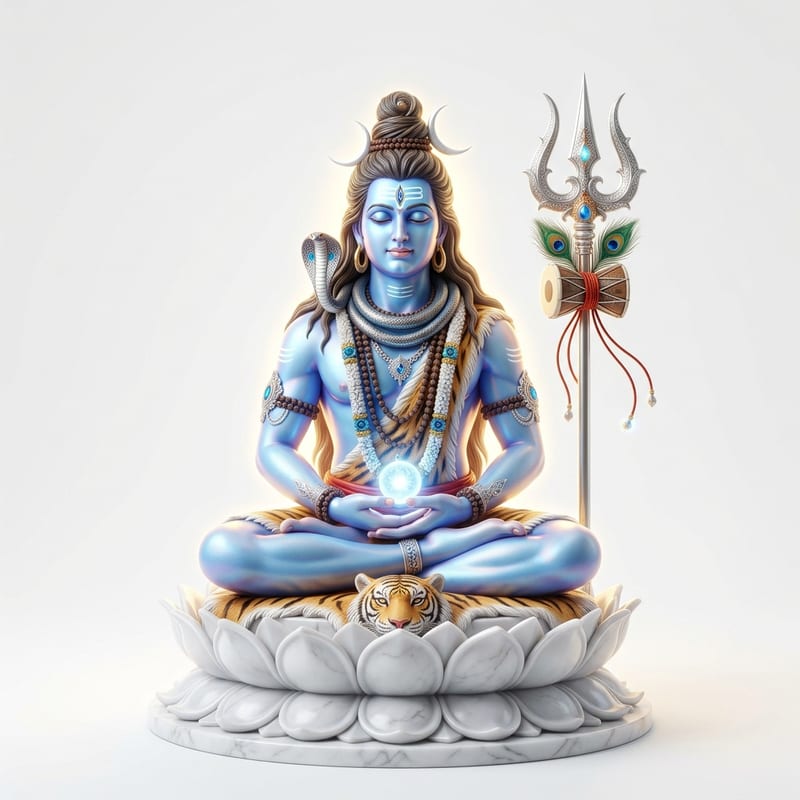
॥ ॐ श्री गणेशाय नमः ॥
ॐ
1. मङ्गलाचरणम्, ध्यानम्
वन्दे सिद्धिप्रदं देवं गणेशं प्रियपालकम् ।
विश्वगर्भं च विघ्नेशं अनादिं मङ्गलं विभूम् ॥
1. मङ्गलाचरणम्, ध्यानम्
वन्दे सिद्धिप्रदं देवं गणेशं प्रियपालकम् ।
विश्वगर्भं च विघ्नेशं अनादिं मङ्गलं विभूम् ॥
- ॐ (oṃ)Oṃ
- मङ्गलाचरणम् (maṅgalācaraṇam)the auspicious opening
- ध्यानम् (dhyānam)the meditation
- वन्दे (vande)I salute
- सिद्धिप्रदम् (siddhipradam)granter of attainment
- देवम् (devam)the god
- गणेशम् (gaṇeśam)Gaṇeśa
- प्रियपालकम् (priyapālakam)the loving protector
- विश्वगर्भम् (viśvagarbham)womb of the universe
- च विघ्नेशम् (ca vighneśam)and lord of obstacles
- अनादिम् (anādim)without beginning
- मङ्गलम् (maṅgalam)auspicious
- विभूम् (vibhūm)all-pervading
अथ ध्यानम्
ध्यायेन्नित्यं महेशं रजतगिरिनिभं चारु चन्द्रवतंसम् ।
रत्नाकल्पोज्ज्वलाङ्गं परशुमृगवराभीतिहस्तं प्रसन्नम् ॥ 1 ॥
ध्यायेन्नित्यं महेशं रजतगिरिनिभं चारु चन्द्रवतंसम् ।
रत्नाकल्पोज्ज्वलाङ्गं परशुमृगवराभीतिहस्तं प्रसन्नम् ॥ 1 ॥
- अथ (atha)now, here begins
- ध्यानम् (dhyānam)the meditation verse / contemplative description
- नित्यम् (nityam)constantly, perpetually
- रजतगिरिनिभम् (rajatagirinibham)resembling a silver mountain (Kailāsa)
- चारु (cāru)beautiful, enchanting
- चन्द्रवतंसम् (candravataṃsam)having the crescent moon as a head-ornament
- रत्नाकल्पोज्ज्वलाङ्गम् (ratnākalpojjvalāṅgam)whose limbs are radiant with jewelled ornaments
- परशुमृगवराभीतिहस्तम् (paraśumṛgavarābhītihastam)holding an axe and a deer, and displaying the boon-bestowing and fear-dispelling hand gestures
- प्रसन्नम् (prasannam)tranquil, serene, gracious
- महेशम् (maheśam)the Great Sovereign Lord (Śiva)
- ध्यायेत् (dhyāyet)one should meditate upon
पद्मासीनं समन्तात्स्तुतममरगणैर्व्याघ्रकृतिं वसानम् ।
विश्वाद्यं विश्ववन्द्यं निखिलभयहरं पञ्चवक्त्रं त्रिनेत्रम् ॥ 2 ॥
विश्वाद्यं विश्ववन्द्यं निखिलभयहरं पञ्चवक्त्रं त्रिनेत्रम् ॥ 2 ॥
- पद्मासीनम् (padmāsīnam)seated upon a lotus
- समन्तात् (samantāt)from all sides, everywhere
- अमरगणैः (amaragaṇaiḥ)by the hosts of gods
- स्तुतम् (stutam)praised
- व्याघ्रकृतिम् (vyāghrakṛtim)a tiger's skin
- वसानम् (vasānam)wearing as raiment
- विश्वाद्यम् (viśvādyam)the primordial source of the universe
- विश्ववन्द्यम् (viśvavandyam)adored by the entire cosmos
- निखिलभयहरम् (nikhilabhayaharam)remover of all fears
- पञ्चवक्त्रम् (pañcavaktram)having five faces
- त्रिनेत्रम् (trinetram)having three eyes
2. प्रथमोऽध्यायः - गणपति मन्त्राः, शिव सङ्कल्प सूक्तम्
- प्रथमः (prathamaḥ)first
- अध्यायः (adhyāyaḥ)chapter
- गणपति (gaṇapati)of Gaṇapati (Lord of the Ganas)
- मन्त्राः (mantrāḥ)mantras / sacred verses
- शिव (śiva)auspicious / Lord Śiva
- सङ्कल्प (saṅkalpa)resolve / resolve of mind
- सूक्तम् (sūktam)hymn
हरिः॑ ॐ
ग॒णानां॑ त्वा ग॒णप॑तिग्ं हवामहे प्रि॒याणां॑ त्वा प्रि॒यप॑तिग्ं हवामहे
नि॒धीनां॑ त्वा॑ निधि॒पति॑ग्ं हवामहे वसो मम ।
आहम॑जानि गर्भ॒धमा त्वम॑जासि गर्भ॒धम् ॥ 1 ॥
ग॒णानां॑ त्वा ग॒णप॑तिग्ं हवामहे प्रि॒याणां॑ त्वा प्रि॒यप॑तिग्ं हवामहे
नि॒धीनां॑ त्वा॑ निधि॒पति॑ग्ं हवामहे वसो मम ।
आहम॑जानि गर्भ॒धमा त्वम॑जासि गर्भ॒धम् ॥ 1 ॥
- हरिः (hariḥ)Hari, the Supreme Lord
- ॐ (om)the sacred syllable Om
- वसो (vaso)O Vasu (abode of all beings / bestower of dwelling and wealth)
- गणानाम् (gaṇānām)among the hosts or divine groups
- त्वा (tvā)you
- गणपतिम् (gaṇapatim)as the lord of hosts
- हवामहे (havāmahe)we invoke
- प्रियाणाम् (priyāṇām)among the beloved ones
- त्वा (tvā)you
- प्रियपतिम् (priyapatim)as the lord of the beloved
- हवामहे (havāmahe)we invoke
- निधीनाम् (nidhīnām)among the divine treasures
- त्वा (tvā)you
- निधिपतिम् (nidhipatim)as the lord of treasures
- हवामहे (havāmahe)we invoke
- मम (mama)my / mine
- अहम् (aham)I
- गर्भधम् (garbhadham)placer or bearer of the cosmic germ/seed
- आ (ā)fully / around
- अजानि (ajāni)may I bring forth / generate
- त्वम् (tvam)you
- गर्भधम् (garbhadham)placer or bearer of the cosmic germ/seed
- आ (ā)fully / around
- अजासि (ajāsi)you bring forth / generate
गा॒य॒त्री त्रि॒ष्टुब्जग॑त्यनु॒ष्टुप्प॒ङ्क्त्या स॒ह ।
बृ॒ह॒त्युष्णिहा॑ क॒कुप्सू॒चीभिः॑ शम्यन्तु त्वा ॥ 2 ॥
बृ॒ह॒त्युष्णिहा॑ क॒कुप्सू॒चीभिः॑ शम्यन्तु त्वा ॥ 2 ॥
- गायत्री (gāyatrī)the Gāyatrī metre
- त्रिष्टुप् (triṣṭup)the Triṣṭubh metre
- जगती (jagatī)the Jagatī metre
- अनुष्टुप् (anuṣṭup)the Anuṣṭubh metre
- पङ्क्त्या (paṅktyā)with the Paṅkti metre
- सह (saha)along with
- बृहती (bṛhatī)the Bṛhatī metre
- उष्णिहा (uṣṇihā)with the Uṣṇih metre
- ककुप् (kakup)the Kakubh metre
- सूचीभिः (sūcībhiḥ)with needles / ritual pins
- त्वा (tvā)you
- शम्यन्तु (śamyantu)may they pacify and make whole
द्विप॑दा॒याश्चतु॑ष्पदा॒स्त्रिप॑दा॒याश्च॒षट्प॑दाः ।
विच्छ॑न्दा॒ याश्च॒ सच्छ॑न्दा-स्सू॒चीभिः॑ शम्यन्तु त्वा ॥ 3 ॥
विच्छ॑न्दा॒ याश्च॒ सच्छ॑न्दा-स्सू॒चीभिः॑ शम्यन्तु त्वा ॥ 3 ॥
- चतुष्पदाः (catuṣpadāḥ)the four-footed metres
- [ऋचः] ([ṛcaḥ])[verses]
- द्विपदायाः (dvipadāyāḥ)for the two-footed metre
- च (ca)and
- षट्पदाः (ṣaṭpadāḥ)the six-footed metres
- [ऋचः] ([ṛcaḥ])[verses]
- त्रिपदायाः (tripadāyāḥ)for the three-footed metre
- च (ca)and
- याः (yāḥ)which
- च (ca)and
- विच्छन्दाः (vicchandāḥ)are irregular-metred
- [याः] ([yāḥ])[and which]
- च (ca)and
- सच्छन्दाः (sacchandāḥ)are regular-metred
- [ऋचः] ([ṛcaḥ])[verses]
- सूचीभिः (sūcībhiḥ)with needles
- त्वा (tvā)you
- शम्यन्तु (śamyantu)may they pacify and heal
स॒हस्तो॑मा-स्स॒हच्छ॑न्दस आ॒वृतः॑ स॒हप्र॑मा॒ ऋष॑य-स्स॒प्त दै॑व्याः ।
पूर्वे॑षां॒ पन्था॑मनु॒दृश्य॒ धीरा॑ अ॒न्वाले॑भिरे र॒थ्यो न र॒श्मीन् ॥ 4 ॥
पूर्वे॑षां॒ पन्था॑मनु॒दृश्य॒ धीरा॑ अ॒न्वाले॑भिरे र॒थ्यो न र॒श्मीन् ॥ 4 ॥
- सहस्तोमाः (sahastomāḥ)accompanied by stomas (praise-hymns)
- सहच्छन्दसः (sahacchandasaḥ)accompanied by poetic meters
- आवृतः (āvṛtaḥ)endowed with ritual procedures (āvṛts)
- सहप्रमाः (sahapramāḥ)equipped with standard measures
- सप्त (sapta)seven
- दैव्याः (daivyāḥ)divine
- ऋषयः (ṛṣayaḥ)seers
- पूर्वेषाम् (pūrveṣām)of the predecessors / ancients
- पन्थाम् (panthām)the path
- अनुदृश्य (anudṛśya)having observed / beholding
- धीराः (dhīrāḥ)the steadfast / wise ones
- रथ्यः (rathyaḥ)a charioteer
- न (na)just as / like
- रश्मीन् (raśmīn)the reins
- अन्वालेभिरे (anvālebhire)grasped / took hold of
यज्जाग्र॑तो दू॒रमु॒दैति॒ दैवं॒ तदु॑ सु॒प्तस्य॒ तथै॒वैति॑ ।
दू॒र॒ङ्ग॒म-ञ्ज्योति॑षां॒ ज्योति॒रेकं॒ तन्मे॒ मनः॑ शि॒वस॑ङ्कल्पमस्तु ॥ 1 ॥
दू॒र॒ङ्ग॒म-ञ्ज्योति॑षां॒ ज्योति॒रेकं॒ तन्मे॒ मनः॑ शि॒वस॑ङ्कल्पमस्तु ॥ 1 ॥
- यत् (yat)that which
- जाग्रतः (jāgrataḥ)from the waking man
- दूरम् (dūram)far
- उदैति (udaiti)goes forth
- दैवम् (daivam)the divine power
- तत् उ (tat u)that same
- सुप्तस्य (suptasya)of the sleeping man
- तथा एव (tathā eva)in just that way
- एति (eti)comes
- दूरङ्गमम् (dūraṅgamam)far-ranging
- ज्योतिषाम् ज्योतिः (jyotiṣām jyotiḥ)the light of lights
- एकम् (ekam)one alone
- तत् मे मनः (tat me manaḥ)may that mind of mine
- शिवसङ्कल्पम् अस्तु (śivasaṅkalpam astu)be of auspicious resolve
येन॒ कर्मा॑ण्य॒पसो॑ मनी॒षिणो॑ य॒ज्ञे कृ॒ण्वन्ति॑ वि॒दथे॑षु॒ धीराः॑ ।
यद॑पू॒र्वं-यँ॒क्षम॒न्तः प्र॒जानां॒ तन्मे॒ मनः॑ शि॒वस॑ङ्कल्पमस्तु ॥ 2 ॥
यद॑पू॒र्वं-यँ॒क्षम॒न्तः प्र॒जानां॒ तन्मे॒ मनः॑ शि॒वस॑ङ्कल्पमस्तु ॥ 2 ॥
- येन (yena)by which [mind]
- अपसः (apasaḥ)active, ritual-performing workers
- मनीषिणः (manīṣiṇaḥ)wise or insightful thinkers
- धीराः (dhīrāḥ)steadfast or resolute ones
- यज्ञे (yajñe)in the sacrifice
- विदथेषु (vidatheṣu)in sacred assemblies or sacrificial gatherings
- कर्माणि (karmāṇi)sacred actions or duties
- कृण्वन्ति (kṛṇvanti)they perform or execute
- यत् (yat)which [mind]
- अपूर्वम् (apūrvam)unprecedented, peerless, existing prior to all
- यक्षम् (yakṣam)wondrous entity or adorable divine power
- प्रजानाम् (prajānām)of living beings
- अन्तः (antaḥ)within or inside
- [अस्ति] ([asti])[is]
- तत् (tat)that
- मे (me)my
- मनः (manaḥ)mind
- शिवसङ्कल्पम् (śivasaṅkalpam)possessing auspicious resolve
- अस्तु (astu)may it be
यत्प्र॒ज्ञान॑मु॒त चेतो॒ धृति॑श्च॒ यज्ज्योति॑र॒न्तर॒मृतं॑ प्र॒जासु॑ ।
यस्मा॒न्न-ऽऋ॒ते कि-ञ्च॒न कर्म॑ क्रि॒यते॒ तन्मे॒ मनः॑ शि॒वस॑ङ्कल्पमस्तु ॥ 3 ॥
यस्मा॒न्न-ऽऋ॒ते कि-ञ्च॒न कर्म॑ क्रि॒यते॒ तन्मे॒ मनः॑ शि॒वस॑ङ्कल्पमस्तु ॥ 3 ॥
- यत् (yat)which
- प्रज्ञानम् (prajñānam)intuitive intellect, higher wisdom
- उत (uta)and also
- चेतः (cetaḥ)conscious awareness, mind
- धृतिः (dhṛtiḥ)resolute firmness, fortitude
- च (ca)and
- यत् (yat)which
- प्रजासु (prajāsu)among living beings
- अन्तः (antaḥ)within, inside
- अमृतम् (amṛtam)immortal
- ज्योतिः (jyotiḥ)inner light, flame
- यस्मात् (yasmāt)than which, without which
- ऋते (ṛte)without
- किञ्चन (kiñcana)whatever, any at all
- कर्म (karma)action, sacred deed
- न (na)not
- क्रियते (kriyate)is performed
- तत् (tat)that
- मे (me)my
- मनः (manaḥ)mind
- शिवसङ्कल्पम् (śivasaṅkalpam)possessed of auspicious resolve
- अस्तु (astu)may it be
येने॒द-म्भू॒त-म्भुव॑न-म्भवि॒ष्यत्परि॑गृहीतम॒मृते॑न॒ सर्व॑म् ।
येन॑ य॒ज्ञस्ता॒यते॑ स॒प्तहो॑ता॒ तन्मे॒ मनः॑ शि॒वस॑ङ्कल्पमस्तु ॥ 4 ॥
येन॑ य॒ज्ञस्ता॒यते॑ स॒प्तहो॑ता॒ तन्मे॒ मनः॑ शि॒वस॑ङ्कल्पमस्तु ॥ 4 ॥
- येन (yena)by which
- इदम् (idam)this
- भूतम् (bhūtam)what has been
- भुवनम् (bhuvanam)the world
- भविष्यत् (bhaviṣyat)what shall be
- परिगृहीतम् (parigṛhītam)is encompassed
- अमृतेन (amṛtena)by the immortal
- सर्वम् (sarvam)all of it
- येन (yena)by which
- यज्ञः (yajñaḥ)the sacrifice
- तायते (tāyate)is spread out
- सप्तहोता (saptahotā)with its seven priests
- तत् मे मनः (tat me manaḥ)may that mind of mine
- शिवसङ्कल्पम् अस्तु (śivasaṅkalpam astu)be of auspicious resolve
यस्मि॒न्नृच॒-स्साम॒ यजू॑ग्ंषि॒ यस्मि॒-न्प्रति॑ष्ठिता रथना॒भावि॑वा॒राः ।
यस्मि॑ग्ंश्चि॒त्तग्ं सर्व॒मोतं॑ प्र॒जानां॒ तन्मे॒ मनः॑ शि॒वस॑ङ्कल्पमस्तु ॥ 5 ॥
यस्मि॑ग्ंश्चि॒त्तग्ं सर्व॒मोतं॑ प्र॒जानां॒ तन्मे॒ मनः॑ शि॒वस॑ङ्कल्पमस्तु ॥ 5 ॥
- यस्मिन् (yasmin)in which
- ऋचः (ṛcaḥ)the ṛc verses
- साम (sāma)the sāman
- यजूंषि (yajūṃṣi)the yajus formulas
- प्रतिष्ठिताः (pratiṣṭhitāḥ)are set fast
- रथनाभौ (rathanābhau)in the nave of a chariot-wheel
- इव आराः (iva ārāḥ)as the spokes are
- यस्मिन् (yasmin)in which
- चित्तम् (cittam)the thought
- सर्वम् (sarvam)all
- ओतम् (otam)is woven
- प्रजानाम् (prajānām)of creatures
- तत् मे मनः (tat me manaḥ)may that mind of mine
- शिवसङ्कल्पम् अस्तु (śivasaṅkalpam astu)be of auspicious resolve
सु॒षा॒र॒थिरश्वा॑निव॒ यन्म॑नु॒ष्या॒न्नेनी॒यते॒-ऽभीशु॑भिर्वा॒जिन॑ इव ।
हृ॒त्प्रति॑ष्ठं॒ यद॑जि॒र-ञ्जवि॑ष्ठं॒ तन्मे॒ मनः॑ शि॒वस॑ङ्कल्पमस्तु ॥ 6 ॥
हृ॒त्प्रति॑ष्ठं॒ यद॑जि॒र-ञ्जवि॑ष्ठं॒ तन्मे॒ मनः॑ शि॒वस॑ङ्कल्पमस्तु ॥ 6 ॥
- सुषारथिः (suṣārathiḥ)as a skilled charioteer
- अश्वान् इव (aśvān iva)as he does horses
- यत् (yat)which
- मनुष्यान् (manuṣyān)men
- नेनीयते (nenīyate)leads again and again
- अभीशुभिः (abhīśubhiḥ)by the reins
- वाजिनः इव (vājinaḥ iva)as swift steeds
- हृत्प्रतिष्ठम् (hṛtpratiṣṭham)seated in the heart
- अजिरम् (ajiram)unaging
- जविष्ठम् (javiṣṭham)swiftest of all
- तत् मे मनः (tat me manaḥ)may that mind of mine
- शिवसङ्कल्पम् अस्तु (śivasaṅkalpam astu)be of auspicious resolve
इति रुद्रे प्रथमो-ऽध्यायः ॥ 1 ॥
- इति (iti)thus
- रुद्रे (rudre)in the Rudra
- प्रथमः अध्यायः (prathamaḥ adhyāyaḥ)the first chapter
3. द्वितीयोऽध्यायः - पुरुष सूक्तम्
- द्वितीयः अध्यायः (dvitīyaḥ adhyāyaḥ)the second chapter
- पुरुष सूक्तम् (puruṣa sūktam)the Hymn of the Puruṣa
हरिः॑ ॐ
स॒हस्र॑शीर्षा॒ पुरु॑ष-स्सहस्रा॒क्ष-स्स॒हस्र॑पात् ।
स भूमि॑ग्ं स॒र्वतः॑ स्पृ॒त्वात्य॑तिष्ठद्दशाङ्गु॒लम् ॥ 1॥
स॒हस्र॑शीर्षा॒ पुरु॑ष-स्सहस्रा॒क्ष-स्स॒हस्र॑पात् ।
स भूमि॑ग्ं स॒र्वतः॑ स्पृ॒त्वात्य॑तिष्ठद्दशाङ्गु॒लम् ॥ 1॥
- हरिः ॐ (hariḥ oṃ)Hariḥ Oṃ
- सहस्रशीर्षा (sahasraśīrṣā)thousand-headed
- पुरुषः (puruṣaḥ)the Puruṣa
- सहस्राक्षः (sahasrākṣaḥ)thousand-eyed
- सहस्रपात् (sahasrapāt)thousand-footed
- सः (saḥ)he
- भूमिम् (bhūmim)the earth
- सर्वतः (sarvataḥ)on every side
- स्पृत्वा (spṛtvā)having covered
- अत्यतिष्ठत् (atyatiṣṭhat)stood out beyond it
- दशाङ्गुलम् (daśāṅgulam)by ten fingers' breadth
पुरु॑ष ए॒वेदग्ं सर्वं॒ यद्भू॒तं-यँच्च॑ भा॒व्य॒म् ।
उ॒तामृ॑त॒त्वस्येशा॑नो॒ यदन्ने॑नाति॒रोह॑ति ॥ 2॥
उ॒तामृ॑त॒त्वस्येशा॑नो॒ यदन्ने॑नाति॒रोह॑ति ॥ 2॥
- पुरुषः एव (puruṣaḥ eva)the Puruṣa alone
- इदम् सर्वम् (idam sarvam)all this
- यत् भूतम् (yat bhūtam)what has been
- यत् च भाव्यम् (yat ca bhāvyam)and what is yet to be
- उत (uta)and moreover
- अमृतत्वस्य (amṛtatvasya)of immortality
- ईशानः (īśānaḥ)the lord
- यत् (yat)that which
- अन्नेन (annena)by food
- अतिरोहति (atirohati)grows up beyond
ए॒तावा॑नस्य महि॒मातो॒ ज्याया.ण्॑श्च॒ पूरु॑षः ।
पादो॑-ऽस्य॒ विश्वा॑ भू॒तानि॑ त्रि॒पाद॑स्या॒मृतं॑ दि॒वि ॥ 3॥
पादो॑-ऽस्य॒ विश्वा॑ भू॒तानि॑ त्रि॒पाद॑स्या॒मृतं॑ दि॒वि ॥ 3॥
- एतावान् (etāvān)so great
- अस्य (asya)is his
- महिमा (mahimā)greatness
- अतः ज्यायान् (ataḥ jyāyān)greater still than this
- च पूरुषः (ca pūruṣaḥ)is the Puruṣa
- पादः अस्य (pādaḥ asya)one quarter of him
- विश्वा भूतानि (viśvā bhūtāni)all beings
- त्रिपात् अस्य (tripāt asya)three quarters of him
- अमृतम् (amṛtam)the immortal
- दिवि (divi)in heaven
त्रि॒पादू॒र्ध्व उदै॒त्पुरु॑षः॒ पादो॑-ऽस्ये॒हाभ॑व॒त्पुनः॑ ।
ततो॒ विष्व॒ङ् व्य॒क्रामत्साशनानश॒ने अ॒भि ॥ 4॥
ततो॒ विष्व॒ङ् व्य॒क्रामत्साशनानश॒ने अ॒भि ॥ 4॥
- त्रिपात् (tripāt)with three quarters
- ऊर्ध्वः (ūrdhvaḥ)upward
- उदैत् (udait)rose
- पुरुषः (puruṣaḥ)the Puruṣa
- पादः अस्य (pādaḥ asya)one quarter of him
- इह (iha)here
- अभवत् पुनः (abhavat punaḥ)came to be again
- ततः (tataḥ)thence
- विष्वङ् (viṣvaṅ)in every direction
- व्यक्रामत् (vyakrāmat)he strode forth
- साशनानशने अभि (sāśanānaśane abhi)over what eats and what eats not
ततो॑ वि॒राड॑जायत वि॒राजो॒ अधि॒ पूरु॑षः ।
स जा॒तो अत्य॑रिच्यत प॒श्चाद्भूमि॒मथो॑ पु॒रः ॥ 5॥
स जा॒तो अत्य॑रिच्यत प॒श्चाद्भूमि॒मथो॑ पु॒रः ॥ 5॥
- ततः (tataḥ)from him
- विराट् (virāṭ)Virāj
- अजायत (ajāyata)was born
- विराजः अधि (virājaḥ adhi)and from Virāj
- पूरुषः (pūruṣaḥ)the Puruṣa
- सः जातः (saḥ jātaḥ)he, once born
- अत्यरिच्यत (atyaricyata)reached out beyond
- पश्चात् (paścāt)behind
- भूमिम् (bhūmim)the earth
- अथो पुरः (atho puraḥ)and before
तस्मा॑द्य॒ज्ञात्स॑र्व॒हुत॒-स्सम्भृ॑त-म्पृषदा॒ज्यम् ।
प॒शू.ण्स्ता.ण्श्च॑क्रे वाय॒व्या॒नार॒ण्या ग्रा॒म्याश्च॒ ये ॥ 6॥
प॒शू.ण्स्ता.ण्श्च॑क्रे वाय॒व्या॒नार॒ण्या ग्रा॒म्याश्च॒ ये ॥ 6॥
- तस्मात् (tasmāt)from that
- यज्ञात् (yajñāt)sacrifice
- सर्वहुतः (sarvahutaḥ)wholly offered
- सम्भृतम् (sambhṛtam)was gathered
- पृषदाज्यम् (pṛṣadājyam)the clotted butter
- पशून् (paśūn)the beasts
- तान् (tān)those
- चक्रे (cakre)he made
- वायव्यान् (vāyavyān)of the air
- आरण्याः (āraṇyāḥ)of the forest
- ग्राम्याः च (grāmyāḥ ca)and of the village
- ये (ye)which there are
तस्मा॑द्य॒ज्ञात्स॑र्व॒हुत॒ ऋच॒-स्सामा॑नि जज्ञिरे ।
छन्दा॑ग्ंसि जज्ञिरे॒ तस्मा॒द्यजु॒स्तस्मा॑दजायत ॥ 7॥
छन्दा॑ग्ंसि जज्ञिरे॒ तस्मा॒द्यजु॒स्तस्मा॑दजायत ॥ 7॥
- तस्मात् यज्ञात् (tasmāt yajñāt)from that sacrifice
- सर्वहुतः (sarvahutaḥ)wholly offered
- ऋचः (ṛcaḥ)the ṛc verses
- सामानि (sāmāni)the sāmans
- जज्ञिरे (jajñire)were born
- छन्दांसि (chandāṃsi)the metres
- तस्मात् (tasmāt)from it
- यजुः (yajuḥ)the yajus
- अजायत (ajāyata)was born
तस्मा॒दश्वा॑ अजायन्त॒ ये के चो॑भ॒याद॑तः ।
गावो॑ ह जज्ञिरे॒ तस्मा॒त्तस्मा॑ज्जा॒ता अ॑जा॒वयः॑ ॥ 8॥
गावो॑ ह जज्ञिरे॒ तस्मा॒त्तस्मा॑ज्जा॒ता अ॑जा॒वयः॑ ॥ 8॥
- तस्मात् (tasmāt)from it
- अश्वाः (aśvāḥ)horses
- अजायन्त (ajāyanta)were born
- ये के च (ye ke ca)and whatever creatures
- उभयादतः (ubhayādataḥ)have teeth in both jaws
- गावः ह (gāvaḥ ha)cattle indeed
- जज्ञिरे (jajñire)were born
- तस्मात् (tasmāt)from it
- जाताः (jātāḥ)were born
- अजावयः (ajāvayaḥ)goats and sheep
तं-यँ॒ज्ञ-म्ब॒र्हिषि॒ प्रौक्ष॒न्पुरु॑ष-ञ्जा॒तम॑ग्र॒तः ।
तेन॑ दे॒वा अ॑यजन्त सा॒ध्या ऋष॑यश्च॒ ये ॥ 9॥
तेन॑ दे॒वा अ॑यजन्त सा॒ध्या ऋष॑यश्च॒ ये ॥ 9॥
- तम् यज्ञम् (tam yajñam)that sacrifice
- बर्हिषि (barhiṣi)upon the sacred grass
- प्रौक्षन् (praukṣan)they consecrated with water
- पुरुषम् (puruṣam)the Puruṣa
- जातम् (jātam)born
- अग्रतः (agrataḥ)at the beginning
- तेन (tena)with him
- देवाः (devāḥ)the gods
- अयजन्त (ayajanta)performed the sacrifice
- साध्याः (sādhyāḥ)the Sādhyas
- ऋषयः च (ṛṣayaḥ ca)and the seers
- ये (ye)who were there
यत्पुरु॑षं॒ व्यद॑धुः कति॒धा व्य॑कल्पयन्न् ।
मुखं॒ किम॑स्यासी॒-त्कि-म्बा॒हू किमू॒रू पादा॑ उच्येते ॥ 10॥
मुखं॒ किम॑स्यासी॒-त्कि-म्बा॒हू किमू॒रू पादा॑ उच्येते ॥ 10॥
- यत् (yat)when
- पुरुषम् (puruṣam)the Puruṣa
- व्यदधुः (vyadadhuḥ)they divided
- कतिधा (katidhā)into how many parts
- व्यकल्पयन् (vyakalpayan)did they dispose him
- मुखम् (mukham)the mouth
- किम् अस्य आसीत् (kim asya āsīt)what was his
- किम् बाहू (kim bāhū)what his two arms
- किम् ऊरू (kim ūrū)what his thighs
- पादा (pādā)his feet
- उच्येते (ucyete)are called
ब्रा॒ह्म॒णो॒-ऽस्य॒ मुख॑मासीद्बा॒हू रा॑ज॒न्यः॒ कृ॒तः ।
ऊ॒रू तद॑स्य॒ यद्वै॑श्यः प॒द्भ्याग्ं शू॒द्रो अ॑जायत ॥ 11॥
ऊ॒रू तद॑स्य॒ यद्वै॑श्यः प॒द्भ्याग्ं शू॒द्रो अ॑जायत ॥ 11॥
- ब्राह्मणः (brāhmaṇaḥ)the brāhmaṇa
- अस्य (asya)his
- मुखम् आसीत् (mukham āsīt)was the mouth
- बाहू (bāhū)the two arms
- राजन्यः (rājanyaḥ)the kṣatriya
- कृतः (kṛtaḥ)was made
- ऊरू (ūrū)the thighs
- तत् अस्य (tat asya)that of his
- यत् वैश्यः (yat vaiśyaḥ)which is the vaiśya
- पद्भ्याम् (padbhyām)from the two feet
- शूद्रः (śūdraḥ)the śūdra
- अजायत (ajāyata)was born
च॒न्द्रमा॒ मन॑सो जा॒तश्चक्षोः॒ सूर्यो॑ अजायत ।
श्रोत्रा॑द्वा॒युश्च॑ प्रा॒णश्च॒ मुखा॑द॒ग्निर॑जायत ॥ 12॥
श्रोत्रा॑द्वा॒युश्च॑ प्रा॒णश्च॒ मुखा॑द॒ग्निर॑जायत ॥ 12॥
- चन्द्रमाः (candramāḥ)the moon
- मनसः (manasaḥ)from his mind
- जातः (jātaḥ)was born
- चक्षोः (cakṣoḥ)from his eye
- सूर्यः (sūryaḥ)the sun
- अजायत (ajāyata)was born
- श्रोत्रात् (śrotrāt)from his ear
- वायुः च (vāyuḥ ca)the wind
- प्राणः च (prāṇaḥ ca)and the breath
- मुखात् (mukhāt)from his mouth
- अग्निः (agniḥ)fire
- अजायत (ajāyata)was born
नाभ्या॑ आसीद॒न्तरि॑क्षग्ं शी॒र्ष्णो द्यौ॒-स्सम॑वर्तत ।
प॒द्भ्या-म्भूमि॒र्दिश॒-श्श्रोत्रा॒त्तथा॑ लो॒का.ण2 ॥ अ॑कल्पयन्न् ॥ 13॥
प॒द्भ्या-म्भूमि॒र्दिश॒-श्श्रोत्रा॒त्तथा॑ लो॒का.ण2 ॥ अ॑कल्पयन्न् ॥ 13॥
- नाभ्याः (nābhyāḥ)from his navel
- आसीत् (āsīt)came
- अन्तरिक्षम् (antarikṣam)the mid-air
- शीर्ष्णः (śīrṣṇaḥ)from his head
- द्यौः (dyauḥ)the sky
- समवर्तत (samavartata)unfolded
- पद्भ्याम् (padbhyām)from his feet
- भूमिः (bhūmiḥ)the earth
- दिशः (diśaḥ)the quarters
- श्रोत्रात् (śrotrāt)from his ear
- तथा (tathā)thus
- लोकान् (lokān)the worlds
- अकल्पयन् (akalpayan)they fashioned
यत्पुरु॑षेण ह॒विषा॑ दे॒वा य॒ज्ञमत॑न्वत ।
व॒स॒न्तो॒-ऽस्यासी॒दाज्यं॑ ग्री॒ष्म इ॒ध्म-श्श॒रद्ध॒विः ॥ 14॥
व॒स॒न्तो॒-ऽस्यासी॒दाज्यं॑ ग्री॒ष्म इ॒ध्म-श्श॒रद्ध॒विः ॥ 14॥
- यत् (yat)when
- पुरुषेण (puruṣeṇa)with the Puruṣa
- हविषा (haviṣā)as their oblation
- देवाः (devāḥ)the gods
- यज्ञम् (yajñam)the sacrifice
- अतन्वत (atanvata)spread out
- वसन्तः (vasantaḥ)spring
- अस्य (asya)its
- आसीत् (āsīt)was
- आज्यम् (ājyam)the clarified butter
- ग्रीष्मः (grīṣmaḥ)summer
- इध्मः (idhmaḥ)the kindling wood
- शरत् (śarat)autumn
- हविः (haviḥ)the offering
स॒प्तास्या॑सन्परि॒धय॒स्त्रिस्स॒प्त स॒मिधः॑ कृ॒ताः ।
दे॒वा यद्य॒ज्ञ-न्त॑न्वा॒ना अब॑ध्न॒-न्पुरु॑ष-म्प॒शुम् ॥ 15॥
दे॒वा यद्य॒ज्ञ-न्त॑न्वा॒ना अब॑ध्न॒-न्पुरु॑ष-म्प॒शुम् ॥ 15॥
- सप्त (sapta)seven
- अस्य (asya)its
- आसन् (āsan)were
- परिधयः (paridhayaḥ)enclosing sticks
- त्रिः सप्त (triḥ sapta)thrice seven
- समिधः (samidhaḥ)fuel-sticks
- कृताः (kṛtāḥ)were made
- देवाः (devāḥ)the gods
- यत् (yat)when
- यज्ञम् (yajñam)the sacrifice
- तन्वानाः (tanvānāḥ)spreading out
- अबध्नन् (abadhnan)bound
- पुरुषम् (puruṣam)the Puruṣa
- पशुम् (paśum)as the victim
य॒ज्ञेन॑ य॒ज्ञम॑यजन्त दे॒वास्तानि॒ धर्मा॑णि प्रथ॒मान्या॑सन्न् ।
ते ह॒ नाकं॑ महि॒मानः॑ सचन्त॒ यत्र॒ पूर्वे॑ सा॒ध्या-स्सन्ति॑ दे॒वाः ॥ 16॥
ते ह॒ नाकं॑ महि॒मानः॑ सचन्त॒ यत्र॒ पूर्वे॑ सा॒ध्या-स्सन्ति॑ दे॒वाः ॥ 16॥
- यज्ञेन (yajñena)by the sacrifice
- यज्ञम् (yajñam)to the sacrifice
- अयजन्त (ayajanta)sacrificed
- देवाः (devāḥ)the gods
- तानि (tāni)those
- धर्माणि (dharmāṇi)ordinances
- प्रथमानि (prathamāni)the first
- आसन् (āsan)were
- ते ह (te ha)they indeed
- नाकम् (nākam)the firmament
- महिमानः (mahimānaḥ)those mighty ones
- सचन्त (sacanta)attained
- यत्र (yatra)where
- पूर्वे (pūrve)the ancient
- साध्याः (sādhyāḥ)Sādhyas
- सन्ति देवाः (santi devāḥ)the gods, dwell
अ॒द्भ्य-स्सम्भृ॑तः पृथिव्यै॒ रसा॑च्च वि॒श्वक॑र्मण॒-स्सम॑वर्त॒ताग्रे॑ ।
तस्य॒ त्वष्टा॑ वि॒दध॑द्रू॒पमे॑ति॒ तन्मर्त्य॑स्य देव॒त्वमा॒जान॒मग्रे॑ ॥ 17॥
तस्य॒ त्वष्टा॑ वि॒दध॑द्रू॒पमे॑ति॒ तन्मर्त्य॑स्य देव॒त्वमा॒जान॒मग्रे॑ ॥ 17॥
- अद्भ्यः (adbhyaḥ)from the waters
- सम्भृतः (sambhṛtaḥ)gathered together
- पृथिव्यै (pṛthivyai)for the earth
- रसात् च (rasāt ca)and from its essence
- विश्वकर्मणः (viśvakarmaṇaḥ)from Viśvakarman
- समवर्तत (samavartata)he came forth
- अग्रे (agre)in the beginning
- तस्य (tasya)his
- त्वष्टा (tvaṣṭā)Tvaṣṭṛ
- विदधत् (vidadhat)fashioning
- रूपम् (rūpam)the form
- एति (eti)goes on
- तत् (tat)this
- मर्त्यस्य (martyasya)of the mortal
- देवत्वम् (devatvam)was the godhead
- आजानम् (ājānam)at his very birth
- अग्रे (agre)in the beginning
वेदा॒हमे॒त-म्पुरु॑ष-म्म॒हान्त॑मादि॒त्यव॑र्णं॒ तम॑सः प॒रस्ता॑त् ।
तमे॒व वि॑दि॒त्वा-ऽति॑ मृ॒त्युमे॑ति॒ नान्यः पन्था॑ विद्य॒ते-ऽय॑नाय ॥ 18॥
तमे॒व वि॑दि॒त्वा-ऽति॑ मृ॒त्युमे॑ति॒ नान्यः पन्था॑ विद्य॒ते-ऽय॑नाय ॥ 18॥
- वेद (veda)I know
- अहम् (aham)I
- एतम् (etam)this
- पुरुषम् (puruṣam)Puruṣa
- महान्तम् (mahāntam)the great
- आदित्यवर्णम् (ādityavarṇam)of the colour of the sun
- तमसः परस्तात् (tamasaḥ parastāt)beyond the darkness
- तम् एव (tam eva)him alone
- विदित्वा (viditvā)having known
- अति मृत्युम् एति (ati mṛtyum eti)one goes beyond death
- न अन्यः पन्थाः (na anyaḥ panthāḥ)no other path
- विद्यते (vidyate)is found
- अयनाय (ayanāya)for the going
प्र॒जाप॑तिश्च॒रति॒ गर्भे॑ अ॒न्तरजा॑यमानो बहु॒धा वि जा॑यते ।
तस्य॒ योनिं॒ परि॑पश्यन्ति॒ धीरा॒स्तस्मि॑न्ह तस्थु॒र्भुव॑नानि॒ विश्वा॑ ॥ 19॥
तस्य॒ योनिं॒ परि॑पश्यन्ति॒ धीरा॒स्तस्मि॑न्ह तस्थु॒र्भुव॑नानि॒ विश्वा॑ ॥ 19॥
- प्रजापतिः (prajāpatiḥ)Prajāpati
- चरति (carati)moves
- गर्भे अन्तः (garbhe antaḥ)within the womb
- अजायमानः (ajāyamānaḥ)himself unborn
- बहुधा (bahudhā)in many ways
- वि जायते (vi jāyate)is born forth
- तस्य (tasya)his
- योनिम् (yonim)origin
- परिपश्यन्ति (paripaśyanti)behold on every side
- धीराः (dhīrāḥ)the steadfast
- तस्मिन् ह (tasmin ha)in him indeed
- तस्थुः (tasthuḥ)have taken their stand
- भुवनानि विश्वा (bhuvanāni viśvā)all the worlds
यो दे॒वेभ्य॑ आ॒तप॑ति॒ यो दे॒वानां॑ पु॒रोहि॑तः ।
पूर्वो॒ यो दे॒वेभ्यो॑ जा॒तो नमो॑ रु॒चाय॒ ब्राह्म॑ये ॥ 20॥
पूर्वो॒ यो दे॒वेभ्यो॑ जा॒तो नमो॑ रु॒चाय॒ ब्राह्म॑ये ॥ 20॥
- यः (yaḥ)he who
- देवेभ्यः (devebhyaḥ)upon the gods
- आतपति (ātapati)shines forth
- यः (yaḥ)who
- देवानाम् (devānām)of the gods
- पुरोहितः (purohitaḥ)is the chief priest
- पूर्वः (pūrvaḥ)before
- यः (yaḥ)who
- देवेभ्यः (devebhyaḥ)the gods
- जातः (jātaḥ)was born
- नमः (namaḥ)salutation
- रुचाय (rucāya)to that radiance
- ब्राह्मये (brāhmaye)to the holy power
रु॒च-म्ब्रा॒ह्म्य-ञ्ज॒नय॑न्तो दे॒वा अग्रे॒ तद॑ब्रुवन्न् ।
यस्त्वै॒व-म्ब्रा॑ह्म॒णो वि॒द्यात्तस्य॑ दे॒वा अ॑स॒न्वशे॑ ॥ 21॥
यस्त्वै॒व-म्ब्रा॑ह्म॒णो वि॒द्यात्तस्य॑ दे॒वा अ॑स॒न्वशे॑ ॥ 21॥
- रुचम् (rucam)the radiance
- ब्राह्म्यम् (brāhmyam)of the holy power
- जनयन्तः (janayantaḥ)generating
- देवाः (devāḥ)the gods
- अग्रे (agre)in the beginning
- तत् अब्रुवन् (tat abruvan)said this
- यः (yaḥ)whoever
- त्वा (tvā)you
- एवम् (evam)thus
- ब्राह्मणः (brāhmaṇaḥ)as a brāhmaṇa
- विद्यात् (vidyāt)shall know
- तस्य (tasya)in his
- देवाः (devāḥ)the gods
- असन् (asan)shall be
- वशे (vaśe)power
श्रीश्च॑ ते ल॒क्ष्मीश्च॒ पत्न्या॑वहोरा॒त्रे पा॒र्श्वे नक्ष॑त्राणि रू॒पम॒श्विनौ॒ व्यात्त॑म् ।
इ॒ष्णन्नि॑षाणा॒मु-म्म॑ इषाण सर्वलो॒क-म्म॑ इषाण ॥ 22॥
इ॒ष्णन्नि॑षाणा॒मु-म्म॑ इषाण सर्वलो॒क-म्म॑ इषाण ॥ 22॥
- श्रीः च (śrīḥ ca)Śrī
- ते (te)your
- लक्ष्मीः च (lakṣmīḥ ca)and Lakṣmī
- पत्न्यौ (patnyau)are your two consorts
- अहोरात्रे (ahorātre)day and night
- पार्श्वे (pārśve)your two sides
- नक्षत्राणि (nakṣatrāṇi)the constellations
- रूपम् (rūpam)your form
- अश्विनौ (aśvinau)the two Aśvins
- व्यात्तम् (vyāttam)your opened mouth
- इष्णन् (iṣṇan)desiring
- इषाण (iṣāṇa)grant
- अमुम् (amum)that
- मे (me)to me
- सर्वलोकम् (sarvalokam)all the world
- इषाण (iṣāṇa)grant
इति रुद्रे द्वितीयो-ऽध्यायः ॥ 2॥
- इति (iti)thus
- रुद्रे (rudre)in the Rudra
- द्वितीयः अध्यायः (dvitīyaḥ adhyāyaḥ)the second chapter
4. तृतीयोऽध्यायः - अप्रतिरथ सूक्तम्
- तृतीयः अध्यायः (tṛtīyaḥ adhyāyaḥ)the third chapter
- अप्रतिरथ सूक्तम् (apratiratha sūktam)the hymn of the warrior whom none can withstand
हरि॑ ॐ
आ॒शु-श्शिशा॑नो वृष॒भो न भी॒मो घ॑नाघ॒नः, क्षोभ॑णश्चर्षणी॒नाम् ।
स॒ङ्क्रन्द॑नो-ऽनिमि॒ष ए॑कवी॒र-श्श॒तग्ं सेना॑ अजयत्सा॒कमिन्द्रः॑ ॥ 1॥
आ॒शु-श्शिशा॑नो वृष॒भो न भी॒मो घ॑नाघ॒नः, क्षोभ॑णश्चर्षणी॒नाम् ।
स॒ङ्क्रन्द॑नो-ऽनिमि॒ष ए॑कवी॒र-श्श॒तग्ं सेना॑ अजयत्सा॒कमिन्द्रः॑ ॥ 1॥
- हरिः ॐ (hariḥ oṃ)Hariḥ Oṃ
- आशुः (āśuḥ)swift
- शिशानः (śiśānaḥ)whetting himself keen
- वृषभः न (vṛṣabhaḥ na)like a bull
- भीमः (bhīmaḥ)terrible
- घनाघनः (ghanāghanaḥ)the smiter
- क्षोभणः (kṣobhaṇaḥ)the shaker
- चर्षणीनाम् (carṣaṇīnām)of the peoples
- सङ्क्रन्दनः (saṅkrandanaḥ)the roarer
- अनिमिषः (animiṣaḥ)unblinking
- एकवीरः (ekavīraḥ)the one hero
- शतम् (śatam)a hundred
- सेनाः (senāḥ)armies
- अजयत् (ajayat)conquered
- साकम् (sākam)all at once
- इन्द्रः (indraḥ)Indra
स॒ङ्क्रन्द॑नेना-ऽनिमि॒षेण॑ जि॒ष्णुना॑ युत्का॒रेण॑ दुश्च्यव॒नेन॑ धृ॒ष्णुना॑ ।
तदिन्द्रे॑ण जयत॒ तत्स॑हध्वं॒ युधो॑ नर॒ इषु॑हस्तेन॒ वृष्णा॑ ॥ 2॥
तदिन्द्रे॑ण जयत॒ तत्स॑हध्वं॒ युधो॑ नर॒ इषु॑हस्तेन॒ वृष्णा॑ ॥ 2॥
- सङ्क्रन्दनेन (saṅkrandanena)with the roarer
- अनिमिषेण (animiṣeṇa)with the unblinking
- जिष्णुना (jiṣṇunā)with the victorious
- युत्कारेण (yutkāreṇa)with the maker of battle
- दुश्च्यवनेन (duścyavanena)with the unshakable
- धृष्णुना (dhṛṣṇunā)with the daring
- तत् (tat)therefore
- इन्द्रेण (indreṇa)with Indra
- जयत (jayata)conquer
- तत् सहध्वम् (tat sahadhvam)hold fast through it
- युधः (yudhaḥ)the battles
- नरः (naraḥ)O men
- इषुहस्तेन (iṣuhastena)with him whose hand holds arrows
- वृष्णा (vṛṣṇā)with the bull
स इषु॑हस्तैः॒ स नि॑ष॒ङ्गिभि॑र्व॒शी सग्ंस्र॑ष्टा॒ स युध॒ इन्द्रो॑ ग॒णेन॑ ।
स॒ग्ंसृष्ट॒जित्सो॑म॒पा बा॑हुश॒र्ध्युग्रध॑न्वा॒ प्रति॑हिताभि॒रस्ता॑ ॥ 3॥
स॒ग्ंसृष्ट॒जित्सो॑म॒पा बा॑हुश॒र्ध्युग्रध॑न्वा॒ प्रति॑हिताभि॒रस्ता॑ ॥ 3॥
- सः (saḥ)he
- इषुहस्तैः (iṣuhastaiḥ)with the arrow-bearers
- निषङ्गिभिः (niṣaṅgibhiḥ)with the quiver-bearers
- वशी (vaśī)the master
- संस्रष्टा (saṃsraṣṭā)who marshals them together
- युधः (yudhaḥ)of the fight
- इन्द्रः (indraḥ)Indra
- गणेन (gaṇena)with his host
- संसृष्टजित् (saṃsṛṣṭajit)conqueror of the massed foe
- सोमपाः (somapāḥ)drinker of soma
- बाहुशर्धी (bāhuśardhī)mighty of arm
- उग्रधन्वा (ugradhanvā)of terrible bow
- प्रतिहिताभिः (pratihitābhiḥ)with shafts laid to the string
- अस्ता (astā)the archer
बृह॑स्पते॒ परि॑दीया॒ रथे॑न रक्षो॒हामित्रा॑.ण2 अप॒बाध॑मानः ।
प्र॒भ॒ञ्जन्त्सेनाः॑ प्रमृ॒णो यु॒धा जय॑न्न॒स्माक॑मेध्यवि॒ता रथा॑नाम् ॥ 4॥
प्र॒भ॒ञ्जन्त्सेनाः॑ प्रमृ॒णो यु॒धा जय॑न्न॒स्माक॑मेध्यवि॒ता रथा॑नाम् ॥ 4॥
- बृहस्पते (bṛhaspate)O Bṛhaspati
- परिदीय (paridīya)fly about
- रथेन (rathena)with your chariot
- रक्षोहा (rakṣohā)slayer of demons
- अमित्रान् (amitrān)the foes
- अपबाधमानः (apabādhamānaḥ)driving them off
- प्रभञ्जन् (prabhañjan)shattering
- सेनाः (senāḥ)their armies
- प्रमृणः (pramṛṇaḥ)crushing them
- युधा (yudhā)in battle
- जयन् (jayan)conquering
- अस्माकम् (asmākam)our
- एधि (edhi)be
- अविता (avitā)the protector
- रथानाम् (rathānām)of the chariots
ब॒ल॒वि॒ज्ञा॒य-स्स्थवि॑रः॒ प्रवी॑र॒-स्सह॑स्वान्वा॒जी सह॑मान उ॒ग्रः ।
अ॒भिवी॑रो अ॒भिस॑त्वा सहो॒जा जै॑त्रमिन्द्र॒ रथ॒माति॑ष्ठ गो॒वित् ॥ 5॥
अ॒भिवी॑रो अ॒भिस॑त्वा सहो॒जा जै॑त्रमिन्द्र॒ रथ॒माति॑ष्ठ गो॒वित् ॥ 5॥
- बलविज्ञायः (balavijñāyaḥ)known by his strength
- स्थविरः (sthaviraḥ)firm
- प्रवीरः (pravīraḥ)foremost of heroes
- सहस्वान् (sahasvān)mighty
- वाजी (vājī)swift as a steed
- सहमानः (sahamānaḥ)overpowering
- उग्रः (ugraḥ)terrible
- अभिवीरः (abhivīraḥ)hero above heroes
- अभिसत्वा (abhisatvā)warrior above warriors
- सहोजाः (sahojāḥ)born of might
- जैत्रम् (jaitram)the victorious
- इन्द्र (indra)O Indra
- रथम् (ratham)chariot
- आतिष्ठ (ātiṣṭha)mount
- गोवित् (govit)winner of cattle
गो॒त्र॒भिदं॑ गो॒विदं॒ वज्र॑बाहुं॒ जय॑न्त॒मज्म॑ प्रमृ॒णन्त॒मोज॑सा ।
इ॒मग्ं स॑जाता॒ अनु॑ वीरयध्व॒मिन्द्र॑ग्ं सखायो॒ अनु॒ सग्ंर॑भध्वम् ॥ 6॥
इ॒मग्ं स॑जाता॒ अनु॑ वीरयध्व॒मिन्द्र॑ग्ं सखायो॒ अनु॒ सग्ंर॑भध्वम् ॥ 6॥
- गोत्रभिदम् (gotrabhidam)breaker of strongholds
- गोविदम् (govidam)winner of cattle
- वज्रबाहुम् (vajrabāhum)thunder-armed
- जयन्तम् (jayantam)conquering
- अज्म (ajma)the onset
- प्रमृणन्तम् (pramṛṇantam)crushing it
- ओजसा (ojasā)with his force
- इमम् (imam)him
- सजाताः (sajātāḥ)O kinsmen
- अनु वीरयध्वम् (anu vīrayadhvam)follow with valour
- इन्द्रम् (indram)to Indra
- सखायः (sakhāyaḥ)O friends
- अनु संरभध्वम् (anu saṃrabhadhvam)hold fast
अ॒भि गो॒त्राणि॒ सह॑सा॒ गाह॑मानो-ऽद॒यो वी॒र-श्श॒तम॑न्यु॒रिन्द्रः॑ ।
दु॒श्च्य॒व॒नः पृ॑तना॒षाड॑यु॒ध्यो-ऽस्माक॒ग्ं सेना॑ अवतु॒ प्र यु॒त्सु ॥ 7॥
दु॒श्च्य॒व॒नः पृ॑तना॒षाड॑यु॒ध्यो-ऽस्माक॒ग्ं सेना॑ अवतु॒ प्र यु॒त्सु ॥ 7॥
- अभि (abhi)upon
- गोत्राणि (gotrāṇi)the strongholds
- सहसा (sahasā)with might
- गाहमानः (gāhamānaḥ)plunging
- अदयः (adayaḥ)pitiless
- वीरः (vīraḥ)the hero
- शतमन्युः (śatamanyuḥ)of a hundred angers
- इन्द्रः (indraḥ)Indra
- दुश्च्यवनः (duścyavanaḥ)unshakable
- पृतनाषाट् (pṛtanāṣāṭ)victor in battle
- अयुध्यः (ayudhyaḥ)not to be fought against
- अस्माकम् (asmākam)our
- सेनाः (senāḥ)armies
- अवतु (avatu)may he guard
- प्र युत्सु (pra yutsu)in the fights
इन्द्र॑ आसा-न्ने॒ता बृह॒स्पति॒र्दक्षि॑णा य॒ज्ञः पु॒र ए॑तु॒ सोमः॑ ।
दे॒व॒से॒नाना॑मभिभञ्जती॒ना-ञ्जय॑न्तीना-म्म॒रुतो॑ य॒न्त्वग्र॑म् ॥ 8॥
दे॒व॒से॒नाना॑मभिभञ्जती॒ना-ञ्जय॑न्तीना-म्म॒रुतो॑ य॒न्त्वग्र॑म् ॥ 8॥
- इन्द्रः (indraḥ)Indra
- आसाम् (āsām)of these
- नेता (netā)the leader
- बृहस्पतिः (bṛhaspatiḥ)Bṛhaspati
- दक्षिणा (dakṣiṇā)the sacrificial gift
- यज्ञः (yajñaḥ)the sacrifice
- पुरः (puraḥ)before us
- एतु (etu)let go
- सोमः (somaḥ)Soma
- देवसेनानाम् (devasenānām)of the armies of the gods
- अभिभञ्जतीनाम् (abhibhañjatīnām)shattering
- जयन्तीनाम् (jayantīnām)conquering
- मरुतः (marutaḥ)the Maruts
- यन्तु (yantu)let them go
- अग्रम् (agram)at the head
इन्द्र॑स्य॒ वृष्णो॒ वरु॑णस्य॒ राज्ञ॑ आदि॒त्यानां॑ म॒रुता॒ग्ं शर्ध॑ उ॒ग्रम् ।
म॒हाम॑नसा-म्भुवनच्य॒वानां॒ घोषो॑ दे॒वानां॒ जय॑ता॒मुद॑स्थात् ॥ 9॥
म॒हाम॑नसा-म्भुवनच्य॒वानां॒ घोषो॑ दे॒वानां॒ जय॑ता॒मुद॑स्थात् ॥ 9॥
- इन्द्रस्य (indrasya)of Indra
- वृष्णः (vṛṣṇaḥ)the bull
- वरुणस्य (varuṇasya)of Varuṇa
- राज्ञः (rājñaḥ)the king
- आदित्यानाम् (ādityānām)of the Ādityas
- मरुताम् (marutām)of the Maruts
- शर्धः (śardhaḥ)the might
- उग्रम् (ugram)fierce
- महामनसाम् (mahāmanasām)of the great-minded
- भुवनच्यवानाम् (bhuvanacyavānām)world-shaking
- घोषः (ghoṣaḥ)the shout
- देवानाम् (devānām)of the gods
- जयताम् (jayatām)conquering
- उदस्थात् (udasthāt)has risen up
उद्ध॑र्षय मघव॒न्नायु॑धा॒न्युत्सत्व॑ना-म्माम॒कानां॒ मना॑ग्ंसि ।
उद्वृ॑त्रहन्वा॒जिनां॒ वाजि॑ना॒न्युद्रथा॑नां॒ जय॑तां-यँन्तु॒ घोषाः॑ ॥ 10॥
उद्वृ॑त्रहन्वा॒जिनां॒ वाजि॑ना॒न्युद्रथा॑नां॒ जय॑तां-यँन्तु॒ घोषाः॑ ॥ 10॥
- उद्धर्षय (uddharṣaya)rouse up
- मघवन् (maghavan)O bounteous one
- आयुधानि (āyudhāni)the weapons
- सत्वनाम् (satvanām)of the warriors
- मामकानाम् (māmakānām)of mine
- मनांसि (manāṃsi)the spirits
- वृत्रहन् (vṛtrahan)O slayer of Vṛtra
- वाजिनाम् (vājinām)of the steeds
- वाजिनानि (vājināni)the strength
- रथानाम् (rathānām)of the chariots
- जयताम् (jayatām)conquering
- यन्तु (yantu)let go forth
- घोषाः (ghoṣāḥ)the thunder
अ॒स्माक॒मिन्द्र॒-स्समृ॑तेषु ध्व॒जेष्व॒स्माकं॒ या इष॑व॒स्ता ज॑यन्तु ।
अ॒स्माकं॑ वी॒रा उत्त॑रे भवन्त्व॒स्मा.ण2 उ॑ देवा अवता॒ हवे॑षु ॥ 11॥
अ॒स्माकं॑ वी॒रा उत्त॑रे भवन्त्व॒स्मा.ण2 उ॑ देवा अवता॒ हवे॑षु ॥ 11॥
- अस्माकम् (asmākam)ours
- इन्द्रः (indraḥ)Indra
- समृतेषु (samṛteṣu)where they meet
- ध्वजेषु (dhvajeṣu)among the banners
- याः (yāḥ)which
- इषवः (iṣavaḥ)arrows
- ताः (tāḥ)those
- जयन्तु (jayantu)let them prevail
- अस्माकम् (asmākam)our
- वीराः (vīrāḥ)heroes
- उत्तरे (uttare)uppermost
- भवन्तु (bhavantu)let them be
- अस्मान् (asmān)us
- देवाः (devāḥ)O gods
- अवत (avata)protect
- हवेषु (haveṣu)when we call
अ॒मीषां॑ चि॒त्त-म्प्र॑तिलो॒भय॑न्ती गृहा॒णाङ्गा॑न्यप्वे॒ परे॑हि ।
अ॒भि प्रेहि॒ निर्द॑ह हृ॒त्सु शोकै॑र॒न्धेना॒मित्रा॒स्तम॑सा सचन्ताम् ॥ 12॥
अ॒भि प्रेहि॒ निर्द॑ह हृ॒त्सु शोकै॑र॒न्धेना॒मित्रा॒स्तम॑सा सचन्ताम् ॥ 12॥
- अमीषाम् (amīṣām)of those yonder
- चित्तम् (cittam)the mind
- प्रतिलोभयन्ती (pratilobhayantī)bewildering
- गृहाण (gṛhāṇa)seize
- अङ्गानि (aṅgāni)their limbs
- अप्वे (apve)O Apvā
- परेहि (parehi)go forth
- अभि प्रेहि (abhi prehi)advance against them
- निर्दह (nirdaha)burn out
- हृत्सु (hṛtsu)in their hearts
- शोकैः (śokaiḥ)with anguish
- अन्धेन (andhena)with blinding
- तमसा (tamasā)darkness
- अमित्राः (amitrāḥ)our enemies
- सचन्ताम् (sacantām)let them be overtaken
अव॑सृष्टा॒ परा॑पत॒ शर॑व्ये॒ ब्रह्म॑सग्ंशिते ।
गच्छा॒मित्रा॒न्प्रप॑द्यस्व॒ मामीषाङ्कञ्चनोच्छि॑षः ॥ 13॥
गच्छा॒मित्रा॒न्प्रप॑द्यस्व॒ मामीषाङ्कञ्चनोच्छि॑षः ॥ 13॥
- अवसृष्टा (avasṛṣṭā)when loosed
- परापत (parāpata)fly forth
- शरव्ये (śaravye)O arrow
- ब्रह्मसंशिते (brahmasaṃśite)sharpened by prayer
- गच्छ (gaccha)go
- अमित्रान् (amitrān)to the enemies
- प्रपद्यस्व (prapadyasva)enter them
- मा (mā)do not
- अमीषाम् (amīṣām)of them
- कञ्चन (kañcana)any single one
- उच्छिषः (ucchiṣaḥ)leave remaining
प्रेता॒ जय॑ता नर॒ इन्द्रो॑ व॒-श्शर्म॑ यच्छतु ।
उ॒ग्रा वः॑ सन्तु बा॒हवो॑-ऽनाधृ॒ष्या यथास॑थ ॥ 14॥
उ॒ग्रा वः॑ सन्तु बा॒हवो॑-ऽनाधृ॒ष्या यथास॑थ ॥ 14॥
- प्र इत (pra ita)go forward
- जयत (jayata)conquer
- नरः (naraḥ)O men
- इन्द्रः (indraḥ)Indra
- वः (vaḥ)to you
- शर्म (śarma)shelter
- यच्छतु (yacchatu)may he grant
- उग्राः (ugrāḥ)mighty
- वः (vaḥ)your
- सन्तु (santu)let them be
- बाहवः (bāhavaḥ)arms
- अनाधृष्याः (anādhṛṣyāḥ)unassailable
- यथा (yathā)so that
- असथ (asatha)you may be
असौ॒ या सेना॑ मरुतः॒ परे॑षाम॒भ्यैति॑ न॒ ओज॑सा॒ स्पर्ध॑माना ।
ता-ङ्गू॑हत॒ तम॒सा-ऽप॑व्रतेन॒ यथा॒मी अ॒न्यो अ॒न्य-न्न जा॒नन्न् ॥ 15॥
ता-ङ्गू॑हत॒ तम॒सा-ऽप॑व्रतेन॒ यथा॒मी अ॒न्यो अ॒न्य-न्न जा॒नन्न् ॥ 15॥
- असौ (asau)yonder
- या सेना (yā senā)which army
- मरुतः (marutaḥ)O Maruts
- परेषाम् (pareṣām)of the foes
- अभ्येति (abhyeti)comes against
- नः (naḥ)us
- ओजसा (ojasā)in strength
- स्पर्धमाना (spardhamānā)contending
- ताम् (tām)it
- गूहत (gūhata)hide away
- तमसा (tamasā)in darkness
- अपव्रतेन (apavratena)lawless and without end
- यथा (yathā)so that
- अमी (amī)those yonder
- अन्यः अन्यम् (anyaḥ anyam)one another
- न जानन् (na jānan)may not know
यत्र॑ बा॒णा-स्स॒म्पत॑न्ति कुमा॒रा वि॑शि॒खा इ॑व ।
तन्न॒ इन्द्रो॒ बृह॒स्पति॒रदि॑ति॒-श्शर्म॑ यच्छतु वि॒श्वाहा॒ शर्म॑ यच्छतु ॥ 16॥
तन्न॒ इन्द्रो॒ बृह॒स्पति॒रदि॑ति॒-श्शर्म॑ यच्छतु वि॒श्वाहा॒ शर्म॑ यच्छतु ॥ 16॥
- यत्र (yatra)where
- बाणाः (bāṇāḥ)the arrows
- सम्पतन्ति (sampatanti)fly together
- कुमाराः (kumārāḥ)boys
- विशिखाः इव (viśikhāḥ iva)like those with unshorn hair
- तत् (tat)there
- नः (naḥ)to us
- इन्द्रः (indraḥ)Indra
- बृहस्पतिः (bṛhaspatiḥ)Bṛhaspati
- अदितिः (aditiḥ)Aditi
- शर्म (śarma)shelter
- यच्छतु (yacchatu)may grant
- विश्वाहा (viśvāhā)on all our days
- शर्म यच्छतु (śarma yacchatu)may they grant shelter
मर्मा॑णि ते॒ वर्म॑णा छादयामि॒ सोम॑स्त्वा॒ राजा॒-ऽमृते॒नानु॑वस्ताम् ।
उ॒रोर्वरी॑यो॒ वरु॑णस्ते कृणोतु॒ जय॑न्तं॒ त्वानु॑ दे॒वा म॑दन्तु ॥ 17॥
उ॒रोर्वरी॑यो॒ वरु॑णस्ते कृणोतु॒ जय॑न्तं॒ त्वानु॑ दे॒वा म॑दन्तु ॥ 17॥
- मर्माणि (marmāṇi)the vital parts
- ते (te)your
- वर्मणा (varmaṇā)with armour
- छादयामि (chādayāmi)I cover
- सोमः (somaḥ)Soma
- त्वा (tvā)you
- राजा (rājā)the king
- अमृतेन (amṛtena)in the immortal
- अनुवस्ताम् (anuvastām)may he clothe
- उरोः (uroḥ)than the wide
- वरीयः (varīyaḥ)wider still
- वरुणः (varuṇaḥ)Varuṇa
- ते (te)for you
- कृणोतु (kṛṇotu)may he make
- जयन्तम् (jayantam)conquering
- त्वा (tvā)you
- अनु (anu)as
- देवाः (devāḥ)the gods
- मदन्तु (madantu)may they rejoice
इति रुद्रे तृतीयो-ऽध्यायः ॥ 3॥
- इति (iti)thus
- रुद्रे (rudre)in the Rudra
- तृतीयः अध्यायः (tṛtīyaḥ adhyāyaḥ)the third chapter
5. चतुर्थोऽध्यायः - सौर सूक्तम्, मैत्र सूक्तम्
हरिः॑ ॐ
वि॒भ्राड्बृ॒हत्पि॑बतु सो॒म्य-म्मध्वायु॒र्दध॑द्य॒ज्ञप॑ता॒ववि॑ह्रुतम् ।
वात॑जूतो॒ यो अ॑भि॒रक्ष॑ति॒ त्मना॑ प्र॒जाः पु॑पोष पुरु॒धा वि रा॑जति ॥ 1॥
हरिः॑ ॐ
वि॒भ्राड्बृ॒हत्पि॑बतु सो॒म्य-म्मध्वायु॒र्दध॑द्य॒ज्ञप॑ता॒ववि॑ह्रुतम् ।
वात॑जूतो॒ यो अ॑भि॒रक्ष॑ति॒ त्मना॑ प्र॒जाः पु॑पोष पुरु॒धा वि रा॑जति ॥ 1॥
- चतुर्थः अध्यायः (caturthaḥ adhyāyaḥ)the fourth chapter
- सौर सूक्तम् (saura sūktam)the Hymn of the Sun
- मैत्र सूक्तम् (maitra sūktam)the Hymn of Mitra
- हरिः ॐ (hariḥ oṃ)Hariḥ Oṃ
- विभ्राट् (vibhrāṭ)the far-shining
- बृहत् (bṛhat)the mighty
- पिबतु (pibatu)let him drink
- सोम्यम् मधु (somyam madhu)the sweetness of the soma
- आयुः (āyuḥ)life
- दधत् (dadhat)bestowing
- यज्ञपतौ (yajñapatau)upon the lord of the sacrifice
- अविह्रुतम् (avihrutam)unbroken
- वातजूतः (vātajūtaḥ)sped by the wind
- यः (yaḥ)who
- अभिरक्षति (abhirakṣati)guards
- त्मना (tmanā)of his own accord
- प्रजाः (prajāḥ)the creatures
- पुपोष (pupoṣa)has nourished
- पुरुधा (purudhā)in manifold ways
- वि राजति (vi rājati)shines forth
उदु॒ त्य-ञ्जा॒तवे॑दस-न्दे॒वं-वँ॑हन्ति के॒तवः॑ ।
दृ॒शे विश्वा॑य॒ सूर्य॑म् ॥ 2॥
दृ॒शे विश्वा॑य॒ सूर्य॑म् ॥ 2॥
- उत् उ (ut u)upward indeed
- त्यम् (tyam)that
- जातवेदसम् (jātavedasam)Jātavedas
- देवम् (devam)the god
- वहन्ति (vahanti)bear
- केतवः (ketavaḥ)the rays
- दृशे (dṛśe)for the beholding
- विश्वाय (viśvāya)of all the world
- सूर्यम् (sūryam)the sun
येना॑ पावक॒ चक्ष॑सा भुर॒ण्यन्तं॒ जना.ङ्2 ॥ अनु॑ ।
त्वं-वँ॑रुण॒ पश्य॑सि ॥ 3॥
त्वं-वँ॑रुण॒ पश्य॑सि ॥ 3॥
- येन (yena)with which
- पावक (pāvaka)O purifier
- चक्षसा (cakṣasā)light
- भुरण्यन्तम् (bhuraṇyantam)the busy
- जनान् (janān)races of men
- अनु (anu)along
- त्वम् (tvam)you
- वरुण (varuṇa)O Varuṇa
- पश्यसि (paśyasi)behold
दैव्या॑वध्वर्यू॒ आग॑त॒ग्ं रथे॑न॒ सूर्य॑त्वचा . मध्वा॑ य॒ज्ञग्ं सम॑ञ्जाथे ।
त-म्प्र॒त्नथा॒-ऽयं-वेँ॒नश्चि॒त्र-न्दे॒वाना॑म् ॥ 4॥
त-म्प्र॒त्नथा॒-ऽयं-वेँ॒नश्चि॒त्र-न्दे॒वाना॑म् ॥ 4॥
- दैव्यौ (daivyau)O divine pair
- अध्वर्यू (adhvaryū)O adhvaryu priests
- आगतम् (āgatam)come
- रथेन (rathena)with your chariot
- सूर्यत्वचा (sūryatvacā)whose covering is the sun
- मध्वा (madhvā)with honey
- यज्ञम् (yajñam)the sacrifice
- समञ्जाथे (samañjāthe)anoint
- तम् (tam)him
- प्रत्नथा (pratnathā)as of old
- अयम् (ayam)this
- वेनः (venaḥ)Vena
- चित्रम् (citram)the wonder
- देवानाम् (devānām)of the gods
त-म्प्र॒त्नथा॑ पू॒र्वथा॑ वि॒श्वथे॒मथा॑ ज्ये॒ष्ठता॑ति-म्बर्हि॒षद॑ग्ंस्व॒र्विद॑म् ।
प्र॒ती॒ची॒नं-वृँ॒जनं॑ दोहसे॒ धुनि॑मा॒शु-ञ्जय॑न्त॒मनु॒ यासु॒ वर्ध॑से ॥ 5॥
प्र॒ती॒ची॒नं-वृँ॒जनं॑ दोहसे॒ धुनि॑मा॒शु-ञ्जय॑न्त॒मनु॒ यासु॒ वर्ध॑से ॥ 5॥
- तम् (tam)him
- प्रत्नथा (pratnathā)as of old
- पूर्वथा (pūrvathā)as before
- विश्वथा (viśvathā)as everywhere
- इमथा (imathā)as here
- ज्येष्ठतातिम् (jyeṣṭhatātim)the highest
- बर्हिषदम् (barhiṣadam)seated upon the sacred grass
- स्वर्विदम् (svarvidam)finder of the light
- प्रतीचीनम् (pratīcīnam)turned toward us
- वृजनम् (vṛjanam)the strong one
- दोहसे (dohase)for the milking
- धुनिम् (dhunim)the roaring
- आशुम् (āśum)the swift
- जयन्तम् (jayantam)conquering
- यासु (yāsu)among which
- वर्धसे (vardhase)you grow
अ॒यं-वेँ॒नश्चो॑दय॒त्पृश्नि॑गर्भा॒ ज्योति॑र्जरायू॒ रज॑सो वि॒माने॑ ।
इ॒मम॒पाग्ंस॑ङ्ग॒मे सूर्य॑स्य॒ शिशु॒न्न विप्रा॑ म॒तिभी॑ रिहन्ति ॥ 6॥
इ॒मम॒पाग्ंस॑ङ्ग॒मे सूर्य॑स्य॒ शिशु॒न्न विप्रा॑ म॒तिभी॑ रिहन्ति ॥ 6॥
- अयम् (ayam)this
- वेनः (venaḥ)Vena
- चोदयत् (codayat)urges on
- पृश्निगर्भाः (pṛśnigarbhāḥ)those born of the dappled one
- ज्योतिर्जरायूः (jyotirjarāyūḥ)whose caul is light
- रजसः (rajasaḥ)of the mid-air
- विमाने (vimāne)in the measuring out
- इमम् (imam)him
- अपाम् (apām)of the waters
- सङ्गमे (saṅgame)at the meeting
- सूर्यस्य (sūryasya)of the sun
- शिशुम् न (śiśum na)as one caresses a child
- विप्राः (viprāḥ)the inspired ones
- मतिभिः (matibhiḥ)with their thoughts
- रिहन्ति (rihanti)caress
चि॒त्र-न्दे॒वाना॒मुद॑गा॒दनी॑कं॒ चक्षु॑र्मि॒त्रस्य॒ वरु॑णस्या॒ग्नेः ।
आप्रा॒ द्यावा॑पृथि॒वी अ॒न्तरि॑क्षग्ं सूर्य॑ आ॒त्मा जग॑तस्त॒स्थुष॑श्च ॥ 7॥
आप्रा॒ द्यावा॑पृथि॒वी अ॒न्तरि॑क्षग्ं सूर्य॑ आ॒त्मा जग॑तस्त॒स्थुष॑श्च ॥ 7॥
- चित्रम् (citram)wonderful
- देवानाम् (devānām)of the gods
- उदगात् (udagāt)has risen
- अनीकम् (anīkam)the front
- चक्षुः (cakṣuḥ)the eye
- मित्रस्य (mitrasya)of Mitra
- वरुणस्य (varuṇasya)of Varuṇa
- अग्नेः (agneḥ)of Agni
- आप्राः (āprāḥ)he has filled
- द्यावापृथिवी (dyāvāpṛthivī)heaven and earth
- अन्तरिक्षम् (antarikṣam)the mid-air
- सूर्यः (sūryaḥ)the sun
- आत्मा (ātmā)is the self
- जगतः (jagataḥ)of all that moves
- तस्थुषः च (tasthuṣaḥ ca)and of all that stands still
आ न॒ इडा॑भिर्वि॒दथे॑ सुश॒स्ति वि॒श्वान॑र-स्सवि॒ता दे॒व ए॑तु ।
अपि॒ यथा॑ युवानो॒ मत्स॑था नो॒ विश्वं॒ जग॑दभिपि॒त्वे म॑नी॒षा ॥ 8॥
अपि॒ यथा॑ युवानो॒ मत्स॑था नो॒ विश्वं॒ जग॑दभिपि॒त्वे म॑नी॒षा ॥ 8॥
- आ (ā)hither
- नः (naḥ)to us
- इडाभिः (iḍābhiḥ)with refreshments
- विदथे (vidathe)in the assembly
- सुशस्ति (suśasti)with fair praise
- विश्वानरः (viśvānaraḥ)belonging to all men
- सविता (savitā)Savitṛ
- देवः (devaḥ)the god
- एतु (etu)let him come
- अपि यथा (api yathā)so that
- युवानः (yuvānaḥ)O youthful ones
- मत्सथ (matsatha)you may gladden
- नः (naḥ)us
- विश्वम् जगत् (viśvam jagat)the whole moving world
- अभिपित्वे (abhipitve)at the coming of day
- मनीषा (manīṣā)by our thought
यद॒द्य कच्च॑ वृत्रहन्नु॒दगा॑ अ॒भि सू॑र्य ।
सर्वं॒ तदि॑न्द्र ते॒ वशे॑ ॥ 9॥
सर्वं॒ तदि॑न्द्र ते॒ वशे॑ ॥ 9॥
- यत् (yat)whatever
- अद्य (adya)today
- कत् च (kat ca)anything at all
- वृत्रहन् (vṛtrahan)O slayer of Vṛtra
- उदगाः (udagāḥ)you have risen upon
- अभि (abhi)over
- सूर्य (sūrya)O Sun
- सर्वम् (sarvam)all
- तत् (tat)of that
- इन्द्र (indra)O Indra
- ते वशे (te vaśe)stands in your power
त॒रणि॑र्वि॒श्वद॑र्शतो ज्योति॒ष्कृद॑सि सूर्य ।
विश्व॒मा भा॑सि रोच॒नम् ॥ 10॥
विश्व॒मा भा॑सि रोच॒नम् ॥ 10॥
- तरणिः (taraṇiḥ)the swift crosser
- विश्वदर्शतः (viśvadarśataḥ)seen by all
- ज्योतिष्कृत् (jyotiṣkṛt)maker of light
- असि (asi)you are
- सूर्य (sūrya)O Sun
- विश्वम् (viśvam)all
- आ भासि (ā bhāsi)you illumine
- रोचनम् (rocanam)the shining realm
तत्सूर्य॑स्य देव॒त्व-न्तन्म॑हि॒त्व-म्म॒ध्या कर्तो॒र्वित॑त॒ग्ं स-ञ्ज॑भार ।
य॒देदयु॑क्त ह॒रितः॑ स॒धस्था॒दाद्रात्री॒ वास॑स्तनुते सि॒मस्मै॑ ॥ 11॥
य॒देदयु॑क्त ह॒रितः॑ स॒धस्था॒दाद्रात्री॒ वास॑स्तनुते सि॒मस्मै॑ ॥ 11॥
- तत् (tat)that
- सूर्यस्य (sūryasya)of the Sun
- देवत्वम् (devatvam)is the godhead
- तत् महित्वम् (tat mahitvam)that his greatness
- मध्या (madhyā)in the midst
- कर्तोः (kartoḥ)of his work
- विततम् (vitatam)what he had spread abroad
- सम् जभार (sam jabhāra)he gathers up
- यदा (yadā)when
- अयुक्त (ayukta)he has loosed
- हरितः (haritaḥ)his tawny steeds
- सधस्थात् (sadhasthāt)from their station
- आत् (āt)then
- रात्री (rātrī)Night
- वासः (vāsaḥ)her garment
- तनुते (tanute)draws out
- सिमस्मै (simasmai)over all alike
तन्मि॒त्रस्य॒ वरु॑णस्याभि॒चक्षे॒ सूर्यो॑ रू॒प-ङ्कृ॑णुते॒ द्योरु॒पस्थे॑ ।
अ॒न॒न्तम॒न्यद्रुश॑दस्य॒ पाजः॑ कृ॒ष्णम॒न्यद्ध॒रित॒-स्स-म्भ॑रन्ति ॥ 12॥
अ॒न॒न्तम॒न्यद्रुश॑दस्य॒ पाजः॑ कृ॒ष्णम॒न्यद्ध॒रित॒-स्स-म्भ॑रन्ति ॥ 12॥
- तत् (tat)that
- मित्रस्य (mitrasya)of Mitra
- वरुणस्य (varuṇasya)of Varuṇa
- अभिचक्षे (abhicakṣe)for the beholding
- सूर्यः (sūryaḥ)the Sun
- रूपम् (rūpam)form
- कृणुते (kṛṇute)assumes
- द्योः उपस्थे (dyoḥ upasthe)in the lap of heaven
- अनन्तम् (anantam)endless
- अन्यत् (anyat)the one
- रुशत् (ruśat)bright
- अस्य (asya)his
- पाजः (pājaḥ)splendour
- कृष्णम् (kṛṣṇam)the dark
- अन्यत् (anyat)the other
- हरितः (haritaḥ)his tawny steeds
- सम् भरन्ति (sam bharanti)gather in
बण्म॒हा.ण2 ॥ अ॑सि सूर्य॒ बडा॑दित्य म॒हा.ण2 ॥ अ॑सि ।
म॒हस्ते॑ स॒तो म॑हि॒मा प॑नस्यते॒-ऽद्धा दे॑व म॒हा.ण2 ॥ अ॑सि ॥ 13॥
म॒हस्ते॑ स॒तो म॑हि॒मा प॑नस्यते॒-ऽद्धा दे॑व म॒हा.ण2 ॥ अ॑सि ॥ 13॥
- बट् (baṭ)truly
- महान् (mahān)great
- असि (asi)you are
- सूर्य (sūrya)O Sun
- आदित्य (āditya)O Āditya
- महः (mahaḥ)great
- ते (te)your
- सतः (sataḥ)being so
- महिमा (mahimā)greatness
- पनस्यते (panasyate)is extolled
- अद्धा (addhā)verily
- देव (deva)O god
- महान् असि (mahān asi)you are great
बट् सू॑र्य॒ श्रव॑सा म॒हा.ण2 ॥ अ॑सि . स॒त्रा दे॑व म॒हा.ण2 ॥ अ॑सि ।
म॒ह्ना दे॒वाना॑मसु॒र्यः॒ पु॒रोहि॑तो वि॒भु ज्योति॒रदा॑भ्यम् ॥ 14॥
म॒ह्ना दे॒वाना॑मसु॒र्यः॒ पु॒रोहि॑तो वि॒भु ज्योति॒रदा॑भ्यम् ॥ 14॥
- बट् (baṭ)truly
- सूर्य (sūrya)O Sun
- श्रवसा (śravasā)in renown
- महान् असि (mahān asi)you are great
- सत्रा (satrā)wholly
- देव (deva)O god
- मह्ना (mahnā)by your greatness
- देवानाम् (devānām)among the gods
- असुर्यः (asuryaḥ)the mighty lord
- पुरोहितः (purohitaḥ)the chief priest
- विभु (vibhu)far-reaching
- ज्योतिः (jyotiḥ)light
- अदाभ्यम् (adābhyam)inviolable
श्राय॑न्त इव॒ सूर्यं॒ विश्वेदिन्द्र॑स्य भक्षत ।
वसू॑नि जा॒ते जन॑मान॒ ओज॑सा॒ प्रति॑ भा॒ग-न्न दी॑धिम ॥ 15॥
वसू॑नि जा॒ते जन॑मान॒ ओज॑सा॒ प्रति॑ भा॒ग-न्न दी॑धिम ॥ 15॥
- श्रायन्तः इव (śrāyantaḥ iva)as men resort
- सूर्यम् (sūryam)to the sun
- विश्वा (viśvā)all
- इत् (it)indeed
- इन्द्रस्य (indrasya)of Indra
- भक्षत (bhakṣata)partake
- वसूनि (vasūni)the treasures
- जाते (jāte)when he was born
- जनमाने (janamāne)as he came to birth
- ओजसा (ojasā)in might
- प्रति भागम् न (prati bhāgam na)as though our own portion
- दीधिम (dīdhima)we thought upon them
अ॒द्या दे॑वा॒ उदि॑ता॒ सूर्य॑स्य॒ निरग्ंह॑सः पिपृ॒ता निर॑व॒द्यात् ।
तन्नो॑ मि॒त्रो वरु॑णो मामहन्ता॒मदि॑ति॒-स्सिन्धुः॑ पृथि॒वी उ॒त द्यौः ॥ 16॥
तन्नो॑ मि॒त्रो वरु॑णो मामहन्ता॒मदि॑ति॒-स्सिन्धुः॑ पृथि॒वी उ॒त द्यौः ॥ 16॥
- अद्य (adya)today
- देवाः (devāḥ)O gods
- उदिता (uditā)at the rising
- सूर्यस्य (sūryasya)of the sun
- निः अंहसः (niḥ aṃhasaḥ)out of distress
- पिपृत (pipṛta)deliver us
- निः अवद्यात् (niḥ avadyāt)out of blame
- तत् (tat)that
- नः (naḥ)for us
- मित्रः (mitraḥ)Mitra
- वरुणः (varuṇaḥ)Varuṇa
- मामहन्ताम् (māmahantām)may they grant
- अदितिः (aditiḥ)Aditi
- सिन्धुः (sindhuḥ)the river
- पृथिवी (pṛthivī)the earth
- उत द्यौः (uta dyauḥ)and the sky
आ कृ॒ष्णेन॒ रज॑सा॒ वर्त॑मानो निवे॒शय॑न्न॒मृतं॒ मर्त्यं॑ च ।
हि॒र॒ण्यये॑न सवि॒ता रथे॒ना दे॒वो या॑ति॒ भुव॑नानि॒ पश्य॑न् ॥ 17॥
हि॒र॒ण्यये॑न सवि॒ता रथे॒ना दे॒वो या॑ति॒ भुव॑नानि॒ पश्य॑न् ॥ 17॥
- आ (ā)onward
- कृष्णेन (kṛṣṇena)through the dark
- रजसा (rajasā)realm
- वर्तमानः (vartamānaḥ)rolling
- निवेशयन् (niveśayan)laying to rest
- अमृतम् (amṛtam)the immortal
- मर्त्यम् च (martyam ca)and the mortal
- हिरण्ययेन (hiraṇyayena)with his golden
- सविता (savitā)Savitṛ
- रथेन (rathena)chariot
- आ याति (ā yāti)comes
- देवः (devaḥ)the god
- भुवनानि (bhuvanāni)the worlds
- पश्यन् (paśyan)beholding
इति रुद्रे चतुर्थो-ऽध्यायः ॥ 4॥
- इति (iti)thus
- रुद्रे (rudre)in the Rudra
- चतुर्थः अध्यायः (caturthaḥ adhyāyaḥ)the fourth chapter
6. पञ्चमोऽध्यायः - रुद्र सूक्तम् (नील सूक्तम्)
- पञ्चमः अध्यायः (pañcamaḥ adhyāyaḥ)the fifth chapter
- रुद्र सूक्तम् (rudra sūktam)the Hymn of Rudra
- नील सूक्तम् (nīla sūktam)also called the Nīla Sūkta
हरिः॑ ॐ
नम॑स्ते रुद्र म॒न्यव॑ उ॒तो त॒ इष॑वे॒ नमः॑ ।
बा॒हुभ्या॑मु॒त ते॒ नमः॑ ॥ 1॥
नम॑स्ते रुद्र म॒न्यव॑ उ॒तो त॒ इष॑वे॒ नमः॑ ।
बा॒हुभ्या॑मु॒त ते॒ नमः॑ ॥ 1॥
- namaste rudramanyava utota iṣave namaḥ: Salutations to your anger, O Rudra, and also to your arrow, salutations. namaste: Salutations to you. rudramanyava: O Rudra, (referring to your) anger or wrath. utota: And also. iṣave: To your arrow (a symbol of destruction and power). namaḥ: Salutations or reverence. namaste astu dhanvane bāhubhyāmuta te namaḥ: Salutations to your bow, and to your strong arms, salutations again to you. namaste: Salutations to you. astu: Let it be or may there be. dhanvane: To your bow. bāhubhyām: To your two arms. uta: And also. te namaḥ: Salutations to you.
या ते॑ रुद्र शि॒वा त॒नूरघो॒रा-ऽपा॑पकाशिनी ।
तया॑ नस्त॒न्वा शन्त॑मया॒ गिरि॑शन्ता॒भि चा॑कशीहि ॥ 2॥
तया॑ नस्त॒न्वा शन्त॑मया॒ गिरि॑शन्ता॒भि चा॑कशीहि ॥ 2॥
- yā te rudra śivā tanūraghorā'pāpakāśinī: O Rudra, may your auspicious body, which destroys sins and wards off evil, be with us. yā te: That which is yours. rudra: O Rudra. śivā: Auspicious or peaceful. tanūḥ: Body or form. aghora: Non-fierce, gentle, or non-terrifying. apāpakāśinī: The one who destroys sins or evil. tayā nastanuvā śantamayā giriśaṃtābhicākaśīhi: By that peaceful form of yours, O Lord of the mountains, make your presence known to us. tayā: By that. naḥ: To us. tanuvā: With your body or form. śantamayā: Full of peace, calm, or tranquility. giriśa: Lord of the mountains (a title for Lord Shiva, the resident of Mount Kailash). abhicākaśīhi: Reveal yourself, make your presence known.
यामिषुं॑ गिरिशन्त॒ हस्ते॑ बि॒भर्ष्यस्त॑वे ।
शि॒वा-ङ्गि॑रित्र॒ ता-ङ्कु॑रु॒ मा हि॑ग्ंसीः॒ पुरु॑षं॒ जग॑त् ॥ 3॥
शि॒वा-ङ्गि॑रित्र॒ ता-ङ्कु॑रु॒ मा हि॑ग्ंसीः॒ पुरु॑षं॒ जग॑त् ॥ 3॥
- yāmiṣuṃ giriśaṃta haste bibharṣyastave: O Lord of the mountains, the arrow you carry in your hand. yāmiṣuṃ: The arrow. giriśa: Lord of the mountains (Shiva). haste: In your hand. bibharṣi: You hold or carry. astave: For shooting or releasing. śivāṃ giritra tāṃ kuru mā higͫsīḥ puruṣaṃ jagat: O protector of the mountains, make that arrow peaceful, and do not harm either man or the world. śivāṃ: Peaceful or auspicious. giritra: Protector of the mountains (another title of Lord Shiva). tāṃ kuru: Make it (the arrow). mā: Do not. higͫsīḥ: Harm or injure. puruṣaṃ: Man or person. jagat: The world or creation.
शि॒वेन॒ वच॑सा त्वा गिरि॒शा-ऽच्छा॑वदामसि ।
यथा॑ न॒-स्सर्व॒मिज्जग॑दय॒क्ष्मग्ं सु॒मना॒ अस॑त् ॥ 4॥
यथा॑ न॒-स्सर्व॒मिज्जग॑दय॒क्ष्मग्ं सु॒मना॒ अस॑त् ॥ 4॥
- śivena vacasā tvā giriśācchā vadāmasi: By auspicious words, we speak to you, O Lord of the mountains (Giriśa). śivena vacasā: By auspicious or peaceful words. tvā: To you. giriśa: O Lord of the mountains (a name for Shiva). acchā vadāmasi: We speak or address. yathā naḥ sarvamijjagadayakṣmasumanā asat: So that the entire world, free from disease, may be full of good thoughts. yathā: So that. naḥ: For us. sarvam: The entire. idam jagat: This world. ayakṣma: Free from disease or affliction. sumanāḥ asat: May it become full of good thoughts or peaceful minds.
अध्य॑वोचदधिव॒क्ता प्र॑थ॒मो दैव्यो॑ भि॒षक् ।
अही॑ग्ंश्च॒ सर्वा॑ञ्ज॒म्भय॒न्त्सर्वा॑श्च यातुधा॒न्यो॒-ऽध॒राचीः॒ परा॑सुव ॥ 5॥
अही॑ग्ंश्च॒ सर्वा॑ञ्ज॒म्भय॒न्त्सर्वा॑श्च यातुधा॒न्यो॒-ऽध॒राचीः॒ परा॑सुव ॥ 5॥
- अधि अवोचत् (adhi avocat)has spoken on our behalf
- अधिवक्ता (adhivaktā)the advocate
- प्रथमः (prathamaḥ)the first
- दैव्यः (daivyaḥ)divine
- भिषक् (bhiṣak)physician
- अहीन् च (ahīn ca)and the serpents
- सर्वान् (sarvān)all
- जम्भयन् (jambhayan)crushing
- सर्वाः च (sarvāḥ ca)and all
- यातुधान्यः (yātudhānyaḥ)the sorceresses
- अधराचीः (adharācīḥ)downward
- परा सुव (parā suva)drive far away
असौ॒ यस्ता॒म्रो अ॑रु॒ण उ॒त ब॒भ्रु-स्सु॑म॒ङ्गलः॑ ।
ये चै॑नग्ं रु॒द्रा अ॒भितो॑ दि॒क्षु श्रि॒ता-स्स॑हस्र॒शो-ऽवै॑षा॒ग्ं हेड॑ ईमहे ॥ 6॥
ये चै॑नग्ं रु॒द्रा अ॒भितो॑ दि॒क्षु श्रि॒ता-स्स॑हस्र॒शो-ऽवै॑षा॒ग्ं हेड॑ ईमहे ॥ 6॥
- asau yastāmro aruṇa uta babhruḥ sumaṃgalaḥ: That (form of Rudra) which is copper-colored, reddish, and brown, and is most auspicious. asau yaḥ: That one who. tāmraḥ: Is copper-colored. aruṇaḥ: Is reddish. babhruḥ: Is brown. sumaṃgalaḥ: Is most auspicious. ye cemārudrā abhito dikṣu śritāḥ sahasraśo'vaiṣāheḍa īmahe: Thousands of Rudras, who have taken positions in all directions, may they not harm us. ye: Those who. ca imā: These. rudrāḥ: Rudras (manifestations of Shiva). abhitaḥ: Around or in all directions. dikṣu: Directions. śritāḥ: Are positioned or stationed. sahasraśaḥ: In thousands. avaiṣāḥ: May they protect. heḍaḥ: Harm or disturbance. īmahe: We seek to avoid or protect ourselves from.
असौ॒ यो॑-ऽव॒सर्प॑ति॒ नील॑ग्रीवो॒ विलो॑हितः ।
उ॒तैनं॑ गो॒पा अ॑दृश्र॒न्नदृ॑श्रन्नुदहा॒र्य-स्स दृ॒ष्टो मृ॑डयाति नः ॥ 7॥
उ॒तैनं॑ गो॒पा अ॑दृश्र॒न्नदृ॑श्रन्नुदहा॒र्य-स्स दृ॒ष्टो मृ॑डयाति नः ॥ 7॥
- asau yo'vasarpati nīlagrīvo vilohitaḥ: That one (Rudra) who descends with a blue neck and a red body. asau yaḥ: That one who. avasarpati: Descends or moves down. nīlagrīvaḥ: With a blue neck (referring to Shiva as Neelakantha). vilohitaḥ: With a red body. utainaṃ gopā adṛśannadṛśannudahāryaḥ: The cowherds saw him, and so did the women carrying water. uta enaṃ: And him. gopāḥ: The cowherds. adṛśan: Saw. adṛśan: Saw again (repetition for emphasis). udahāryaḥ: Water-carrying women or those who draw water. utainaṃ viśvā bhūtāni sa dṛṣṭo mṛḍayāti naḥ: All beings have seen him, and he, having been seen, grants us peace. uta enaṃ: And him. viśvā bhūtāni: All beings. saḥ dṛṣṭaḥ: Having been seen. mṛḍayāti: Grants us peace or blesses us. naḥ: To us.
नमो॑-ऽस्तु॒ नील॑ग्रीवाय सहस्रा॒क्षाय॑ मी॒ढुषे॑ ।
अथो॒ ये अ॑स्य॒ सत्वा॑नो॒-ऽह-न्तेभ्यो॑-ऽकरं॒ नमः॑ ॥ 8॥
अथो॒ ये अ॑स्य॒ सत्वा॑नो॒-ऽह-न्तेभ्यो॑-ऽकरं॒ नमः॑ ॥ 8॥
- namo astu nīlagrīvāya sahasrākṣāya mīḍhuṣe: Salutations to the blue-necked one, the thousand-eyed one, the bestower of blessings. namaḥ astu: Salutations to. nīlagrīvāya: The blue-necked one (Shiva). sahasrākṣāya: The thousand-eyed one (indicating omnipresence). mīḍhuṣe: The bestower of blessings. atho ye asya satvāno'haṃ tebhyo'karannamaḥ: And to his attendants (satvāna), I offer my salutations. atho: And. ye asya: Those who are his. satvānaḥ: Attendants or beings associated with him. aham: I. tebhyaḥ: To them. akaram namaḥ: I offer salutations.
प्रमु॑ञ्च॒ धन्व॑न॒स्त्वमु॒भयो॒रार्त्न्यो॒र्ज्याम् ।
याश्च॑ ते॒ हस्त॒ इष॑वः॒ परा॒ ता भ॑गवो वप ॥ 9॥
याश्च॑ ते॒ हस्त॒ इष॑वः॒ परा॒ ता भ॑गवो वप ॥ 9॥
- pramuṃca dhanvanastvamubhayorārtniyorjyām: Release the bowstring from both ends of your bow. pramuṃca: Release or loosen. dhanvanaḥ: Of the bow. tvam: You. ubhayoh: Of both. ārtniyoḥ: Ends or limbs (of the bow). jyām: The bowstring. yāśca te hasta iṣavaḥ parā tā bhagavo vapa: And the arrows in your hand, O Lord, please cast them away. yāḥ ca: And those which. te hasta: Are in your hand. iṣavaḥ: The arrows. parā tā: Cast them away. bhagavaḥ: O Lord. vapa: Throw or cast away.
विज्यं॒ धनुः॑ कप॒र्दिनो॒ विश॑ल्यो॒ बाण॑वा.ण2 ॥ उ॒त ।
अने॑शन्नस्य॒ या इष॑व आ॒भुर॑स्य निषङ्ग॒धिः ॥ 10॥
अने॑शन्नस्य॒ या इष॑व आ॒भुर॑स्य निषङ्ग॒धिः ॥ 10॥
- विज्यम् (vijyam)unstrung
- धनुः (dhanuḥ)the bow
- कपर्दिनः (kapardinaḥ)of him whose hair is braided
- विशल्यः (viśalyaḥ)without barbs
- बाणवान् (bāṇavān)his arrow-holder
- उत (uta)and
- अनेशन् (aneśan)have vanished
- अस्य (asya)his
- याः इषवः (yāḥ iṣavaḥ)whatever arrows there were
- आभुः (ābhuḥ)empty
- निषङ्गधिः (niṣaṅgadhiḥ)his quiver
या ते॑ हे॒तिर्मी॑ढुष्टम॒ हस्ते॑ ब॒भूव॑ ते॒ धनुः॑ ।
तया॒स्मान्वि॒श्वत॒स्त्वम॑य॒क्ष्मया॒ परि॑भुज ॥ 11॥
तया॒स्मान्वि॒श्वत॒स्त्वम॑य॒क्ष्मया॒ परि॑भुज ॥ 11॥
- yā te hetirmīḍhuṣṭama haste babhūva te dhanuḥ: That weapon of yours in your hand, O bestower of blessings, may your bow protect us from all directions. yā te hetiḥ: That weapon of yours. mīḍhuṣṭama: O bestower of blessings. haste: In your hand. babhūva: Has been. te dhanuḥ: Your bow. tayā'smānviśvatastvamayakṣmayā paribbhuja: By that bow, protect us from all directions with peace and without afflictions. tayā: By that (bow). asmān: Us. viśvataḥ: From all directions. tvam: You. ayakṣmayā: Without afflictions or disease. paribbhuja: Protect or envelop.
परि॑ ते॒ धन्व॑नो हे॒तिर॒स्मान्वृ॑णक्तु वि॒श्वतः॑ ।
अथो॒ य इ॑षु॒धिस्तवा॒रे अ॒स्मन्निधे॑हि॒ तम् ॥ 12॥
अथो॒ य इ॑षु॒धिस्तवा॒रे अ॒स्मन्निधे॑हि॒ तम् ॥ 12॥
- pari te dhanvano hetirasmānvruṇaktu viśvataḥ: May the arrows of your bow spare us from all directions. pari: Around or surrounding. te dhanvanaḥ: Your bow. hetiḥ: The arrows or missiles. asmān: Us. vruṇaktu: Spare or protect. viśvataḥ: From all directions. atho ya iṣudhistavāre asmannidhehi tam: And place your quiver of arrows far away from us. atho: And. yaḥ iṣudhiḥ: That quiver of arrows. tava: Yours. āre: Far away. asmān: From us. nidhehi tam: Place or keep it.
अ॒व॒तत्य॒ धनु॒ष्ट्वग्ं सह॑स्राक्ष॒ शते॑षुधे ।
नि॒शीर्य॑ श॒ल्यानां॒ मुखा॑ शि॒वो नः॑ सु॒मना॑ भव ॥ 13॥
नि॒शीर्य॑ श॒ल्यानां॒ मुखा॑ शि॒वो नः॑ सु॒मना॑ भव ॥ 13॥
- avatatya dhanustva sahasrākṣa śateṣudhe: Lower your bow, O thousand-eyed one, with a hundred arrows. avatatya: Lower or unstring. dhanuḥ: The bow. tvam: You. sahasrākṣa: O thousand-eyed one (Shiva). śateṣu-dhe: With hundreds of arrows. niśīrya śalyānāṃ mukhā śivo naḥ sumanā bhava: Break the tips of your arrows, and be peaceful and kind to us. niśīrya: Break or blunt. śalyānām: Of the arrow tips. mukhāḥ: The tips or heads. śivaḥ: Auspicious or peaceful. naḥ: To us. sumanāḥ bhava: Be kind and well-disposed.
नम॑स्त॒ आयु॑धा॒याना॑तताय धृ॒ष्णवे॑ ।
उ॒भाभ्या॑मु॒त ते॒ नमो॑ बा॒हुभ्यां॒ तव॒ धन्व॑ने ॥ 14॥
उ॒भाभ्या॑मु॒त ते॒ नमो॑ बा॒हुभ्यां॒ तव॒ धन्व॑ने ॥ 14॥
- नमः (namaḥ)salutation
- ते (te)to your
- आयुधाय (āyudhāya)weapon
- अनातताय (anātatāya)unstrung
- धृष्णवे (dhṛṣṇave)yet daring
- उभाभ्याम् (ubhābhyām)to both
- उत (uta)and
- ते नमः (te namaḥ)salutation to you
- बाहुभ्याम् (bāhubhyām)to your two arms
- तव (tava)your
- धन्वने (dhanvane)to the bow
मा नो॑ म॒हान्त॑मु॒त मा नो॑ अर्भ॒क-म्मा न॒ उक्ष॑न्तमु॒त मा न॑ उक्षि॒तम् ।
मा नो॑ वधीः पि॒तरं॒ मोत॑ मा॒तरं॒ मा नः॑ प्रि॒यास्त॒न्वो॒ रुद्र रीरिषः ॥ 15॥
मा नो॑ वधीः पि॒तरं॒ मोत॑ मा॒तरं॒ मा नः॑ प्रि॒यास्त॒न्वो॒ रुद्र रीरिषः ॥ 15॥
- mā no mahāntamuta mā no arbhakaṃ mā na ukṣantamuta mā na ukṣitam: Do not harm our elders, do not harm our children, do not harm our cattle, do not harm our cows. mā no: Do not harm. mahāntam: Our elders. arbhakam: Our children. ukṣantam: Our cattle (bulls or oxen). ukṣitam: Our cows. mā no vadhīḥ pitaraṃ mota mātaraṃ priyā mā nastanuvo rudra rīriṣaḥ: Do not kill our father or mother, do not harm our beloved bodies, O Rudra. mā no vadhīḥ: Do not kill. pitaraṃ mota mātaraṃ: Our father or mother. priyā mā nastanuvo: Do not harm our beloved bodies. rudra rīriṣaḥ: O Rudra, do not hurt us.
मा न॑स्तो॒के तन॑ये॒ मा न॒ आयु॑षि॒ मा नो॒ गोषु॒ मा नो॒ अश्वे॑षु रीरिषः ।
मा नो॑ वी॒रा-न्रु॑द्र भा॒मिनो॑ वधीर्ह॒विष्म॑न्त॒-स्सद॒मित्त्वा॑ हवामहे ॥ 16॥
मा नो॑ वी॒रा-न्रु॑द्र भा॒मिनो॑ वधीर्ह॒विष्म॑न्त॒-स्सद॒मित्त्वा॑ हवामहे ॥ 16॥
- मा (mā)do not
- नः (naḥ)us
- तोके (toke)in our offspring
- तनये (tanaye)in their offspring
- आयुषि (āyuṣi)in our span of life
- गोषु (goṣu)among our cattle
- अश्वेषु (aśveṣu)among our horses
- रीरिषः (rīriṣaḥ)injure
- वीरान् (vīrān)our men
- रुद्र (rudra)O Rudra
- भामिनः (bhāminaḥ)in your anger
- वधीः (vadhīḥ)slay
- हविष्मन्तः (haviṣmantaḥ)bearing oblation
- सदम् इत् (sadam it)ever indeed
- त्वा (tvā)upon you
- हवामहे (havāmahe)we call
नमो॒ हिर॑ण्यबाहवे सेना॒न्ये॒ दि॒शा-ञ्च॒ पत॑ये॒ नमो॒
नमो॑ वृ॒क्षेभ्यो॒ हरि॑केशेभ्यः पशू॒ना-म्पत॑ये॒ नमो॒
नमः॑ श॒ष्पिञ्ज॑राय॒ त्विषी॑मते पथी॒ना-म्पत॑ये॒ नमो॒
नमो॒ हरि॑केशायोपवी॒तिने॑ पु॒ष्टानां॒ पत॑ये॒ नमः॑ ॥ 17॥
नमो॑ वृ॒क्षेभ्यो॒ हरि॑केशेभ्यः पशू॒ना-म्पत॑ये॒ नमो॒
नमः॑ श॒ष्पिञ्ज॑राय॒ त्विषी॑मते पथी॒ना-म्पत॑ये॒ नमो॒
नमो॒ हरि॑केशायोपवी॒तिने॑ पु॒ष्टानां॒ पत॑ये॒ नमः॑ ॥ 17॥
- नमः (namaḥ)salutation
- हिरण्यबाहवे (hiraṇyabāhave)to the golden-armed
- सेनान्ये (senānye)to the leader of hosts
- दिशाम् पतये (diśām pataye)to the lord of the quarters
- वृक्षेभ्यः (vṛkṣebhyaḥ)to those in the trees
- हरिकेशेभ्यः (harikeśebhyaḥ)to the green-haired
- पशूनाम् पतये (paśūnām pataye)to the lord of beasts
- शष्पिञ्जराय (śaṣpiñjarāya)to him tawny as young grass
- त्विषीमते (tviṣīmate)to the shining
- पथीनाम् पतये (pathīnām pataye)to the lord of paths
- हरिकेशाय (harikeśāya)to the green-haired
- उपवीतिने (upavītine)to the wearer of the sacred thread
- पुष्टानाम् पतये (puṣṭānām pataye)to the lord of all that thrives
नमो॑ बभ्लु॒शाय॑ व्या॒धिने-ऽन्ना॑नां॒ पत॑ये॒ नमो॒
नमो॑ भ॒वस्य॑ हेत्यै॒ जग॑तां॒ पत॑ये॒ नमो॒
नमो॑ रु॒द्राया॑तता॒यिने॒ क्षेत्रा॑णां॒ पत॑ये॒ नमो॒
नमः॑ सू॒तायाह॑न्त्यै॒ वना॑नां॒ पत॑ये॒ नमः॑ ॥ 18॥
नमो॑ भ॒वस्य॑ हेत्यै॒ जग॑तां॒ पत॑ये॒ नमो॒
नमो॑ रु॒द्राया॑तता॒यिने॒ क्षेत्रा॑णां॒ पत॑ये॒ नमो॒
नमः॑ सू॒तायाह॑न्त्यै॒ वना॑नां॒ पत॑ये॒ नमः॑ ॥ 18॥
- नमः (namaḥ)salutation
- बभ्लुशाय (babhluśāya)to the brown one
- व्याधिने (vyādhine)to the piercer
- अन्नानाम् पतये (annānām pataye)to the lord of foods
- भवस्य हेत्यै (bhavasya hetyai)to the weapon of Bhava
- जगताम् पतये (jagatām pataye)to the lord of the worlds
- रुद्राय (rudrāya)to Rudra
- आततायिने (ātatāyine)of the drawn bow
- क्षेत्राणाम् पतये (kṣetrāṇām pataye)to the lord of fields
- सूताय (sūtāya)to the charioteer
- अहन्त्यै (ahantyai)to her who slays not
- वनानाम् पतये (vanānām pataye)to the lord of forests
नमो॒ रोहि॑ताय स्थ॒पत॑ये वृ॒क्षाणां॒ पत॑ये॒ नमो॒
नमो॑ भुव॒न्तये॑ वारिवस्कृ॒तायौष॑धीनां॒ पत॑ये॒ नमो॒
नमो॑ म॒न्त्रिणे॑ वाणि॒जाय॒ कक्षा॑णां॒ पत॑ये॒ नमो॒
नम॑ उ॒च्चैर्घो॑षायाक्र॒न्दय॑ते पत्ती॒ना-म्पत॑ये॒ नमः॑ ॥ 19॥
नमो॑ भुव॒न्तये॑ वारिवस्कृ॒तायौष॑धीनां॒ पत॑ये॒ नमो॒
नमो॑ म॒न्त्रिणे॑ वाणि॒जाय॒ कक्षा॑णां॒ पत॑ये॒ नमो॒
नम॑ उ॒च्चैर्घो॑षायाक्र॒न्दय॑ते पत्ती॒ना-म्पत॑ये॒ नमः॑ ॥ 19॥
- नमः (namaḥ)salutation
- रोहिताय (rohitāya)to the red one
- स्थपतये (sthapataye)to the master builder
- वृक्षाणाम् पतये (vṛkṣāṇām pataye)to the lord of trees
- भुवन्तये (bhuvantaye)to the maker of being
- वारिवस्कृताय (vārivaskṛtāya)to the giver of room and ease
- ओषधीनाम् पतये (oṣadhīnām pataye)to the lord of healing herbs
- मन्त्रिणे (mantriṇe)to the counsellor
- वाणिजाय (vāṇijāya)to the merchant
- कक्षाणाम् पतये (kakṣāṇām pataye)to the lord of thickets
- उच्चैर्घोषाय (uccairghoṣāya)to him of the loud cry
- आक्रन्दयते (ākrandayate)to him who makes the foe wail
- पत्तीनाम् पतये (pattīnām pataye)to the lord of foot-soldiers
नमः॑ कृत्स्नाय॒तया॒ धाव॑ते॒ सत्व॑नां॒ पत॑ये॒ नमो॒
नम॒-स्सह॑मानाय निव्या॒धिन॑ आव्या॒धिनी॑नां॒ पत॑ये॒ नमो॒
नमो॑ निष॒ङ्गिणे॑ ककु॒भाय॑ स्ते॒नानां॒ पत॑ये॒ नमो॒
नमो॑ निचे॒रवे॑ परिच॒रायार॑ण्यानां॒ पत॑ये॒ नमः॑ ॥ 20॥
नम॒-स्सह॑मानाय निव्या॒धिन॑ आव्या॒धिनी॑नां॒ पत॑ये॒ नमो॒
नमो॑ निष॒ङ्गिणे॑ ककु॒भाय॑ स्ते॒नानां॒ पत॑ये॒ नमो॒
नमो॑ निचे॒रवे॑ परिच॒रायार॑ण्यानां॒ पत॑ये॒ नमः॑ ॥ 20॥
- नमः (namaḥ)salutation
- कृत्स्नायतया (kṛtsnāyatayā)to him drawn out entire
- धावते (dhāvate)to the runner
- सत्वनाम् पतये (satvanām pataye)to the lord of the steadfast
- सहमानाय (sahamānāya)to the overpowering
- निव्याधिने (nivyādhine)to the piercer
- आव्याधिनीनाम् पतये (āvyādhinīnām pataye)to the lord of the piercing hosts
- निषङ्गिणे (niṣaṅgiṇe)to the quiver-bearer
- ककुभाय (kakubhāya)to the eminent
- स्तेनानाम् पतये (stenānām pataye)to the lord of thieves
- निचेरवे (nicerave)to the prowler
- परिचराय (paricarāya)to the wanderer
- अरण्यानाम् पतये (araṇyānām pataye)to the lord of the wilds
नमो॒ वञ्च॑ते परि॒वञ्च॑ते स्तायू॒ना-म्पत॑ये॒ नमो॒
नमो॑ निष॒ङ्गिण॑ इषुधि॒मते॒ तस्क॑राणां॒ पत॑ये॒ नमो॒
नमः॑ सृका॒यिभ्यो॒ जिघा॑ग्ंसद्भ्यो मुष्ण॒ता-म्पत॑ये॒ नमो॒
नमो॑-ऽसि॒मद्भ्यो॒ नक्त॒ञ्चर॑द्भ्यो विकृ॒न्तानां॒ पत॑ये॒ नमः॑ ॥ 21॥
नमो॑ निष॒ङ्गिण॑ इषुधि॒मते॒ तस्क॑राणां॒ पत॑ये॒ नमो॒
नमः॑ सृका॒यिभ्यो॒ जिघा॑ग्ंसद्भ्यो मुष्ण॒ता-म्पत॑ये॒ नमो॒
नमो॑-ऽसि॒मद्भ्यो॒ नक्त॒ञ्चर॑द्भ्यो विकृ॒न्तानां॒ पत॑ये॒ नमः॑ ॥ 21॥
- नमः (namaḥ)salutation
- वञ्चते (vañcate)to the cheat
- परिवञ्चते (parivañcate)to the arch-cheat
- स्तायूनाम् पतये (stāyūnām pataye)to the lord of pilferers
- निषङ्गिणे (niṣaṅgiṇe)to the quiver-bearer
- इषुधिमते (iṣudhimate)to him with the arrow-sheath
- तस्कराणाम् पतये (taskarāṇām pataye)to the lord of robbers
- सृकायिभ्यः (sṛkāyibhyaḥ)to the spear-bearers
- जिघांसद्भ्यः (jighāṃsadbhyaḥ)to those who seek to slay
- मुष्णताम् पतये (muṣṇatām pataye)to the lord of plunderers
- असिमद्भ्यः (asimadbhyaḥ)to those bearing swords
- नक्तं चरद्भ्यः (naktaṃ caradbhyaḥ)to those who roam by night
- विकृन्तानाम् पतये (vikṛntānām pataye)to the lord of those who cut men down
नम॑ उष्णी॒षिणे॑ गिरिच॒राय॑ कुलु॒ञ्चानां॒ पत॑ये॒ नमो॒
नम॑ इषु॒मद्भ्यो॑ धन्वा॒यिभ्य॑श्च वो॒ नमो॒
नम॑ आतन्वा॒नेभ्यः॑ प्रति॒दधा॑नेभ्यश्च वो॒ नमो॒
नम॑ आ॒यच्छ॒द्भ्यो-ऽस्य॑द्भ्यश्च वो॒ नमः॑ ॥ 22॥
नम॑ इषु॒मद्भ्यो॑ धन्वा॒यिभ्य॑श्च वो॒ नमो॒
नम॑ आतन्वा॒नेभ्यः॑ प्रति॒दधा॑नेभ्यश्च वो॒ नमो॒
नम॑ आ॒यच्छ॒द्भ्यो-ऽस्य॑द्भ्यश्च वो॒ नमः॑ ॥ 22॥
- नमः (namaḥ)salutation
- उष्णीषिणे (uṣṇīṣiṇe)to the turban-wearer
- गिरिचराय (giricarāya)to the mountain-ranger
- कुलुञ्चानाम् पतये (kuluñcānām pataye)to the lord of thieving bands
- इषुमद्भ्यः (iṣumadbhyaḥ)to those bearing arrows
- धन्वायिभ्यः च (dhanvāyibhyaḥ ca)and to those bearing bows
- वः (vaḥ)to you
- आतन्वानेभ्यः (ātanvānebhyaḥ)to those drawing the bow
- प्रतिदधानेभ्यः च (pratidadhānebhyaḥ ca)and to those laying the arrow to it
- आयच्छद्भ्यः (āyacchadbhyaḥ)to those stretching it
- अस्यद्भ्यः च (asyadbhyaḥ ca)and to those letting fly
नमो॑ विसृ॒जद्भ्यो॒ विध्य॑द्भ्यश्च वो॒ नमो॒
नमः॑ स्व॒पद्भ्यो॒ जाग्र॑द्भ्यश्च वो॒ नमो॒
नम॒-श्शया॑नेभ्य॒ आसी॑नेभ्यश्च वो॒ नमो॒
नम॒स्तिष्ठ॑द्भ्यो॒ धाव॑द्भ्यश्च वो॒ नमः॑ ॥ 23॥
नमः॑ स्व॒पद्भ्यो॒ जाग्र॑द्भ्यश्च वो॒ नमो॒
नम॒-श्शया॑नेभ्य॒ आसी॑नेभ्यश्च वो॒ नमो॒
नम॒स्तिष्ठ॑द्भ्यो॒ धाव॑द्भ्यश्च वो॒ नमः॑ ॥ 23॥
- नमः (namaḥ)salutation
- विसृजद्भ्यः (visṛjadbhyaḥ)to those who discharge
- विध्यद्भ्यः च (vidhyadbhyaḥ ca)and to those who pierce
- वः (vaḥ)to you
- स्वपद्भ्यः (svapadbhyaḥ)to those who sleep
- जाग्रद्भ्यः च (jāgradbhyaḥ ca)and to those who wake
- शयानेभ्यः (śayānebhyaḥ)to those who lie down
- आसीनेभ्यः च (āsīnebhyaḥ ca)and to those who sit
- तिष्ठद्भ्यः (tiṣṭhadbhyaḥ)to those who stand
- धावद्भ्यः च (dhāvadbhyaḥ ca)and to those who run
नमः॑ स॒भाभ्यः॑ स॒भाप॑तिभ्यश्च वो॒ नमो॒
नमो-ऽश्वे॒भ्यो-ऽश्व॑पतिभ्यश्च वो॒ नमो॒
नम॑ आव्या॒धिनी॑भ्यो वि॒विध्य॑न्तीभ्यश्च वो॒ नमो॒
नम॒ उग॑णाभ्यस्तृग्ंह॒तीभ्य॑श्च वो॒ नमः॑ ॥ 24॥
नमो-ऽश्वे॒भ्यो-ऽश्व॑पतिभ्यश्च वो॒ नमो॒
नम॑ आव्या॒धिनी॑भ्यो वि॒विध्य॑न्तीभ्यश्च वो॒ नमो॒
नम॒ उग॑णाभ्यस्तृग्ंह॒तीभ्य॑श्च वो॒ नमः॑ ॥ 24॥
- नमः (namaḥ)salutation
- सभाभ्यः (sabhābhyaḥ)to the assemblies
- सभापतिभ्यः च (sabhāpatibhyaḥ ca)and to the lords of assemblies
- वः (vaḥ)to you
- अश्वेभ्यः (aśvebhyaḥ)to the horses
- अश्वपतिभ्यः च (aśvapatibhyaḥ ca)and to the lords of horses
- आव्याधिनीभ्यः (āvyādhinībhyaḥ)to the piercing hosts
- विविध्यन्तीभ्यः च (vividhyantībhyaḥ ca)and to those who pierce on every side
- उगणाभ्यः (ugaṇābhyaḥ)to the strong troops
- तृंहतीभ्यः च (tṛṃhatībhyaḥ ca)and to those who crush
नमो॑ ग॒णेभ्यो॑ ग॒णप॑तिभ्यश्च वो॒ नमो॒
नमो॒ व्राते॑भ्यो॒ व्रात॑पतिभ्यश्च वो॒ नमो॒
नमो॒ गृत्से॑भ्यो॒ गृत्स॑पतिभ्यश्च वो॒ नमो॒
नमो॒ विरू॑पेभ्यो वि॒श्वरू॑पेभ्यश्च वो॒ नमः॑ ॥ 25॥
नमो॒ व्राते॑भ्यो॒ व्रात॑पतिभ्यश्च वो॒ नमो॒
नमो॒ गृत्से॑भ्यो॒ गृत्स॑पतिभ्यश्च वो॒ नमो॒
नमो॒ विरू॑पेभ्यो वि॒श्वरू॑पेभ्यश्च वो॒ नमः॑ ॥ 25॥
- नमः (namaḥ)salutation
- गणेभ्यः (gaṇebhyaḥ)to the hosts
- गणपतिभ्यः च (gaṇapatibhyaḥ ca)and to the lords of hosts
- व्रातेभ्यः (vrātebhyaḥ)to the companies
- व्रातपतिभ्यः च (vrātapatibhyaḥ ca)and to the lords of companies
- गृत्सेभ्यः (gṛtsebhyaḥ)to the clever
- गृत्सपतिभ्यः च (gṛtsapatibhyaḥ ca)and to the lords of the clever
- विरूपेभ्यः (virūpebhyaḥ)to the misshapen
- विश्वरूपेभ्यः च (viśvarūpebhyaḥ ca)and to those of every shape
नम॒-स्सेना॑भ्य-स्सेना॒निभ्य॑श्च वो॒ नमो॒
नमो॑ र॒थिभ्यो॑ अर॒थेभ्य॑श्च वो॒ नमो॒
नमः॑ क्ष॒त्तृभ्यः॑ सङ्ग्रही॒तृभ्य॑श्च वो॒ नमो॒
नमो॑ म॒हद्भ्यो॑ अर्भ॒केभ्य॑श्च वो॒ नमः॑ ॥ 26॥
नमो॑ र॒थिभ्यो॑ अर॒थेभ्य॑श्च वो॒ नमो॒
नमः॑ क्ष॒त्तृभ्यः॑ सङ्ग्रही॒तृभ्य॑श्च वो॒ नमो॒
नमो॑ म॒हद्भ्यो॑ अर्भ॒केभ्य॑श्च वो॒ नमः॑ ॥ 26॥
- नमः (namaḥ)salutation
- सेनाभ्यः (senābhyaḥ)to the armies
- सेनानिभ्यः च (senānibhyaḥ ca)and to the leaders of armies
- रथिभ्यः (rathibhyaḥ)to the charioteers
- अरथेभ्यः च (arathebhyaḥ ca)and to those without chariots
- क्षत्तृभ्यः (kṣattṛbhyaḥ)to the attendants
- सङ्ग्रहीतृभ्यः च (saṅgrahītṛbhyaḥ ca)and to the drivers
- महद्भ्यः (mahadbhyaḥ)to the great
- अर्भकेभ्यः च (arbhakebhyaḥ ca)and to the small
नम॒स्तक्ष॑भ्यो रथका॒रेभ्य॑श्च वो॒ नमो॒
नमः॒ कुला॑लेभ्यः क॒र्मारे॑भ्यश्च वो॒ नमो॒
नमो॑ निषा॒देभ्यः॑ पु॒ञ्जिष्टे॑भ्यश्च वो॒ नमो॒
नमः॑ श्व॒निभ्यो॑ मृग॒युभ्य॑श्च वो॒ नमः॑ ॥ 27॥
नमः॒ कुला॑लेभ्यः क॒र्मारे॑भ्यश्च वो॒ नमो॒
नमो॑ निषा॒देभ्यः॑ पु॒ञ्जिष्टे॑भ्यश्च वो॒ नमो॒
नमः॑ श्व॒निभ्यो॑ मृग॒युभ्य॑श्च वो॒ नमः॑ ॥ 27॥
- नमः (namaḥ)salutation
- तक्षभ्यः (takṣabhyaḥ)to the carpenters
- रथकारेभ्यः च (rathakārebhyaḥ ca)and to the chariot-makers
- कुलालेभ्यः (kulālebhyaḥ)to the potters
- कर्मारेभ्यः च (karmārebhyaḥ ca)and to the smiths
- निषादेभ्यः (niṣādebhyaḥ)to the fowlers
- पुञ्जिष्टेभ्यः च (puñjiṣṭebhyaḥ ca)and to the fishermen
- श्वनिभ्यः (śvanibhyaḥ)to the keepers of dogs
- मृगयुभ्यः च (mṛgayubhyaḥ ca)and to the hunters
नम॒-श्श्वभ्य॒-श्श्वप॑तिभ्यश्च वो॒ नमो॒
नमो॑ भ॒वाय॑ च रु॒द्राय॑ च॒
नमः॑ श॒र्वाय॑ च पशु॒पत॑ये च॒
नमो॒ नील॑ग्रीवाय च शिति॒कण्ठा॑य च ॥ 28॥
नमो॑ भ॒वाय॑ च रु॒द्राय॑ च॒
नमः॑ श॒र्वाय॑ च पशु॒पत॑ये च॒
नमो॒ नील॑ग्रीवाय च शिति॒कण्ठा॑य च ॥ 28॥
- नमः (namaḥ)salutation
- श्वभ्यः (śvabhyaḥ)to the dogs
- श्वपतिभ्यः च (śvapatibhyaḥ ca)and to the lords of dogs
- भवाय च (bhavāya ca)to Bhava
- रुद्राय च (rudrāya ca)and to Rudra
- शर्वाय च (śarvāya ca)to Śarva
- पशुपतये च (paśupataye ca)and to Paśupati
- नीलग्रीवाय च (nīlagrīvāya ca)to the blue-necked
- शितिकण्ठाय च (śitikaṇṭhāya ca)and to the white-throated
नमः॑ कप॒र्दिने॑ च॒ व्यु॒प्तकेशाय च॒
नमः॑ सहस्रा॒क्षाय॑ च श॒तध॑न्वने च॒
नमो॑ गिरिश॒याय॑ च शिपिवि॒ष्टाय॑ च॒
नमो॑ मी॒ढुष्ट॑माय॒ चेषु॑मते च ॥ 29॥
नमः॑ सहस्रा॒क्षाय॑ च श॒तध॑न्वने च॒
नमो॑ गिरिश॒याय॑ च शिपिवि॒ष्टाय॑ च॒
नमो॑ मी॒ढुष्ट॑माय॒ चेषु॑मते च ॥ 29॥
- नमः (namaḥ)salutation
- कपर्दिने च (kapardine ca)to him of the braided lock
- व्युप्तकेशाय च (vyuptakeśāya ca)and to him of the shaven head
- सहस्राक्षाय च (sahasrākṣāya ca)to the thousand-eyed
- शतधन्वने च (śatadhanvane ca)and to him of a hundred bows
- गिरिशयाय च (giriśayāya ca)to the mountain-dweller
- शिपिविष्टाय च (śipiviṣṭāya ca)and to Śipiviṣṭa
- मीढुष्टमाय च (mīḍhuṣṭamāya ca)to the most bountiful
- इषुमते च (iṣumate ca)and to him who bears the arrow
नमो॑ ह्र॒स्वाय॑ च वाम॒नाय॑ च॒
नमो॑ बृह॒ते च॒ वर्षी॑यसे च॒
नमो॑ वृ॒द्धाय॑ च स॒वृधे॑ च॒
नमो-ऽग्र्या॑य च प्रथ॒माय॑ च ॥ 30॥
नमो॑ बृह॒ते च॒ वर्षी॑यसे च॒
नमो॑ वृ॒द्धाय॑ च स॒वृधे॑ च॒
नमो-ऽग्र्या॑य च प्रथ॒माय॑ च ॥ 30॥
- नमः (namaḥ)salutation
- ह्रस्वाय च (hrasvāya ca)to the short
- वामनाय च (vāmanāya ca)and to the dwarf
- बृहते च (bṛhate ca)to the great
- वर्षीयसे च (varṣīyase ca)and to the greater still
- वृद्धाय च (vṛddhāya ca)to the aged
- सवृधे च (savṛdhe ca)and to the still growing
- अग्र्याय च (agryāya ca)to the foremost
- प्रथमाय च (prathamāya ca)and to the first
नम॑ आ॒शवे॑ चाजि॒राय॑ च॒
नम॒-श्शीघ्र्या॑य च॒ शीभ्या॑य च॒
नम॒ ऊर्म्या॑य चावस्व॒न्या॒य च॒
नमो॑ नादे॒याय॑ च॒ द्वीप्या॑य च ॥ 31॥
नम॒-श्शीघ्र्या॑य च॒ शीभ्या॑य च॒
नम॒ ऊर्म्या॑य चावस्व॒न्या॒य च॒
नमो॑ नादे॒याय॑ च॒ द्वीप्या॑य च ॥ 31॥
- नमः (namaḥ)salutation
- आशवे च (āśave ca)to the swift
- अजिराय च (ajirāya ca)and to the nimble
- शीघ्र्याय च (śīghryāya ca)to the quick
- शीभ्याय च (śībhyāya ca)and to the hastening
- ऊर्म्याय च (ūrmyāya ca)to him of the waves
- अवस्वन्याय च (avasvanyāya ca)and to him of the still waters
- नादेयाय च (nādeyāya ca)to him of the rivers
- द्वीप्याय च (dvīpyāya ca)and to him of the islands
नमो॑ ज्ये॒ष्ठाय॑ च कनि॒ष्ठाय॑ च॒
नमः॑ पूर्व॒जाय॑ चापर॒जाय॑ च॒
नमो॑ मध्य॒माय॑ चापग॒ल्भाय॑ च॒
नमो॑ जघ॒न्या॒य च बु॒ध्न्या॒य च ॥ 32॥
नमः॑ पूर्व॒जाय॑ चापर॒जाय॑ च॒
नमो॑ मध्य॒माय॑ चापग॒ल्भाय॑ च॒
नमो॑ जघ॒न्या॒य च बु॒ध्न्या॒य च ॥ 32॥
- नमः (namaḥ)salutation
- ज्येष्ठाय च (jyeṣṭhāya ca)to the eldest
- कनिष्ठाय च (kaniṣṭhāya ca)and to the youngest
- पूर्वजाय च (pūrvajāya ca)to the firstborn
- अपरजाय च (aparajāya ca)and to the later-born
- मध्यमाय च (madhyamāya ca)to the middlemost
- अपगल्भाय च (apagalbhāya ca)and to the not yet full-grown
- जघन्याय च (jaghanyāya ca)to the hindmost
- बुध्न्याय च (budhnyāya ca)and to him of the depths
नम॒-स्सोभ्या॑य च प्रतिस॒र्या॒य च॒
नमो॒ याम्या॑य च॒ क्षेम्या॑य च॒
नम॒-श्श्लोक्या॑य चावसा॒न्या॒य च॒
नम॑ उर्व॒र्या॒य च॒ खल्या॑य च ॥ 33॥
नमो॒ याम्या॑य च॒ क्षेम्या॑य च॒
नम॒-श्श्लोक्या॑य चावसा॒न्या॒य च॒
नम॑ उर्व॒र्या॒य च॒ खल्या॑य च ॥ 33॥
- नमः (namaḥ)salutation
- सोभ्याय च (sobhyāya ca)to him of the assembly-ground
- प्रतिसर्याय च (pratisaryāya ca)and to him who follows after
- याम्याय च (yāmyāya ca)to him of the south
- क्षेम्याय च (kṣemyāya ca)and to him of safety
- श्लोक्याय च (ślokyāya ca)to him worthy of praise
- अवसान्याय च (avasānyāya ca)and to him of the boundary
- उर्वर्याय च (urvaryāya ca)to him of the sown field
- खल्याय च (khalyāya ca)and to him of the threshing-floor
नमो॒ वन्या॑य च॒ कक्ष्या॑य च॒
नमः॑ श्र॒वाय॑ च प्रतिश्र॒वाय॑ च॒
नम॑ आ॒शुषे॑णाय चा॒शुर॑थाय च॒
नम॒-श्शूरा॑य चावभे॒दिने॑ च ॥ 34॥
नमः॑ श्र॒वाय॑ च प्रतिश्र॒वाय॑ च॒
नम॑ आ॒शुषे॑णाय चा॒शुर॑थाय च॒
नम॒-श्शूरा॑य चावभे॒दिने॑ च ॥ 34॥
- नमः (namaḥ)salutation
- वन्याय च (vanyāya ca)to him of the forest
- कक्ष्याय च (kakṣyāya ca)and to him of the thicket
- श्रवाय च (śravāya ca)to sound
- प्रतिश्रवाय च (pratiśravāya ca)and to the echo
- आशुषेणाय च (āśuṣeṇāya ca)to him of the swift army
- आशुरथाय च (āśurathāya ca)and to him of the swift chariot
- शूराय च (śūrāya ca)to the hero
- अवभेदिने च (avabhedine ca)and to the cleaver
नमो॑ बि॒ल्मिने॑ च कव॒चिने॑ च॒
नमो॑ व॒र्मिणे॑ च वरू॒थिने॑ च॒
नमः॑ श्रु॒ताय॑ च श्रुतसे॒नाय॑ च॒
नमो॑ दुन्दु॒भ्या॒य चाहन॒न्या॒य च ॥ 35॥
नमो॑ व॒र्मिणे॑ च वरू॒थिने॑ च॒
नमः॑ श्रु॒ताय॑ च श्रुतसे॒नाय॑ च॒
नमो॑ दुन्दु॒भ्या॒य चाहन॒न्या॒य च ॥ 35॥
- नमः (namaḥ)salutation
- बिल्मिने च (bilmine ca)to him with the helmet
- कवचिने च (kavacine ca)and to him with the coat of mail
- वर्मिणे च (varmiṇe ca)to him in armour
- वरूथिने च (varūthine ca)and to him with the shield
- श्रुताय च (śrutāya ca)to the renowned
- श्रुतसेनाय च (śrutasenāya ca)and to him whose army is renowned
- दुन्दुभ्याय च (dundubhyāya ca)to him of the drum
- आहनन्याय च (āhananyāya ca)and to him of the drumstick
नमो॑ धृ॒ष्णवे॑ च प्रमृ॒शाय॑ च॒
नमो॑ निष॒ङ्गिणे॑ चेषुधि॒मते॑ च॒
नम॑स्ती॒क्ष्णेष॑वे चायु॒धिने॑ च॒
नमः॑ स्वायु॒धाय॑ च सु॒धन्व॑ने च ॥ 36॥
नमो॑ निष॒ङ्गिणे॑ चेषुधि॒मते॑ च॒
नम॑स्ती॒क्ष्णेष॑वे चायु॒धिने॑ च॒
नमः॑ स्वायु॒धाय॑ च सु॒धन्व॑ने च ॥ 36॥
- नमः (namaḥ)salutation
- धृष्णवे च (dhṛṣṇave ca)to the daring
- प्रमृशाय च (pramṛśāya ca)and to the reckless
- निषङ्गिणे च (niṣaṅgiṇe ca)to the quiver-bearer
- इषुधिमते च (iṣudhimate ca)and to him with the sheath
- तीक्ष्णेषवे च (tīkṣṇeṣave ca)to him of sharp arrows
- आयुधिने च (āyudhine ca)and to him who bears weapons
- स्वायुधाय च (svāyudhāya ca)to him of good weapons
- सुधन्वने च (sudhanvane ca)and to him of the good bow
नम॒-स्स्रुत्या॑य च॒ पथ्या॑य च॒
नमः॒ काट्या॑य च॒ नीप्या॑य च॒
नमः॒ कुल्या॑य च सर॒स्या॒य च॒
नमो॑ नादे॒याय॑ च वैश॒न्ताय॑ च ॥ 37॥
नमः॒ काट्या॑य च॒ नीप्या॑य च॒
नमः॒ कुल्या॑य च सर॒स्या॒य च॒
नमो॑ नादे॒याय॑ च वैश॒न्ताय॑ च ॥ 37॥
- नमः (namaḥ)salutation
- स्रुत्याय च (srutyāya ca)to him of the footpaths
- पथ्याय च (pathyāya ca)and to him of the highroads
- काट्याय च (kāṭyāya ca)to him of the marsh
- नीप्याय च (nīpyāya ca)and to him of the pool
- कुल्याय च (kulyāya ca)to him of the canals
- सरस्याय च (sarasyāya ca)and to him of the lakes
- नादेयाय च (nādeyāya ca)to him of the rivers
- वैशन्ताय च (vaiśantāya ca)and to him of the standing tanks
नमः॒ कूप्या॑य चाव॒ट्या॑य च॒
नमो॒ वीध्र्या॑य चात॒प्या॒य च॒
नमो॒ मेघ्या॑य च विद्यु॒त्या॒य च॒
नमो॒ वर्ष्या॑य चाव॒र्ष्याय॑ च ॥ 38॥
नमो॒ वीध्र्या॑य चात॒प्या॒य च॒
नमो॒ मेघ्या॑य च विद्यु॒त्या॒य च॒
नमो॒ वर्ष्या॑य चाव॒र्ष्याय॑ च ॥ 38॥
- नमः (namaḥ)salutation
- कूप्याय च (kūpyāya ca)to him of the wells
- अवट्याय च (avaṭyāya ca)and to him of the pits
- वीध्र्याय च (vīdhryāya ca)to him of the clear sky
- आतप्याय च (ātapyāya ca)and to him of the burning sunshine
- मेघ्याय च (meghyāya ca)to him of the clouds
- विद्युत्याय च (vidyutyāya ca)and to him of the lightning
- वर्ष्याय च (varṣyāya ca)to him of the rain
- अवर्ष्याय च (avarṣyāya ca)and to him of the drought
नमो॒ वात्या॑य च॒ रेष्म्या॑य च॒
नमो॑ वास्त॒व्या॒य च वास्तु॒पाय॑ च॒
नम॒-स्सोमा॑य च रु॒द्राय॑ च॒
नम॑स्ता॒म्राय॑ चारु॒णाय॑ च ॥ 39॥
नमो॑ वास्त॒व्या॒य च वास्तु॒पाय॑ च॒
नम॒-स्सोमा॑य च रु॒द्राय॑ च॒
नम॑स्ता॒म्राय॑ चारु॒णाय॑ च ॥ 39॥
- नमः (namaḥ)salutation
- वात्याय च (vātyāya ca)to him of the wind
- रेष्म्याय च (reṣmyāya ca)and to him of the storm-blast
- वास्तव्याय च (vāstavyāya ca)to him of the dwelling-place
- वास्तुपाय च (vāstupāya ca)and to the guardian of the homestead
नमः॑ श॒ङ्गवे॑ च पशु॒पत॑ये च॒
नम॑ उ॒ग्राय॑ च भी॒माय॑ च॒
नमो॑-ऽग्रेव॒धाय॑ च दूरेव॒धाय॑ च॒
नमो॑ ह॒न्त्रे च॒ हनी॑यसे च॒
नमो॑ वृ॒क्षेभ्यो॒ हरि॑केशेभ्यो॒ नम॑स्ता॒राय॑ ॥ 40॥
नम॑ उ॒ग्राय॑ च भी॒माय॑ च॒
नमो॑-ऽग्रेव॒धाय॑ च दूरेव॒धाय॑ च॒
नमो॑ ह॒न्त्रे च॒ हनी॑यसे च॒
नमो॑ वृ॒क्षेभ्यो॒ हरि॑केशेभ्यो॒ नम॑स्ता॒राय॑ ॥ 40॥
- नमः (namaḥ)salutation
- शङ्गवे च (śaṅgave ca)to the giver of welfare
- पशुपतये च (paśupataye ca)and to the lord of beasts
- उग्राय च (ugrāya ca)to the terrible
- भीमाय च (bhīmāya ca)and to the fearsome
- अग्रेवधाय च (agrevadhāya ca)to him who slays in front
- दूरेवधाय च (dūrevadhāya ca)and to him who slays from afar
- हन्त्रे च (hantre ca)to the slayer
- हनीयसे च (hanīyase ca)and to the greater slayer
- वृक्षेभ्यः (vṛkṣebhyaḥ)to the trees
- हरिकेशेभ्यः (harikeśebhyaḥ)with their green hair
- ताराय (tārāya)to the deliverer
नमः॑ शम्भ॒वाय॑ च मयोभ॒वाय॑ च॒
नमः॑ शङ्क॒राय॑ च मयस्क॒राय॑ च॒
नमः॑ शि॒वाय॑ च शि॒वत॑राय च ॥ 41॥
नमः॑ शङ्क॒राय॑ च मयस्क॒राय॑ च॒
नमः॑ शि॒वाय॑ च शि॒वत॑राय च ॥ 41॥
- नमः (namaḥ)salutation
- शम्भवाय च (śambhavāya ca)to the source of happiness
- मयोभवाय च (mayobhavāya ca)and to the source of delight
- शङ्कराय च (śaṅkarāya ca)to the maker of peace
- मयस्कराय च (mayaskarāya ca)and to the maker of joy
- शिवाय च (śivāya ca)to the auspicious
- शिवतराय च (śivatarāya ca)and to the more auspicious still
नमः॒ पार्या॑य चावा॒र्या॒य च॒
नमः॑ प्र॒तर॑णाय चो॒त्तर॑णाय च॒
नम॒स्तीर्थ्या॑य च॒ कूल्या॑य च॒
नम॒-श्शष्प्या॑य च॒ फेन्या॑य च ॥ 42॥
नमः॑ प्र॒तर॑णाय चो॒त्तर॑णाय च॒
नम॒स्तीर्थ्या॑य च॒ कूल्या॑य च॒
नम॒-श्शष्प्या॑य च॒ फेन्या॑य च ॥ 42॥
- नमः (namaḥ)salutation
- पार्याय च (pāryāya ca)to him of the farther shore
- अवार्याय च (avāryāya ca)and to him of the nearer
- प्रतरणाय च (prataraṇāya ca)to him who carries across
- उत्तरणाय च (uttaraṇāya ca)and to him who brings over
- तीर्थ्याय च (tīrthyāya ca)to him of the fords
- कूल्याय च (kūlyāya ca)and to him of the banks
- शष्प्याय च (śaṣpyāya ca)to him of the young grass
- फेन्याय च (phenyāya ca)and to him of the foam
नमः॑ सिक॒त्या॒य च प्रवा॒ह्या॒य च॒
नमः॑ किग्ंशि॒लाय॑ च क्षय॒णाय॑ च॒
नमः॑ कप॒र्दिने॑ च पुल॒स्तये॑ च॒
नम॑ इरि॒ण्या॒य च प्रप॒थ्या॒य च ॥ 43॥
नमः॑ किग्ंशि॒लाय॑ च क्षय॒णाय॑ च॒
नमः॑ कप॒र्दिने॑ च पुल॒स्तये॑ च॒
नम॑ इरि॒ण्या॒य च प्रप॒थ्या॒य च ॥ 43॥
- नमः (namaḥ)salutation
- सिकत्याय च (sikatyāya ca)to him of the sands
- प्रवाह्याय च (pravāhyāya ca)and to him of the flowing stream
- किंशिलाय च (kiṃśilāya ca)to him of the pebbles
- क्षयणाय च (kṣayaṇāya ca)and to him of the settled dwelling
- कपर्दिने च (kapardine ca)to him of the braided lock
- पुलस्तये च (pulastaye ca)and to Pulasti
- इरिण्याय च (iriṇyāya ca)to him of the barren ground
- प्रपथ्याय च (prapathyāya ca)and to him of the highway
नमो॒ व्रज्या॑य च॒ गोष्ठ्या॑य च॒
नम॒स्तल्प्या॑य च॒ गेह्या॑य च॒
नमो॑ हृद॒य्या॒य च निवे॒ष्प्या॒य च॒
नमः॒ काट्या॑य च गह्वरे॒ष्ठाय॑ च ॥ 44॥
नम॒स्तल्प्या॑य च॒ गेह्या॑य च॒
नमो॑ हृद॒य्या॒य च निवे॒ष्प्या॒य च॒
नमः॒ काट्या॑य च गह्वरे॒ष्ठाय॑ च ॥ 44॥
- नमः (namaḥ)salutation
- व्रज्याय च (vrajyāya ca)to him of the cattle-track
- गोष्ठ्याय च (goṣṭhyāya ca)and to him of the cattle-pen
- तल्प्याय च (talpyāya ca)to him of the couch
- गेह्याय च (gehyāya ca)and to him of the house
- हृदय्याय च (hṛdayyāya ca)to him of the heart
- निवेष्प्याय च (niveṣpyāya ca)and to him of the whirling waters
- काट्याय च (kāṭyāya ca)to him of the marsh
- गह्वरेष्ठाय च (gahvareṣṭhāya ca)and to him who dwells in caverns
नम॒-श्शुष्क्या॑य च हरि॒त्या॒य च॒
नमः॑ पाग्ंस॒व्या॒य च रज॒स्या॒य च॒
नमो॒ लोप्या॑य चोल॒प्या॒य च॒
नम॒ ऊर्व्या॑य च॒ सूर्व्या॑य च ॥ 45॥
नमः॑ पाग्ंस॒व्या॒य च रज॒स्या॒य च॒
नमो॒ लोप्या॑य चोल॒प्या॒य च॒
नम॒ ऊर्व्या॑य च॒ सूर्व्या॑य च ॥ 45॥
- नमः (namaḥ)salutation
- शुष्क्याय च (śuṣkyāya ca)to him of dry places
- हरित्याय च (harityāya ca)and to him of the green
- पांसव्याय च (pāṃsavyāya ca)to him of the dust
- रजस्याय च (rajasyāya ca)and to him of the sand
- लोप्याय च (lopyāya ca)to him of the mud
- उलप्याय च (ulapyāya ca)and to him of the reeds
- ऊर्व्याय च (ūrvyāya ca)to him of the earth
- सूर्व्याय च (sūrvyāya ca)and to him of good soil
नमः॑ प॒र्णाय॑ च पर्णश॒दाय॑ च॒
नम॑ उद्गु॒रमा॑णाय चाभिघ्न॒ते च॒
नम॑ आखिद॒ते च॑ प्रखिद॒ते च॒
नमः॑ इषु॒कृद्भ्यो॑ धनु॒ष्कृद्भ्य॑श्च वो॒ नमो॒
नमो॑ वः किरि॒केभ्यो॑ दे॒वाना॒ग्ं हृद॑येभ्यो॒ नमो॑
विचिन्व॒त्केभ्यो॒ नमो॑ विक्षिण॒त्केभ्यो॒ नम॑ आनिर्ह॒तेभ्यः॑ ॥ 46॥
नम॑ उद्गु॒रमा॑णाय चाभिघ्न॒ते च॒
नम॑ आखिद॒ते च॑ प्रखिद॒ते च॒
नमः॑ इषु॒कृद्भ्यो॑ धनु॒ष्कृद्भ्य॑श्च वो॒ नमो॒
नमो॑ वः किरि॒केभ्यो॑ दे॒वाना॒ग्ं हृद॑येभ्यो॒ नमो॑
विचिन्व॒त्केभ्यो॒ नमो॑ विक्षिण॒त्केभ्यो॒ नम॑ आनिर्ह॒तेभ्यः॑ ॥ 46॥
- नमः (namaḥ)salutation
- पर्णाय च (parṇāya ca)to him of the leaf
- पर्णशदाय च (parṇaśadāya ca)and to him of the fallen leaf
- उद्गुरमाणाय च (udguramāṇāya ca)to him who lifts his weapon
- अभिघ्नते च (abhighnate ca)and to him who strikes
- आखिदते च (ākhidate ca)to him who torments
- प्रखिदते च (prakhidate ca)and to him who torments sorely
- इषुकृद्भ्यः (iṣukṛdbhyaḥ)to the makers of arrows
- धनुष्कृद्भ्यः च (dhanuṣkṛdbhyaḥ ca)and to the makers of bows
- वः (vaḥ)to you
- किरिकेभ्यः (kirikebhyaḥ)to the scatterers
- देवानाम् हृदयेभ्यः (devānām hṛdayebhyaḥ)to the hearts of the gods
- विचिन्वत्केभ्यः (vicinvatkebhyaḥ)to the discerning
- विक्षिणत्केभ्यः (vikṣiṇatkebhyaḥ)to the destroying
- आनिर्हतेभ्यः (ānirhatebhyaḥ)to the unstruck
द्रापे॒ अन्ध॑सस्पते॒ दरि॑द्रं॒ नील॑लोहित ।
आ॒सा-म्प्र॒जाना॑मे॒षा-म्प॑शू॒ना-म्मा भे॒र्मा रोङ्भो च॑ नः॒ किञ्च॒नाम॑मत् ॥ 47॥
आ॒सा-म्प्र॒जाना॑मे॒षा-म्प॑शू॒ना-म्मा भे॒र्मा रोङ्भो च॑ नः॒ किञ्च॒नाम॑मत् ॥ 47॥
- द्रापे (drāpe)O wearer of the cast-off garment
- अन्धसः पते (andhasaḥ pate)O lord of food
- दरिद्रम् (daridram)in the garb of poverty
- नीललोहित (nīlalohita)O blue-and-red one
- आसाम् प्रजानाम् (āsām prajānām)of these people
- एषाम् पशूनाम् (eṣām paśūnām)of these cattle
- मा भेः (mā bheḥ)let there be no fear
- मा रोः (mā roḥ)no injury
- मो च (mo ca)nor
- नः (naḥ)of ours
- किञ्चन (kiñcana)anything at all
- आममत् (āmamat)let it fall sick
इ॒मा रु॒द्राय॑ त॒वसे॑ कप॒र्दिने॑ क्ष॒यद्वी॑राय॒ प्रभ॑रामहे म॒तीः ।
यथा॒ शमस॑द्द्वि॒पदे॒ चतु॑ष्पदे॒ विश्वं॑ पु॒ष्ट-ङ्ग्रामे॑ अ॒स्मिन्न॑नातु॒रम् ॥ 48॥
यथा॒ शमस॑द्द्वि॒पदे॒ चतु॑ष्पदे॒ विश्वं॑ पु॒ष्ट-ङ्ग्रामे॑ अ॒स्मिन्न॑नातु॒रम् ॥ 48॥
- imārudrāya tavase kapardine kṣayadvīrāya prabharāmahe matim: We offer our thoughts to this mighty Rudra, with matted hair, the destroyer of enemies. imaḥ: To this. rudrāya: To Rudra. tavase: To the mighty one. kapardine: With matted hair (Shiva in his ascetic form). kṣayadvīrāya: The destroyer of enemies or evildoers. prabharāmahe matim: We offer our thoughts. yathā naḥ śamasaddvipade catuṣpade viśvaṃ puṣṭaṃ grāme āsminnanāturam: May there be peace among two-legged and four-legged beings, and may everything prosper in this village without illness. yathā naḥ: So that for us. śamasat: May there be peace. dvipada: Two-legged beings (humans). catuṣpade: Four-legged beings (animals). viśvaṃ puṣṭam: May everything prosper. grāme āsmin: In this village. anāturam: Without illness or suffering.
या ते॑ रुद्र शि॒वा त॒नू-श्शि॒वा वि॒श्वाहा॑ भेष॒जी ।
शि॒वा रु॒तस्य॑ भेष॒जी तया॑ नो मृड जी॒वसे॑ ॥ 49॥
शि॒वा रु॒तस्य॑ भेष॒जी तया॑ नो मृड जी॒वसे॑ ॥ 49॥
- yā te rudra śivā tanūḥ śivā viśvāha bheṣajī: That auspicious form of yours, O Rudra, is all-healing and auspicious. yā te: That of yours. rudra: O Rudra. śivā tanūḥ: Auspicious form. śivā: Auspicious. viśvāha: All-healing. bheṣajī: Healing or remedy. śivā rudrasya bheṣajī tayā no mṛḍa jīvase: That auspicious healing power of Rudra, with it, make us happy to live. śivā: Auspicious. rudrasya: Of Rudra. bheṣajī: Healing power. tayā: With that. no mṛḍa: Make us happy. jīvase: To live.
परि॑ नो रु॒द्रस्य॑ हे॒तिर्वृ॑णक्तु॒ परि॑ त्वे॒षस्य॑ दुर्म॒तिर॑घा॒योः ।
अव॑ स्थि॒रा म॒घव॑द्भ्यस्तनुष्व॒ मीढ्व॑स्तो॒काय॒ तन॑याय मृड ॥ 50॥
अव॑ स्थि॒रा म॒घव॑द्भ्यस्तनुष्व॒ मीढ्व॑स्तो॒काय॒ तन॑याय मृड ॥ 50॥
- pariṇo rudrasya hetirvṛṇaktu pari tveṣasya durmatiraghāyoḥ: May the weapons of Rudra be turned away from us, may the harsh thoughts of the fierce one be turned away from us. pariṇo: Turn away from us. rudrasya: Rudra's. hetir: Weapons. vṛṇaktu: May they protect us. tveṣasya: The fierce one's. durmatiḥ: Harsh thoughts. aghāyoḥ: Of evil. ava sthirā maghavadbhyastanuṣva mīḍhvastokāya tanayāya mruḍaya: Make firm your blessings for the bountiful, grant us your favor for our sons and children. ava sthirā: Make firm. maghavadbhyas: For the bountiful. tanuṣva: Extend your blessings. mīḍhvas: O gracious one. stokāya: For our sons. tanayāya: For our children. mruḍaya: Grant us favor.
मीढु॑ष्टम॒ शिव॑तम शि॒वो नः॑ सु॒मना॑ भव ।
प॒र॒मे वृ॒क्ष आयु॑ध-न्नि॒धाय॒ कृत्तिं॒ वसा॑न॒ आच॑र॒ पिना॑कं॒ बिभ्र॒दाग॑हि ॥ 51॥
प॒र॒मे वृ॒क्ष आयु॑ध-न्नि॒धाय॒ कृत्तिं॒ वसा॑न॒ आच॑र॒ पिना॑कं॒ बिभ्र॒दाग॑हि ॥ 51॥
- mīḍhuṣṭama śivatama śivo naḥ sumanā bhava: O most gracious, most auspicious one, be pleased with us. mīḍhuṣṭama: O most gracious one. śivatama: O most auspicious one. śivo naḥ: Be auspicious to us. sumanā bhava: Be pleased with us. parame vrukṣa āyudhaṃ nidhāya kṛttiṃ vasāna ācara pinākaṃ vibhradāgahi: Place your weapon on the highest tree, wearing the skin, come with your bow, O Pināka-bearing one. parame vrukṣa: On the highest tree. āyudham nidhāya: Place your weapon. kṛttiṃ vasāna: Wearing the skin. ācara: Approach. pinākaṃ vibhradāgahi: Bearing the bow (Pināka), come.
विकि॑रिद्र॒ विलो॑हित॒ नम॑स्ते अस्तु भगवः ।
यास्ते॑ स॒हस्र॑ग्ं हे॒तयो॒-ऽन्यम॒स्मन्निव॑पन्तु॒ ताः ॥ 52॥
यास्ते॑ स॒हस्र॑ग्ं हे॒तयो॒-ऽन्यम॒स्मन्निव॑पन्तु॒ ताः ॥ 52॥
- vikirida vilohita namaste astu bhagavaḥ: O scatterer, red-hued one, salutations to you, O blessed one. vikirida: O scatterer. vilohita: O red-hued one. namaste astu: Salutations to you. bhagavaḥ: O blessed one. yāste sahasrahetayo'nyamasmannivapantu tāḥ: Let the thousands of your weapons be directed at others, not at us. yāste: Your. sahasrahetayaḥ: Thousands of weapons. anyam: At others. asmannivapantu: Let them not be directed at us. tāḥ: Those (weapons).
स॒हस्रा॑णि सहस्र॒शो बा॒ह्वोस्तव॑ हे॒तयः॑ ।
तासा॒मीशा॑नो भगवः परा॒चीना॒ मुखा॑ कृधि ॥ 53॥
तासा॒मीशा॑नो भगवः परा॒चीना॒ मुखा॑ कृधि ॥ 53॥
- sahasrāṇi sahasradhā bāhuvostava hetayaḥ: Your arms hold thousands upon thousands of weapons. sahasrāṇi: Thousands. sahasradhā: Thousands upon thousands. bāhuvoḥ tava: Your arms. hetayaḥ: Weapons. tāsāmīśāno bhagavaḥ parācīnā mukhā kṛdhi: O blessed one, lord of all, turn their faces away from us. tāsām: Of those (weapons). īśāno: O lord. bhagavaḥ: O blessed one. parācīnā mukhā: Turn their faces. kṛdhi: Make them face away.
असं॑ख्याता स॒हस्रा॑णि॒ ये रु॒द्रा अधि॒ भूम्या॑म् ।
तेषा॑ग्ं सहस्रयोज॒ने-ऽव॒ धन्वा॑नि तन्मसि ॥ 54॥
तेषा॑ग्ं सहस्रयोज॒ने-ऽव॒ धन्वा॑नि तन्मसि ॥ 54॥
- असंख्याता (asaṃkhyātā)past all counting
- सहस्राणि (sahasrāṇi)thousands
- ये रुद्राः (ye rudrāḥ)the Rudras who are
- अधि भूम्याम् (adhi bhūmyām)over the earth
- तेषाम् (teṣām)of them
- सहस्रयोजने (sahasrayojane)a thousand leagues away
- अव तन्मसि (ava tanmasi)we unstring
- धन्वानि (dhanvāni)their bows
अ॒स्मिन्म॑ह॒त्य॒र्ण॒वे-ऽन्तरि॑क्षे भ॒वा अधि॑ ।
तेषा॑ग्ं सहस्रयोज॒ने-ऽव॒ धन्वा॑नि तन्मसि ॥ 55॥
तेषा॑ग्ं सहस्रयोज॒ने-ऽव॒ धन्वा॑नि तन्मसि ॥ 55॥
- अस्मिन् (asmin)in this
- महति (mahati)great
- अर्णवे (arṇave)ocean
- अन्तरिक्षे (antarikṣe)in the mid-air
- भवाः (bhavāḥ)the beings
- अधि (adhi)above
- तेषाम् (teṣām)of them
- सहस्रयोजने (sahasrayojane)a thousand leagues away
- अव तन्मसि (ava tanmasi)we unstring
- धन्वानि (dhanvāni)their bows
नील॑ग्रीवा-श्शिति॒कण्ठा॒ दिव॑ग्ं रु॒द्रा उप॑श्रिताः ।
तेषा॑ग्ं सहस्रयोज॒ने-ऽव॒ धन्वा॑नि तन्मसि ॥ 56॥
तेषा॑ग्ं सहस्रयोज॒ने-ऽव॒ धन्वा॑नि तन्मसि ॥ 56॥
- नीलग्रीवाः (nīlagrīvāḥ)the blue-necked
- शितिकण्ठाः (śitikaṇṭhāḥ)the white-throated
- दिवम् (divam)to heaven
- रुद्राः (rudrāḥ)the Rudras
- उपश्रिताः (upaśritāḥ)who have gone up
- तेषाम् (teṣām)of them
- सहस्रयोजने (sahasrayojane)a thousand leagues away
- अव तन्मसि (ava tanmasi)we unstring
- धन्वानि (dhanvāni)their bows
नील॑ग्रीवा-श्शिति॒कण्ठाः॑ श॒र्वा अ॒धः, क्ष॑माच॒राः ।
तेषा॑ग्ं सहस्रयोज॒ने-ऽव॒ धन्वा॑नि तन्मसि ॥ 57॥
तेषा॑ग्ं सहस्रयोज॒ने-ऽव॒ धन्वा॑नि तन्मसि ॥ 57॥
- नीलग्रीवाः (nīlagrīvāḥ)the blue-necked
- शितिकण्ठाः (śitikaṇṭhāḥ)the white-throated
- शर्वाः (śarvāḥ)the Śarvas
- अधः (adhaḥ)below
- क्षमाचराः (kṣamācarāḥ)moving upon the earth
- तेषाम् (teṣām)of them
- सहस्रयोजने (sahasrayojane)a thousand leagues away
- अव तन्मसि (ava tanmasi)we unstring
- धन्वानि (dhanvāni)their bows
ये वृ॒क्षेषु॑ श॒ष्पिञ्ज॑रा॒ नील॑ग्रीवा॒ विलो॑हिताः ।
तेषा॑ग्ं सहस्रयोज॒ने-ऽव॒ धन्वा॑नि तन्मसि ॥ 58॥
तेषा॑ग्ं सहस्रयोज॒ने-ऽव॒ धन्वा॑नि तन्मसि ॥ 58॥
- ये (ye)those who are
- वृक्षेषु (vṛkṣeṣu)among the trees
- शष्पिञ्जराः (śaṣpiñjarāḥ)tawny as young grass
- नीलग्रीवाः (nīlagrīvāḥ)blue-necked
- विलोहिताः (vilohitāḥ)deep red
- तेषाम् (teṣām)of them
- सहस्रयोजने (sahasrayojane)a thousand leagues away
- अव तन्मसि (ava tanmasi)we unstring
- धन्वानि (dhanvāni)their bows
ये भू॒ताना॒मधि॑पतयो विशि॒खासः॑ कप॒र्दिनः॑ ।
तेषा॑ग्ं सहस्रयोज॒ने-ऽव॒ धन्वा॑नि तन्मसि ॥ 59॥
तेषा॑ग्ं सहस्रयोज॒ने-ऽव॒ धन्वा॑नि तन्मसि ॥ 59॥
- ये (ye)those who are
- भूतानाम् (bhūtānām)of beings
- अधिपतयः (adhipatayaḥ)the overlords
- विशिखासः (viśikhāsaḥ)without a tuft of hair
- कपर्दिनः (kapardinaḥ)wearing the braided lock
- तेषाम् (teṣām)of them
- सहस्रयोजने (sahasrayojane)a thousand leagues away
- अव तन्मसि (ava tanmasi)we unstring
- धन्वानि (dhanvāni)their bows
ये प॒था-म्प॑थि॒रक्ष॑य ऐलबृ॒दा आ॑यु॒र्युधः॑ ।
तेषा॑ग्ं सहस्रयोज॒ने-ऽव॒ धन्वा॑नि तन्मसि ॥ 60॥
तेषा॑ग्ं सहस्रयोज॒ने-ऽव॒ धन्वा॑नि तन्मसि ॥ 60॥
- ये (ye)those who are
- पथाम् (pathām)of the roads
- पथिरक्षयः (pathirakṣayaḥ)the guardians of the way
- ऐलबृदाः (ailabṛdāḥ)bearers of sustenance
- आयुर्युधः (āyuryudhaḥ)fighters for life
- तेषाम् (teṣām)of them
- सहस्रयोजने (sahasrayojane)a thousand leagues away
- अव तन्मसि (ava tanmasi)we unstring
- धन्वानि (dhanvāni)their bows
ये ती॒र्थानि॑ प्र॒चर॑न्ति सृ॒काह॑स्ता निष॒ङ्गिणः॑ ।
तेषा॑ग्ं सहस्रयोज॒ने-ऽव॒ धन्वा॑नि तन्मसि ॥ 61॥
तेषा॑ग्ं सहस्रयोज॒ने-ऽव॒ धन्वा॑नि तन्मसि ॥ 61॥
- ये (ye)those who
- तीर्थानि (tīrthāni)the fords
- प्रचरन्ति (pracaranti)range over
- सृकाहस्ताः (sṛkāhastāḥ)with spears in hand
- निषङ्गिणः (niṣaṅgiṇaḥ)quivers slung
- तेषाम् (teṣām)of them
- सहस्रयोजने (sahasrayojane)a thousand leagues away
- अव तन्मसि (ava tanmasi)we unstring
- धन्वानि (dhanvāni)their bows
ये-ऽन्ने॑षु वि॒विध्य॑न्ति॒ पात्रे॑षु॒ पिब॑तो॒ जना॑न् ।
तेषा॑ग्ं सहस्रयोज॒ने-ऽव॒ धन्वा॑नि तन्मसि ॥ 62॥
तेषा॑ग्ं सहस्रयोज॒ने-ऽव॒ धन्वा॑नि तन्मसि ॥ 62॥
- ये (ye)those who
- अन्नेषु (anneṣu)amid the foods
- विविध्यन्ति (vividhyanti)strike
- पात्रेषु (pātreṣu)at the vessels
- पिबतः (pibataḥ)as they drink
- जनान् (janān)the people
- तेषाम् (teṣām)of them
- सहस्रयोजने (sahasrayojane)a thousand leagues away
- अव तन्मसि (ava tanmasi)we unstring
- धन्वानि (dhanvāni)their bows
य ए॒ताव॑न्तश्च॒ भूया॑ग्ंसश्च॒ दिशो॑ रु॒द्रा वि॑तस्थि॒रे ।
तेषा॑ग्ं सहस्रयोज॒ने-ऽव॒ धन्वा॑नि तन्मसि ॥ 63॥
तेषा॑ग्ं सहस्रयोज॒ने-ऽव॒ धन्वा॑नि तन्मसि ॥ 63॥
- ya etāvantaḥ: These vast (Rudras). ca bhūyāsaḥ: And numerous. diśaḥ: In all directions. rudrā vitasthire: The Rudras spread out.
नमो॑-ऽस्तु रु॒द्रेभ्यो॒ ये दि॒वि येषां॑ व॒र्षमिष॑वस्तेभ्यो॒
दश॒ प्राची॒र्दश॑ दक्षि॒णा दश॑ प्र॒तीची॒र्दशोदी॑ची॒र्दशो॒र्ध्वास्तेभ्यो॒
नमो॑ अस्तु॒ ते नो॑-ऽवन्तु॒ ते नो॑ मृडयन्तु॒ ते यं
द्वि॒ष्मो यश्च॑ नो॒ द्वेष्टि॒ तमे॑षां॒ जम्भे॑ दध्मः ॥ 64॥
दश॒ प्राची॒र्दश॑ दक्षि॒णा दश॑ प्र॒तीची॒र्दशोदी॑ची॒र्दशो॒र्ध्वास्तेभ्यो॒
नमो॑ अस्तु॒ ते नो॑-ऽवन्तु॒ ते नो॑ मृडयन्तु॒ ते यं
द्वि॒ष्मो यश्च॑ नो॒ द्वेष्टि॒ तमे॑षां॒ जम्भे॑ दध्मः ॥ 64॥
- नमः अस्तु (namaḥ astu)salutation be
- रुद्रेभ्यः (rudrebhyaḥ)to the Rudras
- ये दिवि (ye divi)who are in heaven
- येषाम् (yeṣām)whose
- वर्षम् (varṣam)the rain
- इषवः (iṣavaḥ)are the arrows
- तेभ्यः (tebhyaḥ)to them
- दश प्राचीः (daśa prācīḥ)ten toward the east
- दश दक्षिणा (daśa dakṣiṇā)ten toward the south
- दश प्रतीचीः (daśa pratīcīḥ)ten toward the west
- दश उदीचीः (daśa udīcīḥ)ten toward the north
- दश ऊर्ध्वाः (daśa ūrdhvāḥ)ten upward
- ते नः अवन्तु (te naḥ avantu)may they protect us
- ते नः मृडयन्तु (te naḥ mṛḍayantu)may they be gracious to us
- यम् द्विष्मः (yam dviṣmaḥ)him whom we hate
- यः च नः द्वेष्टि (yaḥ ca naḥ dveṣṭi)and he who hates us
- तम् (tam)him
- एषाम् जम्भे (eṣām jambhe)into their jaws
- दध्मः (dadhmaḥ)we deliver
नमो॑-ऽस्तु रु॒द्रेभ्यो॒ ये-ऽन्तरि॑क्षे॒ येषां॒ वात॒ इष॑वस्तेभ्यो॒
दश॒ प्राची॒र्दश॑ दक्षि॒णा दश॑ प्र॒तीची॒र्दशोदी॑ची॒र्दशो॒र्ध्वास्तेभ्यो॒
नमो॑ अस्तु॒ ते नो॑-ऽवन्तु॒ ते नो॑ मृडयन्तु॒ ते यं
द्वि॒ष्मो यश्च॑ नो॒ द्वेष्टि॒ तमे॑षां॒ जम्भे॑ दध्मः ॥ 65॥
दश॒ प्राची॒र्दश॑ दक्षि॒णा दश॑ प्र॒तीची॒र्दशोदी॑ची॒र्दशो॒र्ध्वास्तेभ्यो॒
नमो॑ अस्तु॒ ते नो॑-ऽवन्तु॒ ते नो॑ मृडयन्तु॒ ते यं
द्वि॒ष्मो यश्च॑ नो॒ द्वेष्टि॒ तमे॑षां॒ जम्भे॑ दध्मः ॥ 65॥
- नमः अस्तु (namaḥ astu)salutation be
- रुद्रेभ्यः (rudrebhyaḥ)to the Rudras
- ये अन्तरिक्षे (ye antarikṣe)who are in the mid-air
- येषाम् (yeṣām)whose
- वातः (vātaḥ)the wind
- इषवः (iṣavaḥ)are the arrows
- तेभ्यः (tebhyaḥ)to them
- दश प्राचीः (daśa prācīḥ)ten toward the east
- दश दक्षिणा (daśa dakṣiṇā)ten toward the south
- दश प्रतीचीः (daśa pratīcīḥ)ten toward the west
- दश उदीचीः (daśa udīcīḥ)ten toward the north
- दश ऊर्ध्वाः (daśa ūrdhvāḥ)ten upward
- ते नः अवन्तु (te naḥ avantu)may they protect us
- ते नः मृडयन्तु (te naḥ mṛḍayantu)may they be gracious to us
- यम् द्विष्मः (yam dviṣmaḥ)him whom we hate
- यः च नः द्वेष्टि (yaḥ ca naḥ dveṣṭi)and he who hates us
- तम् (tam)him
- एषाम् जम्भे (eṣām jambhe)into their jaws
- दध्मः (dadhmaḥ)we deliver
नमो॑-ऽस्तु रु॒द्रेभ्यो॒ ये पृ॑थि॒व्यां-येँषा॒मन्न॒मिष॑वस्तेभ्यो॒
दश॒ प्राची॒र्दश॑ दक्षि॒णा दश॑ प्र॒तीची॒र्दशोदी॑ची॒र्दशो॒र्ध्वास्तेभ्यो॒
नमो॑ अस्तु॒ ते नो॑-ऽवन्तु॒ ते नो॑ मृडयन्तु॒ ते यं
द्वि॒ष्मो यश्च॑ नो॒ द्वेष्टि॒ तमे॑षां॒ जम्भे॑ दध्मः ॥ 66॥
दश॒ प्राची॒र्दश॑ दक्षि॒णा दश॑ प्र॒तीची॒र्दशोदी॑ची॒र्दशो॒र्ध्वास्तेभ्यो॒
नमो॑ अस्तु॒ ते नो॑-ऽवन्तु॒ ते नो॑ मृडयन्तु॒ ते यं
द्वि॒ष्मो यश्च॑ नो॒ द्वेष्टि॒ तमे॑षां॒ जम्भे॑ दध्मः ॥ 66॥
- नमः अस्तु (namaḥ astu)salutation be
- रुद्रेभ्यः (rudrebhyaḥ)to the Rudras
- ये पृथिव्याम् (ye pṛthivyām)who are upon the earth
- येषाम् (yeṣām)whose
- अन्नम् (annam)food
- इषवः (iṣavaḥ)are the arrows
- तेभ्यः (tebhyaḥ)to them
- दश प्राचीः (daśa prācīḥ)ten toward the east
- दश दक्षिणा (daśa dakṣiṇā)ten toward the south
- दश प्रतीचीः (daśa pratīcīḥ)ten toward the west
- दश उदीचीः (daśa udīcīḥ)ten toward the north
- दश ऊर्ध्वाः (daśa ūrdhvāḥ)ten upward
- ते नः अवन्तु (te naḥ avantu)may they protect us
- ते नः मृडयन्तु (te naḥ mṛḍayantu)may they be gracious to us
- यम् द्विष्मः (yam dviṣmaḥ)him whom we hate
- यः च नः द्वेष्टि (yaḥ ca naḥ dveṣṭi)and he who hates us
- तम् (tam)him
- एषाम् जम्भे (eṣām jambhe)into their jaws
- दध्मः (dadhmaḥ)we deliver
इति रुद्रे पञ्चमो-ऽध्यायः ॥ 5॥
- इति (iti)thus
- रुद्रे (rudre)in the Rudra
- पञ्चमः अध्यायः (pañcamaḥ adhyāyaḥ)the fifth chapter
7. षष्ठोऽध्यायः - महच्छिर, सोम स्तवन, त्र्यम्बक यजनम्
- षष्ठः अध्यायः (ṣaṣṭhaḥ adhyāyaḥ)the sixth chapter
- महच्छिर (mahacchira)the Mahacchiras
- सोम स्तवन (soma stavana)the praise of Soma
- त्र्यम्बक यजनम् (tryambaka yajanam)the Tryambaka offering
हरिः॑ ॐ
व॒यग्ंसो॑म व्र॒ते तव॒ मन॑स्त॒नूषु॒ बिभ्र॑तः ।
प्र॒जाव॑न्त-स्सचेमहि ॥ 1॥
व॒यग्ंसो॑म व्र॒ते तव॒ मन॑स्त॒नूषु॒ बिभ्र॑तः ।
प्र॒जाव॑न्त-स्सचेमहि ॥ 1॥
- हरिः ॐ (hariḥ oṃ)Hariḥ Oṃ
- वयम् (vayam)we
- सोम (soma)O Soma
- व्रते तव (vrate tava)in your observance
- मनः (manaḥ)the mind
- तनूषु (tanūṣu)within our bodies
- बिभ्रतः (bibhrataḥ)bearing
- प्रजावन्तः (prajāvantaḥ)blessed with offspring
- सचेमहि (sacemahi)may we be joined
ए॒ष ते॑ रुद्र भा॒ग-स्स॒ह स्वस्रा-ऽम्बि॑कया॒ त-ञ्जु॑षस्व॒ स्वाहै॒ष ते॑ रुद्र भा॒ग आ॒खुस्ते॑ प॒शुः ॥ 2॥
- एषः (eṣaḥ)this
- ते (te)is your
- रुद्र (rudra)O Rudra
- भागः (bhāgaḥ)portion
- सह (saha)together with
- स्वस्रा अम्बिकया (svasrā ambikayā)your sister Ambikā
- तम् (tam)it
- जुषस्व (juṣasva)accept
- स्वाहा (svāhā)svāhā
- आखुः (ākhuḥ)the mole
- ते (te)your
- पशुः (paśuḥ)creature
अव॑ रु॒द्रम॑दीम॒ह्यव॑ दे॒व-न्त्र्य॑म्बकम् ।
यथा॑ नो॒ वस्य॑स॒स्कर॒द्यथा॑ न॒-श्श्रेय॑स॒स्कर॒द्यथा॑ नो व्यवसा॒यया॑त् ॥ 3॥
यथा॑ नो॒ वस्य॑स॒स्कर॒द्यथा॑ न॒-श्श्रेय॑स॒स्कर॒द्यथा॑ नो व्यवसा॒यया॑त् ॥ 3॥
- अव अदीमहि (ava adīmahi)we have besought
- रुद्रम् (rudram)Rudra
- देवम् (devam)the god
- त्र्यम्बकम् (tryambakam)Tryambaka
- यथा (yathā)that
- नः (naḥ)us
- वस्यसः करत् (vasyasaḥ karat)he may make more prosperous
- यथा (yathā)that
- श्रेयसः करत् (śreyasaḥ karat)he may make us better
- यथा (yathā)that
- व्यवसाययात् (vyavasāyayāt)he may set us free
भे॒ष॒जम॑सि भेष॒ज-ङ्गवे-ऽश्वा॑य॒ पुरु॑षाय भेष॒जम् ।
सु॒ख-म्मे॒षाय॑ मेष्यै ॥ 4॥
सु॒ख-म्मे॒षाय॑ मेष्यै ॥ 4॥
- भेषजम् (bheṣajam)the healing
- असि (asi)you are
- भेषजम् (bheṣajam)healing
- गवे (gave)for the cow
- अश्वाय (aśvāya)for the horse
- पुरुषाय (puruṣāya)for man
- सुखम् (sukham)ease
- मेषाय (meṣāya)for the ram
- मेष्यै (meṣyai)and for the ewe
त्र्य॑म्बकं-यँजामहे सुग॒न्धि-म्पु॑ष्टि॒वर्ध॑नम् ।
उ॒र्वा॒रु॒कमि॑व॒ बन्ध॑नान्मृ॒त्योर्मु॑क्षीय॒ मा-ऽमृता॑त् ।
त्र्य॑म्बकं-यँजामहे सुग॒न्धि-म्प॑ति॒वेद॑नम् ।
उ॒र्वा॒रु॒कमि॑व॒ बन्ध॑नादि॒तो मु॑क्षीय॒ मामुतः॑ ॥ 5॥
उ॒र्वा॒रु॒कमि॑व॒ बन्ध॑नान्मृ॒त्योर्मु॑क्षीय॒ मा-ऽमृता॑त् ।
त्र्य॑म्बकं-यँजामहे सुग॒न्धि-म्प॑ति॒वेद॑नम् ।
उ॒र्वा॒रु॒कमि॑व॒ बन्ध॑नादि॒तो मु॑क्षीय॒ मामुतः॑ ॥ 5॥
- tryambakaṃ yajāmahe sugandhiṃ puṣṭivardhanam: We worship the three-eyed one, fragrant, and increasing nourishment. tryambakam: The three-eyed one (Shiva). yajāmahe: We worship. sugandhim: The fragrant one. puṣṭivardhanam: The increaser of nourishment. urvārukamiva bandhanānmṛtyormukṣīya mā'mṛtāt: As a cucumber is severed from its bondage, may I be freed from death, but not from immortality. urvārukam iva: As a cucumber. bandhanāt: From its bondage. mṛtyoḥ mukṣīya: May I be freed from death. mā'mṛtāt: But not from immortality.
ए॒तत्ते॑ रुद्राव॒स-न्तेन॑ प॒रो मूज॑व॒तो-ऽती॑हि ।
अव॑ततधन्वा॒ पिना॑कावसः॒ कृत्ति॑वासा॒ अहि॑ग्ंसन्न-श्शि॒वो-ऽती॑हि ॥ 6॥
अव॑ततधन्वा॒ पिना॑कावसः॒ कृत्ति॑वासा॒ अहि॑ग्ंसन्न-श्शि॒वो-ऽती॑हि ॥ 6॥
- एतत् (etat)this
- ते (te)is your
- रुद्र (rudra)O Rudra
- अवसम् (avasam)sustenance
- तेन (tena)with it
- परः (paraḥ)beyond
- मूजवतः (mūjavataḥ)the Mūjavats
- अतीहि (atīhi)pass
- अवततधन्वा (avatatadhanvā)your bow unstrung
- पिनाकावसः (pinākāvasaḥ)the Pināka laid aside
- कृत्तिवासाः (kṛttivāsāḥ)clad in the hide
- अहिंसन् (ahiṃsan)doing no harm
- नः (naḥ)to us
- शिवः (śivaḥ)gracious
- अतीहि (atīhi)pass beyond
त्र्या॑यु॒ष-ञ्ज॒मद॑ग्नेः क॒श्यप॑स्य त्र्यायु॒षम् ।
यद्दे॒वेषु॑ त्र्यायु॒ष-न्तन्नो॑ अस्तु त्र्यायु॒षम् ॥ 7॥
यद्दे॒वेषु॑ त्र्यायु॒ष-न्तन्नो॑ अस्तु त्र्यायु॒षम् ॥ 7॥
- त्र्यायुषम् (tryāyuṣam)the threefold span of life
- जमदग्नेः (jamadagneḥ)of Jamadagni
- कश्यपस्य (kaśyapasya)of Kaśyapa
- यत् (yat)that which
- देवेषु (deveṣu)among the gods
- तत् (tat)that
- नः (naḥ)ours
- अस्तु (astu)may it be
शि॒वो नामा॑सि॒ स्वधि॑तिस्ते पि॒ता नम॑स्ते अस्तु॒ मा मा॑ हिग्ंसीः ।
निव॑र्तयाम्यायु॑षे॒-ऽन्नाद्या॑य॒ प्रजन॑नाय रा॒यस्पोषा॑य सुप्रजा॒स्त्वाय॑ सु॒वीर्या॑य ॥ 8॥
निव॑र्तयाम्यायु॑षे॒-ऽन्नाद्या॑य॒ प्रजन॑नाय रा॒यस्पोषा॑य सुप्रजा॒स्त्वाय॑ सु॒वीर्या॑य ॥ 8॥
- शिवः (śivaḥ)auspicious
- नाम (nāma)by name
- असि (asi)you are
- स्वधितिः (svadhitiḥ)the axe
- ते (te)your
- पिता (pitā)father
- नमः ते अस्तु (namaḥ te astu)salutation be to you
- मा मा हिंसीः (mā mā hiṃsīḥ)do me no harm
- निवर्तयामि (nivartayāmi)I turn you back
- आयुषे (āyuṣe)for life
- अन्नाद्याय (annādyāya)for food
- प्रजननाय (prajananāya)for offspring
- रायस्पोषाय (rāyaspoṣāya)for increase of wealth
- सुप्रजास्त्वाय (suprajāstvāya)for good progeny
- सुवीर्याय (suvīryāya)for valour
इति रुद्रे षष्ठो-ऽध्यायः ॥ 6॥
- इति (iti)thus
- रुद्रे (rudre)in the Rudra
- षष्ठः अध्यायः (ṣaṣṭhaḥ adhyāyaḥ)the sixth chapter
8. सप्तमोऽध्यायः - जटाऽध्यायः
हरिः॑ ॐ
उ॒ग्रश्च॑ भी॒मश्च॒ ध्वा॒न्तश्च॒ धुनि॑श्च ।
सा॒स॒ह्वांश्चा॑भियु॒ग्वा च॑ वि॒क्षिप॒-स्स्वाहा॑ ॥ 1॥
हरिः॑ ॐ
उ॒ग्रश्च॑ भी॒मश्च॒ ध्वा॒न्तश्च॒ धुनि॑श्च ।
सा॒स॒ह्वांश्चा॑भियु॒ग्वा च॑ वि॒क्षिप॒-स्स्वाहा॑ ॥ 1॥
- सप्तमः अध्यायः (saptamaḥ adhyāyaḥ)the seventh chapter
- जटाध्यायः (jaṭādhyāyaḥ)the Jaṭādhyāya
- हरिः ॐ (hariḥ oṃ)Hariḥ Oṃ
- उग्रः च (ugraḥ ca)the terrible
- भीमः च (bhīmaḥ ca)and the fearsome
- ध्वान्तः च (dhvāntaḥ ca)the dark
- धुनिः च (dhuniḥ ca)and the roaring
- सासह्वान् (sāsahvān)the overpowering
- च अभियुग्वा (ca abhiyugvā)and the assailing
- च विक्षिपः (ca vikṣipaḥ)and the scatterer
- स्वाहा (svāhā)svāhā
अ॒ग्निग्ं हृद॑येना॒शनि॑ग्ं हृदया॒ग्रेण॑ पशु॒पतिं॑ कृत्स्न॒हृद॑येन भ॒वं-यँ॒क्ना ।
श॒र्व-म्मत॑स्नाभ्या॒मीशा॑न-म्म॒न्युना॑ महादे॒वम॑न्तः पर्श॒व्येनो॒ग्रं
दे॒वं-वँ॑नि॒ष्ठुना॑ वसिष्ठ॒हनुः॒ शिङ्गी॑नि को॒श्याभ्या॑म् ॥ 2॥
श॒र्व-म्मत॑स्नाभ्या॒मीशा॑न-म्म॒न्युना॑ महादे॒वम॑न्तः पर्श॒व्येनो॒ग्रं
दे॒वं-वँ॑नि॒ष्ठुना॑ वसिष्ठ॒हनुः॒ शिङ्गी॑नि को॒श्याभ्या॑म् ॥ 2॥
- अग्निम् (agnim)Agni
- हृदयेन (hṛdayena)with the heart
- अशनिम् (aśanim)the thunderbolt
- हृदयाग्रेण (hṛdayāgreṇa)with the tip of the heart
- पशुपतिम् (paśupatim)Paśupati
- कृत्स्नहृदयेन (kṛtsnahṛdayena)with the whole heart
- भवम् (bhavam)Bhava
- यक्ना (yaknā)with the liver
- शर्वम् (śarvam)Śarva
- मतस्नाभ्याम् (matasnābhyām)with the two kidneys
- ईशानम् (īśānam)Īśāna
- मन्युना (manyunā)with wrath
- महादेवम् (mahādevam)Mahādeva
- अन्तःपर्शव्येन (antaḥparśavyena)with the inner ribs
- उग्रम् देवम् (ugram devam)the terrible god
- वनिष्ठुना (vaniṣṭhunā)with the entrails
- वसिष्ठहनुः (vasiṣṭhahanuḥ)the jaw
- शिङ्गीनि (śiṅgīni)the horns
- कोश्याभ्याम् (kośyābhyām)with the two sheaths
उ॒ग्रं-ल्लोँहि॑तेन मि॒त्रग्ं सौ॑व्रत्येन रु॒द्र-न्दौर्व्र॑त्ये॒नेन्द्रं॑ प्रक्री॒डेन॑ म॒रुतो॒ बले॑न सा॒ध्यान्प्र॒मुदा॑ ।
भ॒वस्य॒ कण्ठ्य॑ग्ं रु॒द्रस्या॑न्तः पा॒र्श्व्य-म्म॑हादे॒वस्य॒ यकृ॑च्छ॒र्वस्य॑ वनि॒ष्ठुः प॑शु॒पतेः॑ पुरी॒तत् ॥ 3॥
भ॒वस्य॒ कण्ठ्य॑ग्ं रु॒द्रस्या॑न्तः पा॒र्श्व्य-म्म॑हादे॒वस्य॒ यकृ॑च्छ॒र्वस्य॑ वनि॒ष्ठुः प॑शु॒पतेः॑ पुरी॒तत् ॥ 3॥
- उग्रम् (ugram)the terrible one
- लोहितेन (lohitena)with blood
- मित्रम् (mitram)Mitra
- सौव्रत्येन (sauvratyena)with good observance
- रुद्रम् (rudram)Rudra
- दौर्व्रत्येन (daurvratyena)with ill observance
- इन्द्रम् (indram)Indra
- प्रक्रीडेन (prakrīḍena)with sport
- मरुतः (marutaḥ)the Maruts
- बलेन (balena)with strength
- साध्यान् (sādhyān)the Sādhyas
- प्रमुदा (pramudā)with delight
- भवस्य (bhavasya)to Bhava
- कण्ठ्यम् (kaṇṭhyam)what belongs to the throat
- रुद्रस्य (rudrasya)to Rudra
- अन्तःपार्श्व्यम् (antaḥpārśvyam)the inner side
- महादेवस्य (mahādevasya)to Mahādeva
- यकृत् (yakṛt)the liver
- शर्वस्य (śarvasya)to Śarva
- वनिष्ठुः (vaniṣṭhuḥ)the entrails
- पशुपतेः (paśupateḥ)to Paśupati
- पुरीतत् (purītat)the caul
लोम॑भ्य॒-स्स्वाहा॒ लोम॑भ्य॒-स्स्वाहा॑ त्व॒चे स्वाहा॑ त्व॒चे स्वाहा॒
लोहि॑ताय॒ स्वाहा॒ लोहि॑ताय॒ स्वाहा॒ मेदो॑भ्य॒-स्स्वाहा॒ मेदो॑भ्य॒-स्स्वाहा॑ ।
मा॒ग्ंसेभ्य॒-स्स्वाहा॑ मा॒ग्ंसेभ्य॒-स्स्वाहा॒ स्नाव॑भ्य॒-स्स्वाहा॒ स्नाव॑भ्य॒-स्स्वाहा॒
अस्थभ्य॒-स्स्वाहा॒ अस्थभ्य॒-स्स्वाहा॑ म॒ज्जभ्य॒-स्स्वाहा॑ म॒ज्जभ्य॒-स्स्वाहा॑ ।
रेत॑से॒ स्वाहा॑ पा॒यवे॒ स्वाहा॑ ॥ 4॥
लोहि॑ताय॒ स्वाहा॒ लोहि॑ताय॒ स्वाहा॒ मेदो॑भ्य॒-स्स्वाहा॒ मेदो॑भ्य॒-स्स्वाहा॑ ।
मा॒ग्ंसेभ्य॒-स्स्वाहा॑ मा॒ग्ंसेभ्य॒-स्स्वाहा॒ स्नाव॑भ्य॒-स्स्वाहा॒ स्नाव॑भ्य॒-स्स्वाहा॒
अस्थभ्य॒-स्स्वाहा॒ अस्थभ्य॒-स्स्वाहा॑ म॒ज्जभ्य॒-स्स्वाहा॑ म॒ज्जभ्य॒-स्स्वाहा॑ ।
रेत॑से॒ स्वाहा॑ पा॒यवे॒ स्वाहा॑ ॥ 4॥
- लोमभ्यः (lomabhyaḥ)to the hairs
- स्वाहा (svāhā)svāhā
- त्वचे (tvace)to the skin
- लोहिताय (lohitāya)to the blood
- मेदोभ्यः (medobhyaḥ)to the fat
- मांसेभ्यः (māṃsebhyaḥ)to the flesh
- स्नावभ्यः (snāvabhyaḥ)to the sinews
- अस्थभ्यः (asthabhyaḥ)to the bones
- मज्जभ्यः (majjabhyaḥ)to the marrow
- रेतसे (retase)to the seed
- पायवे (pāyave)to the lower breath
आ॒या॒साय॒ स्वाहा॑ प्राया॒साय॒ स्वाहा॑ संयाँ॒साय॒ स्वाहा॑ विया॒साय॒ स्वाहो॑द्या॒साय॒ स्वाहा॑ ।
शु॒चे स्वाहा॒ शोच॑ते॒ स्वाहा॒ शोच॑मानाय॒ स्वाहा॒ शोका॑य॒ स्वाहा॑ ॥ 5॥
शु॒चे स्वाहा॒ शोच॑ते॒ स्वाहा॒ शोच॑मानाय॒ स्वाहा॒ शोका॑य॒ स्वाहा॑ ॥ 5॥
- आयासाय (āyāsāya)to exertion
- स्वाहा (svāhā)svāhā
- प्रायासाय (prāyāsāya)to great exertion
- संयासाय (saṃyāsāya)to joint exertion
- वियासाय (viyāsāya)to varied exertion
- उद्यासाय (udyāsāya)to upward exertion
- शुचे (śuce)to the sorrowing
- शोचते (śocate)to him who grieves
- शोचमानाय (śocamānāya)to him who is grieving
- शोकाय (śokāya)to grief
तप॑से॒ स्वाहा॒ तप्य॑ते॒ स्वाहा॒ तप्य॑मानाय॒ स्वाहा॑ त॒प्ताय॒ स्वाहा॑ घ॒र्माय॒ स्वाहा॑ ।
निष्कृ॑त्यै॒ स्वाहा॒ प्राय॑श्चित्त्यै॒ स्वाहा॑ भेष॒जाय॒ स्वाहा॑ ॥ 6॥
निष्कृ॑त्यै॒ स्वाहा॒ प्राय॑श्चित्त्यै॒ स्वाहा॑ भेष॒जाय॒ स्वाहा॑ ॥ 6॥
- तपसे (tapase)to austerity
- स्वाहा (svāhā)svāhā
- तप्यते (tapyate)to him who is heated
- तप्यमानाय (tapyamānāya)to him undergoing the heat
- तप्ताय (taptāya)to the heated
- घर्माय (gharmāya)to the hot offering
- निष्कृत्यै (niṣkṛtyai)to expiation
- प्रायश्चित्त्यै (prāyaścittyai)to atonement
- भेषजाय (bheṣajāya)to healing
य॒माय॒ स्वाहान्त॑काय॒ स्वाहा॑ मृ॒त्यवे॒ स्वाहा॒ ब्रह्म॑णे॒ स्वाहा॑ ब्रह्मह॒त्यायै॒ स्वाहा॒ ।
विश्वे॑भ्यो दे॒वेभ्य॒-स्स्वाहा॒ द्यावा॑पृथि॒वीभ्या॒ग्ं स्वाहा॑ ॥ 7॥
विश्वे॑भ्यो दे॒वेभ्य॒-स्स्वाहा॒ द्यावा॑पृथि॒वीभ्या॒ग्ं स्वाहा॑ ॥ 7॥
- यमाय (yamāya)to Yama
- स्वाहा (svāhā)svāhā
- अन्तकाय (antakāya)to the ender
- मृत्यवे (mṛtyave)to death
- ब्रह्मणे (brahmaṇe)to the holy power
- ब्रह्महत्यायै (brahmahatyāyai)to the slaying of a brahmin
- विश्वेभ्यः देवेभ्यः (viśvebhyaḥ devebhyaḥ)to all the gods
- द्यावापृथिवीभ्याम् (dyāvāpṛthivībhyām)to heaven and earth
इति रुद्रे सप्तमो-ऽध्यायः ॥ 7॥
- इति (iti)thus
- रुद्रे (rudre)in the Rudra
- सप्तमः अध्यायः (saptamaḥ adhyāyaḥ)the seventh chapter
9. अष्टमोऽध्यायः - चमक प्रश्नः
- अष्टमः अध्यायः (aṣṭamaḥ adhyāyaḥ)the eighth chapter
- चमक प्रश्नः (camaka praśnaḥ)the Chamaka Praśna
(चमकप्रश्नः ।)
हरिः॑ ॐ
वाज॑श्च मे प्रस॒वश्च॑ मे॒ प्रय॑तिश्च मे॒ प्रसि॑तिश्च मे
धी॒तिश्च॑ मे॒ क्रतु॑श्च मे॒ स्वर॑श्च मे॒ श्लोक॑श्च मे
श्र॒वश्च॑ मे॒ श्रुति॑श्च मे॒ ज्योति॑श्च मे॒ स्व॒श्च मे
य॒ज्ञेन॑ कल्पन्ताम् ॥ 1॥
हरिः॑ ॐ
वाज॑श्च मे प्रस॒वश्च॑ मे॒ प्रय॑तिश्च मे॒ प्रसि॑तिश्च मे
धी॒तिश्च॑ मे॒ क्रतु॑श्च मे॒ स्वर॑श्च मे॒ श्लोक॑श्च मे
श्र॒वश्च॑ मे॒ श्रुति॑श्च मे॒ ज्योति॑श्च मे॒ स्व॒श्च मे
य॒ज्ञेन॑ कल्पन्ताम् ॥ 1॥
- चमकप्रश्नः (camakapraśnaḥ)the Chamaka Praśna
- हरिः ॐ (hariḥ oṃ)Hariḥ Oṃ
- वाजः च मे (vājaḥ ca me)and food for me
- प्रसवः च मे (prasavaḥ ca me)and impulse
- प्रयतिः च मे (prayatiḥ ca me)and effort
- प्रसितिः च मे (prasitiḥ ca me)and pursuit
- धीतिः च मे (dhītiḥ ca me)and thought
- क्रतुः च मे (kratuḥ ca me)and resolve
- स्वरः च मे (svaraḥ ca me)and voice
- श्लोकः च मे (ślokaḥ ca me)and verse
- श्रवः च मे (śravaḥ ca me)and renown
- श्रुतिः च मे (śrutiḥ ca me)and what is heard
- ज्योतिः च मे (jyotiḥ ca me)and light
- स्वः च मे (svaḥ ca me)and the heavenly world
- यज्ञेन (yajñena)through the sacrifice
- कल्पन्ताम् (kalpantām)may these be secured
प्रा॒णश्च॑ मे-ऽपा॒नश्च॑ मे व्या॒नश्च॒ मे-ऽसु॑श्च मे
चि॒त्त-ञ्च॑ म॒ आधी॑त-ञ्च मे॒ वाक्च॑ मे॒ मन॑श्च मे॒
चक्षु॑श्च मे॒ श्रोत्रं॑ च मे॒ दक्ष॑श्च मे॒ बलं॑ च मे
य॒ज्ञेन॑ कल्पन्ताम् ॥ 2॥
चि॒त्त-ञ्च॑ म॒ आधी॑त-ञ्च मे॒ वाक्च॑ मे॒ मन॑श्च मे॒
चक्षु॑श्च मे॒ श्रोत्रं॑ च मे॒ दक्ष॑श्च मे॒ बलं॑ च मे
य॒ज्ञेन॑ कल्पन्ताम् ॥ 2॥
- प्राणः च मे (prāṇaḥ ca me)and the out-breath
- अपानः च मे (apānaḥ ca me)and the in-breath
- व्यानः च मे (vyānaḥ ca me)and the diffused breath
- असुः च मे (asuḥ ca me)and life
- चित्तम् च मे (cittam ca me)and consciousness
- आधीतम् च मे (ādhītam ca me)and reflection
- वाक् च मे (vāk ca me)and speech
- मनः च मे (manaḥ ca me)and mind
- चक्षुः च मे (cakṣuḥ ca me)and eye
- श्रोत्रम् च मे (śrotram ca me)and ear
- दक्षः च मे (dakṣaḥ ca me)and skill
- बलम् च मे (balam ca me)and strength
- यज्ञेन कल्पन्ताम् (yajñena kalpantām)may these be secured through the sacrifice
ओज॑श्च मे॒ सह॑श्च म आ॒त्मा च॑ मे त॒नूश्च॑ मे॒
शर्म॑ च मे॒ वर्म॑ च॒ मे-ऽङ्गा॑नि च॒ मे-ऽस्थी॑नि च मे॒
परू॑ग्ंषि च मे॒ शरी॑राणि च म॒ आयु॑श्च मे ज॒रा च॑ मे
य॒ज्ञेन॑ कल्पन्ताम् ॥ 3॥
शर्म॑ च मे॒ वर्म॑ च॒ मे-ऽङ्गा॑नि च॒ मे-ऽस्थी॑नि च मे॒
परू॑ग्ंषि च मे॒ शरी॑राणि च म॒ आयु॑श्च मे ज॒रा च॑ मे
य॒ज्ञेन॑ कल्पन्ताम् ॥ 3॥
- ओजः च मे (ojaḥ ca me)and vigour
- सहः च मे (sahaḥ ca me)and might
- आत्मा च मे (ātmā ca me)and self
- तनूः च मे (tanūḥ ca me)and body
- शर्म च मे (śarma ca me)and shelter
- वर्म च मे (varma ca me)and armour
- अङ्गानि च मे (aṅgāni ca me)and limbs
- अस्थीनि च मे (asthīni ca me)and bones
- परूंषि च मे (parūṃṣi ca me)and joints
- शरीराणि च मे (śarīrāṇi ca me)and frame
- आयुः च मे (āyuḥ ca me)and length of days
- जरा च मे (jarā ca me)and old age
- यज्ञेन कल्पन्ताम् (yajñena kalpantām)may these be secured through the sacrifice
ज्यै॑ष्ठ्य-ञ्च म आधि॑पत्य-ञ्च मे म॒न्युश्च॑ मे॒ भाम॑श्च॒ मे-ऽम॑श्च॒ मे-ऽम्भ॑श्च मे
जे॒मा च॑ मे महि॒मा च॑ मे वरि॒मा च॑ मे प्रथि॒मा च॑ मे
वर्षि॒मा च॑ मे द्राघि॒मा च॑ मे वृ॒द्ध-ञ्च॑ मे॒ वृद्धि॑श्च मे
य॒ज्ञेन॑ कल्पन्ताम् ॥ 4॥
जे॒मा च॑ मे महि॒मा च॑ मे वरि॒मा च॑ मे प्रथि॒मा च॑ मे
वर्षि॒मा च॑ मे द्राघि॒मा च॑ मे वृ॒द्ध-ञ्च॑ मे॒ वृद्धि॑श्च मे
य॒ज्ञेन॑ कल्पन्ताम् ॥ 4॥
- ज्यैष्ठ्यम् च मे (jyaiṣṭhyam ca me)and seniority
- आधिपत्यम् च मे (ādhipatyam ca me)and lordship
- मन्युः च मे (manyuḥ ca me)and ardour
- भामः च मे (bhāmaḥ ca me)and wrath
- अमः च मे (amaḥ ca me)and vehemence
- अम्भः च मे (ambhaḥ ca me)and abundance
- जेमा च मे (jemā ca me)and victory
- महिमा च मे (mahimā ca me)and greatness
- वरिमा च मे (varimā ca me)and breadth
- प्रथिमा च मे (prathimā ca me)and extent
- वर्षिमा च मे (varṣimā ca me)and stoutness
- द्राघिमा च मे (drāghimā ca me)and length
- वृद्धम् च मे (vṛddham ca me)and what is grown
- वृद्धिः च मे (vṛddhiḥ ca me)and growth
- यज्ञेन कल्पन्ताम् (yajñena kalpantām)may these be secured through the sacrifice
स॒त्य-ञ्च॑ मे श्र॒द्धा च॑ मे॒ जग॑च्च मे॒ धनं॑ च मे॒
विश्वं॑ च मे॒ मह॑श्च मे क्री॒डा च॑ मे॒ मोद॑श्च मे
जा॒त-ञ्च॑ मे जनि॒ष्यमा॑ण-ञ्च मे सू॒क्त-ञ्च॑ मे सुकृ॒त-ञ्च॑ मे
य॒ज्ञेन॑ कल्पन्ताम् ॥ 5॥
विश्वं॑ च मे॒ मह॑श्च मे क्री॒डा च॑ मे॒ मोद॑श्च मे
जा॒त-ञ्च॑ मे जनि॒ष्यमा॑ण-ञ्च मे सू॒क्त-ञ्च॑ मे सुकृ॒त-ञ्च॑ मे
य॒ज्ञेन॑ कल्पन्ताम् ॥ 5॥
- सत्यम् च मे (satyam ca me)and truth
- श्रद्धा च मे (śraddhā ca me)and faith
- जगत् च मे (jagat ca me)and the world
- धनम् च मे (dhanam ca me)and wealth
- विश्वम् च मे (viśvam ca me)and all that is
- महः च मे (mahaḥ ca me)and glory
- क्रीडा च मे (krīḍā ca me)and play
- मोदः च मे (modaḥ ca me)and joy
- जातम् च मे (jātam ca me)and what is born
- जनिष्यमाणम् च मे (janiṣyamāṇam ca me)and what is yet to be born
- सूक्तम् च मे (sūktam ca me)and well-spoken words
- सुकृतम् च मे (sukṛtam ca me)and good deeds
- यज्ञेन कल्पन्ताम् (yajñena kalpantām)may these be secured through the sacrifice
ऋ॒त-ञ्च॑ मे-ऽमृतं॑ च मे-ऽय॒क्ष्म-ञ्च॒ मे-ऽना॑मयच्च मे
जी॒वातु॑श्च मे दीर्घायु॒त्व-ञ्च॑ मे-ऽनमि॒त्र-ञ्च॒ मे-ऽभ॑य-ञ्च मे
सु॒ख-ञ्च॑ मे॒ शय॑न-ञ्च मे सू॒षाश्च॑ मे सु॒दिनं॑ च मे
य॒ज्ञेन॑ कल्पन्ताम् ॥ 6॥
जी॒वातु॑श्च मे दीर्घायु॒त्व-ञ्च॑ मे-ऽनमि॒त्र-ञ्च॒ मे-ऽभ॑य-ञ्च मे
सु॒ख-ञ्च॑ मे॒ शय॑न-ञ्च मे सू॒षाश्च॑ मे सु॒दिनं॑ च मे
य॒ज्ञेन॑ कल्पन्ताम् ॥ 6॥
- ऋतम् च मे (ṛtam ca me)and right order
- अमृतम् च मे (amṛtam ca me)and the immortal
- अयक्ष्मम् च मे (ayakṣmam ca me)and freedom from wasting disease
- अनामयत् च मे (anāmayat ca me)and freedom from sickness
- जीवातुः च मे (jīvātuḥ ca me)and vitality
- दीर्घायुत्वम् च मे (dīrghāyutvam ca me)and length of days
- अनमित्रम् च मे (anamitram ca me)and freedom from enemies
- अभयम् च मे (abhayam ca me)and freedom from fear
- सुखम् च मे (sukham ca me)and ease
- शयनम् च मे (śayanam ca me)and rest
- सूषाः च मे (sūṣāḥ ca me)and fair dawns
- सुदिनम् च मे (sudinam ca me)and fair days
- यज्ञेन कल्पन्ताम् (yajñena kalpantām)may these be secured through the sacrifice
य॒न्ता च॑ मे ध॒र्ता च॑ मे॒ क्षेम॑श्च मे॒ धृति॑श्च मे॒
विश्वं॑ च मे॒ मह॑श्च मे सं॒विच्च॑ मे॒ ज्ञात्रं॑ च मे॒
सूश्च॑ मे प्र॒सूशच॒॑ मे॒ सीरं॑ च मे॒ लय॑श्च मे
य॒ज्ञेन॑ कल्पन्ताम् ॥ 7॥
विश्वं॑ च मे॒ मह॑श्च मे सं॒विच्च॑ मे॒ ज्ञात्रं॑ च मे॒
सूश्च॑ मे प्र॒सूशच॒॑ मे॒ सीरं॑ च मे॒ लय॑श्च मे
य॒ज्ञेन॑ कल्पन्ताम् ॥ 7॥
- यन्ता च मे (yantā ca me)and a guide
- धर्ता च मे (dhartā ca me)and a sustainer
- क्षेमः च मे (kṣemaḥ ca me)and security
- धृतिः च मे (dhṛtiḥ ca me)and steadfastness
- विश्वम् च मे (viśvam ca me)and all that is
- महः च मे (mahaḥ ca me)and glory
- संविद् च मे (saṃvid ca me)and knowledge
- ज्ञात्रम् च मे (jñātram ca me)and understanding
- सूः च मे (sūḥ ca me)and begetting
- प्रसूः च मे (prasūḥ ca me)and bringing forth
- सीरम् च मे (sīram ca me)and the plough
- लयः च मे (layaḥ ca me)and repose
- यज्ञेन कल्पन्ताम् (yajñena kalpantām)may these be secured through the sacrifice
श-ञ्च॑ मे॒ मय॑श्च मे प्रि॒य-ञ्च॑ मे-ऽनुका॒मश्च॑ मे॒
काम॑श्च मे सौमन॒सश्च॑ मे॒ भग॑श्च मे॒ द्रवि॑ण-ञ्च मे
भ॒द्र-ञ्च॑ मे॒ श्रेय॑श्च मे॒ वसी॑यश्च मे॒ यश॑श्च मे
य॒ज्ञेन॑ कल्पन्ताम् ॥ 8॥
काम॑श्च मे सौमन॒सश्च॑ मे॒ भग॑श्च मे॒ द्रवि॑ण-ञ्च मे
भ॒द्र-ञ्च॑ मे॒ श्रेय॑श्च मे॒ वसी॑यश्च मे॒ यश॑श्च मे
य॒ज्ञेन॑ कल्पन्ताम् ॥ 8॥
- शम् च मे (śam ca me)and well-being
- मयः च मे (mayaḥ ca me)and delight
- प्रियम् च मे (priyam ca me)and what is dear
- अनुकामः च मे (anukāmaḥ ca me)and what answers to desire
- कामः च मे (kāmaḥ ca me)and desire itself
- सौमनसः च मे (saumanasaḥ ca me)and gladness of mind
- भगः च मे (bhagaḥ ca me)and fortune
- द्रविणम् च मे (draviṇam ca me)and substance
- भद्रम् च मे (bhadram ca me)and good
- श्रेयः च मे (śreyaḥ ca me)and what is better
- वसीयः च मे (vasīyaḥ ca me)and what is best
- यशः च मे (yaśaḥ ca me)and renown
- यज्ञेन कल्पन्ताम् (yajñena kalpantām)may these be secured through the sacrifice
ऊर्क्च॑ मे सू॒नृता॑ च मे॒ पय॑श्च मे॒ रस॑श्च मे
घृ॒त-ञ्च॑ मे॒ मधु॑ च मे॒ सग्धि॑श्च मे॒ सपी॑तिश्च मे
कृ॒षिश्च॑ मे॒ वृष्टि॑श्च मे॒ जैत्रं॑ च म॒ औद्भि॑द्य-ञ्च मे
य॒ज्ञेन॑ कल्पन्ताम् ॥ 9॥
घृ॒त-ञ्च॑ मे॒ मधु॑ च मे॒ सग्धि॑श्च मे॒ सपी॑तिश्च मे
कृ॒षिश्च॑ मे॒ वृष्टि॑श्च मे॒ जैत्रं॑ च म॒ औद्भि॑द्य-ञ्च मे
य॒ज्ञेन॑ कल्पन्ताम् ॥ 9॥
- ऊर्क् च मे (ūrk ca me)and nourishment
- सूनृता च मे (sūnṛtā ca me)and gracious speech
- पयः च मे (payaḥ ca me)and milk
- रसः च मे (rasaḥ ca me)and sap
- घृतम् च मे (ghṛtam ca me)and clarified butter
- मधु च मे (madhu ca me)and honey
- सग्धिः च मे (sagdhiḥ ca me)and eating in company
- सपीतिः च मे (sapītiḥ ca me)and drinking in company
- कृषिः च मे (kṛṣiḥ ca me)and ploughing
- वृष्टिः च मे (vṛṣṭiḥ ca me)and rain
- जैत्रम् च मे (jaitram ca me)and conquest
- औद्भिद्यम् च मे (audbhidyam ca me)and what springs from the ground
- यज्ञेन कल्पन्ताम् (yajñena kalpantām)may these be secured through the sacrifice
र॒यिश्च॑ मे॒ राय॑श्च मे पु॒ष्ट-ञ्च॑ मे॒ पुष्टि॑श्च मे
वि॒भु च॑ मे प्र॒भु च॑ मे पू॒र्ण-ञ्च॑ मे पू॒र्णत॑र-ञ्च मे॒
कुय॑व-ञ्च॒ मे-ऽक्षि॑त-ञ्च॒ मे-ऽन्नं॑ च॒ मे-ऽक्षु॑च्च मे
य॒ज्ञेन॑ कल्पन्ताम् ॥ 10॥
वि॒भु च॑ मे प्र॒भु च॑ मे पू॒र्ण-ञ्च॑ मे पू॒र्णत॑र-ञ्च मे॒
कुय॑व-ञ्च॒ मे-ऽक्षि॑त-ञ्च॒ मे-ऽन्नं॑ च॒ मे-ऽक्षु॑च्च मे
य॒ज्ञेन॑ कल्पन्ताम् ॥ 10॥
- रयिः च मे (rayiḥ ca me)and wealth
- रायः च मे (rāyaḥ ca me)and riches
- पुष्टम् च मे (puṣṭam ca me)and what is nourished
- पुष्टिः च मे (puṣṭiḥ ca me)and nourishment
- विभु च मे (vibhu ca me)and abundance
- प्रभु च मे (prabhu ca me)and mastery
- पूर्णम् च मे (pūrṇam ca me)and the full
- पूर्णतरम् च मे (pūrṇataram ca me)and the fuller still
- कुयवम् च मे (kuyavam ca me)and freedom from failed harvest
- अक्षितम् च मे (akṣitam ca me)and the undiminished
- अन्नम् च मे (annam ca me)and food
- अक्षुत् च मे (akṣut ca me)and freedom from hunger
- यज्ञेन कल्पन्ताम् (yajñena kalpantām)may these be secured through the sacrifice
वि॒त्त-ञ्च॑ मे॒ वेद्यं॑ च मे भू॒त-ञ्च॑ मे भवि॒ष्यच्च॑ मे
सु॒ग-ञ्च॑ मे सुप॒थ्यं॒ च म ऋ॒द्ध-ञ्च॑ म॒ ऋद्धि॑श्च मे
क्लृ॒प्त-ञ्च॑ मे॒ क्लृप्ति॑श्च मे म॒तिश्च॑ मे सुम॒तिश्च॑ मे
य॒ज्ञेन॑ कल्पन्ताम् ॥ 11॥
सु॒ग-ञ्च॑ मे सुप॒थ्यं॒ च म ऋ॒द्ध-ञ्च॑ म॒ ऋद्धि॑श्च मे
क्लृ॒प्त-ञ्च॑ मे॒ क्लृप्ति॑श्च मे म॒तिश्च॑ मे सुम॒तिश्च॑ मे
य॒ज्ञेन॑ कल्पन्ताम् ॥ 11॥
- वित्तम् च मे (vittam ca me)and what is found
- वेद्यम् च मे (vedyam ca me)and what is to be known
- भूतम् च मे (bhūtam ca me)and what has been
- भविष्यत् च मे (bhaviṣyat ca me)and what shall be
- सुगम् च मे (sugam ca me)and good going
- सुपथ्यम् च मे (supathyam ca me)and good paths
- ऋद्धम् च मे (ṛddham ca me)and prosperity
- ऋद्धिः च मे (ṛddhiḥ ca me)and increase
- क्लृप्तम् च मे (klṛptam ca me)and what is well ordered
- क्लृप्तिः च मे (klṛptiḥ ca me)and good order
- मतिः च मे (matiḥ ca me)and thought
- सुमतिः च मे (sumatiḥ ca me)and right thought
- यज्ञेन कल्पन्ताम् (yajñena kalpantām)may these be secured through the sacrifice
व्री॒हय॑श्च मे॒ यवा॑श्च मे॒ माषा॑श्च मे॒ तिला॑श्च मे
मु॒द्राश्च॑ मे॒ खल्वा॑श्च मे प्रि॒यङ्ग॑वश्च॒ मे-ऽण॑वश्च मे
श्या॒माका॑श्च मे नी॒वारा॑श्च मे गो॒धूमा॑श्च मे म॒सूरा॑श्च मे
य॒ज्ञेन॑ कल्पन्ताम् ॥ 12॥
मु॒द्राश्च॑ मे॒ खल्वा॑श्च मे प्रि॒यङ्ग॑वश्च॒ मे-ऽण॑वश्च मे
श्या॒माका॑श्च मे नी॒वारा॑श्च मे गो॒धूमा॑श्च मे म॒सूरा॑श्च मे
य॒ज्ञेन॑ कल्पन्ताम् ॥ 12॥
- व्रीहयः च मे (vrīhayaḥ ca me)and rice
- यवाः च मे (yavāḥ ca me)and barley
- माषाः च मे (māṣāḥ ca me)and beans
- तिलाः च मे (tilāḥ ca me)and sesame
- मुद्राः च मे (mudrāḥ ca me)and kidney-beans
- खल्वाः च मे (khalvāḥ ca me)and vetches
- प्रियङ्गवः च मे (priyaṅgavaḥ ca me)and millet
- अणवः च मे (aṇavaḥ ca me)and panic seed
- श्यामाकाः च मे (śyāmākāḥ ca me)and millet-grain
- नीवाराः च मे (nīvārāḥ ca me)and wild rice
- गोधूमाः च मे (godhūmāḥ ca me)and wheat
- मसूराः च मे (masūrāḥ ca me)and lentils
- यज्ञेन कल्पन्ताम् (yajñena kalpantām)may these be secured through the sacrifice
अश्मा॑ च मे॒ मृत्ति॑का च मे गि॒रय॑श्च मे॒ पर्व॑ताश्च मे॒
सिक॑ताश्च मे॒ वन॒स्पत॑यश्च मे॒ हिर॑ण्य-ञ्च॒ मे-ऽय॑श्च मे
श्या॒म-ञ्च॑ मे लो॒ह-ञ्च॑ मे॒ सीसं॑ च मे॒ त्रपु॑ च मे
य॒ज्ञेन॑ कल्पन्ताम् ॥ 13॥
सिक॑ताश्च मे॒ वन॒स्पत॑यश्च मे॒ हिर॑ण्य-ञ्च॒ मे-ऽय॑श्च मे
श्या॒म-ञ्च॑ मे लो॒ह-ञ्च॑ मे॒ सीसं॑ च मे॒ त्रपु॑ च मे
य॒ज्ञेन॑ कल्पन्ताम् ॥ 13॥
- अश्मा च मे (aśmā ca me)and stone
- मृत्तिका च मे (mṛttikā ca me)and clay
- गिरयः च मे (girayaḥ ca me)and hills
- पर्वताः च मे (parvatāḥ ca me)and mountains
- सिकताः च मे (sikatāḥ ca me)and sands
- वनस्पतयः च मे (vanaspatayaḥ ca me)and trees
- हिरण्यम् च मे (hiraṇyam ca me)and gold
- अयः च मे (ayaḥ ca me)and iron
- श्यामम् च मे (śyāmam ca me)and copper
- लोहम् च मे (loham ca me)and bronze
- सीसम् च मे (sīsam ca me)and lead
- त्रपु च मे (trapu ca me)and tin
- यज्ञेन कल्पन्ताम् (yajñena kalpantām)may these be secured through the sacrifice
अ॒ग्निश्च॑ म॒ आप॑श्च मे वी॒रुध॑श्च म॒ ओष॑धयश्च मे
कृष्टप॒च्याश्च॑ मे-ऽकृष्टप॒च्याश्च॑ मे ग्रा॒म्याश्च॑ मे प॒शव॑ आर॒ण्याश्च॑ मे
वि॒त्त-ञ्च॑ मे॒ वित्ति॑श्च मे भू॒त-ञ्च॑ मे॒ भूति॑श्च मे
य॒ज्ञेन॑ कल्पन्ताम् ॥ 14॥
कृष्टप॒च्याश्च॑ मे-ऽकृष्टप॒च्याश्च॑ मे ग्रा॒म्याश्च॑ मे प॒शव॑ आर॒ण्याश्च॑ मे
वि॒त्त-ञ्च॑ मे॒ वित्ति॑श्च मे भू॒त-ञ्च॑ मे॒ भूति॑श्च मे
य॒ज्ञेन॑ कल्पन्ताम् ॥ 14॥
- अग्निः च मे (agniḥ ca me)and fire
- आपः च मे (āpaḥ ca me)and water
- वीरुधः च मे (vīrudhaḥ ca me)and creepers
- ओषधयः च मे (oṣadhayaḥ ca me)and healing herbs
- कृष्टपच्याः च मे (kṛṣṭapacyāḥ ca me)and what ripens on ploughed land
- अकृष्टपच्याः च मे (akṛṣṭapacyāḥ ca me)and what ripens unploughed
- ग्राम्याः च मे (grāmyāḥ ca me)and the beasts of the village
- पशवः (paśavaḥ)the beasts
- आरण्याः च मे (āraṇyāḥ ca me)and those of the forest
- वित्तम् च मे (vittam ca me)and what is found
- वित्तिः च मे (vittiḥ ca me)and the finding
- भूतम् च मे (bhūtam ca me)and what has been
- भूतिः च मे (bhūtiḥ ca me)and coming to be
- यज्ञेन कल्पन्ताम् (yajñena kalpantām)may these be secured through the sacrifice
वसु॑ च मे वस॒तिश्च॑ मे॒ कर्म॑ च मे॒
शक्ति॑श्च॒ मे-ऽर्थ॑श्च म॒ एम॑श्च म इ॒त्या च॑ मे॒ गति॑श्च मे
य॒ज्ञेन॑ कल्पन्ताम् ॥ 15॥
शक्ति॑श्च॒ मे-ऽर्थ॑श्च म॒ एम॑श्च म इ॒त्या च॑ मे॒ गति॑श्च मे
य॒ज्ञेन॑ कल्पन्ताम् ॥ 15॥
- वसु च मे (vasu ca me)and substance
- वसतिः च मे (vasatiḥ ca me)and a dwelling-place
- कर्म च मे (karma ca me)and action
- शक्तिः च मे (śaktiḥ ca me)and power
- अर्थः च मे (arthaḥ ca me)and purpose
- एमः च मे (emaḥ ca me)and the going
- इत्या च मे (ityā ca me)and what is to be done
- गतिः च मे (gatiḥ ca me)and progress
- यज्ञेन कल्पन्ताम् (yajñena kalpantām)may these be secured through the sacrifice
अ॒ग्निश्च॑ म॒ इन्द्र॑श्च मे॒ सोम॑श्च म॒ इन्द्र॑श्च मे
सवि॒ता च॑ म॒ इन्द्र॑श्च मे॒ सर॑स्वती च म॒ इन्द्र॑श्च मे
पू॒षा च॑ म॒ इन्द्र॑श्च मे॒ बृह॒स्पति॑श्च म॒ इन्द्र॑श्च मे
य॒ज्ञेन॑ कल्पन्ताम् ॥ 16॥
सवि॒ता च॑ म॒ इन्द्र॑श्च मे॒ सर॑स्वती च म॒ इन्द्र॑श्च मे
पू॒षा च॑ म॒ इन्द्र॑श्च मे॒ बृह॒स्पति॑श्च म॒ इन्द्र॑श्च मे
य॒ज्ञेन॑ कल्पन्ताम् ॥ 16॥
- अग्निः च मे (agniḥ ca me)and Agni
- इन्द्रः च मे (indraḥ ca me)and Indra
- सोमः च मे (somaḥ ca me)and Soma
- सविता च मे (savitā ca me)and Savitṛ
- सरस्वती च मे (sarasvatī ca me)and Sarasvatī
- पूषा च मे (pūṣā ca me)and Pūṣan
- बृहस्पतिः च मे (bṛhaspatiḥ ca me)and Bṛhaspati
- यज्ञेन कल्पन्ताम् (yajñena kalpantām)may these be secured through the sacrifice
मि॒त्रश्च॑ म॒ इन्द्र॑श्च मे॒ वरु॑णश्च म॒ इन्द्र॑श्च मे
धा॒ता च॑ म॒ इन्द्र॑श्च मे॒ त्वष्टा॑ च म॒ इन्द्र॑श्च मे
म॒रुत॑श्च म॒ इन्द्र॑श्च मे॒ विश्वे॑ च मे दे॒वा इन्द्र॑श्च मे
य॒ज्ञेन॑ कल्पन्ताम् ॥ 17॥
धा॒ता च॑ म॒ इन्द्र॑श्च मे॒ त्वष्टा॑ च म॒ इन्द्र॑श्च मे
म॒रुत॑श्च म॒ इन्द्र॑श्च मे॒ विश्वे॑ च मे दे॒वा इन्द्र॑श्च मे
य॒ज्ञेन॑ कल्पन्ताम् ॥ 17॥
- मित्रः च मे (mitraḥ ca me)and Mitra
- इन्द्रः च मे (indraḥ ca me)and Indra
- वरुणः च मे (varuṇaḥ ca me)and Varuṇa
- धाता च मे (dhātā ca me)and Dhātṛ
- त्वष्टा च मे (tvaṣṭā ca me)and Tvaṣṭṛ
- मरुतः च मे (marutaḥ ca me)and the Maruts
- विश्वे देवाः च मे (viśve devāḥ ca me)and the All-Gods
- यज्ञेन कल्पन्ताम् (yajñena kalpantām)may these be secured through the sacrifice
पृ॒थि॒वी च॑ म॒ इन्द्र॑श्च॒ मे-ऽन्तरि॑क्ष-ञ्च म॒ इन्द्र॑श्च मे॒
द्यौश्च॑ म॒ इन्द्र॑श्च मे॒ समा॑श्च म॒ इन्द्र॑श्च मे॒
नक्ष॑त्राणि च म॒ इन्द्र॑श्च मे॒ दिश॑श्च म॒ इन्द्र॑श्च मे
य॒ज्ञेन॑ कल्पन्ताम् ॥ 18॥
द्यौश्च॑ म॒ इन्द्र॑श्च मे॒ समा॑श्च म॒ इन्द्र॑श्च मे॒
नक्ष॑त्राणि च म॒ इन्द्र॑श्च मे॒ दिश॑श्च म॒ इन्द्र॑श्च मे
य॒ज्ञेन॑ कल्पन्ताम् ॥ 18॥
- पृथिवी च मे (pṛthivī ca me)and the earth
- इन्द्रः च मे (indraḥ ca me)and Indra
- अन्तरिक्षम् च मे (antarikṣam ca me)and the mid-air
- द्यौः च मे (dyauḥ ca me)and the sky
- समाः च मे (samāḥ ca me)and the seasons
- नक्षत्राणि च मे (nakṣatrāṇi ca me)and the constellations
- दिशः च मे (diśaḥ ca me)and the quarters
- यज्ञेन कल्पन्ताम् (yajñena kalpantām)may these be secured through the sacrifice
अ॒ग्ंशुश्च॑ मे र॒श्मिश्च॒ मे-ऽदा॑भ्यश्च॒ मे-ऽधि॑पतिश्च म उपा॒ग्ंशुश्च॑ मे-ऽन्तर्या॒मश्च॑ म ऐन्द्रवाय॒वश्च॑ मे
मैत्रावरु॒णश्च॑ म आश्वि॒नश्च॑ मे प्रतिप्र॒स्थान॑श्च मे शु॒क्रश्च॑ मे म॒न्थी च॑ मे
य॒ज्ञेन॑ कल्पन्ताम् ॥ 19॥
मैत्रावरु॒णश्च॑ म आश्वि॒नश्च॑ मे प्रतिप्र॒स्थान॑श्च मे शु॒क्रश्च॑ मे म॒न्थी च॑ मे
य॒ज्ञेन॑ कल्पन्ताम् ॥ 19॥
- अंशुः च मे (aṃśuḥ ca me)and the aṃśu draught
- रश्मिः च मे (raśmiḥ ca me)and the raśmi
- अदाभ्यः च मे (adābhyaḥ ca me)and the adābhya
- अधिपतिः च मे (adhipatiḥ ca me)and the adhipati
- उपांशुः च मे (upāṃśuḥ ca me)and the upāṃśu
- अन्तर्यामः च मे (antaryāmaḥ ca me)and the antaryāma
- ऐन्द्रवायवः च मे (aindravāyavaḥ ca me)and the aindravāyava
- मैत्रावरुणः च मे (maitrāvaruṇaḥ ca me)and the maitrāvaruṇa
- आश्विनः च मे (āśvinaḥ ca me)and the āśvina
- प्रतिप्रस्थानः च मे (pratiprasthānaḥ ca me)and the pratiprasthāna
- शुक्रः च मे (śukraḥ ca me)and the śukra
- मन्थी च मे (manthī ca me)and the manthin
- यज्ञेन कल्पन्ताम् (yajñena kalpantām)may these soma-vessels be secured through the sacrifice
आ॒ग्र॒या॒णश्च॑ मे वैश्वदे॒वश्च॑ मे ध्रु॒वश्च॑ मे
वैश्वान॒रश्च॑ म ऐन्द्रा॒ग्नश्च॑ मे
म॒हावै॑श्वदेश्च मे मरुत्व॒तीया॑श्च मे॒ निष्के॑वल्यश्च मे
सावि॒त्रश्च॑ मे सारस्व॒तश्च॑ मे पात्नीव॒तश्च॑ मे हारियोज॒नश्च॑ मे
य॒ज्ञेन॑ कल्पन्ताम् ॥ 20॥
वैश्वान॒रश्च॑ म ऐन्द्रा॒ग्नश्च॑ मे
म॒हावै॑श्वदेश्च मे मरुत्व॒तीया॑श्च मे॒ निष्के॑वल्यश्च मे
सावि॒त्रश्च॑ मे सारस्व॒तश्च॑ मे पात्नीव॒तश्च॑ मे हारियोज॒नश्च॑ मे
य॒ज्ञेन॑ कल्पन्ताम् ॥ 20॥
- आग्रयाणः च मे (āgrayāṇaḥ ca me)and the āgrayaṇa
- वैश्वदेवः च मे (vaiśvadevaḥ ca me)and the vaiśvadeva
- ध्रुवः च मे (dhruvaḥ ca me)and the dhruva
- वैश्वानरः च मे (vaiśvānaraḥ ca me)and the vaiśvānara
- ऐन्द्राग्नः च मे (aindrāgnaḥ ca me)and the aindrāgna
- महावैश्वदेवः च मे (mahāvaiśvadevaḥ ca me)and the mahāvaiśvadeva
- मरुत्वतीयाः च मे (marutvatīyāḥ ca me)and the marutvatīya
- निष्केवल्यः च मे (niṣkevalyaḥ ca me)and the niṣkevalya
- सावित्रः च मे (sāvitraḥ ca me)and the sāvitra
- सारस्वतः च मे (sārasvataḥ ca me)and the sārasvata
- पात्नीवतः च मे (pātnīvataḥ ca me)and the pātnīvata
- हारियोजनः च मे (hāriyojanaḥ ca me)and the hāriyojana
- यज्ञेन कल्पन्ताम् (yajñena kalpantām)may these offerings be secured through the sacrifice
स्रुच॑श्च मे चम॒साश्च॑ मे वाय॒व्या॒नि च मे द्रोणकल॒शश्च॑ मे॒
ग्रावा॑णश्च मे-ऽधि॒षव॑णे च मे पूत॒भृच्च॑ म आधव॒नीय॑श्च मे॒
वेदि॑श्च मे ब॒र्हिश्च॑ मे-ऽवभृ॒तश्च॑ मे स्वगाका॒रश्च॑ मे
य॒ज्ञेन॑ कल्पन्ताम् ॥ 21॥
ग्रावा॑णश्च मे-ऽधि॒षव॑णे च मे पूत॒भृच्च॑ म आधव॒नीय॑श्च मे॒
वेदि॑श्च मे ब॒र्हिश्च॑ मे-ऽवभृ॒तश्च॑ मे स्वगाका॒रश्च॑ मे
य॒ज्ञेन॑ कल्पन्ताम् ॥ 21॥
- स्रुचः च मे (srucaḥ ca me)and the ladles
- चमसाः च मे (camasāḥ ca me)and the cups
- वायव्यानि च मे (vāyavyāni ca me)and the vāyavya vessels
- द्रोणकलशः च मे (droṇakalaśaḥ ca me)and the droṇa vessel
- ग्रावाणः च मे (grāvāṇaḥ ca me)and the pressing stones
- अधिषवणे च मे (adhiṣavaṇe ca me)and the pressing boards
- पूतभृत् च मे (pūtabhṛt ca me)and the pūtabhṛt vessel
- आधवनीयः च मे (ādhavanīyaḥ ca me)and the ādhavanīya
- वेदिः च मे (vediḥ ca me)and the altar
- बर्हिः च मे (barhiḥ ca me)and the sacred grass
- अवभृतः च मे (avabhṛtaḥ ca me)and the final purifying bath
- स्वगाकारः च मे (svagākāraḥ ca me)and the cry of svagā
- यज्ञेन कल्पन्ताम् (yajñena kalpantām)may these be secured through the sacrifice
अ॒ग्निश्च॑ मे घ॒र्मश्च॑ मे॒-ऽर्कश्च॑ मे॒ सूर्य॑श्च मे
प्रा॒णश्च॑ मे-ऽश्वमे॒धश्च॑ मे पृथि॒वी च॒ मे-ऽदि॑तिश्च मे॒
दिति॑श्च मे॒ द्यौश्च॑ मे॒-ऽङ्गुल॑य॒ः शक्व॑रयो॒ दिश॑श्च मे
य॒ज्ञेन॑ कल्पन्ताम् ॥ 22॥
प्रा॒णश्च॑ मे-ऽश्वमे॒धश्च॑ मे पृथि॒वी च॒ मे-ऽदि॑तिश्च मे॒
दिति॑श्च मे॒ द्यौश्च॑ मे॒-ऽङ्गुल॑य॒ः शक्व॑रयो॒ दिश॑श्च मे
य॒ज्ञेन॑ कल्पन्ताम् ॥ 22॥
- अग्निः च मे (agniḥ ca me)and fire
- घर्मः च मे (gharmaḥ ca me)and the heated offering
- अर्कः च मे (arkaḥ ca me)and the sun's ray
- सूर्यः च मे (sūryaḥ ca me)and the sun
- प्राणः च मे (prāṇaḥ ca me)and breath
- अश्वमेधः च मे (aśvamedhaḥ ca me)and the horse-sacrifice
- पृथिवी च मे (pṛthivī ca me)and the earth
- अदितिः च मे (aditiḥ ca me)and Aditi
- दितिः च मे (ditiḥ ca me)and Diti
- द्यौः च मे (dyauḥ ca me)and the sky
- अङ्गुलयः (aṅgulayaḥ)the fingers
- शक्वरयः (śakvarayaḥ)that are as the śakvarī verses
- दिशः च मे (diśaḥ ca me)and the quarters
- यज्ञेन कल्पन्ताम् (yajñena kalpantām)may these be secured through the sacrifice
व्र॒त-ञ्च॑ म ऋ॒तव॑श्च मे॒ तप॑श्च मे संवँत्स॒रश्च॑ मे
अहोरा॒त्रे ऊ॑र्वष्ठी॒वे बृ॑हद्रथन्त॒रे च॑ मे
य॒ज्ञेन॑ कल्पन्ताम् ॥ 23॥
अहोरा॒त्रे ऊ॑र्वष्ठी॒वे बृ॑हद्रथन्त॒रे च॑ मे
य॒ज्ञेन॑ कल्पन्ताम् ॥ 23॥
- व्रतम् च मे (vratam ca me)and the vow
- ऋतवः च मे (ṛtavaḥ ca me)and the seasons
- तपः च मे (tapaḥ ca me)and austerity
- संवत्सरः च मे (saṃvatsaraḥ ca me)and the year
- अहोरात्रे (ahorātre)day and night
- ऊर्वष्ठीवे (ūrvaṣṭhīve)that are as the thigh and the knee
- बृहद्रथन्तरे च मे (bṛhadrathantare ca me)and the Bṛhat and Rathantara chants
- यज्ञेन कल्पन्ताम् (yajñena kalpantām)may these be secured through the sacrifice
एका॑ च मे ति॒स्रश्च॑ मे ति॒स्रश्च॑ मे॒ पञ्च॑ च मे॒ पञ्च॑ च मे
स॒प्त च॑ मे स॒प्त च॑ मे॒ नव॑ च मे॒ नव॑ च म॒ एका॑दश च म॒ एका॑दश च मे॒
त्रयो॑दश च मे॒ त्रयो॑दश च मे॒ पञ्च॑दश च मे॒ पञ्च॑दश च मे स॒प्तद॑श च मे स॒प्तद॑श च मे॒
नव॑दश च मे॒ नव॑दश च म॒ एक॑विग्ंशतिश्च म॒ एक॑विग्ंशतिश्च मे॒ त्रयो॑विग्ंशतिश्च मे॒ त्रयो॑विग्ंशतिश्च मे॒
पञ्च॑विग्ंशतिश्च मे॒ पञ्च॑विग्ंशतिश्च मे स॒प्तवि॑ग्ंशतिश्च मे प्तवि॑ग्ंशतिश्च मे॒
नव॑विग्ंशतिश्च मे॒ नव॑विग्ंशतिश्च म॒ एक॑त्रिग्ंशच्च म॒ एक॑त्रिग्ंशच्च मे॒ त्रय॑स्त्रिग्ंशच्च मे
य॒ज्ञेन॑ कल्पन्ताम् ॥ 24॥
- एका च मे (ekā ca me)and one
- तिस्रः च मे (tisraḥ ca me)and three
- पञ्च च मे (pañca ca me)and five
- सप्त च मे (sapta ca me)and seven
- नव च मे (nava ca me)and nine
- एकादश च मे (ekādaśa ca me)and eleven
- त्रयोदश च मे (trayodaśa ca me)and thirteen
- पञ्चदश च मे (pañcadaśa ca me)and fifteen
- सप्तदश च मे (saptadaśa ca me)and seventeen
- नवदश च मे (navadaśa ca me)and nineteen
- एकविंशतिः च मे (ekaviṃśatiḥ ca me)and twenty-one
- त्रयोविंशतिः च मे (trayoviṃśatiḥ ca me)and twenty-three
- पञ्चविंशतिः च मे (pañcaviṃśatiḥ ca me)and twenty-five
- सप्तविंशतिः च मे (saptaviṃśatiḥ ca me)and twenty-seven
- नवविंशतिः च मे (navaviṃśatiḥ ca me)and twenty-nine
- एकत्रिंशत् च मे (ekatriṃśat ca me)and thirty-one
- त्रयस्त्रिंशत् च मे (trayastriṃśat ca me)and thirty-three
- यज्ञेन कल्पन्ताम् (yajñena kalpantām)may these odd numbers be secured through the sacrifice
चत॑स्रश्च मे॒-ऽष्टौ च॑ मे॒-ऽष्टौ च॑ मे॒ द्वाद॑श च मे॒ द्वाद॑श च मे॒
षोड॑श च मे॒ षोड॑श च मे विग्ंश॒तिश्च॑ मे विग्ंशतिश्च॑ मे॒
चतु॑र्विग्ंशतिश्च मे॒ चतु॑र्विग्ंश॒तिश्च॑ मे॒-ऽष्टावि॑ग्ंशतिश्च मे॒-ऽष्टावि॑ग्ंशतिश्च मे॒
द्वात्रि॑ग्ंशच्च मे॒ द्वात्रि॑ग्ंशच्च मे॒ षट्त्रि॑ग्ंशच्च मे॒ षट्त्रि॑ग्ंशच्च मे
चत्वारि॒ग्ंशच्च॑ मे चत्वारि॒ग्ंशच्च॑ मे॒ चतु॑श्चत्वारिग्ंशच्च मे॒ चतु॑श्चत्वारिग्ंशच्च मे॒-ऽष्टाच॑त्वारिग्ंशच्च मे
य॒ज्ञेन॑ कल्पन्ताम् ॥ 25॥
- चतस्रः च मे (catasraḥ ca me)and four
- अष्टौ च मे (aṣṭau ca me)and eight
- द्वादश च मे (dvādaśa ca me)and twelve
- षोडश च मे (ṣoḍaśa ca me)and sixteen
- विंशतिः च मे (viṃśatiḥ ca me)and twenty
- चतुर्विंशतिः च मे (caturviṃśatiḥ ca me)and twenty-four
- अष्टाविंशतिः च मे (aṣṭāviṃśatiḥ ca me)and twenty-eight
- द्वात्रिंशत् च मे (dvātriṃśat ca me)and thirty-two
- षट्त्रिंशत् च मे (ṣaṭtriṃśat ca me)and thirty-six
- चत्वारिंशत् च मे (catvāriṃśat ca me)and forty
- चतुश्चत्वारिंशत् च मे (catuścatvāriṃśat ca me)and forty-four
- अष्टाचत्वारिंशत् च मे (aṣṭācatvāriṃśat ca me)and forty-eight
- यज्ञेन कल्पन्ताम् (yajñena kalpantām)may these even numbers be secured through the sacrifice
त्र्यवि॑श्च मे त्र्य॒वी च॑ मे दित्य॒वाट् च॑ मे दित्यौ॒ही च॑ मे
पञ्चा॒विश्च॑ मे पञ्चा॒वी च॑ मे त्रिव॒त्सश्च॑ मे त्रिव॒त्सा च॑ मे
तुर्य॒वाट् च॑ मे तुर्यौ॒ही च॑ मे
य॒ज्ञेन॑ कल्पन्ताम् ॥ 26॥
पञ्चा॒विश्च॑ मे पञ्चा॒वी च॑ मे त्रिव॒त्सश्च॑ मे त्रिव॒त्सा च॑ मे
तुर्य॒वाट् च॑ मे तुर्यौ॒ही च॑ मे
य॒ज्ञेन॑ कल्पन्ताम् ॥ 26॥
- त्र्यविः च मे (tryaviḥ ca me)and the yearling bull-calf
- त्र्यवी च मे (tryavī ca me)and the yearling heifer
- दित्यवाट् च मे (dityavāṭ ca me)and the eighteen-month bullock
- दित्यौही च मे (dityauhī ca me)and the eighteen-month heifer
- पञ्चाविः च मे (pañcāviḥ ca me)and the two-year-old bullock
- पञ्चावी च मे (pañcāvī ca me)and the two-year-old heifer
- त्रिवत्सः च मे (trivatsaḥ ca me)and the three-year-old bullock
- त्रिवत्सा च मे (trivatsā ca me)and the three-year-old heifer
- तुर्यवाट् च मे (turyavāṭ ca me)and the four-year-old bullock
- तुर्यौही च मे (turyauhī ca me)and the four-year-old heifer
- यज्ञेन कल्पन्ताम् (yajñena kalpantām)may these be secured through the sacrifice
प॒ष्ठ॒वाट् च॑ मे पष्ठौ॒ही च॑ म उ॒क्षा च॑ मे व॒शा च॑ म ऋष॒भश्च॑ मे
वे॒हच्च॑ मे-ऽन॒ड्वांश्च॑ मे धे॒नुश्च॑ मे
य॒ज्ञेन॑ कल्पन्ताम् ॥ 27॥
वे॒हच्च॑ मे-ऽन॒ड्वांश्च॑ मे धे॒नुश्च॑ मे
य॒ज्ञेन॑ कल्पन्ताम् ॥ 27॥
- पष्ठवाट् च मे (paṣṭhavāṭ ca me)and the six-year-old bullock
- पष्ठौही च मे (paṣṭhauhī ca me)and the six-year-old heifer
- उक्षा च मे (ukṣā ca me)and the young bull
- वशा च मे (vaśā ca me)and the barren cow
- ऋषभः च मे (ṛṣabhaḥ ca me)and the breeding bull
- वेहत् च मे (vehat ca me)and the cow that has ceased to bear
- अनड्वान् च मे (anaḍvān ca me)and the draught ox
- धेनुः च मे (dhenuḥ ca me)and the milch cow
- यज्ञेन कल्पन्ताम् (yajñena kalpantām)may these be secured through the sacrifice
वाजा॑य॒ स्वाहा॑ प्रस॒वाय॒ स्वाहा॑-ऽपि॒जाय॒ स्वाहा॒ क्रत॑वे॒ स्वाहा॒ वस॑वे॒ स्वाहा॑-ऽह॒र्पत॑ये॒ स्वाहाह्ने॑
मु॒ग्धाय॒ स्वाहा॑ मु॒ग्धाय॑ वैनग्ंशि॒नाय॒ स्वाहा॑ विन॒शिन॑ आन्त्याय॒नाय॒ स्वाहान्त्या॑य
भौव॒नाय॒ स्वाहा॒ भुव॑नस्य॒ पत॑ये॒ स्वाहाधि॑पतये॒ स्वाहा॑ प्र॒जाप॑तये॒ स्वाहा॑ ।
इ॒य-न्ते॒ राण्मि॒त्राय॑ य॒न्ता-ऽसि॒ यम॑न ऊ॒र्जे त्वा॒ वृष्ट्यै॑ त्वा प्र॒जानां॒ त्वाधि॑पत्याय ॥ 28॥
मु॒ग्धाय॒ स्वाहा॑ मु॒ग्धाय॑ वैनग्ंशि॒नाय॒ स्वाहा॑ विन॒शिन॑ आन्त्याय॒नाय॒ स्वाहान्त्या॑य
भौव॒नाय॒ स्वाहा॒ भुव॑नस्य॒ पत॑ये॒ स्वाहाधि॑पतये॒ स्वाहा॑ प्र॒जाप॑तये॒ स्वाहा॑ ।
इ॒य-न्ते॒ राण्मि॒त्राय॑ य॒न्ता-ऽसि॒ यम॑न ऊ॒र्जे त्वा॒ वृष्ट्यै॑ त्वा प्र॒जानां॒ त्वाधि॑पत्याय ॥ 28॥
- वाजाय (vājāya)to food
- स्वाहा (svāhā)svāhā
- प्रसवाय (prasavāya)to impulse
- अपिजाय (apijāya)to what is born thereafter
- क्रतवे (kratave)to resolve
- वसवे (vasave)to the Vasu
- अहर्पतये (aharpataye)to the lord of the day
- अह्ने (ahne)to the day
- मुग्धाय (mugdhāya)to Mugdha
- वैनंशिनाय (vainaṃśināya)to Vainaṃśina
- विनशिने (vinaśine)to Vinaśin
- आन्त्यायनाय (āntyāyanāya)to Āntyāyana
- अन्त्याय (antyāya)to Antya
- भौवनाय (bhauvanāya)to Bhauvana
- भुवनस्य पतये (bhuvanasya pataye)to the lord of the world
- अधिपतये (adhipataye)to the overlord
- प्रजापतये (prajāpataye)to Prajāpati
- इयम् ते राट् (iyam te rāṭ)this realm is yours
- मित्राय (mitrāya)for Mitra
- यन्ता असि (yantā asi)you are the guide
- यमनः (yamanaḥ)the restrainer
- ऊर्जे त्वा (ūrje tvā)you, for strength
- वृष्ट्यै त्वा (vṛṣṭyai tvā)you, for rain
- प्रजानाम् (prajānām)over the creatures
- अधिपत्याय (adhipatyāya)for lordship
आयु॑र्य॒ज्ञेन॑ कल्पता-म्प्रा॒णो य॒ज्ञेन॑ कल्पतां॒ चक्षु॑र्य॒ज्ञेन॑ कल्पता॒ग्ंश्रोत्रं॑ य॒ज्ञेन॑ कल्पतां॒
वाग्य॒ज्ञेन॑ कल्पतां॒ मनो॑ य॒ज्ञेन॑ कल्पतामा॒त्मा य॒ज्ञेन॑ कल्पता-म्ब्र॒ह्मा य॒ज्ञेन॑ कल्पतां॒
ज्योति॑र्य॒ज्ञेन॑ कल्पतां॒ स्व॒र्य॒ज्ञेन॑ कल्पता-म्पृ॒ष्ठं-यँ॒ज्ञेन॑ कल्पतां-यँ॒ज्ञो य॒ज्ञेन॑ कल्पताम् ।
स्तोम॑श्च यजु॑श्च॒ ऋक्च॒ साम॑ च बृ॒हच्च॑ रथन्त॒र-ञ्च॑ ।
स्व॑र्देवा अगन्मा॒मृता॑ अभूम प्र॒जाप॑तेः प्र॒जा अ॑भूम॒ वेट् स्वाहा॑ ॥ 29॥
- आयुः (āyuḥ)length of days
- यज्ञेन कल्पताम् (yajñena kalpatām)may it be secured through the sacrifice
- प्राणः (prāṇaḥ)breath
- चक्षुः (cakṣuḥ)the eye
- श्रोत्रम् (śrotram)the ear
- वाक् (vāk)speech
- मनः (manaḥ)the mind
- आत्मा (ātmā)the self
- ब्रह्मा (brahmā)the brahman priest
- ज्योतिः (jyotiḥ)light
- स्वः (svaḥ)the heavenly world
- पृष्ठम् (pṛṣṭham)the back of the chant
- यज्ञः (yajñaḥ)the sacrifice itself
- स्तोमः च (stomaḥ ca)and the stoma
- यजुः च (yajuḥ ca)and the yajus
- ऋक् च (ṛk ca)and the ṛc
- साम च (sāma ca)and the sāman
- बृहत् च (bṛhat ca)and the Bṛhat
- रथन्तरम् च (rathantaram ca)and the Rathantara
- स्वः (svaḥ)to the heavenly world
- देवाः (devāḥ)O gods
- अगन्म (aganma)we have gone
- अमृताः अभूम (amṛtāḥ abhūma)we have become immortal
- प्रजापतेः (prajāpateḥ)of Prajāpati
- प्रजाः अभूम (prajāḥ abhūma)we have become the children
- वेट् स्वाहा (veṭ svāhā)veṭ, svāhā
इति रुद्रे-ऽष्टमो-ऽध्यायः ॥ 8॥
- इति (iti)thus
- रुद्रे (rudre)in the Rudra
- अष्टमः अध्यायः (aṣṭamaḥ adhyāyaḥ)the eighth chapter
10. शान्त्यध्यायः
- शान्त्यध्यायः (śāntyadhyāyaḥ)the Chapter of Peace
हरिः॑ ॐ
ऋचं॒ वाचं॒ प्रप॑द्ये॒ मनो॒ यजुः॒ प्रप॑द्ये॒ साम॑ प्रा॒ण-म्प्रप॑द्ये॒ चक्षु॒-श्श्रोत्रं॒ प्रप॑द्ये ।
वागोजः॑ स॒हौजो॒ मयि॑ प्राणापा॒नौ ॥ 1॥
ऋचं॒ वाचं॒ प्रप॑द्ये॒ मनो॒ यजुः॒ प्रप॑द्ये॒ साम॑ प्रा॒ण-म्प्रप॑द्ये॒ चक्षु॒-श्श्रोत्रं॒ प्रप॑द्ये ।
वागोजः॑ स॒हौजो॒ मयि॑ प्राणापा॒नौ ॥ 1॥
- हरिः ॐ (hariḥ oṃ)Hariḥ Oṃ
- ऋचम् (ṛcam)the ṛc
- वाचम् (vācam)speech
- प्रपद्ये (prapadye)I take refuge in
- मनः (manaḥ)the mind
- यजुः (yajuḥ)the yajus
- साम (sāma)the sāman
- प्राणम् (prāṇam)breath
- चक्षुः (cakṣuḥ)the eye
- श्रोत्रम् (śrotram)the ear
- वाक् ओजः (vāk ojaḥ)speech is vigour
- सहः ओजः (sahaḥ ojaḥ)might is vigour
- मयि (mayi)in me
- प्राणापानौ (prāṇāpānau)be the out-breath and the in-breath
यन्मे॑ छि॒द्र-ञ्चक्षु॑षो॒ हृद॑यस्य॒ मन॑सो॒ वाति॑तृण्णं॒ बृह॒स्पति॑र्मे॒ तद्द॑धातु ।
श-न्नो॑ भवतु॒ भुव॑नस्य॒ यस्पतिः॑ ॥ 2॥
श-न्नो॑ भवतु॒ भुव॑नस्य॒ यस्पतिः॑ ॥ 2॥
- यत् (yat)whatever
- मे (me)of mine
- छिद्रम् (chidram)defect there is
- चक्षुषः (cakṣuṣaḥ)of the eye
- हृदयस्य (hṛdayasya)of the heart
- मनसः (manasaḥ)of the mind
- वा (vā)or
- अतितृण्णम् (atitṛṇṇam)whatever has been torn away
- बृहस्पतिः (bṛhaspatiḥ)Bṛhaspati
- मे (me)for me
- तत् दधातु (tat dadhātu)may he make it whole
- शम् (śam)gracious
- नः (naḥ)to us
- भवतु (bhavatu)may he be
- भुवनस्य (bhuvanasya)of the world
- यः पतिः (yaḥ patiḥ)he who is lord
भूर्भुव॒-स्स्वः॒ तत्स॑वि॒तुर्वरे॑ण्यं॒ भर्गो॑ दे॒वस्य॑ धीमहि ।
धियो॒ यो नः॑ प्रचो॒दया॑त् ॥ 3॥
धियो॒ यो नः॑ प्रचो॒दया॑त् ॥ 3॥
- भूः भुवः स्वः (bhūḥ bhuvaḥ svaḥ)earth, mid-air and heaven, the three great utterances
- तत् (tat)that
- सवितुः (savituḥ)of Savitṛ
- वरेण्यम् (vareṇyam)most excellent
- भर्गः (bhargaḥ)splendour
- देवस्य (devasya)of the god
- धीमहि (dhīmahi)let us meditate upon
- धियः (dhiyaḥ)our thoughts
- यः (yaḥ)who
- नः (naḥ)our
- प्रचोदयात् (pracodayāt)may he impel
कया॑ नश्चि॒त्र आभु॑वदू॒ती स॒दावृ॑ध॒-स्सखा॑ ।
कया॒ शचि॑ष्ठया वृ॒ता ॥ 4॥
कया॒ शचि॑ष्ठया वृ॒ता ॥ 4॥
- कया (kayā)with what
- नः (naḥ)to us
- चित्रः (citraḥ)the wonderful one
- आभुवत् (ābhuvat)will come
- ऊती (ūtī)with help
- सदावृधः (sadāvṛdhaḥ)who ever prospers us
- सखा (sakhā)our friend
- कया (kayā)with what
- शचिष्ठया (śaciṣṭhayā)most mighty
- वृता (vṛtā)aid chosen for us
कस्त्वा॑ स॒त्यो मदा॑नां॒ मग्ंहि॑ष्ठो मत्स॒दन्ध॑सः ।
दृ॒ढा चि॑दा॒रुजे॒ वसु॑ ॥ 5॥
दृ॒ढा चि॑दा॒रुजे॒ वसु॑ ॥ 5॥
- कः (kaḥ)what
- त्वा (tvā)you
- सत्यः (satyaḥ)true
- मदानाम् (madānām)of the gladdenings
- मंहिष्ठः (maṃhiṣṭhaḥ)most bounteous
- मत्सत् (matsat)shall delight
- अन्धसः (andhasaḥ)of the soma-draught
- दृढा चित् (dṛḍhā cit)even what is firm-set
- आरुजे (āruje)to break open
- वसु (vasu)the treasure
अ॒भी षु ण॒-स्सखी॑नामवि॒ता ज॑रितॄ॒णाम् ।
श॒त-म्भ॑वास्यू॒तिभिः॑ ॥ 6॥
श॒त-म्भ॑वास्यू॒तिभिः॑ ॥ 6॥
- अभि (abhi)toward
- सु (su)indeed
- नः (naḥ)us
- सखीनाम् (sakhīnām)who are your friends
- अविता (avitā)a helper
- जरितॄणाम् (jaritṝṇām)of those who sing your praise
- शतम् (śatam)a hundredfold
- भवासि (bhavāsi)may you be
- ऊतिभिः (ūtibhiḥ)with your aids
कया॒ त्व-न्न ऊ॒त्याभि प्रम॑न्दसे वृषन्न् ।
कया॑ स्तो॒तृभ्य॒ आभ॑र ॥ 7॥
कया॑ स्तो॒तृभ्य॒ आभ॑र ॥ 7॥
- कया (kayā)with what
- त्वम् (tvam)you
- नः (naḥ)us
- ऊत्या (ūtyā)help
- अभि प्रमन्दसे (abhi pramandase)will gladden
- वृषन् (vṛṣan)O bull
- कया (kayā)with what
- स्तोतृभ्यः (stotṛbhyaḥ)to those who praise you
- आ भर (ā bhara)will you bring gifts
इन्द्रो॒ विश्व॑स्य राजति ।
श-न्नो॑ अस्तु द्वि॒पदे॒ श-ञ्चतु॑ष्पदे ॥ 8॥
श-न्नो॑ अस्तु द्वि॒पदे॒ श-ञ्चतु॑ष्पदे ॥ 8॥
- इन्द्रः (indraḥ)Indra
- विश्वस्य (viśvasya)over all
- राजति (rājati)rules
- शम् (śam)well-being
- नः (naḥ)to us
- अस्तु (astu)may there be
- द्विपदे (dvipade)for our two-footed
- शम् (śam)well-being
- चतुष्पदे (catuṣpade)for our four-footed
श-न्नो॑ मि॒त्रः शं-वँरु॑ण॒-श्श-न्नो॑ भवत्वर्य॒मा ।
श-न्न॒ इन्द्रो॒ बृह॒स्पति॒-श्श-न्नो॒ विष्णु॑रुरुक्र॒मः ॥ 9॥
श-न्न॒ इन्द्रो॒ बृह॒स्पति॒-श्श-न्नो॒ विष्णु॑रुरुक्र॒मः ॥ 9॥
- शम् (śam)gracious
- नः (naḥ)to us
- मित्रः (mitraḥ)Mitra
- शम् वरुणः (śam varuṇaḥ)gracious Varuṇa
- भवतु (bhavatu)may he be
- अर्यमा (aryamā)Aryaman
- इन्द्रः (indraḥ)Indra
- बृहस्पतिः (bṛhaspatiḥ)Bṛhaspati
- विष्णुः (viṣṇuḥ)Viṣṇu
- उरुक्रमः (urukramaḥ)of the wide strides
श-न्नो॒ वातः॑ पवता॒ग्ं श-न्न॑स्तपतु॒ सूर्यः॑ ।
श-न्नः॒ कनि॑क्रदद्दे॒वः प॒र्जन्यो॑ अ॒भिव॑र्षतु ॥ 10॥
श-न्नः॒ कनि॑क्रदद्दे॒वः प॒र्जन्यो॑ अ॒भिव॑र्षतु ॥ 10॥
- शम् (śam)graciously
- नः (naḥ)upon us
- वातः (vātaḥ)the wind
- पवताम् (pavatām)may it blow
- नः (naḥ)upon us
- तपतु (tapatu)may it shine
- सूर्यः (sūryaḥ)the sun
- कनिक्रदत् (kanikradat)thundering
- देवः (devaḥ)the god
- पर्जन्यः (parjanyaḥ)Parjanya
- अभिवर्षतु (abhivarṣatu)may he rain upon us
अहा॑नि॒ श-म्भव॑न्तु न॒-श्शग्ं रात्रीः॒ प्रति॑धीयताम् ।
श-न्न॑ इन्द्रा॒ग्नी भ॑वता॒मवो॑भि॒-श्श-न्न॒ इन्द्रा॒वरु॑णा रा॒तह॑व्या ।
श-न्न॑ इन्द्रापू॒षणा॒ वाज॑सातौ॒ शमिन्द्रा॒सोमा॑ सुवि॒ताय॒ शं-योः ँ॥ 11॥
श-न्न॑ इन्द्रा॒ग्नी भ॑वता॒मवो॑भि॒-श्श-न्न॒ इन्द्रा॒वरु॑णा रा॒तह॑व्या ।
श-न्न॑ इन्द्रापू॒षणा॒ वाज॑सातौ॒ शमिन्द्रा॒सोमा॑ सुवि॒ताय॒ शं-योः ँ॥ 11॥
- अहानि (ahāni)the days
- शम् (śam)gracious
- भवन्तु (bhavantu)may they be
- नः (naḥ)to us
- रात्रीः (rātrīḥ)the nights
- प्रतिधीयताम् (pratidhīyatām)may they be received in grace
- इन्द्राग्नी (indrāgnī)Indra and Agni
- भवताम् (bhavatām)may they be
- अवोभिः (avobhiḥ)with their aids
- इन्द्रावरुणा (indrāvaruṇā)Indra and Varuṇa
- रातहव्या (rātahavyā)to whom oblations are given
- इन्द्रापूषणा (indrāpūṣaṇā)Indra and Pūṣan
- वाजसातौ (vājasātau)in the winning of strength
- इन्द्रासोमा (indrāsomā)Indra and Soma
- सुविताय (suvitāya)for our welfare
- शम् योः (śam yoḥ)peace and release from harm
श-न्नो॑ दे॒वीर॒भिष्ट॑य॒ आपो॑ भवन्तु पी॒तये॑ ।
शं-योँर॒भिस्र॑वन्तु नः ॥ 12॥
शं-योँर॒भिस्र॑वन्तु नः ॥ 12॥
- शम् (śam)gracious
- नः (naḥ)to us
- देवीः (devīḥ)the divine
- अभिष्टये (abhiṣṭaye)for our help
- आपः (āpaḥ)the waters
- भवन्तु (bhavantu)may they be
- पीतये (pītaye)for our drinking
- शम् योः (śam yoḥ)with well-being and peace
- अभिस्रवन्तु (abhisravantu)may they flow
- नः (naḥ)toward us
स्यो॒ना पृ॑थिवि नो भवानृक्ष॒रा नि॒वेश॑नी ।
यच्छा॑ न॒-श्शर्म॑ स॒प्रथाः॑ ॥ 13॥
यच्छा॑ न॒-श्शर्म॑ स॒प्रथाः॑ ॥ 13॥
- स्योना (syonā)pleasant
- पृथिवि (pṛthivi)O Earth
- नः (naḥ)to us
- भव (bhava)be
- अनृक्षरा (anṛkṣarā)free of thorns
- निवेशनी (niveśanī)a place of rest
- यच्छ (yaccha)grant
- नः (naḥ)us
- शर्म (śarma)shelter
- सप्रथाः (saprathāḥ)far extended
आपो॒ हि ष्ठा म॑यो॒भुव॒स्ता न॑ ऊ॒र्जे द॑धातन ।
म॒हे रणा॑य॒ चक्ष॑से ॥ 14॥
म॒हे रणा॑य॒ चक्ष॑से ॥ 14॥
- आपः (āpaḥ)O waters
- हि (hi)indeed
- स्थ (stha)you are
- मयोभुवः (mayobhuvaḥ)the source of delight
- ताः (tāḥ)you
- नः (naḥ)for us
- ऊर्जे (ūrje)for strength
- दधातन (dadhātana)set it
- महे (mahe)for the great
- रणाय (raṇāya)joy
- चक्षसे (cakṣase)that we may behold it
यो वः॑ शि॒वत॑मो॒ रस॒स्तस्य॑ भाजयते॒ह नः॑ ।
उ॒श॒तीरि॑व मा॒तरः॑ ॥ 15॥
उ॒श॒तीरि॑व मा॒तरः॑ ॥ 15॥
- यः (yaḥ)that which
- वः (vaḥ)of yours
- शिवतमः (śivatamaḥ)most auspicious
- रसः (rasaḥ)essence
- तस्य (tasya)of that
- भाजयत (bhājayata)give us a share
- इह (iha)here
- नः (naḥ)to us
- उशतीः इव (uśatīḥ iva)as to their eager children
- मातरः (mātaraḥ)mothers do
तस्मा॒ अरं॑ गमाम वो॒ यस्य॒ क्षया॑य॒ जिन्व॑थ ।
आपो॑ ज॒नय॑था च नः ॥ 16॥
आपो॑ ज॒नय॑था च नः ॥ 16॥
- तस्मै (tasmai)to him
- अरम् (aram)readily
- गमाम (gamāma)may we go
- वः (vaḥ)yours
- यस्य (yasya)to whose
- क्षयाय (kṣayāya)dwelling
- जिन्वथ (jinvatha)you speed
- आपः (āpaḥ)O waters
- जनयथ (janayatha)cause to be born anew
- च नः (ca naḥ)us also
द्यौः शान्ति॑र॒न्तरि॑क्ष॒ग्ं शान्तिः॑ पृथि॒वी शान्ति॒राप॒-श्शान्ति॒रोष॑धय॒-श्शान्तिः॑ ।
वन॒स्पत॑य॒-श्शान्ति॒र्विश्वे॑ दे॒वा-श्शान्ति॒र्ब्रह्म॒ शान्ति॒-स्सर्व॒ग्ं शान्तिः॒
शान्ति॑रे॒व शान्ति॒-स्सा मा॒ शान्ति॑रेधि ॥ 17॥
वन॒स्पत॑य॒-श्शान्ति॒र्विश्वे॑ दे॒वा-श्शान्ति॒र्ब्रह्म॒ शान्ति॒-स्सर्व॒ग्ं शान्तिः॒
शान्ति॑रे॒व शान्ति॒-स्सा मा॒ शान्ति॑रेधि ॥ 17॥
- द्यौः (dyauḥ)the sky
- शान्तिः (śāntiḥ)peace
- अन्तरिक्षम् (antarikṣam)the mid-air
- पृथिवी (pṛthivī)the earth
- आपः (āpaḥ)the waters
- ओषधयः (oṣadhayaḥ)the healing herbs
- वनस्पतयः (vanaspatayaḥ)the trees
- विश्वे देवाः (viśve devāḥ)all the gods
- ब्रह्म (brahma)the holy power
- सर्वम् (sarvam)all things
- शान्तिः एव शान्तिः (śāntiḥ eva śāntiḥ)peace, and peace alone
- सा मा (sā mā)may that, to me
- शान्तिः एधि (śāntiḥ edhi)peace, come
दृते॒ दृग्ंह॑ मा मि॒त्रस्य॑ मा॒ चक्षु॑षा॒ सर्वा॑णि भू॒तानि॒ समी॑क्षन्ताम् ।
मि॒त्रस्या॒ह-ञ्चक्षु॑षा॒ सर्वा॑णि भू॒तानि॒ समी॑क्षे ।
मि॒त्रस्य॒ चक्षु॑षा॒ समी॑क्षामहे ॥ 18॥
मि॒त्रस्या॒ह-ञ्चक्षु॑षा॒ सर्वा॑णि भू॒तानि॒ समी॑क्षे ।
मि॒त्रस्य॒ चक्षु॑षा॒ समी॑क्षामहे ॥ 18॥
- दृते (dṛte)O firm one
- दृंह (dṛṃha)make firm
- मा (mā)me
- मित्रस्य (mitrasya)of a friend
- चक्षुषा (cakṣuṣā)with the eye
- सर्वाणि भूतानि (sarvāṇi bhūtāni)all beings
- समीक्षन्ताम् (samīkṣantām)may they look upon me
- अहम् (aham)I
- समीक्षे (samīkṣe)look upon them
- समीक्षामहे (samīkṣāmahe)let us look upon one another
दृते॒ दृग्ंह॑ मा मि॒त्रस्य॑ मा॒ चक्षु॑षा॒ सर्वा॑णि भू॒तानि॒ समी॑क्षन्ताम् ।
ज्योक्ते॑ स॒न्दृशि॑ जीव्यासं॒ ज्योक्ते॑ स॒न्दृशि॑ जीव्यासम् ॥ 19॥
ज्योक्ते॑ स॒न्दृशि॑ जीव्यासं॒ ज्योक्ते॑ स॒न्दृशि॑ जीव्यासम् ॥ 19॥
- दृते (dṛte)O firm one
- दृंह (dṛṃha)make firm
- मा (mā)me
- मित्रस्य चक्षुषा (mitrasya cakṣuṣā)with the eye of a friend
- सर्वाणि भूतानि (sarvāṇi bhūtāni)all beings
- समीक्षन्ताम् (samīkṣantām)may they look upon me
- ज्योक् (jyok)long
- ते (te)of you
- सन्दृशि (sandṛśi)in the sight
- जीव्यासम् (jīvyāsam)may I live
नम॑स्ते॒ हर॑से शो॒चिषे॒ नम॑स्ते अस्त्व॒र्चिषे॑ ।
अ॒न्या.ण्स्ते॑ अ॒स्मत्त॑पन्तु हे॒तयः॑ पाव॒को अ॒स्मभ्य॑ग्ं शि॒वो भ॑व ॥ 20॥
अ॒न्या.ण्स्ते॑ अ॒स्मत्त॑पन्तु हे॒तयः॑ पाव॒को अ॒स्मभ्य॑ग्ं शि॒वो भ॑व ॥ 20॥
- नमः (namaḥ)salutation
- ते (te)to your
- हरसे (harase)flame
- शोचिषे (śociṣe)to your blaze
- नमः ते अस्तु (namaḥ te astu)salutation be to you
- अर्चिषे (arciṣe)to your radiance
- अन्यान् (anyān)others
- ते (te)your
- अस्मत् (asmat)rather than us
- तपन्तु (tapantu)let them burn
- हेतयः (hetayaḥ)weapons
- पावकः (pāvakaḥ)O purifier
- अस्मभ्यम् (asmabhyam)to us
- शिवः भव (śivaḥ bhava)be gracious
नम॑स्ते अस्तु वि॒द्युते॒ नम॑स्ते स्तनयि॒त्नवे॑ ।
नम॑स्ते भगवन्नस्तु॒ यत॒-स्स्वः॒ स॒मीह॑से ॥ 21॥
नम॑स्ते भगवन्नस्तु॒ यत॒-स्स्वः॒ स॒मीह॑से ॥ 21॥
- नमः ते अस्तु (namaḥ te astu)salutation be to you
- विद्युते (vidyute)to your lightning
- स्तनयित्नवे (stanayitnave)to your thunder
- भगवन् (bhagavan)O Lord
- यतः (yataḥ)from whatever quarter
- स्वः (svaḥ)on high
- समीहसे (samīhase)you rise up in power
यतो॑ यत-स्स॒मीह॑से॒ ततो॑ नो॒ अभ॑य-ङ्कुरु ।
श-न्नः॑ कुरु प्र॒जाभ्यो-ऽभ॑य-न्नः प॒शुभ्यः॑ ॥ 22॥
श-न्नः॑ कुरु प्र॒जाभ्यो-ऽभ॑य-न्नः प॒शुभ्यः॑ ॥ 22॥
- यतः यतः (yataḥ yataḥ)from whatever quarter
- समीहसे (samīhase)you rise up
- ततः (tataḥ)from thence
- नः (naḥ)us
- अभयम् कुरु (abhayam kuru)make free of fear
- शम् (śam)gracious
- नः (naḥ)to us
- कुरु (kuru)be
- प्रजाभ्यः (prajābhyaḥ)toward our offspring
- अभयम् (abhayam)freedom from fear
- पशुभ्यः (paśubhyaḥ)for our cattle
सु॒मि॒त्रि॒या न॒ आप॒ ओष॑धय-स्सन्तु दुर्मित्रि॒यास्तस्मै॑ सन्तु॒यो॒-ऽस्मा-न्द्वेष्टि॒ य-ञ्च॑ व॒य-न्द्वि॒ष्मः ॥ 23॥
- सुमित्रियाः (sumitriyāḥ)friendly
- नः (naḥ)to us
- आपः (āpaḥ)the waters
- ओषधयः (oṣadhayaḥ)the healing herbs
- सन्तु (santu)may they be
- दुर्मित्रियाः (durmitriyāḥ)unfriendly
- तस्मै (tasmai)to him
- सन्तु (santu)may they be
- यः (yaḥ)who
- अस्मान् (asmān)us
- द्वेष्टि (dveṣṭi)hates
- यम् च (yam ca)and whom
- वयम् (vayam)we
- द्विष्मः (dviṣmaḥ)hate
तच्चक्षु॑र्दे॒वहि॑त-म्पु॒रस्ता॑च्छु॒क्रमुच्च॑रत् ।
पश्ये॑म श॒रदः॑ श॒त-ञ्जीवे॑म श॒रदः॑ श॒तग्ं शृणु॑याम श॒रदः॑ श॒तं
प्रब्र॑वाम श॒रदः॑ श॒तमदी॑ना-स्स्याम श॒रदः॑ श॒त-म्भूय॑श्च श॒रदः॑ श॒तात् ॥ 24॥
पश्ये॑म श॒रदः॑ श॒त-ञ्जीवे॑म श॒रदः॑ श॒तग्ं शृणु॑याम श॒रदः॑ श॒तं
प्रब्र॑वाम श॒रदः॑ श॒तमदी॑ना-स्स्याम श॒रदः॑ श॒त-म्भूय॑श्च श॒रदः॑ श॒तात् ॥ 24॥
- तत् (tat)that
- चक्षुः (cakṣuḥ)eye
- देवहितम् (devahitam)set there by the gods
- पुरस्तात् (purastāt)in the east
- शुक्रम् (śukram)pure and bright
- उच्चरत् (uccarat)rises
- पश्येम (paśyema)may we behold
- शरदः शतम् (śaradaḥ śatam)a hundred autumns
- जीवेम (jīvema)may we live
- शृणुयाम (śṛṇuyāma)may we hear
- प्रब्रवाम (prabravāma)may we speak forth
- अदीनाः स्याम (adīnāḥ syāma)may we be undiminished
- भूयः च (bhūyaḥ ca)and yet more
- शरदः शतात् (śaradaḥ śatāt)than a hundred autumns
इति रुद्रे शान्त्यध्यायः ॥ 9॥
- इति (iti)thus
- रुद्रे (rudre)in the Rudra
- शान्त्यध्यायः (śāntyadhyāyaḥ)the Chapter of Peace
11. स्वस्ति प्रार्थना मन्त्राः
हरिः॑ ॐ
ॐ
स्व॒स्ति न॒ इन्द्रो॑ वृ॒द्धश्र॑वाः ।
स्व॒स्ति नः॑ पू॒षा वि॒श्ववे॑दाः ।
स्व॒स्ति न॒स्तार्क्ष्यो॒ अरि॑ष्टनेमिः ।
स्व॒स्ति नो॒ बृह॒स्पति॑र्दधातु ॥ 1॥
हरिः॑ ॐ
ॐ
स्व॒स्ति न॒ इन्द्रो॑ वृ॒द्धश्र॑वाः ।
स्व॒स्ति नः॑ पू॒षा वि॒श्ववे॑दाः ।
स्व॒स्ति न॒स्तार्क्ष्यो॒ अरि॑ष्टनेमिः ।
स्व॒स्ति नो॒ बृह॒स्पति॑र्दधातु ॥ 1॥
- स्वस्ति प्रार्थना मन्त्राः (svasti prārthanā mantrāḥ)the mantras of prayer for well-being
- हरिः ॐ (hariḥ oṃ)Hariḥ Oṃ
- स्वस्ति (svasti)well-being
- नः (naḥ)to us
- इन्द्रः (indraḥ)Indra
- वृद्धश्रवाः (vṛddhaśravāḥ)of ancient renown
- पूषा (pūṣā)Pūṣan
- विश्ववेदाः (viśvavedāḥ)knower of all
- तार्क्ष्यः (tārkṣyaḥ)Tārkṣya
- अरिष्टनेमिः (ariṣṭanemiḥ)whose felly is unbroken
- बृहस्पतिः (bṛhaspatiḥ)Bṛhaspati
- दधातु (dadhātu)may he grant
ॐ
पयः॑ पृथि॒व्या-म्पय॒ ओष॑धीषु॒ पयो॑ दि॒व्यन्तरि॑क्षे॒ पयो॑ धाः ।
पय॑स्वतीः प्र॒दिशः॑ सन्तु॒ मह्य॑म् ॥ 2॥
पयः॑ पृथि॒व्या-म्पय॒ ओष॑धीषु॒ पयो॑ दि॒व्यन्तरि॑क्षे॒ पयो॑ धाः ।
पय॑स्वतीः प्र॒दिशः॑ सन्तु॒ मह्य॑म् ॥ 2॥
- ॐ (oṃ)Oṃ
- पयः (payaḥ)milk
- पृथिव्याम् (pṛthivyām)in the earth
- ओषधीषु (oṣadhīṣu)in the healing herbs
- दिवि (divi)in the sky
- अन्तरिक्षे (antarikṣe)in the mid-air
- धाः (dhāḥ)set
- पयस्वतीः (payasvatīḥ)full of milk
- प्रदिशः (pradiśaḥ)the quarters
- सन्तु (santu)may they be
- मह्यम् (mahyam)for me
ॐ
विष्णो॑ र॒राट॑मसि॒ विष्णो॒-श्श्नप्त्रे॑ स्थो विष्णो॒-स्स्यूर॑सि॒ विष्णो॑र्ध्रु॒वो॒-ऽसि ।
वै॒ष्ण॒वम॑सि॒ विष्ण॑वे त्वा ॥ 3॥
विष्णो॑ र॒राट॑मसि॒ विष्णो॒-श्श्नप्त्रे॑ स्थो विष्णो॒-स्स्यूर॑सि॒ विष्णो॑र्ध्रु॒वो॒-ऽसि ।
वै॒ष्ण॒वम॑सि॒ विष्ण॑वे त्वा ॥ 3॥
- ॐ (oṃ)Oṃ
- विष्णोः (viṣṇoḥ)of Viṣṇu
- रराटम् (rarāṭam)the brow
- असि (asi)you are
- श्नप्त्रे (śnaptre)the resting-places
- स्थः (sthaḥ)you two are
- स्यूः (syūḥ)the bond
- ध्रुवः (dhruvaḥ)the firm one
- वैष्णवम् (vaiṣṇavam)belonging to Viṣṇu
- विष्णवे त्वा (viṣṇave tvā)you, for Viṣṇu
ॐ
अ॒ग्निर्दे॒वता॒ वातो॑ दे॒वता॒ सूर्यो॑ दे॒वता॑ च॒न्द्रमा॑ दे॒वता॒ वस॑वो दे॒वता॑
रु॒द्रा दे॒वता॑दि॒त्या दे॒वता॑ म॒रुतो॑ दे॒वता॒ विश्वे॑दे॒वा देवता॒
बृह॒स्पति॑र्दे॒वतेन्द्रो॑ दे॒वता॒ वरु॑णो दे॒वता॑ ॥ 4॥
अ॒ग्निर्दे॒वता॒ वातो॑ दे॒वता॒ सूर्यो॑ दे॒वता॑ च॒न्द्रमा॑ दे॒वता॒ वस॑वो दे॒वता॑
रु॒द्रा दे॒वता॑दि॒त्या दे॒वता॑ म॒रुतो॑ दे॒वता॒ विश्वे॑दे॒वा देवता॒
बृह॒स्पति॑र्दे॒वतेन्द्रो॑ दे॒वता॒ वरु॑णो दे॒वता॑ ॥ 4॥
- ॐ (oṃ)Oṃ
- अग्निः (agniḥ)Agni
- देवता (devatā)is the deity
- वातः (vātaḥ)the wind
- सूर्यः (sūryaḥ)the sun
- चन्द्रमाः (candramāḥ)the moon
- वसवः (vasavaḥ)the Vasus
- रुद्राः (rudrāḥ)the Rudras
- आदित्याः (ādityāḥ)the Ādityas
- मरुतः (marutaḥ)the Maruts
- विश्वेदेवाः (viśvedevāḥ)the All-Gods
- बृहस्पतिः (bṛhaspatiḥ)Bṛhaspati
- इन्द्रः (indraḥ)Indra
- वरुणः (varuṇaḥ)Varuṇa
ॐ
स॒द्योजा॒त-म्प्र॑पद्या॒मि॒ स॒द्योजा॒ताय॒ वै नमो॒ नमः॑ ।
भ॒वे भ॑वे॒ नाति॑भवे भवस्व॒ माम् ।
भ॒वोद्भ॑वाय॒ नमः॑ ॥ 5॥
स॒द्योजा॒त-म्प्र॑पद्या॒मि॒ स॒द्योजा॒ताय॒ वै नमो॒ नमः॑ ।
भ॒वे भ॑वे॒ नाति॑भवे भवस्व॒ माम् ।
भ॒वोद्भ॑वाय॒ नमः॑ ॥ 5॥
- ॐ (oṃ)Oṃ
- सद्योजातम् (sadyojātam)Sadyojāta, the instantly born
- प्रपद्यामि (prapadyāmi)I take refuge in
- सद्योजाताय (sadyojātāya)to Sadyojāta
- वै (vai)indeed
- नमः नमः (namaḥ namaḥ)salutation, salutation
- भवे भवे (bhave bhave)in birth after birth
- न अतिभवे (na atibhave)not into further becoming
- भवस्व (bhavasva)be present
- माम् (mām)to me
- भवोद्भवाय (bhavodbhavāya)to him from whom all becoming arises
- नमः (namaḥ)salutation
वा॒म॒दे॒वाय॒ नमो॑ ज्ये॒ष्ठाय॒ नमः॑ श्रे॒ष्ठाय॒ नमो॑ रु॒द्राय॒ नमः॒
काला॑य नमः॒ कल॑विकरणाय॒ नमो॒ बल॑विकरणाय॒ नमो॒
बला॑य॒ नमो॒ बल॑प्रमथनाय॒ नमः॒ सर्व॑भूतदमनाय॒ नमो॑
म॒नोन्म॑नाय॒ नमः॒ ॥ 6॥
काला॑य नमः॒ कल॑विकरणाय॒ नमो॒ बल॑विकरणाय॒ नमो॒
बला॑य॒ नमो॒ बल॑प्रमथनाय॒ नमः॒ सर्व॑भूतदमनाय॒ नमो॑
म॒नोन्म॑नाय॒ नमः॒ ॥ 6॥
- वामदेवाय (vāmadevāya)to Vāmadeva
- नमः (namaḥ)salutation
- ज्येष्ठाय (jyeṣṭhāya)to the eldest
- श्रेष्ठाय (śreṣṭhāya)to the best
- रुद्राय (rudrāya)to Rudra
- कालाय (kālāya)to Time
- कलविकरणाय (kalavikaraṇāya)to him who works through the divisions of time
- बलविकरणाय (balavikaraṇāya)to him who works through strength
- बलाय (balāya)to strength itself
- बलप्रमथनाय (balapramathanāya)to him who crushes strength
- सर्वभूतदमनाय (sarvabhūtadamanāya)to the tamer of all beings
- मनोन्मनाय (manonmanāya)to him whose mind is beyond mind
अ॒घोरे॑भ्यो-ऽथ॒ घोरे॑भ्यो॒ घोर॒घोर॑तरेभ्यः ।
स॒र्वेभ्य-स्सर्व॒ श॑र्वेभ्यो॒ नम॑स्ते-ऽस्तु रु॒द्ररू॑पेभ्यः ॥ 7॥
स॒र्वेभ्य-स्सर्व॒ श॑र्वेभ्यो॒ नम॑स्ते-ऽस्तु रु॒द्ररू॑पेभ्यः ॥ 7॥
- अघोरेभ्यः (aghorebhyaḥ)to the not-terrible
- अथ (atha)and then
- घोरेभ्यः (ghorebhyaḥ)to the terrible
- घोरघोरतरेभ्यः (ghoraghoratarebhyaḥ)to those more terrible than the terrible
- सर्वेभ्यः (sarvebhyaḥ)to all
- सर्व (sarva)O all-pervading
- शर्वेभ्यः (śarvebhyaḥ)to the Śarvas
- नमः ते अस्तु (namaḥ te astu)salutation be to you
- रुद्ररूपेभ्यः (rudrarūpebhyaḥ)in all your forms of Rudra
(स॒र्वतः॑ शर्व॒ सर्वे॑भ्यो॒)
तत्पुरु॑षाय वि॒द्महे॑ महादे॒वाय॑ धीमहि ।
तन्नो॑ रुद्रः प्रचो॒दया॑त् ॥ 8॥
तत्पुरु॑षाय वि॒द्महे॑ महादे॒वाय॑ धीमहि ।
तन्नो॑ रुद्रः प्रचो॒दया॑त् ॥ 8॥
- सर्वतः (sarvataḥ)on every side
- शर्व (śarva)O Śarva
- सर्वेभ्यः (sarvebhyaḥ)to all
- तत्पुरुषाय (tatpuruṣāya)of that Supreme Person
- विद्महे (vidmahe)may we have knowledge
- महादेवाय (mahādevāya)upon Mahādeva
- धीमहि (dhīmahi)may we meditate
- तत् (tat)therefore
- नः (naḥ)us
- रुद्रः (rudraḥ)Rudra
- प्रचोदयात् (pracodayāt)may he impel
ईशानस्सर्व॑विद्या॒ना॒मीश्वर-स्सर्व॑भूता॒नां॒ ।
ब्रह्माधि॑पति॒र्ब्रह्म॒णो-ऽधि॑पति॒र्ब्रह्मा॑ शि॒वो मे॑-ऽस्तु सदाशि॒वोम् ॥ 9॥
ब्रह्माधि॑पति॒र्ब्रह्म॒णो-ऽधि॑पति॒र्ब्रह्मा॑ शि॒वो मे॑-ऽस्तु सदाशि॒वोम् ॥ 9॥
- ईशानः (īśānaḥ)ruler
- सर्वविद्यानाम् (sarvavidyānām)of all knowledge
- ईश्वरः (īśvaraḥ)Lord
- सर्वभूतानाम् (sarvabhūtānām)of all beings
- ब्रह्माधिपतिः (brahmādhipatiḥ)sovereign over the holy power
- ब्रह्मणः अधिपतिः (brahmaṇaḥ adhipatiḥ)overlord of Brahman
- ब्रह्मा (brahmā)Brahmā
- शिवः (śivaḥ)the auspicious
- मे अस्तु (me astu)may he be mine
- सदाशिवोम् (sadāśivom)the ever-auspicious, Om
ॐ
शि॒वो नामा॑सि॒ स्वधि॑तिस्ते पि॒ता नम॑स्ते अस्तु॒ मा मा॑ हिग्ंसीः ।
निव॑र्तयाम्यायु॑षे॒-ऽन्नाद्या॑य॒ प्रजन॑नाय रा॒यस्पोषा॑य सुप्रजा॒स्त्वाय॑ सु॒वीर्या॑य ॥ 10॥
शि॒वो नामा॑सि॒ स्वधि॑तिस्ते पि॒ता नम॑स्ते अस्तु॒ मा मा॑ हिग्ंसीः ।
निव॑र्तयाम्यायु॑षे॒-ऽन्नाद्या॑य॒ प्रजन॑नाय रा॒यस्पोषा॑य सुप्रजा॒स्त्वाय॑ सु॒वीर्या॑य ॥ 10॥
- ॐ (oṃ)Oṃ
- शिवः (śivaḥ)auspicious
- नाम (nāma)by name
- असि (asi)you are
- स्वधितिः (svadhitiḥ)the axe
- ते (te)your
- पिता (pitā)father
- नमः ते अस्तु (namaḥ te astu)salutation be to you
- मा मा हिंसीः (mā mā hiṃsīḥ)do me no harm
- निवर्तयामि (nivartayāmi)I turn you back
- आयुषे (āyuṣe)for life
- अन्नाद्याय (annādyāya)for food
- प्रजननाय (prajananāya)for offspring
- रायस्पोषाय (rāyaspoṣāya)for increase of wealth
- सुप्रजास्त्वाय (suprajāstvāya)for good progeny
- सुवीर्याय (suvīryāya)for valour
ॐ
विश्वा॑नि देव सवितर्दुरि॒तानि॒ परासुव ।
यद्भ॒द्र-न्तन्न॒ आसुव ॥ 11॥
विश्वा॑नि देव सवितर्दुरि॒तानि॒ परासुव ।
यद्भ॒द्र-न्तन्न॒ आसुव ॥ 11॥
- ॐ (oṃ)Oṃ
- विश्वानि (viśvāni)all
- देव (deva)O god
- सवितः (savitaḥ)O Savitṛ
- दुरितानि (duritāni)evils
- परा सुव (parā suva)drive far away
- यत् भद्रम् (yat bhadram)what is good
- तत् (tat)that
- नः (naḥ)to us
- आ सुव (ā suva)send
ॐ
द्यौ-श्शान्ति॑र॒न्तरि॑क्ष॒ग्ं शान्तिः॑ पृथि॒वी शान्ति॒राप॒-श्शान्ति॒रोष॑धय॒-श्शान्तिः॑ ।
वन॒स्पत॑य॒-श्शान्ति॒र्विश्वे॑दे॒वा-श्शान्ति॒र्ब्रह्म॒ शान्ति॒-स्सर्व॒ग्ं शान्ति॒-श्शान्ति॑रे॒व शान्ति॒-स्सा मा॒ शान्ति॑रेधि ॥ 12॥
द्यौ-श्शान्ति॑र॒न्तरि॑क्ष॒ग्ं शान्तिः॑ पृथि॒वी शान्ति॒राप॒-श्शान्ति॒रोष॑धय॒-श्शान्तिः॑ ।
वन॒स्पत॑य॒-श्शान्ति॒र्विश्वे॑दे॒वा-श्शान्ति॒र्ब्रह्म॒ शान्ति॒-स्सर्व॒ग्ं शान्ति॒-श्शान्ति॑रे॒व शान्ति॒-स्सा मा॒ शान्ति॑रेधि ॥ 12॥
- ॐ (oṃ)Oṃ
- द्यौः (dyauḥ)the sky
- शान्तिः (śāntiḥ)peace
- अन्तरिक्षम् (antarikṣam)the mid-air
- पृथिवी (pṛthivī)the earth
- आपः (āpaḥ)the waters
- ओषधयः (oṣadhayaḥ)the healing herbs
- वनस्पतयः (vanaspatayaḥ)the trees
- विश्वेदेवाः (viśvedevāḥ)all the gods
- ब्रह्म (brahma)the holy power
- सर्वम् (sarvam)all things
- शान्तिः एव शान्तिः (śāntiḥ eva śāntiḥ)peace, and peace alone
- सा मा शान्तिः एधि (sā mā śāntiḥ edhi)may that peace come to me
ॐ
सर्वेषां-वाँ एष वेदानाग्ंरसो यत्सामः ।
सर्वेषामेवैनमेतद् वेदानाग्ं रसेनाभिषिञ्चति ॥ 13॥
सर्वेषां-वाँ एष वेदानाग्ंरसो यत्सामः ।
सर्वेषामेवैनमेतद् वेदानाग्ं रसेनाभिषिञ्चति ॥ 13॥
- ॐ (oṃ)Oṃ
- सर्वेषाम् (sarveṣām)of all
- वै (vai)indeed
- एषः (eṣaḥ)this
- वेदानाम् (vedānām)of the Vedas
- रसः (rasaḥ)the essence
- यत् सामः (yat sāmaḥ)which is the sāman
- एनम् (enam)him
- एतत् (etat)thereby
- रसेन (rasena)with the essence
- अभिषिञ्चति (abhiṣiñcati)he consecrates
ॐ
शान्ति॒-श्शान्ति॒-श्शान्तिः॑ ॥
अनेन श्री रुद्राभिषेककर्मणा श्री भवानीशङ्कर महारुद्राः प्रीयता-न्न मम ।
इति श्रीशुक्लयजुर्वेदीय रुद्राष्टाध्यायी समाप्ता ।
शान्ति॒-श्शान्ति॒-श्शान्तिः॑ ॥
अनेन श्री रुद्राभिषेककर्मणा श्री भवानीशङ्कर महारुद्राः प्रीयता-न्न मम ।
इति श्रीशुक्लयजुर्वेदीय रुद्राष्टाध्यायी समाप्ता ।
- ॐ (oṃ)Oṃ
- शान्तिः शान्तिः शान्तिः (śāntiḥ śāntiḥ śāntiḥ)peace, peace, peace
- अनेन (anena)by this
- श्री रुद्राभिषेककर्मणा (śrī rudrābhiṣekakarmaṇā)rite of the sacred ablution of Rudra
- श्री भवानीशङ्कर (śrī bhavānīśaṅkara)Śrī Bhavānī-Śaṅkara
- महारुद्राः (mahārudrāḥ)the great Rudra
- प्रीयताम् (prīyatām)may he be pleased
- न मम (na mama)and not for my own sake
- इति (iti)thus
- श्रीशुक्लयजुर्वेदीय (śrīśuklayajurvedīya)of the Śukla Yajurveda
- रुद्राष्टाध्यायी (rudrāṣṭādhyāyī)the Rudrāṣṭādhyāyī
- समाप्ता (samāptā)is completed
॥ ॐ साम्ब सदाशिवार्पणमस्तु ॥
- ॐ (oṃ)Oṃ
- साम्ब (sāmba)to Sāmba, Śiva with Ambā
- सदाशिवार्पणम् (sadāśivārpaṇam)an offering to Sadāśiva
- अस्तु (astu)let this be