
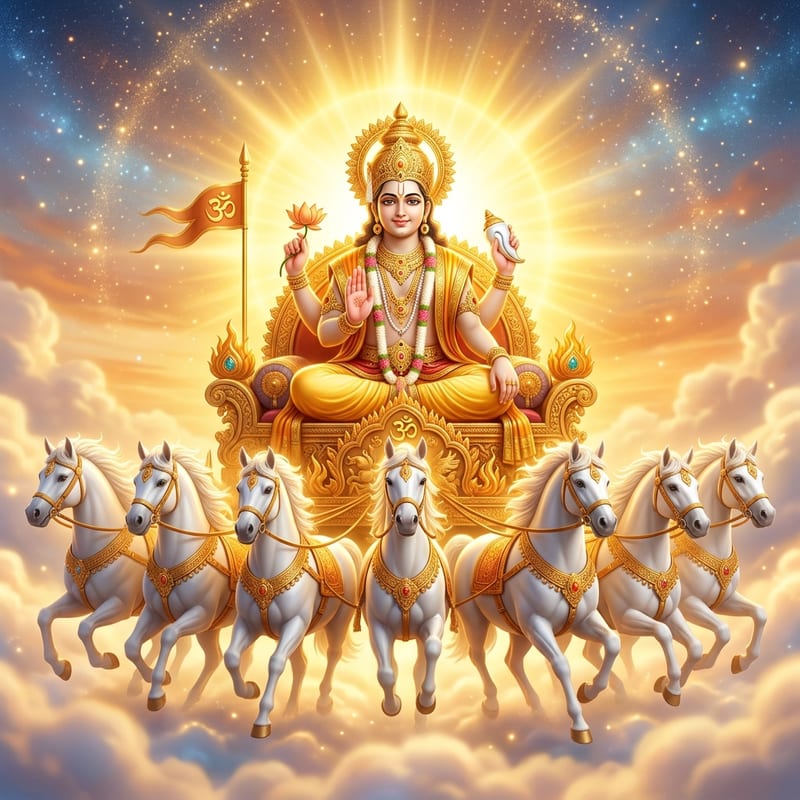
ଶ୍ରୀଭୈରଵ ଉଵାଚ
ଯୋ ଦେଵଦେଵୋ ଭଗଵାନ୍ ଭାସ୍କରୋ ମହସାଂ ନିଧିଃ ।
ଗଯତ୍ରୀନାଯକୋ ଭାସ୍ଵାନ୍ ସଵିତେତି ପ୍ରଗୀଯତେ ॥ 1 ॥
ଗଯତ୍ରୀନାଯକୋ ଭାସ୍ଵାନ୍ ସଵିତେତି ପ୍ରଗୀଯତେ ॥ 1 ॥
- ଯଃ (yaḥ)who
- ଦେଵଦେଵଃ (devadevaḥ)god of gods
- ଭଗଵାନ୍ (bhagavān)the Blessed One
- ଭାସ୍କରଃ (bhāskaraḥ)the light-maker, the sun
- ମହସାମ୍ ନିଧିଃ (mahasām nidhiḥ)treasure-house of splendours
- ଗାଯତ୍ରୀନାଯକଃ (gāyatrīnāyakaḥ)lord of the Gāyatrī
- ଭାସ୍ଵାନ୍ (bhāsvān)the radiant
- ସଵିତା (savitā)Savitṛ, the impeller
- ପ୍ରଗୀଯତେ (pragīyate)is celebrated
ତସ୍ଯାହଂ କଵଚଂ ଦିଵ୍ଯଂ ଵଜ୍ରପଞ୍ଜରକାଭିଧମ୍ ।
ସର୍ଵମନ୍ତ୍ରମଯଂ ଗୁହ୍ଯଂ ମୂଲଵିଦ୍ଯାରହସ୍ଯକମ୍ ॥ 2 ॥
ସର୍ଵମନ୍ତ୍ରମଯଂ ଗୁହ୍ଯଂ ମୂଲଵିଦ୍ଯାରହସ୍ଯକମ୍ ॥ 2 ॥
- ତସ୍ଯ (tasya)his
- ଅହମ୍ (aham)I
- କଵଚମ୍ (kavacam)armour
- ଦିଵ୍ଯମ୍ (divyam)divine
- ଵଜ୍ରପଞ୍ଜରକାଭିଧମ୍ (vajrapañjarakābhidham)named the cage of adamant (vajra:thunderbolt | pañjara:cage | abhidha:named)
- ସର୍ଵମନ୍ତ୍ରମଯମ୍ (sarvamantramayam)made wholly of mantra
- ଗୁହ୍ଯମ୍ (guhyam)secret
- ମୂଲଵିଦ୍ଯାରହସ୍ଯକମ୍ (mūlavidyārahasyakam)the mystery of the root-lore
ସର୍ଵପାପାପହଂ ଦେଵି ଦୁଃଖଦାରିଦ୍ର୍ଯନାଶନମ୍ ।
ମହାକୁଷ୍ଠହରଂ ପୁଣ୍ଯଂ ସର୍ଵରୋଗନିଵର୍ହଣମ୍ ॥ 3 ॥
ମହାକୁଷ୍ଠହରଂ ପୁଣ୍ଯଂ ସର୍ଵରୋଗନିଵର୍ହଣମ୍ ॥ 3 ॥
- ସର୍ଵପାପାପହମ୍ (sarvapāpāpaham)taking away every sin
- ଦେଵି (devi)O Goddess
- ଦୁଃଖଦାରିଦ୍ର୍ଯନାଶନମ୍ (duḥkhadāridryanāśanam)destroying sorrow and poverty
- ମହାକୁଷ୍ଠହରମ୍ (mahākuṣṭhaharam)removing great leprosy
- ପୁଣ୍ଯମ୍ (puṇyam)meritorious
- ସର୍ଵରୋଗନିଵର୍ହଣମ୍ (sarvaroganivarhaṇam)warding off every disease
ସର୍ଵଶତ୍ରୁସମୂହଘ୍ନଂ ସମ୍ଗ୍ରାମେ ଵିଜଯପ୍ରଦମ୍ ।
ସର୍ଵତେଜୋମଯଂ ସର୍ଵଦେଵଦାନଵପୂଜିତମ୍ ॥ 4 ॥
ସର୍ଵତେଜୋମଯଂ ସର୍ଵଦେଵଦାନଵପୂଜିତମ୍ ॥ 4 ॥
- ସର୍ଵଶତ୍ରୁସମୂହଘ୍ନମ୍ (sarvaśatrusamūhaghnam)slaying the whole host of foes
- ସମ୍ଗ୍ରାମେ (saṃgrāme)in battle
- ଵିଜଯପ୍ରଦମ୍ (vijayapradam)giving victory
- ସର୍ଵତେଜୋମଯମ୍ (sarvatejomayam)made of all radiance
- ସର୍ଵଦେଵଦାନଵପୂଜିତମ୍ (sarvadevadānavapūjitam)worshipped by all gods and dānavas
ରଣେ ରାଜଭଯେ ଘୋରେ ସର୍ଵୋପଦ୍ରଵନାଶନମ୍ ।
ମାତୃକାଵେଷ୍ଟିତଂ ଵର୍ମ ଭୈରଵାନନନିର୍ଗତମ୍ ॥ 5 ॥
ମାତୃକାଵେଷ୍ଟିତଂ ଵର୍ମ ଭୈରଵାନନନିର୍ଗତମ୍ ॥ 5 ॥
- ରଣେ (raṇe)in battle
- ରାଜଭଯେ (rājabhaye)in fear of kings
- ଘୋରେ (ghore)dreadful
- ସର୍ଵୋପଦ୍ରଵନାଶନମ୍ (sarvopadravanāśanam)destroying every calamity
- ମାତୃକାଵେଷ୍ଟିତମ୍ (mātṛkāveṣṭitam)encircled by the mother-syllables
- ଵର୍ମ (varma)armour
- ଭୈରଵାନନିର୍ଗତମ୍ (bhairavānananirgatam)issued from Bhairava’s mouth
ଗ୍ରହପୀଡାହରଂ ଦେଵି ସର୍ଵସଙ୍କଟନାଶନମ୍ ।
ଧାରଣାଦସ୍ଯ ଦେଵେଶି ବ୍ରହ୍ମା ଲୋକପିତାମହଃ ॥ 6 ॥
ଧାରଣାଦସ୍ଯ ଦେଵେଶି ବ୍ରହ୍ମା ଲୋକପିତାମହଃ ॥ 6 ॥
- ଗ୍ରହପୀଡାହରମ୍ (grahapīḍāharam)removing the affliction of the planets
- ସର୍ଵସଙ୍କଟନାଶନମ୍ (sarvasaṅkaṭanāśanam)destroying every danger
- ଧାରଣାତ୍ (dhāraṇāt)by the wearing of it
- ଦେଵେଶି (deveśi)O queen of the gods
- ବ୍ରହ୍ମା (brahmā)Brahmā
- ଲୋକପିତାମହଃ (lokapitāmahaḥ)grandfather of the worlds
ଵିଷ୍ଣୁର୍ନାରାଯଣୋ ଦେଵି ରଣେ ଦୈତ୍ଯାଞ୍ଜିଷ୍ଯତି ।
ଶଙ୍କରଃ ସର୍ଵଲୋକେଶୋ ଵାସଵୋଽପି ଦିଵସ୍ପତିଃ ॥ 7 ॥
ଶଙ୍କରଃ ସର୍ଵଲୋକେଶୋ ଵାସଵୋଽପି ଦିଵସ୍ପତିଃ ॥ 7 ॥
- ଵିଷ୍ଣୁଃ ନାରାଯଣଃ (viṣṇuḥ nārāyaṇaḥ)Viṣṇu Nārāyaṇa
- ରଣେ (raṇe)in battle
- ଦୈତ୍ଯାନ୍ (daityān)the daityas
- ଜିଷ୍ଯତି (jiṣyati)conquers
- ଶଙ୍କରଃ (śaṅkaraḥ)Śaṅkara
- ସର୍ଵଲୋକେଶଃ (sarvalokeśaḥ)lord of all worlds
- ଵାସଵଃ (vāsavaḥ)Vāsava, Indra
- ଦିଵସ୍ପତିଃ (divaspatiḥ)lord of heaven
ଓଷଧୀଶଃ ଶଶୀ ଦେଵି ଶିଵୋଽହଂ ଭୈରଵେଶ୍ଵରଃ ।
ମନ୍ତ୍ରାତ୍ମକଂ ପରଂ ଵର୍ମ ସଵିତୁଃ ସାରମୁତ୍ତମମ୍ ॥ 8 ॥
ମନ୍ତ୍ରାତ୍ମକଂ ପରଂ ଵର୍ମ ସଵିତୁଃ ସାରମୁତ୍ତମମ୍ ॥ 8 ॥
- ଓଷଧୀଶଃ (oṣadhīśaḥ)lord of herbs
- ଶଶୀ (śaśī)the moon
- ଶିଵଃ ଅହମ୍ (śivaḥ aham)I, Śiva
- ଭୈରଵେଶ୍ଵରଃ (bhairaveśvaraḥ)lord of Bhairava
- ମନ୍ତ୍ରାତ୍ମକମ୍ (mantrātmakam)whose very self is mantra
- ପରମ୍ ଵର୍ମ (param varma)supreme armour
- ସଵିତୁଃ (savituḥ)of Savitṛ
- ସାରମ୍ ଉତ୍ତମମ୍ (sāram uttamam)the highest essence
ଯୋ ଧାରଯେଦ୍ ଭୁଜେ ମୂର୍ଧ୍ନି ରଵିଵାରେ ମହେଶ୍ଵରି ।
ସ ରାଜଵଲ୍ଲଭୋ ଲୋକେ ତେଜସ୍ଵୀ ଵୈରିମର୍ଦନଃ ॥ 9 ॥
ସ ରାଜଵଲ୍ଲଭୋ ଲୋକେ ତେଜସ୍ଵୀ ଵୈରିମର୍ଦନଃ ॥ 9 ॥
- ଯଃ ଧାରଯେତ୍ (yaḥ dhārayet)whoever should wear
- ଭୁଜେ (bhuje)on the arm
- ମୂର୍ଧ୍ନି (mūrdhni)on the crown of the head
- ରଵିଵାରେ (ravivāre)on a Sunday
- ମହେଶ୍ଵରି (maheśvari)O Maheśvarī
- ରାଜଵଲ୍ଲଭଃ (rājavallabhaḥ)beloved of kings
- ତେଜସ୍ଵୀ (tejasvī)radiant
- ଵୈରିମର୍ଦନଃ (vairimardanaḥ)crusher of enemies
ବହୁନୋକ୍ତେନ କିଂ ଦେଵି କଵଚସ୍ଯାସ୍ଯ ଧାରଣାତ୍ ।
ଇହ ଲକ୍ଷ୍ମୀଧନାରୋଗ୍ଯ-ଵୃଦ୍ଧିର୍ଭଵତି ନାନ୍ଯଥା ॥ 10 ॥
ଇହ ଲକ୍ଷ୍ମୀଧନାରୋଗ୍ଯ-ଵୃଦ୍ଧିର୍ଭଵତି ନାନ୍ଯଥା ॥ 10 ॥
- ବହୁନା ଉକ୍ତେନ କିମ୍ (bahunā uktena kim)what need of much speaking
- କଵଚସ୍ଯ ଅସ୍ଯ ଧାରଣାତ୍ (kavacasya asya dhāraṇāt)by wearing this armour
- ଇହ (iha)here, in this world
- ଲକ୍ଷ୍ମୀଧନାରୋଗ୍ଯଵୃଦ୍ଧିଃ (lakṣmīdhanārogyavṛddhiḥ)increase of fortune, wealth and health
- ଭଵତି (bhavati)comes to be
- ନ ଅନ୍ଯଥା (na anyathā)not otherwise
ପରତ୍ର ପରମା ମୁକ୍ତିର୍ଦେଵାନାମପି ଦୁର୍ଲଭା ।
କଵଚସ୍ଯାସ୍ଯ ଦେଵେଶି ମୂଲଵିଦ୍ଯାମଯସ୍ଯ ଚ ॥ 11 ॥
କଵଚସ୍ଯାସ୍ଯ ଦେଵେଶି ମୂଲଵିଦ୍ଯାମଯସ୍ଯ ଚ ॥ 11 ॥
- ପରତ୍ର (paratra)in the hereafter
- ପରମା ମୁକ୍ତିଃ (paramā muktiḥ)supreme liberation
- ଦେଵାନାମ୍ ଅପି ଦୁର୍ଲଭା (devānām api durlabhā)hard to win even for the gods
- କଵଚସ୍ଯ ଅସ୍ଯ (kavacasya asya)of this armour
- ଦେଵେଶି (deveśi)O queen of the gods
- ମୂଲଵିଦ୍ଯାମଯସ୍ଯ (mūlavidyāmayasya)made of the root-lore
ଵଜ୍ରପଞ୍ଜରକାଖ୍ଯସ୍ଯ ମୁନିର୍ବ୍ରହ୍ମା ସମୀରିତଃ ।
ଗାଯତ୍ର୍ଯଂ ଛନ୍ଦ ଇତ୍ଯୁକ୍ତଂ ଦେଵତା ସଵିତା ସ୍ମୃତଃ ॥ 12 ॥
ଗାଯତ୍ର୍ଯଂ ଛନ୍ଦ ଇତ୍ଯୁକ୍ତଂ ଦେଵତା ସଵିତା ସ୍ମୃତଃ ॥ 12 ॥
- ଵଜ୍ରପଞ୍ଜରକାଖ୍ଯସ୍ଯ (vajrapañjarakākhyasya)of that called the cage of adamant
- ମୁନିଃ (muniḥ)the seer
- ବ୍ରହ୍ମା (brahmā)Brahmā
- ସମୀରିତଃ (samīritaḥ)is declared
- ଗାଯତ୍ରୀ (gāyatrī)the Gāyatrī
- ଛନ୍ଦଃ (chandaḥ)metre
- ଦେଵତା (devatā)presiding deity
- ସଵିତା (savitā)Savitṛ
- ସ୍ମୃତଃ (smṛtaḥ)is remembered, held to be
ମାଯା ବୀଜଂ ଶରତ୍ ଶକ୍ତିର୍ନମଃ କୀଲକମୀଶ୍ଵରି ।
ସର୍ଵାର୍ଥସାଧନେ ଦେଵି ଵିନିଯୋଗଃ ପ୍ରକୀର୍ତିତଃ ॥ 13 ॥
ସର୍ଵାର୍ଥସାଧନେ ଦେଵି ଵିନିଯୋଗଃ ପ୍ରକୀର୍ତିତଃ ॥ 13 ॥
- ମାଯା (māyā)the seed hrīṃ, called māyā
- ବୀଜମ୍ (bījam)seed-syllable
- ଶରତ୍ (śarat)the syllable named śarat
- ଶକ୍ତିଃ (śaktiḥ)power
- ନମଃ (namaḥ)the word namaḥ
- କୀଲକମ୍ (kīlakam)the pin that fastens the mantra
- ଈଶ୍ଵରି (īśvari)O Īśvarī
- ସର୍ଵାର୍ଥସାଧନେ (sarvārthasādhane)for the achieving of every aim
- ଵିନିଯୋଗଃ (viniyogaḥ)the application
- ପ୍ରକୀର୍ତିତଃ (prakīrtitaḥ)is proclaimed
ଅଥ ସୂର୍ଯ କଵଚଂ
ଓଁ ଅଂ ଆଂ ଇଂ ଈଂ ଶିରଃ ପାତୁ ଓଁ ସୂର୍ଯୋ ମନ୍ତ୍ରଵିଗ୍ରହଃ ।
ଉଂ ଊଂ ଋଂ ୠଂ ଲଲାଟଂ ମେ ହ୍ରାଂ ରଵିଃ ପାତୁ ଚିନ୍ମଯଃ ॥ 14 ॥
ଓଁ ଅଂ ଆଂ ଇଂ ଈଂ ଶିରଃ ପାତୁ ଓଁ ସୂର୍ଯୋ ମନ୍ତ୍ରଵିଗ୍ରହଃ ।
ଉଂ ଊଂ ଋଂ ୠଂ ଲଲାଟଂ ମେ ହ୍ରାଂ ରଵିଃ ପାତୁ ଚିନ୍ମଯଃ ॥ 14 ॥
- ଓଁ (oṃ)the sacred syllable
- the seed-letters of the alphabet, placed in sequence upon the limbs
- ଶିରଃ (śiraḥ)the head
- ପାତୁ (pātu)may he protect
- ସୂର୍ଯଃ (sūryaḥ)Sūrya
- ମନ୍ତ୍ରଵିଗ୍ରହଃ (mantravigrahaḥ)whose body is mantra
- ଲଲାଟମ୍ (lalāṭam)the brow
- ରଵିଃ (raviḥ)Ravi
- ଚିନ୍ମଯଃ (cinmayaḥ)made of consciousness
~ଲୁଂ ~ଲୂଂ ଏଂ ଐଂ ପାତୁ ନେତ୍ରେ ହ୍ରୀଂ ମମାରୁଣସାରଥିଃ ।
ଓଁ ଔଂ ଅଂ ଅଃ ଶ୍ରୁତୀ ପାତୁ ସଃ ସର୍ଵଜଗଦୀଶ୍ଵରଃ ॥ 15 ॥
ଓଁ ଔଂ ଅଂ ଅଃ ଶ୍ରୁତୀ ପାତୁ ସଃ ସର୍ଵଜଗଦୀଶ୍ଵରଃ ॥ 15 ॥
- ଓଁ (oṃ)the sacred syllable
- the seed-letters of the alphabet, placed in sequence upon the limbs
- ନେତ୍ରେ (netre)the two eyes
- ଅରୁଣସାରଥିଃ (aruṇasārathiḥ)he whose charioteer is Aruṇa
- ଶ୍ରୁତୀ (śrutī)the two ears
- ସର୍ଵଜଗଦୀଶ୍ଵରଃ (sarvajagadīśvaraḥ)lord of all the worlds
କଂ ଖଂ ଗଂ ଘଂ ପାତୁ ଗଣ୍ଡୌ ସୂଂ ସୂରଃ ସୁରପୂଜିତଃ ।
ଚଂ ଛଂ ଜଂ ଝଂ ଚ ନାସାଂ ମେ ପାତୁ ଯାରଂ ଅର୍ଯମା ପ୍ରଭୁଃ ॥ 16 ॥
ଚଂ ଛଂ ଜଂ ଝଂ ଚ ନାସାଂ ମେ ପାତୁ ଯାରଂ ଅର୍ଯମା ପ୍ରଭୁଃ ॥ 16 ॥
- ଓଁ (oṃ)the sacred syllable
- the seed-letters of the alphabet, placed in sequence upon the limbs
- ଗଣ୍ଡୌ (gaṇḍau)the two cheeks
- ସୂରଃ (sūraḥ)the sun
- ସୁରପୂଜିତଃ (surapūjitaḥ)worshipped by the gods
- ନାସାମ୍ (nāsām)the nose
- ଅର୍ଯମା ପ୍ରଭୁଃ (aryamā prabhuḥ)lord Aryaman
ଟଂ ଠଂ ଡଂ ଢଂ ମୁଖଂ ପାଯାଦ୍ ଯଂ ଯୋଗୀଶ୍ଵରପୂଜିତଃ ।
ତଂ ଥଂ ଦଂ ଧଂ ଗଲଂ ପାତୁ ନଂ ନାରାଯଣଵଲ୍ଲଭଃ ॥ 17 ॥
ତଂ ଥଂ ଦଂ ଧଂ ଗଲଂ ପାତୁ ନଂ ନାରାଯଣଵଲ୍ଲଭଃ ॥ 17 ॥
- ଓଁ (oṃ)the sacred syllable
- the seed-letters of the alphabet, placed in sequence upon the limbs
- ମୁଖମ୍ (mukham)the face
- ଯୋଗୀଶ୍ଵରପୂଜିତଃ (yogīśvarapūjitaḥ)worshipped by the lord of yogins
- ଗଲମ୍ (galam)the throat
- ନାରାଯଣଵଲ୍ଲଭଃ (nārāyaṇavallabhaḥ)beloved of Nārāyaṇa
ପଂ ଫଂ ବଂ ଭଂ ମମ ସ୍କନ୍ଧୌ ପାତୁ ମଂ ମହସାଂ ନିଧିଃ ।
ଯଂ ରଂ ଲଂ ଵଂ ଭୁଜୌ ପାତୁ ମୂଲଂ ସକନାଯକଃ ॥ 18 ॥
ଯଂ ରଂ ଲଂ ଵଂ ଭୁଜୌ ପାତୁ ମୂଲଂ ସକନାଯକଃ ॥ 18 ॥
- ଓଁ (oṃ)the sacred syllable
- the seed-letters of the alphabet, placed in sequence upon the limbs
- ସ୍କନ୍ଧୌ (skandhau)the two shoulders
- ମହସାମ୍ ନିଧିଃ (mahasām nidhiḥ)treasure of splendours
- ଭୁଜୌ (bhujau)the two arms
- ସକନାଯକଃ (sakanāyakaḥ)the leader
ଶଂ ଷଂ ସଂ ହଂ ପାତୁ ଵକ୍ଷୋ ମୂଲମନ୍ତ୍ରମଯୋ ଧ୍ରୁଵଃ ।
ଲଂ କ୍ଷଃ କୁକ୍ଷ୍ସିଂ ସଦା ପାତୁ ଗ୍ରହାଥୋ ଦିନେଶ୍ଵରଃ ॥ 19 ॥
ଲଂ କ୍ଷଃ କୁକ୍ଷ୍ସିଂ ସଦା ପାତୁ ଗ୍ରହାଥୋ ଦିନେଶ୍ଵରଃ ॥ 19 ॥
- ଓଁ (oṃ)the sacred syllable
- the seed-letters of the alphabet, placed in sequence upon the limbs
- ଵକ୍ଷଃ (vakṣaḥ)the chest
- ମୂଲମନ୍ତ୍ରମଯଃ (mūlamantramayaḥ)made of the root-mantra
- ଧ୍ରୁଵଃ (dhruvaḥ)the fixed
- କୁକ୍ଷିମ୍ (kukṣim)the belly
- ଗ୍ରହାଥଃ ଦିନେଶ୍ଵରଃ (grahāthaḥ dineśvaraḥ)lord of the planets, lord of day
ଙଂ ଞଂ ଣଂ ନଂ ମଂ ମେ ପାତୁ ପୃଷ୍ଠଂ ଦିଵସନାଯକଃ ।
ଅଂ ଆଂ ଇଂ ଈଂ ଉଂ ଊଂ ଋଂ ୠଂ ନାଭିଂ ପାତୁ ତମୋପହଃ ॥ 20 ॥
ଅଂ ଆଂ ଇଂ ଈଂ ଉଂ ଊଂ ଋଂ ୠଂ ନାଭିଂ ପାତୁ ତମୋପହଃ ॥ 20 ॥
- ଓଁ (oṃ)the sacred syllable
- the seed-letters of the alphabet, placed in sequence upon the limbs
- ପୃଷ୍ଠମ୍ (pṛṣṭham)the back
- ଦିଵସନାଯକଃ (divasanāyakaḥ)leader of the day
- ନାଭିମ୍ (nābhim)the navel
- ତମୋପହଃ (tamopahaḥ)dispeller of darkness
~ଲୁଂ ~ଲୂଂ ଏଂ ଐଂ ଓଁ ଔଂ ଅଂ ଅଃ ଲିଙ୍ଗଂ ମେଽଵ୍ଯାଦ୍ ଗ୍ରହେଶ୍ଵରଃ ।
କଂ ଖଂ ଗଂ ଘଂ ଚଂ ଛଂ ଜଂ ଝଂ କଟିଂ ଭାନୁର୍ମମାଵତୁ ॥ 21 ॥
କଂ ଖଂ ଗଂ ଘଂ ଚଂ ଛଂ ଜଂ ଝଂ କଟିଂ ଭାନୁର୍ମମାଵତୁ ॥ 21 ॥
- ଓଁ (oṃ)the sacred syllable
- the seed-letters of the alphabet, placed in sequence upon the limbs
- ଲିଙ୍ଗମ୍ (liṅgam)the generative organ
- ଗ୍ରହେଶ୍ଵରଃ (graheśvaraḥ)lord of the planets
- କଟିମ୍ (kaṭim)the waist
- ଭାନୁଃ (bhānuḥ)Bhānu, the shining
ଟଂ ଠଂ ଡଂ ଢଂ ତଂ ଥଂ ଦଂ ଧଂ ଜାନୂ ଭାସ୍ଵାନ୍ ମମାଵତୁ ।
ପଂ ଫଂ ବଂ ଭଂ ଯଂ ରଂ ଲଂ ଵଂ ଜଙ୍ଘେ ମେଽଵ୍ଯାଦ୍ ଵିଭାକରଃ ॥ 22 ॥
ପଂ ଫଂ ବଂ ଭଂ ଯଂ ରଂ ଲଂ ଵଂ ଜଙ୍ଘେ ମେଽଵ୍ଯାଦ୍ ଵିଭାକରଃ ॥ 22 ॥
- ଓଁ (oṃ)the sacred syllable
- the seed-letters of the alphabet, placed in sequence upon the limbs
- ଜାନୂ (jānū)the two knees
- ଭାସ୍ଵାନ୍ (bhāsvān)the radiant
- ଜଙ୍ଘେ (jaṅghe)the two calves
- ଵିଭାକରଃ (vibhākaraḥ)maker of light
ଶଂ ଷଂ ସଂ ହଂ ଲଂ କ୍ଷଃ ପାତୁ ମୂଲଂ ପାଦୌ ତ୍ରଯିତନୁଃ ।
ଙଂ ଞଂ ଣଂ ନଂ ମଂ ମେ ପାତୁ ସଵିତା ସକଲଂ ଵପୁଃ ॥ 23 ॥
ଙଂ ଞଂ ଣଂ ନଂ ମଂ ମେ ପାତୁ ସଵିତା ସକଲଂ ଵପୁଃ ॥ 23 ॥
- ଓଁ (oṃ)the sacred syllable
- the seed-letters of the alphabet, placed in sequence upon the limbs
- ପାଦୌ (pādau)the two feet
- ତ୍ରଯିତନୁଃ (trayitanuḥ)whose body is the threefold Veda
- ସକଲମ୍ ଵପୁଃ (sakalam vapuḥ)the whole body
- ସଵିତା (savitā)Savitṛ
ସୋମଃ ପୂର୍ଵେ ଚ ମାଂ ପାତୁ ଭୌମୋଽଗ୍ନୌ ମାଂ ସଦାଵତୁ ।
ବୁଧୋ ମାଂ ଦକ୍ଷିଣେ ପାତୁ ନୈଋତ୍ଯା ଗୁରରେଵ ମାମ୍ ॥ 24 ॥
ବୁଧୋ ମାଂ ଦକ୍ଷିଣେ ପାତୁ ନୈଋତ୍ଯା ଗୁରରେଵ ମାମ୍ ॥ 24 ॥
- ସୋମଃ (somaḥ)the Moon
- ପୂର୍ଵେ (pūrve)in the east
- ଭୌମଃ (bhaumaḥ)Mars
- ଅଗ୍ନୌ (agnau)in the south-east, the fire quarter
- ବୁଧଃ (budhaḥ)Mercury
- ଦକ୍ଷିଣେ (dakṣiṇe)in the south
- ନୈଋତ୍ଯାମ୍ (nairṛtyām)in the south-west
- ଗୁରୁଃ (guruḥ)Jupiter
ପଶ୍ଚିମେ ମାଂ ସିତଃ ପାତୁ ଵାଯଵ୍ଯାଂ ମାଂ ଶନୈଶ୍ଚରଃ ।
ଉତ୍ତରେ ମାଂ ତମଃ ପାଯାଦୈଶାନ୍ଯାଂ ମାଂ ଶିଖୀ ତଥା ॥ 25 ॥
ଉତ୍ତରେ ମାଂ ତମଃ ପାଯାଦୈଶାନ୍ଯାଂ ମାଂ ଶିଖୀ ତଥା ॥ 25 ॥
- ପଶ୍ଚିମେ (paścime)in the west
- ସିତଃ (sitaḥ)Venus
- ଵାଯଵ୍ଯାମ୍ (vāyavyām)in the north-west
- ଶନୈଶ୍ଚରଃ (śanaiścaraḥ)Saturn
- ଉତ୍ତରେ (uttare)in the north
- ତମଃ (tamaḥ)Rāhu, the darkness
- ଐଶାନ୍ଯାମ୍ (aiśānyām)in the north-east
- ଶିଖୀ (śikhī)Ketu, the crested
ଊର୍ଧ୍ଵଂ ମାଂ ପାତୁ ମିହିରୋ ମାମଧସ୍ତାଞ୍ଜଗତ୍ପତିଃ ।
ପ୍ରଭାତେ ଭାସ୍କରଃ ପାତୁ ମଧ୍ଯାହ୍ନେ ମାଂ ଦିନେଶ୍ଵରଃ ॥ 26 ॥
ପ୍ରଭାତେ ଭାସ୍କରଃ ପାତୁ ମଧ୍ଯାହ୍ନେ ମାଂ ଦିନେଶ୍ଵରଃ ॥ 26 ॥
- ଊର୍ଧ୍ଵମ୍ (ūrdhvam)above
- ମିହିରଃ (mihiraḥ)the sun
- ଅଧସ୍ତାତ୍ (adhastāt)below
- ଜଗତ୍ପତିଃ (jagatpatiḥ)lord of the world
- ପ୍ରଭାତେ (prabhāte)at dawn
- ଭାସ୍କରଃ (bhāskaraḥ)Bhāskara
- ମଧ୍ଯାହ୍ନେ (madhyāhne)at midday
- ଦିନେଶ୍ଵରଃ (dineśvaraḥ)lord of the day
ସାଯଂ ଵେଦପ୍ରିଯଃ ପାତୁ ନିଶୀଥେ ଵିସ୍ଫୁରାପତିଃ ।
ସର୍ଵତ୍ର ସର୍ଵଦା ସୂର୍ଯଃ ପାତୁ ମାଂ ଚକ୍ରନାଯକଃ ॥ 27 ॥
ସର୍ଵତ୍ର ସର୍ଵଦା ସୂର୍ଯଃ ପାତୁ ମାଂ ଚକ୍ରନାଯକଃ ॥ 27 ॥
- ସାଯମ୍ (sāyam)at evening
- ଵେଦପ୍ରିଯଃ (vedapriyaḥ)lover of the Veda
- ନିଶୀଥେ (niśīthe)at midnight
- ଵିସ୍ଫୁରାପତିଃ (visphurāpatiḥ)lord of flashing light
- ସର୍ଵତ୍ର ସର୍ଵଦା (sarvatra sarvadā)everywhere and always
- ଚକ୍ରନାଯକଃ (cakranāyakaḥ)leader of the wheel of time
ରଣେ ରାଜକୁଲେ ଦ୍ଯୂତେ ଵିଦାଦେ ଶତ୍ରୁସଙ୍କଟେ ।
ସଙ୍ଗାମେ ଚ ଜ୍ଵରେ ରୋଗେ ପାତୁ ମାଂ ସଵିତା ପ୍ରଭୁଃ ॥ 28 ॥
ସଙ୍ଗାମେ ଚ ଜ୍ଵରେ ରୋଗେ ପାତୁ ମାଂ ସଵିତା ପ୍ରଭୁଃ ॥ 28 ॥
- ରଣେ (raṇe)in battle
- ରାଜକୁଲେ (rājakule)in the royal court
- ଦ୍ଯୂତେ (dyūte)in gambling
- ଵିଵାଦେ (vivāde)in dispute
- ଶତ୍ରୁସଙ୍କଟେ (śatrusaṅkaṭe)in danger from enemies
- ସଙ୍ଗ୍ରାମେ (saṅgrāme)in combat
- ଜ୍ଵରେ (jvare)in fever
- ରୋଗେ (roge)in disease
- ସଵିତା ପ୍ରଭୁଃ (savitā prabhuḥ)lord Savitṛ
ଓଁ ଓଁ ଓଁ ଉତ ଓଁଉଔଂ ହ ସ ମ ଯଃ ସୂରୋଽଵତାନ୍ମାଂ ଭଯାଦ୍
ହ୍ରାଂ ହ୍ରୀଂ ହ୍ରୁଂ ହହହା ହସୌଃ ହସହସୌଃ ହଂସୋଽଵତାତ୍ ସର୍ଵତଃ ।
ସଃ ସଃ ସଃ ସସସା ନୃପାଦ୍ଵନଚରାଚ୍ଚୌରାଦ୍ରଣାତ୍ ସଙ୍କଟାତ୍
ପାଯାନ୍ମାଂ କୁଲନାଯକୋଽପି ସଵିତା ଓଁ ହ୍ରୀଂ ହ ସୌଃ ସର୍ଵଦା ॥ 29 ॥
ହ୍ରାଂ ହ୍ରୀଂ ହ୍ରୁଂ ହହହା ହସୌଃ ହସହସୌଃ ହଂସୋଽଵତାତ୍ ସର୍ଵତଃ ।
ସଃ ସଃ ସଃ ସସସା ନୃପାଦ୍ଵନଚରାଚ୍ଚୌରାଦ୍ରଣାତ୍ ସଙ୍କଟାତ୍
ପାଯାନ୍ମାଂ କୁଲନାଯକୋଽପି ସଵିତା ଓଁ ହ୍ରୀଂ ହ ସୌଃ ସର୍ଵଦା ॥ 29 ॥
- ଓଁ (oṃ)the sacred syllable
- ହ ସ ମ ଯଃ (ha sa ma yaḥ)seed syllables of the solar mantra
- ସୂରଃ (sūraḥ)the sun
- ଭଯାତ୍ (bhayāt)from fear
- ହ୍ରାଂ ହ୍ରୀଂ ହ୍ରୁଂ (hrāṃ hrīṃ hruṃ)seed syllables
- ହଂସଃ (haṃsaḥ)the swan, the solar Self
- ସର୍ଵତଃ (sarvataḥ)on every side
- ସଃ ସଃ ସଃ (saḥ saḥ saḥ)seed syllables
- ନୃପାତ୍ (nṛpāt)from the king
- ଵନଚରାତ୍ (vanacarāt)from the forest-dweller
- ଚୌରାତ୍ (caurāt)from the thief
- ରଣାତ୍ (raṇāt)from battle
- ସଙ୍କଟାତ୍ (saṅkaṭāt)from peril
- କୁଲନାଯକଃ (kulanāyakaḥ)leader of the family. (Seed syllables are given as sounded
- they are not translated.)
ଦ୍ରାଂ ଦ୍ରୀଂ ଦ୍ରୂଂ ଦଧନଂ ତଥା ଚ ତରଣିର୍ଭାମ୍ଭୈର୍ଭଯାଦ୍ ଭାସ୍କରୋ
ରାଂ ରୀଂ ରୂଂ ରୁରୁରୂଂ ରଵିର୍ଜ୍ଵରଭଯାତ୍ କୁଷ୍ଠାଚ୍ଚ ଶୂଲାମଯାତ୍ ।
ଅଂ ଅଂ ଆଂ ଵିଵିଵୀଂ ମହାମଯଭଯଂ ମାଂ ପାତୁ ମାର୍ତଣ୍ଡକୋ
ମୂଲଵ୍ଯାପ୍ତତନୁଃ ସଦାଵତୁ ପରଂ ହଂସଃ ସହସ୍ରାଂଶୁମାନ୍ ॥ 30॥
ରାଂ ରୀଂ ରୂଂ ରୁରୁରୂଂ ରଵିର୍ଜ୍ଵରଭଯାତ୍ କୁଷ୍ଠାଚ୍ଚ ଶୂଲାମଯାତ୍ ।
ଅଂ ଅଂ ଆଂ ଵିଵିଵୀଂ ମହାମଯଭଯଂ ମାଂ ପାତୁ ମାର୍ତଣ୍ଡକୋ
ମୂଲଵ୍ଯାପ୍ତତନୁଃ ସଦାଵତୁ ପରଂ ହଂସଃ ସହସ୍ରାଂଶୁମାନ୍ ॥ 30॥
- ଦ୍ରାଂ ଦ୍ରୀଂ ଦ୍ରୂଂ (drāṃ drīṃ drūṃ)seed syllables
- ତରଣିଃ (taraṇiḥ)the swift crosser, the sun
- ଭାସ୍କରଃ (bhāskaraḥ)Bhāskara
- ଭଯାତ୍ (bhayāt)from fear
- ରାଂ ରୀଂ ରୂଂ (rāṃ rīṃ rūṃ)seed syllables
- ରଵିଃ (raviḥ)Ravi
- ଜ୍ଵରଭଯାତ୍ (jvarabhayāt)from the fear of fever
- କୁଷ୍ଠାତ୍ (kuṣṭhāt)from leprosy
- ଶୂଲାମଯାତ୍ (śūlāmayāt)from colic
- ମାର୍ତଣ୍ଡକଃ (mārtaṇḍakaḥ)Mārtaṇḍa, the sun
- ମୂଲଵ୍ଯାପ୍ତତନୁଃ (mūlavyāptatanuḥ)whose body pervades the root-mantra
- ହଂସଃ (haṃsaḥ)the swan
- ସହସ୍ରାଂଶୁମାନ୍ (sahasrāṃśumān)of a thousand rays
ଅଥ ଫଲଶୃତିଃ
ଇତି ଶ୍ରୀକଵଚଂ ଦିଵ୍ଯଂ ଵଜ୍ରପଞ୍ଜରକାଭିଧମ୍ ।
ସର୍ଵଦେଵରହସ୍ଯଂ ଚ ମାତୃକାମନ୍ତ୍ରଵେଷ୍ଟିତମ୍ ॥ 31 ॥
ଇତି ଶ୍ରୀକଵଚଂ ଦିଵ୍ଯଂ ଵଜ୍ରପଞ୍ଜରକାଭିଧମ୍ ।
ସର୍ଵଦେଵରହସ୍ଯଂ ଚ ମାତୃକାମନ୍ତ୍ରଵେଷ୍ଟିତମ୍ ॥ 31 ॥
- ଫଲଶ୍ରୁତିଃ (phalaśrutiḥ)the fruit of recitation
- ଇତି (iti)thus
- ଶ୍ରୀକଵଚମ୍ (śrīkavacam)the blessed armour
- ଦିଵ୍ଯମ୍ (divyam)divine
- ଵଜ୍ରପଞ୍ଜରକାଭିଧମ୍ (vajrapañjarakābhidham)named the cage of adamant
- ସର୍ଵଦେଵରହସ୍ଯମ୍ (sarvadevarahasyam)the secret of all the gods
- ମାତୃକାମନ୍ତ୍ରଵେଷ୍ଟିତମ୍ (mātṛkāmantraveṣṭitam)encircled by the mother-syllable mantras
ମହାରୋଗଭଯଘ୍ନଂ ଚ ପାପଘ୍ନଂ ମନ୍ମୁଖୋଦିତମ୍ ।
ଗୁହ୍ଯଂ ଯଶସ୍କରଂ ପୁଣ୍ଯଂ ସର୍ଵଶ୍ରେଯସ୍କରଂ ଶିଵେ ॥ 32 ॥
ଗୁହ୍ଯଂ ଯଶସ୍କରଂ ପୁଣ୍ଯଂ ସର୍ଵଶ୍ରେଯସ୍କରଂ ଶିଵେ ॥ 32 ॥
- ମହାରୋଗଭଯଘ୍ନମ୍ (mahārogabhayaghnam)destroying the fear of great disease
- ପାପଘ୍ନମ୍ (pāpaghnam)destroying sin
- ମନ୍ମୁଖୋଦିତମ୍ (manmukhoditam)uttered from my own mouth
- ଗୁହ୍ଯମ୍ (guhyam)secret
- ଯଶସ୍କରମ୍ (yaśaskaram)bringing renown
- ପୁଣ୍ଯମ୍ (puṇyam)meritorious
- ସର୍ଵଶ୍ରେଯସ୍କରମ୍ (sarvaśreyaskaram)working every good
- ଶିଵେ (śive)O auspicious one
ଲିଖିତ୍ଵା ରଵିଵାରେ ତୁ ତିଷ୍ଯେ ଵା ଜନ୍ମଭେ ପ୍ରିଯେ ।
ଅଷ୍ଟଗନ୍ଧେନ ଦିଵ୍ଯେନ ସୁଧାକ୍ଷୀରେଣ ପାର୍ଵତି ॥ 33 ॥
ଅଷ୍ଟଗନ୍ଧେନ ଦିଵ୍ଯେନ ସୁଧାକ୍ଷୀରେଣ ପାର୍ଵତି ॥ 33 ॥
- ଲିଖିତ୍ଵା (likhitvā)having written
- ରଵିଵାରେ (ravivāre)on a Sunday
- ତିଷ୍ଯେ (tiṣye)under the Puṣya asterism
- ଜନ୍ମଭେ (janmabhe)under one’s birth-star
- ପ୍ରିଯେ (priye)O beloved
- ଅଷ୍ଟଗନ୍ଧେନ (aṣṭagandhena)with the eight fragrances
- ଦିଵ୍ଯେନ (divyena)divine
- ସୁଧାକ୍ଷୀରେଣ (sudhākṣīreṇa)with nectar-milk
- ପାର୍ଵତି (pārvati)O Pārvatī
ଅର୍କକ୍ଷୀରେଣ ପୁଣ୍ଯେନ ଭୂର୍ଜତ୍ଵଚି ମହେଶ୍ଵରି ।
କନକୀକାଷ୍ଠଲେଖନ୍ଯା କଵଚଂ ଭାସ୍କରୋଦଯେ ॥ 34 ॥
କନକୀକାଷ୍ଠଲେଖନ୍ଯା କଵଚଂ ଭାସ୍କରୋଦଯେ ॥ 34 ॥
- ଅର୍କକ୍ଷୀରେଣ (arkakṣīreṇa)with the milky sap of the arka plant
- ପୁଣ୍ଯେନ (puṇyena)holy
- ଭୂର୍ଜତ୍ଵଚି (bhūrjatvaci)on birch bark
- ମହେଶ୍ଵରି (maheśvari)O Maheśvarī
- କନକୀକାଷ୍ଠଲେଖନ୍ଯା (kanakīkāṣṭhalekhanyā)with a pen of kanakī wood
- କଵଚମ୍ (kavacam)the armour
- ଭାସ୍କରୋଦଯେ (bhāskarodaye)at sunrise
ଶ୍ଵେତସୂତ୍ରେଣ ରକ୍ତେନ ଶ୍ଯାମେନାଵେଷ୍ଟଯେଦ୍ ଗୁଟୀମ୍ ।
ସୌଵର୍ଣେନାଥ ସଂଵେଷ୍ଠ୍ଯ ଧାରଯେନ୍ମୂର୍ଧ୍ନି ଵା ଭୁଜେ ॥ 35 ॥
ସୌଵର୍ଣେନାଥ ସଂଵେଷ୍ଠ୍ଯ ଧାରଯେନ୍ମୂର୍ଧ୍ନି ଵା ଭୁଜେ ॥ 35 ॥
- ଶ୍ଵେତସୂତ୍ରେଣ (śvetasūtreṇa)with white thread
- ରକ୍ତେନ (raktena)with red
- ଶ୍ଯାମେନ (śyāmena)with dark
- ଆଵେଷ୍ଟଯେତ୍ (āveṣṭayet)one should wrap
- ଗୁଟୀମ୍ (guṭīm)the amulet
- ସୌଵର୍ଣେନ (sauvarṇena)with gold
- ସଂଵେଷ୍ଟ୍ଯ (saṃveṣṭya)having encased
- ଧାରଯେତ୍ (dhārayet)should wear
- ମୂର୍ଧ୍ନି (mūrdhni)on the head
- ଭୁଜେ (bhuje)on the arm
ରଣେ ରିପୂଞ୍ଜଯେଦ୍ ଦେଵି ଵାଦେ ସଦସି ଜେଷ୍ଯତି ।
ରାଜମାନ୍ଯୋ ଭଵେନ୍ନିତ୍ଯଂ ସର୍ଵତେଜୋମଯୋ ଭଵେତ୍ ॥ 36 ॥
ରାଜମାନ୍ଯୋ ଭଵେନ୍ନିତ୍ଯଂ ସର୍ଵତେଜୋମଯୋ ଭଵେତ୍ ॥ 36 ॥
- ରଣେ (raṇe)in battle
- ରିପୂନ୍ ଜଯେତ୍ (ripūn jayet)he conquers foes
- ଵାଦେ (vāde)in debate
- ସଦସି (sadasi)in the assembly
- ଜେଷ୍ଯତି (jeṣyati)he will win
- ରାଜମାନ୍ଯଃ (rājamānyaḥ)honoured by kings
- ନିତ୍ଯମ୍ (nityam)always
- ସର୍ଵତେଜୋମଯଃ (sarvatejomayaḥ)full of all radiance
କଣ୍ଠସ୍ଥା ପୁତ୍ରଦା ଦେଵି କୁକ୍ଷିସ୍ଥା ରୋଗନାଶିନୀ ।
ଶିରଃସ୍ଥା ଗୁଟିକା ଦିଵ୍ଯା ରାକଲୋକଵଶଙ୍କରୀ ॥ 37 ॥
ଶିରଃସ୍ଥା ଗୁଟିକା ଦିଵ୍ଯା ରାକଲୋକଵଶଙ୍କରୀ ॥ 37 ॥
- କଣ୍ଠସ୍ଥା (kaṇṭhasthā)worn at the throat
- ପୁତ୍ରଦା (putradā)giving sons
- କୁକ୍ଷିସ୍ଥା (kukṣisthā)worn at the belly
- ରୋଗନାଶିନୀ (roganāśinī)destroying disease
- ଶିରଃସ୍ଥା (śiraḥsthā)worn on the head
- ଗୁଟିକା (guṭikā)the amulet
- ଦିଵ୍ଯା (divyā)divine
- ଲୋକଵଶଙ୍କରୀ (lokavaśaṅkarī)bringing the people under one’s sway
ଭୁଜସ୍ଥା ଧନଦା ନିତ୍ଯଂ ତେଜୋବୁଦ୍ଧିଵିଵର୍ଧିନୀ ।
ଵନ୍ଧ୍ଯା ଵା କାକଵନ୍ଧ୍ଯା ଵା ମୃତଵତ୍ସା ଚ ଯାଙ୍ଗନା ॥ 38 ॥
ଵନ୍ଧ୍ଯା ଵା କାକଵନ୍ଧ୍ଯା ଵା ମୃତଵତ୍ସା ଚ ଯାଙ୍ଗନା ॥ 38 ॥
- ଭୁଜସ୍ଥା (bhujasthā)worn on the arm
- ଧନଦା (dhanadā)giving wealth
- ନିତ୍ଯମ୍ (nityam)always
- ତେଜୋବୁଦ୍ଧିଵିଵର୍ଧିନୀ (tejobuddhivivardhinī)increasing radiance and understanding
- ଵନ୍ଧ୍ଯା (vandhyā)barren
- କାକଵନ୍ଧ୍ଯା (kākavandhyā)bearing but once
- ମୃତଵତ୍ସା (mṛtavatsā)whose children die
- ଯା ଅଙ୍ଗନା (yā aṅganā)whatever woman
କଣ୍ଠେ ସା ଧାରଯେନ୍ନିତ୍ଯଂ ବହୁପୁତ୍ରା ପ୍ରଜାଯଯେ ।
ଯସ୍ଯ ଦେହେ ଭଵେନ୍ନିତ୍ଯଂ ଗୁଟିକୈଷା ମହେଶ୍ଵରି ॥ 39 ॥
ଯସ୍ଯ ଦେହେ ଭଵେନ୍ନିତ୍ଯଂ ଗୁଟିକୈଷା ମହେଶ୍ଵରି ॥ 39 ॥
- କଣ୍ଠେ (kaṇṭhe)at the throat
- ସା ଧାରଯେତ୍ (sā dhārayet)let her wear it
- ନିତ୍ଯମ୍ (nityam)always
- ବହୁପୁତ୍ରା (bahuputrā)of many sons
- ପ୍ରଜାଯତେ (prajāyate)she becomes
- ଯସ୍ଯ ଦେହେ (yasya dehe)on whose body
- ଗୁଟିକା ଏଷା (guṭikā eṣā)this amulet
- ମହେଶ୍ଵରି (maheśvari)O Maheśvarī
ମହାସ୍ତ୍ରାଣୀନ୍ଦ୍ରମୁକ୍ତାନି ବ୍ରହ୍ମାସ୍ତ୍ରାଦୀନି ପାର୍ଵତି ।
ତଦ୍ଦେହଂ ପ୍ରାପ୍ଯ ଵ୍ଯର୍ଥାନି ଭଵିଷ୍ଯନ୍ତି ନ ସଂଶଯଃ ॥ 40 ॥
ତଦ୍ଦେହଂ ପ୍ରାପ୍ଯ ଵ୍ଯର୍ଥାନି ଭଵିଷ୍ଯନ୍ତି ନ ସଂଶଯଃ ॥ 40 ॥
- ମହାସ୍ତ୍ରାଣି (mahāstrāṇi)the great weapons
- ଇନ୍ଦ୍ରମୁକ୍ତାନି (indramuktāni)discharged by Indra
- ବ୍ରହ୍ମାସ୍ତ୍ରାଦୀନି (brahmāstrādīni)the Brahmāstra and the rest
- ପାର୍ଵତି (pārvati)O Pārvatī
- ତଦ୍ଦେହମ୍ ପ୍ରାପ୍ଯ (taddeham prāpya)on reaching that body
- ଵ୍ଯର୍ଥାନି (vyarthāni)fruitless
- ଭଵିଷ୍ଯନ୍ତି (bhaviṣyanti)shall become
- ନ ସଂଶଯଃ (na saṃśayaḥ)there is no doubt
ତ୍ରିକାଲଂ ଯଃ ପଠେନ୍ନିତ୍ଯଂ କଵଚଂ ଵଜ୍ରପଞ୍ଜରମ୍ ।
ତସ୍ଯ ସଦ୍ଯୋ ମହାଦେଵି ସଵିତା ଵରଦୋ ଭଵେତ୍ ॥ 41 ॥
ତସ୍ଯ ସଦ୍ଯୋ ମହାଦେଵି ସଵିତା ଵରଦୋ ଭଵେତ୍ ॥ 41 ॥
- ତ୍ରିକାଲମ୍ (trikālam)at the three junctures of the day
- ଯଃ ପଠେତ୍ (yaḥ paṭhet)whoever recites
- ନିତ୍ଯମ୍ (nityam)daily
- କଵଚମ୍ ଵଜ୍ରପଞ୍ଜରମ୍ (kavacam vajrapañjaram)the adamant-cage armour
- ତସ୍ଯ (tasya)to him
- ସଦ୍ଯଃ (sadyaḥ)at once
- ମହାଦେଵି (mahādevi)O great Goddess
- ସଵିତା (savitā)Savitṛ
- ଵରଦଃ ଭଵେତ୍ (varadaḥ bhavet)becomes a giver of boons
ଅଜ୍ଞାତ୍ଵା କଵଚଂ ଦେଵି ପୂଜଯେଦ୍ ଯସ୍ତ୍ରଯୀତନୁମ୍ ।
ତସ୍ଯ ପୂଜାର୍ଜିତଂ ପୁଣ୍ଯଂ ଜନ୍ମକୋଟିଷୁ ନିଷ୍ଫଲମ୍ ॥ 42 ॥
ତସ୍ଯ ପୂଜାର୍ଜିତଂ ପୁଣ୍ଯଂ ଜନ୍ମକୋଟିଷୁ ନିଷ୍ଫଲମ୍ ॥ 42 ॥
- ଅଜ୍ଞାତ୍ଵା (ajñātvā)without knowing
- କଵଚମ୍ (kavacam)the armour
- ଦେଵି (devi)O Goddess
- ପୂଜଯେତ୍ (pūjayet)should worship
- ଯଃ (yaḥ)whoever
- ତ୍ରଯୀତନୁମ୍ (trayītanum)him whose body is the threefold Veda
- ତସ୍ଯ (tasya)his
- ପୂଜାର୍ଜିତମ୍ ପୁଣ୍ଯମ୍ (pūjārjitam puṇyam)merit earned by worship
- ଜନ୍ମକୋଟିଷୁ (janmakoṭiṣu)through crores of births
- ନିଷ୍ଫଲମ୍ (niṣphalam)fruitless
ଶତାଵର୍ତଂ ପଠେଦ୍ଵର୍ମ ସପ୍ତମ୍ଯାଂ ରଵିଵାସରେ ।
ମହାକୁଷ୍ଠାର୍ଦିତୋ ଦେଵି ମୁଚ୍ଯତେ ନାତ୍ର ସଂଶଯଃ ॥ 43 ॥
ମହାକୁଷ୍ଠାର୍ଦିତୋ ଦେଵି ମୁଚ୍ଯତେ ନାତ୍ର ସଂଶଯଃ ॥ 43 ॥
- ଶତାଵର୍ତମ୍ (śatāvartam)a hundred times over
- ପଠେତ୍ (paṭhet)should recite
- ଵର୍ମ (varma)the armour
- ସପ୍ତମ୍ଯାମ୍ (saptamyām)on the seventh lunar day
- ରଵିଵାସରେ (ravivāsare)on a Sunday
- ମହାକୁଷ୍ଠାର୍ଦିତଃ (mahākuṣṭhārditaḥ)afflicted with great leprosy
- ମୁଚ୍ଯତେ (mucyate)is released
- ନ ଅତ୍ର ସଂଶଯଃ (na atra saṃśayaḥ)herein is no doubt
ନିରୋଗୋ ଯଃ ପଠେଦ୍ଵର୍ମ ଦରିଦ୍ରୋ ଵଜ୍ରପଞ୍ଜରମ୍ ।
ଲକ୍ଷ୍ମୀଵାଞ୍ଜାଯତେ ଦେଵି ସଦ୍ଯଃ ସୂର୍ଯପ୍ରସାଦତଃ ॥ 44 ॥
ଲକ୍ଷ୍ମୀଵାଞ୍ଜାଯତେ ଦେଵି ସଦ୍ଯଃ ସୂର୍ଯପ୍ରସାଦତଃ ॥ 44 ॥
- ନିରୋଗଃ (nirogaḥ)one free of disease
- ଯଃ ପଠେତ୍ (yaḥ paṭhet)whoever recites
- ଵର୍ମ (varma)the armour
- ଦରିଦ୍ରଃ (daridraḥ)one who is poor
- ଵଜ୍ରପଞ୍ଜରମ୍ (vajrapañjaram)the adamant cage
- ଲକ୍ଷ୍ମୀଵାନ୍ ଜାଯତେ (lakṣmīvān jāyate)becomes possessed of fortune
- ସଦ୍ଯଃ (sadyaḥ)at once
- ସୂର୍ଯପ୍ରସାଦତଃ (sūryaprasādataḥ)by the grace of Sūrya
ଭକ୍ତ୍ଯା ଯଃ ପ୍ରପଠେଦ୍ ଦେଵି କଵଚଂ ପ୍ରତ୍ଯହଂ ପ୍ରିଯେ ।
ଇହ ଲୋକେ ଶ୍ରିଯଂ ଭୁକ୍ତ୍ଵା ଦେହାନ୍ତେ ମୁକ୍ତିମାପ୍ନୁଯାତ୍ ॥ 45 ॥
ଇହ ଲୋକେ ଶ୍ରିଯଂ ଭୁକ୍ତ୍ଵା ଦେହାନ୍ତେ ମୁକ୍ତିମାପ୍ନୁଯାତ୍ ॥ 45 ॥
- ଭକ୍ତ୍ଯା (bhaktyā)with devotion
- ଯଃ ପ୍ରପଠେତ୍ (yaḥ prapaṭhet)whoever recites
- ଦେଵି (devi)O Goddess
- କଵଚମ୍ (kavacam)the armour
- ପ୍ରତ୍ଯହମ୍ (pratyaham)every day
- ପ୍ରିଯେ (priye)O beloved
- ଇହ ଲୋକେ (iha loke)in this world
- ଶ୍ରିଯମ୍ ଭୁକ୍ତ୍ଵା (śriyam bhuktvā)having enjoyed prosperity
- ଦେହାନ୍ତେ (dehānte)at the body’s end
- ମୁକ୍ତିମ୍ ଆପ୍ନୁଯାତ୍ (muktim āpnuyāt)shall attain liberation
ଇତି ଶ୍ରୀରୁଦ୍ରଯାମଲେ ତନ୍ତ୍ରେ ଶ୍ରୀଦେଵିରହସ୍ଯେ
ଵଜ୍ରପଞ୍ଜରାଖ୍ଯସୂର୍ଯକଵଚନିରୂପଣଂ ତ୍ରଯସ୍ତ୍ରିଂଶଃ ପଟଲଃ ॥