
- পৰম্ (param)the highest
- ধাম (dhāma)home
- পৰম্ (param)the highest
- ব্ৰহ্ম (brahma)brahman
- পৰেশম্ (pareśam)the lord beyond
- পৰমীশ্ৱৰম্ (paramīśvaram)the ruler above all
- ৱিঘ্ননিঘ্নকৰম্ (vighnanighnakaram)who strikes obstacles down
- শান্তম্ (śāntam)at peace
- পুষ্টম্ (puṣṭam)full
- কান্তম্ (kāntam)lovely
- অনন্তকম্ (anantakam)without end
anvaya পৰম্ ধাম পৰম্ ব্ৰহ্ম পৰেশম্ পৰমীশ্ৱৰম্ ৱিঘ্ননিঘ্নকৰম্ শান্তম্ পুষ্টম্ কান্তম্ অনন্তকম্
chandas Anuṣṭubh (śloka), 8 syllables in each of 4 pādas
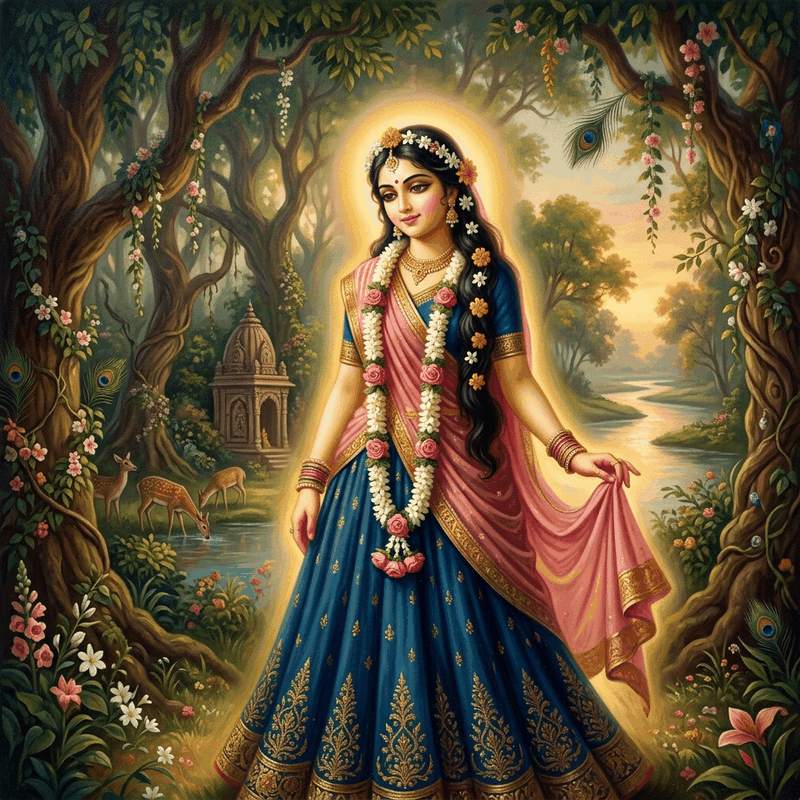
পৰং ধাম the highest home — The place past which there is nothing further to reach. Radha opens with the words usually kept for the highest reality and lays them on Ganesha.
note The printed text has a stray halant in vighna-nighna-karaṃ, and runs kāntaṃ and anantakaṃ together as one word.
- সুৰাসুৰেন্দ্ৰৈঃ (surāsurendraiḥ)by the lords of gods and demons
- সিদ্ধেন্দ্ৰৈঃ (siddhendraiḥ)by the lords of the siddhas
- স্তুতম্ (stutam)praised
- স্তৌমি (staumi)I praise
- পৰাত্পৰম্ (parātparam)the one higher than the highest
- সুৰপদ্মদিনেশম্ (surapadmadineśam)the sun to the lotus that is the gods
- চ (ca)and
- গণেশম্ (gaṇeśam)Ganesha
- মঙ্গলাযনম্ (maṅgalāyanam)the seat of all good fortune
anvaya সুৰাসুৰেন্দ্ৰৈঃ সিদ্ধেন্দ্ৰৈঃ স্তুতম্ পৰাত্পৰম্ সুৰপদ্মদিনেশম্ চ মঙ্গলাযনম্ গণেশম্ স্তৌমি
chandas Anuṣṭubh (śloka), 8 syllables in each of 4 pādas
সুৰপদ্মদিনেশ the sun to the lotus that is the gods — The lotus opens only when the sun rises. The gods, the image says, come awake at his appearing.
- ইদম্ (idam)this
- স্তোত্ৰম্ (stotram)hymn
- মহাপুণ্যম্ (mahāpuṇyam)of great merit
- ৱিঘ্নশোকহৰম্ (vighnaśokaharam)which takes away obstacles and grief
- পৰম্ (param)supreme
- যঃ (yaḥ)whoever
- পঠেত্ (paṭhet)recites
- প্ৰাতঃ (prātaḥ)in the morning
- উত্থায (utthāya)having risen
- সৰ্ৱৱিঘ্নাত্ (sarvavighnāt)from every obstacle
- প্ৰমুচ্যতে (pramucyate)is set free
anvaya ইদম্ পৰম্ স্তোত্ৰম্ মহাপুণ্যম্ ৱিঘ্নশোকহৰম্ যঃ প্ৰাতঃ উত্থায পঠেত্ সৰ্ৱৱিঘ্নাত্ প্ৰমুচ্যতে
chandas Anuṣṭubh (śloka), 8 syllables in each of 4 pādas
note Three verses is all there is, and the last of them is the promise. That a hymn to Ganesha should be put in Radha's mouth is itself unusual; it is what makes this small piece worth keeping.