
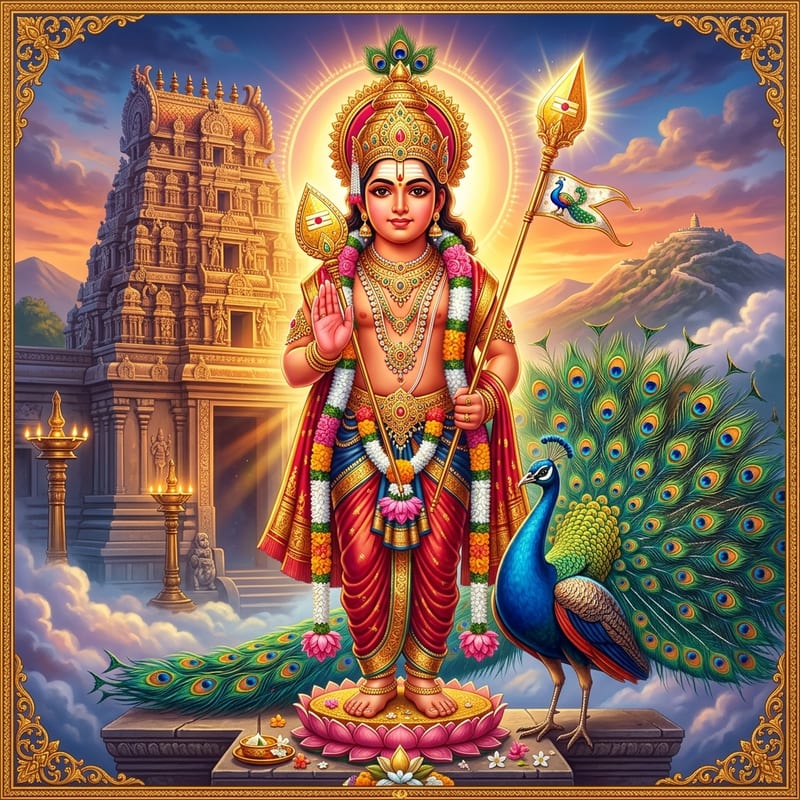
ଅସ୍ଯ ଶ୍ରୀସୁବ୍ରହ୍ମଣ୍ଯକଵଚସ୍ତୋତ୍ରମହାମନ୍ତ୍ରସ୍ଯ, ବ୍ରହ୍ମା ଋଷିଃ, ଅନୁଷ୍ଟୁପ୍ଛନ୍ଦଃ, ଶ୍ରୀସୁବ୍ରହ୍ମଣ୍ଯୋ ଦେଵତା, ଓଁ ନମ ଇତି ବୀଜଂ, ଭଗଵତ ଇତି ଶକ୍ତିଃ, ସୁବ୍ରହ୍ମଣ୍ଯାଯେତି କୀଲକଂ, ଶ୍ରୀସୁବ୍ରହ୍ମଣ୍ଯ ପ୍ରସାଦସିଦ୍ଧ୍ଯର୍ଥେ ଜପେ ଵିନିଯୋଗଃ ॥
- ଅସ୍ଯ (asya)of this
- ଶ୍ରୀ-ସୁବ୍ରହ୍ମଣ୍ଯ-କଵଚ-ସ୍ତୋତ୍ର-ମହା-ମନ୍ତ୍ରସ୍ଯ (śrī-subrahmaṇya-kavaca-stotra-mahā-mantrasya)great mantra, the Śrī Subrahmaṇya Kavaca Stotra
- ବ୍ରହ୍ମା (brahmā)Brahmā
- ଋଷିଃ (ṛṣiḥ)is the seer
- ଅନୁଷ୍ଟୁପ୍ ଛନ୍ଦଃ (anuṣṭup chandaḥ)Anuṣṭubh is the metre
- ଶ୍ରୀ-ସୁବ୍ରହ୍ମଣ୍ଯଃ (śrī-subrahmaṇyaḥ)Śrī Subrahmaṇya
- ଦେଵତା (devatā)is the deity
- ଓଁ ନମଃ ଇତି (oṃ namaḥ iti)the words "oṃ namaḥ"
- ବୀଜମ୍ (bījam)are the seed
- ଭଗଵତେ ଇତି (bhagavate iti)the word "bhagavate"
- ଶକ୍ତିଃ (śaktiḥ)is the power
- ସୁବ୍ରହ୍ମଣ୍ଯାଯ ଇତି (subrahmaṇyāya iti)the word "subrahmaṇyāya"
- କୀଲକମ୍ (kīlakam)is the pin that holds it fast
- ଶ୍ରୀ-ସୁବ୍ରହ୍ମଣ୍ଯ-ପ୍ରସାଦ-ସିଦ୍ଧ୍ଯର୍ଥେ (śrī-subrahmaṇya-prasāda-siddhyarthe)for the winning of Śrī Subrahmaṇya’s grace
- ଜପେ (jape)in the recitation
- ଵିନିଯୋଗଃ (viniyogaḥ)is its appointed use
କରନ୍ଯାସଃ –
ଓଁ ସାଂ ଅଙ୍ଗୁଷ୍ଠାଭ୍ଯାଂ ନମଃ ।
ଓଁ ସୀଂ ତର୍ଜନୀଭ୍ଯାଂ ନମଃ ।
ଓଁ ସୂଂ ମଧ୍ଯମାଭ୍ଯାଂ ନମଃ ।
ଓଁ ସୈଂ ଅନାମିକାଭ୍ଯାଂ ନମଃ ।
ଓଁ ସୌଂ କନିଷ୍ଠିକାଭ୍ଯାଂ ନମଃ ।
ଓଁ ସଃ କରତଲକରପୃଷ୍ଠାଭ୍ଯାଂ ନମଃ ॥
ଓଁ ସାଂ ଅଙ୍ଗୁଷ୍ଠାଭ୍ଯାଂ ନମଃ ।
ଓଁ ସୀଂ ତର୍ଜନୀଭ୍ଯାଂ ନମଃ ।
ଓଁ ସୂଂ ମଧ୍ଯମାଭ୍ଯାଂ ନମଃ ।
ଓଁ ସୈଂ ଅନାମିକାଭ୍ଯାଂ ନମଃ ।
ଓଁ ସୌଂ କନିଷ୍ଠିକାଭ୍ଯାଂ ନମଃ ।
ଓଁ ସଃ କରତଲକରପୃଷ୍ଠାଭ୍ଯାଂ ନମଃ ॥
- କରନ୍ଯାସଃ (kara-nyāsaḥ)the placing of the syllables upon the hands
- ଓଁ ସାଂ (oṃ sāṃ)the first seed
- ଅଙ୍ଗୁଷ୍ଠାଭ୍ଯାମ୍ ନମଃ (aṅguṣṭhābhyāṃ namaḥ)salutation with the two thumbs
- ଓଁ ସୀଂ (oṃ sīṃ)the second
- ତର୍ଜନୀଭ୍ଯାମ୍ ନମଃ (tarjanībhyāṃ namaḥ)with the two forefingers
- ଓଁ ସୂଂ (oṃ sūṃ)the third
- ମଧ୍ଯମାଭ୍ଯାମ୍ ନମଃ (madhyamābhyāṃ namaḥ)with the two middle fingers
- ଓଁ ସୈଂ (oṃ saiṃ)the fourth
- ଅନାମିକାଭ୍ଯାମ୍ ନମଃ (anāmikābhyāṃ namaḥ)with the two ring fingers
- ଓଁ ସୌଂ (oṃ sauṃ)the fifth
- କନିଷ୍ଠିକାଭ୍ଯାମ୍ ନମଃ (kaniṣṭhikābhyāṃ namaḥ)with the two little fingers
- ଓଁ ସଃ (oṃ saḥ)the sixth
- କରତଲ-କରପୃଷ୍ଠାଭ୍ଯାମ୍ ନମଃ (karatala-karapṛṣṭhābhyāṃ namaḥ)with the palms and the backs of the hands
ଅଙ୍ଗନ୍ଯାସଃ –
ଓଁ ସାଂ ହୃଦଯାଯ ନମଃ ।
ଓଁ ସୀଂ ଶିରସେ ସ୍ଵାହା ।
ଓଁ ସୂଂ ଶିଖାଯୈ ଵଷଟ୍ ।
ଓଁ ସୈଂ କଵଚାଯ ହୁମ୍ ।
ଓଁ ସୌଂ ନେତ୍ରତ୍ରଯାଯ ଵୌଷଟ୍ ।
ଓଁ ସଃ ଅସ୍ତ୍ରାଯ ଫଟ୍ ।
ଭୂର୍ଭୁଵସ୍ସୁଵରୋମିତି ଦିଗ୍ବନ୍ଧଃ ॥
ଓଁ ସାଂ ହୃଦଯାଯ ନମଃ ।
ଓଁ ସୀଂ ଶିରସେ ସ୍ଵାହା ।
ଓଁ ସୂଂ ଶିଖାଯୈ ଵଷଟ୍ ।
ଓଁ ସୈଂ କଵଚାଯ ହୁମ୍ ।
ଓଁ ସୌଂ ନେତ୍ରତ୍ରଯାଯ ଵୌଷଟ୍ ।
ଓଁ ସଃ ଅସ୍ତ୍ରାଯ ଫଟ୍ ।
ଭୂର୍ଭୁଵସ୍ସୁଵରୋମିତି ଦିଗ୍ବନ୍ଧଃ ॥
- ଅଙ୍ଗନ୍ଯାସଃ (aṅga-nyāsaḥ)the placing of the syllables upon the body
- ଓଁ ସାଂ (oṃ sāṃ)the first seed
- ହୃଦଯାଯ ନମଃ (hṛdayāya namaḥ)salutation to the heart
- ଓଁ ସୀଂ (oṃ sīṃ)the second
- ଶିରସେ ସ୍ଵାହା (śirase svāhā)svāhā to the head
- ଓଁ ସୂଂ (oṃ sūṃ)the third
- ଶିଖାଯୈ ଵଷଟ୍ (śikhāyai vaṣaṭ)vaṣaṭ to the crown-lock
- ଓଁ ସୈଂ (oṃ saiṃ)the fourth
- କଵଚାଯ ହୁମ୍ (kavacāya hum)hum to the armour
- ଓଁ ସୌଂ (oṃ sauṃ)the fifth
- ନେତ୍ର-ତ୍ରଯାଯ ଵୌଷଟ୍ (netra-trayāya vauṣaṭ)vauṣaṭ to the three eyes
- ଓଁ ସଃ (oṃ saḥ)the sixth
- ଅସ୍ତ୍ରାଯ ଫଟ୍ (astrāya phaṭ)phaṭ to the weapon
- ଭୂର୍ଭୁଵସ୍ସୁଵରୋମ୍ ଇତି (bhūr bhuvas suvar om iti)with these words
- ଦିଗ୍-ବନ୍ଧଃ (dig-bandhaḥ)the quarters are bound about
ଧ୍ଯାନମ୍ ।
ସିନ୍ଦୂରାରୁଣମିନ୍ଦୁକାନ୍ତିଵଦନଂ କେଯୂରହାରାଦିଭିଃ
ଦିଵ୍ଯୈରାଭରଣୈର୍ଵିଭୂଷିତତନୁଂ ସ୍ଵର୍ଗାଦିସୌଖ୍ଯପ୍ରଦମ୍ ।
ଅମ୍ଭୋଜାଭଯଶକ୍ତିକୁକ୍କୁଟଧରଂ ରକ୍ତାଙ୍ଗରାଗୋଜ୍ଜ୍ଵଲଂ
ସୁବ୍ରହ୍ମଣ୍ଯମୁପାସ୍ମହେ ପ୍ରଣମତାଂ ସର୍ଵାର୍ଥସିଦ୍ଧିପ୍ରଦମ୍ ॥ [ଭୀତିପ୍ରଣାଶୋଦ୍ଯତମ୍]
ଲମିତ୍ଯାଦି ପଞ୍ଚପୂଜା ।
ଓଁ ଲଂ ପୃଥିଵ୍ଯାତ୍ମନେ ସୁବ୍ରହ୍ମଣ୍ଯାଯ ଗନ୍ଧଂ ସମର୍ପଯାମି ।
ଓଁ ହଂ ଆକାଶାତ୍ମନେ ସୁବ୍ରହ୍ମଣ୍ଯାଯ ପୁଷ୍ପାଣି ସମର୍ପଯାମି ।
ଓଁ ଯଂ ଵାଯ୍ଵାତ୍ମନେ ସୁବ୍ରହ୍ମଣ୍ଯାଯ ଧୂପମାଘ୍ରାପଯାମି ।
ଓଁ ରଂ ଅଗ୍ନ୍ଯାତ୍ମନେ ସୁବ୍ରହ୍ମଣ୍ଯାଯ ଦୀପଂ ଦର୍ଶଯାମି ।
ଓଁ ଵଂ ଅମୃତାତ୍ମନେ ସୁବ୍ରହ୍ମଣ୍ଯାଯ ସ୍ଵାଦନ୍ନଂ ନିଵେଦଯାମି ।
ଓଁ ସଂ ସର୍ଵାତ୍ମନେ ସୁବ୍ରହ୍ମଣ୍ଯାଯ ସର୍ଵୋପଚାରାନ୍ ସମର୍ପଯାମି ।
- ଧ୍ଯାନମ୍ (dhyānam)the meditation
- ସିନ୍ଦୂର-ଅରୁଣ-ଇନ୍ଦୁ-କାନ୍ତି-ଵଦନମ୍ (sindūrāruṇa-indu-kānti-vadanam)his face red as vermilion and lovely as the moon
- କେଯୂର-ହାର-ଆଦିଭିଃ (keyūra-hārādibhiḥ)with armlets, necklaces and the rest
- ଦିଵ୍ଯୈଃ ଆଭରଣୈଃ (divyair ābharaṇaiḥ)with divine ornaments
- ଵିଭୂଷିତ-ତନୁମ୍ (vibhūṣita-tanum)his body adorned
- ସ୍ଵର୍ଗ-ଆଦି-ସୌଖ୍ଯ-ପ୍ରଦମ୍ (svargādi-saukhya-pradam)who grants the joys of heaven and of what lies past it
- ଅମ୍ଭୋଜ-ଅଭଯ-ଶକ୍ତି-କୁକ୍କୁଟ-ଧରମ୍ (ambhoja-abhaya-śakti-kukkuṭa-dharam)bearing lotus, the gesture of safety, the spear and the cock
- ରକ୍ତ-ଅଙ୍ଗ-ରାଗ-ଉଜ୍ଜ୍ଵଲମ୍ (raktāṅga-rāgojjvalam)bright with red unguent on his limbs
- ସୁବ୍ରହ୍ମଣ୍ଯମ୍ (subrahmaṇyam)Subrahmaṇya
- ଉପାସ୍ମହେ (upāsmahe)we worship
- ପ୍ରଣମତାମ୍ (praṇamatām)for those who bow to him
- ସର୍ଵ-ଅର୍ଥ-ସିଦ୍ଧି-ପ୍ରଦମ୍ (sarvārtha-siddhi-pradam)who brings every aim to fulfilment
- ଭୀତି-ପ୍ରଣାଶ-ଉଦ୍ଯତମ୍ (bhīti-praṇāśodyatam)ever ready to make fear vanish – a variant for the closing phrase
- ଲମ୍ ଇତ୍ଯାଦି ପଞ୍ଚ-ପୂଜା (laṃ ityādi pañca-pūjā)the fivefold worship beginning with laṃ
- ଓଁ ଲଂ ପୃଥିଵୀ-ଆତ୍ମନେ (oṃ laṃ pṛthivy-ātmane)to him whose self is earth
- ଗନ୍ଧମ୍ ସମର୍ପଯାମି (gandhaṃ samarpayāmi)I offer sandal paste
- ଓଁ ହଂ ଆକାଶ-ଆତ୍ମନେ (oṃ haṃ ākāśātmane)to him whose self is space
- ପୁଷ୍ପାଣି ସମର୍ପଯାମି (puṣpāṇi samarpayāmi)I offer flowers
- ଓଁ ଯଂ ଵାଯୁ-ଆତ୍ମନେ (oṃ yaṃ vāyv-ātmane)to him whose self is wind
- ଧୂପମ୍ ଆଘ୍ରାପଯାମି (dhūpam āghrāpayāmi)I let the incense be breathed in
- ଓଁ ରଂ ଅଗ୍ନି-ଆତ୍ମନେ (oṃ raṃ agny-ātmane)to him whose self is fire
- ଦୀପମ୍ ଦର୍ଶଯାମି (dīpaṃ darśayāmi)I show the lamp
- ଓଁ ଵଂ ଅମୃତ-ଆତ୍ମନେ (oṃ vaṃ amṛtātmane)to him whose self is the nectar of deathlessness
- ସ୍ଵାଦନ୍ନମ୍ ନିଵେଦଯାମି (svādannaṃ nivedayāmi)I present the sweet food
- ଓଁ ସଂ ସର୍ଵ-ଆତ୍ମନେ (oṃ saṃ sarvātmane)to him whose self is all
- ସର୍ଵ-ଉପଚାରାନ୍ ସମର୍ପଯାମି (sarvopacārān samarpayāmi)I offer every service of worship
କଵଚମ୍ ।
ସୁବ୍ରହ୍ମଣ୍ଯୋଽଗ୍ରତଃ ପାତୁ ସେନାନୀଃ ପାତୁ ପୃଷ୍ଠତଃ ।
ଗୁହୋ ମାଂ ଦକ୍ଷିଣେ ପାତୁ ଵହ୍ନିଜଃ ପାତୁ ଵାମତଃ ॥ 1 ॥
ସୁବ୍ରହ୍ମଣ୍ଯୋଽଗ୍ରତଃ ପାତୁ ସେନାନୀଃ ପାତୁ ପୃଷ୍ଠତଃ ।
ଗୁହୋ ମାଂ ଦକ୍ଷିଣେ ପାତୁ ଵହ୍ନିଜଃ ପାତୁ ଵାମତଃ ॥ 1 ॥
- କଵଚମ୍ (kavacam)the armour
- ସୁବ୍ରହ୍ମଣ୍ଯଃ (subrahmaṇyaḥ)Subrahmaṇya
- ଅଗ୍ରତଃ (agrataḥ)in front
- ପାତୁ (pātu)may he guard
- ସେନାନୀଃ (senānīḥ)the Commander
- ପାତୁ (pātu)may he guard
- ପୃଷ୍ଠତଃ (pṛṣṭhataḥ)behind
- ଗୁହଃ (guhaḥ)Guha, the hidden one
- ମାମ୍ (mām)me
- ଦକ୍ଷିଣେ (dakṣiṇe)on the right
- ପାତୁ (pātu)may he guard
- ଵହ୍ନିଜଃ (vahnijaḥ)he who was born of fire
- ପାତୁ (pātu)may he guard
- ଵାମତଃ (vāmataḥ)on the left
ଶିରଃ ପାତୁ ମହାସେନଃ ସ୍କନ୍ଦୋ ରକ୍ଷେଲ୍ଲଲାଟକମ୍ ।
ନେତ୍ରେ ମେ ଦ୍ଵାଦଶାକ୍ଷଶ୍ଚ ଶ୍ରୋତ୍ରେ ରକ୍ଷତୁ ଵିଶ୍ଵଭୃତ୍ ॥ 2 ॥
ନେତ୍ରେ ମେ ଦ୍ଵାଦଶାକ୍ଷଶ୍ଚ ଶ୍ରୋତ୍ରେ ରକ୍ଷତୁ ଵିଶ୍ଵଭୃତ୍ ॥ 2 ॥
- ଶିରଃ (śiraḥ)the head
- ପାତୁ (pātu)may he guard
- ମହାସେନଃ (mahāsenaḥ)Mahāsena, lord of the great host
- ସ୍କନ୍ଦଃ (skandaḥ)Skanda
- ରକ୍ଷେତ୍ (rakṣet)may he protect
- ଲଲାଟକମ୍ (lalāṭakam)the forehead
- ନେତ୍ରେ (netre)the two eyes
- ମେ (me)my
- ଦ୍ଵାଦଶ-ଅକ୍ଷଃ (dvādaśākṣaḥ)the twelve-eyed one
- ଚ (ca)and
- ଶ୍ରୋତ୍ରେ (śrotre)the two ears
- ରକ୍ଷତୁ (rakṣatu)may he protect
- ଵିଶ୍ଵ-ଭୃତ୍ (viśva-bhṛt)the bearer of the universe
ମୁଖଂ ମେ ଷଣ୍ମୁଖଃ ପାତୁ ନାସିକାଂ ଶଙ୍କରାତ୍ମଜଃ ।
ଓଷ୍ଠୌ ଵଲ୍ଲୀପତିଃ ପାତୁ ଜିହ୍ଵାଂ ପାତୁ ଷଡାନନଃ ॥ 3 ॥
ଓଷ୍ଠୌ ଵଲ୍ଲୀପତିଃ ପାତୁ ଜିହ୍ଵାଂ ପାତୁ ଷଡାନନଃ ॥ 3 ॥
- ଶଙ୍କରାତ୍ମଜଃ (Śaṅkarātmaja)son of Śaṅkara
- ଵଲ୍ଲୀପତିଃ (Vallīpati)lord of Vaḷḷī
- ଷଡାନନଃ (Ṣaḍānana)the six-faced lord
ଦେଵସେନାପତିର୍ଦନ୍ତାନ୍ ଚିବୁକଂ ବହୁଲୋଦ୍ଭଵଃ ।
କଣ୍ଠଂ ତାରକଜିତ୍ପାତୁ ବାହୂ ଦ୍ଵାଦଶବାହୁକଃ ॥ 4 ॥
କଣ୍ଠଂ ତାରକଜିତ୍ପାତୁ ବାହୂ ଦ୍ଵାଦଶବାହୁକଃ ॥ 4 ॥
- ଦେଵ-ସେନା-ପତିଃ (deva-senā-patiḥ)the lord of the army of the gods
- ଦନ୍ତାନ୍ (dantān)the teeth
- ଚିବୁକମ୍ (cibukam)the chin
- ବହୁଲ-ଉଦ୍ଭଵଃ (bahulodbhavaḥ)he who arose among the Kṛttikās
- କଣ୍ଠମ୍ (kaṇṭham)the throat
- ତାରକ-ଜିତ୍ (tāraka-jit)the conqueror of Tāraka
- ପାତୁ (pātu)may he guard
- ବାହୂ (bāhū)the two arms
- ଦ୍ଵାଦଶ-ବାହୁକଃ (dvādaśa-bāhukaḥ)the twelve-armed one
ହସ୍ତୌ ଶକ୍ତିଧରଃ ପାତୁ ଵକ୍ଷଃ ପାତୁ ଶରୋଦ୍ଭଵଃ ।
ହୃଦଯଂ ଵହ୍ନିଭୂଃ ପାତୁ କୁକ୍ଷିଂ ପାତ୍ଵମ୍ବିକାସୁତଃ ॥ 5 ॥
ହୃଦଯଂ ଵହ୍ନିଭୂଃ ପାତୁ କୁକ୍ଷିଂ ପାତ୍ଵମ୍ବିକାସୁତଃ ॥ 5 ॥
- ହସ୍ତୌ (hastau)the two hands
- ଶକ୍ତି-ଧରଃ (śakti-dharaḥ)the bearer of the spear
- ପାତୁ (pātu)may he guard
- ଵକ୍ଷଃ (vakṣaḥ)the chest
- ପାତୁ (pātu)may he guard
- ଶର-ଉଦ୍ଭଵଃ (śarodbhavaḥ)he born among the reeds
- ହୃଦଯମ୍ (hṛdayam)the heart
- ଵହ୍ନି-ଭୂଃ (vahni-bhūḥ)he sprung from fire
- ପାତୁ (pātu)may he guard
- କୁକ୍ଷିମ୍ (kukṣim)the belly
- ପାତୁ (pātu)may he guard
- ଅମ୍ବିକା-ସୁତଃ (ambikā-sutaḥ)the son of Ambikā
ନାଭିଂ ଶମ୍ଭୁସୁତଃ ପାତୁ କଟିଂ ପାତୁ ହରାତ୍ମଜଃ ।
ଊରୂ ପାତୁ ଗଜାରୂଢୋ ଜାନୂ ମେ ଜାହ୍ନଵୀସୁତଃ ॥ 6 ॥
ଊରୂ ପାତୁ ଗଜାରୂଢୋ ଜାନୂ ମେ ଜାହ୍ନଵୀସୁତଃ ॥ 6 ॥
- ଶମ୍ଭୁସୁତଃ (Śambhusuta)son of Śambhu / Śiva
- ହରାତ୍ମଜଃ (Harātmaja)son of Hara
- ଗଜାରୂଢୋ (Gajārūḍha)the mighty, elephant-conquering lord
- ଜାହ୍ନଵୀସୁତଃ (Jāhnavīsuta)son of the Gaṅgā
ଜଙ୍ଘେ ଵିଶାଖୋ ମେ ପାତୁ ପାଦୌ ମେ ଶିଖିଵାହନଃ ।
ସର୍ଵାଣ୍ଯଙ୍ଗାନି ଭୂତେଶଃ ସର୍ଵଧାତୂଂଶ୍ଚ ପାଵକିଃ ॥ 7 ॥
ସର୍ଵାଣ୍ଯଙ୍ଗାନି ଭୂତେଶଃ ସର୍ଵଧାତୂଂଶ୍ଚ ପାଵକିଃ ॥ 7 ॥
- ଶିଖିଵାହନଃ (Śikhivāhana)the peacock-vehicled lord
- ଭୂତେଶଃ (Bhūtēśa)lord of all beings
- ପାଵକିଃ (Pāvaki)son of fire, Agni's son
ସନ୍ଧ୍ଯାକାଲେ ନିଶୀଥିନ୍ଯାଂ ଦିଵା ପ୍ରାତର୍ଜଲେଽଗ୍ନିଷୁ ।
ଦୁର୍ଗମେ ଚ ମହାରଣ୍ଯେ ରାଜଦ୍ଵାରେ ମହାଭଯେ ॥ 8 ॥
ଦୁର୍ଗମେ ଚ ମହାରଣ୍ଯେ ରାଜଦ୍ଵାରେ ମହାଭଯେ ॥ 8 ॥
- ସନ୍ଧ୍ଯା-କାଲେ (sandhyā-kāle)at the twilight hour
- ନିଶୀଥିନ୍ଯାମ୍ (niśīthinyām)in the depth of night
- ଦିଵା (divā)by day
- ପ୍ରାତଃ (prātaḥ)at dawn
- ଜଲେ (jale)in water
- ଅଗ୍ନିଷୁ (agniṣu)in fires
- ଦୁର୍ଗମେ (durgame)in trackless country
- ଚ (ca)and
- ମହା-ଅରଣ୍ଯେ (mahāraṇye)in the great forest
- ରାଜ-ଦ୍ଵାରେ (rāja-dvāre)at a king’s gate
- ମହା-ଭଯେ (mahā-bhaye)in great danger
ତୁମୁଲେ ରଣ୍ଯମଧ୍ଯେ ଚ ସର୍ଵଦୁଷ୍ଟମୃଗାଦିଷୁ ।
ଚୋରାଦିସାଧ୍ଵସେଽଭେଦ୍ଯେ ଜ୍ଵରାଦିଵ୍ଯାଧିପୀଡନେ ॥ 9 ॥
ଚୋରାଦିସାଧ୍ଵସେଽଭେଦ୍ଯେ ଜ୍ଵରାଦିଵ୍ଯାଧିପୀଡନେ ॥ 9 ॥
- ତୁମୁଲେ (tumule)in the din of battle
- ରଣ-ମଧ୍ଯେ (raṇa-madhye)in the midst of the fight (printed रण्यमध्ये)
- ଚ (ca)and
- ସର୍ଵ-ଦୁଷ୍ଟ-ମୃଗ-ଆଦିଷୁ (sarva-duṣṭa-mṛgādiṣu)among all savage beasts and their like
- ଚୋର-ଆଦି-ସାଧ୍ଵସେ (corādi-sādhvase)in the terror of thieves and their kind
- ଅଭେଦ୍ଯେ (abhedye)where there is no way through
- ଜ୍ଵର-ଆଦି-ଵ୍ଯାଧି-ପୀଡନେ (jvarādi-vyādhi-pīḍane)in the torment of fever and every other disease
ଦୁଷ୍ଟଗ୍ରହାଦିଭୀତୌ ଚ ଦୁର୍ନିମିତ୍ତାଦିଭୀଷଣେ ।
ଅସ୍ତ୍ରଶସ୍ତ୍ରନିପାତେ ଚ ପାତୁ ମାଂ କ୍ରୌଞ୍ଚରନ୍ଧ୍ରକୃତ୍ ॥ 10 ॥
ଅସ୍ତ୍ରଶସ୍ତ୍ରନିପାତେ ଚ ପାତୁ ମାଂ କ୍ରୌଞ୍ଚରନ୍ଧ୍ରକୃତ୍ ॥ 10 ॥
- ଦୁଷ୍ଟ-ଗ୍ରହ-ଆଦି-ଭୀତୌ (duṣṭa-grahādi-bhītau)in the fear of malign planets and the like
- ଚ (ca)and
- ଦୁର୍ନିମିତ୍ତ-ଆଦି-ଭୀଷଣେ (durnimittādi-bhīṣaṇe)in the dread of ill omens
- ଅସ୍ତ୍ର-ଶସ୍ତ୍ର-ନିପାତେ (astra-śastra-nipāte)when missiles and blades come down
- ଚ (ca)and
- ପାତୁ (pātu)may he guard
- ମାମ୍ (mām)me
- କ୍ରୌଞ୍ଚ-ରନ୍ଧ୍ର-କୃତ୍ (krauñca-randhra-kṛt)he who bored the passage through Krauñca
ଯଃ ସୁବ୍ରହ୍ମଣ୍ଯକଵଚଂ ଇଷ୍ଟସିଦ୍ଧିପ୍ରଦଂ ପଠେତ୍ ।
ତସ୍ଯ ତାପତ୍ରଯଂ ନାସ୍ତି ସତ୍ଯଂ ସତ୍ଯଂ ଵଦାମ୍ଯହମ୍ ॥ 11 ॥
ତସ୍ଯ ତାପତ୍ରଯଂ ନାସ୍ତି ସତ୍ଯଂ ସତ୍ଯଂ ଵଦାମ୍ଯହମ୍ ॥ 11 ॥
- ଯଃ (yaḥ)whoever
- ସୁବ୍ରହ୍ମଣ୍ଯ-କଵଚମ୍ (subrahmaṇya-kavacam)the Subrahmaṇya armour
- ଇଷ୍ଟ-ସିଦ୍ଧି-ପ୍ରଦମ୍ (iṣṭa-siddhi-pradam)which grants what is longed for
- ପଠେତ୍ (paṭhet)recites
- ତସ୍ଯ (tasya)for him
- ତାପ-ତ୍ରଯମ୍ (tāpa-trayam)the threefold burning – from oneself, from other creatures, from fate
- ନ ଅସ୍ତି (nāsti)is not
- ସତ୍ଯମ୍ ସତ୍ଯମ୍ (satyaṃ satyam)truly, truly
- ଵଦାମି (vadāmi)do I say it
- ଅହମ୍ (aham)I
ଧର୍ମାର୍ଥୀ ଲଭତେ ଧର୍ମମର୍ଥାର୍ଥୀ ଚାର୍ଥମାପ୍ନୁଯାତ୍ ।
କାମାର୍ଥୀ ଲଭତେ କାମଂ ମୋକ୍ଷାର୍ଥୀ ମୋକ୍ଷମାପ୍ନୁଯାତ୍ ॥ 12 ॥
କାମାର୍ଥୀ ଲଭତେ କାମଂ ମୋକ୍ଷାର୍ଥୀ ମୋକ୍ଷମାପ୍ନୁଯାତ୍ ॥ 12 ॥
- ଧର୍ମ-ଅର୍ଥୀ (dharma-arthī)he who seeks right living
- ଲଭତେ (labhate)gains
- ଧର୍ମମ୍ (dharmam)it
- ଅର୍ଥ-ଅର୍ଥୀ (artha-arthī)he who seeks wealth
- ଚ (ca)and
- ଅର୍ଥମ୍ (artham)wealth
- ଆପ୍ନୁଯାତ୍ (āpnuyāt)would obtain
- କାମ-ଅର୍ଥୀ (kāma-arthī)he who seeks pleasure
- ଲଭତେ (labhate)gains
- କାମମ୍ (kāmam)it
- ମୋକ୍ଷ-ଅର୍ଥୀ (mokṣa-arthī)he who seeks release
- ମୋକ୍ଷମ୍ (mokṣam)release
- ଆପ୍ନୁଯାତ୍ (āpnuyāt)would obtain
ଯତ୍ର ଯତ୍ର ଜପେଦ୍ଭକ୍ତ୍ଯା ତତ୍ର ସନ୍ନିହିତୋ ଗୁହଃ ।
ପୂଜାପ୍ରତିଷ୍ଠାକାଲେ ଚ ଜପକାଲେ ପଠେଦିଦମ୍ ॥ 13 ॥
ପୂଜାପ୍ରତିଷ୍ଠାକାଲେ ଚ ଜପକାଲେ ପଠେଦିଦମ୍ ॥ 13 ॥
- ଯତ୍ର ଯତ୍ର (yatra yatra)wherever
- ଜପେତ୍ (japet)one murmurs it
- ଭକ୍ତ୍ଯା (bhaktyā)with devotion
- ତତ୍ର (tatra)there
- ସନ୍ନିହିତଃ (sannihitaḥ)close at hand
- ଗୁହଃ (guhaḥ)is Guha
- ପୂଜା-ପ୍ରତିଷ୍ଠା-କାଲେ (pūjā-pratiṣṭhā-kāle)at the hour of worship and of consecration
- ଚ (ca)and
- ଜପ-କାଲେ (japa-kāle)at the hour of recitation
- ପଠେତ୍ (paṭhet)one should recite
- ଇଦମ୍ (idam)this
ତେଷାମେଵ ଫଲାଵାପ୍ତିଃ ମହାପାତକନାଶନମ୍ ।
ଯଃ ପଠେଚ୍ଛୃଣୁଯାଦ୍ଭକ୍ତ୍ଯା ନିତ୍ଯଂ ଦେଵସ୍ଯ ସନ୍ନିଧୌ ।
ସର୍ଵାନ୍କାମାନିହ ପ୍ରାପ୍ଯ ସୋଽନ୍ତେ ସ୍କନ୍ଦପୁରଂ ଵ୍ରଜେତ୍ ॥ 14 ॥
ଯଃ ପଠେଚ୍ଛୃଣୁଯାଦ୍ଭକ୍ତ୍ଯା ନିତ୍ଯଂ ଦେଵସ୍ଯ ସନ୍ନିଧୌ ।
ସର୍ଵାନ୍କାମାନିହ ପ୍ରାପ୍ଯ ସୋଽନ୍ତେ ସ୍କନ୍ଦପୁରଂ ଵ୍ରଜେତ୍ ॥ 14 ॥
- ତେଷାମ୍ ଏଵ (teṣām eva)of those very rites
- ଫଲ-ଅଵାପ୍ତିଃ (phala-avāptiḥ)the fruit is gained
- ମହା-ପାତକ-ନାଶନମ୍ (mahā-pātaka-nāśanam)and the great sins are undone
- ଯଃ (yaḥ)whoever
- ପଠେତ୍ (paṭhet)recites
- ଶୃଣୁଯାତ୍ (śṛṇuyāt)or hears
- ଭକ୍ତ୍ଯା (bhaktyā)with devotion
- ନିତ୍ଯମ୍ (nityam)day after day
- ଦେଵସ୍ଯ ସନ୍ନିଧୌ (devasya sannidhau)in the presence of the god
- ସର୍ଵାନ୍ କାମାନ୍ (sarvān kāmān)all that he desires
- ଇହ (iha)here in this world
- ପ୍ରାପ୍ଯ (prāpya)having obtained
- ସଃ (saḥ)he
- ଅନ୍ତେ (ante)at the end
- ସ୍କନ୍ଦ-ପୁରମ୍ (skanda-puram)to Skanda’s city
- ଵ୍ରଜେତ୍ (vrajet)would go
ଉତ୍ତରନ୍ଯାସଃ ॥
କରନ୍ଯାସଃ –
ଓଁ ସାଂ ଅଙ୍ଗୁଷ୍ଠାଭ୍ଯାଂ ନମଃ ।
ଓଁ ସୀଂ ତର୍ଜନୀଭ୍ଯାଂ ନମଃ ।
ଓଁ ସୂଂ ମଧ୍ଯମାଭ୍ଯାଂ ନମଃ ।
ଓଁ ସୈଂ ଅନାମିକାଭ୍ଯାଂ ନମଃ ।
ଓଁ ସୌଂ କନିଷ୍ଠିକାଭ୍ଯାଂ ନମଃ ।
ଓଁ ସଃ କରତଲକରପୃଷ୍ଠାଭ୍ଯାଂ ନମଃ ॥
କରନ୍ଯାସଃ –
ଓଁ ସାଂ ଅଙ୍ଗୁଷ୍ଠାଭ୍ଯାଂ ନମଃ ।
ଓଁ ସୀଂ ତର୍ଜନୀଭ୍ଯାଂ ନମଃ ।
ଓଁ ସୂଂ ମଧ୍ଯମାଭ୍ଯାଂ ନମଃ ।
ଓଁ ସୈଂ ଅନାମିକାଭ୍ଯାଂ ନମଃ ।
ଓଁ ସୌଂ କନିଷ୍ଠିକାଭ୍ଯାଂ ନମଃ ।
ଓଁ ସଃ କରତଲକରପୃଷ୍ଠାଭ୍ଯାଂ ନମଃ ॥
- ଉତ୍ତର-ନ୍ଯାସଃ (uttara-nyāsaḥ)the closing placement, made once the hymn is finished
- କରନ୍ଯାସଃ (kara-nyāsaḥ)upon the hands
- ଓଁ ସାଂ (oṃ sāṃ)the first seed
- ଅଙ୍ଗୁଷ୍ଠାଭ୍ଯାମ୍ ନମଃ (aṅguṣṭhābhyāṃ namaḥ)salutation with the two thumbs
- ଓଁ ସୀଂ (oṃ sīṃ)the second
- ତର୍ଜନୀଭ୍ଯାମ୍ ନମଃ (tarjanībhyāṃ namaḥ)with the two forefingers
- ଓଁ ସୂଂ (oṃ sūṃ)the third
- ମଧ୍ଯମାଭ୍ଯାମ୍ ନମଃ (madhyamābhyāṃ namaḥ)with the two middle fingers
- ଓଁ ସୈଂ (oṃ saiṃ)the fourth
- ଅନାମିକାଭ୍ଯାମ୍ ନମଃ (anāmikābhyāṃ namaḥ)with the two ring fingers
- ଓଁ ସୌଂ (oṃ sauṃ)the fifth
- କନିଷ୍ଠିକାଭ୍ଯାମ୍ ନମଃ (kaniṣṭhikābhyāṃ namaḥ)with the two little fingers
- ଓଁ ସଃ (oṃ saḥ)the sixth
- କରତଲ-କରପୃଷ୍ଠାଭ୍ଯାମ୍ ନମଃ (karatala-karapṛṣṭhābhyāṃ namaḥ)with the palms and the backs of the hands
ଅଙ୍ଗନ୍ଯାସଃ –
ଓଁ ସାଂ ହୃଦଯାଯ ନମଃ ।
ଓଁ ସୀଂ ଶିରସେ ସ୍ଵାହା ।
ଓଁ ସୂଂ ଶିଖାଯୈ ଵଷଟ୍ ।
ଓଁ ସୈଂ କଵଚାଯ ହୁମ୍ ।
ଓଁ ସୌଂ ନେତ୍ରତ୍ରଯାଯ ଵୌଷଟ୍ ।
ଓଁ ସଃ ଅସ୍ତ୍ରାଯ ଫଟ୍ ।
ଭୂର୍ଭୁଵସ୍ସୁଵରୋମିତି ଦିଗ୍ଵିମୋକଃ ॥
ଓଁ ସାଂ ହୃଦଯାଯ ନମଃ ।
ଓଁ ସୀଂ ଶିରସେ ସ୍ଵାହା ।
ଓଁ ସୂଂ ଶିଖାଯୈ ଵଷଟ୍ ।
ଓଁ ସୈଂ କଵଚାଯ ହୁମ୍ ।
ଓଁ ସୌଂ ନେତ୍ରତ୍ରଯାଯ ଵୌଷଟ୍ ।
ଓଁ ସଃ ଅସ୍ତ୍ରାଯ ଫଟ୍ ।
ଭୂର୍ଭୁଵସ୍ସୁଵରୋମିତି ଦିଗ୍ଵିମୋକଃ ॥
- ଅଙ୍ଗନ୍ଯାସଃ (aṅga-nyāsaḥ)the placing of the syllables upon the body
- ଓଁ ସାଂ (oṃ sāṃ)the first seed
- ହୃଦଯାଯ ନମଃ (hṛdayāya namaḥ)salutation to the heart
- ଓଁ ସୀଂ (oṃ sīṃ)the second
- ଶିରସେ ସ୍ଵାହା (śirase svāhā)svāhā to the head
- ଓଁ ସୂଂ (oṃ sūṃ)the third
- ଶିଖାଯୈ ଵଷଟ୍ (śikhāyai vaṣaṭ)vaṣaṭ to the crown-lock
- ଓଁ ସୈଂ (oṃ saiṃ)the fourth
- କଵଚାଯ ହୁମ୍ (kavacāya hum)hum to the armour
- ଓଁ ସୌଂ (oṃ sauṃ)the fifth
- ନେତ୍ର-ତ୍ରଯାଯ ଵୌଷଟ୍ (netra-trayāya vauṣaṭ)vauṣaṭ to the three eyes
- ଓଁ ସଃ (oṃ saḥ)the sixth
- ଅସ୍ତ୍ରାଯ ଫଟ୍ (astrāya phaṭ)phaṭ to the weapon
- ଭୂର୍ଭୁଵସ୍ସୁଵରୋମ୍ ଇତି (bhūr bhuvas suvar om iti)with these words
- ଦିଗ୍-ଵିମୋକଃ (dig-vimokaḥ)the quarters that were bound are now released
ଇତି ଶ୍ରୀ ସୁବ୍ରହ୍ମଣ୍ଯ କଵଚ ସ୍ତୋତ୍ରମ୍ ।