
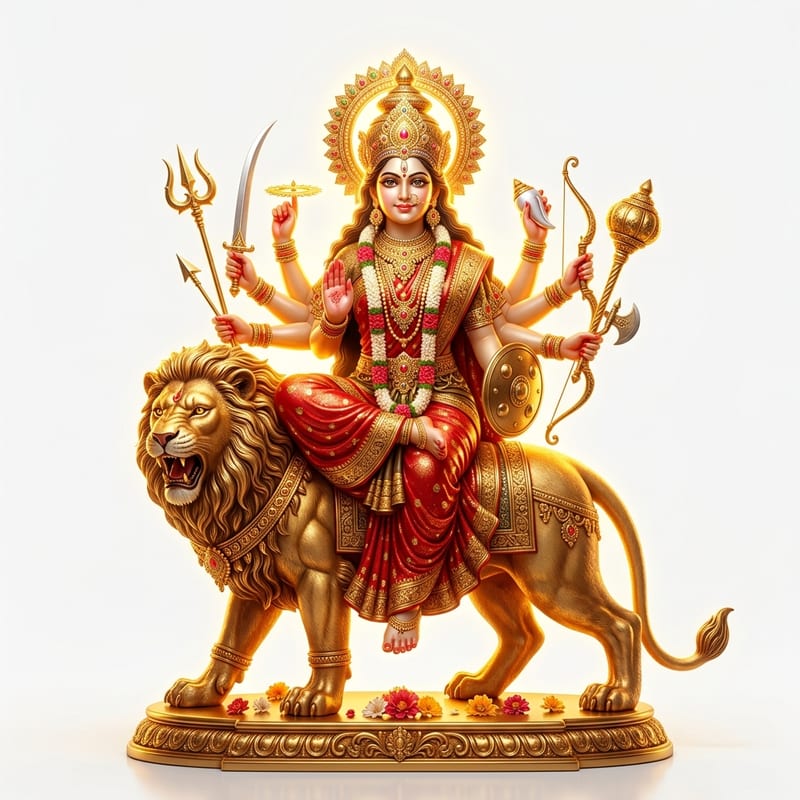
ଜଯ କାମେଶି ଚାମୁଣ୍ଡେ ଜଯ ଭୂତାପହାରିଣି ।
ଜଯ ସର୍ଵଗତେ ଦେଵି କାମେଶ୍ଵରି ନମୋଽସ୍ତୁ ତେ ॥ 1 ॥
ଜଯ ସର୍ଵଗତେ ଦେଵି କାମେଶ୍ଵରି ନମୋଽସ୍ତୁ ତେ ॥ 1 ॥
- ଜଯ (jaya)victory, hail
- କାମେଶି (kāmeśi)O mistress of desire
- ଚାମୁଣ୍ଡେ (cāmuṇḍe)O Cāmuṇḍā, slayer of Caṇḍa and Muṇḍa
- ଭୂତାପହାରିଣି (bhūtāpahāriṇi)O remover of afflicting spirits (bhūta:spirit | apahārin:carrying off)
- ସର୍ଵଗତେ (sarvagate)O all-pervading
- ଦେଵି (devi)O Goddess
- କାମେଶ୍ଵରି (kāmeśvari)O mistress of desire
- ନମୋଽସ୍ତୁ ତେ (namo'stu te)salutation be to you
ଵିଶ୍ଵମୂର୍ତେ ଶୁଭେ ଶୁଦ୍ଧେ ଵିରୂପାକ୍ଷି ତ୍ରିଲୋଚନେ ।
ଭୀମରୂପେ ଶିଵେ ଵିଦ୍ଯେ କାମେଶ୍ଵରି ନମୋଽସ୍ତୁ ତେ ॥ 2 ॥
ଭୀମରୂପେ ଶିଵେ ଵିଦ୍ଯେ କାମେଶ୍ଵରି ନମୋଽସ୍ତୁ ତେ ॥ 2 ॥
- ଵିଶ୍ଵମୂର୍ତେ (viśvamūrte)whose form is the universe
- ଶୁଭେ (śubhe)auspicious
- ଶୁଦ୍ଧେ (śuddhe)pure
- ଵିରୂପାକ୍ଷି (virūpākṣi)of strange or uneven eyes
- ତ୍ରିଲୋଚନେ (trilocane)three-eyed
- ଭୀମରୂପେ (bhīmarūpe)of terrible form
- ଶିଵେ (śive)gracious, auspicious
- ଵିଦ୍ଯେ (vidye)O Knowledge
ମାଲାଜଯେ ଜଯେ ଜମ୍ଭେ ଭୂତାକ୍ଷି କ୍ଷୁଭିତେଽକ୍ଷଯେ ।
ମହାମାଯେ ମହେଶାନି କାମେଶ୍ଵରି ନମୋଽସ୍ତୁ ତେ ॥ 3 ॥
ମହାମାଯେ ମହେଶାନି କାମେଶ୍ଵରି ନମୋଽସ୍ତୁ ତେ ॥ 3 ॥
- ମାଲାଜଯେ (mālājaye)O garlanded victorious one
- ଜଯେ (jaye)O Victory
- ଜମ୍ଭେ (jambhe)O Jambhā, the crusher
- ଭୂତାକ୍ଷି (bhūtākṣi)whose eyes are the elements
- କ୍ଷୁଭିତେ (kṣubhite)O agitated one
- ଅକ୍ଷଯେ (akṣaye)O imperishable
- ମହାମାଯେ (mahāmāye)O great Māyā
- ମହେଶାନି (maheśāni)O great sovereign
ଭୀମାକ୍ଷି ଭୀଷଣେ ଦେଵି ସର୍ଵଭୂତକ୍ଷଯଙ୍କରି ।
କାଲି ଚ ଵିକରାଲି ଚ କାମେଶ୍ଵରି ନମୋଽସ୍ତୁ ତେ ॥ 4 ॥
କାଲି ଚ ଵିକରାଲି ଚ କାମେଶ୍ଵରି ନମୋଽସ୍ତୁ ତେ ॥ 4 ॥
- ଭୀମାକ୍ଷି (bhīmākṣi)of terrible eyes
- ଭୀଷଣେ (bhīṣaṇe)fearsome
- ସର୍ଵଭୂତକ୍ଷଯଙ୍କରି (sarvabhūtakṣayaṅkari)who works the ending of all beings (kṣaya:destruction | kara:making)
- କାଲି (kāli)O Kālī, the dark, the power of time
- ଵିକରାଲି (vikarāli)O gaping and terrible one
କାଲି କରାଲଵିକ୍ରାନ୍ତେ କାମେଶ୍ଵରି ହରପ୍ରିଯେ ।
ସର୍ଵଶାସ୍ତ୍ରସାରଭୂତେ କାମେଶ୍ଵରି ନମୋଽସ୍ତୁ ତେ ॥ 5 ॥
ସର୍ଵଶାସ୍ତ୍ରସାରଭୂତେ କାମେଶ୍ଵରି ନମୋଽସ୍ତୁ ତେ ॥ 5 ॥
- କରାଲଵିକ୍ରାନ୍ତେ (karālavikrānte)of terrible stride (karāla:formidable | vikrānta:stepping)
- ହରପ୍ରିଯେ (harapriye)beloved of Hara
- ସର୍ଵଶାସ୍ତ୍ରସାରଭୂତେ (sarvaśāstrasārabhūte)being the essence of all scripture (śāstra:teaching | sāra:essence)
କାମରୂପପ୍ରଦୀପେ ଚ ନୀଲକୂଟନିଵାସିନି ।
ନିଶୁମ୍ଭଶୁମ୍ଭମଥନି କାମେଶ୍ଵରି ନମୋଽସ୍ତୁ ତେ ॥ 6 ॥
ନିଶୁମ୍ଭଶୁମ୍ଭମଥନି କାମେଶ୍ଵରି ନମୋଽସ୍ତୁ ତେ ॥ 6 ॥
- କାମରୂପପ୍ରଦୀପେ (kāmarūpapradīpe)lamp of Kāmarūpa
- ନୀଲକୂଟନିଵାସିନି (nīlakūṭanivāsini)dwelling on the Nīla peak
- ନିଶୁମ୍ଭଶୁମ୍ଭମଥନି (niśumbhaśumbhamathani)crusher of Niśumbha and Śumbha (mathana:churning, crushing)
କାମାଖ୍ଯେ କାମରୂପସ୍ଥେ କାମେଶ୍ଵରି ହରିପ୍ରିଯେ ।
କାମନାଂ ଦେହି ମେ ନିତ୍ଯଂ କାମେଶ୍ଵରି ନମୋଽସ୍ତୁ ତେ ॥ 7 ॥
କାମନାଂ ଦେହି ମେ ନିତ୍ଯଂ କାମେଶ୍ଵରି ନମୋଽସ୍ତୁ ତେ ॥ 7 ॥
- କାମାଖ୍ଯେ (kāmākhye)O you named Kāmā, Kāmākhyā
- କାମରୂପସ୍ଥେ (kāmarūpasthe)abiding in Kāmarūpa
- ହରିପ୍ରିଯେ (haripriye)beloved of Hari
- କାମନାମ୍ (kāmanām)desire
- ଦେହି (dehi)grant
- ମେ (me)to me
- ନିତ୍ଯମ୍ (nityam)always
ଵପାନାଢ୍ଯମହାଵକ୍ତ୍ରେ ତଥା ତ୍ରିଭୁଵନେଶ୍ଵରି ।
ମହିଷାସୁରଵଧେ ଦେଵି କାମେଶ୍ଵରି ନମୋଽସ୍ତୁ ତେ ॥ 8 ॥
ମହିଷାସୁରଵଧେ ଦେଵି କାମେଶ୍ଵରି ନମୋଽସ୍ତୁ ତେ ॥ 8 ॥
- ଵପାନାଢ୍ଯମହାଵକ୍ତ୍ରେ (vapānāḍhyamahāvaktre)whose great mouth is rich with the caul-offering (vapā:caul, omentum | āḍhya:rich in | vaktra:mouth)
- ତ୍ରିଭୁଵନେଶ୍ଵରି (tribhuvaneśvari)sovereign of the three worlds
- ମହିଷାସୁରଵଧେ (mahiṣāsuravadhe)O slaying of the buffalo-demon
ଛାଗତୁଷ୍ଟେ ମହାଭୀମେ କାମାଖ୍ଯେ ସୁରଵନ୍ଦିତେ ।
ଜଯ କାମପ୍ରଦେ ତୁଷ୍ଟେ କାମେଶ୍ଵରି ନମୋଽସ୍ତୁ ତେ ॥ 9 ॥
ଜଯ କାମପ୍ରଦେ ତୁଷ୍ଟେ କାମେଶ୍ଵରି ନମୋଽସ୍ତୁ ତେ ॥ 9 ॥
- ଛାଗତୁଷ୍ଟେ (chāgatuṣṭe)pleased by the goat offering
- ମହାଭୀମେ (mahābhīme)greatly terrible
- ସୁରଵନ୍ଦିତେ (suravandite)adored by the gods
- କାମପ୍ରଦେ (kāmaprade)giver of desires
- ତୁଷ୍ଟେ (tuṣṭe)well pleased
ଭ୍ରଷ୍ଟରାଜ୍ଯୋ ଯଦା ରାଜା ନଵମ୍ଯାଂ ନିଯତଃ ଶୁଚିଃ ।
ଅଷ୍ଟମ୍ଯାଂ ଚ ଚତୁର୍ଦଶ୍ଯାମୁପଵାସୀ ନରୋତ୍ତମଃ ॥ 10 ॥
ଅଷ୍ଟମ୍ଯାଂ ଚ ଚତୁର୍ଦଶ୍ଯାମୁପଵାସୀ ନରୋତ୍ତମଃ ॥ 10 ॥
- ଭ୍ରଷ୍ଟରାଜ୍ଯଃ (bhraṣṭarājyaḥ)fallen from his kingdom
- ଯଦା (yadā)when
- ରାଜା (rājā)a king
- ନଵମ୍ଯାମ୍ (navamyām)on the ninth lunar day
- ନିଯତଃ (niyataḥ)restrained
- ଶୁଚିଃ (śuciḥ)pure
- ଅଷ୍ଟମ୍ଯାମ୍ (aṣṭamyām)on the eighth
- ଚତୁର୍ଦଶ୍ଯାମ୍ (caturdaśyām)on the fourteenth
- ଉପଵାସୀ (upavāsī)fasting
- ନରୋତ୍ତମଃ (narottamaḥ)best of men
ସଂଵତ୍ସରେଣ ଲଭତେ ରାଜ୍ଯଂ ନିଷ୍କଣ୍ଟକଂ ପୁନଃ ।
ଯ ଇଦଂ ଶୃଣୁଯାଦ୍ଭକ୍ତ୍ଯା ତଵ ଦେଵି ସମୁଦ୍ଭଵମ୍ ।
ସର୍ଵପାପଵିନିର୍ମୁକ୍ତଃ ପରଂ ନିର୍ଵାଣମୃଚ୍ଛତି ॥ 11 ॥
ଯ ଇଦଂ ଶୃଣୁଯାଦ୍ଭକ୍ତ୍ଯା ତଵ ଦେଵି ସମୁଦ୍ଭଵମ୍ ।
ସର୍ଵପାପଵିନିର୍ମୁକ୍ତଃ ପରଂ ନିର୍ଵାଣମୃଚ୍ଛତି ॥ 11 ॥
- ସଂଵତ୍ସରେଣ (saṃvatsareṇa)within a year
- ଲଭତେ (labhate)obtains
- ରାଜ୍ଯମ୍ (rājyam)kingdom
- ନିଷ୍କଣ୍ଟକମ୍ (niṣkaṇṭakam)free of thorns, unopposed
- ଶୃଣୁଯାତ୍ (śṛṇuyāt)should hear
- ଭକ୍ତ୍ଯା (bhaktyā)with devotion
- ସମୁଦ୍ଭଵମ୍ (samudbhavam)the arising, the origin
- ସର୍ଵପାପଵିନିର୍ମୁକ୍ତଃ (sarvapāpavinirmuktaḥ)wholly released from every sin
- ନିର୍ଵାଣମ୍ (nirvāṇam)extinction, final peace
- ଋଚ୍ଛତି (ṛcchati)attains
ଶ୍ରୀକାମରୂପେଶ୍ଵରି ଭାସ୍କରପ୍ରଭେପ୍ରକାଶିତାମ୍ଭୋଜନିଭାଯତାନନେ ।
ସୁରାରିରକ୍ଷଃସ୍ତୁତିପାତନୋତ୍ସୁକେତ୍ରଯୀମଯେ ଦେଵନୁତେ ନମାମି ॥ 12 ॥
ସୁରାରିରକ୍ଷଃସ୍ତୁତିପାତନୋତ୍ସୁକେତ୍ରଯୀମଯେ ଦେଵନୁତେ ନମାମି ॥ 12 ॥
- କାମରୂପେଶ୍ଵରି (kāmarūpeśvari)sovereign of Kāmarūpa
- ଭାସ୍କରପ୍ରଭେ (bhāskaraprabhe)of the splendour of the sun
- ପ୍ରକାଶିତାମ୍ଭୋଜନିଭାଯତାନନେେ (prakāśitāmbhojanibhāyatānane)whose long face is like an opened lotus (ambhoja:lotus | nibha:like | āyata:long | ānana:face)
- ସୁରାରିରକ୍ଷଃସ୍ତୁତିପାତନୋତ୍ସୁକେ (surārirakṣaḥstutipātanotsuke)eager to cast down the praises of the rākṣasas, foes of the gods
- ତ୍ରଯୀମଯେ (trayīmaye)consisting of the threefold Veda
- ଦେଵନୁତେ (devanute)praised by the gods
- ନମାମି (namāmi)I bow
ସିତାସିତେ ରକ୍ତପିଶଙ୍ଗଵିଗ୍ରହେରୂପାଣି ଯସ୍ଯାଃ ପ୍ରତିଭାନ୍ତି ତାନି ।
ଵିକାରରୂପା ଚ ଵିକଲ୍ପିତାନିଶୁଭାଶୁଭାନାମପି ତାଂ ନମାମି ॥ 13 ॥
ଵିକାରରୂପା ଚ ଵିକଲ୍ପିତାନିଶୁଭାଶୁଭାନାମପି ତାଂ ନମାମି ॥ 13 ॥
- ସିତାସିତେ (sitāsite)white and black
- ରକ୍ତପିଶଙ୍ଗଵିଗ୍ରହେ (raktapiśaṅgavigrahe)of red and tawny body
- ରୂପାଣି (rūpāṇi)forms
- ଯସ୍ଯାଃ (yasyāḥ)whose
- ପ୍ରତିଭାନ୍ତି (pratibhānti)shine forth, appear
- ଵିକାରରୂପା (vikārarūpā)whose form is change
- ଵିକଲ୍ପିତାଃ (vikalpitāḥ)conceived, imagined
- ଶୁଭାଶୁଭାନାମ୍ (śubhāśubhānām)of the auspicious and inauspicious
- ତାମ୍ ନମାମି (tām namāmi)to her I bow
କାମରୂପସମୁଦ୍ଭୂତେ କାମପୀଠାଵତଂସକେ ।
ଵିଶ୍ଵାଧାରେ ମହାମାଯେ କାମେଶ୍ଵରି ନମୋଽସ୍ତୁ ତେ ॥ 14 ॥
ଵିଶ୍ଵାଧାରେ ମହାମାଯେ କାମେଶ୍ଵରି ନମୋଽସ୍ତୁ ତେ ॥ 14 ॥
- କାମରୂପସମୁଦ୍ଭୂତେ (kāmarūpasamudbhūte)arisen in Kāmarūpa
- କାମପୀଠାଵତଂସକେ (kāmapīṭhāvataṃsake)ornament of the Kāma seat (pīṭha:seat, a śakti site | avataṃsa:crest ornament)
- ଵିଶ୍ଵାଧାରେ (viśvādhāre)support of the universe
- ମହାମାଯେ (mahāmāye)O great Māyā
ଅଵ୍ଯକ୍ତଵିଗ୍ରହେ ଶାନ୍ତେ ସନ୍ତତେ କାମରୂପିଣି ।
କାଲଗମ୍ଯେ ପରେ ଶାନ୍ତେ କାମେଶ୍ଵରି ନମୋଽସ୍ତୁ ତେ ॥ 15 ॥
କାଲଗମ୍ଯେ ପରେ ଶାନ୍ତେ କାମେଶ୍ଵରି ନମୋଽସ୍ତୁ ତେ ॥ 15 ॥
- ଅଵ୍ଯକ୍ତଵିଗ୍ରହେ (avyaktavigrahe)of unmanifest body
- ଶାନ୍ତେ (śānte)serene
- ସନ୍ତତେ (santate)continuous, unbroken
- କାମରୂପିଣି (kāmarūpiṇi)taking the form of desire, or of Kāmarūpa
- କାଲଗମ୍ଯେ (kālagamye)approachable through time
- ପରେ (pare)supreme
ଯା ସୁଷୁମ୍ନାନ୍ତରାଲସ୍ଥା ଚିନ୍ତ୍ଯତେ ଜ୍ଯୋତିରୂପିଣୀ ।
ପ୍ରଣତୋଽସ୍ମି ପରାଂ ଵୀରାଂ କାମେଶ୍ଵରି ନମୋଽସ୍ତୁ ତେ ॥ 16 ॥
ପ୍ରଣତୋଽସ୍ମି ପରାଂ ଵୀରାଂ କାମେଶ୍ଵରି ନମୋଽସ୍ତୁ ତେ ॥ 16 ॥
- ଯା (yā)she who
- ସୁଷୁମ୍ନାନ୍ତରାଲସ୍ଥା (suṣumnāntarālasthā)abiding within the suṣumnā channel (antarāla:interior space)
- ଚିନ୍ତ୍ଯତେ (cintyate)is contemplated
- ଜ୍ଯୋତିରୂପିଣୀ (jyotirūpiṇī)whose form is light
- ପ୍ରଣତଃ ଅସ୍ମି (praṇataḥ asmi)I have bowed
- ପରାମ୍ ଵୀରାମ୍ (parām vīrām)to the supreme heroine
ଦଂଷ୍ଟ୍ରାକରାଲଵଦନେ ମୁଣ୍ଡମାଲୋପଶୋଭିତେ ।
ସର୍ଵତଃ ସର୍ଵଗେ ଦେଵି କାମେଶ୍ଵରି ନମୋଽସ୍ତୁ ତେ ॥ 17 ॥
ସର୍ଵତଃ ସର୍ଵଗେ ଦେଵି କାମେଶ୍ଵରି ନମୋଽସ୍ତୁ ତେ ॥ 17 ॥
- ଦଂଷ୍ଟ୍ରାକରାଲଵଦନେ (daṃṣṭrākarālavadane)whose face is fearsome with tusks (daṃṣṭrā:tusk | karāla:gaping | vadana:face)
- ମୁଣ୍ଡମାଲୋପଶୋଭିତେ (muṇḍamālopaśobhite)adorned with a garland of skulls
- ସର୍ଵତଃ (sarvataḥ)on every side
- ସର୍ଵଗେ (sarvage)all-pervading
ଚାମୁଣ୍ଡେ ଚ ମହାକାଲି କାଲି କପାଲହାରିଣୀ ।
ପାଶହସ୍ତେ ଦଣ୍ଡହସ୍ତେ କାମେଶ୍ଵରି ନମୋଽସ୍ତୁ ତେ ॥ 18 ॥
ପାଶହସ୍ତେ ଦଣ୍ଡହସ୍ତେ କାମେଶ୍ଵରି ନମୋଽସ୍ତୁ ତେ ॥ 18 ॥
- ଚାମୁଣ୍ଡେ (cāmuṇḍe)O Cāmuṇḍā
- ମହାକାଲି (mahākāli)O great Kālī
- କପାଲହାରିଣୀ (kapālahāriṇī)bearing the skull, or wearing skulls as a garland
- ପାଶହସ୍ତେ (pāśahaste)with the noose in hand
- ଦଣ୍ଡହସ୍ତେ (daṇḍahaste)with the staff in hand
ଚାମୁଣ୍ଡେ କୁଲମାଲାସ୍ଯେ ତୀକ୍ଷ୍ଣଦଂଷ୍ଟ୍ରେ ମହାବଲେ ।
ଶଵଯାନସ୍ଥିତେ ଦେଵି କାମେଶ୍ଵରି ନମୋଽସ୍ତୁ ତେ ॥ 19 ॥
ଶଵଯାନସ୍ଥିତେ ଦେଵି କାମେଶ୍ଵରି ନମୋଽସ୍ତୁ ତେ ॥ 19 ॥
- କୁଲମାଲାସ୍ଯେ (kulamālāsye)whose face bears the garland of the kula
- ତୀକ୍ଷ୍ଣଦଂଷ୍ଟ୍ରେ (tīkṣṇadaṃṣṭre)of sharp tusks
- ମହାବଲେ (mahābale)of great strength
- ଶଵଯାନସ୍ଥିତେ (śavayānasthite)seated upon the corpse as her vehicle (śava:corpse | yāna:vehicle)
ଇତି ଶ୍ରୀ କାମାଖ୍ଯା ସ୍ତୋତ୍ରମ୍ ।