
নমস্তে সর্ববিদ্যেশ! সর্বসিদ্ধিপ্রদাযক! ॥ ৩১॥
- সহস্রাদিত্যসঙ্কাশ (sahasrādityasaṅkāśa)O you who shine like a thousand suns
- নমঃ (namaḥ)salutation
- তে (te)to you
- জগদীশ্বর (jagadīśvara)O lord of the world
- নমঃ (namaḥ)salutation
- তে (te)to you
- সর্ববিদ্যেশ (sarvavidyeśa)O lord of all learning
- সর্বসিদ্ধিপ্রদাযক (sarvasiddhipradāyaka)O giver of every success
anvaya সহস্রাদিত্যসঙ্কাশ জগদীশ্বর তে নমঃ সর্ববিদ্যেশ সর্বসিদ্ধিপ্রদাযক তে নমঃ
chandas Anuṣṭubh (śloka), 8 syllables in each of 4 pādas
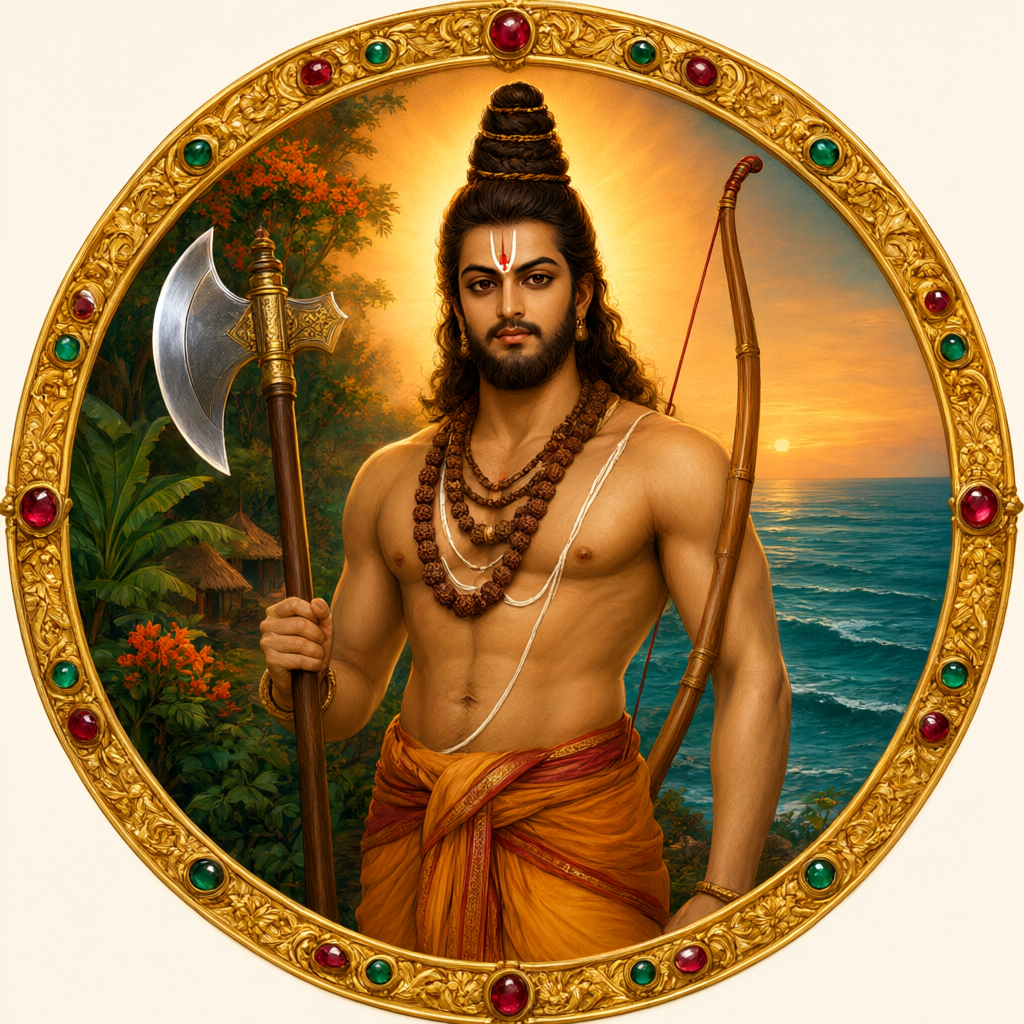
রাম Rama, the speaker — Rama, the son of Jamadagni, before he was called Parashurama. He was doing penance with Ganesha's mantra when an obstacle came, and he prays for it to be taken away.
note The numbers 31 to 42 are the verses' places in their chapter of the Ganesha Purana.
সর্বান্তর্যামিণে তুভ্যং নমঃ সর্বপ্রিযঙ্কর! ॥ ৩২॥
- বিঘ্নানাম্ (vighnānām)of obstacles
- পতযে (pataye)the lord
- তুভ্যম্ (tubhyam)to you
- নমঃ (namaḥ)salutation
- বিঘ্ননিবারণ (vighnanivāraṇa)O you who keep obstacles away
- সর্বান্তর্যামিণে (sarvāntaryāmiṇe)the inner ruler of all
- তুভ্যম্ (tubhyam)to you
- নমঃ (namaḥ)salutation
- সর্বপ্রিযঙ্কর (sarvapriyaṅkara)O you who do good to everyone
anvaya বিঘ্ননিবারণ বিঘ্নানাম্ পতযে তুভ্যম্ নমঃ সর্বপ্রিযঙ্কর সর্বান্তর্যামিণে তুভ্যম্ নমঃ
chandas Anuṣṭubh (śloka), 8 syllables in each of 4 pādas
নমো বিশ্বস্য কর্ত্রে তে নমস্তত্পালকায চ ॥ ৩৩॥
- ভক্তপ্রিযায (bhaktapriyāya)who loves his devotees
- দেবায (devāya)to the god
- নমঃ (namaḥ)salutation
- জ্ঞানস্বরূপিণে (jñānasvarūpiṇe)whose very form is knowledge
- নমঃ (namaḥ)salutation
- বিশ্বস্য (viśvasya)of the universe
- কর্ত্রে (kartre)maker
- তে (te)to you
- নমঃ (namaḥ)salutation
- তত্পালকায (tatpālakāya)to you who keep it
- চ (ca)and
anvaya ভক্তপ্রিযায জ্ঞানস্বরূপিণে দেবায নমঃ বিশ্বস্য কর্ত্রে তে নমঃ তত্পালকায চ নমঃ
chandas Anuṣṭubh (śloka), 8 syllables in each of 4 pādas
ইতি স্তুতিং সমাকর্ণ্য সৌম্যতেজা গজাননঃ ॥ ৩৪॥
- নিবারয (nivāraya)take away
- মহাবিঘ্নম্ (mahāvighnam)the great obstacle
- তপোনাশকরম্ (taponāśakaram)that is ruining the penance
- মম (mama)my
- ইতি (iti)this
- স্তুতিম্ (stutim)praise
- সমাকর্ণ্য (samākarṇya)heard
- সৌম্যতেজাঃ (saumyatejāḥ)gentle in his radiance
- গজাননঃ (gajānanaḥ)Gajanana
anvaya মম তপোনাশকরম্ মহাবিঘ্নম্ নিবারয ইতি স্তুতিম্ সৌম্যতেজাঃ গজাননঃ সমাকর্ণ্য
chandas Anuṣṭubh (śloka), 8 syllables in each of 4 pādas
note Rama's prayer ends with the first line. The second line begins the story again, and its sentence runs on into the next verse.
যং ধ্যাযসি দিবারাত্রৌ মন্ত্রং জপ্ত্বা ষডক্ষরম্ ॥ ৩৫॥
- উবাচ (uvāca)spoke
- রামম্ (rāmam)to Rama
- সম্ভ্রান্তম্ (sambhrāntam)who was shaken
- স্বস্য (svasya)the god's own
- এব (eva)very
- তিগ্মতেজসা (tigmatejasā)by the fierce light
- যম্ (yam)the one whom
- ধ্যাযসি (dhyāyasi)you meditate on
- দিবারাত্রৌ (divārātrau)day and night
- মন্ত্রম্ (mantram)mantra
- জপ্ত্বা (japtvā)repeating
- ষডক্ষরম্ (ṣaḍakṣaram)the six-syllable
anvaya স্বস্য এব তিগ্মতেজসা সম্ভ্রান্তম্ রামম্ উবাচ ষডক্ষরম্ মন্ত্রম্ জপ্ত্বা দিবারাত্রৌ যম্ ধ্যাযসি
chandas Anuṣṭubh (śloka), 8 syllables in each of 4 pādas
ষডক্ষর মন্ত্র the six-syllable mantra — A mantra of Ganesha in six syllables, usually given as vakratundaya hum.
বরং বৃণীষ্ব মত্তস্ত্বং যদ্ যদ্ বাঞ্ছসি চেতসা ॥ ৩৬॥
- বরম্ (varam)a boon
- দাতুম্ (dātum)to give
- সমাযাতঃ (samāyātaḥ)have come
- সঃ (saḥ)that god
- অহম্ (aham)I
- রাম (rāma)O Rama
- তব (tava)to you
- অধুনা (adhunā)now
- বরম্ (varam)boon
- বৃণীষ্ব (vṛṇīṣva)choose
- মত্তঃ (mattaḥ)from me
- ত্বম্ (tvam)you
- যত্ (yat)whatever
- যত্ (yat)whatever
- বাঞ্ছসি (vāñchasi)wants
- চেতসা (cetasā)your heart
anvaya রাম সঃ অহম্ অধুনা তব বরম্ দাতুম্ সমাযাতঃ ত্বম্ চেতসা যত্ যত্ বাঞ্ছসি [তম্] বরম্ মত্তঃ বৃণীষ্ব
chandas Anuṣṭubh (śloka), 8 syllables in each of 4 pādas
নৈব জানন্তি মে রূপং ব্রহ্মাদ্যা মুনযোঽপি চ ॥ ৩৭॥
- ব্রহ্মাণ্ডানাম্ (brahmāṇḍānām)universes
- অনেকানাম্ (anekānām)countless
- স্রষ্টা (sraṣṭā)the one who makes
- পাতা (pātā)keeps
- অপহারকঃ (apahārakaḥ)and takes back
- ন (na)not
- এব (eva)at all
- জানন্তি (jānanti)know
- মে (me)my
- রূপম্ (rūpam)form
- ব্রহ্মাদ্যাঃ (brahmādyāḥ)Brahma and the other gods
- মুনযঃ (munayaḥ)the sages
- অপি (api)too
- চ (ca)and
anvaya [অহম্] অনেকানাম্ ব্রহ্মাণ্ডানাম্ স্রষ্টা পাতা অপহারকঃ ব্রহ্মাদ্যাঃ মুনযঃ চ অপি মে রূপম্ ন এব জানন্তি
chandas Anuṣṭubh (śloka), 8 syllables in each of 4 pādas
যোঽপ্রমেযোঽখিলাধারঃ সৃষ্টিসংহারকারকঃ ॥ ৩৮॥
- রাজর্ষযঃ (rājarṣayaḥ)the royal sages
- চ (ca)nor
- সর্বে (sarve)all
- অপি (api)even
- সঃ (saḥ)that one
- অহম্ (aham)I
- তে (te)your
- দর্শনংগতঃ (darśanaṃgataḥ)have come before eyes
- যঃ (yaḥ)who
- অপ্রমেযঃ (aprameyaḥ)beyond measure
- অখিলাধারঃ (akhilādhāraḥ)the support of everything
- সৃষ্টিসংহারকারকঃ (sṛṣṭisaṃhārakārakaḥ)who brings about creation and its end
anvaya সর্বে অপি রাজর্ষযঃ চ [ন জানন্তি] সঃ অহম্ তে দর্শনংগতঃ যঃ অপ্রমেযঃ অখিলাধারঃ সৃষ্টিসংহারকারকঃ
chandas Anuṣṭubh (śloka), 8 syllables in each of 4 pādas
ন দানৈর্নৈব যোগৈশ্চ জনানাং দৃষ্টিগোচরঃ ॥ ৩৯॥
- যঃ (yaḥ)whom
- ন (na)not
- বেদৈঃ (vedaiḥ)through the Vedas
- ন (na)not
- তপসা (tapasā)through penance
- ন (na)not
- যজ্ঞৈঃ (yajñaiḥ)through sacrifices
- ব্রতসঞ্চযৈঃ (vratasañcayaiḥ)or heaps of vows
- ন (na)not
- দানৈঃ (dānaiḥ)through gifts
- ন (na)not
- এব (eva)even
- যোগৈঃ (yogaiḥ)through yoga
- চ (ca)or
- জনানাম্ (janānām)people
- দৃষ্টিগোচরঃ (dṛṣṭigocaraḥ)can see
anvaya যঃ বেদৈঃ ন তপসা ন যজ্ঞৈঃ ব্রতসঞ্চযৈঃ ন দানৈঃ ন যোগৈঃ চ ন এব জনানাম্ দৃষ্টিগোচরঃ
chandas Anuṣṭubh (śloka), 8 syllables in each of 4 pādas
কিমন্যদ্ বরযে দেব! ভক্তিং দেহি নিজাং দৃঢাম্ ॥ ৪০॥
- সঃ (saḥ)that one
- অহম্ (aham)am I
- ত্বম্ (tvam)you
- হি (hi)truly
- মযা (mayā)I
- দৃষ্টঃ (dṛṣṭaḥ)have seen
- অনুগ্রহাত্ (anugrahāt)by the grace
- তব (tava)your
- বিঘ্নপ (vighnapa)O lord of obstacles
- কিম্ (kim)what
- অন্যত্ (anyat)other
- বরযে (varaye)should I ask for
- দেব (deva)O god
- ভক্তিম্ (bhaktim)devotion
- দেহি (dehi)give
- নিজাম্ (nijām)to you
- দৃঢাম্ (dṛḍhām)firm
anvaya সঃ অহম্ [রামঃ উবাচ] বিঘ্নপ তব অনুগ্রহাত্ ত্বম্ হি মযা দৃষ্টঃ দেব অন্যত্ কিম্ বরযে নিজাম্ দৃঢাম্ ভক্তিম্ দেহি
chandas Anuṣṭubh (śloka), 8 syllables in each of 4 pādas
note The first two words close Ganesha's speech. From ত্বং হি on, Rama is speaking, though the text does not mark the change.
প্রলোভিতস্যাপি বরৈর্ন তে বুদ্ধিঃ সুবিহ্বলা ॥ ৪১॥
পরশুং মে গৃহাণ ত্বং সর্বশত্রুনিবর্হণম্ ।
নাম তে পরশুরামেতি ত্রৈলোক্যে খ্যাতিমেষ্যতি ॥ ৪২॥
- ভবিতা (bhavitā)will be
- মম (mama)to me
- ভক্তিঃ (bhaktiḥ)devotion
- তে (te)your
- দৃঢা (dṛḍhā)firm
- রাম (rāma)O Rama
- দ্বিজোত্তম (dvijottama)O best of the twice-born
- প্রলোভিতস্য (pralobhitasya)when tempted
- অপি (api)even
- বরৈঃ (varaiḥ)with boons
- ন (na)not
- তে (te)your
- বুদ্ধিঃ (buddhiḥ)mind
- সুবিহ্বলা (suvihvalā)wavered
- পরশুম্ (paraśum)axe
- মে (me)my
- গৃহাণ (gṛhāṇa)take
- ত্বম্ (tvam)you
- সর্বশত্রুনিবর্হণম্ (sarvaśatrunibarhaṇam)which destroys every enemy
- নাম (nāma)name
- তে (te)your
- পরশুরাম (paraśurāma)Parashurama
- ইতি (iti)as
- ত্রৈলোক্যে (trailokye)in the three worlds
- খ্যাতিম্ (khyātim)fame
- এষ্যতি (eṣyati)will win
anvaya রাম দ্বিজোত্তম তে মম দৃঢা ভক্তিঃ ভবিতা বরৈঃ প্রলোভিতস্য অপি তে বুদ্ধিঃ ন সুবিহ্বলা [অভূত্] ত্বম্ মে সর্বশত্রুনিবর্হণম্ পরশুম্ গৃহাণ তে নাম পরশুরাম ইতি ত্রৈলোক্যে খ্যাতিম্ এষ্যতি
chandas Anuṣṭubh (śloka), two verses of 4 pādas each
পরশুরাম Parashurama — Rama of the axe. The axe is Ganesha's gift, and the name comes with it.
note Verses 41 and 42 are printed together. Rama was offered any boon and asked only for devotion, and Ganesha rewards that steadiness.