
નમસ્તે સર્વવિદ્યેશ! સર્વસિદ્ધિપ્રદાયક! ॥ ૩૧॥
- સહસ્રાદિત્યસઙ્કાશ (sahasrādityasaṅkāśa)O you who shine like a thousand suns
- નમઃ (namaḥ)salutation
- તે (te)to you
- જગદીશ્વર (jagadīśvara)O lord of the world
- નમઃ (namaḥ)salutation
- તે (te)to you
- સર્વવિદ્યેશ (sarvavidyeśa)O lord of all learning
- સર્વસિદ્ધિપ્રદાયક (sarvasiddhipradāyaka)O giver of every success
anvaya સહસ્રાદિત્યસઙ્કાશ જગદીશ્વર તે નમઃ સર્વવિદ્યેશ સર્વસિદ્ધિપ્રદાયક તે નમઃ
chandas Anuṣṭubh (śloka), 8 syllables in each of 4 pādas
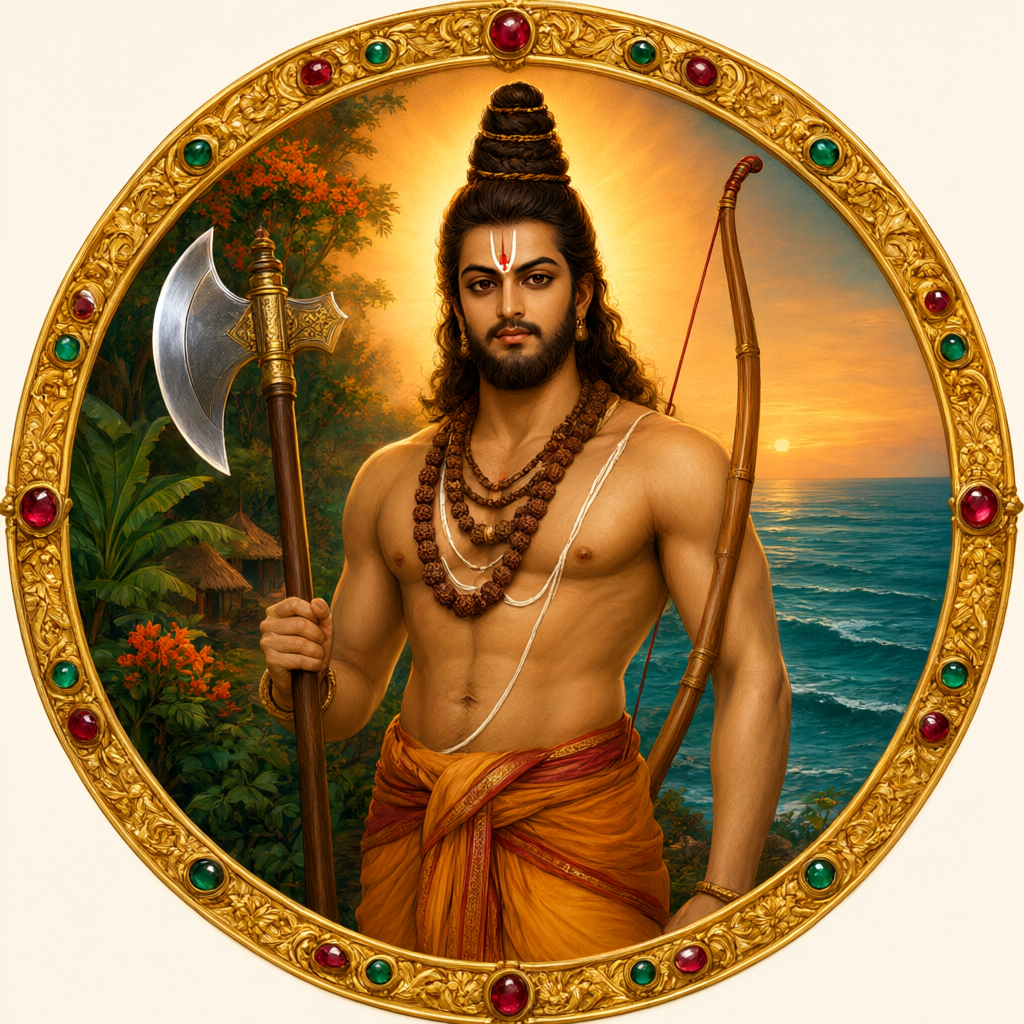
રામ Rama, the speaker — Rama, the son of Jamadagni, before he was called Parashurama. He was doing penance with Ganesha's mantra when an obstacle came, and he prays for it to be taken away.
note The numbers 31 to 42 are the verses' places in their chapter of the Ganesha Purana.
સર્વાન્તર્યામિણે તુભ્યં નમઃ સર્વપ્રિયઙ્કર! ॥ ૩૨॥
- વિઘ્નાનામ્ (vighnānām)of obstacles
- પતયે (pataye)the lord
- તુભ્યમ્ (tubhyam)to you
- નમઃ (namaḥ)salutation
- વિઘ્નનિવારણ (vighnanivāraṇa)O you who keep obstacles away
- સર્વાન્તર્યામિણે (sarvāntaryāmiṇe)the inner ruler of all
- તુભ્યમ્ (tubhyam)to you
- નમઃ (namaḥ)salutation
- સર્વપ્રિયઙ્કર (sarvapriyaṅkara)O you who do good to everyone
anvaya વિઘ્નનિવારણ વિઘ્નાનામ્ પતયે તુભ્યમ્ નમઃ સર્વપ્રિયઙ્કર સર્વાન્તર્યામિણે તુભ્યમ્ નમઃ
chandas Anuṣṭubh (śloka), 8 syllables in each of 4 pādas
નમો વિશ્વસ્ય કર્ત્રે તે નમસ્તત્પાલકાય ચ ॥ ૩૩॥
- ભક્તપ્રિયાય (bhaktapriyāya)who loves his devotees
- દેવાય (devāya)to the god
- નમઃ (namaḥ)salutation
- જ્ઞાનસ્વરૂપિણે (jñānasvarūpiṇe)whose very form is knowledge
- નમઃ (namaḥ)salutation
- વિશ્વસ્ય (viśvasya)of the universe
- કર્ત્રે (kartre)maker
- તે (te)to you
- નમઃ (namaḥ)salutation
- તત્પાલકાય (tatpālakāya)to you who keep it
- ચ (ca)and
anvaya ભક્તપ્રિયાય જ્ઞાનસ્વરૂપિણે દેવાય નમઃ વિશ્વસ્ય કર્ત્રે તે નમઃ તત્પાલકાય ચ નમઃ
chandas Anuṣṭubh (śloka), 8 syllables in each of 4 pādas
ઇતિ સ્તુતિં સમાકર્ણ્ય સૌમ્યતેજા ગજાનનઃ ॥ ૩૪॥
- નિવારય (nivāraya)take away
- મહાવિઘ્નમ્ (mahāvighnam)the great obstacle
- તપોનાશકરમ્ (taponāśakaram)that is ruining the penance
- મમ (mama)my
- ઇતિ (iti)this
- સ્તુતિમ્ (stutim)praise
- સમાકર્ણ્ય (samākarṇya)heard
- સૌમ્યતેજાઃ (saumyatejāḥ)gentle in his radiance
- ગજાનનઃ (gajānanaḥ)Gajanana
anvaya મમ તપોનાશકરમ્ મહાવિઘ્નમ્ નિવારય ઇતિ સ્તુતિમ્ સૌમ્યતેજાઃ ગજાનનઃ સમાકર્ણ્ય
chandas Anuṣṭubh (śloka), 8 syllables in each of 4 pādas
note Rama's prayer ends with the first line. The second line begins the story again, and its sentence runs on into the next verse.
યં ધ્યાયસિ દિવારાત્રૌ મન્ત્રં જપ્ત્વા ષડક્ષરમ્ ॥ ૩૫॥
- ઉવાચ (uvāca)spoke
- રામમ્ (rāmam)to Rama
- સમ્ભ્રાન્તમ્ (sambhrāntam)who was shaken
- સ્વસ્ય (svasya)the god's own
- એવ (eva)very
- તિગ્મતેજસા (tigmatejasā)by the fierce light
- યમ્ (yam)the one whom
- ધ્યાયસિ (dhyāyasi)you meditate on
- દિવારાત્રૌ (divārātrau)day and night
- મન્ત્રમ્ (mantram)mantra
- જપ્ત્વા (japtvā)repeating
- ષડક્ષરમ્ (ṣaḍakṣaram)the six-syllable
anvaya સ્વસ્ય એવ તિગ્મતેજસા સમ્ભ્રાન્તમ્ રામમ્ ઉવાચ ષડક્ષરમ્ મન્ત્રમ્ જપ્ત્વા દિવારાત્રૌ યમ્ ધ્યાયસિ
chandas Anuṣṭubh (śloka), 8 syllables in each of 4 pādas
ષડક્ષર મન્ત્ર the six-syllable mantra — A mantra of Ganesha in six syllables, usually given as vakratundaya hum.
વરં વૃણીષ્વ મત્તસ્ત્વં યદ્ યદ્ વાઞ્છસિ ચેતસા ॥ ૩૬॥
- વરમ્ (varam)a boon
- દાતુમ્ (dātum)to give
- સમાયાતઃ (samāyātaḥ)have come
- સઃ (saḥ)that god
- અહમ્ (aham)I
- રામ (rāma)O Rama
- તવ (tava)to you
- અધુના (adhunā)now
- વરમ્ (varam)boon
- વૃણીષ્વ (vṛṇīṣva)choose
- મત્તઃ (mattaḥ)from me
- ત્વમ્ (tvam)you
- યત્ (yat)whatever
- યત્ (yat)whatever
- વાઞ્છસિ (vāñchasi)wants
- ચેતસા (cetasā)your heart
anvaya રામ સઃ અહમ્ અધુના તવ વરમ્ દાતુમ્ સમાયાતઃ ત્વમ્ ચેતસા યત્ યત્ વાઞ્છસિ [તમ્] વરમ્ મત્તઃ વૃણીષ્વ
chandas Anuṣṭubh (śloka), 8 syllables in each of 4 pādas
નૈવ જાનન્તિ મે રૂપં બ્રહ્માદ્યા મુનયોઽપિ ચ ॥ ૩૭॥
- બ્રહ્માણ્ડાનામ્ (brahmāṇḍānām)universes
- અનેકાનામ્ (anekānām)countless
- સ્રષ્ટા (sraṣṭā)the one who makes
- પાતા (pātā)keeps
- અપહારકઃ (apahārakaḥ)and takes back
- ન (na)not
- એવ (eva)at all
- જાનન્તિ (jānanti)know
- મે (me)my
- રૂપમ્ (rūpam)form
- બ્રહ્માદ્યાઃ (brahmādyāḥ)Brahma and the other gods
- મુનયઃ (munayaḥ)the sages
- અપિ (api)too
- ચ (ca)and
anvaya [અહમ્] અનેકાનામ્ બ્રહ્માણ્ડાનામ્ સ્રષ્ટા પાતા અપહારકઃ બ્રહ્માદ્યાઃ મુનયઃ ચ અપિ મે રૂપમ્ ન એવ જાનન્તિ
chandas Anuṣṭubh (śloka), 8 syllables in each of 4 pādas
યોઽપ્રમેયોઽખિલાધારઃ સૃષ્ટિસંહારકારકઃ ॥ ૩૮॥
- રાજર્ષયઃ (rājarṣayaḥ)the royal sages
- ચ (ca)nor
- સર્વે (sarve)all
- અપિ (api)even
- સઃ (saḥ)that one
- અહમ્ (aham)I
- તે (te)your
- દર્શનંગતઃ (darśanaṃgataḥ)have come before eyes
- યઃ (yaḥ)who
- અપ્રમેયઃ (aprameyaḥ)beyond measure
- અખિલાધારઃ (akhilādhāraḥ)the support of everything
- સૃષ્ટિસંહારકારકઃ (sṛṣṭisaṃhārakārakaḥ)who brings about creation and its end
anvaya સર્વે અપિ રાજર્ષયઃ ચ [ન જાનન્તિ] સઃ અહમ્ તે દર્શનંગતઃ યઃ અપ્રમેયઃ અખિલાધારઃ સૃષ્ટિસંહારકારકઃ
chandas Anuṣṭubh (śloka), 8 syllables in each of 4 pādas
ન દાનૈર્નૈવ યોગૈશ્ચ જનાનાં દૃષ્ટિગોચરઃ ॥ ૩૯॥
- યઃ (yaḥ)whom
- ન (na)not
- વેદૈઃ (vedaiḥ)through the Vedas
- ન (na)not
- તપસા (tapasā)through penance
- ન (na)not
- યજ્ઞૈઃ (yajñaiḥ)through sacrifices
- વ્રતસઞ્ચયૈઃ (vratasañcayaiḥ)or heaps of vows
- ન (na)not
- દાનૈઃ (dānaiḥ)through gifts
- ન (na)not
- એવ (eva)even
- યોગૈઃ (yogaiḥ)through yoga
- ચ (ca)or
- જનાનામ્ (janānām)people
- દૃષ્ટિગોચરઃ (dṛṣṭigocaraḥ)can see
anvaya યઃ વેદૈઃ ન તપસા ન યજ્ઞૈઃ વ્રતસઞ્ચયૈઃ ન દાનૈઃ ન યોગૈઃ ચ ન એવ જનાનામ્ દૃષ્ટિગોચરઃ
chandas Anuṣṭubh (śloka), 8 syllables in each of 4 pādas
કિમન્યદ્ વરયે દેવ! ભક્તિં દેહિ નિજાં દૃઢામ્ ॥ ૪૦॥
- સઃ (saḥ)that one
- અહમ્ (aham)am I
- ત્વમ્ (tvam)you
- હિ (hi)truly
- મયા (mayā)I
- દૃષ્ટઃ (dṛṣṭaḥ)have seen
- અનુગ્રહાત્ (anugrahāt)by the grace
- તવ (tava)your
- વિઘ્નપ (vighnapa)O lord of obstacles
- કિમ્ (kim)what
- અન્યત્ (anyat)other
- વરયે (varaye)should I ask for
- દેવ (deva)O god
- ભક્તિમ્ (bhaktim)devotion
- દેહિ (dehi)give
- નિજામ્ (nijām)to you
- દૃઢામ્ (dṛḍhām)firm
anvaya સઃ અહમ્ [રામઃ ઉવાચ] વિઘ્નપ તવ અનુગ્રહાત્ ત્વમ્ હિ મયા દૃષ્ટઃ દેવ અન્યત્ કિમ્ વરયે નિજામ્ દૃઢામ્ ભક્તિમ્ દેહિ
chandas Anuṣṭubh (śloka), 8 syllables in each of 4 pādas
note The first two words close Ganesha's speech. From ત્વં હિ on, Rama is speaking, though the text does not mark the change.
પ્રલોભિતસ્યાપિ વરૈર્ન તે બુદ્ધિઃ સુવિહ્વલા ॥ ૪૧॥
પરશું મે ગૃહાણ ત્વં સર્વશત્રુનિબર્હણમ્ ।
નામ તે પરશુરામેતિ ત્રૈલોક્યે ખ્યાતિમેષ્યતિ ॥ ૪૨॥
- ભવિતા (bhavitā)will be
- મમ (mama)to me
- ભક્તિઃ (bhaktiḥ)devotion
- તે (te)your
- દૃઢા (dṛḍhā)firm
- રામ (rāma)O Rama
- દ્વિજોત્તમ (dvijottama)O best of the twice-born
- પ્રલોભિતસ્ય (pralobhitasya)when tempted
- અપિ (api)even
- વરૈઃ (varaiḥ)with boons
- ન (na)not
- તે (te)your
- બુદ્ધિઃ (buddhiḥ)mind
- સુવિહ્વલા (suvihvalā)wavered
- પરશુમ્ (paraśum)axe
- મે (me)my
- ગૃહાણ (gṛhāṇa)take
- ત્વમ્ (tvam)you
- સર્વશત્રુનિબર્હણમ્ (sarvaśatrunibarhaṇam)which destroys every enemy
- નામ (nāma)name
- તે (te)your
- પરશુરામ (paraśurāma)Parashurama
- ઇતિ (iti)as
- ત્રૈલોક્યે (trailokye)in the three worlds
- ખ્યાતિમ્ (khyātim)fame
- એષ્યતિ (eṣyati)will win
anvaya રામ દ્વિજોત્તમ તે મમ દૃઢા ભક્તિઃ ભવિતા વરૈઃ પ્રલોભિતસ્ય અપિ તે બુદ્ધિઃ ન સુવિહ્વલા [અભૂત્] ત્વમ્ મે સર્વશત્રુનિબર્હણમ્ પરશુમ્ ગૃહાણ તે નામ પરશુરામ ઇતિ ત્રૈલોક્યે ખ્યાતિમ્ એષ્યતિ
chandas Anuṣṭubh (śloka), two verses of 4 pādas each
પરશુરામ Parashurama — Rama of the axe. The axe is Ganesha's gift, and the name comes with it.
note Verses 41 and 42 are printed together. Rama was offered any boon and asked only for devotion, and Ganesha rewards that steadiness.