
നമസ്തേ സര്വവിദ്യേശ! സര്വസിദ്ധിപ്രദായക! ॥ ൩൧॥
- സഹസ്രാദിത്യസങ്കാശ (sahasrādityasaṅkāśa)O you who shine like a thousand suns
- നമഃ (namaḥ)salutation
- തേ (te)to you
- ജഗദീശ്വര (jagadīśvara)O lord of the world
- നമഃ (namaḥ)salutation
- തേ (te)to you
- സര്വവിദ്യേശ (sarvavidyeśa)O lord of all learning
- സര്വസിദ്ധിപ്രദായക (sarvasiddhipradāyaka)O giver of every success
anvaya സഹസ്രാദിത്യസങ്കാശ ജഗദീശ്വര തേ നമഃ സര്വവിദ്യേശ സര്വസിദ്ധിപ്രദായക തേ നമഃ
chandas Anuṣṭubh (śloka), 8 syllables in each of 4 pādas
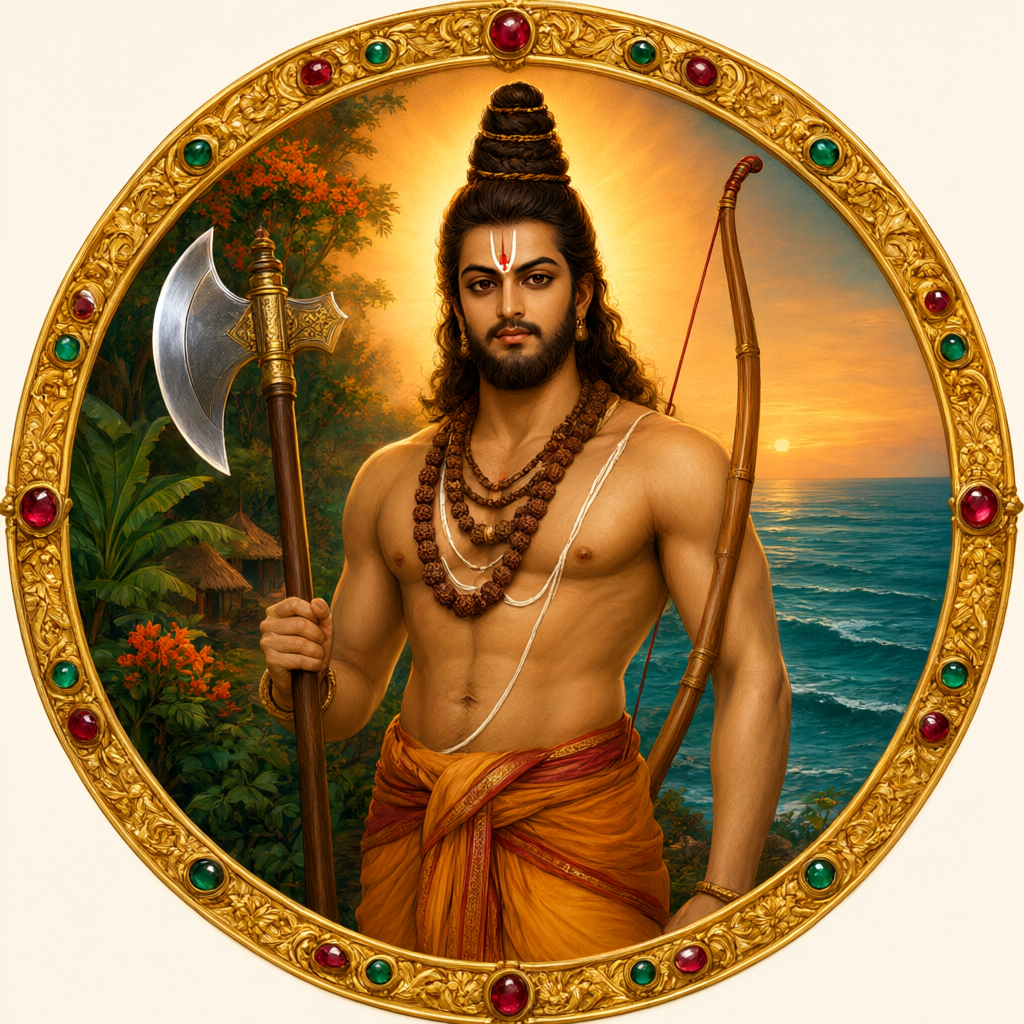
രാമ Rama, the speaker — Rama, the son of Jamadagni, before he was called Parashurama. He was doing penance with Ganesha's mantra when an obstacle came, and he prays for it to be taken away.
note The numbers 31 to 42 are the verses' places in their chapter of the Ganesha Purana.
സര്വാന്തര്യാമിണേ തുഭ്യം നമഃ സര്വപ്രിയങ്കര! ॥ ൩൨॥
- വിഘ്നാനാമ് (vighnānām)of obstacles
- പതയേ (pataye)the lord
- തുഭ്യമ് (tubhyam)to you
- നമഃ (namaḥ)salutation
- വിഘ്നനിവാരണ (vighnanivāraṇa)O you who keep obstacles away
- സര്വാന്തര്യാമിണേ (sarvāntaryāmiṇe)the inner ruler of all
- തുഭ്യമ് (tubhyam)to you
- നമഃ (namaḥ)salutation
- സര്വപ്രിയങ്കര (sarvapriyaṅkara)O you who do good to everyone
anvaya വിഘ്നനിവാരണ വിഘ്നാനാമ് പതയേ തുഭ്യമ് നമഃ സര്വപ്രിയങ്കര സര്വാന്തര്യാമിണേ തുഭ്യമ് നമഃ
chandas Anuṣṭubh (śloka), 8 syllables in each of 4 pādas
നമോ വിശ്വസ്യ കര്ത്രേ തേ നമസ്തത്പാലകായ ച ॥ ൩൩॥
- ഭക്തപ്രിയായ (bhaktapriyāya)who loves his devotees
- ദേവായ (devāya)to the god
- നമഃ (namaḥ)salutation
- ജ്ഞാനസ്വരൂപിണേ (jñānasvarūpiṇe)whose very form is knowledge
- നമഃ (namaḥ)salutation
- വിശ്വസ്യ (viśvasya)of the universe
- കര്ത്രേ (kartre)maker
- തേ (te)to you
- നമഃ (namaḥ)salutation
- തത്പാലകായ (tatpālakāya)to you who keep it
- ച (ca)and
anvaya ഭക്തപ്രിയായ ജ്ഞാനസ്വരൂപിണേ ദേവായ നമഃ വിശ്വസ്യ കര്ത്രേ തേ നമഃ തത്പാലകായ ച നമഃ
chandas Anuṣṭubh (śloka), 8 syllables in each of 4 pādas
ഇതി സ്തുതിം സമാകര്ണ്യ സൌമ്യതേജാ ഗജാനനഃ ॥ ൩൪॥
- നിവാരയ (nivāraya)take away
- മഹാവിഘ്നമ് (mahāvighnam)the great obstacle
- തപോനാശകരമ് (taponāśakaram)that is ruining the penance
- മമ (mama)my
- ഇതി (iti)this
- സ്തുതിമ് (stutim)praise
- സമാകര്ണ്യ (samākarṇya)heard
- സൌമ്യതേജാഃ (saumyatejāḥ)gentle in his radiance
- ഗജാനനഃ (gajānanaḥ)Gajanana
anvaya മമ തപോനാശകരമ് മഹാവിഘ്നമ് നിവാരയ ഇതി സ്തുതിമ് സൌമ്യതേജാഃ ഗജാനനഃ സമാകര്ണ്യ
chandas Anuṣṭubh (śloka), 8 syllables in each of 4 pādas
note Rama's prayer ends with the first line. The second line begins the story again, and its sentence runs on into the next verse.
യം ധ്യായസി ദിവാരാത്രൌ മന്ത്രം ജപ്ത്വാ ഷഡക്ഷരമ് ॥ ൩൫॥
- ഉവാച (uvāca)spoke
- രാമമ് (rāmam)to Rama
- സമ്ഭ്രാന്തമ് (sambhrāntam)who was shaken
- സ്വസ്യ (svasya)the god's own
- ഏവ (eva)very
- തിഗ്മതേജസാ (tigmatejasā)by the fierce light
- യമ് (yam)the one whom
- ധ്യായസി (dhyāyasi)you meditate on
- ദിവാരാത്രൌ (divārātrau)day and night
- മന്ത്രമ് (mantram)mantra
- ജപ്ത്വാ (japtvā)repeating
- ഷഡക്ഷരമ് (ṣaḍakṣaram)the six-syllable
anvaya സ്വസ്യ ഏവ തിഗ്മതേജസാ സമ്ഭ്രാന്തമ് രാമമ് ഉവാച ഷഡക്ഷരമ് മന്ത്രമ് ജപ്ത്വാ ദിവാരാത്രൌ യമ് ധ്യായസി
chandas Anuṣṭubh (śloka), 8 syllables in each of 4 pādas
ഷഡക്ഷര മന്ത്ര the six-syllable mantra — A mantra of Ganesha in six syllables, usually given as vakratundaya hum.
വരം വൃണീഷ്വ മത്തസ്ത്വം യദ് യദ് വാഞ്ഛസി ചേതസാ ॥ ൩൬॥
- വരമ് (varam)a boon
- ദാതുമ് (dātum)to give
- സമായാതഃ (samāyātaḥ)have come
- സഃ (saḥ)that god
- അഹമ് (aham)I
- രാമ (rāma)O Rama
- തവ (tava)to you
- അധുനാ (adhunā)now
- വരമ് (varam)boon
- വൃണീഷ്വ (vṛṇīṣva)choose
- മത്തഃ (mattaḥ)from me
- ത്വമ് (tvam)you
- യത് (yat)whatever
- യത് (yat)whatever
- വാഞ്ഛസി (vāñchasi)wants
- ചേതസാ (cetasā)your heart
anvaya രാമ സഃ അഹമ് അധുനാ തവ വരമ് ദാതുമ് സമായാതഃ ത്വമ് ചേതസാ യത് യത് വാഞ്ഛസി [തമ്] വരമ് മത്തഃ വൃണീഷ്വ
chandas Anuṣṭubh (śloka), 8 syllables in each of 4 pādas
നൈവ ജാനന്തി മേ രൂപം ബ്രഹ്മാദ്യാ മുനയോഽപി ച ॥ ൩൭॥
- ബ്രഹ്മാണ്ഡാനാമ് (brahmāṇḍānām)universes
- അനേകാനാമ് (anekānām)countless
- സ്രഷ്ടാ (sraṣṭā)the one who makes
- പാതാ (pātā)keeps
- അപഹാരകഃ (apahārakaḥ)and takes back
- ന (na)not
- ഏവ (eva)at all
- ജാനന്തി (jānanti)know
- മേ (me)my
- രൂപമ് (rūpam)form
- ബ്രഹ്മാദ്യാഃ (brahmādyāḥ)Brahma and the other gods
- മുനയഃ (munayaḥ)the sages
- അപി (api)too
- ച (ca)and
anvaya [അഹമ്] അനേകാനാമ് ബ്രഹ്മാണ്ഡാനാമ് സ്രഷ്ടാ പാതാ അപഹാരകഃ ബ്രഹ്മാദ്യാഃ മുനയഃ ച അപി മേ രൂപമ് ന ഏവ ജാനന്തി
chandas Anuṣṭubh (śloka), 8 syllables in each of 4 pādas
യോഽപ്രമേയോഽഖിലാധാരഃ സൃഷ്ടിസംഹാരകാരകഃ ॥ ൩൮॥
- രാജര്ഷയഃ (rājarṣayaḥ)the royal sages
- ച (ca)nor
- സര്വേ (sarve)all
- അപി (api)even
- സഃ (saḥ)that one
- അഹമ് (aham)I
- തേ (te)your
- ദര്ശനംഗതഃ (darśanaṃgataḥ)have come before eyes
- യഃ (yaḥ)who
- അപ്രമേയഃ (aprameyaḥ)beyond measure
- അഖിലാധാരഃ (akhilādhāraḥ)the support of everything
- സൃഷ്ടിസംഹാരകാരകഃ (sṛṣṭisaṃhārakārakaḥ)who brings about creation and its end
anvaya സര്വേ അപി രാജര്ഷയഃ ച [ന ജാനന്തി] സഃ അഹമ് തേ ദര്ശനംഗതഃ യഃ അപ്രമേയഃ അഖിലാധാരഃ സൃഷ്ടിസംഹാരകാരകഃ
chandas Anuṣṭubh (śloka), 8 syllables in each of 4 pādas
ന ദാനൈര്നൈവ യോഗൈശ്ച ജനാനാം ദൃഷ്ടിഗോചരഃ ॥ ൩൯॥
- യഃ (yaḥ)whom
- ന (na)not
- വേദൈഃ (vedaiḥ)through the Vedas
- ന (na)not
- തപസാ (tapasā)through penance
- ന (na)not
- യജ്ഞൈഃ (yajñaiḥ)through sacrifices
- വ്രതസഞ്ചയൈഃ (vratasañcayaiḥ)or heaps of vows
- ന (na)not
- ദാനൈഃ (dānaiḥ)through gifts
- ന (na)not
- ഏവ (eva)even
- യോഗൈഃ (yogaiḥ)through yoga
- ച (ca)or
- ജനാനാമ് (janānām)people
- ദൃഷ്ടിഗോചരഃ (dṛṣṭigocaraḥ)can see
anvaya യഃ വേദൈഃ ന തപസാ ന യജ്ഞൈഃ വ്രതസഞ്ചയൈഃ ന ദാനൈഃ ന യോഗൈഃ ച ന ഏവ ജനാനാമ് ദൃഷ്ടിഗോചരഃ
chandas Anuṣṭubh (śloka), 8 syllables in each of 4 pādas
കിമന്യദ് വരയേ ദേവ! ഭക്തിം ദേഹി നിജാം ദൃഢാമ് ॥ ൪൦॥
- സഃ (saḥ)that one
- അഹമ് (aham)am I
- ത്വമ് (tvam)you
- ഹി (hi)truly
- മയാ (mayā)I
- ദൃഷ്ടഃ (dṛṣṭaḥ)have seen
- അനുഗ്രഹാത് (anugrahāt)by the grace
- തവ (tava)your
- വിഘ്നപ (vighnapa)O lord of obstacles
- കിമ് (kim)what
- അന്യത് (anyat)other
- വരയേ (varaye)should I ask for
- ദേവ (deva)O god
- ഭക്തിമ് (bhaktim)devotion
- ദേഹി (dehi)give
- നിജാമ് (nijām)to you
- ദൃഢാമ് (dṛḍhām)firm
anvaya സഃ അഹമ് [രാമഃ ഉവാച] വിഘ്നപ തവ അനുഗ്രഹാത് ത്വമ് ഹി മയാ ദൃഷ്ടഃ ദേവ അന്യത് കിമ് വരയേ നിജാമ് ദൃഢാമ് ഭക്തിമ് ദേഹി
chandas Anuṣṭubh (śloka), 8 syllables in each of 4 pādas
note The first two words close Ganesha's speech. From ത്വം ഹി on, Rama is speaking, though the text does not mark the change.
പ്രലോഭിതസ്യാപി വരൈര്ന തേ ബുദ്ധിഃ സുവിഹ്വലാ ॥ ൪൧॥
പരശും മേ ഗൃഹാണ ത്വം സര്വശത്രുനിബര്ഹണമ് ।
നാമ തേ പരശുരാമേതി ത്രൈലോക്യേ ഖ്യാതിമേഷ്യതി ॥ ൪൨॥
- ഭവിതാ (bhavitā)will be
- മമ (mama)to me
- ഭക്തിഃ (bhaktiḥ)devotion
- തേ (te)your
- ദൃഢാ (dṛḍhā)firm
- രാമ (rāma)O Rama
- ദ്വിജോത്തമ (dvijottama)O best of the twice-born
- പ്രലോഭിതസ്യ (pralobhitasya)when tempted
- അപി (api)even
- വരൈഃ (varaiḥ)with boons
- ന (na)not
- തേ (te)your
- ബുദ്ധിഃ (buddhiḥ)mind
- സുവിഹ്വലാ (suvihvalā)wavered
- പരശുമ് (paraśum)axe
- മേ (me)my
- ഗൃഹാണ (gṛhāṇa)take
- ത്വമ് (tvam)you
- സര്വശത്രുനിബര്ഹണമ് (sarvaśatrunibarhaṇam)which destroys every enemy
- നാമ (nāma)name
- തേ (te)your
- പരശുരാമ (paraśurāma)Parashurama
- ഇതി (iti)as
- ത്രൈലോക്യേ (trailokye)in the three worlds
- ഖ്യാതിമ് (khyātim)fame
- ഏഷ്യതി (eṣyati)will win
anvaya രാമ ദ്വിജോത്തമ തേ മമ ദൃഢാ ഭക്തിഃ ഭവിതാ വരൈഃ പ്രലോഭിതസ്യ അപി തേ ബുദ്ധിഃ ന സുവിഹ്വലാ [അഭൂത്] ത്വമ് മേ സര്വശത്രുനിബര്ഹണമ് പരശുമ് ഗൃഹാണ തേ നാമ പരശുരാമ ഇതി ത്രൈലോക്യേ ഖ്യാതിമ് ഏഷ്യതി
chandas Anuṣṭubh (śloka), two verses of 4 pādas each
പരശുരാമ Parashurama — Rama of the axe. The axe is Ganesha's gift, and the name comes with it.
note Verses 41 and 42 are printed together. Rama was offered any boon and asked only for devotion, and Ganesha rewards that steadiness.