
నమస్తే సర్వవిద్యేశ! సర్వసిద్ధిప్రదాయక! ॥ ౩౧॥
- సహస్రాదిత్యసఙ్కాశ (sahasrādityasaṅkāśa)O you who shine like a thousand suns
- నమః (namaḥ)salutation
- తే (te)to you
- జగదీశ్వర (jagadīśvara)O lord of the world
- నమః (namaḥ)salutation
- తే (te)to you
- సర్వవిద్యేశ (sarvavidyeśa)O lord of all learning
- సర్వసిద్ధిప్రదాయక (sarvasiddhipradāyaka)O giver of every success
anvaya సహస్రాదిత్యసఙ్కాశ జగదీశ్వర తే నమః సర్వవిద్యేశ సర్వసిద్ధిప్రదాయక తే నమః
chandas Anuṣṭubh (śloka), 8 syllables in each of 4 pādas
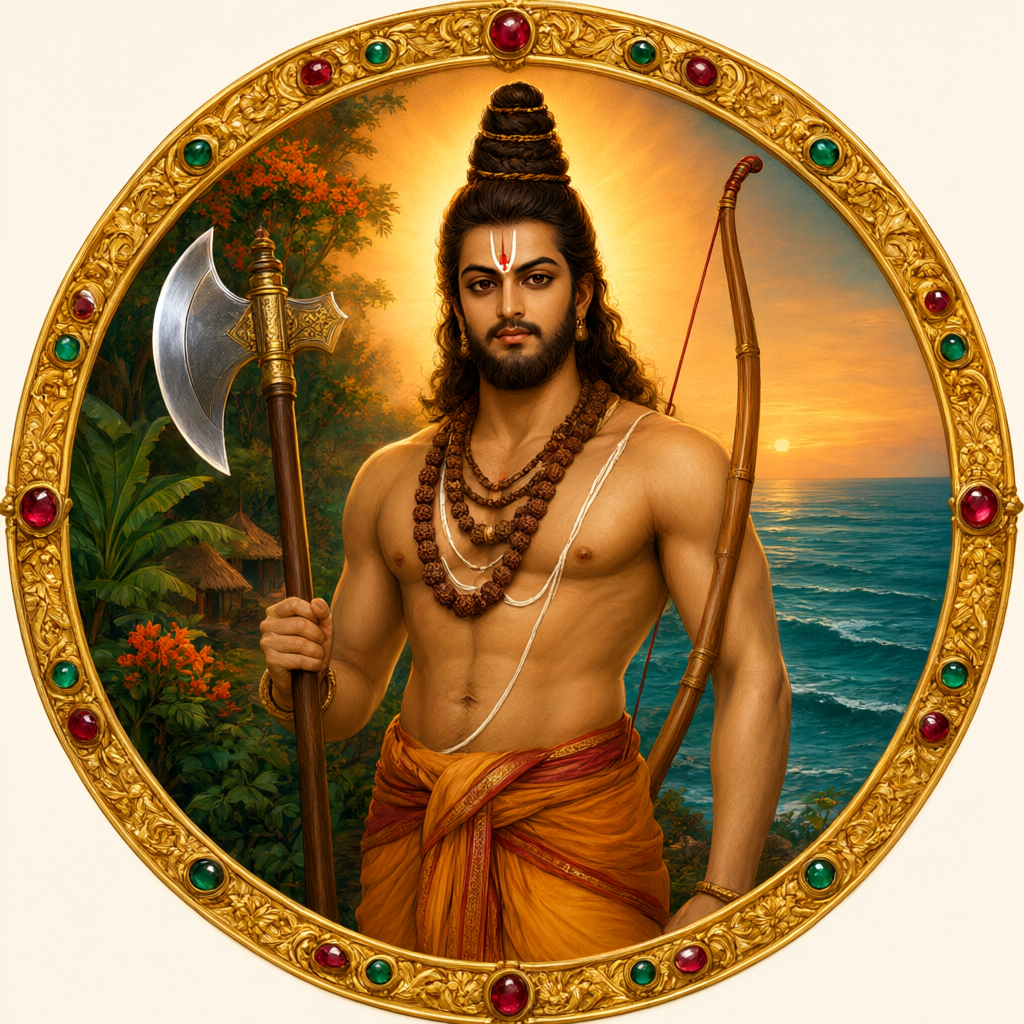
రామ Rama, the speaker — Rama, the son of Jamadagni, before he was called Parashurama. He was doing penance with Ganesha's mantra when an obstacle came, and he prays for it to be taken away.
note The numbers 31 to 42 are the verses' places in their chapter of the Ganesha Purana.
సర్వాన్తర్యామిణే తుభ్యం నమః సర్వప్రియఙ్కర! ॥ ౩౨॥
- విఘ్నానామ్ (vighnānām)of obstacles
- పతయే (pataye)the lord
- తుభ్యమ్ (tubhyam)to you
- నమః (namaḥ)salutation
- విఘ్ననివారణ (vighnanivāraṇa)O you who keep obstacles away
- సర్వాన్తర్యామిణే (sarvāntaryāmiṇe)the inner ruler of all
- తుభ్యమ్ (tubhyam)to you
- నమః (namaḥ)salutation
- సర్వప్రియఙ్కర (sarvapriyaṅkara)O you who do good to everyone
anvaya విఘ్ననివారణ విఘ్నానామ్ పతయే తుభ్యమ్ నమః సర్వప్రియఙ్కర సర్వాన్తర్యామిణే తుభ్యమ్ నమః
chandas Anuṣṭubh (śloka), 8 syllables in each of 4 pādas
నమో విశ్వస్య కర్త్రే తే నమస్తత్పాలకాయ చ ॥ ౩౩॥
- భక్తప్రియాయ (bhaktapriyāya)who loves his devotees
- దేవాయ (devāya)to the god
- నమః (namaḥ)salutation
- జ్ఞానస్వరూపిణే (jñānasvarūpiṇe)whose very form is knowledge
- నమః (namaḥ)salutation
- విశ్వస్య (viśvasya)of the universe
- కర్త్రే (kartre)maker
- తే (te)to you
- నమః (namaḥ)salutation
- తత్పాలకాయ (tatpālakāya)to you who keep it
- చ (ca)and
anvaya భక్తప్రియాయ జ్ఞానస్వరూపిణే దేవాయ నమః విశ్వస్య కర్త్రే తే నమః తత్పాలకాయ చ నమః
chandas Anuṣṭubh (śloka), 8 syllables in each of 4 pādas
ఇతి స్తుతిం సమాకర్ణ్య సౌమ్యతేజా గజాననః ॥ ౩౪॥
- నివారయ (nivāraya)take away
- మహావిఘ్నమ్ (mahāvighnam)the great obstacle
- తపోనాశకరమ్ (taponāśakaram)that is ruining the penance
- మమ (mama)my
- ఇతి (iti)this
- స్తుతిమ్ (stutim)praise
- సమాకర్ణ్య (samākarṇya)heard
- సౌమ్యతేజాః (saumyatejāḥ)gentle in his radiance
- గజాననః (gajānanaḥ)Gajanana
anvaya మమ తపోనాశకరమ్ మహావిఘ్నమ్ నివారయ ఇతి స్తుతిమ్ సౌమ్యతేజాః గజాననః సమాకర్ణ్య
chandas Anuṣṭubh (śloka), 8 syllables in each of 4 pādas
note Rama's prayer ends with the first line. The second line begins the story again, and its sentence runs on into the next verse.
యం ధ్యాయసి దివారాత్రౌ మన్త్రం జప్త్వా షడక్షరమ్ ॥ ౩౫॥
- ఉవాచ (uvāca)spoke
- రామమ్ (rāmam)to Rama
- సమ్భ్రాన్తమ్ (sambhrāntam)who was shaken
- స్వస్య (svasya)the god's own
- ఏవ (eva)very
- తిగ్మతేజసా (tigmatejasā)by the fierce light
- యమ్ (yam)the one whom
- ధ్యాయసి (dhyāyasi)you meditate on
- దివారాత్రౌ (divārātrau)day and night
- మన్త్రమ్ (mantram)mantra
- జప్త్వా (japtvā)repeating
- షడక్షరమ్ (ṣaḍakṣaram)the six-syllable
anvaya స్వస్య ఏవ తిగ్మతేజసా సమ్భ్రాన్తమ్ రామమ్ ఉవాచ షడక్షరమ్ మన్త్రమ్ జప్త్వా దివారాత్రౌ యమ్ ధ్యాయసి
chandas Anuṣṭubh (śloka), 8 syllables in each of 4 pādas
షడక్షర మన్త్ర the six-syllable mantra — A mantra of Ganesha in six syllables, usually given as vakratundaya hum.
వరం వృణీష్వ మత్తస్త్వం యద్ యద్ వాఞ్ఛసి చేతసా ॥ ౩౬॥
- వరమ్ (varam)a boon
- దాతుమ్ (dātum)to give
- సమాయాతః (samāyātaḥ)have come
- సః (saḥ)that god
- అహమ్ (aham)I
- రామ (rāma)O Rama
- తవ (tava)to you
- అధునా (adhunā)now
- వరమ్ (varam)boon
- వృణీష్వ (vṛṇīṣva)choose
- మత్తః (mattaḥ)from me
- త్వమ్ (tvam)you
- యత్ (yat)whatever
- యత్ (yat)whatever
- వాఞ్ఛసి (vāñchasi)wants
- చేతసా (cetasā)your heart
anvaya రామ సః అహమ్ అధునా తవ వరమ్ దాతుమ్ సమాయాతః త్వమ్ చేతసా యత్ యత్ వాఞ్ఛసి [తమ్] వరమ్ మత్తః వృణీష్వ
chandas Anuṣṭubh (śloka), 8 syllables in each of 4 pādas
నైవ జానన్తి మే రూపం బ్రహ్మాద్యా మునయోఽపి చ ॥ ౩౭॥
- బ్రహ్మాణ్డానామ్ (brahmāṇḍānām)universes
- అనేకానామ్ (anekānām)countless
- స్రష్టా (sraṣṭā)the one who makes
- పాతా (pātā)keeps
- అపహారకః (apahārakaḥ)and takes back
- న (na)not
- ఏవ (eva)at all
- జానన్తి (jānanti)know
- మే (me)my
- రూపమ్ (rūpam)form
- బ్రహ్మాద్యాః (brahmādyāḥ)Brahma and the other gods
- మునయః (munayaḥ)the sages
- అపి (api)too
- చ (ca)and
anvaya [అహమ్] అనేకానామ్ బ్రహ్మాణ్డానామ్ స్రష్టా పాతా అపహారకః బ్రహ్మాద్యాః మునయః చ అపి మే రూపమ్ న ఏవ జానన్తి
chandas Anuṣṭubh (śloka), 8 syllables in each of 4 pādas
యోఽప్రమేయోఽఖిలాధారః సృష్టిసంహారకారకః ॥ ౩౮॥
- రాజర్షయః (rājarṣayaḥ)the royal sages
- చ (ca)nor
- సర్వే (sarve)all
- అపి (api)even
- సః (saḥ)that one
- అహమ్ (aham)I
- తే (te)your
- దర్శనంగతః (darśanaṃgataḥ)have come before eyes
- యః (yaḥ)who
- అప్రమేయః (aprameyaḥ)beyond measure
- అఖిలాధారః (akhilādhāraḥ)the support of everything
- సృష్టిసంహారకారకః (sṛṣṭisaṃhārakārakaḥ)who brings about creation and its end
anvaya సర్వే అపి రాజర్షయః చ [న జానన్తి] సః అహమ్ తే దర్శనంగతః యః అప్రమేయః అఖిలాధారః సృష్టిసంహారకారకః
chandas Anuṣṭubh (śloka), 8 syllables in each of 4 pādas
న దానైర్నైవ యోగైశ్చ జనానాం దృష్టిగోచరః ॥ ౩౯॥
- యః (yaḥ)whom
- న (na)not
- వేదైః (vedaiḥ)through the Vedas
- న (na)not
- తపసా (tapasā)through penance
- న (na)not
- యజ్ఞైః (yajñaiḥ)through sacrifices
- వ్రతసఞ్చయైః (vratasañcayaiḥ)or heaps of vows
- న (na)not
- దానైః (dānaiḥ)through gifts
- న (na)not
- ఏవ (eva)even
- యోగైః (yogaiḥ)through yoga
- చ (ca)or
- జనానామ్ (janānām)people
- దృష్టిగోచరః (dṛṣṭigocaraḥ)can see
anvaya యః వేదైః న తపసా న యజ్ఞైః వ్రతసఞ్చయైః న దానైః న యోగైః చ న ఏవ జనానామ్ దృష్టిగోచరః
chandas Anuṣṭubh (śloka), 8 syllables in each of 4 pādas
కిమన్యద్ వరయే దేవ! భక్తిం దేహి నిజాం దృఢామ్ ॥ ౪౦॥
- సః (saḥ)that one
- అహమ్ (aham)am I
- త్వమ్ (tvam)you
- హి (hi)truly
- మయా (mayā)I
- దృష్టః (dṛṣṭaḥ)have seen
- అనుగ్రహాత్ (anugrahāt)by the grace
- తవ (tava)your
- విఘ్నప (vighnapa)O lord of obstacles
- కిమ్ (kim)what
- అన్యత్ (anyat)other
- వరయే (varaye)should I ask for
- దేవ (deva)O god
- భక్తిమ్ (bhaktim)devotion
- దేహి (dehi)give
- నిజామ్ (nijām)to you
- దృఢామ్ (dṛḍhām)firm
anvaya సః అహమ్ [రామః ఉవాచ] విఘ్నప తవ అనుగ్రహాత్ త్వమ్ హి మయా దృష్టః దేవ అన్యత్ కిమ్ వరయే నిజామ్ దృఢామ్ భక్తిమ్ దేహి
chandas Anuṣṭubh (śloka), 8 syllables in each of 4 pādas
note The first two words close Ganesha's speech. From త్వం హి on, Rama is speaking, though the text does not mark the change.
ప్రలోభితస్యాపి వరైర్న తే బుద్ధిః సువిహ్వలా ॥ ౪౧॥
పరశుం మే గృహాణ త్వం సర్వశత్రునిబర్హణమ్ ।
నామ తే పరశురామేతి త్రైలోక్యే ఖ్యాతిమేష్యతి ॥ ౪౨॥
- భవితా (bhavitā)will be
- మమ (mama)to me
- భక్తిః (bhaktiḥ)devotion
- తే (te)your
- దృఢా (dṛḍhā)firm
- రామ (rāma)O Rama
- ద్విజోత్తమ (dvijottama)O best of the twice-born
- ప్రలోభితస్య (pralobhitasya)when tempted
- అపి (api)even
- వరైః (varaiḥ)with boons
- న (na)not
- తే (te)your
- బుద్ధిః (buddhiḥ)mind
- సువిహ్వలా (suvihvalā)wavered
- పరశుమ్ (paraśum)axe
- మే (me)my
- గృహాణ (gṛhāṇa)take
- త్వమ్ (tvam)you
- సర్వశత్రునిబర్హణమ్ (sarvaśatrunibarhaṇam)which destroys every enemy
- నామ (nāma)name
- తే (te)your
- పరశురామ (paraśurāma)Parashurama
- ఇతి (iti)as
- త్రైలోక్యే (trailokye)in the three worlds
- ఖ్యాతిమ్ (khyātim)fame
- ఏష్యతి (eṣyati)will win
anvaya రామ ద్విజోత్తమ తే మమ దృఢా భక్తిః భవితా వరైః ప్రలోభితస్య అపి తే బుద్ధిః న సువిహ్వలా [అభూత్] త్వమ్ మే సర్వశత్రునిబర్హణమ్ పరశుమ్ గృహాణ తే నామ పరశురామ ఇతి త్రైలోక్యే ఖ్యాతిమ్ ఏష్యతి
chandas Anuṣṭubh (śloka), two verses of 4 pādas each
పరశురామ Parashurama — Rama of the axe. The axe is Ganesha's gift, and the name comes with it.
note Verses 41 and 42 are printed together. Rama was offered any boon and asked only for devotion, and Ganesha rewards that steadiness.